Launch of the Regional Task Force on Women and Innovation

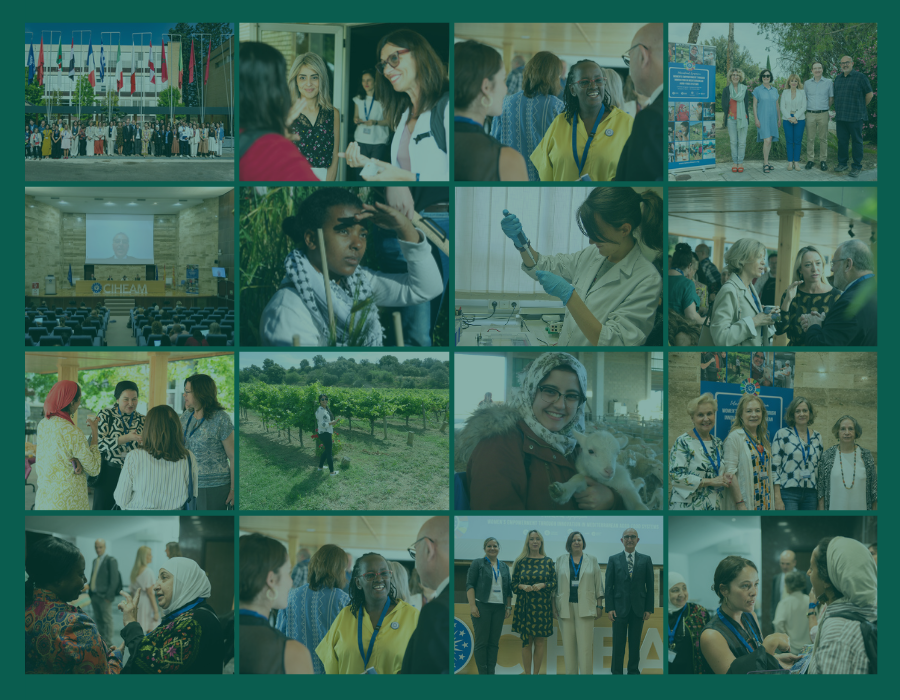
On 4 June 2026, the Union for the Mediterranean (UfM), in partnership with CIHEAM, the FAO and the Spanish Agency for International Development Cooperation (AECID), held online the first meeting of the Regional Task Force on Innovation for Women in Agri-Food Value Chains, officially launching this new coordination mechanism. Bringing together twenty-five representatives from regional and international organisations, development partners and technical institutions, the meeting marked a new step forward in promoting women’s entrepreneurship in agriculture, food and rural areas. The Task Force counts on the active membership of CGIAR, the BETA Technological Centre, the Berytech Foundation, the PRIMA Foundation (Partnership for Research and Innovation in the Mediterranean Area), AUC CEI, CAWTAR (Center of Arab Women for Training and Research) and MedWaves (the UNEP/MAP Regional Activity Centre for SCP).

Conceived as a technical advisory and coordination platform, the Task Force will support the development and implementation of the forthcoming Regional Policy Agenda 2026–2030 on Innovation for Women in Agri-Food Value Chains, together with its associated Roadmap and the 2027 Action Plan. This work builds on the results of the SFS-Med Knowledge Hub (Sustainable Food Systems in the Mediterranean) and feeds into preparations for the Regional Policy Conference on Women Entrepreneurs in the Agri-Food Sector, to be held in Tunis on 28–29 October 2026 — a key milestone for advancing policy dialogue, knowledge exchange and regional cooperation on women’s economic empowerment in the sector.

During this first meeting, participants discussed the methodology proposed by technical experts for developing the Agenda, including a regional mapping exercise to analyse existing initiatives, challenges, opportunities and good practice across the Euro-Mediterranean agri-food field. This mapping will be complemented by stakeholder consultations and interviews, ensuring the policy framework reflects regional needs and experiences.

The discussion highlighted several priority areas for future action: access to innovation ecosystems, finance, technology, skills development, markets and policy support. Participants also stressed the importance of strengthening cooperation among public institutions, international organisations, academia, innovation actors, civil society and the private sector, and discussed criteria for expanding the Task Force’s membership to additional stakeholders. There was agreement on the need for a baseline mapping exercise that integrates a gender-responsive approach, supporting a clear regional monitoring framework geared towards mobilising private-sector actors around access to innovation and finance — building on relevant regional programmes such as Interreg NEXT MED, and drawing on good practice from outside the region, including experiences from Africa and South America.

The launch of the Task Force builds on a series of regional processes and commitments that trace back to that first Symposium in Zaragoza. The initiative was carried forward in October 2025 through a large-scale regional dialogue held in Cairo on Empowering Women Entrepreneurs in the MENA Agri-Food Sector through Social and Technological Innovation, which brought together nearly eighty institutional, technical and economic stakeholders and helped strengthen the capacities of dozens of women entrepreneurs and cooperative leaders. This regional momentum sits within the broader framework of the International Year of the Woman Farmer 2026, proclaimed by the United Nations General Assembly.

Beyond its launch and its presentation at the Regional Policy Conference in Tunis on 28-29 October, the Regional Agenda on Innovation for Women Entrepreneurs in Agri-Food Value Chains will also be brought to the attention of Member States at the next CIHEAM Ministerial Meeting in Rome on 16 November 2026, reflecting CIHEAM‘s longstanding commitment to inclusion and equal opportunities within food systems. It will further be presented at the UfM Regional Platform on Women’s Empowerment physical meeting in Barcelona on 24 November, reinforcing the coherence and impact of initiatives undertaken across the Euro-Mediterranean region. The work of the Task Force will thus help shape the institutional agenda for the end of 2026.

CIHEAM Zaragoza and the Remedia Network discuss multidisciplinary solutions to climate change in the agrifood sector

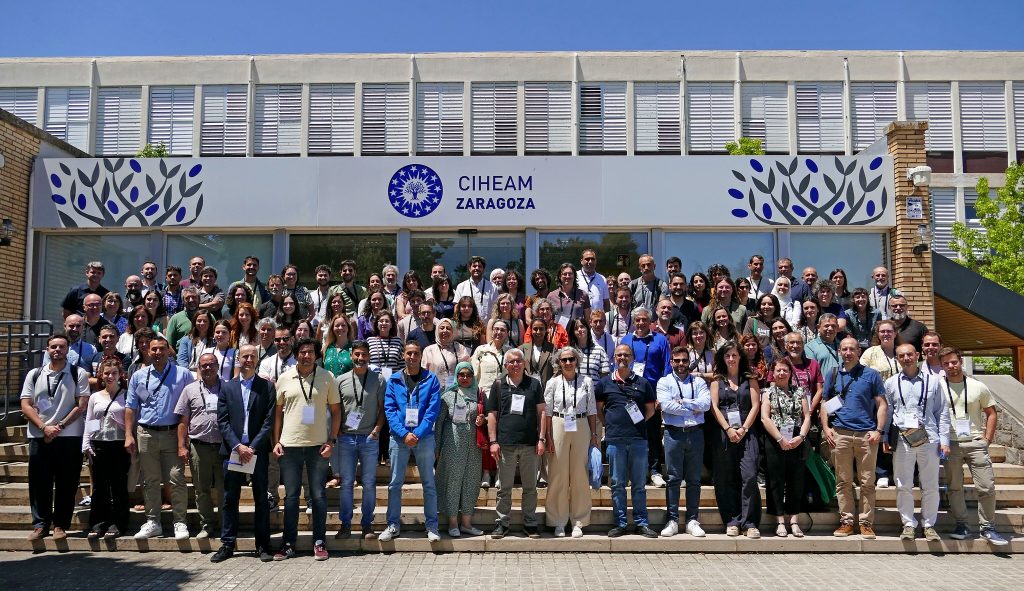
  • CIHEAM Zaragoza and the Remedia Network have brought together more than 100 researchers and scientists from across Europe and the Mediterranean for this year’s double event: an International Seminar on 2 June followed by the XIII Remedia Workshop on 3 and 4 June.
  • The experts participating in the event have highlighted the need to integrate different disciplines and expertise to tackle greenhouse gas mitigation.

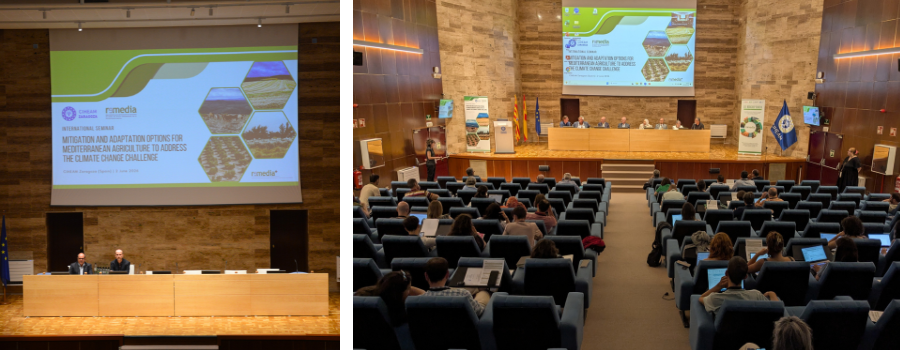
CIHEAM Zaragoza and the Remedia Network, through the Remedia+ project, have brought together more than a hundred experts in the agriculture and environment sector for the international seminar Mitigation and Adaptation Options for Mediterranean Agriculture to Address Climate Change held on 2 June in Zaragoza. Specialists from nine countries across the Mediterranean travelled to the capital city of Aragon to share their expertise on a range of topics including greenhouse gas (GHG) emissions, environmental impact, agriculture practices to enhance carbon sequestration, precision irrigation, animal and plant genetics, livestock feeding, and silvopastoral systems.

The keynote lecture was delivered by María José Sanz, director of the Basque Centre for Climate Change (BC3), who spoke about the multiple challenges faced by the sector: “We need scientists to connect the different fields of expertise”, in reference to the wide range of factors in the agrifood supply chain that can influence the adaptation and mitigation of environmental impact. In her concluding remarks, she recalled the importance of food security: “Concerning climate change, the issues of adapting production or mitigating GHG emissions are clear, but we have to consider the matter of food security and ensure that enough food is produced”.

Sanz went on to say:  “In the past, scientists used to take more of a renaissance approach, but today, research is more focused on specialised, high-quality studies. We are accumulating knowledge but not integrating it. Therefore, seminars like this one organised by CIHEAM Zaragoza and the Remedia Network offer an excellent opportunity for researchers to connect”.

Jorge Álvaro-Fuentes, president of Remedia (the scientific network for greenhouse gas mitigation in the agroforestry sector), stated that the objective of these meetings is “scientific exchange”. This was corroborated by Antonio López-Francos, CIHEAM Zaragoza’s administrator of Cooperative Research Projects and Networks: “We want to show that the problems generated by climate change affect the whole Mediterranean region. We see it every day. Not only is it important to exchange experiences between countries, but also between scientists working in different disciplines within the agrifood sector”.

Three main blocks

The seminar was structured in three sessions of round table discussions. In the first session –­Genetic Resources and Breeding– panellists concluded that “scientists can’t solve problems by themselves”, in reference to the need for other solutions such as technological innovation and appropriate policy measures. The second and third blocks of debate revolved around Natural Resource Conservation (land, water and biodiversity) and Circularity and Input Efficiency.

Over the course of the presentations (over 20), it transpired that there were significant differences in agricultural research between the European Mediterranean countries and northern Africa and the eastern Mediterranean where they are also working on mitigation but are more focused on adapting crop and livestock production. The experts participating in the seminar coincided in the opinion that there are many strategies and practices that can reduce greenhouse gas emissions and at the same time contribute to the adaptation to climate change.

The measures for the mitigation of climate change and adaptation of agriculture and livestock farming were in fact the same in all regions: genetic improvement, study of autochthonous varieties and breeds that are less vulnerable to climatic conditions, soil carbon sequestration through cover crops, and precision farming for agriculture and livestock, use of manure and less use of synthetic fertilisers, minimizing inputs to power irrigation such as diesel or electricity.

Participants visited a field trial in which the Agri-Food Research and Technology Centre of Aragon (CITA) and the Polytechnical University of Madrid are participating to evaluate different application techniques in the field to reduce ammonia losses. This study is run by AgrosceNaLab, a research initiative financed by the National Spanish R&D plan, which aims to assess the potential of crop soils in Spain for nitrogen recycling to limit dependence on external sources of fertilisers.

Annual Workshop of the Remedia Network

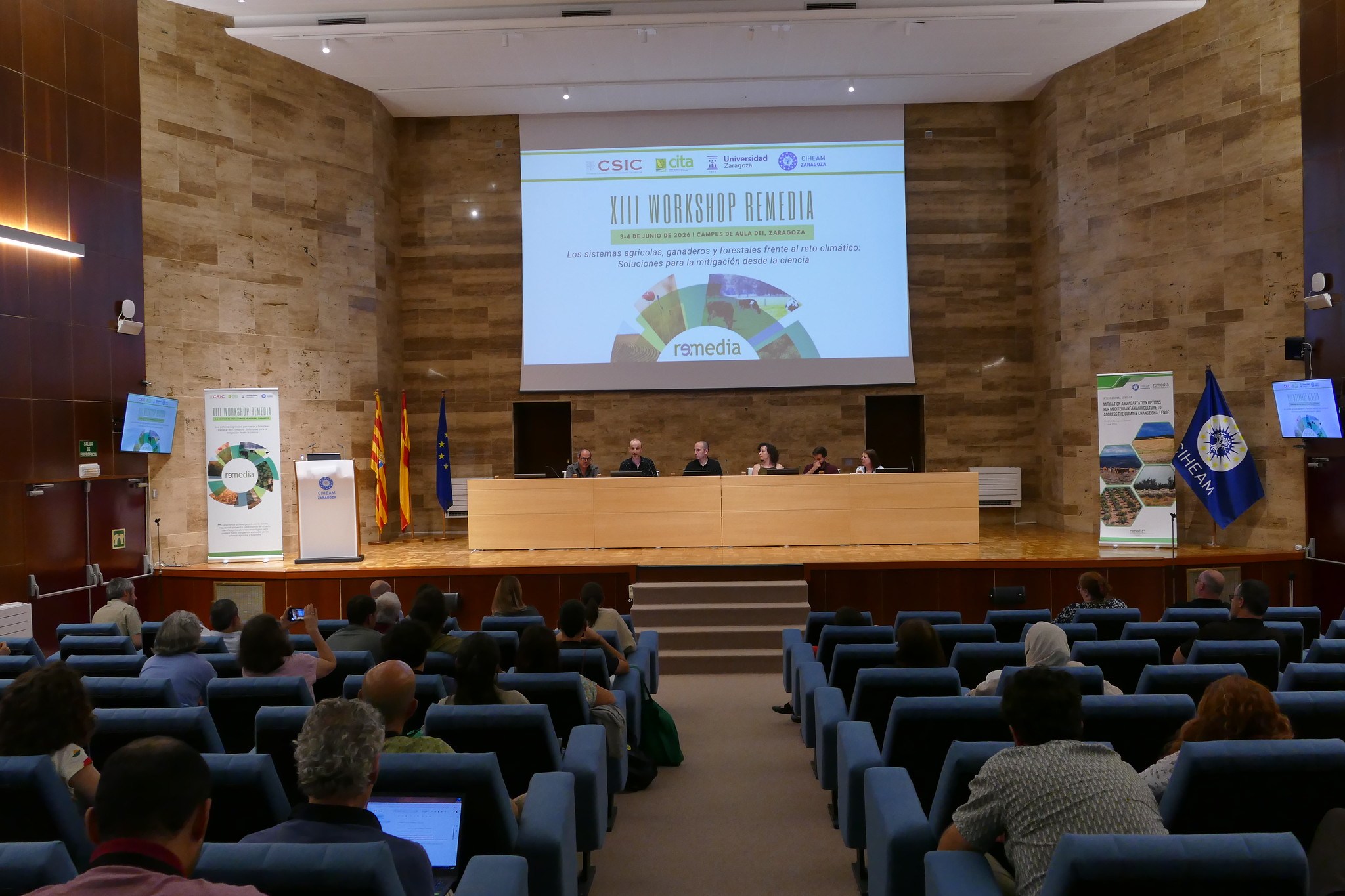
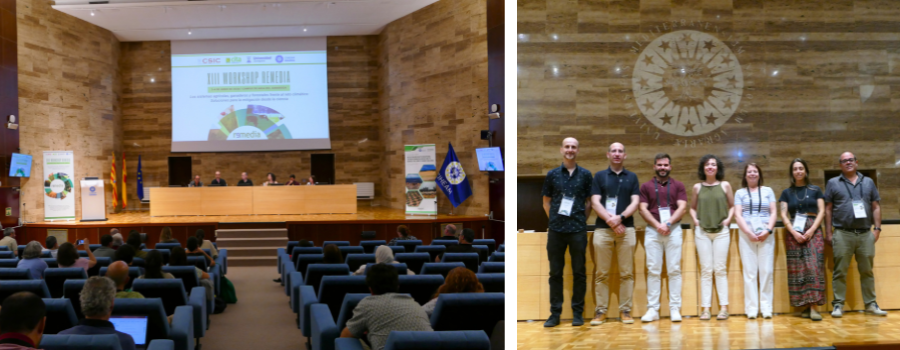
On 3 and 4 June, the Remedia Network held its XIII Annual Workshop, co-organised with CIHEAM Zaragoza, CSIC, CITA and the University of Zaragoza, where 90 papers were presented on research that is currently being conducted on climate change mitigation and adaptation in the agricultural sector. More than half of the studies were linked to agriculture, but there were also projects on livestock farming, forests and socioeconomics.

One project focused on the use of garlic, cinnamon and oregano as livestock feed additives to reduce methane emissions in ruminants. Researcher Alejandro Belanche from the University of Zaragoza explained more about the study: “Garlic offers the most potential but is less palatable when used in high doses and can taint the milk, which is why we are studying blends with cinnamon and oregano”.

The National Institute of Agricultural and Food Research and Technology (INIA-CSIC) presented a study to show the efficacy of the Common Agriculture Policy’s carbon eco-schemes (crop rotation and no tillage). Researcher José Luis Gabriel presented the study “Cover crops and no-tillage practices increase the amount of carbon in the soil”, with conclusions based on comparisons of data collected from 16,000 crop farms across Spain.

 CIHEAM Zaragoza contributes to climate change mitigation and adaptation in Mediterranean agriculture by providing high-level training for technical staff and researchers from its member countries. Since 2020 it has organised 15 advanced courses on these topics and is currently preparing 3 more for 2026. With the launch in 2023 of a Mediterranean network for knowledge exchange on GHG emissions and climate change mitigation in agriculture, CIHEAM Zaragoza also participates in research and innovation projects on the subject, including Re-Livestock (livestock) and CAMA (crops), and is a member of the Global Research Alliance for Agricultural Greenhouse Gases (GRA). Some of these activities have been conducted in collaboration with other international institutions such as ICARDA, the FAO and GRA, as well as with Spanish organisations such as the Remedia Network.

Remedia is the Spanish national scientific network for climate change mitigation in the agroforestry sector. Remedia connects research groups in different geographical and thematic areas, aiming to link research with action, promoting collaborative projects for scientific outreach and technology transfer to achieve sustainable agriculture and forestry management.

Integrated fire management as an approach to building wildfire resilience

  • More than 65 international experts, researchers, and fire service practitioners gathered at CIHEAM Zaragoza for an advanced course on integrated wildfire management, bringing together participants from over 16 countries across the Mediterranean and beyond.
  • The course was jointly organised by CIHEAM Zaragoza, the Forest Science and Technology Centre of Catalonia (CTFC), and the Pau Costa Foundation (PCF), with the collaboration of the EU FIRE-RES project, and the Spanish Agency for International Development Cooperation (AECID).

The Mediterranean region is experiencing increasingly severe wildfire regimes driven by climate change and land abandonment. This has led to a shift from low-intensity fires to highly destructive extreme wildfire events that threaten ecosystems, economies and human lives, particularly in wildland–urban interface areas.

In this context, the advanced course “Tackling Wildfires in the Mediterranean: Towards Integrated Fire Management” was organised by CIHEAM Zaragoza, the Forest Science and Technology Centre of Catalonia (CTFC) and the Pau Costa Foundation (PCF) to strengthen technical knowledge, foster cooperation, and promote a more holistic and operational approach to wildfire management.

The course addressed fire both as a natural ecological process and as a growing socio-environmental risk, highlighting the need to move towards integrated fire management that combines prevention, preparedness, response, restoration and landscape adaptation.

Held from 11 to 16 May 2026, the course brought together more than 65 international experts, researchers and fire service practitioners, who participated in person and online from across the Mediterranean region, including Algeria, Italy, Spain, Lebanon, Morocco, Tunisia and Türkiye, as well as from further afield, including Argentina, the Czech Republic, North Macedonia, Portugal, Romania, Sweden and the United Kingdom.

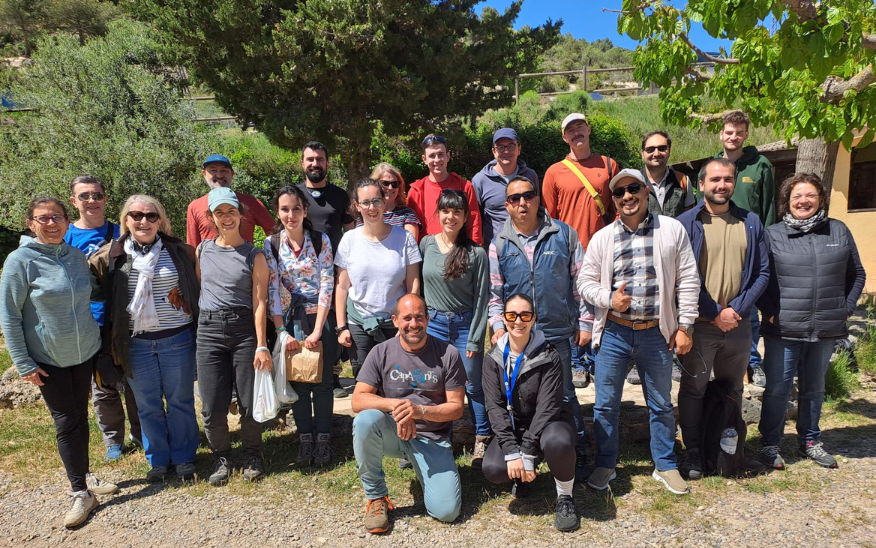
The programme combined scientific lectures, applied case studies, practical exercises, and field visits to strengthen participants’ technical and strategic understanding of wildfire dynamics and management. The technical visit took place in Muntanyes de Prades (Tarragona, Spain) and provided direct insight into prevention planning, silvopastoral practices, and landscape management tools aimed at reducing wildfire risk.

This gathering also created an important platform for international exchange and cooperation. Participants from different Mediterranean and international contexts shared operational experiences and local realities, enriching discussions and promoting collaborative learning. Key conclusions emphasise that understanding fire behaviour, historical fire regimes, and ecosystem dynamics is essential for designing effective management strategies, while tools such as prescribed burning and landscape planning play a central role in reducing vulnerability.

Beyond the technical content, the programme reinforced the importance of regional cooperation between North and South Mediterranean stakeholders and knowledge exchange in addressing increasingly complex wildfire risks under climate change conditions, stressing the importance of governance, policy integration, and cross-sector coordination.

Overall, the course showed strong relevance for Southern and Eastern Mediterranean countries, where climatic conditions are intensifying wildfire risk, and provided participants with transferable tools and methodologies adapted to diverse institutional and ecological contexts.

The CIHEAM Zaragoza advanced course successfully demonstrated the importance of integrated fire management as a strategic framework for addressing current and future wildfire challenges in the Mediterranean region. By combining scientific knowledge, operational expertise, policy perspectives, and practical applications, the course contributed to building capacities for more resilient landscapes and communities capable of living with fire in a changing climate.

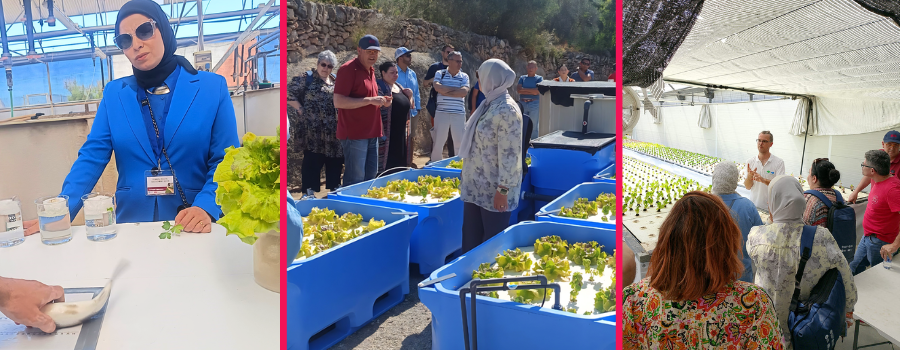
International professionals deepen their expertise in low-impact aquaculture production systems

  • The programme examined three key systems at the forefront of low-impact production: Recirculating Aquaculture Systems (RAS), Integrated Multi-Trophic Aquaculture (IMTA), and aquaponics
  • The advanced course on low-impact aquaculture production systems was held at IRTA from 25 to 28 May 2026

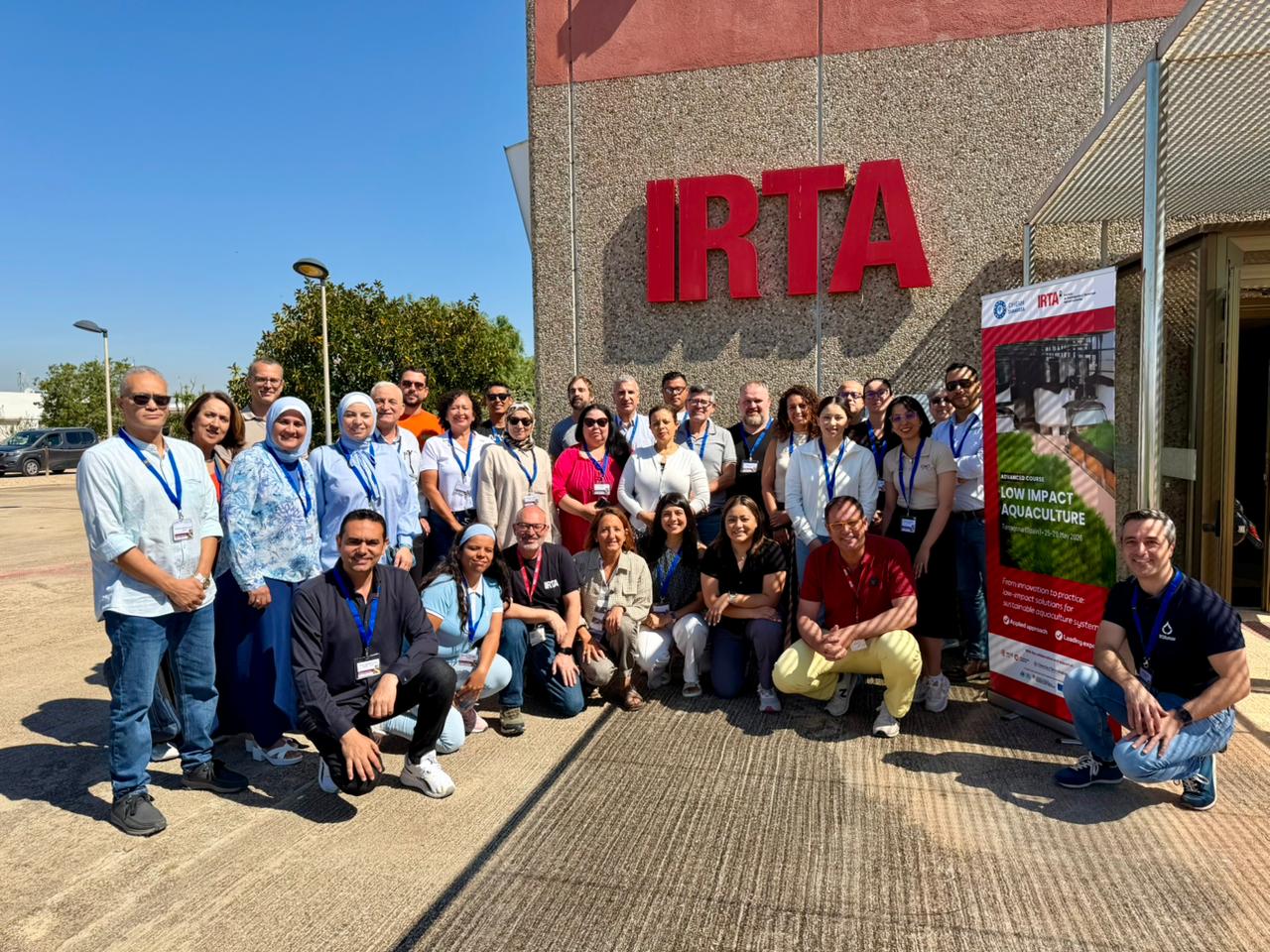
Twenty-three aquaculture professionals from ten countries gathered at IRTA La Ràpita (Tarragona, Spain) from 25 to 28 May 2026 for an advanced course on low-impact aquaculture production systems. Participants from Algeria, Egypt, Italy, Jordan, Lebanon, Mexico, Palestine, Spain, Tunisia and Türkiye attended the four-day programme, jointly organised by CIHEAM Zaragoza and the Institute of Agrifood Research and Technology (IRTA).

The course received support from the Spanish Agency for International Development Cooperation (AECID), Mexico’s Secretariat of Science, Humanities, Technology and Innovation (SECIHTI), the FAO’s General Fisheries Commission for the Mediterranean (GFCM), and the European Maritime, Fisheries and Aquaculture Fund (EMFAF), through the Local Action Group Terres de l’Ebre‘s Aquaponics Demonstration Unit project.

Sustainable systems under the spotlight

Aquaculture products — including marine and inland finfish, bivalves, and shrimps — rank among the most sustainable food sources owing to their low feed conversion ratios, modest carbon footprint, and limited water use. However, sustainability performance varies significantly across production systems and scales, from small family-run farms to large multinational operations.

The programme examined three key systems at the forefront of low-impact production: Recirculating Aquaculture Systems (RAS), Integrated Multi-Trophic Aquaculture (IMTA), and aquaponics. Whilst RAS enables expansion away from environmentally sensitive areas, IMTA and aquaponics prioritise circularity and resource efficiency. Each approach carries distinct technical, economic, and regulatory challenges that the course addressed through a combination of expert-led sessions and practical case studies.

Practical learning and regional exchange

Lectures were delivered by specialists from research institutions (IRTA La Ràpita, CIBNOR, NACER) and companies (BOFISH, Green in Blue, Ingesom). Sessions covered water quality management, feed optimisation, environmental performance assessment, and decision-making tools for adopting low-impact technologies at both farm and territorial level.

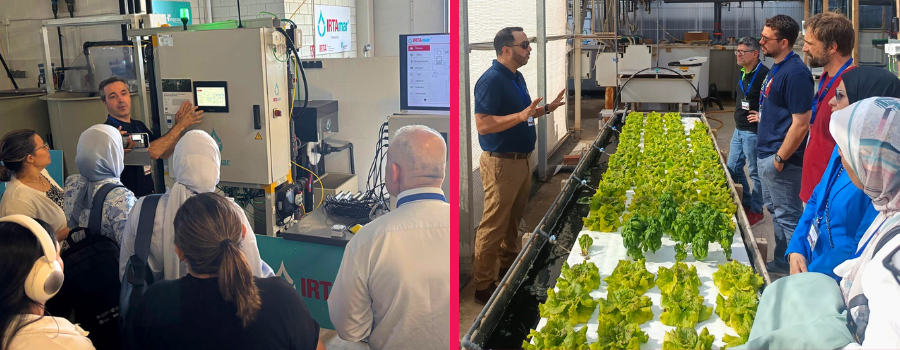
Two technical visits to local aquaculture facilities complemented the programme, alongside presentations in which participants shared insights from their own national contexts and production systems.

Pathways to greater sustainability

Participants left the course equipped with practical frameworks for designing more sustainable, competitive aquaculture operations. Key takeaways included strategies for species and system diversification, improved post-harvest practices, value addition, and shorter supply chains. Discussions also addressed inclusive and circular production models, resource efficiency, and governance mechanisms at local, national, and regional levels.

The course strengthened ties between participants, lecturers and partner institutions, laying the groundwork for future collaborative initiatives in sustainable aquaculture development across the Mediterranean and beyond.

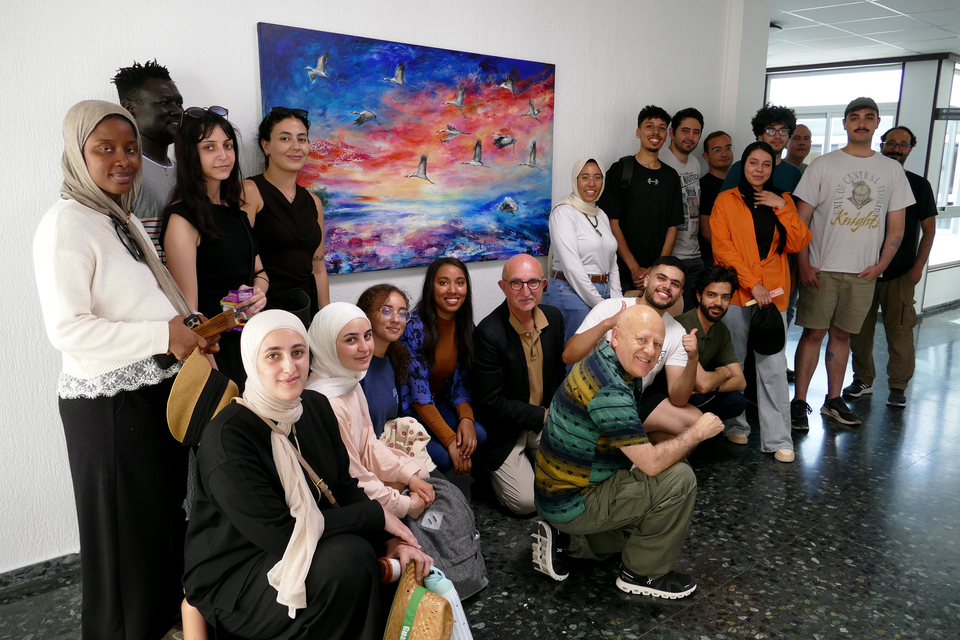
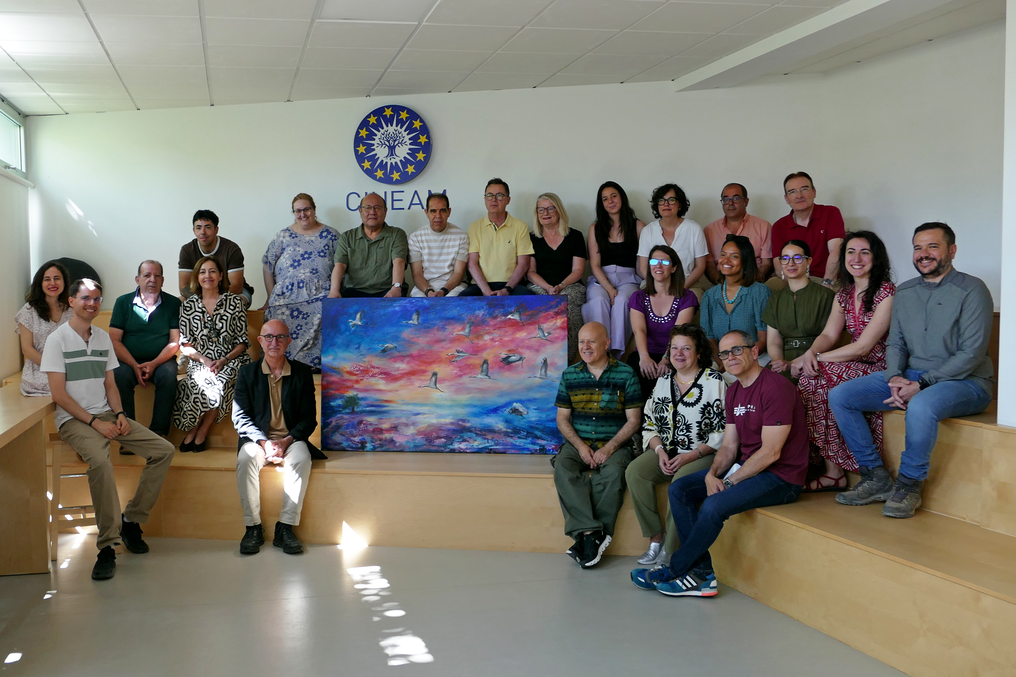
‘El despegar de las grullas’: Art and science converge at CIHEAM Zaragoza

  • The painting symbolises CIHEAM Zaragoza’s mission and its impact on young people and professionals, empowering them to soar to new heights.

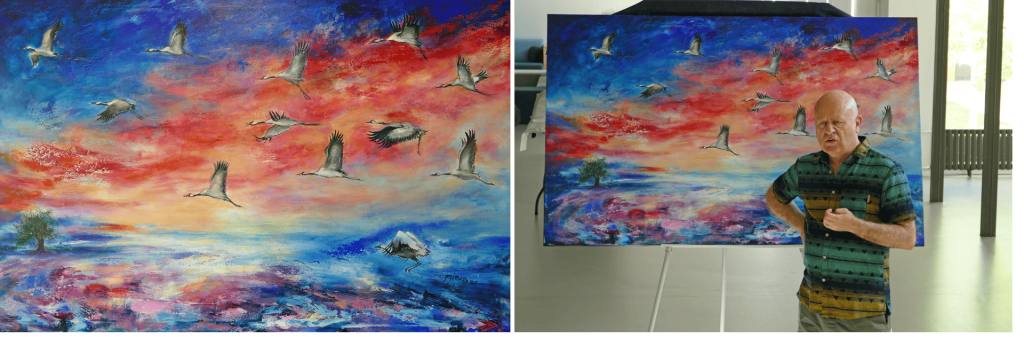
Zaragoza, 1 June 2026.- Aragonese painter Carlos Pardos has unveiled his latest work at CIHEAM Zaragoza: El despegar de las grullas (Cranes Taking Flight). Depicting a flock of cranes ascending into the dawn sky, the painting serves as a powerful metaphor for the cohesion of an international organisation working towards shared goals and for the transformative influence on the young people and professionals who participate in the Centre’s training and research activities, empowering them to soar to new heights.

Raúl Compés, Director of CIHEAM Zaragoza, describes what the painting means for him: “This painting represents the mission of CIHEAM Zaragoza. Cranes provide a compelling metaphor: They travel together, reach great heights, cover vast distances, and cross international borders towards new horizons”.

In large format, the painting combines figurative representation with passages of abstraction in its treatment of sky and water. Pardos captures the dramatic interplay of light and colour at daybreak, portraying the iconic formation flight of cranes departing from Gallocanta lagoon in the province of Zaragoza, the  artist’s birthplace and enduring source of inspiration. The luminous palette and radiant atmosphere that accompany the birds are among the most striking features of the work, now displayed on the premises of CIHEAM Zaragoza.

The artist offers some cultural background to the painting. “Throughout the Mediterranean, cranes have long been regarded as bearers of good fortune and have traditionally been associated with agricultural cycles and rhythms of nature. Their arrival in autumn announces colder weather and rainfall, while their migration towards the North signals the beginning of spring”.

The symbolism of the cranes is closely aligned with CIHEAM Zaragoza’s work in training, research, and cooperation in the scope of agriculture, food systems and rural development. For Pardos, the painting also expresses the importance of integrating creativity in scientific work. “Art, design and creativity are intrinsically linked to research and education”, Pardos explains. “For this reason, I encourage students, researchers and educators, particularly in the age of artificial intelligence, to embrace creativity as an integral part of their work. In a rapidly changing world, creativity has the power to enrich our learning processes”.

With this work, CIHEAM Zaragoza continues to modernise the Centre’s facilities, integrating art and culture into an environment dedicated to training, research, innovation, technical assistance and development cooperation projects.

In his paintings, Carlos Pardos conveys the grace and powerful collective movement of the cranes across the evocative landscapes of Gallocanta lagoon (Zaragoza). Although he trained at the Escola Massana in Barcelona, it was in his native territory that he discovered the visual and emotional universe that would shape his distinctive artistic language. According to art curator Diego Arribas, PhD in Fine Arts and member of the International Association of Art Critics, “Carlos Pardos evokes the migratory spirit of the crane, journeying from figuration to abstraction, from tenebrism to colour, and from painting as representation to painting as a lived experience”. This artistic evolution was acknowledged at the major exhibition El vuelo de la grulla (The Flight of the Crane), presented at the Palace of La Alfranca (Zaragoza). Bringing together one hundred works created over more than a decade, the exhibition attracted a wide audience, earning both critical acclaim and commercial success. For further information, visit carlospardos.com.

CIHEAM Zaragoza hosts PREMIERE and EU-FarmBook training on building stronger multi-actor proposals

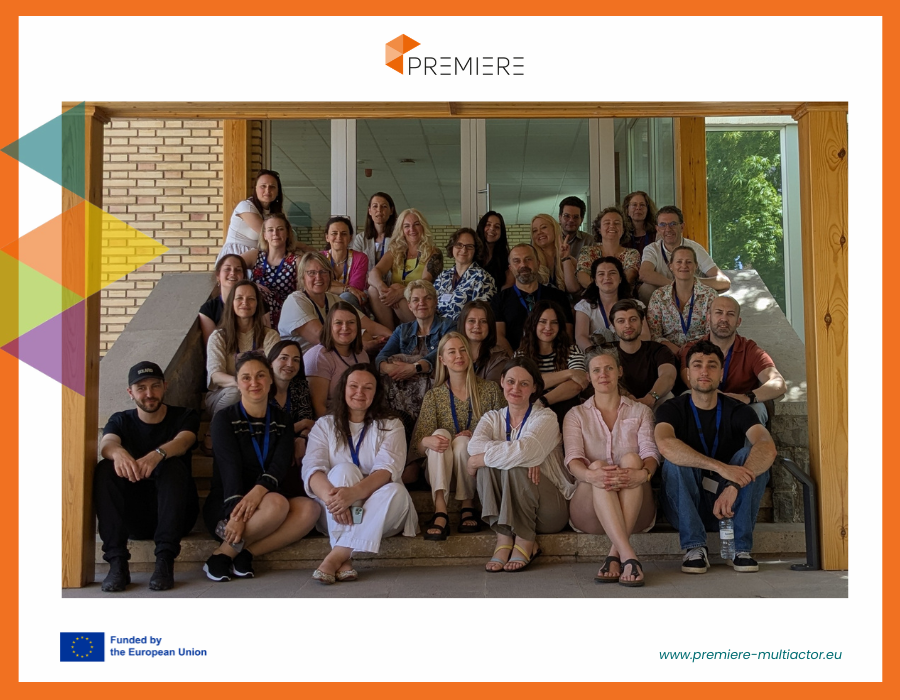
  • CIHEAM Zaragoza has hosted a two-day training organised by the PREMIERE and EU-FarmBook projects, bringing together professionals from universities and research centres across Europe to strengthen their skills in supporting Horizon Europe proposal development.
  • As a partner of the PREMIERE Project, CIHEAM Zaragoza welcomed participants working in research support, knowledge transfer, administration, and international cooperation — all sharing a common goal: building better, more impactful multi-actor proposals.

CIHEAM Zaragoza has hosted the joint PREMIERE & EU-FarmBook training “Maximising Multi-Actor Proposal Success in Horizon Europe”, bringing together research support professionals from universities, research centres, innovation offices and funding organisations from across Europe for two intensive days of hands-on learning, exchange and collaboration.

Held on 26 and 27 May 2026, the training responded to a growing reality within Horizon Europe: successful proposals today require much more than scientific excellence; they must demonstrate meaningful collaboration, stakeholder engagement, co-creation processes and clear pathways to impact.

A total of 26 participants from 14 European countries – including Czech Republic, Estonia, Germany, Greece, Hungary, Latvia, Lithuania, Moldova, Poland, Romania, Slovenia, Spain, Ukraine, the United Kingdom – came together in Zaragoza to explore how the Multi-Actor Approach (MAA) can move from theory into practice.

Understanding the Multi-Actor Approach (MAA) in practice

The training opened with welcome remarks by CIHEAM Zaragoza Director, Raúl Compés, who underlined how PREMIERE aligns with CIHEAM Zaragoza’s broader focus on strengthening capacity building and knowledge exchange in agri-food systems, followed by sessions introducing the complementary roles of the PREMIERE Project and EU-FarmBook within the Horizon Europe.

A central theme throughout the event was the evolving expectation placed on Horizon Europe proposals, particularly under Cluster 6, where projects are increasingly assessed not only on scientific quality, but also on their ability to engage stakeholders meaningfully and ensure the uptake of results.

Participants explored common challenges faced by proposal support professionals across Europe, including how to operationalise co-creation, involve stakeholders earlier in the proposal process, and translate the Multi-Actor Approach into concrete work packages, governance structures and implementation strategies.

One of the highlights of the first day was the Multi-Actor Simulation Game (MAMY), an interactive exercise that allowed participants to experience first-hand the dynamics of building a multi-actor consortium and navigating collaborative proposal design.

Sessions throughout the programme also focused on practical methodologies and tools for designing stronger proposal structures, understanding evaluator expectations, building credible impact pathways, improving stakeholder engagement strategies and strengthening consortium governance and implementation logic.

A recurring reflection throughout the discussions was the distinction between formal compliance with the Multi-Actor Approach and genuine co-creation. Participants highlighted the risk of MAA being treated as a “box-ticking exercise”, rather than a meaningful process that improves both proposal quality and project impact.

From proposal design to knowledge uptake

The second day focused on how multi-actor projects can maximise dissemination, exploitation and long-term uptake of results.

Participants explored the PREMIERE Toolkit and Online Academy, while also learning how EU-FarmBook can support the visibility, accessibility and reuse of project outcomes across Europe.

An interactive co-creation exercise gave attendees the opportunity to test methodologies in practice while providing direct feedback on EU-FarmBook tools and functionalities. Discussions also addressed strategies for producing high-quality practice-oriented outputs and ensuring stronger connections between research results and end users.

Throughout the training, peer exchange played a central role. Participants shared institutional experiences, challenges and approaches to support researchers.

“What stood out in this training is how similar the challenges are across very different institutions. Whether participants are experienced or just building their MAA expertise, the need is the same: moving from formal requirements to real co-creation that strengthens proposal quality and impact. I hope this training is also a step toward building a community of practice that keeps this exchange going beyond these two days” – Irene Gavieiro Agud, PREMIERE Project Manager at CIHEAM Zaragoza

The training concluded with a reflection on how participants can apply these approaches within their own organisations and continue strengthening support structures for Horizon Europe proposal development.

CIHEAM Zaragoza is proud to contribute to the PREMIERE consortium and to support initiatives that strengthen collaboration, innovation and capacity building across the European research community.

For more information: