Agricultural innovation starts with co-creation: How the Multi-Actor Approach is transforming agricultural research

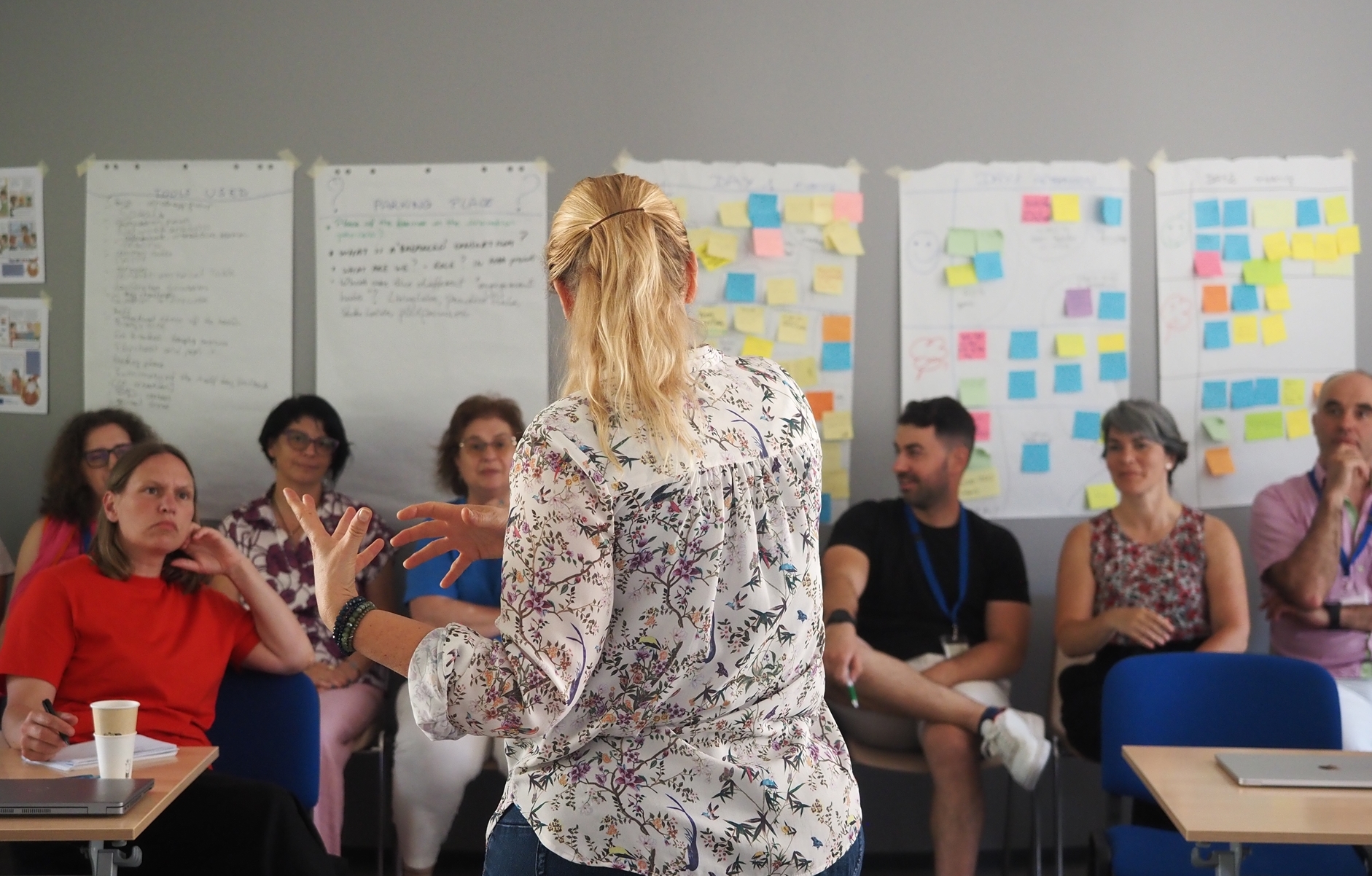
  • In this article, CIHEAM Zaragoza’s project manager Irene Gavieiro addresses how the Multi-Actor Approach demands meaningful engagement across the entire project lifecycle, turning research into practical, lasting impact. 
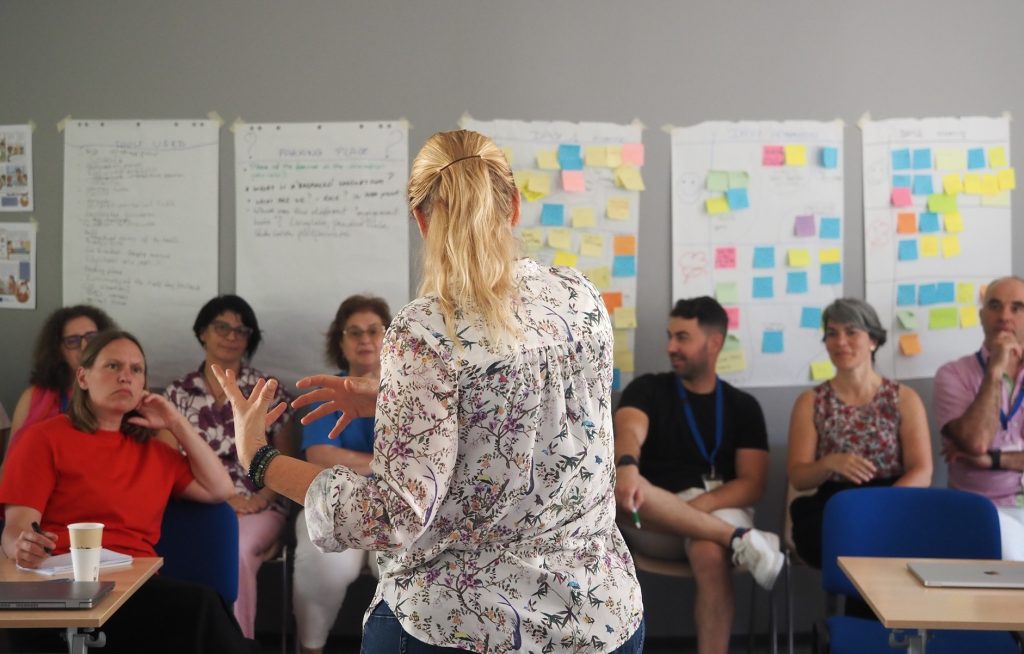
Agricultural innovation is no longer driven only by scientific excellence. Today’s agricultural systems face complex and interconnected challenges that require new ways of generating knowledge and developing solutions. From climate change and biodiversity loss to food security, digital transformation and generational renewal, addressing these issues demands new forms of collaboration that connect researchers, farmers, advisors, businesses and policymakers in the co-creation of solutions that respond to real needs.

For decades, agricultural innovation followed a linear, top-down model: researchers generated knowledge, advisory services transferred it, and farmers applied it in practice. While this approach contributed to technological progress and productivity, it is no longer sufficient to address today’s sustainability challenges. Moreover, the understanding of innovation has evolved beyond a purely technical process: it is now seen as a collaborative process where scientific expertise, practical experience and local knowledge complement one another to develop solutions that are relevant, applicable and responsive to real-world needs.

This shift is reflected in the European Union’s Multi-Actor Approach (MAA), one of the defining features of Horizon Europe Research and Innovation (R&I) projects in agriculture and rural development. Since its introduction under Horizon 2020, the number of multi-actor projects has grown rapidly. Between 2014 and 2024, 437 multi-actor projects were funded under Horizon 2020 and the first years of Horizon Europe. By the end of 2025, more than 600 multi-actor projects received funding. Today, around 40% of Horizon Europe Cluster 6 topics require the MAA, demonstrating that collaboration is no longer an added value but a non-negotiable requirement of agricultural research and innovation.
A new way of working together in research and innovation

The European Commission defines the Multi-Actor Approach (MAA) as “a form of interactive, transdisciplinary and responsible research and innovation” that “aims to make research and innovation processes more co-creative and, thereby, its outcomes more co-owned, reliable, demand-driven and relevant to society”.

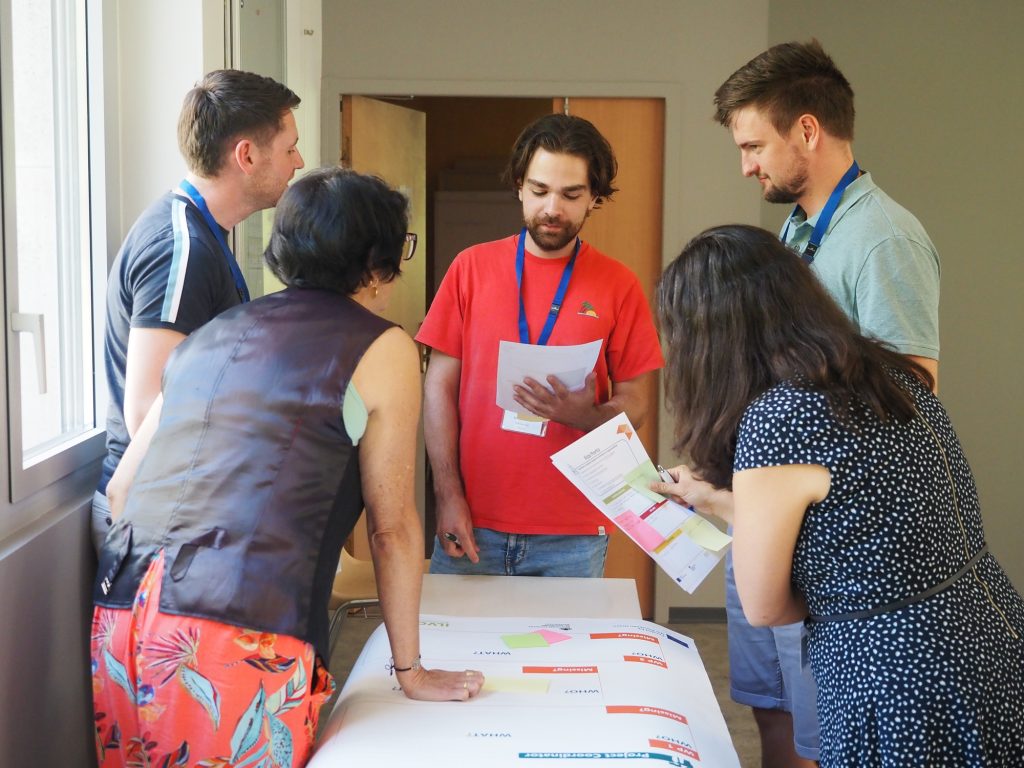
Rather than developing solutions for end users, the MAA promotes research carried out with them. Farmers, advisors, researchers, businesses, civil society organisations and public authorities become active partners throughout the entire innovation process, from identifying needs and designing research to testing, validating and disseminating solutions.

This represents more than a change in methodology; it reflects a different understanding of how innovation happens. The interactive innovation model behind the MAA recognises that knowledge does not flow in a single direction. Instead, innovation emerges through continuous interaction between scientific research, practical experience, market needs and local knowledge. Farmers are no longer seen simply as recipients of innovation, but as innovators who contribute valuable expertise to the research process itself.
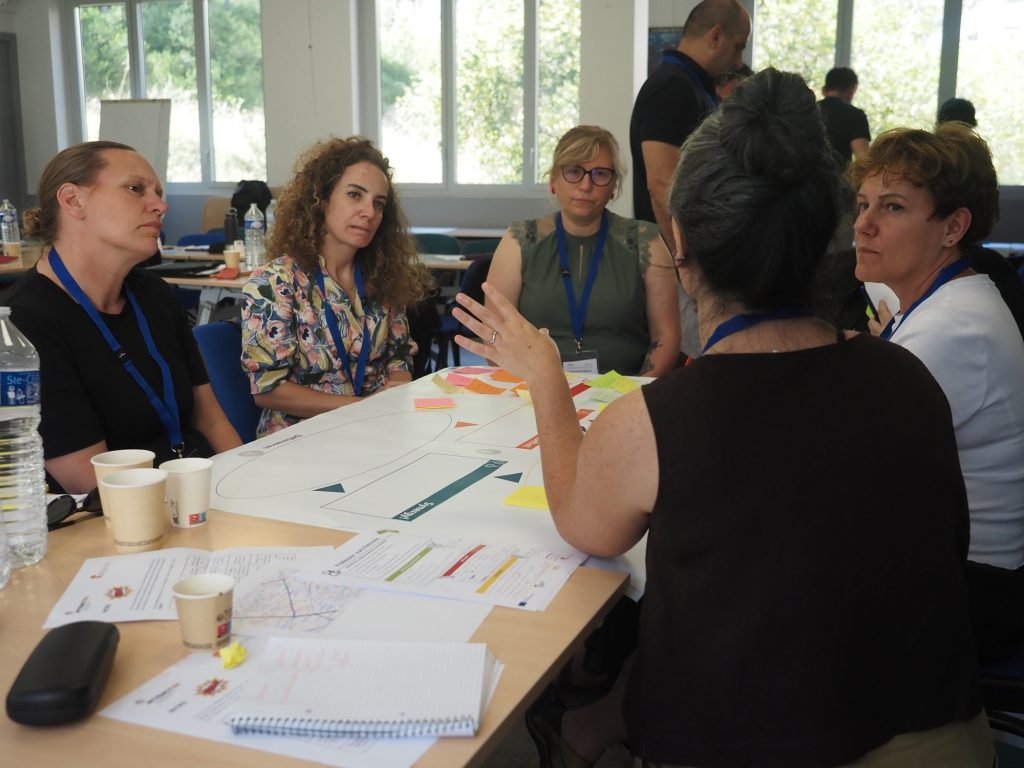
The benefits of the MAA are particularly evident in rural development. Rural territories are diverse systems where environmental, economic and social challenges intersect. When these perspectives are integrated from the beginning, research becomes better aligned with real needs, trust among partners is strengthened and the likelihood that innovations will be adopted beyond the lifetime of a project increases.

This collaborative model also reflects the principles of Agricultural Knowledge and Innovation Systems (AKIS), which promote stronger connections between research, advisory services, education, farmers, businesses and policymakers to accelerate the exchange of knowledge and innovation.

However, despite its growing adoption, the Multi-Actor Approach is still sometimes misunderstood. A common misconception is that involving stakeholders simply means consulting them at different stages of a project. In reality, genuine co-creation goes much further. The MAA requires meaningful engagement throughout the entire project lifecycle: from proposal development to implementation, dissemination and uptake. Horizon Europe increasingly recognises that lasting impact depends not only on scientific excellence, but also on the ability to combine complementary knowledge and translate research into practical solutions.

The PREMIERE Project

As the Multi-Actor Approach becomes an increasingly important feature of Horizon Europe, researchers and innovation actors need practical guidance to apply it effectively. This is where the PREMIERE Project, in which CIHEAM Zaragoza is a partner, comes in.

PREMIERE is a Horizon Europe project that supports researchers, advisors, innovation brokers, policymakers and other actors in designing and implementing high-quality Multi-Actor Approach (MAA) projects. Bringing together partners from across Europe, the project aims to strengthen the skills, knowledge and collaboration needed to develop research and innovation that is more inclusive, practice-oriented and responsive to the needs of agriculture and rural communities.

As part of this mission, PREMIERE has developed the Online Academy, an open-access learning platform that brings together practical resources to support the application of the Multi-Actor Approach. These include the PREMIERE MOOC, a free, self-paced course that guides learners through the principles and practical application of the MAA. The Academy also offers webinars, practical tools, video testimonials, FAQs and other learning resources, providing a lasting hub for anyone interested in strengthening collaborative innovation in agriculture and rural development.

(*) Reference: This article is based on the content of “Module 1: Getting Started with the Multi-Actor Approach (MAA): What Is It and Why It Matters?” of the PREMIERE MOOC, authored by Lisa van Dijk (Eberswalde University for Sustainable Development, HNEE). The module introduces the principles of the MAA, its evolution within Horizon Europe, the foundations of interactive innovation, and the role of Agricultural Knowledge and Innovation Systems (AKIS) in fostering collaborative research and innovation. The module is available through the PREMIERE Online Academy.
CIHEAM Zaragoza at Saudi Water Week and the 7th Conference of the Arab Water Council

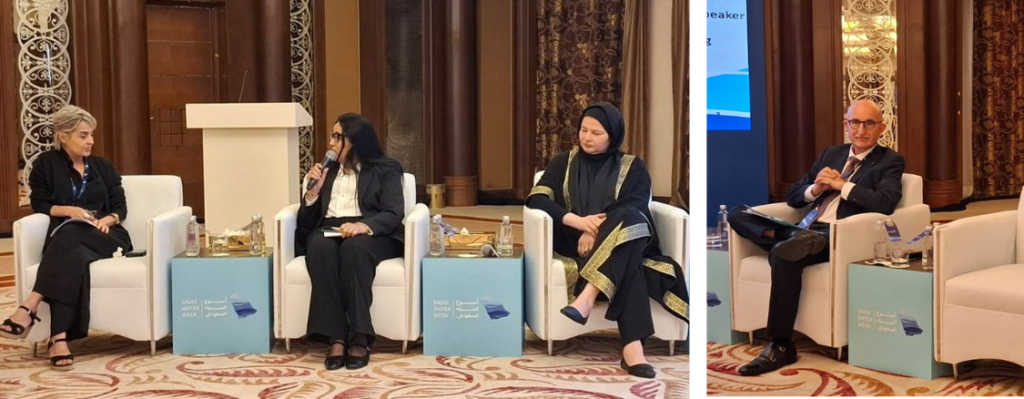
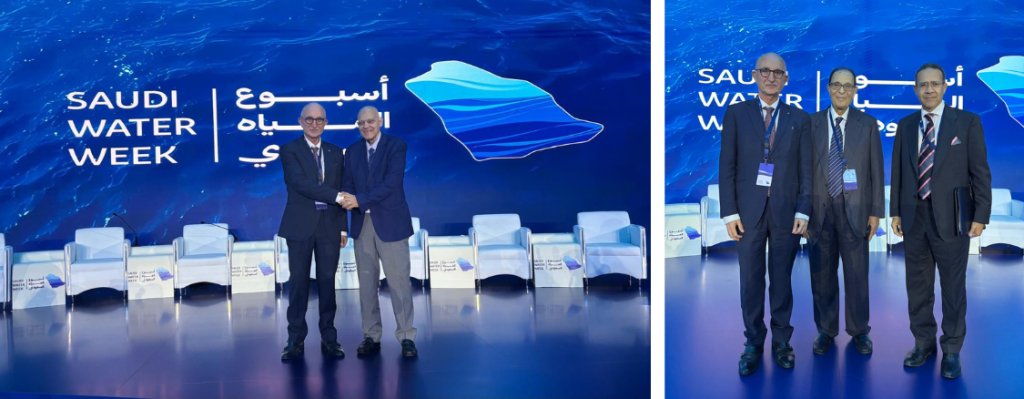
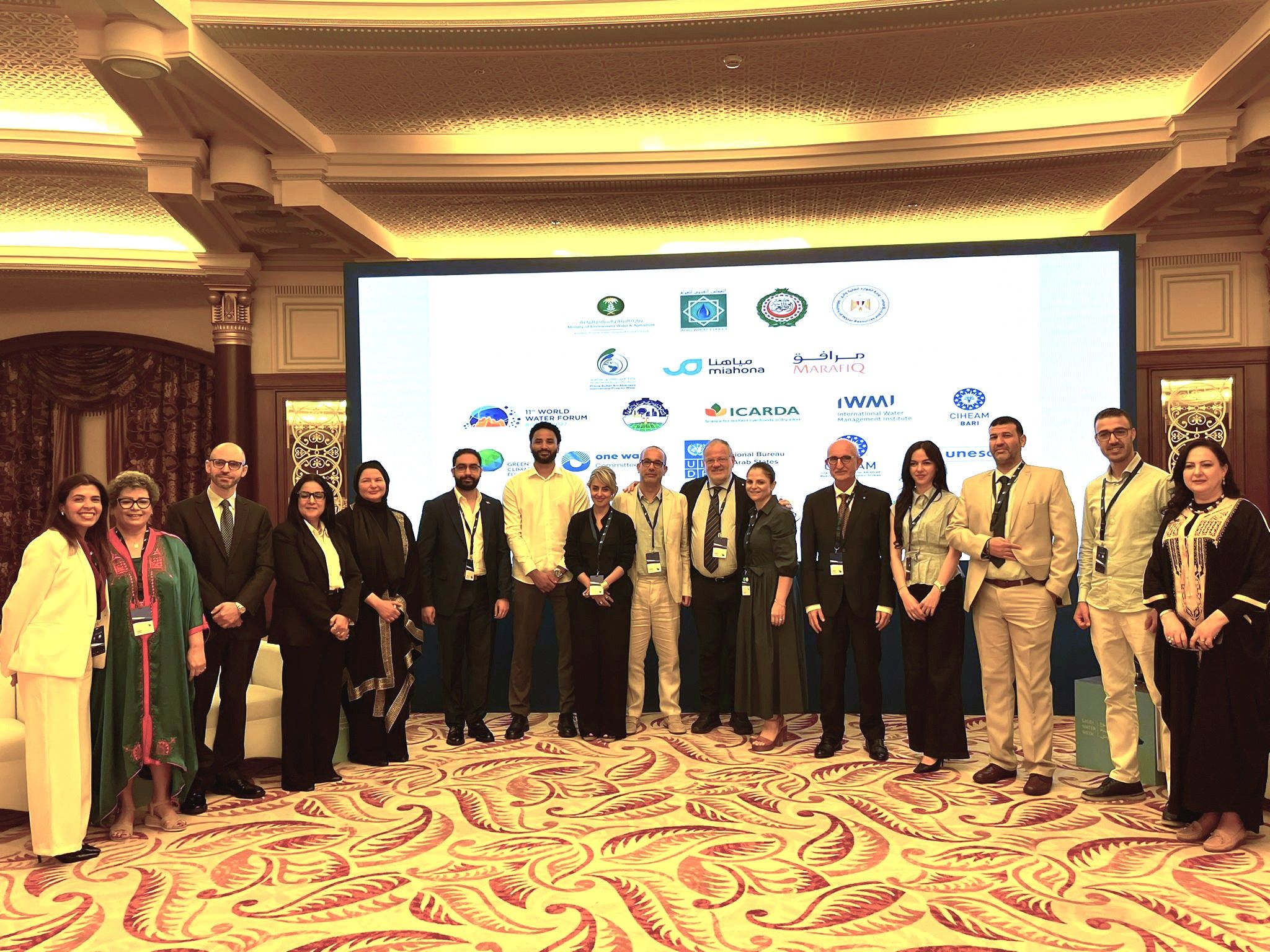
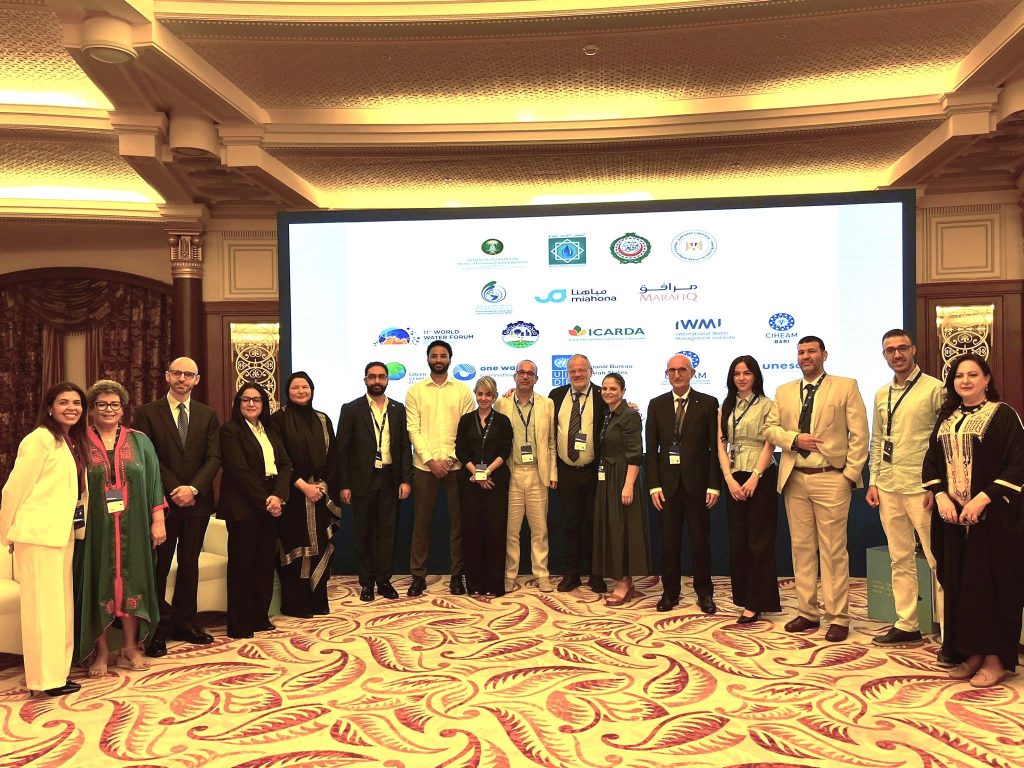
  • CIHEAM Zaragoza took part in Saudi Water Week and the 7th Arab Water Forum Conference, held in Jeddah (Saudi Arabia) from 28 June to 2 July 2026.
  • Director Raúl Compés highlighted Spain’s irrigation model at CIHEAM regional dialogue on water resilience.

CIHEAM General Secretariat convened a high-level regional dialogue entitled ”Community-Led Water Resilience: Water Risk Management and Nature-Based Solutions”, held during the 7th Arab Water Forum in Jeddah (Saudi Arabia), in close collaboration with its four Mediterranean Institutes. The session was organised in partnership with the Arab Water Council and with the support of the Union for the Mediterranean, in a context where water scarcity, climate change and land degradation pose growing threats to agriculture, food security and rural livelihoods across the Mediterranean and neighbouring regions.

The director of CIHEAM Zaragoza — one of CIHEAM‘s four Mediterranean Institutes — Raúl Compés, took part in the dialogue representing the Institute, alongside experts, researchers, regional organisations, innovation actors and practitioners brought together to discuss practical approaches to more resilient and inclusive water management.

During the debate, moderated by Yasmine Seghirate (CIHEAM), Compés explained how it was possible to increase the area under irrigation by adopting methods to improve water use efficiency, reduce fertiliser use and improve quality, thereby creating the conditions for an agricultural revolution characterised by a shift in crops, land consolidation and increased profitability — in turn enhancing the appeal of the primary sector to young people and women.

“In the case of Spain, this process was made possible by setting irrigation as a state policy, with an ambitious public-private funding model and multi-stakeholder, multi-level governance coordinated by the government, in which irrigation communities and water users’ associations play a leading role” Compés went on to say, “This serves as a good example for many other countries that view new irrigation systems as the key strategy for adapting to climate change and strengthening their strategic food self-sufficiency”.

The session also drew on experiences from CIHEAM’s other three Mediterranean Institutes, alongside contributions from the Arab Water Council, the Union for the Mediterranean, Berytech, Planetek Italia and other specialists in water governance, innovation and social inclusion. Discussions moved from strategic perspectives to concrete field experiences, before opening onto a wider debate on the conditions needed to scale up successful initiatives through stronger public policies, regional cooperation and multi-stakeholder partnerships.

This regional dialogue, organised by the CIHEAM General Secretariat, marks a further step in strengthening the Organisation’s engagement on water resilience within the broader Mediterranean agenda. Its conclusions will feed into preparations for the Euromediterranean Water Forum and the next CIHEAM Ministerial Meeting, as well as into international discussions including COP31 in Antalya and the 2027 World Water Forum in Saudi Arabia.

CIHEAM Zaragoza brings together experts from across Spain to discuss challenges facing fruit growing and citrus production

  • More than three days of scientific and technical exchange focused on the main challenges facing fruit growing and citriculture, with particular emphasis on climate change, sustainability and innovation.
  • The programme combined keynote presentations, scientific posters and technical field visits to bring the latest research advances closer to agricultural practice and strengthen collaboration between the scientific community and the sector.

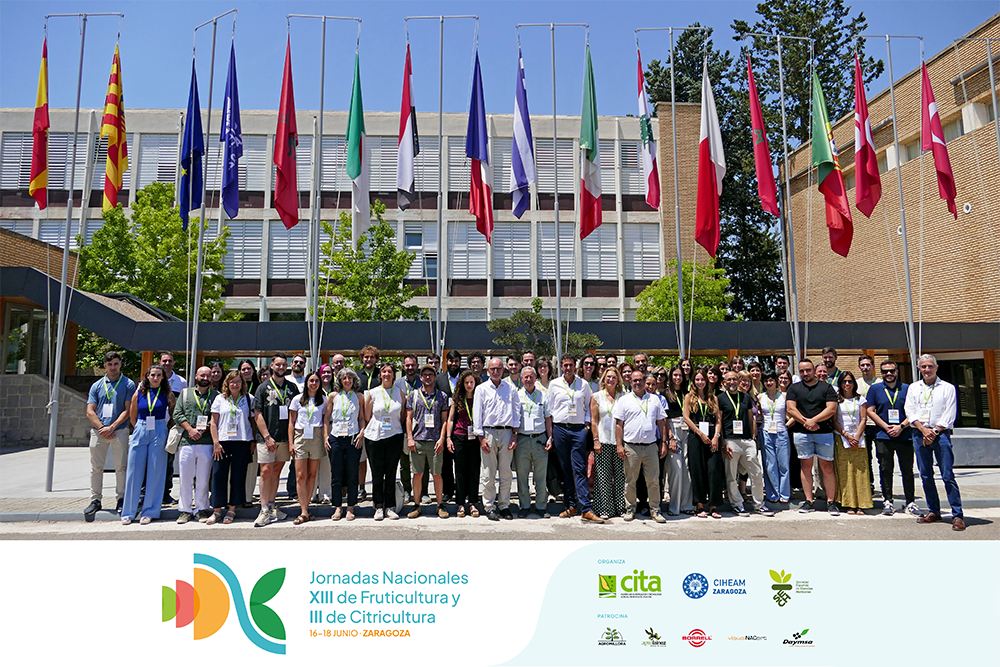
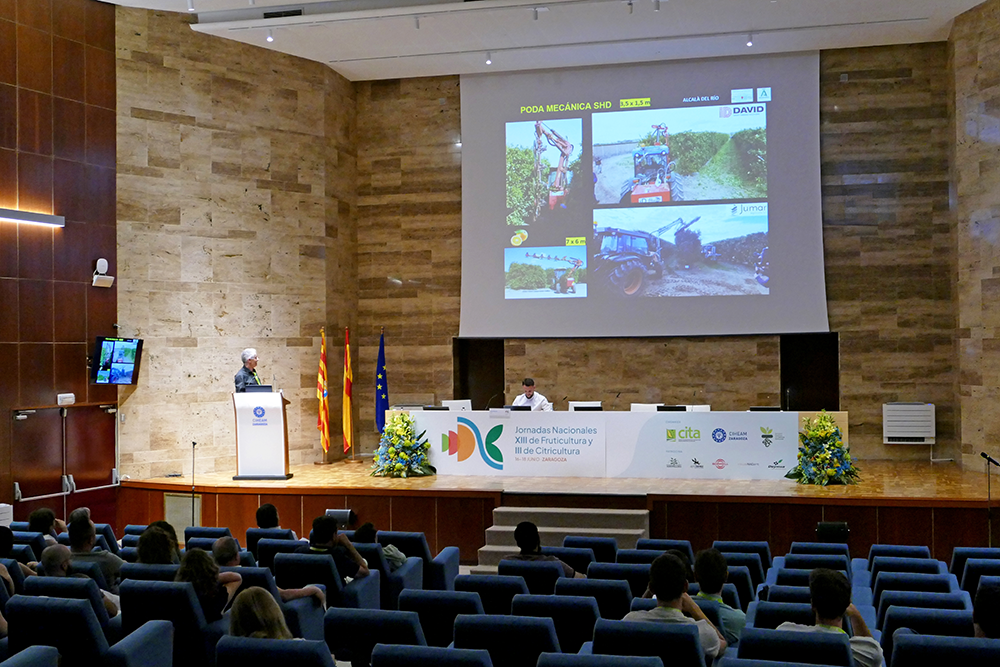
On 16-18 June, CIHEAM Zaragoza hosted the XIII National Congress on Fruit Growing and Citrus Production, jointly organised by the Agri-Food Research and Technology Centre of Aragon (CITA), the Spanish Society of Horticultural Sciences (SECH), and CIHEAM Zaragoza.

Over the three days of the congress, researchers, technical specialists, firms, and professionals from the sector shared their knowledge and experience concerning key challenges currently facing fruit growing and citrus production. The opening ceremony included a moving tribute to José Luis Espada Carbó, acknowledging his contribution to the development of fruit growing in Aragon and Spain.

Rising to the sector’s challenges science and innovation

The programme covered key questions for the future of fruit growing and citrus production, such as adaptation to climate change, plant breeding, plant health, sustainability of production systems, efficient water use, and the incorporation of new technologies.

The event combined scientific presentations delivered in oral communication and poster sessions and contributions from keynote speakers, providing insight into recent developments in fields such as plant material, crop protection, mechanisation, the carbon balance in citrus growing, and new production models.

From scientific debate to field operations

The congress delegates took part in a technical visit to Calatorao, Ricla and Alfamén to see innovations in pistachio and fruit orchards and different examples of production and management systems.

The event combined scientific knowledge, technical experience and direct observations in the field, facilitating the exchange of ideas and experiences between experts to offer solutions for current and future challenges in the sector.

Once again, the congress highlighted the value of creating opportunities for professionals in research, innovation and farming to work together and progress towards a better-prepared, more sustainable and resilient agrifood sector.

CIHEAM Zaragoza participates in the annual meeting of the ActFast project in Hungary

  • ActFast, a Horizon Europe project, drives innovative solutions to face climate change in aquaculture

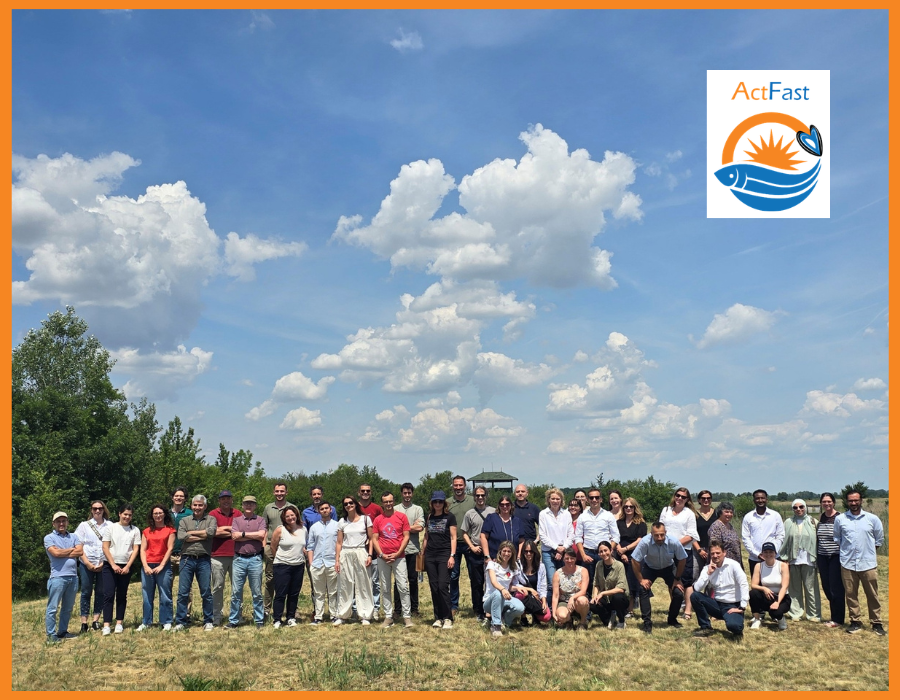
12 June 2026.- CIHEAM Zaragoza has taken part in the annual meeting of the ActFast project (Actions for Climate Transition by developing Future Aquaculture Strategies and Technologies), an Innovation Action of Horizon Europe to promote solutions to face climate change in aquaculture, held on 9 and 10 June 2026 in Szarvas, Hungary.

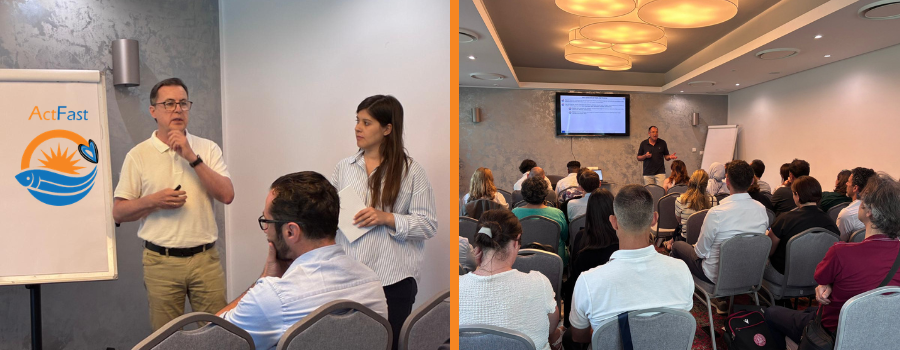
The meeting has brought together researchers in aquaculture and climate change, aquaculture producers, experts in sustainability, technology developers, and innovators from across Europe to pool information about the progress made in the first year of the project and to discuss the next steps of the initiative.

ActFast will map the risks caused by climate change in four European regions (Mediterranean sea, river deltas, inland waters of central and eastern Europe and the north-east Atlantic ocean) combining oceanographic information, satellite observations, prediction models, and the experiences of aquaculture companies.

In the framework of this project, CIHEAM is in charge of coordinating the skill-building and knowledge transfer programme to guarantee the widest outreach possible of the project’s results, conclusions, and recommendations among stakeholders in the aquaculture sector and the general public.

In Szarvas, Bernardo Basurco (CIHEAM Zaragoza) and Giada Minnini (CIHEAM Bari) presented the objectives and tasks of the work package, the activities conducted to date and the work plan for the second year of the project that will include planning of webinars, advanced courses, and training workshops as well as the virtual demonstration platform.

One of the initiatives presented is the virtual immersive training and demonstration platform “The Virtual ActFast Lighthouse”, an learning space that will also serve as a communication tool to transmit the knowledge and innovations generated through the project’s case studies.

Together with capacity-building and skills development, other topics addressed in the meeting included climate change prediction in aquaculture, adaptation strategies, assessment of environmental and social sustainability, circularity in production systems, exploitation of results and implementation by aquaculture companies, as well as the incorporation of knowledge from the different areas of specialisation represented in the project.

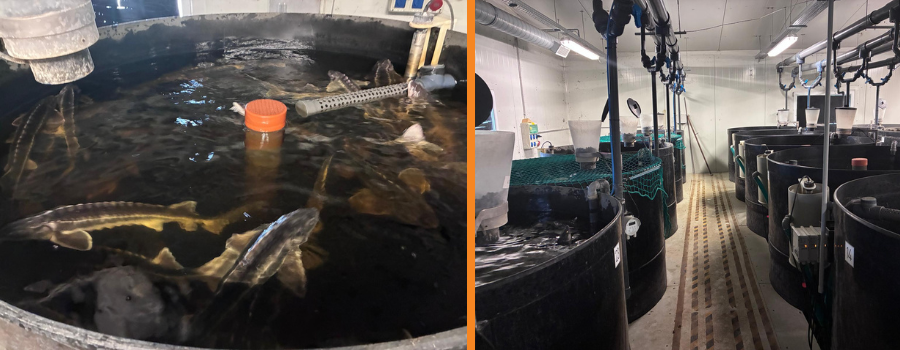
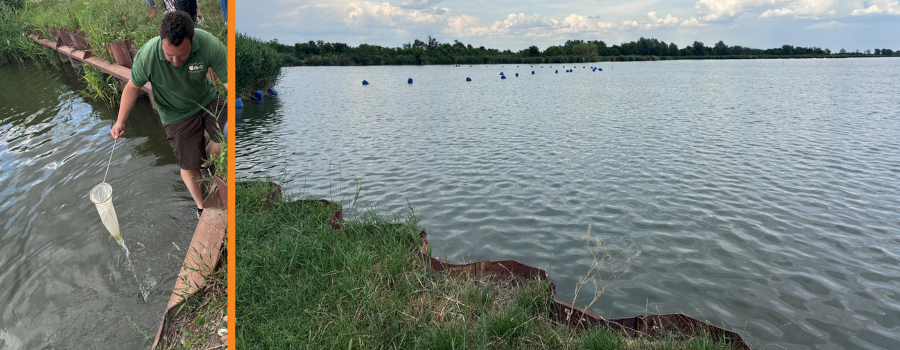
In addition, the attendees made a technical visit to Biharugra fish farm, one of ActFast’s partners that uses semi-extensive carp and catfish production in ponds on land and in inland lagoons to enhance efficient and sustainable management, adapted to the characteristics of the area and to the criteria for nature conservation.

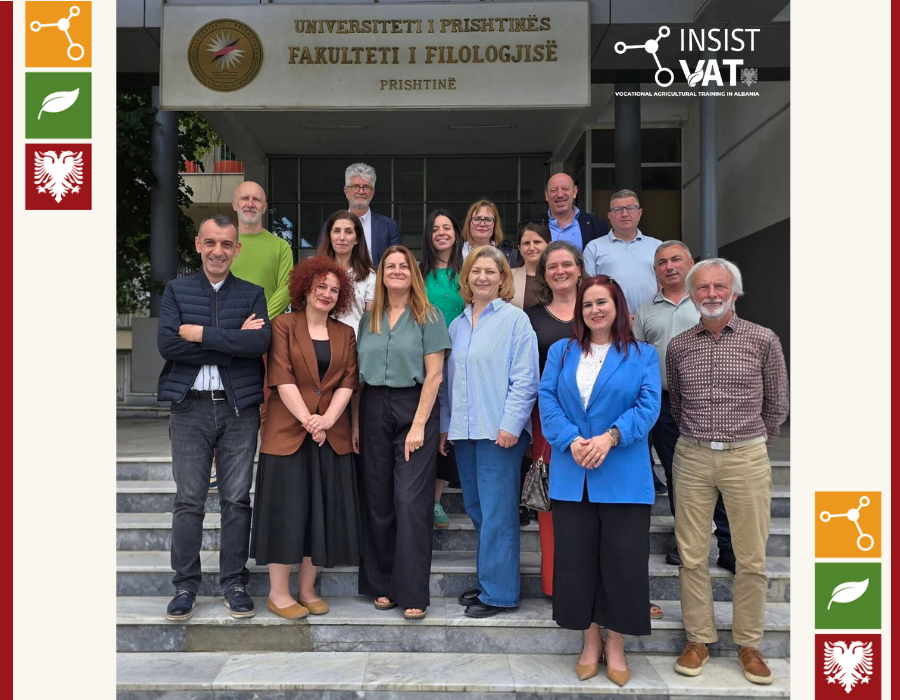
From analysis to action: CIHEAM Zaragoza advances the INSIST-VAT project and strengthens ties with the University of Prishtina

  • CIHEAM Zaragoza took part in the Second Steering Committee Meeting of the INSIST-VAT project, held on 2–4 June 2026 at the University of Prishtina (Kosovo), marking a key transition in the project as needs assessments and benchmarking work are now translated into concrete vocational training plans for farmers, advisors and agricultural institutions in Albania.
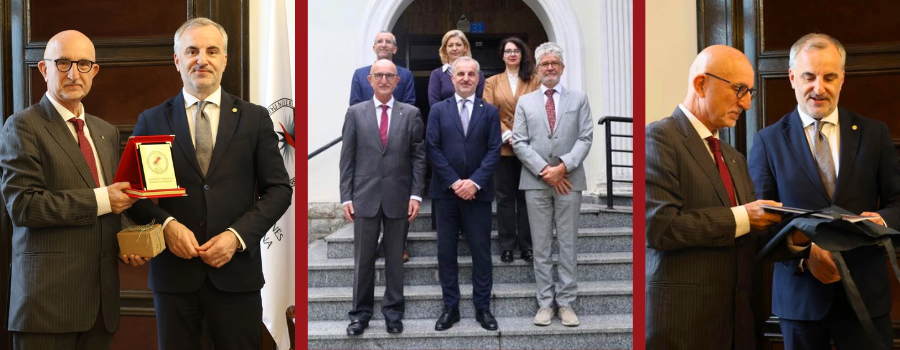
  • In parallel to the meeting, CIHEAM Zaragoza signed an MoU with the University of Prishtina, reinforcing bilateral cooperation in training, scientific research and rural development within European cooperation frameworks.

The INSIST-VAT project

INSIST-VATInstitutional, Sustainable and Innovative Strengthening of Vocational Agricultural Training in Albania — is an EU-funded project aimed at strengthening agricultural vocational training, knowledge exchange and innovation in Albania. The project seeks to establish a permanent training centre at the Agricultural University of Tirana, modernise agricultural advisory systems, and promote sustainable and climate-resilient farming through tailored training programmes adapted to the needs of the sector and the demands of the labour market.

The project brings together eight partners from Albania, France, Kosovo and Spain: the Agricultural University of Tirana, the Centre of Agricultural Technology Transfer Fushë Krujë, and the Agricultural Technology Transfer Centre of Korça (Albania); CIHEAM Montpellier, the Agricultural Technical Coordination Association (ACTA), and the Association for Quality in Research and Higher Education (France); the University of Prishtina (Kosovo); and CIHEAM Zaragoza (Spain).

Second Steering Committee Meeting

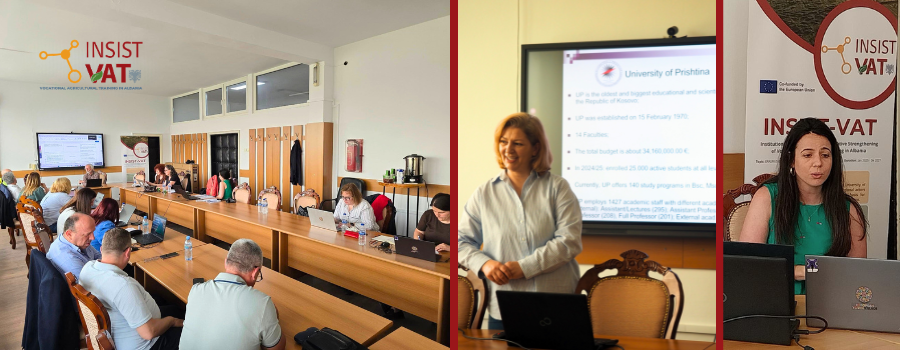
On 2 and 3 June 2026, project partners gathered at the University of Prishtina for the Second Steering Committee Meeting of INSIST-VAT. Over the course of two working days, partners and stakeholders reviewed progress achieved during the first 18 months of the project, assessed training needs identified among farmers, advisors and institutions in Albania, and examined benchmarking findings on European vocational agricultural training systems — all of which will inform the design of the future training centre at the Agricultural University of Tirana. For CIHEAM Zaragoza, leading Work Package 5, this meeting has marked a decisive transition: from analysis to action. The assessments, benchmarking work and needs analyses carried out during the project’s first phase are now being translated into concrete training plans designed to support farmers, advisors and agricultural institutions in Albania.

As part of the Steering Committee programme, partners also visited the Department of Viticulture and Enology of the Ministry of Agriculture in Rahovec, gaining insight first-hand into the sector’s activities and development in Kosovo. The visit provided a valuable occasion for exchanging experiences, strengthening inter-institutional cooperation, and exploring opportunities to advance education, scientific research, and innovation in viticulture and enology.

Second INSIST-VAT Workshop

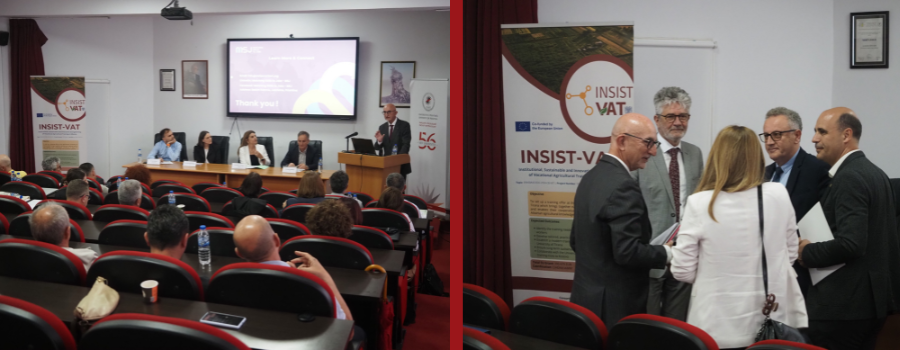
On 4 June, the second INSIST-VAT Workshop — ‘Building Sustainable Agricultural Training Systems: Current Practices, Partnerships, and Funding Opportunities’ — brought together partners and external stakeholders around two thematic round tables.

The first, moderated by Thierry Dupeuble, Director of CIHEAM Montpellier, examined how education, vocational training and advisory services can be better aligned with the evolving needs of the agricultural labour market. Drawing on evidence from farmers and trainers, it explored the integration of digital, green and managerial competencies into training provision, and the alignment of national systems with EU agricultural and rural development policies.

The second round table, moderated by Raúl Compés, Director of CIHEAM Zaragoza, addressed the practical and institutional dimensions of establishing a sustainable vocational training centre. Participants discussed financing models, public–private partnerships, and international funding opportunities, with particular attention to the mechanisms that can ensure the long-term operational viability and institutional relevance of the future centre at AUT.

Memorandum of Understanding with the University of Prishtina

Parallel to the meeting of the Steering Committee, CIHEAM Zaragoza and CIHEAM Montpellier each signed a Memorandum of Understanding with the University of Prishtina, formalising their commitment to strengthening bilateral cooperation. The agreements cover training, scientific research, joint international activities and the development of projects of common interest — including the identification of funding opportunities within European cooperation frameworks and coordinated action on agriculture, food security, rural development and climate change adaptation.

The memoranda were signed by the Rector of the University of Prishtina, Prof. Arben Hajrullahu, Raúl Compés López, Director of CIHEAM Zaragoza, and Thierry Dupeuble, Director of CIHEAM Montpellier.

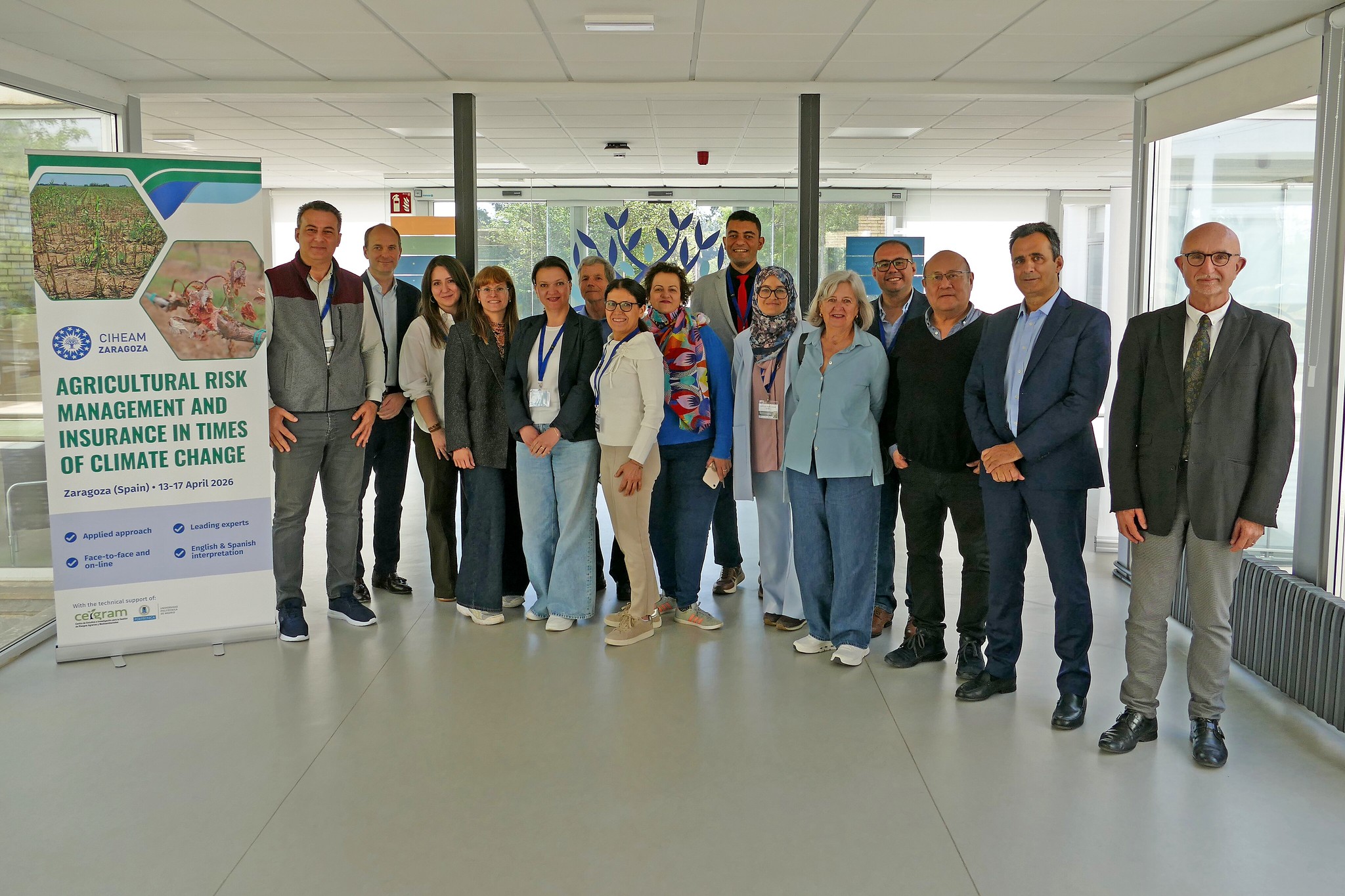
CIHEAM Zaragoza gathers experts from ten countries to discuss agricultural risk management and insurance to face climate change.

  • 27 professionals from 10 countries strengthened their expertise in agricultural risk management and insurance to improve climate resilience in the Mediterranean region.
  • The course combined policy, technical and practical approaches, including remote sensing, climate projections and index-based insurance for managing emerging agricultural risks.

From 13 to 17 April 2026, CIHEAM Zaragoza hosted the advanced course ‘Agricultural risk management and insurance in times of climate change’, with the participation of 27 professionals from ten countries across Africa, Asia and Europe. The activity was organised by CIHEAM Zaragoza with the technical support of the Research Centre for the Management of Agricultural and Environmental Risks (CEIGRAM) of the Polytechnic University of Madrid (UPM).

The participants came from ministries of Agriculture, research centres, universities, public administrations and international bodies in Albania, Algeria, Côte d’Ivoire, Egypt, Hungary, Italy, Lebanon, Spain, Tunisia and Türkiye.

Climate change and risks for agriculture

Climate change is one of the main threats to the sustainability of the agrifood sector. Growing frequency and intensity of extreme meteorological events such as prolonged drought, floods, or off-season frost, threaten farmers’ income and welfare, food security and market stability.

Loss of harvests, reduced productivity, shifts in crop calendars and degradation of natural resources compromise the economic viability of crop farms, especially SMEs. These effects, together with the volatility of agricultural prices, increase uncertainty in terms of future income.

In this context, agricultural insurance is a fundamental instrument to protect producers against losses associated to adverse climatic phenomena, pests and diseases. In the Mediterranean region, they play a key role in risk management, enabling farmers to transfer part of the economic risk related to agricultural activity and help to sustain their income.

Specialised training for decision-makers and professionals in the sector

The course provided advanced knowledge on agricultural risk management, addressing the design, implementation and evaluation of insurance systems adapted to the conditions of the Mediterranean region.

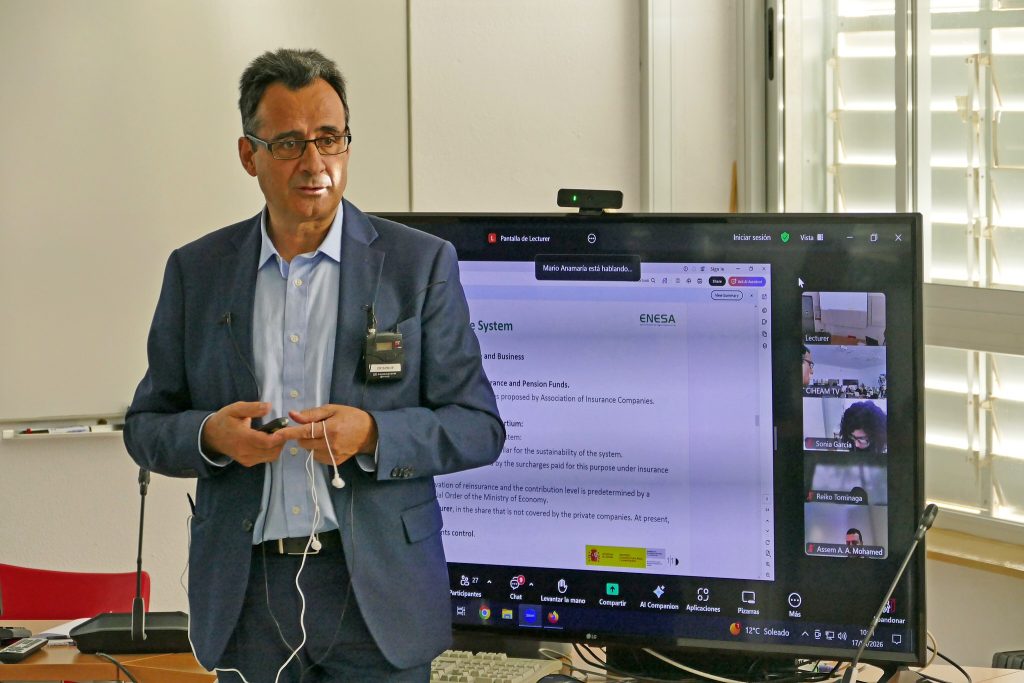
The programme was delivered by specialists from the research centre CEIGRAM, the Spanish group of insurance bodies Agroseguro, the Caisse Tunisienne d’Assurances Mutuelles Agricoles (CTAMA), Hohenheim University, the Spanish state agency for agricultural insurance (ENESA) and the agrifood cooperative Cooperatives Agroalimentàries de Valencia.

Over the five days of the course, participants analysed the main risks affecting agriculture, studied a range of management strategies and explored the potential of new technologies to enhance the evolution of agricultural insurance.

Practical sessions on remote sensing, climate and indexed insurance

The training combined theoretical sessions with practical exercises. The programme covered various risk management strategies including risk layering, adaptation, prevention and transfer. Participants gained insight into the steps and options for implementing national agricultural insurance systems.

During the practical exercises, participants worked in groups on data based on remote sensing and climate projections and on the development of index-based insurance, in particular:

  • Application of remote sensing to agricultural risk management.
  • Use of climate projections for agroclimatic risk evaluation.
  • Design of indexes for agricultural insurance.

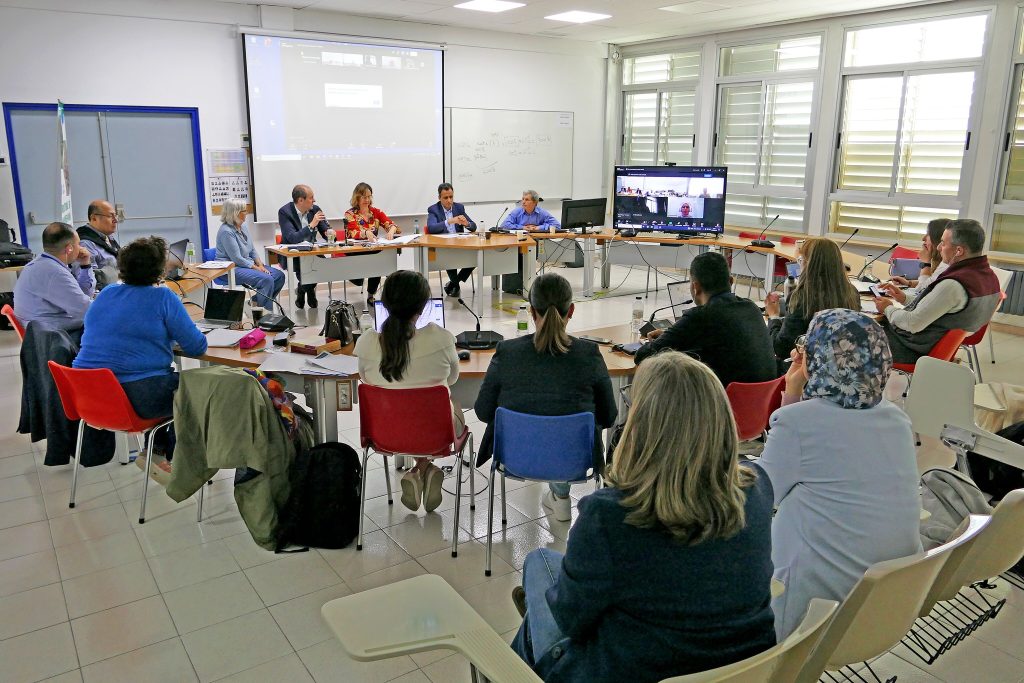
The programme also included a round table discussion where panellists analysed the main challenges and opportunities for agricultural insurance in the Mediterranean region.

Strengthening skills for a more resilient agriculture

In this training event, CIHEAM Zaragoza and CEIGRAM reinforced their commitment with capacity-building for professionals with decision-making responsibilities in the Mediterranean region.

The training contributes to more sustainable and resilient agricultural systems in the context of climate change, favouring practices related to efficient water use, soil conservation, and adoption of better-adapted crops to emerging climatic conditions.

Furthermore, this type of training initiative generates a positive impact on rural communities by supporting tools that help to protect small and medium-scale farmers, who are particularly vulnerable to climate risks.