CIHEAM Zaragoza takes part in the Ambassadors’ Luncheon in Paris

  • Organised by CIHEAM and the Embassy of Spain in France, the high-level meeting brought together 18 representatives from the diplomatic delegations in France of Mediterranean countries
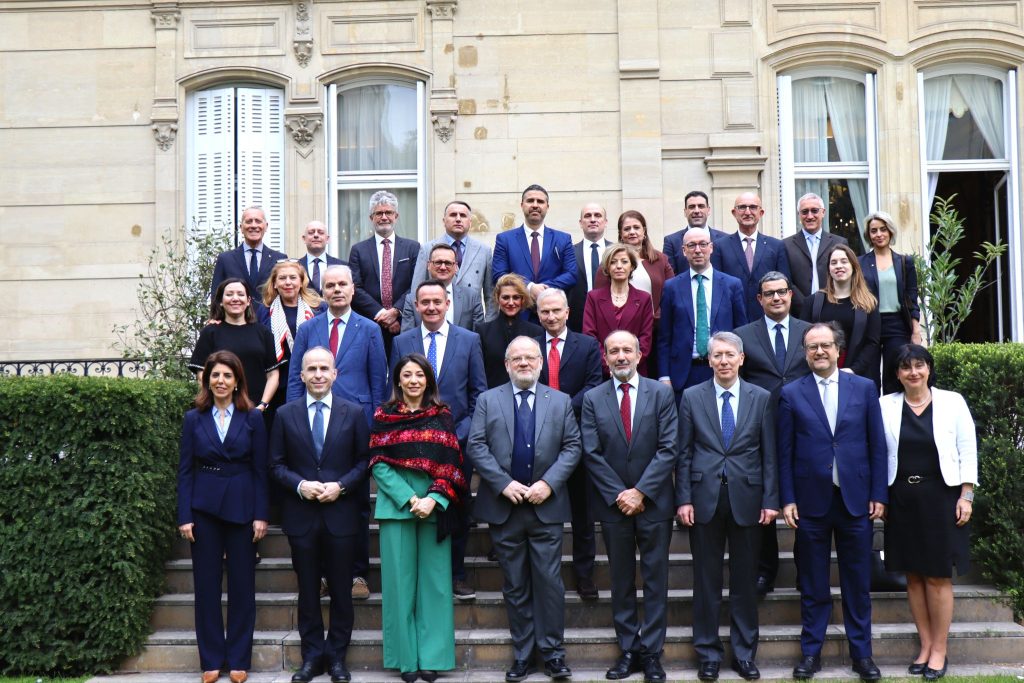
Residence of the Ambassador of Spain H.E. Mr Victorio Redondo Baldrich

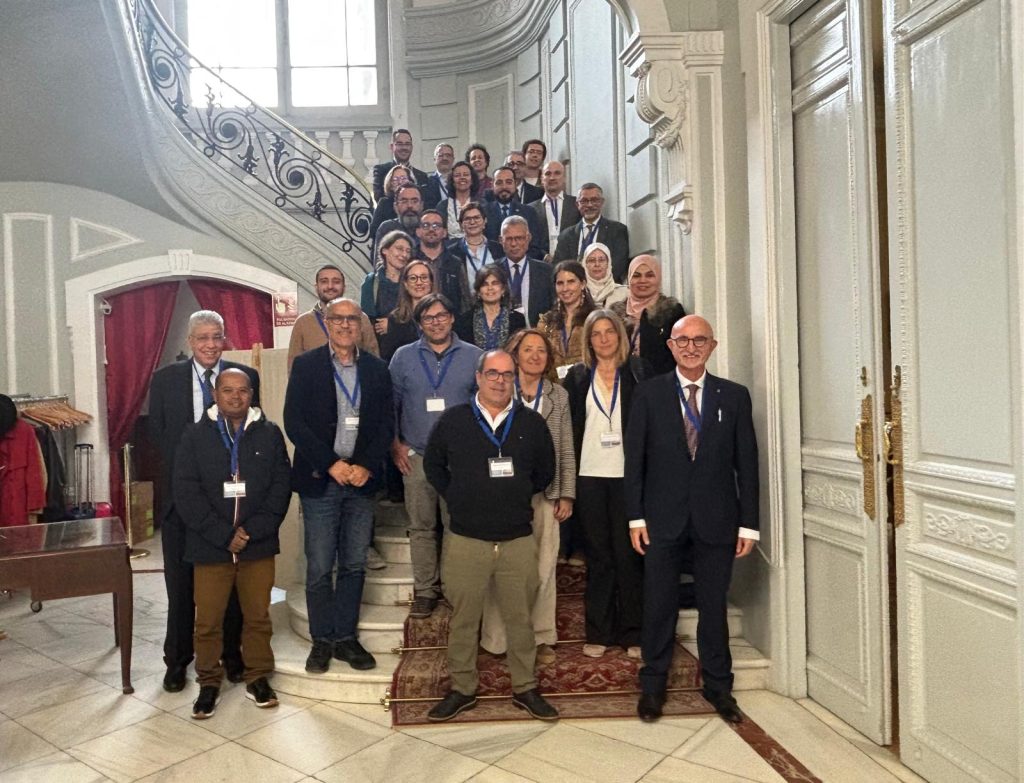
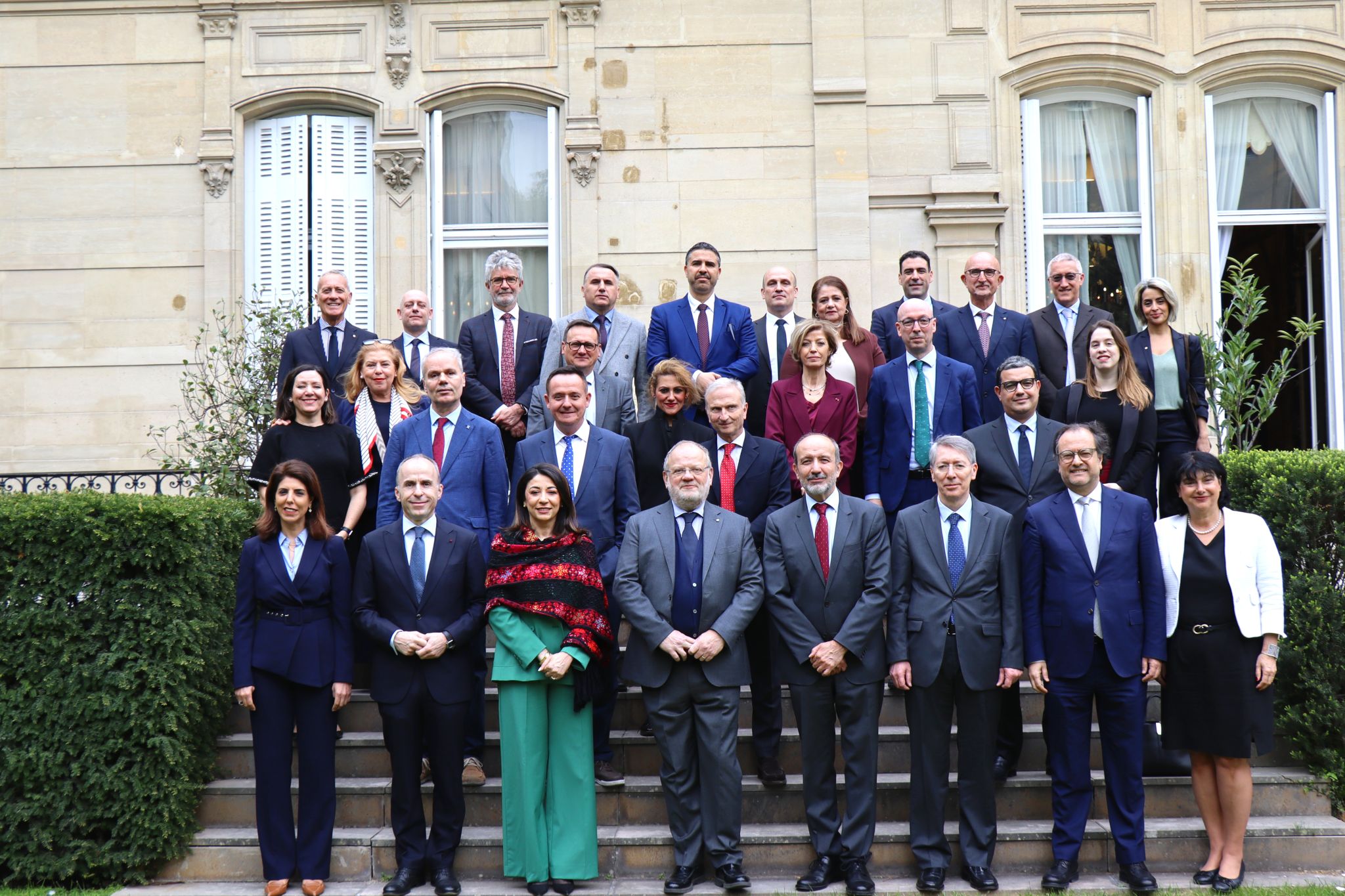
CIHEAM Zaragoza took part in the second edition of the Ambassadors’ Luncheon on 15 April 2026 in Paris, organised by CIHEAM and the Embassy of Spain in France. Building on the dialogue initiated in 2025, this high-level meeting reinforced CIHEAM’s role as a key actor for consultation and cooperation in the Mediterranean.

The event, chaired by the Spanish Ambassador to France, Victorio Redondo Baldrich, brought together 18 representatives from the diplomatic delegations in France of Mediterranean countries, providing a conducive environment for in-depth discussions on the major challenges shaping the future of the region.

Need for multilateral dialogue

Conversations focused on the role of specialised agricultural training, the transition of agri-food systems, sustainable water management and adaptation to climate change, with special attention to the need for multilateral dialogue in support of peace.

Raúl Compés, director of CIHEAM Zaragoza, presented an overview of the Institute’s main activities and projects, including gender-related initiatives and women’s empowerment in agriculture.

The meeting also offered an opportunity to reflect on the priorities of the 13th CIHEAM Ministerial Meeting, scheduled to take place in Rome in November 2026, which will represent an important milestone in reaffirming the collective commitment to sustainable agri-food systems.

Strengthening Euro-Mediterranean relations

Particular attention was given to the opportunities for Mediterranean countries engaged in a process of rapprochement with CIHEAM, seen as a significant step forward in strengthening Euro-Mediterranean relations.

Beyond the thematic exchanges, this second edition confirmed the value of regular dialogue between CIHEAM and diplomatic missions. It enabled the identification of common ground, the exploration of new avenues for cooperation, and the strengthening of collective momentum in favour of a more united, resilient, and prosperous Mediterranean.
CIHEAM Zaragoza travels to the Casa Árabe to take part in the workshop ‘Tunisian Talent in Spain’

  • The event promoted the integration of talent and the creation of synergies between Tunisia and Spain in strategic sectors.

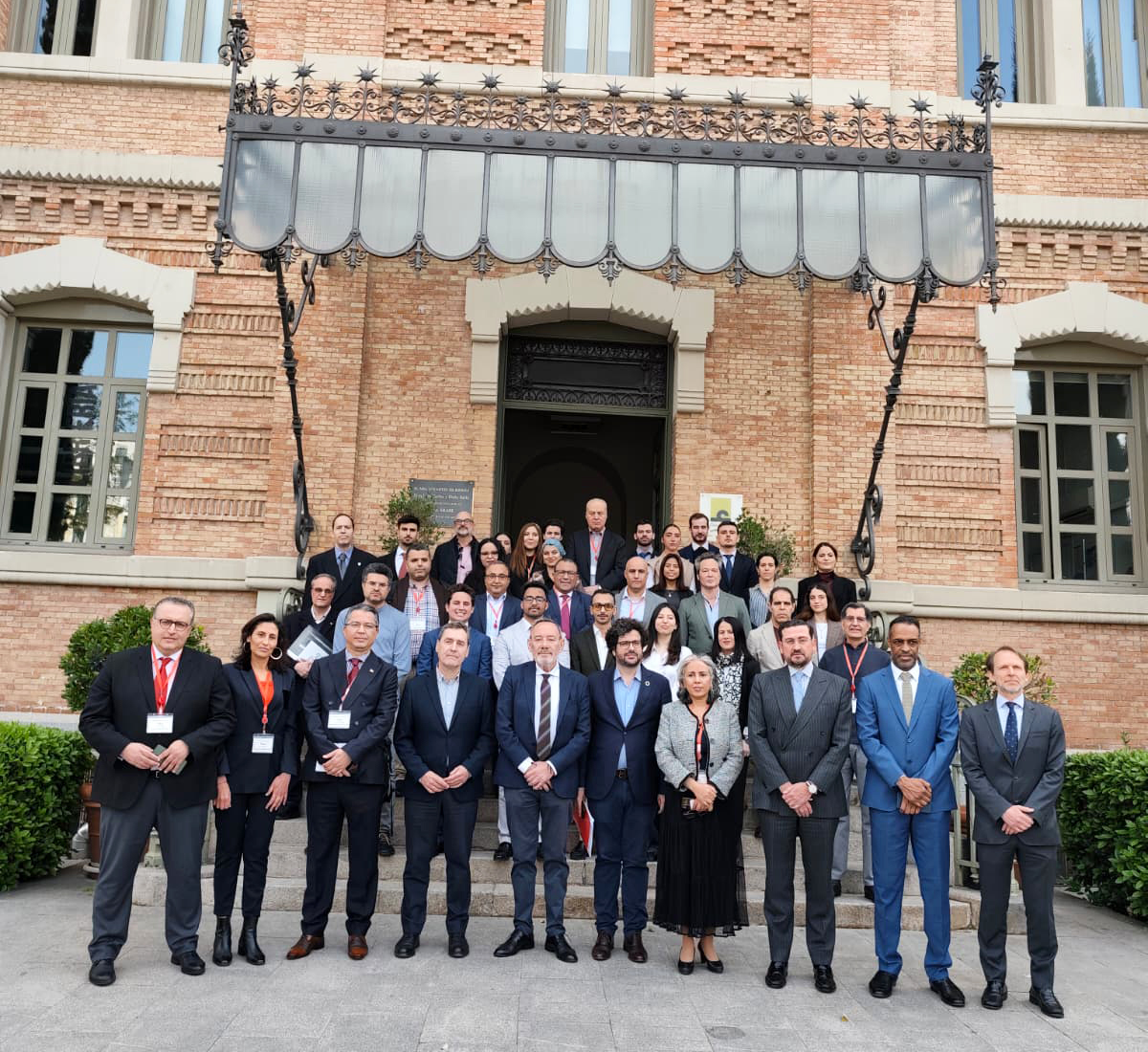
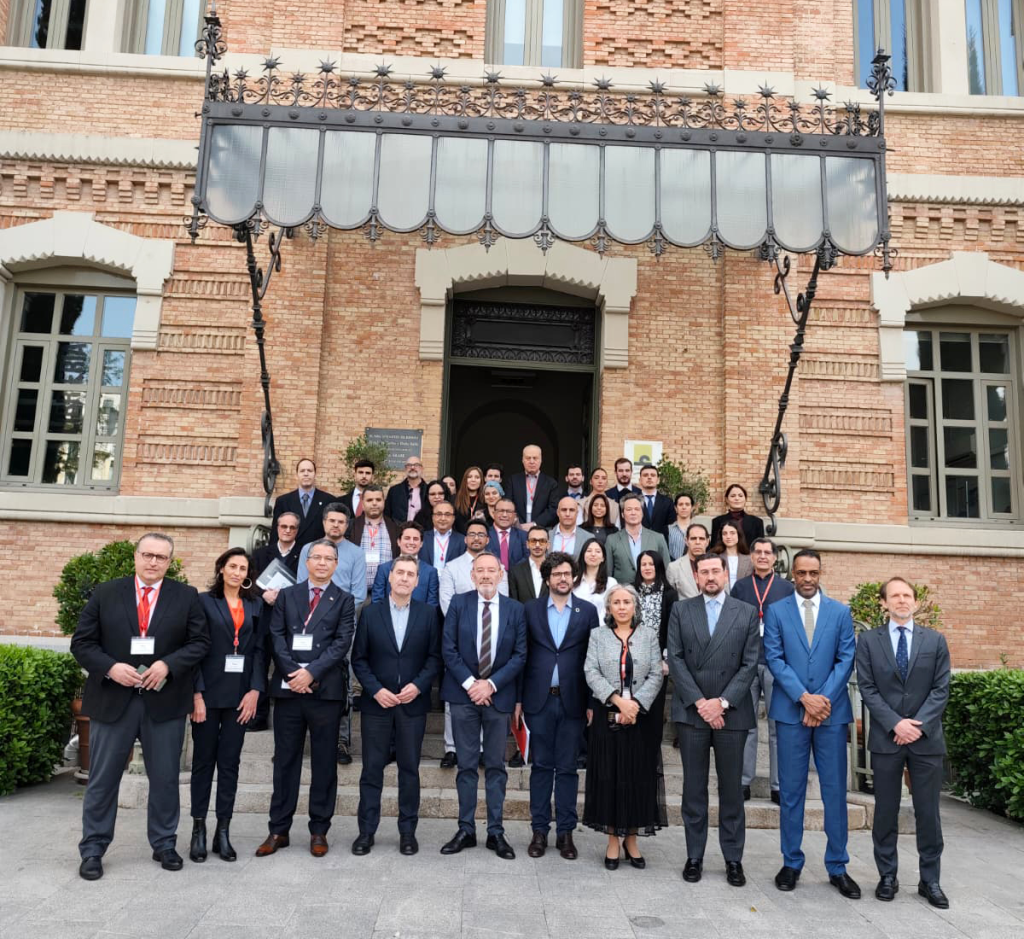
CIHEAM Zaragoza took part in the workshop Tunisian Talent in Spain, held on 10 April at the Casa Árabe in Madrid, reaffirming our commitment to international cooperation and development of talent across the Mediterranean.

Ramzi Belkhodja, Head of Training at CIHEAM Zaragoza, represented the Institute and contributed actively to coaching and sectoral sessions, fostering knowledge-sharing and dialogue between institutions, experts, and professionals from a range of fields. This engagement aligns with CIHEAM Zaragoza’s mission to promote training as a driver of sustainable development and regional cooperation.

Samir Mili, a former student of the International Master in Agro-Food Marketing and CIHEAM Zaragoza scholarship holder, also participated in the workshop on higher education and research, providing valuable insight based on his academic and professional experience.

An institutional initiative showcasing talent

Organised by the Embassy of Tunisia in Spain, in collaboration with FIPA (Foreign Investment Promotion Agency) and the ONTT (Tunisian National Tourism Office), the event brought together representatives, professionals and members of the Tunisian diaspora. It aimed to recognise and promote talent and generate synergies between Tunisia and Spain in strategic sectors.

The programme featured institutional presentations, success stories, and sector-focused workshops, and provided networking opportunities to encourage exchange and dialogue to enhance cooperation and investment.

The workshop provided a magnificent opportunity to highlight the vital role of Tunisian talent as a nexus of union to strengthen economic and professional ties between the two countries.

WEBINAR | Health and Genetics Innovations for Sustainable Aquaculture

Animal health and genetics constitute strategic pillars that guarantee the viability of modern aquaculture. While genetic improvement enhances growth traits and innate resistance, advanced sanitary management ensures welfare and minimises losses due to disease. The integration of genomic selection programmes and biosecurity protocols is crucial to maximising productive efficiency, reducing environmental impact and strengthening the resilience of farming systems in the face of global challenges.

With the aim of analysing successful experiences in the field of animal health and genetics, CIHEAM Zaragoza and the University of Las Palmas de Gran Canaria are organising a webinar on 21 April 2026, from 16:00 to 17:30 CET (Madrid time).

The event is aimed at students and recent graduates interested in deepening their knowledge of current trends in aquaculture and seeking to specialise in this field. The webinar will feature former students of the Master’s Degree in Marine Aquaculture, now PhD students at ULPGC, who will share their experience and insights on the following topics:

  • Fish cell spheroids: A new way to study aquaculture without animals, presented by Antonio Gómez Mercader, PhD student in the Sustainable Aquaculture and Marine Ecosystems programme at the University of Las Palmas de Gran Canaria (ULPGC). Antonio obtained his degree in Marine Sciences in 2020, after which he moved to ULPGC to pursue a Master’s degree in Marine Aquaculture, completed in 2022. Since then, he has continued his research career as a project researcher and is currently in the second year of his PhD studies. His research focuses on the development of 3D cell culture spheroids, which closely mimic the physiological relevance of in vivo organisms. These models represent a promising animal-free alternative to traditional experimentation, with the aim of reducing animal use and promoting more sustainable and ethical approaches in aquaculture research.
  • Innovative strategies to improve the welfare and immune system of marine fish at an early age, presented by Valery Ravelo Ramírez, PhD student in the Sustainable Aquaculture and Marine Ecosystems programme at the University of Las Palmas de Gran Canaria (ULPGC). Valery obtained her degree in Biology in 2022 at the Complutense University of Madrid, after which she moved to ULPGC to pursue a Master’s degree in Marine Aquaculture, completed in 2024. Since then, she has continued her research career as a project researcher and is currently in the second year of her PhD studies. Her research focuses on assessing the potential of bioactive compounds and developing innovative applications for them. This is particularly important during the early stages of life, when farmed fish are most susceptible and vulnerable. In this context, the use of innovative strategies involving various additives is a proactive method for improving the immune system and well-being. In this research plan, different strategies will be evaluated, such as growth promoters, immunostimulants, anti-inflammatories and agents with antimicrobial properties, thereby strengthening and improving the overall health of fish at an early age.
  • Advancing sustainable shrimp aquaculture production in Ecuador through selective breeding, presented by Marina Martínez Soler, postdoctoral researcher at the ECOAQUA group of the University of Las Palmas de Gran Canaria (ULPGC). Marina obtained her Master’s degree in Marine Aquaculture in 2020 and holds a PhD in aquaculture genetics from the University of Las Palmas de Gran Canaria. She is currently involved in the PMG-BIOGEMAR genetic selection programme between ULPGC and the Almar Group in Ecuador as a postdoctoral researcher.

The event will be moderated by Bernardo Basurco, Administrator for Fisheries and Aquaculture at CIHEAM Zaragoza, and Félix Acosta, Professor at the University of Las Palmas de Gran Canaria (ULPGC) and coordinator of the Master’s Degree in Marine Aquaculture, jointly organised by ULPGC and CIHEAM Zaragoza.

While the presentation slides will be prepared in English, the speakers will present in Spanish. The organisation will provide simultaneous interpretation into English.

This webinar represents an excellent opportunity to learn about successful experiences in aquaculture health and genetics, gain insights from sector professionals and discuss the future of sustainable aquaculture.

REGISTER HERE

CIHEAM Zaragoza and the FAO launch the Network on Sustainable Mediterranean Livestock Systems

  • An international seminar in Madrid has laid the foundations for the creation of this new network for scientific and technical cooperation in the framework of the International Year of Rangelends and Pastoralists of the FAO.

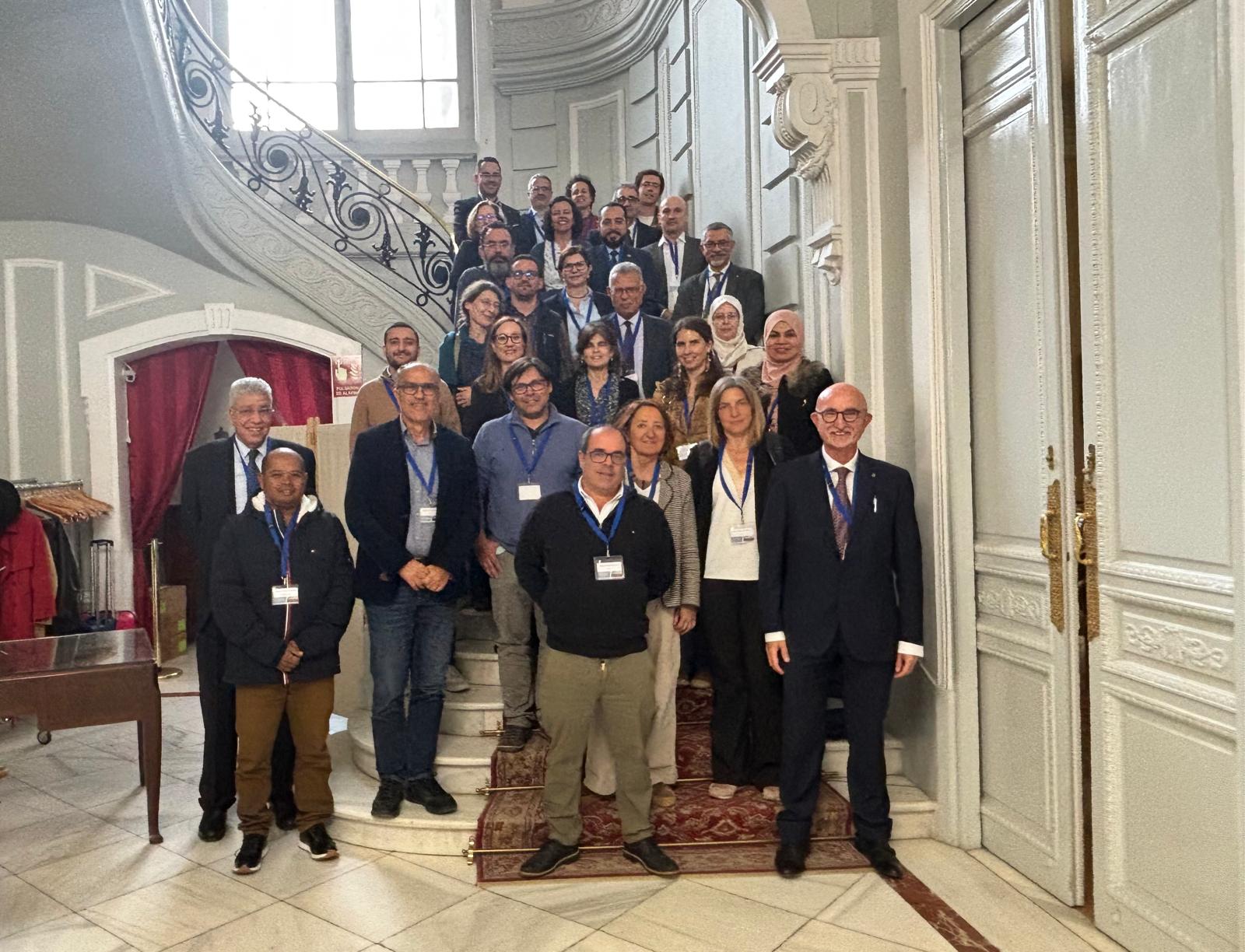
Madrid, 13 April 2026.- Thirty-one experts from sixteen countries (CIHEAM members and other countries of Africa and the Middle East), together with representatives from the Spanish Ministry of Agriculture, Fisheries and Food, the interprofessional association Provacuno and the cooperative Oviaragón have participated in the international seminar ‘Mediterranean Livestock Systems: Challenges and Strategies for Sustainability’ held on 7 and 8 of April in Madrid.

The event was organised by CIHEAM Zaragoza, with the collaboration of the Food and Agriculture Organization of the United Nations (FAO) and with the support of the Masar al’an programme of the Spanish Agency for International Development Cooperation (AECID), as part of the celebrations of the International Year of Rangelands and Pastoralists.

The seminar has laid the foundations for the creation of a network on sustainable Mediterranean livestock systems. “It will be an opportunity to promote multi-actor and multidisciplinary approaches and exchanges to analyse, discuss and implement training, research, and innovation activities, together with cooperation projects in developing countries of the Mediterranean and beyond”, as stated by Raúl Compés, director of CIHEAM Zaragoza.

The initiative takes an integrated approach, incorporating not only technical aspects related to animal production and pastures, but also environmental, ecological and social dimensions. Antonio López-Francos, administrator of Cooperative Projects and Networks at CIHEAM Zaragoza comments on the aims of the network. “It will promote multidisciplinary and interdisciplinary approaches, involving specialised groups in thematic areas of common interest to strengthen scientific and technical cooperation in the Mediterranean region”.

Challenges for Mediterranean livestock systems

Livestock systems in Mediterranean countries are confronted with a complex set of environmental, economic and social challenges that undermine their sustainability. The region’s climate is increasingly characterised by hot, dry summers and highly irregular rainfall patterns. These trends intensify pressure on water resources and reduce the availability of pasture. Climate change further exacerbates these dynamics, accelerating rangeland degradation and compromising the productivity and resilience of extensive livestock systems.

At the same time, traditional livestock farming systems face mounting economic constraints. Small farms find it difficult to compete with industrialised systems and  struggle to overcome social challenges such as rural depopulation and the ageing of the agricultural community.

Background

Since the 1990s, CIHEAM and the FAO have worked in close collaboration, promoting and running thematic networks aimed at knowledge-sharing between experts in sheep and goat production, pasture management, and forage resources.

The new network will integrate and expand the existing networks and broaden their scope, proposing alternatives and strategies to strengthen the transition of Mediterranean livestock systems towards sustainability and resilience.

Open call – Poster Session: “Stories from the Field: The People Shaping the Future of Agriculture”

  • This Poster Session is co-funded by CIHEAM Zaragoza and the Horizon Europe project SafeHabitus as part of the international symposium “The farmers of tomorrow: Skills, jobs and renewal pathways in times of uncertainty”
  • The session aims to bring a first-person, human perspective to the symposium, complementing the five-roundtable discussion forming the core of the programme.

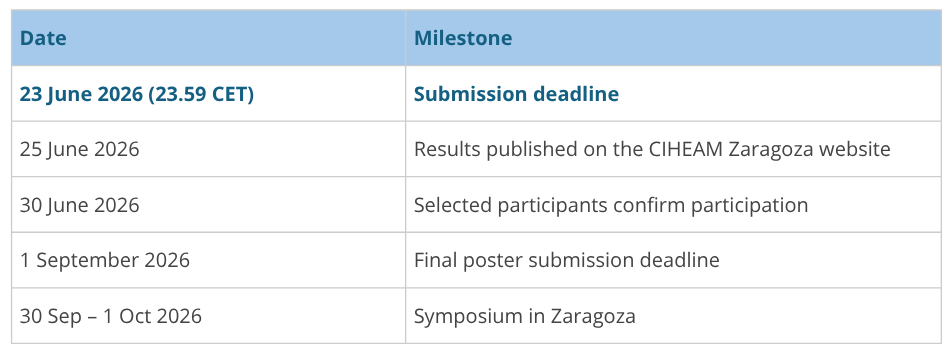
On 30 September and 1 October, Zaragoza will host the international symposium The farmers of tomorrow: Skills, jobs and renewal pathways in times of uncertainty” organised by CIHEAM Zaragoza in collaboration with the Spanish Agency for International Development Cooperation (AECID) and the SafeHabitus project. The Syposium will address the future of the agricultural sector in the Mediterranean, focusing on a topic that is now critical: how to renew the sector, attract talent and create employment opportunities, including for younger generations and women.

The central question is simple but urgent: “Who will produce the food of the future? And under what conditions?”. Across the Mediterranean region – from Southern Europe to North Africa – farmers are aging, family farms face economic challenges, and it is becoming increasingly difficult for younger generations to see agriculture as an attractive life path.

At the same time, the sector is full of experiences of innovation, resilience and transformation. This symposium aims to bring these stories to the forefront, creating a space for dialogue between research, policy and practice. As part of this, a Poster Session co-funded by CIHEAM Zaragoza and the Horizon Europe project SafeHabitus will showcase real-life experiences from the field, placing people and their stories at the centre of the discussion.

The poster session aims to bring a first-person, human perspective to the symposium, complementing the five-roundtable discussion forming the core of the programme. It seeks to feature impactful, innovative and transformative initiatives, capturing both opportunities and challenges in the Mediterranean agri-food sector. Poster should tell real stories from the field, including successes, struggles, lessons learned and innovation that can be replicated or inspire others.

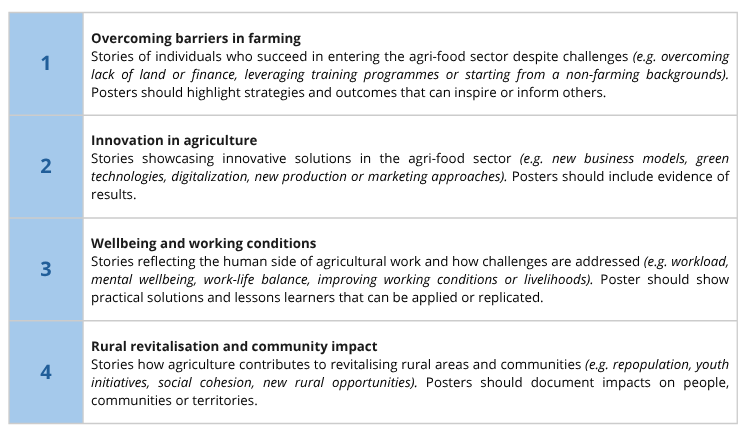
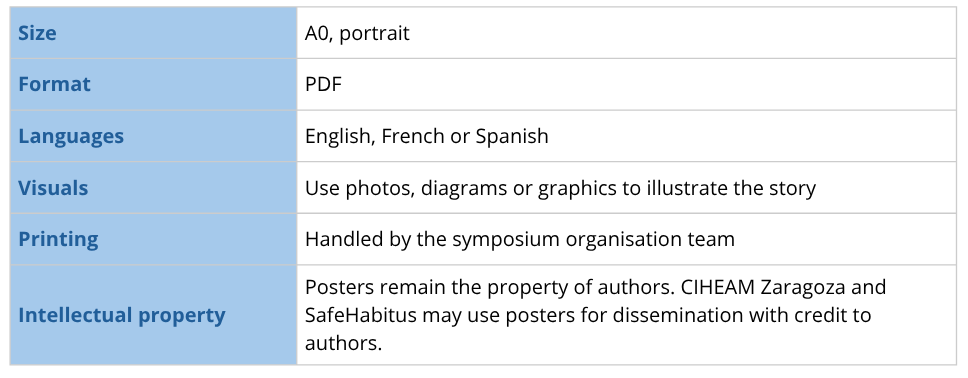
Applicants can submit their poster under one of the following four categories. Posters should tell real stories while documenting the actions taken, outcomes achieved and lessons learned.

This call is open to individuals (under 40 years-old) or organisations with practical experience in the agri-food sector across the Mediterranean region.

Eligible applicants include (but are not limited to):

  • Farmers and producers, both new entrants to the agri-food sector and those transforming a family farm into an innovative business
  • Entrepreneurs and start-ups working on innovative solutions in the agri-food sector
  • Farmer organisations, cooperatives or community groups engaged in agri-food or rural development initiatives
  • Practitioners from the third sector (NGOs, development agencies, international organizations…)
  • Extension workers, advisors or applied researchers involved in field-based initiatives
  • Youth and women-led organisations contributing to the agri-food sector or rural development

Applications must be submitted by email only (symposium@iamz.ciheam.org), using the downloadable Word application form, no later than 23 June 2026 at 23:59 (CET) and including the following documents:

1. Completed application form (Word document)
2. Draft Poster Submission (PDF or PowerPoint)

For further information, please read the Terms of Reference.

While creativity is encouraged, all submitted posters should include title and subtitle, author’s name and contact details and follow a storytelling structure:

  • Context/challenge: What was the starting point?
  • Journey/actions: What was done? What steps were taken?
  • Results/impact: What changed or was achieved?
  • Lessons learned: Key takeaways for others

A maximum of 15 posters will be selected through a competitive process. Geographical balance across the Mediterranean, gender balance and youth participation are actively encouraged.

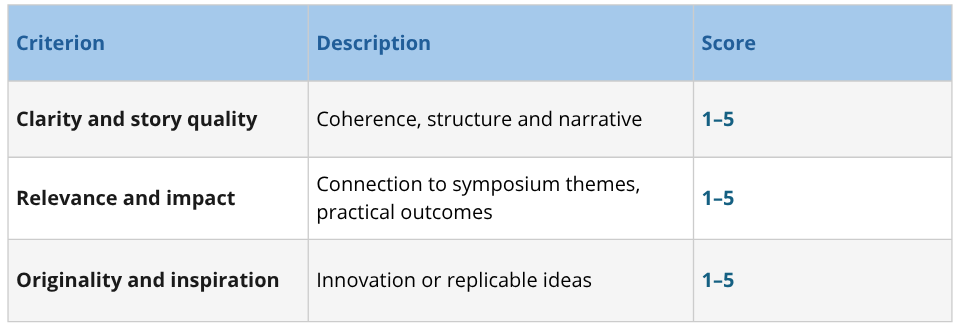
Poster will be evaluated based on the following criteria:

Selected participants may be invited to briefly present their story during relevant round table discussions. Oral presentation (if invited) can be in English or Spanish. Simultaneous interpretation will be provided during the symposium.

This poster session is co-funded by CIHEAM Zaragoza and the Horizon Europe project SafeHabitus. Travel and accommodation costs will be fully covered for participants whose posters are selected.

CIHEAM Zaragoza joins the celebrations of the International Year of Rangelands and Pastoralists with an international seminar in Madrid

  • The meeting on pastoralism to be held from 9 to 11 of April will bring together over 200 professionals from 32 countries across the 5 continents

  • As part of this event, CIHEAM Zaragoza will organise an international seminar to boost the Network of Sustainable Mediterranean Livestock Systems

The city of Madrid will bring together over 200 professionals from 32 countries across the 5 continents for the event “Celebrating the International Year of Rangelands and Pastoralists 2026. Madrid International Meeting”. Held from 9 to 11 April, the Meeting lies within the framework of the initiative declared by the United Nations to raise awareness of the importance of pastoralists and rangelands the International Year of Rangelands and Pastoralists.

This event is organised by the Food and Agriculture Organization of the United Nations (FAO), the Instituto Madrileño de Investigación y Desarrollo Rural, Agrario y Alimentario de la Comunidad de Madrid (IMIDRA), the headquarters in Spain of the International Centre for Advanced Mediterranean Agronomic Studies (CIHEAM Zaragoza), the Nature and Transhumance Foundation, the Global Alliance for Rangelands and Pastoralists, and the Entretantos Foundation, with the collaboration of the Biodiversity Foundation, Red Eléctrica, the International Land Coalition, Interovic, and the City Council of Aranjuez.

Over three days, professionals attending the Madrid Meeting will have the opportunity to see initiatives first-hand, share experiences and strengthen cooperation between countries to protect pastoralism practices. The gathering will address key questions such as generational renewal, the role of young pastoralists, incorporation of new technologies, transmission of traditional knowledge, the environmental benefits of extensive livestock farming and the cultural value of transhumance.

Antonio López-Francos, administrator of Cooperative Research Projects and Networks at CIHEAM Zaragoza, is a member of the organising committee and will coordinate a session on innovation and technology at the service of contemporary pastoralism.

INTERNATIONAL SEMINAR ON MEDITERRANEAN LIVESTOCK SYSTEMS

CIHEAM Zaragoza, in partnership with the FAO and the Spanish Cooperation Masar al’an programme, will organise an international seminar on 7 and 8 April on the challenges and opportunities for transition towards the sustainability of Mediterranean livestock systems.

This seminar will lay the foundations for the creation of an international network oriented towards generating and sharing knowledge, driving innovation, and strengthening sustainability in these production systems.

Experts from CIHEAM member countries (Albania, Algeria, Egypt, France, Greece, Italy, Lebanon, Malta, Morocco, Portugal, Spain, Tunisia, and Türkiye) together with other countries from Northern Africa and the Middle East, will discuss a range of issues (technical, environmental, ecological and social) related to livestock farming and the sustainability of the sector. They will be joined by representatives from the Spanish Ministry of Agriculture, Fisheries and Food, the interprofessional organisation Provacuno and the cooperative Oviaragón to discuss their livestock sustainability strategies

Joint declaration from young pastoralists

The event in Madrid will also be the venue for a meeting of young pastoralists from across the world. This group will draw up a joint declaration to be presented at the 17th session of the Conference of the Parties (COP17) to the United Nations Convention to Combat Desertification (UNCCD) to be held in Mongolia in August 2026.

The United Nations has declared 2026 the International Year of Rangelands and Pastoralists.
Rangelands, which cover around half of the Earth’s land surface, support unique biodiversity and communities of pastoralists whose livelihoods depend on them.
Pastoralists raise animals, contribute to food security, and are stewards of diverse cultural heritage and local and indigenous knowledge, thereby helping to preserve ecosystems worldwide.