New strategies for harvest scheduling and improving olive oil conservation

  • In her Final Master’s Thesis (TFM), Fatima Zahra Akhrif provides valuable information for the improvement of farming practices and the conservation of extra virgin olive oil.
  • The research supports data-based decision-making and improves efficiency in the olive sector.
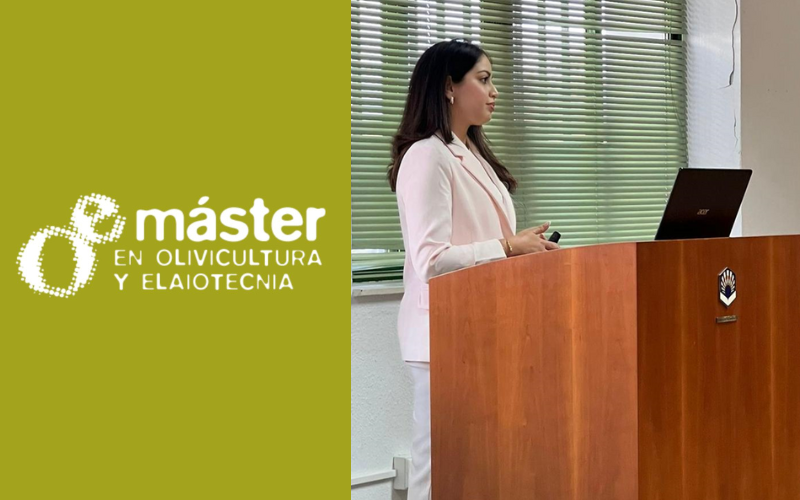
Fatima Zahra Akhrif defending her master’s thesis at the University of Cordoba.

Optimising olive harvesting dates and improving conservation conditions for extra virgin olive oil (EVOO) are two fundamental aspects to be considered in the olive oil value chain.

Both questions are addressed in the master’s thesis of Fatima Zahra Akhrif, graduate of the Master in Olive Growing and Olive Technology jointly organised by CIHEAM Zaragoza, the University of Cordoba, the Regional Government of Andalusia, the Spanish National Research Council, the International Olive Council and the Fundación Patrimonio Comunal Olivarero.

Her research was conducted under the supervision of Hristofor Miho and Concepción Muñoz Díez at the University of Cordoba and analyses the lipogenesis process in olive oil and biodegradation during storage in order to provide practical solutions for the olive sector.

A model determining optimum harvest time
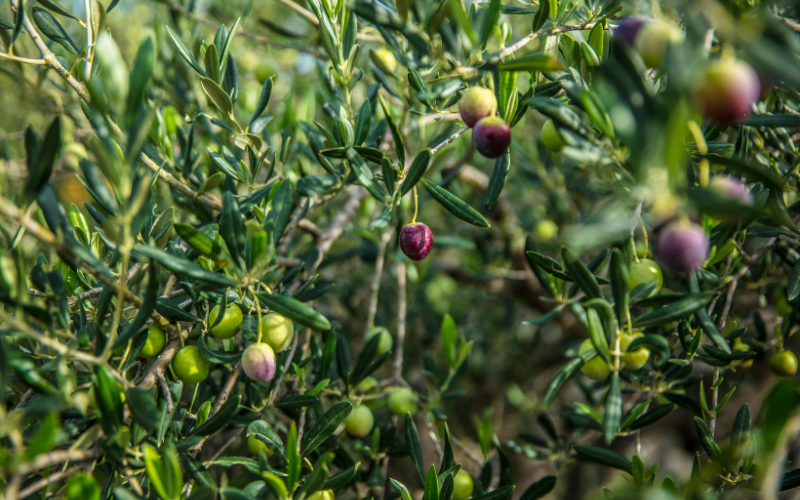
The first trial of the TFM analysed oil accumulation in the olive fruit using a predictive model based on climatic variables such as temperature, solar radiation and precipitation.

The research also analysed five olive varieties (arbequina, arbosana, picual, koroneiki and cornicabra) and found significant differences in oil accumulation.

The results show that this model is an effective tool for harvest scheduling, as it enables farmers to determine the optimum harvest date according to the climatic conditions of each growing season and for each variety, thus maximising yield and oil quality.

With an adjustment of approximately 80 % based on the experimental data, the model offers a more objective estimation than the traditional maturity index based only on the colour of the olive fruit.
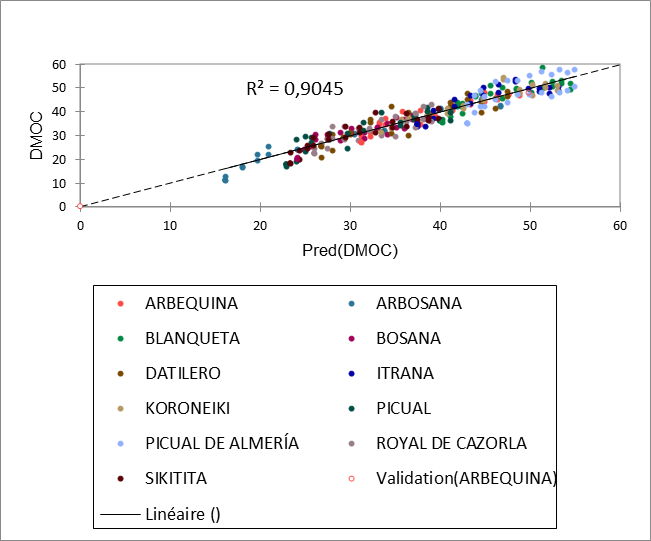
Figure: Evaluation of the predictive model for the dry matter oil content (DMOC): predicted values (Pred DMOC) in comparison to real values (DMOC) for the cultivars used in the study.

Impact of storage temperature on EVOO quality

The second trial of the TFM examined the impact of storage temperature on extra virgin olive oil quality.

The results indicated that storage at room temperature (25 °C) accelerated the degradation processes, whereas refrigeration and freezing (5 °C y −20 °C) enhanced the conservation of the chemical characteristics of EVOO.
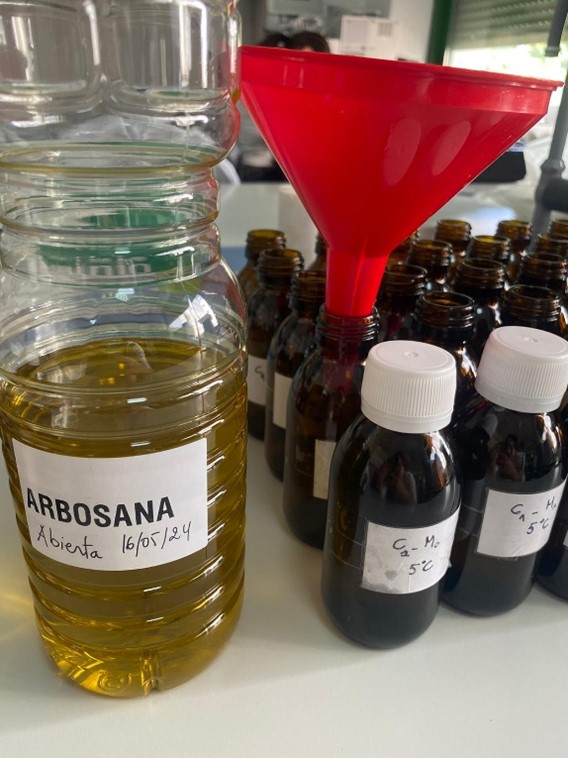
Sampling of oil varieties for storages at three different temperatures (25°C, 5°C and -20°C).

These conclusions underline the importance of storing oil in cold conditions to slow down degradation and ensure stability and quality until consumption.

A relevant contribution to climate change

In a climate change context, it is important to find ways to integrate climate variables to predict oil accumulation in the olive fruit. This TFM proposes an original mathematical model that supports data-based decision making, improves production efficiency and helps to reduce losses associated to inappropriate harvest dates.

The recommendations for conservation conditions also contribute to prolonging the shelf-life of EVOO and guaranteeing a high-quality product for consumers.

ABOUT THE AUTHOR

Fatima Zahra Akhrif has a degree in Applied Microbiology and Molecular Cell Biology from the University of Ibn Tofail (Morocco). After taking the master’s programme in Environmental Science at the same university, Fatima continued her studies in the Master in Olive Growing and Oil Technology jointly organised by CIHEAM Zaragoza, the University of Cordoba, the Regional Government of Andalusia, the Spanish National Research Council, the International Oil Council and the Fundación Patrimonio Comunal Olivarero.

Her research work has led to several scientific publications focused on the optimisation of in vitro culture.

She is currently pursuing her doctorate studies at the University of Cordoba where she is taking part in an olive and pistachio breeding programme. The research applies biotechnology and molecular analysis tools to obtain more sustainable and resource-efficient crops.
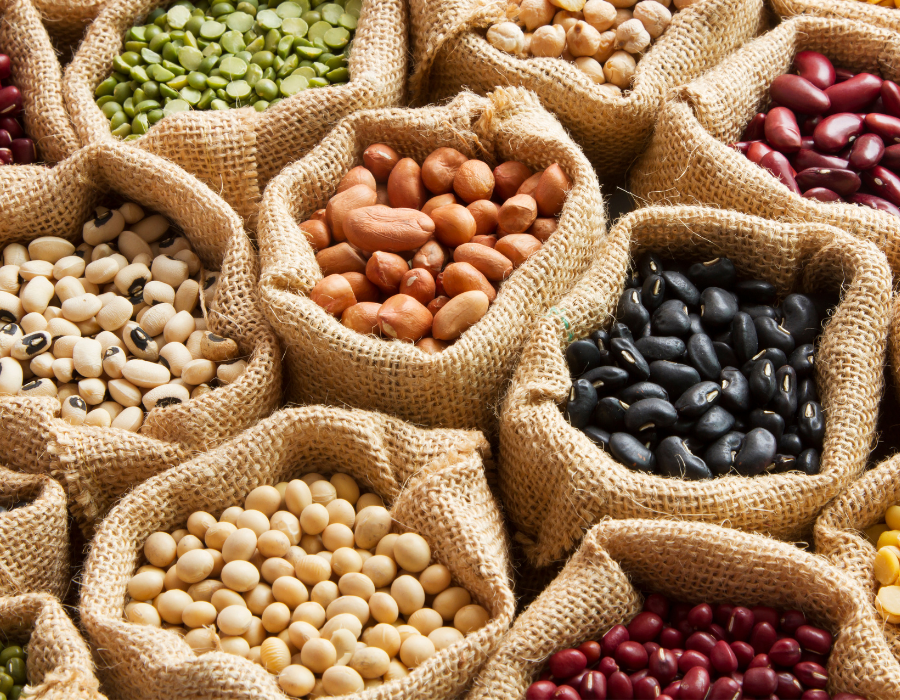

The resurgence of legumes and pulses: Celebrating World Pulses Day

  • In this article, CIHEAM Zaragoza’s Director Raúl Compés, Head of Training Ramzi Belkhodja, and Administrator of Plant Production, Health and Breeding Joaquín Balduque address the role of legumes and pulses in sustainable food systems, from current trends to research and innovation.
  • The text highlights the latest trends in the cultivation and consumption of legumes in Mediterranean countries, their nutritional and environmental value, and CIHEAM Zaragoza’s contribution to the European project BELIS.

Latest trends in the cultivation and consumption of pulses

Leguminous plants, and their dried seeds — pulses — have historically been an essential component of Mediterranean farming systems, generally associated with cereals across all regions of the world since the origins of agriculture. Chickpeas, lentils, broad beans and haricot beans have formed part of traditional rotations alongside cereals and other woody crops, contributing to productive balance and the sustainability of agro-ecosystems.

However, in recent decades a sustained trend towards a reduction in the area devoted to leguminous crops has been observed in numerous Mediterranean countries. Current national and international agricultural statistics, including those of the FAO, reflect a progressive shift towards crops perceived as more profitable in the short term, or towards more intensive production systems.

At the same time, a decline in per capita pulse consumption has been recorded in several countries, in contrast to their traditional role in the Mediterranean diet. In the diets of the ancient civilisations of the region, pulses were known as “the bread of the poor.” This phenomenon is driven by multiple factors, including changes in dietary habits, transformations in agri-food systems, and broader socio-economic dynamics.

The reduction in leguminous crop cultivation carries not only productive implications, but also agronomic and environmental ones. The diminished presence of these species in crop rotations may negatively affect the diversification of agricultural systems, nutrient balance, and soil sustainability.

The importance of legumes and pulses in nutrition, health, and sustainability

Leguminous crops and pulses play a strategic role from nutritional, health-related, agronomic, and environmental perspectives.

In agronomic terms, leguminous crops provide significant benefits to production systems. Through biological nitrogen fixation, they contribute to improving soil fertility and reducing dependence on synthetic nitrogen fertilisers. Their integration into crop rotations supports improvements in soil structure, the diversification of agricultural systems, and the sustainability of production.

From an environmental perspective, leguminous crops align with sustainability objectives and climate change mitigation goals. The potential reduction in the use of synthetic fertilisers contributes to lowering emissions associated with their production and application, as well as the environmental impacts arising from their intensive use.

From a nutritional standpoint, pulses constitute a significant source of plant-based protein, dietary fibre, minerals, and bioactive compounds. International bodies such as the World Health Organisation (WHO) and the Food and Agriculture Organisation of the United Nations (FAO) recognise their contribution to balanced and healthy diets. Their consumption is associated with benefits in the prevention of non-communicable diseases, including cardiovascular conditions, obesity, and diabetes.

In Mediterranean regions characterised by water scarcity and high climatic variability, leguminous crops may represent an agronomically viable alternative, contributing to the resilience of agricultural systems and the diversification of production.

Research and innovation for the promotion of leguminous crops at CIHEAM Zaragoza

The European Union is currently far from self-sufficiency in plant-based protein, resulting in a high degree of dependence on imports. This context, combined with the global need to feed a growing population with diminishing natural resources in many regions of the world, has reinforced the strategic interest in developing and adding value to alternative protein crops, including leguminous species.

Despite their agronomic and environmental advantages, leguminous crops have seen a decline in cultivation due to factors such as yield variability, genetic limitations, and historically limited investment in plant breeding.

Within this framework, CIHEAM Zaragoza participates in the European project BELIS (Breeding European Legumes for Increased Sustainability), funded under Horizon Europe, which aims to drive genetic progress in leguminous crops. The initiative seeks to strengthen the link between fundamental research, plant breeding, and the needs of the productive sector.

BELIS focuses on three main objectives: (a) optimising plant breeding strategies, (b) developing efficient selection tools, and (c) facilitating the transfer of innovation to farmers and the seed sector. The project contributes to narrowing the gap between research, variety registration, and uptake by producers, supporting the availability of better-adapted, more productive, and more resilient varieties.

World Pulses Day

The theme ‘Pulses of the world: from modesty to excellence’ was selected for the 2026 edition of the World Pulses Day celebrated on 10 February. It is an FAO initiative launched in 2016 with the aim of highlighting the fundamental role of these foods in a healthy, sustainable, and culturally rooted diet. There is no doubt that, in the current context of transition towards more sustainable food systems and the search for new protein sources, pulses represent a strategic component for both food security and environmental sustainability. Realising the full potential of these crops requires an integrated approach combining research and innovation, coherent agricultural policies, consumer awareness, and support for producers. In this framework, CIHEAM Zaragoza, through its project activities, training, and cooperation work, actively contributes to the promotion of more sustainable and resilient agricultural systems and healthier consumption patterns, in which leguminous crops and pulses play a significant role.

The Mediterranean diet: 30 years of fascinating research with new challenges ahead

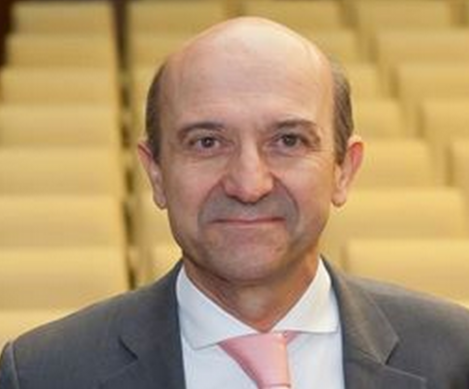
Miguel Ángel Martínez-González, Professor of Public Health at the University of Navarra and Adjunct Professor of Nutrition at Harvard T.H. Chan School of Public Health, discusses in this lecture the main advances achieved, as well as the challenges that lie ahead in the study of the Mediterranean diet.

SEE THE FULL CONFERENCE


After three decades of intensive and productive research, the Mediterranean diet (MD), characterised by a high intake of olive oil, has become the most relevant science-based model in preventive medicine and nutrition. Proven health benefits of the MD include reduction in cardiovascular and chronic inflammatory diseases, and in ageing processes.

Between 1994 and 2024, the total number of articles published annually in PubMed –the world’s largest biomedical database– increased by a factor of 3.72. Moreover, publications specifically addressing the Mediterranean Diet or olive oil consumption increased by a factor of 13.3, reaching almost 15,000 papers in 2024 alone.

The Mediterranean diet is unique in that this healthy dietary model is supported by large-scale randomised trials. These include the secondary prevention trials in cardiovascular disease Lyon Heart and CORDIOPREV, and the Spanish randomised primary prevention trial PREDIMED. Together, these studies provide strong experimental evidence and demonstrate substantial protective effects. They are not conducted in isolation but are supported by an unprecedented body of high-quality prospective epidemiological evidence.

Despite this progress, lines of research are still ongoing. For instance, metabolomic signatures in plasma and urine are being studied to make an objective assessment of the impacts on mortality and the long-term effects in participants.

Another challenge that remains for the forthcoming years is to determine whether adhesion to the Mediterranean diet, when combined with calory restriction, increased physical activity and weight loss, confers additional benefits for individuals with metabolic syndrome. In this sense, the PREDIMED-Plus trial, financed by the European Research Council (ERC), is beginning to report its first results. Furthermore, moderate consumption of red wine with meals has traditionally been considered an integral component of the Mediterranean Diet. However, there is ongoing debate as to whether wine consumption should be excluded altogether. The large-scale UNATI study, also financed by the ERC, is currently under way and aims to provide a clear answer based on solid scientific evidence.


Miguel Ángel Martínez-González is a PhD in medicine, epidemiologist, and MIR-trained specialist in Preventive Medicine. He is professor of Public Health at the University of Navarra, Adjunct Professor at the Department of Nutrition, Harvard T.H. Chan School of Public Health, and Group Leader within the Biomedical Research Networking Centre for Obesity and Nutrition (CIBER-OBN). He has more than 30 years of experience in epidemiologic research on the determinants of chronic disease, with particular focus on nutrition and lifestyle medicine. He has designed and led major trials and cohort studies, including SUN, PREDIMED and PREDIMED-Plus, the latter as Principal Investigator-Head of the CIBER-OBN research group, and has been awarded prestigious ERC Advanced Grants by the European Research Council. These trials and cohort studies have provided unprecedented scientific evidence from Spain with a major impact worldwide.

Since 2013, Professor Martínez-González has been co-Principal Investigator, together with Professor Frank B. Hu (Harvard University) on several projects funded by the US National Institutes of Health, examining cardiovascular disease and diabetes through metabolomic analyses within the PREDIMED and PREDIMED-Plus projects.

In 1995, he founded the Department of Preventive Medicine and Public Health at the University of Navarra, Spain. Since then, he has published more than 1100 articles indexed in the Web of Science and is currently the seventh most cited medical scientist in Spain. He has mentored numerous professors and tenure lecturers in Epidemiology and Public Health.

Professor Martínez-González has edited several leading medical textbooks, including Bioestadística amigable (Elsevier, 5th ed.), Epidemiología aplicada (Ariel-Planeta, 2nd ed.) and Conceptos de salud pública y estrategias preventivas (Elsevier, 3rd ed.).

His public outreach publications with Editorial Planeta include Salud a ciencia cierta (2018), ¿Qué comes? (2020), La sanidad en llamas (2021), Salmones, hormonas y pantallas (2023), and 12 Soluciones para superar los retos de las pantallas (2025). In 2023, he was awarded a further ERC Advanced Grant to lead the world’s largest trial on the effects of alcohol, running from 2024 to 2028. In 2024, he was appointed Doctor honoris causa by the University of Almería. Further honours include the Grace Goldsmith Award and the Rankin-Skratud Lecture in the United States, as well as Spain’s prestigious National Prize for Research in Medicine Gregorio Marañón (2022).

  • Date: 13 May 2026, 09:30h CET
  • Venue: CIHEAM Zaragoza Auditorium (Av. Montañana 1005, Zaragoza, Spain)
  • Format: Hybrid
  • Language: Spanish with interpretation into English
  • Cycle: CIHEAM Zaragoza-Campus Dei Lecture Series

Optimising genomic mating strategies to enhance breeding outcomes

  • In his Final Master’s Thesis (TFM), Seifelden Metwally explores a new breeding paradigm aimed at accelerating crop improvement while safeguarding long-term genetic diversity.

One of the central challenges in plant breeding is balancing genetic gain with the preservation of diversity. How can breeders achieve maximum improvement today without compromising the genetic resources needed for future progress?

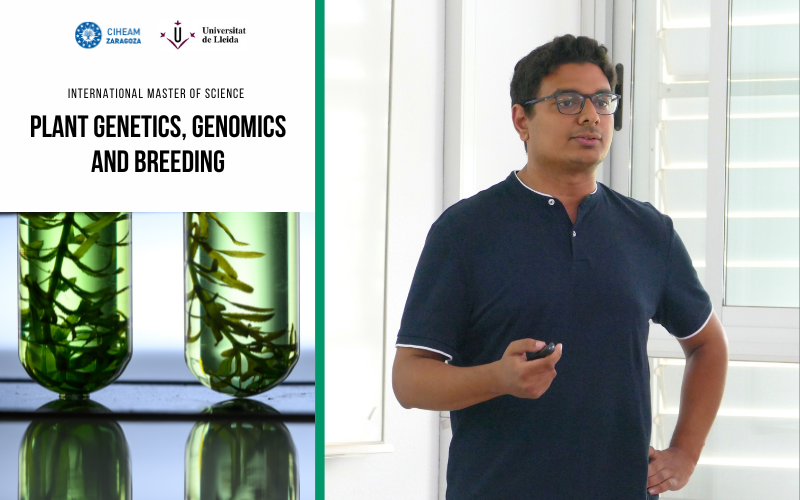
This question lies at the heart of the research carried out by Seifelden Metwally, a graduate of the International Master’s in Plant Genetics, Genomics, and Breeding jointly offered by CIHEAM Zaragoza and the University of Lleida. In his TFM, conducted under the supervision of Julio Isidro Sánchez at the Centre for Biotechnology and Plant Genomics (CBPG), Metwally investigated the potential of implementing optimal genomic mating (OGM) strategies within genomic selection programmes.

A PARADIGM SHIFT IN BREEDING

Traditionally, breeders cross the best-performing individuals with each other—an approach known as “elite by elite” mating—to obtain superior progeny. While effective in the short term, repeated use of this strategy gradually reduces genetic variation, limiting long-term improvement.

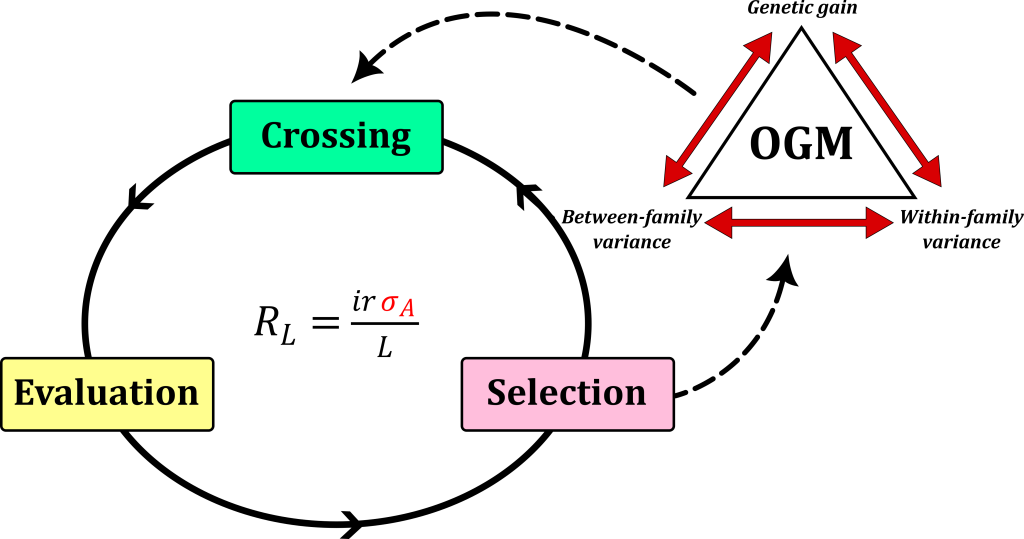
Graphical abstract illustrating the main three concepts of breeding and the factors balanced in optimal genomic mating (OGM) to guide the selection of parental crosses.

Optimal genomic mating offers an alternative. By combining genome-wide marker information with evolutionary algorithms, OGM identifies mating plans that maximise expected genetic gain while constraining the mating of closely related parents. Rather than selecting individual plants, this framework optimises entire mating strategies with a multi-generational perspective.

The result is a shift in breeding philosophy: from choosing the best individuals to designing the best combinations. This approach aims to speed up the development of high-yielding, resilient crops while maintaining the genetic diversity essential for sustainable breeding.

FINDINGS PUBLISHED IN GENETICS

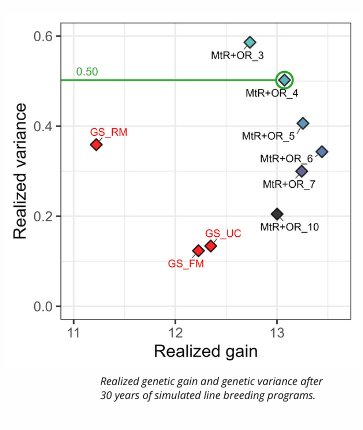
Metwally’s TFM demonstrated that OGM strategies deliver higher genetic gains than elite-by-elite or random mating, while conserving more genetic variability. These results underline OGM’s capacity to reconcile short-term improvement with long-term breeding goals.

Building on this work, the research led to an original publication in GENETICS titled “MateR: a novel genomic mating framework”, which presents a new methodology for applying genomic mating to better control genetic diversity in breeding programmes.

OPTIMAL GENOMIC MATING APPLIED TO OLIVE BREEDING

Olive breeding in Spain offers a clear example of how optimal genomic mating can support sustainable crop improvement. Spain is the world’s leading olive producer, and breeding efforts increasingly rely on a narrow set of elite varieties valued for their suitability to intensive production systems. Repeatedly using the same parents accelerates the loss of genetic diversity, which is difficult and time-consuming to restore.

Because olive breeding cycles are long—often exceeding a decade—genomic selection is particularly attractive. However, genomic selection can further intensify the use of related elite parents. Integrating optimal genomic mating into these programmes makes it possible to capture the benefits of genomic prediction while actively controlling diversity, helping ensure that today’s gains do not come at the expense of tomorrow’s potential.

ABOUT THE AUTHOR

Seifelden Metwally is a graduate of the International Master’s Programme in Plant Genetics, Genomics, and Breeding organised by CIHEAM Zaragoza and the University of Lleida (2023-2025). He holds a Bachelor’s degree in Biotechnology from Cairo University. He is currently pursuing a PhD in Biotechnology and Genetic Resources of Plants at the Technical University of Madrid and the University of Córdoba.

His research focuses on designing genomic selection programs that accelerate the breeding process without compromising genetic variability in elite breeding populations. He aims to apply the state-of-the-art genomic tools developed at the Rocinante Lab (CBGP) to the olive breeding program in Córdoba, under the supervision of Julio Isidro Sánchez and Concepción Muñoz Díez.

Recently, he represented the Rocinante Lab by presenting their latest work, “A novel framework to control genetic diversity for optimal genomic mating”, at the 19th EUCARPIA Conference on Biometrics in Plant Breeding.

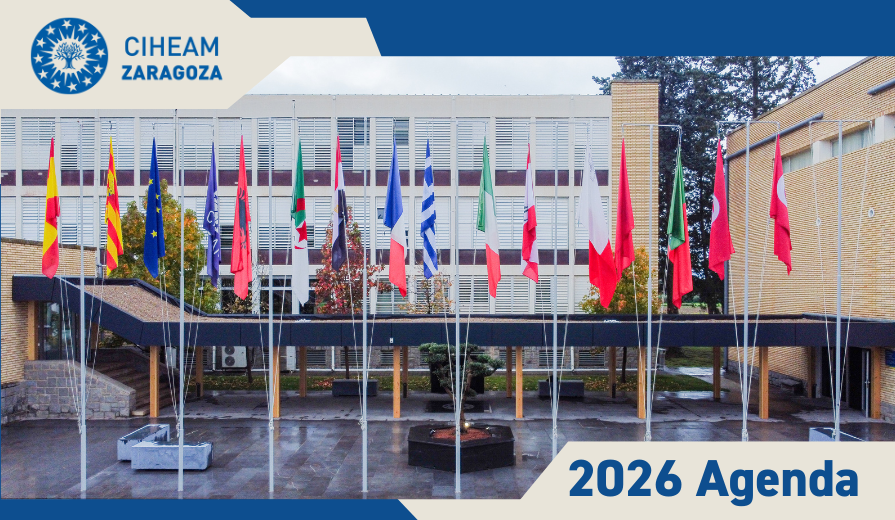
CIHEAM Zaragoza announces its Programme of Activities for 2026

  • CIHEAM Zaragoza has released its 2026 agenda, a comprehensive programme that reflects our commitment to international training excellence, applied research and sustainable development in the Mediterranean region.

This year’s programme addresses the main challenges facing the Mediterranean agrifood sector through more than 30 activities including advanced courses, international seminars, technical workshops and policy forums, in addition to master’s programmes. Key topics include regenerative agriculture, integrated wildfire management, precision livestock farming, sustainable aquaculture, climate change, and food security.

The 2026 agenda is built upon three fundamental pillars: excellence in international training, applied research and innovation, and the development of cooperation projects. Activities will take place both face-to-face at our Institute in Zaragoza and at various Mediterranean venues, as well as online, facilitating the participation of professionals and experts from across the region.

Among the year’s most notable events are the First Mediterranean Food Entrepreneurship Week in June, the Olive Oil World Congress in July, the International Symposium on policies and strategies to promote generational renewal and employment in the Mediterranean Agri-Food Sector in September, the International Symposium on International Cooperation for Development and Right to Food in November, and the celebration of the Day of the Mediterranean, which reaffirms the Institute’s commitment to the region’s sustainable development.

CIHEAM Zaragoza continues to strengthen its role as a centre of reference for scientific diplomacy and multilateral cooperation in the Mediterranean, working in partnership with institutions and experts worldwide to build capacities, transfer knowledge and promote sustainable agrifood systems.

The complete programme is available HERE. The schedule for each activity, participation requirements and registration information will be published on the website as the dates approach.

We invite you to join us in 2026 and help us to build a more sustainable future for Mediterranean agriculture and food systems.

Rural Development in the New International Context

  • CIHEAM Zaragoza is part of the organising committee for the 10th National Rural Development Forum, which will take place on 10, 11 and 12 February 2026.
  • The Forum will address rural development in the new international context and will be held within the framework of the 44th edition of the International Agricultural Machinery Fair (FIMA) in Zaragoza.

A Tenth Anniversary with Strategic Vision

In its tenth anniversary, the Forum addresses the theme “Rural development in the new international context”, taking a comprehensive approach to the major challenges and opportunities facing the agrifood sector and rural areas. Throughout its different editions, the Forum has developed topics of greatest interest to the sector: from rural development and cooperation between stakeholders, the relationship between urban and rural sectors, the incorporation of young people, new agrifood challenges, professionalisation of the sector, training in innovation and digitalisation, all within a framework of environmental and economic sustainability.

This edition is configured with current and attractive content, responding to the global and national scenario in which we find ourselves, essentially characterised by geopolitical uncertainty, regulatory changes, technological transformations and the need for more just, sustainable and inclusive development.

Four Major Lines of Debate

The work programme of the 10th Forum is structured around four thematic pillars that address the most relevant issues for the future of rural areas:

1. Geopolitics of Agrifood Systems

At a time of growing global uncertainty, the geopolitics of agrifood systems is positioned as a strategic issue of the highest order. This technical session will analyse how food security is conditioned by international tensions, market volatility and dependence on essential inputs from abroad.

This situation presents complex dilemmas for agricultural production, particularly regarding the balance between commitment to sustainable local production and the need to compete in a global market that constantly pressures prices and challenges sector stability. European regulations, designed to guarantee high standards in product quality, face the challenge of harmonising with international competition that does not always play by the same rules. In this context, trade agreements acquire fundamental relevance, as they determine the conditions of market access and the degree of food sovereignty of each territory.

2. Taxation in Rural Areas

The economic dimension of rural areas has a direct reflection on their development. This line of work explores taxation as a tool to promote rural development, analysing the possibility of applying differentiated regimes that favour the agricultural sector and the most depopulated territories.

The experiences of other European countries show that there are ways to strengthen the local economy through well-designed tax incentives, capable of improving living conditions and fostering greater territorial equity. In this regard, the question is raised of how to address the major economic challenges facing the agrifood sector, especially in a changing and demanding environment.

3. Living Conditions and Equity in the Rural World

This session delves into key issues such as the role of women in rural development, female leadership and innovation in agricultural entrepreneurship. New territorial cohesion strategies will be explored, with special attention to the European Generational Renewal Strategy, which seeks to attract and retain young talent in rural areas.

Social dialogue and active participation of all stakeholders in the governance of the agrifood sector are essential to build a more just and resilient future. Among the major challenges are access to land and credit, the barriers faced by new farmers and the phenomenon of land grabbing.

Migrant labour, often invisible, plays a crucial role both in agrifood production and in the revitalisation of rural environments. Within this framework, the family farming model is championed as the backbone of a modern, efficient, digitalised and competitive agricultural system. Digitalisation, understood as a transformative tool, must be accompanied by a genuine digital culture that facilitates farmers’ adaptation to the new times, always in line with the framework of the CAP.

4. Technology Agenda, New Technicians and Technologies at the Service of Rural Areas

The forward-looking perspective is completed with the Technology Agenda, which focuses on new technicians and emerging technologies at the service of rural areas. These professionals, called upon to support those who will take the reins of farms, play an essential role in guaranteeing the sustainability of the rural environment and facing the changes ahead.

Their work will enable the quantification of impacts and precise evaluation of the effectiveness of applied measures, especially in key areas such as the agroenergy transition, land use, sustainable water management or resilience to climate change. Innovation, advanced mechanisation and digitalisation are presented as the pillars of more efficient and sustainable agriculture, capable of responding to present challenges without compromising the needs of the future.

A Consolidated Space for Reflection and Dialogue

The 10th National Rural Development Forum is consolidated as a reference space for debate on the future of the agroindustrial sector and rural development in Spain, bringing together the main stakeholders in the sector to reflect on current challenges and jointly build solutions for a more prosperous, equitable and sustainable rural environment.

All information and free registration here: https://coiaanpv.org/forodesarrollo/#inscripcion