Strengthening Mediterranean livestock production under climate change conditions

  • Andrés Schlageter, administrator of the training area ‘Animal Production and Welfare’ at CIHEAM Zaragoza, addresses in this article the growing challenges that climate change poses to livestock production.
  • The article highlights some of the most important strategies that are being implemented to enhance the resilience of livestock production systems.
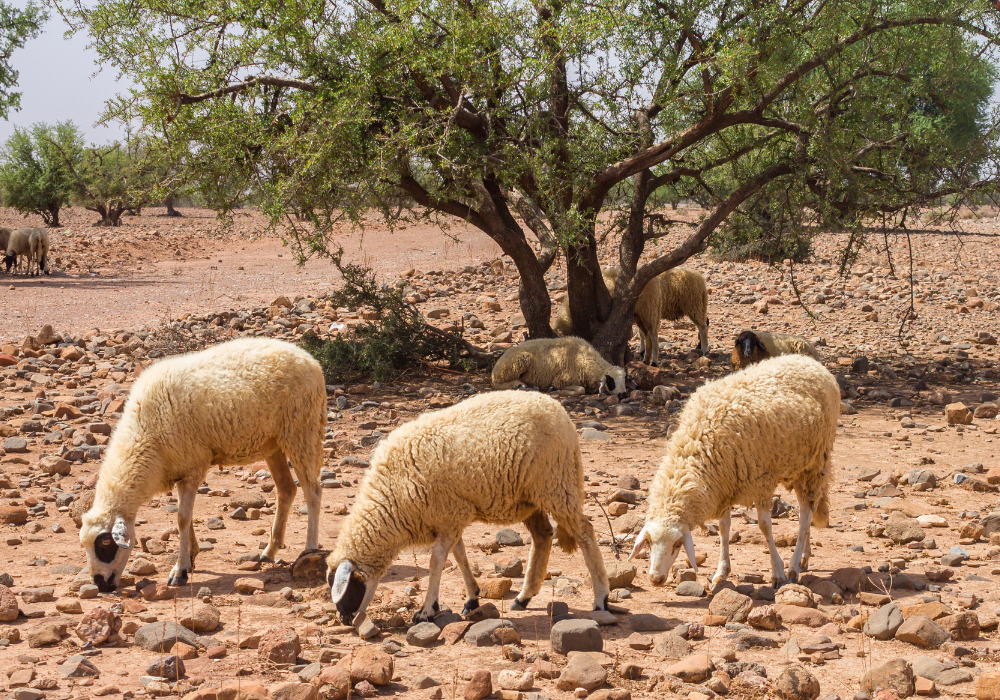
Introduction

Climate change is placing increasing pressure on livestock production systems. Prolonged drought events reduce water availability, limit drinking water resources, degrade rangelands and pastures, and reduce the production of irrigated crops such as cereals and legumes. These crops and their by-products form the basis of animal feeding systems, and their limited availability can lead to increased feeding costs due to reliance on imported feeds. Rising temperatures further exacerbate these challenges by increasing the risk of heat stress in animals, resulting in lower productivity in most livestock species. Additionally, warmer climatic conditions favour the proliferation of disease vectors such as mosquitoes, ticks, and flies, facilitating the spread of vector-borne diseases including bluetongue, Rift Valley fever, and tick-borne infections. These diseases are becoming more severe and are occurring at greater frequency across southern Europe and North Africa, particularly in Spain, Italy, Greece, and neighbouring regions.

In response to the growing challenges posed by climate change, multiple strategies are being implemented to enhance the resilience of livestock production systems. Currently there are three main strategies to deal with issues related to climate change: a) genetic selection of climate-resilient breeds; b) adoption of farm technologies that improve water-use efficiency and mitigate heat stress, and c) establishment of cooperative networks to monitor and control emerging livestock diseases. Together, these measures contribute to strengthening the sustainability and adaptive capacity of livestock production in climate-vulnerable regions.

Genetic selection to cope with climate change effects

Genetic improvement offers a promising way to help livestock deal with heat stress and limited water availability in the Mediterranean.  By selecting local breeds with inherent heat tolerance, efficient water use and robust performance under stress, farmers can gradually build herds better suited to Mediterranean conditions. Most research on this topic includes the detection of biological markers and identification of genes that help animals adapt to harsh climatic conditions. In the Mediterranean region, several research projects are focusing on local breeds resistant to heat stress and water scarcity. Some examples include Sarda sheep (an Italian dairy breed), Avileña cattle (Spanish beef breed), Barbarine (Tunisian meat breed) and Rasa Aragonesa sheep (Spanish meat breed), and Italian Duroc (Italian pig breed).  Genetic selection offers a cheap and effective method to cope with effect of climate change in livestock production, however most genetic programmes are still at an early stage and implementing breeding programmes for animals resistant to heat and water scarcity stress requires further research.

Farm technology as a solution to deal with water scarcity and heat stress

Farm technologies offer effective solutions to manage water scarcity and heat stress in livestock production by optimising resource use and improving animal welfare under changing climatic conditions. Precision livestock farming (PLF) systems, which rely on sensors and tracking devices, allow farmers to monitor water quality and consumption in real-time, detect issues early, and adjust supply to minimise waste. To mitigate heat stress, technologies such as evaporative cooling systems (mist, fogging, sprinklers) combined with fans or precision air supply help lower barn temperatures or directly cool animals, while wearable sensors and infrared thermography monitor body temperature, respiration, and behaviour to identify heat stress for targeted intervention. Additional measures such as shade provision with reflective roofing or trees and water-based cooling systems further reduce animals’ heat stress. By integrating these tools, farmers can make data-driven decisions that enhance productivity, animal health, and sustainability. However, the high cost of implementing such technologies is still a significant barrier for many livestock operations.

Cooperation to reduce the spread of vector-borne diseases

Vector-borne diseases are infections transmitted to humans and animals by arthropod vectors such as mosquitoes, ticks, and flies. Epidemiological surveillance—the systematic collection, analysis, and interpretation of disease data—is essential for planning, implementing, and evaluating effective public health interventions. Due to similar climatic conditions, Mediterranean countries face comparable challenges in managing these diseases, making communication and cooperation crucial.

In 2009, ten Mediterranean countries established the Mediterranean Animal Health Network (REMESA) to provide a framework for collaboration, coordinate regional animal health projects, and harmonise surveillance efforts. REMESA serves as a central interface for organising human, material, and financial resources, as well as institutional partnerships, and strives to strengthen cooperation to achieve the network’s objectives despite limited resources. CIHEAM Zaragoza is now an active partner of REMESA network and is currently organising several activities to promote the network’s initiatives within member countries.

CIHEAM Zaragoza is the leader for dissemination and capacity-building activities within the Horizon Europe project Re-Livestock. The project aims to understand and promote the adoption of innovative practices that reduce greenhouse gas emissions from livestock farming while enhancing the sector’s capacity to cope with climate change impacts. As part of this mission, CIHEAM Zaragoza organises courses, webinars, and other initiatives to share the knowledge generated by the project.

In the framework of this project, on 2nd June, CIHEAM Zaragoza will host the workshop ‘Adaptation to Climate Change in Agricultural Practices and Livestock Production’. It will feature researchers from Mediterranean countries and aims to present and exchange knowledge on key challenges, as well as examples of research, innovation, and development approaches to address them. The event will also facilitate dialogue between invited CIHEAM experts and the REMEDIA network.
Agriculture 5.0 for productivity and sustainability in the Mediterranean

  • CIHEAM Zaragoza and ICARDA organise an advanced course to boost digital transformation and climate-smart Mediterranean agriculture

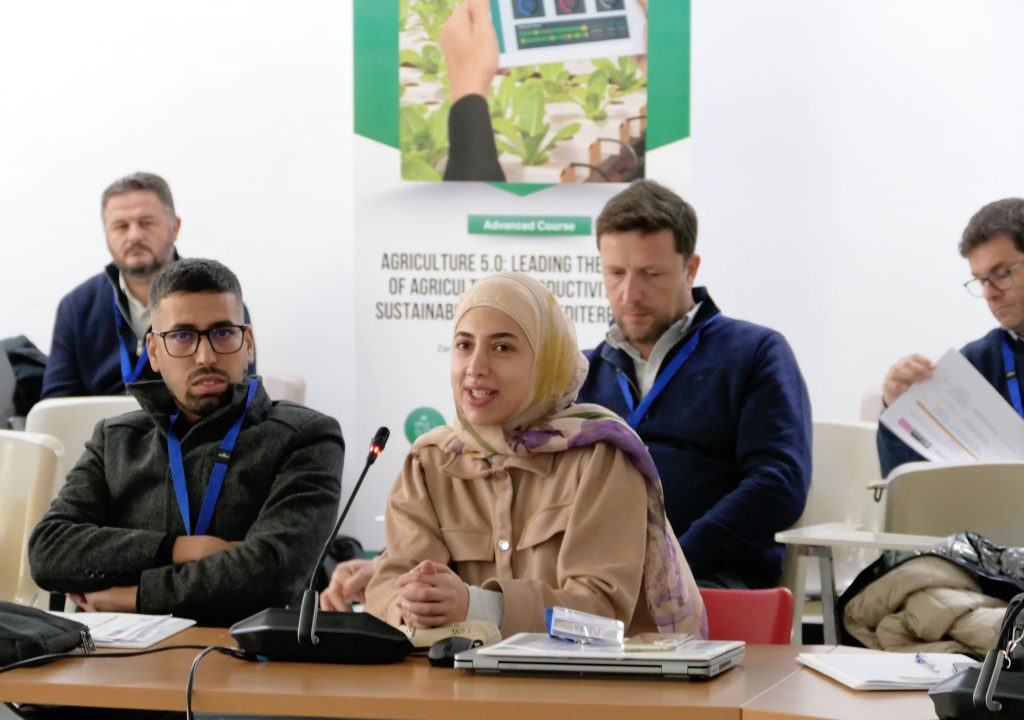
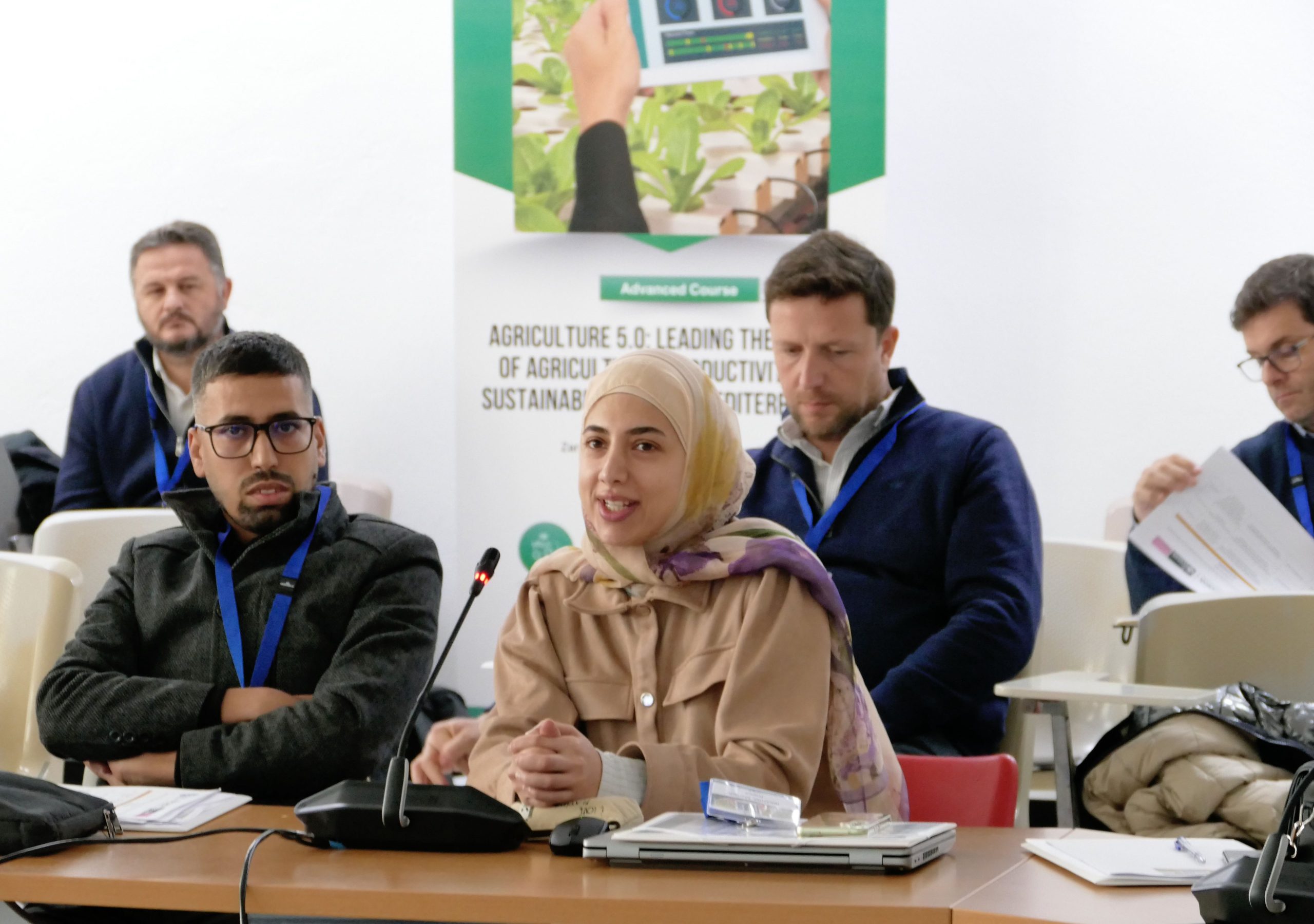
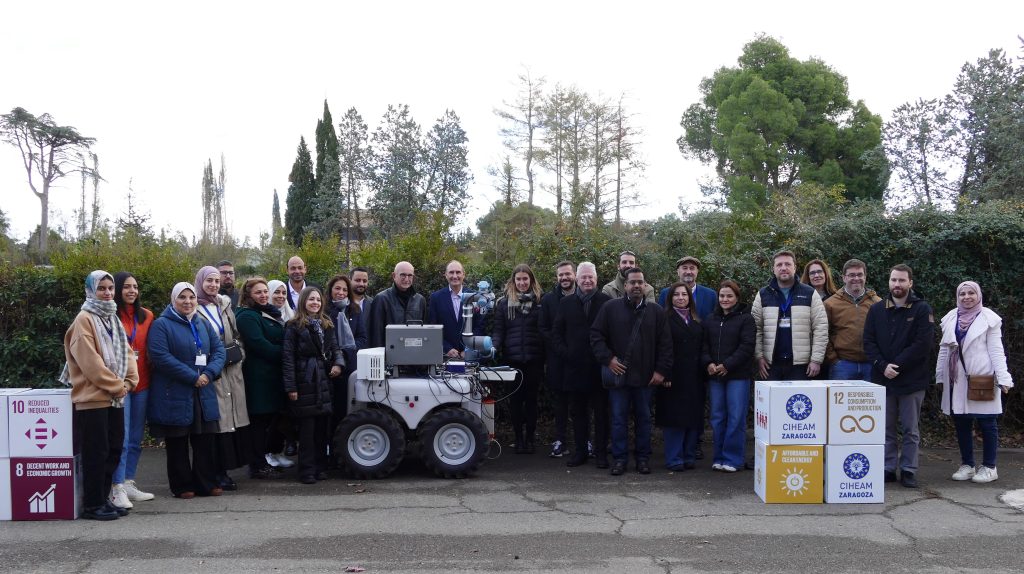
CIHEAM Zaragoza and the International Center for Agricultural Research in the Dry Areas (ICARDA) organised the advanced course “Agriculture 5.0: leading the future of agricultural productivity and sustainability in the Mediterranean” from 24 to 29 November 2025. The course brought together 30 professionals from 11 countries across North Africa, the Middle East and Europe, who participated both in person and online.

Emerging technologies such as remote sensing, artificial intelligence, robotics and the Internet of Things (IoT) require skilled professionals capable of leading the transition towards more productive, sustainable and resilient agricultural systems. The course provided participants with a comprehensive overview of these tools and approaches through practical case studies and operational applications, with a strong focus on Mediterranean agriculture and data-based decision-making.

The programme was delivered by experts from universities, research centres, public administrations, international organisations, and private companies, including the Higher Polytechnic School of Huesca–LAMGRI, Hochschule Geisenheim University, University of Cordoba, the Polytechnic University of Valencia and the University of Seville, the Technological Institute of Aragon, ICARDA, the Spanish Ministry of Agriculture, Fisheries and Food of Spain, GEODIM, the Climate Research Foundation, and Cajamar Foundation. Together, they offered a broad and highly specialised perspective on the digital and sustainable transformation of agriculture.

Comprehensive training: theory, practice, case studies and field visit

Over six intensive training days, theoretical sessions were combined with hands-on exercises and case studies. Participants gained experience in the use of IoT devices for real-time farm monitoring, data-driven crop management tools for yield prediction, precision farming techniques in rainfed systems, robotics for crop management and protection, as well as strategies for climate change adaptation and greenhouse gas mitigation.

Researchers from the Agricultural Robotics Lab of the Polytechnic University of Valencia gave a live demonstration of a robotic dragon-fruit harvesting system.  The prototype operated in two navigation modes using different arm positions to identify and harvest fruit safely and efficiently.

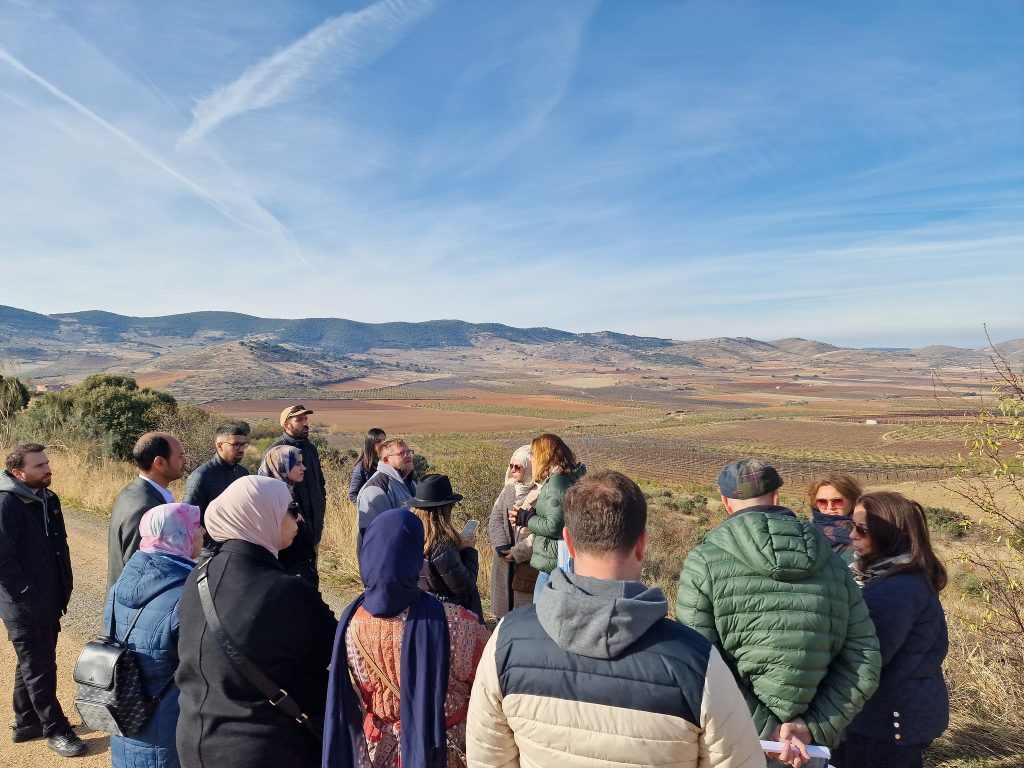
The programme also included a field visit to the MountainCherry orchards in Olvés (Zaragoza) to see the cherry varieties growing at 1000 metres above sea level. Agricultural engineer Antonio García Romea explained the orchard design and the use of multipurpose netting to protect trees from hail, strong winds, and frost, and described the rapid shift from traditional rainfed crops to irrigated precision farming that has taken place in the region over the past twenty years.

Impact on Mediterranean agriculture

The course offered an integrated vision of how innovative technologies, smart methodologies and climate-resilient strategies can transform agriculture in Mediterranean contexts, boosting productivity while enhancing the sustainability and resilience of the farming systems. The modules on climate-smart agriculture and development of climate-resistant crop systems were particularly relevant for the arid regions of the southern and eastern Mediterranean, supporting adaptation to climate change.

Twenty-three of the thirty participants came from the southern and eastern Mediterranean (Algeria, Egypt, Lebanon, Morocco, Tunisia, and Türkiye). They exchanged experiences, discussed shared challenges, and learnt to create strategic roadmaps to be implemented in the Mediterranean.

The modules focusing on policy frameworks and strategic roadmaps are expected to facilitate the implementation of Agriculture 5.0 approaches at national level within the CIHEAM Member States.

A record number of CIHEAM Zaragoza students and staff take part in the 2025 ESIC Business Run

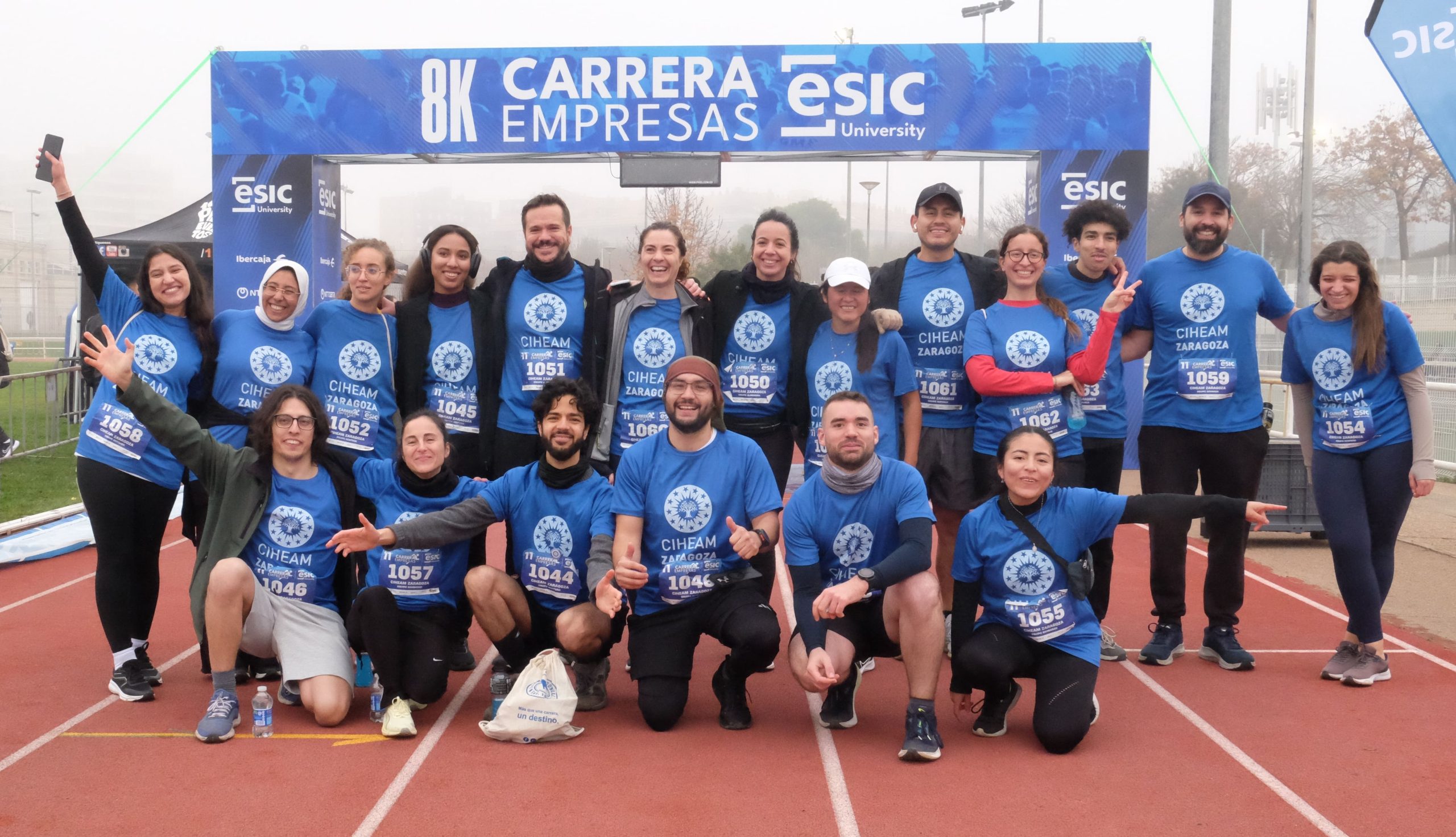
Zaragoza, 15 December 2025.- On a cold and foggy Sunday morning, CIHEAM Zaragoza’s delegation of runners turned out for the 2025 ESIC Business Run, a mass sporting event bringing together over 6,500 participants along an 8k urban route through the streets of Zaragoza.

CIHEAM Zaragoza was proud to enrol a record-breaking number of 7 teams of students and staff in this popular run organised by the ESIC Business School to encourage team building and companionship. It was therefore a great opportunity for CIHEAM Zaragoza students from the Animal Nutrition and Plant Genetics, Genomics and Breeding master’s programmes to step out of the classrooms and join in activities organised in their new city of residence.

Words of encouragement and laughter were heard along the way, in several languages and accents as our runners from Algeria, Bolivia, Canada, Ecuador, Egypt, Lebanon, Morocco, Spain, Tunisia and Venezuela proudly made up the most international group in the race.

Once over the finish line, everyone agreed that it had been well worth the effort. For several participants this was their very first sporting event. They were amazed by how much they had enjoyed the day and were grateful for the constant support from their more experienced team mates who kept them going from start to finish. They will be encouraging others to do the same next year.

CIHEAM Zaragoza now has a new generation of runners!

Effect of aquaculture fish escapes on gilthead seabream and seabass prices in the Mediterranean

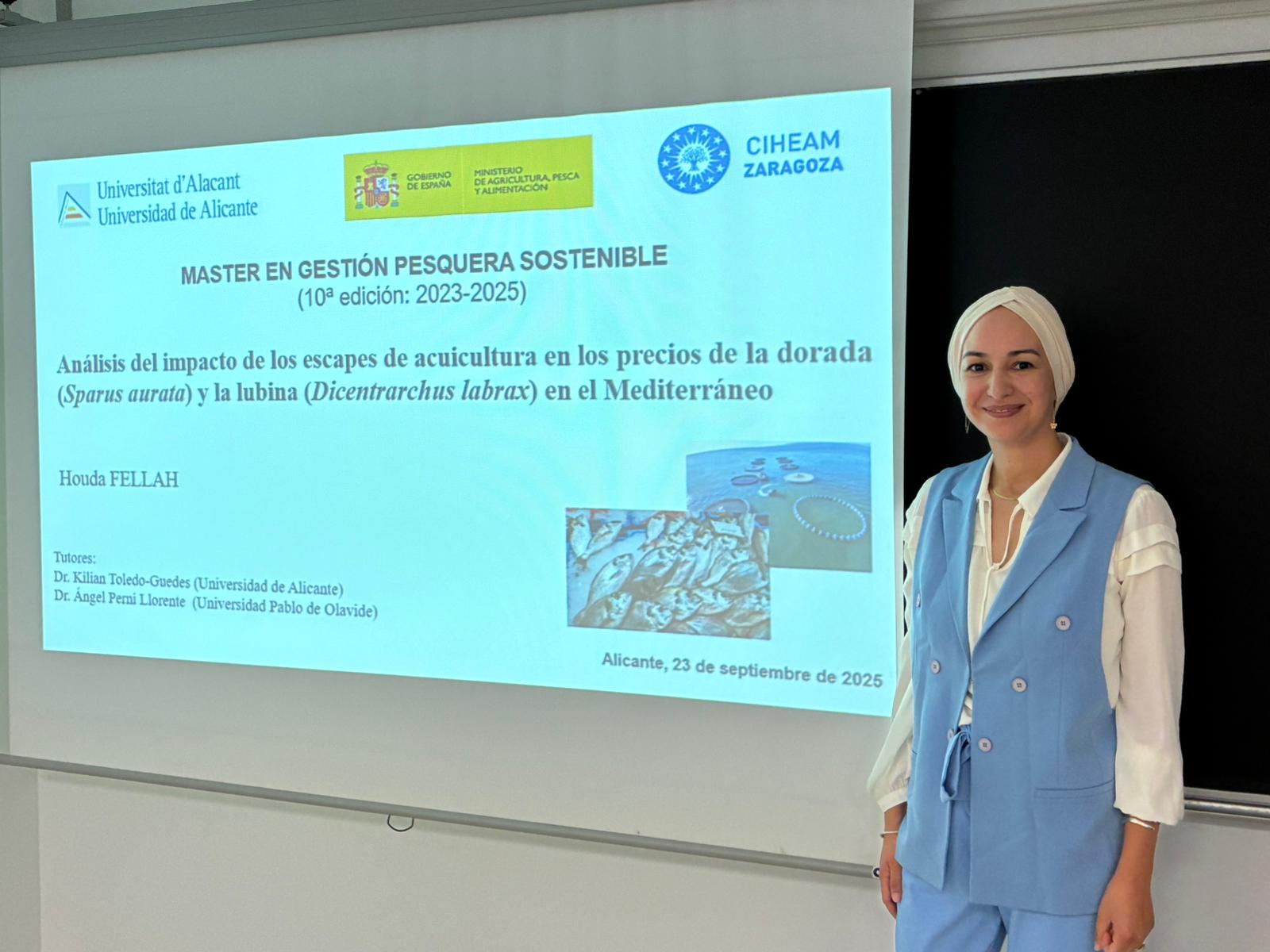
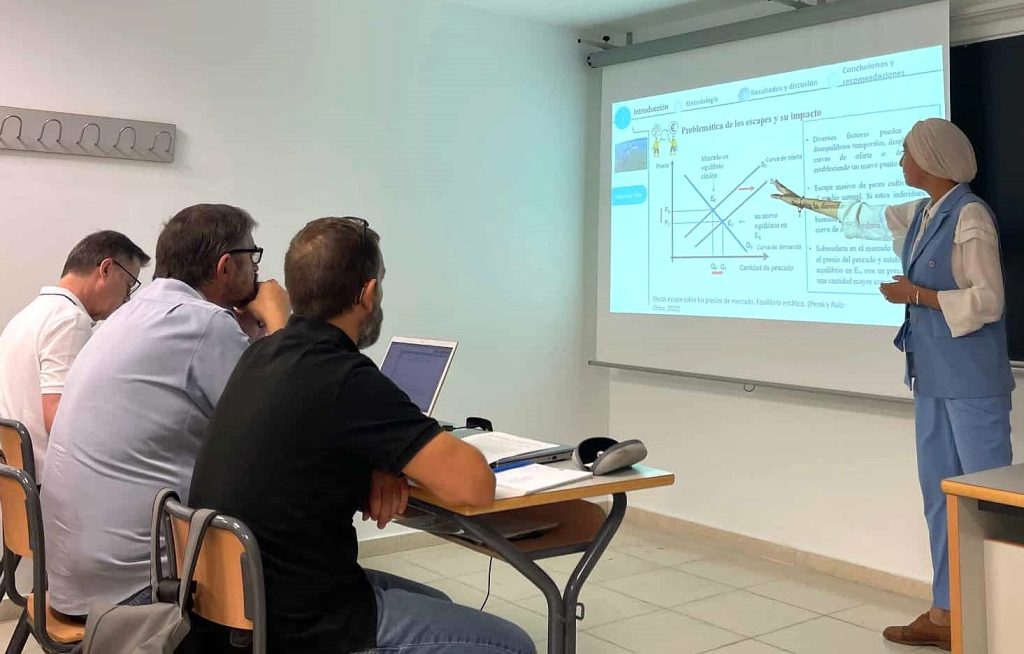
  • Houda Fellah, graduate from the Master in Sustainable Fisheries Management organised by CIHEAM Zaragoza and the University of Alicante, analyses the effect of fish escapes on fish market prices

The expansion of aquaculture in the Mediterranean, together with climate change, has increased the frequency of fish escape events in recent decades. Storms are more intense and structural failures cause accidental release of fish into the surrounding waters, with subsequent ecological, social and economic effects. Although many studies have analysed the impact of these escapes on biodiversity and fisheries, their effect on fish prices at market is less known.

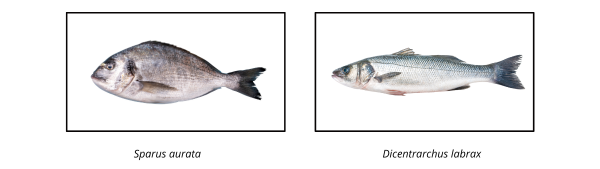
Houda Fellah, graduate from the International Master in Sustainable Fisheries Management of CIHEAM Zaragoza and the University of Alicante, analysed this question in her Final Master Thesis (TFM). Her research focused on two of the most important species in the Mediterranean: gilthead seabream (Sparus aurata) and seabass (Dicentrarchus labrax).

Gilthead seabream, more sensitive to fish escapes

The results show considerable differences between the two species. In gilthead seabream, the probability of escape events was a determining factor in price formation, with a strong, statistically significant, negative effect. Even small-scale escapes generated clear market signals, causing falls in prices at the landing port due to oversupply.

On the contrary, in the case of seabass the probability of escape events did not show a statistically significant effect, which suggests that small-scale escapes do not directly affect price dynamics. This species reacts mainly to large-scale events and spatial factors associated to the location of fish farms.

According to data, differentiated approaches are required in economic and environmental management of escapes, and in the assessment of their impact on artisanal fisheries and local markets.

The GLORiA 2 project

This TFM was developed in the framework of the GLORiA 2 project (GLObal Change Resilience in Aquaculture-2), cofinanced by the European Maritime and Fisheries Fund and the Pleamar Programme of the Biodiversity Foundation. The project assesses the resilience of aquaculture to global change, integrating ecological, social and economic impacts.

The study used first-sales data from 14 landing ports for gilthead seabream and 7 for seabass in the Valencian Community and the Region of Murcia (Spain) during the period 2004-2021. Through panel data econometric analysis, Fellah evaluated how escape probability indicators affected price fluctuations, controlling for other market factors.

Tools for sustainable management of the sector

Quantifying the economic impact of escapes provides practical evidence applicable to various scenarios: improving aquaculture risk management (prevention, insurance, post-storm protocols); reducing the possible impact of escapes (oversupply) on local markets; and improving adaptation of the fishing and aquaculture sector to climate change.

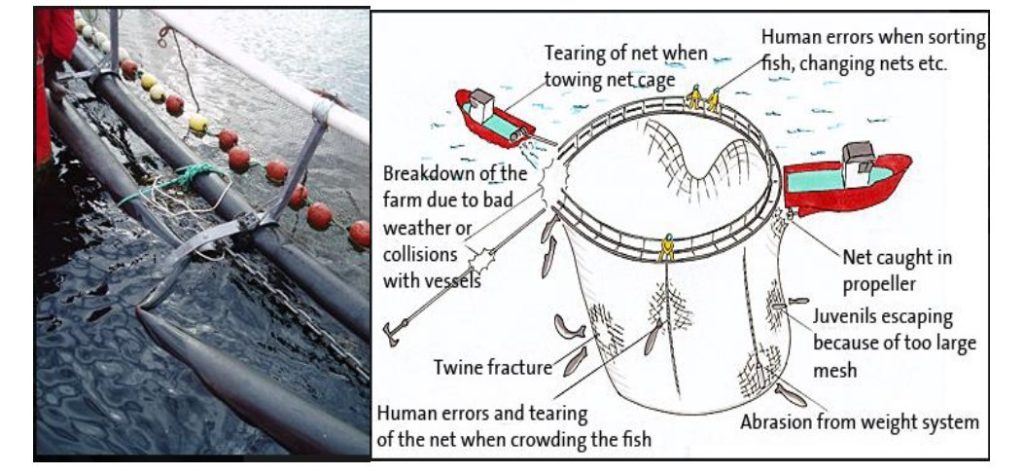
Common escape factors, with particular attention to net flaws and sea-cage operations.

The research work established a direct connexion between the escape events and price formation at the landing ports and compared the effect between species. Integrating the escape probability function in econometric models is an innovative approach, as the existing bibliography focuses mainly on biodiversity and fisheries, without taking into account market dynamics.

This TFM of the Master in Sustainable Fisheries Management of CIHEAM Zaragoza and the University of Alicante provides quantitative tools for a more resilient management of the sector against the challenges of climate change.

ABOUT THE AUTHOR

Houda Fellah is a specialist in fisheries management and stock assessment, with particular interest in the impacts of climate change and the relationship between economics and natural resources.

With this TFM, she was awarded the official qualification of Master in Sustainable Fisheries Management (CIHEAM Zaragoza/University of Alicante, 2023–2025). The research work was conducted under the supervision of Kilian Toledo-Guedes (University of Alicante) and Ángel Perni Llorente (Pablo de Olavide University).

Between 2020 and 2023, Fellah was head of the Entrepreneurship and Innovation Service at ENSSMAL – the Higher National School of Marine Science and Coastal Development – of Algeria, leading projects in fisheries economics, protected marine areas, and technical and economic studies in aquaculture. She has also engaged in teaching and supervised final research projects in bioeconomics and fisheries management.

She is currently conducting a doctorate at the University of Alicante, where she continues her line of research in sustainable fisheries management.

GRASS CEILING MOOC: Boosting women’s leadership in agriculture and rural innovation

  • Learn strategies to empower women in rural agriculture and lead sustainable projects
  • Explore practical case studies and tools for gender equality and rural innovation

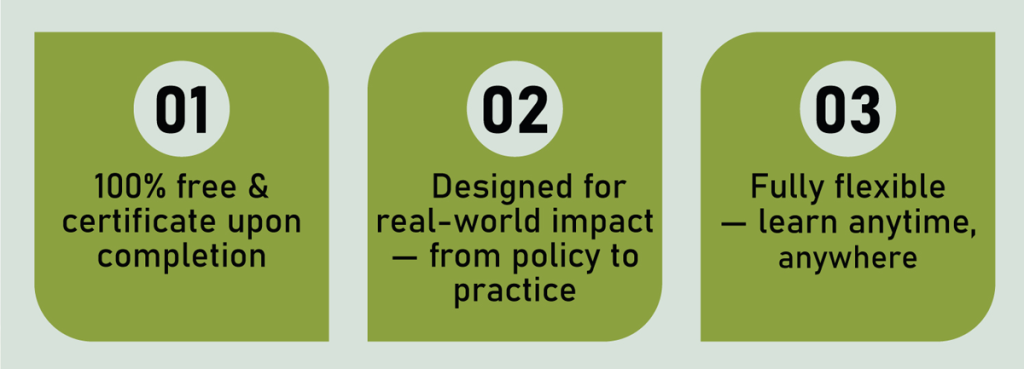
Empowering women in agriculture is key to building sustainable and resilient rural communities. The GRASS CEILING MOOC is a free online course designed to strengthen the role of rural women as innovators and leaders across Europe. Through a mix of theory, real-life case studies, and practical tools, this course helps learners actively support women-led socio-ecological projects.

Who can benefit from the GRASS CEILING MOOC?

This course is open to everyone passionate about gender equality in agriculture and rural development. The GRASS CEILING MOOC provides the knowledge, inspiration, and practical tools to make a difference. Whether you are:

  • A rural farmer seeking innovative approaches
  • A policymaker promoting inclusive strategies
  • A researcher studying sustainable agricultural practices
  • A cooperative member aiming to enhance community impact
  • Or simply interested in empowering women in rural areas

…this course equips you to support and promote women-led innovations effectively.

What you will learn

The MOOC is structured into modules that include:

  • Clear learning objectives to guide your journey
  • Expert lectures on gender, sustainability, and leadership in rural contexts
  • Real-life case studies highlighting successful women-led projects
  • Self-assessment quizzes to check your understanding
  • “Learn more” resources to deepen your knowledge

By the end of the course, participants will be ready to apply actionable strategies in their own communities and projects.

Why join this free online course?

The GRASS CEILING MOOC offers unique benefits for participants:

  • Empowering rural women to take leadership roles in agricultural innovation
  • Building a strong network of like-minded learners across Europe
  • Learning practical solutions to implement sustainable, socio-ecological projects
  • Flexible online learning at your own pace, accessible anywhere

Join the movement

Take part in the GRASS CEILING MOOC and contribute to transforming rural communities through women-led innovation. The course is completely free and open for registration. Learn, share, and inspire change in your community.

Register now and start making an impact: https://www.grassceiling.eu/online-academy/training-activities/mooc/

About the GRASS CEILING Project

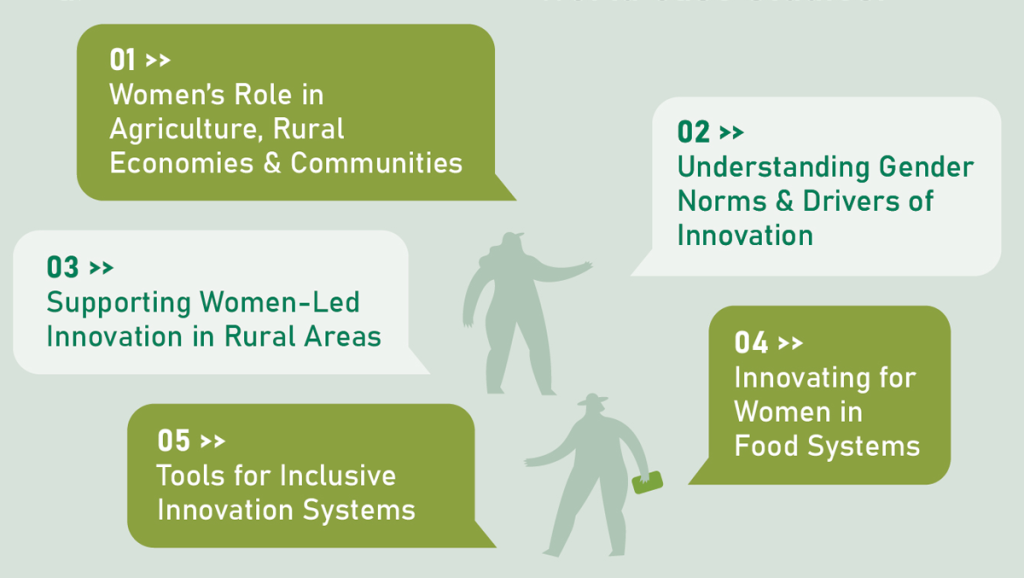
The GRASS CEILING MOOC is part of the GRASS CEILING project, a three-year Horizon Europe multi-actor initiative that aimed to empower rural women and increase the number of women-led socio-ecological innovations in agriculture, the rural economy, and rural communities. The project contributed to advancing UN gender parity goals, the EU gender equality strategy, the Green Deal, the Farm to Fork strategy, the Long-Term Vision for Rural Areas, and the European Pillar of Social Rights. Activities included establishing testbeds through Living Labs, creating tools to improve policies affecting rural women innovators, analysing the current position of women in relation to European agricultural megatrends, and co-creating knowledge on gender norms and drivers of women-led innovation.

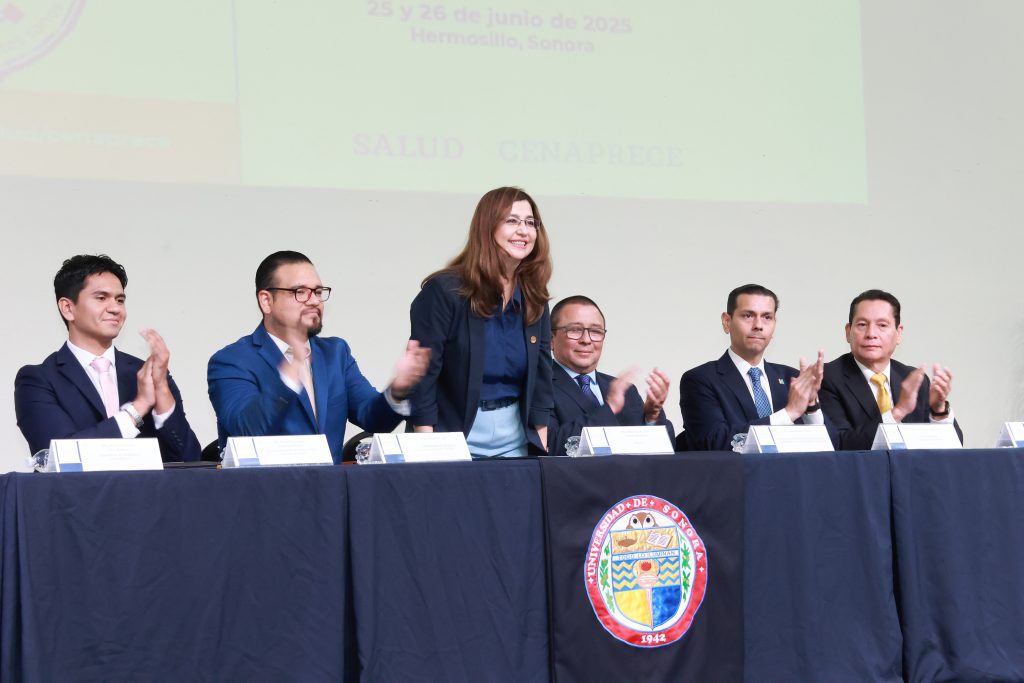
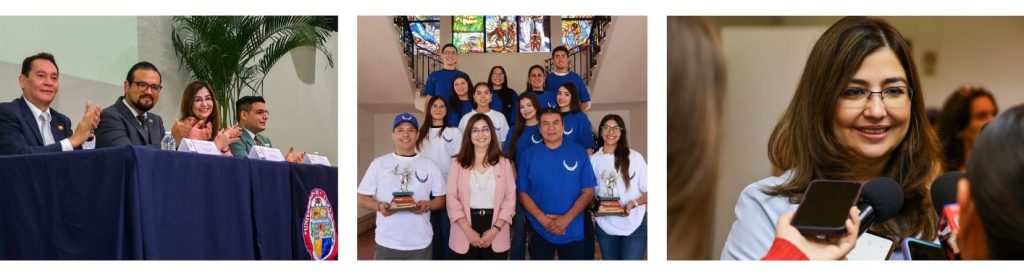
Alumni Interviews: Dena María Jesús Camarena, Chancellor of the University of Sonora

  • Dena María Jesús Camarena, Chancellor of the University of Sonora (México), recalls her time at CIHEAM Zaragoza and reflects upon common challenges and opportunities for collaboration between Latin America and the Mediterranean.

We chatted with Dena María Jesús Camarena, Chancellor of the University of Sonora for the period 2025–2030 and the second woman to take the helm of this institution. Born in Hermosillo (Sonora, Mexico) in 1976, Camarena combines a solid academic career with a wide experience in university management.

Since 2011 she has been a teaching-researcher at the Faculty of Economic and Administrative Sciences of the University of Sonora, focusing her work on agrifood marketing, consumer markets and consumer behaviour. Her management experience includes coordination of the academic programme, academic administration, faculty leadership and general management.

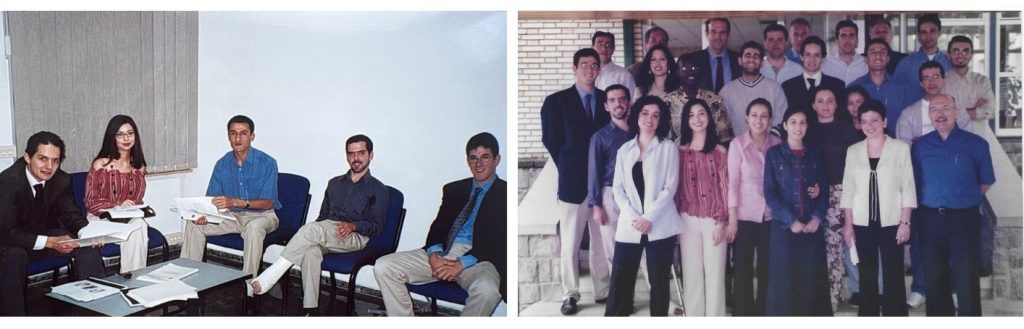
A former CIHEAM Zaragoza student in the International Master in Agrifood Marketing (2001–2003), she recalls this period as a decisive stage of her training, during which she consolidated her global vision of agrifood systems.

In this interview, she reflects upon how her experience in Zaragoza shaped her professional career. From her perspective as chancellor of the University of Sonora, Dena highlights the importance of international partnerships and shares her vision for collaboration opportunities between Latin America and the Mediterranean.

Question: Your academic and professional career has been closely linked to the study of agrifood marketing and consumer behaviour. When did you become interested in these topics?

Answer: My interest began when I completed my degree and undertook research comparing the production costs of organic and conventional crops in the Sierra of Sonora using the Policy Analysis Matrix (MAP). This was my first academic approach to these food products and gave me the opportunity to work as a research assistant in the agricultural division of the Produce Foundation. The Foundation is an institution dedicated to promoting and supporting research, validation, and technology transfer projects in the sector. It was then that I realised how little research had been carried out in our state on agricultural markets, and that agrifood marketing was practically non-existent. This experience sparked my interest and encouraged me to pursue post-graduate studies in this field.

Since then, I have been committed to translating academic knowledge into better decision-making for producers, firms, and communities, convinced that agrifood marketing is a strategic tool for regional and national development.

Q: What key skills or values acquired at CIHEAM Zaragoza have you drawn upon in your professional career and in your academic leadership role?

A: During my training at CIHEAM Zaragoza, I lived and worked with people from different cultures and countries. This exposed me to a wide variety of approaches to tackling the same problem. I learnt that, through analysis, reflection, and constructive dialogue, it is possible to reach consensus and find trade-offs that enable progress. Values such as respect, tolerance, cooperation, and pursuit of excellence form part of student life at CIHEAM and remain with those of us who have had that experience. These values have been fundamental in my professional journey and are valuable assets for me today in my role as chancellor of the University of Sonora. They guide me in my efforts to make the university more open to global dialogue, more innovative, and more socially committed.

Q: During your training in Zaragoza, you had the opportunity to interact with professionals and students from different regions of the world. What networks did you build then, and how have they contributed to your work in research and teaching?

A: There were more than a dozen nationalities in my master’s programme. This was incredibly enlightening, as it enabled me to discover other cultures and learn different ways of analysing problems. I was also the intern in charge of the Hall of Residence on the Campus of Aula Dei.  Through these experiences, and by learning from lecturers of various nationalities, I developed networks that have strengthened over time. Upon returning to my country, these relationships have often led to agreements between the University of Sonora and a range of institutions in Spain, Portugal, Argentina, Chile, and others. The networks have also facilitated participation in congresses, forums, symposiums and teaching activities, significantly enriching my research and academic work.

I believe these networks not only reinforce research and training but also enhance the active role our institutions play in the global debate on the future of education and sustainability.

Q: How important do you consider academic and cultural relations to be in the training of future professionals in the agrifood sector?

A: I think they are essential. Academic and cultural relationships allow us to collaborate in research projects, teaching activities, thesis supervision, and the organisation of conferences and seminars. They also provide a means of sharing state-of-the-art knowledge that is vital for training future professionals in the agrifood sector.

The opportunity to interact with experts from different disciplines and contexts enriches students’ education by broadening their horizons and equipping them with tools to understand the complexity of markets and food systems in a global environment. These links not only strengthen their academic preparation, but also enable them to develop intercultural skills, drive innovation, and open opportunities for mobility and integration into international networks.

In an interconnected world, educating tomorrow’s professionals also means preparing global citizens capable of offering solutions that transcend borders.

Q: From your new position as chancellor, do you foresee launching projects or partnerships to strengthen relations between Latin America and the Mediterranean?

A: Absolutely. I firmly believe in the importance of strengthening ties with the Mediterranean, a region with which we share historic, cultural and academic affinities that can be transformed into opportunities for joint research and mobility programmes, joint qualifications, and university networks that support teaching and knowledge creation. Moreover, shared challenges such as climate change, food security, sustainability, technological innovation, and social inclusion call for common agendas between universities and institutions from both regions.

I am convinced that international cooperation is a strategic pathway to strengthening training, innovation and social engagement at our institution. In this sense, the University of Sonora can serve as a bridge for dialogue and collaboration, bringing together our academic communities and our young people in international experiences that enhance their training and contribute to regional development.

The University of Sonora is a key actor in these alliances, enriching our academic community, while also generating concrete solutions to the serious challenges faced by our societies.

Q: Finally, what message would you like to share with the young professionals currently studying at our Institute now or considering doing so?

R: I would tell them that the Institute is a gateway to opportunities where they can grow, learn, and connect with the world. CIHEAM Zaragoza offers the tools and opportunities needed to build networks that will strengthen their professional future. It is an ideal moment to meet and interact with fellow students from other cultures and parts of the world and to make the most of the Institute’s first-class facilities and study programme. I am certain that their experience at the Institute will enable them to make a positive impact on their communities and society.

Studying at the Institute not only transforms individual lives, but it also trains leaders capable of driving change in their countries and contributing to global wellbeing.