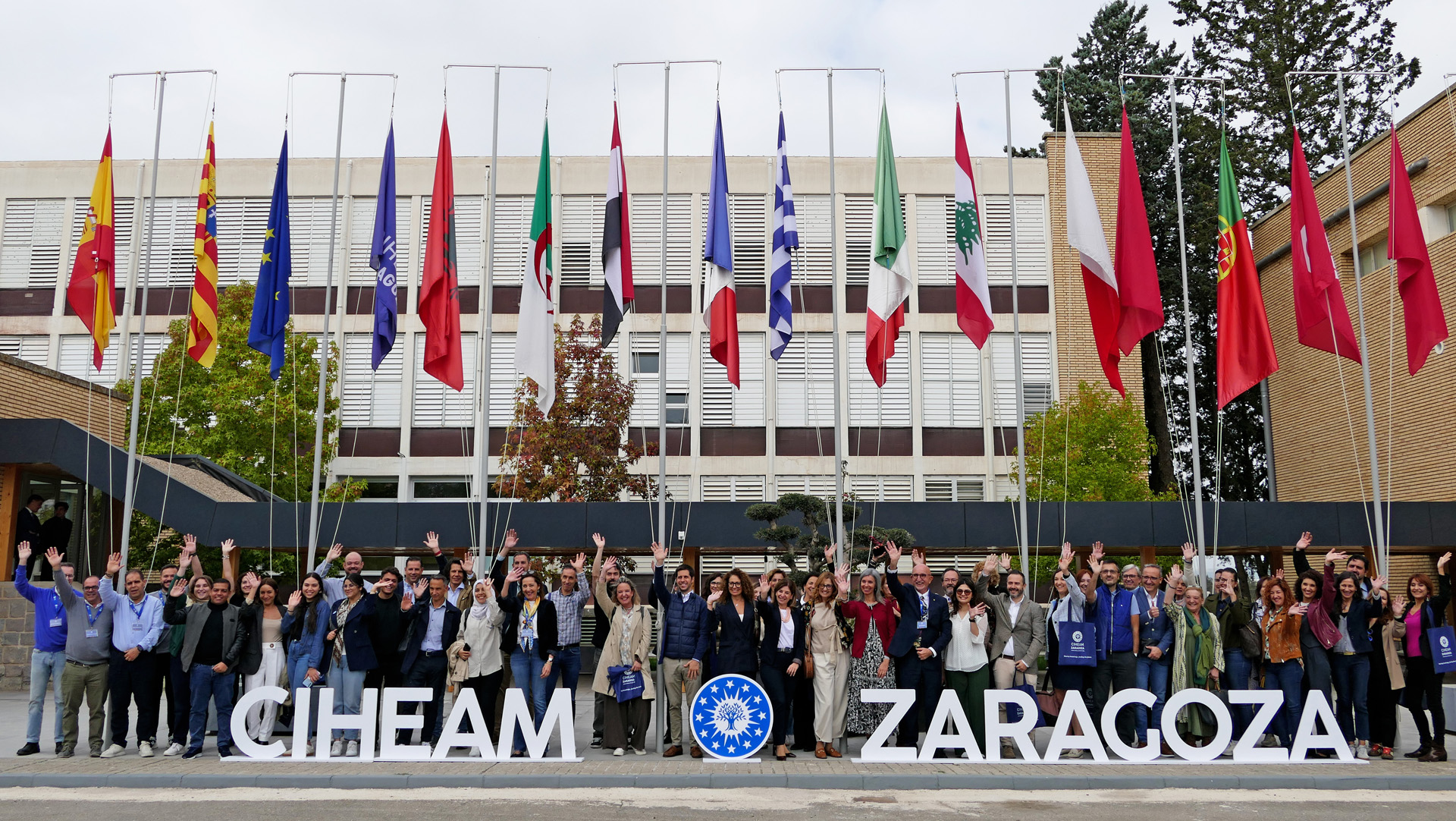
Professionals from 12 countries strengthen regional collaboration on wastewater reuse for agriculture at CIHEAM Zaragoza

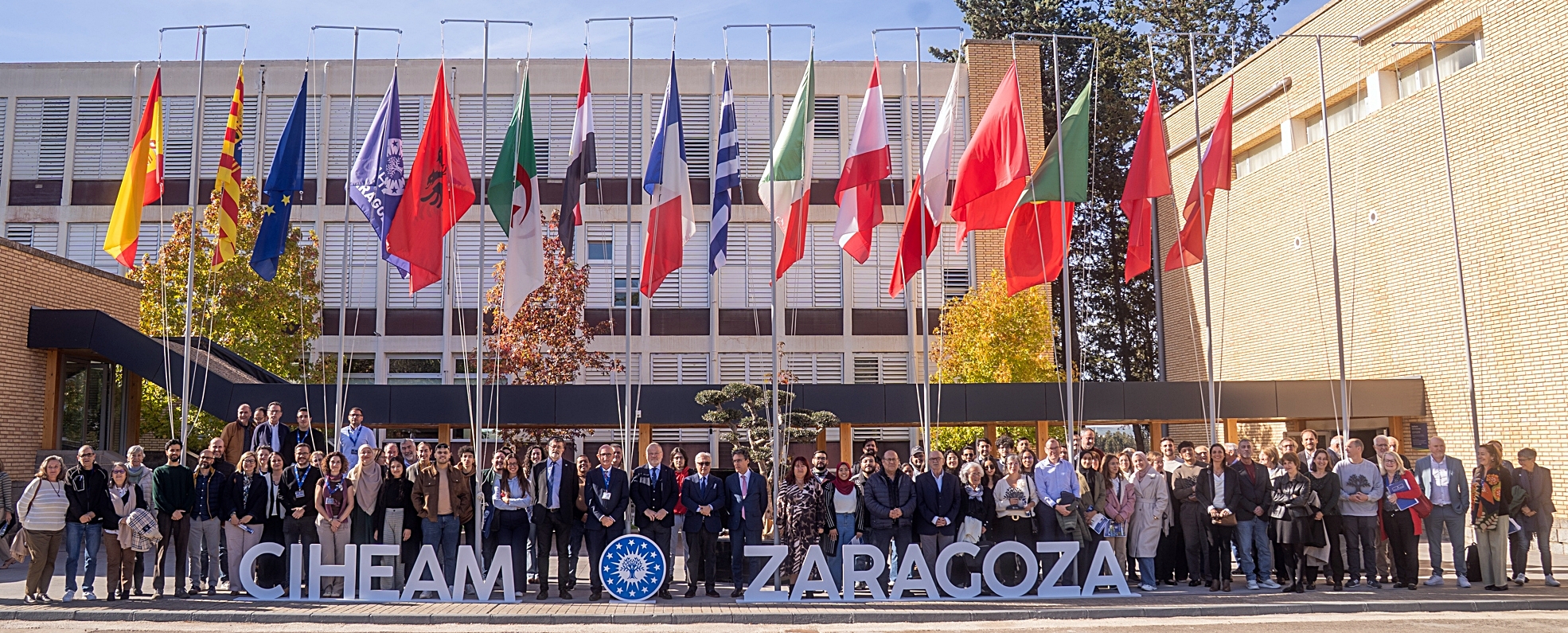
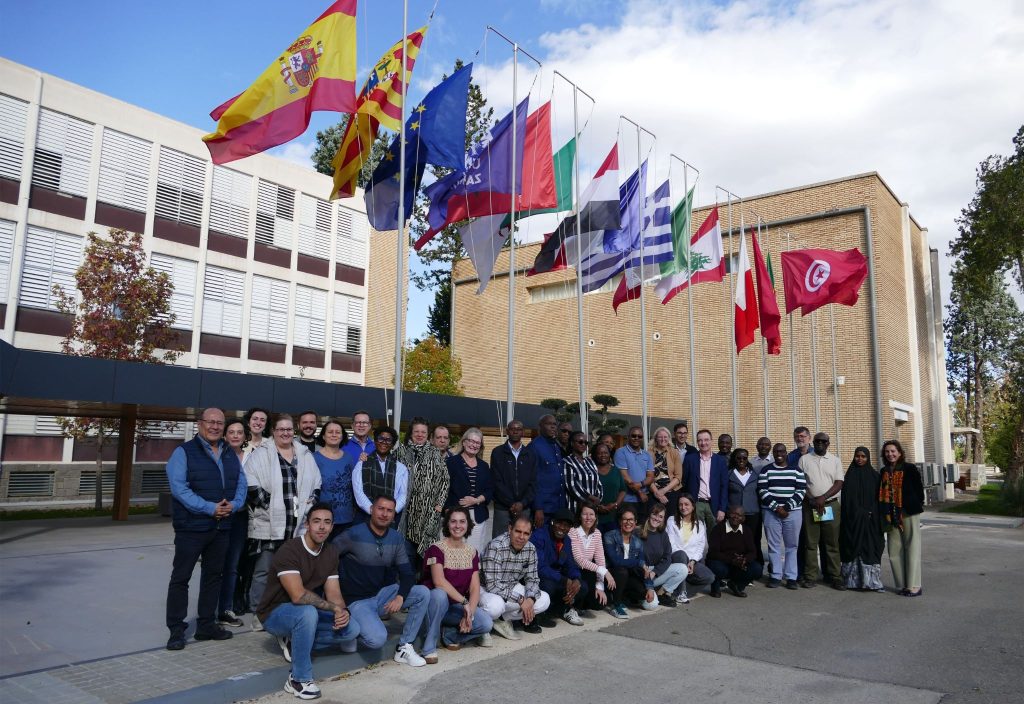
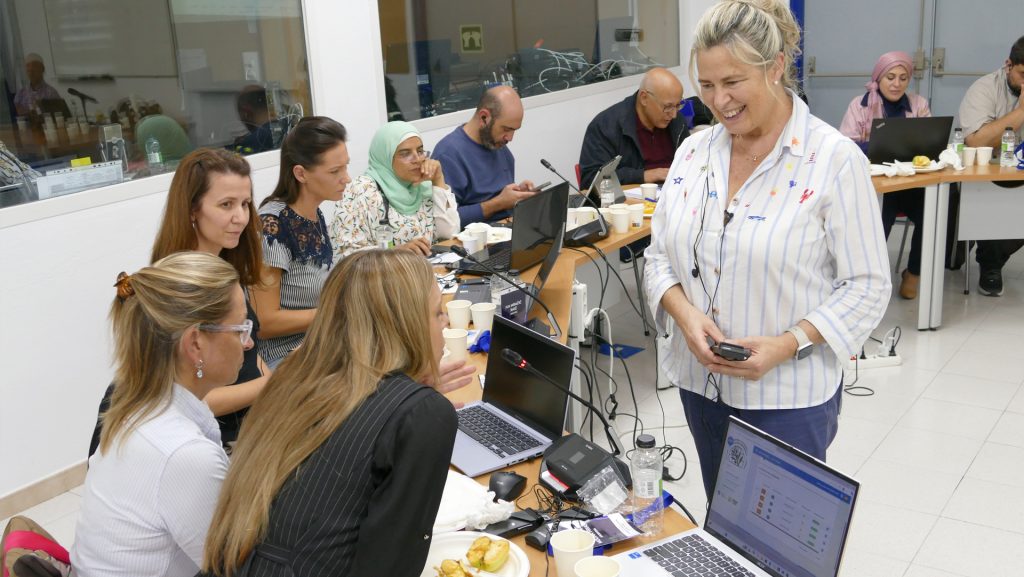
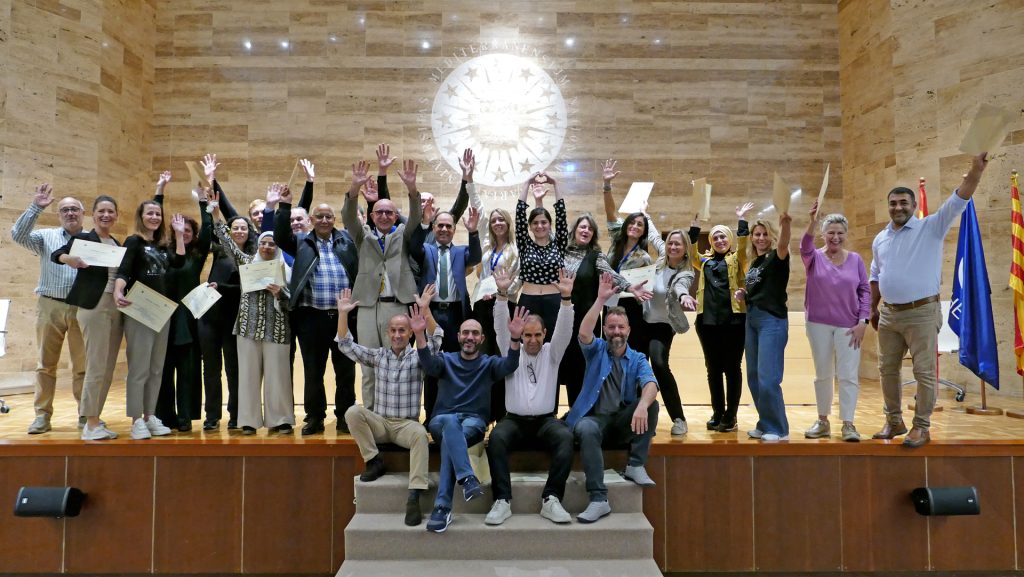
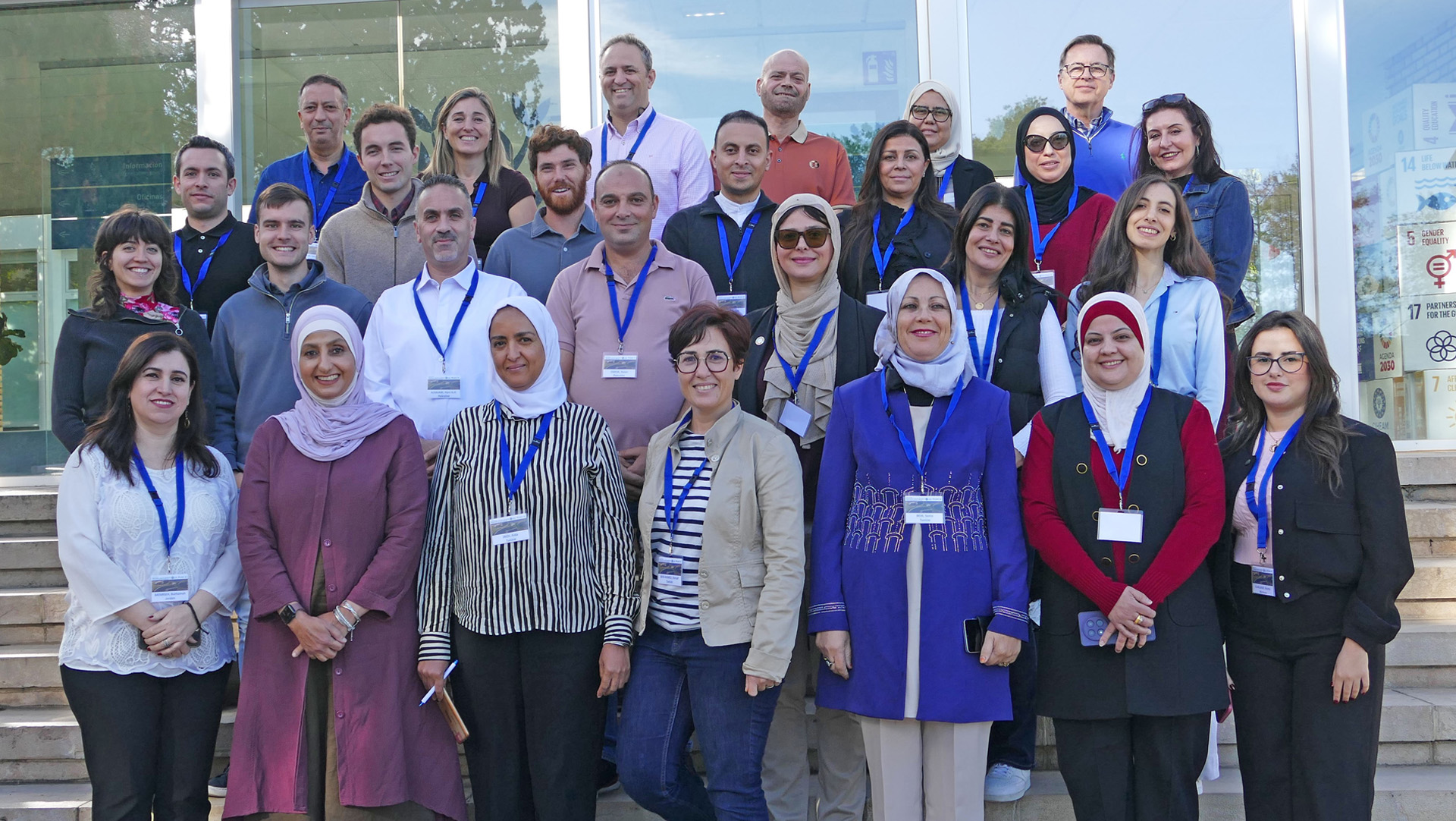
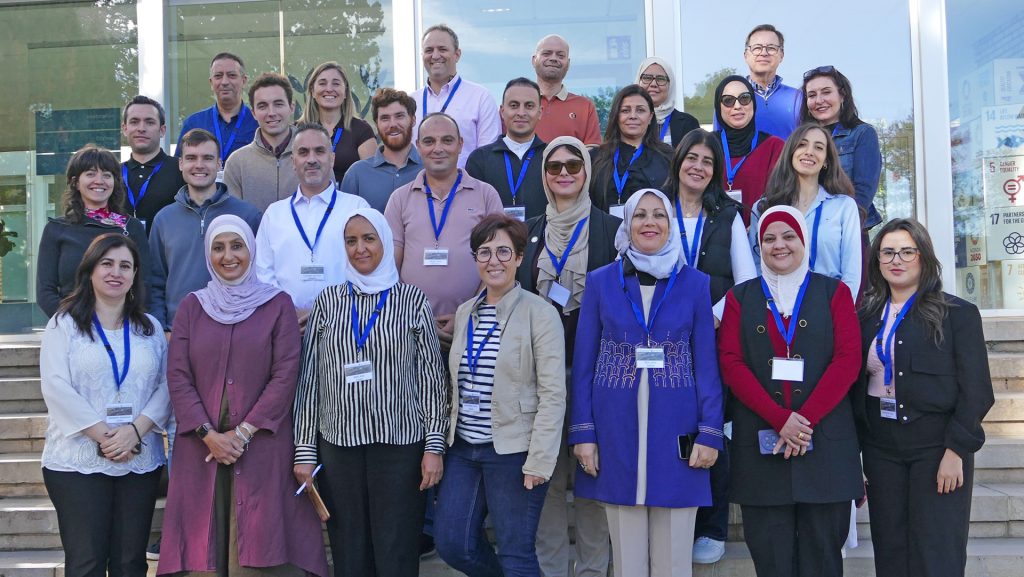
  • Thirty-four professionals from 12 countries from North Africa, the Middle East and Europe attended the Advanced Course on Wastewater Reuse for Agriculture, held at CIHEAM Zaragoza, Spain, from 20 to 25 October 2025.
  • The course was jointly organised by the International Centre for Advanced Mediterranean Agronomic Studies (CIHEAM), through the Mediterranean Agronomic Institute of Zaragoza (CIHEAM Zaragoza), and the International Center for Agricultural Research in the Dry Areas (ICARDA), with the collaboration of the Regional Office for the Near East and North Africa of the Food and Agriculture Organization of the United Nations (FAO), the Spanish Agency for International Development Cooperation (AECID), and the International Water Management Institute (IWMI).
Non-conventional water resource development and use for agriculture in arid and semiarid regions is of utmost importance in responding to the increasing food demand of the rapidly and ever-growing population. These regions suffer from growing water scarcity, water quality deterioration, and the uncertainties associated with climate change. To overcome this situation, the safe use of treated wastewater should be largely adopted in places where the available water for agriculture is decreasing.

The programme was delivered by experts from research centres (CEBAS-CSIC; INRAE) and universities (Univ. Seville, Univ. Jordan), from different countries and international organisations (FAO, IMWI), and from the Italian National Association of the Agricultural Water Board. The course attracted 34 experts – 21 participating in person from Algeria, Egypt, Italy, Jordan, Lebanon, Morocco, Palestine, Spain, Tunisia, and Türkiye, and 13 who followed the course online from Chile, Egypt, Italy, Libya, Morocco, Palestine, Spain, and Türkiye.
The challenge lies in equipping professionals involved in the management and use of non-conventional water resources with the most efficient and cost-effective treatment technologies, together with protocols, guidelines and case studies to support optimal use of these valuable resources. This advanced course provided an overview into regulatory frameworks as well as legal, environmental, and socioeconomic constraints to ensure the safe use of non-conventional water resources. It also presented actionable recommendations and illustrative examples to promote social acceptance and inform effective re-use policies.

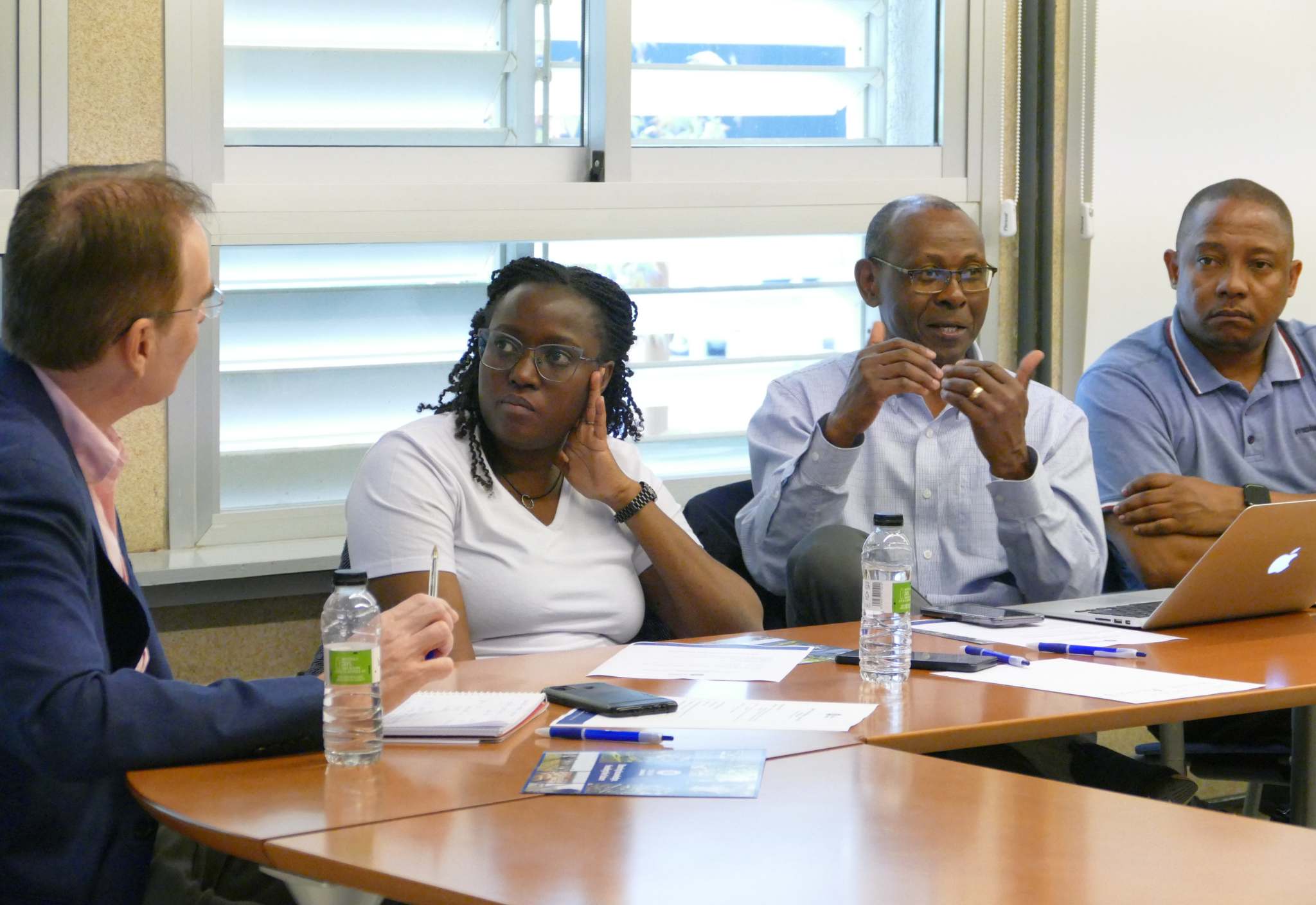
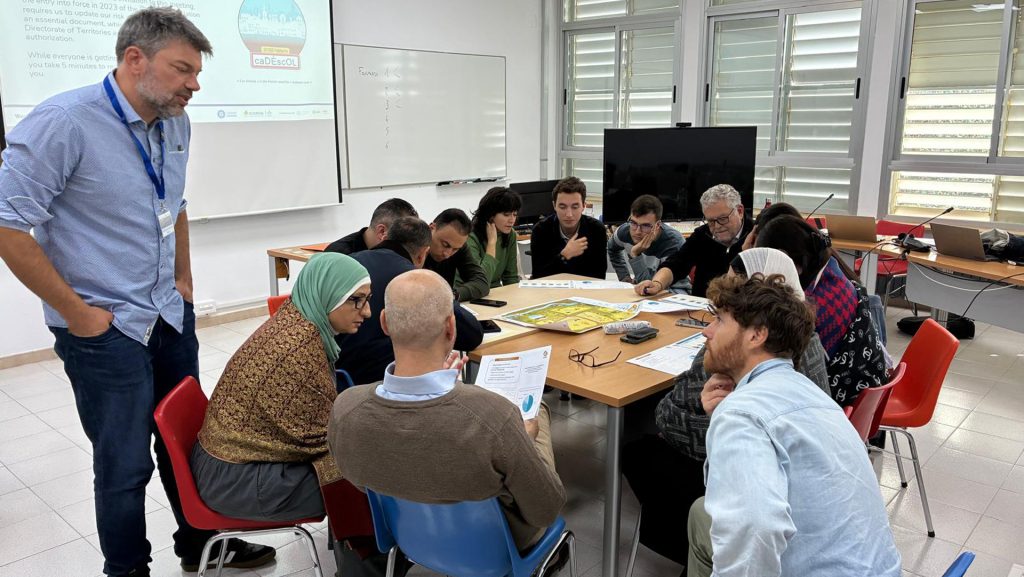
Over the course of the six-day programme, theoretical sessions were combined with practical exercises and case studies. The practical exercises addressed water reuse risk management for agricultural irrigation schemes, and technical solutions and agricultural good practices in different socioeconomic contexts. Participants were also guided through a play-to-learn exercise in participatory processes for wastewater reuse. Finally, face-to-face course participants had the opportunity to visit a wastewater treatment plant in Vitoria and a nearby irrigation area using wastewater.
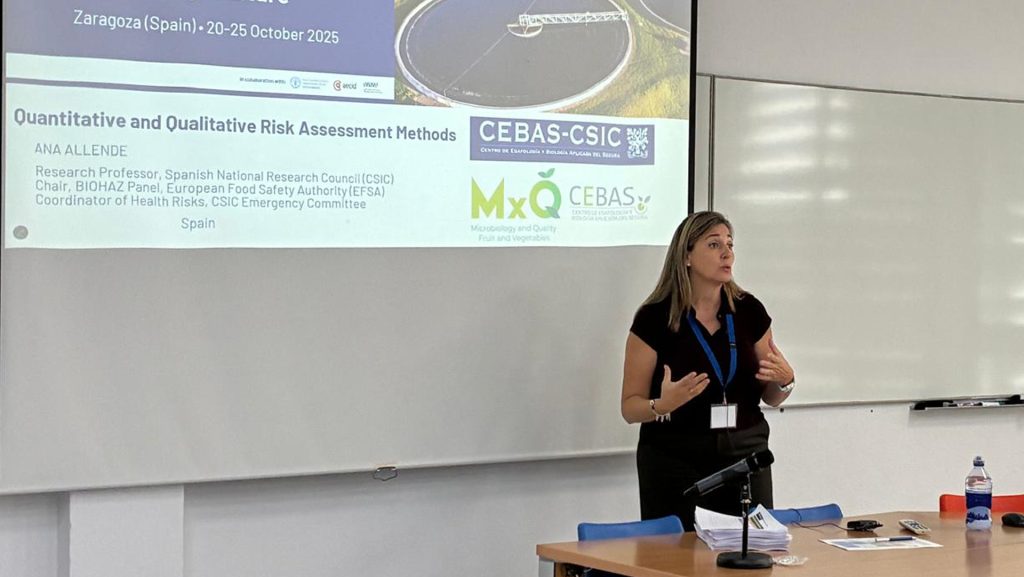
The programme covered several key areas, starting with wastewater treatments, emphasising the importance of advanced purification methods and sustainable reuse. It then explored risk assessments, highlighting how evaluating potential hazards is essential to ensure public health and environmental safety. The section on field implementations focused on practical applications, demonstrating how theoretical knowledge can be effectively applied to real-life projects.

Participants also examined the institutional framework and policy instruments governing wastewater management, gaining a clearer understanding of how regulations shape national and regional strategies. The course concluded with a comparative analysis of experiences and regulations in different countries, which provided valuable insights into diverse approaches and best practices across the Mediterranean region.
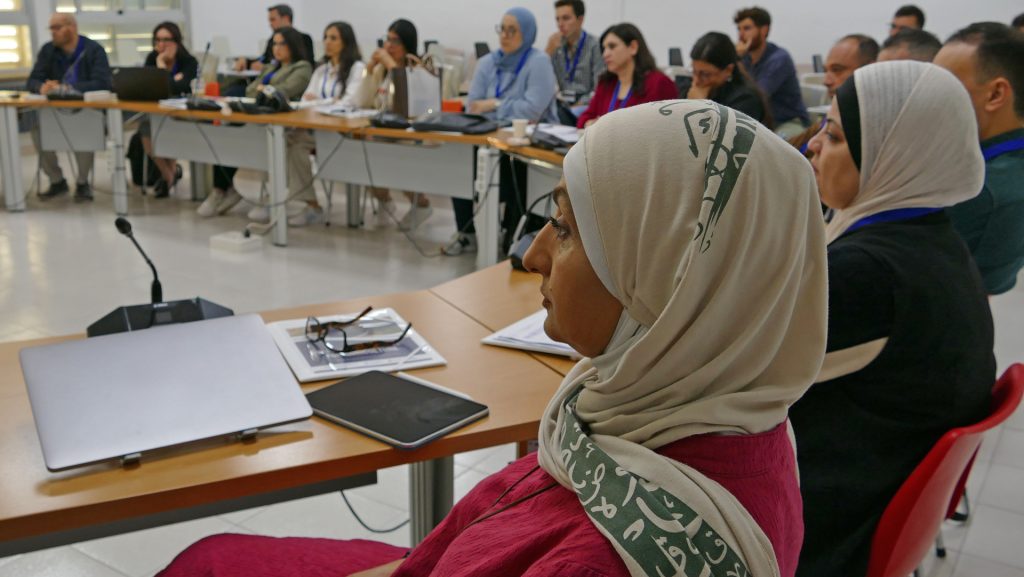
Several general conclusions emerged from the discussions held during the course: It is essential to promote the use of treated and reclaimed water in Mediterranean agriculture as a sustainable resource; achieving a balance between safety and economic feasibility is crucial for long-term viability; sharing experiences among countries is vital, since similar challenges often require tailored yet harmonised solutions; and establishing a common Mediterranean framework for regulations and risk assessments would help to align efforts and improve regional collaboration.

One of the best outcomes of the course was the excellent interaction and cooperation among participants. The strong relationships built within the group have opened the door to future collaborations, fostering a shared commitment to sustainable water management in the Mediterranean area.
CIHEAM Zaragoza trains new specialists to strengthen the sustainable future of the agrifood sector in the Mediterranean

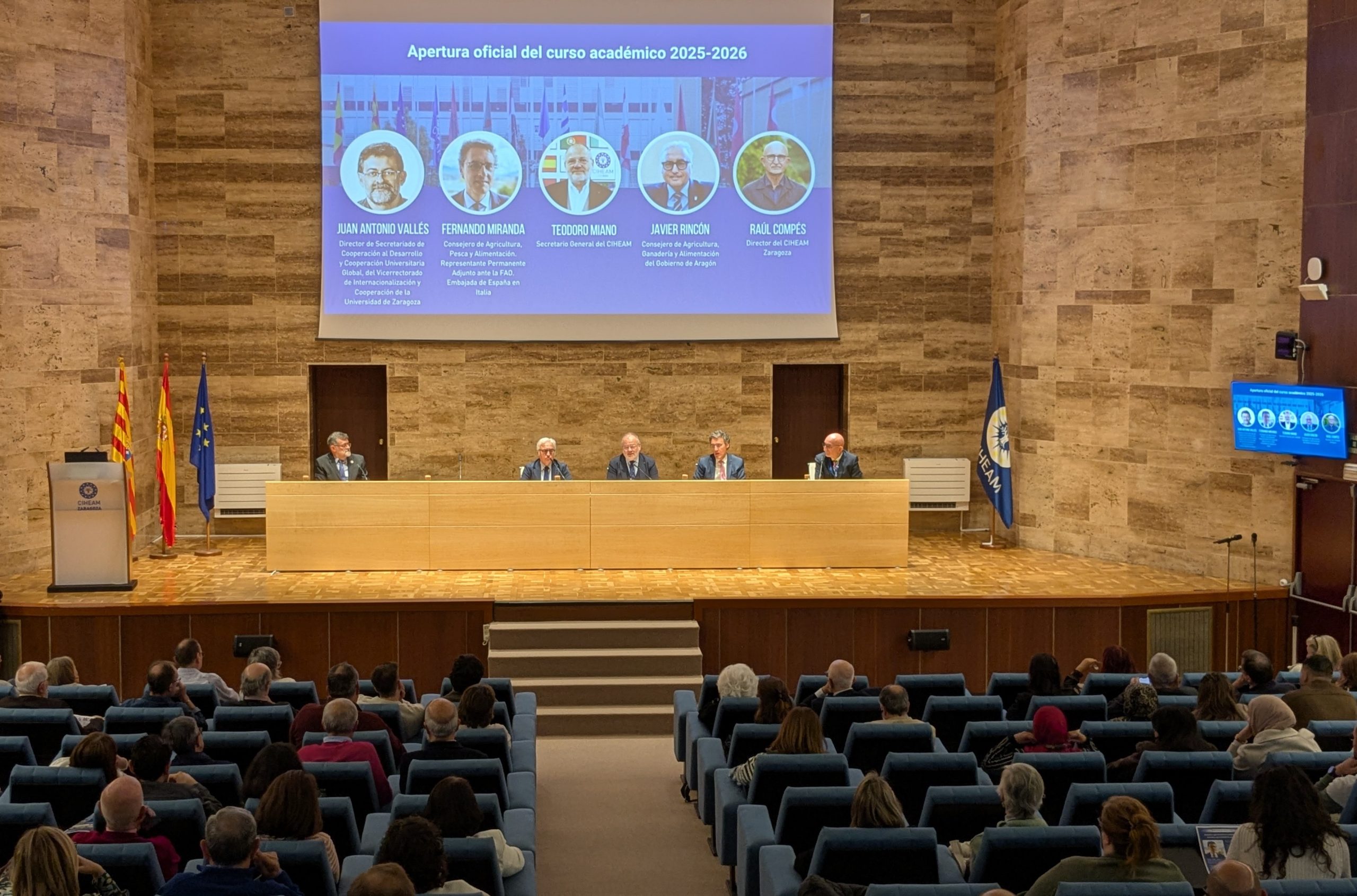
  • The counsellor of Agriculture, Livestock and Food of the Government of Aragon, Javier Rincón, inaugurates the academic year 2025-2026 at CIHEAM Zaragoza, highlighting the importance of cultivating knowledge for the sustainable future of food systems.
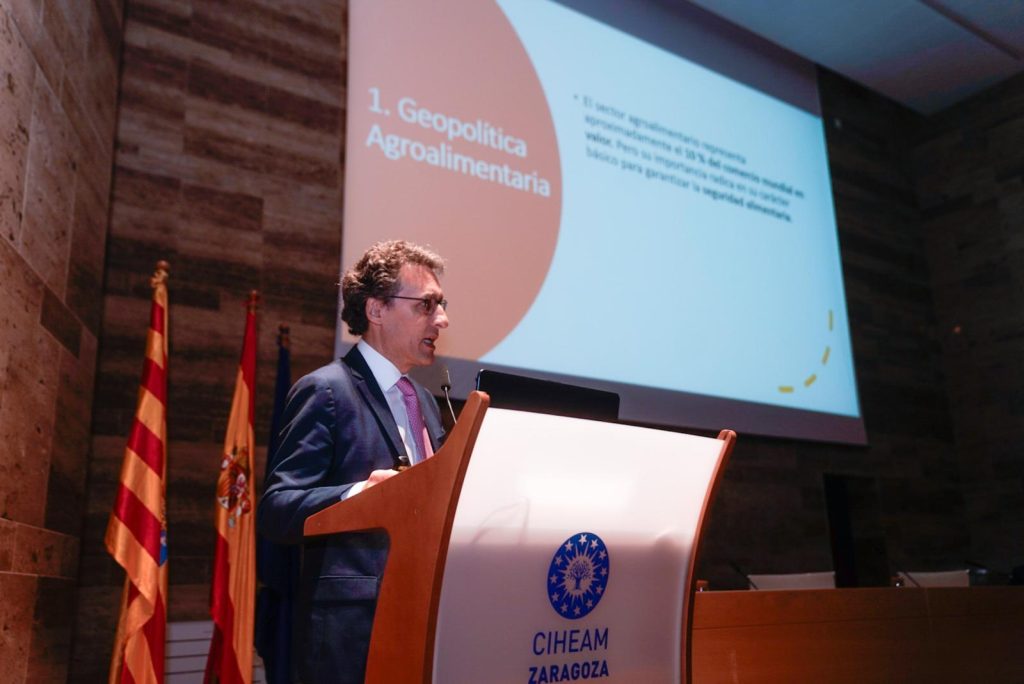
  • During the inaugural conference, the permanent vice-representative of Spain to the FAO, Fernando Miranda, points to the fragmentation of the international food trade as a threat to food security.

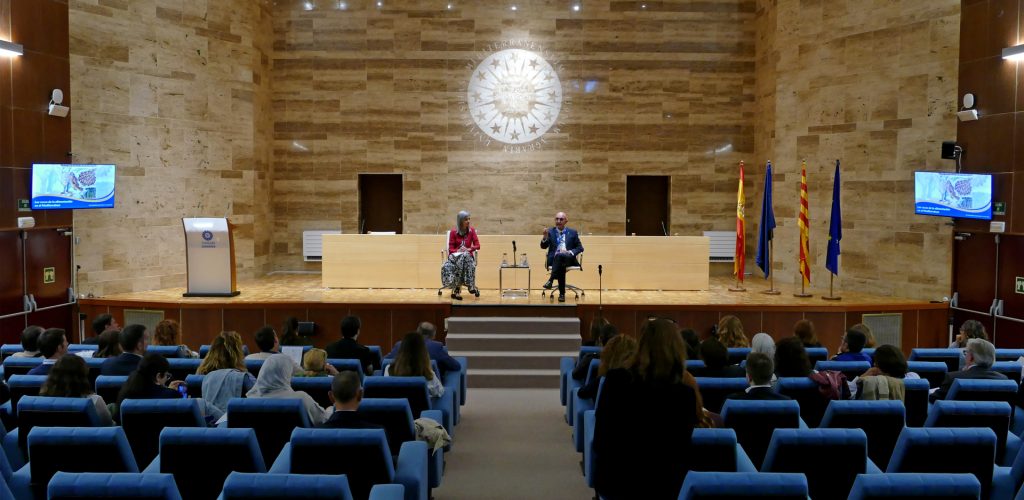
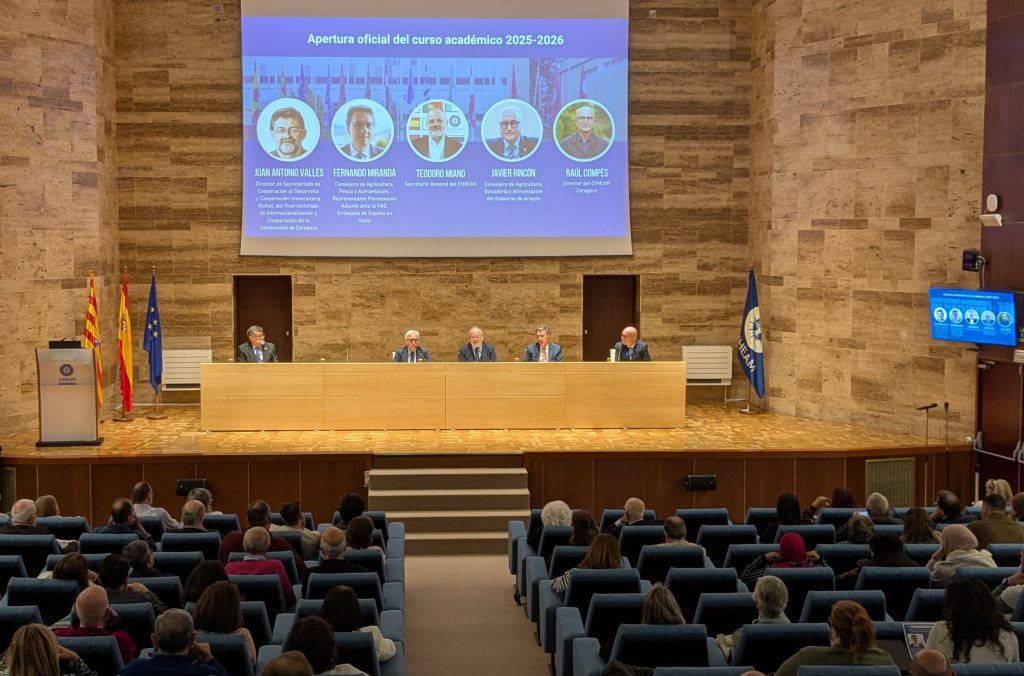
Zaragoza, 28 October 2025.- The counsellor of Agriculture, Livestock and Food of the Government of Aragon, Javier Rincón, has inaugurated the academic year 2025-2026 at CIHEAM Zaragoza, the Spanish headquarters of the International Centre for Advanced Mediterranean Agronomic Studies (CIHEAM) – the only intergovernmental organisation with headquarters in Aragon, and officially welcomed this year’s intake of students that will be receiving highly specialised training in key sectors of the agrifood sector.

Rincón emphasised the important role played by knowledge for the future of agriculture. “We need spaces such as CIHEAM to train the young professionals that will be facing one of the greatest challenges of rural areas today – generational replacement. The agriculture of tomorrow requires knowledge, commitment and global vision – three key factors that are cultivated here“. Rincón went on to stress the impact that this type of training will have on the sustainability and efficiency of the sector: “The future of rural areas is also forged in the classrooms by developing the knowledge required to achieve a more equitable and efficient agriculture”.

New specialists in plant breeding, animal nutrition, olive growing and fisheries

CIHEAM Zaragoza presented the master’s programmes commencing this year: Plant Genetics, Genomics and Breeding, coorganised with the University of Lerida; Animal Nutrition coorganised with the University of Zaragoza; Olive Growing and Oil Technology, coorganised with the University of Cordoba; and Sustainable Fisheries Management, coorganised with the University of Alicante.

Raúl Compés, director of CIHEAM Zaragoza, presented the training offer: “Our 120-credit master’s programmes form the basis of our capacity-building model in the Mediterranean, consisting of highly specialised postgraduate studies, delivered together with leading Spanish universities in respective scientific and technical areas”.

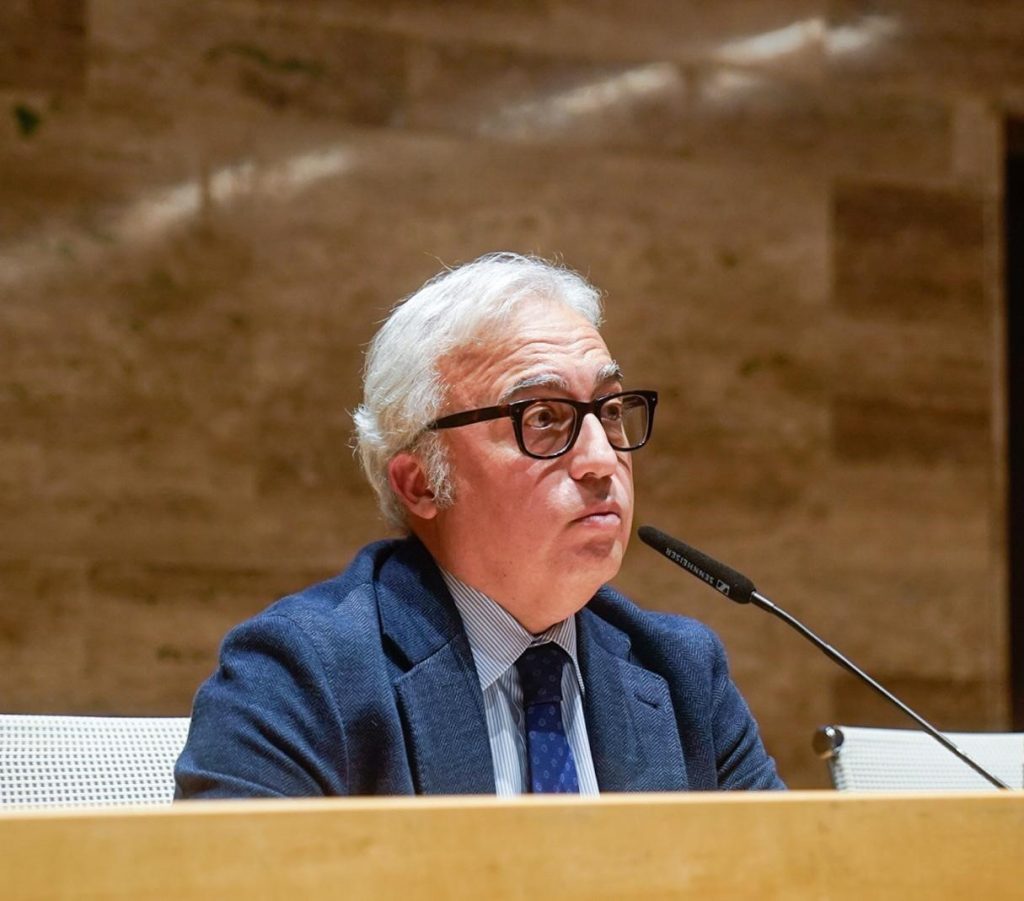
Rincón and Compés presided the ceremony together with CIHEAM Secretary General Teodoro Miano; the director of the Vice-Rectorate for Internationalisation and Cooperation of the University of Zaragoza, Juan Antonio Vallés; and Fernando Miranda, counsellor of Agriculture, Fisheries and Food for the Embassy of Spain in Rome and permanent representative of Spain to the FAO, who also delivered the inaugural lecture.

Effects of geopolitics and climate change on food security

During his lecture, Miranda analysed the impact of current international conflicts on agriculture and food trade in the Mediterranean region. He also addressed the role of international organisations, opportunities for collaboration between countries, and strategies to mitigate tensions and boost food security.

As the representative of Spain to the FAO pointed out: “Fragmentation of international trade in agriculture and food significantly increases vulnerability to food crises“. He spoke of “growing concern” about the effects of geopolitical challenges and climate change on food security and their consequences on political and social stability, besides related phenomena such as political crises, migrations and conflicts.

In his analysis, Miranda emphasised that “governance is the main pillar of food systems“, and although he recognised that “we are still far from the goal of Zero Hunger in 2030“, he was confident that “the foundations of international order are still firm” reiterating that “the importance of governance at all levels is fundamental” to overcome today’s geopolitical challenges in issues related to agriculture and food.

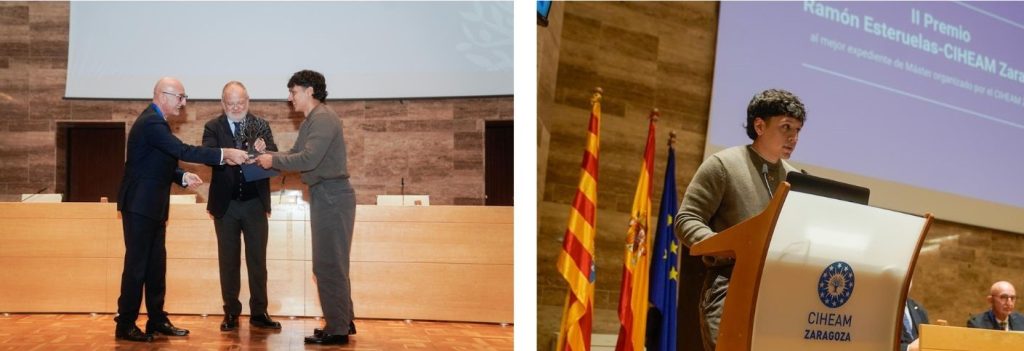
Second edition of the Ramón Esteruelas-CIHEAM Zaragoza award

The winner of this year’s edition of the Ramón Esteruelas-CIHEAM Zaragoza award was Diego Vargas Donayre, student of the 2022-2024 edition of CIHEAM Zaragoza’s International Master in Animal Genetics and Reproduction Biotechnology. Vargas is currently preparing a doctorate on molecular aspects associated to goat and pig domestication processes at the Centre for Research in Agricultural Genomics (CRAG) in Barcelona.

This award for outstanding achievement was created as a tribute to Ramón Esteruelas, born in Biota (Zaragoza) and founder of CIHEAM, presiding the Governing Board from 1962 and 1983. This award seeks to acknowledge the academic excellence of its students.

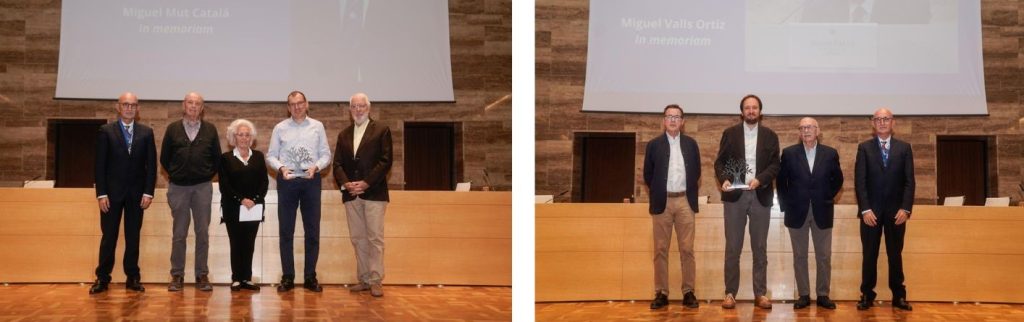
Tribute to Miguel Mut and Miguel Valls

This part of the ceremony was devoted to two key figures in the history of CIHEAM Zaragoza who passed away recently: Miguel Mut Catalá and Miguel Valls Ortiz. The institutional tribute was a public acknowledgement of the extraordinary contribution both directors made to the development and consolidation of the organisation as a centre of international excellence in agriculture and food training.

The tribute looked back on the professional trajectories of Mut Catalá, director of the institute from 1975 to 1988, and Valls Ortiz, director from 1988 and 2003, with moving personal testimonies from family members and colleagues. Both periods under their management were decisive in forging the identity and reputation of the Institute.

Representatives of universities in Kenya and Tanzania visit CIHEAM Zaragoza in the framework of the FOSTER project

  • The initiative, co-financed by the European Union, aims to strengthen digital transformation in science and education in Kenya and Tanzania.

Zaragoza, 23 October 2025.- On Thursday, CIHEAM Zaragoza welcomed representatives from universities and higher education centres from Kenya and Tanzania in the framework of a training activity organised by the University of Zaragoza and the FOSTER project.

The delegation, made up of representatives from five institutions [Daystar University, Garissa University and St. Paul’s University, from Kenya; and Dar es Salaam University and the Eastern and Southern African Management Institute (ESAMI), from Tanzania], included university officials from different areas: academic management, research, teaching, documentation, administration, and finance.

The group was accompanied by staff from the Vice-Rectorate for Internationalization and Cooperation of the University of Zaragoza (Juan Vallés and Rafael de Miguel) and from the Spanish non-profit entity promoting citizen science – Ibercivis Foundation.

CIHEAM Zaragoza presented the work and activities of the Institute and following a tour of the Institute, the delegation had the opportunity to exchange insights with the Institute’s staff members in an informal gathering.

This activity lies within the FOSTER project, a three-year initiative co-financed by the European Union through the Erasmus+ programme that seeks to strengthen digital transformation in science and education in Kenya and Tanzania.

The project has nine partners – from Kenya, Tanzania, Slovenia, the Netherlands and Spain – connecting higher education and research centres to build a more open, collaborative and innovative future.

CIHEAM Zaragoza celebrates World Food Day 2025 with Zaragoza Congresses

  • Under the theme ‘The Language of Food in the Mediterranean’, CIHEAM Zaragoza celebrated World Food Day with a warm welcome to representatives of the city’s business community, all members of the City Council’s Convention Bureau ‘Zaragoza Congresses’.

CIHEAM Zaragoza opened its doors to celebrate World Food Day with an inspiring social event that brought together over 40 local business professionals, all members of Zaragoza Congresses. Under the theme ‘The Language of Food in the Mediterranean’, the gathering put the spotlight on innovation, sustainability and international cooperation in food systems.

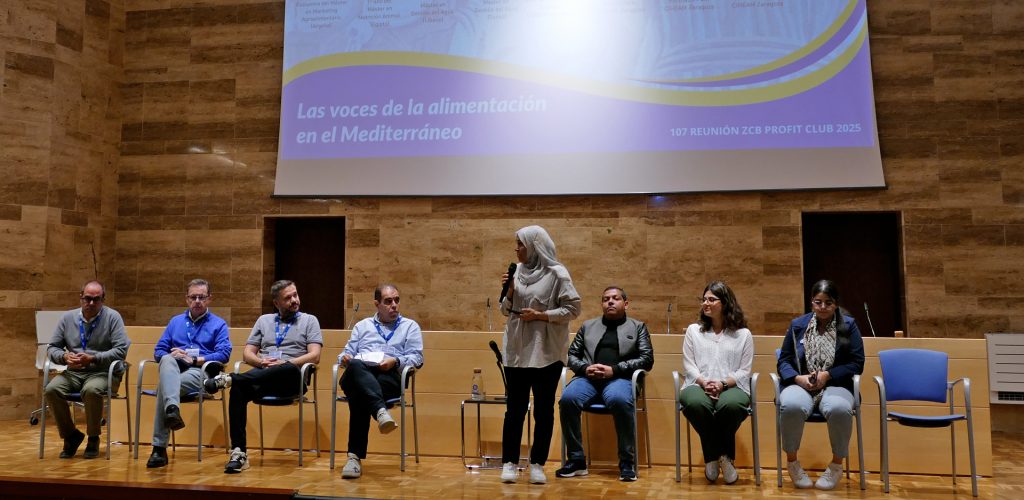
VOICES OF THE MEDITERRANEAN

In a lively and participatory atmosphere, experts, professionals and students exchanged ideas, experiences and projects. Members of the local business community learnt more about CIHEAM Zaragoza’s work in training, research and international cooperation, reaffirming the Institute’s role in bridging scientific knowledge and the practical needs of the agrifood sector.

Accompanied by María José Guillén from Zaragoza Congresses and event coordinator, CIHEAM Zaragoza Director Raúl Compés, opened the event by outlining the Institute’s organisational model, and its local, national, and international impact. He emphasised the importance of this celebration as an opportunity to reflect upon the global challenges linked to food security and sustainability.

VOICES OF OUR STUDENTS

Four students from three of the Institute’s international master’s programmes Master in Plant Genetics, Genomics and Breeding,  Master in Animal Nutrition and Master in Agro-Food Marketing shared their perspectives on the situation of the food sector in their home countries. 

Soumia Bekkouche (Algeria) presented advances in the modernisation of agriculture practices and collaborative initiatives with the FAO aimed at ensuring food security and sustainability. Ibtissem Hamdi (Tunisia) underlined the significance of olive oil and date production in her country, while pointing to the pressing challenges posed by water scarcity. Rana Slim (Lebanon) reflected upon the link between water quality and food safety, stressing the need for more sustainable and equitable food systems. Mohamed Ahmed (Egypt), concluded by describing his country’s progress towards food sovereignty through agricultural expansion and new projects in the Western Desert.

VOICES OF OUR EXPERTS

Following our students’ contributions, four CIHEAM Zaragoza specialists shared their insights on the challenges facing Mediterranean food systems.

Joaquín Balduque, administrator of Plant Production, Health and Breeding, spoke about the crucial role of legumes in global food security, noting their nutritional value and environmental benefits through nitrogen fixation, soil fertility improvement, reduced dependence on chemical fertilisers and reduction of GHG emissions. He also referred to research within the Horizon Europe project BELIS, which supports the legume breeding industry and promotes sustainability.

Bernardo Basurco, administrator of Fisheries and Aquaculture, discussed the importance of fisheries and aquaculture, recalling that fish is one of the main components of the Mediterranean diet as well as an important part of the global food trade. He described the Master in Sustainable Fisheries Management and the Master in Marine Aquaculture, as well as the advanced course for professionals organised with the FAO on transitioning towards more sustainable aquatic value chains. He also highlighted the European project NewTechAqua focused on developing new technologies, tools and strategies for a more sustainable, resilient and innovative aquaculture.

Ramzi Belkhodja, head of Training, reflected upon the importance of olive production as a symbol of Mediterranean identity. He highlighted the role of the Master in Olive Culture and Oil Technology in advancing knowledge of a crop that embodies the region’s shared heritage and common challenges. He also acknowledged the Institute’s close collaboration with the International Olive Council, affirming how investment in outreach, product quality and cooperation ensures that the voice of the olive is heard in all the languages of the Mediterranean.

Finally, Antonio López-Francos, administrator of Cooperative Research Projects and Networks, presented livestock production as an essential pillar of Mediterranean farming, providing products such as lamb and dairy produce. He spoke about the Master in Animal Nutrition and the Master in Animal Breeding and Reproduction Biotechnology), the Institute’s annual programme of advanced courses and research networks promoting sustainable Mediterranean livestock systems. He also referred to innovation projects such as Re-Livestock and Pastinnova, explaining how the Institute is addressing the challenges of livestock production sustainability in the Mediterranean as well as highlighting the positive role of extensive livestock farming in supporting the rural economy and the environment.

A special guest at the event was Ana Marcén, rural entrepreneur and singer-songwriter who shared her personal experience in agricultural management and leadership, and delighted participants with a musical performance. 

The celebration concluded with a networking buffet featuring a selection of Mediterranean food products.

World Food Day is celebrated every year on 16 October, established by the FAO in 1979. The day highlights the global commitment to ensuring universal access to safe, nutritional and sustainable food, and to strengthening international cooperation in the fight against hunger and climate change.

CIHEAM Zaragoza and the IOC promote elite training for virgin olive tasting panel leaders

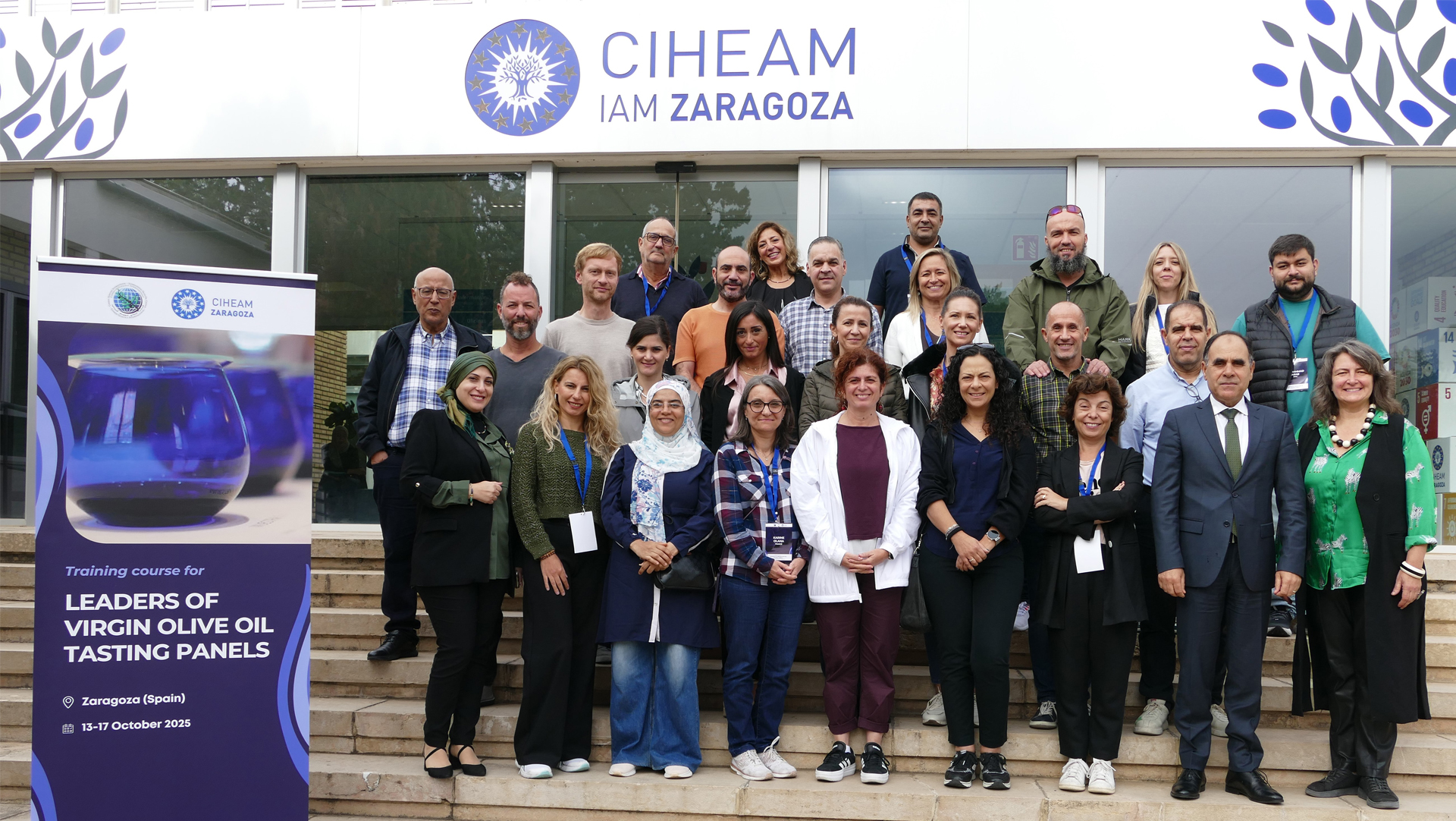
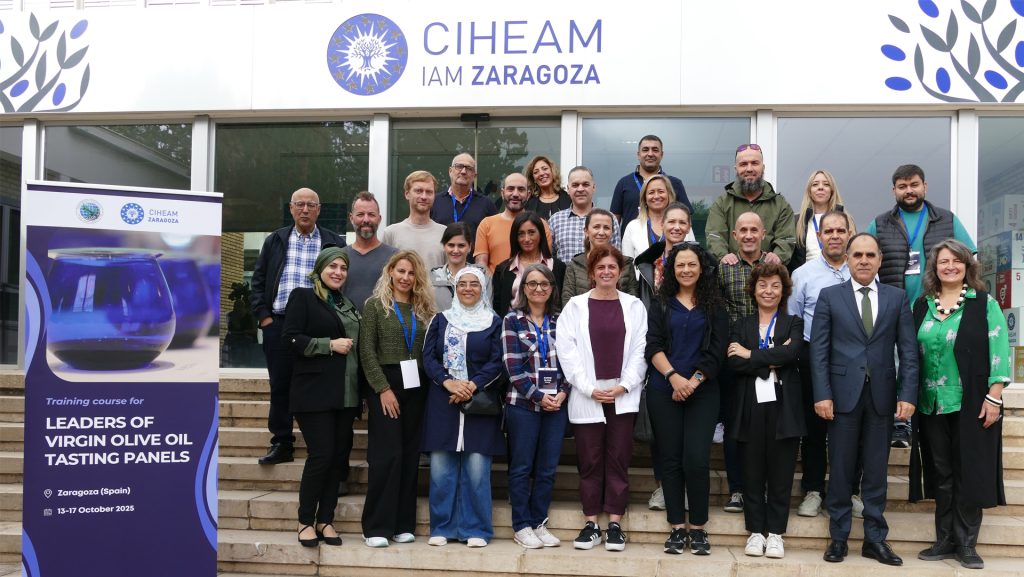
  • CIHEAM Zaragoza hosted a new edition of the for Panel Leaders on the Sensory Analysis of Virgin Olive Oil, in collaboration with the International Olive Council (IOC).
  • Over five days, international experts analysed the official methodology, panel management, and quality assurance in the sensory analysis of olive oil.

CIHEAM Zaragoza hosted a new edition of the Training Course for Panel Leaders on the Sensory Analysis of Virgin Olive Oil. Organised in close collaboration with the International Olive Council (IOC), this event gathered professionals and experts from the olive sector who worked through an intensive programme analysing the official methodology and discussed ways to guarantee the best performance of tasting panels.

This high-level training is fundamental for the sector. The panel leader plays an essential role to guarantee reliability, precision, and harmonisation of sensorial analysis at international level. This rigour is key for market transparency, product quality, and consumer protection.

An intensive programme focused on excellence and standards

The content combined theoretical sessions with a significant practical component, addressing the following critical aspects in depth:

  • Standards and quality: The requirements of ISO 17025:2017 applied to sensorial testing laboratories, and IOC procedures for panel accreditation and recognition.
  • Panel management: Specific modules covered selection, training and quality control of VOO tasters, internal control management (reference samples) and external control management (COI proficiency tests).
  • Sensorial methodology: Participants explored the physiology of sensorial analysis, factors affecting measurements, official IOC methodology and use of specific software.
  • Practical application: The course included tasting sessions where future panel leaders evaluated samples, analysed results, and became familiar with the profile sheet. The programme also dedicated a section on the rules of prestigious IOC competitions such the Mario Solinas Quality Award.

A team of experts to guide the participants

One of the key success factors was the quality of the instructors – all officers and experts from the International Oil Council and renowned specialists in oil quality and analysis. Experts including Plácido Pascual, Angels Calvo, Mª Luisa Domínguez, Francesca Baroccio, Lola Sualdea, Ana Peris, Ibtihel Khemakem, Ana Carillho, and Abderraouf Al-Antari, guided participants through the complex nuances of organoleptic evaluation and lab management.

The closing session and award of diplomas concluded an intense week of learning. With this initiative, CIHEAM Zaragoza and the IOC have reaffirmed their commitment with excellence in training and safeguarding the quality of olive oil worldwide.

How artificial intelligence is transforming the agrifood sector

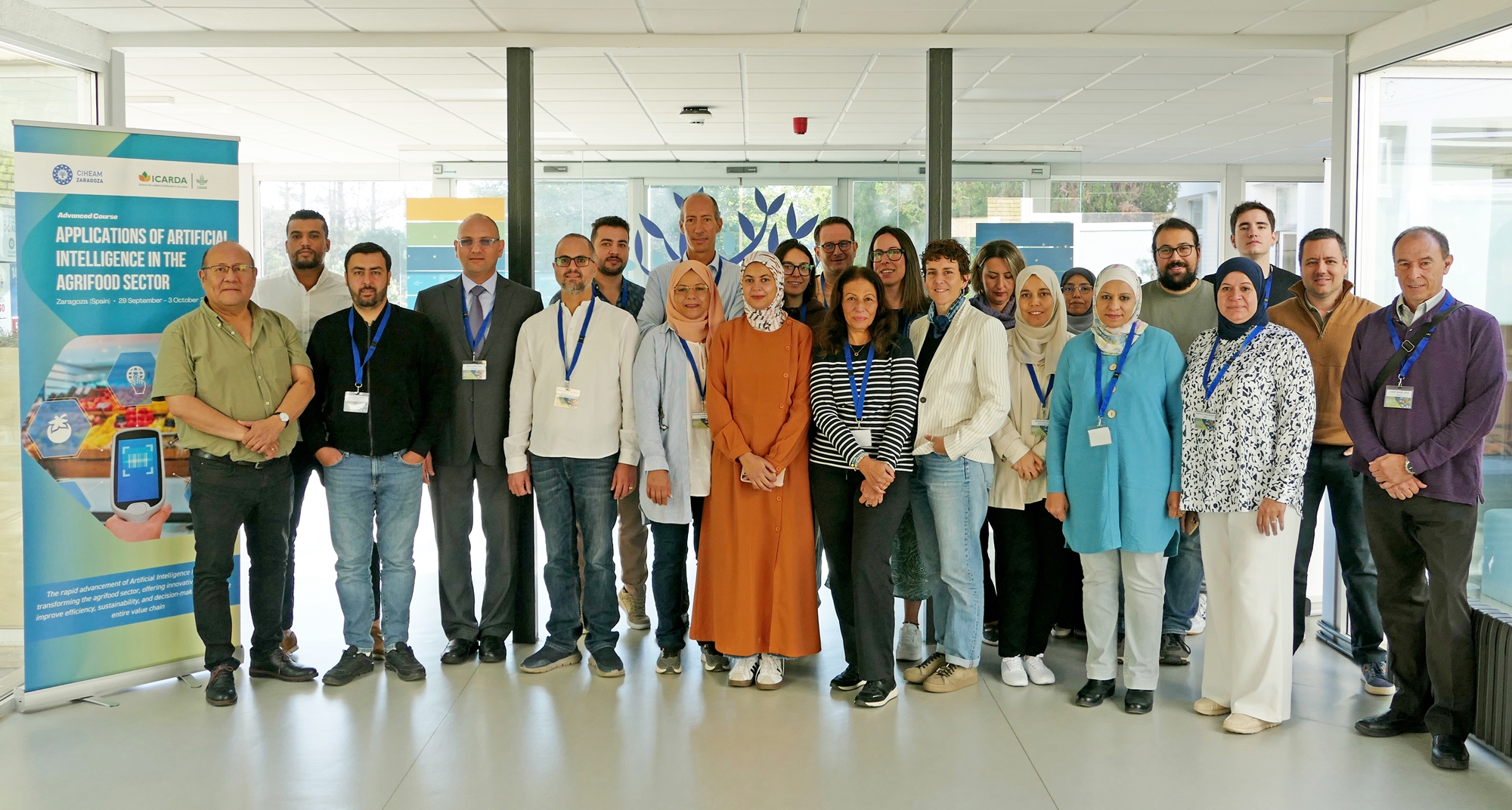
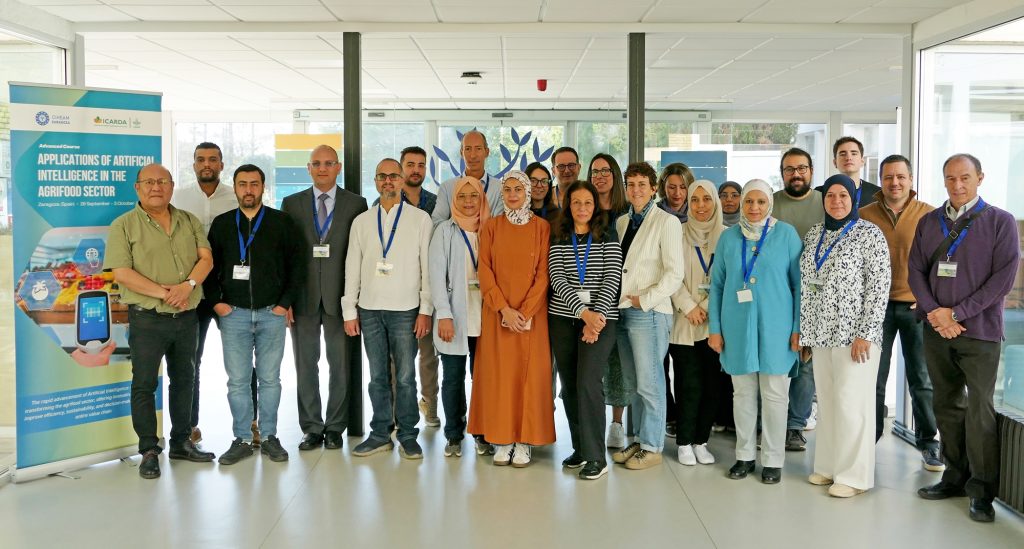
  • CIHEAM Zaragoza and ICARDA have organised an advanced course on applications of artificial intelligence in the agrifood sector, attracting 40 professionals from 12 countries

9 October 2025.- Artificial intelligence (AI) is transforming the agrifood sector across the whole value chain, from genetic improvement of seed and quality control of the end product up to the retail stage. This transformation is the main focus of the course “Applications of Artificial Intelligence in the Agrifood Sector”, jointly organised by the International Centre for Advanced Mediterranean Agronomic Studies in Spain (CIHEAM Zaragoza) and the International Center for Agricultural Research in the Dry Areas (ICARDA), that took place from 29 September to 3 October 2025.

The training event gathered 40 professionals from 12 countries across Europe, Africa, the Middle East, and America (Algeria, Egypt, Italy, Lebanon, Mexico, Morocco, Nigeria, Palestine, Portugal, Spain, Tunisia and Türkiye).

The course offered a comprehensive understanding of how to apply artificial intelligence in the agrifood sector, and provided insight into how to evaluate the requirements, opportunities, and risks associated to these technical solutions.

Greatest impact of AI

Lluís Echeverria Rovira, researcher from the Unit of Applied Artificial Intelligence of Eurecat (Technological Centre of Catalonia) and scientific coordinator of the course, points to precision farming and the agrifood industry as two key areas where artificial intelligence is having the greatest impact: from farm to fork.

Echeverria explains more about where this impact is occurring: “In the scope of agriculture, these solutions enable us to detect exactly what the needs of each crop are and to apply the exact amounts of water and fertilisers, whilst in the industrial sector, AI facilitates predictive maintenance and optimisation of production processes, quality control and food safety measures”.

Digital twins and synthetic data

Francisco Javier Zarazaga-Soria, professor from the Department of Computer Science and Systems Engineering of the University of Zaragoza, addressed the role of digital twins – digital models of real agricultural situations that enable users to simulate future scenarios to improve decision-making. By combining AI and data analytics, these models can improve farm management in the context of climate uncertainty.

However,  Zarazaga-Soria pointed out that lack of data in the farming sector is still the main challenge. “Farming is not like a car manufacturer. Agriculture produces only once or twice a year”. For this reason, his research group is working on the generation of synthetic data based on simulations that enable them to build new scenarios and enrich predictive models.

Knowledge as a driver of responsible innovation

The training and knowledge-sharing event not only raised awareness of the technological tools available, but also provided an opportunity to reflect upon the ethical, social and regulatory implications of their implementation in order to advance towards a more efficient, safer and sustainable agrifood system.

Zarazaga-Soria concluded by naming two main obstacles that go beyond technological issues. The first concerns legislation: setting the grounds for these systems to operate according to regulations. The second barrier is a social one: “To what extent are we prepared to allow a fully autonomous system, without human intervention, to produce our food in the near future?”.