Transition towards sustainable agri-food systems, the central pillar of new cooperation models in agriculture and food

  • CIHEAM Zaragoza organised an international symposium on the global future of agri-food development cooperation with the support of the Spanish Agency for International Development Cooperation (AECID). The event brought together over one hundred participants from development agencies, multilateral organisations, governments of donor and beneficiary countries, universities, research centres, Development NGOs, and civil society from 28 countries.
Introducción

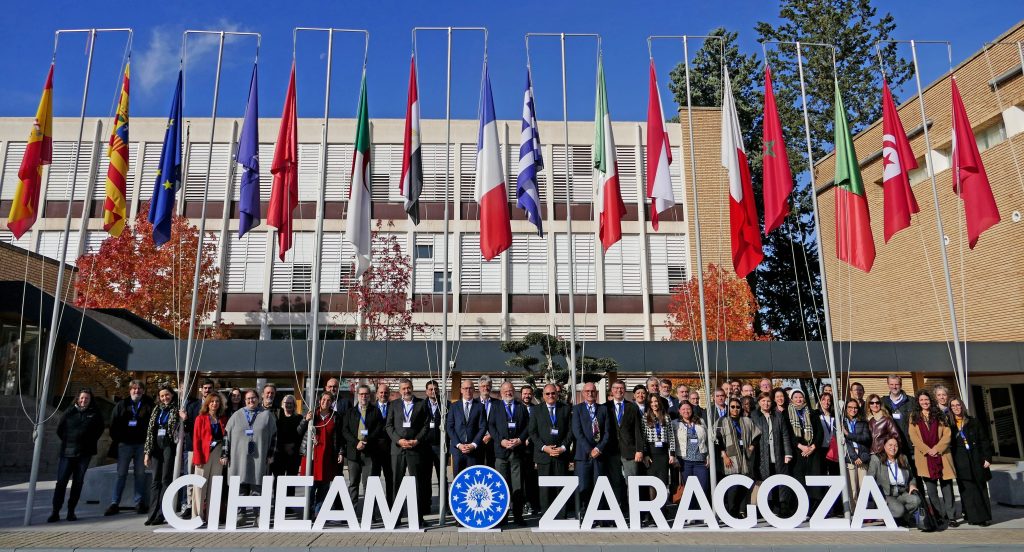
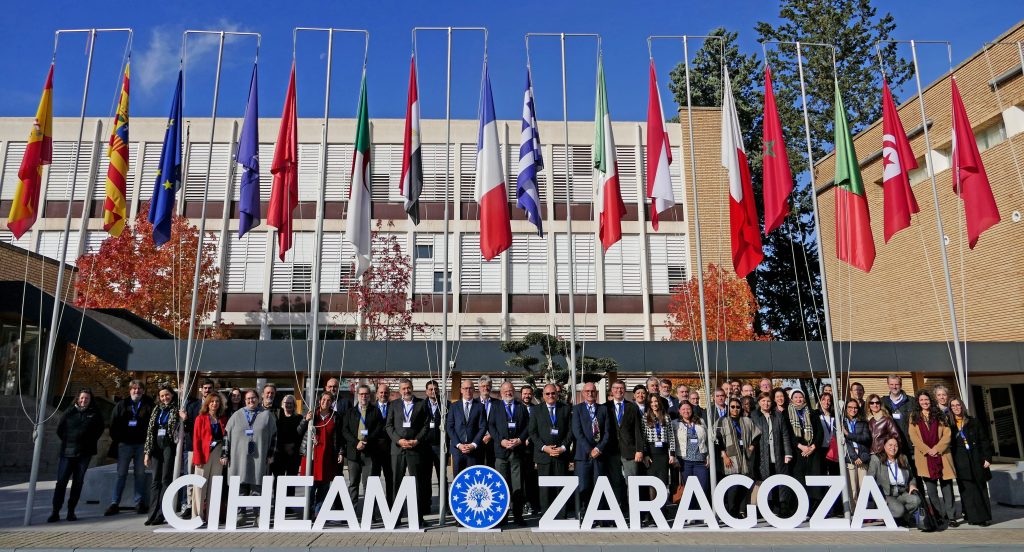
On 11 and 12 November 2025, the International Centre for Advanced Mediterranean Agronomic Studies (CIHEAM Zaragoza), organised the international symposium ‘New Models of Agri-Food Development Cooperation in a Changing Geopolitical Context‘ with the support of the Spanish Agency for International Development Cooperation (AECID).

The event gathered more than one hundred experts from development agencies, multilateral organisations, governments of donor and beneficiary countries, universities, research centres, Development NGOs, and civil society from 28 countries, participating either in person or online. This broad representation of stakeholders provided a comprehensive overview of the current challenges and opportunities for agri-food development cooperation in an increasingly complex geopolitical environment.

The symposium also marked the Day of the Mediterranean (28 November), declared by the Union for the Mediterranean (UfM) to foster a shared Mediterranean identity, culture, and cooperation.

Rethinking international development cooperation in the new geopolitics

Representatives of multilateral bodies and European cooperation institutions (OECD, DG MENA, FAO and FIAP) debated three pressing issues: how to respond to a weakening cooperation environment, how to renew cooperation strategies, and how to ensure that agri-food systems become drivers of transformation.

The speakers agreed that the current model is at a critical juncture. According to OECD data, Official Development Aid (ODA) declined by 9 % in 2024. Combined with budget cuts affecting agencies such as USAID, SIDA and AFD, this trend is affecting cooperation capacities.

In the light of increased fragmentation and resource withdrawal, the panel advocated understanding cooperation as long-term social investment capable of strengthening institutional systems and rebuilding citizens’ trust. They also underlined the need to shift from discretionary cooperation mechanisms towards a human rights-based approach, acknowledging the right to food as a universal right in line with international agreements and FAOs Voluntary Guidelines.

The Euro-Mediterranean region was discussed as a strategic laboratory for a new generation of cooperative pacts based on reciprocity, knowledge mobility, and sustainable resource management, as reflected in DG MENA’s Pact for the Mediterranean.

Adapting for impact: the role of European development agencies in a changing world. Reshaping multilateral and bilateral agri-food cooperation

The second session convened the Global Donor Platform for Rural Development (GDPRD), Spanish cooperation (AECID), Italian cooperation (AICS), the French agricultural research centre for international development (CIRAD), and an expert with longstanding professional experience at USAID. Together they provided a global perspective on how agri-food cooperation is evolving: from isolated projects towards systemic and catalytic approaches embedded in ecological, social, and economic transitions.

The central block of the session addressed the financing of agri-food transformation. The widening gap between required resources and current funding flows was highlighted, with a strong call for public finance to play a catalytic role —reducing fragmentation, enhancing coordination, de-risking investments, attracting private capital, and driving systemic change rather than supporting isolated interventions.

Speakers shared concrete examples of impact investing in agrifood SMEs, including the N3F fund (USAID and Swiss Cooperation, SDC), which finances enterprises producing nutrition-dense foods for local markets and models such as Aceli or FASA, which combine incentives for financial institutions, technical assistance and data generation to increase credit for high-risk agricultural SMEs.

The session also underlined the importance of coordination between public and private stakeholders and civil society, and the role of research as a driver of innovation.

AECID’s regional programme for the Arab world, Masar Al’an, was presented as a tool to strengthen the socioeconomic resilience of farmers particularly women and youth—, demonstrating how institutional reform, training, entrepreneurship support and innovative financing can be integrated within a single cooperation architecture.

Development cooperation from the perspective of southern and eastern Mediterranean countries’ needs

The third session focused on the priorities of Africa, the eastern Mediterranean and northern Africa. Panel members included representatives of the African Development Bank, the Agricultural Research Centre of Egypt, the National Institute for Agricultural Research of Morocco, and a consultant specialising in humanitarian and development projects who presented Lebanon’s cooperation needs.

Speakers highlighted the key vulnerabilities of African food systems; low agricultural productivity, unsustainable land expansion, and rapid urban population growth, all contributing to a growing dependence on imports.

Egypt outlined a similar reality in the Nile Valley: high import dependency, mounting pressure on extremely scarce water resources and the need both to reclaim new land and increase crop yields.

Morocco’s Green Generation 2020-2030 strategy and INRA’s research agenda position climatic adaptation, soil and water management, biodiversity, and reduced import dependency at the core of agri-food transformation.

Lebanon was described as having a highly heterogeneous economic structure, marked by a concentration of capital at both ends of value chains, a mosaic of small farms and a fragmented agrifood industry.

Overall, the session reinforced a fundamental principle: without listening to and empowering institutions, communities, and scientific actors of the southern and eastern Mediterranean, we will be unable to transform agrifood systems and build the trust needed to confront the present and future crises.

Thematic proposals for a new paradigm of development cooperation

The workshop examined how new cooperation models influence five key areas: gender, environment, youth, water, and food security. The panel included representatives from CARE, FAO, IWMI, UN Women and IUCN.

The speakers agreed on a robust diagnosis: gender inequality in agrifood systems is not incidental but rooted in structural barriers embedded in economic, social, and political systems.

Women make up approximately 26 % of the agricultural workforce yet they are consistently relegated to low-paid informal employment, limited access to land, inputs, credits, technology, and training and carry a triple burden of productive work, unpaid domestic and care responsibilities, and community roles.

The workshop emphasised that water, climate, and biodiversity agendas cannot be addressed without social justice. IUCN demonstrated how biodiversity conservation and social equity are closely interconnected: ecosystem degradation increases rural women’s vulnerability, while conservation efforts are only sustainable when they incorporate women’s knowledge, rights, and priorities.

The youth perspective was linked to innovation and decent working conditions. IWMI underlined that women and youth are key factors in water management and innovation in the agri-food sector, but continue to face barriers such as access to land, finance, support networks, and decision-making spaces.

The workshop explored the relationship between food security and the social organisation of care. UN Women Spain emphasised the importance of valuing rural women’s time and unpaid care work and promoting their participation in decision-making and public policy spaces. Speakers also called for investment in both social infrastructure (care services, transport, health services) as well as productive infrastructure.

The role of NGOs in the new development cooperation architecture

The role of the Development NGOs in the new development cooperation architecture

The round table on the role of Development NGOs highlighted that cooperation is suffering a prolonged crisis, but at the same time is undergoing a profound reinvention. Panellists emphasised the need to defend rights in an increasingly hostile environment.

In a context of political questioning of development cooperation and rising attacks on aid workers, the session examined how civil society organisations are responding and what role they play in the new cooperation architecture. Organisations with international and Mediterranean scope such as Oxfam, Fundación Promoción Social, Coordination SUD and CERAI provided complementary perspectives covering global advocacy, work in conflict settings and agroecological cooperation.

A strong message emerged: the need to advance towards localised, decolonised cooperation models, which rebalance relationships between organisations from the Global North and the Global South, placing local organisations at the centre of decision-making. In such models, NGOs from the Global North function as facilitators rather than central actors.

Speakers also underlined that NGOs must diversify funding sources, strengthen internal professionalisation, foster social innovation and build stronger links with citizens to ensure sectoral sustainability.

The challenge of generational renewal was also discussed. At a time of frustration and precariousness, development cooperation must remain an attractive professional field for well trained, committed young people.

Civil society in developing countries: perspectives on current and future development cooperation

The fifth session gave the floor to organisations from Burkina Faso, Peru, Colombia, and Palestine. They stressed that cooperation only makes sense when it is territorially anchored, recognises local identities and is oriented towards food sovereignty and social justice. Their interventions delivered a clear message: effective cooperation is not measured solely in funded projects, but in community-owned processes that generate sovereignty, resilience, and dignity. They spoke of the need to shift from ‘doing projects’ to ‘building community processes’.

Discussions revealed a common thread: the future of international cooperation must be local and community-based, emerging from the practical realities of territories and the capacities of civil society. Gender equality and youth empowerment were repeatedly highlighted as essential drivers of resilience, innovation, and social cohesion in rural and conflict-affected areas.

Cooperation must be understood as a process rather than merely funding. Sustainable change occurs when international support strengthens capacities, fosters ownership, and aligns with territorial priorities.

Organisations also pointed to the need for renewed investment in agriculture and food systems, education reform, and digital innovation to address underdevelopment, food insecurity, and climate vulnerability.

Spain’s decentralised cooperation landscape: current status and emerging trends

This session examined decentralised cooperation in Spain, a distinctive ecosystem in Europe in which autonomous communities, municipal funds and territorial networks have become central actors in cooperation policy. The session was divided into two parts: In the first part, the Coordinator of Development NGOs in Spain, Euskal Fondoa, the Confederation of Cooperation and Solidarity Funds (CONFOCOS) and the Andalusian Fund of Municipalities for International Solidarity (FAMSI) discussed regional approaches, and the in the second, Cooperation Economists (ECOPER), representatives from Zaragoza Provincial Council, and the University of Zaragoza addressed local dimensions.

Speakers noted that decentralised cooperation is a hallmark of the Spanish system, yet currently faces budgetary stagnation, increasing political scrutiny and an urgent need to innovate instruments, governance, and narratives.

They highlighted that Spain’s decentralised cooperation is unique in the European context, given the extensive network of autonomous communities, and provincial, city and town councils that develop their own international cooperation policies. Since the 70s and 80s, town-twinning and early solidarity initiatives have evolved into today’s structured municipalist funds and networks.

The session also explored the distinct value of decentralised cooperation in agriculture and food. Speakers stressed that its scale and proximity enable strong connections between Agenda 2030 and daily life, linking agrifood systems in the Global South with shifts in consumption and production patterns in the Global North.

Beyond data, the session closed with a presentation highlighting the human and political dimension of this cooperation model, illustrated by the experience of hosting refugees in Aragon, an example of how decentralised cooperation is expressed through hospitality and coexistence.

Conclusions

The symposium clearly demonstrated that international development cooperation, particularly in the agri-food sector, has reached a turning point marked by a financial and political structural crisis, exacerbated by declining Official Development Aid (ODA) and the fragmentation of multilateralism. In this context, it is essential to redesign cooperation mechanisms to make them more flexible, prospective, and aligned with human rights, especially the right to food.

Agri-food systems in the southern and eastern Mediterranean and in Africa, face acute vulnerabilities stemming from import dependence, climatic challenges, rapid urbanisation, and social inequalities. The symposium highlighted the need to move from assistentialist and fragmented approaches towards systemic, catalytic strategies capable of mobilising structural investments, including innovative financing modalities.

Cooperation must strengthen public institutions and scientific communities in the southern and eastern Mediterranean, support knowledge exchange, and technological innovation, and ensure inclusive spaces for women and youth. It must also foster integration across public, private, and civil society actors and promote donor coordination to reduce fragmentation and maximise impact.

Speakers also expressed the urgent need to mainstream gender equality and give a more prominent role to youth in all development agendas to build fairer, more sustainable, and resilient systems. They also pointed to decentralised cooperation with a strong presence of local communities and governments as a key mechanism to connect international action with territorial reality.

Finally, the symposium reaffirmed cooperation as a long-term social investment capable of restoring the citizens’ trust and contributing to a more equitable and environmentally respectful society.
Mental Health and Well-being of Farmers: Launch of the SafeHabitus Policy Brief at the European Parliament

  • The Policy Brief presents ten key recommendations to build safer and more sustainable farming livelihoods
  • A high-level policy roundtable brought together MEPs and representatives from major European agricultural organisations to discuss implementing these recommendations and making mental well-being a core pillar of agricultural sustainability

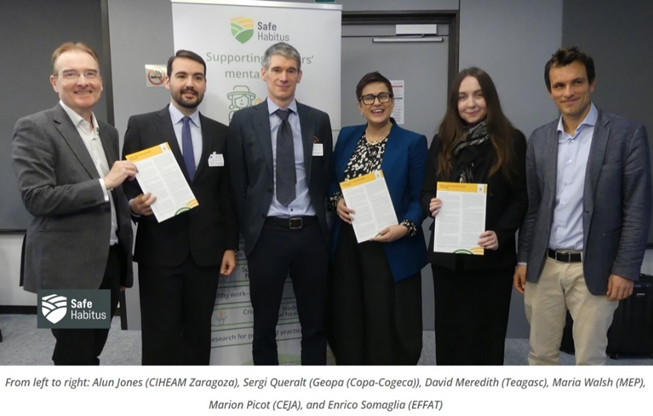
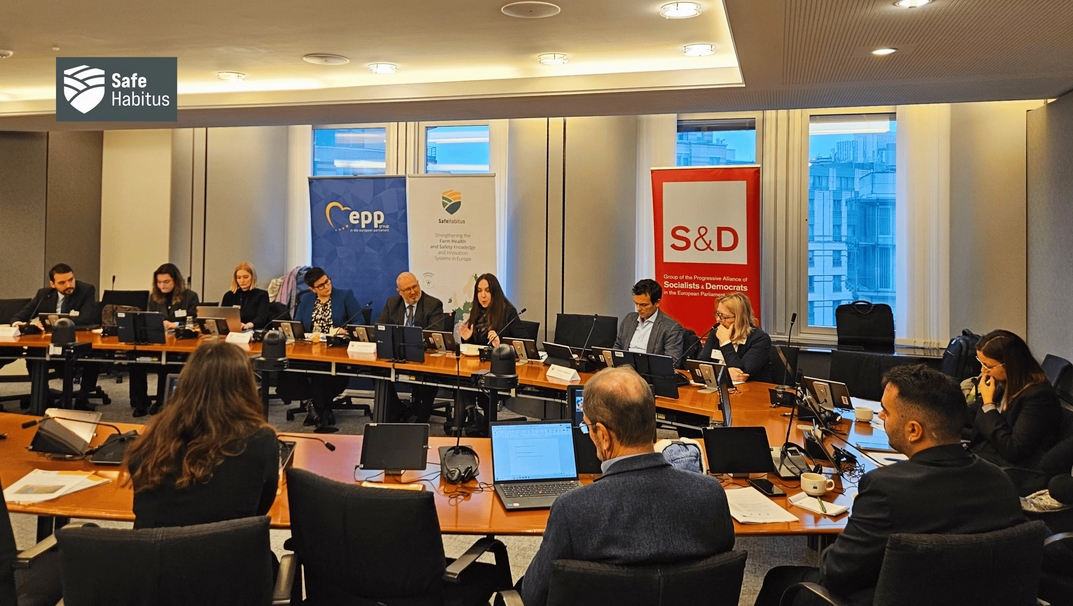
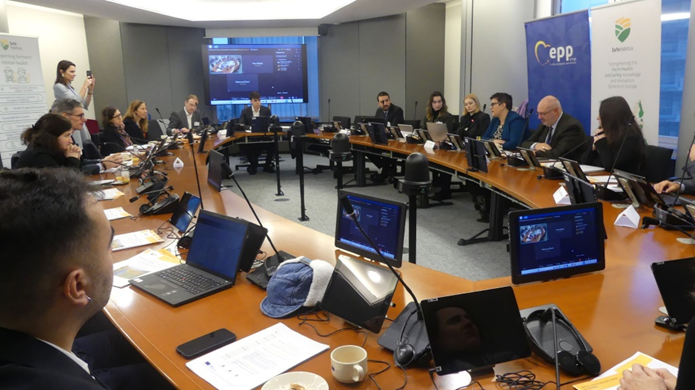
On 20 November 2025, the European Parliament in Brussels served as the high-profile venue for the official launch of the SafeHabitus Policy Brief on Mental Health in Farming, underlining the urgency of addressing psychosocial well-being within Europe’s agricultural sector. This high-level event, hosted by MEP Maria Walsh and co-hosted by MEP Eric Sargiacomo, brought together policymakers, researchers, and representatives of the European agricultural sector to address the urgent need for comprehensive mental health support for farmers and farm workers across the European Union.

Key recommendations for action

The new Policy Brief highlights the profound challenges facing the agricultural community. Alun Jones, Head of Projects at CIHEAM Zaragoza and the SafeHabitus Policy Lead, presented the Policy Brief’s ten key recommendations which aim to build safer, healthier, and more sustainable farming livelihoods through integrated actions at EU and Member State levels. These recommendations cover areas such as support services, the simplification of administrative requirements, capacity-building for advisory services, fair income supports, climate resilience, and research to address critical evidence gaps. The policy brief also highlights the need for targeted interventions, especially for women and young farmers, and underlines that addressing mental health in agriculture is vital for the sector’s long-term sustainability.

Policy roundtable: From dialogue to implementation

Following the presentation, MEP Maria Walsh chaired a high-impact policy discussion round table that saw engagement from European stakeholders. The panel featured project leader David Meredith (Teagasc), along with representatives from key institutions: Sergi Queralt (Senior Policy Advisor for GEOPA), Marion Picot (Secretary General of CEJA – the European Council of Young Farmers), Enrico Somaglia (General Secretary of the European Federation of Trade Unions in the Food, Agriculture, and Tourism, EFFAT), and Els Verté (Director of Farmers at a Crossroads, Flanders, Belgium). The debate centred on operationalising the recommendations to integrate mental well-being as a fundamental pillar of European agricultural sustainability, moving the dialogue from problem identification to action-oriented policy implementation.

The launch of the SafeHabitus Policy Brief marks a significant advance in European efforts to support those who ensure the sustainability of our food systems, emphasising the central role of farmer and farm worker well-being in resilient European agriculture.

About the SafeHabitus project

SafeHabitus is a four-year project coordinated by TEAGASC Ireland, funded by the European Union as part of the Horizon Europe Programme, grant agreement number 101084270. This multi-actor project aims to strengthen Farm Health and Safety Knowledge Innovation Systems (FHS KIS) and support the EU transition to social sustainability in farming.

CIHEAM Zaragoza and FAO join forces to drive sustainability in global aquatic food systems

  • 34 professionals from 16 countries across North Africa, the Middle East, and Europe participated in an advanced course held in Zaragoza
  • Jointly organised by CIHEAM Zaragoza and the FAO, the programme brought together international experts to address sustainability challenges in aquatic food system

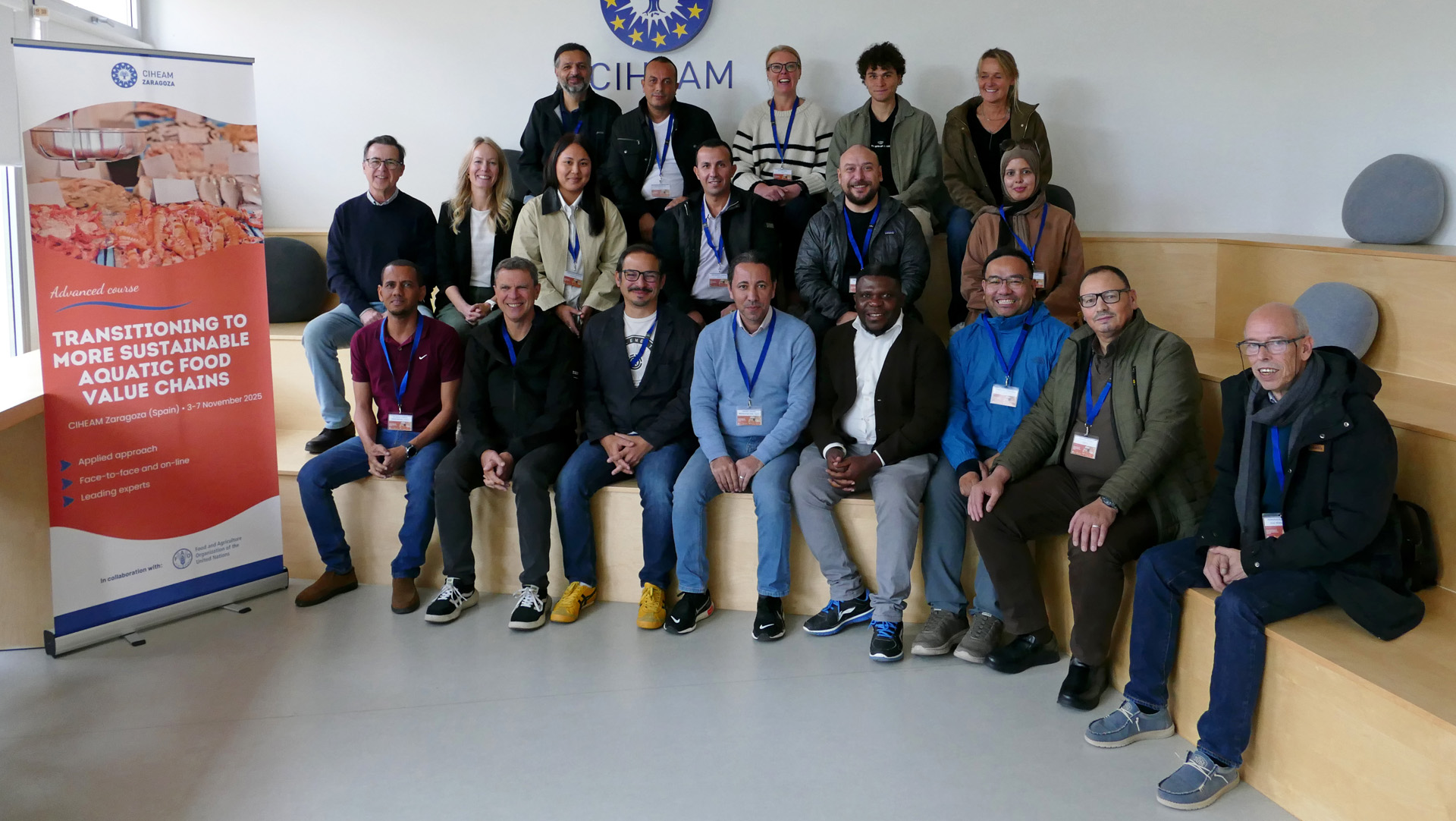
CIHEAM Zaragoza in collaboration with the Fisheries and Aquaculture Division of the Food and Agriculture Organisation of the United Nations (FAO) organised the advanced course Transitioning to More Sustainable Aquatic Food Value Chains from 3 to 7 November 2025, attracting professionals from 16 countries across North Africa, the Middle East, and Europe.

Expert-led programme

The programme was delivered by experts from research centres (IRD, IRTA), universities (University of Cantabria, Heriot-Watt University), companies (Ingesom), administrations (SGP-MAPA Spain), and international organisations (FAO). The course welcomed 34 participants: 12 attended face-to-face from Algeria, Argentina, Egypt, Italy, Kenya, Kyrgyzstan, Morocco, Tunisia, Türkiye, and Zambia, while 22 joined online from Algeria, Egypt, Gambia, India, Italy, Kenya, Morocco, Nigeria, Spain, Tanzania, Tunisia, and Zambia.

The critical role of aquatic food value chains

Food systems, particularly aquatic food value chains, are drivers of economic growth and supporting progress toward the UN Sustainable Development Goals. Globalisation and the increasing complexity of markets, international concerns about natural resource sustainability, as well as ongoing market trends and consumer preferences require improved knowledge about how aquatic food value chains operate.

Aquatic food chains, derived from industrial and small-scale fisheries and aquaculture, are key aspects in global food security and livelihoods, especially in Mediterranean and African, Caribbean, and Pacific (ACP) countries. However, significant challenges threaten the sustainability of these value chains, including environmental concerns such as overfishing and unsustainable practices, post-harvest losses due to poor infrastructure (e.g. lack of proper cold chain facilities), illicit trade, lack of transparency, difficulties to access markets and social issues related to unequal benefit distribution.

A comprehensive approach to sustainability

Based on recent experiences, such as FAO’s FISH4ACP programme, this course highlighted the role of aquatic food value chains in food security and nutrition. It adopted a comprehensive approach to understanding their components and identified pathways for transitioning to more sustainable systems that incorporate economic viability, social inclusion, and environmental responsibility. The course offered stakeholders a practical analytical framework and methodologies to analyse, design, and implement interventions aimed at enhancing sustainability across the aquatic food value chain.

Dynamic learning experience

The five-day programme combined theory and practice through case studies from aquaculture and pelagic fisheries value chains, participant presentations, and practical working group exercises on stakeholder mapping and analysis, and how to upgrade sustainable value chains. This enabled participants to better understand the sustainability challenges of aquatic food value chains and to analyse their functions through mapping.

Participants learned to evaluate market trends, requirements, and access conditions, applying stakeholder analysis and exploring enabling environments. They identified pathways to increase producers’ incomes, enhance market access, add value to fish products, strengthen their economies, and contribute to healthy diets.

The programme emphasised the importance of making value chains more efficient and reduce food loss and waste by adding value to and utilising by-products. Participants learned how to minimise environmental and social impacts, and explore inclusive, circular, and equitable value chain models. They gained knowledge of governance mechanisms and learnt how to develop strategies to make aquatic food value chains more sustainable.

Impact on CIHEAM member countries

This advanced course was a significant opportunity for participants’ countries to strengthen their capacity in sustainable aquatic food systems management. The Mediterranean region faces unique challenges in balancing the economic importance of fisheries and aquaculture with environmental sustainability and social equity. By equipping professionals with advanced analytical tools, frameworks, and best practices, the course contributed to building regional expertise that can drive policy development, improve value chain governance, and foster innovation in the sector.

The knowledge gained and networks established during this training will enable participants to serve as catalysts for change in their respective countries, promoting the adoption of sustainable practices that align with both national development priorities and international commitments to the UN Sustainable Development Goals. Furthermore, the cross-regional exchange of experiences between Mediterranean, African, and other participating countries enriched the learning process and facilitated the adaptation of successful models to diverse local contexts within the CIHEAM and FAO networks.

Building lasting partnerships

The collaboration between FAO and CIHEAM Zaragoza in organising this advanced course, together with the strong relationships built among participants, opened the door to future collaborations toward the development of more sustainable aquatic food value chains.

Experts warn of the high accident rate in agriculture in a new book published by Cajamar

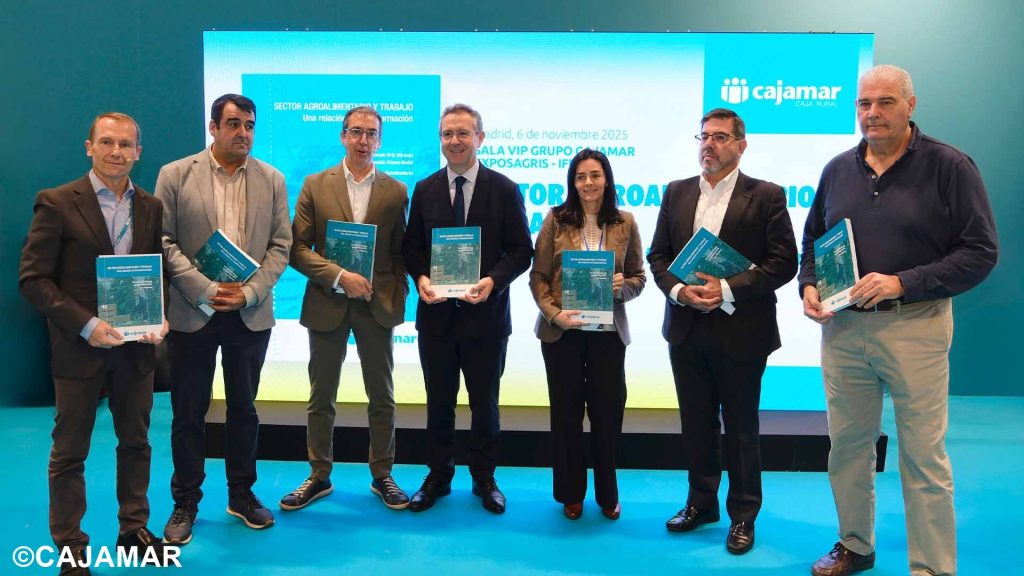
  • Cajamar presents the book ‘The Agrifood Sector and the Workplace: A Relationship in Transformation’ at EXPO SAGRIS
  • The book includes a chapter by Alun Jones from CIHEAM Zaragoza and Isaac Abril from the INSST, and warns of the high accident rate in the agriculture sector, calling for urgent, systemic improvements

Madrid, 6 November 2025. At IFEMA, during the first edition of EXPO SAGRIS, Cajamar has presented its publication: El sector agroalimentario y trabajo: una relación en transformación, a collective work in Spanish addressing the deep, rapid transformation of the working environment of Spain’s agriculture and food industries.

Cajamar’s director of Studies and Publications, Ignacio Atance Muñiz, welcomed attendees and explained the relevance of this type of publication, “as it stimulates debate on the future of employment [in agriculture] and encourages reflection upon the sector’s ability to attract and retain talent, one of the main concerns of agribusinesses today“.

Atance was joined by Professor Dionisio Ortiz Miranda of the Polytechnic University of Valencia (UPV) and coordinator of the work; Karina Pereira, director of Finance, Economic Studies and Talent at the Spanish Federation of Food and Beverage Industries (FIAB); Andrés Góngora, head of Labour Relations at the Coordinator of Farming Organisations (COAG); Manuel Piedra, secretary for Immigration and Employment in Agriculture of the Small-Scale Farmers’ Union (UPA); and Juan José Álvarez, secretary of the Organisation of the Young Farmers’ Association (ASAJA). The president of Cajamar, Eduardo Baamonde Noche, closed the event.

A sector undergoing rapid transformation

Employment has become one of the main concerns of the Spanish agrifood sector. In recent years, labour availability, job profiles, and demand for skilled workers have changed even more rapidly than in previous decades. The authors take a deep look at these shifts from a wide range of perspectives, portraying a sector undergoing accelerated structural change characterised by a growing proportion of salaried workers, increased professionalisation, evolving roles of women, lack of generational renewal, and dependence on migrant labour. The book analyses the impact of digitalisation and new challenges for occupational safety and health.

Occupational safety and health (OSH): the unresolved challenge

The work includes a chapter from Alun Jones, head of Projects at CIHEAM Zaragoza, and Isaac Abril Muñoz, director of the Department for Working Conditions in the Agricultural and Maritime Fishing Sector at the National Institute for Occupational Safety and Health (INSST). Their analysis examines prevalent occupational risks in agriculture and proposes a set of measures to reduce the sector’s persistently high accident rates.

Jones and Abril highlight a worrying reality: agriculture has one of the highest rates of occupational injury in comparison to other economic sectors. In 2023, the sector’s fatal injury rate reached 10.8 per 100,000 workers, exceeding that of the construction sector (10.0) and more than double that of the manufacturing industry (4.4).

Key hazards include tractor and machinery rollovers, workers struck by moving equipment, falls from heights, exposure to plant protection products, ergonomic and musculoskeletal risks, and extreme climate conditions. The authors also reveal a significant problem of under-reporting, with official records accounting for only an estimated 60% of fatalities in the sector.

Proposals for a necessary change

Jones and Abril propose a comprehensive package of measures that includes renewal of the fleet of agricultural machinery, equipped with contemporary safety systems (ROPS/FOPS, seat belts), improvement of farm access routes, and provision of areas of shade and access to drinking water.

In training and awareness-raising, the authors underline the need for lifelong learning programmes adapted to the cultural and linguistic diversity of the workforce. Specific recommendations include the development and implementation of a sector-specific training license (carné de formación sectorial) to harmonise competence requirements, a National Action Plan on Safety and Health, supported by the establishment of an annual Agriculture Safety and Health Week, and incorporation of OSH in curricula delivered in the Faculties of Agriculture and Veterinary Science.

In his concluding remarks, Eduardo Baamonde, president of Cajamar, stressed that the challenges described in this publication “are a call to action in a workplace scenario that is not circumstantial but structural, and requires sustained, long-term commitment “. He went on to emphasise the need for “social recognition of agricultural and agroindustrial work as a strategic, forward-looking activity, capable of offering attractive and sustainable career paths; and to step up efforts to attract and retain talent, improve working conditions and lifelong training, and invest more in innovation, artificial intelligence, and robotics to increase productivity and provide better and safer working conditions “.

The publication is available at the following link: ‘Sector agroalimentario y trabajo: una relación en transformación’.

Aquaculture and climate change: Introducing ActFast and OCCAM Projects

Climate change is reshaping aquatic environments across Europe. Rising water temperatures, shifts in salinity patterns, increased disease prevalence, and extreme weather events pose unprecedented challenges to aquaculture productivity, fish health, and farm sustainability. As the aquaculture sector faces increasing pressures, the need for innovative adaptation and mitigation strategies has never been more urgent.

CIHEAM (Zaragoza and Bari Institutes), as a partner in the ActFast project, presents this webinar which will showcase how two major European Union Horizon Europe Innovation Actions projects are tackling these challenges head-on, developing practical solutions that will help secure the future of European aquaculture.

The webinar is particularly timely as Europe grapples with the reality that its aquaculture production has stagnated over the past 25 years despite growing global demand for sustainable protein sources. Both ActFast and OCCAM represent strategic investments in reversing this trend through science-based innovation and practical solutions that can be implemented across diverse aquaculture systems and geographical regions.

Programme overview

  • 10:00 – Welcome and opening
    Bernardo Basurco (ActFast & CIHEAM Zaragoza) and Freya Robinson (OCCAM & Submariner Network) will set the stage for the discussion.
  • 10:10 – Forecasting the impact of climate scenarios on European marine and freshwater aquaculture
    Antón Salgado (IIM-CSIC, Vigo, Spain) will present advanced climate modeling and projections specific to aquaculture systems.
  • 10:25 – Coping with climate change in European aquaculture: key challenges, emerging solutions and policy directions
    Szilvia Mihalffy (FEAP, Brussels, Belgium) will address the policy landscape and strategic priorities for the sector.
  • 10:40 – OCCAM solutions for climate change adaptation and mitigation in various aquaculture sectors
    Petter Olsen (Nofima, Norway) will showcase practical solutions being developed and tested across European aquaculture systems.
  • 10:55 – Introducing the ActFast project: actions for climate transition by developing future aquaculture strategies and technologies
    Alessio Bonaldo (University of Bologna, Italy) will present ActFast’s comprehensive approach to climate challenges.
  • 11:10 – Questions & answers
    An interactive session allowing participants to engage directly with all speakers.

The projects

ActFast (Actions for Climate Transition by developing Future Aquaculture Strategies and Technologies) is a comprehensive Horizon Europe Innovation Action running from 2025 to 2029, bringing together a multidisciplinary consortium of 28 partners from 10 EU countries, plus Norway, Tunisia, and Egypt. The project aims to identify, validate, and demonstrate climate change adaptation and mitigation solutions tailored for European aquaculture, alongside opportunities to increase sustainable production. ActFast focuses on four key aquaculture regions: the Mediterranean basin for seabass and seabream farms particularly vulnerable to heatwaves; Norway and Scotland for salmon aquaculture testing functional feeds and genetic approaches; the Po Delta, Ebro Delta, and Nile Delta addressing mussel thermotolerance and developing innovative Integrated Multi-Trophic Aquaculture systems; and demonstrations in Hungary and Slovenia focusing on carp, trout, and catfish farming.

Coordinated by the Department of Veterinary Medical Sciences at the University of Bologna, ActFast addresses these challenges by combining sustainable farming practices, environmental monitoring, and Artificial Intelligence. A cornerstone of the project is the development of a user-friendly early warning system for the Mediterranean region, empowering aquafarmers to proactively manage and mitigate climate risks. By 2029, ActFast aims to deliver a 10% reduction in mortality rates for sea bass and sea bream through climate-adapted health strategies, a 10% reduction in antibiotic use via preventive measures and functional feeds, and a 10-15% improvement in feed conversion through low-carbon, climate-smart feed formulations.

Running alongside ActFast is OCCAM (Operationalising Climate Change Adaptation and Mitigation in European Aquaculture), a four-year Horizon Europe project that brings together 22 partners across research, industry, and policy from diverse regions across Europe. Led by Nofima in Norway, researchers in OCCAM will develop 12 different climate adaptation solutions for aquaculture facilities in nine regions across Europe, covering species such as carp, trout, salmon, mussels, oysters, and seaweed. The project includes potential development of improved systems to provide warnings about algal blooms and increases in sea lice populations, as well as breeding fish that can tolerate higher temperatures.

Both projects represent a coordinated European response to climate challenges, with ActFast and OCCAM designed to work as sister projects from the outset of their technical activities. Together, they embody the European Union’s commitment to positioning European aquaculture as the global reference for sustainability and quality while increasing competitiveness and creating jobs in rural and coastal regions.

The experts

The webinar brings together leading voices in aquaculture research and policy. Antón Salgado from IIM-CSIC in Vigo, Spain, is a Research Professor specialising in Chemical Oceanography who has worked extensively on ocean biogeochemistry and the role of dissolved organic matter in global biogeochemical cycles. His presentation will explore how climate scenarios are expected to impact European marine and freshwater aquaculture systems, providing critical forecasting insights based on advanced modelling and decades of oceanographic research.

Szilvia Mihalffy serves as Project Manager at the Federation of European Aquaculture Producers (FEAP) in Brussels, where she works at the intersection of aquaculture policy and practice. FEAP represents fish farming associations across Europe and serves as a leading consultative body for European interests, providing advisory input to the European Commission and Parliament. In her presentation, Mihalffy will address the key challenges facing European aquaculture in adapting to climate change, emerging policy solutions, and the strategic directions needed to support the sector’s resilience.

Petter Olsen is a Senior Scientist at Nofima in Norway, where he has been employed since 1993, working with applications of information and communication technology in the food industry, with background in computer science, applied mathematics, and operational research. Beyond his technical expertise, Olsen has participated in numerous EU Horizon projects related to climate change and aquaculture. He will present OCCAM’s innovative solutions for climate change adaptation and mitigation across various aquaculture sectors, demonstrating how technology and data-driven approaches can help producers anticipate and respond to environmental challenges.

Alessio Bonaldo is Full Professor at the Department of Veterinary Medical Sciences at the University of Bologna, where he has been conducting research on nutrition and feeding of aquatic animals since 2005, with particular focus on new protein sources and the development of sustainable and circular feed formulations for sea bream and sea bass. As coordinator of ActFast and principal investigator for several European research projects on aquaculture under the Horizon2020 program, Bonaldo brings extensive experience in leading large-scale collaborative research initiatives. His presentation will introduce the ActFast project’s comprehensive approach to climate adaptation, from AI-driven forecasting tools to practical on-farm solutions.

This webinar is organised as part of the ActFast project (Grant Agreement N° 101181159) and OCCAM project (Grant Agreement N° 101182044), both funded by the European Union’s Horizon Europe Research and Innovation Actions programme. The views and opinions expressed are those of the speakers and do not necessarily reflect those of the European Union or the Research Executive Agency (REA). Neither the European Union nor REA can be held responsible for them.

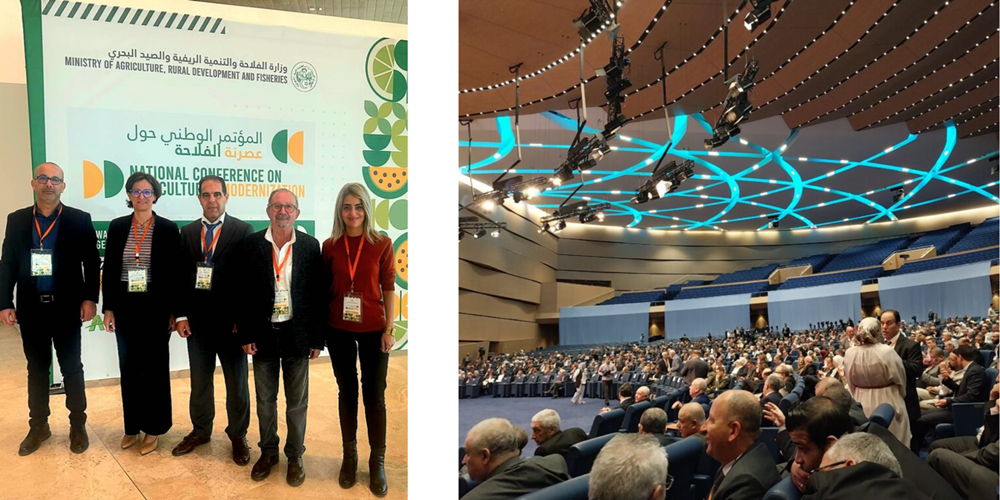
CIHEAM Zaragoza takes part in the National Conference on the Modernisation of Agriculture in Algeria

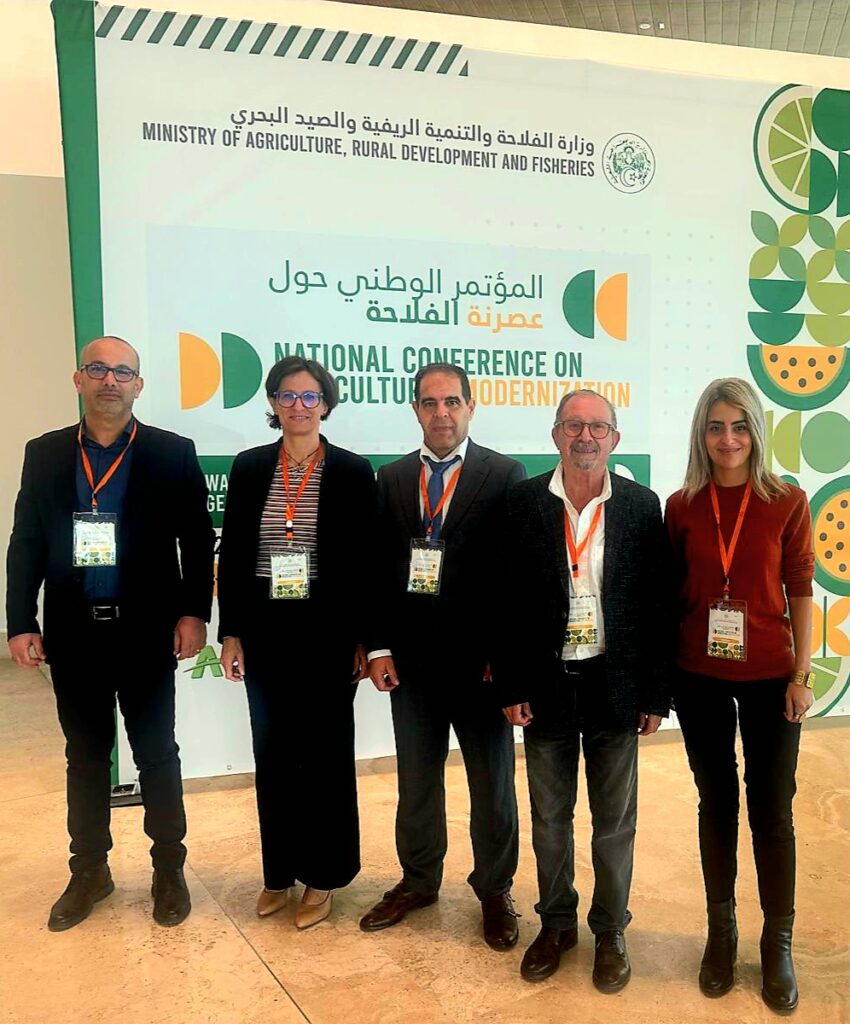
  • On 27 and 28 of October, CIHEAM Zaragoza participated in the National Conference on the Modernisation of Agriculture in Algiers, contributing to the workshop on digital transformation in the agricultural sector.
  • The conference opened opportunities for collaboration with institutions in northern Africa in matters concerning agricultural digitalisation, plant breeding, animal breeding, and silvopastoral systems.

The National Conference on the Modernisation of Agriculture, organised by the Ministry of Agriculture, Rural Development and Fisheries of Algeria, brought together key institutional, scientific, and economic actors of the country as well as international experts. The conference, under the theme For a modern, sustainable and inclusive agriculture”, was presided by minister Yacine El Mahdi Oualid, and formed part of the country’s strategy to reinforce food sovereignty.

Context and challenges of Algerian agriculture

Algeria faces significant challenges in food security and agricultural sustainability. As Minister Oualid pointed out, even though the sector contributes 14.5 % to the national GDP and employs over 2.6 million people, only 8.5 million hectares – hardly 3.6% of the total surface area – are under crop production. The average cereal yield is around 18 hundredweight per hectare, much less than the 35 hundredweight reported in countries with a similar climate.

Furthermore, between 20 % and 30 % of agricultural production is lost every year due to lack of suitable storage and refrigeration facilities. Modern irrigation techniques cover only 15 % of the irrigated surface areas, and moreover the country only uses 7 % of its one hundred billion cubic metres of annual rainfall. These figures reflect the urgent need for a structural transformation of the sector to unlock Algeria’s enormous potential.

Participation of CIHEAM Zaragoza

Ramzi Belkhodja, head of Training at CIHEAM Zaragoza, participated in this significant event as part of the CIHEAM delegation together with representatives of CIHEAM Bari Bari (Mara Semeraro, manager of the scientific area and Abdelouahid Fouial, expert from the integrated resources unit); CIHEAM Montpellier (Omar Bessaoud, scientific principal administrator); and the CIHEAM General Secretariat (Yasmine Seghirate, administrator and coordinator of women and youth leadership).

CIHEAM Zaragoza’s contribution focused on the workshop on agricultural information systems and digital transformation. This session addressed the modernisation of the sector through comprehensive digitalisation, creation of technological infrastructures and improvement in agricultural data collection and use. Proposals included the creation of a state-run cloud devoted to Algerian agricultural digital services, development of geographical information systems, implementation of technologies such as RFID and IoT for livestock identification, and the digitalisation of administrative procedures.

The conference included eight thematic workshops addressing the sector’s key challenges: from production intensification and sustainable water management to institutional modernisation and market regulation. The Algerian government aims to increase cereal crop production by between 35 and 40 hundredweight per hectare in the next five years and to strengthen the foundations of food sovereignty.

Opportunities for collaboration

As a result of the workshops, participants held meetings to discuss promising ways in which CIHEAM Zaragoza can collaborate in the north African region. One promising initiative is the organisation of a seminar in Tunisia on the impact of digitalisation in agriculture, within the framework of an agreement with the National Institute of Field Crops (INGC) and the International Center for Agricultural Research in the Dry Areas (ICARDA), that will reinforce the work conducted during the conference.

Another seminar on an area of strategic interest for the development of varieties adapted to climate change is envisaged on New Breeding Techniques (NBT), in Algeria in collaboration with local research centres such as the National Institute of Agricultural Research (INRA) or the Technical Institute for Field Crops (ITGC).

They also explored the possibility of organising a joint activity on animal breeding with INRA in Algiers, following a proposal from the Office de l’Elevage et des Pâturages of Tunisia. Furthermore, ICARDA has expressed their interest in developing a line of work on silvopastoralism, a production system of special relevance for Mediterranean and semiarid Mediterranean areas.

This participation reaffirms CIHEAM Zaragoza’s commitment with sustainable agricultural development in the Mediterranean region and opens new prospects for scientific and technical collaboration with institutions from the north of Africa.