
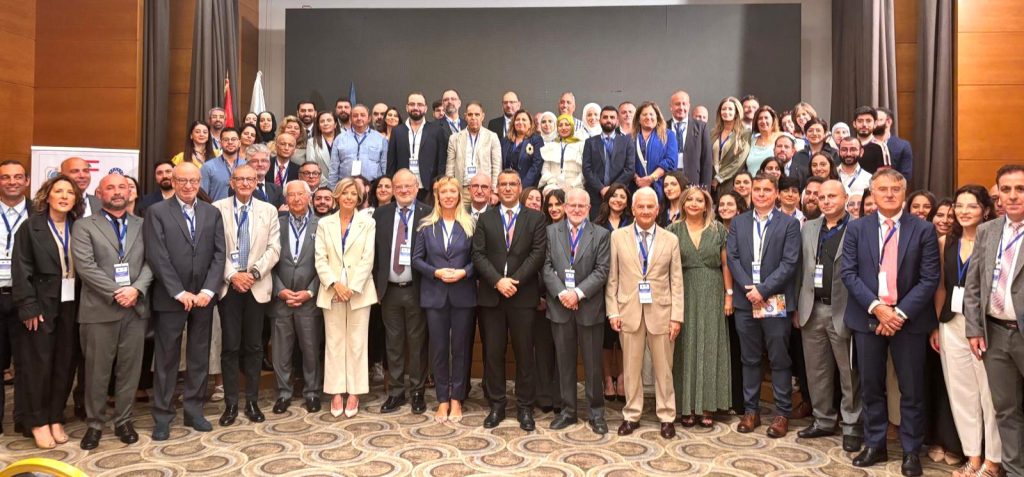
Strengthening Mediterranean cooperation in Lebanon

The Director of CIHEAM Zaragoza, Raúl Compés López, has recently returned from a successful mission to Lebanon, where he completed a full agenda with technical visits, a visit to the embassy, the signing of an agreement, and high-level political meetings. His visit also provided a valuable opportunity to engage with the vibrant community of CIHEAM alumni in the region at a special event in Beirut.

Technical mission to rural Lebanon

On Monday 22 September, the director visited the Jezzine area, considered the north of southern Lebanon, to seek opportunities for collaboration in the field of development cooperation projects. Accompanied by Mr. Elie Fares, Head of the Ministry of Agriculture’s centre in the area, he met with the people in charge of OLia Cooperative, J-Grove, B-Baladi Cooperative, Jezzine Apple Cooperative, Agrofit, and Jaram Wines. In all these meetings, they discussed the problems that hinder the companies’ growth and sustainability.

Meeting at the Spanish Embassy

On Tuesday 23 September the director was welcomed at the Spanish Embassy in Lebanon by Ambassador Jesús Ignacio Santos Aguado, and by the Head of Consular, Administrative, Cultural, and Scientific Affairs, Gonzalo Javier Moro Aguilar.

During the meeting, the director outlined the activities carried out by CIHEAM Zaragoza and highlighted the participation of Lebanese students, professors, and experts. Ways to increase this participation were also discussed.

Signing of an MoU with the Lebanese University

Director Compés also signed an MoU with the President of the Lebanese University, Professor Bassam Badran. This MoU marks the beginning of a formal relationship between the two entities, starting with an Erasmus+ mobility project involving entities from other countries in the region are also participating.

High-level meeting with the Lebanese government

Nawaf Salam, the Prime Minister of Lebanon, welcomed Minister of Agriculture Nizar Hani, accompanied by a distinguished CIHEAM delegation. The delegation brought together key figures from across the CIHEAM network, including Teodoro Miano, Secretary General of CIHEAM; Frida Krifca, President of CIHEAM Governing Board; Wafaa Dikah, Vice-President of CIHEAM Governing Board; and Maurizio Raeli, Italian Delegate to CIHEAM. The directors of three CIHEAM institutes were also present: Biagio Di Terlizzi from CIHEAM Bari, Thierry Dupeuble from CIHEAM Montpellier, and Raúl Compés López from CIHEAM Zaragoza.

During this significant meeting, CIHEAM presented its broad range of activities across the Mediterranean region, with particular emphasis on agricultural innovation, rural development, and strengthening partnerships in the agricultural sector. This high-level encounter took place on the eve of the first Lebanese CIHEAM meeting, marking a crucial milestone for regional cooperation.

Landmark alumni gathering in Beirut

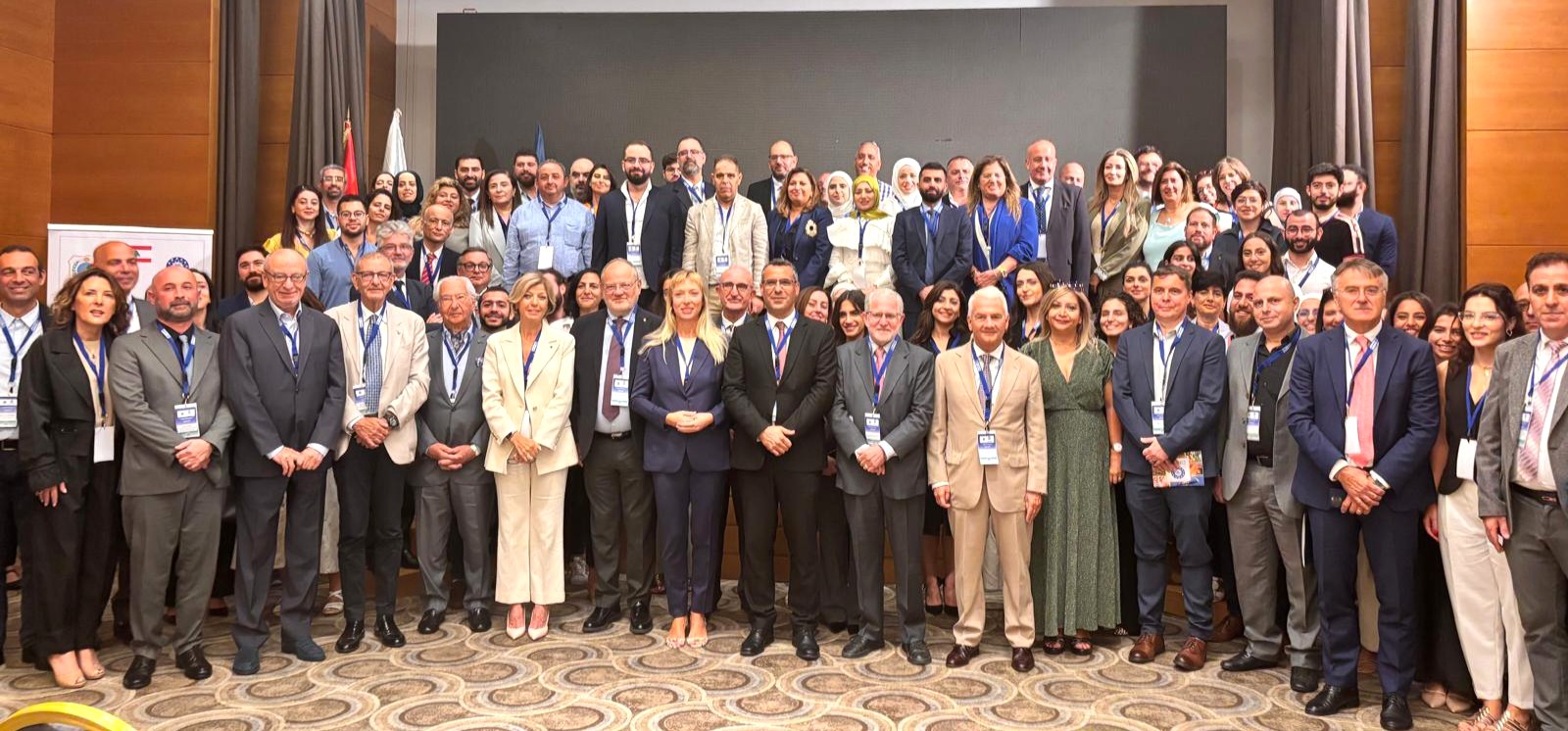
On 24 September, the Ministry of Agriculture and CIHEAM co-organised a landmark event in Beirut that brought together more than 100 Lebanese alumni of CIHEAM Institutes. The seminar, which attracted a packed audience, highlighted how youth, skills, and innovation serve as key drivers for transforming the agrifood sector.

Through dynamic roundtables, participants explored the vital connections between education, employment, research, and responsible entrepreneurship to develop sustainable solutions for the future of Mediterranean food systems. The event demonstrated the ongoing commitment of CIHEAM alumni to advancing agrifood transformation in Lebanon and beyond.

High-level participation and strategic vision

The seminar brought together distinguished guests including H.E. Kamal Shehadi, Minister of Technological Innovation and Artificial Intelligence, alongside representatives from Lebanese universities, research centres, the private sector, financial institutions, and diplomats from CIHEAM member countries. Representatives from the French Embassy and the Italian Agency for Development Cooperation (AICS) also participated.

In his opening address, Minister Nizar Hani emphasised that “Lebanese agriculture is more than a simple economic sector: it is the beating heart of our rural areas, the anchor that keeps families on their land and the bulwark that protects our food sovereignty”. He added: “The future of agriculture and food systems belongs to young people: they are not only tomorrow’s leaders; they are already today’s innovators”.

Frida Krifca, president of CIHEAM’s Governing Board, stated: “Lebanese agriculture will depend on our capacity to link education with professions, connect research with markets and equip young people with the tools of innovation—a responsibility shared between government and the private sector, universities and agricultural organisations, local communities and international partners”.

Four dynamic panels address key challenges

The seminar was structured around four thematic roundtables, each addressing critical aspects of Lebanon’s agrifood transformation:

Panel 1 ‘Education and Training for Future Agri-Food Jobs was moderated by CIHEAM Secretary-General Teodoro Miano, and tackled the alignment between training programmes and labour market needs. Participants identified critical gaps in specialised technical skills, transversal competencies, and connections between academic curricula and employer requirements. The discussion emphasised the need to strengthen alliances between universities, technical training centres and the private sector, promoting dual training programmes and international exchanges.

Panel 2 ‘Innovation, AI and Entrepreneurship’ moderated by the Director of CIHEAM Zaragoza, Raúl Compés, explored how technological innovation, digitalisation and artificial intelligence can drive youth entrepreneurship. Success stories from start-ups and cooperatives demonstrated young people’s capacity to transform the sector through precision agriculture, online marketing and smart resource management. Wafaa El Dikah Hamzé, Senior Adviser to the Minister of Agriculture and Vice-President of CIHEAM, shared an inspiring example: “I recently spoke with a young female farmer from the Bekaa Valley, who stated proudly: ‘My greenhouse is my office, my phone is my extension service, and my drone is my new scarecrow’. This combination of creativity, smart technologies and resilience is exactly what our sector needs to shape the future of food systems”. Key topics included digital literacy, entrepreneurship ecosystems, access to capital, and the importance of strategic alliances between academia, the private sector, and governments.

Panel 3 ‘Research and Innovation for Sustainable and Climate-Resilient Agriculture’ moderated by the Director of CIHEAM Montpellier, Thierry Dupeuble, focused on aligning research priorities with Lebanon’s main challenges: climate change, water scarcity, food security, and the transition towards agroecological models. Speakers highlighted the need to transfer research into practical solutions, strengthen international cooperation, and create innovation ecosystems linking universities, research centres, and rural communities.

Panel 4 ‘The Voice of Alumni’ moderated by the Director of CIHEAM Bari, Biagio di Terlizzi, gave the floor to Lebanese CIHEAM alumni who shared their professional trajectories spanning research, public management, entrepreneurship and international cooperation. Alumni emphasised the transformative impact of CIHEAM training, the importance of mentoring new generations, and their commitment to contributing to national initiatives. The panel concluded with a call to establish a formal Lebanese CIHEAM Alumni Network as a sustainable platform for long-term collaboration. CIHEAM Secretary-General Teodoro Miano highlighted: “Let us take further the collaboration and innovation generated here, so that each CIHEAM Alumnus becomes a catalyst for positive change and guarantor of a resilient and secure future for Lebanon. Our motto should be: CIHEAM Alumni United: Sowing the Seeds of Change”.

Field visit to Shouf biosphere reserve

On 25 September 2025, CIHEAM Lebanese alumni participated in an enriching field visit to the Shouf Biosphere Reserve (El Shouf Cedars Reserve), under the patronage of H.E. Dr Nizar Hani, Minister of Agriculture of Lebanon. As part of the programme “Investing in Youth for Sustainable Agrifood Systems: Linking Education to Job Opportunities and Sector Priorities”, the visit emphasised the crucial role of youth in driving sustainability and innovation within the agrifood sector. The day’s programme included a visit to the composting unit, a guided forest walk through the Shouf Cedars Reserve, and a cultural tour of Beiteddine Palace.

A comprehensive experience

The visit to the Shouf Biosphere Reserve offered participants direct contact with environmental conservation and sustainable resource management practices. At the reserve’s headquarters, an institutional video presented conservation, forest restoration and community development programmes. The composting unit demonstrated an innovative example of circular economy, transforming organic waste into natural fertilisers for rural communities.

During the guided forest walk, specialists explained the area’s biodiversity, sustainable forest management challenges, and the importance of the cedar ecosystem as both a national symbol and strategic environmental resource. The visit illustrated the positive impact of conservation programmes on ecological equilibrium and climate resilience.

The afternoon visit to the beautiful 19th-century Beiteddine Palace allowed participants to appreciate Lebanon’s historical and cultural wealth while reflecting on the relationship between cultural heritage, national identity and territorial development.
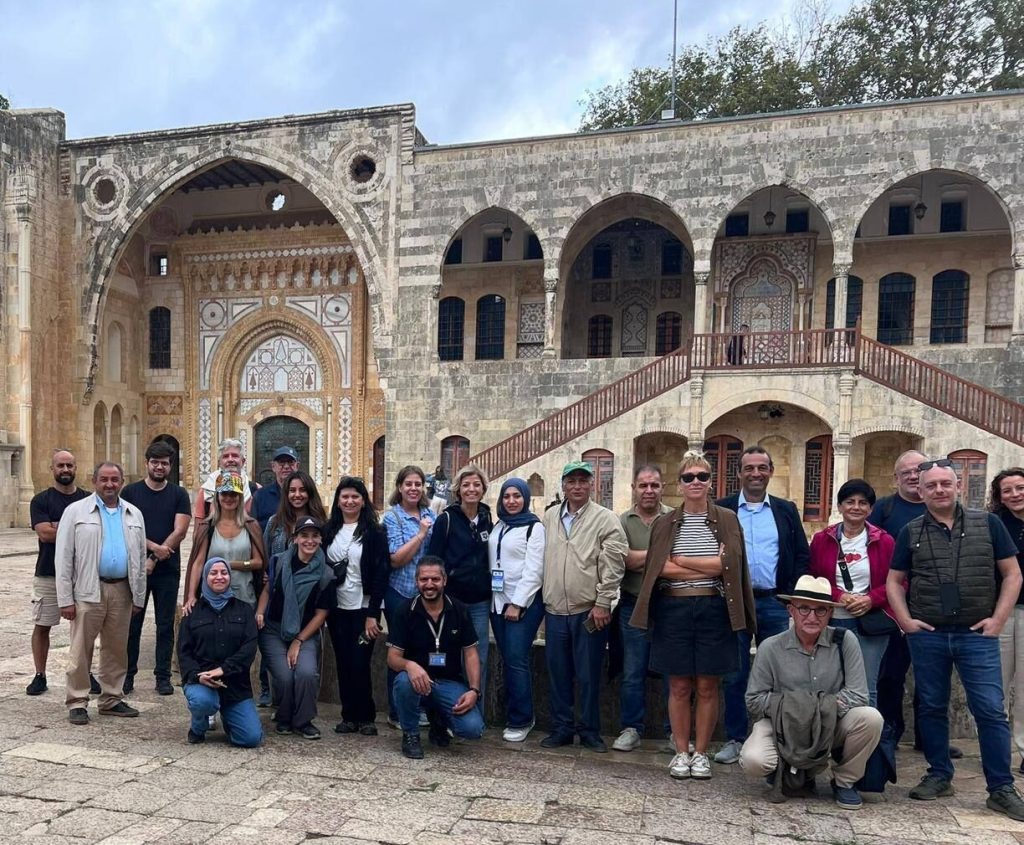
This inspiring opportunity allowed participants to strengthen alumni connections whilst exploring Lebanon’s remarkable natural and cultural heritage, reinforcing CIHEAM’s commitment to fostering sustainable development in the Mediterranean region.


The mission underscores CIHEAM Zaragoza’s dedication to building stronger partnerships across the Mediterranean and supporting the next generation of professionals in creating sustainable agrifood systems for the future. The events in Lebanon represent a milestone in strengthening CIHEAM’s relationship with the country through its alumni network, confirming the relevance of youth as agents of change in the transition towards more sustainable and resilient agrifood systems.
CIHEAM Zaragoza joins the Advisory Panel of ExpoCaspe 2025 to strengthen agrifood innovation in Aragon

  • The international institution reinforces its commitment to the Aragonese agrifood sector by taking part in the 43rd edition of the region’s leading multisectoral rural trade fair

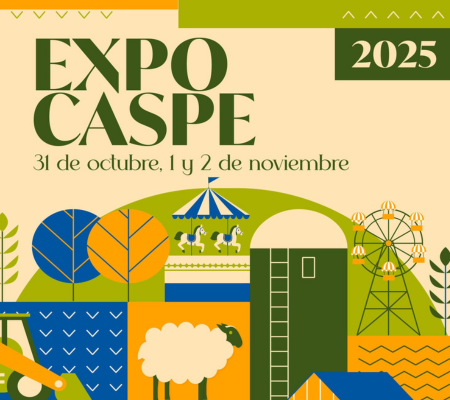
CIHEAM Zaragoza, the Spanish headquarters of the International Centre for Advanced Mediterranean Agronomic Studies (CIHEAM in French), has joined the Advisory Panel of ExpoCaspe 2025, forging a strategic alliance to strengthen agrifood innovation at this key multisectoral trade fair in rural Aragon.

The 43rd edition of ExpoCaspe – the agricultural, livestock, industrial, trade fair of Bajo Aragón – will take place from 31 October to 2 November. This year’s event will host more than 200 stands and is expected to attract over 30 000 visitors. The fair is now entering a new phase of strategic development, consolidating its professional and territorial position as one of the most significant events for agriculture, livestock, industry, technology, local trade, and gastronomy. Its transversal approach bridges tradition, territory and future.

Public-private advisory panel to strengthen the innovation ecosystem

A new feature of this edition is the creation of a multisectoral advisory panel, a dynamic body designed to support the programme of the technical workshops and advise on the continuous improvement of the event. Furthermore, the panel will extend the visibility of ExpoCaspe through the professional networks and communication channels of its members.

The Advisory Panel brings together key actors of the Aragonese agrifood and technological ecosystem, including the General Directorate of Agrifood Innovation and Promotion (Government of Aragon), COAG – Coordinator of Famers’ and Livestock Organisations, UAGA Caspe, DATAGRI Forum, APAE – Spanish Association of Agriculture and Food Journalists, ITA – Technological Institute of Aragon, the Livestock Farmers’ Cooperative of Caspe and APEC – Professional Business Association of Caspe, and CIHEAM Zaragoza.

Towards a sustainable future for the agrifood sector

This collaboration reaffirms the shared commitment of the participating institutions to the sustainable development of the Aragonese and Mediterranean agrifood sector, promoting innovation, specialised training and knowledge-exchange between the academic and scientific community and the production sector.

ExpoCaspe 2025 will bring together leading businesses, associations, institutions and professionals, at regional and national level, offering a unique platform for trade, technological innovation and sectoral networking.

The GRASS CEILING project announces the RUWI and PARCA awards supporting gender equality in rural areas

  • The awards acknowledge innovative rural women and initiatives promoting shared parental leave.
  • The deadline for the submission of applications is 31 October 2025.

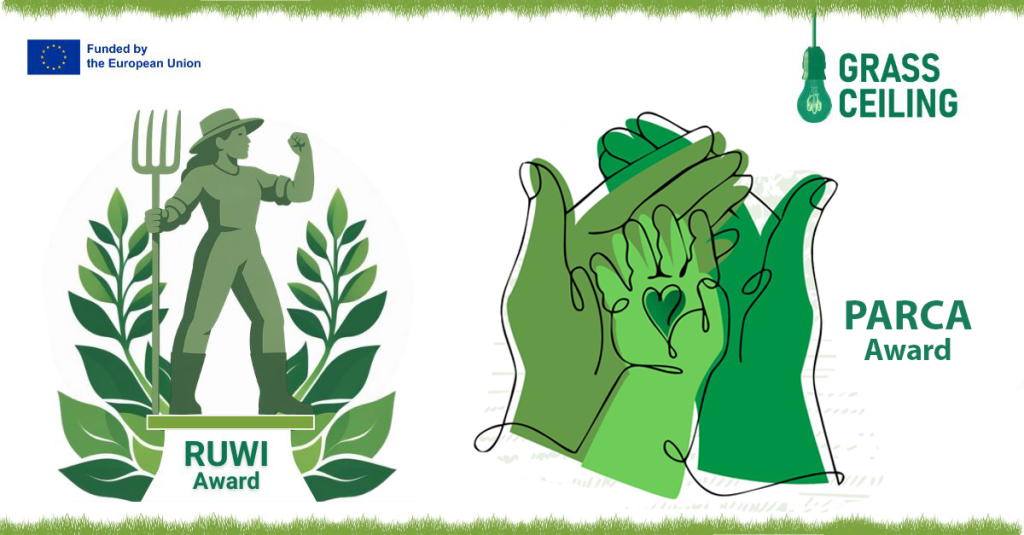
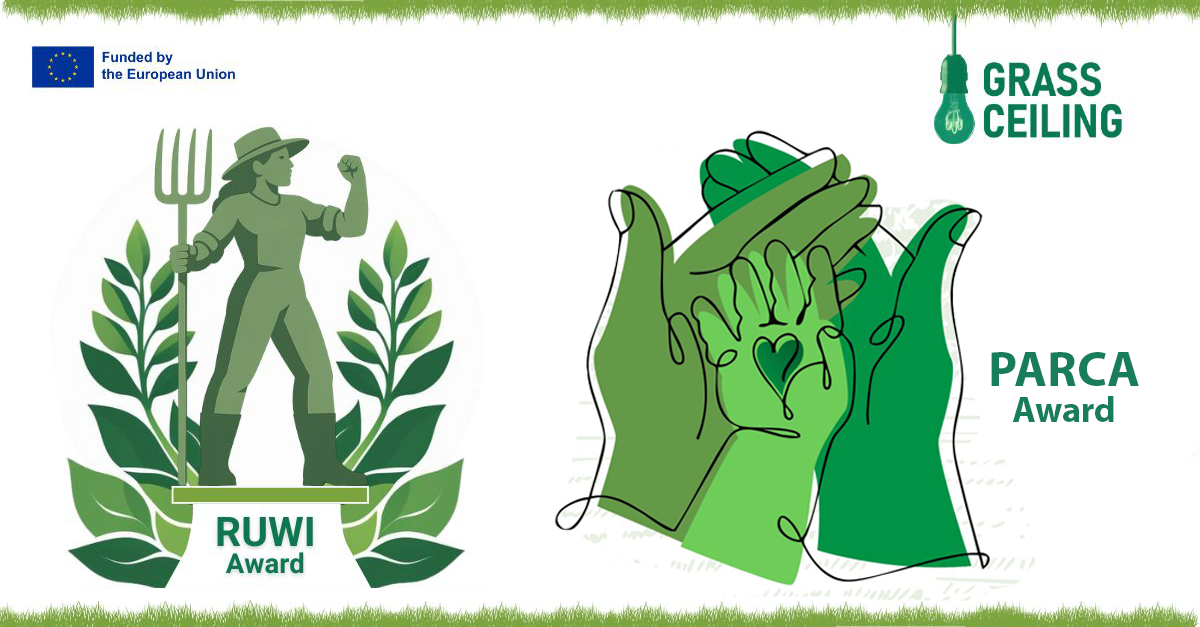
The European project GRASS CEILING, in which CIHEAM Zaragoza participates as a partner, has launched the call for applications for two international awards that aim to showcase and support gender equality in the rural areas of Europe.

These awards highlight essential contributions to an equal and prosperous future for the rural world, giving a voice to those driving change as well as those providing fundamental support for a genuinely inclusive environment.

The Rural Women Innovators Award (RUWI) celebrates and empowers women who drive socio-ecological innovation in rural areas. It aims to increase the number of women-led innovations in agriculture, the rural economy and rural communities, enhancing sustainability, inclusion, and well-being.

The Parental Leave Champions Award (PARCA) recognises the fundamental role played by men and organisations that challenge stereotypes, combat stigmas, and strengthen rural societies through more equitable parental leave strategies.

The award aims to support gender equality by showcasing positive examples of shared caregiving responsibilities, supportive workplaces, and community initiatives that facilitate inclusive spaces for innovative women and their families in rural communities.

The deadline for both awards expires on 31 October 2025. The winning projects will be presented at the GRASS CEILING Final Showcase Event, to be held in Brussels on 3 and 4 December 2025.

CIHEAM Zaragoza, as a GRASS CEILING partner, reaffirms its commitment to enhancing the participation and visibility of innovative rural women and to promoting initiatives that advance gender equality across Europe.

📅 Deadline for applications: 31 October 2025
ℹ️ Click here for more information and application forms: https://www.grassceiling.eu/awards

Building resilient food systems: A three-day training event brings together Mediterranean civil society organisations

  • From 23 to 25 September, CIHEAM Zaragoza hosted the comprehensive Sustainable Food Systems Training as part of the Mubadarat capacity building programme.
  • The event, co-organised by the IUCN Med, AECID, FIAP and CIHEAM Zaragoza, brought together 33 participants to strengthen civil society’s capacity to design and implement sustainable agriculture projects across the Mediterranean region.

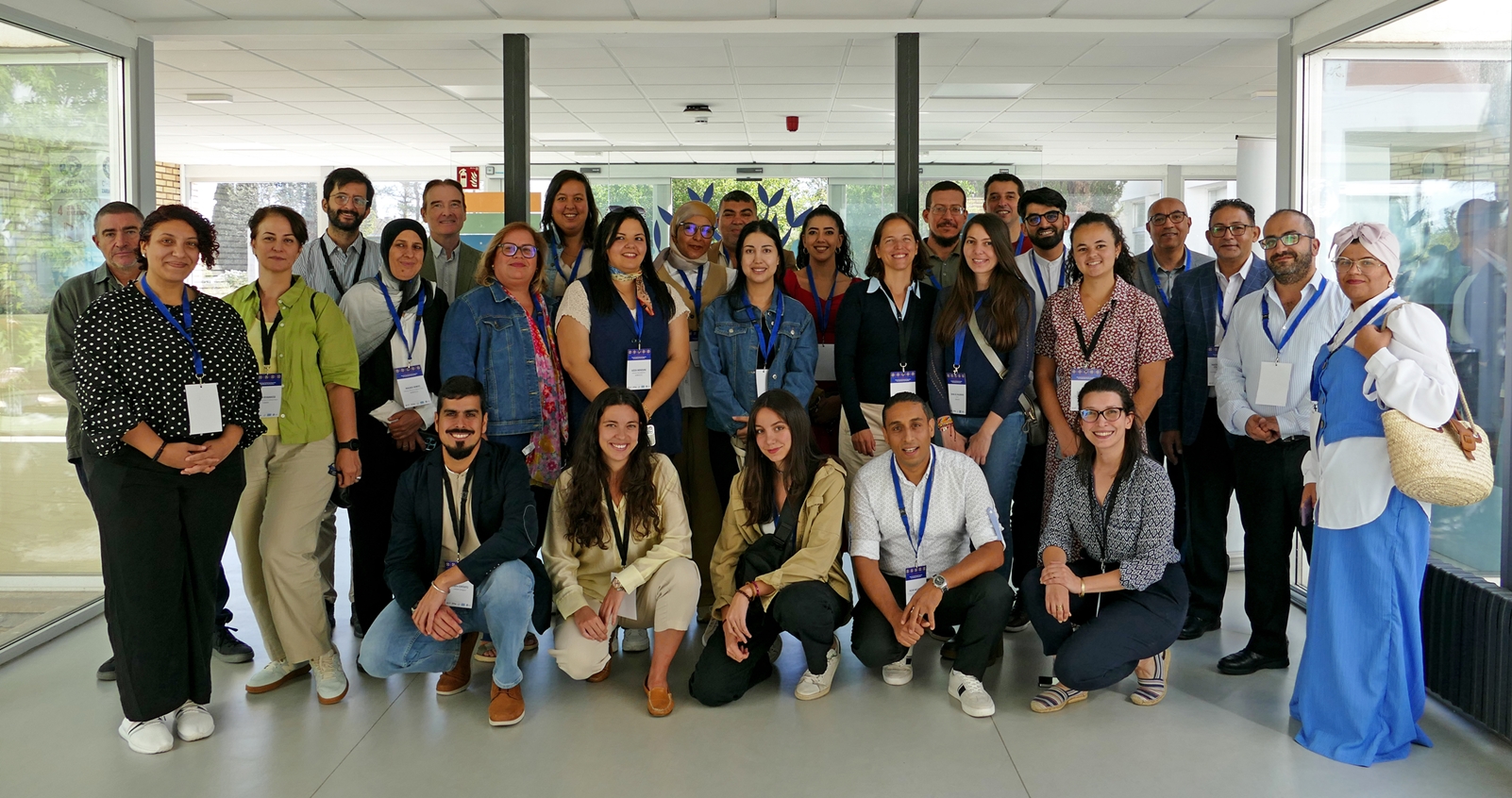
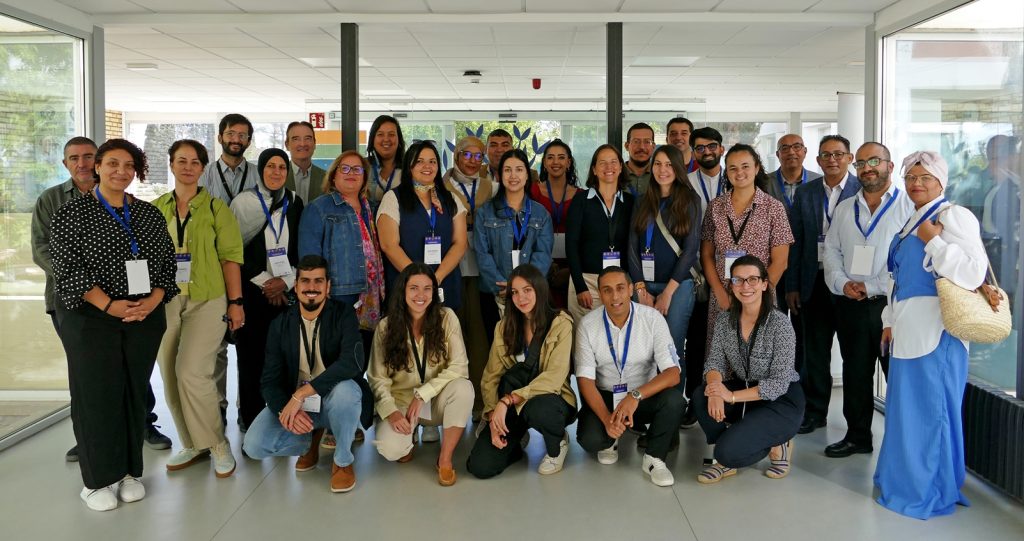
The training gathered a diverse group of stakeholders committed to transforming food systems in the Mediterranean. Eighteen civil society organisations from six countries—Algeria, Egypt, Lebanon, Libya, Morocco and Tunisia—joined representatives from institutional partners including Morocco’s Agence Nationale des Eaux et Forêts and Tunisia’s Ministry of Environment. Also present were representatives from IUCN Med, AECID, FIAP, and CIHEAM Zaragoza, creating a rich environment for knowledge exchange and collaboration.

The three-day programme equipped participants with practical tools to work alongside farmers and local communities, fostering sustainable agriculture, food security, and ecosystem resilience through nature-based solutions.

Day one: foundations in Nature-based Solutions

The opening day focused on building foundational knowledge for civil society organisation project coordinators. Participants delved into the IUCN Global Standard for Nature-based Solutions (NbS), exploring how these approaches can be systematically applied in agricultural contexts. Sessions covered holistic water management, integrating both NbS and traditional knowledge systems, whilst land health monitoring techniques were introduced to support the agroecological transition.

Day two: from theory to practice

The second day bridged conceptual frameworks with practical application. Morning sessions explored how value chains can be strengthened to support sustainable, NbS-oriented food systems whilst promoting resilient livelihoods. One of the highlights was the introduction to MEDAE—the Mediterranean Multi-Actor Network on Agroecology, a key outcome of the NATAE project.

MEDAE serves as a regional platform that stimulates collaboration and joint projects, promotes knowledge exchange and solutions, and represents Mediterranean agroecology on the international stage. By connecting with MEDAE, civil society organisations and partners from the Mubadarat network have access to a broader regional community working towards agroecological transition.

The afternoon took participants beyond the classroom for several field visits. The group explored the botanical garden of the Agri-Food Research and Technology Centre of Aragon (CITA) which focuses on weed and pest management, observed agroecological practices including direct sowing in Perdiguera, and visited Biosanz, a family-run organic farm producing fruit using sustainable methods. These practical experiences illustrated the vital connections between sustainable farming, local communities, and resilient ecosystems.

Day three: from learning to action

The final day centred on transforming ideas into actionable projects. Participants reflected on how civil society organisations can strengthen local value chains to create opportunities for communities, build partnerships that support resilience and sustainability, and ensure the inclusion of women and youth to make projects more equitable and impactful.

The afternoon was dedicated to collaborative group work, where organisations synthesised the three days’ learnings to design community-driven projects. These initiatives incorporated Nature-based Solutions, integrated value chain approaches, social inclusion principles, and practical monitoring tools to track change on the ground.

A foundation for future action

The training concluded with a collective restitution session that showcased the remarkable motivation of participants. Equipped with new tools, frameworks, and connections, attendees departed with a commitment to applying their learning alongside farmers and local communities across the Mediterranean.

This training event represents an important step in building a network of civil society organisations equipped to drive the sustainable transformation of food systems, strengthening both ecological resilience and community wellbeing throughout the region.

Zaragoza to host the SECH Congress on Fruit Growing and Citrus Production in 2026

  • The congress is organised by the Agri-Food Research and Technology Centre of Aragon (CITA), CIHEAM Zaragoza, and the Spanish Society of Horticultural Sciences (SECH).
  • The event will be held at CIHEAM Zaragoza (Campus de Aula Dei) on 16-18 June 2026.

Zaragoza, 25 September 2025. CIHEAM Zaragoza, the Agri-Food Research and Technology Centre of Aragon (CITA), and the Spanish Society of Horticultural Sciences (SECH), will jointly organise the congress in Zaragoza from 16 to 18 June 2026.

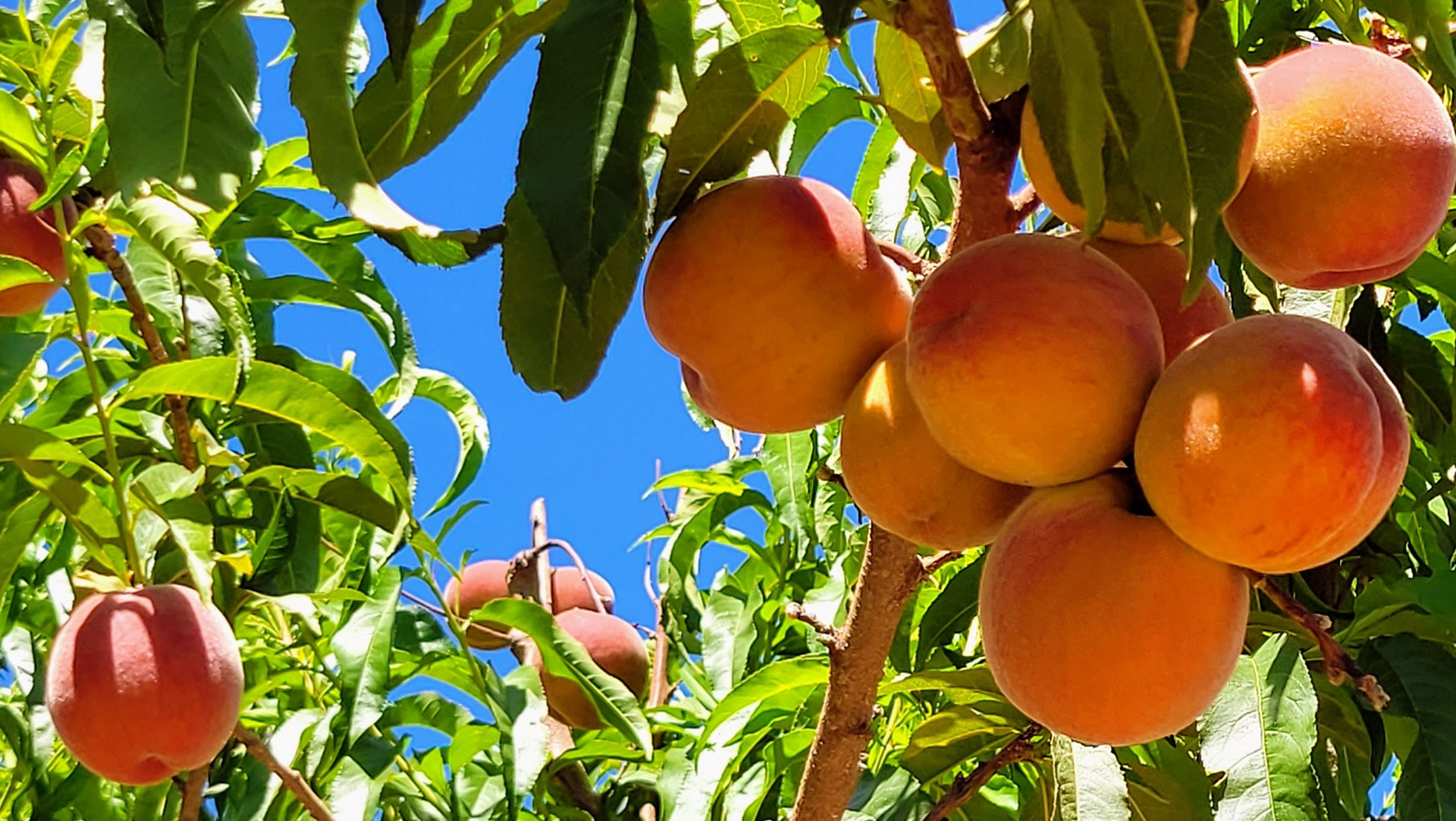
This biennial congress, of national and international relevance, will bring together research centres, universities, the private sector, and fruit growers to exchange information on the latest developments in research and innovation. The scientific programme will address common challenges in plant breeding, production of propagation material, agronomy, irrigation, mechanisation, crop protection, post-harvest management, and marketing. Participants will focus on improving scientific knowledge and translating it into technical and practical applications for the sector.

María José Rubio Cabetas, congress coordinator and researcher at CITA talks about the upcoming event: “The 2026 edition will focus on the challenges posed by new crop systems within the framework of Agenda 2030: adaptation of plant material to climate change, application of new technologies, reducing the carbon footprint and improving orchard profitability”.

SECH supports the biennial congresses as part of its mission to develop greater collaboration between professionals and institutions dedicated to horticultural science.

For SECH’s president, Francisco José Arenas, “Aragon is a national and international point of reference for fruit growing, thanks to its extensive orchard area and diversity of high-quality production. This is supported by the long-standing efforts of the researchers at CITA, the implication of the fruit growing sector, and collaboration with institutions such as CIHEAM Zaragoza and SECH. The collaboration agreement and joint organisation of the congress on fruit growing and citrus production is a decisive step in strengthening synergies between science, innovation and production. Institutional cooperation is essential to address strategic challenges such as adaptation to climate change, improvement of sustainability, and the international competitiveness of our fruit sector”.

CIHEAM Zaragoza, located on the Campus of Aula Dei, previously hosted the VIII SECH Congress of Experimentation in Fruit Growing together with the XIV AIDA Congress on Plant Production in 2010. This renewed role as host institution stems from a formal agreement with SECH. CIHEAM Zaragoza will also contribute to promoting the event and will be represented on the organising committee.

Raúl Compés, director of CIHEAM Zaragoza underlined the institution’s commitment: “It is a great satisfaction for us to collaborate in the organisation of the event, providing institutional assistance and expertise. Initiatives such as this congress reinforce scientific research, technological innovation, and sustainable development in a strategic sector for Aragon (a leading fruit-growing region), Spain, and the Mediterranean region, and deserve our firm and committed support.

We are convinced that this joint effort will strengthen scientific and technical cooperation between researchers and practitioners, facilitating solutions and knowledge transfer”. Full information about the congress will soon be available on the SECH website and the congress web page”.

Help shape the future of sustainable agriculture and forestry in Europe

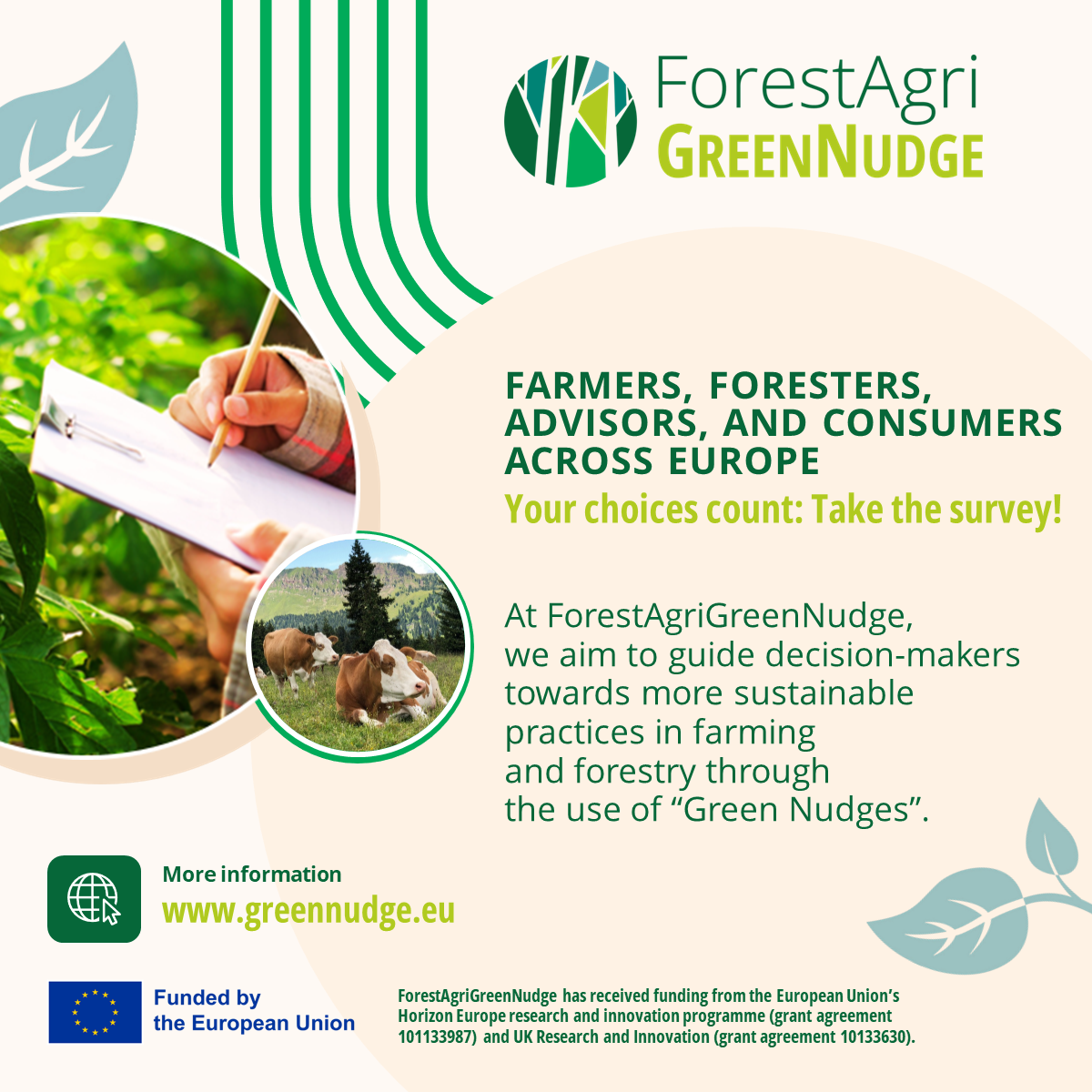
In November 2024, the ForestAgriGreenNudge project officially kicked off — an innovative initiative that uses behavioural science to encourage more sustainable decision-making in agriculture and forestry. By applying subtle interventions called “green nudges“, the project aims to help land users and policymakers overcome cognitive biases and adopt more environmentally friendly practices.

As part of the ForestAgriGreenNudge project, of which CIHEAM Zaragoza is a partner, a Europe-wide survey has been launched aimed at better understanding the factors that influence sustainable choices in agriculture and forestry. This research focuses on the non-monetary drivers that impact decisions made by farmers, foresters, their advisers, and consumers of food and forestry products. The results will help shape more effective, targeted, and science-based environmental policies to support the green transition across Europe.

What are green nudges? Green nudges are defined as actions aimed at “gentle steering to promote environmentally friendly behaviour”. They involve subtle behavioural interventions that encourage farmers, foresters, and other land users to adopt practices that are less harmful to the environment — without restricting choices or offering financial incentives.

Your Voice Matters

All stakeholders, including producers, advisers, and consumers, are invited to participate. Their insights and experiences will contribute valuable data that directly supports the development of effective EU policies driving the green transition.

Broad participation across Europe is key to making this effort impactful, so all stakeholders are encouraged to complete any surveys that reflect their experience and share this initiative through their networks, newsletters, and communication channels. Here you have the survey links for farmers, farmers’ advisers, food consumers, foresters, foresters’ advisers and forestry products consumers.

About the ForestAgriGreenNudge Project

Behavioural and cognitive biases can prevent decision-makers from choosing the best solutions available to them. Drawing on established psychological research, “nudges” are gentle interventions in how choices are presented — through defaults, information framing, or presentation style — that make sustainable options more appealing without restricting freedom of choice.

The ForestAgriGreenNudge project begins by reviewing existing initiatives that use Green Nudges to promote sustainable practices in farming and forestry. Each nudge is then assessed against two key criteria: its effectiveness in encouraging long-term adoption of sustainable practices, and its adherence to ethical principles such as transparency, awareness, participation, and context-specificity.

Promising nudges will be tested in real-world settings and evaluated for both their impact and quality of implementation. The project will also develop innovative new nudges based on insights gathered from actors throughout the entire agri-forestry value chain — from producers to consumers.

All successful nudges, along with implementation guidelines and the market conditions that support their use, will be compiled in the iNUDGE Academy — an online resource managed by CIHEAM Zaragoza and designed for policymakers, retailers, wholesalers, farmers, and foresters. This tool will provide practical guidance on how to apply each nudge effectively whilst highlighting potential risks and trade-offs.

By sharing these findings widely with experts, policymakers, and industry stakeholders, the project aims to maximise its impact and accelerate the adoption of sustainable practices across European agriculture and forestry.