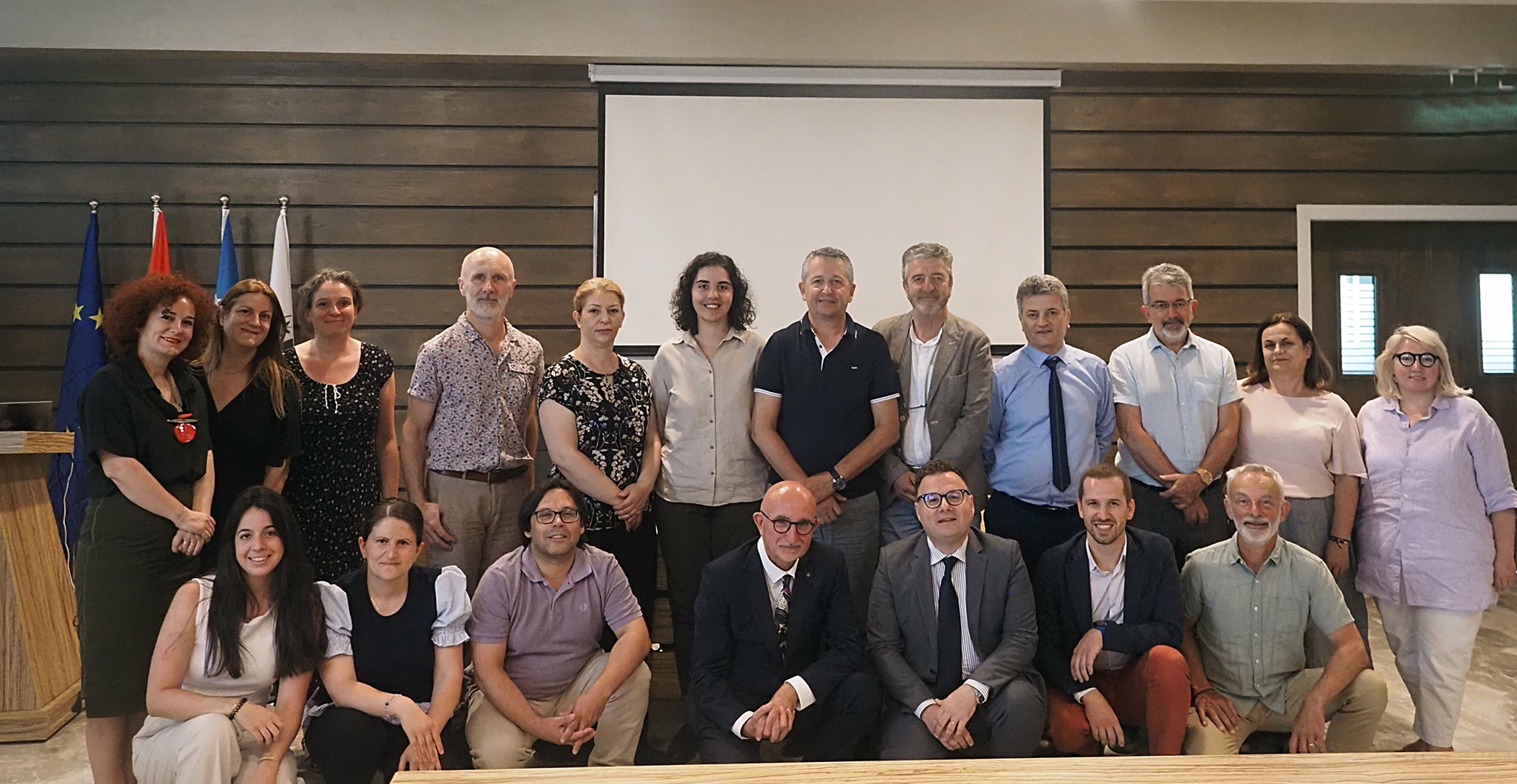
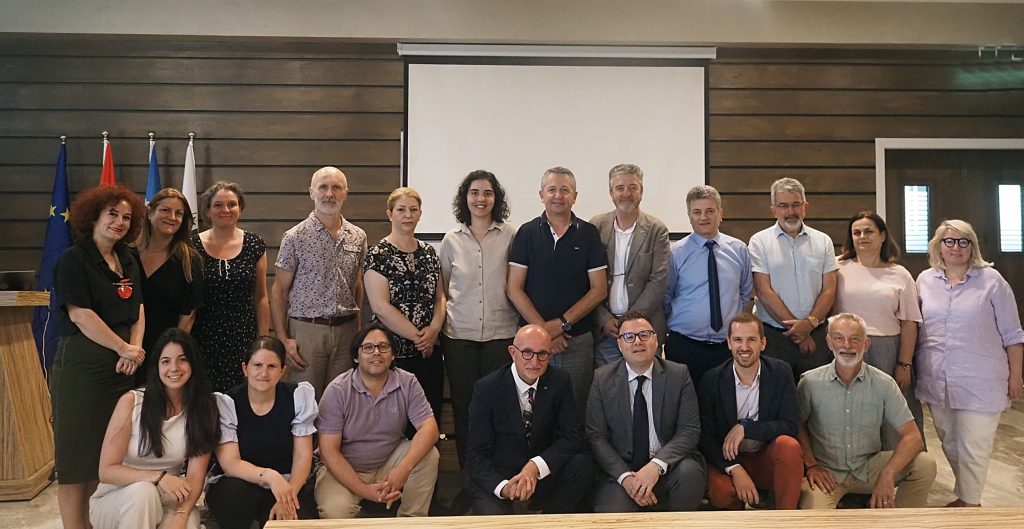
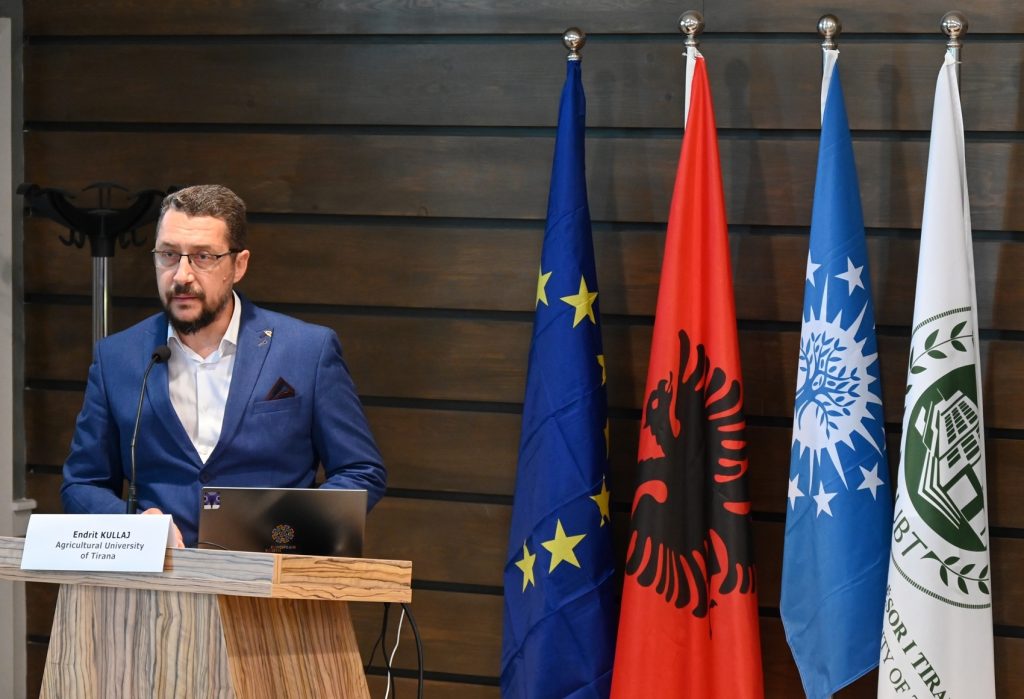
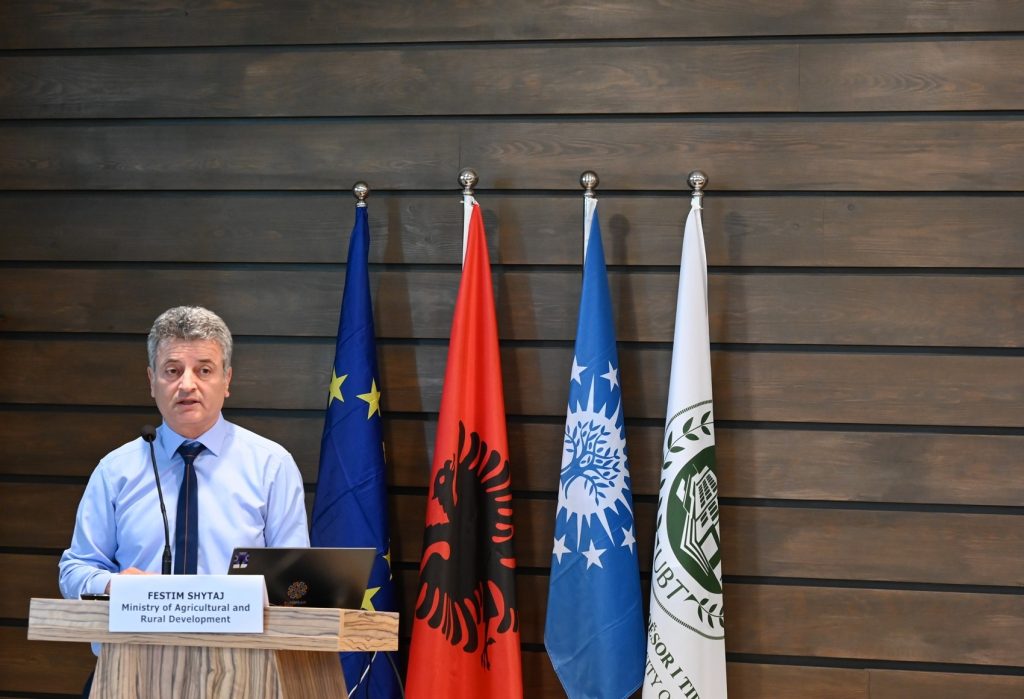
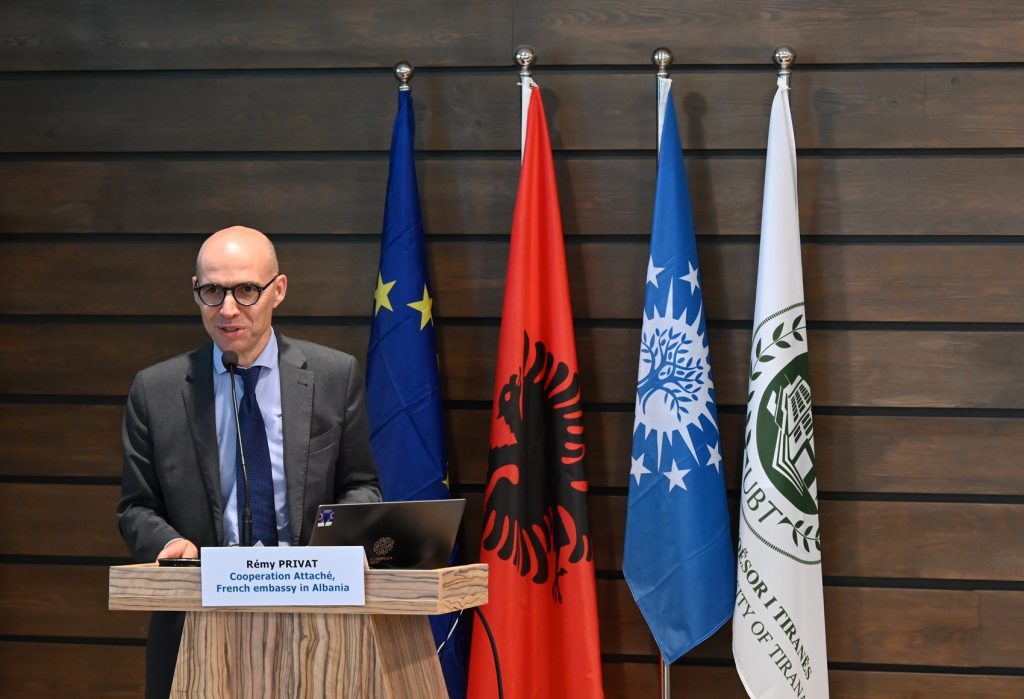
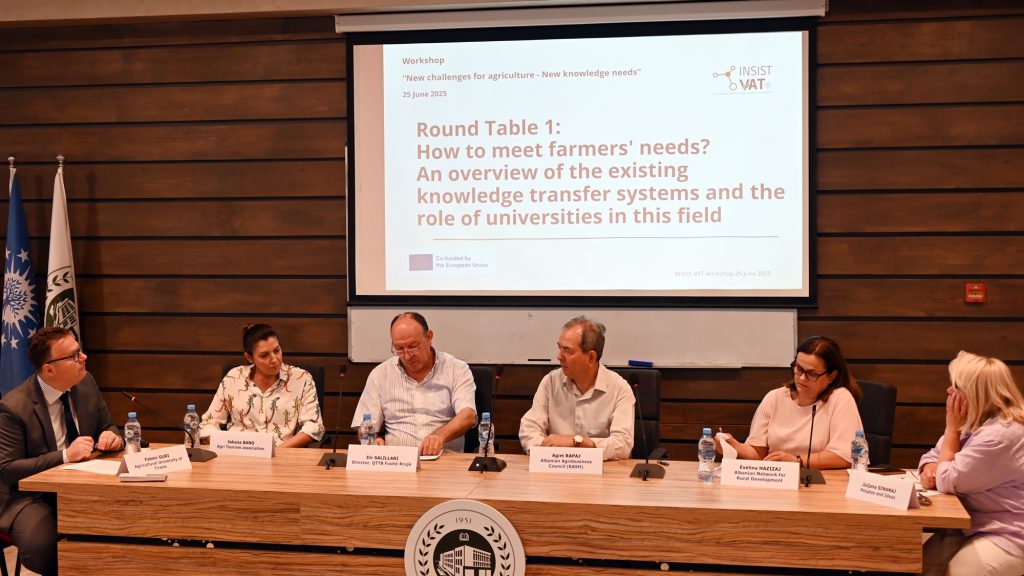
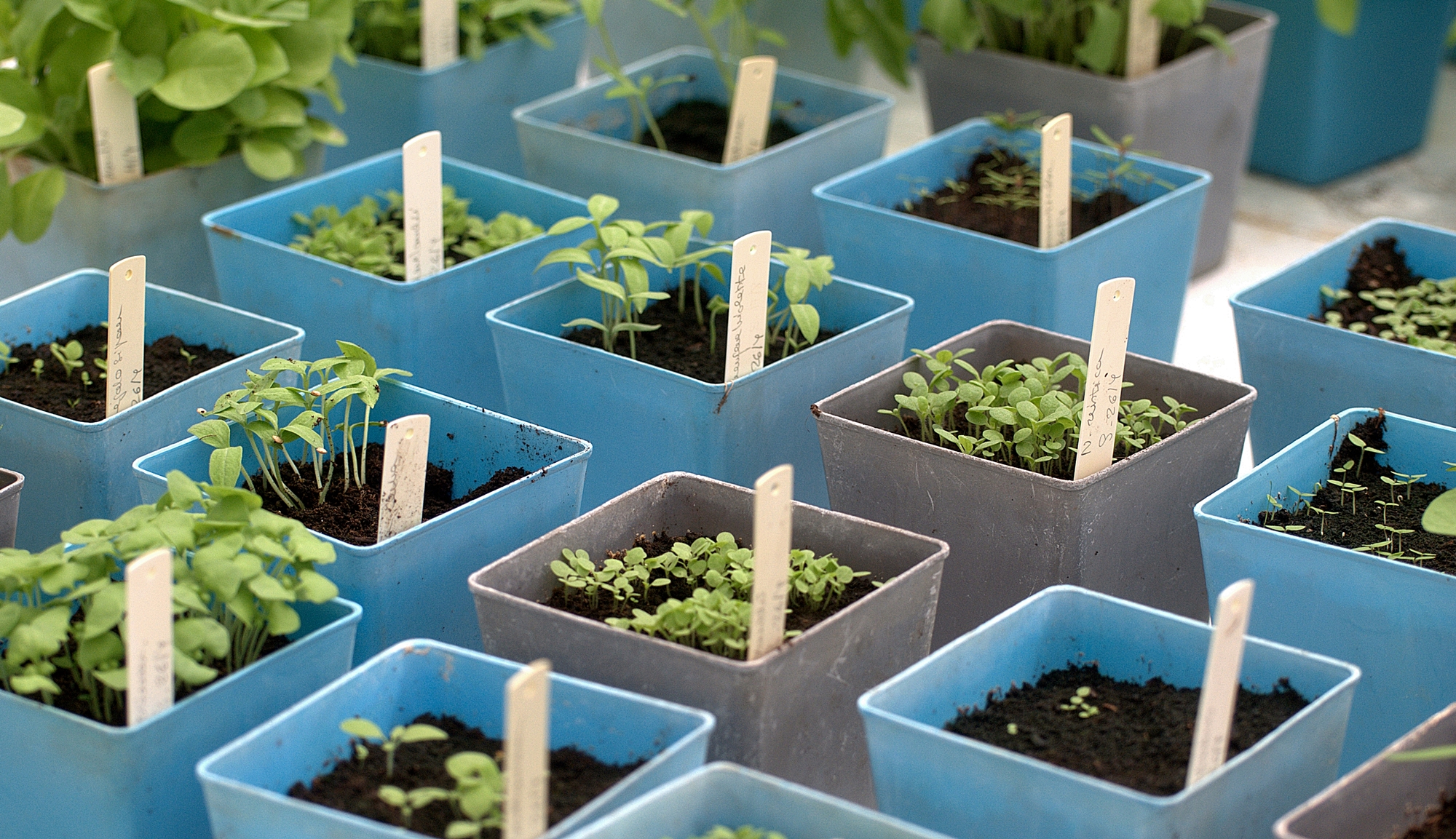
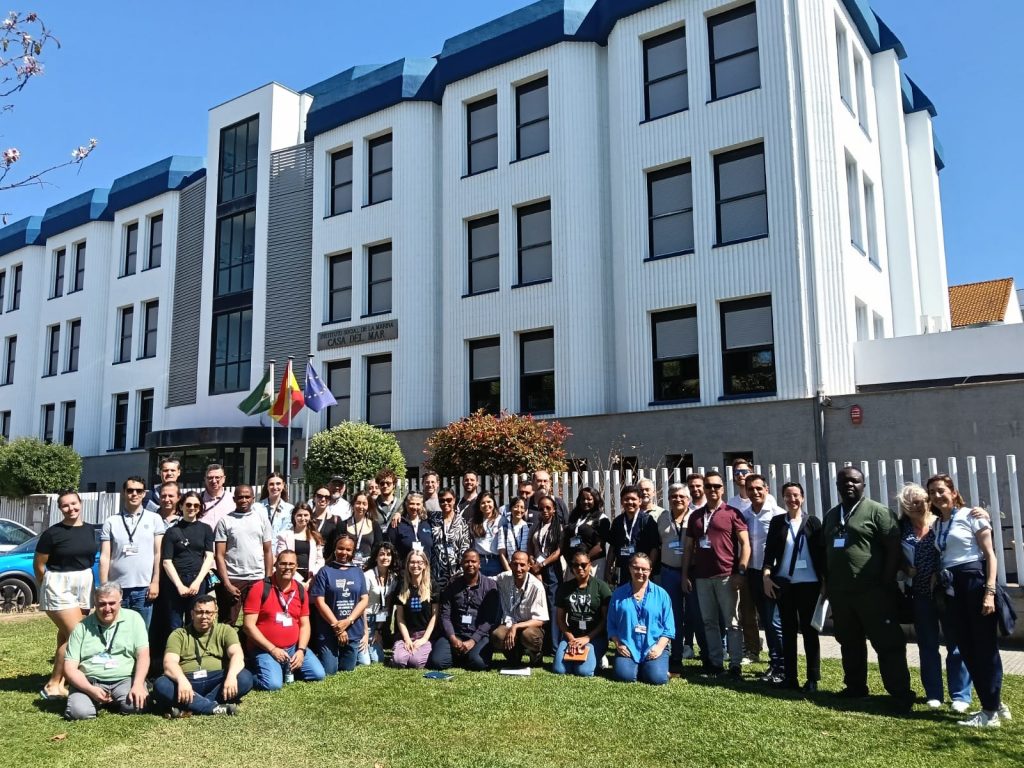
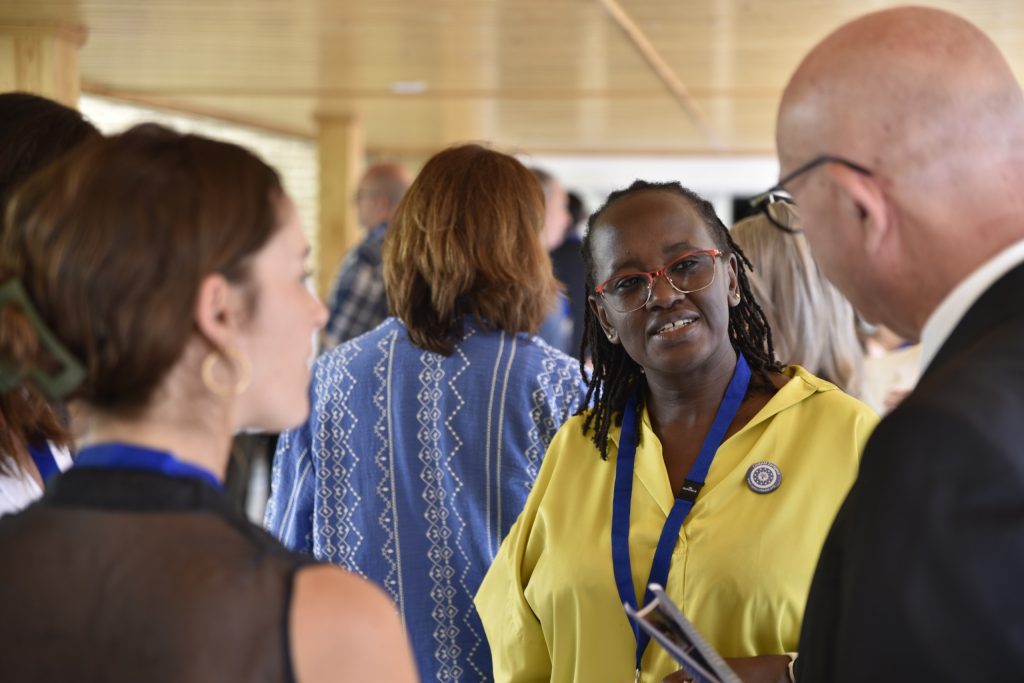
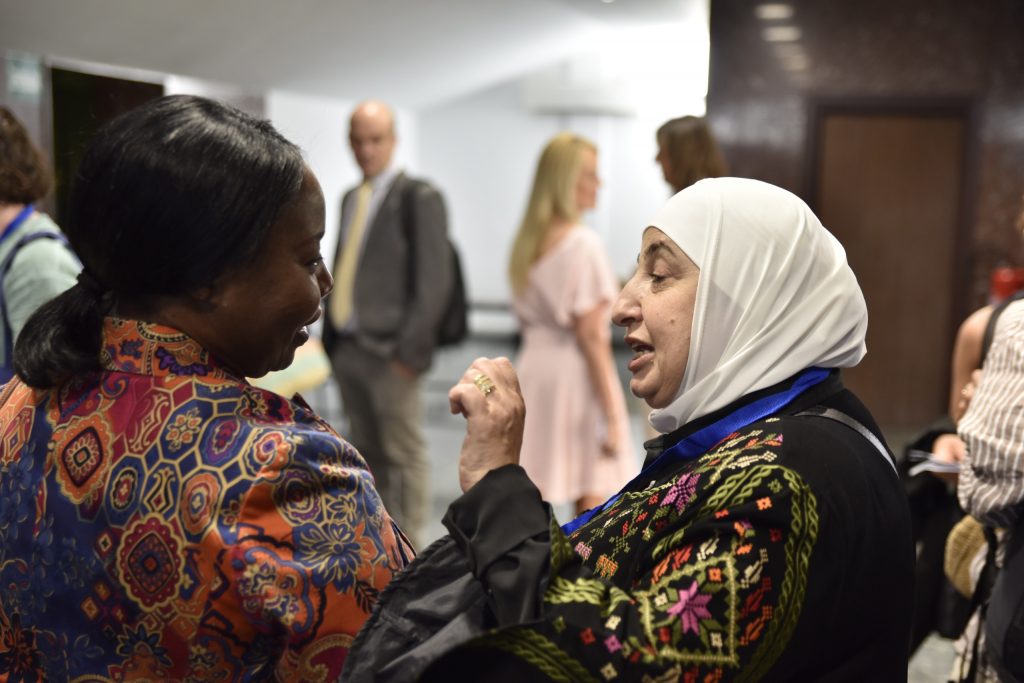
From 23 to 25 June 2025, the partners of the EU funded INSIST-VAT project (Institutional, Sustainable and Innovative Strengthening of Vocational Agricultural Training in Albania) met at the Agricultural University of Tirana.
CIHEAM Zaragoza works with leading institutions in this project to establish a permanent training centre in Albania and develop innovative training initiatives adapted to the needs of the sector and the demands of the job market.
A new European Union-funded project is set to boost agricultural training, knowledge exchange, and rural innovation in Albania, with CIHEAM Zaragoza playing a key role as a partner institution. The INSIST-VAT project (Institutional, Sustainable and Innovative Strengthening of Vocational Agricultural Training in Albania) will establish a permanent training centre at the Agricultural University of Tirana by 2027. This centre will provide modern, practical training programmes for farmers, agricultural advisors, and institutional staff across Albania.
Supporting Albania’s agricultural future
The project directly supports Albania’s national rural development strategy, launched by the Ministry of Agriculture and Rural Development (MARD) in January 2022, which identifies agricultural knowledge as essential for building sustainable food systems. By creating accessible, high-quality training opportunities, INSIST-VAT will help Albanian farmers adapt to climate change and compete in global markets.
“This project is a clear step forward in strengthening an agricultural knowledge system that serves Albanian farmers and producers. By tailoring training to local needs and strengthening regional ties” said Fatbardh Sallaku, Rector of the Agricultural University of Tirana. “We are investing in a future where Albanian farmers can thrive in a changing climate and global market”.
Strong international partnership
INSIST-VAT brings together eight partner organisations from four countries. From Albania, the project includes the Agricultural University of Tirana, the Agricultural Technology Transfer Centre Fushë Krujë, and the Agricultural Technology Transfer Centre Korçë. French partners comprise CIHEAM Montpellier (serving as project coordinator), the Agricultural Technical Coordination Association (ACTA), and the Association for Quality in Research and Higher Education (QUARES). The University of Prishtina represents Kosovo, whilst CIHEAM Zaragoza brings Spanish expertise to the consortium.
First steps underway
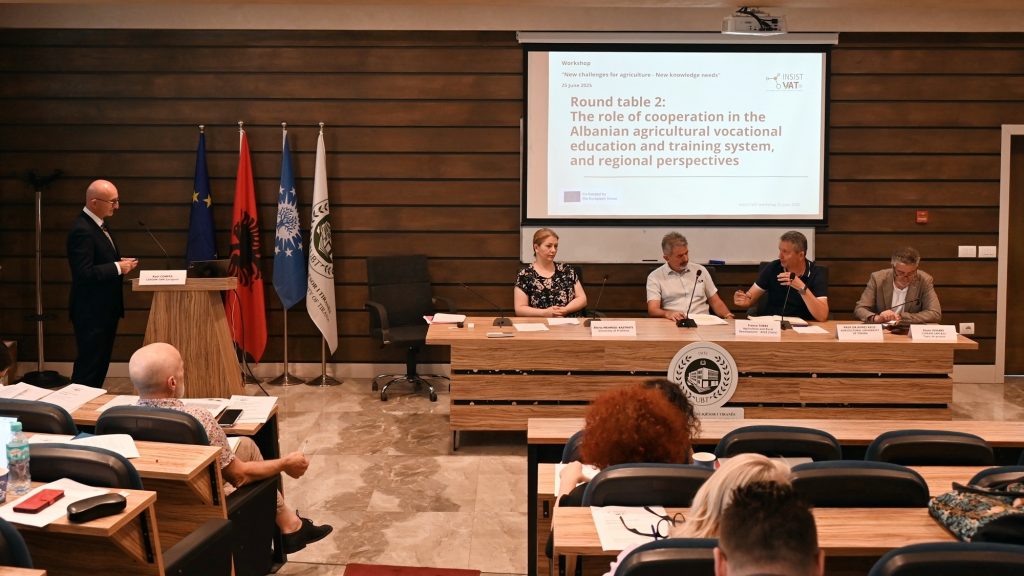
The project was officially launched in January 2025, with the first steering committee meeting held in Tirana from 23 to 24 June. This event brought together all consortium partners to review progress, align on key objectives, and engage with Albanian stakeholders during a high-level workshop on “New challenges for agriculture – new knowledge needs” which took place on 25 June. During the workshop, CIHEAM Zaragoza director, Raúl Compés, chaired a round table discussion on “The role of cooperation in the Albanian agricultural vocational education and training system and regional perspectives”.
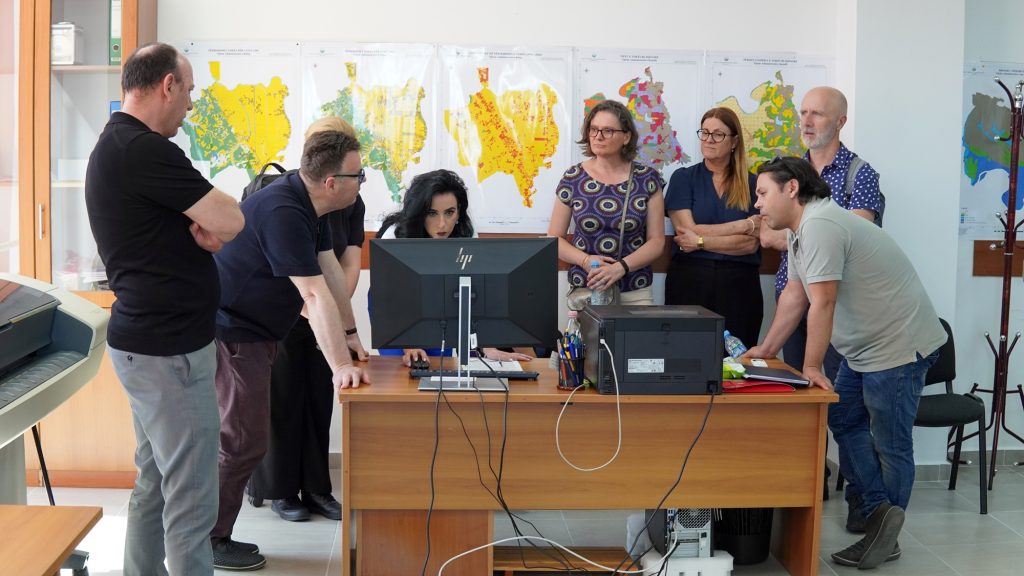
The meeting included a visit to the Agricultural Technology Transfer Centre Fushë Krujë, giving partners direct insight into local agricultural innovation efforts.
Building long-term impact
Project coordinator Christophe Mur from CIHEAM Montpellier explained the project’s broader vision: “INSIST-VAT goes beyond delivering training; it aims to build a long-term knowledge system that enables Albanian farmers and institutions, and ultimately the ones in Kosovo, to drive agricultural transformation from the ground up.”
The new training centre will become a cornerstone of Albania’s Agricultural Knowledge and Innovation System (AKIS) – a key pillar for building sustainable food systems and calls for accessible, high-quality training to strengthen producer capacity–, advancing vocational education and aligning with European quality standards. By engaging national departments and regional actors, the project will also help to ensure the long-term sustainability of training services and knowledge-sharing mechanisms.
Project details
INSIST-VAT is funded through the EU’s Erasmus+ programme for Capacity Building in Vocational Education and Training, with a total budget of €395,674. The project runs until December 2027.
The initiative focuses on improving employment prospects and resilience for crop farmers in Albania, a member country of CIHEAM (International Centre for Advanced Mediterranean Agronomic Studies).
The agreement includes a professional internship programme for CIHEAM Zaragoza students within companies in Spain’s plant breeding sector affiliated with ANOVE
Both institutions will work together on R&D+i initiatives and knowledge transfer to boost innovation in plant variety development
Zaragoza, 27 June 2025 – CIHEAM Zaragoza (the Spanish Institute of the International Centre for Advanced Mediterranean Agronomic Studies) and ANOVE (the Spanish National Association of Plant Breeders) have signed a framework agreement to promote cooperation in training, research and innovation in plant breeding. The agreement, signed by the director of CIHEAM Zaragoza, Raúl Compés López, and the director general of ANOVE, Antonio Villarroel López de la Garma, establishes a long-term alliance to strengthen relations between both institutions and support progress in the Spanish agrifood sector.
The alliance will focus on enhancing CIHEAM Zaragoza students’ understanding of the plant breeding industry, with particular emphasis on the development of new plant and seed varieties. It will provide insights into the sector’s key activities, challenges, technological progress and regulatory framework. ANOVE will facilitate contacts and synergies with affiliated organisations, generating opportunities for student placements, applied projects and professional mentoring programmes. Both parties have pledged mutual support in the dissemination and transfer of the results from research, development and innovation projects, and will participate in joint technical commissions and working groups to contribute to each other’s ongoing initiatives.
As part of the agreement, CIHEAM Zaragoza and ANOVE will jointly organise events such as workshops, seminars, conferences and career fairs for students and young professionals, providing them with professional opportunities in plant variety development. This collaboration aligns with their shared objective of building a more sustainable, innovative and competitive agriculture sector and preparing the next generation for the challenges of the Mediterranean agrifood system.
The agreement has an initial duration of three years with provision for automatic renewal. It reflects the core missions of both institutions: ANOVE’s focus on food security and societal needs through innovation in plant and seed development, contributing to the sustainability of agrifood production and rural development; and CIHEAM Zaragoza’s commitment to promoting multilateral cooperation in sustainable agriculture and fisheries, food systems and rural development across the Mediterranean.
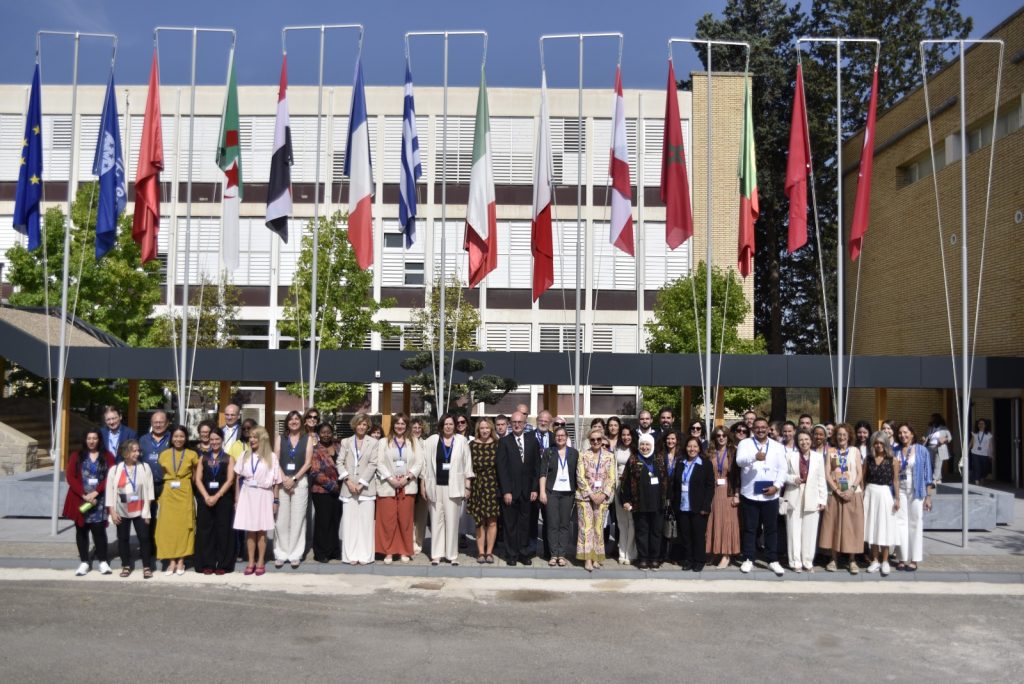
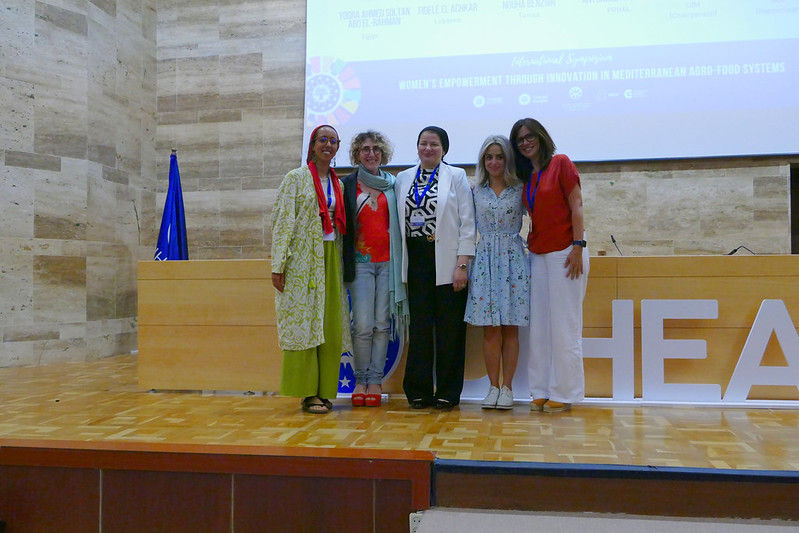
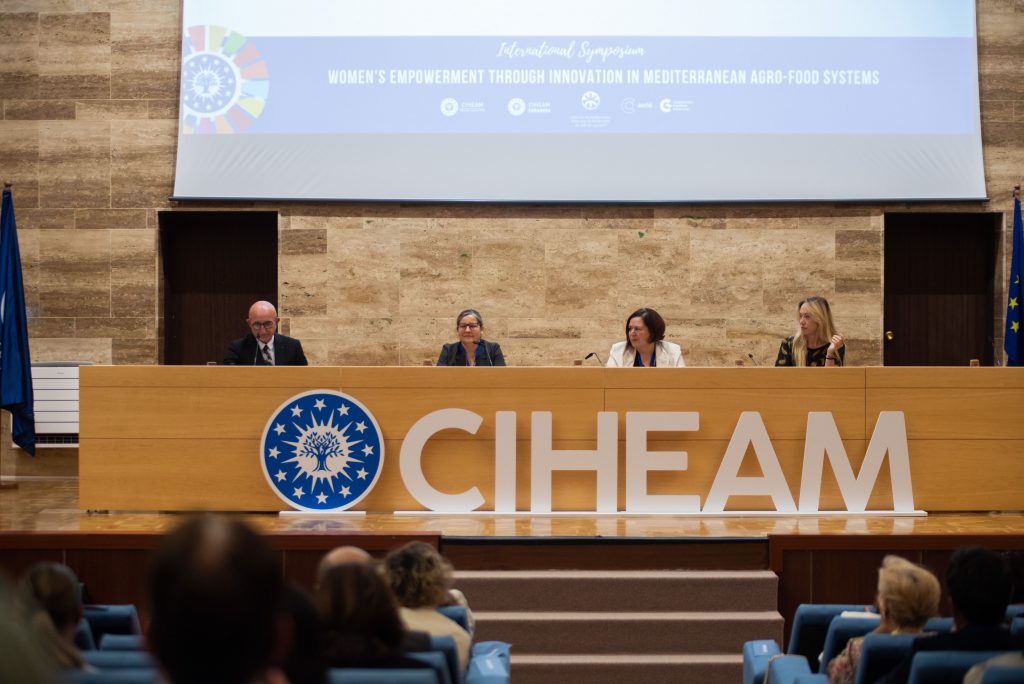
From 10 to 12 June 2025, CIHEAM Zaragoza and UfM, in partnership with CIHEAM General Secretariat and AECID, organised an international symposium to promote women’s empowerment through innovation and chart a path toward more inclusive and sustainable agro-food systems in the region.
This scientific, technical and professional event brought together over one hundred participants from 15 countries (mainly from the Mediterranean region) and international organisations (FAO, OECD, European Commission, EESC, ICARDA, IWMI, GWP-Med), as well as actors from civil society, the business sector and the field of innovation.
The International Symposium on “Women’s Empowerment through Innovation in Mediterranean Agro-food Systems” created a great opportunity for coordinated action and revealed both the critical importance of women in Mediterranean agro-food systems and the substantial potential for gender-transformative change when appropriate resources and policies are implemented. As the region approaches the International Year of the Woman Farmer in 2026, the symposium established a solid foundation for scaling transformative interventions across diverse Mediterranean contexts.
Multilateral organisations and women-led rural innovation
The first session of the symposium emphasised that women constitute 36% of global agro-food employment yet face significant structural inequalities that limit their contributions and empowerment. Despite progress in closing the mobile internet gap, women continue to encounter discriminatory social norms, limited access to technology, and unequal access to essential resources. In North Africa, only 7% of women are landowners, highlighting the severity of land access disparities that affect women’s economic participation in agricultural value chains.
Multilateral organisations including FAO, OECD, the European Commission, and EESC have demonstrated effective approaches through targeted interventions across Mediterranean countries. Notable successes include FAO’s Greater Empowerment of Rural Women Project in Türkiye, which supported the Samandag Women’s Cooperative through equipment and skills training, and the GREAT Project in Albania, which established agribusiness incubators. The EU’s commitment through its Global Gateway strategy aims to mobilise €300 billion with gender mainstreaming in 85% of actions, while legislative reforms in countries such as Tunisia and Morocco have begun addressing structural barriers to women’s land and financial access.
Looking toward the International Year of the Woman Farmer in 2026, the session highlighted the need for gender-transformative approaches that challenge existing social norms while respecting local contexts and cultures. Key priorities include investing in care infrastructure, digital tools, and local value chains to retain women in rural areas and counter depopulation.
Women across the Mediterranean region are emerging as powerful environmental leaders despite facing significant challenges including discriminatory policies, cultural barriers, and difficulties accessing resources and technology. While rural women demonstrate remarkable resilience and leadership potential, continued investment in training, tools, and resources remains essential for sustainable progress.
Several innovative models and best practices were shared during the symposium showing effective approaches to women’s empowerment and social inclusion. In Lebanon, the Gender Uptraining programme and the Pro-Women Index, provided structured approaches to gender equality advancement. ICARDA’s comprehensive initiatives, emphasised inclusive innovation through mobile technology distribution and strategic youth engagement programmes. The important role of cooperatives and clusters in empowering less educated women in Tunisia was also stressed, creating supportive networks for economic participation. Additionally, the Theatre of the Oppressed emerged as a powerful methodology for challenging social norms and fostering meaningful dialogue around women’s rights and empowerment.
The evidence clearly demonstrates that while targeted interventions can generate transformative change, sustained impact requires continued youth engagement and substantial investment in institutional capacity development.
The symposium discussion emphasised that effective empowerment requires moving beyond traditional educational models towards more participatory, experiential approaches that build both technical competencies and personal confidence. The complexity of barriers facing women necessitates multi-faceted interventions that address both technical skills development and underlying structural constraints.
The exemplary models presented offered concrete evidence that innovative approaches combining technical training with mentoring, community engagement, and sustained support systems can achieve significant impact. The Association of Upper Egypt for Education and Development‘s projects, funded by AECID, exemplify comprehensive support through their three-step approach encompassing product development training, inspirational visits, and continued technical support with coaching and feedback loops. The FOODTECH Agricultural Business Incubator in Tunisia further illustrates this integrated model by providing rural women innovators with comprehensive services. Additional evidence comes from regional initiatives such as the Initiative on Empowering Women in Water Diplomacy in the MENA Region and the Initiative on Gendering the WEFE Nexus, which highlight the importance of gender-transformative approaches in policy frameworks, while the Gender and Water Resources Management Community of Practice creates vital knowledge exchange platforms for practitioners. Even tourism-based initiatives such as Egypt’s Holy Family Tour demonstrate how diverse sectors can provide economic empowerment opportunities for rural women through traditional handicraft production, food service, and local guiding roles, showcasing the broad applicability of integrated support approaches in a wide range of economic contexts.
Investment in education, financial literacy, and digital tools remains critical for overcoming challenges and empowering rural women to realise their full potential as leaders, innovators, and drivers of sustainable development across the Mediterranean region.
Rural women worldwide face significant barriers that limit their access to resources, decision-making, and opportunities for growth. While they make up nearly half of the agricultural workforce in developing countries and play crucial roles in food security and rural economies, they often experience discrimination based on both gender and their rural location. Tackling these inequalities requires understanding rural women’s real situations, supporting their organisations and collective voice, creating policies that promote their economic independence, including them in international discussions, and changing how society views rural women. When these elements work together, they create clear paths to empowerment, as shown by successful examples that provide both inspiration and practical models for change.
The example of Spain was showcased in the symposium as a source of inspiration and a potential roadmap for other countries, demonstrating the transformative impact of associationism and political engagement by rural women. The Spanish Association of Families and Women in Rural Areas (AFAMMER), active for over 40 years, exemplifies how sustained grassroots mobilisation can drive progress. At the institutional level, the Spanish Ministry of Agriculture’s Shared Ownership of Farms Act (Law 35/2011) stands out as a milestone in promoting rural women’s economic independence by facilitating access to productive resources.
These and other initiatives presented at the event reflect the pathway to empowerment identified by participants: enhanced associative action combined with strategic political involvement or local support to SMEs (CEPYME Zaragoza). This approach provides a proven framework for sustainable change, opening new spaces for rural women’s participation and leadership. Spanish associations, such as FADEMUR or AFAMMER among others, are now working with other rural women’s organisations to build global momentum in addressing rural inequality.
These examples showed women as agents of change in agriculture—whether through participation in value chains (Arab Olive Oil Women’s Network), training and skill-building (AFUD), overcoming gender norms in enterprise (Darmmess), or through leadership roles in cooperatives (AMCAE). The panellists emphasised mission-driven business and organisational models that prioritise transparency, traceability, environmental stewardship, cultural heritage and community reinvestment. These initiatives address both gender equity and economic resilience, demonstrating that empowering rural women leads to stronger communities.
Across all initiatives, providing access to networks and knowledge emerges as a fundamental challenge that must be addressed to ensure meaningful impact. Equally important is engaging men in the transformation process, as their involvement is essential for shifting mindsets and creating lasting behavioural change. Effective collaboration with national and regional governments at multiple levels forms another cornerstone of successful implementation. Access to both local and international markets presents opportunities for generating varying levels of revenue and economic gain for participants. Finally, the effectiveness of association work in rural contexts depends heavily on cooperatives’ capacity to provide employment and build entrepreneurship frameworks that address the unique challenges rural communities face, which differ significantly from those encountered by start-ups and SMEs operating in urban environments.
Innovation in the Mediterranean food system through female entrepreneurship
The symposium ended with a workshop on social and technological innovation for women entrepreneurs in the agro-food value chain that showcased remarkable examples of how women across the Mediterranean are driving sustainable transformation in food systems. From the ground-breaking methane reduction techniques using modified clays that cut livestock emissions by up to 60%, the innovative whey-to-sourdough project that transforms cheese industry waste into high-quality bread ingredients, these initiatives demonstrate the power of practical, scalable solutions. Other inspiring examples included Lebanon’s FoodSight platform revolutionising the agro-food industry, Morocco’s Amal Association empowering over 400 women through culinary training, and Tunisia’s Black Soldier Fly waste management model contributing to circular economy practices.
The session highlighted critical support mechanisms that enable women to thrive as food system innovators, including structured platforms and collaborative initiatives such as FoodSight and the EU GRASS CEILING project. Through its nine multi-actor Living Labs, the project, of which CIHEAM Zaragoza is a partner, supports women-led interactive innovation initiatives for socio-ecological transition, combining closed coaching sessions for women with inclusive, multi-actor engagement activities.
These programmes provide not only technical knowledge and market access but also create transformative social impact, particularly in rural and underserved communities. Despite these successes, significant barriers remain, including limited access to finance, digital literacy gaps, and policy fragmentation.
These programmes provide not only technical knowledge and market access but also create transformative social impact, particularly in rural and underserved communities. Despite these successes, significant barriers remain, including limited access to finance, digital literacy gaps, and policy fragmentation.
The symposium concluded that women’s leadership in food systems is not just about equity—it represents a fundamental requirement for building resilient, sustainable food systems capable of meeting 21st-century challenges while preserving the rich cultural heritage that defines the Mediterranean region. Furthermore, the importance of engaging entire communities, including men, in gender equality efforts, underscoring that women’s empowerment is not solely a women’s issue but a societal transformation requiring broad-based support and commitment.
The challenge now lies in scaling up successful interventions while maintaining sensitivity to local contexts and ensuring that gender-transformative approaches challenge existing norms rather than simply accommodate them. This requires sustained commitment from multilateral organisations, national governments, and civil society actors, working together to create a more equitable and sustainable Mediterranean agro-food system.
As stated by CIHEAM’s Secretary General Teodoro Miano in his closing remarks, CIHEAM is firmly committed to promoting gender equality in Mediterranean agro-food systems, positioning women’s empowerment as a central pillar of its Strategic Action Plan 2030.
The success of this Symposium would not have been possible without the dedication of the organising institutions—CIHEAM Zaragoza, the Union for the Mediterranean, CIHEAM General Secretariat, and AECID, and the participation of the remarkable women and men who generously shared their stories, expertise, and insights over these three transformative days. From the inspiring presentations in the CIHEAM Zaragoza Auditorium to the enriching visit to a local entrepreneur near Zaragoza, each contribution has woven together a tapestry of knowledge that will guide these collective efforts toward a more equitable Mediterranean agro-food system. Their voices, experiences, and commitment to change are the true foundation upon which future progress will be built.
CIHEAM Zaragoza was part of the organising committee for the event, that brought together 360 specialists, researchers, and professionals from the livestock sector
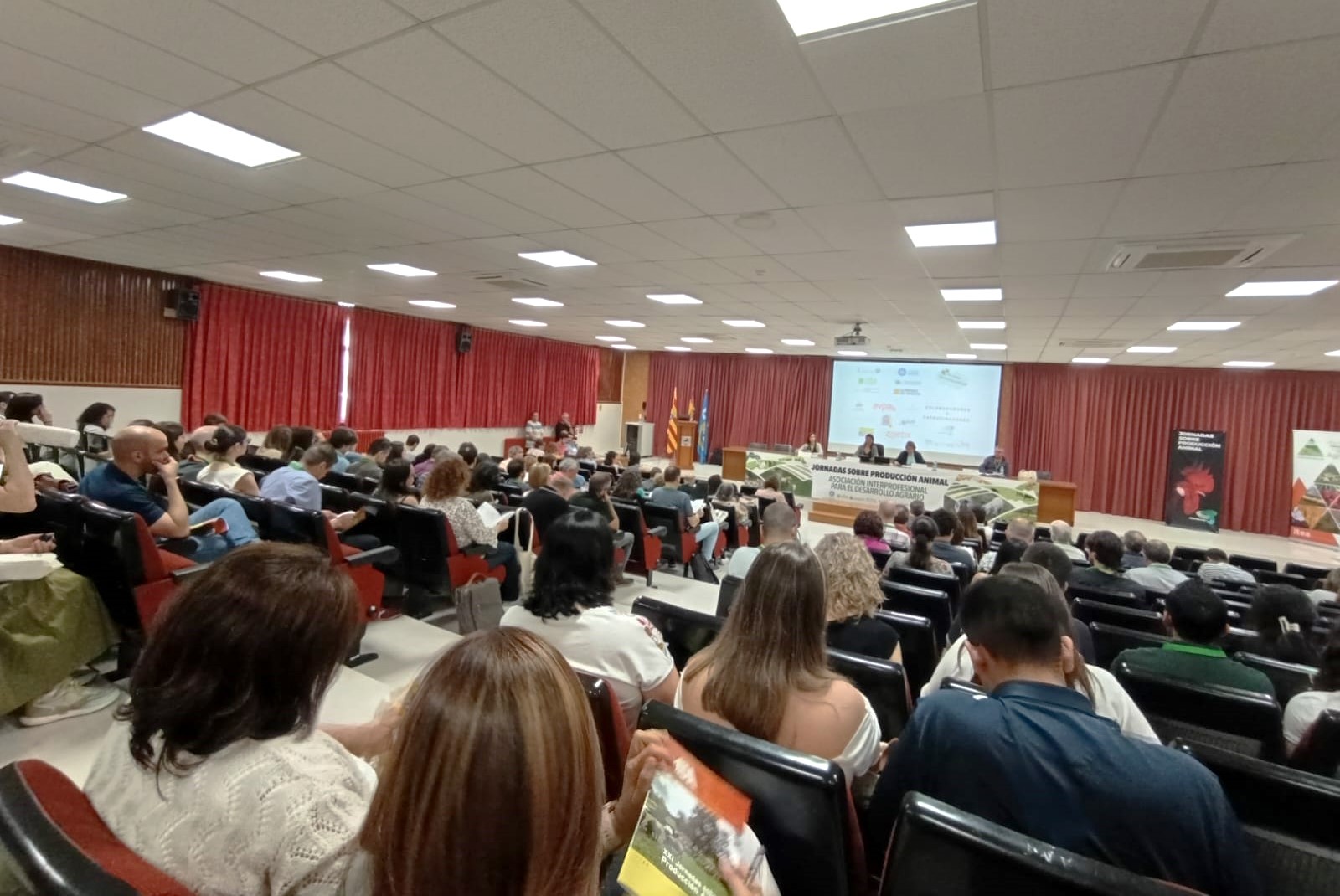
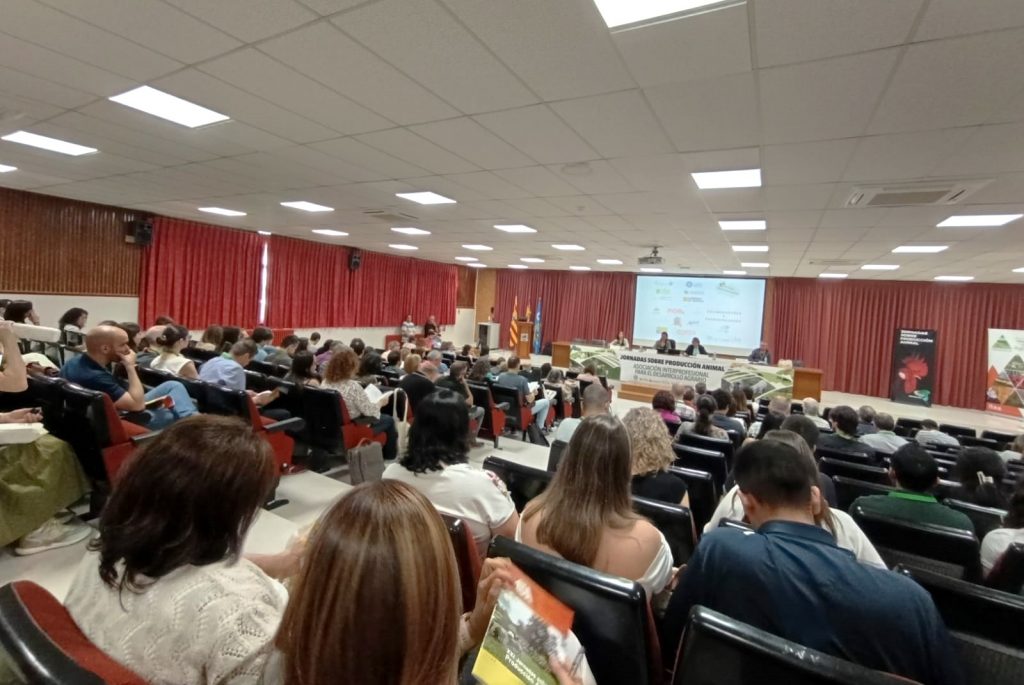
On 3 and 4 June 2025, the Interprofessional Association for Agricultural Development (AIDA) held the XXI Workshop on Animal Production, with a record-breaking number of participants with over 360 registrations. Among them were 88 early-career researchers competing for the Young Researchers Award. This year’s edition also saw the consolidation of the side event ‘Researchers’ Night’ which attracted over 160 attendees.
The workshop received a record number of contributions to the scientific programme, with 318 communications (268 oral presentations and 50 posters) for the 41 sessions organised in seven thematic sections: Genetics, Nutrition-Feeding, Precision Livestock Farming, Reproduction, Animal Health and Welfare, Product Quality, and Livestock Systems, and Economics and Management. The sessions were chaired by leading experts in education, industry, science and technology, from universities, research centres and businesses across Spain.
The work of the organisation teams of each section was coordinated by the workshop secretary, Luis Varona.
The organising committee was made up of researchers and practitioners from CITA-Aragon, the University of Zaragoza and CIHEAM Zaragoza.
Spotlight on Animal Welfare
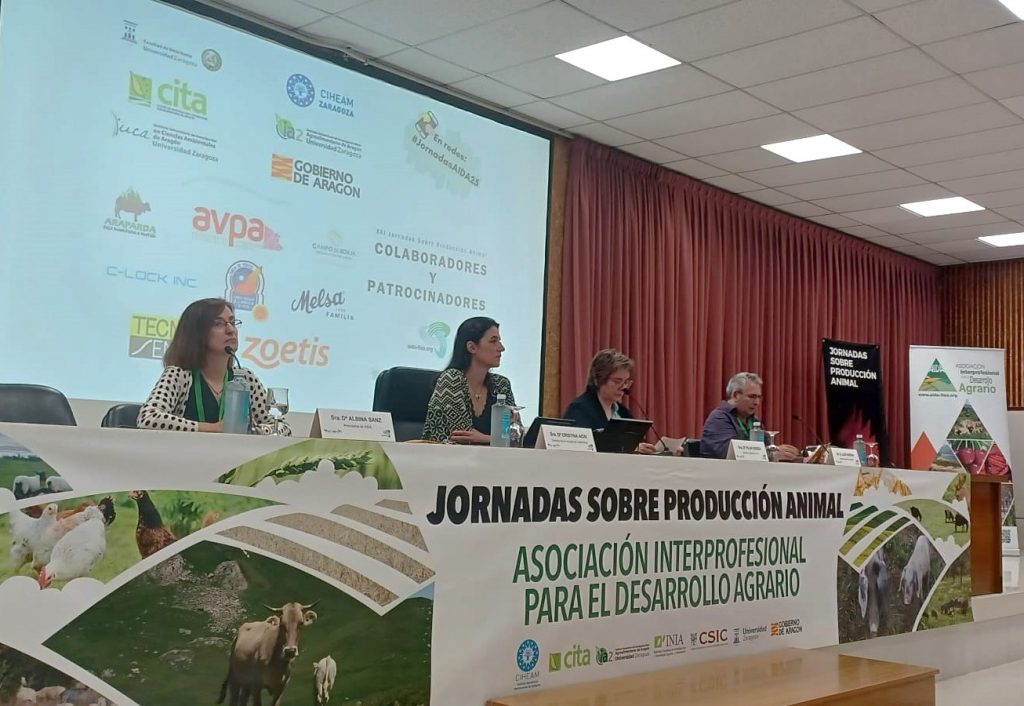
The opening session of the workshop was held onMonday 3 June presided by:
Cristina Acín Tresaco, Dean of the Faculty of Veterinary Science of Zaragoza
Pilar Errea Abad, Director of the Agri-food Research and Technology Centre of Aragon (CITA)
Albina Sanz Pascua, President of AIDA
Luis Varona Aguado, Secretary of the AIDA workshop
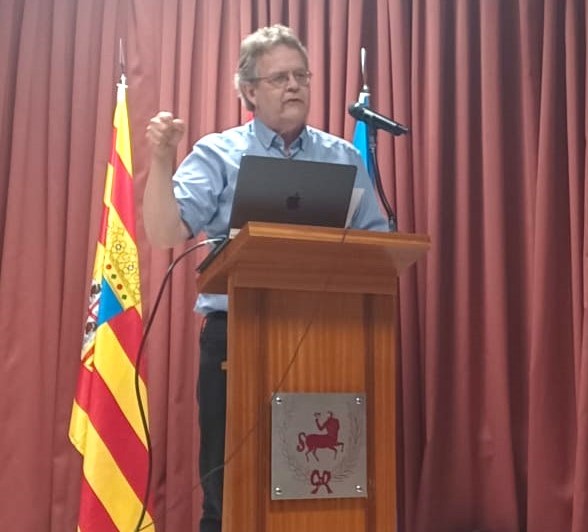
The keynote lecture, ‘Farm Animal Welfare in Times of Crisis and Uncertainty’, was delivered by Professor Peter Sandøe, from the University of Copenhagen. The lecture was followed by debate on the growing importance of animal welfare, an issue that intersects science, ethics, production and regulation.
As Luis Varona noted: ‘Animal welfare has become a strategic pillar in livestock production. Regulations are evolving constantly, with an impact on the products that reach the market. It is also a sensitive topic for consumers, who are demanding products that respect animal welfare. This directly affects production methods and livestock systems’.
Peter Sandøe
The round table, organised by AIDA and the Union of Spanish Animal Science Organisations (UEECA), focused on animal welfare in intensive production systems such as pig, poultry and rabbit farming. Representatives from industry, production, research and animal protection organisations discussed the legal, scientific, productive and sociological perspectives of animal welfare, leading to several key takeaway messages: Ethical concerns often arise from inappropriate management rather than the system in itself; the sector needs a consensuated roadmap to help producers understand regulatory shifts and reduce uncertainty; solutions involve sector-wide integration to safeguard the welfare of animals and farmers and guarantee the economic viability of professional projects. Strategic recommendations were put forward to make animal welfare a core element and generate mutually beneficial scenarios. The panellists concluded that it is essential to address problems and seek solutions through integrated frameworks based on sustainability and the ‘One Welfare’ approach.
The Lighter Side of Science: Researchers’ Night
On the evening of 3 June the workshop offered a lighter programme at the Rock&Blues Café in Zaragoza for Researchers’ Night, where young scientists took to the stage with stand-upcomedy acts. The evening also featured the short-film competition ‘Debunk a Fake’, an initiative from UEECA.
The informal atmosphere, light-hearted creativity, and interaction with the audience made this one of the most memorable events of the workshop.
Research Networks and Partnerships
The Red CIBA scientific network on animal welfare and the Research Network for Precision Livestock Farming and Digitalisation in Animal Production, took the opportunity to hold working meetings and consolidate opportunities for scientific and technical collaboration.
The event received institutional support from the Faculty of Veterinary Science of the University of Zaragoza, CITA, CIHEAM Zaragoza, IA2, IUCA and the Government of Aragon, and was sponsored by ARAPARDA, A.V.P.A., D.O. Campo de Borja, C-Lock Inc., D.O. Jamón de Teruel, Melsa, Tecnosens S.p.A.,and Zoetis España.
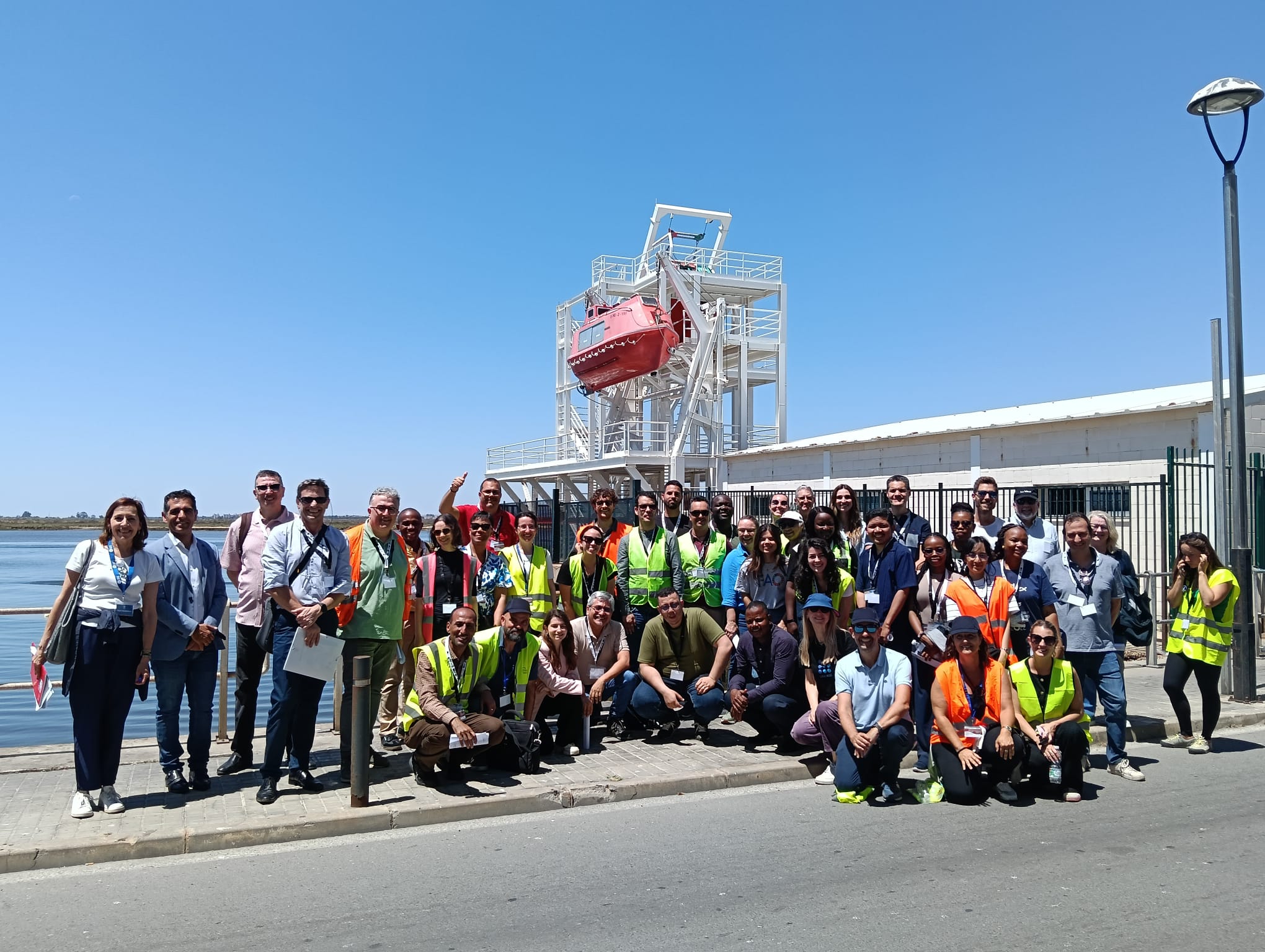
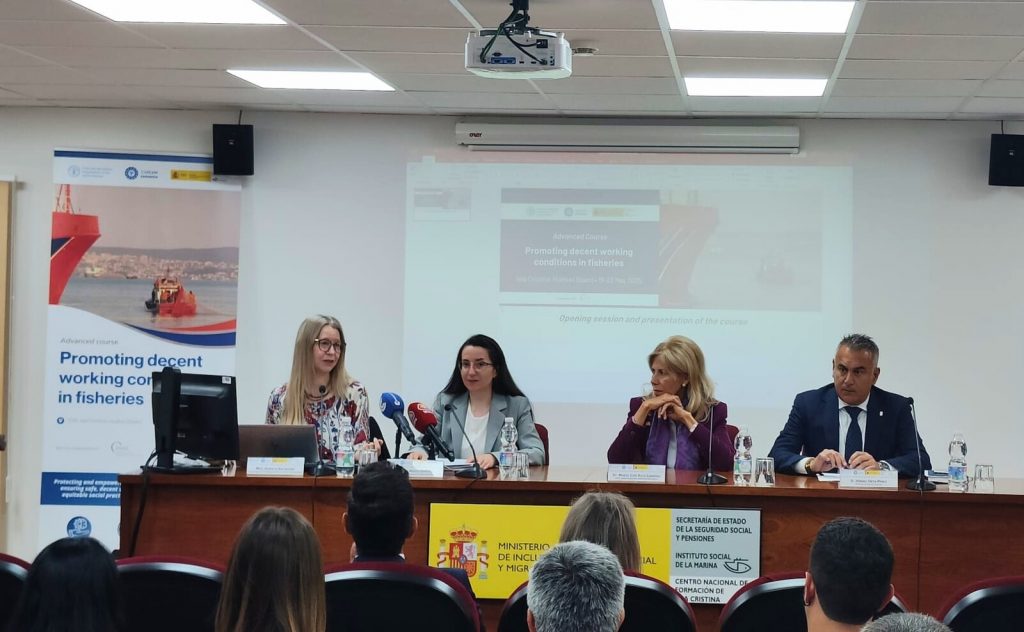
CIHEAM Zaragoza, FAO, and Spain’s Social Marine Institute organised the advanced course in Isla Cristina (Spain), with the collaboration of the Spanish National Institute for Safety and Health at Work (INSST), to address safety conditions in the world’s most hazardous occupation.
This training strengthens institutional capacity to implement international frameworks protecting vulnerable fisheries workers and promoting sustainable working conditions aligned with UN Sustainable Development Goals.
The programme was delivered by experts from the organising and collaborating institutions (FAO, ISM, INSST), and from the French Labour Ministry, from the International Union of Food, Agricultural, Hotel, Restaurant, Catering (IUF), the International Transport Workers’ Federation (ITF), a Senior Fellow on Human Rights and Social Equity from the Monterey Bay Aquarium, and a Senior Fishery Labour Expert. The course counted on the participation of 31 experts from 19 countries: Algeria, Comoros, Egypt, Ghana, Indonesia, Kenya, Morocco, Namibia, Peru, Portugal, South Africa, Spain, Switzerland, Tanzania, Tunisia, Turkey, Uganda, the United Kingdom, and the United States.
Fishing is one of the world’s most hazardous occupations. Ensuring safe and decent working conditions for all in fisheries and aquaculture remains one of the sector’s biggest challenges. Situations where there are human and labour rights abuses are still observed throughout fisheries and aquaculture value chains, mainly in fishing, farming and processing in both developed and developing countries. These practices have social implications, particularly for the most vulnerable, such as migrant workers, women and children. The absence of, for example, adequate social protection (such as access to adequate pension plans, health care and unemployment benefits during closed fishing seasons), insufficient training of fishing vessel personnel, the lack of formal working relationships, and inadequate working conditions are structural problems that persist in fisheries value chains, particularly in developing countries, where failure to enforce pertinent labour laws remains a significant problem in the sector.
Various international instruments are available to address human and labour rights, and to ensure decent working conditions and equitable social practices. However, their diversity, fragmentation and complexity pose a challenge for stakeholders, making their implementation and enforcement very complicated.
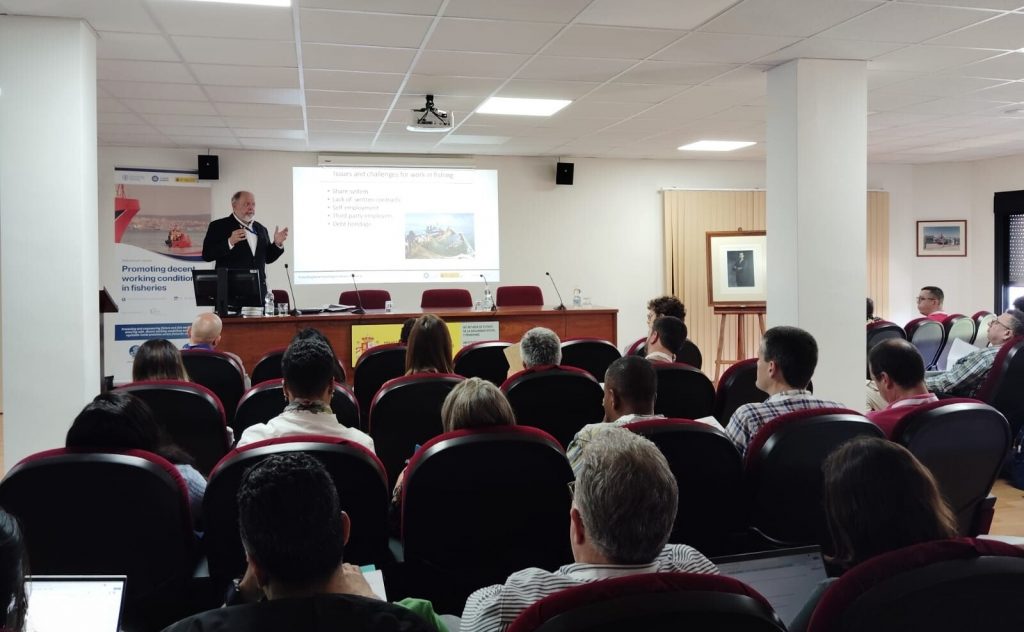
The course addressed the main social challenges that fisheries face in order to come up with strategies to overcome and improve these situations by protecting and empowering fishers and fish workers in the sector. It provided the knowledge and tools to elaborate mechanisms from international to national levels that enhance fishers and fish labour working conditions and their participation in defending their rights. The course also addressed the importance of advancing decent work conditions on fishing vessels operating in ocean areas beyond national jurisdiction (ABNJ), highlighting the importance of cooperation between national and international institutions to promote progress in this area.
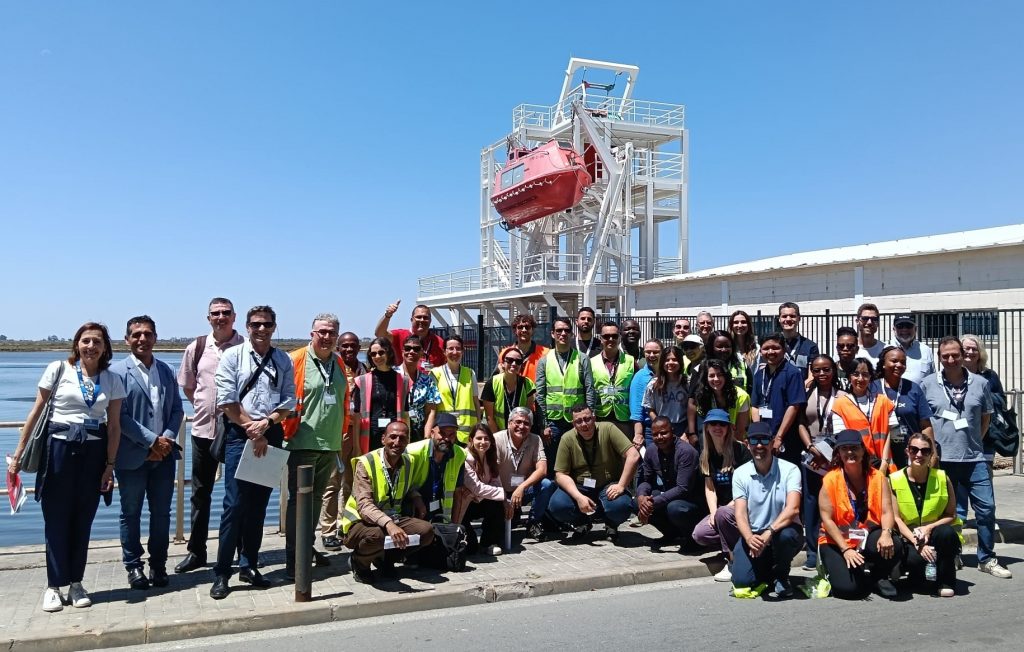
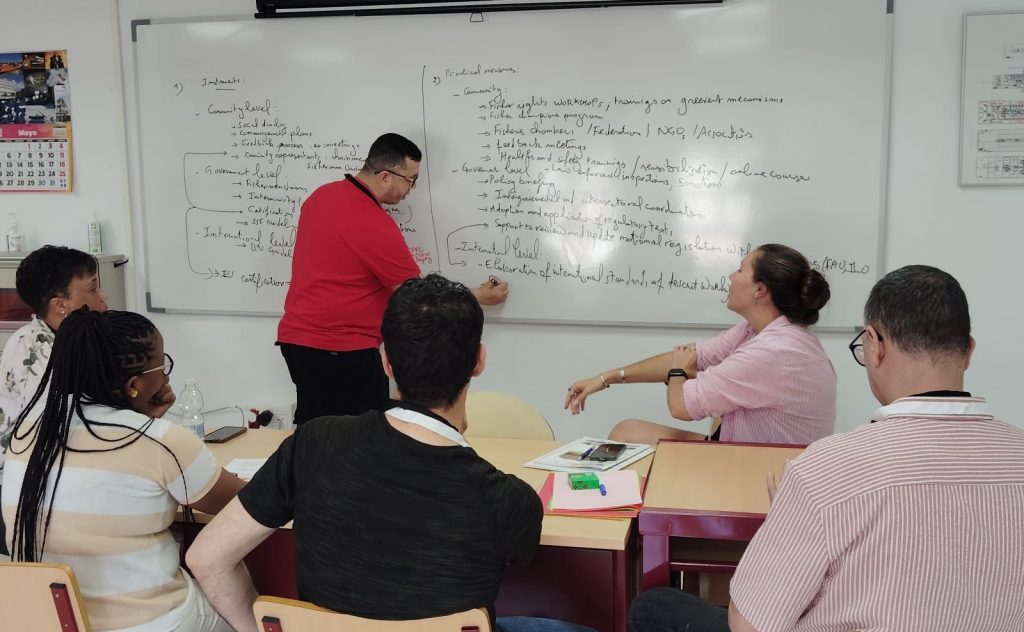
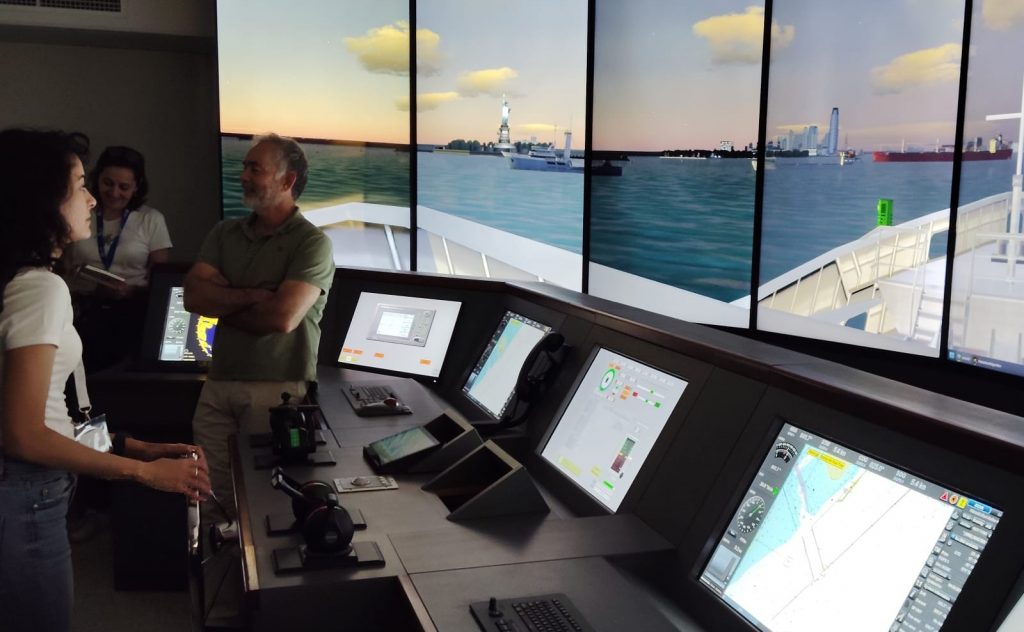
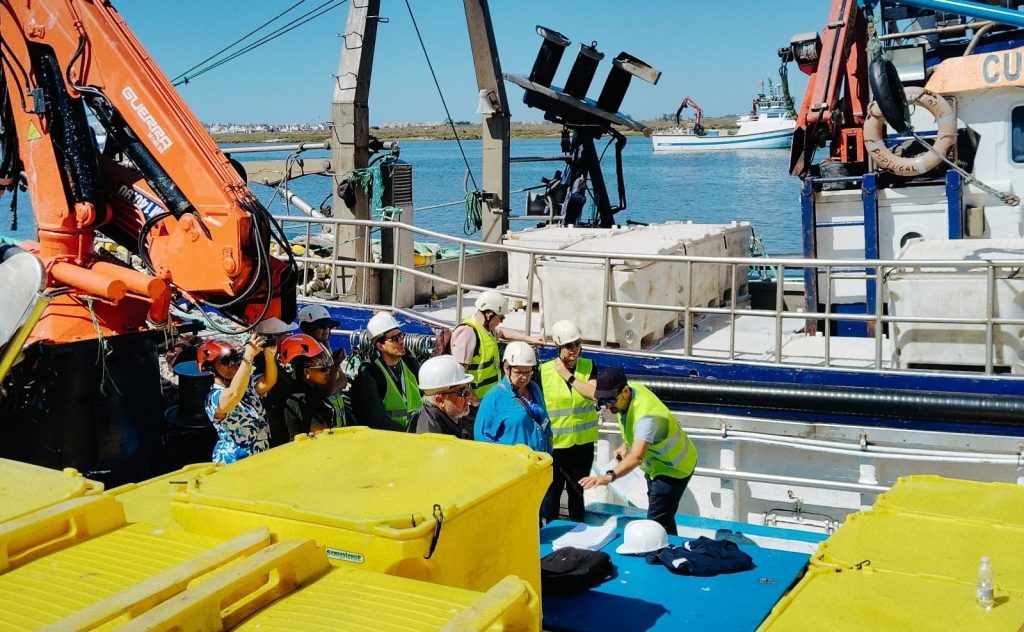
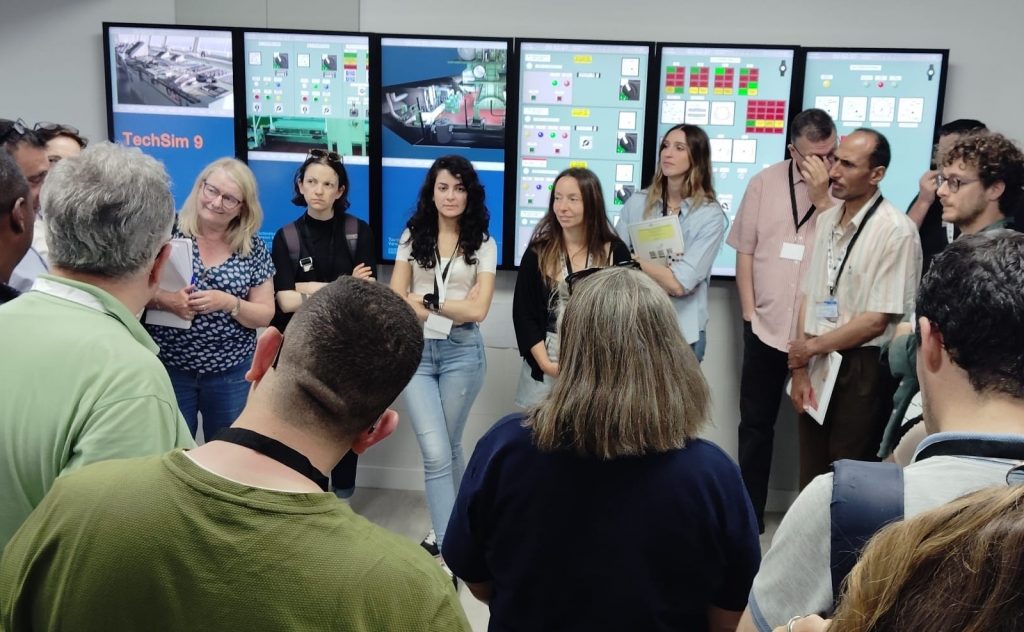
Over the course of the five-day programme, theoretical sessions combined with practical group work, case studies, and technical demonstrations were delivered at the Isla Cristina CNF facilities. The course also included a fishing vessel inspection exercise and a technical visit to the centre with some practical demonstration.
The programme included sessions on the international framework regulating rights and conditions in the fisheries sector; decent work deficits in fisheries affecting various groups (such as women, children, forced labourers, and migrant workers); occupational safety and health issues (including safety on fishing vessels, prevention of occupational risks, and access to health care); and cross-cutting strategies to promote decent working conditions, such as social protection schemes, social dialogue, and participation. Throughout the course, participants were divided into four groups to engage in three practical work sessions focused on: i) defining the concepts of working conditions and decent work in the fisheries sector; ii) sharing practical knowledge and experiences on promoting decent work in fisheries; and iii) developing strategies and action plans to improve working conditions. These sessions were followed by a debate on emerging issues affecting work in the fisheries sector.
Finally, course participants had the opportunity to enjoy two extracurricular activities: a visit to the Isla Cristina fish market, and a boat trip along the estuary and marshes of Isla Cristina.
Through this training, CIHEAM Zaragoza, FAO, the Social Marine Institute (ISM), and the National Institute for Safety and Health at Work (INSST) reinforce their commitment to strengthening institutional and human capacities to promote decent and sustainable working conditions in the fisheries sector, in line with the Sustainable Development Goals and international frameworks on decent work.
“Women don’t just work the land; they transform it and anchor rural populations”. These were the words of Begoña García Bernal, Secretary of State for Agriculture and Food during the inauguration of the symposium organised by CIHEAM Zaragoza and Union for the Mediterranean (UfM), in partnership CIHEAM General Secretariat, and the Spanish Agency for International Development Cooperation (AECID).
Despite notable progress over the last ten years, significant challenges remain in empowering women and reinforcing their participation in Mediterranean agro-food systems.
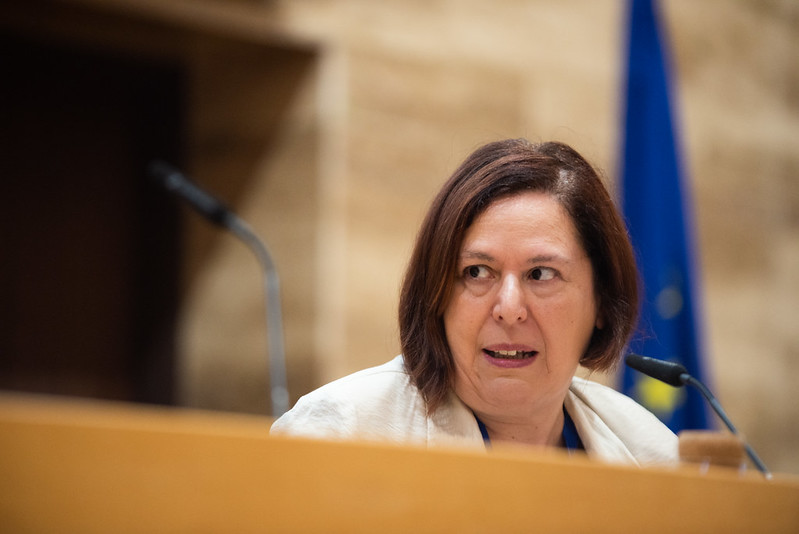
Zaragoza, 10 June 2025.- The International Centre for Advanced Mediterranean Agronomic Studies in Spain (CIHEAM Zaragoza) and Union for the Mediterranean (UfM), with the collaboration of CIHEAM General Secretariat and the Spanish Agency for International Development Cooperation (AECID), are organising the International Symposium “Women’s Empowerment through Innovation in Mediterranean Agro-Food Systems” from 10 to 12 June in Zaragoza.
Women play a fundamental role in Mediterranean agro-food systems, being actively involved in agriculture, fisheries, and rural development, and generating essential economic activity in many areas of the region. Even though significant progress has been made in the last decade, there is still much work to be done to empower women and strengthen their engagement in these sectors.
In this context, the symposium seeks to analyse and define strategies to foster entrepreneurship and innovation among rural women in the region. The event has brought together representatives from the Spanish Ministry of Agriculture, Fisheries and Food, the Spanish cooperation system, international organisations (FAO, OECD, European Commission, EESC, PRIMA, ICARDA, IWMI, GWP-Med), academia, civil society, and private sector stakeholders across the Mediterranean.
Current situation of women as entrepreneurs and innovators
In her opening speech, Begoña García Bernal, Secretary of State for Agriculture and Food, highlighted that young women are opening new paths through sustainable production models and cooperatives, closely tied to their territories. “They don’t just work the land; they transform it and anchor populations”.
She emphasised the shift underway in rural Spain: “Despite the barriers, women are showing that a more sustainable, innovative and equal future is possible”.
Raúl Compés, Director of CIHEAM Zaragoza, drew attention to the positive impact that female entrepreneurship has on their communities. “It boosts women’s financial independence, strengthens their leadership in the development of the community and drives sustainable business practices. Women entrepreneurs often reinvest in their families and their communities, creating ripple effects on education, health and resilience”. Echoing this statement, Frida Krifca, President of CIHEAM’s Governing Board, stressed the indispensable role of women in sustainable development: “Without the participation of women, there can be no sustainable development, no food security, and no inclusive innovation”.
Stephen Borg, Deputy Secretary General for Social and Civil Affairs of UfM, spoke of the multifaceted role women play across the food system as food producers, innovators, researchers, consumers or decision-makers. “Integrating gender-sensitive planning into the main policies for the green agrifood systems transition, adequately supported by gender sensitive budgeting to ensure implementation of strategies, should be a priority for decision-makers”.
Innovation through cooperation
A key pillar of the symposium is the strengthening of partnerships among international organisations, public institutions, civil society, and the private sector to advance innovation through cooperation, especially among women entrepreneurs.
Luisa M. García, Deputy Director of Cooperation with the Arab World and Asia of the AECID, underlined the need for a transformative approach: “Overcoming the barriers women face requires innovative and transformative approaches that integrate gender equity in policies and technological solutions. Therefore, as part of AECID’s regional cooperation programme with Arab countries, Masar al’an / Masar Now, we are developing an integrated strategy to empower women through innovation in the Mediterranean agro-food systems, paying special attention to youth, biodiversity and gender equality”.
Over the next few days, sessions will address the role of multilateral organisations in fostering innovation and entrepreneurial ecosystems in the rural areas; needs in education and economic issues for women’s empowerment and innovation; women’s empowerment and agro-food innovation in Spain; and successful associative and cooperation models to increase women’s participation in the agricultural labour force and innovation in agro-food systems.
The symposium will conclude on Thursday 12 June with a technical visit to see a successful local initiative in Aragon, a practical example of women as drivers of change in the rural community.
Para ofrecer las mejores experiencias, utilizamos tecnologías como las cookies para almacenar y/o acceder a la información del dispositivo. El consentimiento de estas tecnologías nos permitirá procesar datos como el comportamiento de navegación o las identificaciones únicas en este sitio. No consentir o retirar el consentimiento, puede afectar negativamente a ciertas características y funciones.
Funcional
Always active
El almacenamiento o acceso técnico es estrictamente necesario para el propósito legítimo de permitir el uso de un servicio específico explícitamente solicitado por el abonado o usuario, o con el único propósito de llevar a cabo la transmisión de una comunicación a través de una red de comunicaciones electrónicas.
Preferencias
El almacenamiento o acceso técnico es necesario para la finalidad legítima de almacenar preferencias no solicitadas por el abonado o usuario.
Estadísticas
El almacenamiento o acceso técnico que es utilizado exclusivamente con fines estadísticos.El almacenamiento o acceso técnico que se utiliza exclusivamente con fines estadísticos anónimos. Sin un requerimiento, el cumplimiento voluntario por parte de tu proveedor de servicios de Internet, o los registros adicionales de un tercero, la información almacenada o recuperada sólo para este propósito no se puede utilizar para identificarte.
Marketing
El almacenamiento o acceso técnico es necesario para crear perfiles de usuario para enviar publicidad, o para rastrear al usuario en una web o en varias web con fines de marketing similares.