Digital transformation challenges to promote sustainable food systems

Lecture

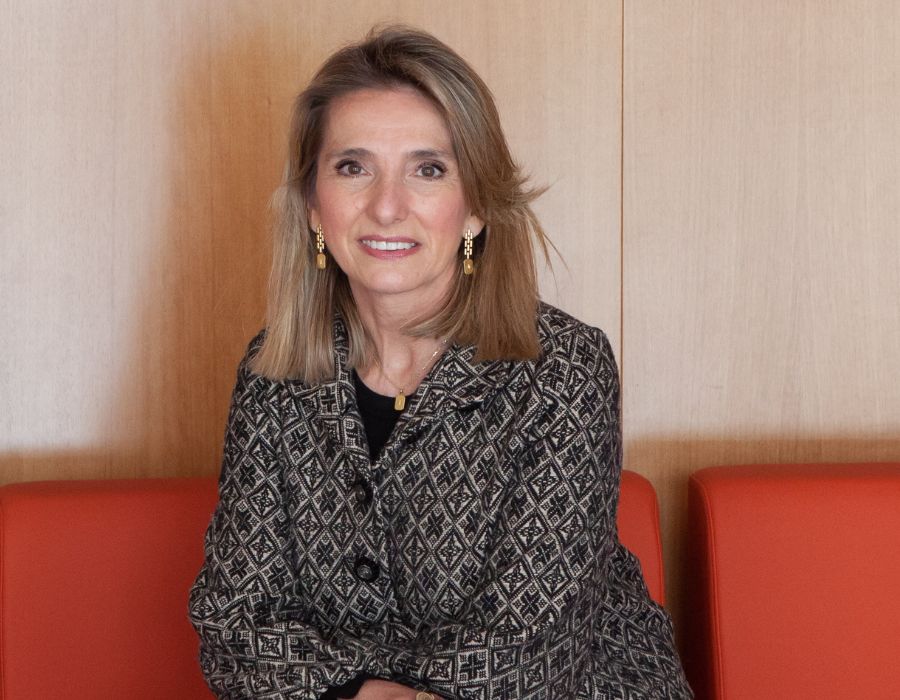
Rosa Gallardo Cobos, Director of the International Chair of Artificial Intelligence and Agriculture at the University of Cordoba (Cordoba, Spain), discusses in this talk the challenges of digital transformation in promoting sustainable food systems, particularly for Mediterranean agriculture.

SEE THE FULL CONFERENCE


Talk Summary

The agrifood sector has undergone an intense process of evolution, constantly adapting and innovating to complex and ever-changing scenarios. Today, in an era defined by rapid technological progress, digital tools, particularly artificial intelligence, hold enormous potential to drive more informed decision-making. From increased profitability and resource-use efficiency, to enhancing quality, market positioning, logistics and consumer assurance, digital transformation represents a critical step towards more sustainable food systems. However, this extends beyond technology; it is a process of multiple innovations across the whole sector, that also requires social, economic, cultural and institutional adjustments.

Artificial Intelligence (AI) has enormous potential for agrifood systems as it is already present in a large part of the sector. However, significant adaptation and adjustments are still needed. To ensure the adoption of AI, technology must be aligned with the specific needs of the agrifood industry, addressing challenges such as training, trust, sector-specific requirements, economic constraints and scalability. AI, like all technologies, should be seen as a means to an end, not the end itself. The shared goal among stakeholders remains clear: to improve production capacity whilst upholding the highest standards of quality, elevating the profession and making it more appealing to young people, attracting them to an innovative technological agrifood sector with a very promising future.

As agriculture undergoes this digitalisation process, certain sectors face unique challenges and opportunities. In Mediterranean crops such as viticulture and olive growing, digital transformation is set to play a key role in enhancing productivity and sustainability. This region is particularly vulnerable to climate change, which requires innovative solutions to ensure the long-term viability of these crops.


Speaker
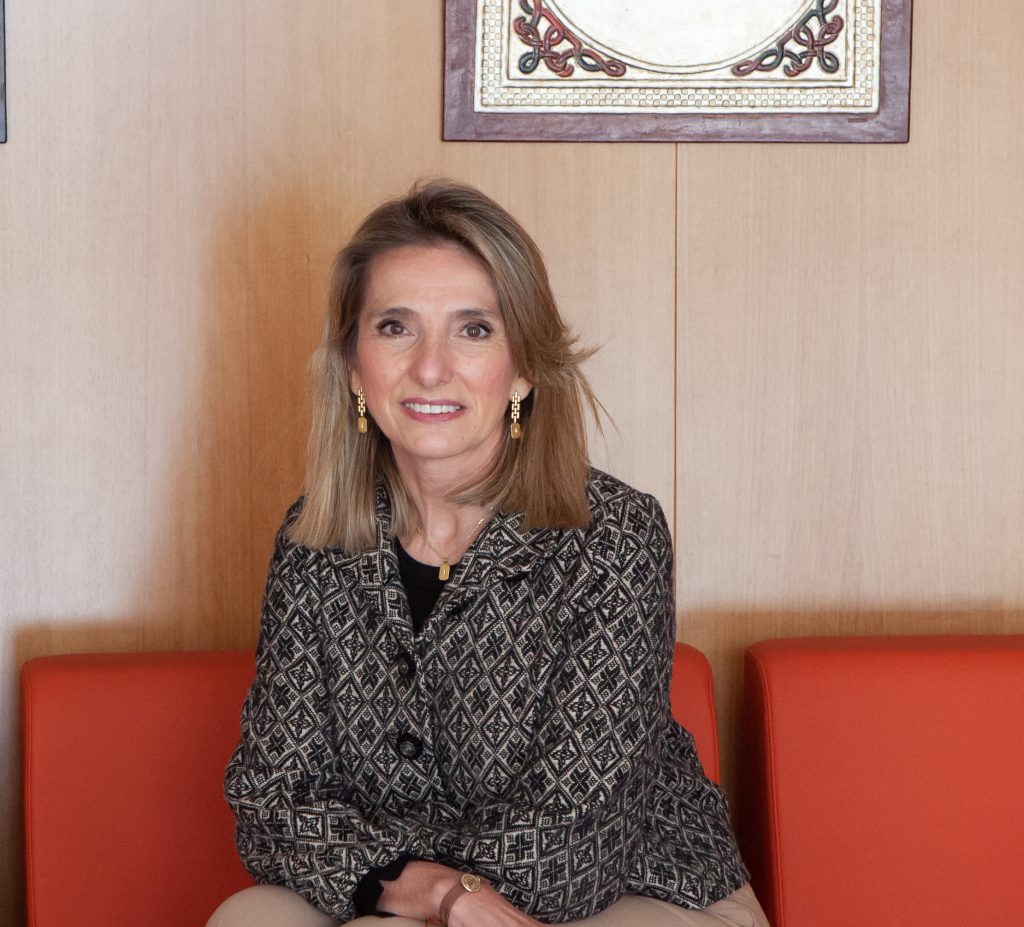
Rosa Gallardo Cobos holds a doctorate in Agricultural Engineering from the University of Cordoba (2002), where she is a Professor of the Department of Agricultural Economics. From 2016 to 2024 she served as Director of the School of Agricultural and Forestry Engineering at the University of Cordoba (ETSIAM), becoming the first woman to hold this position. During her tenure, she has led an integrated strategy to promote digital transformation in the agrifood and forestry sector.

She is currently the Director of the newly established International Seat of Artificial Intelligence and Agriculture at the University of Cordoba.

In 2020, she received an Honourable Mention in the XI edition of the Excellence Awards for Innovation for Rural Women, presented by the Ministry of Agriculture, Fisheries and Food. Recently she was recognised by the Intec Foundation as one of the top 10 women in the agrifood sector for 2024, an initiative aimed at highlighting female leadership in this strategic sector of the European economy.

This year she received the Women in Science and Technology Award.

Gallardo leads the research team “Agrifood Economics, Rural Development and Natural Resources” within the interuniversity doctorate programme “Agricultural, Food, Forestry Engineering, and Sustainable Rural Development” run by the University of Cordoba, the University of Seville, the Spanish National Research Council, and the Andalusian Institute of Research and Training in Agriculture, Fisheries, Food and Organic Production (IFAPA).

Since September 2021 she has been the head of the Research Group of the Andalusian Research Programme SEJ 109: Agricultural Economics. She has also served as the representative of the agrifood research groups in the Patronage of Technological Corporation of Andalusia (CTA), since April 2021.

Since July 2019, she has been a member of the Advisory Board of IFAPA.

She also co-directs the Master’s programme in Strategies for Sustainable Rural Development.


Conference Details


CIHEAM Zaragoza keeps you informed!

Stay up to date with the latest news about our activities, events, and initiatives by subscribing to our quarterly newsletter and distribution lists. Sign up now to stay connected:
Professionals from 19 countries gather in Huelva to address working conditions in the fishing sector

  • CIHEAM Zaragoza, the FAO and the ISM organise an international course on decent working conditions in the fishing sector.
  • More than 30 representatives from 19 countries will be meeting at the national training centre CNF at Isla Cristina (Huelva) from 19 to 23 May 2025.

Zaragoza, 14 May 2025.- CIHEAM Zaragoza, the Food and Agriculture Organization of the United Nations (FAO), and the Social Marine Institute (ISM) through the National Centre for Maritime Training of Isla Cristina (CNF), organise the international course “Promoting Decent Working Conditions in Fisheries”, together with the collaboration of the National Institute of Occupational Safety and Health (INSST). The course will be held from 19 to 23 May 2025 at Isla Cristina in Huelva, Spain, bringing together over 30 participants from 19 countries: Algeria, Comoros, Egypt, Ghana, Indonesia, Kenya, Morocco, Namibia, Peru, Portugal, South Africa, Spain, Switzerland, Tanzania, Tunisia, Türkiye, Uganda, United Kingdom and United States of America.

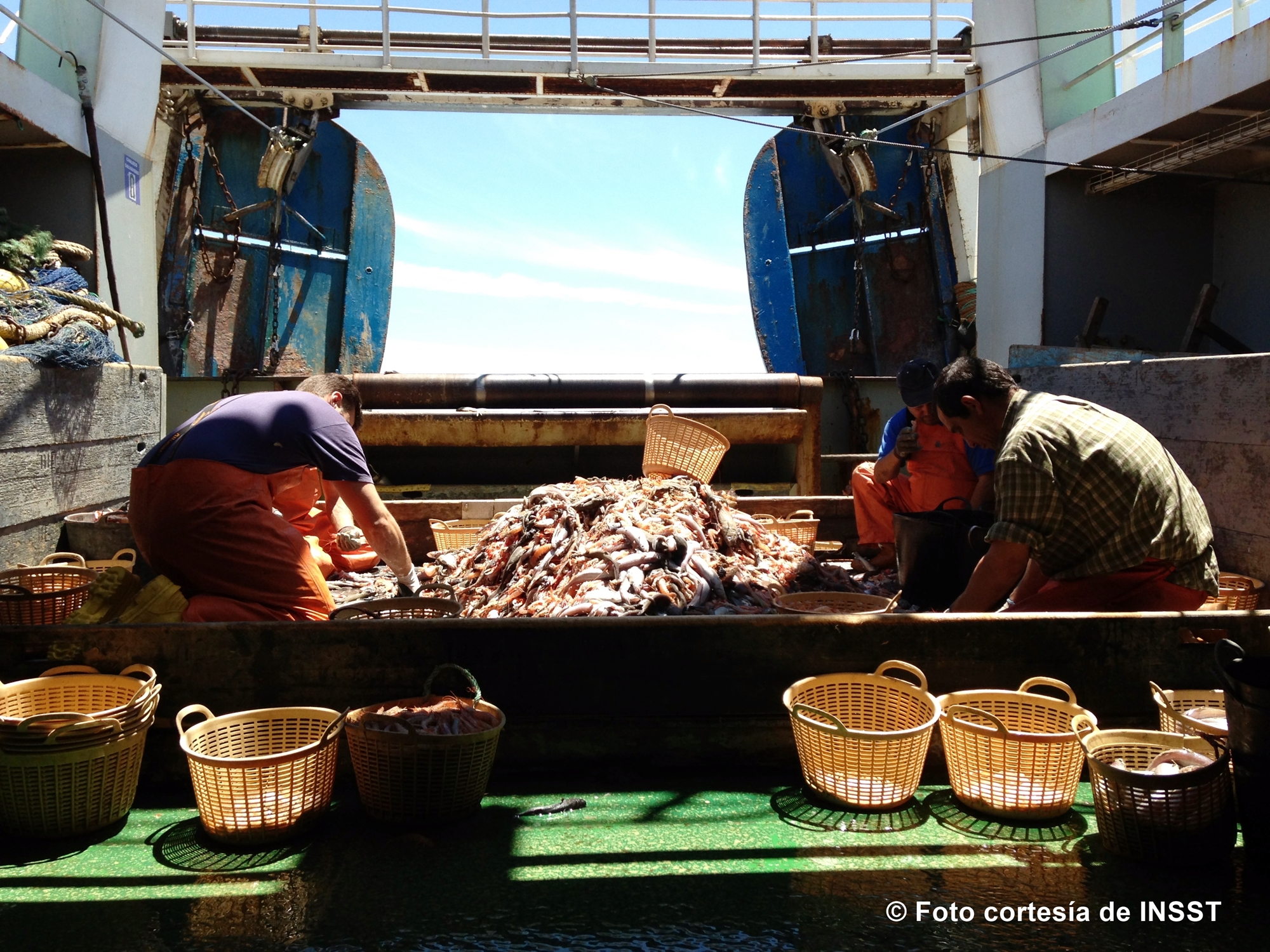
Fishing is one of the most dangerous professions in the world. Ensuring safety and dignity in the workplace remains one of the greatest challenges in this sector, particularly where human and labour rights violations persist. Lack of social protection, precarious working conditions, gender discrimination, child labour, forced labour, and the vulnerable situation of migrant workers are just a few of the structural challenges affecting fish value chains, especially in developing countries.

The course will address these challenges through multidisciplinary training, providing participants with knowledge and tools for improving working conditions in the sector, including the following topics:

  • The international framework regulating working conditions in fisheries.
  • Deficits regarding decent work conditions, including informal work, violence, child labour and forced labour.
  • Occupation safety and health on board fishing vessels.
  • The situation of migrant workers.
  • Social protection and participatory governance strategies in the fishing sector.

Over the five days of the course, participants will combine theory with practical sessions, case studies, and technical demonstrations. They will see first-hand the CNF’s training facilities, conduct vessel inspection exercises, and take part in specific sessions on the intersectoral application of work regulations and promotion of social dialogue.

This training event will enable CIHEAM Zaragoza, the FAO and the ISM to reinforce their commitment in the development of institutional and human capacities in line with the Sustainable Development Objectives and the international framework regulating decent work conditions in the fisheries sector.

Zaragoza hosts the IV Conference of the European Association of Wine Economists from 15 to 17 May

  • Delegates address emerging challenges in trade, environmental change, and increasingly restrictive market conditions.

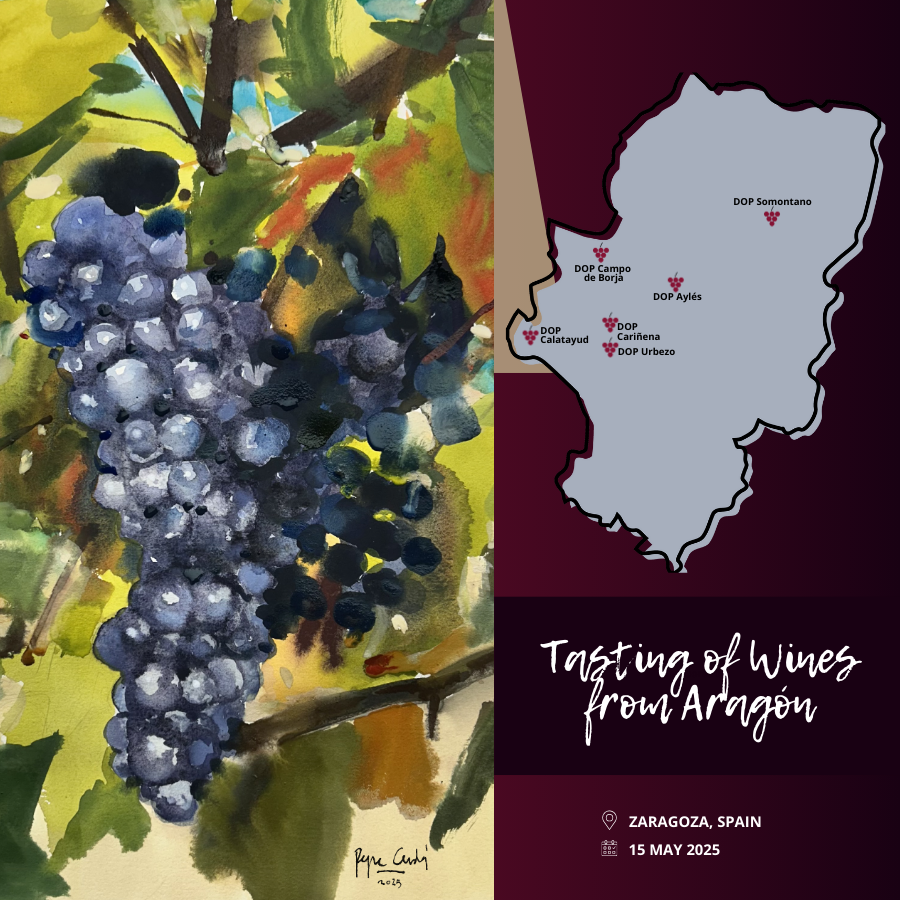
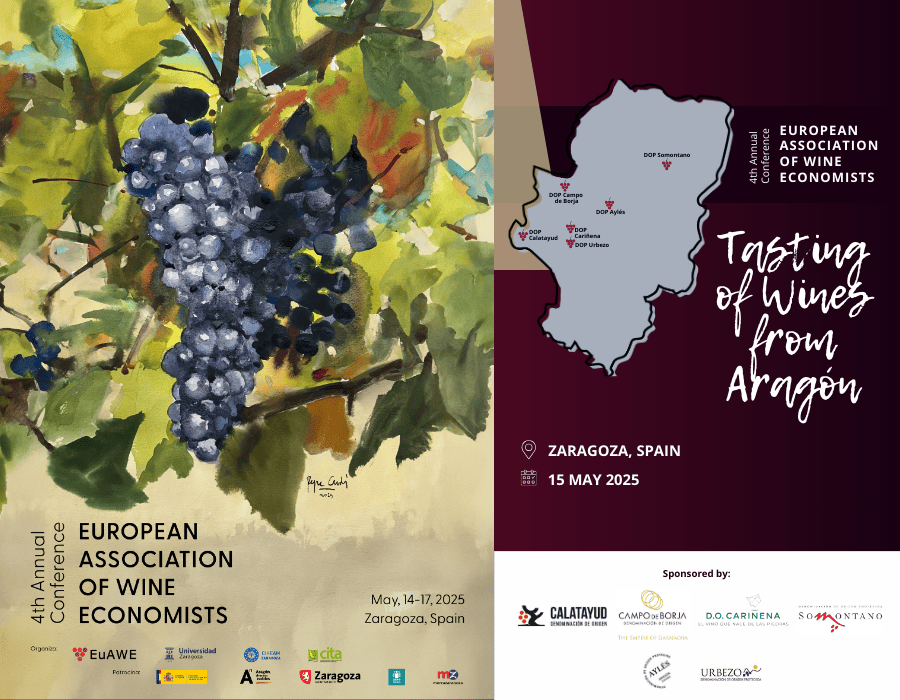
Zaragoza, 12 May 2025.- Zaragoza hosts the IV Conference of the European Association of Wine Economists (EuAWE) on 15-17 May, a leading international forum dedicated to the economic and institutional analysis of the wine sector.

Founded in 2020, the EuAWE brings together academics, researchers and industry specialists from across Europe to exchange knowledge and strengthen collaboration in the wine value chain.

The decision to hold the conference in Zaragoza reflects the strategic economic, social and institutional importance of Aragon’s wine sector as well as the presence of institutions and business projects committed to sustainable viticulture and innovation.

This year’s edition is jointly organised by the Faculty of Business and Economics of the University of Zaragoza (UNIZAR), CIHEAM Zaragoza (Spanish headquarters of the International Centre of Advanced Mediterranean Agronomic Studies), and the Agri-Food Research and Technology Centre of Aragon (CITA). The programme includes parallel sessions, presentation of scientific papers, tasting of Aragonese wines, and technical field visits to winegrowing areas allowing delegates to experience first-hand the strengths of Aragon’s viticultural landscape.

The Conference is supported by the Spanish Ministry of Agriculture, Fisheries and Food (MAPA), the Department of Agriculture, Livestock and Food of the Government of Aragon, Cajamar, Zaragoza City Council and Mercazaragoza. Wines for the tasting session are provided by the Designations of Origin of Calatayud, Campo de Borja, Cariñena, Somontano, Aylés, and Urbezo.

The European wine sector is undergoing a profound transformation that requires changes in public and private strategies. Wineries, auxiliary industries, public administrations, and other key stakeholders are adapting to new trends in trade, changes in environmental conditions and more restrictive market conditions. Through this event, the European Association of Wine Economists and the organising institutions aim to promote knowledge-sharing and generate insights for better decision-making across the wine sector.

Agro-silvopastoral futures: bridging the divide between tradition and innovation in Mediterranean and mountain pastures

The International Seminar ‘Agrosilvopastoral Futures: Bridging Tradition with Innovation in Mediterranean and Mountain Pastures took place in Kuşadası (Türkiye) from 9 to 11 April 2025. The event was jointly organised by the FAO-CIHEAM Network of Pastures and Fodder Crops (Subnetworks on Mediterranean Pastures and Mountain Pastures), CIHEAM Zaragoza and Aydin Adnan Menderes University, in collaboration with the PASTINNOVA project funded by PRIMA (Partnership on Research and Innovation in the Mediterranean Area).

The seminar brought together 116 participants from 17 countries (Albania, Algeria, Australia, Croatia, Egypt, France, Greece, Italy, Lebanon, Morocco, Portugal, South Africa, Spain, Switzerland, Tunisia, Türkiye and the USA) across the Mediterranean and from other regions with mediterranean climates, and from mountain areas.

Researchers, academics and practitioners gathered to exchange information on scientific progress and share practical experiences, focusing on four thematic areas:

  • Biodiversity and sustainable practices to enhance the resilience of agro-silvopastoral systems
  • Technical innovations for pasture and forage production in Mediterranean and mountain areas
  • New technologies and data-driven tools for monitoring agro-silvopastoral systems
  • Innovations for the future of Mediterranean pastoralism

The Seminar included a special session for early-career researchers to encourage the participation of young professionals as speakers.

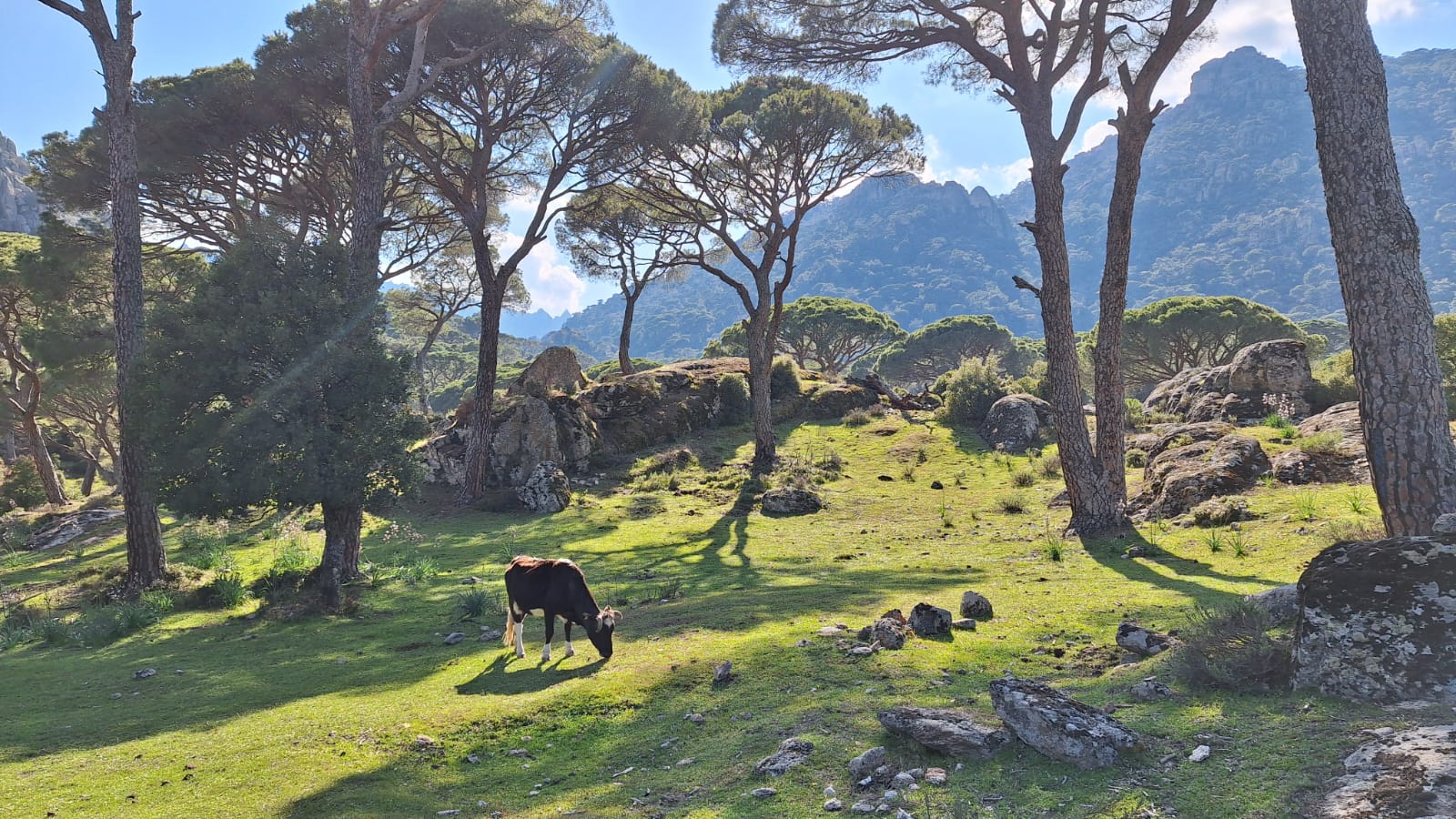
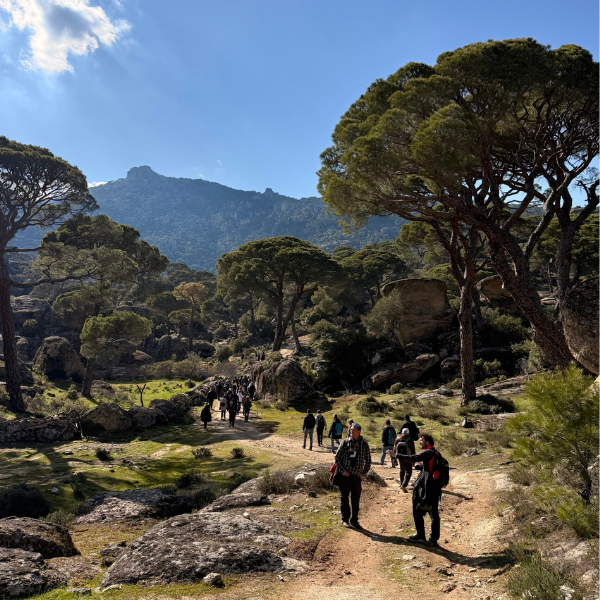
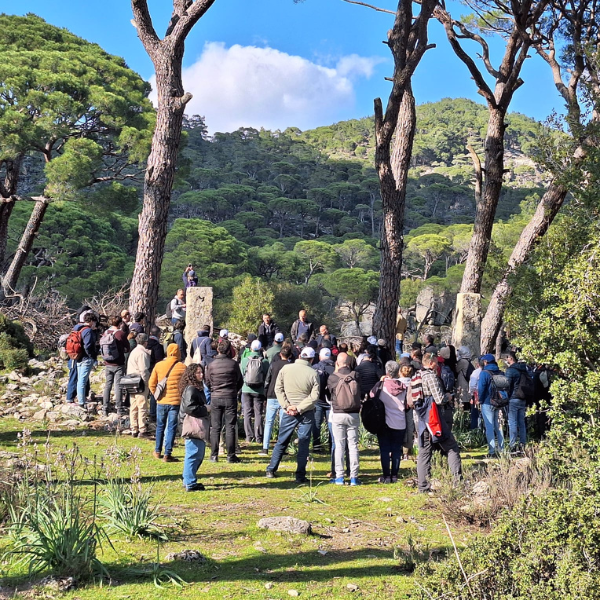
One of the highlights of the event was a technical visit to the protected area of Mount Latmos, an agro-silvopastoral system where livestock – mainly cattle – graze in a stone pine forest and in Mediterranean olive and walnut orchards. The site also attracts nature lovers and cultural heritage enthusiasts that come to visit the archaeological remains.

During the seminar, 68 scientific contributions were presented (28 theatre presentations and 40 posters), together with 6 keynote lectures by guest experts. The seminar concluded with a roundtable discussion on the current state and future role of pastoralism. The high level of participation and quality of research demonstrated the growing interest in and the importance of studying pastures and forage crops in the Mediterranean. It also highlighted the need to better integrate crops, livestock, and rangelands into sustainable Mediterranean livestock production and incorporate agro-silvopastoralism in landscape management strategies.

FINAL CONFERENCE OF THE PASTINNOVA PROJECT

The symposium also hosted the final conference of the PASTINNOVA project, for which CIHEAM Zaragoza has led the dissemination, transfer and training components. The project aims to foster innovation in the Mediterranean pastoral livestock sector and support economic viability and social sustainability.

The scientific presentations addressed a range of topics including the use of Life Cycle Analysis (LCA) for pastoral products, the impacts of climate change on pasture ecosystems, and analysis of the economic viability of transhumant livestock systems.

One session featured 14 posters detailing PASTINNOVA’s case studies and concluded with a roundtable discussion on the future of Mediterranean pastoralism and the policy measures required to promote and sustain it. Representatives from different countries shared inspiring experiences, such as the organisation of livestock cooperatives in Türkiye, the role of women in livestock farming in Lebanon, and the integration of genetic conservation and rural development through gastronomy in Croatia.

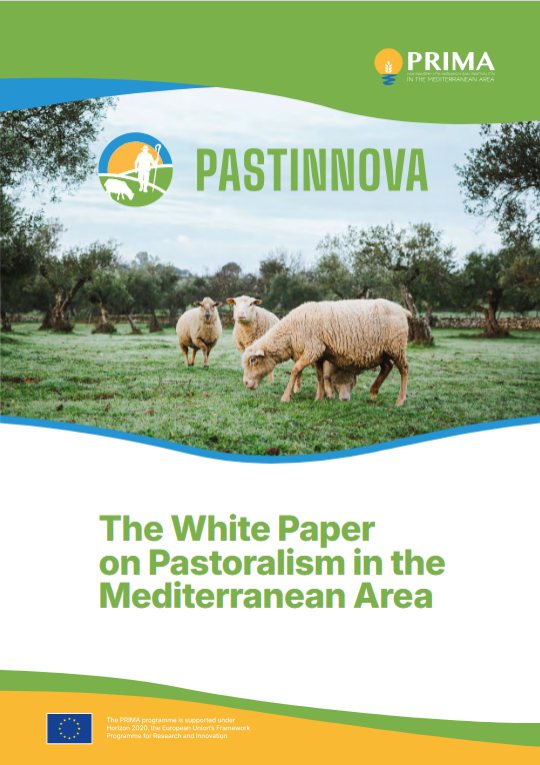
One of the highlights of this session was the presentation of the White Paper on Pastoralism in the Mediterranean Region, drawn up within the framework of PASTINNOVA. This strategic document will be a key tool to facilitate dialogue between science and public policy, raising awareness and informing policy-makers on the value and potential of pastoral systems.

CIHEAM Zaragoza supports sustainable Mediterranean agriculture through an advanced course on integrated pest management

  • International experts gathered to address the challenges of integrated pest management in a context of climate change and globalisation and to discuss the need for agroecological transition.
  • The training programme was designed to reinforce technical skills, build regional networks and provide solutions adapted to Mediterranean agricultural systems.
gestión integrada de plagas

In the global context of climate emergency and the pressing need to ensure food security and sustainable agrifood systems, integrated pest management (IPM) has emerged as a crucial strategy to reduce reliance on chemical products, preserve biodiversity, and improve crop resilience.

Aware of this challenge, CIHEAM Zaragoza organised the advanced course Integrated Pest Management for Sustainable Agriculture, held from 17 to 22 March. The training provided the latest technical, regulatory and methodological insights to facilitate a realistic and effective agroecological transition aligned with both European and international frameworks.

Specialised content and integrated focus

The programme was structured in 10 comprehensive thematic modules including diagnostics and understanding of pests, population dynamics, damage thresholds, and factors influencing pest outbreaks; major challenges for IPM – such as reducing the use of plant protection products, preventing emerging and invasive organisms, mitigating climate change and addressing resistance to phytosanitary products; a holistic approach combining agroecology, the One Health concept, and sustainability across the entire value chain; and emerging technologies such as precision agriculture, robotics, artificial intelligence, biological control, and applied biotechnology.

The course also included a section on knowledge-sharing networks such as the European project IPMWorks or the FAO’s Farmer Field Schools. Furthermore, it presented case studies focused on orchards, arable crops, protected vegetables, and vine crops, with a strong emphasis on integrated management, economic efficiency and territorial adaptability.

Regional impact and Mediterranean cooperation

One of the main conclusions of the course was that the success of IPM not only depends on technical tools but also on an integrated, territorialised and participatory vision, that combines science, public policy, digitalisation, and local know-how.

The course held particular significance for Mediterranean countries, offering solutions specifically adapted to their agricultural systems, where traditional practices coexist with new phytosanitary pressures stemming from global trade and climate change. It also reinforced essential technical and institutional capacities for implementing sustainable plant health policies, aligning IPM practices with broader policy frameworks such as the European Green Deal, the Farm to Fork strategy and the Sustainable Development Goals (SDGs).

Another objective of the course was to promote stronger regional cooperation, encouraging dialogue and knowledge-sharing among technical specialists, researchers and public policy-makers from the northern and southern Mediterranean countries. Speakers advocated for the adoption of emerging technologies, while considering their viability within diverse local contexts and the need for developing progressive implementation strategies. This includes the harmonisation of regulatory and operational approaches at a crucial time for strengthening biosecurity and building resilience in agriculture across the region.

A platform of reference for advanced training in plant health

The course has firmly consolidated CIHEAM Zaragoza as a leading point of reference for advanced training in plant health, underlining the value of an integrated and regionalised approach to integrated pest management. The active engagement of international experts and professionals from Mediterranean countries provided a valuable space for learning and exchanging high-level technical and strategic knowledge. The combination of robust scientific content, a practical orientation, and geographical diversity provides a strong framework for advancing towards more sustainable, resilient, and inclusive agricultural systems throughout the Euro-Mediterranean region.

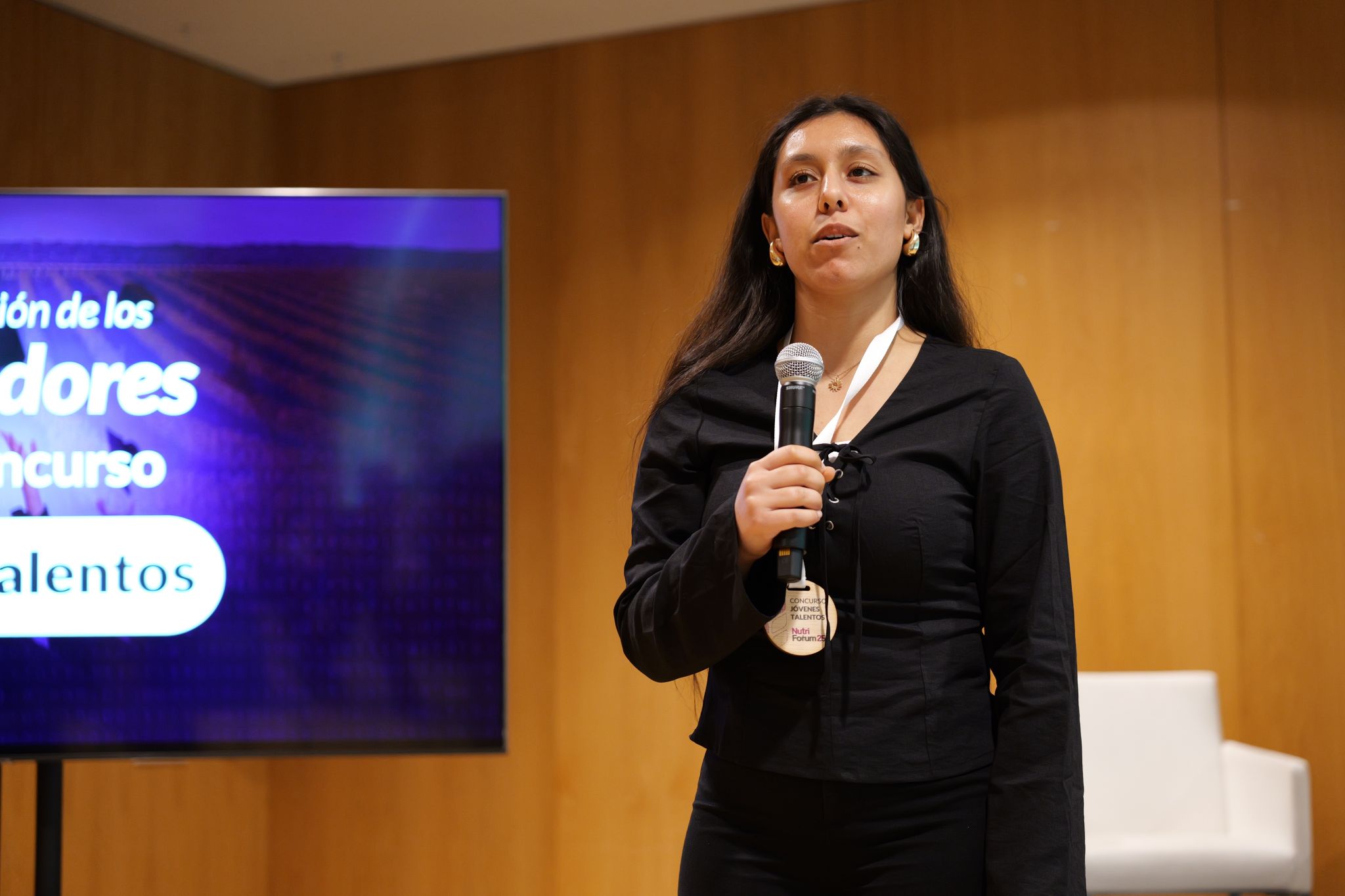
CIHEAM Zaragoza student Nesrine Guesmi receives the ‘Young Talent’ award at nutriForum 2025

Nesrine Guesmi, student from CIHEAM Zaragoza’s International Master in Animal Nutrition ©nutriForum 2025

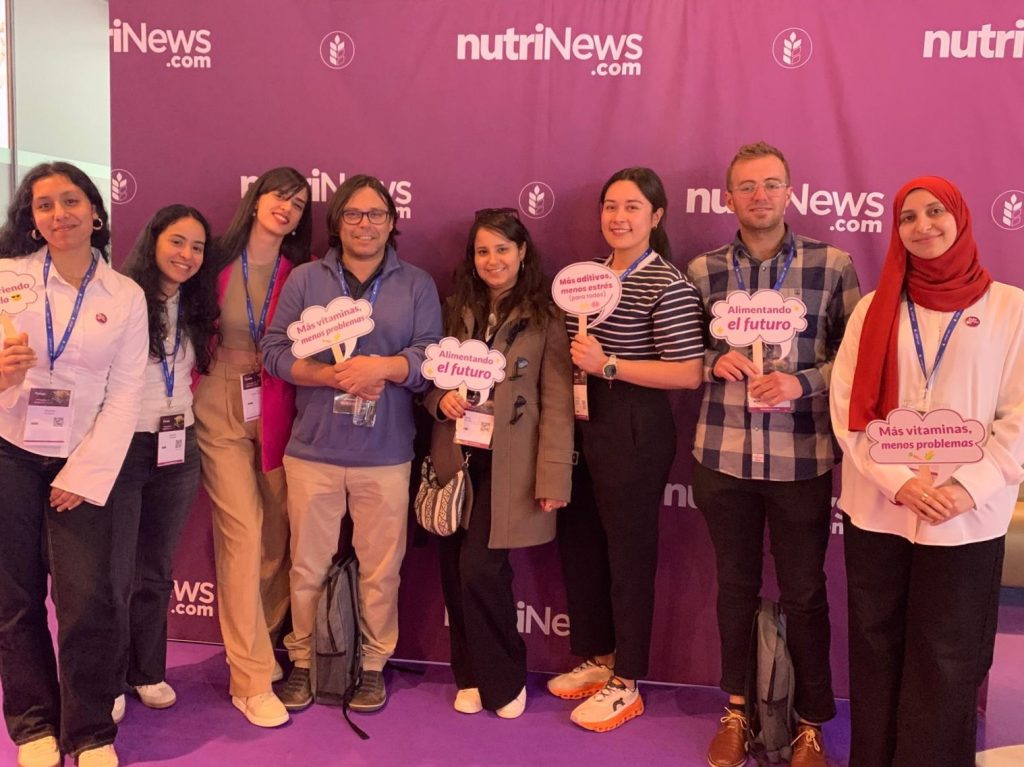
Zaragoza, 11 April 2025.- Students from the International Master in Animal Nutrition travelled to nutriForum to present results from their Final Master’s Projects (TFM) that they have been developing during the academic year 2024/2025.

nutriForum 2025, held on 9-10 April 2025 in Lleida, addresses the integration of new technologies in animal nutrition and feeding. This year’s sessions have focused on how artificial intelligence, software, robotics and other innovations can enhance animal nutrition systems. 

As part of this edition, nutriForum and nutriNews have launched the ‘Young Talent in Animal Nutrition’ award, an initiative aimed at supporting young professionals in pursuing careers in the sector.

One of the three prizewinners was CIHEAM Zaragoza student Nesrine Guesmi, currently conducting her TFM research at the Experimental Station el Zaidín (EEZ-CSIC). She received the award for her scientific poster: “Effect of combining different feed additives on methane production”.

Guesmi was joined by fellow CIHEAM Zaragoza students who also presented their research:

  • May Farah Bouhoula, conducting her TFM at the Agri-Food Resarch and Technology Centre of Aragon (CITA Aragón), presented research on how the inclusion rate of grape stalks in calf fattening diets affects the evolution of their performance and feed efficiency over time;
  • Ana María Delgado Valencia, based at CIHEAM Zaragoza, presented her work on the development of machine learning models for generating feed composition tables;
  • Fatima El Yaakoubi, conducting her research at the Autonomous University of Barcelona (UAB), presented her research on how different protein sources in calf milk replacers influence metabolite kinetics;
  • Khaoula Guirrati, also at the UAB, presented her research on the use of near-infrared spectroscopy (NIRS) to predict the blood biochemical profile in calves;
  • Nada Souid, conducting her TFM at the Polytechnic University of Madrid (UPM), presented her research on how the nutritional density of the diet affects the productive performance of broiler chickens.

We’re very proud of our talented students. Congratulations!