Women agricultural entrepreneurs gather in Zaragoza on 8-9 April for the European GRASS CEILING project’s Spanish Living Lab meeting

  • Eight entrepreneurs (five from Castile and León, two from Aragon and one from Asturias) will be sharing their initiatives in the agriculture and food sector in less populated areas
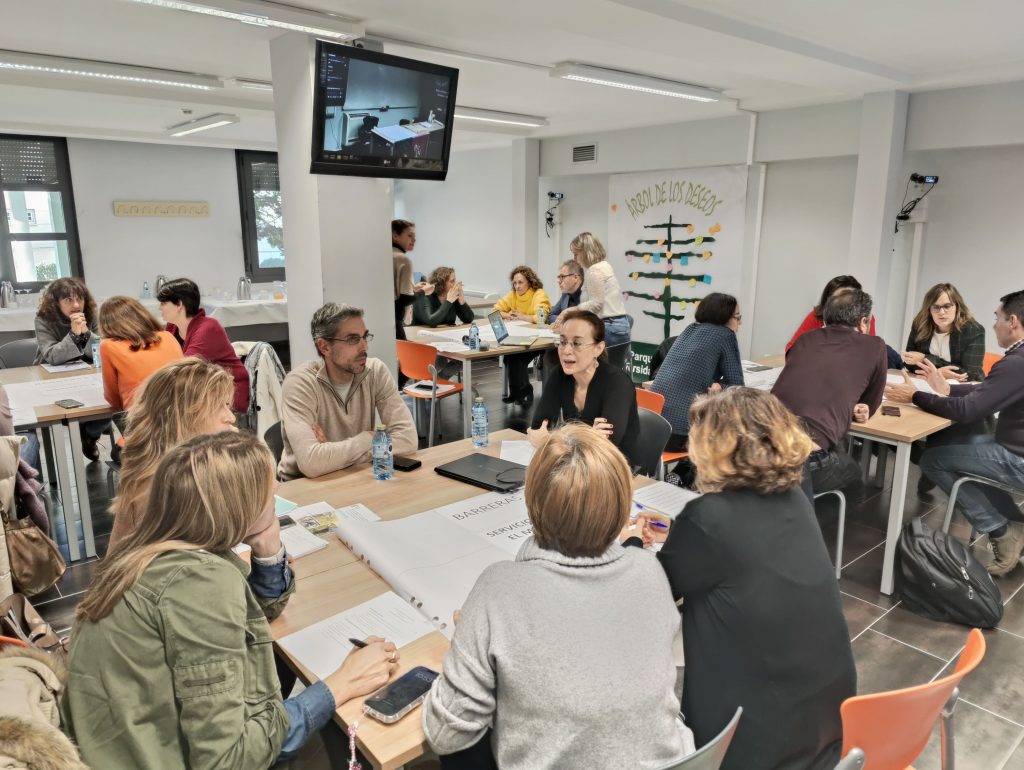
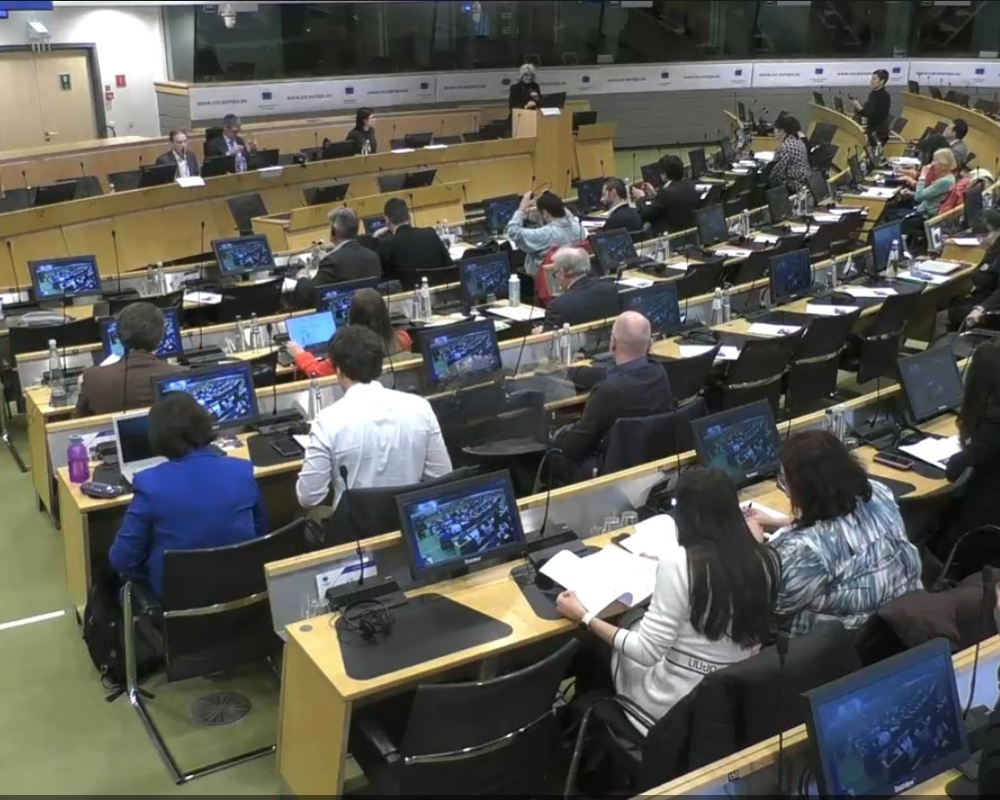
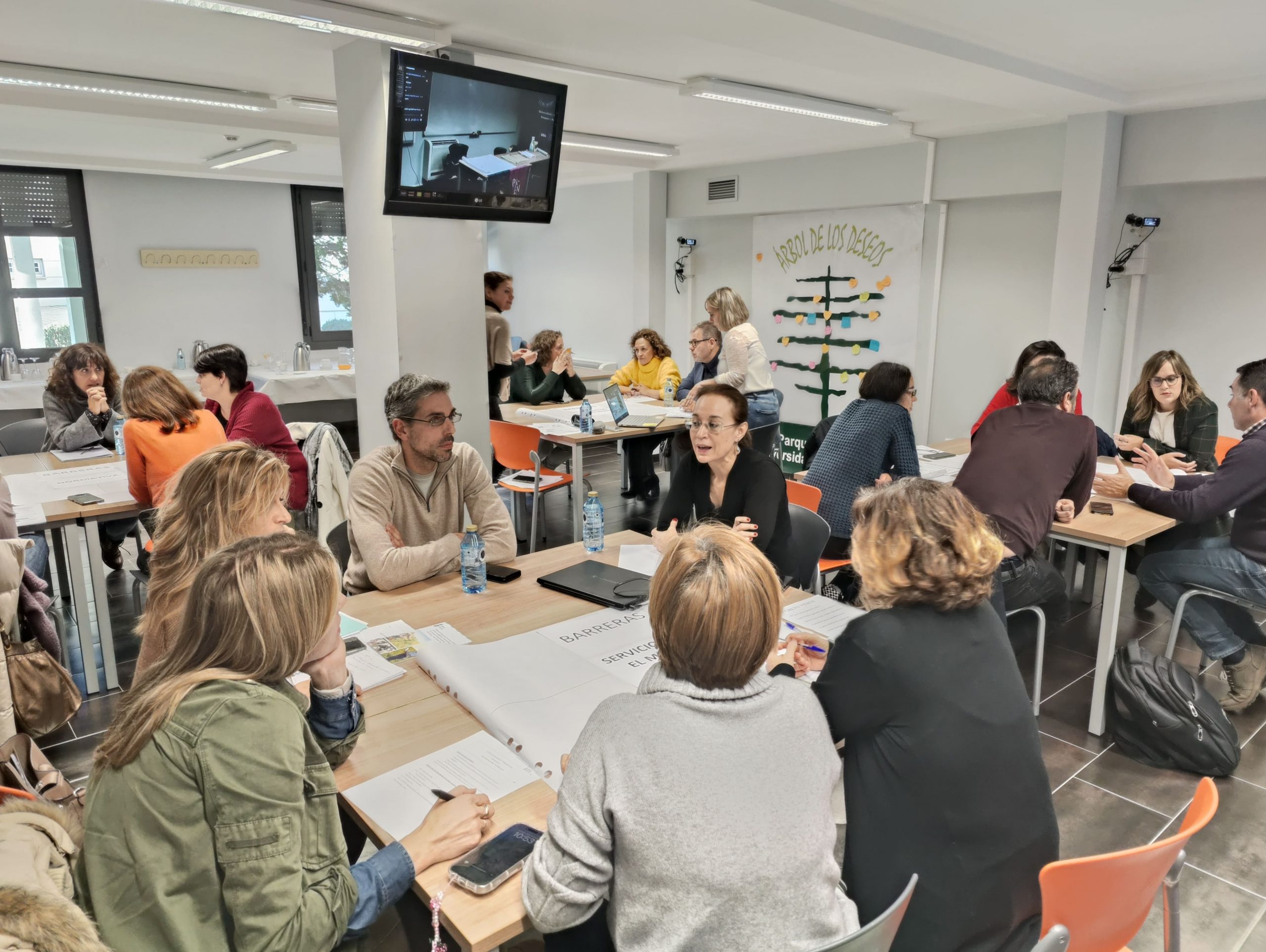
Foto: Women agricultural entrepreneurs participate in a meeting of the Spanish GRASS CEILING ‘Living Lab’. ©GRASS CEILING

Zaragoza, 18 March 2025.- The Spanish group of women entrepreneurs in the GRASS CEILING European project will convene for their eighth meeting on 8-9 April 2025 at CIHEAM Zaragoza, a member of the project consortium.

The University of Valladolid and the agrifood cooperative Cooperativas Agro-alimentarias de España, also consortium members, will be responsible for the academic and technical organisation of the event.

These agricultural entrepreneurs participate in the project’s Spanish Living Lab – a hub for social innovation where academics, agricultural and gender experts, and specialists in rural innovation and equality, collaborate in a network to discuss common challenges, identify needs and propose strategies for improvement.

The Spanish group focuses on initiatives in agriculture and food led by women living in less populated rural areas in the north of Spain. Their stories showcase the wide range of opportunities that the crop and livestock farming sectors can offer as key elements of rural development, food production, and the socioeconomic revitalisation of the rural area.

During their time in Zaragoza, they will be participating in several working sessions to analyse and propose support measures for women innovating in agriculture. They will also visit the Aragonese sheep cooperative Pastores Group to learn more about its organisational model where women play a prominent role as decision-makers.

The entrepreneurs share their experience though the project’s communication and dissemination channels that showcase entrepreneurship and innovation initiatives in the primary sector.

As part of this meeting, GRASS CEILING’s Spanish Living Lab will feature insights from eight entrepreneurs:

  • Lucía Velasco, a livestock farmer from Somiedo in Asturias, who describes herself as a guardian of the transhumant Vaqueira culture. She is also a social media influencer with over 73,000 followers on Instagram and 142,000 on Facebook.
  • Marta Llorente, a pig farmer and co-manager of an extensive rainfed farm and vineyard in Zazuar (Burgos). She was named Woman Entrepreneur of the year at the 2024 awards of the newspaper El Norte de Castilla.
  • Amada de Salas owns a rainfed cereal farm and a vineyard, and runs an underground craft winery in Dueñas (Palencia). This year, she was also a finalist for the MujerAgro 2024 award presented in Madrid in February.
  • Silvia González, a farmer from Palencia and owner of a rainfed cereal and oilseed crop farm in Villaconancio.
  • Ana María Olmo, from Collazos de Boedo (Palencia), manages a rainfed cereal farm and a small irrigated plot where she cultivates potatoes, onions and pulses. She also has a flourishing beekeeping business.
  • María José Velilla, from Alfamén (Aragon), is an extensive livestock farmer raising the Rasa Aragonesa sheep breed, producing high-quality meat under the Ternasco de Aragón Designation of Origin label. She is a member of the Oviaragón-Pastores cooperative.
  • Pilar Monferrer, owner of a family-run rainfed crop farm in Jorcas (Teruel). She also grows organic crops.
  • Laura Polo, who will attend the meeting online, runs the egg farm Granja Pepín in Alba de Cerrato (Palencia), raising and feeding free-range hens following the family tradition.

The meeting on 8-9 April will be led by a team of five women from academia at the University of Valladolid led by Professor Margarita Rico, together with Carmen Martínez, technical specialist from the Department of Equality of Cooperativas Agro-alimentarias de España. They will be joined by professionals from the public administration in different parts of the country, agricultural associations and experts in rural innovation and gender-related issues, all regular collaborators of the project.
Does Fisheries Management Work? CIHEAM Zaragoza and the University of Alicante share success stories

CIHEAM Zaragoza and the University of Alicante are organising a webinar to analyse the contribution of fisheries management to sustainable marine resources and to answer the question “Does fisheries management work?”

The event will be held on 3 April 2025 from 10:00 to 11:30 CET.

Undergrads and recent graduates keen to learn more about fisheries management will find this virtual event interesting. The webinar will explore effective strategies applied in different fishing contexts, showing how certain measures can achieve positive environmental, economic and social results.

Prominent experts will share their experience and knowledge through 3 different cases of successful fisheries management:

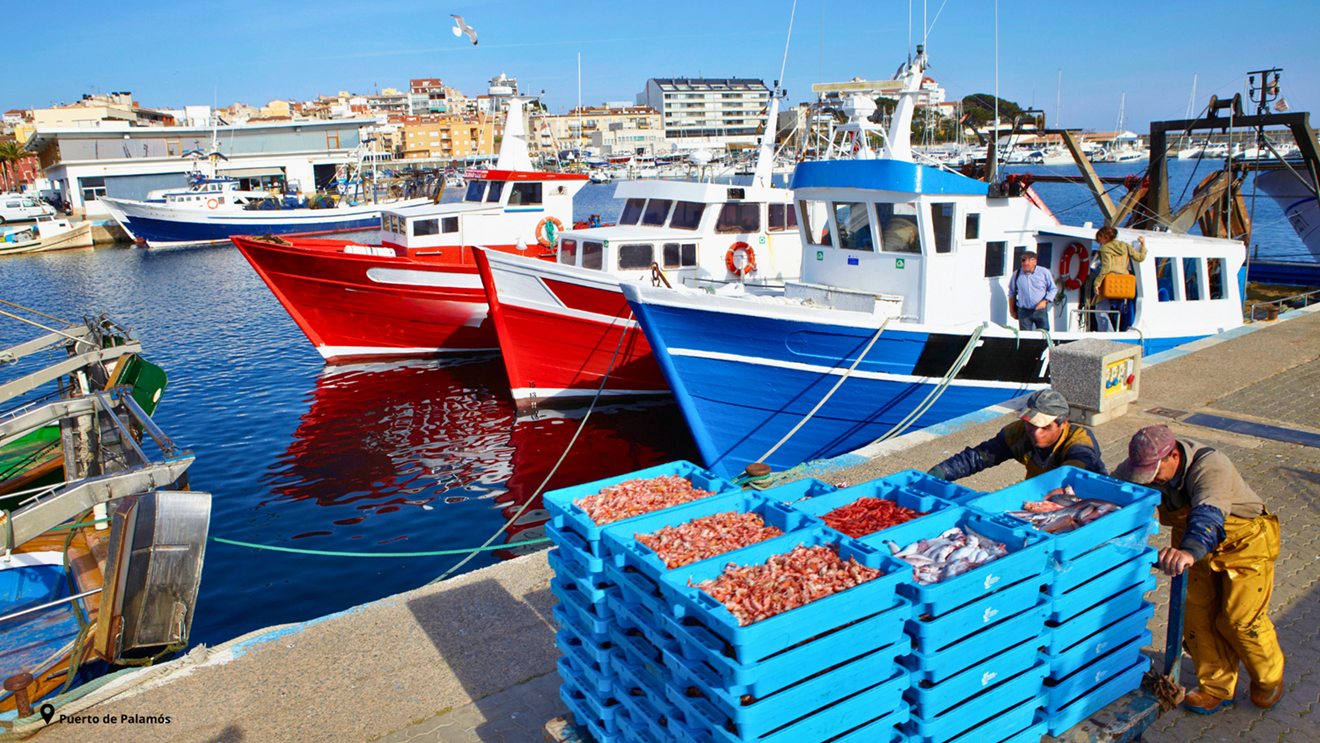
  • Evolution of the Palamós fisher towards more efficient fishery and economic management, presented by Cristina Mañas, of the Palamós Fishers Guild (Spain). Cristina Mañas has long-standing experience in the fishing sector and has been involved in the management and promotion of sustainable strategies for the exploitation of Palamós prawns.

  • How effective are marine reserves in fisheries management? This case study is presented by José Luis Sánchez Lizaso and Aitor Forcada, of the University of Alicante (Spain). José Luis Sánchez Lizaso is a lecturer and researcher specialised in marine ecology and fishery resource management. Aitor Forcada has extensive working knowledge in assessing the impact of protected marine areas on biodiversity and fishing activity.

  • The blackspot seabream (Pagellus bogaraveo) fishery: an example of shared resource management, presented by Meryeme Khoukh, of IAV Hassan II (Morocco). Meryeme Khoukh is a researcher in fisheries management and has participated in numerous international projects on the sustainability of market species in the Atlantic and the Mediterranean.

The presentations will be followed by a debated moderated by Bernardo Basurco, administrator of the Fisheries and Aquaculture training area at CIHEAM Zaragoza. After the debate, Basurco will present theInternational Master in Sustainable Fisheries Management, coorganised by the University of Alicante and CIHEAM Zaragoza, with the collaboration of Spain’s Ministry of Agriculture, Fisheries and Food, through the General Secretariat of Fisheries, and Casa Mediterráneo.

This webinar is an excellent opportunity to hear about successful experiences in fisheries management, learn from professionals in the sector and join the debate on the future of sustainable fisheries.

Don’t miss the debate!

CIHEAM Zaragoza participates in the debate on occupational safety and social sustainability in agriculture

CIHEAM Zaragoza, TEAGASC (Ireland’s Agriculture and Food Development Authority), and AEIDL (European Association for Innovation in Local Development), as members of the SafeHabitus project consortium, in collaboration with the European Committee of the Regions, have led a seminar on occupational safety and social sustainability in agriculture. The event, titled “The Role of Social Security in Supporting Farm Safety and Farmer Health” took place on 12 March in Brussels. It brought together policymakers, researchers, and industry stakeholders to address the challenges and opportunities of social security systems in improving occupational safety and health (OSH) and the quality of life for agricultural workers across the EU.

As the institution leading the policy and governance work within SafeHabitus, and a recognised authority in training, cooperation, and research in agri-food and rural development, CIHEAM Zaragoza placed particular emphasis on the need to strengthen social protection systems to ensure a fairer, safer, and more sustainable agricultural sector.

Challenges in social protection for farmers

According to Eurostat data, agricultural workers account for 4.2% of total employment in the EU, but this figure only includes the 8.7 million workers formally employed in the sector. When family members and part-time workers are included, the agricultural labour force in 2020 was estimated at 17 million people. Due to the precarious nature of agricultural work and its unique labour dynamics, many farm workers, particularly self-employed farmers and family labourers, have limited access to social security protections, such as healthcare and pensions.

A particular group of concern is self-employed farmers who make up the majority of farmers. Farmers and their families have often found it challenging to contribute to national social protection schemes due to limited or uncertain income or a tradition of self-reliance. This means that many do not have basic or adequate social protection coverage.

A Call to improve social security in agriculture

During the seminar, Alun Jones, Head of Projects at CIHEAM Zaragoza, stressed the importance of comprehensive social security coverage for all farmers: “We must ensure that all farmers, including the self-employed, are able to contribute to comprehensive (invalidity, health, paternity/maternity, pensions and unemployment) and effective (sufficient financial coverage) national social protection systems. One of the core branches of Social Security is compensation for occupational ill-health and injuries. An effective OSH prevention policy in agriculture can support farmers in leading a healthy, productive and long working life and reduce the financial impact on social protection systems, thus ensuring the social sustainability of EU agriculture.”

David Meredith (TEAGASC), SafeHabitus Project Coordinator, highlighted the uniquely challenging situation that farmers and farm workers face regarding social security: “Most of the people working on farms across the EU are self-employed or family workers. In many instances, this means that they have limited access to health and social care systems which employees working in other sectors can take for granted. Improving access to these services and supports, particularly pensions, will improve the attractiveness of farming, support generational renewal and help reduce the number of occupational fatalities amongst older farmers. Whilst farmers, farm families and workers’ pay the price for poor social security systems in many member states, there are good models for providing these important groups with access to health care, support child care and elder care, and provide pensions.”

Similarly, Karine Gloanec-Maurin, Committee of the Regions member and rapporteur of the CoR Opinion on fair working conditions in agriculture addressed the need for a harmonised approach across the EU Members states and regions: “It is necessary to improve working conditions in agriculture to attract sufficient labour and maintain production levels in the Regions. It is also necessary to ensure uniform implementation of the CAP social conditionality to avoid distortions of competition between Regions.”

CIHEAM Zaragoza’s commitment to social sustainability in agriculture

This seminar is part of a series of strategic meetings led by CIHEAM Zaragoza under the SafeHabitus project, aiming to foster collaboration between policymakers, researchers, and professionals in the agricultural sector. As a key institution in the Mediterranean, CIHEAM Zaragoza reaffirms its commitment to training, cooperation, and innovation to build a safer and more socially sustainable agricultural future.

About the SafeHabitus project

SafeHabitus is a four-year project coordinated by TEAGASC Ireland and funded by the European Union under the Horizon Europe programme. This multi-actor initiative aims to strengthen Farm Health and Safety Knowledge Innovation Systems (FHS KIS) and support the EU’s transition towards greater social sustainability in agriculture.

Expert Webinar on New Breeding Techniques for a Sustainable Future

As the world faces the challenges of food security and climate change, innovation in agriculture has never been more crucial. New Breeding Techniques (NBTs) are emerging as powerful tools that enable precise and efficient genetic improvements in crops, offering new possibilities for enhancing productivity, strengthening resilience to environmental stresses, and reducing the sector’s ecological footprint.

CIHEAM Zaragoza and the University of Lleida (UdL) organise a webinar on 26 March 2025, from 3.00 to 4.30 pm CET to explore the transformative potential of New Breeding Techniques (NBTs) and their role in shaping a more sustainable and climate-resilient agricultural future.

New Breeding Techniques are a set of advanced genetic tools that allow for precise and efficient crop improvements. Unlike traditional breeding methods, NBTs offer targeted genetic modifications that enhance resistance to pests and diseases, improve crop yield and quality, and reduce the environmental impact of agricultural production. By integrating these innovations, farmers and researchers can contribute to a more climate-resilient and sustainable food system.

Meet the Experts

A panel of leading scientists and experts will share their insights on how these cutting-edge breeding technologies can help address global food security challenges and drive the future of sustainable farming. The panel includes Elena Caro from the Centre for Plant Biotechnology and Genomics (CBGP), Polytechnical University of Madrid, who specialises in the study of the role of epigenetics, and more specifically of small RNAs and DNA methylation, in the response to abiotic stresses, José Miguel Soriano from the University of Lleida (UdL), with extensive expertise in molecular biology and plant genetics, Diego Orzáez from the Institute for Plant Molecular and Cell Biology (IBMCP-CSIC), a leading researcher in synthetic biology and genome engineering, and Erica Fadón from the Centre for Agri-Food Research and Technology of Aragón (CITA – Government of Aragón), who has wide experience in plant breeding and biotechnology. The discussion will be moderated by Ramzi Belkhodja, administrator of the training area ‘Plant Production, Health and Breeding’ at CIHEAM Zaragoza, and coordinator of the MSc programme in Plant Genetics, Genomics and Breeding.

Advancing education in agriculture

As a leading international educational centre that promotes research and cooperation to address the main challenges facing agriculture in the Mediterranean, CIHEAM Zaragoza organises high-level training programmes and knowledge-sharing events that connect students, scientists, policymakers, and industry professionals. The University of Lleida (UdL) is one of Spain’s premier institutions for agricultural research and education. With a strong focus on innovation in plant breeding, UdL collaborates with national and international partners to develop cutting-edge solutions for modern agriculture.

This webinar is a must-attend event for students, recent graduates, agronomists, and anyone interested in the future of sustainable agriculture. Attendees will have the opportunity to engage with leading experts, ask questions, and gain valuable insights into how NBTs can transform food production systems worldwide.

Don’t miss out! Register now for this webinar on new breeding techniques, and be part of the conversation.

CIHEAM Zaragoza at SMAGUA 2025

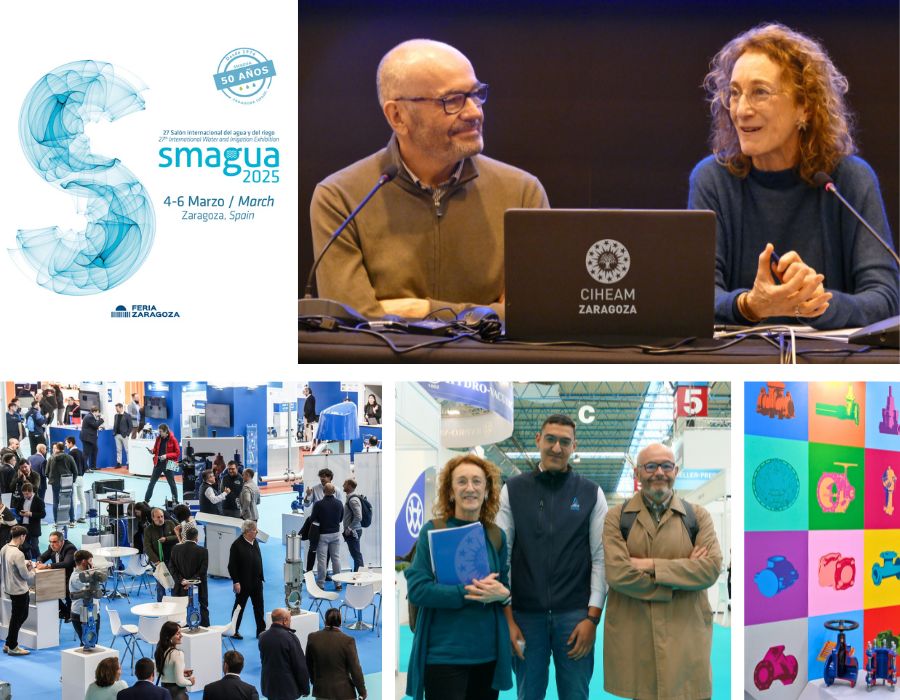
CIHEAM Zaragoza has taken part in SMAGUA 2025, the International Water and Irrigation Exhibition held in Zaragoza from 4 to 6 March. The event has attracted over 600 exhibitors from 30 countries and brought together experts, businesses and relevant stakeholders to analyse the main challenges for the water sector and promote innovative solutions.

The official opening of the event was attended by national and local authorities, including the third deputy prime minister of the Government of Spain and minister for Ecological Transition and the Demographic Challenge (MITECO) Sara Aagesen, the director general of MITECO, María Dolores Pascual, and the president of the Government of Aragon, Jorge Azcón.

Maite Aguinaco, administrator of the strategic area ‘Water, Soil and Ecosystems’ at CIHEAM Zaragoza, and Enrique Playán, research professor at the Experimental Station of Aula Dei of the Spanish National Research Council (CSIC), presented CIHEAM Zaragoza’s training programmes in sustainable water management and governance.

International training for excellence in water management

CIHEAM Zaragoza’s International Master in Sustainable Water Management and Governance in Natural and Agricultural Environments commenced its third edition in 2024 and trains specialists in water management and governance to guarantee the quality and availability of water resources for current and future generations as well as the conservation of aquatic ecosystems.

This Master is delivered by almost a hundred lecturers from 13 countries, and prepares future decision-makers in the water sector based on a multidisciplinary focus, addressing fields such as hydrology, biophysics, engineering, biology, economics, institutions, policies, and planning.

CIHEAM Zaragoza also organises advanced international courses for professionals, in hybrid format with a duration of one or two weeks on priority topics for the water sector. The courses are run in collaboration with leading national and international bodies including ICARDA, PRIMA and the International Water Management Institute.

Since its creation in 1969, a pioneer in training for natural resource management and environmental conservation, CIHEAM Zaragoza continues to prioritise these areas today.

Organoleptic evaluation of olive oil: Key insights from the CIHEAM Zaragoza-IOC regional training course in Tunisia

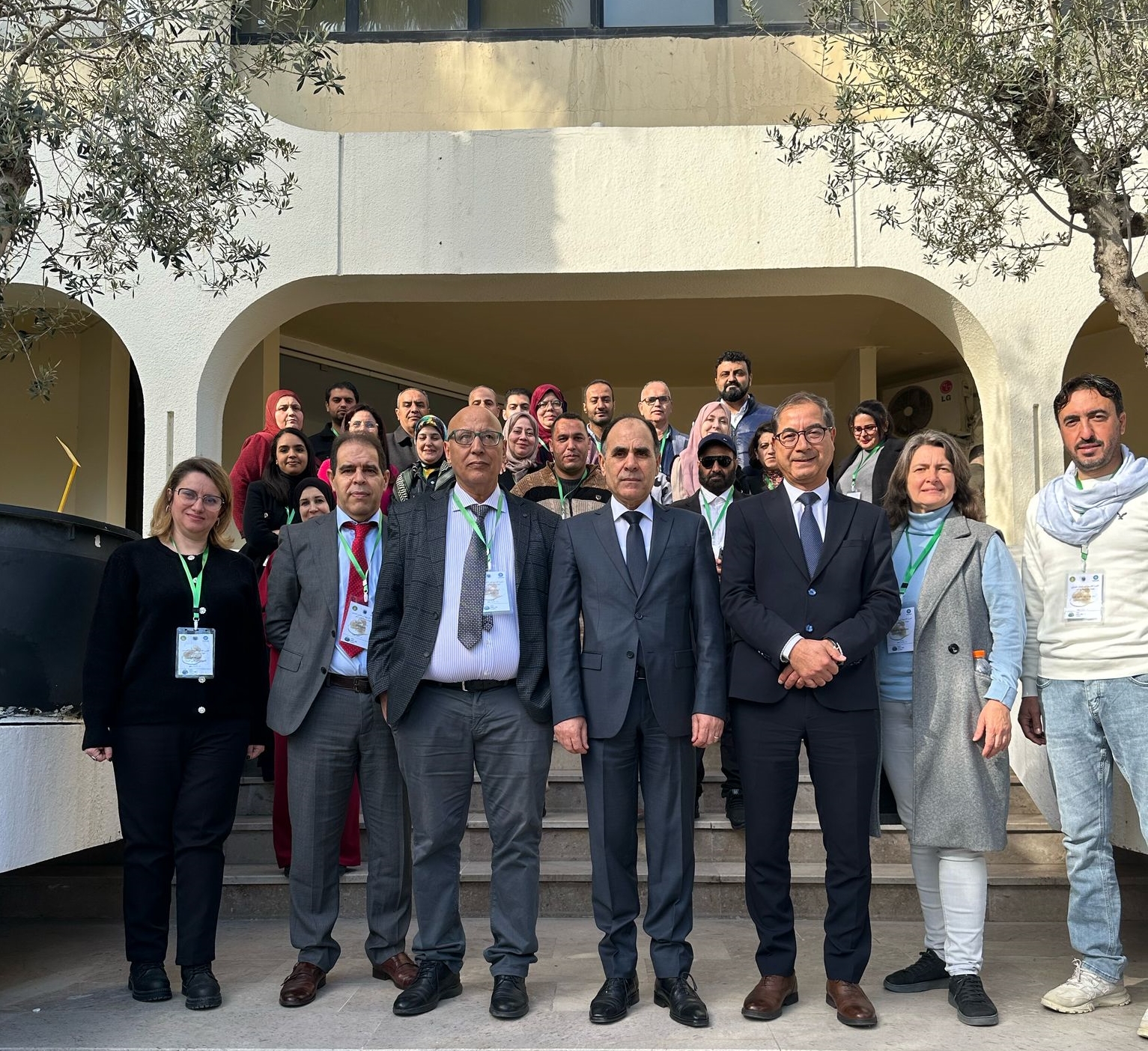
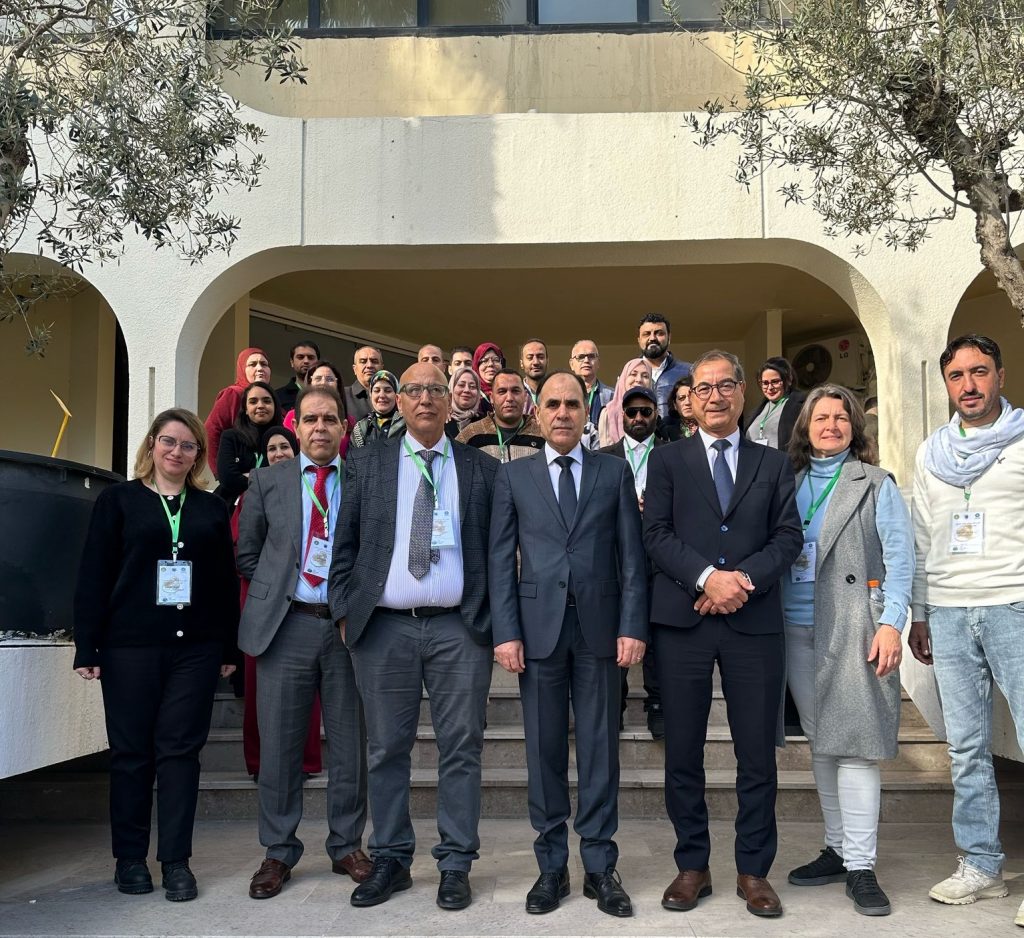
From 17 to 21 February 2025, Tunis became an international hub for olive oil excellence as it hosted the Regional Training Course on the Organoleptic Evaluation of Olive Oil. Organised by CIHEAM Zaragoza and the International Olive Council (IOC), in collaboration with Tunisia’s National Olive Oil Office (Office National de l’Huile, ONH), this specialised training aimed to strengthen quality control and sensory evaluation across the Mediterranean region. Bringing together 25 professionals from Algeria, Egypt, Jordan, Libya, Morocco, Palestine, Saudi Arabia, Tunisia, and Türkiye, the course provided an opportunity for participants to enhance their skills in sensory analysis and olive oil quality assessment.

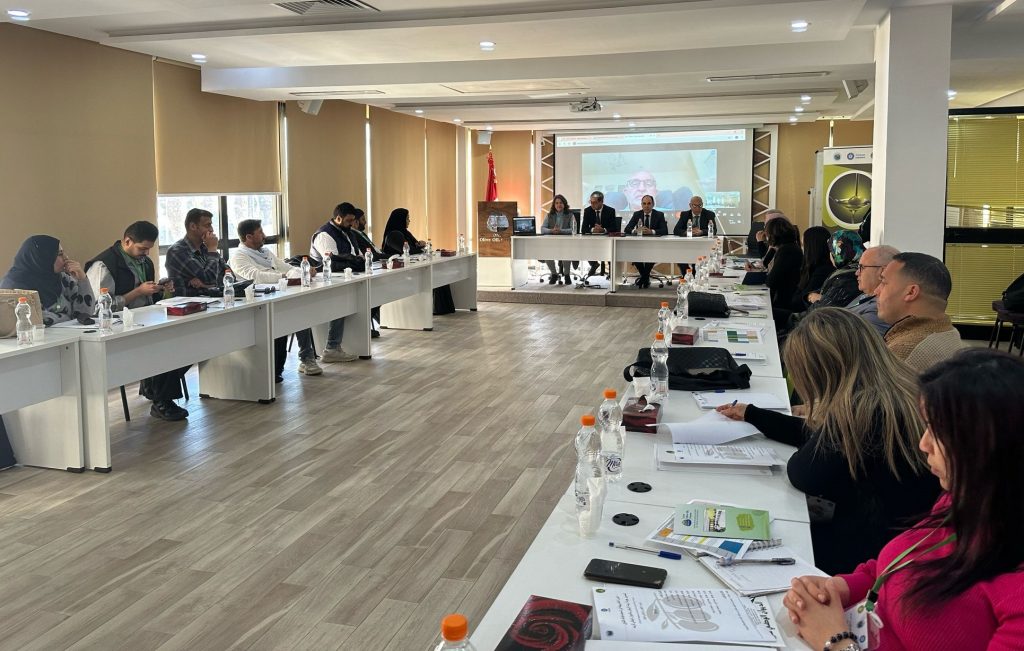
Throughout the five-day face-to-face course, participants took part in both theoretical and practical sessions focusing on the sensory evaluation of virgin olive oil. The training covered a variety of aspects, from the fundamentals of organoleptic analysis to more advanced tasting techniques. The key objective was to familiarise participants with the wide range of sensory attributes—olfactory, gustatory, and tactile—that define the quality of virgin olive oil. Specifically, the course aimed to develop the ability of tasters to identify and quantify positive and negative sensory attributes, improve their sensitivity and memory for different stimuli, and achieve consistent, coherent judgments when assessing olive oil quality. In the world of olive oil, tasting is a fundamental aspect of determining quality, so the training and abilities of the tasters are a highly valuable resource.

Besides enhancing sensory skills, the course provided a deeper understanding of IOC olive oil quality standards, influencing factors, and evaluation guidelines.

Technical visit

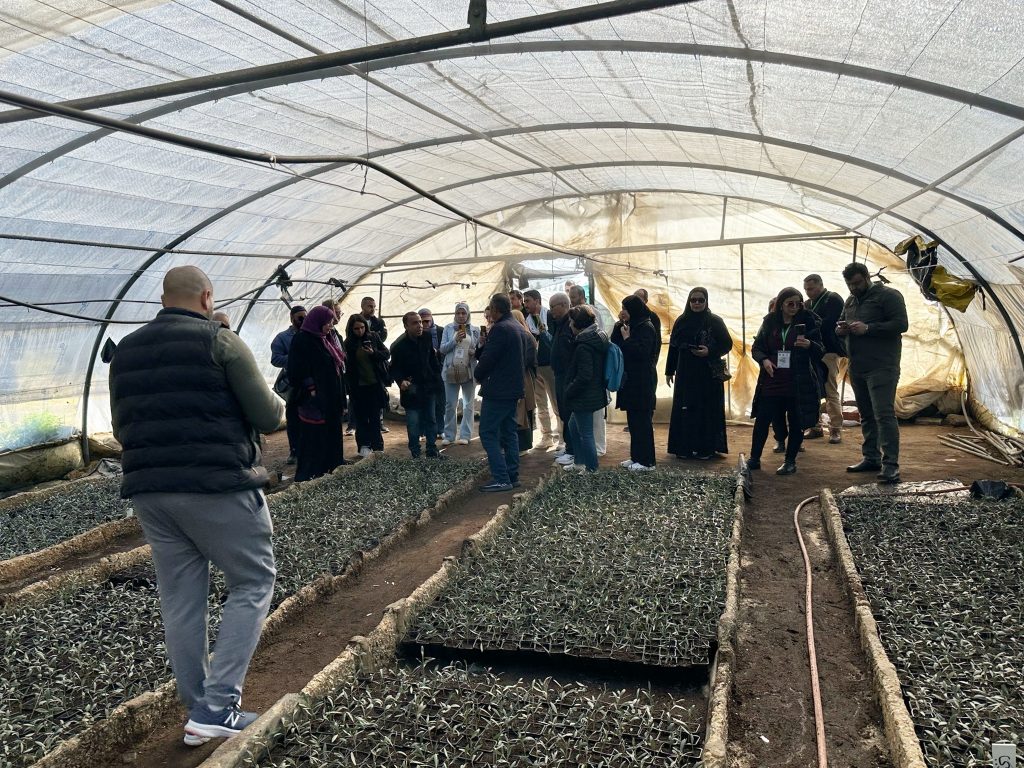
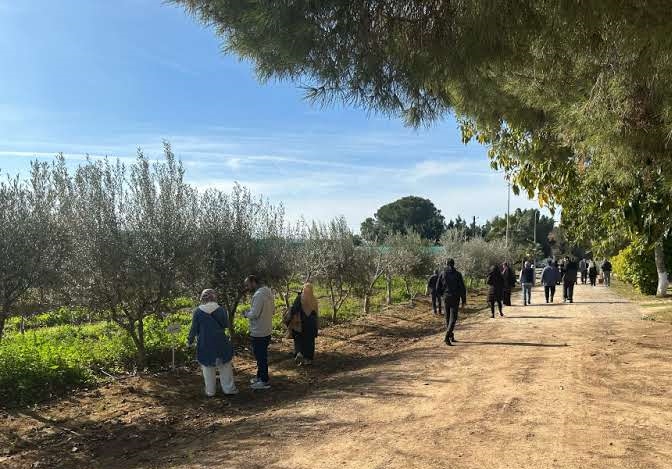
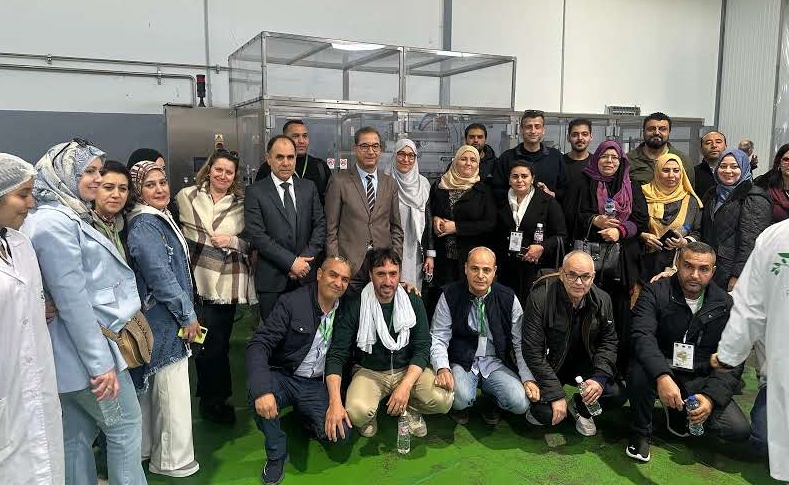
One highlight of the course was a technical visit to a range of facilities related to olive oil production, including an olive nursery where participants saw examples of cutting propagation methods, and an experimental olive oil mill with a modern olive oil production facility which manages between 300 and 400 tonnes per year, most of which is exported. Participants tasted oils from different local olive varieties, enhancing their practical understanding of how sensory characteristics are linked to the cultivation and extraction processes.

The production process was seen in full operation, from the arrival of the olive samples to the various stages of processing and oil extraction. The mill is currently promoting two local olive varieties, including the ‘Silver’ variety, due to their superior adaptation to local conditions. While foreign varieties, especially those from Spain, initially yield high quantities of oil, their productivity tends to decline after 10 to 15 years, and require replanting. This has led to a strategic focus on local varieties to ensure better crop longevity.

The visit concluded with lunch at a traditional mountain inn, set in an Arab-style house surrounded by olive groves, combining cultural immersion with technical training.

Tasting sessions

Practical tasting sessions with a variety of oils were a significant part of the course. Participants were able to apply their new knowledge to assess and classify the oils based on their sensory profiles. They learnt first-hand how to avoid common errors in sensory analysis, and practised with the IOC’s specific sensory evaluation sheets and tools.

Participants also gained insight into the operations of sensory analysis laboratories, and the organisation and functioning of tasting rooms that meet IOC standards. Throughout the course, experienced trainers used interactive methods, incorporating participation and encouraging discussions to enhance understanding.

The course concluded with a final tasting session of several Tunisian and international olive oil varieties, using the ’Mario Solinas’ competition sheets enabling participants to assess and judge the oils.

Closing session

The closing session of the course was marked by the presence of several key representatives, including the Deputy Executive Director of the IOC, Abderaouf Laajimi, the Head of the Olive Oil Technologies, and Environment Unit at IOC, Lhassane Sikaoui, the Coordinator for Plant Production, Health, and Breeding at CIHEAM Zaragoza, Ramzi Belkhodja, and the Director General of Tunisia’s National Oil Council (ONH), Hamed El-Daly.

The Director General of the ONH underlined the exceptional participation of experts and specialists from all Arab countries that are members of the International Olive Council (IOC). He acknowledged the efforts of the ONH staff, particularly the supervisors of the training course. El-Daly also highlighted the IOC’s continuous logistical and educational support for Tunisia’s National Oil Council training centre, which is part of the IOC’s technical cooperation programme. This programme encourages the exchange of expertise among member countries, contributing to the overall development of the olive oil sector.

The International Training Centre in Tunisia stands as the only institution in the southern Mediterranean specialising in olives and olive oil. Its primary goal is to enhance expertise in the field of olive oil, promote a culture of quality, and elevate the industry to a level of outstanding excellence.

The closing session provided a meaningful end to the course, reinforcing the importance of international collaboration and the continuous pursuit of knowledge in the olive oil sector.

Conclusions

The course was a huge success, providing valuable skills and knowledge to professionals in the olive oil sector. The combination of theoretical learning, practical tasting sessions, and field visits, ensured that participants not only gained an in-depth understanding of sensory analysis but also had the opportunity to apply their new skills in real-world settings.

This initiative generated significant interest among participating countries, reinforcing the importance of organoleptic evaluation in adding value to olive oil. By providing participants with valuable expertise, the training enabled them to share and implement their knowledge within their own countries. This fosters stronger quality control and product differentiation in international markets. Furthermore, the collaboration between Mediterranean countries and the IOC has been further strengthened, paving the way for future initiatives aimed at advancing the olive oil sector across the region.

Last but not least, the course was yet more evidence of the excellent and fruitful collaboration between the IOC and CIHEAM Zaragoza, which is reflected in capacity-building activities such as this course. In addition to their high technical standard, these initiatives foster the exchange of experiences among professionals from different countries.