Women entrepreneurs in agriculture and the rural world confront lack of infrastructure, excessive bureaucracy, and leadership inequality

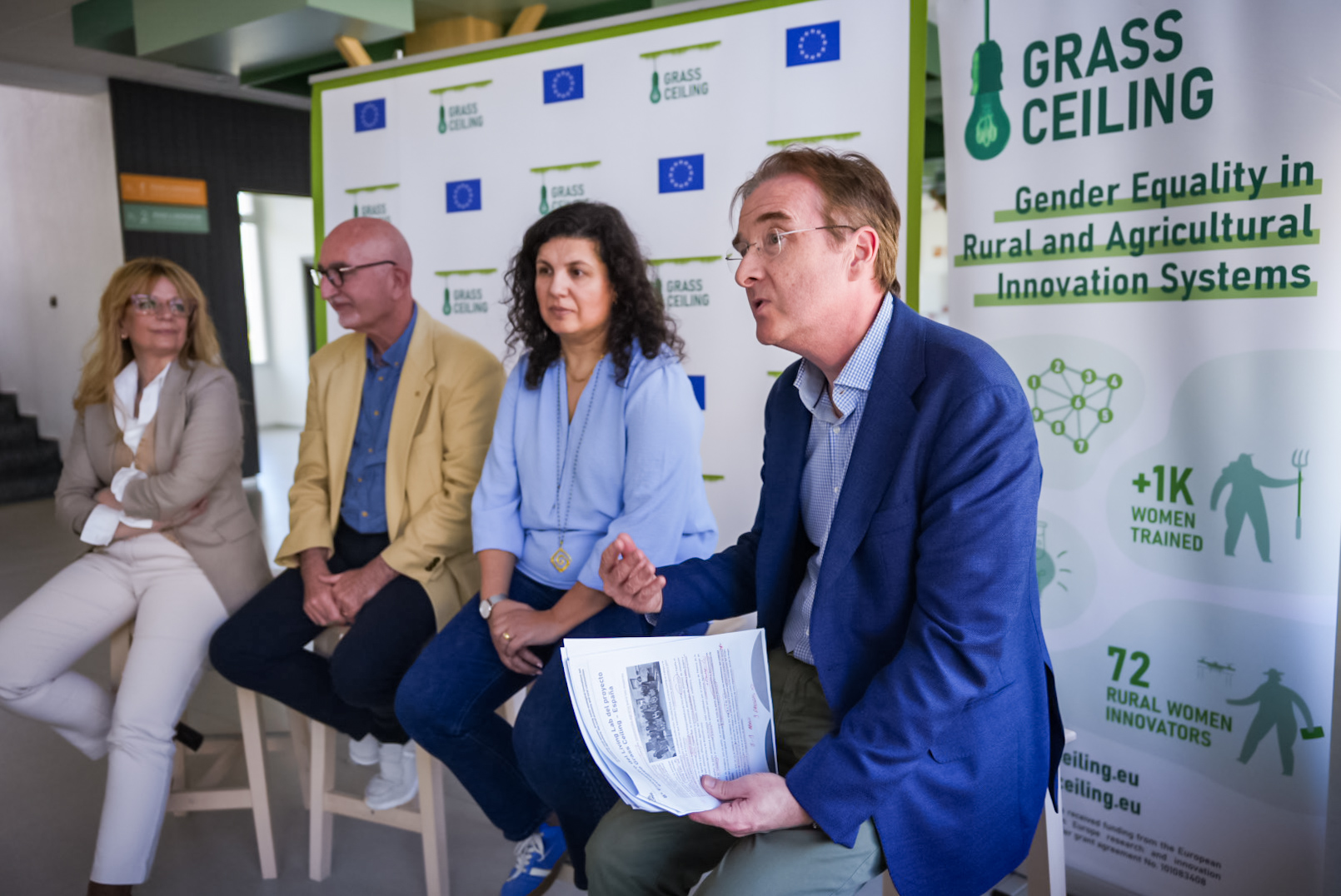
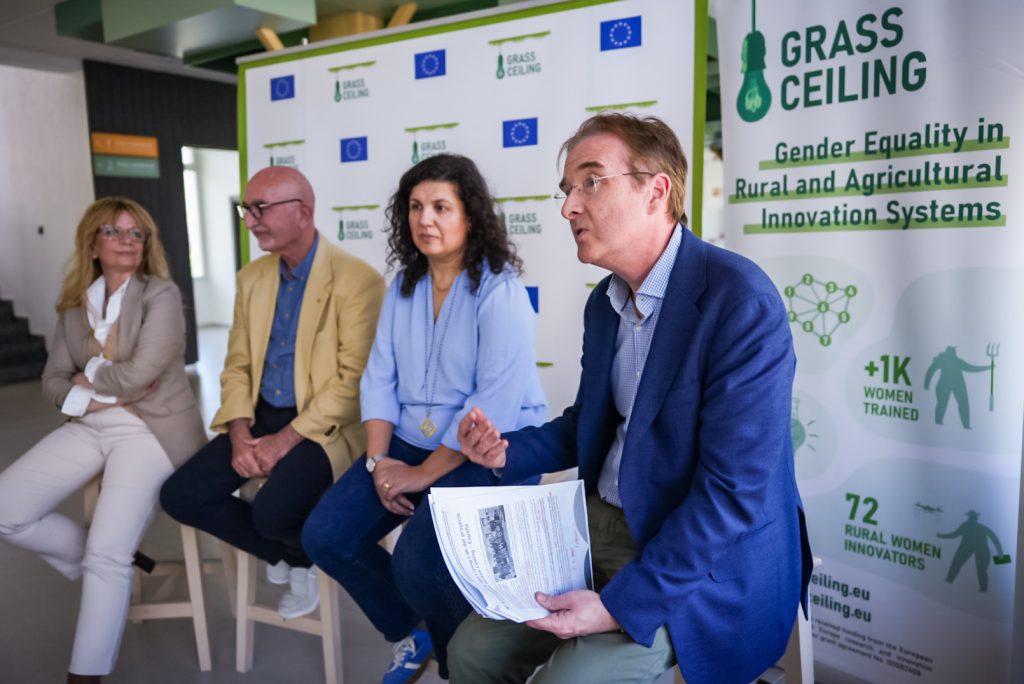
  • CIHEAM Zaragoza hosts the eighth meeting of Spain’s agricultural entrepreneurs under the GRASS CEILING European project on 8-9 April.
Living Lab GRASS CEILING

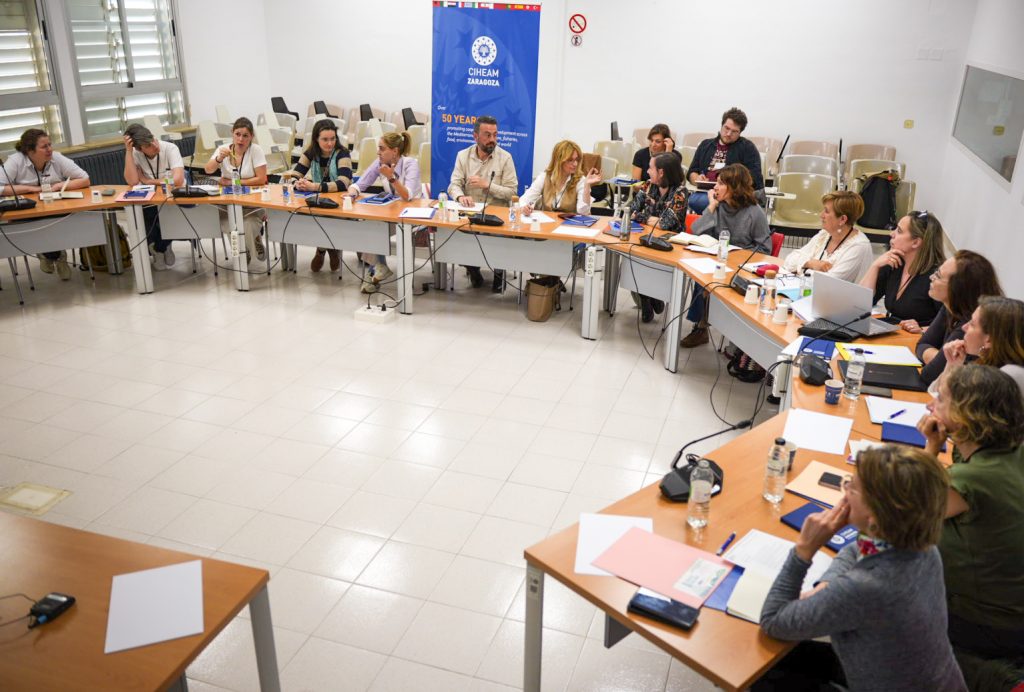
Zaragoza, 9 April 2025.- The latest meeting of the Spanish Living Lab, part of the European GRASS CEILING project, has concluded today. During the two-day event, participants have echoed sentiments shared across the project’s international network, highlighting that the gender gap remains a persistent obstacle in rural areas and the agricultural sector. Despite their vital role, women entrepreneurs continue to face significant barriers, even though they bring expertise, innovation and meaningful contribution to local economies and social development.

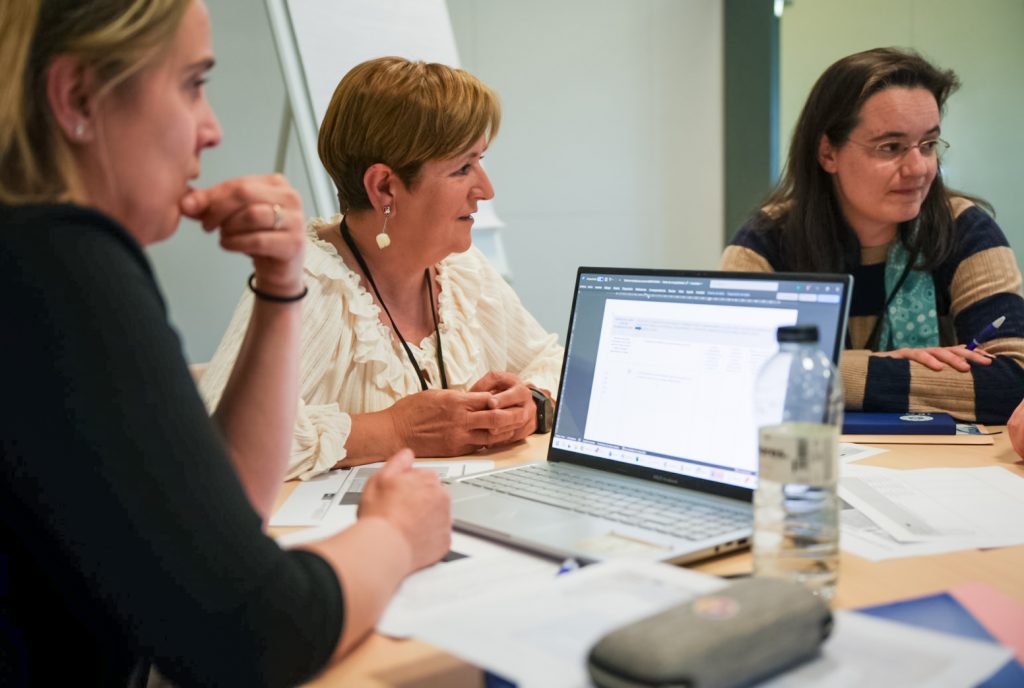
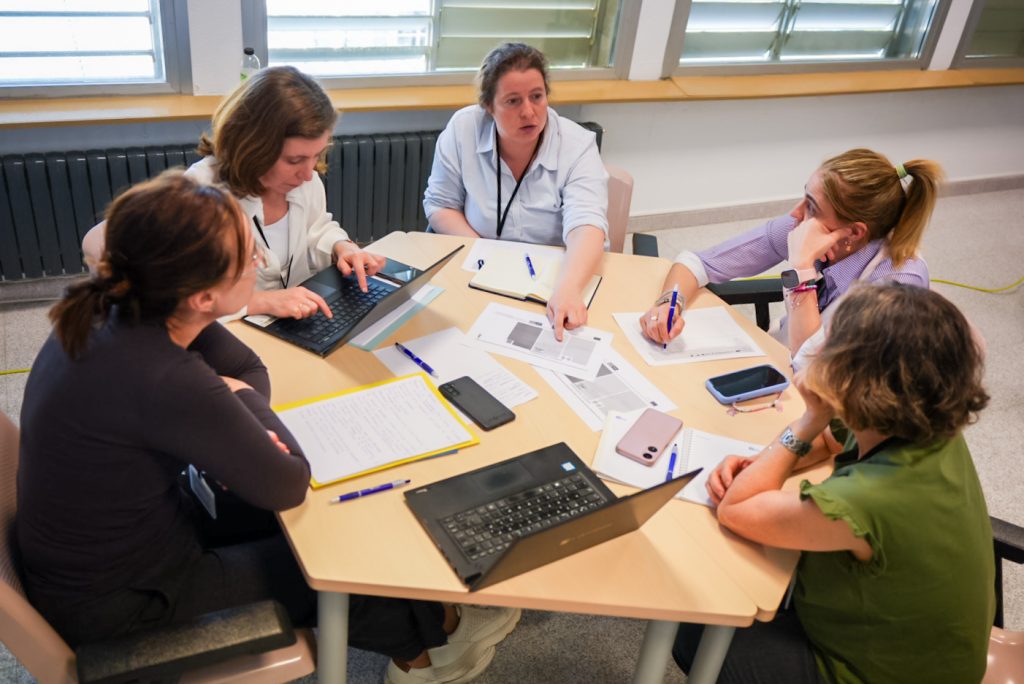
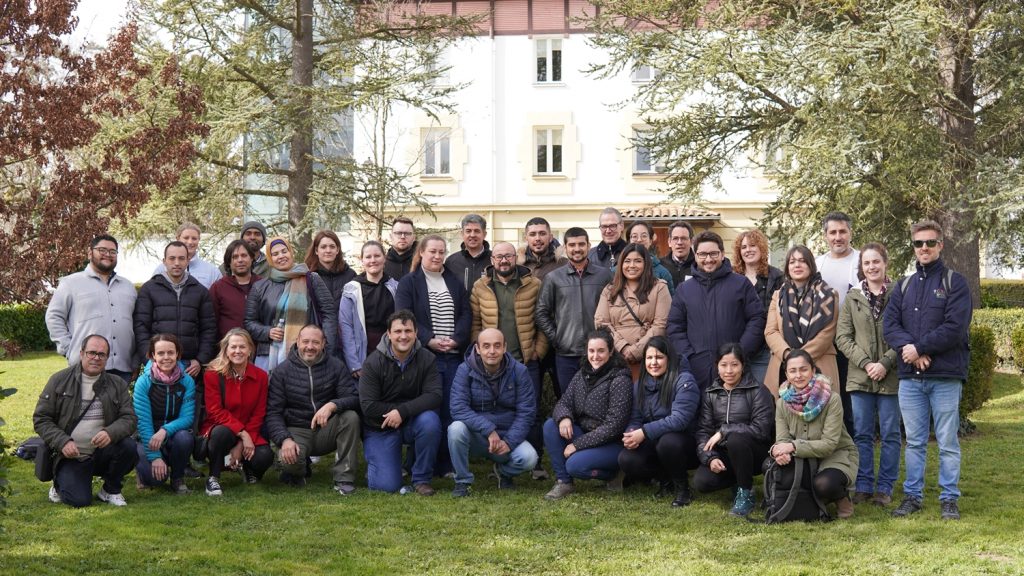
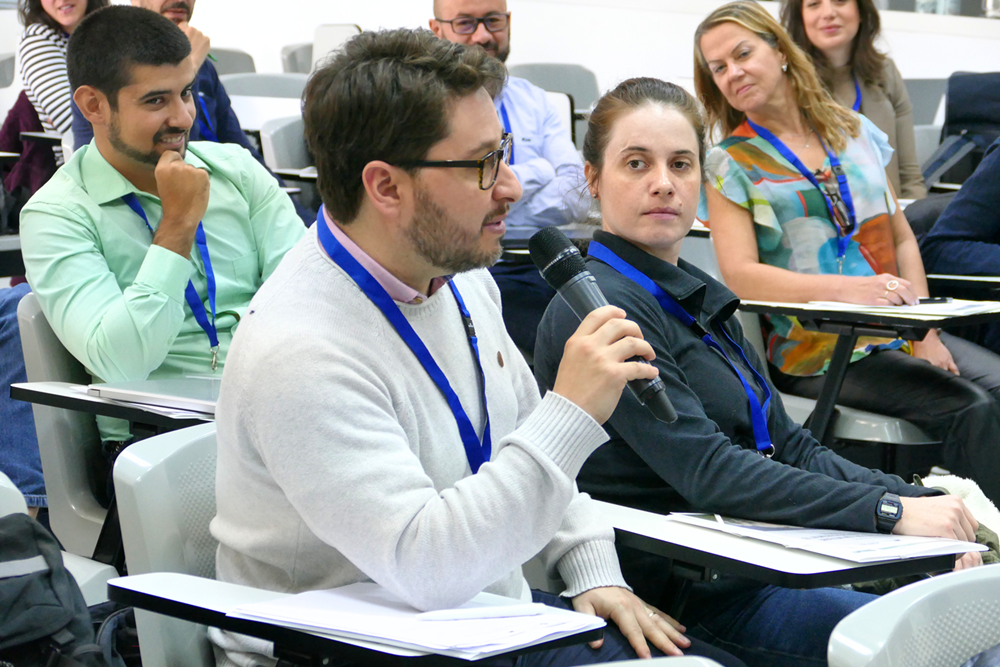
As a member of the GRASS CEILING consortium, CIHEAM Zaragoza hosted the two-day event, which brought together twenty Living Lab members and stakeholders, including eight women entrepreneurs leading agrifood businesses in scarcely populated territories of Aragon, Asturias, Castile and León.

These entrepreneurs are implementing innovative processes on their farms, ranging from the adoption of high-tech equipment to the digitalisation of technical operations, and management and administrative processes. They are also incorporating new crop rotations to promote environmental sustainability.

A notable distinction in their approach, compared to many of their male peers, is the integration of social innovation. These women are working actively to increase the visibility of women’s roles in rural life by establishing networks, offering training opportunities and facilitating knowledge exchange. Several participants are already involved in such initiatives and others are planning to do so in the near future.

Environmental stewardship is another defining feature of their work. Many women are creating sustainable business models that make use of local materials and food products, often delivering direct to customers so as to minimise dependence on complex and costly supply chains.

Living Lab GRASS CEILING

The women gathered in Zaragoza have demonstrated that women-led businesses help local communities to thrive. However, they continue to face deep-rooted stereotypes and traditional gender roles that make their work invisible. Many also struggle to find time to develop their businesses, either because of the demands of farm work or because they have to tend to family responsibilities.

Women in the farming sector also have to address a number of specific issues that hinder their innovation work. The high costs of advanced agricultural technology, together with structural difficulties in the sector such as volatile markets, rising production costs, and complex European regulations, etc. deter many women from investing in innovation because of the technical and economic risks involved.

During the meeting they also discussed the lack of telecommunication infrastructures in rural areas, inadequate general services, the burden of excessive bureaucracy and inappropriate regulations for rural areas.

The women explored ways to overcome these obstacles and studied a range of potential public and private support mechanisms, exchanging ideas on how institutions could be reinforced or reoriented to improve the welfare of rural women and integrate more women entrepreneurs in the agricultural sector. The support mechanisms are based on four pillars: individual empowerment to break down stereotypes and traditional expectations; improved rural services and infrastructure; financial support for women in agriculture; and reforms to governance and agricultural policies.

Other topics debated during the meeting included the importance of training and advisory services in sustainable innovation, the value of collaborative work via associations, cooperatives and support networks, the need for greater representation of women in decision-making roles, promotion of shared family responsibilities, and actions to elevate the status and quality of life in rural areas.

How does GRASS CEILING contribute to the EU gender equality objectives?

The project offers practical solutions for rural and gender policy-making by identifying inequalities in agriculture and rural communities across the EU. It is drawing up policy recommendations based on in-depth analysis to help the European Commission better deliver on its gender equality commitments. The Living Lab model supports innovating women and helps to create employment in remote rural areas and improve the situation of women running their own business.

GRASS CEILING has worked closely with women from local communities in the nine countries engaged in the project, developing a model that provides access to training, mentorship, resources, and a platform for debate and exchange of ideas. This participatory research approach empowers women to develop new business ideas and strengthen the local economic and social fabric of their regions. The Living Labs are an essential part of the GRASS CEILING project. They are interactive innovation hubs, led by and for women. They support women entrepreneurs as well as policy-makers and support organisations in the countries involved in the consortium and across the EU.

Occupational Safety and Health in the Mediterranean Agricultural Sector

  • Alun Jones, Head of Projects at CIHEAM Zaragoza, addresses in this article the culture of occupational risk prevention in Mediterranean agriculture.
  • The text is based on an original article written by Alun Jones and Isaac Abril from the INSST, Spain, and highlights the main hazards, statistics, and measures to improve the safety and health of agricultural workers.

1. Introduction

Mediterranean agriculture is one of the most hazardous sectors for workers. They are exposed to numerous risks inherent to the profession, including animal husbandry, hazardous agricultural and forestry machinery, working alone in remote rural areas, adverse weather conditions, seasonal employment, a wide range of tasks and other demographic factors such as an ageing workforce and low levels of formal education. There is also a historical weak culture of prevention and a lack of training in occupational safety and health (OSH). Unfortunately, few Mediterranean countries (with the exception of France, Portugal and Spain) have ratified the Safety and Health in Agriculture Convention C184 of the ILO. The Convention offers governments, employers and trade unions the possibility to organise and manage health and safety in agriculture, thereby improving working conditions in the sector.

2. Occupational Health and Safety Statistics in the Agricultural Sector

The agricultural sector has one of the highest accident rates and in many countries, numbers of fatal accidents in the workplace are comparable to those of the construction industry. According to ILO estimates worldwide, at least 170,000 agricultural workers die in the workplace every year.

However, official accident statistics for the sector under-report this figure, as accidents very often involve self-employed farmers not included under the social security provisions, family members helping out on the farm, retired workers, informal migrant workers, and labourers whose main occupation is not agriculture.

Several studies indicate widespread under-reporting of farming accidents and injuries in many countries across the world (Merisalu et al., 2019 and SafeHabitus, 2024).

According to a report by IPC-IG/UNDP, FAO and ILO (2022) on the role of social insurance schemes in the Middle East and North Africa, OSH risks were the most frequently cited cause for concern in the interviews conducted for the purpose of the study in countries including Algeria, Egypt, Lebanon and Morocco.

Interviewees also indicated that the work in this sector was particularly hazardous due to the need to work outdoors in adverse weather conditions and exposure to intense heat or cold; long working hours during the harvesting season; and intense physical effort, especially in the case of small-scale farmers without access to labour-saving machinery. Agricultural workers are therefore are more exposed to work injuries than other groups.

The study highlighted that women face additional OSH challenges. They often work longer hours than men, balancing farm labour with domestic chores and child care. Women also have less access to productive assets on the farm, such as adequate machinery, and have to perform physically demanding tasks such as tilling, weeding, seed preparation and post-harvest processing.

Interviewees from Morocco, Algeria and Tunisia expressed concerns about inadequate transportation, especially for women who often have to rely on unsafe means of transport to reach their workplaces. In Tunisia, Law 51/2019 was passed to regulate transport for agricultural workers, but according to the Forum Tunisien pour les Droits Economiques et Sociaux (FTDES), difficulties in enforcing this law persist.

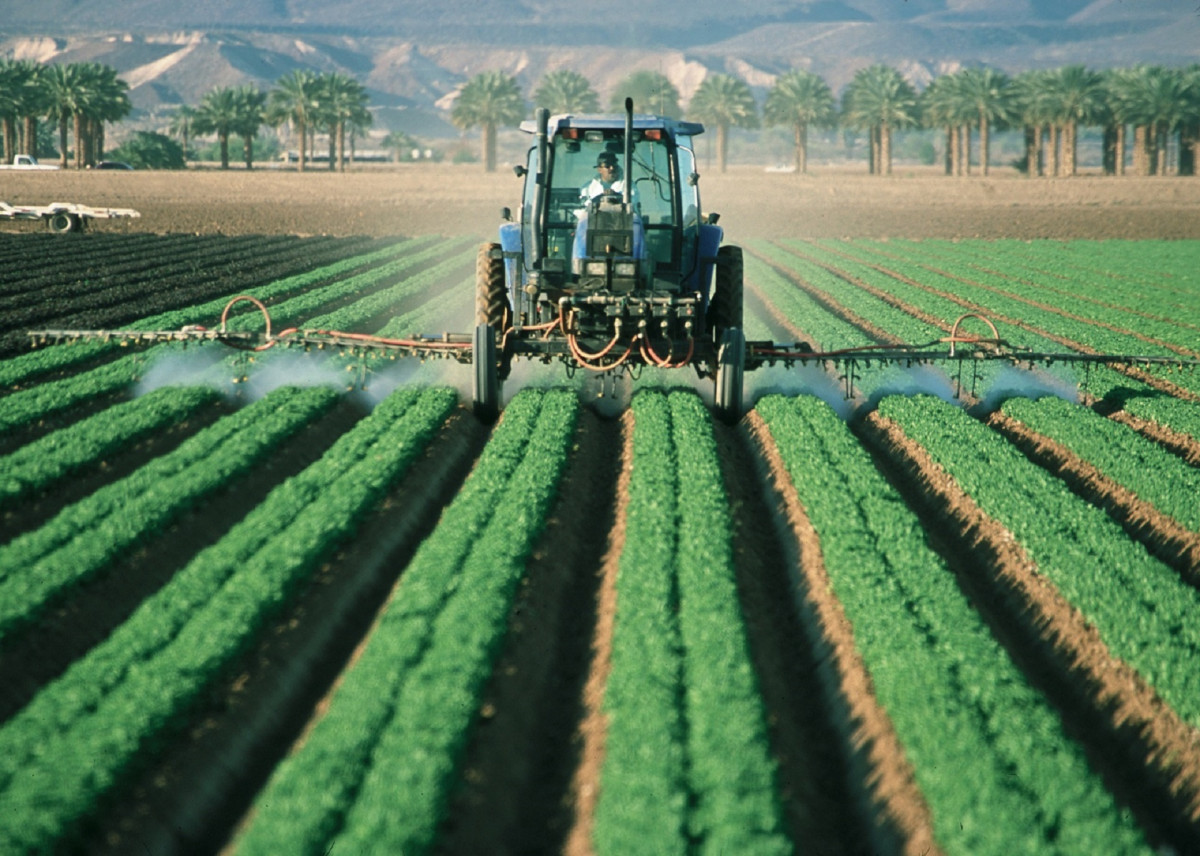
The interviewees also pointed out that exposure to pesticides is a serious occupational hazard. Some workers mix pesticides by hand and do not wear protective clothing or equipment, exposing themselves and their families to toxic chemicals. The report also indicates that pregnant women face health risks due to exposure to toxic chemicals and pesticides.

3. Main Risks in the Sector

Agricultural workers are subject to multiple risks, including physical hazards for outside workers exposed to adverse climatological conditions such as heat, cold, humidity, rain and solar radiation; mechanical hazards such as injuries when using machinery, noise, vibration, etc.; or chemical hazards, such as plant protection products, biocides and fertilisers; and biological hazards, such as infectious agents that can cause diseases such as tuberculosis, tetanus, brucellosis, leptospirosis or rat fever, and typhus fever, etc.); allergies (pollen, insect bites…). Ergonomic risks and psychosocial risks are increasing causes for concern.

According to the European Commission’s guide Protecting health and safety of workers in agriculture, livestock farming, horticulture and forestry (European Commission, 2011), the most common causes of death in this sector are:

  • Transportation accidents (vehicle overturns, workers struck by vehicles).
  • Falls from heights (from trees, through roofs).
  • Workers struck by falling or moving objects (machinery, collapsing buildings, bales, tree trunks).
  • Drowning (in water reservoirs, slurry tanks, grain silos).
  • Livestock-related (attacks, crushing by animals, zoonotic diseases).
  • Contact with machinery (unguarded moving parts).
  • Entrapments (under collapsed structures).
  • Electricity (electrocution).

Some risks deserve special attention due to their serious implications in the health of the worker and their impact on the sector:

->Mechanical hazards when using farm machinery and vehicles

Tractors are involved in a large number of farm fatalities. Rollovers are a leading cause of tractor-driver fatalities in agriculture when appropriate safety measures are not taken. It is a persistent problem today. A Spanish study (García Ramos et al.; Fundación MAPFRE, 2020), reported 595 deaths due to tractor overturns in the past 10 years, that is approximately one death each week. In 91 % of these fatal accidents the tractors were not equipped with a roll-over protection system (ROPS) or the system was not activated. More than half (54 %) of these deaths were reported among farmers older than 60.

->Risk of exposure to extreme temperatures

Exposure to adverse climatological conditions (extreme temperatures, rain, wind …)  is increasingly common in the agricultural sector as many tasks are done outdoors. In the light of the gradual rise in global temperatures, protection measures against weather extremes need to be improved.

->Risk of exposure to high-UV sun radiation

Farm workers are considered one of the most exposed groups to direct UV radiation, as they work for long, intense hours in the sun for many months of the year.

->Risk of exposure to chemicals

The chemicals most used in agriculture are phytosanitary products. In many cases employers do not have an occupational risk assessment plan and workers mix chemicals in the field or come into contact with treated crops, without personal protection equipment or with no protection measures in place. There is extensive documentation related to this aspect of working conditions in southern and eastern Mediterranean countries.

->Risk of exposure to biological agents

In farm work and when workers are in contact with animals or animal products, farmers are more likely to be exposed to biological agents. Rising global temperatures increase the prevalence of vector-borne diseases transmitted by mosquitos, ticks, etc.

->Ergonomic risks

Together with use of phytosanitary products, musculoskeletal disorders (MSD) are the most serious health problem associated to farm work. Ergonomic disorders are among the most prevalent occupational health conditions in agriculture, with many workers reporting backache and pain in upper and lower limbs.

->Psychosocial risks

There are many underlying factors related to stress and mental health problems endured by agricultural workers including workload, work pressure, financial instability, changes in regulations, uncertainty about the future, etc.

->Social and health-care challenges for migrant and seasonal workers

Migrant and seasonal workers are particularly vulnerable to occupational hazards in the agricultural sector, due to both increased exposure and the potentially severe consequences of accidents or illnesses. This vulnerability arises from multiple factors such as:

  • Limited access to education.
  • Lack of training and specialised skills.
  • Need to use transportation.
  • Precarious working conditions (poor accommodation, long working hours, low wages, etc.).
  • Communication difficulties.
  • Limited access to advisory services.
  • Reluctance to declare occupational accidents and diseases.
  • Limited access to accident prevention services and medical services.

4. What can farmers do to protect their own health and safety and that of their workers?

According to the occupational safety and health laws (transposed in Europe through OSH Framework Directive 89/391/EEC), in general terms employers are legally required to ensure the safety and health of workers in every work-related aspect, including prevention of occupational risk through prevention plans, and implementation of all necessary measures for the protection of the workers’ health and safety.

The preventive measures implemented by employers concerning OSH can be grouped according to the stages of the prevention process: risk identification and assessment, definition and adoption of preventive measures, compliance with additional obligations concerning occupational risk prevention, i.e. providing training and information on OSH and establishing health surveillance programmes. The main aspects of OSH can be summarised in the following main activities:

  • Conducting risk assessments and implementing risk management plans.
  • Providing OSH training for agricultural workers.
  • Establishing health surveillance programmes.
  • Improving safety of farm infrastructures and facilities.
  • Replacing outdated tractors and machinery.
  • Equipping tractors with roll-over protection systems (ROPS).
  • Investing in new safety and ergonomic technologies on farms.

5. Policies to Strengthen Risk Prevention Culture in Agriculture

Public authorities, in collaboration with social partners, can promote a stronger risk prevention culture across the whole sector by:

  • Launching awareness campaignscovering a wide range of issues affecting the agricultural sector, such as MSDs, exposure to hazardous chemicals, and heat stress, etc.
  • Integrating OSH into agricultural education and researchthrough Agricultural Knowledge and Innovation Systems (AKIS).

OSH in agriculture is either not included or not sufficiently addressed in agricultural engineering, veterinary science and other study programmes related to the sector. Furthermore, OSH is not integrated in any research, extension and advisory systems. Agricultural advisory services play a key role in supporting farmers in all their activities with an aim to improve farms’ economic, social and environmental sustainability. Therefore, it is necessary to incorporate OSH in business plans and activities and provide support through the AKIS farm advisory systems.

6. Labour Inspection in Agriculture

Labour inspectors carry out surveillance and oversee compliance with social security and OSH regulations on crop and livestock farms. However, enforcement is challenging due to the geographical remoteness of farms, the low density of on-site workers, and insufficient number of inspectors. In agriculture, the number of labour inspections per capita are likely to be less frequent than in other sectors when compared with others with similar accident rates such as the building industry.

All Mediterranean countries have ratified Convention C81 of the ILO with regard to the organisation of labour inspection, and most, with the exception of Algeria, Lebanon and Tunisia, have ratified Convention C129 of the ILO on agricultural labour inspection. Both conventions guide the Spanish national labour inspection policies.

Regular labour inspections, in cooperation with social partners, could contribute to a culture of risk prevention in the agricultural sector as part of broader OSH awareness initiatives.

7. Conclusions

The high fatality rate on crop and livestock farms, together with OSH-related injuries and diseases in the Mediterranean and worldwide are unacceptable. Official statistics, where they do exist, probably underestimate the true extent of these issues and may just be the tip of the iceberg.

Accidents at work and OSH-related illnesses threaten the economic viability and socioeconomic sustainability of the sector. The financial burden includes loss of productivity, insurance costs, and health-care expenses, while the non-financial, human costs include injuries, illness and loss of life. This results in a total human and economic cost that is often invisible and falls upon society in general (individuals, employers, government and ultimately, the taxpayer).

There are many solutions that can be applied to improve OSH in the sector and develop a genuine risk prevention culture. It is now a question of political commitment to implement them. An initial step forward could be the ratification by all Mediterranean countries of the Safety and Health in Agriculture Convention C184 of the ILO.

References

García-Ramos, F.J. et al. (2019), Siniestralidad, mortalidad agrícola, vuelcos de tractores e incendios en cosechadoras, Fundación MAPFRE, 2010-2019.

Jones, A. et al. (2020). Review of the future of agriculture and occupational safety and health (OSH) Foresight on new and emerging risks in OSH. EU-OSHA, ISBN: 978-92-9479-390-4 doi:10.2802/769257.

Merisalu, E. et al. (2019). Variation in Eurostat and national statistics of accidents in agriculture. In: Agronomy Research, 17, 1969-1983.

SafeHabitus (2024). Deliverable 3.1 ‘Farm safety in the EU: Which injuries, and who is counted?’.

Sato, L. and Mohamed, N. (2022). The role of social insurance schemes in addressing the risks faced by agricultural workers in the Middle East and North Africa. Research Report No. 80, IPC-IG/UNDP, FAO and ILO.

Innovating for sustainability: the role of genetics in reducing livestock methane emissions

  • From 24 to 28 February, CIHEAM Zaragoza hosted the course “Cattle breeding for low methane emissions: From farm measurement to genetic progress” as part of the Re-Livestock project and within the framework of the Mediterranean Network on Greenhouse Gases in Agriculture.
  • The training activity was jointly organised by CIHEAM Zaragoza, the Basque Institute for Agricultural Research and Development (NEIKER), and the Global Research Alliance on Agricultural Greenhouse Gases (GRA); in collaboration with Wageningen University and Research (WUR) and the National Institute for Agricultural and Food Research and Technology of the Spanish National Research Council (INIA-CSIC).

From farm measurement to genetic improvement

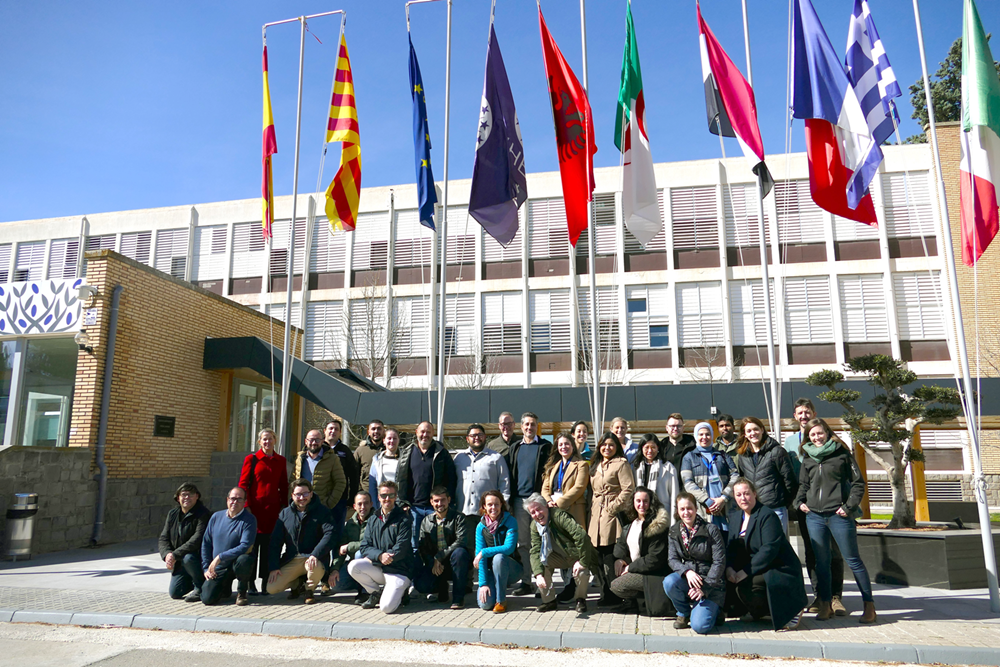
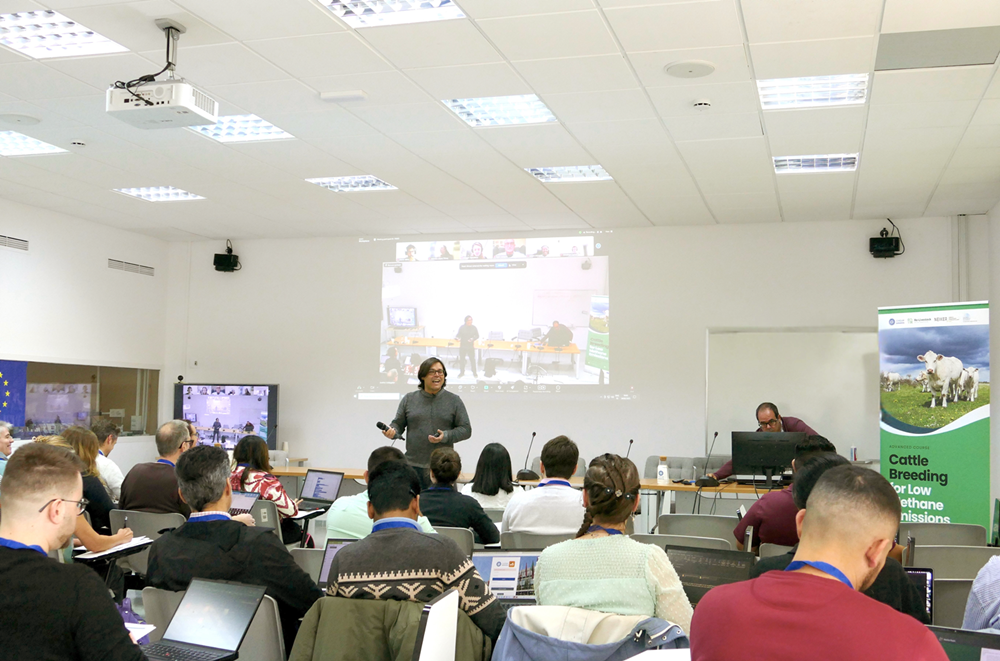
The course attracted 43 participants from 21 countries across Europe, Africa, America, and Oceania. Attendees included researchers, academics, and representatives from breeders’ associations and genetic companies working in cattle breeding to reduce methane emissions. Delivered by 15 prominent lecturers from international universities, research centres, and companies, the course fostered an exchange of experiences and perspectives among participants and lecturers. The programme combined lectures with practical work, technical visits, and case studies.

David Yáñez (CSIC-EEZ) introduced the Re-Livestock project, while Birgit Gredler-Grandl (Wageningen University and Research) provided an overview of the course structure and activities. The opening lecture, given by Hayden Montgomery (Global Methane Hub) and Roel Veerkamp (Wageningen University and Research), addressed the current emissions associated with livestock production and ongoing mitigation efforts. Aser Garcia and Idoia Goiri (NEIKER) followed with a lecture on the characteristics, advantages, and disadvantages of various methane recording techniques.

Lisanne Koning and Coralia Manzanilla-Pech (Wageningen University and Research), alongside Oscar González-Recio and Ester Terán (CSIC-INIA), presented techniques for processing and analysing GreenFeed and Sniffer data. In a hands-on session, they demonstrated how raw methane data can be transformed into traits for use in genetic modelling. Another practical session focused on estimating genetic parameters for different methane traits, with guidance from Birgit Gredler-Grandl and Coralia Manzanilla-Pech. Later, Amélie Vanlierde (Walloon Agricultural Research Centre) introduced mid-infrared spectroscopy, while Oscar González-Recio and Suzanne Rowe (AgResearch) shared insights into how to use the rumen microbiome as a proxy method for methane measurement.

Discussions on integrating methane traits into national breeding programmes featured case studies from several countries. Oscar González-Recio presented Spain’s approach, Lorna McNaughton (LIC) shared insights from New Zealand, Jennie Pryce (La Trobe University) covered Australia’s initiatives, Christopher Orrett (CRV) discussed developments in the Netherlands, and Filippo Miglior (University of Guelph) provided an overview of Canada’s efforts.

The course concluded with a field trip to observe methane measurement devices in operation. At the Fraisoro Eskola dairy farm, Aser Garcia, Idoia Goiri, and NEIKER technicians demonstrated GreenFeed, sniffer systems, and laser methane detectors, while respiration chambers were showcased at the NEIKER experimental farm.

Lessons learned

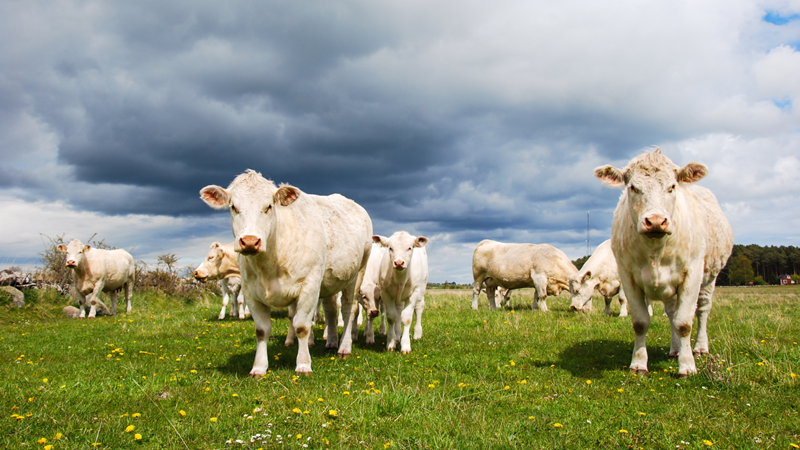
Like all economic activities, livestock production is a source of greenhouse gases (GHG) that contribute to global warming. Of the GHGs produced by livestock production, methane from enteric fermentation in ruminants is the most important, accounting for about 30% of total global methane emissions.

Currently several techniques are being developed to decrease methane emission in livestock production, including additives, vaccines, modification of rumen microbiome and genetic selection.

Genetic selection is one of the most promising tools to decrease methane emissions in ruminants to be applied in the short term. Genetic improvement to reduce methane emissions is based on identifying and breeding cattle with low methane emissions and developing genetic models for national breeding programmes. This strategy is relatively easy to integrate into routine farm management, is cost effective and provides long-term results. Existing genetic modelling techniques could be easily applied in breeding programmes to reduce methane emissions; however, this type of breeding programme is difficult to implement.

The first issue on using genetic selection as a tool to reduce methane in ruminants is associated with difficulties to identify low-emitting cows. Phenotyping cows for emissions requires measuring methane from a large number of individuals on different farms using expensive and complex equipment which also raises questions about the reliability and comparability of different methods to record methane emissions. The most common equipment used to record methane emissions are Sniffer and GreenFeed, both based on estimating the quantity of methane from cattle breath. Different countries rely on different methods to measure methane, for instance, Spain and Denmark use Sniffer for cow phenotyping. Norway and New Zealand use GreenFeed; and the Netherlands combine Sniffer and Greenfeeds to phenotype cattle. Other countries such as France, Belgium, Canada and Ireland rely on mid-infrared spectroscopy (MIR) to estimate methane emissions. MIR is based on estimating content of fatty acids in milk, a proxy indicator for methane emissions. All these methods present a series of advantages and disadvantages, and there is not enough scientific evidence to determine whether they are reliable or comparable.

A second issue to implement breeding programmes as tool to reduce methane emission is related with the standardisation, curation and construction of large databases containing information of phenotyped animals. Large datasets are required to obtain reliable breeding values for methane traits. In this regard, a first limitation on constructing large datasets is that measurement is time consuming. In many cases measurement devices require adaptation periods for cows to learn to use them. Correct phenotyping also requires several measures for each animal, meaning that recording devices must remain on one farm for several weeks or months.  A second limitation lies in the need to standardise registration methods and deal with legal issues related with data acquisition and ownership. Several projects are currently combining efforts to create a large dataset of ruminants phenotyped for methane. One of the largest databases contains >28,000 phenotyped Holstein cattle, the aim being to have information for >110,000 cattle and sheep.

The final issue concerning implementation of breeding programmes is related to the lack of policy and incentive for farmers to adopt breeding programmes to decrease methane emissions. Currently there is no legislation to regulate and promote strategies to decrease emissions in livestock production. In most cases, incentives for farmers come from private initiatives, for instance, in the Netherlands some dairy companies pay an extra fee for farmers for reduction of emissions. In other countries there is ongoing discussion on including incentives for farmers based on carbon markers.

Despite these challenges, genetic selection remains a viable and effective strategy for reducing methane emissions from ruminants. By improving methane measurement techniques, standardising data collection and overcoming logistical barriers, genetic selection can make a significant contribution to climate change mitigation while ensuring the sustainability of livestock production systems.

About Re-Livestock

Re-Livestock “Facilitating Innovations for Resilient Livestock Farming Systems” is a Horizon Europe project (GA No.101059609) aiming to evaluate and mobilise the adoption of innovative practices applied cross-scale (animal, herd, farm, sector and region) to reduce GHG emissions from livestock farming systems and increase their capacity to deal with potential climate change impacts. To reach our aim, Re-Livestock has brought together scientific expertise in Europe and Australia and across disciplines, including co-innovation, animal feeding, breeding, welfare, farm management, environmental and socioeconomic assessment and policy analysis, to develop novel and scientifically supported integrated approaches specific for different dairy, beef and pig systems and geographic regions in the context of climate change. Strong collaboration with industry stakeholders to identify the innovations and to co-design the validation will ensure relevance and maximise the adoption of best practices. National groups of farmers (case studies) and ‘stakeholder forums’ together with a ‘European multi-actor platform’ will allow for an engaged co-design of transition pathways whilst ‘learning from innovation networks’ to test and share the latest innovative solutions. A ‘community of practice’ will extend the multi-actor approach to a broad range of stakeholders.

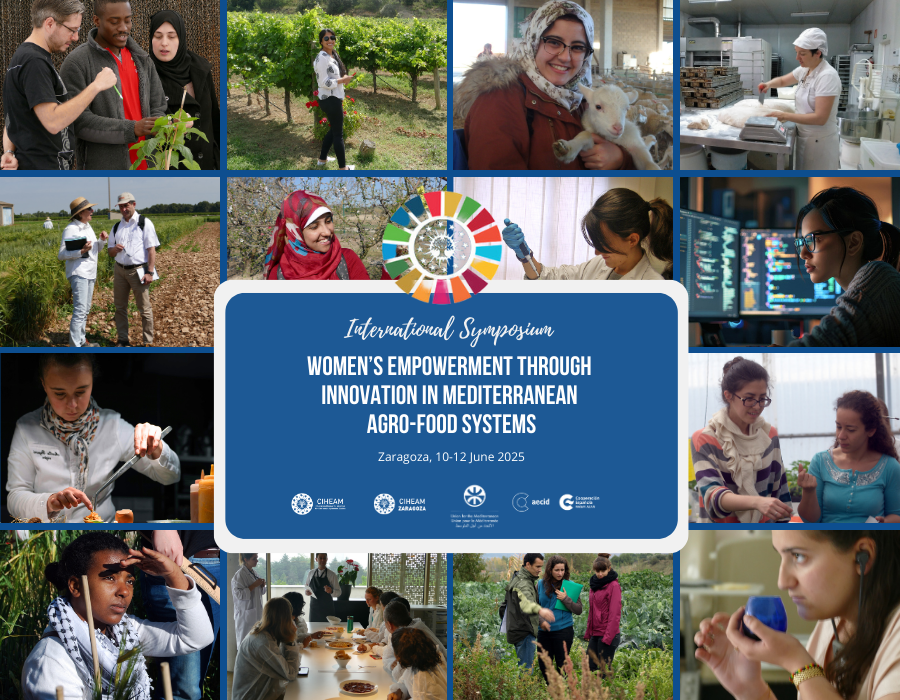
Women’s Empowerment through Innovation in Mediterranean Agro-food Systems

  • From 10 to 12 June 2025, CIHEAM Zaragoza organises and hosts an international symposium on women’s empowerment and innovation in Mediterranean agro-food systems
  • The scientific, technical, and professional event, organised with the Union for the Mediterranean (UfM), is held in collaboration with the CIHEAM General Secretariat and with the support of the Spanish Agency for International Development Cooperation (AECID)

Zaragoza will host from 10 to12 June the International Symposium “Women’s Empowerment through Innovation in Mediterranean Agro-food Systems.”

Organised by CIHEAM Zaragoza and the Union for the Mediterranean (UfM), in collaboration with the CIHEAM General Secretariat and with the support of the Spanish Agency for International Development Cooperation (AECID), this scientific, technical, and professional event will bring together representatives from the Spanish Ministry of Agriculture, FAO, OECD, the European Commission, EESC, ICARDA, IWMI, PRIMA, Global Water Partnership Med, FIAP, as well as actors from civil society, the private sector, and the field of innovation.

Against a backdrop of climate challenges, resource scarcity and the need to feed a growing population, this symposium aims to explore the crucial role of women in transforming Mediterranean agrifood systems towards greater sustainability and equity. Recognising women as key players in these systems, the event will highlight their essential contributions to the inclusion, resilience and prosperity of communities. It aims to be a catalyst for concrete solutions to empower women.

Key objectives of the symposium

  • To identify and examine the main obstacles encountered by women in entrepreneurship and innovation in agricultural and rural contexts, in order to develop innovative and sustainable projects
  • Analyse international and national work programmes aimed at stimulating women-led innovation ecosystems
  • Strengthening alliances between international organisations, public institutions, civil society and the private sector to influence innovation through cooperation

A rich and diverse programme focused on solutions

The symposium will offer a comprehensive and dynamic programme, firmly focused on identifying and promoting effective solutions for empowering women in the Mediterranean agri-food sector. It will include:

  • Plenary conferences with high-level experts from international and national organisations, including FAO, OECD, European Commission, ICARDA or IWMI, among others, as well as leading representatives from civil society and the business world.
  • Round tables addressing the major challenges facing women in the Mediterranean agrifood sector, as well as the educational, economic and access to resources needs to empower them.
  • Case studies highlighting inspiring examples of women’s empowerment and innovation in the agrifood sector in Spain and the Mediterranean region, with a particular focus on initiatives led by women entrepreneurs.
  • An interactive workshop dedicated to social and technological innovation for women entrepreneurs in the agrifood value chain. This workshop will provide a forum for presenting innovative solutions, sharing experiences and networking, including a pitch session where entrepreneurial initiatives led by women will be highlighted.
  • Field trip offering a concrete example of success and impact in Aragón (Spain), and illustrating the potential of women as agents of change in their communities.

A call for cooperation and action to find concrete solutions

This symposium is intended to be a catalyst for cooperation and action, promoting dialogue and partnerships between all the players involved. By bringing together key players from the public and private sectors, international organisations, research institutions, representatives of civil society, entrepreneurs and professionals, the event aims to strengthen synergies and promote concrete, sustainable solutions for the empowerment of women and innovation in Mediterranean agrifood systems.

About the Symposium

Insects as an alternative source of protein in animal feeding

The animal feed industry faces urgent demands for sustainability and food security, making the search for new sources of protein a priority. The growing demand for proteins, together with the pressure to reduce the environmental impact of livestock production has led experts to explore more efficient and environmentally-friendly alternatives. Among these options, insects are emerging as a promising innovative solution, capable of supplying up to nine times more protein than beef and significantly reducing greenhouse gas emissions, water consumption and land use in comparison to traditional protein sources.

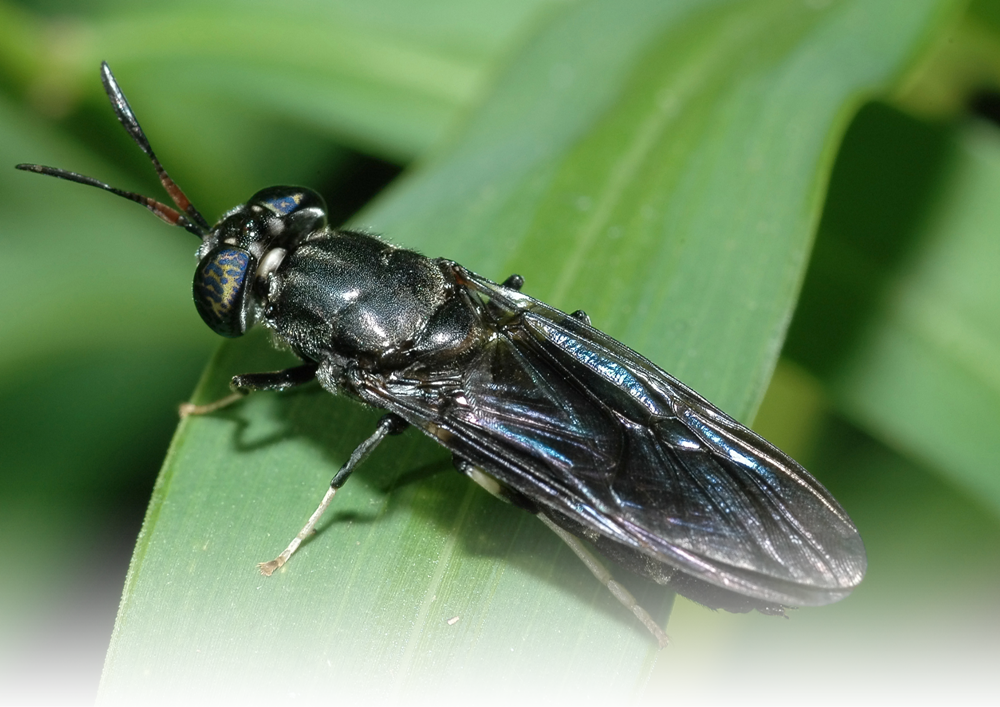
Insects such as the black soldier fly, crickets and mealworms have high nutritional value and are excellent converters of organic matter into quality protein. Besides, they need less space and resources, which makes them a sustainable alternative for animal feed, in line with the global objectives of the circular economy and food waste reduction.

This ground-breaking solution will be analysed in greater depth on 7 April 2025 at 15:00 (CET) during the webinar Insects as an Alternative Source of Animal Protein. This online event with free registration will gather experts who will discuss the impact, challenges and opportunities for the use of insects in animal nutrition.

Speakers include two former students of CIHEAM Zaragoza: Nathaly Villarroel, feed product manager of Disproquima, who will talk about the industrial developments and commercial applications of this protein source; and Hakim Bergoug, from Animal Innovation Services (AIS) and former director of R&D in animal nutrition at InnovaFeed, a leading biotechnology company in insect production for animal and plant nutrition, who will present innovations and trends in the rearing and processing of insects for animal feed. The panel of experts includes Manuel Fondevila, professor of Animal Nutrition at the Faculty of Veterinary Science of the University of Zaragoza, and scientific coordinator of the Master of Animal Nutrition, who will share his academic and scientific insight into the use of insects in animal nutrition, and Juan José Pascual, professor and researcher in Animal Nutrition of the Polytechnical University of Valencia (UPV), who will talk about the development of synthetic proteins for more sustainable animal feeding. Andrés Schlageter, coordinator of the area of Animal Production and Welfare at CIHEAM Zaragoza and academic coordinator of the Internacional Master in Animal Nutrition, will chair the session and guide the debate on the future of this feed alternative.

If you want to know more about the insects that are revolutionising the agrifood sector and how they can contribute to a more sustainable future, don’t miss this learning and networking opportunity with experts in the sector.

Cultivating excellence: the 16th edition of the International Master in Olive Growing and Olive Oil Technology

  • The International Master in Olive Growing and Olive Oil Technology launches its 16th edition in September in Córdoba, Spain, offering top-tier training in the olive sector.
  • Backed by renowned institutions and featuring more than 100 expert lecturers, the programme has trained over 300 professionals from 25 countries, strengthening the future of the olive oil industry.

A TRADITION OF EXCELLENCE IN OLIVE SECTOR EDUCATION

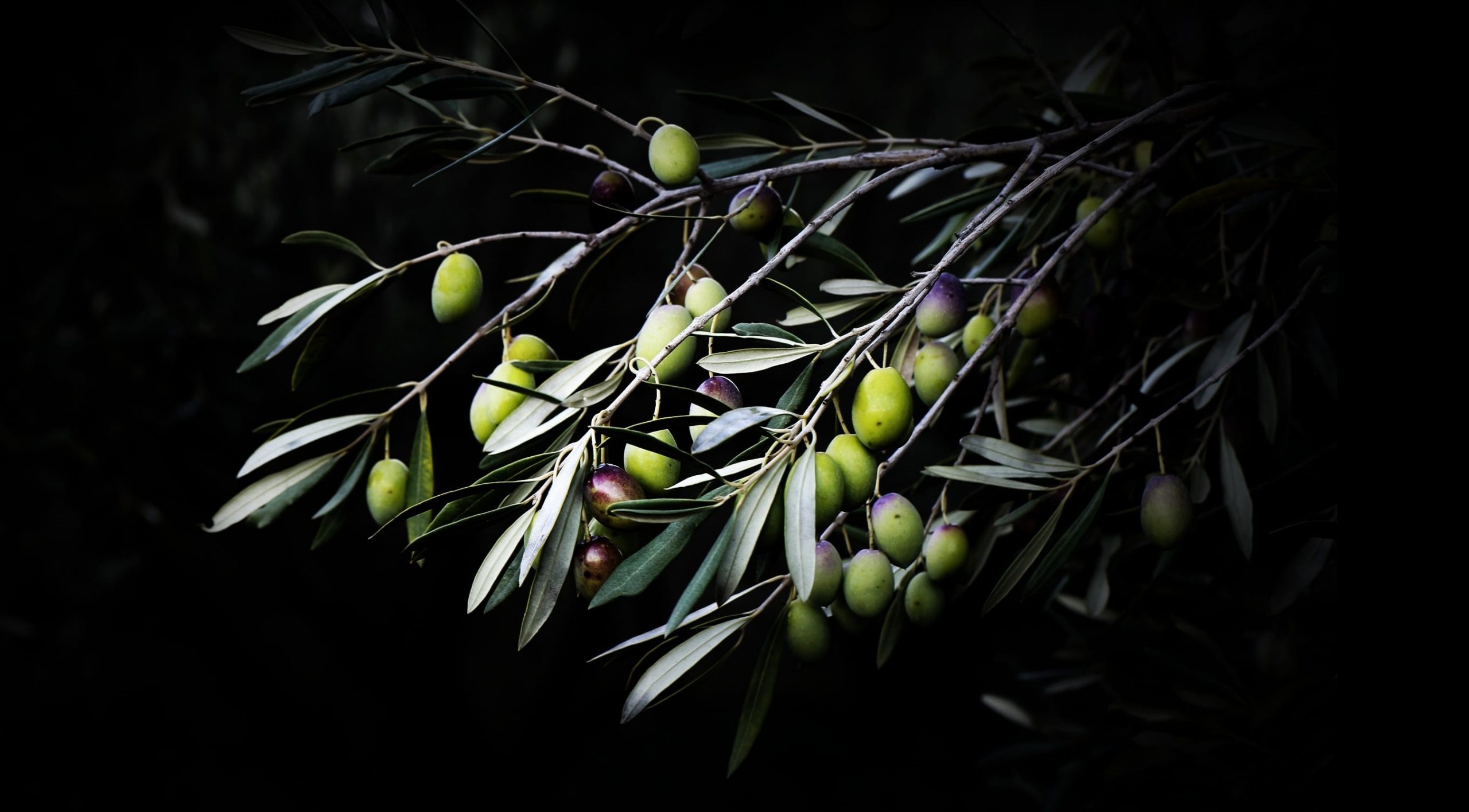
More than 90% of the world’s olive oil and table olives come from the Mediterranean Basin, where the olive sector serves as a vital economic pillar, deeply embedded in the region’s history, culture, and environment. Olive groves symbolise a centuries-old tradition that continues to evolve through innovation and technological advancement, driving the modernisation of the industry.

To support this evolution, the International Master in Olive Growing and Olive Oil Technology was founded in 1995 by the University of Cordoba and CIHEAM Zaragoza to provide top-tier specialist training for professionals in the olive sector. Designed to equip students with cutting-edge knowledge and practical expertise, the programme plays a key role in preparing the next generation of experts in the rapidly evolving olive oil industry. Entering its 16th edition in September, the programme will take place in Córdoba, Spain.

A GLOBAL BENCHMARK FOR TRAINING AND RESEARCH

With over 300 graduates from 25 countries, the Master’s programme has become an international reference in education for the olive sector. It is the result of successful collaboration between leading institutions, including CIHEAM Zaragoza, the University of Córdoba, the International Olive Council (IOC), the Spanish National Research Council (CSIC), the Ministry of Agriculture, Fisheries and Environment of the Autonomous Government of Andalusia (CAPADR), the Andalusian Institute of Research and Training in Agriculture, Fisheries, Food and Organic Production (IFAPA), and the Olive Community Heritage Foundation (FPCO). These organisations bring together a wealth of expertise, with over 100 renowned experts participating as lecturers, ensuring the programme’s academic excellence and relevance for the industry.

A CUTTING-EDGE CURRICULUM FOCUSED ON INNOVATION

The Master’s curriculum covers a comprehensive range of subjects, from sustainable agronomic practices and advanced olive oil extraction methodologies to the latest technological innovations in the sector. The programme combines theoretical instruction with hands-on experience, utilising state-of-the-art laboratory facilities and field studies across diverse olive-growing regions.

Students receive instruction from leading researchers and industry experts, gaining in-depth knowledge of olive tree physiology, cultivation techniques, pest and disease management, as well as olive oil production and quality assessment.

A key aspect of the programme is its emphasis on research and innovation, allowing students to engage in cutting-edge projects in fields such as olive genomics, precision agriculture, and new olive oil applications. The curriculum is designed to address critical industry challenges, including climate change, resource limitations, and evolving quality standards, ensuring that graduates are well-prepared to tackle real-world issues.

INTERNATIONAL OUTLOOK AND CAREER OPPORTUNITIES

The programme’s international approach fosters a diverse learning environment, encouraging the exchange of ideas and perspectives among students from different countries. This global perspective equips graduates with the skills to navigate the evolving challenges and opportunities in the olive sector worldwide.

The Master’s prepares future professionals with leadership roles in areas such as olive farm management, olive oil production, quality control, research and development, and consultancy. The expertise gained is increasingly in demand in a sector that values scientific knowledge and technological proficiency.

According to surveys conducted among graduates, 53.8% have continued their professional careers in universities and public institutions and 46.2% have joined private companies.

Applications to this prestigious programme are open until 15 April 2025 to candidates with degrees in agricultural sciences, food technology, or related fields, offering a unique opportunity to be a relevant part of the thriving, historically significant olive industry.