XXI AIDA Workshop on Animal Production attracts a record number of participants

On 3-4 June, the Interprofessional Association for Agricultural Development (AIDA) will hold the XXI Workshop on Animal Production. CIHEAM Zaragoza is one of the collaborators in the event, together with the Agri-food Research and Technology Centre of Aragon (CITA), and the University of Zaragoza.

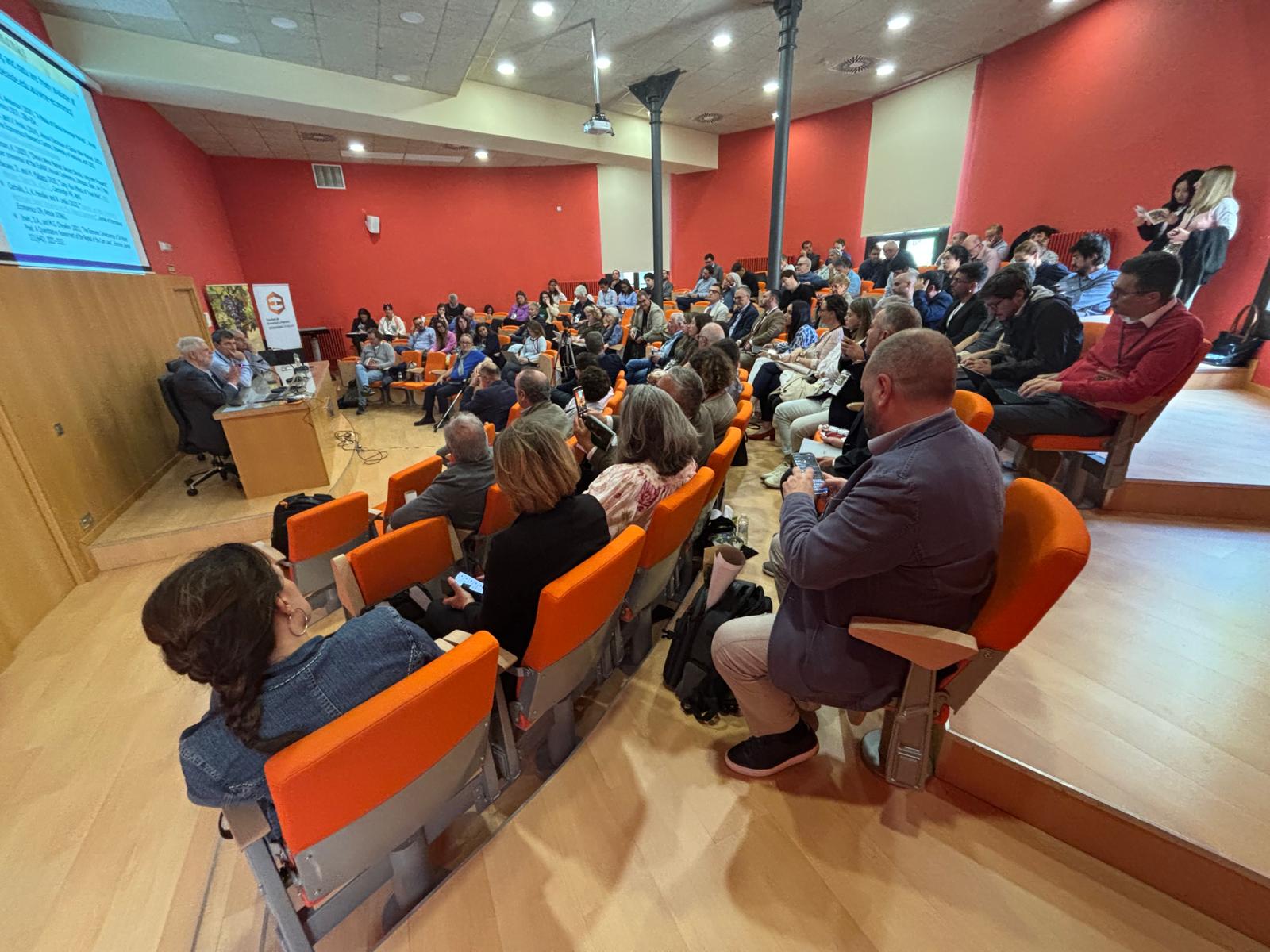
Hosted at the Faculty of Veterinary Science of the University of Zaragoza, this year’s workshop has attracted a record number of participants. There are already over 335 registrations, including 88 early-career researchers who will be opting for the Young Researchers Award, while 159 will be taking part in the side event ‘Young Researchers’ Night’.

This year’s edition will include a new section on Precision Livestock Farming, in addition to the six regular sessions: Livestock Systems-Economics and Management; Nutrition and Feeding; Reproduction; Genetics; Health and Welfare; and Product Quality. A total of 318 contributions have been submitted, comprising 268 oral communications and 50 posters.

The workshop will open on Tuesday 3 June at 09:00 in the Faculty’s main lecture theatre. The keynote address titled ‘Farm Animal Welfare at a Time of Crisis and Uncertainty’, will be delivered by Peter Sandøe, professor at the University of Copenhagen, a leading international authority in ethics and animal welfare.

The workshop will continue with the round table ‘Animal Welfare and Intensive Livestock Farming’, organised by the Union of Spanish Animal Science Organisations (UEECA) and AIDA. The session will bring together representatives from academia, industry, and animal welfare advocacy. Isabel Blanco-Penedo from the University of Lleida (UdL) and the Swedish University of Agricultural Sciences (SLU), will chair the session, accompanied by the panellists María Moreno (Compassion in World Farming), Ismael Marzo (Aragonese Association of Poultry Production), Natalia Domínguez (COSTA Group), Beatriz Messía (Interprofessional Association of Rabbit Producers) and Peter Sandøe (University of Copenhagen).

On the first evening of the workshop ‘Young Researchers’ Night’ moves to Rock&Blues Café. Starting at 21:00, this session will include stand-up science comedy acts, where young researchers share the lighter side of their work. This will be followed by a scientific outreach film competition where participants will present short films of their own creation designed to communicate scientific concepts accessible to the general public.

The Scientific Committee is chaired by Luis Varona, secretary of the workshop, and coordinators of the different sections: Product quality: Alberto Ortiz and David Tejerina; Precision Livestock Farming: Lorena Castillejos and Francisco Maroto; Genetics: Romi Pena and María Saura; Nutrition-Feeding: Claudia Baila and Alba Cerisuelo; Reproduction: Adriana Casao and Belén Lahoz; Animal Health and Welfare: Isabel Blanco-Penedo and Arantxa Villagrá; Livestock Systems-Economics and Management: Miguel Escribano and Paula Gaspar.

The Organising Committee is composed of the researchers and practitioners Alfonso Abecia, Isabel Casasús Margalida Joy, Mª Ángeles Latorre, David López-Carbonel, Guillermo Ripoll, María Salillas Fernández, Albina Sanz and Andrés Schlageter.

Agri-food Geopolitics in the Mediterranean: Challenges and Opportunities for Collaboration

Lecture

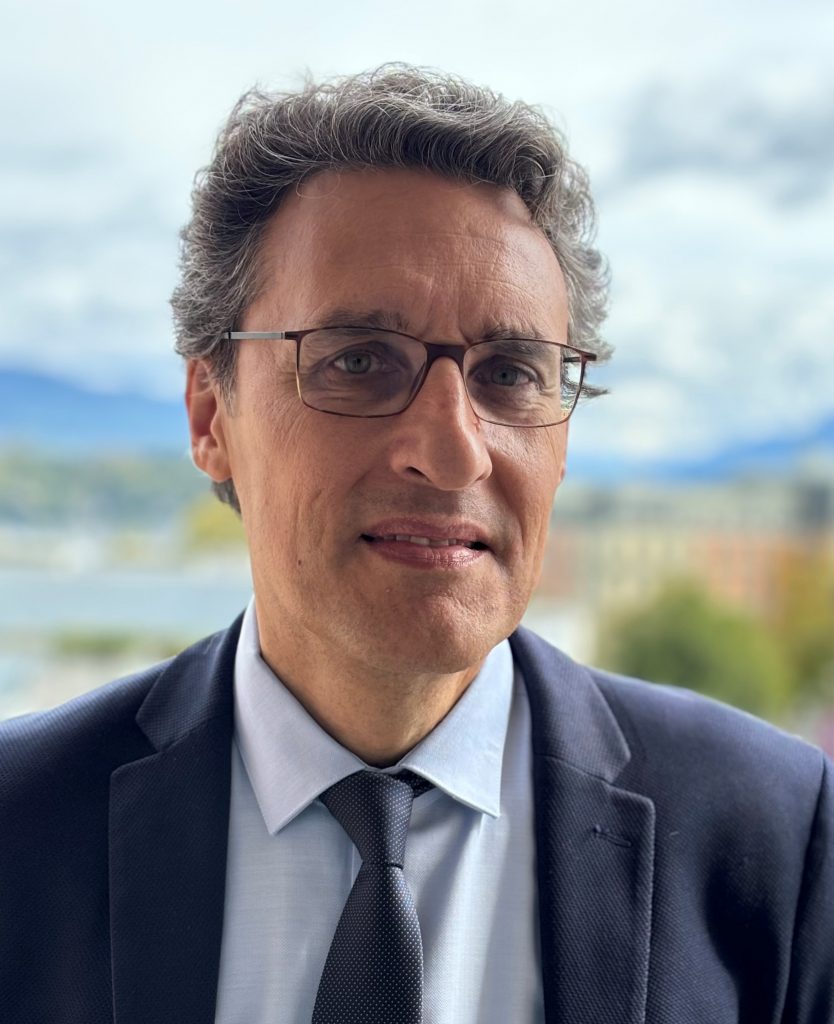
Fernando Miranda Sotillos, Counsellor of Agriculture, Fisheries and Food at the Diplomatic Mission of Spain in Italy and Deputy Permanent Representative of Spain to FAO, discusses in this talk the impact of current international conflicts on agriculture and food trade in the Mediterranean region.

SEE THE FULL CONFERENCE


Talk Summary

The multilateral trading system has lowered costs associated to trade, and supported the economic growth of low- and middle-income countries, many of which remain highly dependent on food imports to meet basic food security needs. International agrifood trade has helped interconnect global food systems, contributing to food security. At the same time, lower-income and developing countries have boosted their domestic food production systems to reduce dependence on imported agrifood products and to buffer the effects of price volatility and international market disruptions increasingly influenced by the geopolitical context. This lecture in included in the Inaugural Ceremony of the 2025-2026 academic year at CIHEAM Zaragoza and will examine the current state of food geopolitics, with a particular focus on the new scenario arising from the trade confrontation initiated by the United States that challenges the principles of rules-based international trade.


Speaker

Fernando Miranda Sotillos has a degree in Agricultural Engineering from the University of Castilla-La Mancha and is a member of the State Corps of Agricultural Engineers. He has developed his professional career at the Ministry of Agriculture, Fisheries and Food, with numerous technical posts and, since 2006 has held senior roles within the Ministry. He has been President of the Spanish Agricultural Guarantee Fund (FEGA), Director General for Production and Markets, and Secretary General for Agriculture and Food. In July 2024, he took up the position of Counsellor of Agriculture, Fisheries and Food at the Permanent Mission of Spain to the International Organisations in Geneva, monitoring international trade affairs related to agriculture, fisheries and food, at the World Trade Organization (WTO). Since September 1, 2025, he is stationed in Rome as Counsellor of Agriculture, Fisheries and Food at the Diplomatic Mission of Spain in Italy and Deputy Permanent Representative of Spain to the FAO.


Conference details

CIHEAM Zaragoza participates in EXPOLIVA 2025 to tackle water challenges in Mediterranean olive groves

  • The Centre moderates a round table on efficient water use in response to the projected 20-30% decline in rainfall by 2050
  • The event attracted over 52,000 visitors and more than 1600 professionals from 52 countries

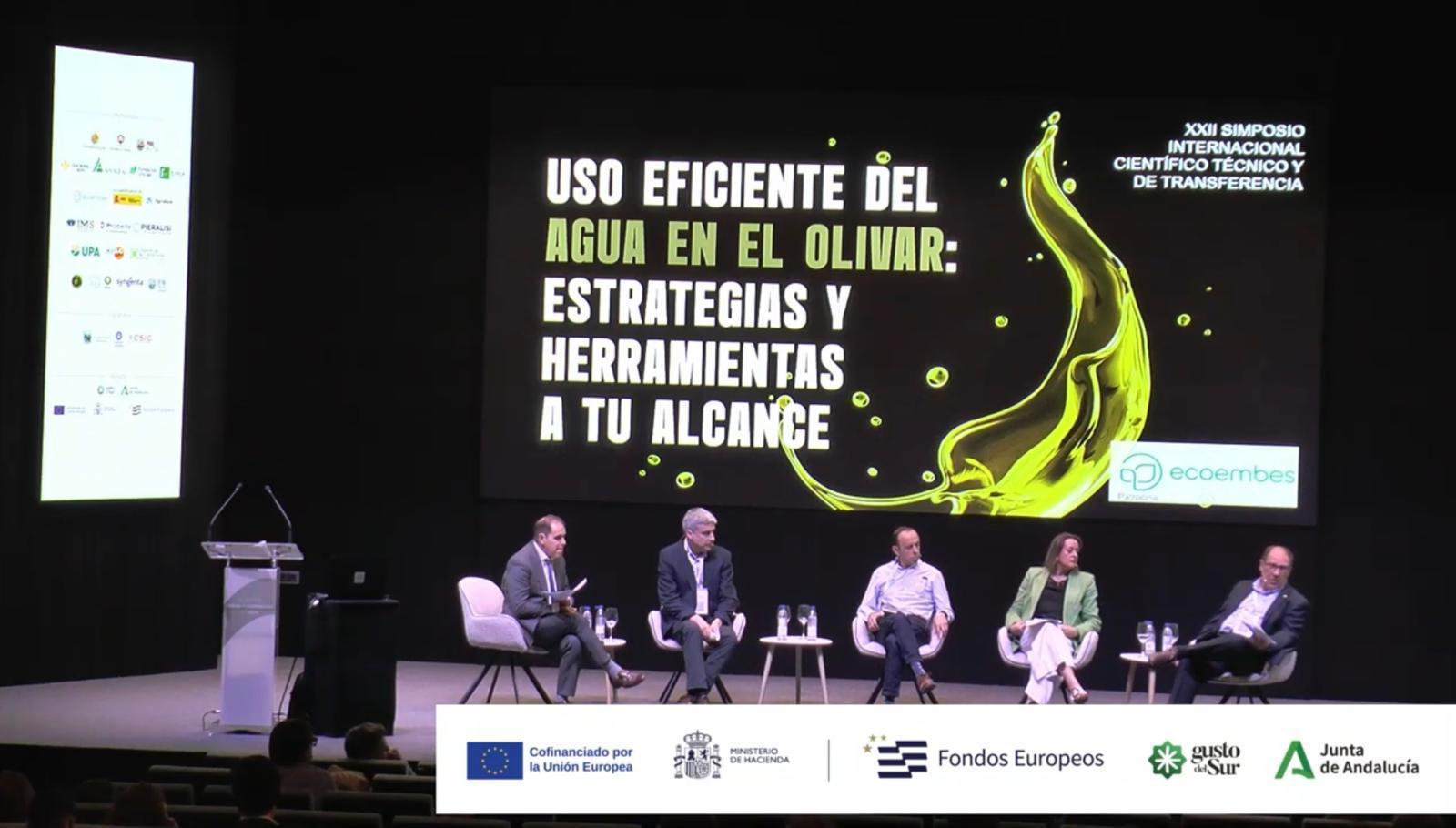
CIHEAM Zaragoza played an active role in EXPOLIVA 2025, a major international event for the olive oil sector, by moderating a round table on the critical issue of efficient water use in olive groves. This formed part of the Centre’s collaboration with the Fundación del Olivar in the XXII International Scientific, Technical and Transfer Symposium, which addressed one of the most pressing challenges facing Mediterranean olive growing: the sustainable use of water.

International experts examine strategies to mitigate the effects of climate change

The round table “Efficient Use of Water in the Olive Grove: Strategies and Tools” brought together leading experts from academia, technical institutions, and public administrations to explore good practices in water management. Ramzi Belkhodja, coordinator of the area of Plant Production, Health and Breeding at CIHEAM Zaragoza, moderated the discussion, accompanied by Ignacio Lorite (IFAPA), Emilio Camacho (University of Córdoba), Carmen Nuria Jiménez Gutiérrez (Guadalquivir River Basin Authority, CHG) and José Antonio Salinas Andújar (Chair of Water in Agriculture, Irrigation and Food, University of Almería).

Key conclusions and recommendations

Rainfall across the Mediterranean is projected to decrease by 20-30% between now and 2050, highlighting the urgent need to improve water-use efficiency in olive growing. Despite this alarming data, the panel proposed concrete solutions for the sector that could reduce water consumption by up to 50% without compromising productivity, making a significant contribution to crop resilience and sustainability.

The experts stressed the importance of democratising technification. While not all olive growers need to install sensors, they should all benefit from access to sensor data to support informed decision-making. By establishing sensor-equipped reference plots and using appropriate technologies, it is possible to provide data-driven recommendations for producers.

The discussion also revealed that there are large differences between regions such as Jaen and Cordoba in irrigation management. These differences are attributed to the way irrigation communities are regulated and organised rather than available technical capacity. Panellists underlined the need to study and monitor aquifers, a critical priority considering that groundwaters are an essential resource in olive-growing regions that are highly dependent on water.

Based on the experience in Almeria, the panel underlined the importance of collective water management. Active water-user communities should be well-structured and incorporate technical, social, legal and economic dimensions. The experts proposed measuring irrigation water productivity in euros or kilos per cubic metre, and allocating water according to economic and social priorities. They also discussed the use of a volumetric water fee as mechanism to distribute this valuable resource more efficiently and equitably.

Throughout the session, participants were unanimous in emphasising that training, access to information, and capacity-building, are valuable tools for eliminating barriers and enabling olive growers to adopt new technologies.

Call for cooperation

The session concluded with a call to promote dialogue and cooperation among irrigators communities, researchers, administrations, and farmers, advocating more efficient, equitable, and climate-resilient water management.

CIHEAM Zaragoza’s participation in EXPOLIVA 2025 reaffirms its commitment to knowledge transfer, and the pursuit of innovative solutions for Mediterranean agriculture in the context of climate change, from its position as a centre of reference for applied research and sustainable development in the olive-growing sector.

CIHEAM Zaragoza at the EuroMeSCo Consultation Circle meeting in Morocco

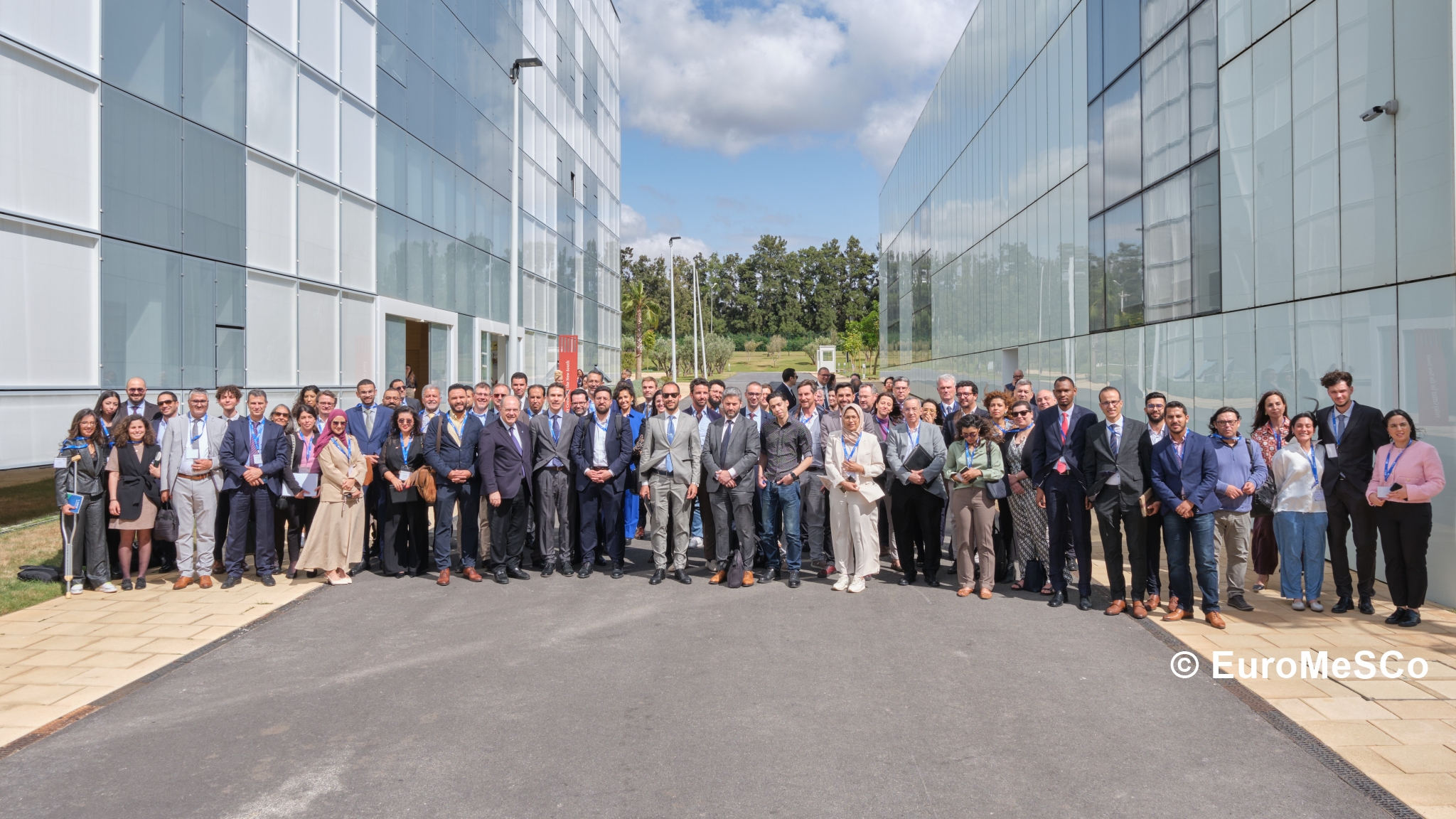
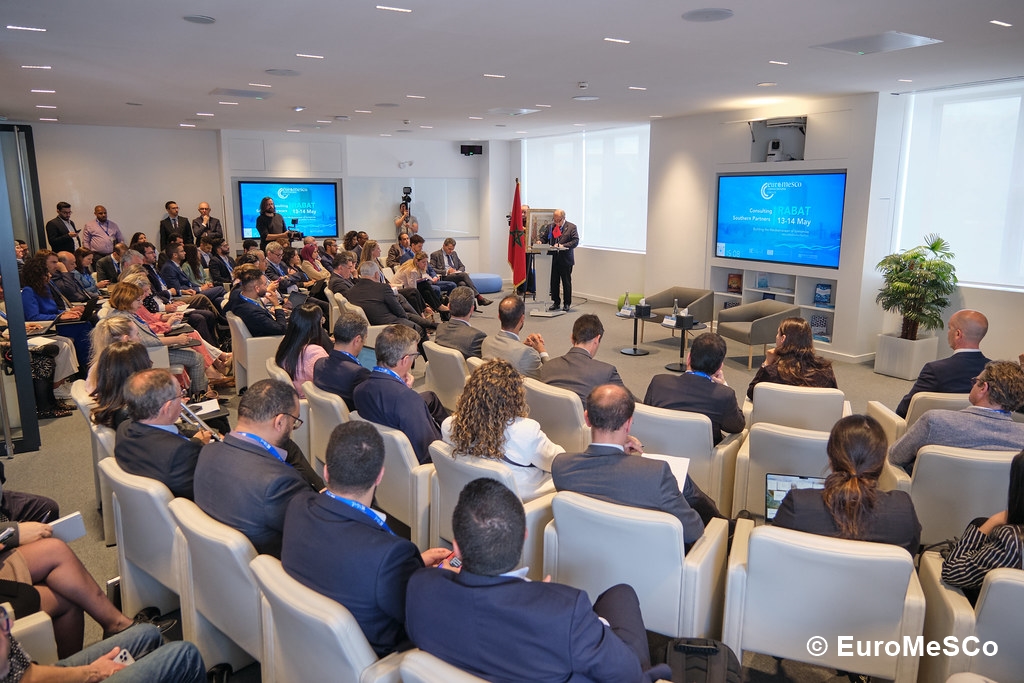
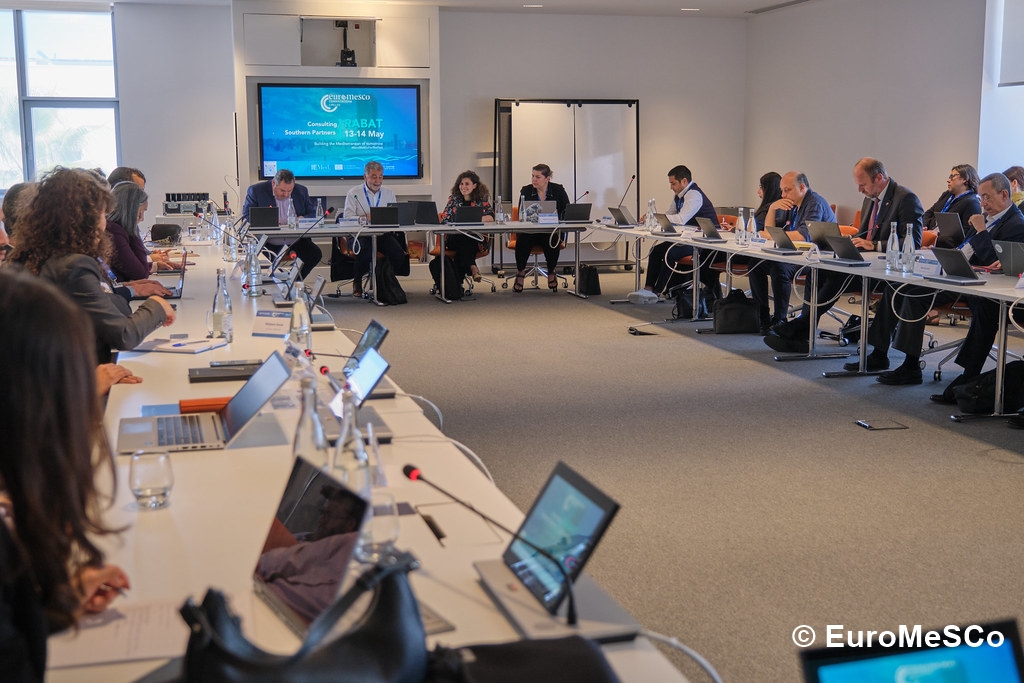
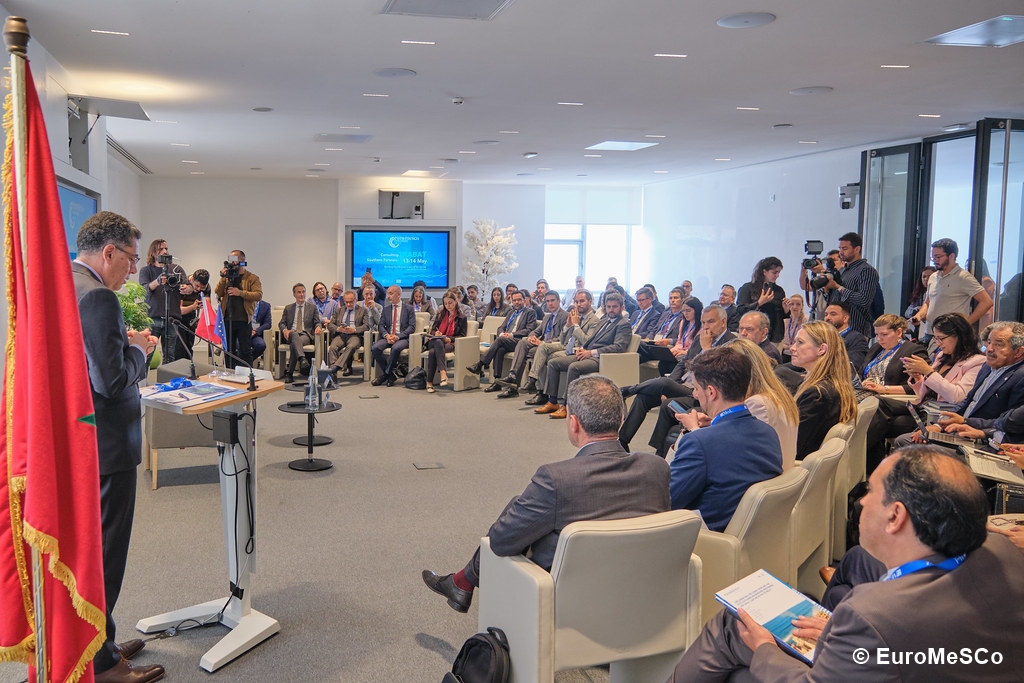
CIHEAM Zaragoza participated in the first EuroMeSCo Consultation Circle: Consulting Southern Partners organised by the European Institute of the Mediterranean (IEMed), in partnership with the Policy Center for the New South (PCNS) on 13-14 May in Rabat, Morocco.

The meeting is part of the EU co-funded initiative Support to Reflection and Consultations on the Pact for the Mediterranean, aimed at feeding inclusive regional perspectives into the upcoming New Pact for the Mediterranean — the EU’s renewed framework for strategic cooperation with its Southern Neighbourhood.

This important dialogue brought together over 80 policymakers, researchers, civil society representatives, youth voices, and private sector actors from across North Africa to collectively explore regional priorities. Discussions focused on three key dimensions: fostering economic growth through trade and investment, empowering youth via skills and mobility, and advancing sustainable development through climate-resilient policies and partnerships.

CIHEAM Zaragoza actively contributed to discussions on youth and education, addressing critical issues including women‘s inclusion in education and the workforce, youth entrepreneurship opportunities, educational reform to meet evolving labour market needs and bridging the skills-employment gap in Mediterranean countries.

The consultation created a vital platform for stakeholders from both shores of the Mediterranean to ensure the Pact reflects the shared challenges and aspirations.

CIHEAM Zaragoza remains committed to fostering sustainable development and empowering Mediterranean youth through education and cooperation and looks forward to continuing the participation in this important initiative.

International experts meet in Zaragoza to analyse the global wine trade and discuss the impact of US tariffs on European wine

  • Over 100 specialists have gathered in Zaragoza for the IV Conference of the European Association of Wine Economists (EuAWE) to address challenges currently faced by the international wine production sector.

  • Raúl Compés, director of CIHEAM Zaragoza, was re-elected vice-president of the EuAWE during the event.

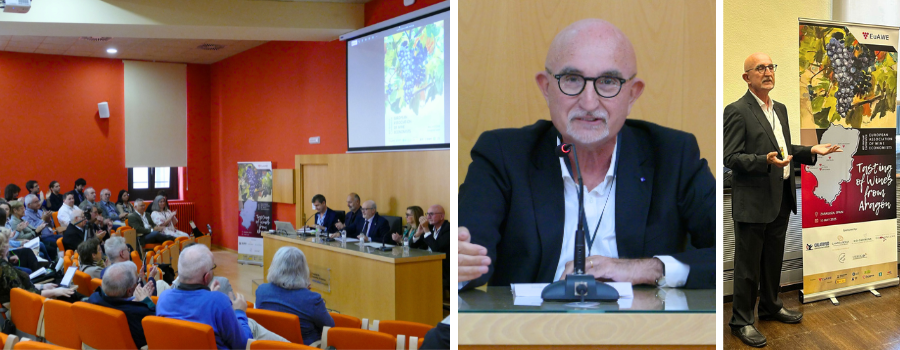
Zaragoza, 19 May 2025.- The fourth annual conference of the European Association of Wine Economists (EuAWE), has brought together over a hundred specialists from the wine industry to analyse the global challenges and opportunities of the sector.

The official inauguration of the conference took place on Thursday 15 May, followed by a plenary session in which experts Kym Anderson, executive director of the Wine Economics Research Centre of the University of Adelaide (Australia), and Rafael del Rey, international wine market consultant, addressed topics of interest for the sector.

Anderson analysed the impact of the US tariff wars on the international wine and spirits trade: “The world economy will be affected because the tariffs are being imposed on all countries, not just the EU. This will have an impact on consumers’ willingness to pay and investors’ willingness to invest and therefore the global economy will grow more slowly. He added “We know that alcoholic beverages in particular are affected when consumer expenditure falls”.

Del Rey focused his presentation on the recent developments observed in the international wine market, providing insights on trends, threats and opportunities for the sector. He paid special attention to the role of Spain in this global context.

The sessions of the conference on 15 and 16 May covered a wide range of topics of interest for professionals and academics. They included presentations of scientific papers on consumer behaviour, industrial organisation, policies and regulations affecting the wine sector, sustainability, agronomy, business management, marketing strategies and wine tourism.

In addition to the academic activities, the IV Conference of the EuAWE offered participants the opportunity to taste Aragonese wines, courtesy of the Designations of Origin of Calatayud, Campo de Borja, Cariñena, Somontano, Aylés and Urbezo. The tasting session was followed by technical visits on Saturday 17 May to Campo de Borja and Cariñena to see the unique characteristics of Aragonese winegrowing areas first-hand.

Raúl Compés, re-elected as vice-president of the European Association of Wine Economists

On Wednesday 14 May, members of the EuAWE held their general assembly, during which Raúl Compés, director of CIHEAM Zaragoza, was re-elected as vice-president together with the other board members who also renewed their mandates.

The European Association of Wine Economists was founded in 2020, bringing together academics, researchers and experts from across Europe to exchange knowledge and strengthen collaboration between actors in the wine value chain. This year’s edition of the conference was jointly organised by the Faculty of Business and Economics of the University of Zaragoza (UNIZAR), CIHEAM Zaragoza (Spanish headquarters of the International Centre of Advanced Mediterranean Agronomic Studies) and the Agri-Food Research and Technology Centre of Aragon (CITA).

The event also counted on the support of the Spanish Ministry of Agriculture, Fisheries and Food (MAPA); the Department of Agriculture, Livestock of the Government of Aragon; Zaragoza City Council; Cajamar and Mercazaragoza.

Birgit Gredler-Grandl: “Animal breeding is one of the most effective tools for reducing methane emissions”

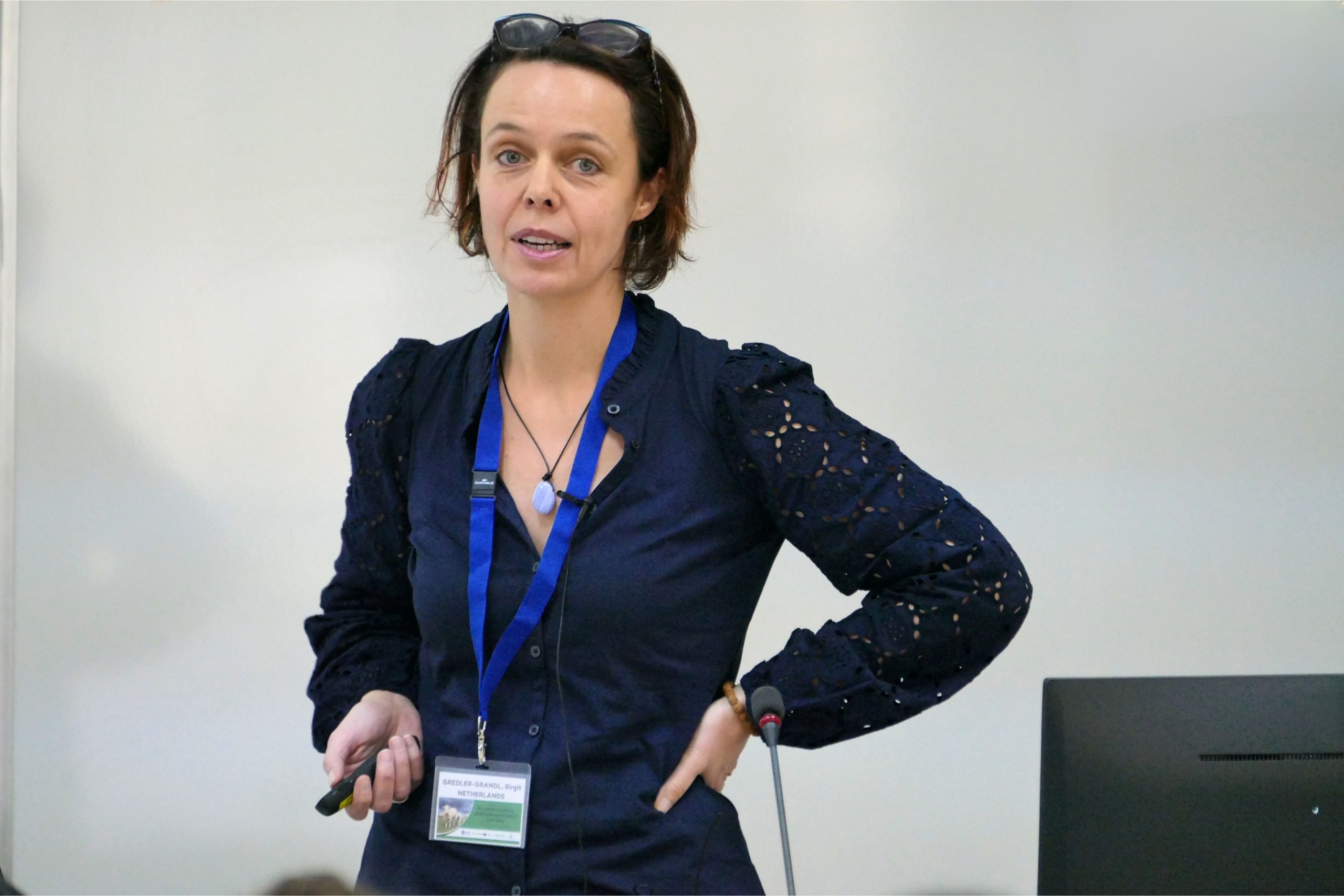
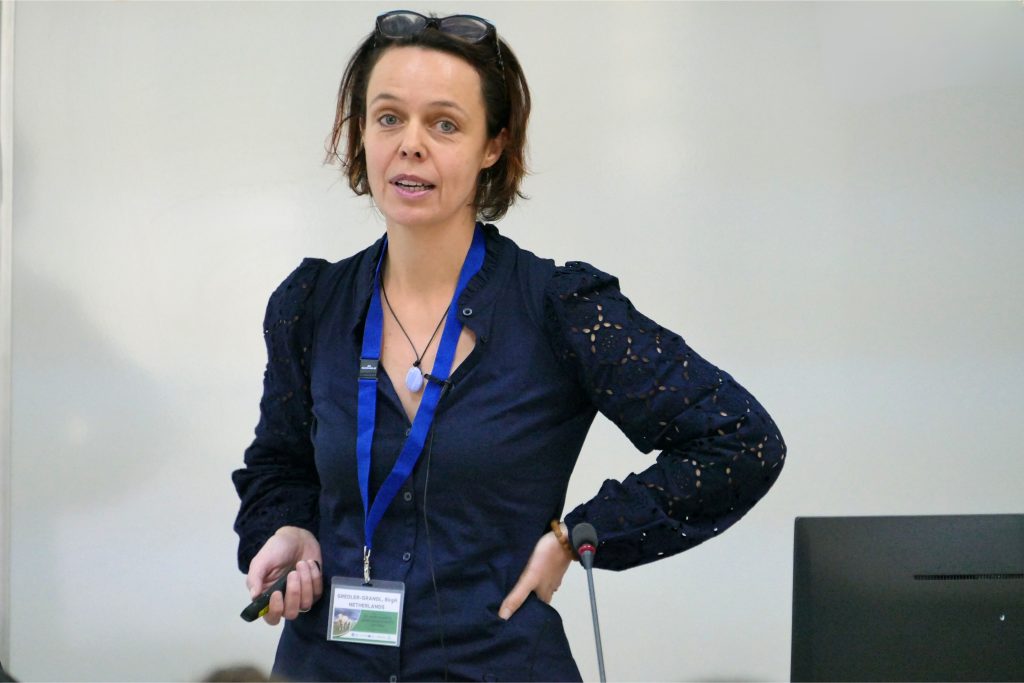
Birgit Gredler-Grandl is a senior researcher at Wageningen Livestock Research in the Netherlands. Specialising in animal breeding, her work focuses on methane emissions and feed efficiency in dairy cattle. Her research aims to enhance these key traits through genetic selection, contributing to more sustainable livestock production.

Recently, Gredler-Grandl visited CIHEAM Zaragoza as the scientific coordinator and lecturer of the advanced course “Cattle breeding for low methane emissions: From farm measurement to genetic progress”.

On this occasion, we spoke with her about methane reduction and the key research initiatives she is involved in.

Question: How does animal breeding contribute to methane reduction?

Answer: Animal breeding is one of the most effective tools for reducing methane emissions because its impact is cumulative and permanent. Once we start selecting for lower methane emissions, the benefits carry forward with each generation. In fact, we have already made progress by selecting traits correlated with methane reduction, such as longevity. However, direct selection for lower methane emissions is essential to maximize impact.

The process works by identifying and selecting animals that emit less methane as parents of the next generation. Their offspring inherit this genetic advantage, gradually reducing emissions over time. To achieve this, breeders calculate breeding values, which help farmers select animals with desirable traits. However, estimating breeding values with high accuracy requires extensive data collection. This is where our work in the EU project Re-Livestock comes in.

Measuring methane emissions is complex and costly. Unlike collecting a simple DNA sample, gathering accurate methane emission data requires significant effort. By pooling data across countries, we can improve breeding value accuracy and advance genetic solutions.

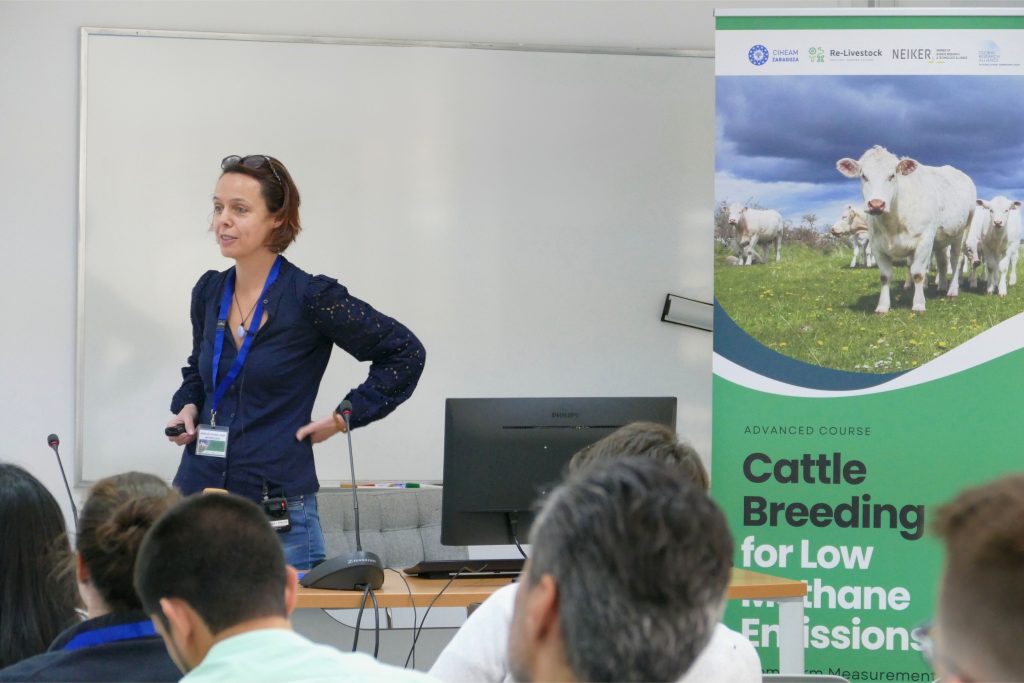
Birgit Gredler-Grandl speaking during the cattle breeding course at CIHEAM Zaragoza.

Q: What is the Global Methane Genetics Initiative, and how will it contribute to reducing methane emissions?

A: One major initiative addressing this challenge is the Global Methane Genetics Initiative, recently launched in the Netherlands with funding from the Bezos Earth Fund and the Global Methane Hub. With a $27 million investment and over 50 partners across 25 countries, including Australia, New Zealand, the U.S., South America, Africa, and Europe, this initiative aims to accelerate genetic progress in methane reduction. It includes more than 25 dairy and beef cattle breeds, as well as small ruminants like sheep.

The initiative has three main objectives:

  • Bringing experts together to share data, protocols, and best practices for measuring methane emissions;
  • Increasing the number of animals recorded for methane emissions, with a goal of more than 100,000 phenotyped animals in the next five years;
  • Creating a Global Database to support breeding programs, genetic evaluations, and research, fostering collaboration between scientists and industry.

This initiative will be a game-changer in making livestock production more sustainable through genetics.

Q: Why is it important to reduce methane emissions in livestock?

A: We are witnessing more extreme weather events driven by climate change. Greenhouse gases, including methane, are a major cause of global temperature rise.

Livestock is one of the largest methane emitters in agriculture due to natural digestive processes. When cows digest fiber, they release methane through belching, which directly contributes to atmospheric warming.

Given this, the livestock sector has a responsibility to be part of the solution. By reducing methane emissions through breeding and other strategies, we can help mitigate climate change while ensuring sustainable food production.