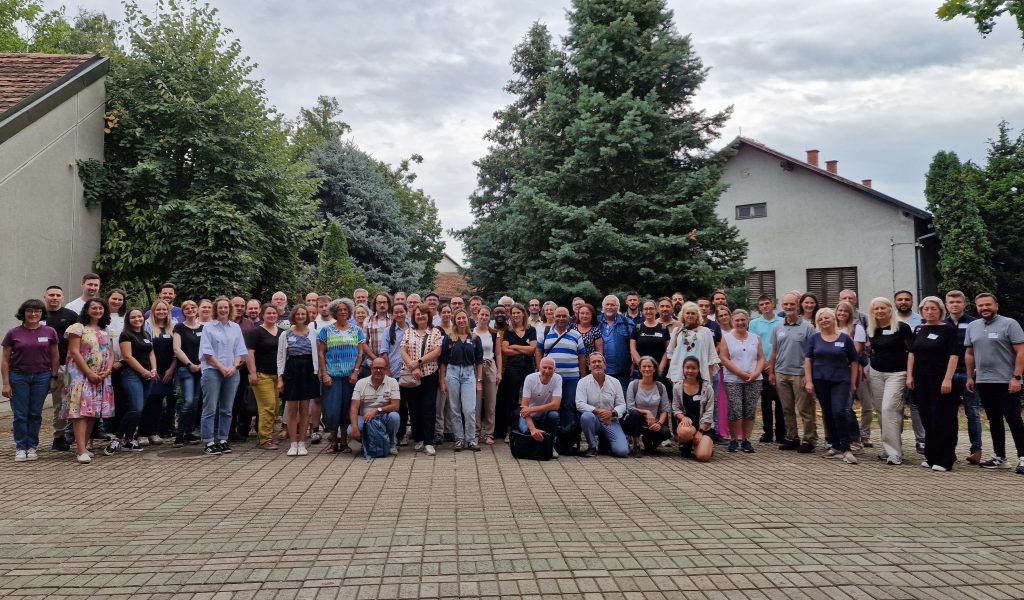
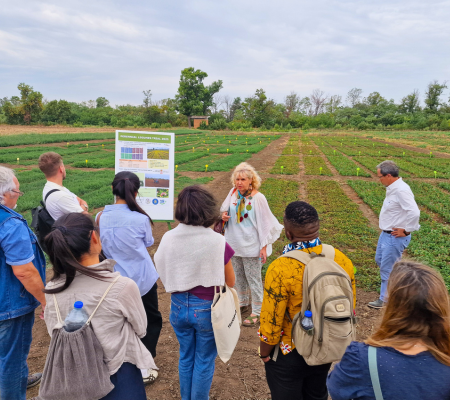
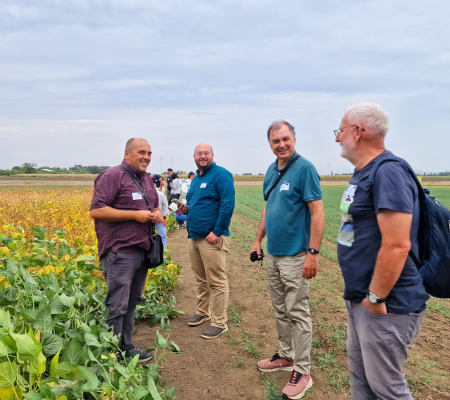
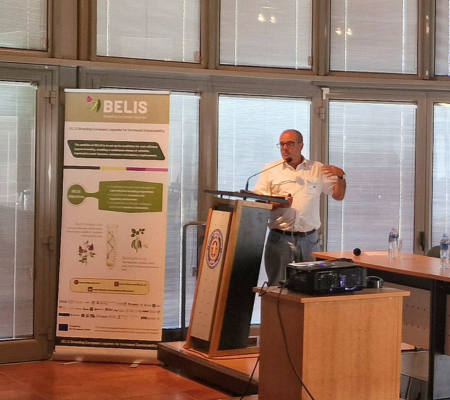
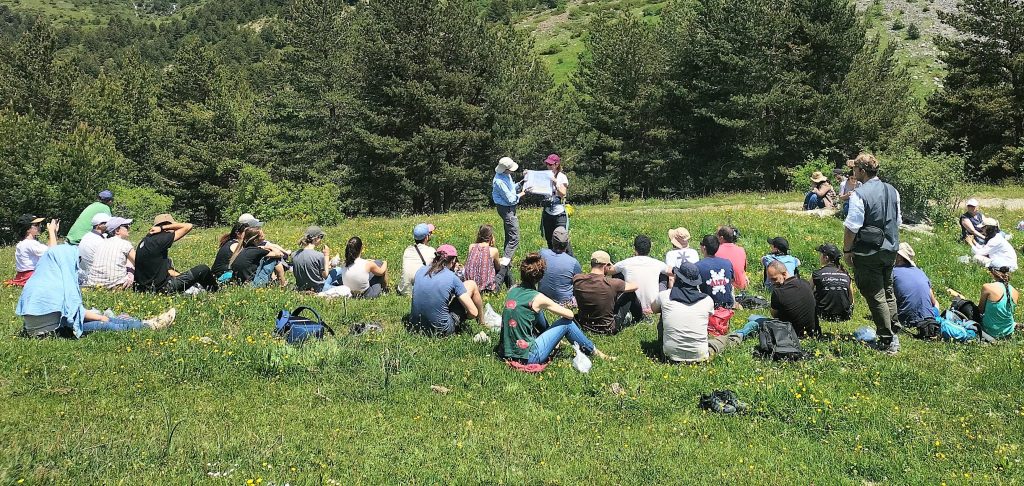
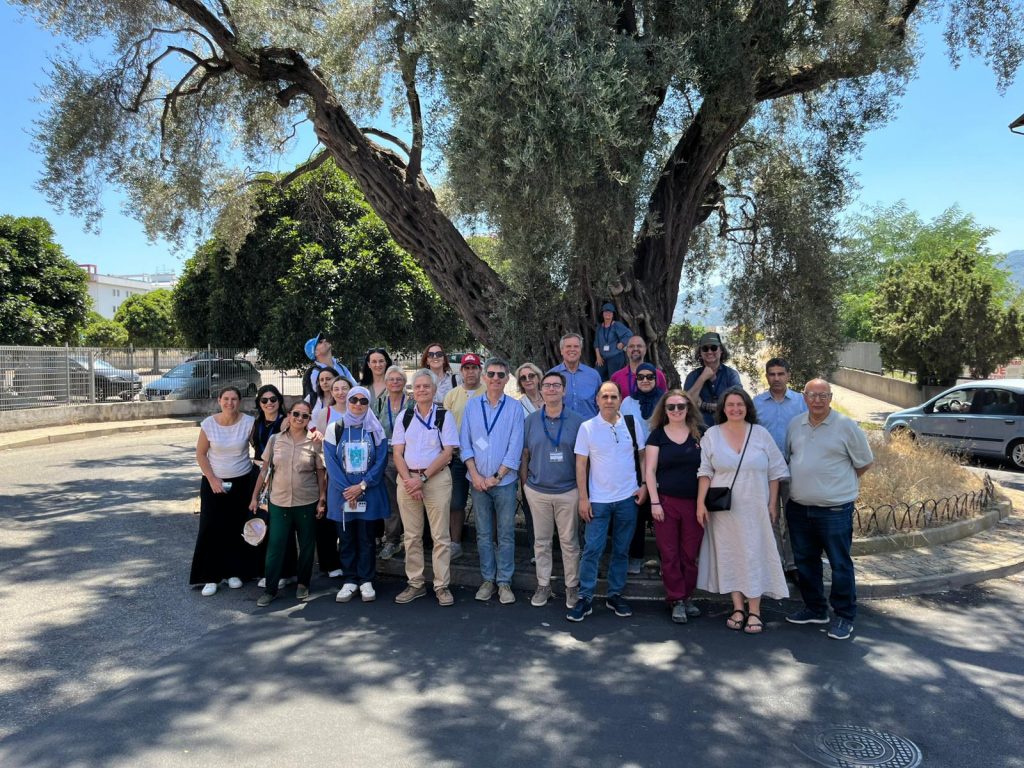
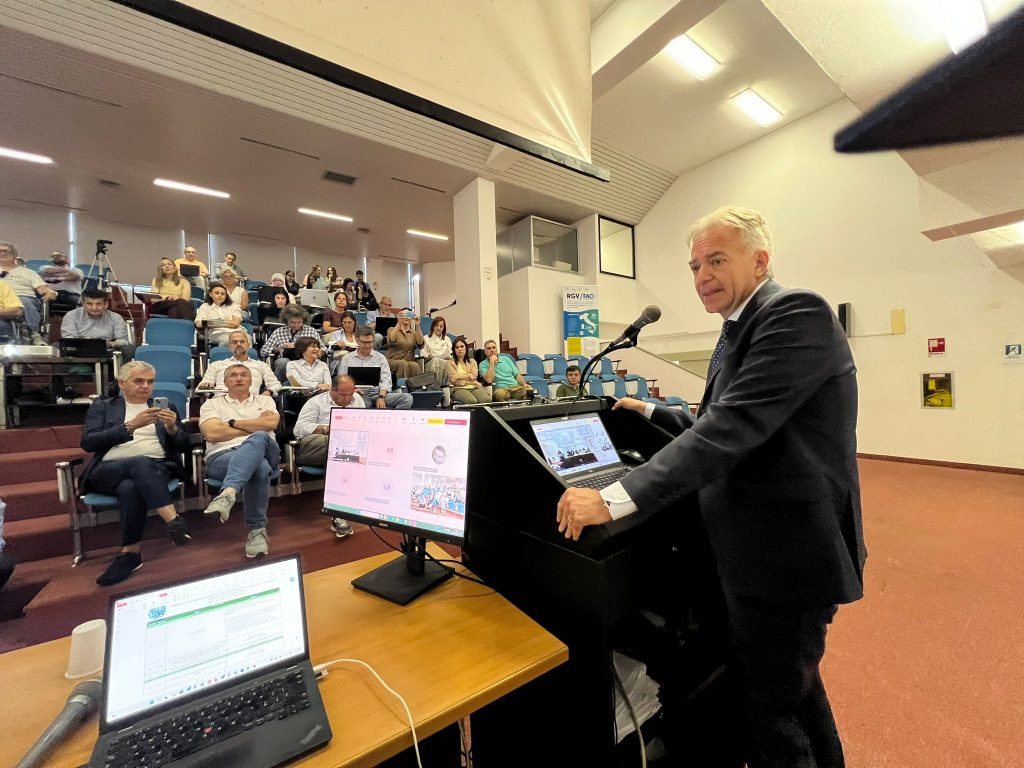
12 September 2025.- The BELIS project, funded by the European Union’s Horizon Europe programme, held its second annual meeting from 9-11 September at the Institute of Field and Vegetable Crops (IFVC) in Novi Sad, Serbia. The event brought together 65 participants from project teams to discuss achievements, plan upcoming activities, and explore key pathways for improvement and innovation in European legume breeding.
Launched in October 2023, BELIS aims to develop cost-effective breeding tools, improve the economic and regulatory environment for legume breeding, and ensure an efficient innovation transfer through public-private partnership efforts. The project consortium comprises 34 partners from 18 countries, including research institutes, plant breeders, seed companies, registration offices and advisory services.
CIHEAM Zaragoza was represented at the Novi Sad meeting by Antonio López-Francos and Joaquín Balduque, who shared updates on the project’s dissemination and communication activities, summarising completed work and outlining plans for the coming year.
INNOVATIVE RESEARCH TO ENHANCE GENETIC PROGRESS
BELIS is at the forefront of integrating cutting-edge technologies into legume breeding to optimise genetic progress and develop new varieties. At this annual meeting, participants presented and discussed significant preliminary results in phenotyping and genotyping. Key highlights included KASP (Kompetitive Allele Specific PCR) outcomes in chickpea—a simplified methodology for genotyping polymorphisms at specific markers—, new lab and field protocols for measuring disease, pest and quality traits, and innovative use of drone imagery for phenotyping forage legumes in breeding trials.
The consortium is also making progress on the multi-species genotyping tool that will be ready next year and will be used for diversity studies, material characterisation and genomic selection. This tool will fill a long-standing gap on legume molecular genetic studies and breeding.
BREEDING PROGRAMMES TAILORED TO FARMERS’ NEEDS
Beyond breeding innovations, BELIS is committed to ensuring that genetic progress in legumes reaches farmers effectively. The project tests innovations and ideas to provide farmers with actionable insights about seed Value for Cultivation and Use (VCU). This includes adapting the criteria used for official variety testing systems, designing multi-country official tests, and developing a GIS-supported model for predicting the suitability of alfalfa varieties for the diversity of European agroclimatological contexts. During the meeting, researchers presented comparative analyses of VCU protocols across countries and showcased lucerne VCU trials conducted through a network spanning eight locations in Serbia, Italy, and France.
To better understand the organisation of the seed value chain, a series of case studies were concluded at national scales in pea, faba bean, chickpea, soya and white lupin. The next step will be to ascertain the value of breeding for the users and propose ways for developing breeding programmes more tailored to their needs.
THE BELIS NETWORK
BELIS’ collaborative approach underscores the importance of partnership and knowledge exchange in advancing legume breeding. The project is establishing a comprehensive network that brings together public and private breeders, researchers, extension services, registration offices, and the seed, food, and feed industries. This network aims to facilitate business collaborations, deliver technical training, and advocate for supportive policies that strengthen legume breeding activities across Europe. Over the following months, transfer activities such as webinars and dissemination materials will be delivered and announced to network members.
Breeders, farmers, advisors, researchers, public officers and policymakers are encouraged to join the BELIS network, stay informed about the project’s progress, and contribute to shaping the future of legume breeding in Europe.
Fostering academic excellence and regional cooperation
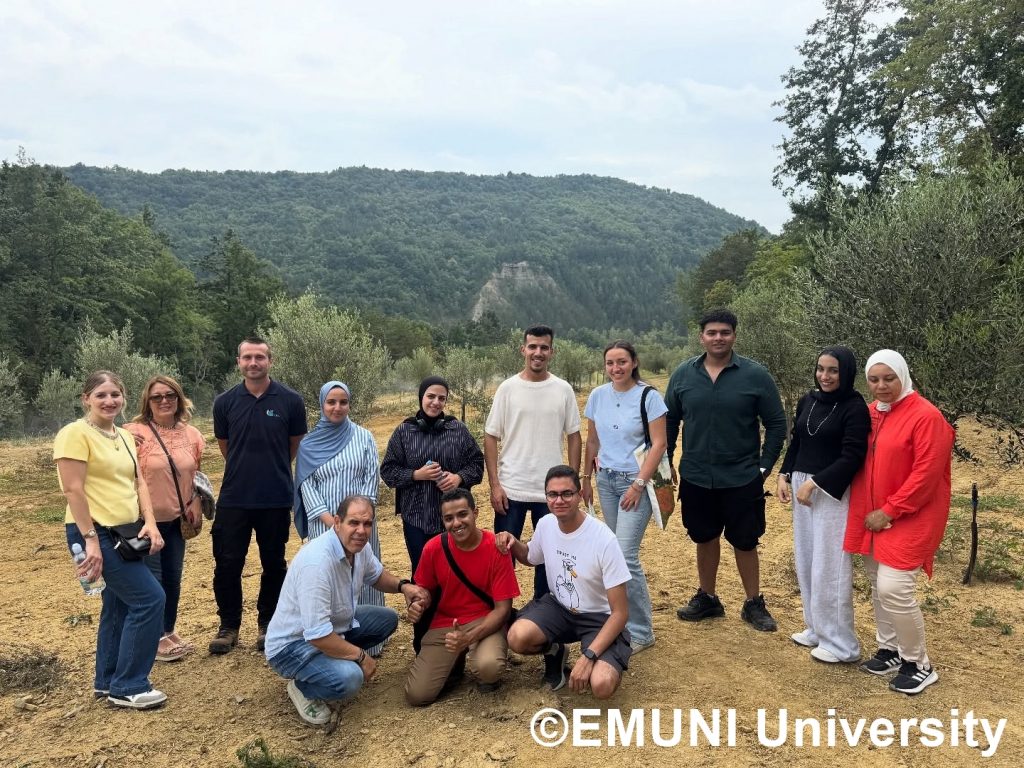
CIHEAM Zaragoza is actively engaging with counterparts across the Mediterranean basin to strengthen institutional partnerships in sustainable oliviculture—a sector where CIHEAM Zaragoza has developed considerable expertise over decades of dedicated research and education.
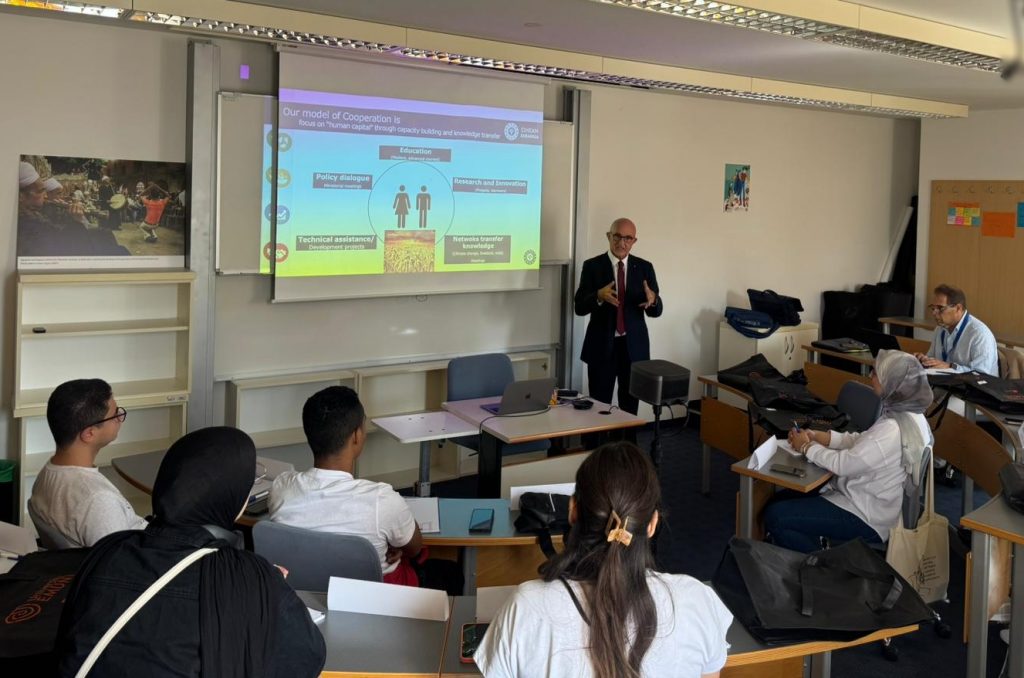
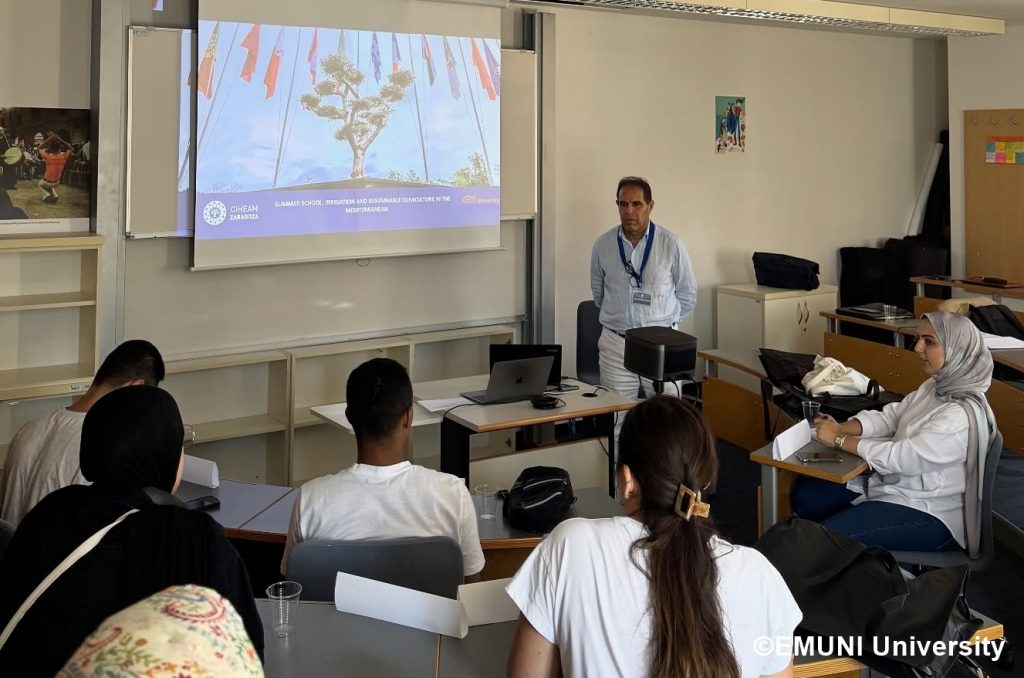
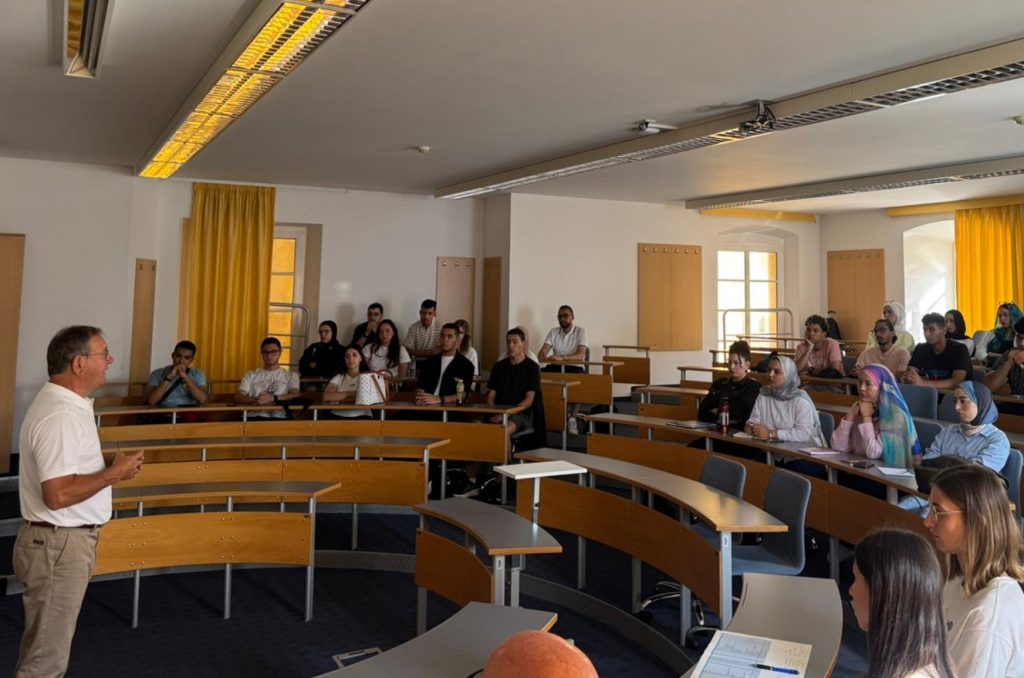
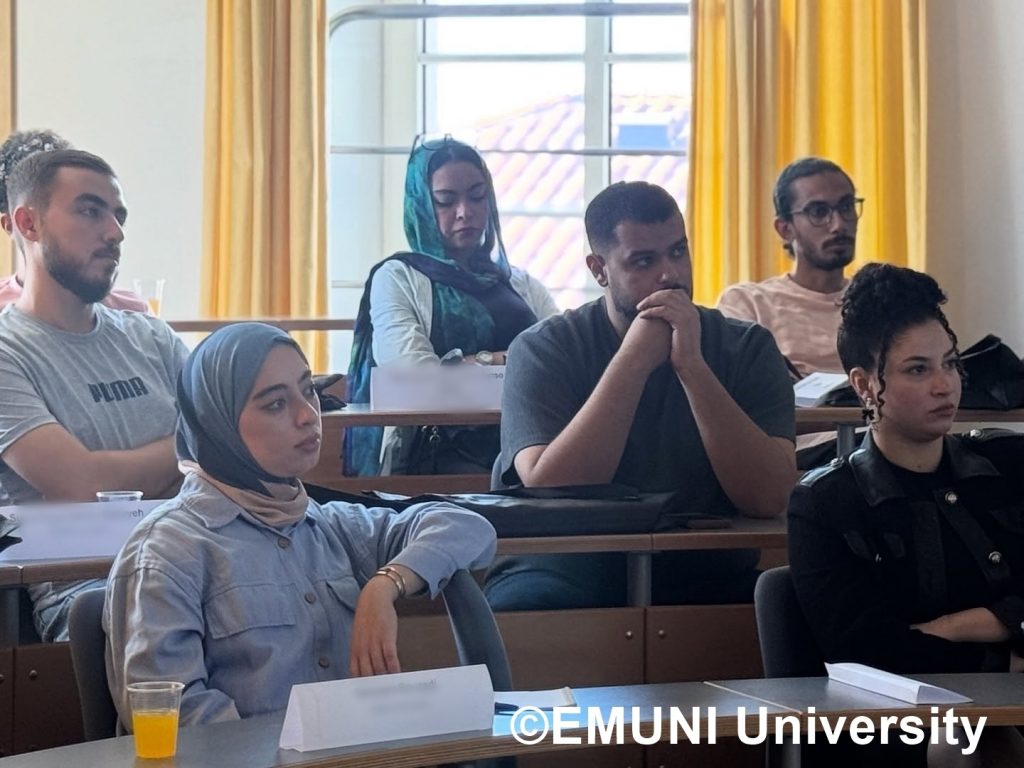
During the event, Director Compés presented CIHEAM Zaragoza’s contributions to sustainable agriculture, sharing insights from the northern Mediterranean context. His presentation “CIHEAM Zaragoza in the Framework of Sustainable Agriculture: The Experience of the North of the Mediterranean”, highlighted the institution’s pivotal role in advancing agricultural sustainability across the region. Additionally, Ramzi Belkhodja, Head of Training at CIHEAM Zaragoza, delivered two lectures: “Introduction to Irrigation Management: Techniques and Benefits for Olive Trees” and “The Digitalisation of Olive Cultivation and Irrigation in Response to Climate Change”.
Strategic partnerships for Mediterranean agriculture
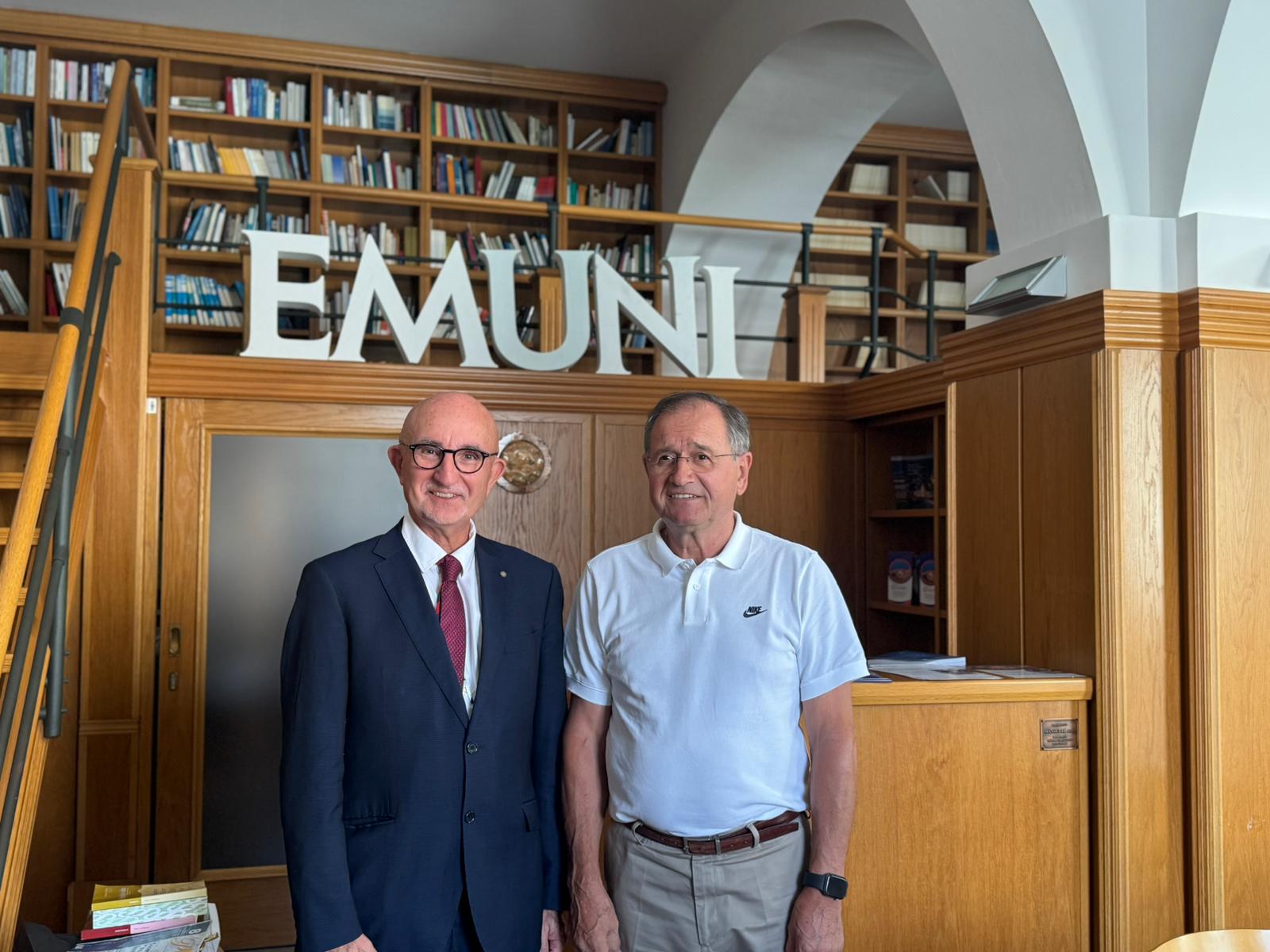
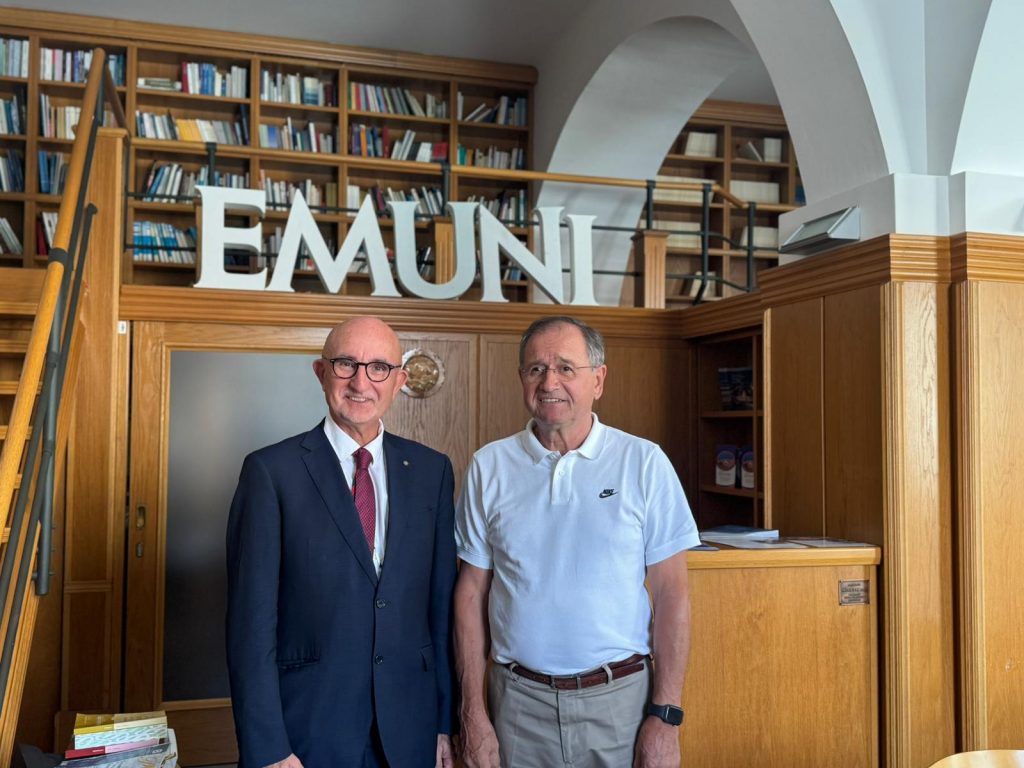
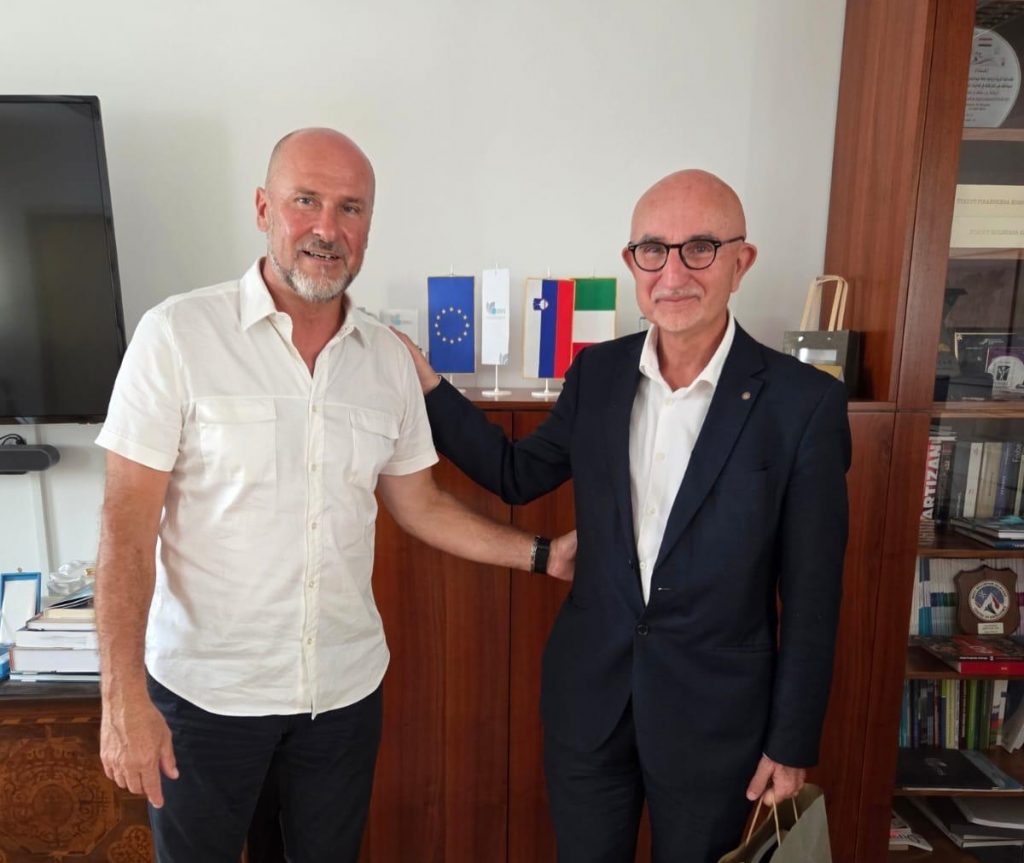
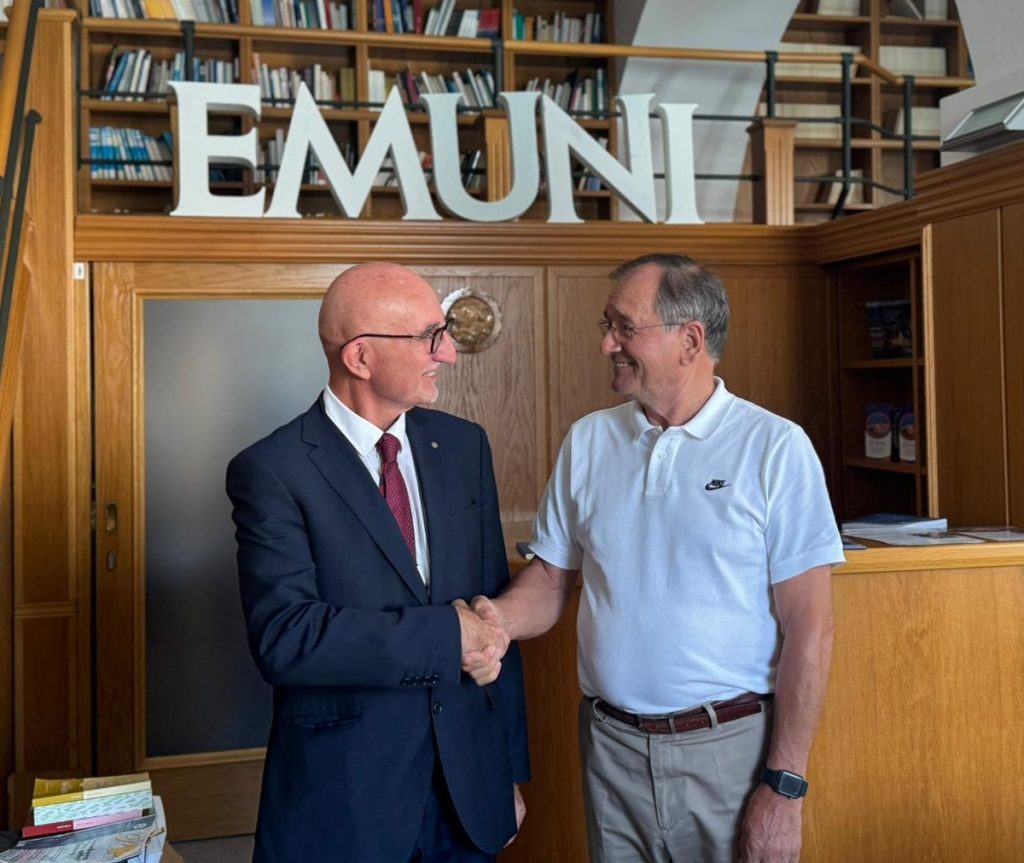
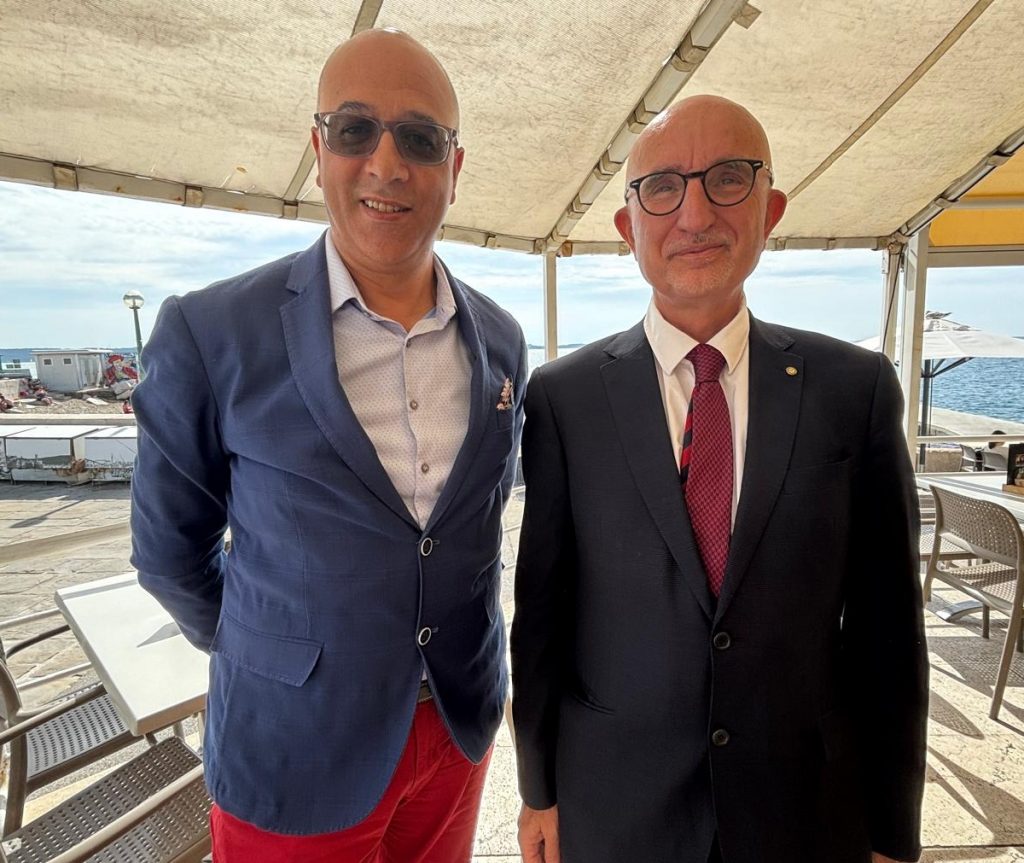
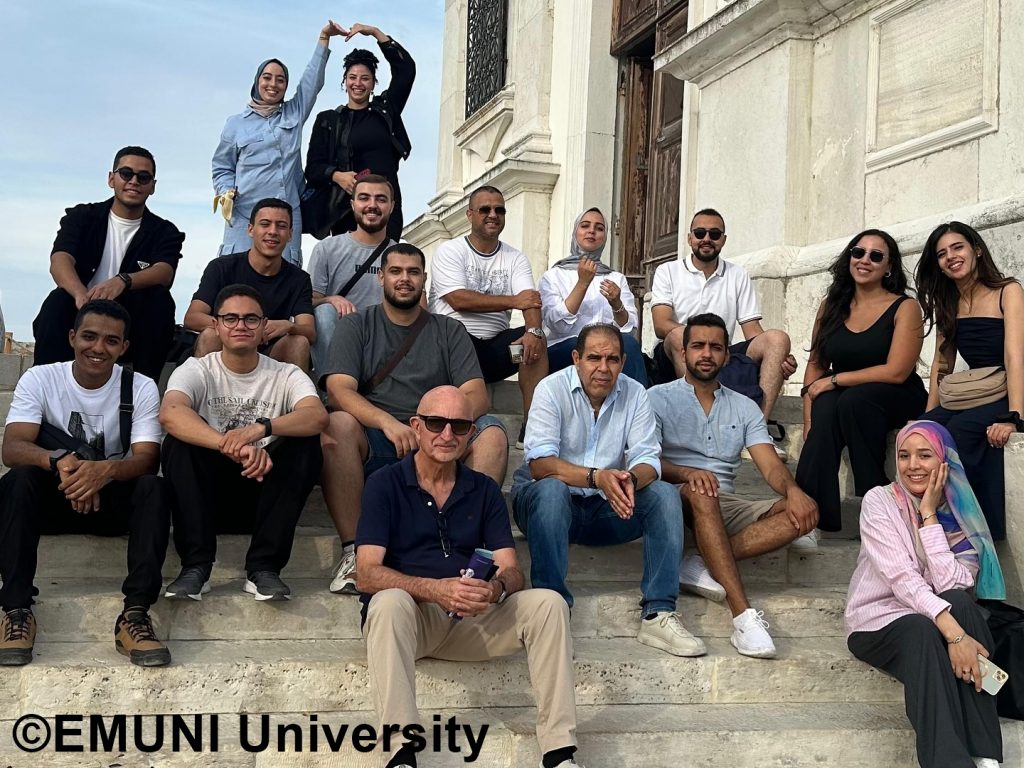
The mission facilitated crucial high-level meetings with key academic leaders across the Mediterranean basin. Director Compés met Prof. Dr Rado Bohinc, President of EMUNI University, to discuss future collaborative opportunities, Prof. Dr Mounir Ghribi, Vice-President for International Cooperation at EMUNI and Director of International Cooperation at the National Institute of Oceanography and Applied Geophysics (OGS), to explore institutional synergies. Additionally, meetings with Prof. Dr Rado Pisot, Director of ZRS Koper, strengthened research partnerships, whilst networking opportunities allowed for valuable exchanges with Prof. Marwa Kheirallah from Heliopolis University in Egypt and Prof. Lyna Benhmidat from Tlemcen University in Algeria, fostering cross-Mediterranean academic collaboration.
These meetings underline CIHEAM Zaragoza’s commitment to building bridges between Mediterranean institutions and advancing collaborative research in irrigation and sustainable oliviculture—sectors fundamental to the region’s agricultural future and food security.
This participation reinforces CIHEAM Zaragoza’s position as a leading institution in Mediterranean agricultural research and education. Through such international collaborations, the organisation contributes to the development of sustainable agricultural practices that address the unique challenges and opportunities of the Mediterranean basin.
The Mediterranean School is an excellent platform for sharing knowledge, fostering innovation, and strengthening the academic networks essential for addressing contemporary agricultural challenges in our region.
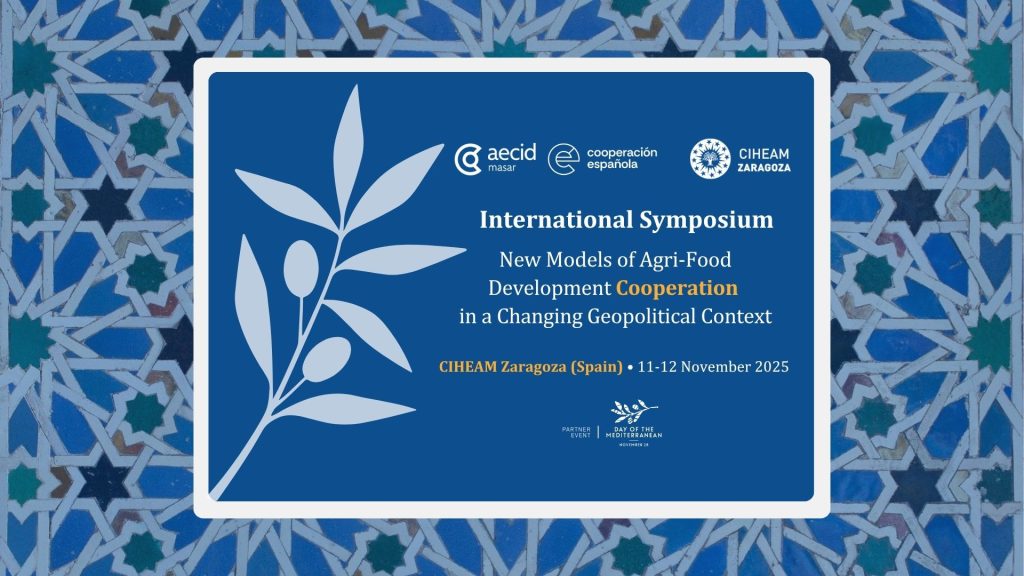
On 11 and 12 November, CIHEAM Zaragoza will put the spotlight on multilateral agrifood cooperation by hosting an international symposium together with the Spanish Agency for International Development Cooperation (AECID).
The rapidly evolving geopolitical landscape calls for a reassessment of existing models and a reorientation of agri-food development cooperation strategies.
The International Centre for Advanced Mediterranean Agronomic Studies in Spain (CIHEAM Zaragoza) will host an international symposium on 11 and 12 November to discuss new directions for agri-food development cooperation in a changing context of geopolitical crisis.
The event will gather experts from European agencies, international and local development NGOs, officers from multilateral organisations, academics, researchers and representatives of several Spanish administrations. Together they will examine the implications of current geopolitical crises and explore new models to guide the future of development cooperation.
Organised by CIHEAM Zaragoza with the support of the Spanish Agency for International Development Cooperation (AECID), the symposium is also one of the events that will celebrate the Day of the Mediterranean (28 November) declared by the Union for the Mediterranean (UfM) to foster a common Mediterranean identity, cultural exchange and cooperation.
International cooperation in agrifood systems
Guaranteeing food security remains one of the key objectives of international development cooperation. Providing the necessary means, infrastructures and the technical and professional expertise to manage agrifood resources is an essential element of many development cooperation initiatives across the world.
It is essential to adapt the strategies of international, multilateral, national and local bodies to the specific needs of each territory and ensure that these resources are managed appropriately to achieve long-term sustainability.
In today’s context of humanitarian and geopolitical instability, reassessing the present situation and future prospects for agrifood development cooperation has become more urgent than ever.
Therefore, the Zaragoza symposium will address the sector’s key challenges and propose new models for international cooperation through keynote lectures, round-table discussions and case studies.
The present and future of agrifood cooperation
The programme will be structured in plenary sessions:
Session I:When the world changes: rethinking international development cooperation in the new geopolitics.
Session II:Adapting for impact: the role of European development agencies in a changing world. Reshaping multilateral and bilateral agri-food cooperation.
Session III: Development cooperation from the perspective of southern and eastern Mediterranean countries’ needs.
Session IV:The role of NGOs in the new development cooperation architecture.
Session V:Civil society in developing countries: perspectives on current and future development cooperation.
Session VI:
Part 1: Spain’s decentralised cooperation landscape: current status and emerging trends. The regional approach.
Part 2: Spain’s decentralised cooperation landscape: current status and emerging trends. The local approach.
CIHEAM Zaragoza has been promoting cooperation since 1969 to address the challenges of Mediterranean agri-food systems. Based on a wide range of collaboration agreements with diverse institutions, it has developed an extensive network to strengthen capacity building and transfer of knowledge to countries with the greatest needs. Through these efforts, the organisation has become a strategic meeting point for leading actors in Mediterranean agri-food cooperation, providing a platform to debate new models, forge transformative partnerships, and design innovative projects.
Antonio López-Francos, from CIHEAM Zaragoza’s projects unit, addresses the challenges, transformations and opportunities for pastoralism in the Mediterranean region.
The article highlights the strategic role of the PASTINNOVA project and the need for policies, training and innovation to transition towards sustainable pastoral systems.
According to estimations, approximately 240 million people across the world earn a living from pastoralism and extensive livestock farming, using pastures covering 54 % of the surface area. In many cases, this takes place in regions where agriculture is a marginal activity due to adverse climatic, topographic or edaphological conditions (arid and semi-arid areas, mountainous zones, cold temperatures or climate or soil conditions making crop production inviable). Given the importance of pastoralism worldwide, 2026 has been declared the International Year of Rangelands and Pastoralists by the United Nations.
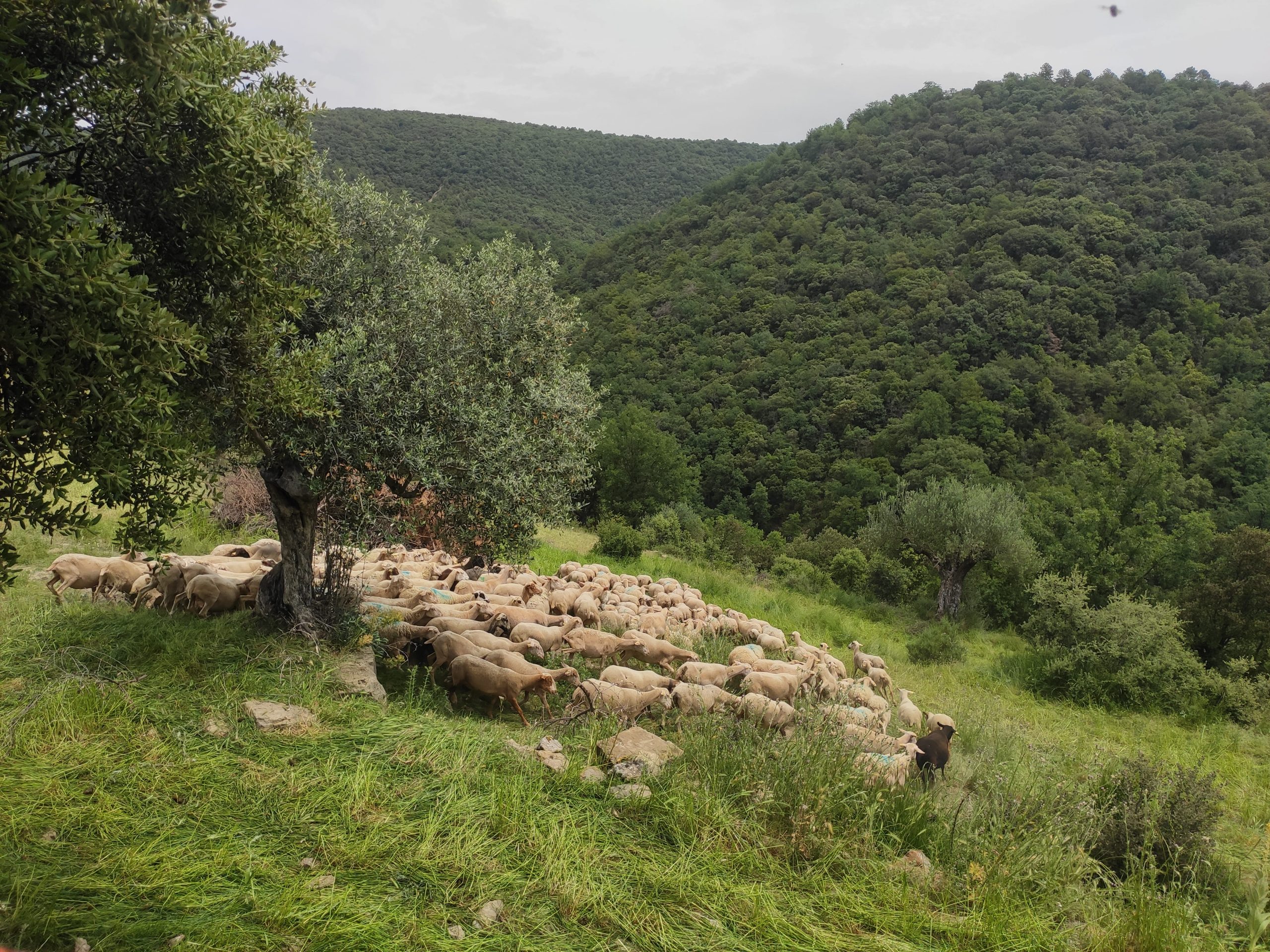
Although there is no universal definition of pastoralism, it is characterised by domestic herbivorous animals travelling long or short distances to graze local resources, such as natural or semi-natural vegetation, forage crops or crop residues, providing public goods and services for society such as removing excess vegetation from woodlands, maintaining biodiversity, and anchoring the rural population in marginal areas.
Shepherds and extensive livestock farmers in the Mediterranean must continually adapt to high spatial and temporal variability, and face considerable uncertainty regarding pasture and water availability, market access and access to land.
RECENT TRANSFORMATIONS IN THE MEDITERRANEAN REGION
In the Mediterranean region, pastoralism and extensive livestock farming have evolved over hundreds of years, shaping landscapes and creating complex socioecological systems. However, over the last century, these systems have been subject to significant mutations and disruptions, resulting in marked ecological and socio-economic imbalances.
Extensive livestock systems are gradually shifting away from their traditional focus on maintaining stable herd sizes, ensuring adequate production levels, and maximising income and economic viability. This has often been accompanied by the introduction of exotic breeds or the genetic improvement of local breeds, as well as increased reliance on imported feed. Despite these changes, many systems continue to demonstrate remarkable resilience to environmental variability and persistent uncertainty.
In response to these challenges, and as a result of deeper sociodemographic dynamics, the prevailing trend in the northern Mediterranean has been the abandonment of traditional grazing systems. In contrast, in the southern and eastern parts of the region, shepherds and livestock have undergone a process of sedentarisation, driven largely by changes in land use, where rangelands have been converted to crop production. With the decline in mixed agropastoral models, farmers have relied more on external feed sources, which has also contributed to land degradation.
PASTORALISM AS AN OPTION FOR THE FUTURE: INNOVATION AND SUSTAINABILITY
There are still enormous challenges to be overcome: climate change, land abandonment, lack of rural services and infrastructure, as well as shifting societal expectations regarding rural areas. These pressures are exacerbated by the fragmentation of the social fabric and the erosion of traditional institutions responsible for rangeland governance. As a result, extensive livestock farming has become unprofitable and socially unattractive, contributing to a decline in the farming workforce.
But even in this difficult context, Mediterranean pastoralism and extensive livestock farming systems maintain their essential capacity of adaptation, as reported by the PASTINNOVA project (Innovative models for the sustainable future of Mediterranean pastoral systems) developed by 22 partners from 12 Mediterranean countries between 2023 and 2025, funded by the EU PRIMA programme.
In fact, the main conclusion drawn from PASTINNOVA (coinciding with numerous other projects, cooperatives, organisations and individuals involved in the sector), is that pastoralism and extensive livestock farming are not just relics of the past, confined to black and white photographs. On the contrary, they represent a viable and forward-looking model for a transition towards more resilient and sustainable livestock systems based on local resources and traditional know-how. They are capable of delivering high-quality products and valuable ecosystem services, while also ensuring fair remuneration for shepherds and farmers. This is demonstrated through a large number of individual, collective, and policy-related initiatives identified across the countries participating in the project.
NEW POLICIES TO SUPPORT EXTENSIVE LIVESTOCK FARMING
The project highlights the need for new and adapted policies to enable extensive livestock farming systems to overcome current challenges and realise their full potential. This transformation must take place on an appropriate scale, and be rooted in real-world conditions based on the social and ecosystemic services they provide. In addition, there is an urgent need to revise existing policies and regulatory frameworks, to better accommodate the specific needs and characteristics of pastoralism, not only to strengthen and sustain these grazing systems, but also to minimise their negative impacts. New and updated laws, standards and regulatory frameworks should incorporate a wide range of interconnected issues, including nature and wildlife conservation, forest management, farmer health and welfare, traceability, safety and hygiene of artisanal products, access to land, and the protection and management of common pastures and transhumance routes.
These policy briefs include the White Paper on Mediterranean Pastoralism, a collective document drawn up by the PASTINNOVA project that provides insight, analysis, arguments and examples. It is aimed for decision-makers interested in innovations and policies related to Mediterranean pastoralism.
CAPACITY-BUILDING AND PROFESSIONAL DEVELOPMENT FOR SHEPHERDS
It is essential to support capacity-building and knowledge-sharing processes, working with shepherds and farmers, building on traditional techniques and practices to strengthen their sustainability, and to encourage local initiatives and autonomy in response to present and future challenges. Equally important is the training of professionals capable of facilitating these processes alongside extensive livestock farmers and other relevant stakeholders. These professionals must be equipped to integrate pastoralism into territorial development strategies and market systems, while also addressing global challenges and effectively communicating the needs, strengths and benefits of pastoralism to other stakeholders and to society in general.
PASTINNOVA, coordinated by CIHEAM Zaragoza, has been remarkably active in these issues. The project organised the advanced course «Innovations for the sustainability of Mediterranean pastoral systems» in 2024 with over 30 young professionals, 16 lecturers and facilitators; five international visits for knowledge-sharing with local stakeholders; four regional workshops in four countries, focused on a range of topics; a final scientific conference (organised in Türkiye together with the FAO-CIHEAM Pastures and Forage Crops Networks to discuss silvopastoralism); six specialised technical webinars; and a large number of local meetings to support innovations and present them to other stakeholders in the territories and countries engaged in the project.
Perhaps the part of the project most closely related to CIHEAM’s original mission is the training of agents promoting pastoralism and sustainable extensive livestock farming in territorial development: programme and project managers, field practitioners and related personnel from organisations and administrations, and local opinion-leaders.
KEYS FOR EFFECTIVE TRAINING IN PASTORALISM
Based on the experience of PASTINNOVA and other activities related to courses and networks led by CIHEAM Zaragoza on rangelands and extensive livestock farming, we have identified a number of elements that this training offer should include (also applicable to other areas of agricultural and rural development):
1.- A participatory and intercultural focus, recognising the value of local know-how and promoting the dialogue of knowledge (applying specific techniques).
2.- Contextualised and applied training programmes that match real-world conditions and needs, covering a wide range of specific topics: from animal production to pasture ecology; from market access and business plans to collective land governance and risk mitigation; as well as communication, social organisation, and group capacity-building.
3.- Mainstreaming the participation of women, youth, and other vulnerable groups throughout the training programmes.
4.- Horizontal exchange of experiences and good practices. Peer-to-peer learning is particularly effective and reinforces social cohesion between groups and communities of farmers, pastoralists, development agents, and other actors.
5.- Detection, integration and strengthening of local leadership and involvement of multiplying agents.
6.- Development of a holistic and systemic vision of pastoralism and extensive farming among promotion and development agents, that stretches beyond a linear cause-effect mental framework when dealing with complex situations.
7.- Encouraging willingness to acquire a broad scientific knowledge, including biology, agronomy, forestry, veterinary science, ecology, history, anthropology and socioeconomics. It should also cultivate individuals open to learning from shepherds and practitioners and who are prepared to work in multidisciplinary networks; ability to adapt but also to provide constructive criticism. This open-minded and willing-to-learn attitude will make more sense of the work, and go beyond the mere acquisition of technical knowledge.
CONCLUSIONS
There is a growing interest within society and among young people in pastoralism, seen as a livelihood and way of life that can transition towards sustainable livestock farming, contributing to balanced territorial development and even a space for personal fulfilment within diverse life projects. This interest among young people may or may not stem from family tradition and can be channelled towards direct engagement in livestock farming or towards professional activity in research, promotion or development of pastoralism.
Pastoralism has the potential to become a transformative force in territories based on grazing systems and give rise to new initiatives and communities that demonstrate how this transition is not only possible, but also effective. Training young professionals to take on roles that facilitate this transition is essential to promote pastoralism and make sustainable transformations in the rural world, reinforcing the autonomy and development of rangeland territories and their communities and their capacity to overcome current and future challenges.
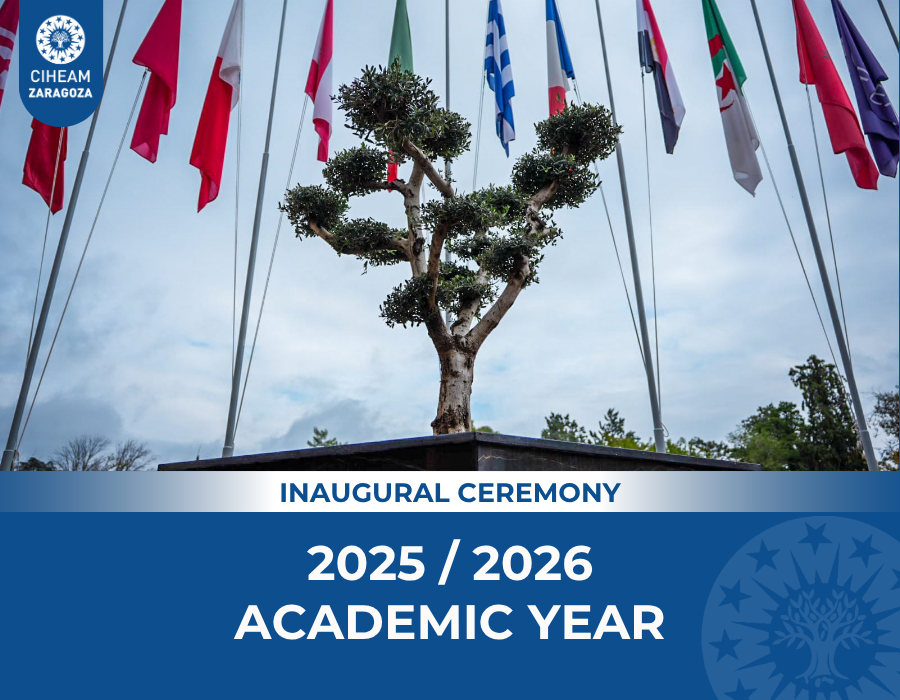
CIHEAM Zaragoza’s auditorium located on the Campus of Aula Dei, will host the inaugural ceremony of the academic year 2025-2026. The event will take place on 28 October, commencing at 11:00 CET and will mark the official start of this year’s master’s programmes: Plant Genetics, Genomics and Breeding(coorganised with the University of Lleida and with the collaboration of ICARDA, CBGP and Agrotecnio), Animal Nutrition (coorganised with the University of Zaragoza y with the collaboration of the UPM and FEDNA), Olive Growing and Oil Technology (coorganised with the University of Cordoba, with the collaboration of the Regional Government of Andalusia, IFAPA, IOC, CSIC and FPCO) and Sustainable Fisheries Management (coorganised with the University of Alicante and with the collaboration of the General Fisheries Secretariat of the Spanish Ministry of Agriculture, Fisheries and Food (MAPA).
The director of CIHEAM Zaragoza, Raúl Compés, will preside the ceremony, joined by representatives from the Ministry of Foreign Affairs and Cooperation (MAEC) and the Ministry of Agriculture, Fisheries and Food (MAPA) of Spain, CIHEAM General Secretariat, and the Government of Aragon, together with representatives from partner institutions of the master’s programmes with editions commencing this year.
The talk will analyse the impact of current international conflicts in agri-food relations in the Mediterranean region. It will address the role of international organisations, opportunities for collaboration between nations and strategies to mitigate tensions and strengthen food security in the Mediterranean.
Miranda has developed his professional career at the Spanish Ministry of Agriculture, Fisheries and Food, with numerous technical posts and long-standing experience in senior roles within the Ministry since 2006, where he has been president of the Spanish Agricultural Guarantee Fund (FEGA), director general for Production and Markets and Secretary General of Agriculture and Food. He served as Counsellor of Agriculture, Fisheries and Food at the Permanent Mission of Spain to the International Organisations in Geneva from July 2024 to September 2025.
Tribute to Miguel Mut and Miguel Valls
The inaugural ceremony this year will include a heartfelt In Memoriam tribute to Miguel Mut Catalá and Miguel Valls Ortiz, two fundamental figures in the history of the Institute that passed away this year. This institutional tribute will mark a public recognition of the extraordinary contribution that both former directors made to the evolution and consolidation of CIHEAM Zaragoza as an international centre of excellence in agri-food training.
The section will begin by recalling the professional journeys of Miguel Mut Catalá – director between 1975 and 1988- and Miguel Valls Ortiz -director from 1988 to 2003, together with some personal testimonies. Both periods were decisive in marking the identity of the Institute and building the reputation that the Institute enjoys today.
Ramón Esteruelas-CIHEAM Zaragoza Prize
The winner of the second edition of the Ramón Esteruelas-CIHEAM Zaragoza Prize 2023-2025 will be announced during the event. This award recognises the outstanding achievement of master’s students at CIHEAM Zaragoza and is named in honour of Ramón Esteruelas, visionary founder of CIHEAM and president of the Governing Board between 1962 and 1983. Through this award CIHEAM Zaragoza acknowledges the pursuit of academic excellence to enhance cooperation and development within Mediterranean countries.
The agenda is as follows:
Welcome address
Presentation of course activities and doctoral programme
Announcement of the second edition of the Ramón Esteruelas Prize
In Memoriam tribute
Keynote lecture and discussion
Official opening of the 2025–2026 academic year
Refreshments.
If you wish to attend the inaugural ceremony, either in person or on line, please register here.
Excellence in international training
CIHEAM Zaragoza was founded 56 years ago, providing highly specialised international training, leading to new opportunities in the agri-food sector and enhancing access to the job market. This centre of excellence promotes research, innovation and cooperation for development to overcome the main challenges that Mediterranean countries are facing in the scope of agriculture, livestock production, fisheries, the environment and natural resources.
Thanks to CIHEAM Zaragoza’s scholarship programme, outstanding students from the southern and eastern shores of the Mediterranean have access to post-graduate studies in key aspects for the future of the agriculture and food sector in their countries of origin and other parts of the world.
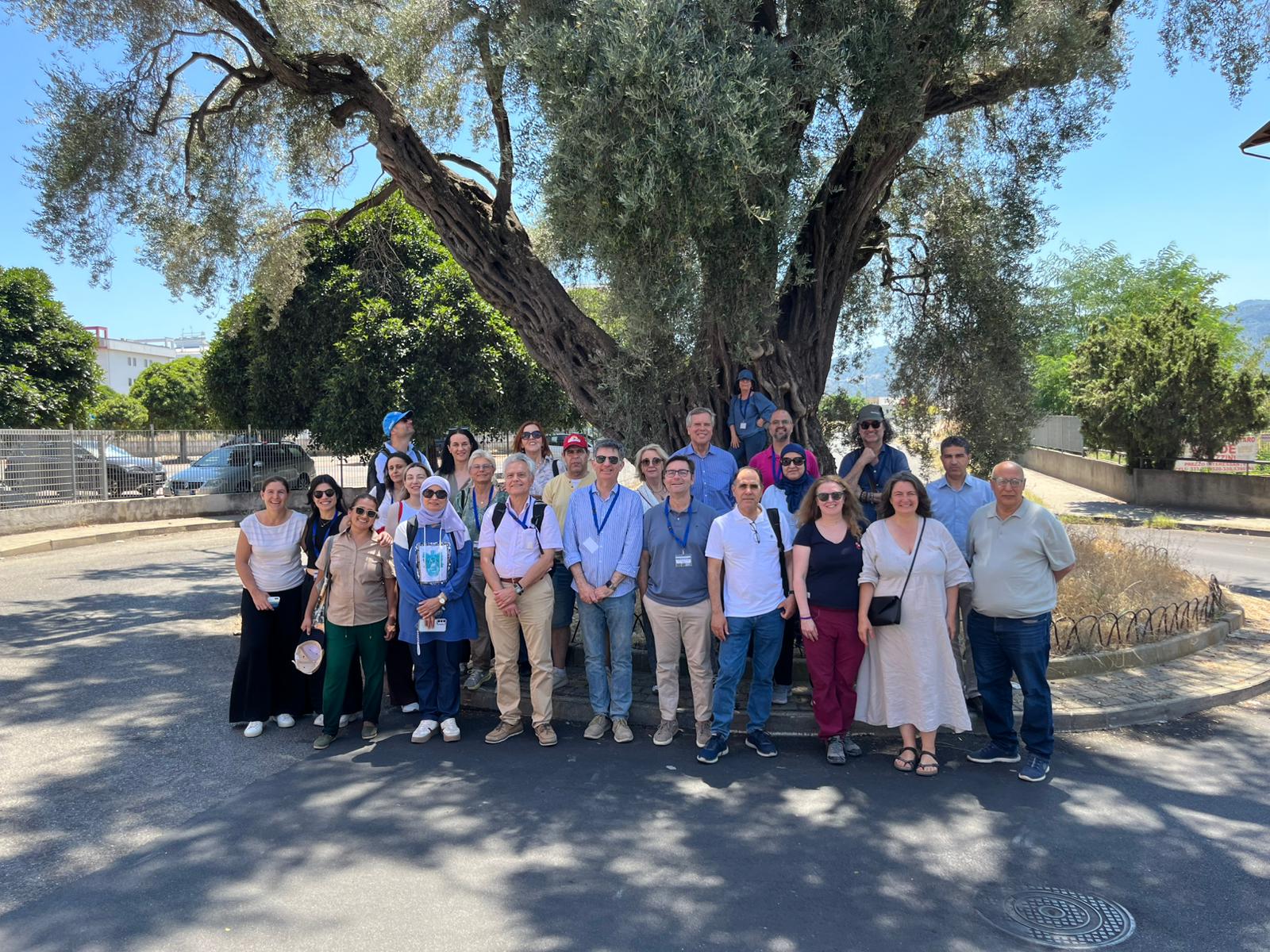
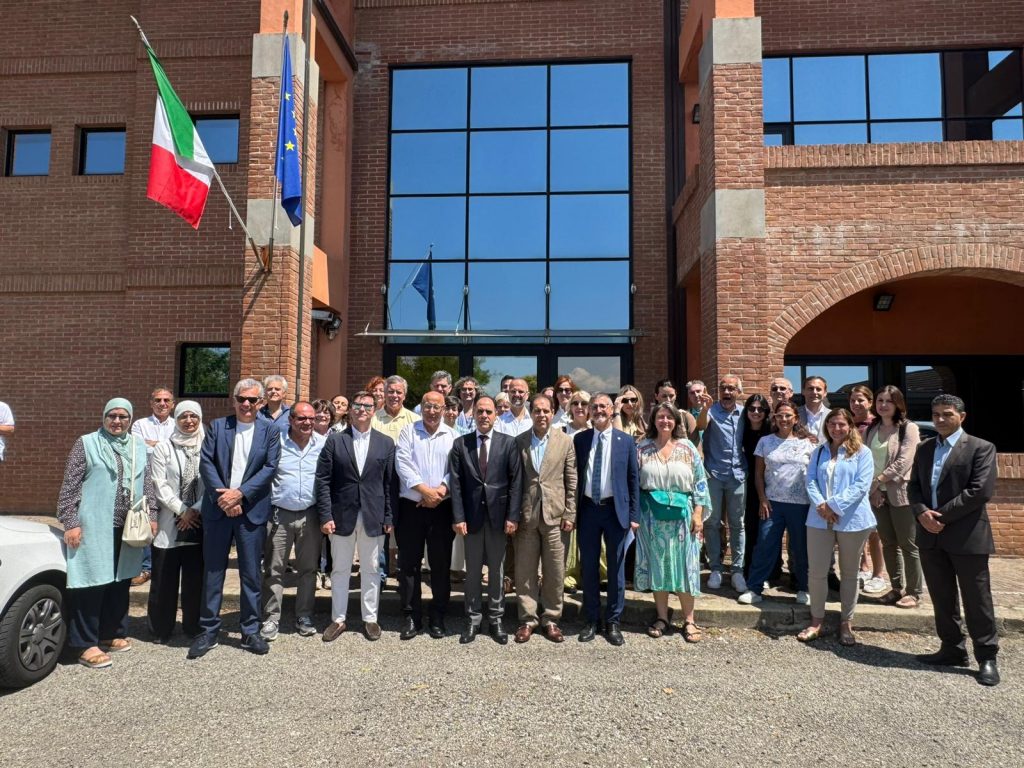
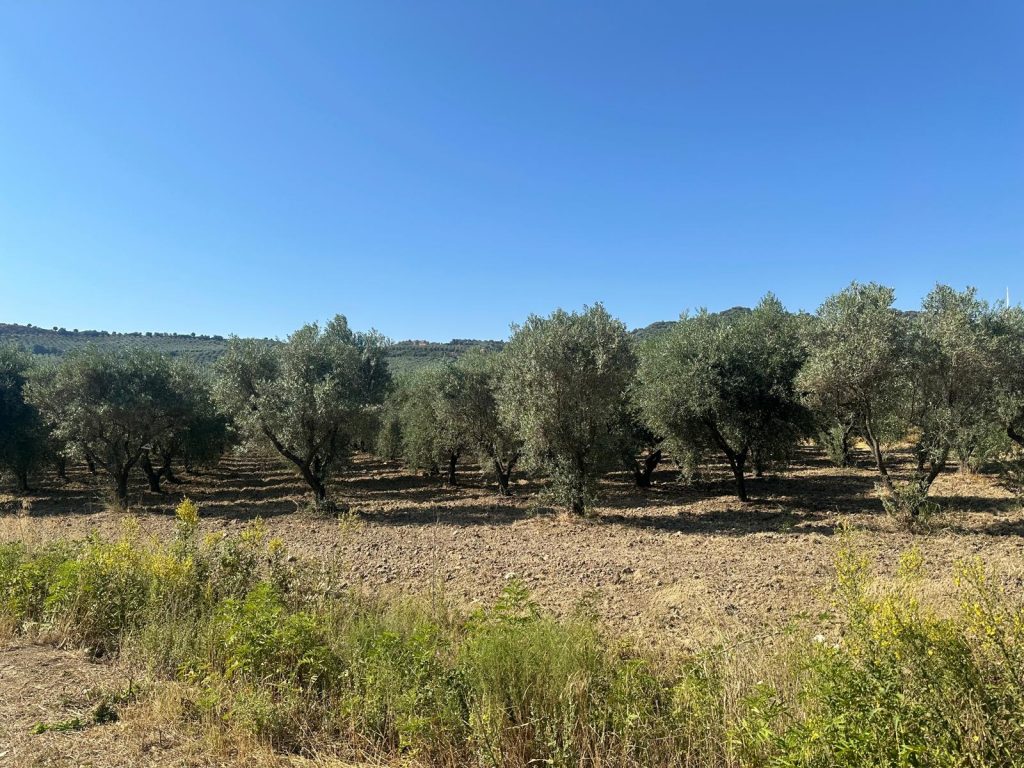
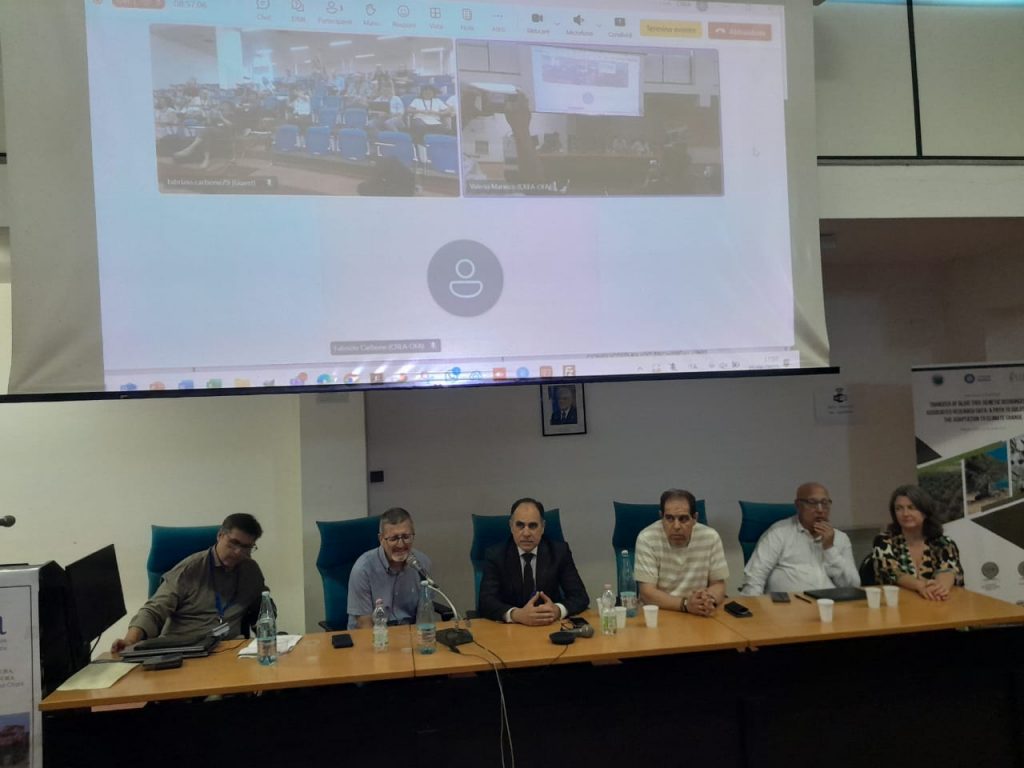
CIHEAM Zaragoza has actively participated in a major international workshop focused on olive tree genetic resources and climate change adaptation, held from 23 to 26 June 2025 in Rende, Italy. The workshop, titled “Transfer of Olive Tree Genetic Resources and Associated Research Data: A Path to Solutions in the Adaptation to Climate Change”, was jointly organised by the International Olive Council (IOC) in collaboration with CIHEAM Zaragoza, CREA-OFA, and other strategic partners. The event received support from the Italian Ministry of Agriculture and the Calabria Region.
Addressing climate challenges in Mediterranean olive growing
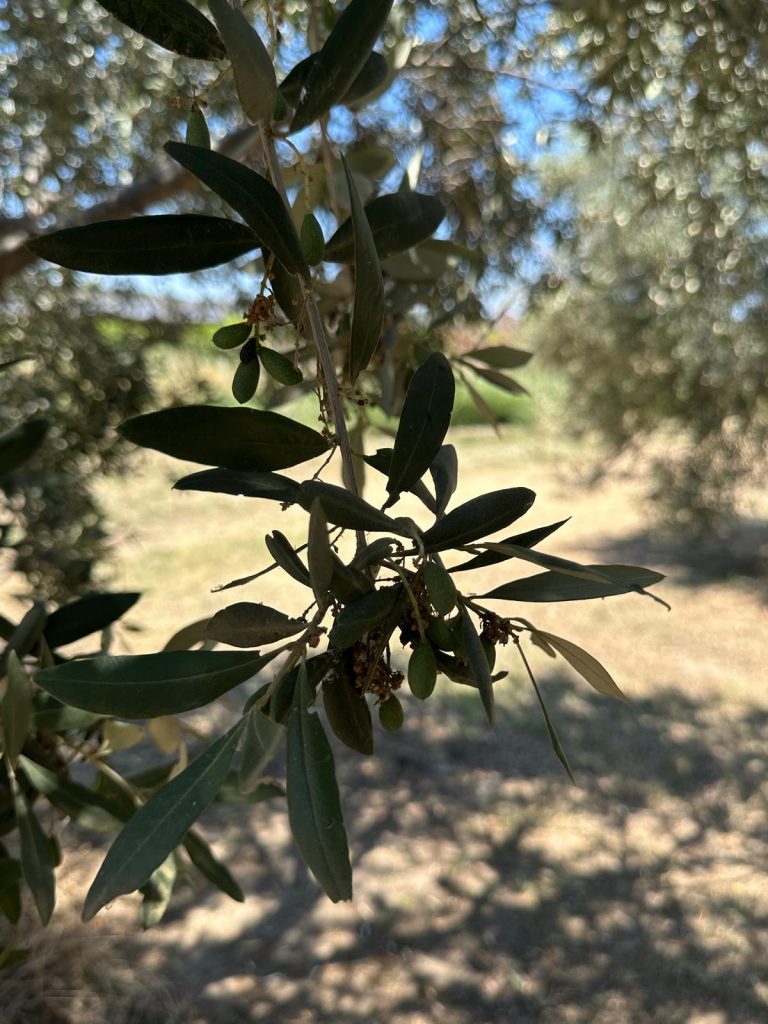
The workshop forms part of the IOC’s ongoing efforts to strengthen the management and coordination of the olive tree genetic resources network, which plays a crucial role in the sustainable development of Mediterranean olive cultivation. As the Mediterranean region faces growing climate pressures, the conservation, exchange, and responsible use of olive genetic material—including plants, cuttings, DNA sequences and associated data—has become increasingly urgent and strategic.
The meeting brought together a diverse group of stakeholders, including leading scientists, policymakers, gene bank curators, and project coordinators involved in cutting-edge research and capacity building.
Main highlights of the workshop
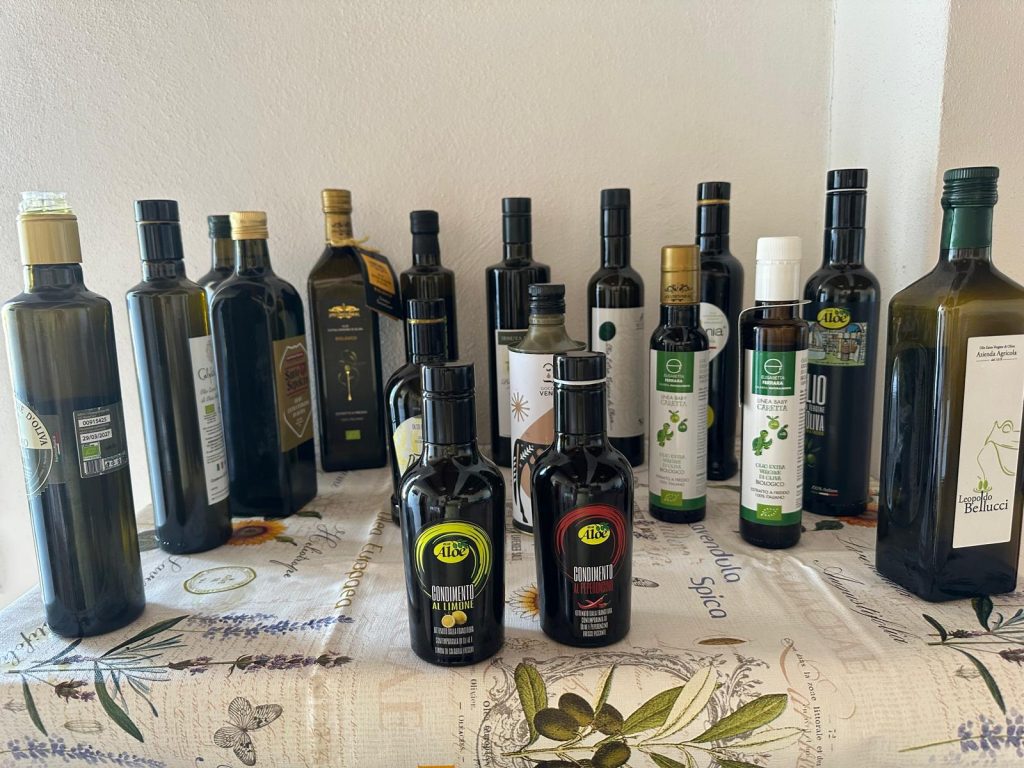
The programme included several important elements. Keynote presentations highlighted the importance of genetic diversity in improving climate resilience, productivity, and disease resistance in olive orchards. An overview of the international olive germplasm network was provided, featuring open discussions between gene bank curators about challenges in material exchange and traceability. Several European and international projects were presented, including GEN4OLIVE, CLIMEOLIVEMED, and BEXYL, demonstrating innovative approaches to olive breeding, conservation strategies, and responses to biological stress. Technical sessions featured representatives from the FAO International Treaty on Plant Genetic Resources for Food and Agriculture (ITPGRFA) and The Crop Trust, promoting alignment with global governance mechanisms and standards. Field visits to Terranova da Sibari and Corigliano allowed participants to observe experimental collections and olive oil processing facilities, encouraging dialogue between research and practice.
Key strategic outcomes
The workshop concluded with a collective call to action. This included the need to integrate more national gene banks into the FAO Treaty framework, the development of a global conservation strategy for Olea europaea, and the strengthening of the IOC Expert Group and the promotion of Digital Object Identifiers (DOIs) to improve traceability and data sharing across collections.
CIHEAM Zaragoza’s Commitment
CIHEAM Zaragoza is proud to have contributed to this important initiative, reinforcing its strategic commitment to supporting science-driven, inclusive, and sustainable food systems in the Mediterranean region. Through its participation, CIHEAM Zaragoza continues to connect research, training, and policy dialogue in support of agricultural resilience and biodiversity conservation.
Para ofrecer las mejores experiencias, utilizamos tecnologías como las cookies para almacenar y/o acceder a la información del dispositivo. El consentimiento de estas tecnologías nos permitirá procesar datos como el comportamiento de navegación o las identificaciones únicas en este sitio. No consentir o retirar el consentimiento, puede afectar negativamente a ciertas características y funciones.
Funcional
Always active
El almacenamiento o acceso técnico es estrictamente necesario para el propósito legítimo de permitir el uso de un servicio específico explícitamente solicitado por el abonado o usuario, o con el único propósito de llevar a cabo la transmisión de una comunicación a través de una red de comunicaciones electrónicas.
Preferencias
El almacenamiento o acceso técnico es necesario para la finalidad legítima de almacenar preferencias no solicitadas por el abonado o usuario.
Estadísticas
El almacenamiento o acceso técnico que es utilizado exclusivamente con fines estadísticos.El almacenamiento o acceso técnico que se utiliza exclusivamente con fines estadísticos anónimos. Sin un requerimiento, el cumplimiento voluntario por parte de tu proveedor de servicios de Internet, o los registros adicionales de un tercero, la información almacenada o recuperada sólo para este propósito no se puede utilizar para identificarte.
Marketing
El almacenamiento o acceso técnico es necesario para crear perfiles de usuario para enviar publicidad, o para rastrear al usuario en una web o en varias web con fines de marketing similares.