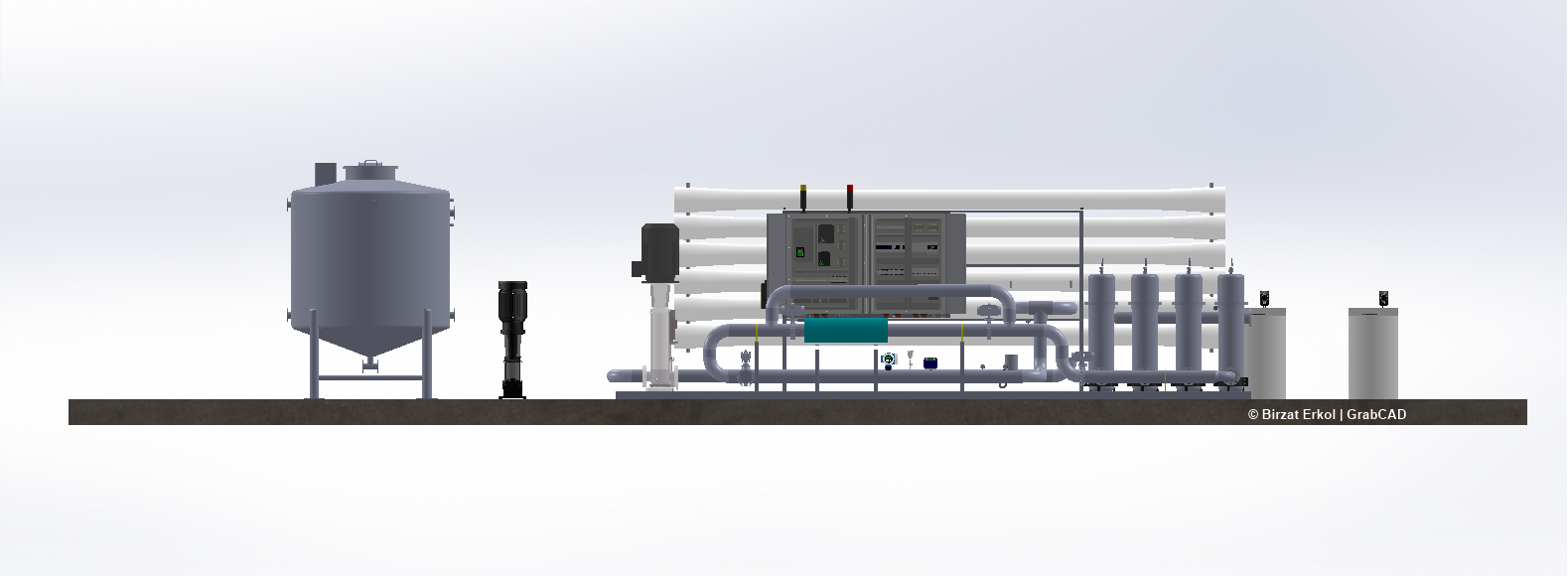
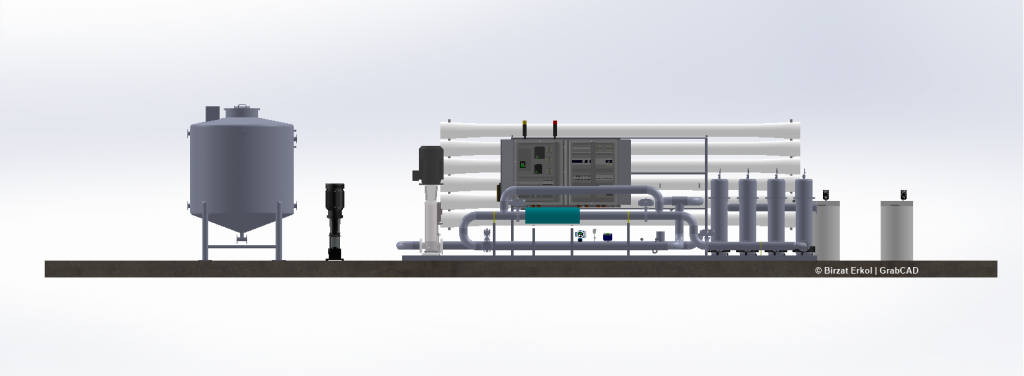
The world faces an increasingly urgent challenge of water scarcity, driven by population growth, climate change, and inefficient resource management. Innovative solutions are critical to ensuring sustainable access to and usage of water. Among the most promising technologies is Seawater Reverse Osmosis (SWRO) desalination, which has emerged as a pivotal tool in addressing this crisis. However, SWRO is energy-intensive due to the substantial energy required to pressurise seawater and overcome osmotic pressure to produce fresh water.
To optimise SWRO operations, real-time smart management of operating parameters is essential. By reducing energy consumption and minimising chemical use, these innovations help adjust water production based on demand and prevailing water conditions. The adoption of real-time monitoring and advanced simulation tools, such as digital twins, is crucial to achieving these goals.
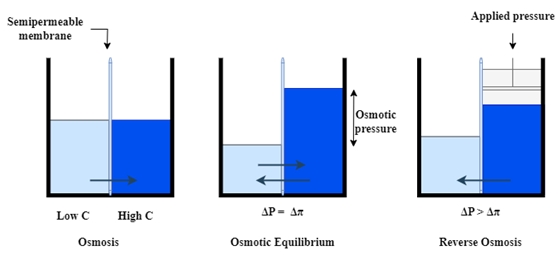
By definition, reverse osmosis is the process where water molecules are forced to move from a region of high solute concentration (high osmotic pressure) to a region of low concentration (low osmotic pressure) across a semipermeable membrane, against natural osmotic flow, by applying external pressure greater than the osmotic pressure.
Research Spotlight: Aissam Daaboub’s Master’s Thesis
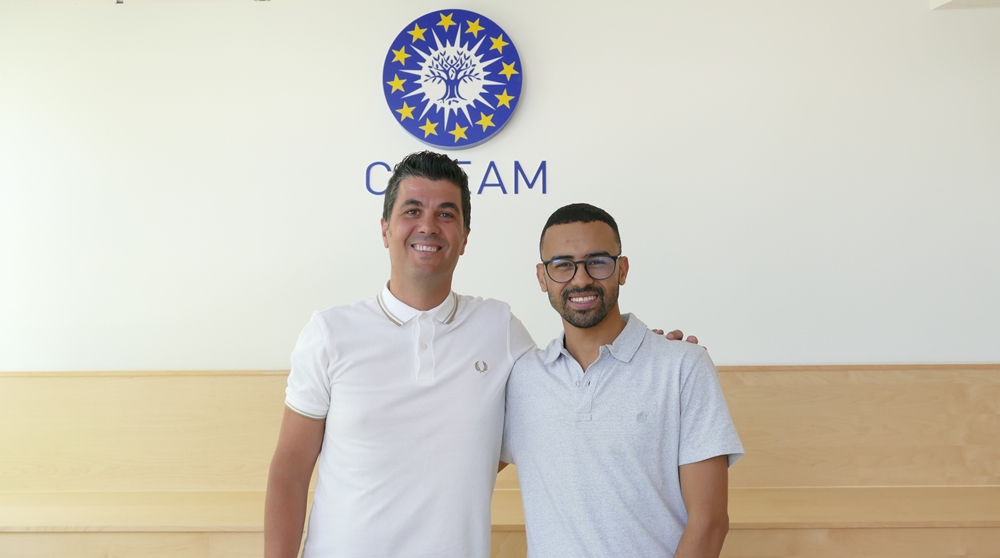
Aissam Daaboub, a graduate of CIHEAM Zaragoza’s MSc programme “Sustainable Water Management and Governance in Natural and Agricultural Environments”, has provided significant insight into improving desalination processes. His Master’s thesis, titled “Development of Predictive Solutions for Drinking Water Generation and Distribution”, explores the potential of data-driven models to simulate SWRO behaviour and optimise processes.
This research was conducted under the supervision of Edgar Rubión Soler, Head of Water and Climate Change AI Solutions at Eurecat, a leading technology centre in Catalonia, Spain.
“The second year of the master’s programme was a rewarding learning experience for me”, recalls Aissam. “The choice of topic came from my desire to strengthen the knowledge I acquired during the first year, particularly in the area of digital transformation in the water sector. This motivated me to get in touch with Eurecat through the programme coordinator, Maite Aguinaco. This project has helped me a lot in developing skills in mathematical modeling, programming, machine learning, simulations, and solving real-world problems”.
Predictive solutions for generating drinking water
The primary goal of this research was to develop predictive solutions for drinking water generation in response to the challenges posed by water scarcity and climate change. The study focused on enhancing Seawater Reverse Osmosis (SWRO) desalination through the integration of digital twins and machine learning (ML), which enable real-time monitoring, ‘what if’ scenario simulations, process optimisation, and autonomous control. By leveraging these tools, the research aimed to improve energy efficiency, reduce operational costs, and ultimately minimise the environmental impact of desalination technologies.
Applicability of machine learning models
The research yielded several significant findings that advance the understanding and optimisation of the seawater reverse osmosis (SWRO) process. A robust mechanistic model was developed, accurately replicating the complex behaviour of the reverse osmosis process and demonstrating high precision in predicting key performance indicators, including permeate salinity, water recovery, and specific energy consumption (SEC). Additionally, data-driven machine learning models, such as CatBoost and XGBoost, were tested for their ability to simulate desalination processes. Analysis using SHAP (SHapley Additive exPlanations) confirmed these models’ effectiveness in capturing system mechanisms.
Furthermore, the study underscored the real-world applicability of these machine learning models, demonstrating their potential to enhance system performance, improve energy efficiency, and balance trade-offs among crucial variables like permeate salinity, SEC, and permeate flow. This work highlights the transformative role of machine learning in advancing SWRO technology, contributing to the development of digital twins to enable more efficient and controlled operations.
Aissam’s research interests span sustainable water management, climate change, droughts, desalination, artificial intelligence, remote sensing, hydrological modelling, and simulation. He is particularly focused on developing data-driven solutions for desalination, wastewater treatment, and hydrological systems. Currently, he works as an Applied Artificial Intelligence Researcher in Water and Climate Change at Eurecatin Catalonia.
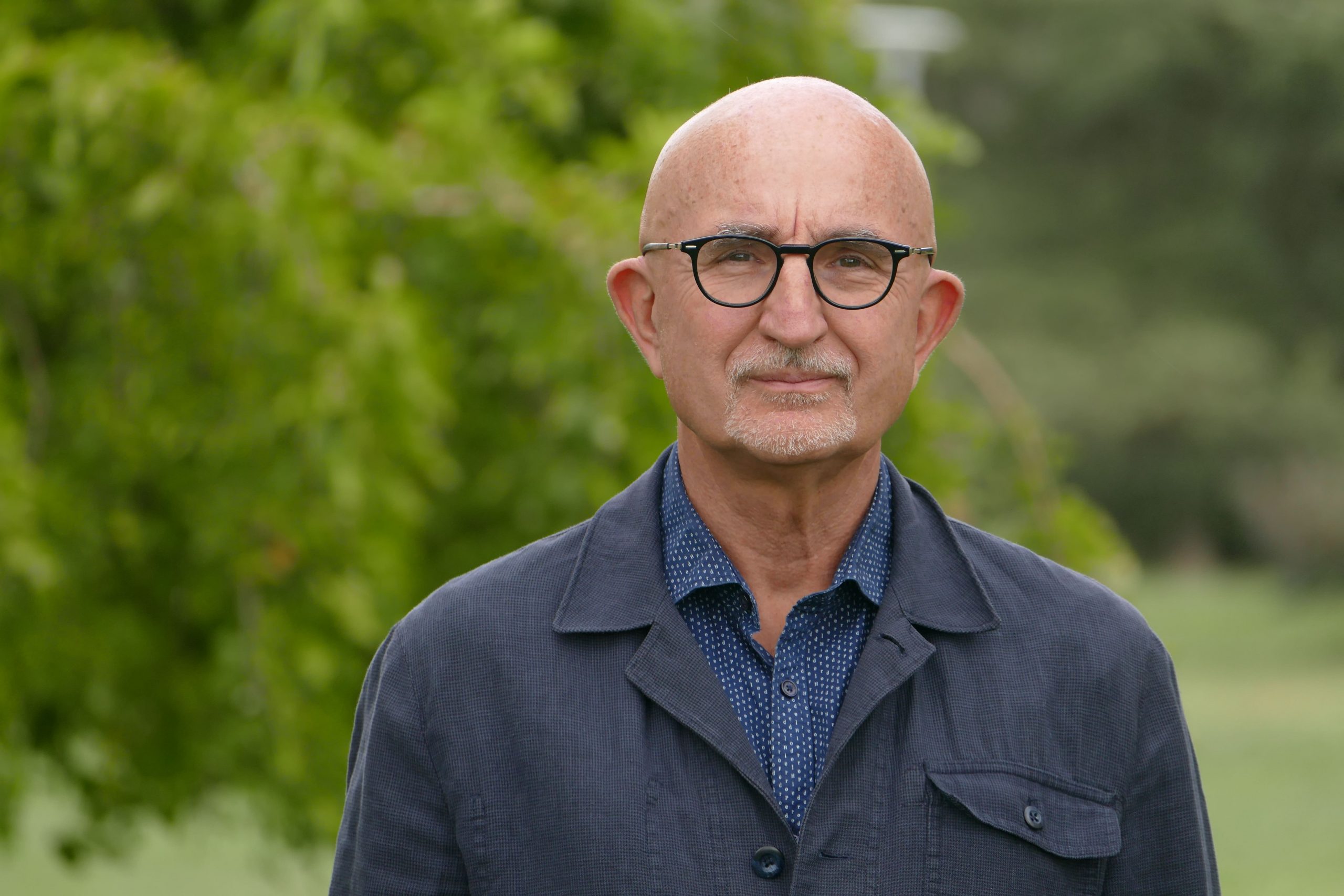
Zaragoza, 7 January 2025.- The CIHEAM Governing Board has reappointed Raúl Compés López as director of the Organisation’s Institute in Spain (CIHEAM Zaragoza) for a second term beginning 4 January 2025 and concluding 3 January 2029.
During his first term of office (January 2021-January 2025), Compés López has strengthened the Institute’s role in cooperation in agriculture and food-related issues, seeking greater impact of CIHEAM Zaragoza’s activities in the Mediterranean.
In order to fulfil this objective, he has made significant investments in infrastructures, utilities and equipment, strengthened networks and strategic allianceswith prominent local, national and international bodies in the field of agriculture and food and natural resources, consolidated communication strategies, diversified projects, broadened public relations, and introduced changes in governance.
Compés reflects upon his first mandate: “The efforts made over the last four years have focused on enhancing CIHEAM Zaragoza’s capacity to rise to the current challenges faced by the agrifood sector and in natural resource management in the Mediterranean, consolidating the Institute’s relevance in capacity building, knowledge transfer and cooperation”.
Among the priorities set for this second mandate is an ambitious digitalisation plan to optimise processes and increase operational efficiency, together with further renovation work on the Institute’s buildings to adapt to arising needs. Plans also include widening the range of thematic areas and activities related to innovation and entrepreneurship, vital for the engagement of women and youth, job creation, sustainable development in the Mediterranean region, and food security.Orientation towards scientific diplomacy will serve to enhance international cooperation and knowledge-sharing in these fields.
All this will be possible thanks to a decided effort to build on the talent and capabilities of the team, further developing the collaborative environment and commitment to the Organisation’s values and pursuit of excellence.
Since its creation in 1969, CIHEAM Zaragoza has trained thousands of students and professionals from all over the world, particularly the Mediterranean region, in specialist areas of the agrifood sector.
Besides, the Institute promotes sustainable and inclusive development across the region through research and cooperation projectsgenerating knowledge and applied solutions.
Ramzi Belkhodja, administrator of the training area ‘Plant Production, Health and Breeding’ at CIHEAM Zaragoza, addresses in this article the challenges faced by Mediterranean agriculture, with a focus on the impacts of climate change on plant health and crop production.
The article explores emerging threats, pest control strategies, plant breeding to produce new, resistant varieties, and sustainable agricultural practices. The article also underlines the role of international cooperation and technological innovation in the Mediterranean agricultural sector in order to adapt to evolving climatic conditions.
Current context of Mediterranean agriculture
Throughout history, agriculture in the Mediterranean region has been a fundamental pillar of local livelihoods and international trade. Characterised by emblematic crops such as olives, vines, cereals, citrus, and horticultural products, the region hosts a diverse agricultural system of enormous cultural, social and economic value. Mediterranean countries are located in Europe, northern Africa and western Asia, united by a common climate featuring mild, rainy winters and hot, dry summers. These climatic conditions favour certain crops but they also make them highly vulnerable to climatic fluctuations and emerging phytosanitary threats.
In this context, plant health plays a vital role in protecting crops against pests, diseases, and other biotic factors that threaten agricultural production. The expansion of invasive pests, increasing prevalence of diseases, and extreme climatic variations seriously jeopardise the stability and productivity of Mediterranean agricultural systems. Advances in plant health – from integrated pest management to advanced monitoring technologies – are essential to ensuring sustainable production in the region.
Plant breeding is a key instrument for developing crop varieties that are not only more productive, but also resilient to adverse conditions such as water stress, high temperatures, and emerging diseases. Modern breeding techniques, including gene editing and biotechnology, are transforming scientists’ capacity to develop crops adapted to current climatic and phytosanitary challenges.
At a moment when global food security is a critical issue, Mediterranean agriculture faces a dual challenge: meeting the growing demand for high-quality food products while mitigating and adapting to the effects of climate change and biotic threats. Consequently, plant health and breeding are not only fundamental for maintaining crop production, but also to ensure sustainable production that can feed future generations, conserve natural resources, and preserve the ecological balance of the region.
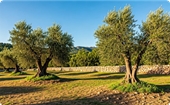
Olive trees are an important element of the Mediterranean agricultural landscape, representing centuries of tradition and adaptation to the local climate
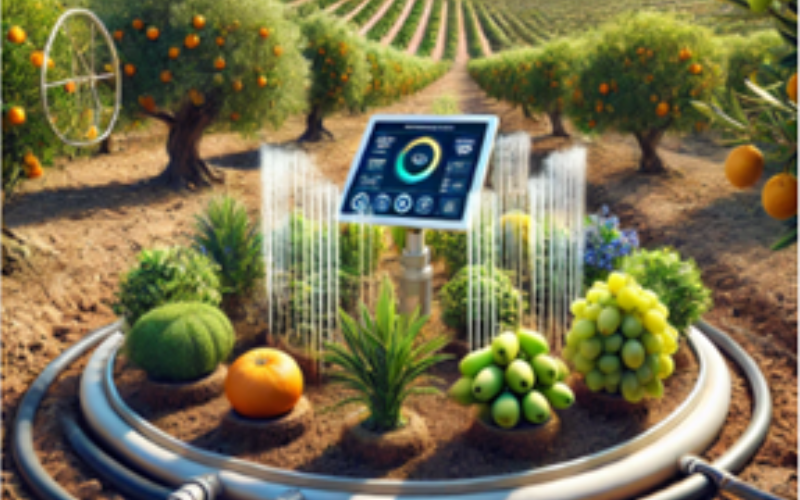
Modern cropping techniques, such as drip irrigation, help farmers to adapt to changing climatic conditions and use water more efficiently
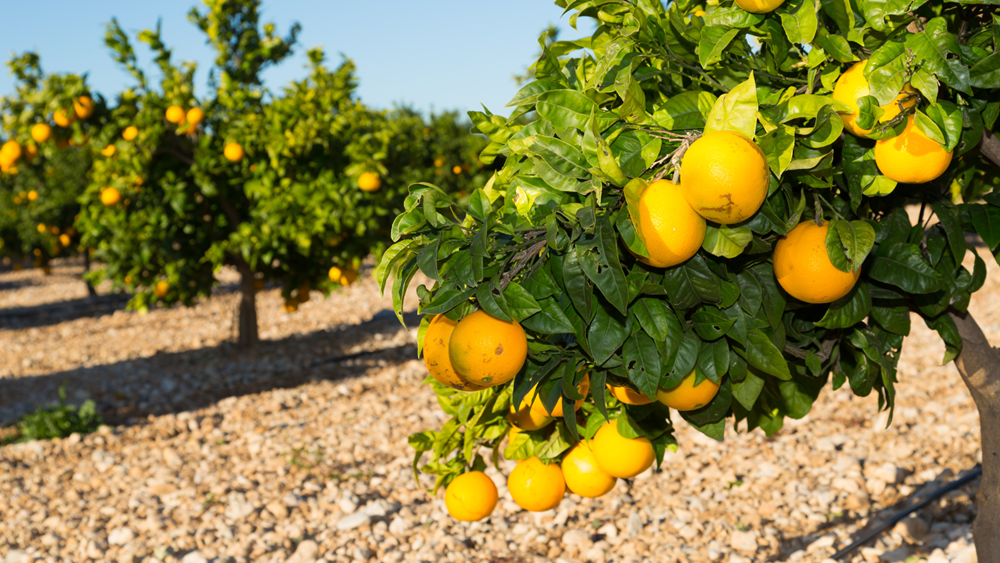
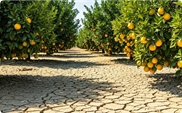
Climate change is altering the frequency and intensity of droughts which seriously affect traditional crops such as citrus orchards
Climate change as a key challenge
Climate change is widely regarded as one of the greatest challenges facing agriculture across the world, particularly in the Mediterranean. This region is among the most vulnerable to global warming due to its geographical location and unique climatic characteristics. Rising temperatures, unpredictable rainfall patterns, and an increased frequency of extreme meteorological phenomena, including heat waves, prolonged droughts, and torrential rains, are having devastating impacts on traditional agricultural systems.
One of the most pronounced effects of climate change in the Mediterranean is the rise in temperatures. The summers have always been hot, but they are now longer and more intense, disrupting the growth cycles of many key crops. High temperatures exacerbate drought stress, reducing both the productivity and the quality of agricultural products. For instance, in typical Mediterranean crops such as olives and vines, heat stress can significantly diminish the quality of olive oil and wine, with adverse effects on local economies. Extreme heat also impairs pollination and fruit set, lowering yields in many fruit and horticulture crops.
Unpredictable rainfall patterns pose another critical challenge. In the Mediterranean, rains typically occur in in autumn and winter, but recent years have seen increasingly erratic precipitation. Some areas experience insufficient rainfall, leading to prolonged droughts, while others suffer from torrential rains that cause floods, soil erosion, and damage to agricultural infrastructures. This phenomenon complicates water resource planning and management, an essential factor for irrigation and crop survival in a region where water is already scarce.
Climate change makes matters worse with the proliferation of emerging pests and diseases. Disruptions in the life cycles of pests and their natural predators, together with the increased survival of invasive species from warmer climates, have heightened the risk of crop infestations. For example, Xylella fastidiosa, a bacterium causing devastation in olive groves, vineyards, and almond orchards, has spread across the Mediterranean partly due to rising temperatures. Similarly, the olive fruit fly and other diseases affecting key crops are proliferating in previously unaffected areas, increasing production costs through greater phytosanitary controls.
Adapting to these changes requires progress in agricultural technology, together with integrated approaches including water management and genetic improvement to develop more heat and drought-resistant varieties, and new integrated pest management strategies. The resilience of Mediterranean agriculture to climate change will depend significantly on the capacity of farmers and governments to implement sustainable and innovative solutions that protect natural resources and ensure long-term productivity.
Plant breeding as a solution
Plant breeding has long been one of the most powerful tools in agriculture to address the challenges related to pests, diseases, and adverse climatic conditions. In a context of climate change, this discipline has become even more critical as it enables the development of more resilient crops capable of adapting to emerging phytosanitary threats and changing environmental conditions. For Mediterranean countries, where olive groves, citrus orchards, vineyards and other essential crops are under severe pressure, plant breeding offers long-term solutions to reduce the vulnerability of the agricultural sector.
One of the main advantages of plant breeding is its ability to introduce genetic resistance to pests and diseases, thereby reducing reliance on plant protection products and enabling more sustainable production systems. This is particularly relevant in the Mediterranean, where new pests and diseases, such as Xylella fastidiosa in olive groves and Tuta absoluta in tomatoes, have caused substantial economic losses.
Xylella fastidiosa has devastated olive groves in Italy and poses a serious threat to other Mediterranean countries, highlighting the need for resistant varieties. Breeding programmes are actively identifying and selecting olive varieties that are less susceptible to infection. Conventional and more advanced techniques, such as gene editing, have facilitated the development of crops that are more tolerant to this bacterium, which is a significant breakthrough in the fight against this devastating pest.
In addition to pest and disease resistance, plant breeding also plays a key role in developing crops tolerant to adverse climatic conditions, such as drought, extreme heat, and salinity. As climate change intensifies these challenges, new varieties capable of withstanding such conditions are essential for ensuring stable crop production in the region.
In Mediterranean countries, water is a limited resource and increasingly threatened by climate change. The genetic breeding programmes have successfully developed olive, vine and cereal varieties with greater water use efficiency and drought tolerance. These crops enable farmers to maintain acceptable production levels even in conditions of scarce water availability, thus contributing to the sustainability of the sector.
With the rise in mean temperatures and more frequent heatwaves in the region, crops must be able to maintain yield at extreme low temperatures. Plant breeding has been fundamental in developing horticultural and fruit crop cultivars as well as cereals that can adapt better to these conditions and mitigate yield losses.
Another challenge related to climate change is soil salinisation, which is exacerbated by less available freshwater and excessive irrigation in some areas. Plant breeding has produced of wheat, barley, and fruit-tree varieties with increased salinity tolerance, ensuring production in affected areas.
Through advances in biotechnology and incorporation of tools such as CRISPR-Cas9, plant breeding has taken a large leap forward through precision gene editing. This can accelerate the development of resistant varieties pests, diseases, and adverse climatic conditions. Unlike conventional breeding methods, which can take years or even decades, by using gene editing, breeders can modify a plant’s DNA to improve specific characters quickly and efficiently.
One of the main advantages of gene editing is the ability to introduce resistance to multiple threats into a single variety. For example, plants resistant to both pests and drought are essential in the Mediterranean, where farmers have to deal with multiple challenges simultaneously.
Although biotechnological tools are very promising, there are also other challenges including regulatory constraints and public acceptance. Some Mediterranean countries remain cautious about genetically modified or edited varieties due to regulatory issues or consumer concerns. However, research is ongoing and clear regulatory frameworks can be established to facilitate the adoption of these technologies in the future.
Conclusions
The article highlights the profound impacts of climate change on plant health in the Mediterranean, making the situation of pests and diseases worse and compromising agricultural production. Changes in temperature and rainfall patterns have increased risks to plant health, underlying the need for adaptive approaches such as plant breeding and integrated pest management.
CIHEAM Zaragoza plays a critical role in finding solutions for these challenges, through cooperation projects to promote sustainable agricultural practices. By focusing on training and knowledge transfer, CIHEAM Zaragoza delivers capacity-building programmes for scientists and technical specialists, equipping them with innovative technologies and methodologies to safeguard plant health under adverse climatic conditions.
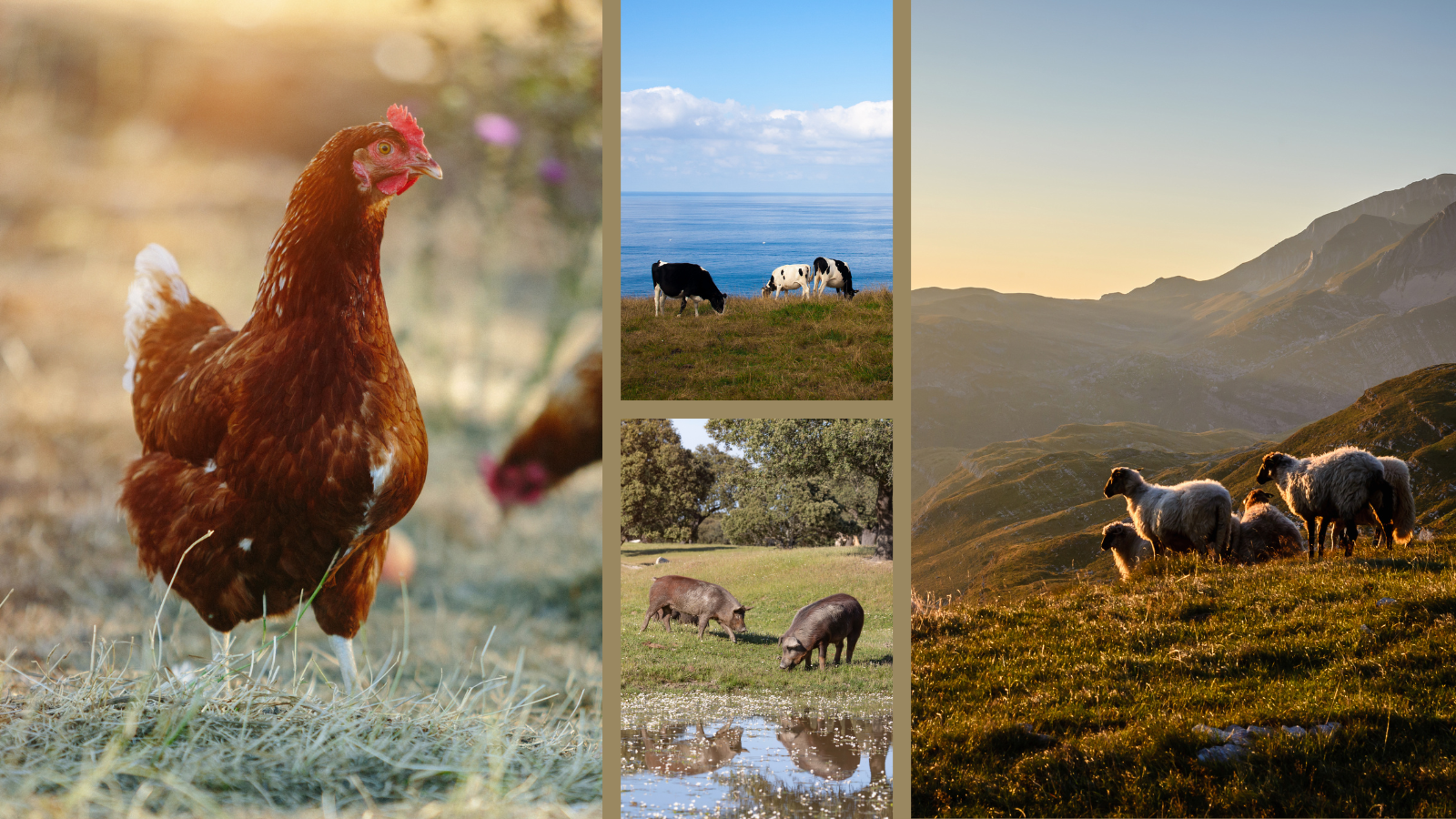
The course “Farm Animal Welfare: Regulatory Framework, Certification and Labelling Schemes” was held at CIHEAM Zaragoza from 25 to 29 November
Coorganised by CIHEAM Zaragoza, FAO, MAPA, and supported by the European Commission and Red CIBA, the course attracted more than 40 participants from 16 countries across Europe, Africa, and South America
An international forum on regulation and certification
The course attracted 43 participants from 16 countries across Europe, Africa, and South America, creating a diverse and dynamic learning environment. The attendees primarily comprised officers at national and regional levels, representatives from various companies, members of NGOs, and academics dedicated to advancing the standards of animal welfare.
From scientific foundations to designing labels
The opening session was led by Teresa Villalba, from MAPA, who provided a historical overview of animal welfare regulations in Europe. Villalba traced the origins of these regulations back to 1820, highlighting the evolution and increasing complexity of creating regulation over time. She emphasised the need for a clear distinction between the concepts of animal welfare, animal cruelty, animal rights, and animal protection. Understanding these distinctions is crucial for meaningful discussions and effective policy-making in this matter.
Dr Pol Llonch from the Autonomous University of Barcelona (UAB) presented the scientific foundations of animal welfare. Dr Llonch explained the progression from the Five Freedoms to the more comprehensive concept of Five Domains. He also discussed various indicators and drivers, equipping participants with the knowledge to evaluate and improve welfare standards effectively.
The course also covered current regulations. Teresa Villalba, Helena Gonzalez, and Pablo Bañados from MAPA, along with Susana Riera from the Generalitat de Catalonia, provided an extensive overview of the existing regulations on the farm, during transport, and in slaughterhouses. They also discussed the integration of these regulations with other legislative frameworks such as animal product safety and environmental protection.
Jarkko Niemi from the Natural Resources Institute Finland (LUKE) offered insights into the differences between quality standards, certification, and labels. Dr Niemi explained the situation of animal welfare labels in Europe and elaborated on the certification processes, providing a clear understanding of how these systems operate. In addition, representatives from four different labels—Etiquette Bien-Être Animal, Welfair, BAIE+, and Bedre Dyrevelfærd—shared information regarding their unique characteristics and certification processes, offering real examples of successful labelling schemes.
Consumer and operator perceptions of animal welfare labels and their economic benefits were explored by Celine Ledoux from the European Commission. Celine highlighted the growing demand for animal welfare-friendly products and the potential economic advantages for producers who adopt these practices.
The course included an interesting workshop that involved a role-playing exercise. Participants were tasked with creating their own animal welfare labels, simulating positions from different stakeholders in the livestock industry. They discussed the challenges and considerations involved in developing effective and credible labelling schemes. This hands-on activity encouraged collaboration and creativity, allowing participants to apply their newfound knowledge in a practical setting.
The course concluded with a round table discussion featuring various stakeholders who deliberated on the present and future of animal welfare. The round table was moderated by Guiomar Liste (Red CIBA), with the participation of Gonzalo Corrales (farmers representative, UPA), Ines Grenho Ajuda (NGO representative, Eurogroup for Animals), Arantxa Villagra (research representative, IVIA-CITA), Teresa Villalba (government representative, MAPA). This session created an opportunity for participants to share their experiences, challenges and goals, building a sense of community and shared commitment to improve animal welfare.
Lessons learnt to advance global animal welfare
The contemporary conception of animal welfare is rooted in pathocentrism, which recognises animals as sentient beings capable of experiencing pain and suffering. This ethical framework asserts that animal suffering is unacceptable and must be actively prevented. The moral obligation to prevent animal suffering is the cornerstone of animal welfare standards and practices.
Over time, various definitions and principles have been proposed to define animal welfare. The most widely recognised and foundational concept is the Five Freedoms, which assert that animals should be free from hunger and thirst; discomfort; pain, injury, and disease; fear and distress; and to express normal behaviour. Building on the Five Freedoms, the concept currently used to define animal welfare is the Five Domains model, which offers a more nuanced approach. The Five Domains include: Nutrition: adequate and appropriate food and water; Environment: suitable living conditions; Health: absence of disease and injury; Behaviour: opportunities to express innate behaviours; and Mental State: promotion of positive experiences and prevention of negative experiences.
From a political and sociological perspective, animal welfare is considered as a “wicked problem” due to its complexity and the diverse, often conflicting viewpoints, beliefs, and economic interests involved. Despite these differences, there is a genuine concern for the welfare of farm animals for European stakeholders in the animal production industry and consumers, leading to some of the most demanding legislation in the world.
European welfare legislation sets minimum welfare standards on the farm, during transport, and at the slaughterhouse. European regulations also serve as guidelines for countries lacking their own legislation, highlighting Europe’s influential role in global animal welfare standards. While these regulations aim to ensure high welfare standards in farmed animals, there is a perception that regulation may harm the competitiveness of European producers, particularly when competing with imported products from regions with less stringent regulations.
Labels have been created to assure consumers that the products they purchase meet welfare standards that exceed the mandatory regulations. Currently, Europe hosts over 100 animal welfare labelling schemes, each with diverse and heterogeneous standards. As different schemes have large differences in the standards required, there is also considerable heterogeneity in their potential to improve animal welfare. In general, more demanding tiers within multitier labelling schemes have a greater potential to enhance animal welfare progressively.
Currently, there is no harmonised EU-level animal welfare labelling scheme, nor is there regulation specifically governing these labels. This lack of standardisation contributes to consumer confusion and calls for a more cohesive approach. Key aspects of these labelling schemes are verifiability and transparency.
Consumers express strong interest in animal welfare attributes in animal products, but their knowledge of actual farming practices is often limited. This gap results in consumer preferences being based on perceived welfare problems rather than actual welfare issues. Although consumers show a declared interest, this does not always translate into purchasing behaviour. Consumer education is crucial for enabling informed purchasing decisions.
Products bearing animal welfare labels are typically more expensive than conventional products. However, the retail prices are more influenced by market demand, competition, and the actions of other supply chain actors (processors and distributors) rather than the production costs incurred by primary producers. While retailers and processors primarily benefit from the price difference, farmers mostly recoup their investments and operating costs. Despite these economic differences, primary producers have several incentives to join labelling schemes beyond financial gain. These include maintaining access to markets and gaining entry to new markets, improving productivity, enhancing reputations, and contributing to overall welfare improvements.
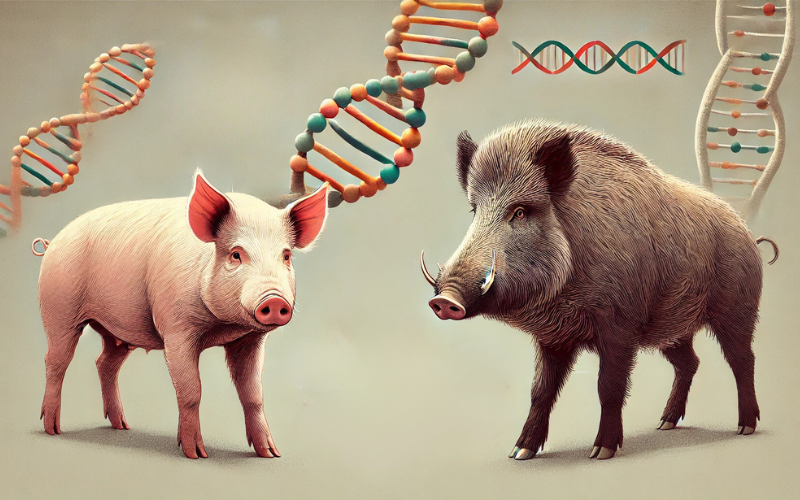
Domestication has played an important role in adapting swine traits, transforming them from wild boars to domestic animals adapted to human needs. This process has marked their DNA, visible in terms of physical appearance, behaviour, reproductive ability and adaptability. However, to fully understand how domestication has influenced their genetics, not only do we have to identify the genes involved, but also determine the tissues and organs in which they are active.
Domestication involves rearing animals in surroundings different from their natural habitat, which ends up modifying their behaviour and physical appearance. A wild animal and a domesticated animal can have genes with the same genetic sequences, but the influence of environmental conditions can cause changes in their DNA which, in turn modify the way in which genes, and hence phenotypes, are expressed.
Outstanding Master of Science Thesis by Diego Vargas
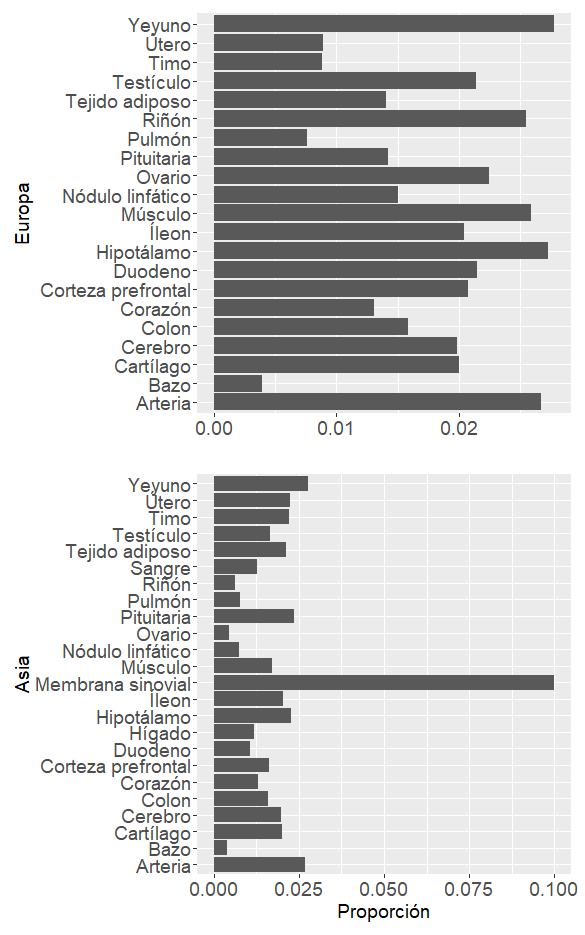
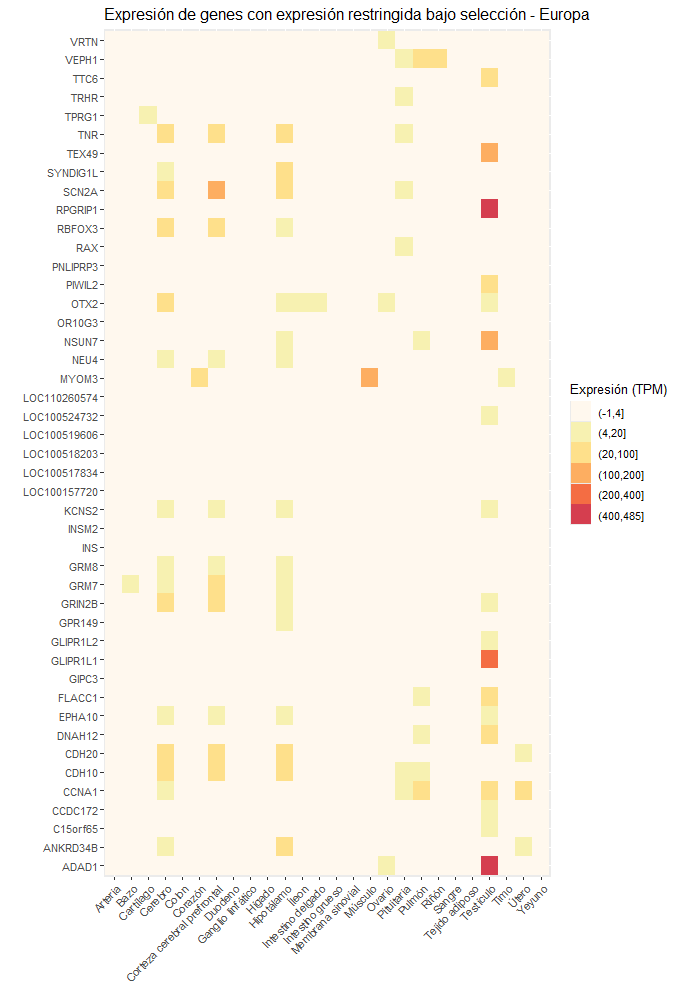
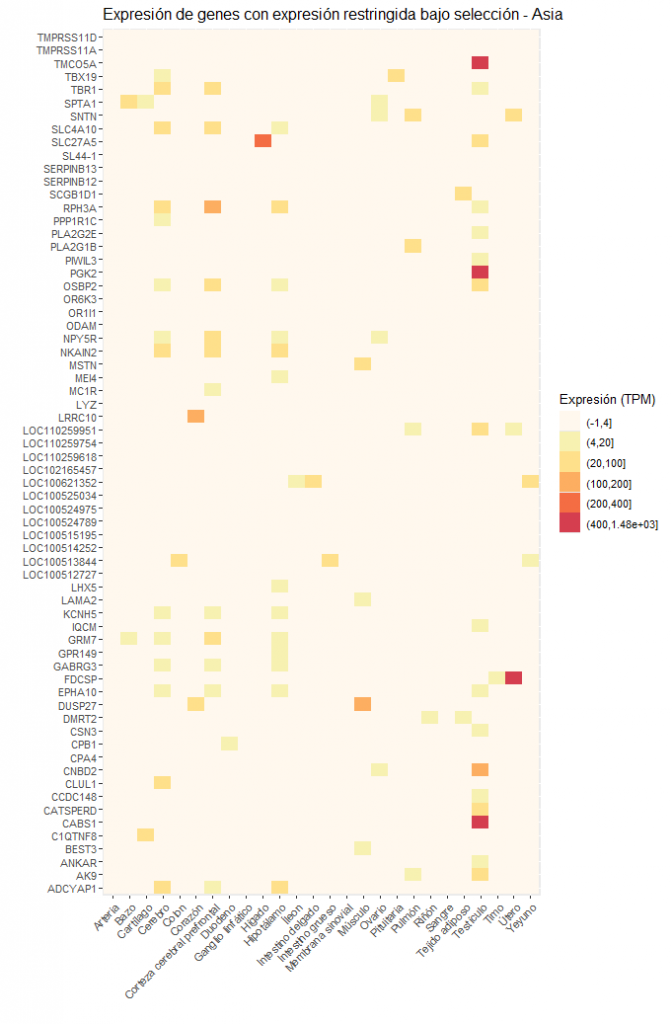
Diego Vargas graduated from the International Master in Animal Breeding and Reproduction Biotechnology, completing his studies with the Master of Science Thesis Integration of selection and transcriptome data to identify the domestication footprint in the swine genome, at the Center for Research in Agricultural Genomics (CRAG) under the supervision of Dr Marcel Amills Eras and Dr Sebastián Ramos-Onsins. His master’s thesis combines genomics and transcriptomics in order to understand the underlying genetic changes that have taken place throughout the domestication process of the Sus scrofa species. Genomic analysis identifies selection signals in the DNA and transcriptomic data reveal how genes are activated in different body tissues.
The purpose of the study is to identify the regions of the DNA that show signs of having been selected during domestication. They are used to investigate what genes are active in specific organs and their possible relationship with this process. It will lead to a list of key genes involved in domestication and indicate the target tissues where these changes have taken place, shedding light on the biological processes that facilitated the phenotypic transformation of wild pigs.
Transcriptomic analysis plays a crucial role in this approach. It enables us to distinguish between genes with ubiquitous expression that are activated in many tissues, and genes whose expression is limited to one or a few organs. Focusing on the latter, the work conducted by Diego Vargas has identified tissues associated with physiological processes such as neural development, male fertility, and behaviour, which are critical for understanding the selective effects of domestication.
Impact of and contributions to the study of domestication
The value of this study lies in demonstrating the utility of integrating transcriptomic data into selection analyses, an approach that has not previously been applied to the study of pig domestication. This methodology makes it easier to understand the biological and physiological changes underlying greater docility, reproductive capacity and growth traits of the domestic pig.
It explores domestication genetics in greater depth and opens up new lines of research in animal genetics, such as identifying tissue-specific genes that can be used for more precise breeding programmes that focus on traits linked to specific organs or functions.
This study takes a significant step forward in understanding domestication, combining genomic and transcriptomic tools to unravel the secrets of the domestic pig’s genetic evolution.
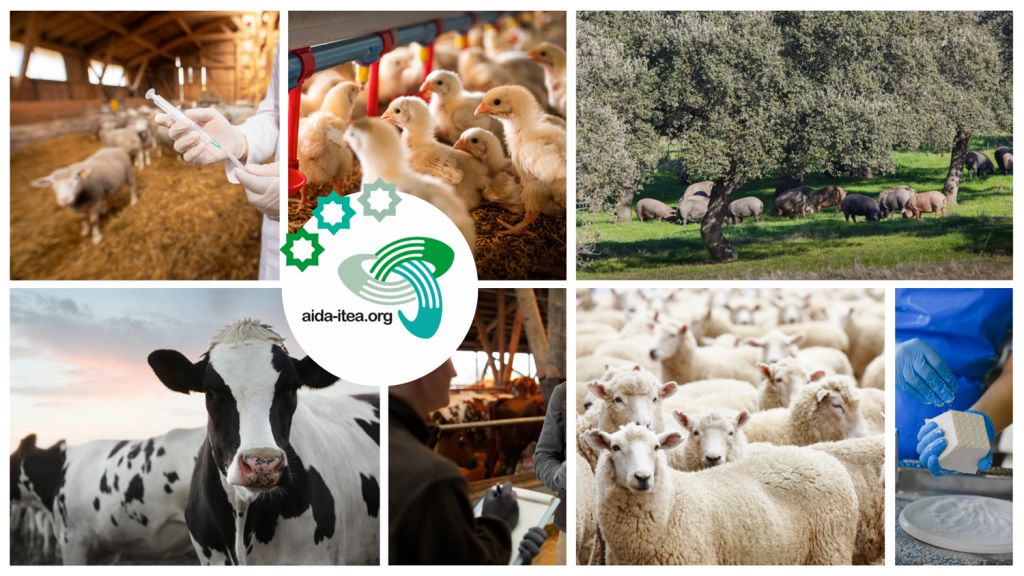
The Interprofessional Association for Agricultural Development (AIDA) will hold the XXI Workshop on Animal Production on 3 and 4 June 2025. This well-established event is point of reference in research and technical development in animal production, both in Spain and in Latin America.
CIHEAM Zaragoza is proud to collaborate once again in organising the event, together with the Agri-food Research and Technology Centre of Aragon (CITA), the University of Zaragoza, the Agri-food Institute of Aragon (IA2) and Institute for Research in Environmental Sciences of Aragon (IUCA). The veterinary firm Zoetis joins the event this year as main sponsor.
For the first time, the workshop will take place at the Faculty of Veterinary Science of the University of Zaragoza. It will bring together researchers, technical specialists, and professionals from across the sector, offering a multidisciplinary forum to present latest advances and discuss innovative solutions to current challenges in animal production.
The 2025 programme will feature thematic sessions on Product Quality; Livestock Production Systems; Economics and Management; Animal Health and Welfare; Nutrition and Feeding; and Reproduction and Genetics. A new section on Precision Livestock Farming will broaden the thematic scope of this year’s event.
Celebrating its 21st edition, the Workshop on Animal Production expects to receive approximately 300 contributions, with presentations delivered by students, technical experts and scientists from various fields. Participants may submit up to two contributions per author before the 31 January 2025 deadline. This will facilitate exchange of knowledge and scientific and technical debate in an international context.
The Young Researcher Awards, will once again highlight excellence, recognising the best oral presentation in each section. Eligible participants must be under 35 years old and without a doctorate. These awards put the spotlight on talent among the upcoming generations of professionals and researchers.
AIDA, the organising association, has over 300 members across Spain and Latin America, including professionals from universities, research centres such as CSIC, INIA and regional agricultural centres, cooperatives, consultants and associations from the sector. Founded in 1967, AIDA is a non-profit organisation, open to all professionals engaged in technical, social and economic areas of the agriculture sector. It was created as a forum to facilitate the dissemination and exchange of knowledge, its activities supporting professional development and contributing to the scientific and technical progress of the agriculture sector.
Activity today is still in line with the original mission of the association, achieving outreach through its biennial workshops, alternating between Animal Production (odd years) and Plant Production (even years), welcoming contributions from experts and practitioners and providing a channel to share their knowledge and concerns. AIDA also edits the scientific journal on technical and economic agricultural information ITEA-Información Técnica Económica Agraria, indexed in major scientific databases and available through open-access.
Gestionar consentimiento
Para ofrecer las mejores experiencias, utilizamos tecnologías como las cookies para almacenar y/o acceder a la información del dispositivo. El consentimiento de estas tecnologías nos permitirá procesar datos como el comportamiento de navegación o las identificaciones únicas en este sitio. No consentir o retirar el consentimiento, puede afectar negativamente a ciertas características y funciones.
Funcional
Always active
El almacenamiento o acceso técnico es estrictamente necesario para el propósito legítimo de permitir el uso de un servicio específico explícitamente solicitado por el abonado o usuario, o con el único propósito de llevar a cabo la transmisión de una comunicación a través de una red de comunicaciones electrónicas.
Preferencias
El almacenamiento o acceso técnico es necesario para la finalidad legítima de almacenar preferencias no solicitadas por el abonado o usuario.
Estadísticas
El almacenamiento o acceso técnico que es utilizado exclusivamente con fines estadísticos.El almacenamiento o acceso técnico que se utiliza exclusivamente con fines estadísticos anónimos. Sin un requerimiento, el cumplimiento voluntario por parte de tu proveedor de servicios de Internet, o los registros adicionales de un tercero, la información almacenada o recuperada sólo para este propósito no se puede utilizar para identificarte.
Marketing
El almacenamiento o acceso técnico es necesario para crear perfiles de usuario para enviar publicidad, o para rastrear al usuario en una web o en varias web con fines de marketing similares.