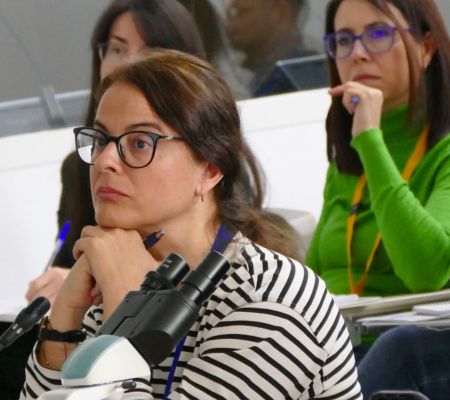
Professionals from the Mediterranean explore strategies to improve agricultural pest control

  • CIHEAM Zaragoza organises an advanced course for participants from eight countries and the European Commission to address phytosanitary challenges in the Mediterranean
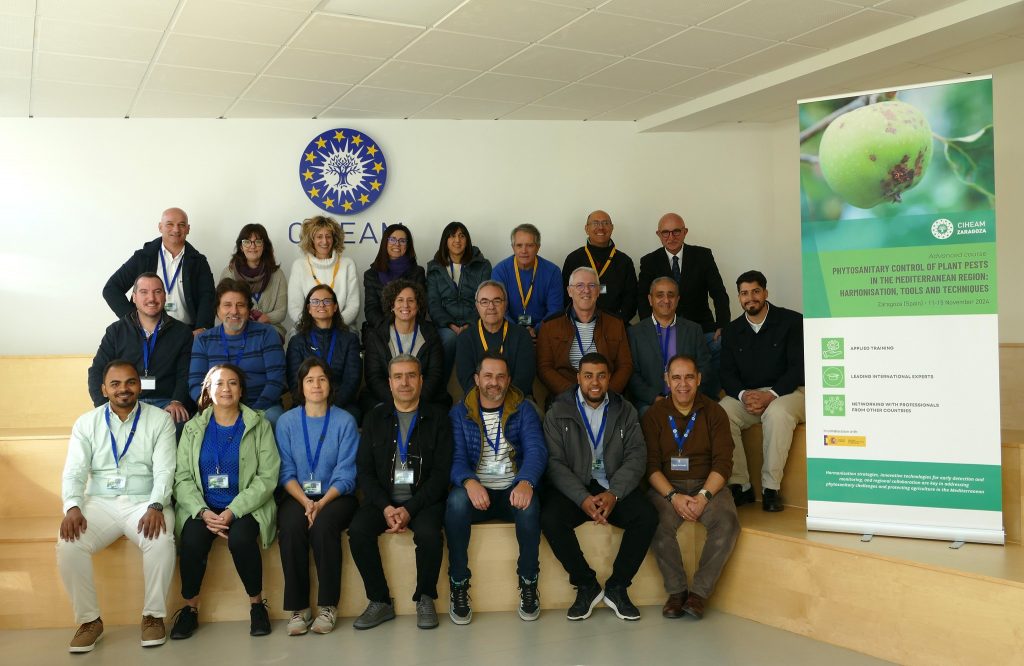
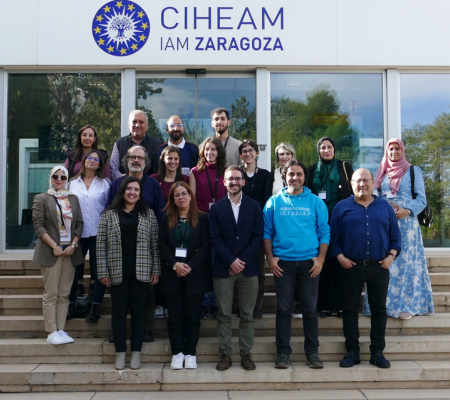
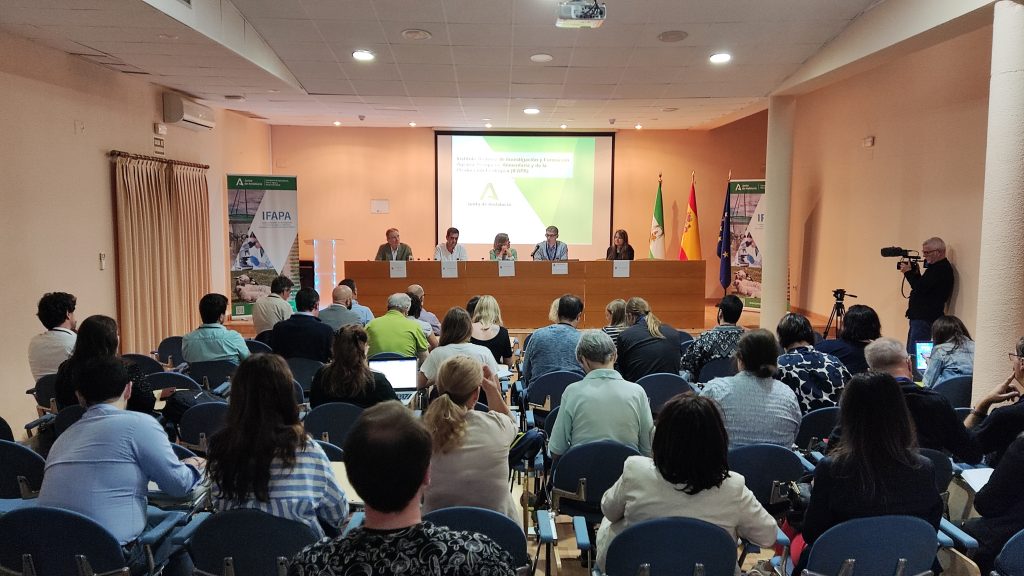
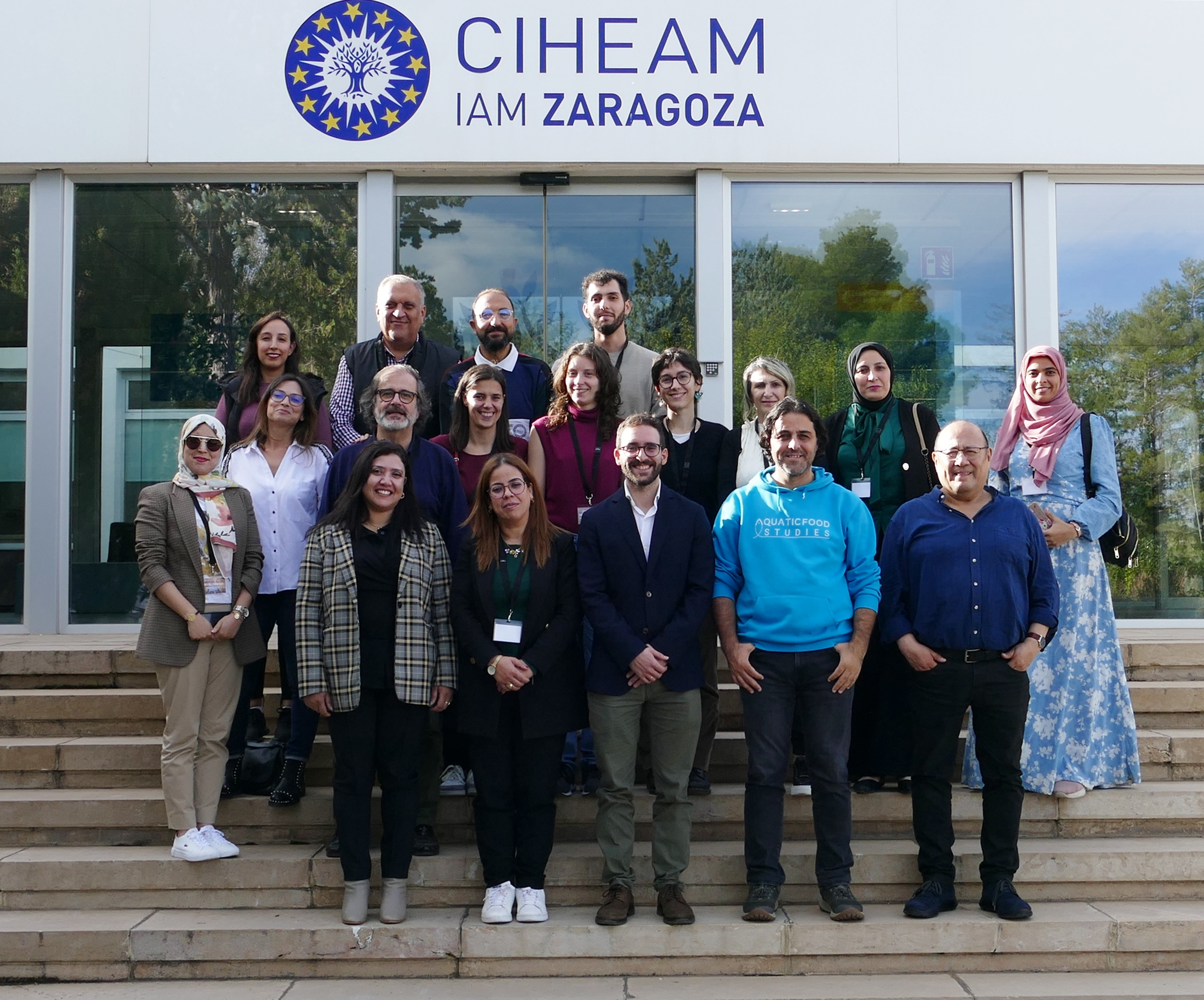
Participants of the advanced course on phytosanitary control at CIHEAM Zaragoza.

Zaragoza, 18 November 2024.- Officers from the European Commission and professionals from eight Mediterranean countries (Albania, Algeria, Egypt, Lebanon, Morocco, Spain, Tunisia and Türkiye) have participated in an advanced course at CIHEAM Zaragoza to gain deeper insight into the main strategies and latest advances in phytosanitary control of pests in the Mediterranean region.

The course, held from 11 to 15 November 2024, was organised by CIHEAM Zaragoza in collaboration with the Spanish Ministry of Agriculture, Fisheries and Food (MAPA). Over the five days of this training event, participants shared knowledge and experiences and discussed strategies to face common challenges posed by agricultural pests in their countries.

CIHEAM Zaragoza administrator and course coordinator Ramzi Belkhodja talks about the problem: “We need to strengthen the regional approach to tackle shared plant health challenges”. Belkhodja highlights the value of knowledge exchange between participants as one of the most enriching aspects of this initiative.

Course participants covered a wide range of profiles, from officers of the Directorate-General for Health and Food Safety of the European Commission to professionals from public administrations, universities, research centres and private companies involved in pest management in several Mediterranean countries.
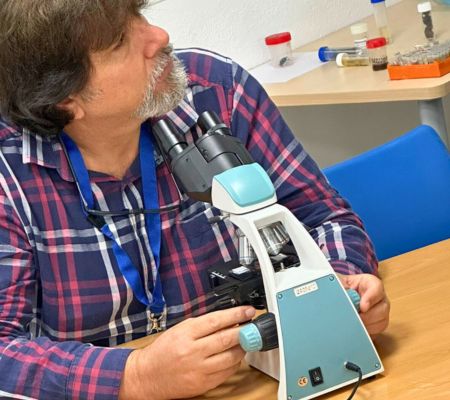
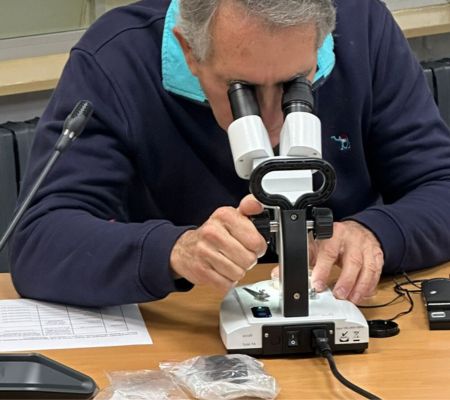
Practical work during the course included the identification of fungi, nematodes and arthropods (Tephritids, Coleoptera/Lepidoptera, Acari/Thysanoptera)

Key topics addressed during the course included harmonisation of phytosanitary control strategies and the latest technological advances in molecular diagnostics. The training combined theoretical sessions with practicals, where participants used microscopy methods to identify fungi, nematodes and arthropods, gaining direct experience in essential laboratory techniques.

International Cooperation in Phytosanitary Control

The course addressed phytosanitary control from a comprehensive and structured approach, integrating key concepts such as regional harmonisation, the impact of pests, and advanced inspection and diagnostic tools, ensuring a holistic understanding of the subject. Particular emphasis was placed on quarantine pests, dedicating significant time to their analysis from legal, institutional, and economic perspectives, which proved crucial for phytosanitary protection in the Mediterranean region. In addition, epidemiological factors and associated risks were examined in depth, highlighting the importance of assessing pest entry and establishment pathways and underscoring the need for preventive approaches in their management.

The use of advanced inspection and diagnostic tools, including multispectral cameras, standardised techniques, and laboratory networks, was also explored, demonstrating a strong commitment to modernisation and precision in phytosanitary control. Furthermore, the course provided a platform for the exchange of experiences through case studies and discussions. Finally, the importance of phytosanitary harmonisation in the Mediterranean region was emphasised, linking it to organisations such as the EPPO and other European initiatives, thereby reflecting the need for robust international cooperation in this field.

Impact on Southern and Eastern Mediterranean Countries

During the week-long course, specific challenges facing the Mediterranean region were addressed, demonstrating that phytosanitary control has the potential to make a significant impact on Southern and Eastern Mediterranean countries by tackling regional challenges and strengthening their phytosanitary capacities:

  • Improved Food Security
  • Strengthened Technical Capacities
  • Economic and Commercial Development
  • Promotion of Regional Cooperation
  • Environmental Protection
  • Resilience to Climate Change

It is essential to develop local strategies to adapt the tools and methodologies learned to the specific conditions of each country. Similarly, institutional cooperation must be strengthened by creating regional networks that integrate Southern and Eastern Mediterranean countries into European initiatives. Finally, investment in technology should be prioritised, ensuring access to modern diagnostic and monitoring tools that are vital for enhancing the effectiveness of phytosanitary actions.

Through this training initiative, CIHEAM Zaragoza reinforces its commitment to improving phytosanitary control, which is crucial for mitigating the economic and environmental impacts of pests on Mediterranean agriculture.
CIHEAM Zaragoza and the Aragonese Gastronomy Academy sign a collaboration agreement to promote sustainable agrifood systems and gastronomy

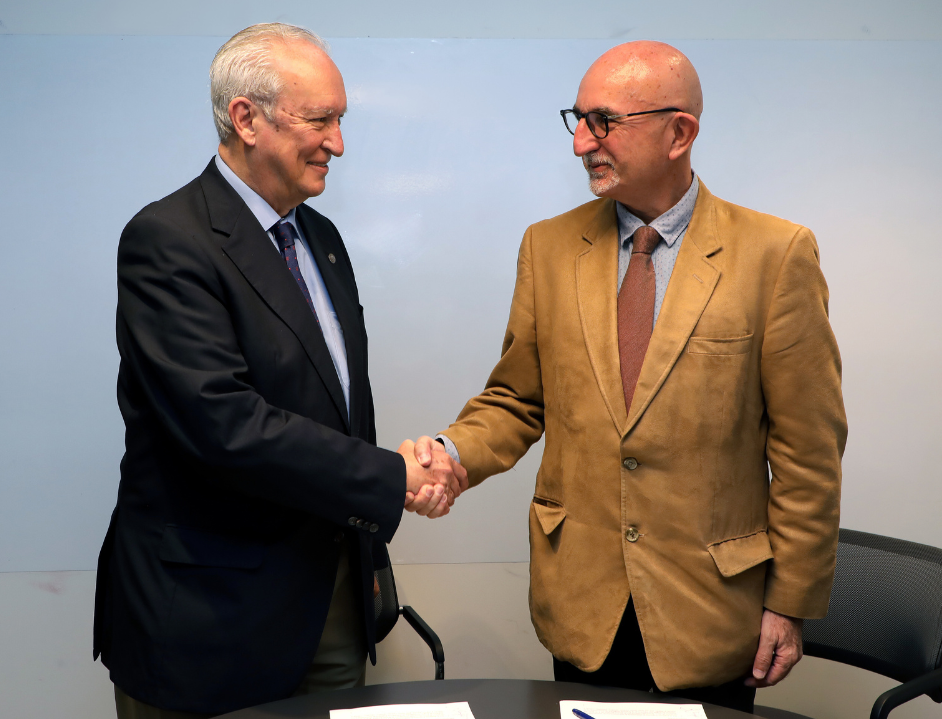
  • Raúl Compés, director of CIHEAM Zaragoza, and Ernesto Fabre, president of the Aragonese Gastronomy Academy, have signed this alliance to strengthen the dissemination of activities related to sustainable agrifood systems and gastronomy through a number of joint initiatives.

The Aragonese Gastronomy Academy and CIHEAM Zaragoza have formalised a collaboration agreement establishing a strategic framework for knowledge-sharing and promoting joint activities within the scope of sustainable agrifood systems and gastronomy.

The agreement was signed by Raúl Compés, director of CIHEAM Zaragoza, and Ernesto Fabre, president of the Aragonese Gastronomy Academy. This strategic alliance lays the foundation for enhanced knowledge exchange and the development of projects that combine cultural heritage, innovation, and research in the fields of gastronomy and sustainable agrifood systems at regional and international level.

Compés highlighted the significance of the partnership, stating: “This agreement strengthens our ties with the local agrifood and gastronomic community. It aligns with one of the key objectives of our Strategic Plan – to expand collaborations that help us to address activities promoting the Mediterranean diet”.

With an initial validity of five years, the agreement reflects the shared commitment of both institutions to advocate for and disseminate the values of sustainable agrifood systems and gastronomy.

New tools and methodologies to measure food sustainability in Mediterranean countries

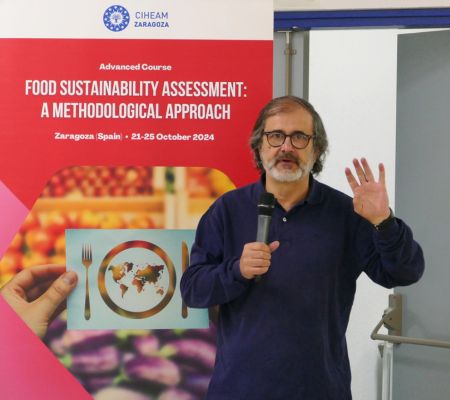
José María Gil (CREDA-UPC-IRTA), scientific coordinator of the course
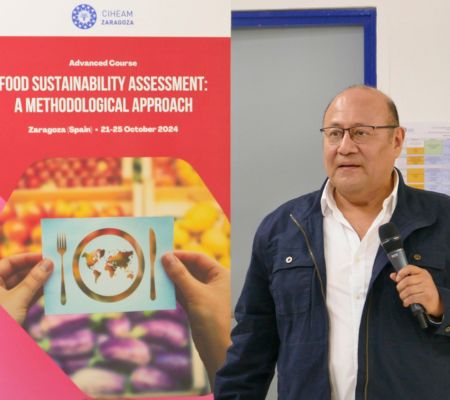
Mario Anamaría, academic coordinator of the course

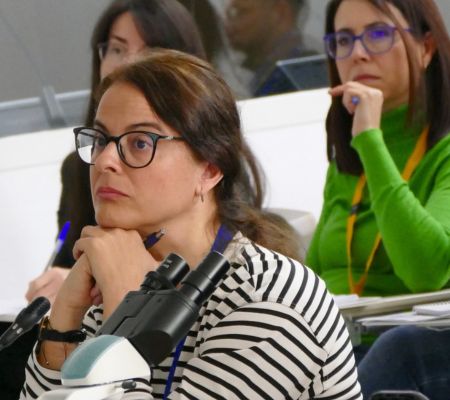
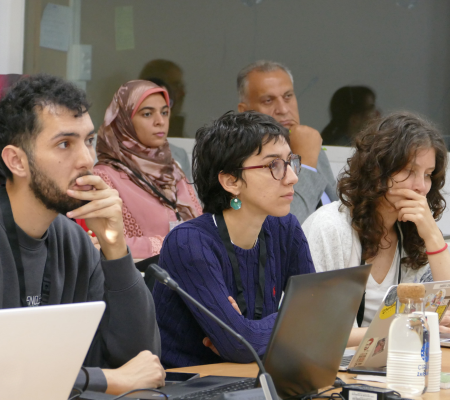
30 October 2024.- From 21 to 25 October, CIHEAM Zaragoza hosted the international course “Food sustainability assessment: A methodological approach”, which brought together experts from eight Mediterranean countries: Algeria, Egypt, Spain, Italy, Lebanon, Morocco, Tunisia, and Türkiye.

The training, held with the technical support of the Food and Agriculture Organisation of the United Nations (FAO), addressed the need for a comprehensive understanding of the interaction between food systems and sustainability. It also focused on familiarising participants with the latest methodologies and indicators to assess the sustainability of a food system in its three dimensions (environmental, economic, and social) within the context of increasing pressure on food systems.

This initiative attracted participants including public administration officials, technical advisors, researchers, and university professors involved in assessing the sustainability of food systems in the Mediterranean region.

Key indicators and tools to measure sustainability

One of the core themes of the course was the discussion on selecting relevant indicators and using advanced assessment tools. “The course highlighted the need to evaluate sustainability from a holistic perspective and to select indicators based on the objectives being assessed,” emphasised Mario Anamaría, administrator of CIHEAM Zaragoza and academic coordinator of the course.

The professionals delved into advanced tools such as life cycle analysis and environmental footprints (water and carbon), as well as participatory methodologies to address conflicts between environmental, social, and economic objectives. The programme also placed special emphasis on the water-energy-food nexus, a crucial approach for managing critical interdependencies in both rural and urban areas.

Transitioning towards a more sustainable, fair and resilient model

As highlighted in the course, the current agri-food systems entail significant hidden costs in health, the environment, and society. Hence, the need for their analysis through true cost accounting (The State of Food and Agriculture 2023. Revealing the true cost of food to transform agrifood systems, FAO).

Otro aspecto central fue la importancia de una buena gobernanza transformar los sistemas alimentarios hacia modelos más sostenibles, justos y resilientes. “Al fortalecer la gobernanza regional y fomentar la equidad social, los países mediterráneos pueden avanzar hacia un desarrollo sostenible que minimice los i

Another key aspect was the importance of good governance in transforming food systems towards more sustainable, fair, and resilient models. “By strengthening regional governance and promoting social equity, Mediterranean countries can move towards sustainable development that minimises environmental impacts, optimises resources, and improves the living conditions of their most vulnerable communities,” said Anamaría.

The course provided participants with a comprehensive overview of the latest methodologies to measure sustainability in the Mediterranean region, which faces unique challenges such as water scarcity, soil degradation, and the need to ensure food security in the context of climate change.

Migrant farm workers and tractor safety, focus of SafeHabitus activities in Spain

  • CIHEAM Zaragoza organises in Seville and Huelva (Andalusia, Spain) the Autumn School of the European project SafeHabitus

29 October 2024 – CIHEAM Zaragoza has organised the Autumn School of the SafeHabitus project, funded by the European Union, in their capacity as international partner of the project, of which is part since January 2023.

The three-day event took place in the provinces of Seville and Huelva (Andalusia, Spain) and brought together project partners and guest experts to exchange knowledge and explore new ideas to improve occupational health and safety conditions in the agricultural sector. In total, 57 people actively participated in the activities organised.

The School coincided with the European Week of Health and Safety at Work, the central theme of the SafeHabitus project, which works on these aspects in the agricultural sector.

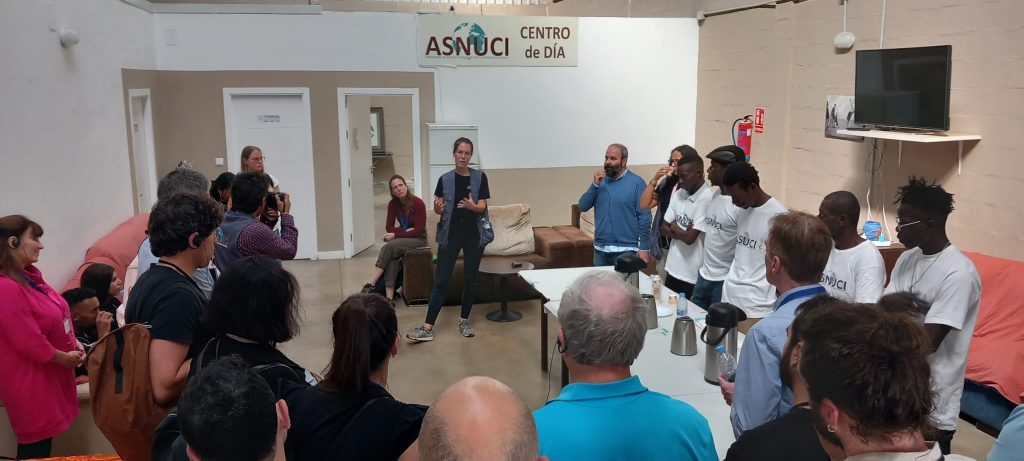
Throughout the event, which was also organised in collaboration with Oxfam Intermón and the Comillas Pontifical University, the project partners were able to learn about the work that agricultural companies carry out to facilitate the working conditions of seasonal workers, but also the point of view of groups of migrants who lack labour protection and prevention measures and who, with difficulty, live in shantytowns near farms. To this end, the project members travelled to the Huelva towns of Almonte and Lepe, and held a round table discussion on how to improve the working conditions, health and safety of seasonal and migrant workers in the agricultural sector at the Cartaya Town Hall (Huelva).

The Autumn School was complemented by two working days at the Las Torres IFAPA Centre in Seville, which is part of the Andalusian Regional Government, which focused on safety culture on farms in relation to the use of machinery and tractors, one of the key issues identified by the SafeHabitus working groups in each of the member countries of the consortium.

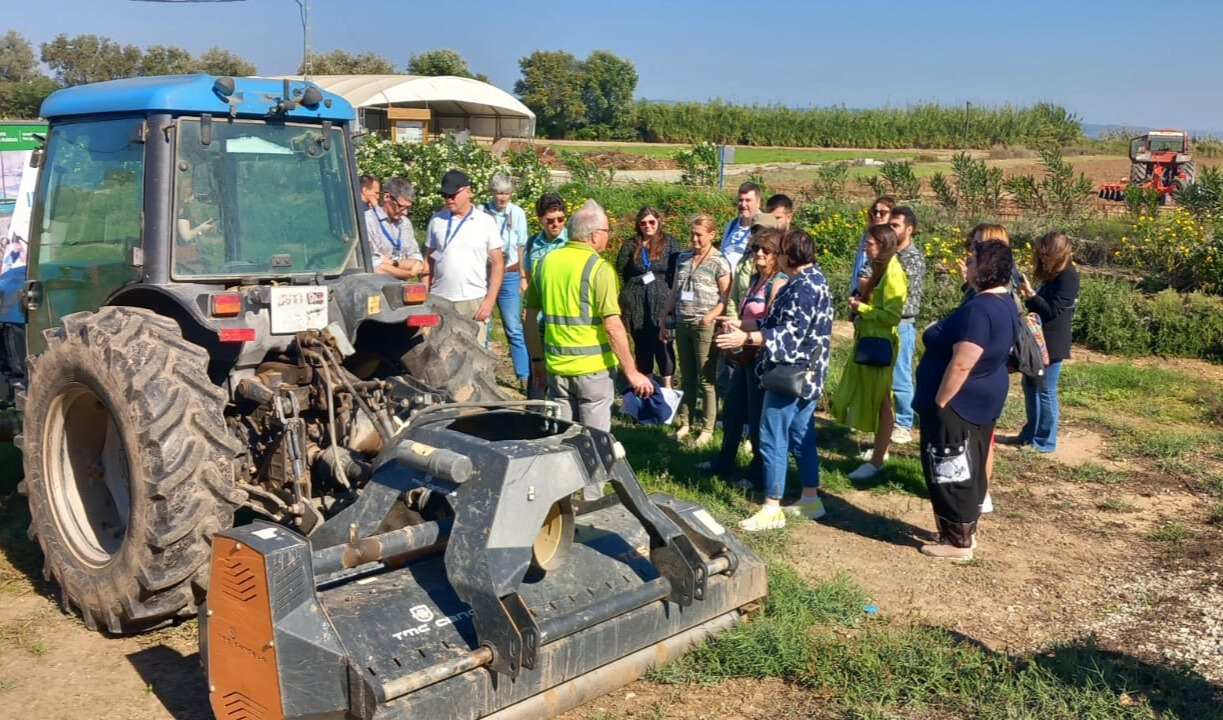
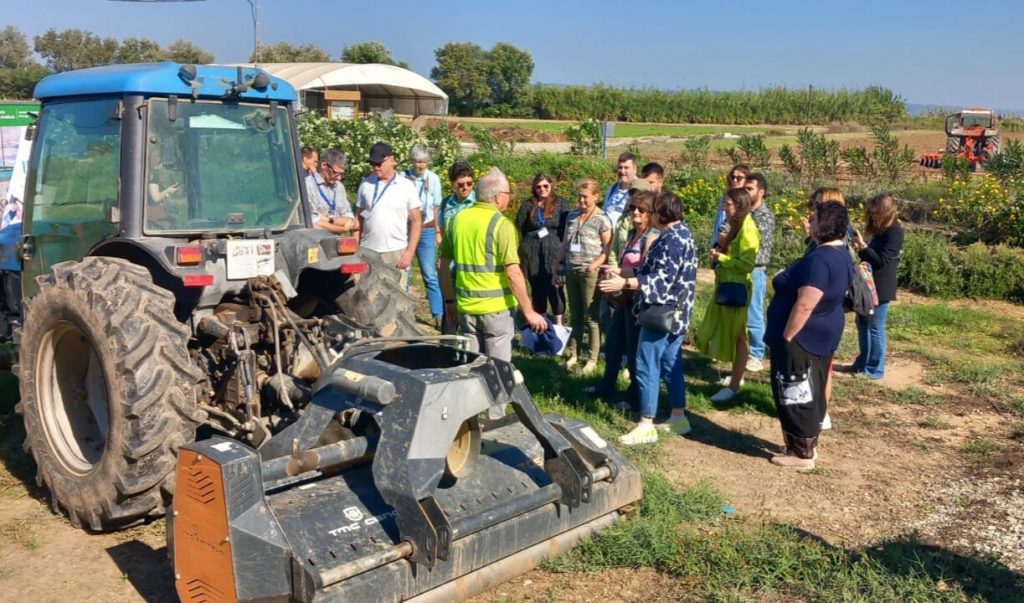
The School served to discuss tractor accident statistics and the role of awareness and digitalisation in mitigating these risks. In addition, experts in agricultural occupational safety provided a real-life demonstration of tractor safety.

The SafeHabitus Autumn School is one of the activities planned in this project, funded by the European Union’s Horizon Europe programme and involving nineteen public and private entities from twelve European countries: Ireland, Belgium, Finland, Estonia, Slovenia, Spain, Germany, Slovakia, France, Lithuania, Romania and Poland.

CIHEAM Zaragoza trains over a hundred students from 30 countries in international master’s programmes for the agrifood sector

  • The Spanish headquarters of the International Centre for Advanced Mediterranean Agronomic Studies (CIHEAM) commences the 2024-2025 academic year with the participation of representatives from the Ministries of Foreign Affairs and Agriculture and of the Government of Aragon

  • The ceremony featured the inauguration of the Plaza del Mediterráneo, a newly-established space symbolising the spirit of cooperation and dialogue of the international organisation

PRESS RELEASE

Zaragoza, 28 October 2024.- CIHEAM Zaragoza has welcomed the 102 young individuals from 30 countries who are undertaking training in the international master’s programmes, that provide high-level specialist education in areas such as aquaculture, fisheries management, water management and governance, plant breeding, animal breeding, animal nutrition, and olive growing.

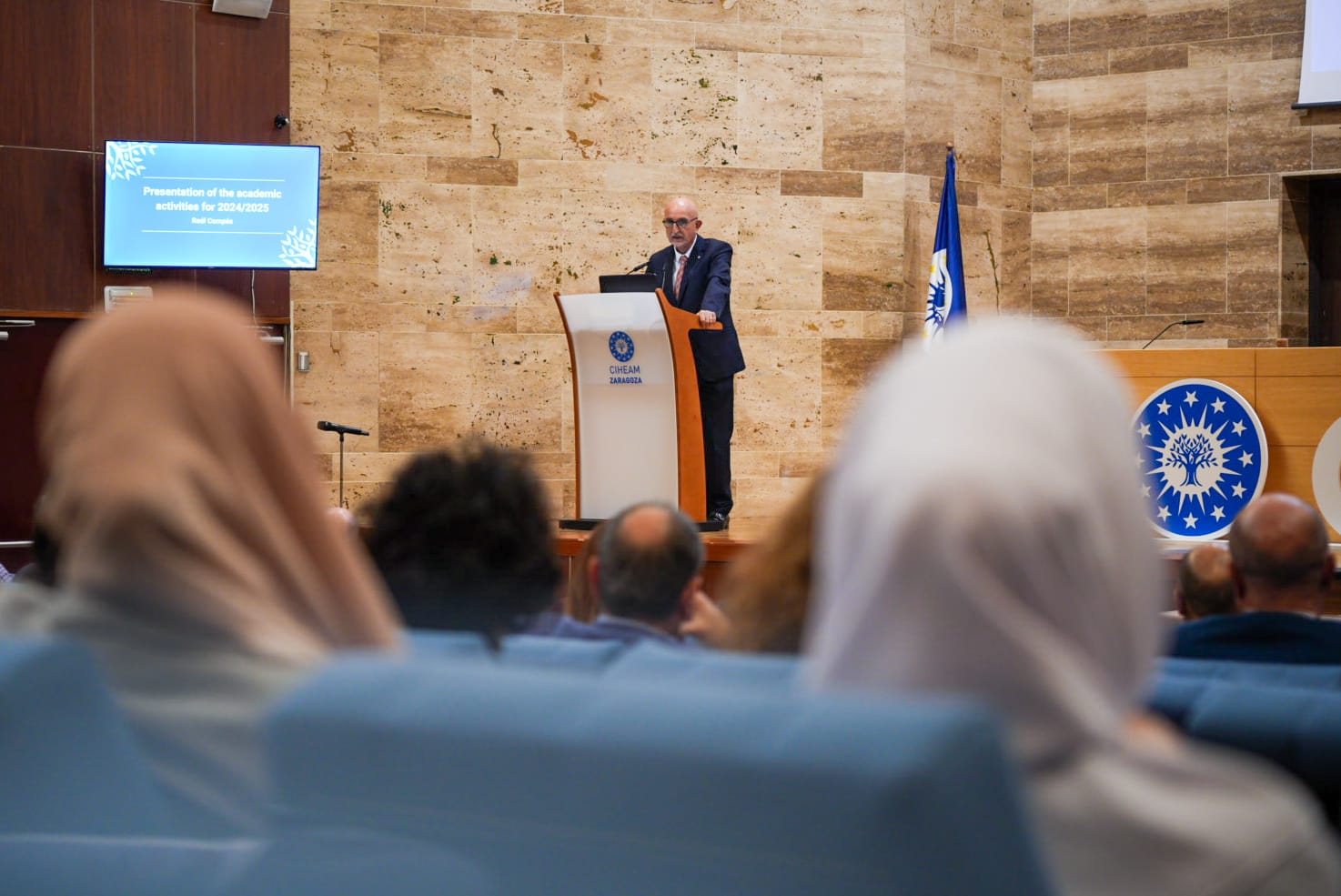
The Campus of Aula Dei (Zaragoza), home of the Spanish headquarters of the international organisation, hosts the opening ceremony of the 2024-2025 academic year, presided by Raúl Compés, director of CIHEAM Zaragoza; Teodoro Miano, secretary general of CIHEAM; Carlos López, deputy director general of Multilateral Economic Relations and Air, Maritime and Land Cooperation (MAEC); Fernando Heredia, deputy director general of International Relations and Community Affairs (MAPA); and José Manuel Cruz, director general of Rural Development of the Government of Aragon. Over 300 people have signed up for the event to attend in person or on line.

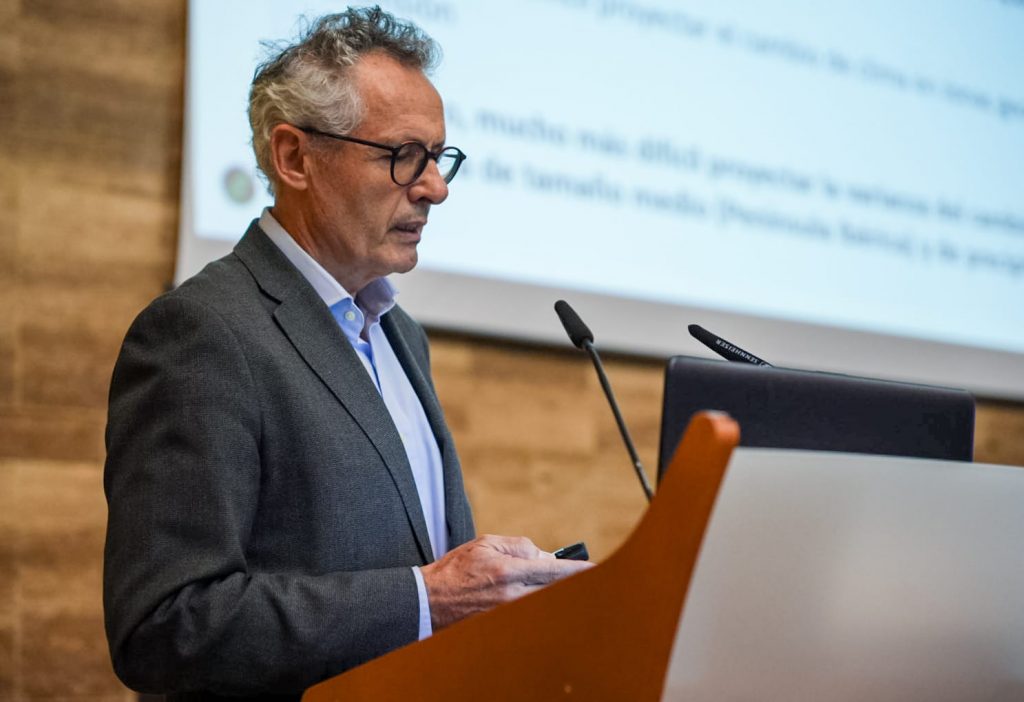
During the keynote lecture, Alberto Garrido, professor and vice-rector of the Polytechnic University of Madrid, has addressed new paradigms for water management in the context of climate change, highlighting the need to adapt water resources to a future marked by greater variability and scarcity due to extreme climatic events. Garrido comments on the issue: “Technology applied to water management, new challenges in wastewater treatment and improvement of the ecological status of water bodies, together with advances in the agrifood sector are crucial to ensure the sustainability of irrigated agriculture, which is a key component of food security in the Mediterranean region ”.

Ramón Esteruelas-CIHEAM Zaragoza Prize

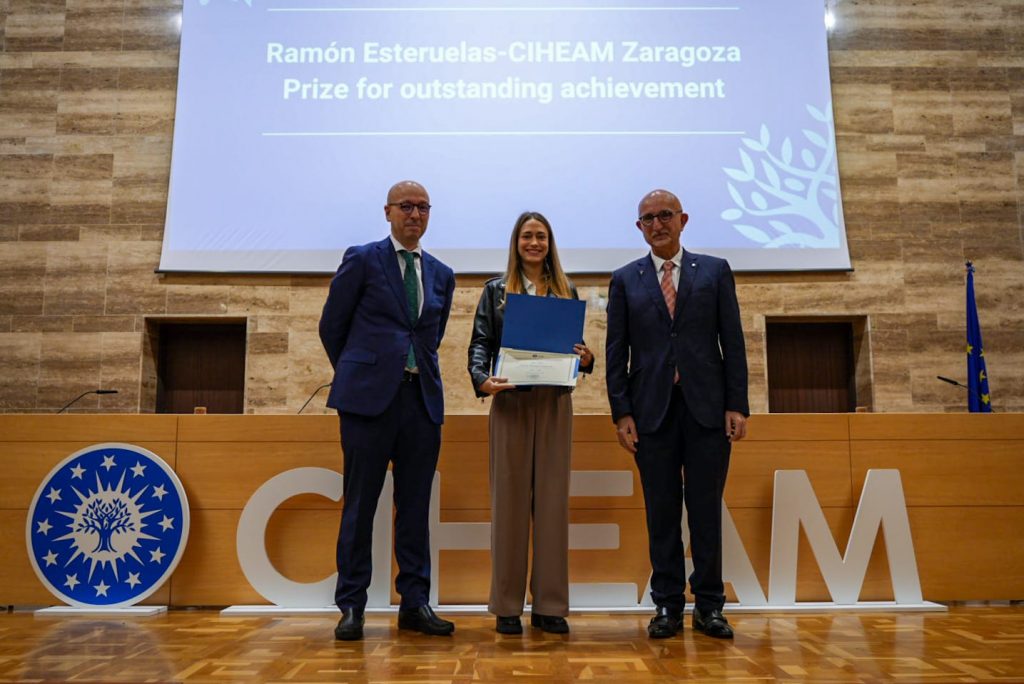
The ceremony also presented the first edition of the Ramón Esteruelas-CIHEAM Zaragoza Prize for Outstanding Achievement. The prize was awarded to Silvia Ramia, student of the 2021-2023 edition of the Master in Agrifood Marketing.

This award was created in honour of Ramón Esteruelas, a visionary agronomist born in Biota (Zaragoza), who founded CIHEAM and led its Governing Board from 1962 to 1983. This prize recognises the academic excellence of master’s students at CIHEAM Zaragoza.

Presentation of the Plaza del Mediterráneo

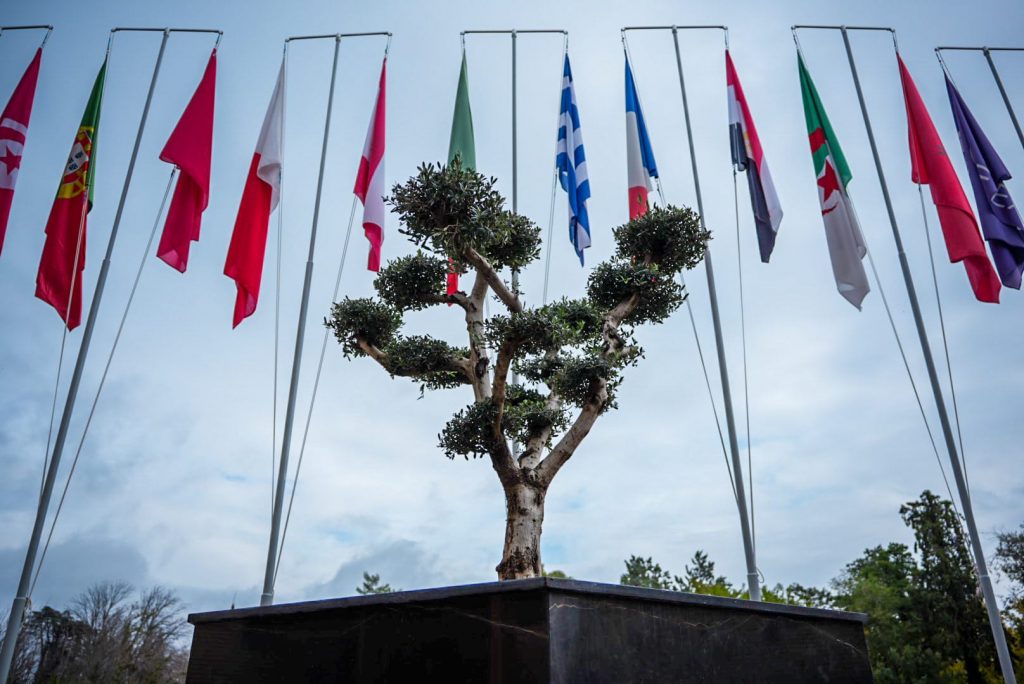
The academic ceremony gave way to the inauguration of the Plaza del Mediterráneo, a newly-created iconic space at CIHEAM Zaragoza. It has been designed as a tribute to the Mediterranean through symbols such as the olive, a map of the region engraved in stone, a fountain and a signpost to the Mediterranean capitals. It represents the values of cooperation and dialogue at the heart of CIHEAM’S mission and serves as a gathering place for members of the international community engaged in training programmes and other activities run by the Organisation.

This space brings us closer to the Mediterranean, to its geography, history and culture. From Zaragoza we aim to make a meaningful contribution to overcome the region’s challenges in food security, climate change, resource management, and sustainable development. Our Institute stands as a hub of knowledge, cooperation and scientific diplomacy at the service of the international community working in agriculture and food”.

In pursuit of excellence in international training

Since its creation in 1969, CIHEAM Zaragoza has trained thousands of students and professionals from all over the world, with particular focus on the Mediterranean region, offering specialised training in the agrifood sector.

The master’s programmes are delivered in collaboration with national and international institutions across Spain: Andalusia (Cordoba and Seville); Aragon (Zaragoza); the Canary Islands (Las Palmas de Gran Canaria); Catalonia (Barcelona and Lerida); and the Valencian Community (Alicante and Valencia).

For the 2024-2025 academic year, 14% of the students come from Spain, 58% from the eastern and southern Mediterranean; and 28% from other countries of the world.

MSc projects highlight advances in sustainability and advanced technologies such as CRISPR and machine learning in animal genetics

  • A group of 13 students from Argentina, Spain, Tunisia, and Peru have graduated from the 2022-2024 edition of the International Master in Animal Breeding and Reproduction Biotechnology.
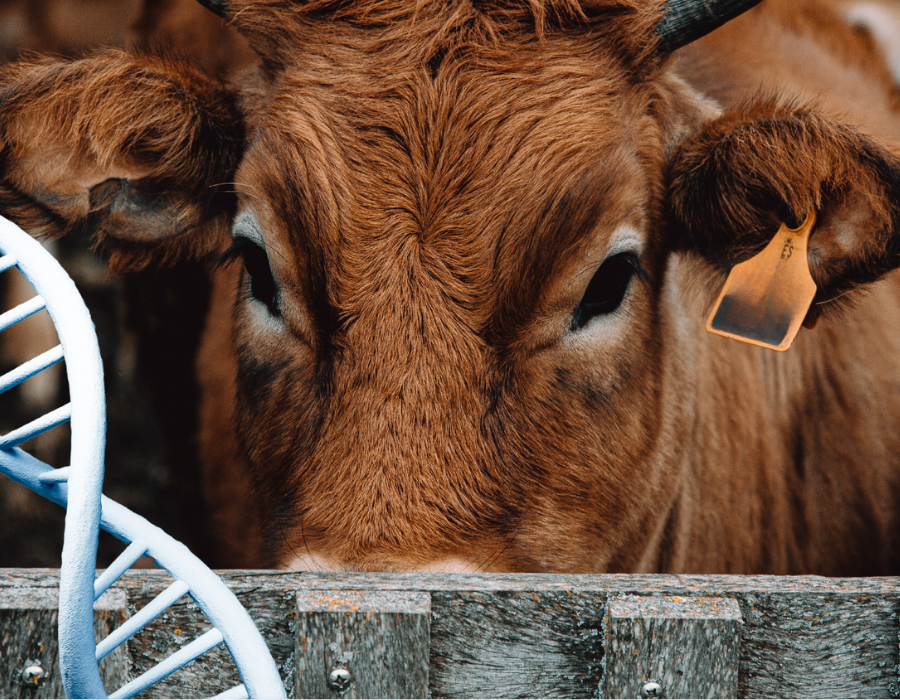
  • They have followed a two-year programme organised by the UPV, the UAB and CIHEAM Zaragoza, with the collaboration of IVIA, providing in-depth insight into advanced genetics and biotechnology applied to animal production, strengthening training in areas such as gene editing and assisted reproduction in different animal species.

Thirteen talented young people from Argentina, Spain, Tunisia and Peru have successfully completed the 2022-2024 edition of the International Master in Animal Breeding and Reproduction Biotechnology, a prestigious training programme organised between the Polytechnic University of Valencia (UPV), the Autonomous University of Barcelona (UAB) and CIHEAM Zaragoza, with the collaboration of the Valencian Institute of Agricultural Research (IVIA).

This master offers unique, specialised training in the scope of animal genetics and reproduction biotechnology. The programme’s structure enables students to profit from an academic experience in two cities: the first term is held at the UAB, in Barcelona, and the second and third terms are hosted by the Department of Animal Science of the UPV in Valencia.

Throughout their training, the students carried out End of Master Projects (TFM) of significant importance, analysing fundamental topics in breeding and sustainability in animal production. Subjects addressed included the use of advanced technologies such as machine learning and CRISPR, focused on optimising health and productivity in different animal species. The TFM projects were undertaken at the UPV and the UAB as well as in partner institutions such as INIA-CSIC, the University of Zaragoza, CRAG or IRTA.

With these projects, these master’s graduates reach the end of two years of intensive training in key areas such as the molecular bases of animal genetics, structural and functional genomics, applied genetic improvement and advanced animal reproduction techniques, including semen and embryo cryoconservation, in vitro fertilisation and cloning in a range of species including cattle, sheep, pigs, poultry or rabbits.

The programme is delivered by lecturers with longstanding experience from the organising institutions, as well as guest experts from universities, research centres and enterprises in seven countries, providing a global and applied vision of the animal reproduction and genetics sector.

For further information on the Master programme and content, visit the official website: https://mastergr.webs.upv.es