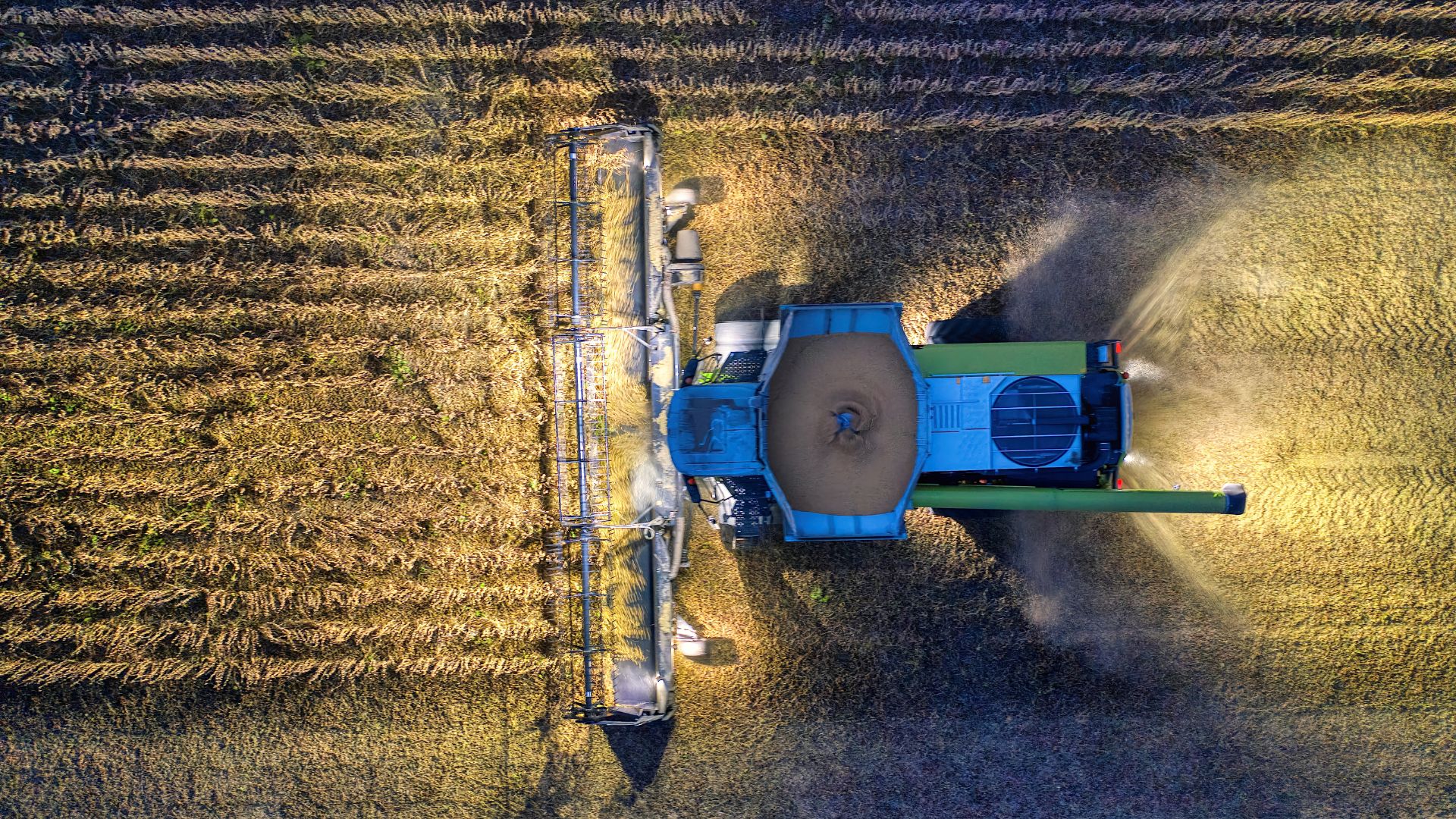
21 October 2024.- A group of European experts including representatives from CIHEAM Zaragoza will meet on 23 and 24 October in Alcalá del Río (Seville) to analyse how innovation can serve to improve occupational health and safety conditions in the agriculture sector. The activity is organised by CIHEAM Zaragoza in their capacity as international partner of the SafeHabitus project financed by the European Union.
Fifty experts from several European countries will be taking part in the event. Most of the experts belong to the European project SafeHabitus, an initiative working to strengthen innovation and knowledge in health and safety issues in agriculture, and support the EU transition towards social sustainability in agriculture. The goal of the experts is to drive change in current practices in order to improve health and safety in this strategic sector for Europe.
AGENDA
Prior to the meeting, on 22 October the expert group will make a technical visit to the province of Huelva and meet representatives of ASNUCI (New Citizens’ Association for Interculturality) in Lepe to learn first-hand how migrant workers perceive working conditions and other issues of occupational health and safety.
The day will conclude with a round table to discuss how social conditionality is addressed in the CAP and its effect on the working and living conditions of migrant workers in the agricultural sector. The round table will be held in the municipal buildings of Cartaya Town Council.
On 23 and 24 October, IFAPA-Centro Las Torres in Alcalá del Río will host the project’s Autumn School and other activities where participants will share experiences and analyse the complex challenge of preventing accidents at work when handling farm machinery and tractors.
ACCIDENTS IN AGRICULTURE AND FORESTRY
Agriculture and forestry are among the most hazardous professions in Europe. The high accident rate affects the sustainability and viability of the sector. In fact, in the last 10 years over 500 deaths and 150,000 non-fatal accidentshave been registered every year in the agriculture and forestry sector (Eurostat, 2017).
Recent research results indicate that there is a serious under-reporting of fatal and non-fatal accidents in agriculture and forestry across Europe. In many cases, the national reports rank agriculture and forestry among the most hazardous sectors.
THE SAFEHABITUS PROJECT
The SafeHabitus project, that commenced in January 2023, is financed by the EU Horizon Europe project. This is the biggest research initiative on health and safety ever financed by the EU (4.75 million euro) and has 20 partners from 12 European countries conducting research to raise awareness of the challenges faced by farmers and to develop good practices for improving health and safety.
SafeHabitus partners are designing risk management tools for agricultural workers through multidisciplinary groups operating in networks. They analyse the extent to which consumers are willing to pay for foods from a production system that safeguards the health and safety of farm workers. Additionally, the project creates networks and interactions through policy proposals in European institutions and with political representatives.
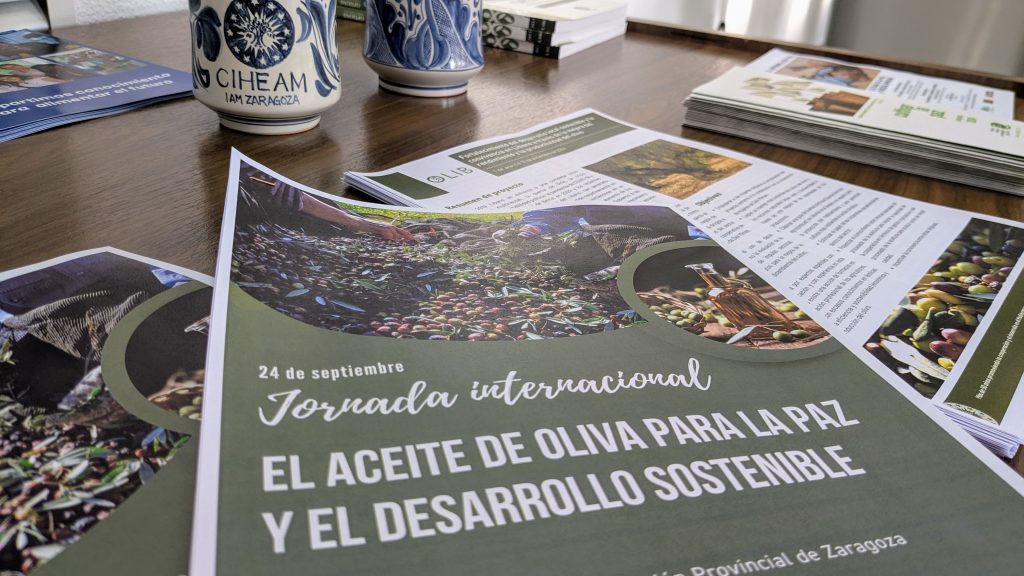
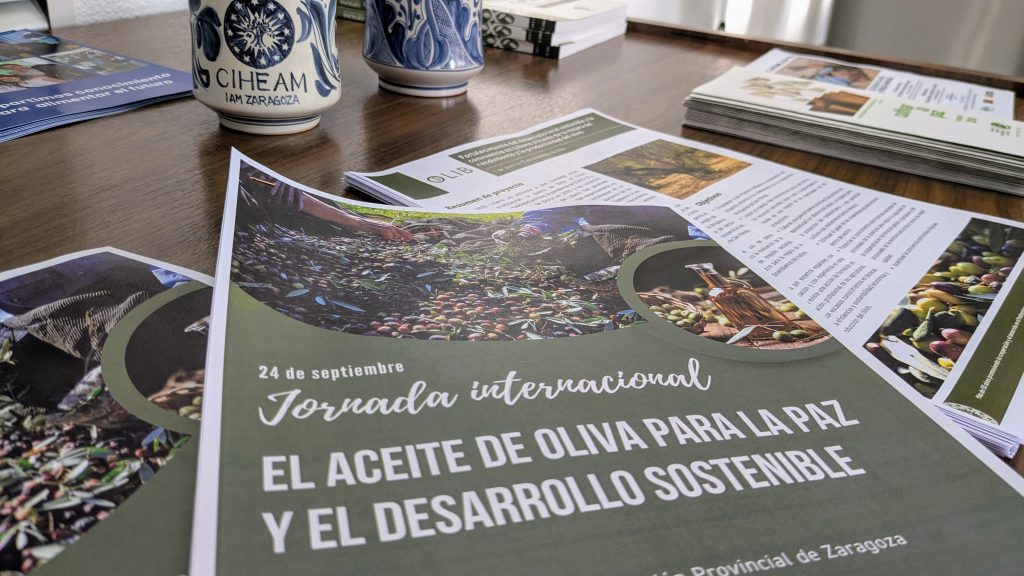
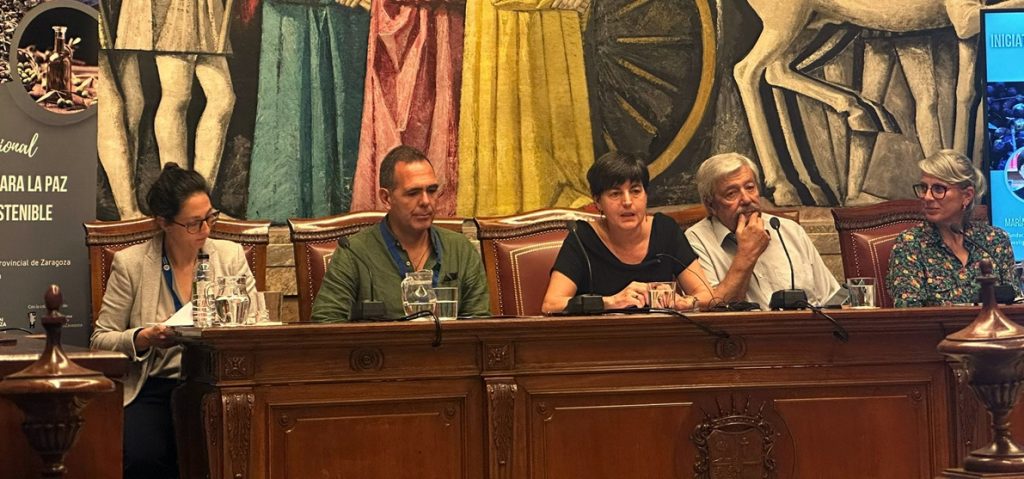
On 24 September, CIHEAM Zaragoza organised the international workshop on olive oil and sustainable development within the framework of the cooperation project OLIB“Strengthening Sustainable Development and Coexistence in Lebanon through Improved Olive Tree Yield and Productivity”funded by the Provincial Council of Zaragoza (DPZ). The event brought together representatives of public administrations, universities, associations and businesses involved in the olive sector.
The workshop was organised by CIHEAM Zaragoza in collaboration with the University of Zaragoza, and held at the Spanish headquarters of the International Centre for Advanced Mediterranean Agronomic Studies (CIHEAM) in Zaragoza, and at the Provincial Council of Zaragoza. It focused on the role of olive growing and oil technology and explored different ways in which cooperation within the sector can lead to efficient and sustainable growth and enhance social and economic development.za.
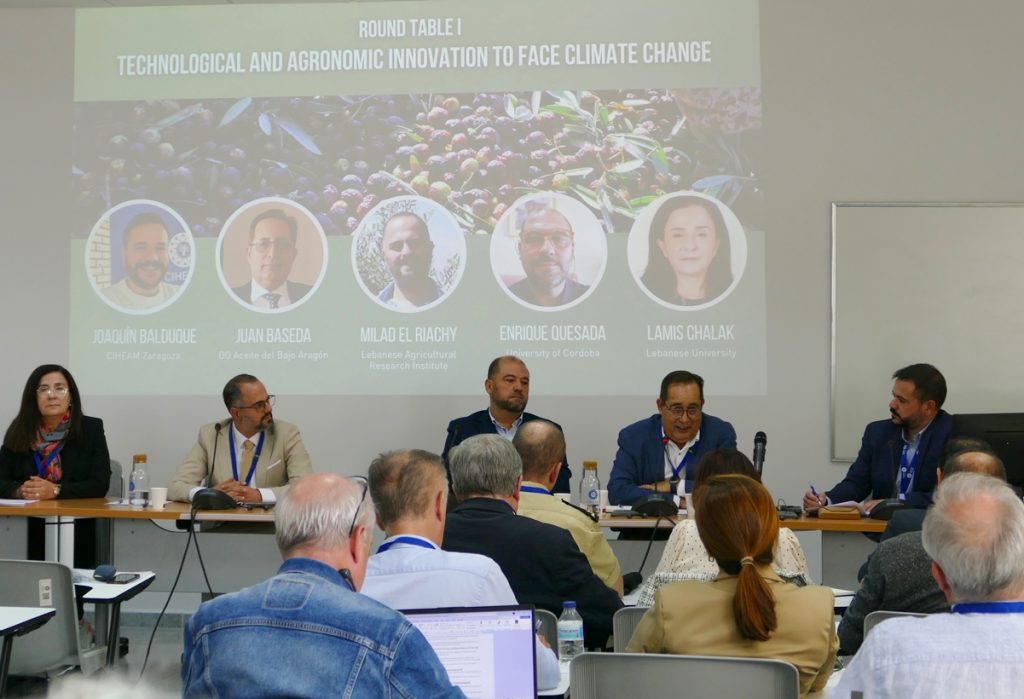
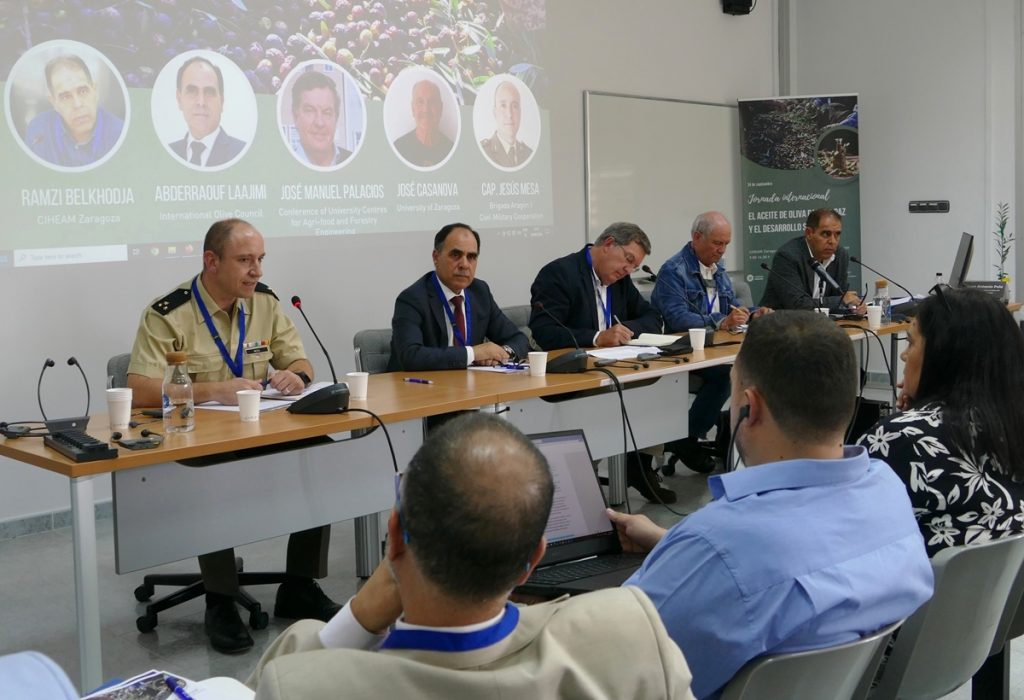
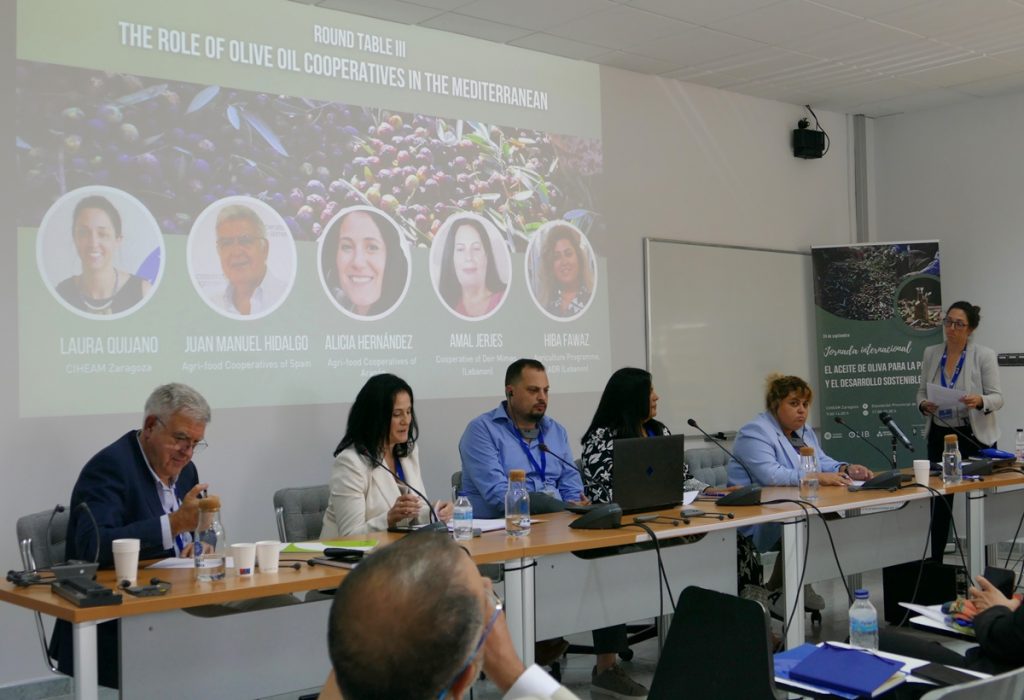
The event was divided into two parts. The morning programme took place in hybrid format and participants followed discussions online and in-person. The session commenced with an introduction to public policies for cooperation where the DPZ, and the Spanish Agency for International Development Cooperation (AECID) spoke about sustainable agriculture and cooperation for development in southern countries. COI went on to present an analysis of the current situation of olive production in the Mediterranean, underlining the environmental and social role of the olive grove. This was followed by debate with national and international experts revolving around 3 relevant topics of the olive oil sector: i) technological and agronomic innovation to face climate change, ii) institutional needs in support of olive growing and iii) the role of olive oil cooperatives in the Mediterranean.
Constructing a culture of peace
Activities continued in the afternoon at the Provincial Council of Zaragoza. The DPZ hosted a round table discussion focused on agri-food cooperation initiatives and actions to promote a culture of peace and contribute to the social and economic development”. This was organised to mark the celebrations of the International Day of Peace, held every year on 21 September and that this year coincided with the 25th Anniversary of the adoption of the Declaration and Programme of Action on a Culture of Peace by the General Assembly of the United Nations. The round table panel was composed of five experts from NGOs (The Garden of Peace, CERAI and ARAPAZ), and the Apadrina un olivo initiative, accompanied by representatives of the OLIB project (coordination and beneficiaries). The session was chaired by the Fundación Seminario de Investigación para la Paz and participants discussed the strengths and challenges of their projects for building a culture of peace. They shared information on the tools, methodologies and strategies they are using to foster harmonious co-existence and a culture of peace.
This international workshop provided a space for debate and reflexion on olive growing as an agricultural activity of great economic, social and cultural relevance in many regions of the world, especially in the countries of the Mediterranean. A financial and environmental approach is needed to strengthen the growth of the sector, supported by suitable agricultural policies and regulatory instruments, and by the adoption of new technologies and practices to enhance productivity. It is also necessary to overcome obstacles such as lack of training and capacity building, facilitate market access and rise to environmental challenges. Olive growing and olive oil production are influenced by a complex network of factors and in this sense, the event highlighted the important role played by different stakeholders in the sector and the challenges they must overcome to ensure profitability, attract investment, and obtain economic and social benefits, all key elements to sustain economic and social activity and strengthen territorial cohesion.
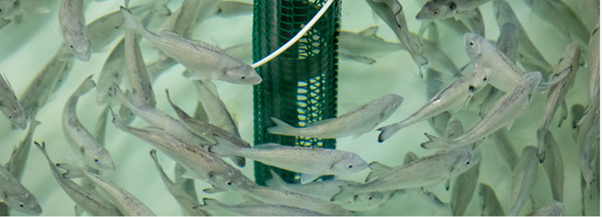
Bernardo Basurco, administrator of the training area ‘Fisheries and Aquaculture’ at CIHEAM Zaragoza, addresses in this article the current situation of a sector which, despite its growth, faces challenges such as the environment, competition, governance and the stagnation of European production, and where continuous innovation and sustainability efforts are considered vital for its future development.
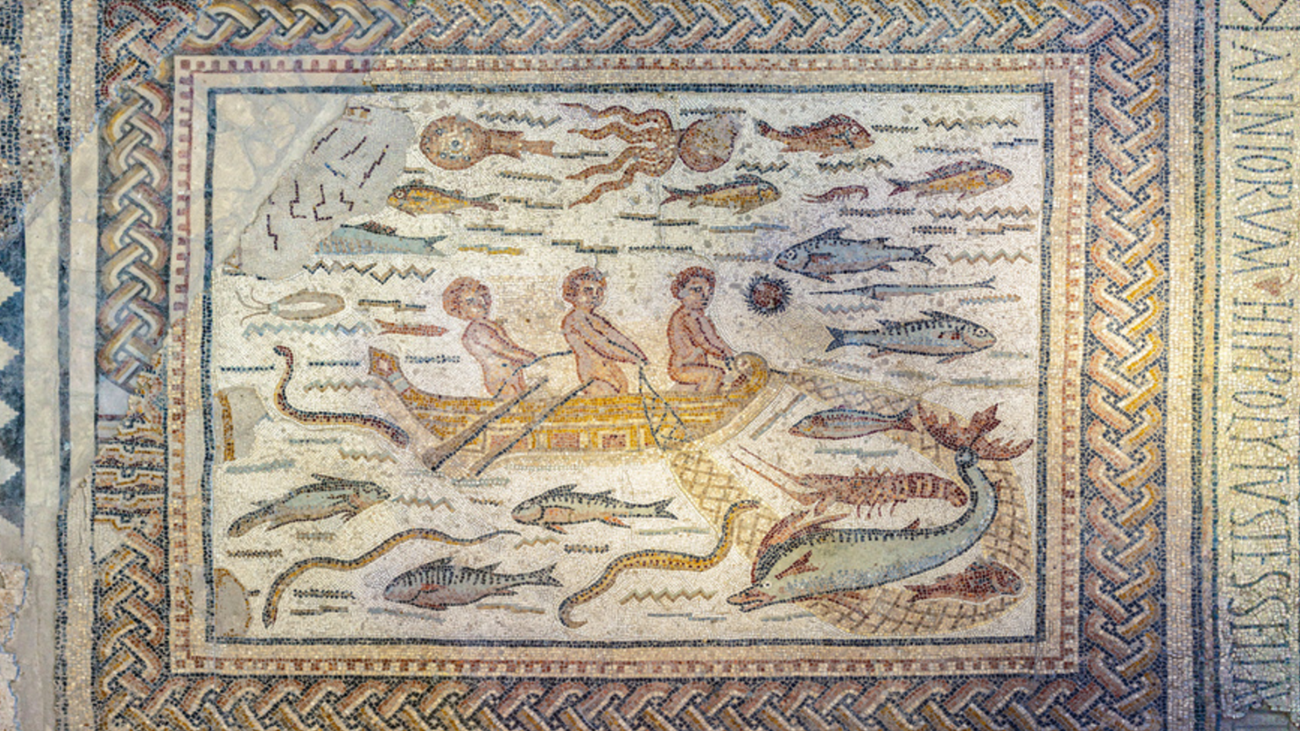
Mosaic of fish of the House of Hippolytus in the Roman city of Complutum, now Alcalá de Henares, Community of Madrid, Spain
Aquaculture in the Mediterranean region is an activity that started many centuries ago. The earliest known accounts date back to ancient Egypt, when images on the tomb of Akhethetep (2500 BC) depict men taking tilapia out of a fish pond. The Greeks cultivated molluscan shellfish in the 5th century BC, and the Romans cultivated or simply kept seabass, seabream, mullets and oysters off the Italian coast in enclosed facilities. Nowadays, aquaculture is an important and increasing source of high-quality, digestible protein in most countries. In 2022, fisheries and aquaculture production reached an all-time high of 223.2 million tonnes, an estimated 20.7 kg of aquatic animal foods per capita. This constituted about 15 percent of the animal protein supply (FAO, 20241).
In 2022, global aquaculture production reached 130.9 million tonnes and today, more than half of the total world seafood supply comes from aquaculture (FAO, 2024). According to the FAO (FAO FishStat data, March 20242), aquaculture production in 21 Mediterranean and Black Sea countries3 belonging to the General Fisheries Commission for the Mediterranean (GFCM) has been expanding significantly over recent decades, multiplying the 2002 production volumes (1,277,659 tonnes) by 2.3 to reach a total production of 2,948,534 tonnes in 2022. However, most countries in the region have a large seafood supply deficit. In Spain alone, the seafood deficit reached €3.581 billion in 2022 (more than 1 billion more than in 2015), in fact, two out of every three seabream and one out of every two seabass consumed in Spain are imported (APROMAR 20244).
There have been important changes in the last two decades. While mollusc bivalves (mussels, Pacific cupped oyster, Japanese carpet shell, etc.) were the main group of species in 2002, accounting for 42.7% of production, twenty years later (2022) this hardly reached 15.6%. Freshwater fish such as Nile tilapia, cyprinids, and North African catfish, which represented 24.2% of production in 2002, twenty years later have taken the lead with 37.5%, followed closely by marine finfish (mullets, gilthead seabream, European seabass, meagre, Atlantic bluefin tuna, turbot, red porgy, etc.) reaching 36.8%. In 2022, diadromous fish (rainbow trout, sturgeon, European eel, etc.) accounted for 9.9%, and crustaceans (white leg shrimp) only 0.2% (Table 1).
Table 1. Aquaculture development in GFCM countries by species groups (ISSCAAP division)
1992
2002
2022
growth 2022-24
1992
2002
2022
ISSCAAP division
tonnes
tonnes
tonnes
%
%
%
Miscellaneous aquatic animals
–
–
30
ne
–
–
0.0
Crustaceans
2,740
2,661
5,403
103
0.4
0.2
0.2
Molluscs
461,974
546,143
459,446
-16
61.9
42.7
15.6
Freshwater fish
122,803
309,732
1,105,602
257
16.5
24.2
37.5
Diadromous fish
119,654
162,097
291,278
80
16.0
12.7
9.9
Marine fish
33,711
256,988
1,085,981
323
4.5
20.1
36.8
Aquatic plants
5,052
38
793
ne
0.7
0.0
0.0
745,934
1,277,659
2,948,534
131
100
100
100
ne: not estimated
With the exception of Libya, Syria, Israel, Italy and France, aquaculture production has grown in all Mediterranean and Black Sea countries in the same period. Concerning the production in the GFCM countries in this region, aquaculture production is dominated by Egypt (52.6%), followed by Türkiye (17.5%), Spain (9.36%), France (6.80%), Greece (4.82%) and Italy (4.50%). These six countries accounted for 95.59% of the total production in the region in 2022. Whilst in Egypt, production is based on semi-intensive and intensive freshwater production (tilapia and carp) and marine finfish species (mullet), in Türkiye the main species produced are trout, seabream and seabass, as well as other species at lower volumes (meagre and bluefin tuna). In Spain, France, and Italy, the production is more diversified and includes molluscs (mussels, oysters, and clams), and high-value carnivorous fish species (gilthead seabream, rainbow trout, European seabass, bluefin tuna, meagre, turbot, red porgy, sturgeon, European eel, and Senegalese sole). Other smaller Mediterranean countries, such as Croatia, Malta, Tunisia, have significant fish production volumes.
Most bivalves are cultured in European countries, with Spain, France and Italy accounting for 99% of production, both in the Atlantic and the Mediterranean. Bivalve production, although cultured in high volumes for more than 40 years, has undergone a 16% decrease in the last two decades. Freshwater and marine finfish have shown the highest development, Egypt and Türkiye being the biggest producers of these two species groups.
Table 2. Aquaculture development (volume: tonnes) in GFCM countries
2002 tonnes
2022tonnes
% volume
growth volume (times)
2002(USD 1000)
2022(USD 1000)
% value
growth value (times)
North Africaa
380.462
1,580,884
53.62
4.16
670,305
3,752,471
36.83
5.6
Other Medb
91.059
541,255
18.36
5.94
207,919
2,673,237
26.24
12.86
EUc
806.138
826,395
28.03
1.03
1,468,659
3,762,555
36.93
2.56
a: Algeria, Egypt, Libya, Morocco, and Tunisia b: Albania, Israel, Lebanon, Montenegro, Syrian Arab Republic, Türkiye c: Bulgaria, Croatia, Cyprus, France, Greece, Italy, Malta, Romania, Slovenia, and Spain
When looking at production value (USD 1000) the statistics show that even though in North African countries aquaculture represents more than half (53.62%) of what the region produces, in value it accounts for only 36.83 %. This is mainly because in Egypt (leading country), production is concentrated in non-carnivorous low-value species (Nile tilapia, cyprinids, and mullets), whereas in EU countries, the fish production, which in volume represents 28.03% and in value 36.93%, fish aquaculture production is concentrated in high-value carnivorous fish species (gilthead seabream, rainbow trout, European seabass, bluefin tuna, meagre, turbot, red porgy, sturgeon, European eel, Senegalese sole, etc.).
It is important to note that whereas aquaculture has grown about 5 times in the last two decades in North Africa and other Mediterranean countries, there has hardly been any growth (1.03) in European countries. This stagnation is partly due to the decrease in production of mollusc bivalves, as EU aquaculture production (excluding molluscs) has grown 1.44 times.
Unfortunately, there are no regional statistics available for the production of trout eggs and marine fish juveniles. MedAID H2020 project estimated that in 2016 about 64% of juveniles of gilthead seabream and European seabass were produced in EU countries versus 36% produced in non-EU countries. Similarly, a significant share of the aquafeed for seabass and seabream is produced by multinationals that tend to concentrate their production in a few countries and then distribute it to the whole region through commercial and distribution units (Aguilera et al., 20195).
Most GFCM countries are involved in this spectacular growth, which has developed as a result of significant research, mainly in the fields of reproduction, larval culture, nutrition, feed manufacturing, engineering, and IT technologies. The technology applied has evolved rapidly as a result of improvements made in existing farming facilities, for instance water recirculation for freshwater and marine land-based installations, and the development of off-shore cage farming. As a consequence of such developments, nowadays, in the Mediterranean and Black Sea countries, more species are cultured, and a variety of production activities coexist in different environments using a wide range of technologies: from extensive mollusc or semi-extensive freshwater fish production to highly intensive raceways, net cage fish farming, and recirculating aquaculture systems (RAS).
This technology development is transforming Mediterranean aquaculture, from extensive and labour-intensive facilities to intensive, mechanised, and more automated systems run by highly qualified staff. Even though there is a general trend towards larger firms and a higher degree of internationalisation and integration, companies also tend to specialise in different business models according to levels of production and product strategies (Aguilera et al., 20196).
As in other parts of the world, the aquaculture sector in the Mediterranean region faces a series of important constraints, some related to the evolution of the economy and market trends, others related to governance, such as site availability and licensing, planning, financing, infrastructures, and availability of highly specialised human resources, as well as more technical constraints such as the availability of sustainable inputs (raw material for feeds, or quality seeds and juveniles of main species and new species), health management, biosecurity, control of diseases, and fish welfare.
Mediterranean and Black Sea aquaculture can be divided into sub-sectors, all at various levels of development and facing different constraints. For instance, bivalve production is decreasing and faces strong competition from third countries as well as changes in consumption patterns; the trout sector is an ageing industry, and the seabass and seabream industry faces high international price competition and smaller margins. These sub-sectors all demand higher performance and management efficiency, productivity and economies of scale, a situation that is driving industry policy to scale up production and develop more efficient production systems, such as offshore aquaculture and recirculation aquaculture systems, and implement new technologies (IT and automation).
In addition, there are significant intangible constraints, such as the social acceptability of the sector by consumers, citizens, and public administrations, that raise environmental concerns about the location of farms and the impact of effluents on the surrounding environment; or competition with other users of the coastal areas for housing development, tourism, navigation, fishing, wildlife park projects, harbours, and maritime traffic. Concerns are also raised about animal welfare or excessive use of veterinary medicines7,8.
According to APROMAR (2024), European aquaculture companies are competitive businesses, but their market position is being severely compromised for several reasons. The most relevant issues are administrative, related to the need to comply with a number of regulations concerning occupation concessions, emissions, food safety, waste, taxes, fees, etc. These superfluous administrative burdens limit companies’ growth potential and reduce their competitiveness.
The importance of aquaculture has been recognised by the European Commission. In 2013, the Commission published their Strategic Guidelines for the Sustainable Development of EU Aquaculture (COM (2013) 229 final), and more recently designed the Strategic Guidelines for a more Sustainable and Competitive EU Aquaculture for the Period 2021 to 2030 (COM(2021) 236 final9). This strategy underlines the potential of farmed seafood as a source of protein for food and feed with a low-carbon footprint which has an important role to play in helping to build a sustainable food system. The strategy also aims at stimulating the economy and creating jobs while accelerating the green transition cost-effectively in order to reach the following inter-related objectives:
building resilience and competitiveness;
participating in the green transition;
ensuring social acceptance and consumer information; and
increasing knowledge and innovation.
The need to ensure sustainable development was already recognised in 1995 with the adoption of the FAO Code of Conduct for Responsible Fisheries (CCRF). Article 9 covers aquaculture. The GFCM has also published (FAO 2021) its 2030 Strategy for Sustainable Fisheries and Aquaculture in the Mediterranean and the Black Sea10, which recognises that aquaculture production needs to meet demand and grow sustainably, capitalising on innovation, digitalisation and knowledge sharing, and enhancing its appeal to investors. To fulfil its overarching sustainability vision, the GFCM 2030 Strategy for the Aquaculture Pillar is supported by four expected outputs:
efficient governance promoted in support of responsible investment;
practices supporting the sustainability of the aquaculture industry;
improved perception of aquaculture; and
maximised technology and information systems
References
[1] FAO. 2024. The State of World Fisheries and Aquaculture 2024 – Blue Transformation in Action. Rome. https://doi.org/10.4060/cd0683en
[2] FAO. 2024. FishStat: Global aquaculture production 1950-2022. [Accessed on 29 March 2024]. In: FishStatJ. Available at www.fao.org/fishery/en/statistics/software/fishstatj. Licence: CC-BY-4.0.
[3] Albania, Algeria, Bulgaria, Croatia, Cyprus, Egypt, France, Greece, Israel, Italy, Lebanon, Libya, Malta, Montenegro, Morocco, Romania, Slovenia, Spain, Syrian Arab Republic, Tunisia and Türkiye.
[4] APROMAR 2024. La acuicultura en España 2023. https://apromar.es/informes/
[5] Aguilera, C., Furones, D., Reverté, C., Sanjuan-Vilaplana, C. A., Basurco, B., López-Francos, A., Llorente, I., & Ramos, S. (2019). Integrated Holistic Assessment of Mediterranean Aquaculture. Horizon 2020 project MedAID, Deliverable 1.3. http://www.medaid-h2020.eu/index.php/deliverables/
[6] Aguilera, C., Furones, D., Reverté, C., Sanjuan-Vilaplana, C. A., Basurco, B., López-Francos, A., Llorente, I., & Ramos, S. (2019). Integrated Holistic Assessment of Mediterranean Aquaculture. Horizon 2020 project MedAID, Deliverable 1.3. http://www.medaid-h2020.eu/index.php/deliverables/
[9] Communication from the Commission to the European Parliament, the Council, the European Economic and Social Committee and the Committee of the Regions. Strategic guidelines for a more sustainable and competitive EU aquaculture for the period 2021 to 2030. COM/2021/236 final. https://eur-lex.europa.eu/legal-content/EN/TXT/HTML/?uri=CELEX:52021DC0236
[10] FAO. 2021. GFCM 2030 Strategy for sustainable fisheries and aquaculture in the Mediterranean and the Black Sea. Rome. https://doi.org/10.4060/cb7562en
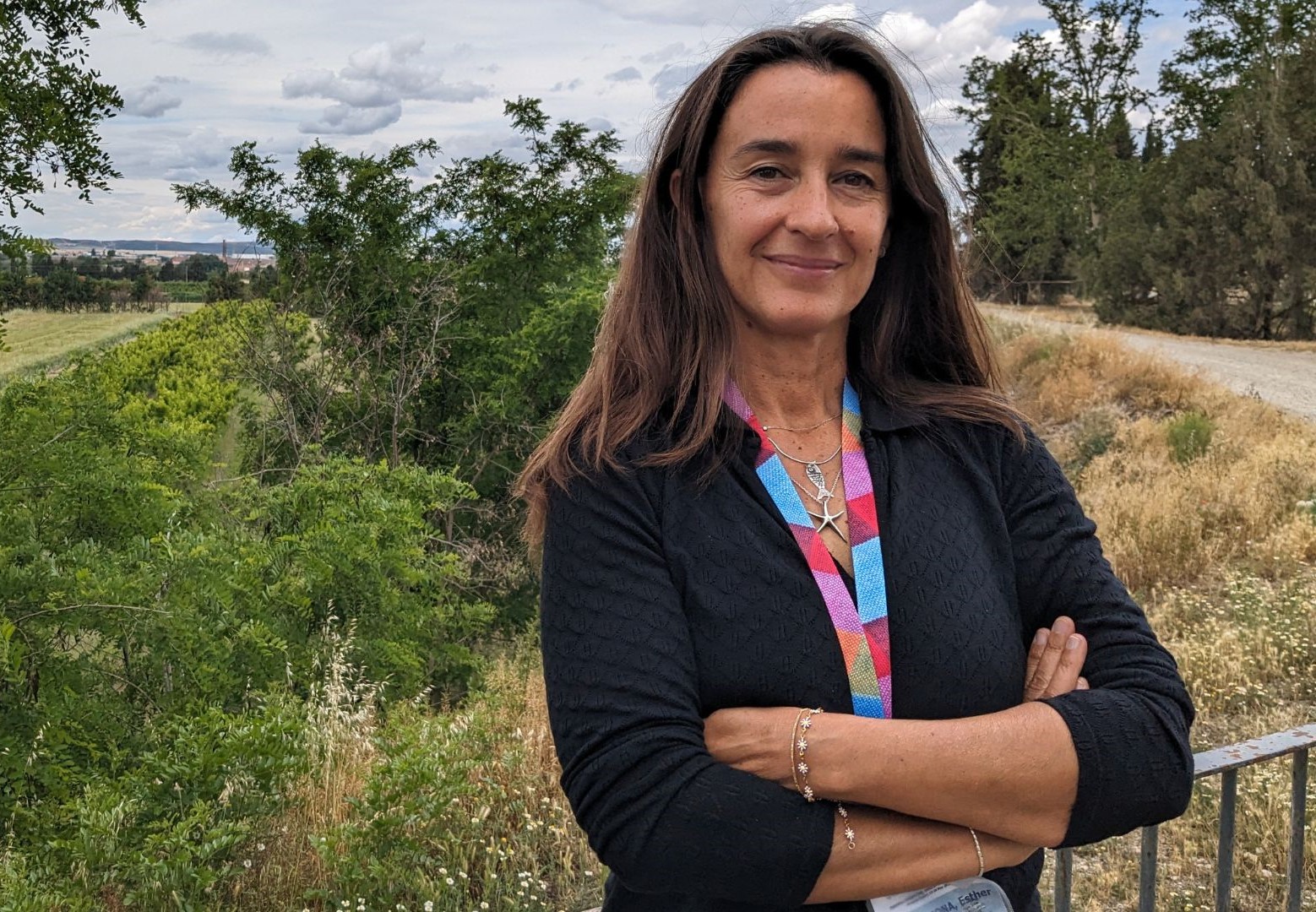
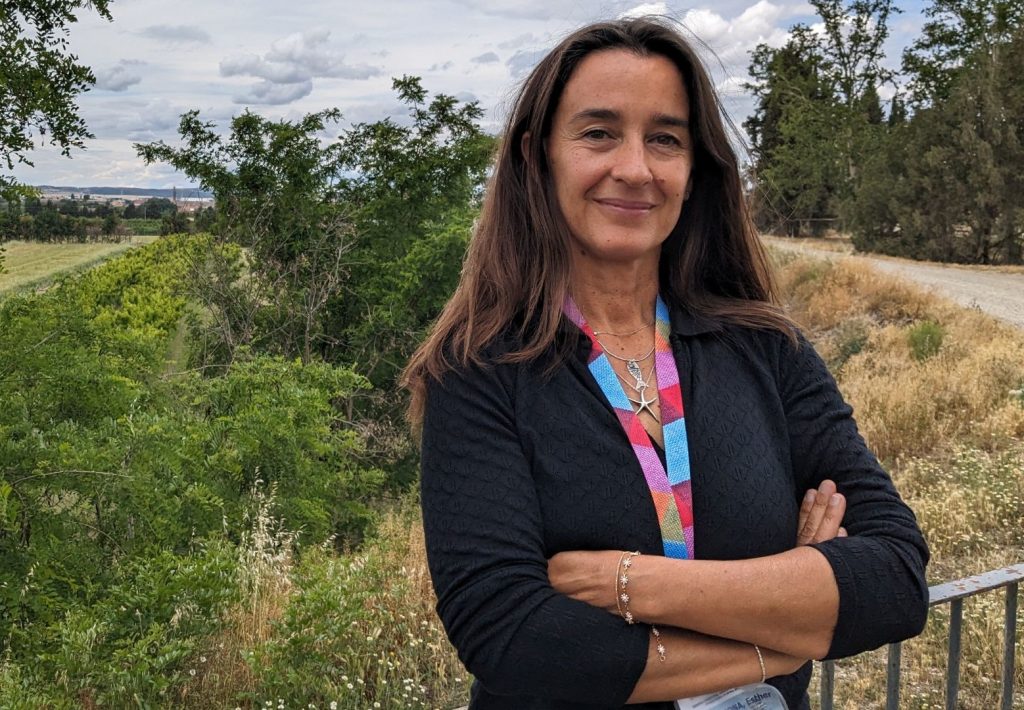
We have chatted to FAO consultant Esther Boy about her experience as former CIHEAM Zaragoza student, her professional career in the fishing sector and her current efforts to combat illegal fishing
Zaragoza, 2 October 2024.-Esther Boy is a consultant for the Fisheries and Aquaculture Division of the Food and Agriculture Organization of the United Nations (FAO). A naval engineer by training, Esther participated in the first edition of the International Master in Fisheries Economics and Management (now International Master in Sustainable Fisheries Management) jointly organised by CIHEAM Zaragoza and other institutions.
Boy tells us that the master gave her a wider vision of the sector, complementing the knowledge she already had of technical and regulatory aspects and giving her insight into the real situation of fisheries control in other countries. “This training was incredibly useful because it built on what I already knew and gave me a much broader vision”.
Esther spent over 20 years working in fisheries inspections in Spain, reaching the position of head inspector of all the national inspection and surveillance services. Currently her work at the FAO is focused on supporting developing countries and helping them to fulfil their international responsibilities to combat illegal fishing, by improving their legislative capacity to implement effective monitoring, control and surveillance systems.
For this expert, in order to achieve the sustainability of the fishing sector it is vital to raise awareness among fishing communities, governments and consumers. In this sense, she recommends strategies that help the final consumer to make a responsible choice, based not only on the characteristics of the fish but also on its legal origin. These strategies would discourage illegal fishing and make it less profitable.
Esther ends by saying: “We should be aware that fishing activity is based on depletable natural resources, therefore it is important to deploy all necessary means to make it sustainable and thus guarantee the availability of this food resource in the future”.
Cajamar’s book on premium Spanish wines was among the winning publications
The coordinators of the book were present at the awards ceremony of the International Organisation of Vine and Wine (OIV) held in Lisbon on 20 September
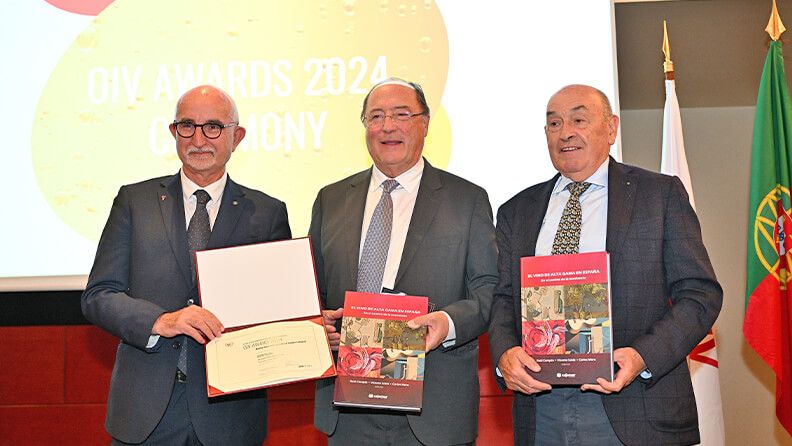
The International Organisation of Vine and Wine (OIV) acknowledged Cajamar’s ‘Premium Wines in Spain: On the road to excellence’, with an award in the category ‘Monographs and Specialised Studies’. The work is coordinated by Carlos Moro, president of the winery Bodegas Familiares Matarromera; Raúl Compés, director of CIHEAM Zaragoza, and Vicente Sotés, professor emeritus in viticulture of the Polytechnic University of Madrid.
The book was presented at Barcelona Wine Week 2024, and looks into the recent development of the main brands, wineries and territories specialising in premium wines. It also describes the experience of other countries with a longer-standing tradition in the production of premium wines and explores potential market opportunities across the world. The publication takes the Spanish viticulture and wine-making sector as frame of reference, and underlines the need for the sector to seek added value by increasing the quality of its wines, thus generating solid, distinguished and experiential brands for which the consumer is willing to pay more.
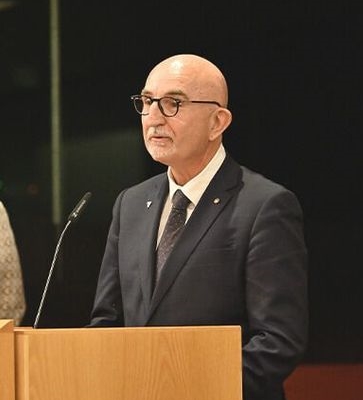
Raúl Compés, durante su intervención, tras recoger el premio
During the awards ceremony held in the Cultural Centre of Belém in Lisbon (Portugal), Compés pointed out that wine-growers and wine-makers must adapt not only to the pressing realities of climate change but also to the evolving demands of modern consumers. He went on to underline that only through the pursuit of quality and excellence can the sector ensure its long-term sustainability. “High-end wines are not just products; they are a social and cultural construct”.
The ceremony gathered over a hundred attendees, including award-winners, key figures of the Portuguese vine and wine sector, and diplomatic representatives. Bernardo Gouvêa, president of the Portuguese Instituto da Vinha e do Vinho (IVV) opened the ceremony, and John Barker, director general of the OIV, gave an opening speech underlining the importance of the event and the commitment of the OIV to promoting the heritage of wine growing and wine production.
The fourteen categories of award-winning works covered a wide range of subjects -from wine-growing to wine tourism- in the form of scientific publications, non-fiction, and even comic books. This diversity is a sign of the relevance of vine and wine in culture and fosters further interest in learning and discovering more about this fascinating sector.
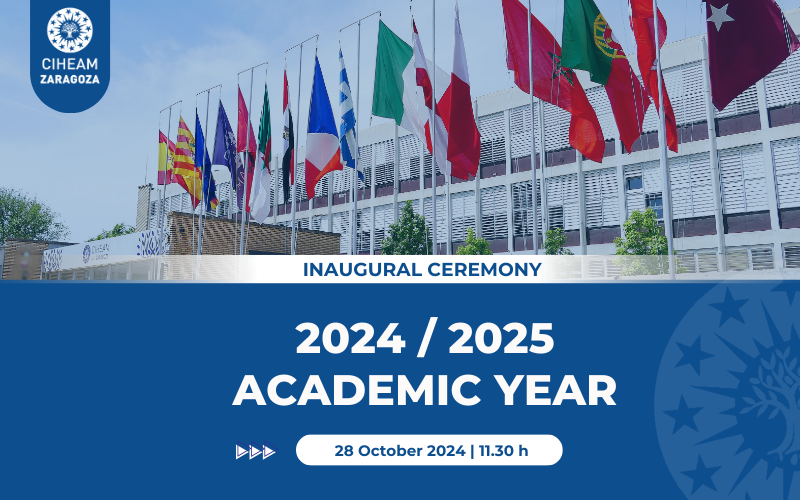
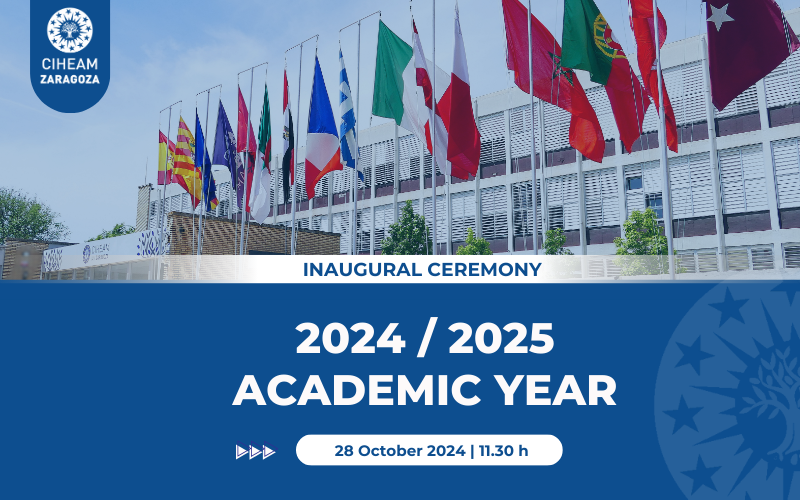
The director of CIHEAM Zaragoza, Raúl Compés, will preside the ceremony, together with representatives of the Government of Aragon and of some of the institutions collaborating in the MSc programme commencing this year at CIHEAM Zaragoza, located on Campus de Aula Dei.
Alberto Garrido, Professor in the Department of Agricultural and Natural Resource Economics and Vice-Rector of Quality and Efficiency at the Universidad Politécnica de Madrid (UPM), will deliver the inaugural lecture titled “New paradigms for water management in the context of climate change”.
Climate and hydrology research indicates that extreme climate events are becoming more frequent and more severe. In the Mediterranean region, water resources are expected to become scarcer and more variable. To address these challenges, it is crucial to strengthen regulations, improve water basin and drought management plans, and regulate water demand as both water quality and water bodies face increasing anthropogenic pressures. However, there are opportunities to enhance resources, restore ecosystems and improve water use efficiency. Irrigated agriculture in the region is highly productive, supplying essential healthy food products such as legumes, fruits and vegetables. This agriculture is compatible with effective resource scarcity management. Advances in water technology, agronomy, and improvements in the agri-food sector’s operations are essential factors for consolidating the sector and ensuring its sustainability. The conference will highlight some of the most successful innovations aligned with these new paradigms.
After the academic event, the inauguration ceremony of the Plaza del Mediterráneo will take place at the CIHEAM Zaragoza facilities. This new emblematic space, in addition to bringing the Mediterranean Sea closer to the Institute, aims to pay tribute to the most representative symbols and icons of Mediterranean culture and heritage: water and the olive tree, and to reflect the organisation’s spirit of cooperation and dialogue.
Ramón Esteruelas-CIHEAM Zaragoza Prize
During the ceremony, the winner of the Ramón Esteruelas-CIHEAM Zaragoza prize for outstanding achievement (2022/2024) will be announced. The prize is named in memory of Ramón Esteruelas, founder and visionary of CIHEAM and President of the Governing Board between 1962 and 1983. Through this award, CIHEAM Zaragoza acknowledges the pursuit of academic excellence to enhance cooperation and development in agriculture and food within Mediterranean countries.
The agenda is as follows:
Welcome address.
Presentation of the academic programme for 2024/2025.
Announcement of he winner of the Ramón Esteruelas-CIHEAM Zaragoza prize.
Keynote Lecture.
Official opening of the 2024-2025 academic year.
Musical performance.
Inauguration of Plaza del Mediterráneo.
Welcome reception.
If you wish to attend the ceremony, either in person or on line, please register here.
EXCELLENCE IN INTERNATIONAL TRAINING
El CIHEAM Zaragoza ofrece formación internacional de excelencia y promueve la investigación y la CIHEAM Zaragoza provides international training and fosters research and cooperation to address key challenges in Mediterranean agriculture, livestock, fisheries, the environment, and natural resources.
Brilliant young students from the southern and eastern shores of the Mediterranean have been awarded scholarships to continue their postgraduate studies, focusing on key aspects for the future of the agriculture and food sector in the Mediterranean and across the world.
Para ofrecer las mejores experiencias, utilizamos tecnologías como las cookies para almacenar y/o acceder a la información del dispositivo. El consentimiento de estas tecnologías nos permitirá procesar datos como el comportamiento de navegación o las identificaciones únicas en este sitio. No consentir o retirar el consentimiento, puede afectar negativamente a ciertas características y funciones.
Funcional
Always active
El almacenamiento o acceso técnico es estrictamente necesario para el propósito legítimo de permitir el uso de un servicio específico explícitamente solicitado por el abonado o usuario, o con el único propósito de llevar a cabo la transmisión de una comunicación a través de una red de comunicaciones electrónicas.
Preferencias
El almacenamiento o acceso técnico es necesario para la finalidad legítima de almacenar preferencias no solicitadas por el abonado o usuario.
Estadísticas
El almacenamiento o acceso técnico que es utilizado exclusivamente con fines estadísticos.El almacenamiento o acceso técnico que se utiliza exclusivamente con fines estadísticos anónimos. Sin un requerimiento, el cumplimiento voluntario por parte de tu proveedor de servicios de Internet, o los registros adicionales de un tercero, la información almacenada o recuperada sólo para este propósito no se puede utilizar para identificarte.
Marketing
El almacenamiento o acceso técnico es necesario para crear perfiles de usuario para enviar publicidad, o para rastrear al usuario en una web o en varias web con fines de marketing similares.