Field visit: Trials with different nut varieties and new management methods

  • A practical perspective on recent advances in plant breeding for nut production in the Mediterranean region.
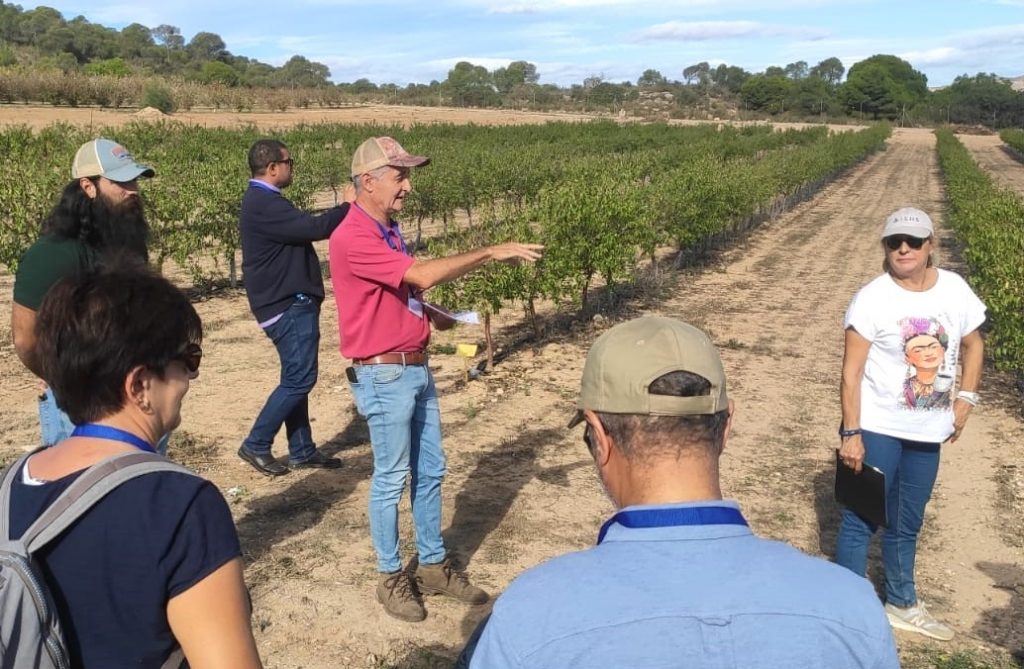
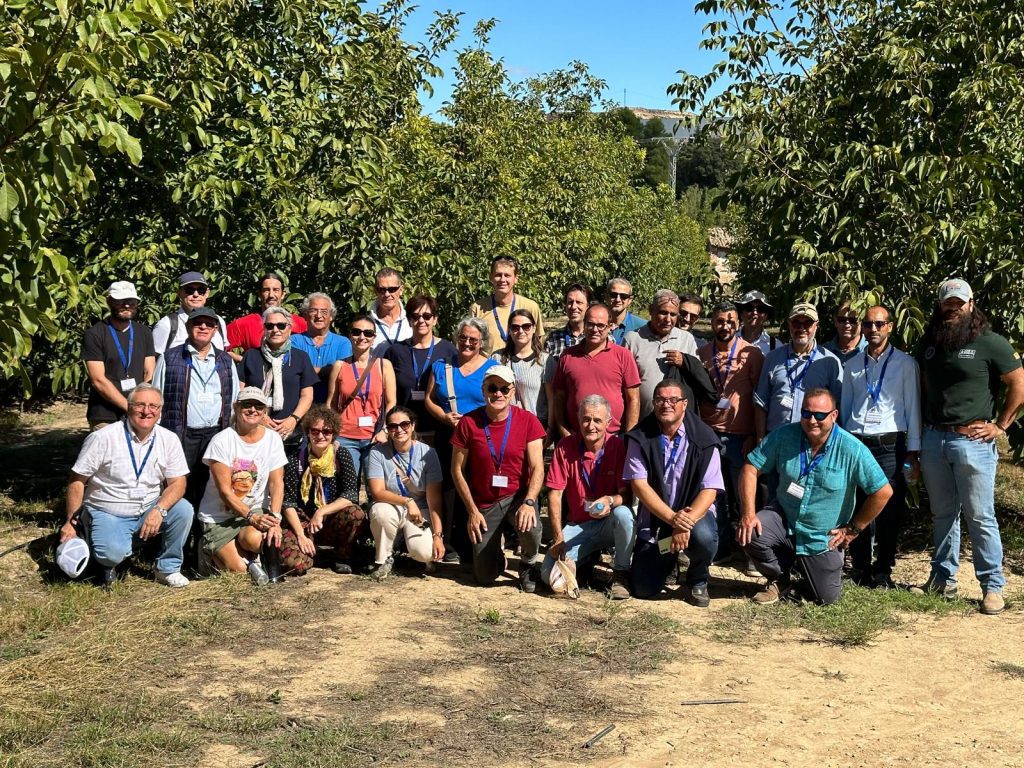
Zaragoza, 26 September 2024.- Nut experts from both shores of the Mediterranean took part on Thursday in a technical visit to the experimental station of the Fruit Growers Association of the County of Caspe Afruccas and the nursery El Vivero de Abel, in the province of Zaragoza (Spain).

The visit formed part of the international seminar organised by CIHEAM Zaragoza and the Centre for Agri-food Research and Technology of Aragon (CITA) and enabled participants to see first-hand the results of CITA’s almond breeding programme, pistachio trials and advanced nut management methods to improve crop efficiency and sustainability.

The experts learnt about the trials conducted by CITA and Afruccas, in collaboration with the company Agromillora. The trials are set up to test new cultivation methods for almond, pistachio, hazelnut and walnut and assess key features such as growth habit, flowering, or yield.

Antonio López-Francos, administrator of research projects and networks at CIHEAM Zaragoza and technical coordinator of the international seminar, comments on this field research: “The best varieties will be selected for further trials in different areas of Aragon to continue assessment and improve yields”.
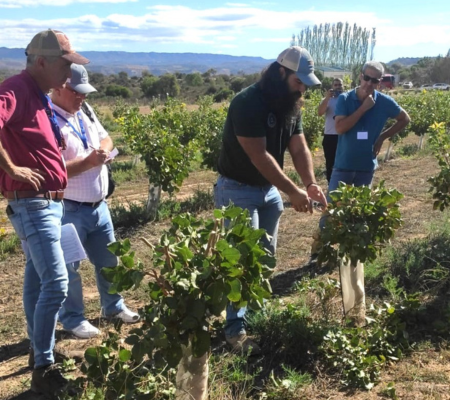
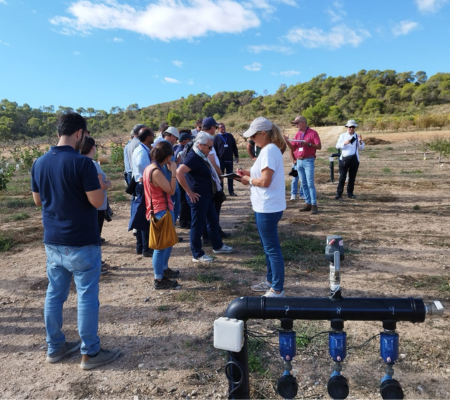
The participants also attended a pistachio pruning demonstration in a trial with the Sirora variety, and saw new experimental designs for planting, canopy formation and pruning in hazelnut orchards. They learnt more about the hedge-training trials and advanced technologies for self-rooted almond cultivation. These trials are being conducted in collaboration with Agromillora as prototypes of new cropping systems adapted to rain-fed conditions or deficit irrigation.

Hedge-training formations facilitate mechanisation, both in rain-fed and deficit irrigation conditions, and can maintain or even increase almond production. Self-rooting technology, especially in almond, is essential as it makes saplings more economical and they are better adapted to high-density production systems”, adds López-Francos.

The international experts visited a commercial walnut orchard with a mechanised pruning system and later travelled to El Vivero de Abel, a nursery of reference in the production of high-quality almond, pistachio and hazelnut trees. The experts saw examples of micrografting onto the Pilowred® rootstock developed by CITA and the micropropagation system developed at Agromillora. They also examined the micrografts and plant material produced by El Vivero de Abel for commercial applications, fine examples of the new production techniques applied at this specialised nursery.

The field trip concluded with visits to two commercial estates: an irrigated almond orchard with the Guara variety grown in a 6 x 4 design; and an irrigated walnut orchard growing the Chandler variety. Participants saw how these varieties performed under the mechanised Aragonese pruning system developed in Caspe –a relevant innovation that is now being applied elsewhere in Spain and in other parts of the world.
CIHEAM Zaragoza and CITA host debate on the future of nut selection and breeding in the light of growing market demand and climate change

  • Experts from several Mediterranean countries meet in Zaragoza to discuss the latest advances in plant breeding that could mark the future of nut production in the region

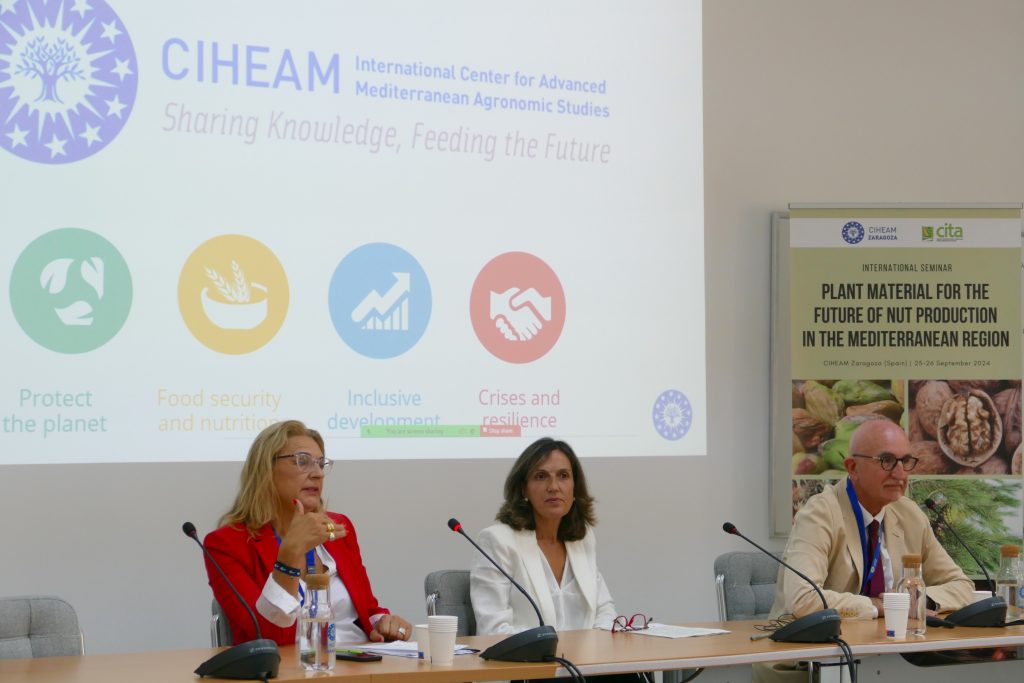
Zaragoza, 25 September 2024.- Growing market demand, together with the challenges of climate change, have given rise to key debate in the Mediterranean region concerning how to enhance the availability of plant material –an essential element of nut growing and production. Within the framework of an international seminar organised by CIHEAM Zaragoza and the Agri-food Research and Technology Centre of Aragon (CITA), experts from both shores of the Mediterranean have met in Zaragoza this week to address current challenges related to the selection and breeding of the main nut species of the region: almond, hazelnut, chestnut, walnut, pecan, pinion pine and pistachio.

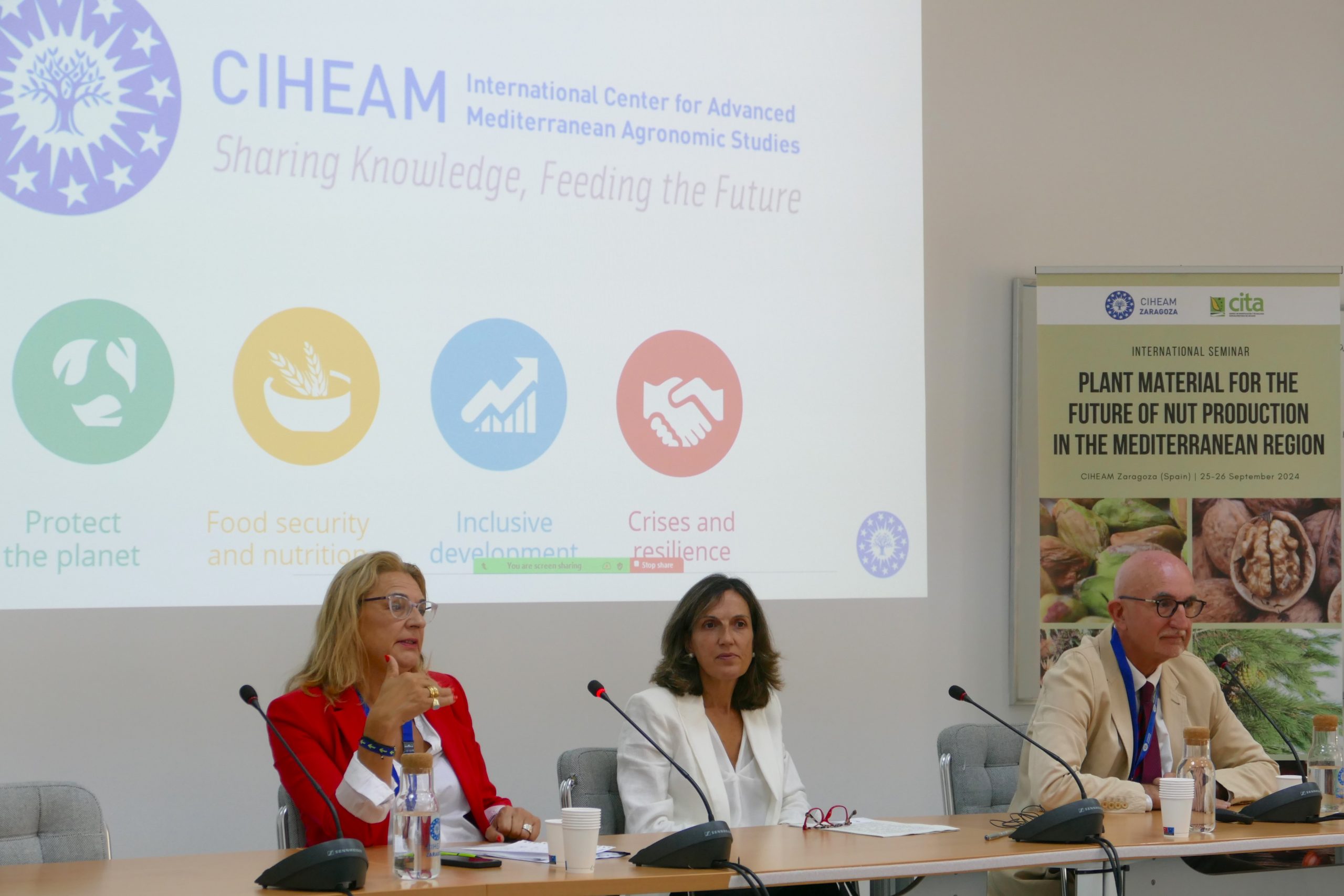
María Aitziber Lanza Goicoechea, director general of Food Quality and Safety of the Government of Aragon has inaugurated today’s event, together with Raúl Compés, director of CIHEAM Zaragoza, and María José Rubio-Cabetas, researcher from the department of Plant Science of the CITA and scientific coordinator of this international seminar.

The seminar gathered researchers and professionals from the nut sector who addressed numerous aspects including questions related to the biodiversity of the germplasm banks, availability of varieties at commercial level and crop adaptation to climate change.

Rubio-Cabetas talks about the current situation: “Nuts are an essential source of plant protein and the increase in demand across the world requires new solutions for the sector to be able to guarantee sustainability and competitiveness. During this seminar we will be putting the spotlight on plant material and on the importance of breeding strategies to ensure the future of nut production”.

Sharing knowledge between experts from both shores of the Mediterranean

The aim of the seminar is to encourage international collaboration in research on the breeding and conservation of the most important nut species or those with the most potential to mark the future of nut production in the Mediterranean region.

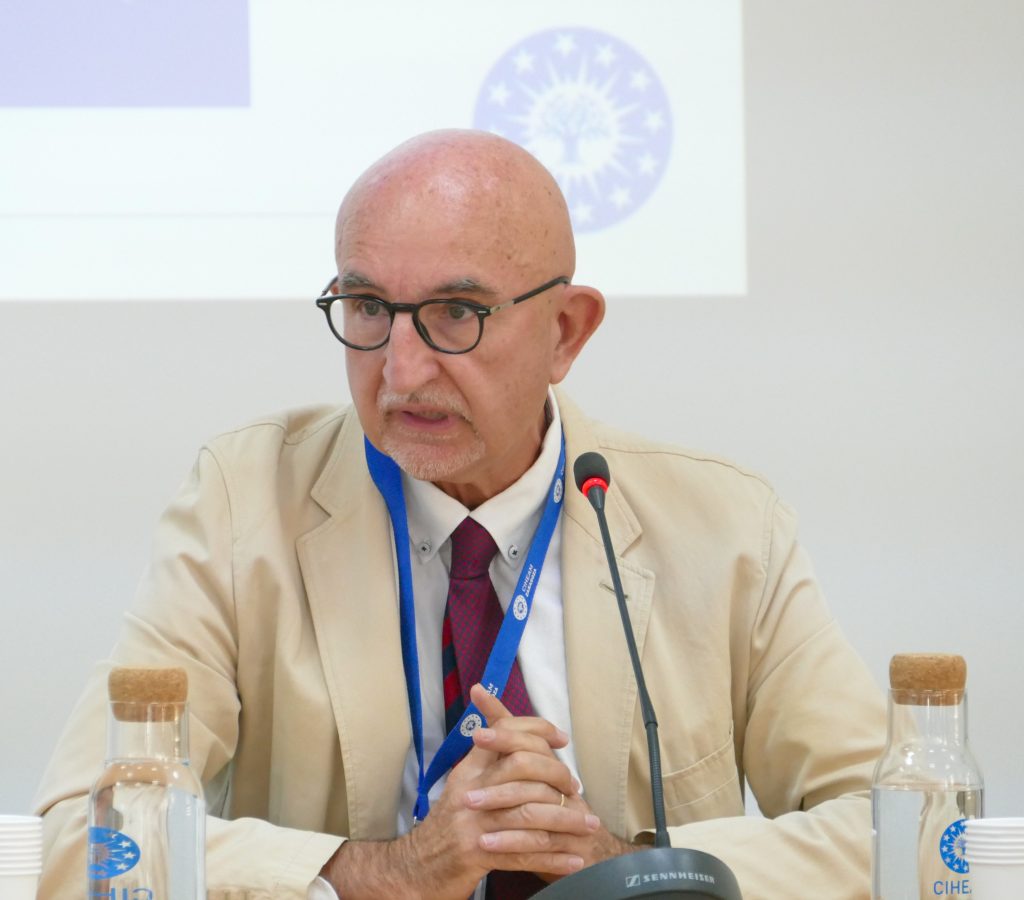
Raúl Compés during the opening of the international seminar

The director of CIHEAM Zaragoza comments on the seminar “A central aspect is the sharing of knowledge between experts on both shores of the Mediterranean, which is vital to be able to overcome the common challenges faced by the region”. He goes on to say that cooperation is a key pillar of CIHEAM Zaragoza’s mission. “For decades our Organisation has promoted international collaboration to improve agricultural sustainability and strengthen the links between Mediterranean countries”.

The seminar has begun with an explanation of the needs of the industry, followed by presentations delivered by experts from different Mediterranean countries, focused on each nut species. The seminar will conclude on Thursday with a field trip to the area of Caspe in the province of Zaragoza, where participants will have the opportunity to visit nurseries and orchards and see trials being conducted on different nut species.


About CIHEAM Zaragoza

The International Centre for Advanced Mediterranean Agronomic Studies (CIHEAM), created in 1962, is an intergovernmental organisation with 13 member countries (Albania, Algeria, Egypt, France, Greece, Italy, Lebanon, Malta, Morocco, Portugal, Spain, Tunisia and Türkiye) promoting international cooperation in topics related to agriculture and food. CIHEAM Zaragoza is the headquarters of the Organisation in Spain. Founded in 1969, CIHEAM Zaragoza offers quality and excellence in training and promoting international cooperation through research to overcome the challenges faced by Mediterranean agri-food systems. Current activities focus on the following areas of expertise: sustainable agrifood systems; fisheries and aquaculture; water, soil and ecosystems; forest management; and territorial and inclusive development.

About CITA

The Agri-food Research and Technology Centre of Aragon (CITA), was created through Law 29/2002 on 17 December 2002. It is a public body attached to the Department of Employment, Science and Universities of the Government of Aragon. CITA carries out research and technology development work for the agri-food, forestry and environmental sectors. CITA is located on the Aula Dei Campus in Montañana, one of the most important agricultural research campuses in the country. Since 2015, together with the University of Zaragoza, it is part of the Agri-Food Institute of Aragon (IA2). Its mission is to produce quality scientific and technical information about the agri-food sector and the environment which is relevant for the private sector, government and the general public. Research must allow us to increase the sustainability, resilience and competitiveness of agri-food and forestry system as we face global change.

Promoting sustainable fisheries by mitigating impacts

Fisheries sustainability necessarily involves improving the selectivity of fishing gears and reducing the impact of fishing on both target and non-target species, as well as on communities, habitats, ecosystems, and even the climate. To achieve these objectives, a wide range of management measures are available, including technological modifications to fishing gears, innovative changes in fishing procedures, and spatial management of fisheries.

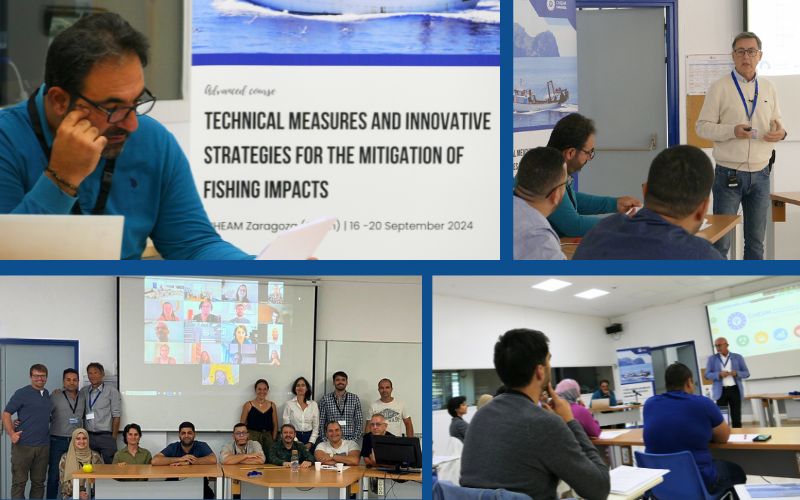
These were some of the conclusions drawn from the advanced course “Technical Measures and Innovative Strategies for the Mitigation of Fishing Impacts”, organised by CIHEAM Zaragoza with the collaboration of the Spanish Institute of Oceanography (IEO-CSIC), and the technical support of the General Fisheries Commission for the Mediterranean (GFCM) of the Food and Agriculture Organization of the United Nations (FAO). The course, held from 16 to 20 September 2024 at CIHEAM Zaragoza, Spain and on-line, was delivered by experts from the Balearic Islands Oceanographic Centre (IEO-CSIC); the Marine and Food Research Centre (AZTI, Sukarrieta) of the Basque Country; the Italian National Research Council (CNR-IRBIM, Ancona); a fishing net manufacturer from La Ràpita (Tarragona); and the General Fisheries Commission for the Mediterranean (FAO GFCM). Enric Massutí (IEO-CSIC) was the scientific coordinator.

ADDRESSING FISHING IMPACTS

Fisheries provide an excellent source of high-quality nutrients and make an important contribution to job creation in coastal areas; however, they have significant direct and indirect impacts on marine ecosystems and even on the climate. These fishing impacts vary significantly: from the transformation of the seafloor landscape and its benthic habitats due to direct contact of fishing gear with the bottom, to the resuspension of sediments and subsequent physical and chemical disturbance, as well as the loss of structuring benthic species.

The fishing activity can also cause indirect impacts through changes in marine biodiversity, structure and functioning of the biological communities and food webs. The low species and size selectivity of some fishing gears and fisheries generates discards of target and non-target catches, a biomass that is wasted, with the consequent impact on ecosystems, and moreover can produce incidental catches of vulnerable species. This low size-selectivity also affects the state of stocks and fishing yields. The carbon footprint of fisheries must also be considered.

For all these reasons, minimising the impact of fishing has become an objective of international agreements, regional directives, and national regulations.

PROFESSIONALS FROM 14 COUNTRIES

Twenty-nine fisheries professionals from 14 countries (Algeria, Argentina, Barbados, Costa Rica, Croatia, Kenya, Lebanon, Morocco, Portugal, Spain, the Netherlands, Trinidad and Tobago, Tunisia, and Türkiye) participated in the training.

Throughout the course, these professionals had the opportunity to discuss different factors affecting the effectiveness of measures aimed at enhancing gear selectivity and minimising fishing impacts, such as the fleet, the type of gear used, environmental, ecological, and biological characteristics of the fishing area, as well as the practices of fishermen and the demands of the market, all of which are further shaped by cultural traditions and other social influences.

All of these aspects can greatly vary the effectiveness of the measures and are essential during the planning and development of experimental activities, in the analysis of data, and in reporting the results for effective fisheries management advice”, said Massutí.

PROMOTING SUSTAINABLE AND EFFICIENT FISHERIES

The implementation of more selective fishing gears and innovative fishing strategies can improve exploitation patterns of target stocks, reduce discards and incidental catches of vulnerable species, and mitigate the environmental impact of fisheries, with a special emphasis on protected, endangered, and threatened (PET) species, sensitive habitats, essential fish habitats and vulnerable marine ecosystems.

All these aspects were presented and reviewed during the course, addressing key knowledge gaps, exploring tools for data analysis, and examining case studies. Face-to-face participants also took part in three sessions of practical work.

Zaragoza hosts an international workshop on the role of olive oil for peace and sustainable development

  • Experts and representatives of development NGOs, universities, businesses and institutional bodies such as the Spanish Agency for International Development Cooperation (AECID), the International Olive Council (IOC), and the United Nations Interim Force in Lebanon (UNIFIL) will gather in Zaragoza to discuss and reflect upon the importance of olive-growing and olive oil production in international cooperation for peace.
  • The workshop is linked to the OLIB project, coordinated by CIHEAM Zaragoza and financed by the Provincial Council of Zaragoza. The project focuses on strengthening sustainable local development and coexistence in Lebanon through improved olive yield and productivity.

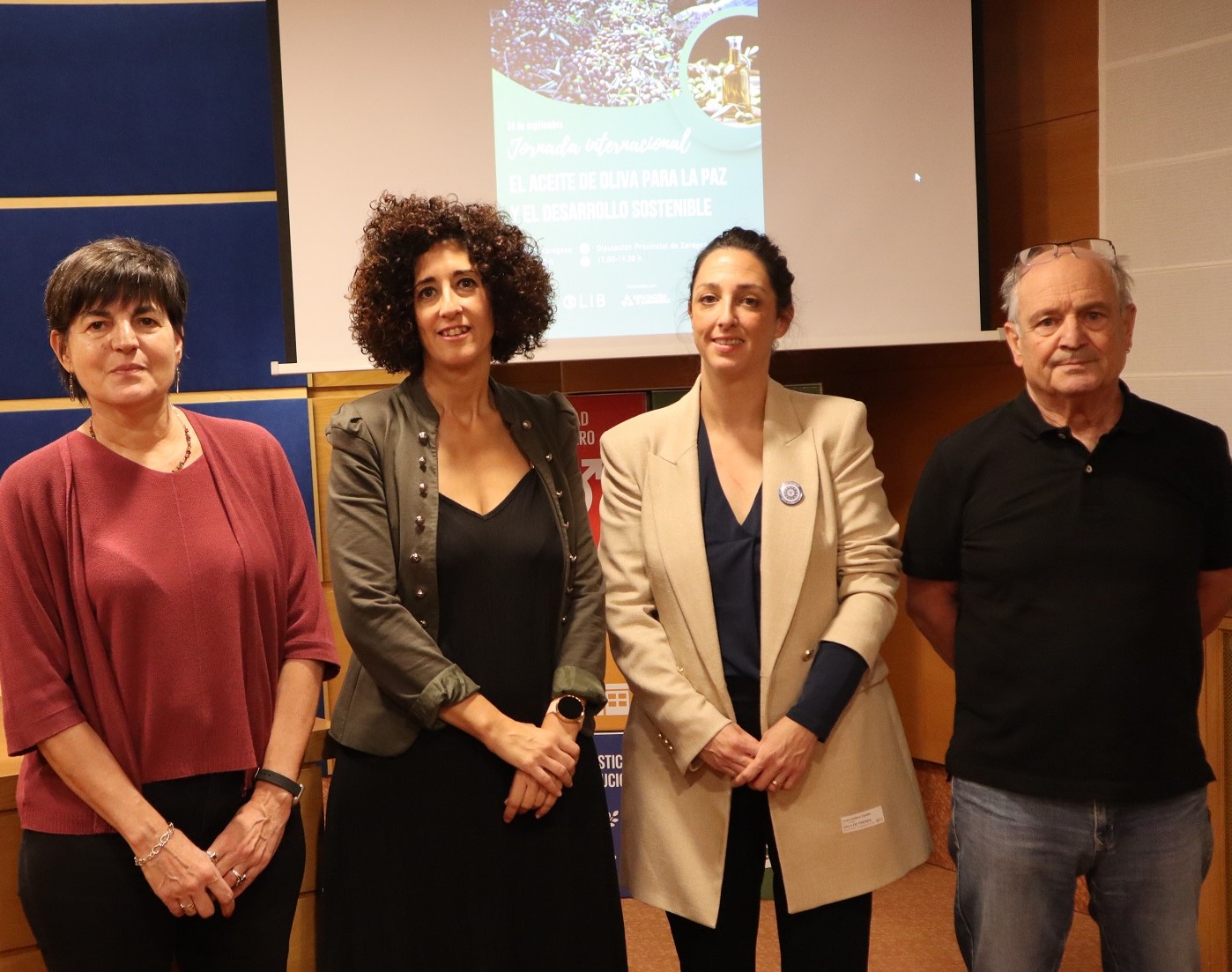
Zaragoza, 19 September 2024.- Zaragoza is preparing to host the international workshop ‘Olive Oil for Peace and Sustainable Development’ within the framework of the OLIB project, coordinated by CIHEAM Zaragoza and financed by the Provincial Council of Zaragoza.

This activity is organised by CIHEAM Zaragoza, with the collaboration of the University of Zaragoza, coinciding with the 25th anniversary of the adoption of the Declaration and Programme of Action on a Culture of Peace, by the General Assembly of the United Nations and serves to commemorate the International Day of Peace which is celebrated every year on 21 September.

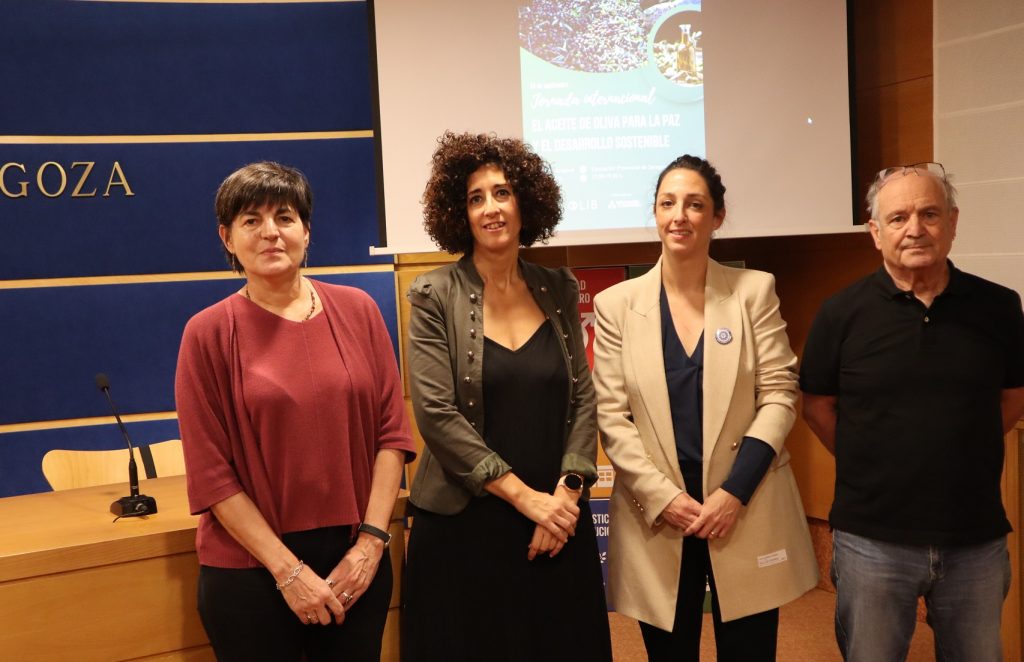
During the press conference to present the workshop, Elena García, advisor of the presidential cabinet of the Provincial Council of Zaragoza, stated “Both the workshop and the speakers make this a very interesting event. It will be a magnificent opportunity to reflect upon the contribution of the olive sector to economic development, social inclusion, environmental sustainability and peace”.

Laura Quijano, project manager at CIHEAM Zaragoza, pointed out that the OLIB project “creates a space for knowledge-sharing between the different religious and ethnic groups that co-exist within the project’s area of operation, located along the Blue Line established by the United Nations. The eastern sector of this area is led by the Spanish Ministry of Defence, and a project of this nature is more relevant than ever, given the current situation”.

José Casanova, tenure professor of the Higher Polytechnical School of Huesca explained that the project is a continuation of the Almazara programme that ran from 2018. Casanova has travelled to the Lebanon on seven occasions and has had the opportunity to see the progress made in strengthening expertise in olive growing and olive production. “We are working with a cooperative of 300 women and as the olive grove knows no boundaries of religion, fortunately when we talk about olives and olive oil we can talk to people of all faiths”.

Furthermore, the director of the peace research movement Fundación Seminario de Investigación para la Paz, María Jesús Luna, pointed out that “the olive is a cultural element that identifies and unites Mediterranean countries. In this sense it is a channel of understanding and collaboration“.

Over 200 people have registered in the workshop that will provide a forum for debate on the role of the olive sector to strengthen efficient and sustainable social and economic development. It will also host a round table with development NGOs to present and reflect upon different initiatives and cooperation activities in the agricultural and food sector that can encourage a culture of peace. The event will bring together a wide variety of experts and representatives of non-governmental organisations, universities, businesses and institutional bodies such as the Spanish Agency for International Development Cooperation (AECID), the International Olive Council (IOC), the United Nations Interim Force in Lebanon (UNIFIL) and entities belonging to the local administration.

CIHEAM Zaragoza and the Fundación del Olivar sign a framework agreement reinforcing their commitment to the sustainable development of olive growing and olive oil production

  • This framework agreement reflects the commitment of both institutions to the sustainable development of olive growing and olive oil production, by reinforcing the training of professionals and supporting research and innovation.

Zaragoza, 11 September 2024 – CIHEAM Zaragoza and the Spanish body for the promotion and development of olive growing and olive oil production Fundación para la Promoción y el Desarrollo del Olivar y del Aceite de Oliva – have signed a framework agreement to strengthen relations between the two institutions and promote active cooperation in technical, scientific, academic and professional affairs.

Both institutions share the conviction that international collaboration between stakeholders in the olive oil production system is essential to improve knowledge and to enable the implementation of better policies and business strategies. Sustainable development in this sector is only possible through the participation of institutions engaged in training, research, outreach and innovation.

Key areas in this framework agreement include development and collaboration in scientific and technological research projects and dissemination of their results, as well as the joint organisation of activities such as courses, conferences, congresses and symposia. The agreement also considers exchanges between students and training staff as well as periods of research and practicals conducted at either of the two institutions, as well as participation in technical committees and working groups required to organise activities of common interest.

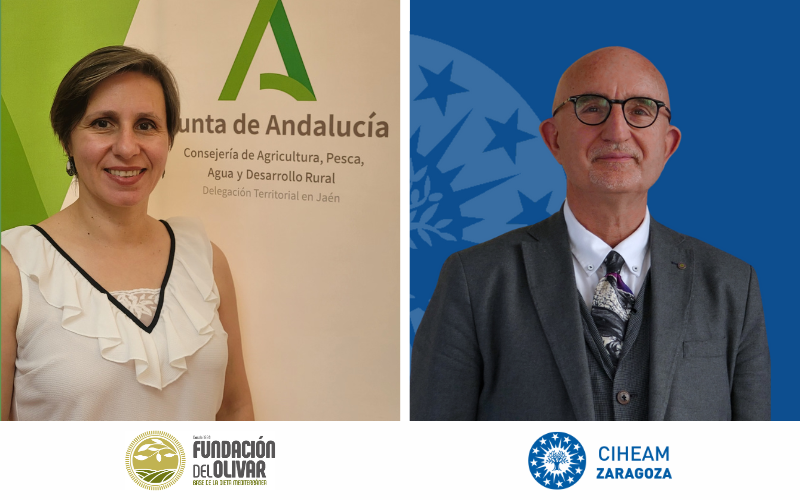
According to Raúl Compés, director of CIHEAM Zaragoza, “Olive growing and olive oil production play a central role in our training, research, and knowledge transfer activities. This agreement reinforces our alliances in support of activities to improve production conditions and meet consumer demands across the Mediterranean”.

To quote Soledad Aranda Martínez, executive president of the Fundación del Olivar and territorial delegate of the Department of Agriculture of the Regional Government of Andalusia, “This agreement is a great opportunity for us to move forward in the training of professionals in the sector and promote research in more sustainable techniques. Our goal is for the olive grove to become a point of reference, not only in terms of quality and tradition, but also of innovation and respect for the environment”.

The context of this agreement is marked by the threat of climate change, but also presents an opportunity to boost consumption by enhancing the role of both institutions as strategic players to drive the scientific and technological development of this relevant sector for Spain and the Mediterranean.


About the Foundation for the Promotion and Development of the Olive Grove and Olive Oil

Fundación del Olivar was created as a result of efforts in the production sector, the public administration, and financial bodies to develop olive growing, promote olive oil and enhance its reputation. Over the last thirty-five years, since its creation in 1990, the Foundation has focused on research, on the training of professionals, and on the dissemination of technical knowledge, favouring the sustainable development of the olive grove by improving the quality and competitivity of olive oil on an international scale. Fruit of this endeavour, there are some essential instruments available today to support the olive oil sector, namely EXPOLIVA, POOLred, and INTRAPANEL… Furthermore, the Foundation works in close collaboration with academic bodies, research centres and key players in the olive sector to drive innovation and technological development based on an approach ranging from sustainability to excellence in production.

About CIHEAM Zaragoza

The International Centre for Advanced Mediterranean Agronomic Studies (CIHEAM), created in 1962, is an intergovernmental organisation with 13 member countries (Albania, Algeria, Egypt, France, Greece, Italy, Lebanon, Malta, Morocco, Portugal, Spain, Tunisia and Türkiye) promoting international cooperation in topics related to agriculture and food. CIHEAM Zaragoza is the headquarters of the Organisation in Spain. Founded in 1969, CIHEAM Zaragoza offers quality and excellence in training and promoting international cooperation through research to overcome the challenges faced by Mediterranean agri-food systems. Current activities focus on the following areas of expertise: sustainable agrifood systems; fisheries and aquaculture; water, soil and ecosystems; forest management; and territorial and inclusive development.

CIHEAM Zaragoza and the Spanish National Research Council sign a collaboration agreement to strengthen agricultural research and education

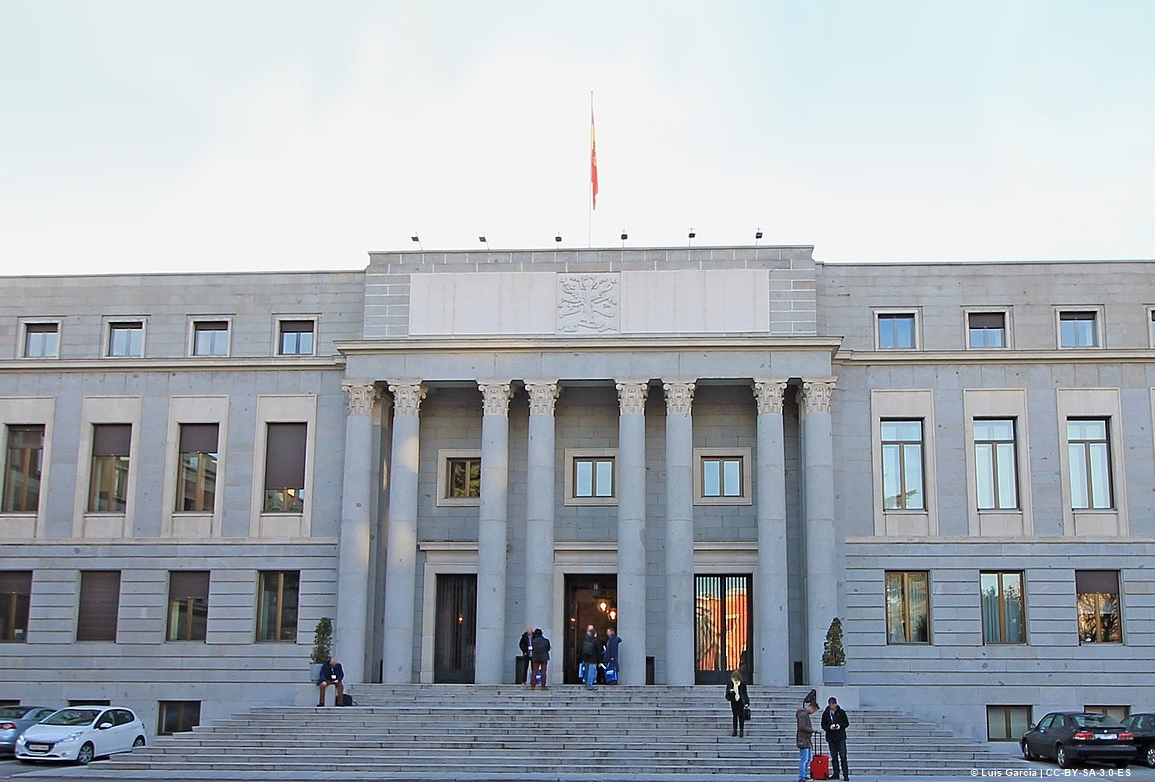
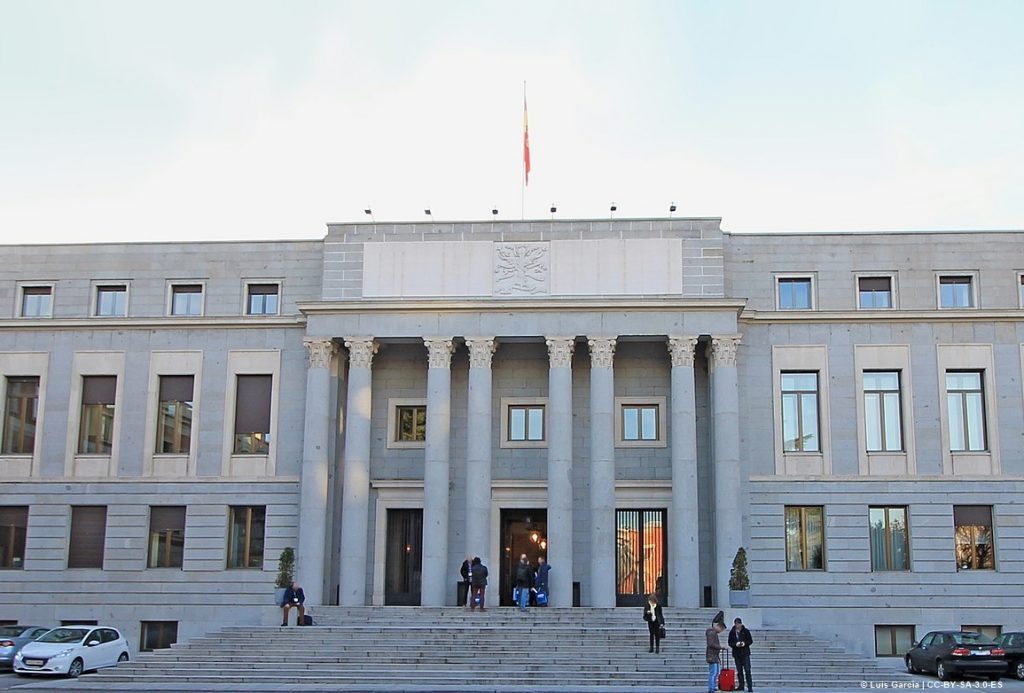
CSIC’s central building in Chamartin district in Madrid (Spain). Designed by Miguel Fisac and Ricardo Fernandez Vallespin and built in 1943.
  • Both institutions undertake the commitment to develop joint projects, exchange information and enhance mobility between researchers and students

CIHEAM Zaragoza and the Spanish National Research Council (CSIC) have taken an important step forward to strengthen technical and scientific collaboration in agricultural research and education. This general protocol of action will lay the foundations for joint scientific and technological research projects, information exchange and increased mobility for researchers and students of both institutions.

The agreement was signed by Francisco Javier Moreno Fuentes, vice-president of International Relations at CSIC, and Raúl Compés, director of CIHEAM Zaragoza. It will strengthen collaborative efforts in science and technology across a range of areas, including scientific and technological research projects, joint organisation of academic activities, and undergraduate and postgraduate programmes.

This protocol establishes a framework in which technical specialists, scientists and research groups from both institutions can work together in fields of mutual interest, optimising resources and capacities to develop basic and applied research initiatives that can be submitted to funding bodies.

This partnership will strengthen agricultural research and education and open up new opportunities for collaboration and learning for lecturers, researchers, students and professionals in the sector.