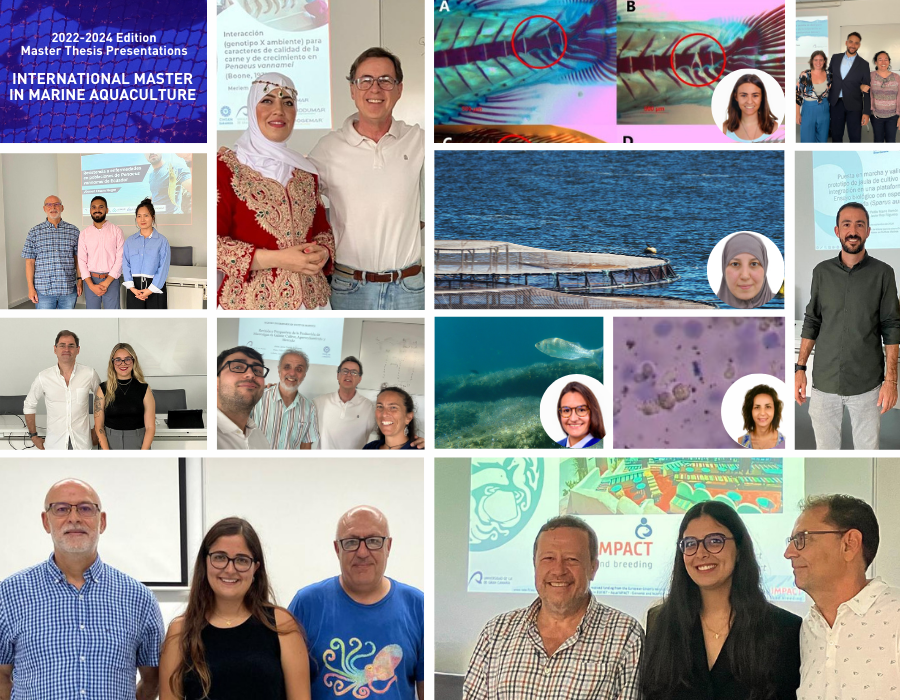
Students from the Master in Marine Aquaculture present their research in seabass, gilthead seabream, prawn, macroalgae and octopus

  • The work has been the result of two years of study and research in the 2022-2024 edition of the International Master in Marine Aquaculture organised by CIHEAM Zaragoza and the University of Las Palmas de Gran Canaria
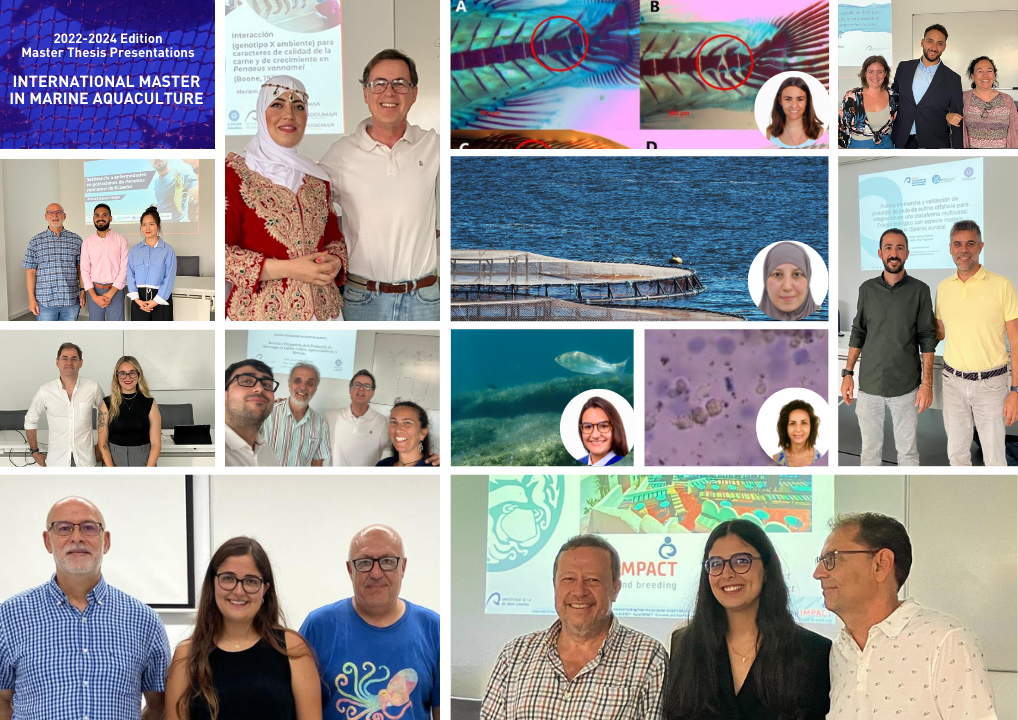
Las Palmas de Gran Canaria, 9 September 2024.- Twelve students from 5 countries (Algeria, Egypt, Lebanon, Spain and Tunisia) have successfully completed the 2022-2024 edition of the International Master in Marine Aquaculture organised by CIHEAM Zaragoza and the University of Las Palmas de Gran Canaria.

The students have presented their Final Master Theses (TFM) leading to their master’s degree, equivalent to the official Master of the Spanish university system, focused on numerous aspects related to aquaculture production, ranging from genetics and nutrition to pathology and animal welfare.

Their research has analysed the production of some of the most important species worldwide such as seabass, gilthead seabream or whiteleg shrimp, and other new aquaculture species such as octopus, as well as macroalgae.

The young people have worked towards their TFMs at the University of Las Palmas de Gran Canaria and at partner institutions such as the Oceanographic Centres of Murcia and Tenerife, both belonging to the Spanish Oceanography Institute of the Spanish National Research Council (IEO-CSIC); the Aquaculture Institute “Torre de la Sal” (IATS-CSIC); and the University of Vigo.

With this research work, the students complete two years of specialisation in the most innovative technological and scientific topics in aquaculture production.

Bernardo Basurco, academic coordinator of the master’s and administrator in charge of the strategic area of fisheries and aquaculture at CIHEAM Zaragoza is very pleased with the students’ achievements: “It is essential to train qualified experts in a sector with such a promising development and potential as aquaculture. We congratulate the students that have just completed the master’s on the high quality of their research projects and wish them great success in their professional careers”.

The master’s programme has highly specialised lecturers from the organising institutions as well as prestigious guest lecturers from research and teaching centres, public administrations and private entities in several countries.

For more information about the master’s programme, visit: www.masteracuicultura.es/en.
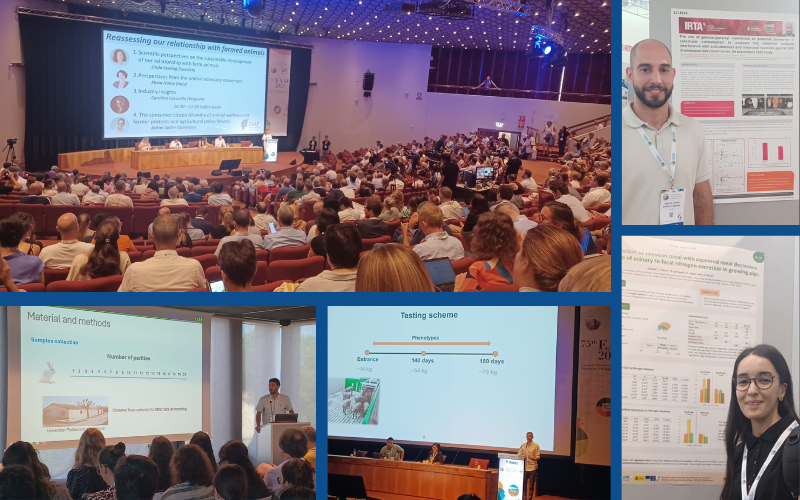
CIHEAM Zaragoza at the 75th EAAP Annual Meeting in Florence

The 75th EAAP Annual Meeting took place from 1 to 5 September 2024 in Florence, Italy. This prestigious event, hosted by the European Federation of Animal Science, brought together researchers and industry professionals, NGOs and consumers under the theme “Global Quality: Environment, Animals, Food”. The meeting featured a diverse range of sessions organised by 11 study commissions covering critical topics such as genetics, animal nutrition, health, welfare, and precision livestock farming.

With a record-setting 1,800+ abstracts from over 60 countries and nearly 2,000 participants, the event reflected the growing interest and importance of animal science research. Attendees explored how to improve farmed animal welfare, assess environmental impacts, and enhance food quality, with special plenary sessions and technical tours focused on sustainable practices and Mediterranean biodiversity.

CIHEAM Zaragoza was represented by Andrés Schlageter, administrator of the training area ‘Animal Production and Welfare’, who participated alongside alumni of the MSc in Animal Breeding and Reproduction Biotechnology, Iliyass Biaba and Pedro Nuñez, who presented their PhD research. Additionally, Ibtissam Kaikat and Carlos García Vasques, alumni of the MSc in Animal Nutrition, exhibited their PhD work. Their participation highlighted the ongoing contributions of CIHEAM Zaragoza alumni to the field of animal science.

CIHEAM Zaragoza has a long-standing tradition of organising highly specialised training activities in the field of animal production. Over the years, it has offered MSc programmes and advanced courses in areas such as genetic resources, feeding and nutrition, PLF, feed additives, breeding and reproduction, traceability, safety and quality, biotechnology, AMR, disease control, one-health approach, or bioinformatics, reflecting its commitment to enhancing scientific knowledge and practical skills in these domains. Examples include the highly regarded MSc programmes in ‘Animal Breeding and Reproduction Biotechnology’, and ‘Animal Nutrition’, both of which have produced professionals who contribute significantly to the animal science sector, or courses such as the upcoming “Farm animal welfare: regulatory framework, certification and labelling schemes”.

CIHEAM Zaragoza is also actively involved in several international projects that focus on sustainable animal production and innovative farming practices. For instance, the institution is participating in initiatives such as the Re-Livestock project, aimed to evaluate and mobilise the adoption of innovative practices applied cross-scale (animal, herd, farm, sector and region) to reduce GHG emissions from livestock farming systems and increase their capacity to deal with potential climate change impacts, and the Pastinnova project, which examines pastoral systems which are able to provide a broad array of ecosystem services along with high-quality products (dairy, meat, wool and processed) in a variety of agroecological and socioeconomic Mediterranean settings. These projects, among others, affirm CIHEAM Zaragoza’s ongoing commitment to advancing research and innovation in animal production.

New paradigms for water management in the context of climate change

Lecture

New paradigms for water management in the context of climate change

Climate and hydrology research indicates that extreme climate events are becoming more frequent and more severe. In the Mediterranean region, water resources are expected to become scarcer and more variable. To address these challenges, it is crucial to strengthen regulations, improve water basin and drought management plans, and regulate water demand as both water quality and water bodies face increasing anthropogenic pressures. However, there are opportunities to enhance resources, restore ecosystems and improve water use efficiency. Irrigated agriculture in the region is highly productive, supplying essential healthy food products such as legumes, fruits and vegetables. This agriculture is compatible with effective resource scarcity management. Advances in water technology, agronomy, and improvements in the agri-food sector’s operations are essential factors for consolidating the sector and ensuring its sustainability. This conference is included in the Inaugural Ceremony of the 2024-2025 academic year at CIHEAM Zaragoza, and will highlight some of the most successful innovations aligned with these new paradigms.


Speaker

Alberto Garrido is Professor of Agricultural and Natural Resource Economics and vice-rector for Quality and Efficiency at the Polytechnic University of Madrid (UPM). He graduated as an agricultural engineer in 1989 at the UPM; holds a Master of Science in Agricultural and Natural Resource Economics from the University of California, Davis (1992) and a doctorate in Agricultural Economics from the UPM (1996). He was a visiting lecturer at the University of California in Berkeley from 2005 to 2006.

He has been the principal investigator of more than 75 research projects, including several international competitive projects, having acquired more than €3.5 mill. in research grants. He has supervised 17 undergraduates for their end of degree projects, 14 Master students and 25 doctoral students. He has published 21 monographs and 92 peer-reviewed journal articles. His h-index is 28 (Scopus), 1324 citations, 4460 Google Scholar citations; (2159 since 2014), h-index 32; (20 since 2015). He has 4 research tranches and 1 transfer tranche.

Garrido has worked professionally in Chile, Colombia, Ecuador, Ethiopia, France, the Netherlands, Nicaragua, Panama, Portugal, Suriname, UK, US and Vietnam. His consulting experience ranges from legislative bodies (Regional, National and European Parliaments), international organisations (OECD, BID, World Bank, FAO, IFAD and the European Commission), large private international companies (BASF, Pepsico), private foundations (Botín, Tatiana Pérez de Guzmán el Bueno) and public foundations (Fundación Canal). He has been an evaluator for research agencies in Spain, France, the Netherlands, Israel, UK, Denmark, Chile, Mexico and Switzerland.

His academic career includes several appointments on boards and in academic and administrative positions of increasing relevance and responsibility. He currently serves on the Advisory Board of the prestigious Rosenberg International Forum on Water Policy (since 1996), on the Board of Directors of IMDEA-Food and on the Board of the Fundación General de la Universidad Politécnica de Madrid. He is a member of the scientific committees of several organisations. He was a member of the Working Group of the European Academies’ Science Advisory Council and co-authored the report “Opportunities and Challenges for Research on Food and Nutrition Security and Agriculture in Europe” (2018).

In 2008, he was appointed deputy director of the Water Observatory of the Botín Foundation and has been director since 2016. Between 2007 and 2008 he assisted in creating the Research Centre of Agricultural and Environmental Risks (CEIGRAM), a research centre of the Polytechnic University of Madrid (UPM), where he was secretary and then director between 2010 and 2014. In 2015, he was appointed subdirector of the School of Agricultural Engineering of the UPM.

His mother tongue is Spanish. He is fluent in English and has a reading knowledge of French, Portuguese and Catalan.

  • Date: Monday 28 October 2024, 11:30h
  • Venue: CIHEAM Zaragoza auditorium (Av. Montañana 1005, Zaragoza)
  • Streaming: Choose ‘online’ when you register and we will send you details of
  • Language: Spanish (English interpretation provided)

Plant material for the future of nut production in the Mediterranean

  • On 25 and 26 September 2024, CIHEAM Zaragoza will host an international seminar on the current situation and future prospects for nut plant material in the Mediterranean

  • The event will be an opportunity for professionals in the nut industry to assess the needs of plant material and genetic resources to meet environmental and market demands

Zaragoza, 1 August 2024.- CIHEAM Zaragoza and the Agri-Food Research and Technology Centre of Aragon (CITA) organise an international seminar on nut plant material in the Mediterranean addressed to researchers and professionals involved in the cultivation and sustainability of nuts.

The Mediterranean region, whose climatic conditions are favourable for nut cultivation, faces emerging challenges that require plant breeding innovation and genetic improvement. The future of nut production depends on the development of new, resilient plant varieties capable of withstanding climate change, pests, and diseases, while meeting evolving market demands.

Ongoing research emphasises the importance of identifying and preserving valuable genetic material to enhance breeding programmes. Access to diverse genetic resources enables breeders to select traits for improved yield, drought resistance, and pest tolerance. This selection process can be accelerated by the application of biotechnology and genomic tools, leading to the creation of superior cultivars.

The international seminar, to be held over two days, aims to:

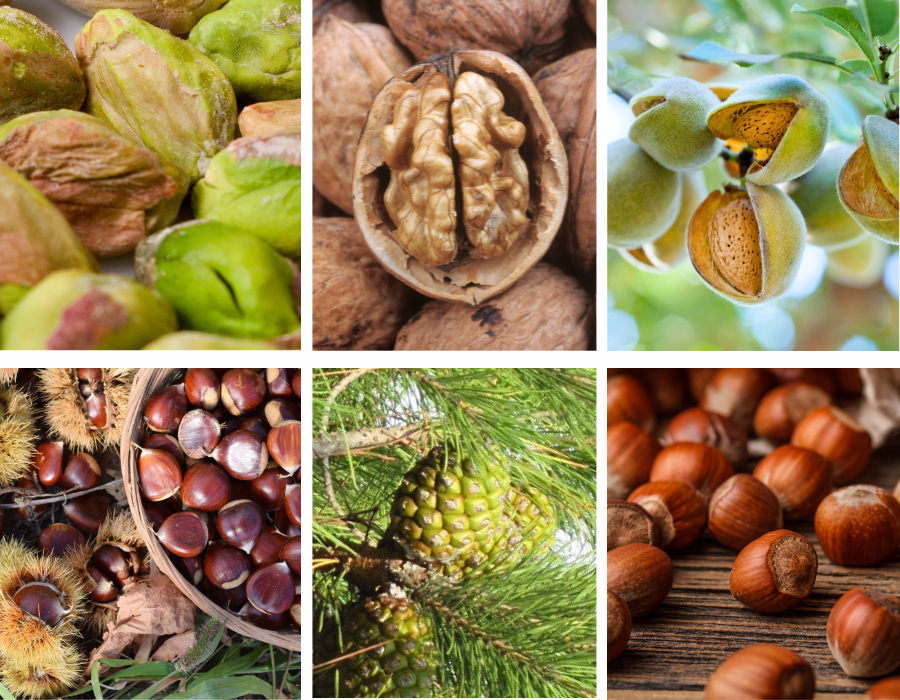
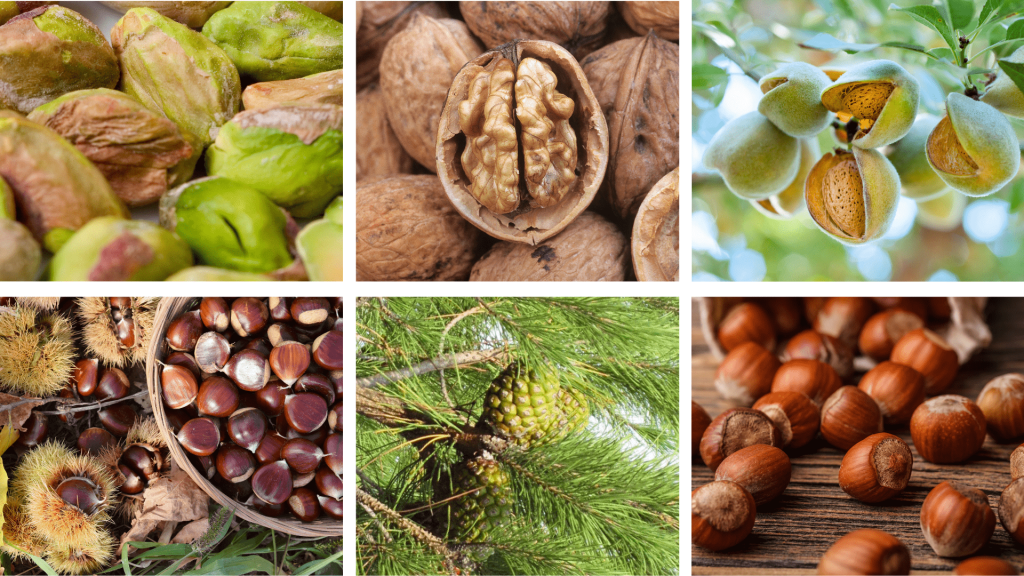
  • Day 1: assess the current situation of the plant material, including varieties, ecotypes, and rootstocks of key nut species such as almonds, hazelnuts, chestnuts, walnuts, stone pines, and pistachios. Attendees will draw up a list of existing plant materials in Mediterranean countries and their situation in terms of protection and commercial availability. They will also identify needs on research, innovation and knowledge exchange for more adapted plant materials to support the sector. The day will feature an opening presentation addressing industry challenges, followed by species-specific presentations by experts from various Mediterranean countries and a concluding general discussion.

  • Day 2: provide a practical perspective on the topics discussed through a field trip to Caspe, near Zaragoza (Spain), where participants will visit nut plantations and nurseries.

The event counts with the collaboration of El Vivero de Abel (nursery) and Afruccas (Association of fruit growers of Caspe).

JOIN US FOR THIS INTERNATIONAL SEMINAR

  • Date: 25 and 26 September 2024*
  • Time: 09:00 – 18:30 CET
  • Venue: On line and face-to-face at CIHEAM Zaragoza
  • Working language: English
  • Programme: download here

*Attendance (face-to-face or online) to the first day of the seminar is open. Participation in the field visit on 26 September is by invitation only.

International workshop on the role of olive oil for peace and sustainable development

  • CIHEAM Zaragoza is organising an international workshop on the role of olive oil for peace and sustainable development, in the framework of the OLIB project financed by the Provincial Government of Zaragoza
  • The event coincides with the 25th anniversary of the adoption of the Declaration and Programme of Action on a Culture of Peace by the General Assembly of the United Nations and serves to commemorate the International Day of Peace, which is celebrated every year on 21 September

To mark the 25th anniversary of the adoption of the Declaration and Programme of Action on a Culture of Peace by the General Assembly of the United Nations, CIHEAM Zaragoza is organising a workshop to celebrate the International Day of Peace, held every year on 21 September. The General Assembly of the United Nationals designated this Day to promote peace as a participatory process in which cooperation and dialogue contribute to a mutual understanding towards social, economic and environmental development. This year the theme of the International Day of Peace is Cultivating a Culture of Peace.

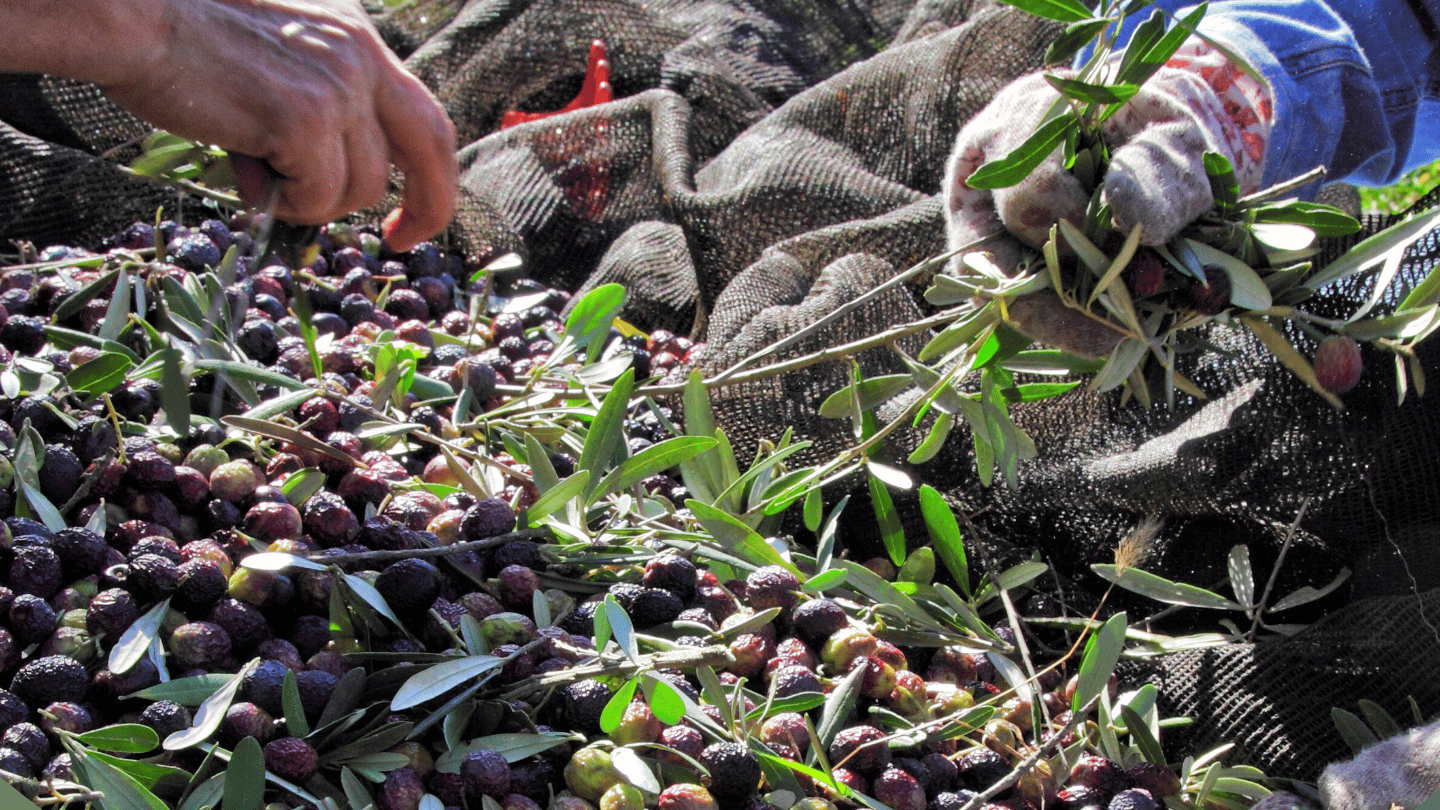
The olive tree is not only a symbol of peace but also the source of olive oil – the main element of the OLIB project “Strengthening Sustainable Local Development and Coexistence in Lebanon through Improved Olive Tree Yield and Productivity”, coordinated by CIHEAM Zaragoza and financed by the Provincial Government of Zaragoza.

In the framework of this project, CIHEAM Zaragoza, in collaboration with the University of Zaragoza, organises this international workshop. The first part will consist of a technical session on olive oil to analyse the most appropriate conditions in which olive production can strengthen sustainable development and contribute to economic growth, social inclusion and environmental protection. The workshop will gather non-governmental organisations, universities, businesses and institutions such as the Spanish Agency for International Development Cooperation (AECID), the International Olive Council (IOC), the United Nations Interim Force in Lebanon (UNIFIL), and local authorities.

The event will provide a forum for debate on the role of olive-growing and oil technology and discuss ways in which actors in this sector can cooperate to enhance efficient and sustainable social and economic development. This involves analysis of management and production techniques across the whole olive value chain. The exchange of experiences will be drafted in a report to support the activities of the OLIB project.

In the second part of the workshop, participants and the general public will be invited to join the celebrations of the International Day of Peace at the Provincial Government of Zaragoza. CIHEAM Zaragoza will organise a round table discussion with NGOs to present and reflect on agrifood cooperation activities that promote a culture of peace. During the afternoon session there will be a tasting of extra virgin olive oil (EVOO) and attendees will receive an olive plant donated by El Vivero de Abel (Caspe, Zaragoza).

About the workshop

  • Date: 24 September 2024
  • Time: 9:00-14:00 and 17:00-19:30 CET (Madrid time)
  • Venue: CIHEAM Zaragoza (morning session) and the Provincial Government of Zaragoza (afternoon session)
  • Provisional programme

*Registration for the workshop is open until 16 September

This project has received funding from the Provincial Government of Zaragoza in the 2023/2024 call for international development and solidarity projects

Students of the Master in Sustainable Water Management and Governance present their research projects

  • The presentation of these projects is the final step of two years of hard work and in-depth study of the challenges faced by the water sector, mentored by experts from across the world

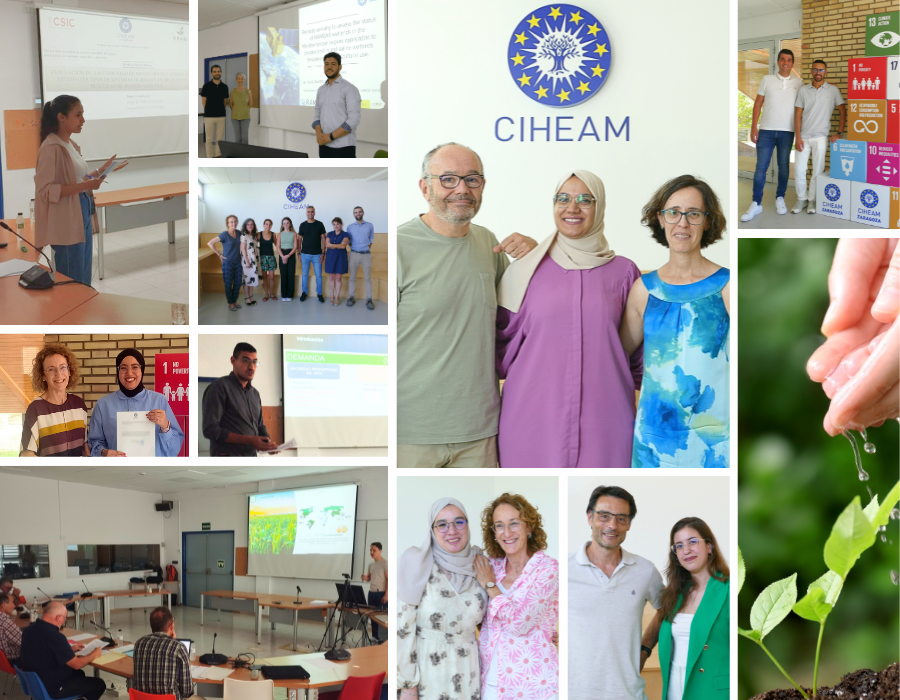
Zaragoza, 29 July 2024.- Eleven students of the 2022-2024 edition of CIHEAM Zaragoza’s International Master of Sustainable Water Management and Governance in Natural and Agricultural Environments have successfully completed their training, leading to their Final Master’s Theses (TFM). This is the final stage of two years of hard work and in-depth study of the challenges faced by the water sector with the support of top-level experts from across the world.

The eleven graduates from Albania, Algeria, Egypt, Morocco and Tunisia are fine examples of CIHEAM Zaragoza’s mission of cooperation and internationality as these Mediterranean countries are the main beneficiaries of the scholarships awarded by the organisation to strengthen collaboration and enhance the sustainable development of the region.

The TFMs presented this month cover a wide range of topics, with particular focus on the application of advanced technologies and sustainable strategies for water management and governance. Lines of research include aspects such as remote sensing, development of prediction tools, optimisation of irrigation systems, restoration of aquatic systems and water management strategies in forest systems.

The students have carried out their research projects at CIHEAM Zaragoza partner institutions namely: the Experimental Station of Aula Dei (EEAD) and the Centre for Soil and Applied Biology of the Segura (CEBAS), both belonging to the Spanish National Research Council (CSIC); the Agri-food Research and Technology Centre of Aragón; the Eurecat technological centre of Lleida; the universities of Salamanca and Zaragoza, and the Polytechnic of Valencia.

Maite Aguinaco, academic coordinator of the master’s programme and administrator in CIHEAM Zaragoza’s strategic area ‘Water, Soil and Ecosystems’, expresses her satisfaction with the high quality of the projects, stating: “I am very proud of the exceptional work produced by our students. Their effort and dedication is reflected in these research projects that undoubtedly will contribute to sustainable water management. I wish them every success in the next stage of their professional journey“.

In September, two students from Algeria will be presenting their research projects focusing on surface and groundwater quality.

With an integrated and multidisciplinary focus, this master’s programme at CIHEAM Zaragoza equips students for decision-making in the field of water management and governance, enabling them to contribute to sustainability, and to conserve and make better use of water resources and aquatic systems.

See www.masterwatermanagement.com for more information about the master’s programme.