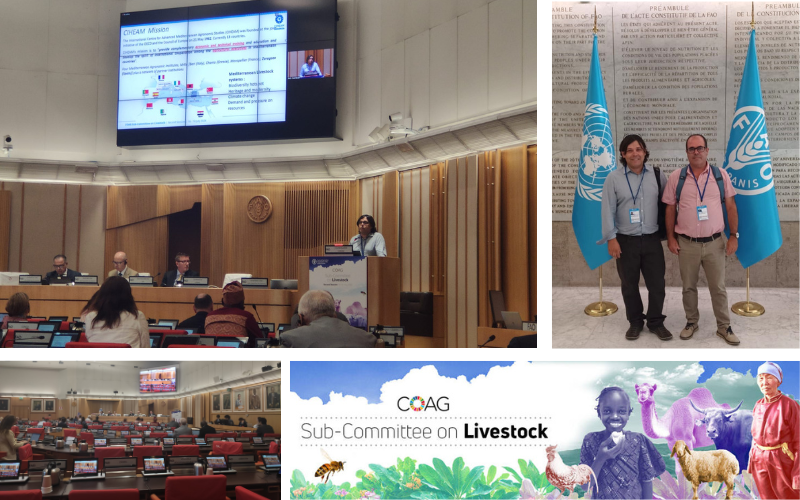
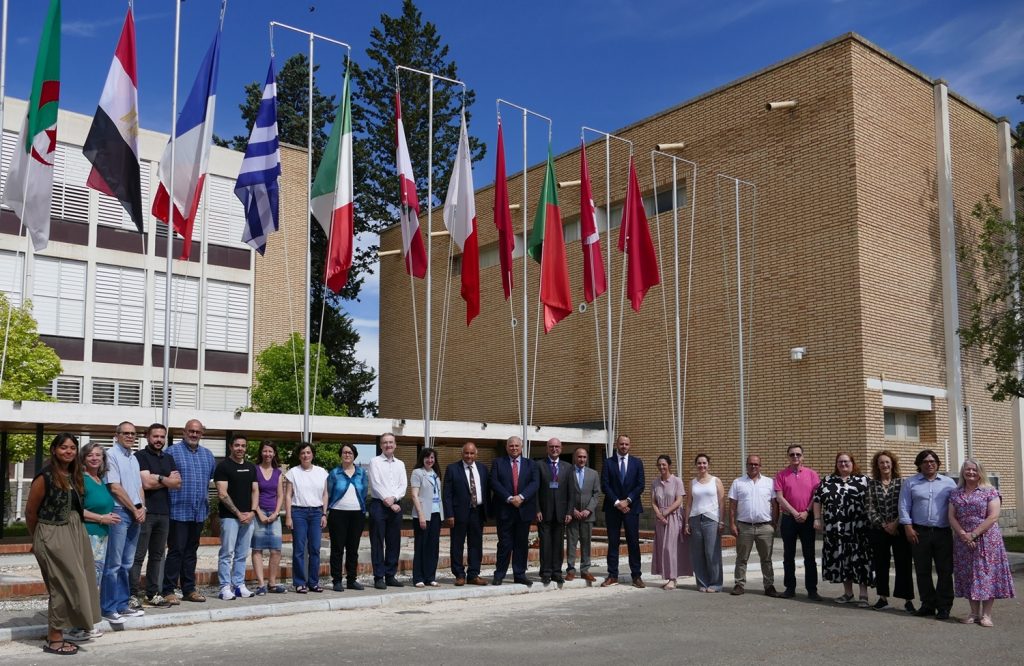
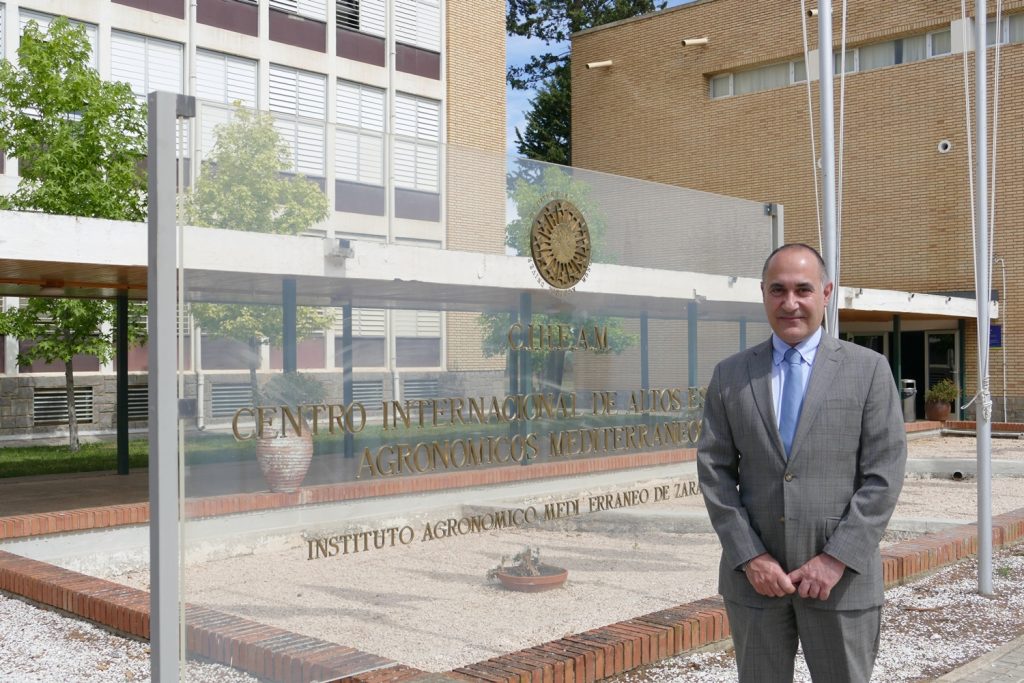
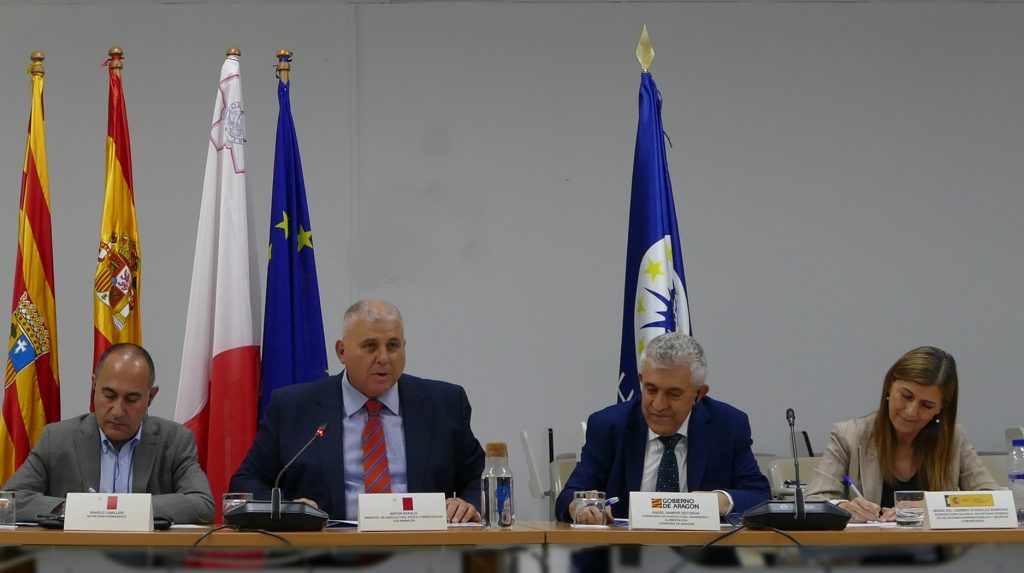
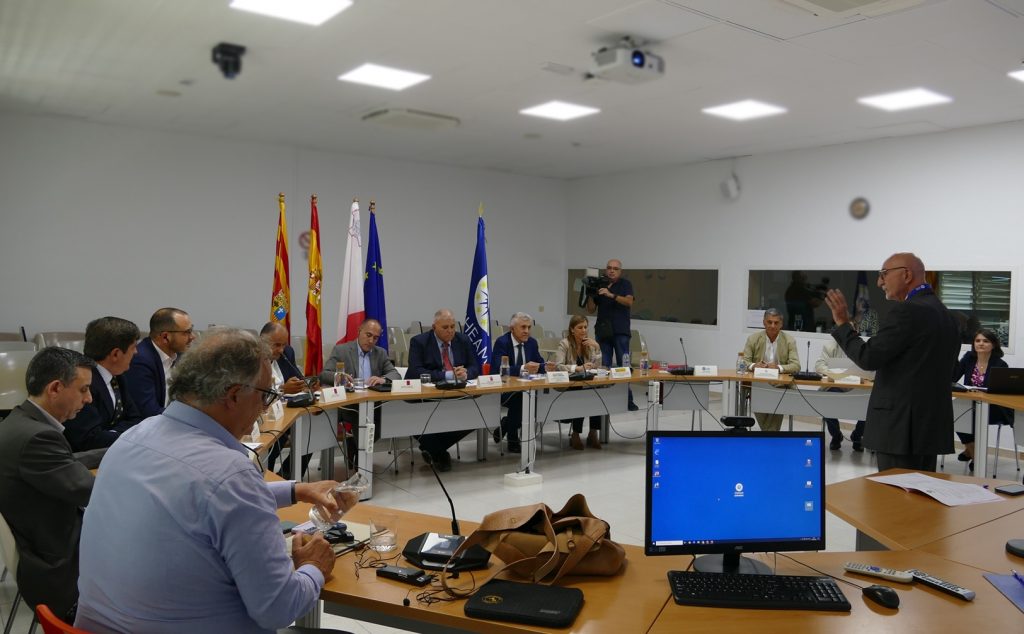
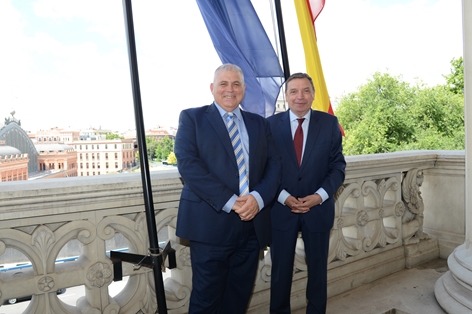
A delegation from CIHEAM Zaragoza attended the second session of the FAO COAG Livestock Sub-Committee, held from 16 to 18 July 2024 at the FAO headquarters in Rome.
At the meeting, CIHEAM Zaragoza spoke about training and knowledge transfer as tools for the transformation of sustainable livestock systems in the Mediterranean.
CIHEAM Zaragoza participated as an observer in the Second Session of the FAO COAG Livestock Sub-Committee, held between 16 and 18 July 2024 at the headquarters of the Food and Agriculture Organization of the United Nations (FAO) in Rome.
The main objective of the meeting was to discuss the agenda of the multi-year work programme of the Livestock Sub-Committee for the period 2022-2025. The discussion focused on three key thematic areas: i) sustainable livestock systems to ensure food security, nutrition and inclusive economic growth; ii) animal, public and environmental health under the “One Health” approach; and iii) natural resource use, climate change and biodiversity.
The COAG Livestock Sub-Committee
The FAO Committee on Agriculture (COAG) established the Sub-Committee on Livestock at its 27th Session in October 2020 with the mandate to discuss and build consensus on livestock-related issues and priorities, and to advise COAG and, through it, the FAO Council and Conference, on technical and policy programmes and activities needed to enhance the contribution of livestock, especially in relation to poverty alleviation, food security and nutrition, sustainable livelihoods and the fulfilment of the 2030 Agenda. As part of its mandate, the sub-committee prepares a multi-year programme for its work, which is submitted to the Committee on Agriculture for consideration and approval. This multi-year programme of work presents the main livestock-related issues and priorities to be considered by the sub-committee during the period 2022-25. It is an essential tool for planning the future work and meetings of the sub-committee.
CIHEAM Zaragoza’s livestock-related initiatives
CIHEAM Zaragoza’s participation was specially highlighted during the partners event on 18 July, where the importance of training and knowledge transfer as crucial tools for the sustainable transformation of livestock systems in the Mediterranean was underlined.
CIHEAM Zaragoza‘s cooperative model for knowledge transfer is essential to share and disseminate scientific information and create connections for future professional training programmes and projects. In this sense, CIHEAM Zaragoza remains committed to training and knowledge transfer, addressing the challenges of the future to achieve sustainable livestock production in the Mediterranean. To this end, it is working on strategic issues such as sustainable livestock production (resilience to heat stress, animal welfare and one health), public health challenges (antimicrobial resistance, biosecurity and rapid response to zoonotic diseases) or climate change and biodiversity (mitigation of greenhouse gases and promotion of agrosilvopastoral systems).
This event not only allowed CIHEAM Zaragoza to share its work and insights in the field of sustainable livestock farming, but also served to strengthen the cooperation between CIHEAM Zaragoza and the FAO, opening new avenues for the joint organisation of activities aimed at promoting sustainability and resilience in livestock systems.
Maite Aguinaco, administrator in the Strategic Area of Water, Soil and Ecosystems at CIHEAM Zaragoza, looks back on the Institute’s pioneering legacy in environmental postgraduate training, integrating ecology into agriculture.
Zaragoza, 18 July 2024.- The Mediterranean Agronomic Institute of Zaragoza (IAMZ), now CIHEAM Zaragoza, was established in 1969 to complement the activities of the two Institutes already within the International Centre for Advanced Mediterranean Agronomic Studies (CIHEAM) —the Institute of Bari that focused mainly on irrigation systems, and the Institute of Montpellier, that specialised in economics and rural development—. The Institute in Zaragoza initially concentrated on animal and crop production, and soon adopted an innovative focus to address the optimal use of the rural environment, human resources and natural resources. This development coincided with emerging interest worldwide in integrating ecological principles into agriculture.
In 1975, the director of the Institute, Miguel Mut, influenced by the European trends he observed during his studies in Germany, and thanks to his close relationship with technical specialists from the OECD, reached out to prominent international experts in ecology. Two world authorities, Ramón Margalef (University of Barcelona) and Frank Golley (University of Georgia, US) laid the foundations for a one-year postgraduate course ‘Rural Planning in relation to the Environment’. The course addressed the need to consider not only socioeconomic criteria to strengthen the role of agricultural production and industrial activity in regional planning and development but also to include the conservation and sustainable use of natural resources. This marked the beginning of the advanced courses and the master’s programme that were delivered between 1976 and 2018 to over 500 students and professionals from around 40 countries.
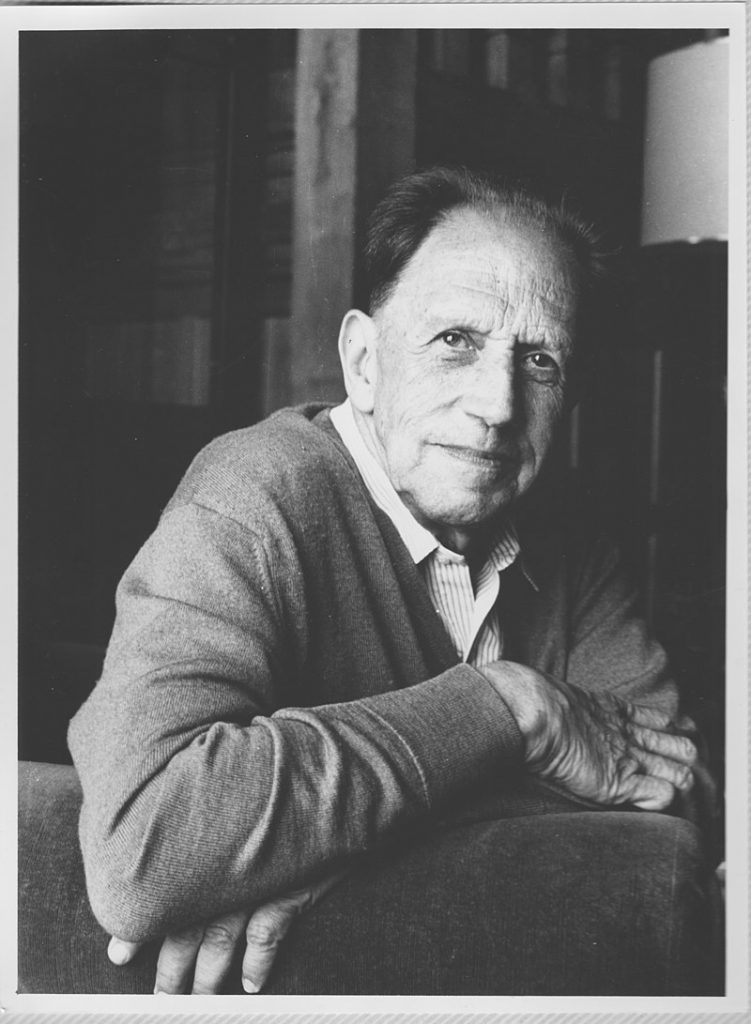
Ramón Margalef
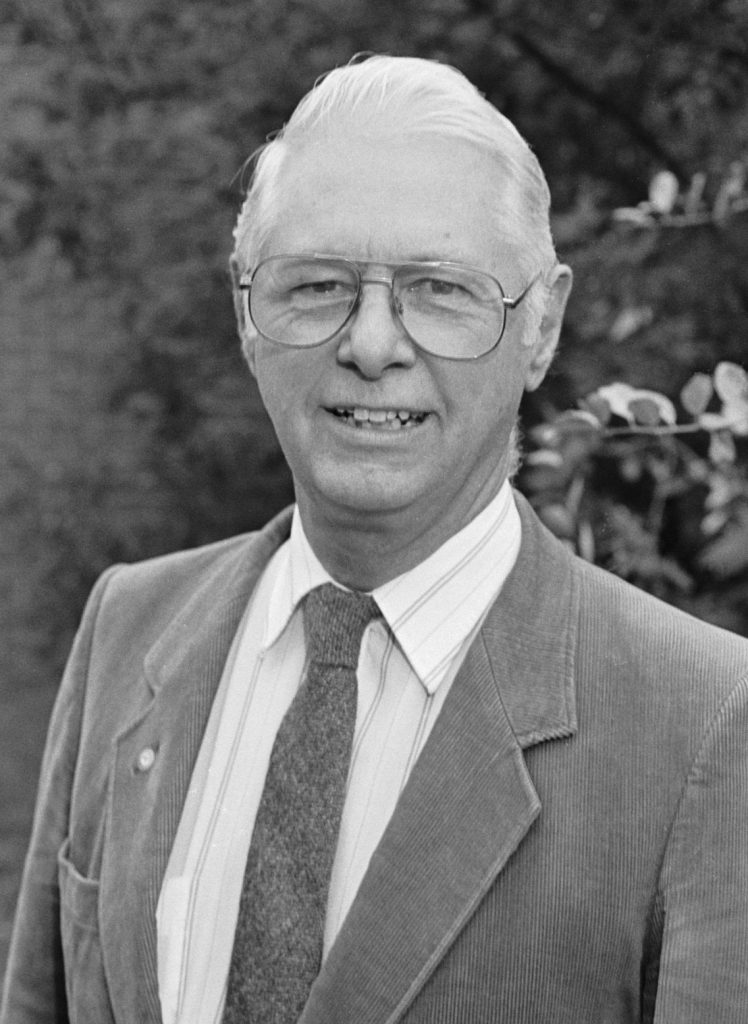
Frank Golley
Challenges of sustainable food systems
F. Golley and R. Margalef helped to design the training programmes and brought the best international experts to participate as lecturers, conveying to the students the importance of reconciling the development of rural areas with protection of the environment. In Spain, the first warnings were beginning to be heard regarding the potential environmental hazards of intensive agriculture and crop and livestock production. Fifty years on, these principles have been incorporated in the Farm to Fork Strategy, one of the main pillars of the EU Green Deal, addressing the challenges of sustainable food systems from an integrated perspective.
Based on the discussions held between lecturers and students in the first editions of the course on rural planning, the Institute identified the need to promote knowledge-sharing activities to strengthen connections between scientists and technical experts. Then came the first advanced courses for professionals, experiencing their greatest expansion under the leadership of director Miguel Valls, who also initiated the Institute’s participation in EU research projects and launched the cooperative research networks.
Pioneers in limnology training
The first advanced courses assessed the impact of agriculture and industry on the quality of water bodies. It was based on this environmental concern that in 1980, R. Margalef organised the first advanced intensive course on limnology with the most relevant limnologists worldwide as lecturers. The course ran for five editions, providing excellence in training for the first limnologists of the Mediterranean region and Latin America and favouring contacts between working groups. This in turn led to the development of international cooperation projects and creation of the Spanish Limnology Association in 1981.
From a broader perspective and to offer deeper insight into the diverse components of sustainable management of rural areas, the Institute widened the range of topics addressed in the advanced courses to incorporate questions such as: environmental impact assessment; water resources; crop systems; forest systems; protection against forest fires; restoration of ecosystems; economics of natural resources; climate change; land use and sustainable agriculture; and integrated pest management.
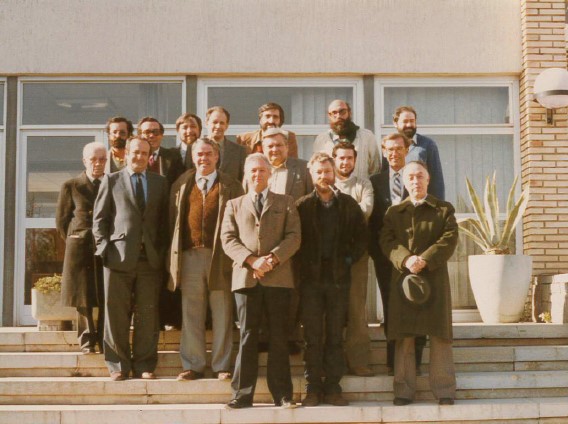
Meeting of experts held at the Institute in 1984. In the center, in the front row, Frank Golley (University of Georgia).
Creation of the Spanish Association of Terrestrial Ecology
Parallel to the advanced courses, the symposium ‘Limits of crop production’ was organised in 1984 by F. Golley and R. Margalef through the Institute and INTECOL (The International Association for Ecology), where a prominent group of international experts discussed the state of the art of terrestrial ecology and potential applications of these principles to agricultural ecosystems. Following the symposium, the Institute launched a research project to determine and assess the impact of agriculture through study of an irrigation district in La Violada (Huesca). The research results were published in seven master’s theses by students in the Rural Planning course.
Interest also grew in creating an association of ecologists in Spain, and in 1986, with the collaboration of many of the lecturers from the Rural Planning course and the strong support of INTECOL, led by F. Golley as president, the Spanish Association of Terrestrial Ecology (AEET) was born. The Institute hosted the AEET secretariat during its early years.
Expert ecologists developed new concepts in integrated and sustainable planning of the rural environment. F. Golley introduced a systemic concept of the environment and its application to rural areas as an approach to territorial planning. This vision was reinforced by the works of Eugene Odum (University of Georgia) and his teaching activities at the Institute.
Innovative vision of environmental training
F. Golley coordinated the Rural Planning course for over 30 years, sharing his vision of hierarchies and interactions between different subsystems and demonstrating the importance of a multidisciplinary and analytical approach to planning and management, beyond political and social considerations. Wolfgang Haber (University of Munich, Germany) and Bernardt Patten (University of Georgia, US) key figures in this innovative process, also formed part of the renowned group of lecturers at the Institute; Haber specialised in landscape ecology and Patten in systems analysis. Both names attracted many European and Latin American students to the course.
Equally noteworthy is the contribution of outstanding agronomists such as Albert Noirfalise (University of Gembloux, Belgium), whose experience in forest and crop ecosystems management in Central Europe shaped the science of European agroecology. While teaching at the Institute, he advised the European Commission on incorporating environmental considerations in the first reform of the Common Agricultural Policy (CAP). In the field of environmentally-friendly crop production, Miguel Altieri (University of Berkeley, US), a scientific authority of significant influence across the Americas, brought his extensive experience to the Institute’s activities.
Integrated Pest Management is another area promoted by the Institute through relevant figures including Ramón Albajes (University of Lleida), well-known for his contribution to crop system sustainability.
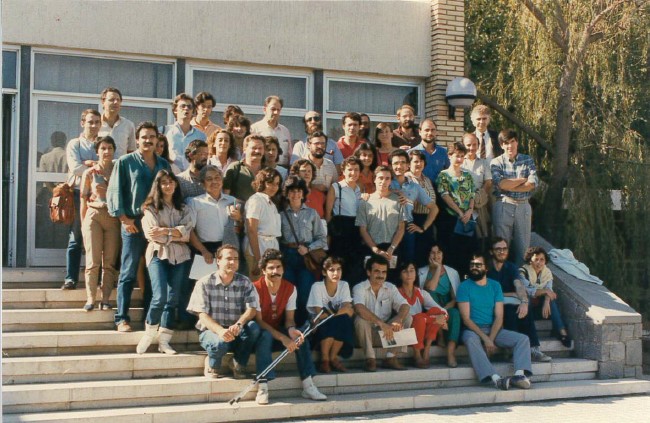
Participants of an advanced course on limnology held at the Institute in 1986.
The importance of protecting the environment
The Institute pioneered the design and conception of postgraduate training in environmental issues and raised awareness of the importance of protecting the environment. The experts who trained countless scientists and technical specialists have left a long-lasting legacy and continue to inspire new generations of professionals to integrate ecological concepts into agricultural practices. Thanks to their dedicated efforts, concepts that are undisputed today were once innovative and often the subject of controversial debate during their development over the past 50 years.
In line with its mission of cooperation for development through training, the Institute continues to prioritise the management of natural resources and conservation of the environment.
A course organised by CIHEAM Zaragoza and the OIV encourages adoption of sustainable and efficient practices to overcome the challenges of climate change and strengthen the competitiveness of the wine-growing sector
8 July 2024.- Wine-growing regions are currently facing the consequences of climate change and are having to make substantial changes in their traditional agricultural practices. In the light of increasing uncertainty regarding water availability and greater threats to soil fertility, management of soil and water has become a critical factor.
Moreover, due to rising global temperatures and difficulty in maintaining viticulture activity in traditional wine-growing areas, producers will have to establish new vineyards. Water availability will be an important consideration and growers will need to manage soil and water resources efficiently.
The training brought together 35 professionals from 20 countries (Albania, Algeria, Argentina, Brazil, Chile, Egypt, Germany, France, Greece, Hungary, India, Israel, Italy, Morocco, Portugal, Romania, Spain, Tunisia, Türkiye and the United States) who attended the course either in person or on line. The programme included theoretical sessions, case studies, exchange of experiences between countries, and technical visits to wineries of Aragon (Spain).
Welcome addresses from representatives of CIHEAM Zaragoza and the OIV during the inauguration of the course
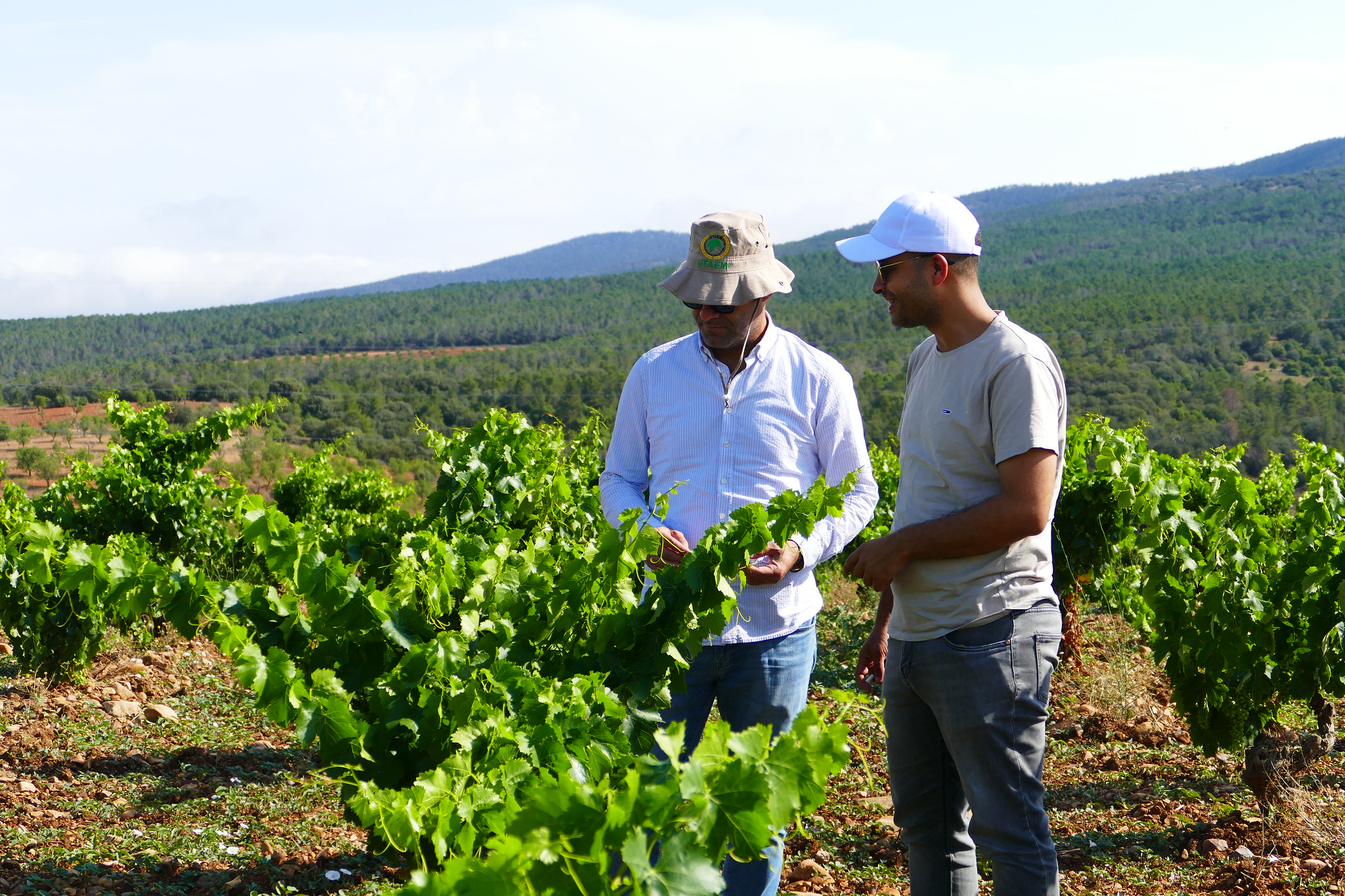
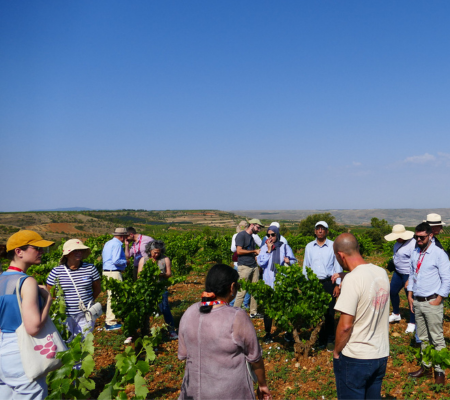
Course participants during the field visit to a vineyard
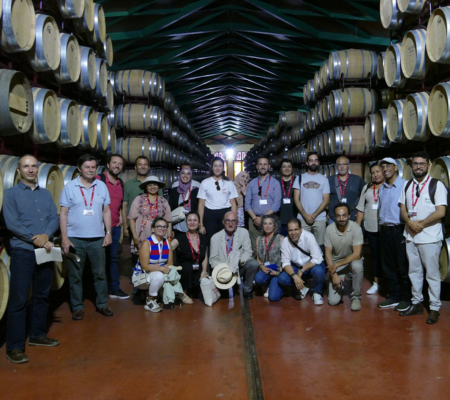
The international group during the visit to a winery
ADVANCES IN WATER AND SOIL MANAGEMENT FOR RESILIENT VITICULTURE
The course presented new methods and technologies for water and soil management to improve vineyard productivity and efficiency, contributing to innovative and technologically advanced agriculture that respects the environment and facilitates the conservation of natural resources.
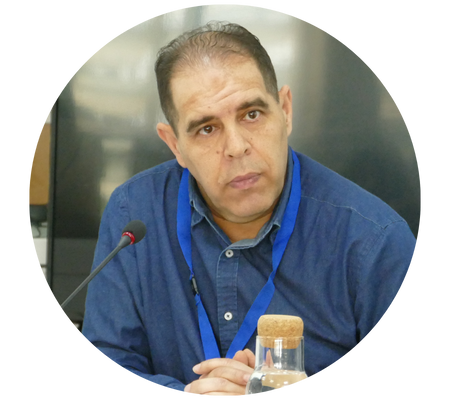
Ramzi Belkhodja, academic coordinator of the course and administrator of the area of Plant Production, Health and Breeding in CIHEAM Zaragoza’s training unit, comments on the training event: “The participants explored a range of technologies and innovative practices for sustainable water and soil management such as use of efficient irrigation systems, cover crops or re-use of water. These practices optimise water use, contribute to carbon sequestration, and improve soil health“.
The training also emphasised the importance of understanding vine ecophysiology and managing the vine’s microclimate to reduce water stress and improve water use efficiency. According to the experts participating in the course, it is necessary to understand how the flows of energy and mass work and comprehend the energy balance of the leaves and the canopy. In this way growers can deliver irrigation water with greater precision and optimise water use.
INTERNATIONAL COLLABORATION BETWEEN GRAPE PRODUCERS, RESEARCHERS AND PROFESSIONALS OF THE SECTOR
The course provides an opportunity for networking between growers, researchers and professionals from the sector in different countries to enhance knowledge-sharing, strengthen international cooperation and develop joint projects.
Besides the practical examples provided through the case studies, participants had the opportunity to present their experiences in vineyard water and soil management in their countries of origin, showing how different strategies and technologies can be applied in a range of contexts.
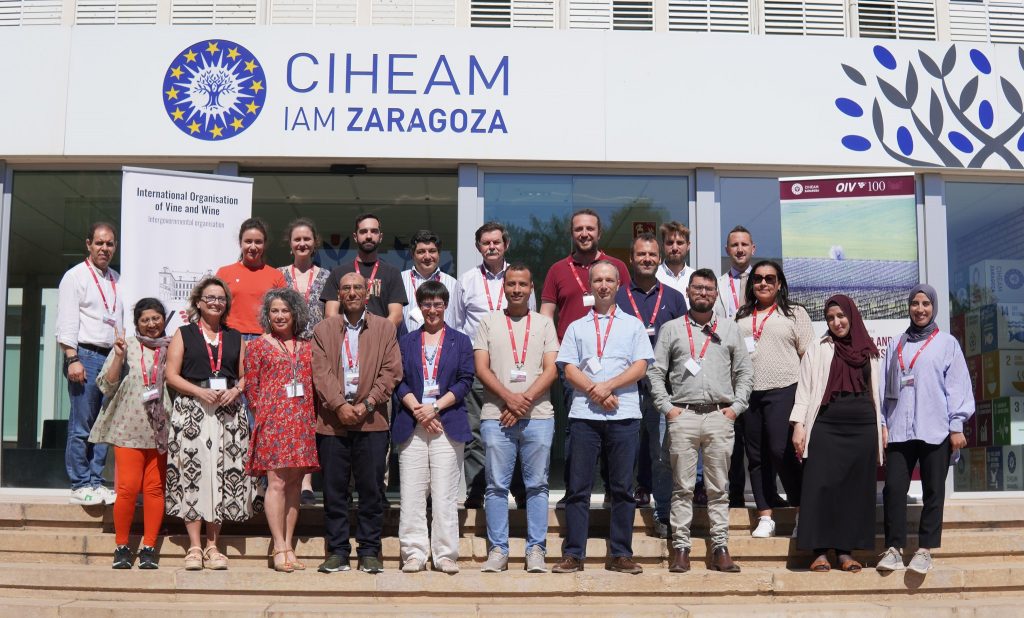
Professionals attending the international course ‘Sustainable Water and Soil Management for Resilient Viticulture’ at CIHEAM Zaragoza.
“Once they have finished the course, participants will be able to apply the practices and technologies in their own vineyards, making the sector more sustainable in Mediterranean climates which are particularly vulnerable to climate change“, concludes Belkhodja.
This acknowledgment is a testament to CIHEAM Zaragoza’s international footprint in the city, and seeks to strengthen ties between the Aragonese wine-growing sector and the International Organisation of Vine and Wine (OIV)
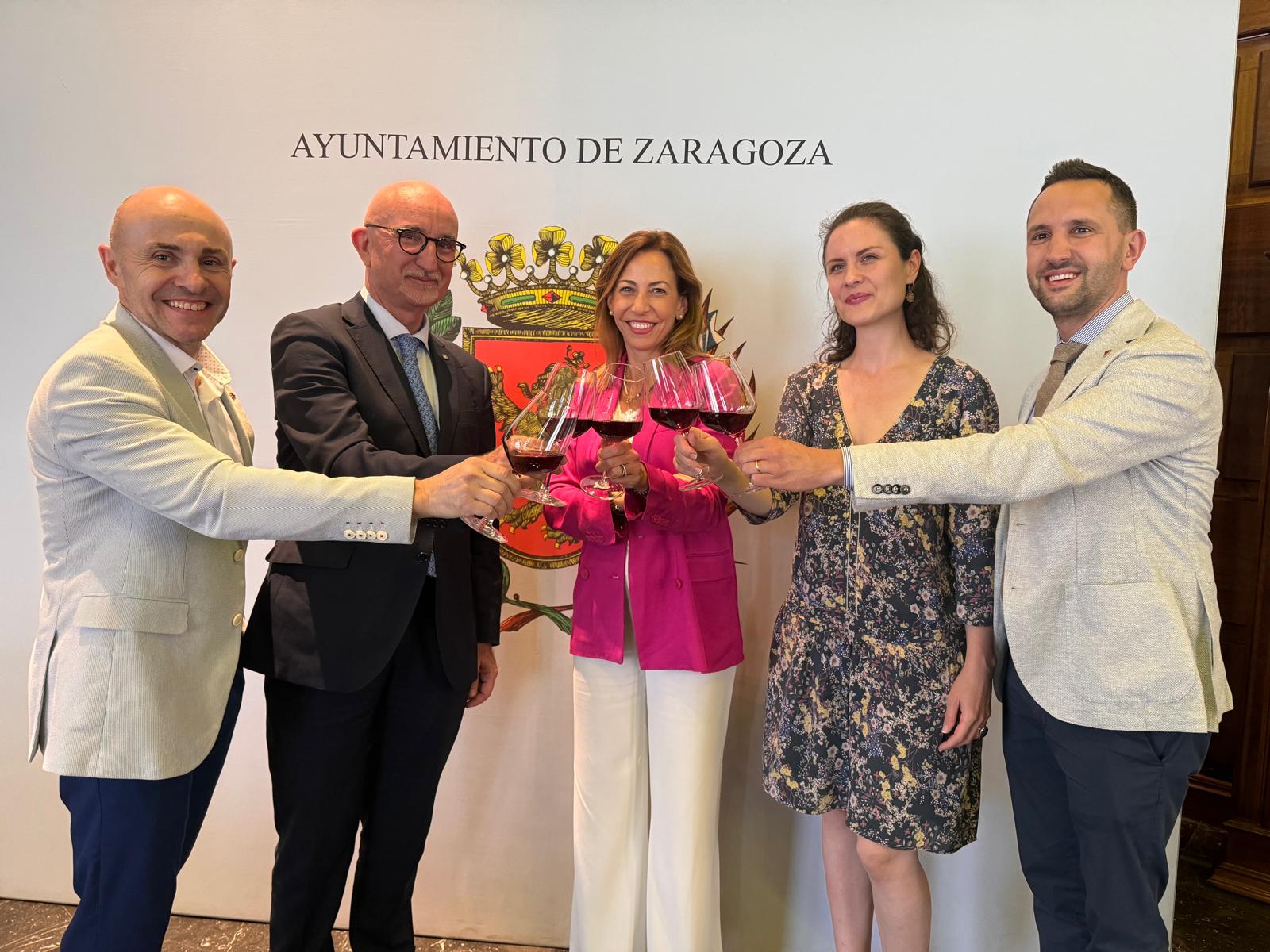
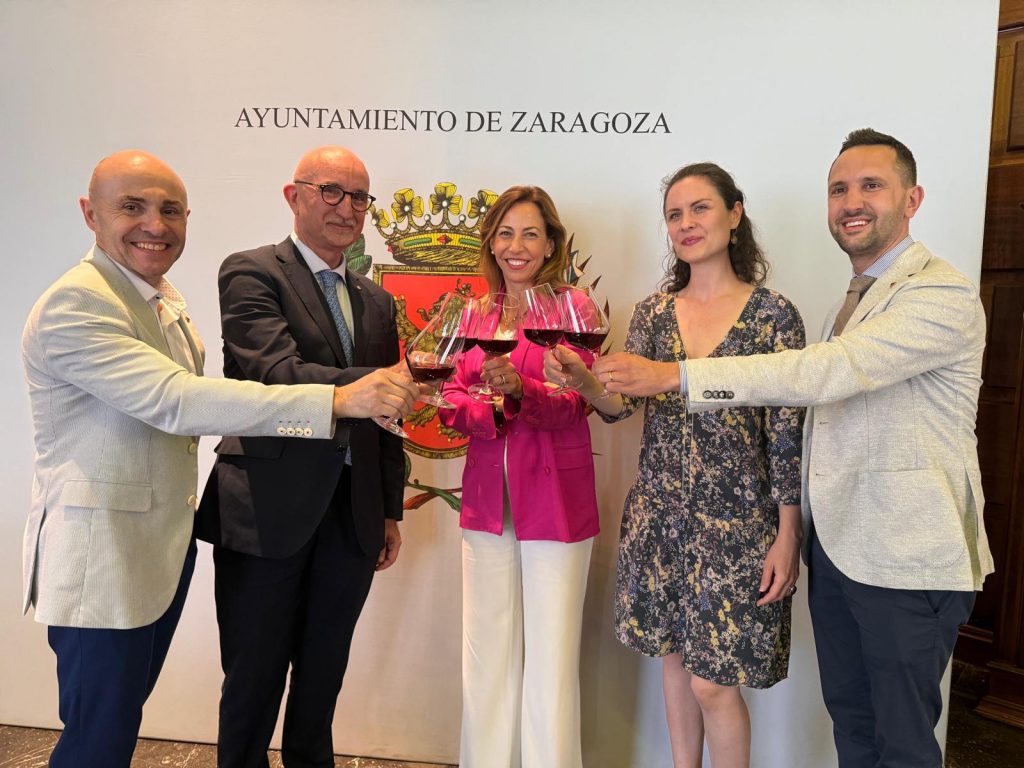
Zaragoza, 4 July 2024.- In a significant event for the city and the Aragonese wine-growing sector, Zaragoza has been recognised as International City of Vine and Wine by the International Organisation of Vine and Wine (OIV). This recognition is just one of the outcomes of the strategic relationship between the Spanish headquarters of the International Centre for Advanced Mediterranean Agronomic Studies (CIHEAM Zaragoza) and the OIV, that work together on various initiatives with the purpose of promoting sustainable development and innovation in the viticulture sector.
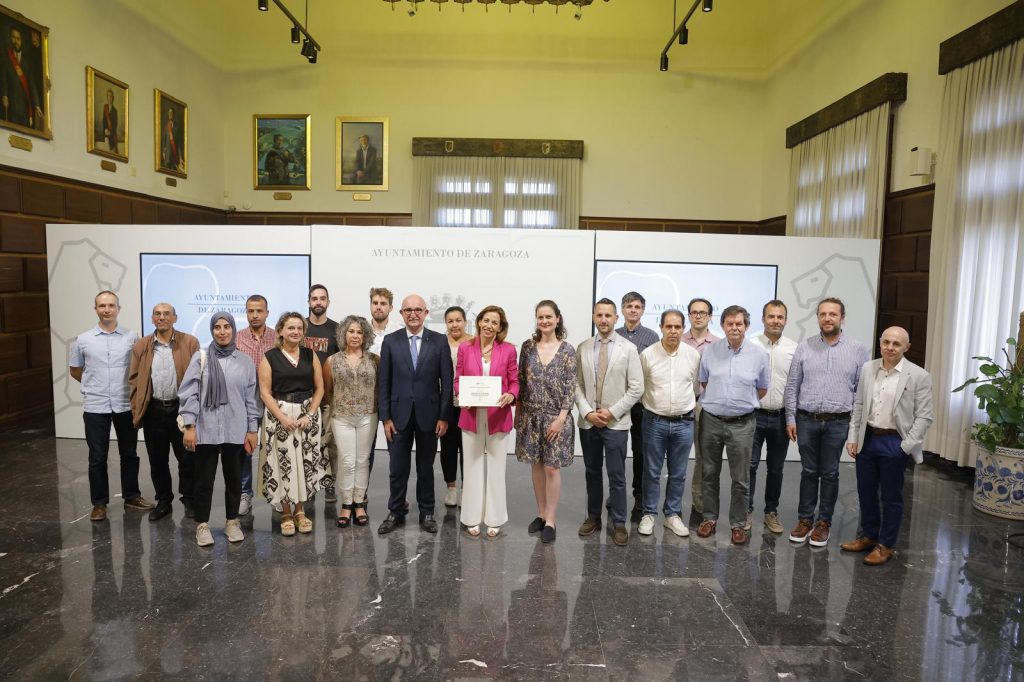
Last Tuesday, Mayor Natalia Chueca hosted a reception at Zaragoza City Hall to welcome the participants in the advanced course ‘Sustainable Water and Soil Management for Resilient Viticulture’ coorganised between 1 and 6 July in the Aragonese capital, by CIHEAM Zaragoza and the OIV. The course brought together professionals from 22 countries who interacted with top international experts in sustainable vineyard management that took part as lecturers.
The mayor of Zaragoza with participants in the course organised by CIHEAM Zaragoza and the OIV and representatives from both organisations.
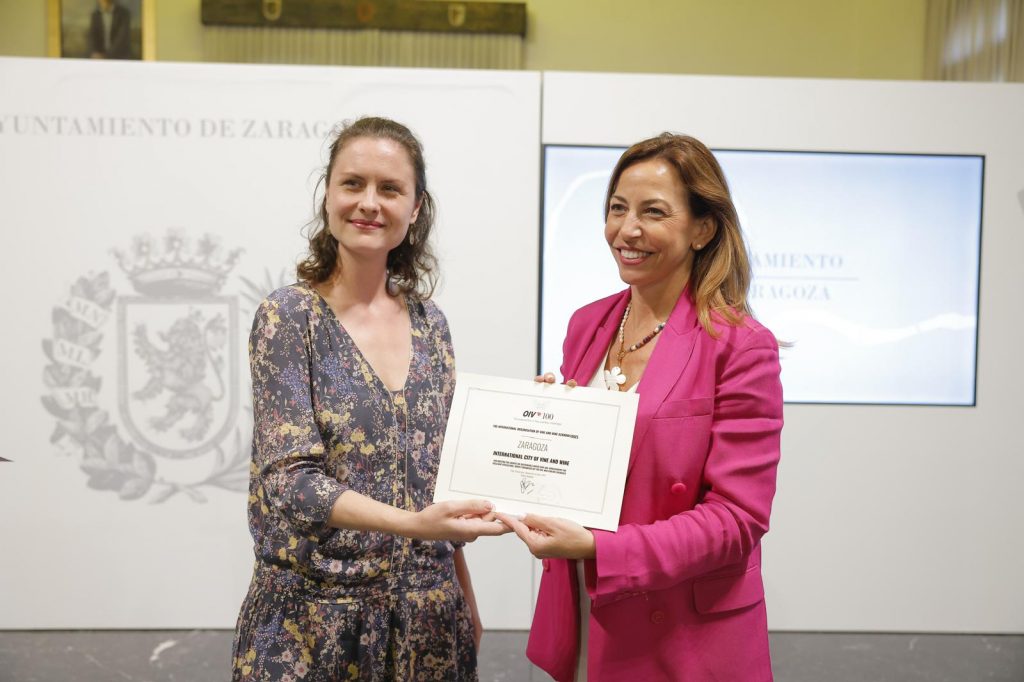
The mayor of Zaragoza, Natalia Chueca, receiving the diploma recognising Zaragoza as International City of Vine and Wine.
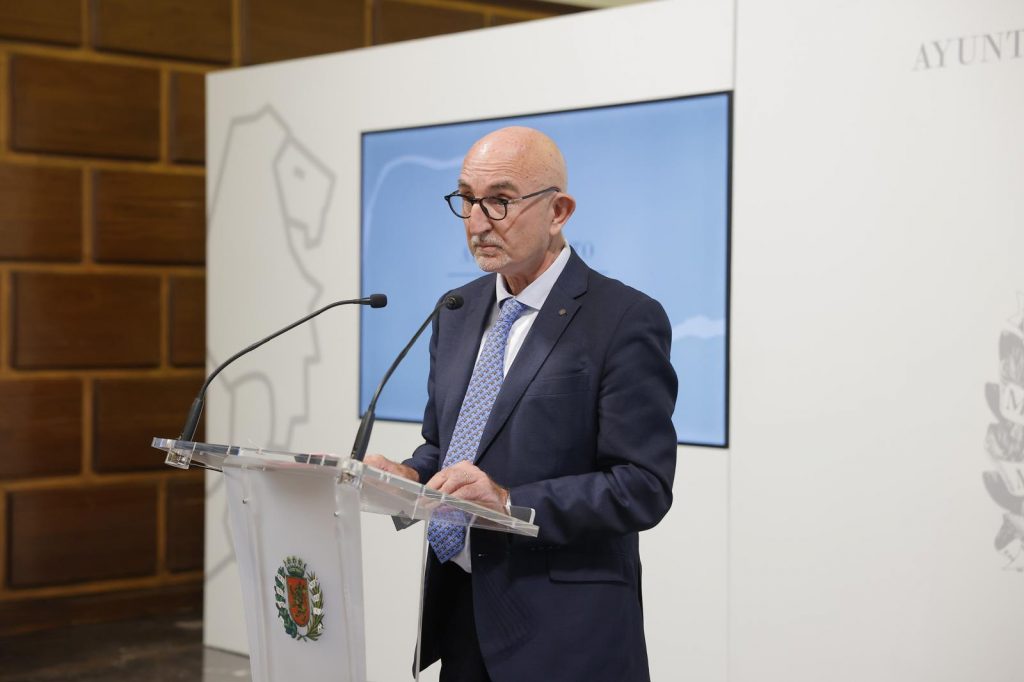
The director of CIHEAM Zaragoza, Raúl Compés, during his speech at the reception in Zaragoza’s city hall.
During the reception the mayor received the diploma formally accrediting Zaragoza as a member of the International Network of Cities created by the OIV as part of their centenary celebrations.
Raúl Compés, director of CIHEAM Zaragoza highlighted the economic, social, gastronomic and cultural value of the Aragonese wine-growing industry and encouraged actors in the sector to strengthen ties with the OIV through the exchange of experiences and good practices.
Moreover, Compés spoke of the international footprint that CIHEAM Zaragoza’s activities leave on the city. “We are ambassadors of Zaragoza across the world and support all the internationalisation initiatives that can benefit the city and strengthen our mission of cooperation in agriculture and food”. Compés went on to say “Last year we supported the creation of the ‘Garden of Peace‘ in Zaragoza, planted with olive trees from 21 countries. This year we have brought the OIV and their international network to our city. We are optimistic that new opportunities for collaboration will arise in the future”.
CIHEAM Zaragoza is a partner institution of this international event that assessed the status of the sector and analysed challenges and opportunities
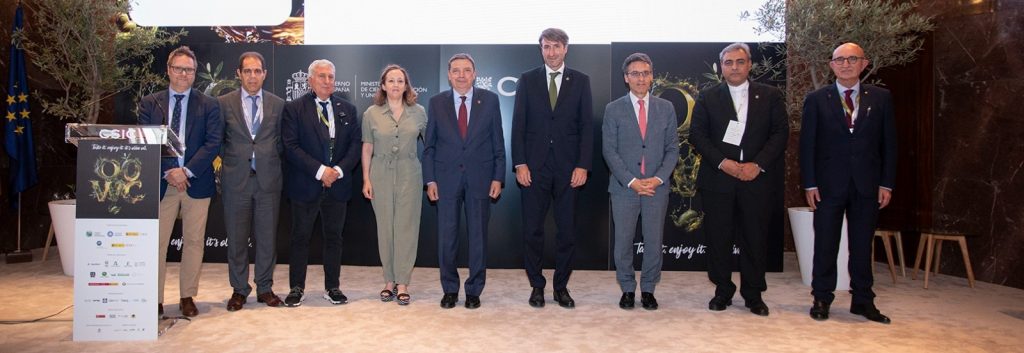
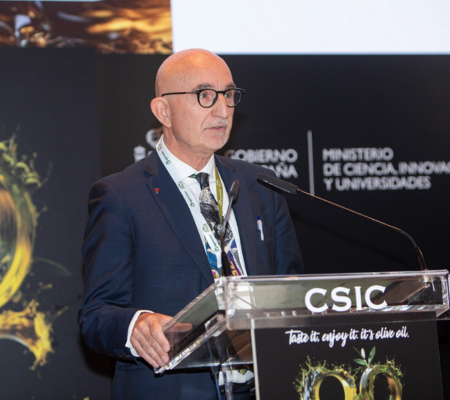
Spain’s minister of Agriculture, Fisheries and Food of Spain, Luis Planas gave a closing speech at the Olive Oil World Congress.
Madrid, 1 July 2024.- The headquarters of the Spanish National Research Council (CSIC) in Madrid (Spain) hosted the first edition of the Olive Oil World Congress (OOWC) on 26, 27 and 28 June. CIHEAM Zaragoza is a partner institution of this event.
With over 300 registered participants of 25 nationalities, the congress addressed scientific, technical, business, and trade matters, explored the current situation of the sector and provided a strategic analysis of its challenges and opportunities.
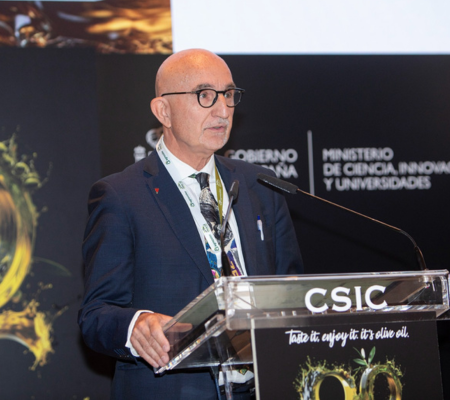
Raúl Compés, director of CIHEAM Zaragoza spoke about the product: “Extra virgin olive oil is one of the treasures of Mediterranean gastronomy and we must support efforts to promote it.“ He went on to say: “Events like this congress enable us to share knowledge, in order to make the value chain more operative, encourage consumption and promote joint actions between actors in the international olive sector.”
KEYS FOR THE FUTURE OF THE OLIVE AND OLIVE OIL PRODUCTION SECTOR
During this gathering, it became evident that the global prospects for olive oil are promising, thanks to the widespread recognition of its positive effects on human health, as well as the environmental, social and economic benefits arising from an efficient management of the resources needed for production.
Climate change is the main threat for many crops and olive groves are no exception. But there is still margin to implement adaptation measures to improve the crop’s sustainability and resilience. These measures include: protection of the olive gene resources; enhancing their role as a carbon sink; and olive breeding with a view to improving oil quality and strengthening resistance to diseases such as those caused by Verticillium or Xylella fastidiosa.
The experts that gathered in Madrid underlined the need to improve traceability, surveillance and monitoring of the productive processes and to continue to inform consumers so they can easily recognise the characteristics of different types of olive oil.
Following three days of intense activity, the congress concluded with a closing address from Spain’s minister of Agriculture, Fisheries and Food, Luis Planas, who stated that olive oil “is a unique element of the Mediterranean diet. Not only is it a food, but it is also a part of our lifestyle and gastronomic culture”.
A STRATEGIC CROP FOR MEDITERRANEAN COUNTRIES
The impact of CIHEAM Zaragoza’s participation in this forum is evident when considering the contribution of the organisation’s member countries to world oil production – approximately 88 % – and in the large number of activities carried out by CIHEAM’s Institute in the field of olive growing and oil technology, many in collaboration with the International Olive Council (IOC), also an institutional partner of the OOWC.
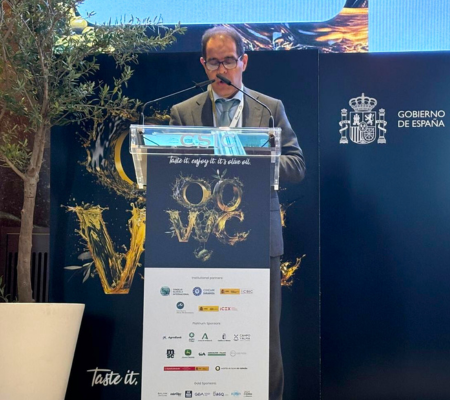
Ramzi Belkhodja at the OOWC.
Raúl Compés at the OOWC.
CIHEAM Zaragoza has played an active role in this congress. The coordinator of the area of Plant Production, Health and Breeding, Ramzi Belkhodja, was president of the scientific committee and the director, Raúl Compés, was president of the organising committee.
⮞ The main conclusions of the first Olive Oil World Congress have been compiled in a document that can be downloaded here.
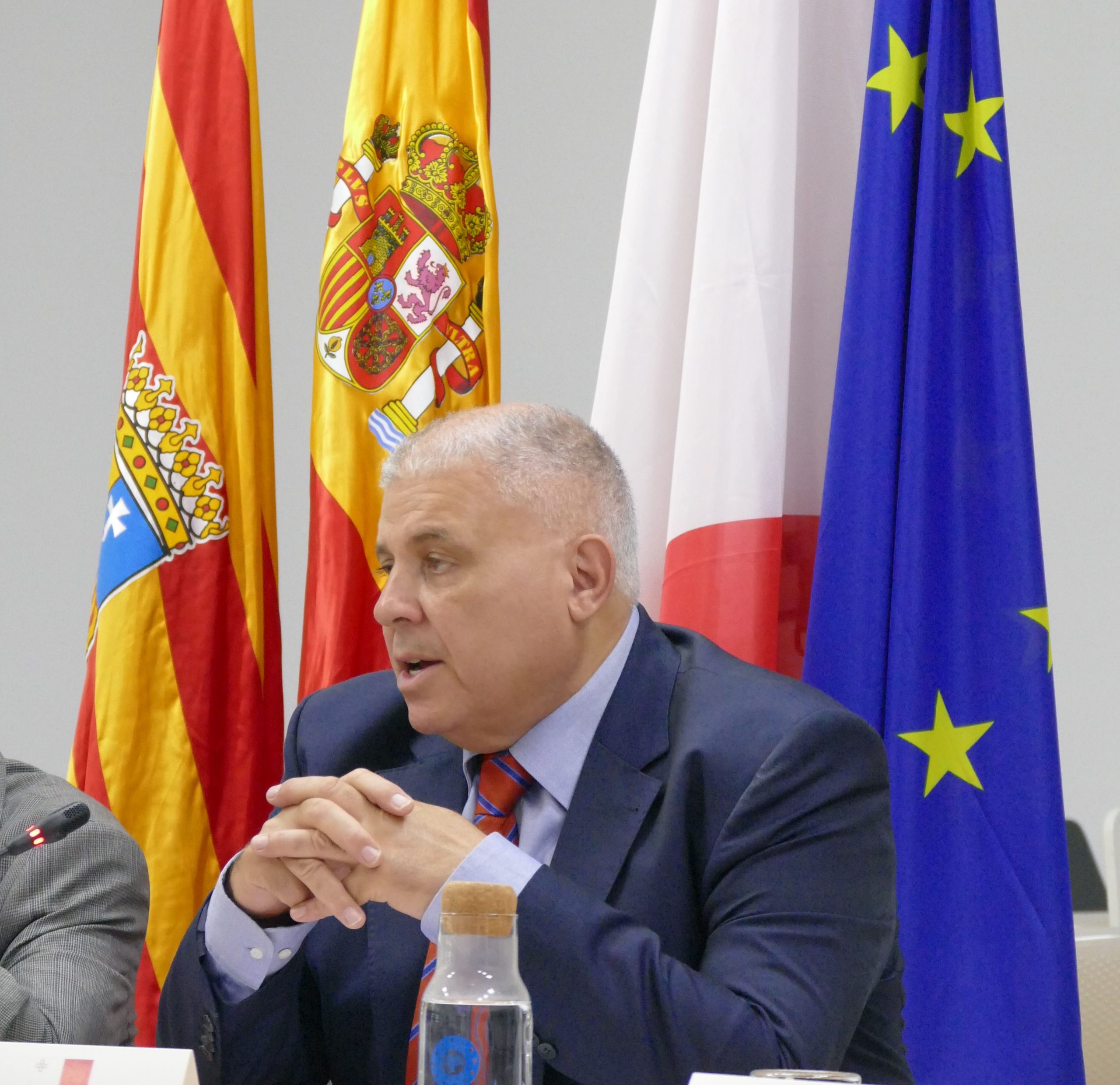
Zaragoza, 21 June 2024.- The minister of Agriculture, Fisheries and Animal Rights of Malta, Anton Refalo, travelled with his team to Aragon to visit the Spanish headquarters of the International Centre for Advanced Mediterranean Agronomic Studies (CIHEAM Zaragoza) to strengthen ties with the international organisation and seek ways to enhance the sustainable development of the agrifood sector in his country.
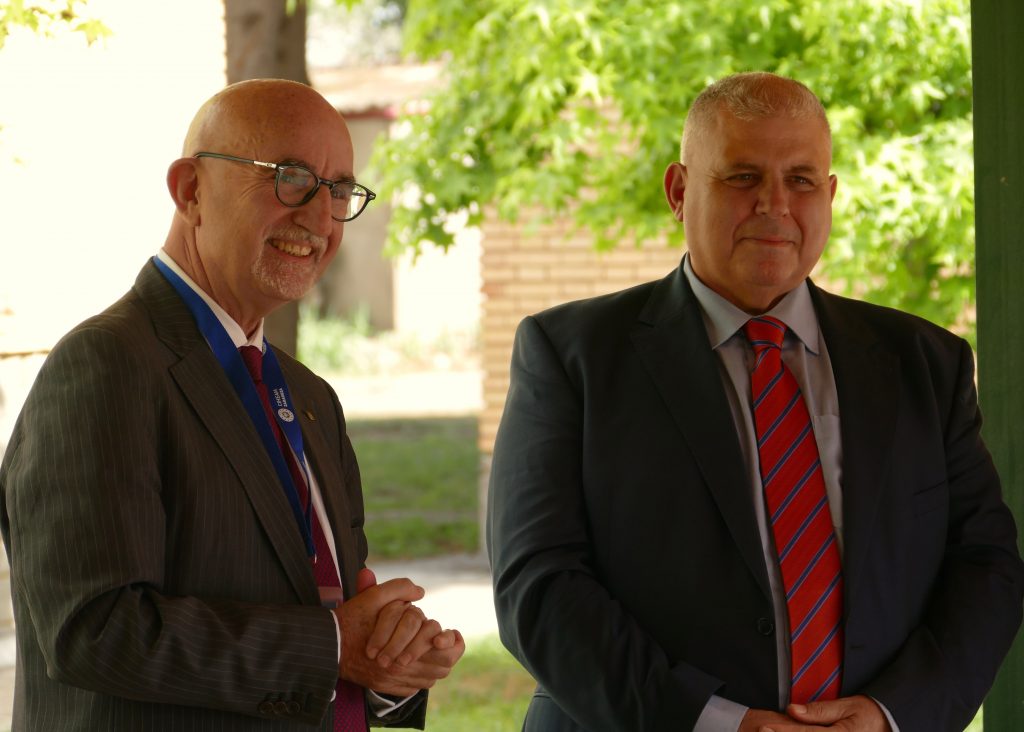
The minister met with Raúl Compés, the director of CIHEAM Zaragoza, the only branch of the international organisation in Spain. Compés shared information with the Maltese visitors about the Centre’s projects and training programmes that focus on the sustainable development of food systems, as well as other areas of interest.
During the meeting, Refalo underlined the importance for Malta to design a strategy that can draw on good practices from other territories and thus strengthen the growth of the Maltese agrifood system.
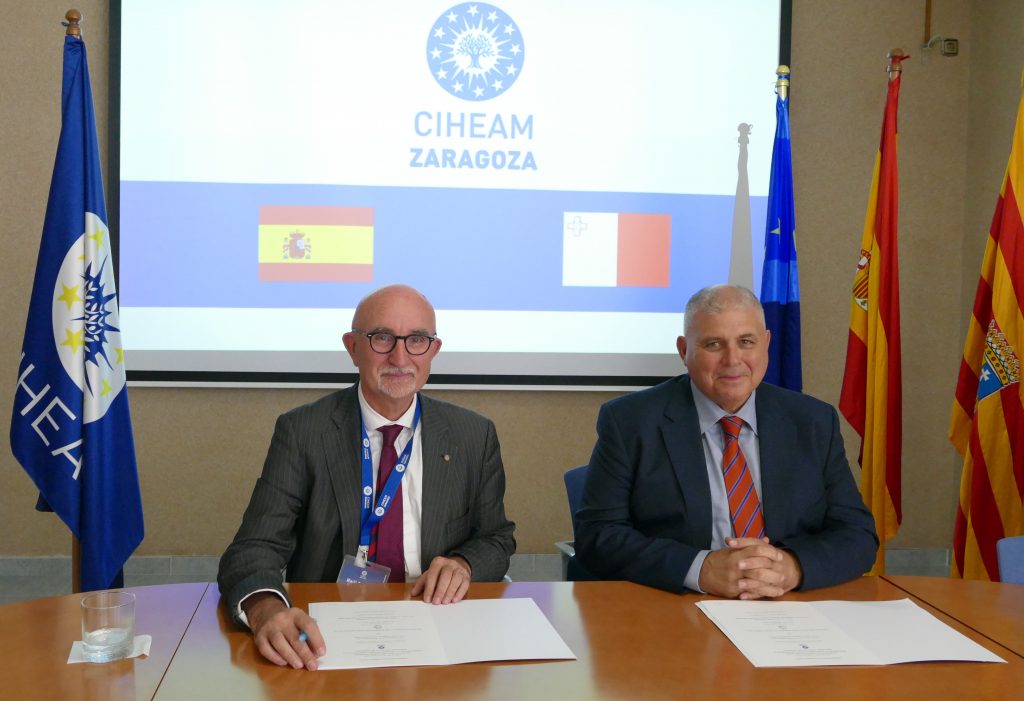
To formalise their commitment to collaboration, the Ministry of Agriculture of Malta and CIHEAM Zaragoza signed a Memorandum of Understanding (MoU). The agreement outlines their shared interest in developing institutional capacity-building through technical cooperation, including professional mobility and the development of joint projects in training, technical assistance and knowledge-sharing.
The director of CIHEAM Zaragoza commented on the meeting: “Malta has been a member of CIHEAM since 1989. Our commitment to work together to overcome common challenges faced by Mediterranean agrifood systems such as climate change, efficient water use and food security, will be reinforced in forthcoming years”.
The next meeting of CIHEAM Zaragoza’s Governing Board will be held on 11th July in Birgu (Malta), attended by the delegates of the 13 member countries of the intergovernmental organisation
Raúl Compés and Anton Refalo
Maltese delegation with CIHEAM Zaragoza staff
Delegate of Malta at CIHEAM Governing Board, Sharlo Camilleri
Opportunities for collaboration between the Aragonese agrifood sector and Malta
The meeting took the form of a round table discussion where participants showcased the strengths and capabilities of their respective fields, and explored opportunities for collaboration between the Aragonese agrifood system and Malta.
During the debate it became evident that to support small agricultural businesses and address challenges such as ageing, lack of generational renewal, limited access to land and water, and low competitiveness, strategies such as cooperation between stakeholders, technical assistance, research and innovation are essential. These measures can serve as a turning point to halt the sector’s decline.
The day concluded with a visit to Casa Ganaderos, where the members of the Maltese delegation heard first-hand about the history of this long-standing institution founded in 1218 that has become a modern sheep-farmers’ cooperative with 270 members.
Meeting with Minister Planas
The visit to Spain ended on Thursday 20 June with a meeting between the Maltese dignitary and the Spanish Minister of Agriculture, Fisheries and Food, Luis Planas, in which they discussed the Spanish agricultural insurance system, an international benchmark and one of the most effective tools for managing uncontrollable risks on farms. Both ministers expressed their willingness to work closely together to promote the development of new technologies that make every drop of water profitable.
Antón Refalo and Luis Planas
Gestionar consentimiento
Para ofrecer las mejores experiencias, utilizamos tecnologías como las cookies para almacenar y/o acceder a la información del dispositivo. El consentimiento de estas tecnologías nos permitirá procesar datos como el comportamiento de navegación o las identificaciones únicas en este sitio. No consentir o retirar el consentimiento, puede afectar negativamente a ciertas características y funciones.
Funcional
Always active
El almacenamiento o acceso técnico es estrictamente necesario para el propósito legítimo de permitir el uso de un servicio específico explícitamente solicitado por el abonado o usuario, o con el único propósito de llevar a cabo la transmisión de una comunicación a través de una red de comunicaciones electrónicas.
Preferencias
El almacenamiento o acceso técnico es necesario para la finalidad legítima de almacenar preferencias no solicitadas por el abonado o usuario.
Estadísticas
El almacenamiento o acceso técnico que es utilizado exclusivamente con fines estadísticos.El almacenamiento o acceso técnico que se utiliza exclusivamente con fines estadísticos anónimos. Sin un requerimiento, el cumplimiento voluntario por parte de tu proveedor de servicios de Internet, o los registros adicionales de un tercero, la información almacenada o recuperada sólo para este propósito no se puede utilizar para identificarte.
Marketing
El almacenamiento o acceso técnico es necesario para crear perfiles de usuario para enviar publicidad, o para rastrear al usuario en una web o en varias web con fines de marketing similares.