Professional internships for students of the International Master in Animal Nutrition 2023-2025

  • Partner businesses in the agrifood sector include Jorge Group, COBB Española and United Petfood

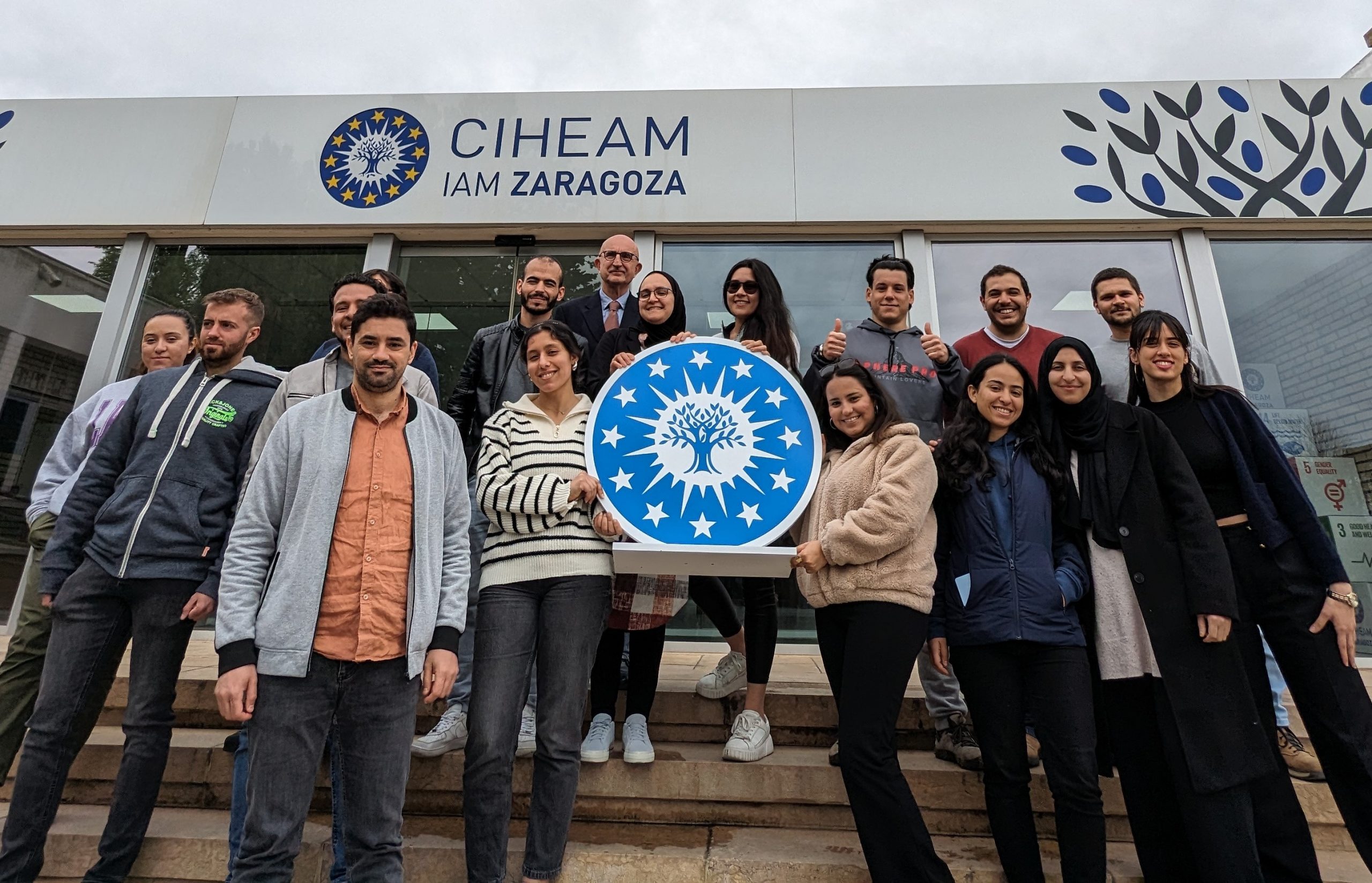
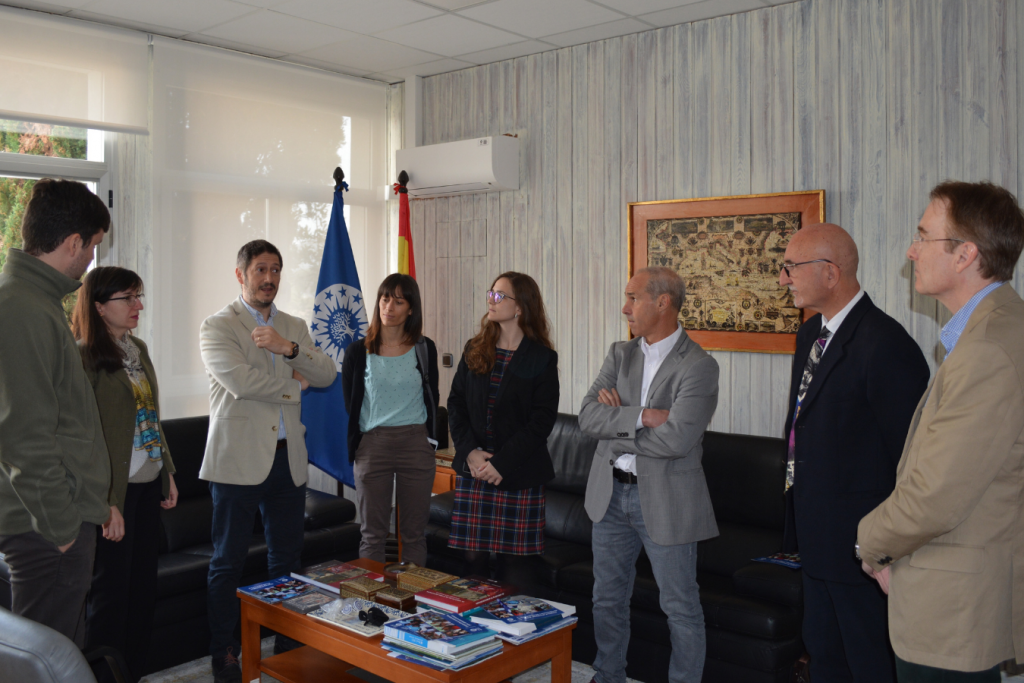
8 May 2024.- The students of the IX edition of the International Master in Animal Nutrition (2023-2025) have started their internships in businesses, farms and public bodies of the agrifood sector.

These future professionals will leave CIHEAM Zaragoza to spend a month gaining experience and applying the knowledge acquired during the first year of their MSc programme.

The master’s has a wide range of partner businesses such as United Petfood, COBB española (poultry genetics) or Grupo Jorge (pork production company); universities and research centres such as the University of Zaragoza, the Polytechnical University of Madrid or the Agro-environmental Laboratory of the Government of Aragón; and business associations such as the Catalan Association of Feed Manufacturers.

The internships are directly related to areas addressed in the master’s specialisation programme: feed manufacture; feed quality and safety; impacts on the environment, and animal health and welfare, and others.

The Master is jointly organised by CIHEAM Zaragoza and the University of Zaragoza, with the collaboration of the Polytechnic University of Madrid and the Spanish Foundation for the Development of Animal Nutrition.

During the second year, students go on to do their End of Master project at national or international universities, research centres or businesses.

Máster Internacional en Nutrición Animal 2023-2024

CIHEAM Zaragoza organises a specialised course on technical measures and innovative strategies for the mitigation of fishing impacts

  • The course is addressed to fisheries technical advisors, managers and researchers, fishing gear technologists, and other professionals involved in fisheries sustainability

  • The contents will be covered by leading experts from scientific research institutions, international organisations and the private sector. Registration is open until 31 May 2024
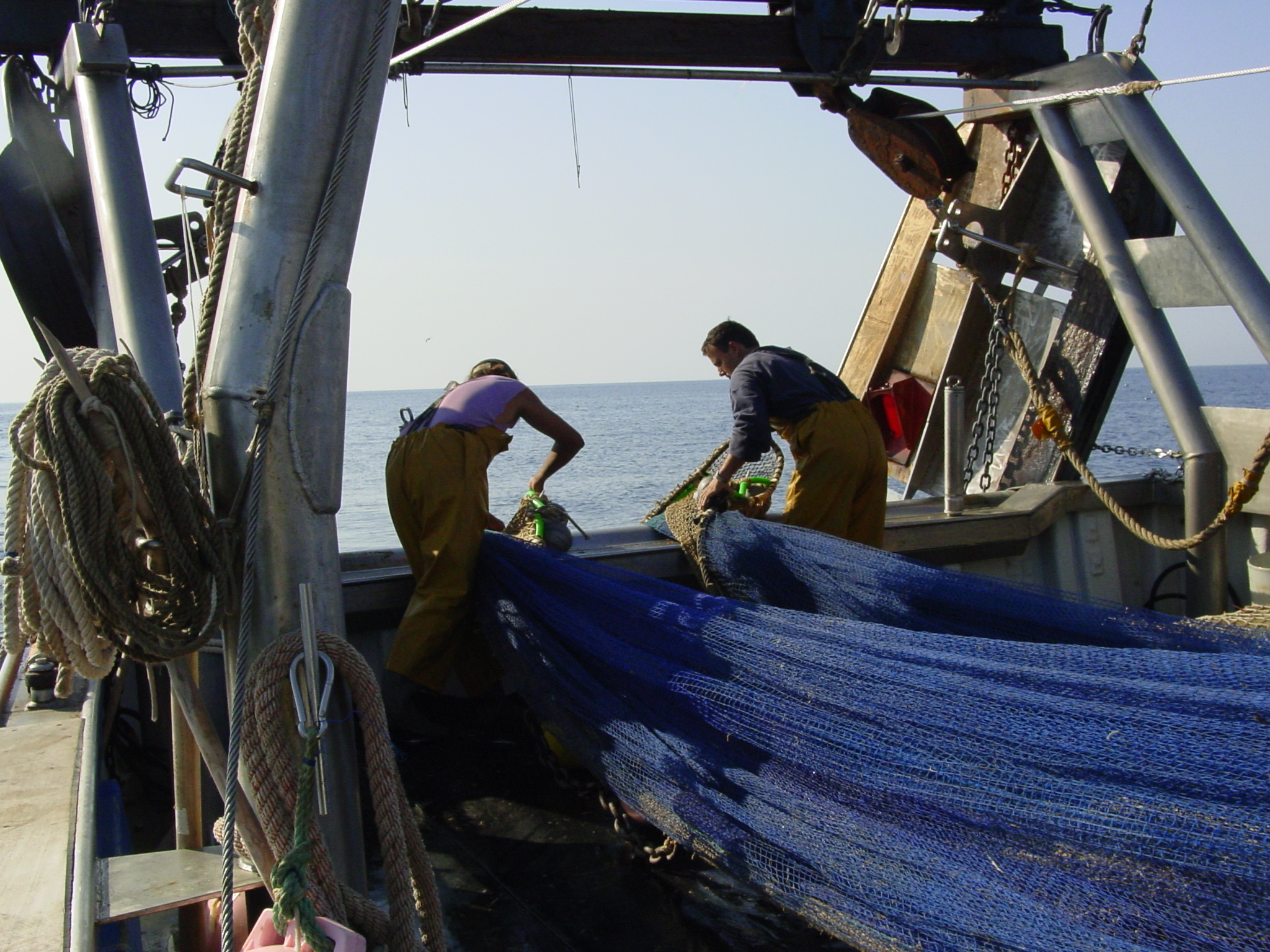
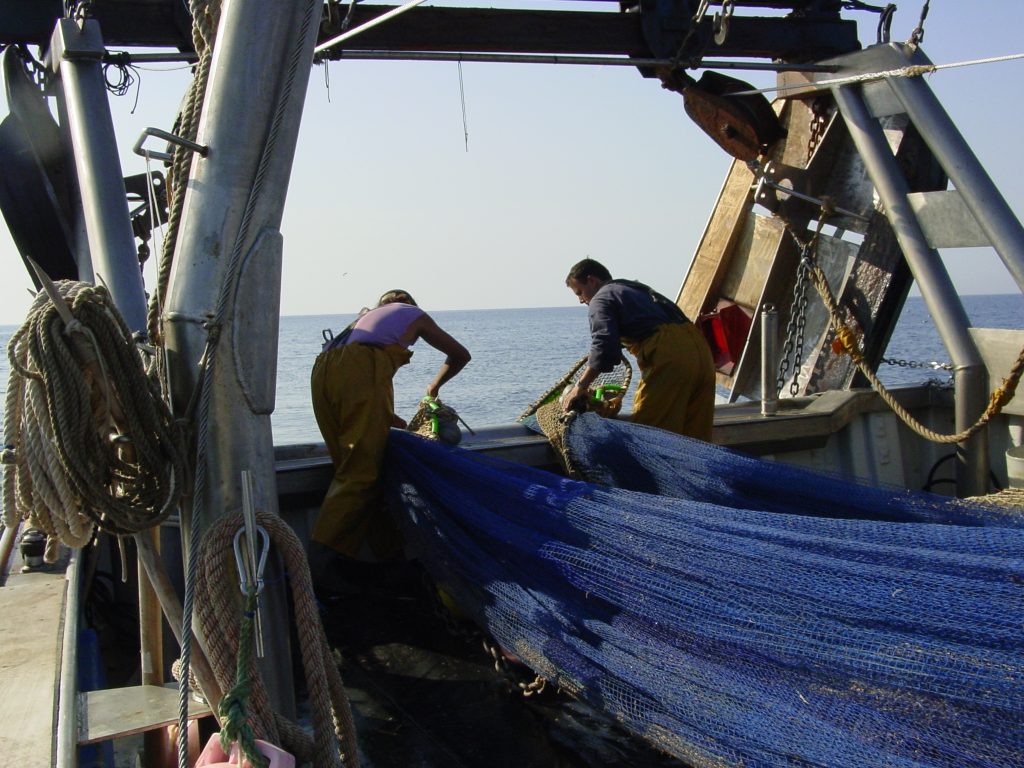
Fishing impacts
©Grupo ECOBRED (COB-IEO)

Zaragoza, 10 May 2024.- Fisheries provide an excellent source of high-quality nutrients and make an important contribution to job creation in coastal areas. However, if not managed properly, they may have significant direct and indirect impacts on marine ecosystems and the climate.

With the purpose of improving their ecological efficiency, CIHEAM Zaragoza organises the course “Technical measures and innovative strategies for the mitigation of fishing impacts” with the collaboration of the Spanish Oceanographic Institute (IEO-CSIC) and the technical support of the General Fisheries Commission for the Mediterranean (GFCM) of the Food and Agriculture Organization of the United Nations (FAO).

Enric Massutí, Research Professor of the Balearic Islands Oceanographic Centre (IEO-CSIC), is the scientific coordinator of the course, that will be held from 16 to 20 September 2024 at CIHEAM Zaragoza (Spain). In his opinion, “mitigating the impact of fishing on marine ecosystems and their living resources is fundamental for the sustainability of the fishing sector, and will only be possible with the application of new technologies and innovative measures”.

The course aims to analyse the technical measures and innovative strategies than can be used to mitigate the impacts of fisheries and fishing gear. It will pay particular attention to measures and strategies used to improve population exploitation patterns, reduce discards and incidental catches of vulnerable species and mitigate environmental impact.

“Mitigating the impact of fishing on marine ecosystems and their living resources is fundamental for the sustainability of the fishing sector” — Enric Massutí, Balearic Islands Oceanographic Centre (IEO-CSIC)

This training activity is addressed to fisheries technical advisors, managers and researchers, fishing gear technologists, and other professionals involved in fisheries sustainability. The contents will be covered by leading experts from scientific research institutions, international organisations and the private sector. Registration is open until 31 May 2024 at CIHEAM Zaragoza’s website.

International experts will gather in Zaragoza to address sustainable water and soil management for resilient viticulture

  • CIHEAM Zaragoza and the OIV organise an advanced course on 1-6 July 2024 in Zaragoza (Spain)
  • Experts and professionals of the vine and wine from over twenty wine producing countries have already confirmed participation. The deadline for registration is open until 15 May

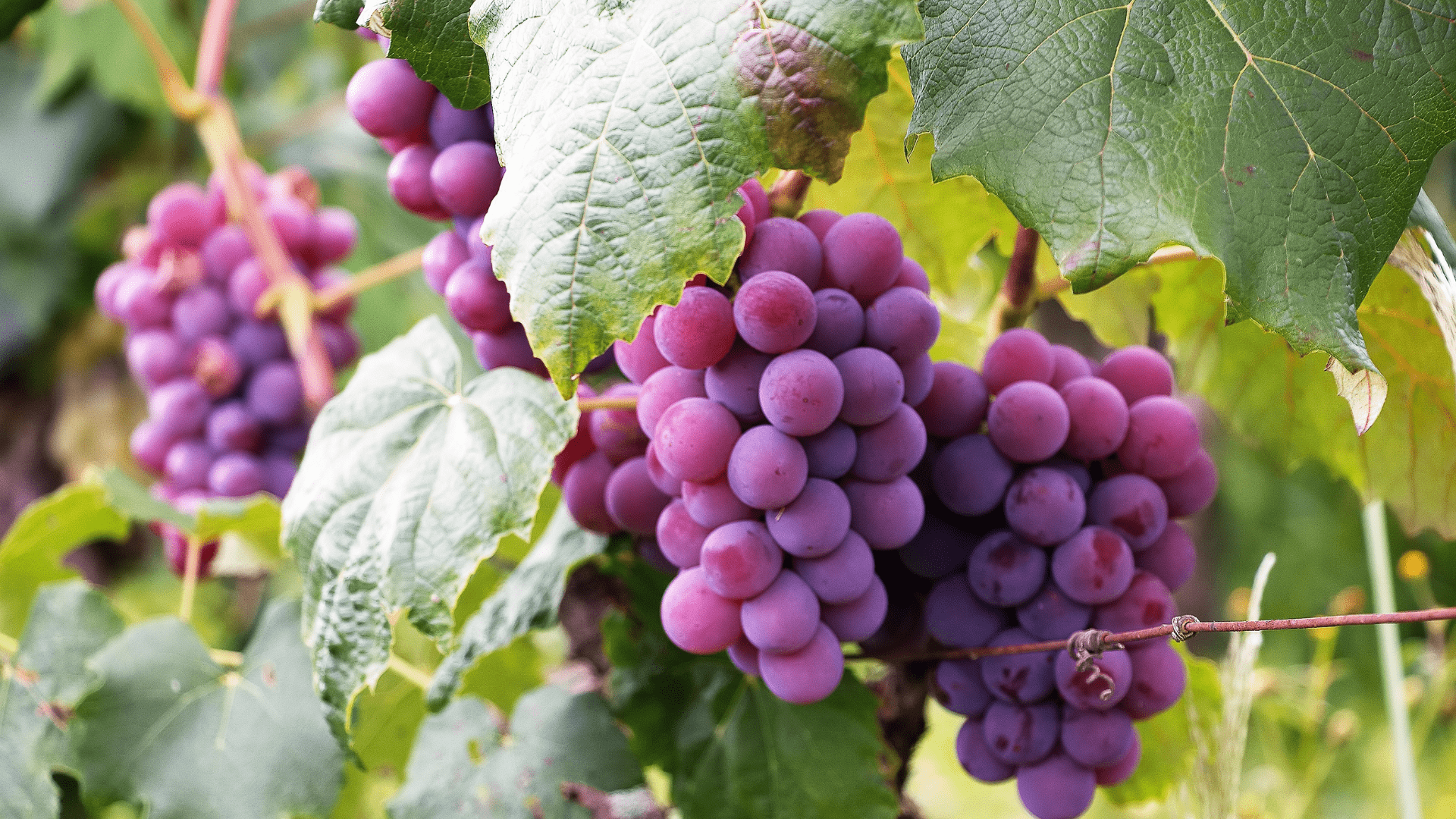
Zaragoza, 6 May 2024.- Within the framework of the mission of international cooperation and sharing of scientific and technical knowledge to enhance sustainable development, the headquarters in Spain of the International Centre for Advanced Mediterranean Agronomic Studies (CIHEAM Zaragoza) and the International Organisation of Vine and Wine (OIV) have designed a course aimed at professionals of the viticulture sector, addressing water and soil management strategies to strengthen the resilience of vineyards to the consequences of climate change. Training will be delivered by experts from the OIV, research centres, universities and the business sector in some of the main producing countries in the world.

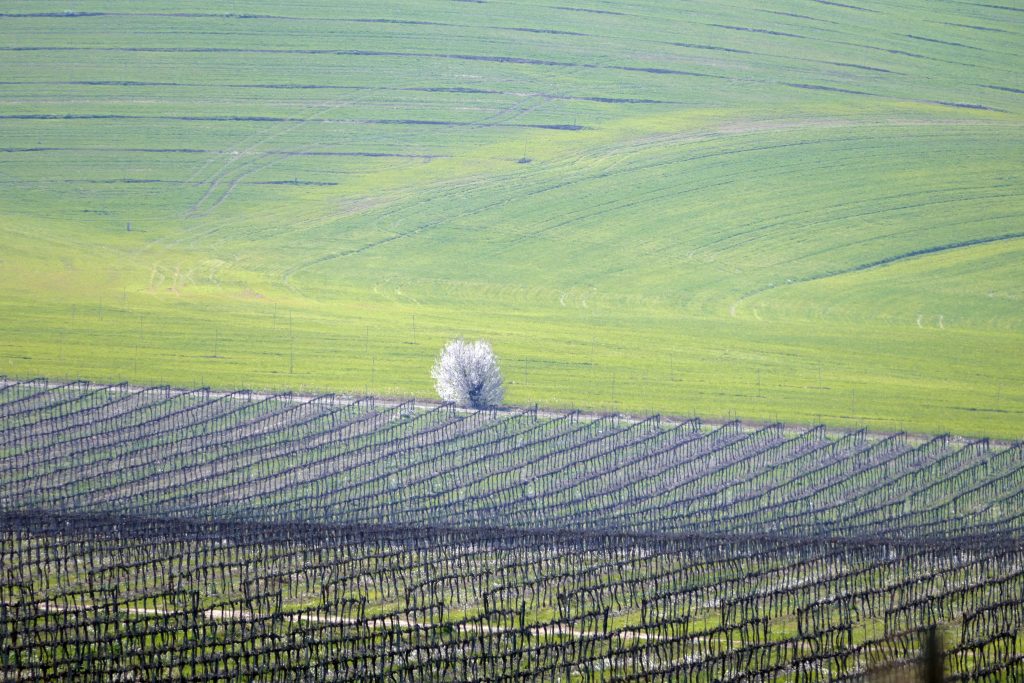
Today, wine-producing regions have to adapt their traditional winegrowing practices to overcome the challenges of climate change. Due to issues such as water scarcity and changing soil dynamics, efficient water and soil use has become a factor of crucial importance in wine and grape production.

The programme will be delivered at CIHEAM Zaragoza and will have an applied focus, combining scientific principles and practical tools to support sustainable viticulture management. Besides offering a general vision of the climatic situation worldwide and its impact on winegrowing, the course will present public environmental policies and production strategies, placing special emphasis on the delicate balance between soil health and water conservation. The training also includes presentation of case studies from different countries with arid climates, and a technical visit to a Spanish wine producing region.

Wine and vine professionals from over twenty producing countries have already confirmed their participation in the course. Registration is open until 15 May 2024 at CIHEAM Zaragoza’s website.


About CIHEAM Zaragoza

The International Centre for Advanced Mediterranean Agronomic Studies (CIHEAM), created in 1962, is an intergovernmental organisation with 13 member countries (Albania, Algeria, Egypt, France, Greece, Italy, Lebanon, Malta, Morocco, Portugal, Spain, Tunisia and Türkiye) promoting international cooperation in topics related to agriculture and food. CIHEAM Zaragoza is the headquarters of the Organisation in Spain. Founded in 1969, CIHEAM Zaragoza offers quality and excellence in training and promoting international cooperation through research to overcome the challenges faced by Mediterranean agri-food systems. Current activities focus on: sustainable agrifood systems; fisheries and aquaculture; water, soil and ecosystems; forest management; and territorial and inclusive development. Current priorities include adaptation to climate change and resilience of agricultural and food systems.

About the OIV

The International Organisation of Vine and Wine (OIV) is an intergovernmental organisation of a scientific and technical nature of recognised competence for its work concerning vines, wine, wine-based beverages, grapes, raisins and other vine products.

It is made up of 50 member states. In the framework of its competence, the OIV has the following objectives:

  • to inform its members of measures whereby the concerns of producers, consumers and other players in the vine and wine products sector may be taken into consideration;
  • to assist other international organisations, both intergovernmental and non-governmental, especially those which carry out standardisation activities;
  • to contribute to international harmonisation of existing practices and standards, and, as necessary, to the preparation of new international standards in order to improve the conditions for producing and marketing vine and wine products, and to help ensure that the interests of consumers are taken into account.

Tools to overcome the challenges and threats faced by Mediterranean forests

  • The course on forest resilience held at CIHEAM Zaragoza has brought together professionals from over 10 countries of the Mediterranean Arc

  • Participants have become acquainted with the tools that will help them overcome climate-change-related challenges that threaten forest conservation

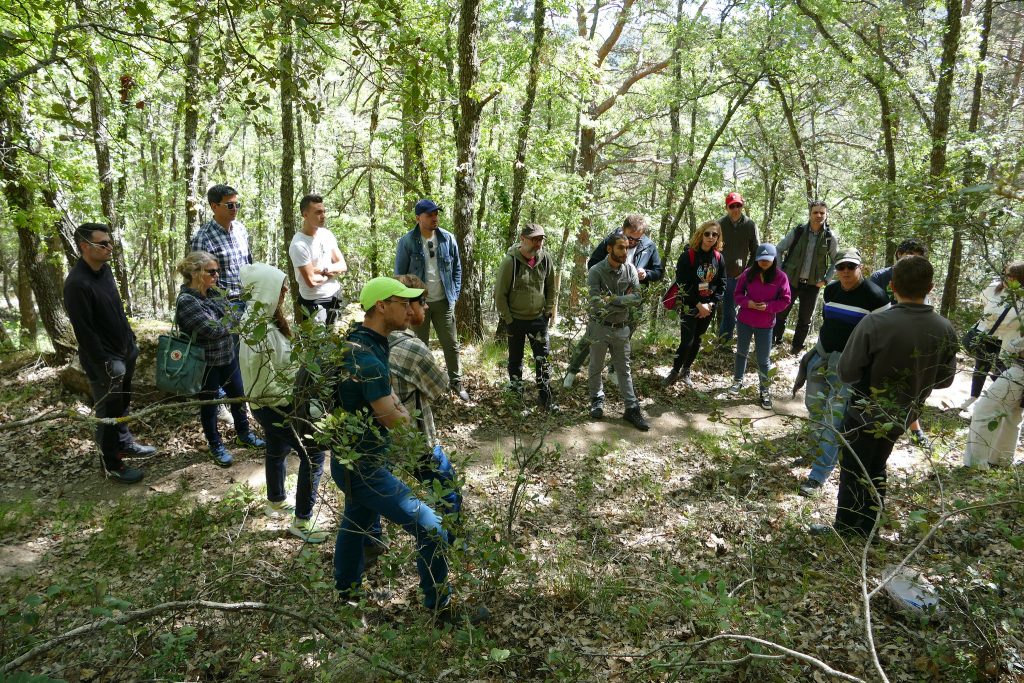
15-20 April 2024.- Droughts, forest fires, and pests associated to climate change are just some of the hazards threatening the conservation of Mediterranean forests. In order to improve the resilience of these ecosystems that provide essential social and environmental services, CIHEAM Zaragoza and CREAF, in collaboration with EFIMED, organised the advanced course ‘Management Strategies to Improve Mediterranean Forest Resilience’ held from 15 to 20 April.

The event attracted professionals from universities, research centres, public administration services, the private sector, and associations in over 10 countries across the Mediterranean Arc, including the CIHEAM member countries Albania, Algeria, Italy, Morocco, Spain, Tunisia, and Türkiye.

The initiative was aligned with CIHEAM Zaragoza’s Strategic Plan for 2023-2026 that includes the management of forested areas as one of its fields of action. Due to the social, territorial and economic impact of forests in Mediterranean countries, CIHEAM also has a Working Group on Forests made up of experts from the four Institutes (Bari, Italy; Montpellier, France; Chania, Greece; and Zaragoza, Spain).

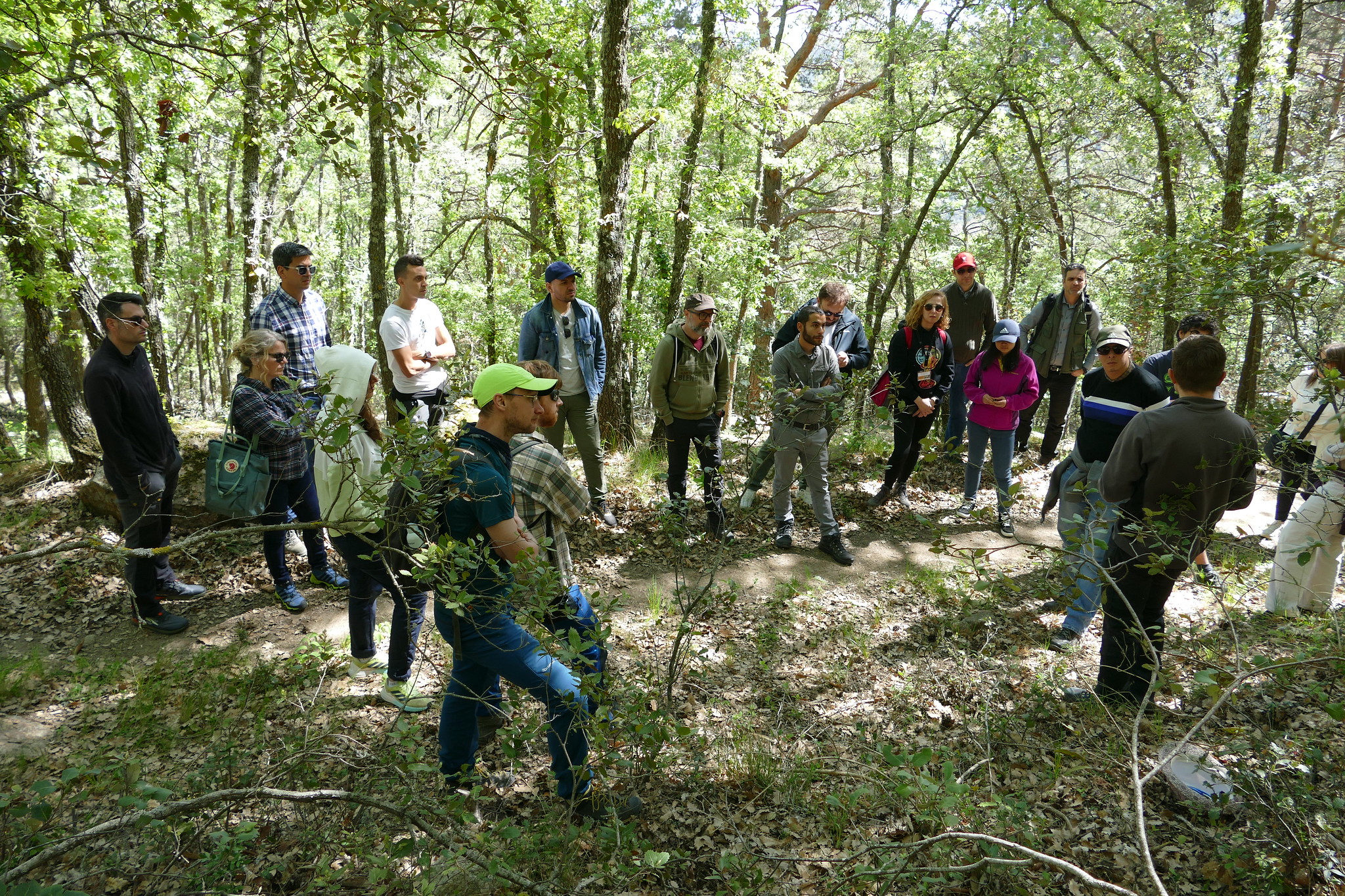
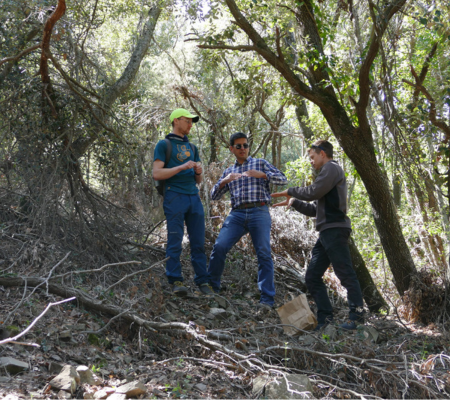
The training has combined theoretical sessions, practical group work, case studies and a technical visit to Poblet (Tarragona, Spain) to see in situ different actions specifically designed for adaptation to climate change.

The international panel of lecturers included representatives from CREAF, EFIMED, the University of Lisbon, the Austrian BOKU University and the French research centre INRAE.

Josep Maria Espelta (CREAF), course lecturer and scientific coordinator, commented that one of the essential values of this advanced course is that it has addressed conceptual and methodological tools that can conserve forest multifunctionality and adaptability to climate change. It has also offered an integrated vision of the management and governance of the Mediterranean forest.

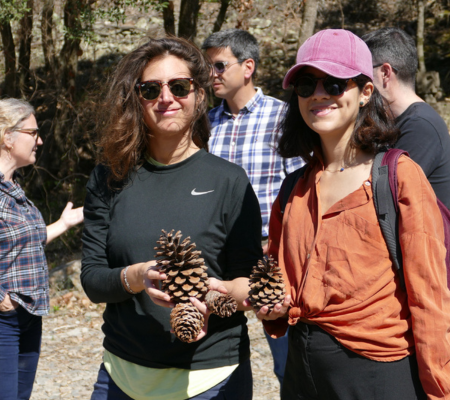
The real case studies addressed during the course have included drought management in Spain and post-fire management in southern Europe: Pinus halepensis in Valencia and Catalonia; and Pinus nigra in the Peloponnese (Greece).

Ethics, sustainable development and agrifood cooperation

LECTURE

Jesús Conill (Universidad de Valencia / ÉTNOR)

Jesús Conill, Professor of Moral and Political Philosophy of the University of Valencia and founding patron and member of the executive commission of the Étnor Foundation (Business and Organisational Ethics), reflects upon ethics, sustainable development and agrifood cooperation in this talk in the CIHEAM Zaragoza-Campus Aula Dei Lecture Series – a space for dialogue and exchange for an international audience on agriculture and food-related issues.

SEE THE FULL CONFERENCE


Talk Summary

Ethical economics has developed throughout the history of thought, guiding economic activities from ancient to modern times. However, today we find ourselves on the horizon of an ethical economy that has incorporated the demands of sustainable development in its triple dimension: environmental, social and organisational. In this context it is important to emphasise the significance of global agrifood cooperation, particularly from the European perspective.

The serious conflicts experienced in the scope of European agriculture need to be tackled through a multiperspective approach, addressing the needs of all the sectors involved. Legislating from European political centres, in a manner resembling bureaucratic despotism, is not enough. The persistent agricultural crisis in Europe requires more reflexive measures that go beyond mere political negotiation, based on the circumstantial power of various countries and on the coercive power of legislation. Otherwise, genuine cooperation is, and will remain, impossible.

The ethical perspective can contribute to harmonising the demands of justice with new technologies, national political interests and the difficult situation of Europe in the world geopolitical and economic context.


Speaker

Jesús Conill Sancho (1952) studied philosophy at the University of Valencia (1970-75) where he joined the History of Philosophy Department, led by Professor Fernando Montero, as assistant lecturer (1975). He is now professor of Moral Philosophy at the University of Valencia.

His project of humanism for the 20th and 21st centuries has involved various research study periods at the universities of Bonn, Frankfurt am Main, and Notre Dame and the Institute of Philosophy of the Spanish National Research Council (CSIC), among others.

He has also participated in research groups and projects, conferences and congresses and is author of works such as “The Twilight of Metaphysics” (1988), “The Power of Lies. Nietzsche and the Politics of Transvaluation” (1997), “Hermeneutic Ethics. Critique from Facticity” (2006), “Horizons of Ethical Economics. Aristotle, Adam Smith, Amartya Sen” (2004), “Intimacy and the Human Being. From Nietzsche to Ortega and Zubiri” (2019), and “Nietzsche versus Habermas: Genealogies of Reason” (2021).

He is a founding patron and member of the executive commission of the Étnor Foundation and member of the Xavier Zubiri Foundation.


Conference Details

  • Format: Hybrid
  • Date: Monday 6 May 2024, 11:30h CET
  • Venue: Aula D at CIHEAM Zaragoza (Av. Montañana 1005, Zaragoza)
  • Languages: Spanish and English (interpretation provided)
  • Cycle: CIHEAM Zaragoza-Campus Aula Dei Lecture Series

CIHEAM Zaragoza and CAMPAG join forces to enhance sustainable development in the Mediterranean crop and livestock sector

  • The agreement ranges from applied research in agricultural technology to outreach activities
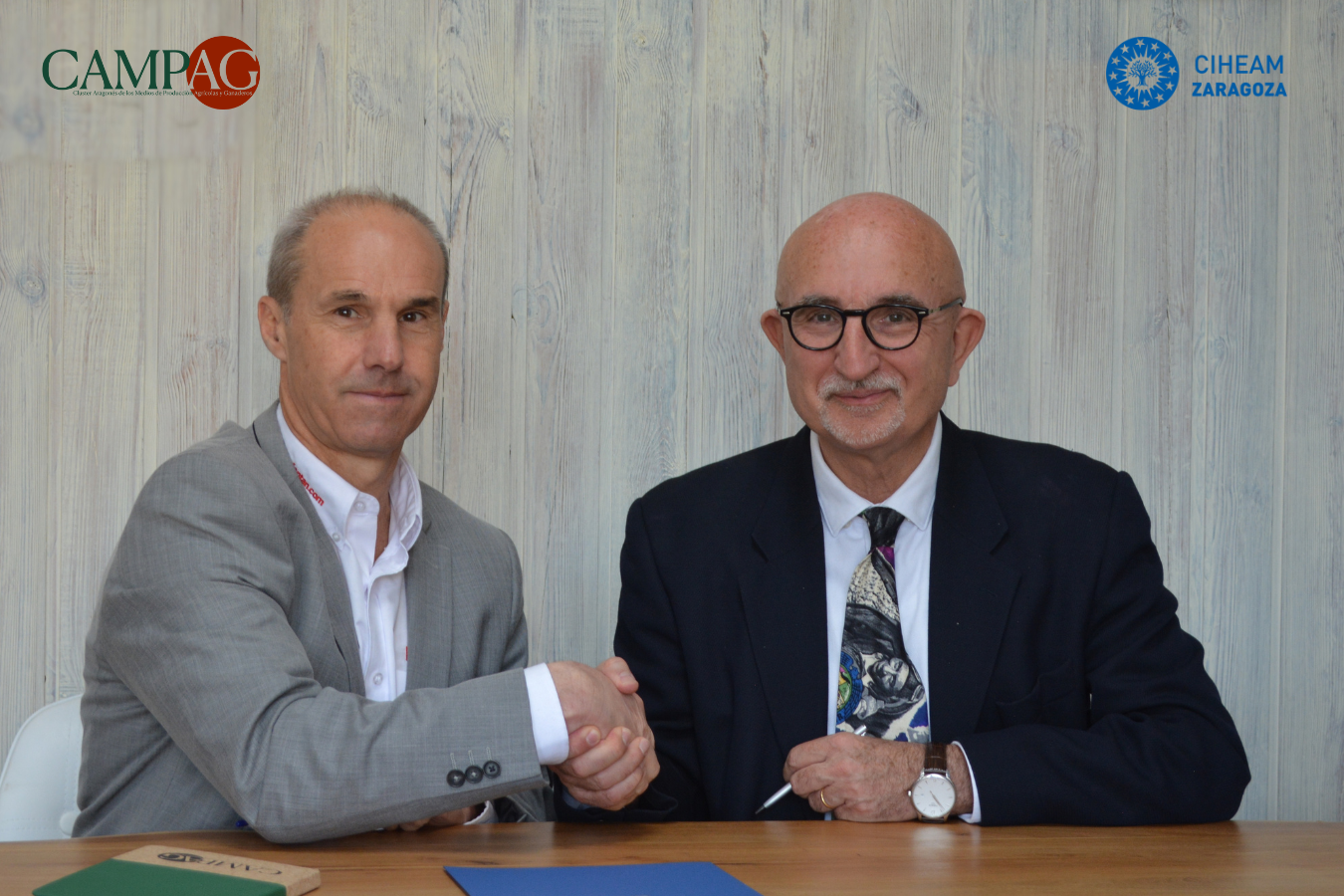
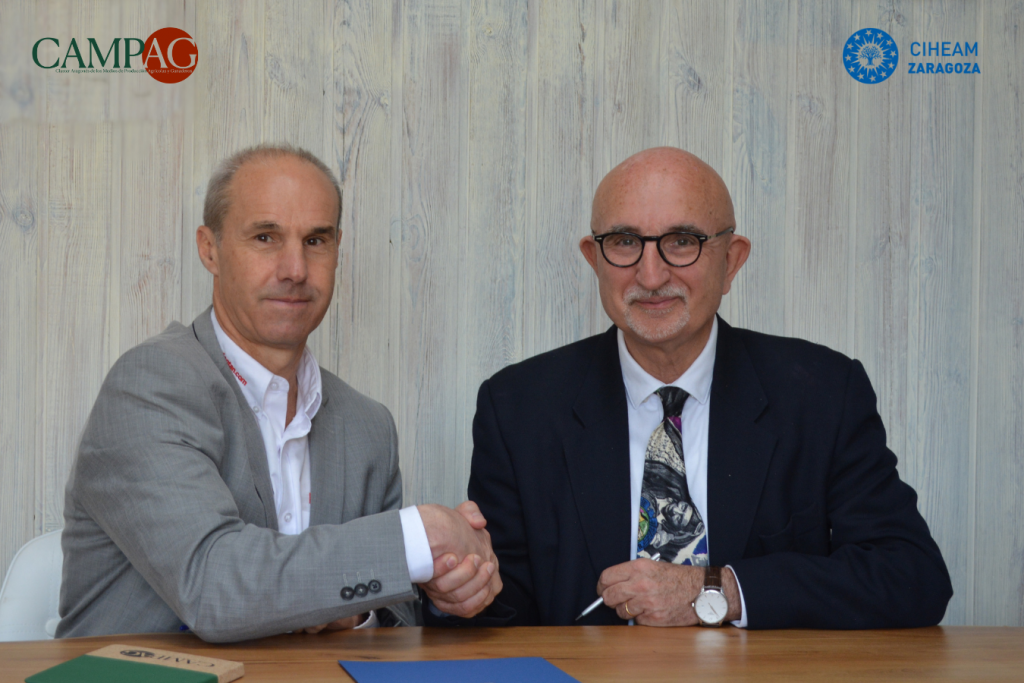
Antonio Alot, president of CAMPAG, and Raúl Compés, director of CIHEAM Zaragoza, during the signing of the agreement.

CIHEAM Zaragoza and the Aragonese Cluster of Crop and Livestock Production Resources (CAMPAG) have signed a collaboration agreement to conduct activities promoting sustainable agriculture and food production in the Mediterranean region.

With a validity of three years, the agreement covers a range of topics and activities, from applied research in agricultural technology to outreach activities and the joint organisation of training events and programmes.

Both entities are currently working on common topics in order to respond to the challenges faced by the sector. Efforts include projects on innovation in the circular economy, research in new cropping techniques, optimisation of natural resources, adoption of environmentally-friendly crop and livestock production technologies and practices, and efficient water management, as well as other projects yielding significant social and environmental benefits.

CAMPAG president, Antonio Alot, explains, “We are leading innovative initiatives focusing on capacity-building in Agriculture 4.0 and encouraging sustainable crop and livestock production practices. By teaming up with a partner with renowned experience in the management of European projects related to these topics, this agreement gives a strong boost to our efforts, giving us greater visibility across the Mediterranean region. It also offers us the opportunity to initiate cooperation projects with northern Africa”.

Raúl Compés, director of CIHEAM Zaragoza, adds, “For the Institute it is important for us to collaborate directly with entities from the business sector, as we can reinforce and diversify our networks and become more acquainted with the needs of the private sector. It also enables us to learn first-hand about the latest technologies and identify opportunities for growth”.

Through this agreement, CAMPAG and CIHEAM Zaragoza will undertake to design and implement the tasks proposed, facilitating access to their networks of associated businesses and experts, and fostering mutual engagement in each other’s activities. They will also provide the technical and scientific support needed to develop common projects.