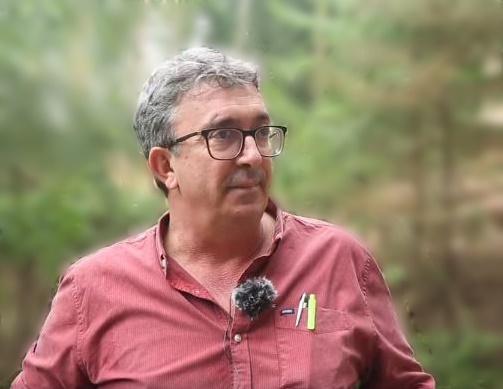
The PASTINNOVA project holds an advanced course for young researchers and professionals at CIHEAM Zaragoza
Registration is open at iamz.ciheam.org for the training event to be held from 30 May to 7 June
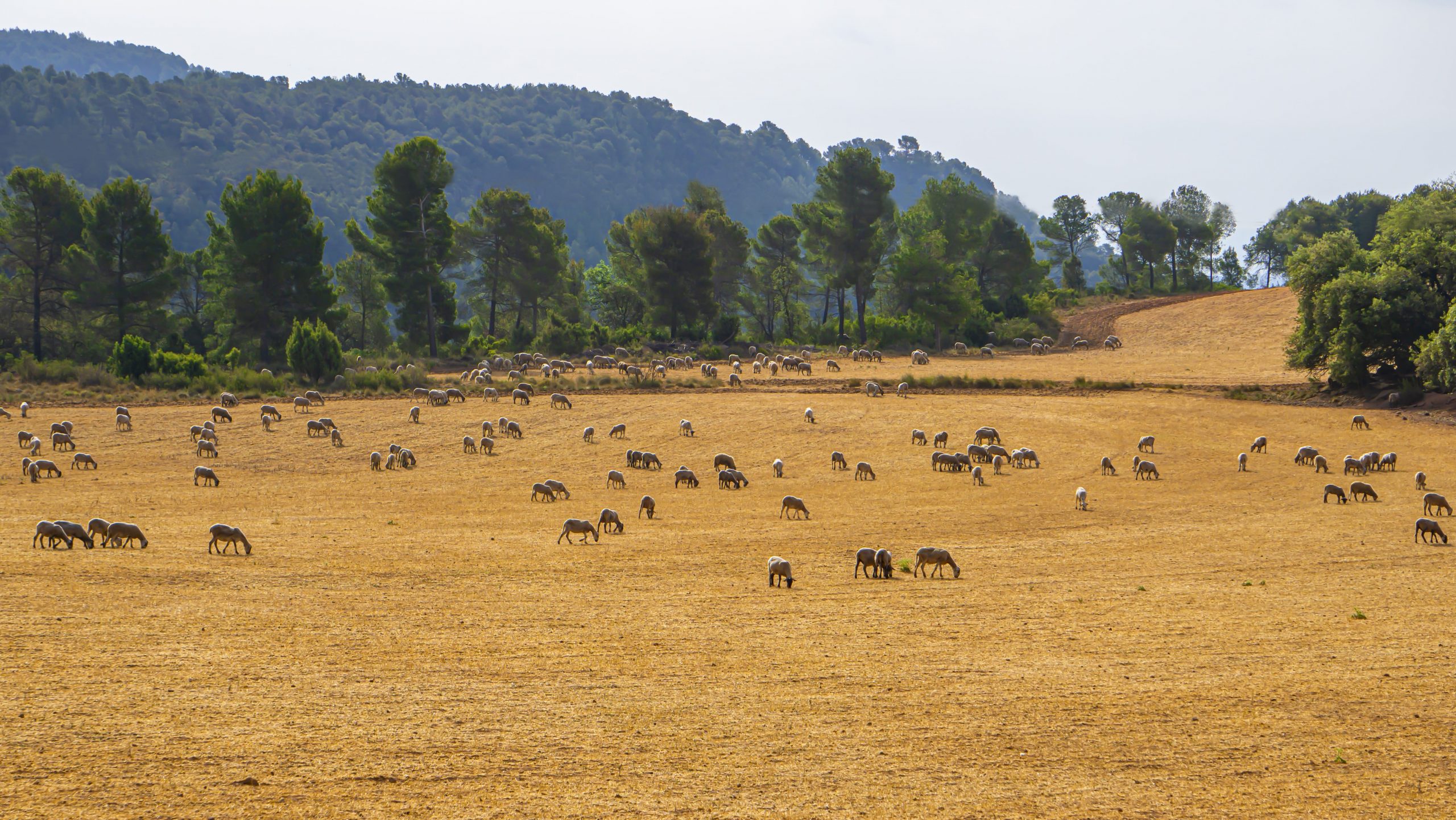
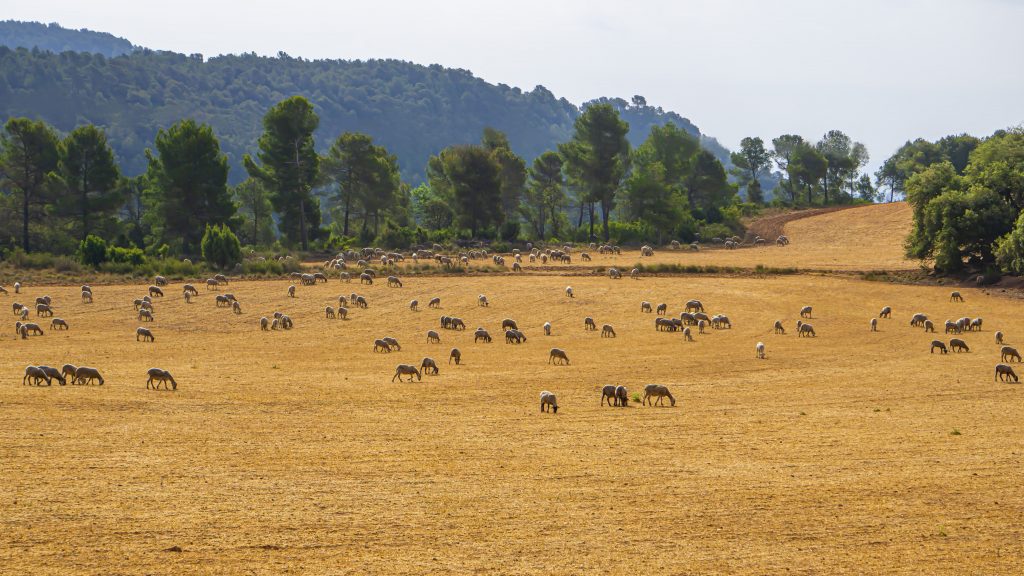
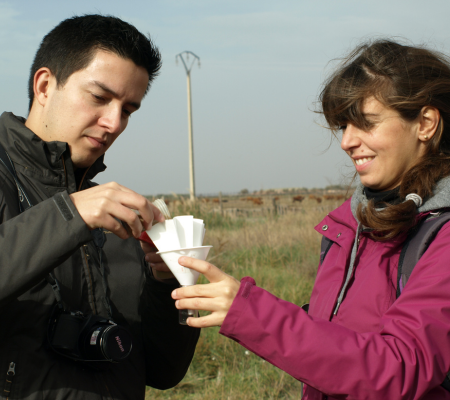
Zaragoza, 27 February 2024.- The PASTINNOVA project, financed by the PRIMA programme of the European Union, will hold an advanced course at CIHEAM Zaragoza on innovation in pastoral systems in Mediterranean areas. The training event is aimed at young researchers and professionals looking to strengthen the competitivity and sustainability of small-scale extensive livestock farms, which play a vital role in Mediterranean rural communities.
Antonio López-Francos, Administrator of Projects and Cooperative Networks of CIHEAM Zaragoza, talks about the project: “Innovation is not incompatible with traditional grazing practices in Mediterranean areas. Through PASTINNOVA and this advanced course we will be focusing on the innovations and production, marketing and organisational models that we need to develop sustainable and inclusive livestock production in our region”.
The programme will address innovations in grazing systems from different perspectives: technical, sociocultural, economic, environmental and political. It will be delivered by 18 experts from research centres, businesses and institutions from 7 countries (Belgium, France, Greece, Italy, Spain, Tunisia and Turkey).
Speakers include representatives of the Greek research group ELGO-DIMITRA – coordinators of the PASTINNOVA project; the Spanish research groups CSIC-Ingenio, CSIC-IPE and CITA-Aragón; the French research centre INRAE; the Italian research centre CNR; the Turkish university of Çukurova; the Tunisian research institute IRA; and the European Commission, among others.
This summer course will include a significant practical component, with technical visits to see first-hand initiatives and innovations related to pastoralism, extensive livestock farming and territorial development in semiarid and mountainous areas in Aragon.
There are 30 places for the training event to be held at CIHEAM Zaragoza from 30 May to 7 June 2024. Registration to this summer course is open on the CIHEAM Zaragoza website until 3 March.
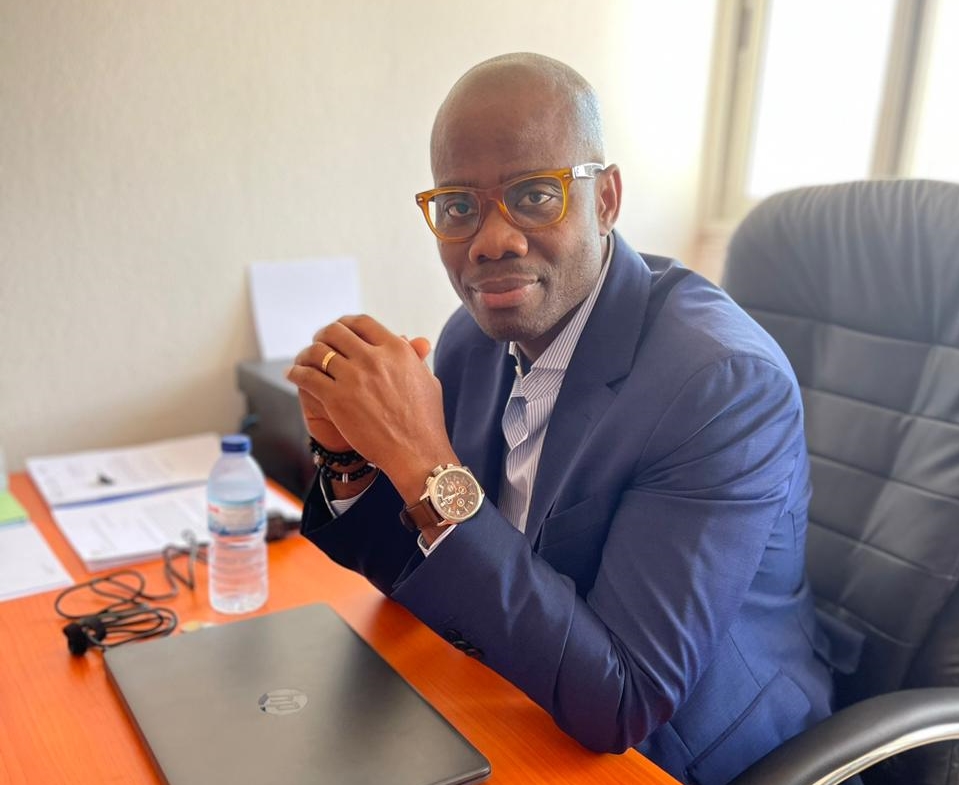
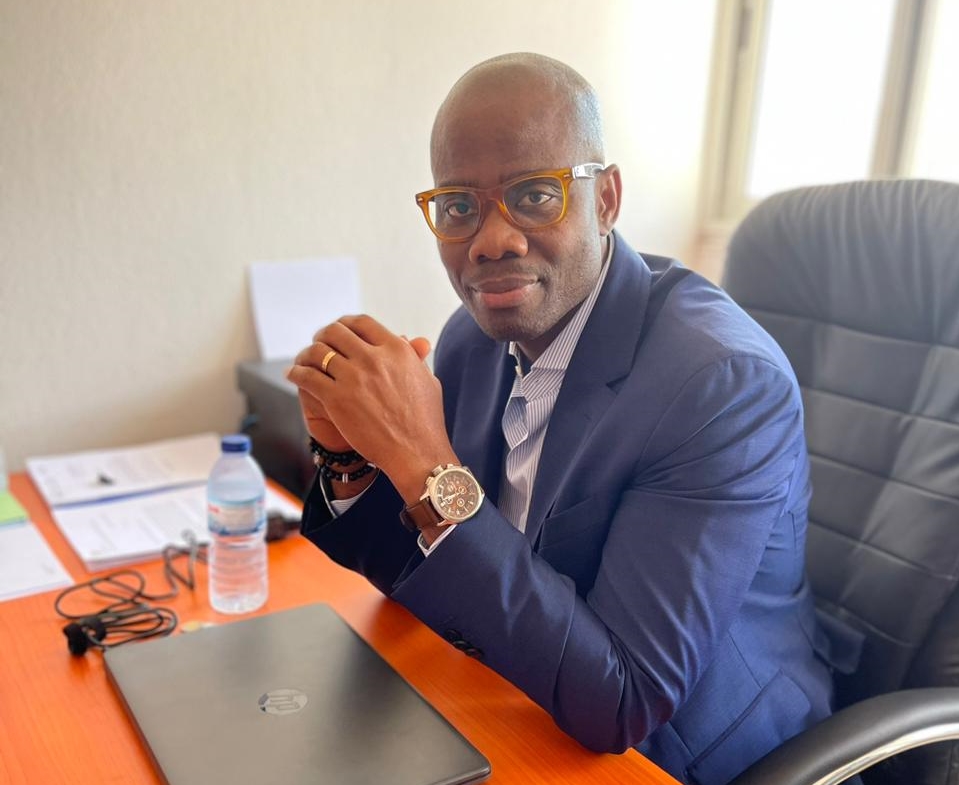
Juvanio Cabral, Director General of Maritime Economy of Guinea Bissau, talks to us about his experience in the Master run by CIHEAM Zaragoza and the University of Alicante and the impact this training has had on the development of his professional career
Born in Bula, Guinea Bissau, Juvanio Cabral graduated as an economist and went on to take the International Master in Sustainable Fisheries Management organised by CIHEAM Zaragoza, the University of Alicante and the former Ministry of Agriculture, Food and Environment (MAGRAMA), through the General Secretariat of Fisheries (SGP), which financed his participation.
In 2015, this Bissau-Guinean presented his Final Master Project ‘The Artisanal Fishing Sector of Guinea Bissau’, carried out in the Department of Marine Science and Applied Biology of the University of Alicante, under the supervision of Dr José Luis Sánchez Lizaso. The work presented a strategic plan to improve the sector, including specific actions such as modernisation of the surveillance, monitoring and information system, incentivising public and private investment, implementing an efficient management model, imposing exemplary sanctions to discourage illegal fishing, and strengthening the sector’s basic capacities, in order to boost the fishing sector in Guinea Bissau.
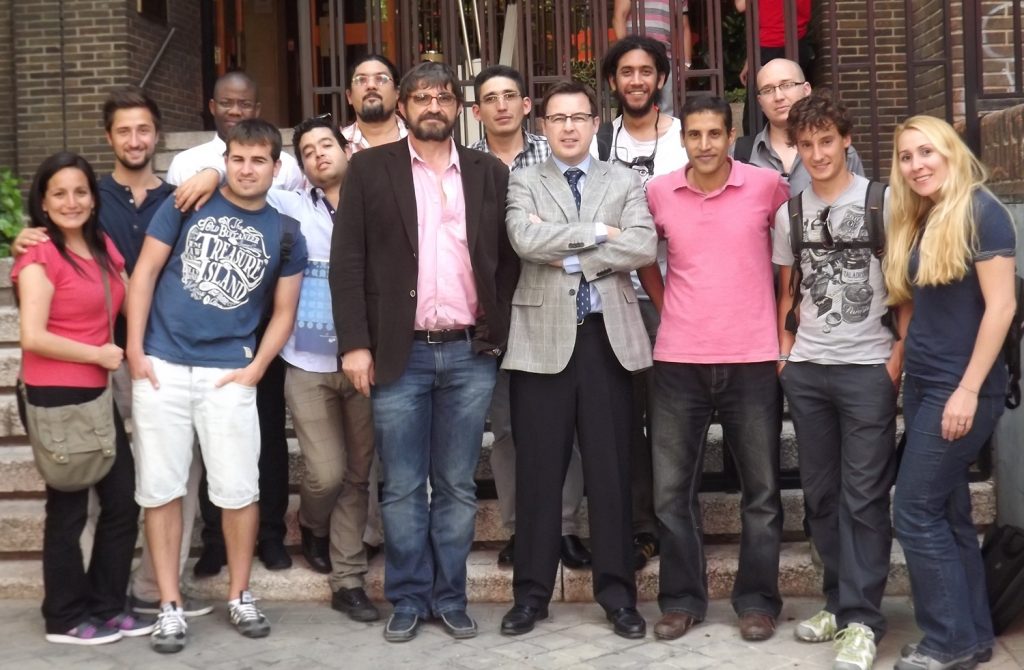
Visit to IEO-ICCAT during the first year of the Master with José Luis Sánchez Lizaso (University of Alicante) and Bernardo Basurco (CIHEAM Zaragoza)
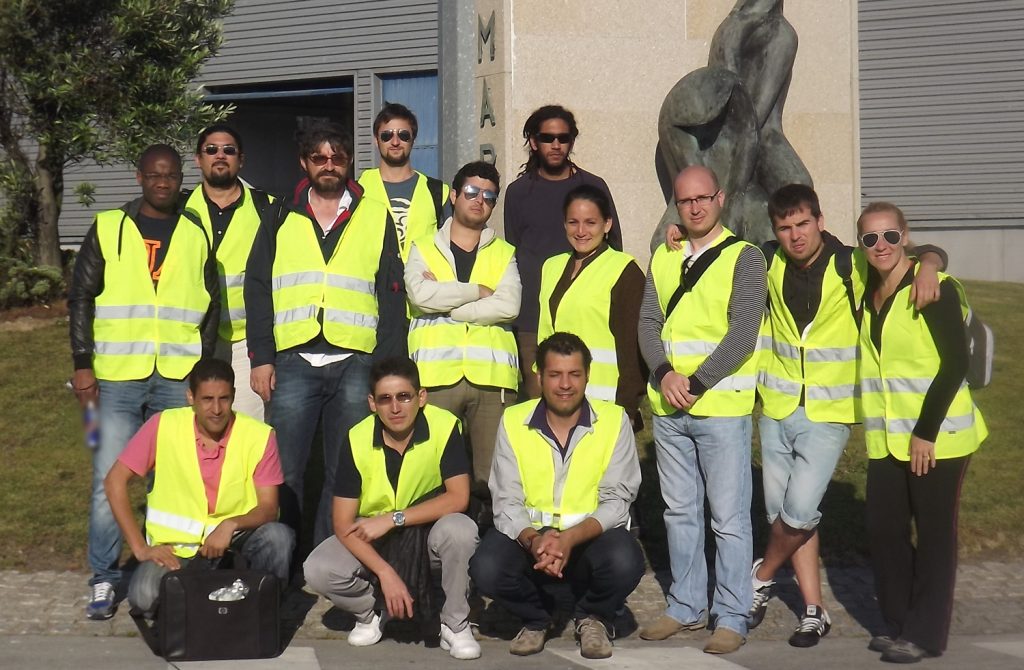
Visit to the Port of Vigo during the first year of the Master with José Luis Sánchez Lizaso (University of Alicante)
During this interview, conducted upon his appointment last October as Director General of Maritime Economy in Guinea-Bissau’s Ministry of Fisheries, Juvanio talks of his experience during the Master run by CIHEAM Zaragoza and the University of Alicante, his research findings and their relevance to his current work at the Ministry of Fisheries.
Why did you decide to study a master’s in sustainable fisheries management? What led you to choose the programme offered by CIHEAM Zaragoza and the University of Alicante?
I wanted to improve my technical skills to excel further and broaden my expertise in new technologies that could help me tackle any challenges that may arise. CIHEAM was the institution of choice under a fisheries agreement with the European Union aimed at strengthening the capacity of public institutions in Guinea-Bissau.
In this master’s, you carried out research on the artisanal fishing sector of Guinea-Bissau. What issues did you come across during this work? What is the current situation?
The livelihood of our communities has always been linked to the sea. This means that the fishing sector, in particular small-scale fisheries, plays an important role in the life of our population, in rural and urban areas too. However, good management practices and maritime inspection activities have always been among the main challenges of the sector. Despite the existence of regulatory instruments, the problems still persist. Having said that, we are seeing improvements in the decentralisation of fish conservation units and holding facilities, thanks to the work that this government is doing.
How important has this master’s been for the development of your professional career?
Very enriching. I had incredible experiences, both personal and professional. I had the privilege to live with people of different nationalities and cultures, which allowed me to learn Spanish very quickly because we had to make an enormous effort to communicate with each other and make ourselves understood. It was a fascinating experience and an incredible atmosphere! We all had the same objectives; we had to finish and go back to our countries, and that brought us together. We supported each other and developed a strong sense of solidarity. From a technical and professional perspective, it was a turning point. I developed important skills and competences that opened doors for me and led to interesting offers and job proposals, and enabled me to achieve a high professional level and take on important challenges that are having an impact on people’s lives today.
In October 2023, you were appointed Director General of Maritime Economy in the Ministry of Fisheries of Guinea-Bissau. What are the objectives of your department?
As an executive body of government policies, this department faces significant challenges and objectives. In the first place, it is a General Directorate made up of three Service Directorates: the Directorate of Industry and Market Services, the Directorate of Blue Economy Services and the Directorate of Studies and Planning Services. You can see the importance and responsibility of these government bodies – coordinating, organising and implementing government public policy actions in different areas such as job creation, food security, study programmes, and last but not least, ensuring effective management and sustainability of fishery resources, in other words, moving towards a blue economy.
What lines of collaboration and international cooperation do you hope to set up in order to achieve these objectives?
It is very important for this department to strengthen collaboration and cooperation at all levels, especially in the areas of activity I have already mentioned. However, we rely mainly on one important aspect that can boost, develop and add value in all sectors, and that is the training and qualification of our human capital. I’d say that would be the most important aspect of our management at the moment.
What would you say to the young people currently taking the master’s in sustainable fisheries management? How do you see the future of the sector?
I’d tell them to seize the opportunities provided by CIHEAM Zaragoza and the University of Alicante, as they are hard to come by in our countries. That means that we have to try our hardest to set an example and be reference points for those that come after us.
I would like to take advantage of this opportunity to express my sincere gratitude to these two prestigious institutions and thank them for everything they have done to make me the professional I have become today.
As for the future of the sector, it will all depend on the people working in the sector and the future that they want to provide for the next generation. Because climate change, illegal and destructive fisheries are an evident reality. If there is no change in position and paradigm, the effects and consequences of these actions will be devastating.
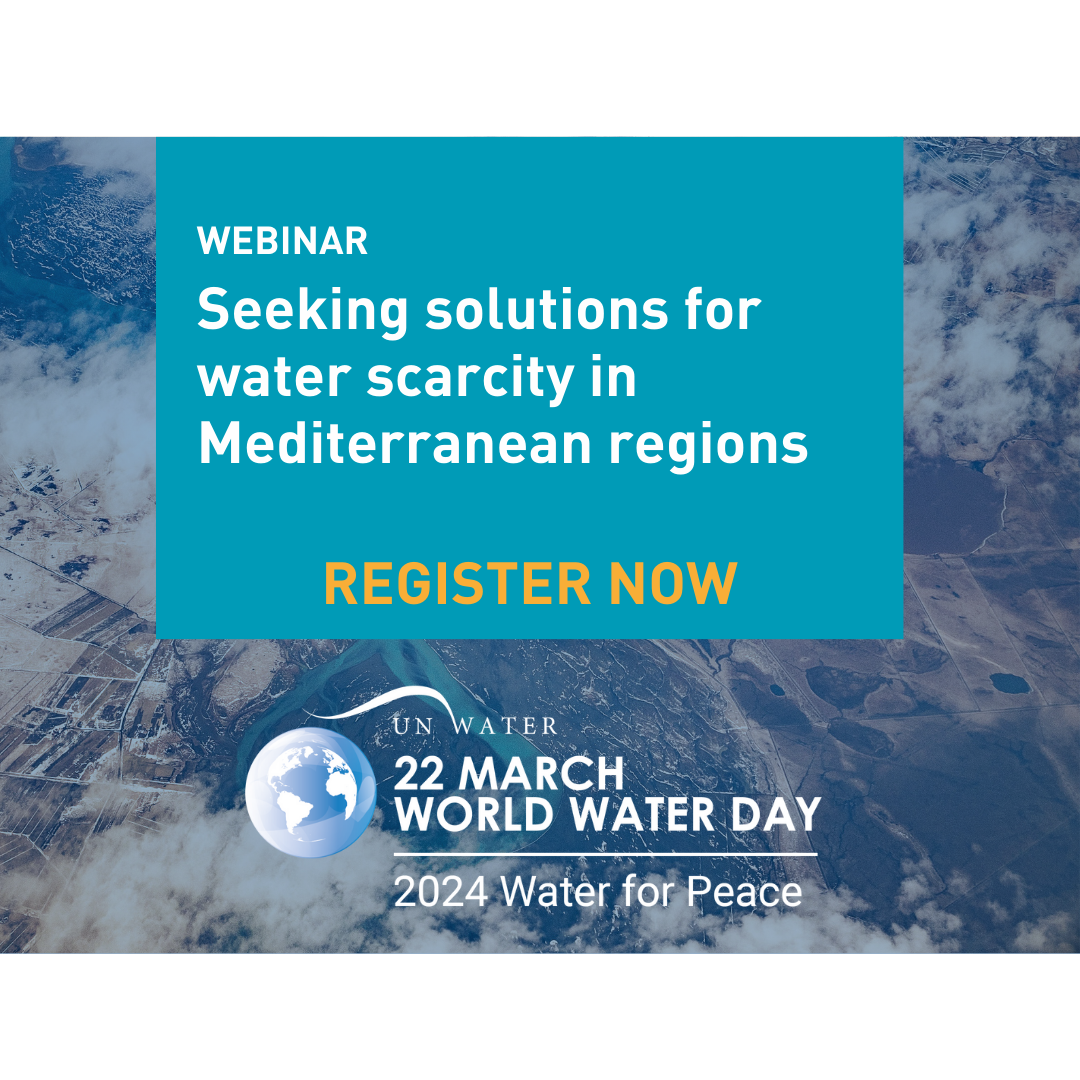
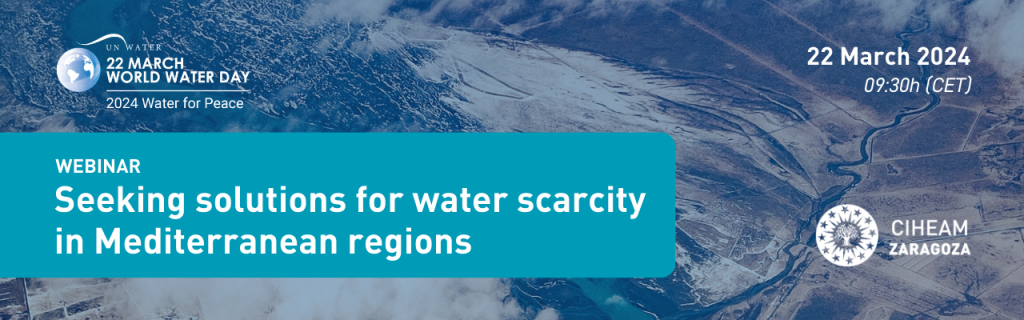
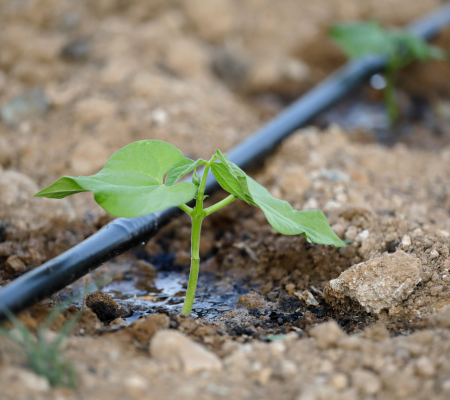
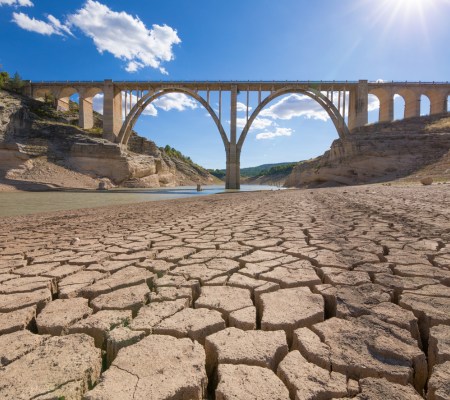
To celebrate the World Water Day, CIHEAM Zaragoza is organising a webinar on 22 March 2024 where experts in the sector will address the most relevant challenges in water management in Mediterranean regions – particularly vulnerable to the effects of climate change.
Through this webinar, CIHEAM Zaragoza seeks to raise awareness in the scientific, technical, institutional and professional community in the Mediterranean regarding the need to find joint solutions to overcome water resource scarcity in the region.
Date: Friday, 22 March 2024
Time: From 09:30 to 11:00h
Languages: Spanish and English with simultaneous interpretation
Programme
09:30h:Welcome and presentation – Raúl Compés (Director of CIHEAM Zaragoza, Spain).
09:35h: Challenges for water management in the Mediterranean – Marc García (Secretary General of the Mediterranean Water Institute, France).
10:00h: Talk: Developing skills to face water scarcity
Moderator: Maite Aguinaco (Academic Coordinator of the International Master in Sustainable Water Management and Governance in Natural and Agricultural Environments of CIHEAM Zaragoza, Spain).
Guest experts:
Enrique Playán (Scientific Coordinator of the Master in Sustainable Water Management and Governance in Natural and Agricultural Environments of CIHEAM Zaragoza, EEAD-CSIC, Spain).
Nery Zapata (EEAD-CSIC, Spain).
Sophia Bahddou (Cranfield Univ., Rothamsted Research, United Kingdom).
Taher Kahil (International Institute for Applied Systems Analysis, Austria).
Ramiro Martínez (Mediterranean Network of Basin Organisations, Spain).
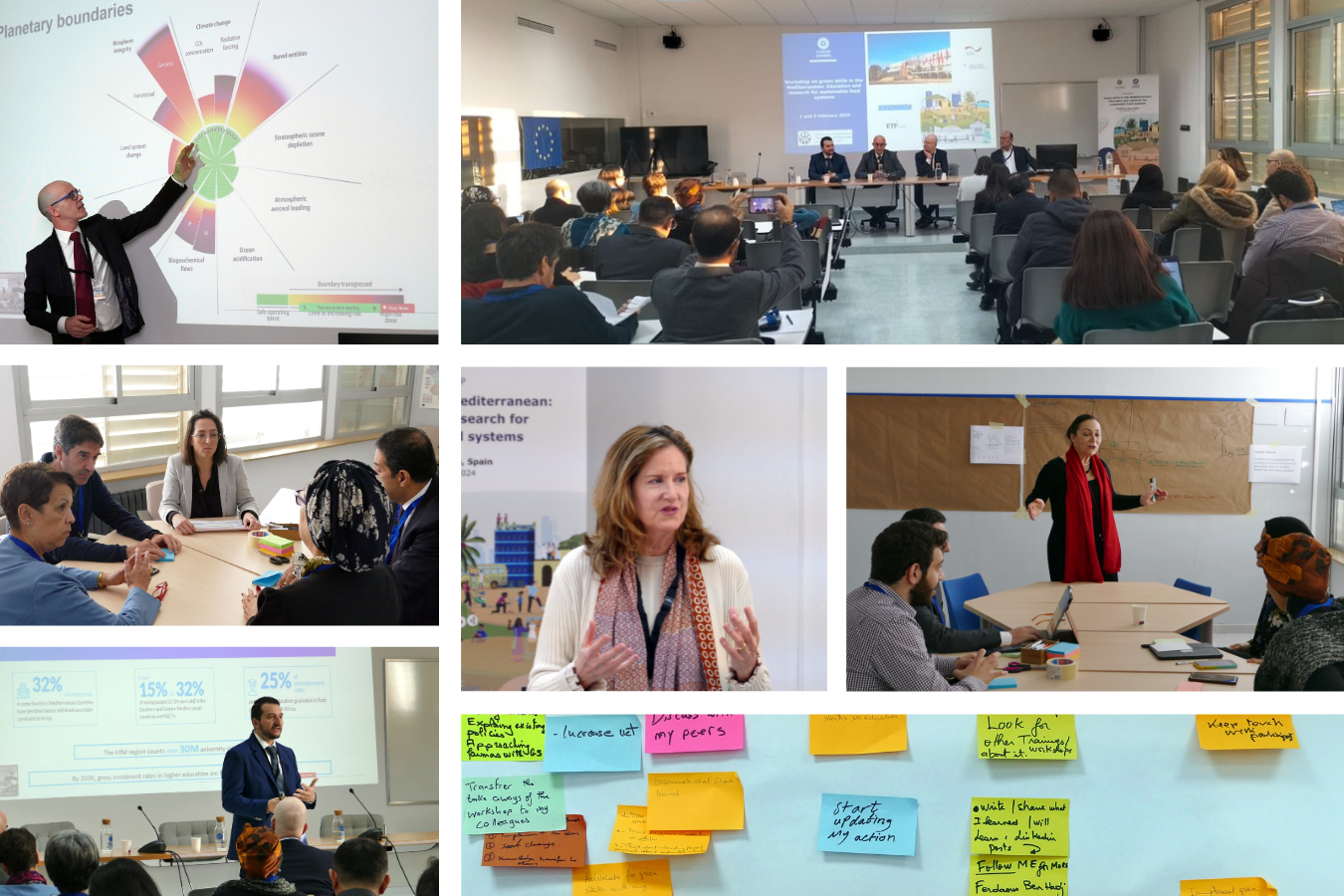
Experts from 14 countries gathered in Zaragoza to analyse the importance of incorporating green skills in agrifood training
Participants saw examples of innovation activities in training and projects at CIHEAM Zaragoza
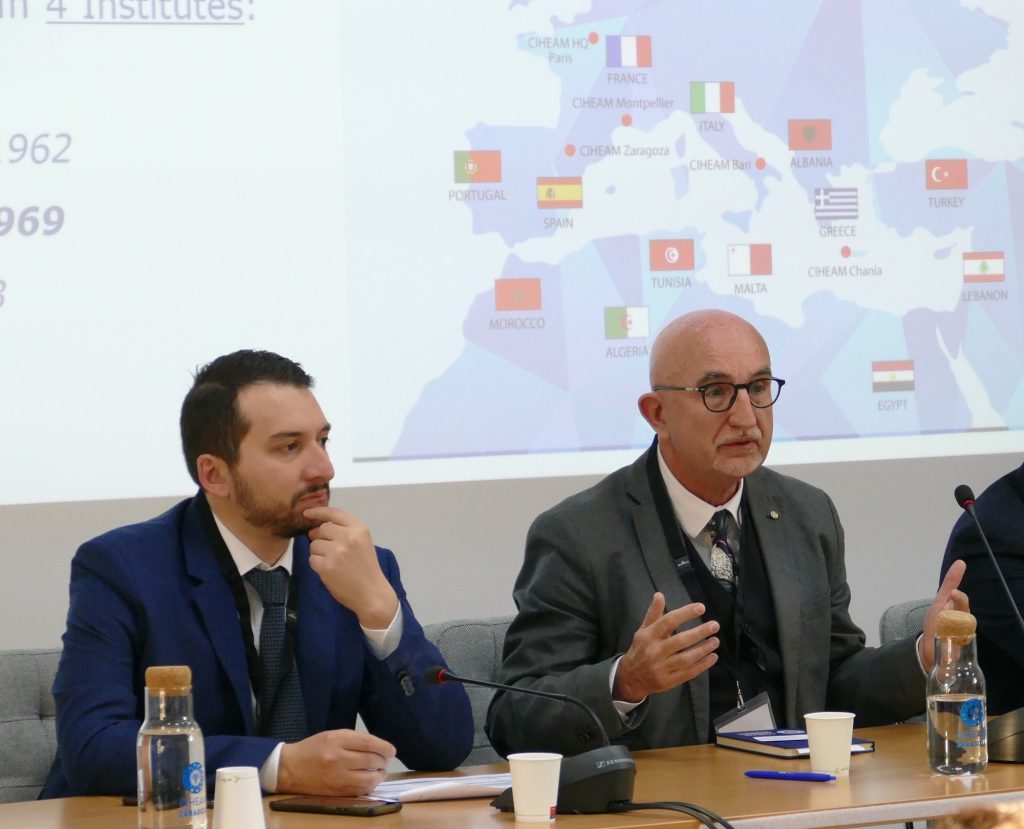
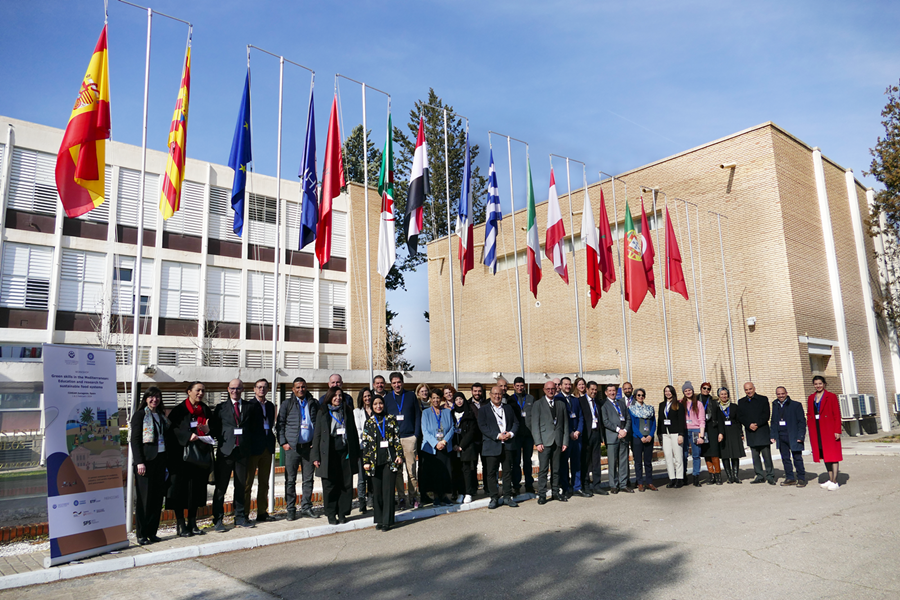
On 1 and 2 February, CIHEAM Zaragoza hosted a seminar organised together with Union for the Mediterranean, the European Training Foundation and PAERADIGMS, with the support of the German Development Cooperation GIZ and the Slovenian Ministry of Foreign Affairs. The event was an excellent opportunity to share knowledge and skills to advance towards more sustainable food systems and integrate green skills in agrifood research and training.
Experts from scientific and academic institutions in Mediterranean countries, as well as public administrations, NGOs and the business sector took part in the event. The University of Zaragoza and the Polytechnic University of Valencia from Spain also participated in the workshop, together with representatives from other CIHEAM member countries Algeria, Lebanon, Morocco and Tunisia.
The essential role of green skills in education
The seminar focused on the essential role offurther education and research to strengthen sustainable thinking and advance towards green transformation and a fair transition. With a holistic focus on the updating of further education, participants explored collaboration efforts through the Quintuple Helix Approach, to engage policy-makers, industry, civil society and academia in a concerted action.
A large part of the debate focused on planetary boundaries, underlining the critical balance required to maintain the resilience of the Earth system. Participants discussed the values that determine our behaviour and decisions, whilst recognising that a change towards sustainability involves changes in mind-set as well as new policies and technologies.
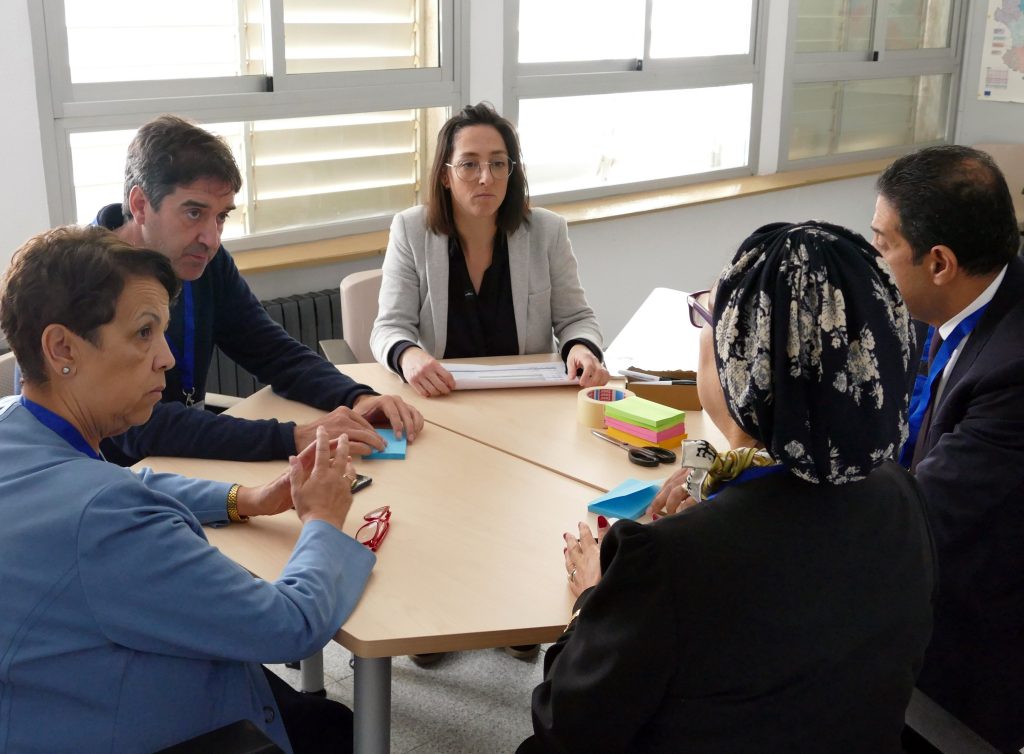
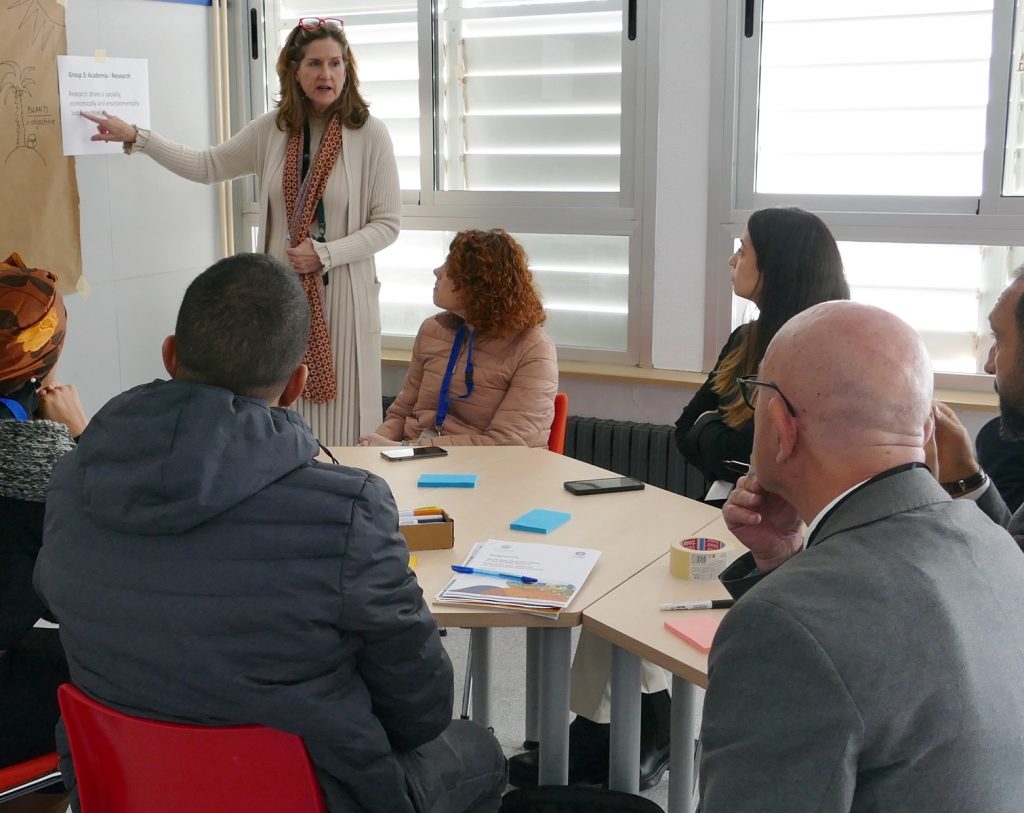
The seminar included several interactive sessions, providing a suitable environment for participants to engage, exchange ideas and share knowledge. This methodology underlines the importance of active participation and practical learning to understand and deal with the complexities of sustainable agriculture and food security. The workshop not only provided a forum for the exchange of knowledge, but also acted as a catalyst of future initiatives to develop green skills in the scope of sustainable food systems (SFS-MED Platform).
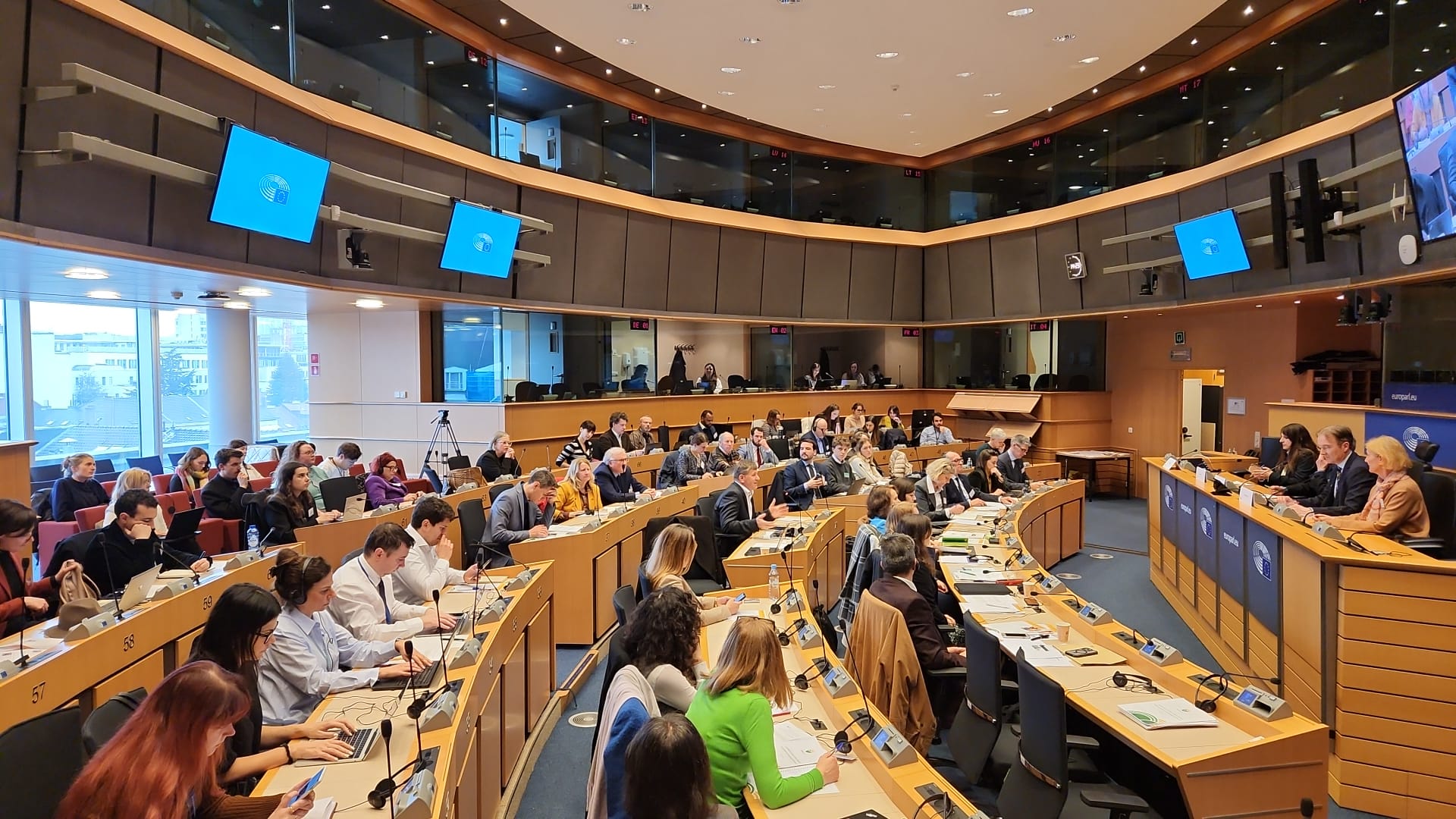
On 25 January, CIHEAM Zaragoza – with the support of TEAGASC, GEOPA, CEJA, AEIDL and MEPs Maria Walsh and Petri Sarvamaa – organised a seminar on mental health in the agricultural sector in the framework of the European project SafeHabitus at the European Parliament.
The seminar highlighted the pressing problems affecting the mental health of farmers and farm workers and brought together a large group of farmers, rural mental health organisations, farmers’ representatives and policy makers to discuss in depth the problems and possible solutions around mental health in the agricultural sector.
MEP Maria Walsh, setting the tone for the seminar, underscored the urgency of prioritising mental health within the farming community. She asserted, “Mental health can no longer be an afterthought. We need better programs that truly connect with farmers, engaging in meaningful conversations not just about them, but with them.”
Throughout the seminar, speakers shed light on the consequences of stressors on farmers’ well-being and the future sustainability of agriculture. Emphasising the need for proactive and sustainable solutions, the discussions incorporated insights from farmers and their advocates. Both in-person and online attendees heard firsthand about the evolving landscape of farming and its implications for individuals, families, and rural communities. Notably, the increasing unpredictability associated with weather and markets, coupled with policy developments at the EU level, emerged as significant stressors undermining the capacity of some to cope with the daily pressures of farming.
Alun Jones, Head of Projects at CIHEAM Zaragoza, and leader of the SafeHabitus Policy and Governance Programme, emphasised, “EU and national policymakers and stakeholders were united in echoing the urgency of the situation in farming and the imperative to address mental health challenges in the sector. This discussion is particularly relevant to the EC´s Strategic Dialogue on the future of agriculture.”
In a closing statement, SafeHabitus Coordinator, Dr David Meredith, struck a note of optimism, saying, “For me, the main message that I take from this seminar is one of hope and optimism. Yes, there are challenges, but we heard from practitioners and policy makers that they understand the issues, the need for action and, most importantly, the roll out of practical solutions.” This seminar marks the commencement of a series of SafeHabitus Policy Seminars, designed to foster collaboration and knowledge-sharing among policy-makers, stakeholders, practitioners, and researchers.
Interview with Josep Maria Espelta, scientific coordinator of a course run by CIHEAM Zaragoza and CREAF on the resilience of the Mediterranean forest
Josep Maria Espelta is a researcher at the public research centre CREAF and the Autonomous University of Barcelona. His main lines of work include the study of forest ecosystem resilience to climate change. Prior to the course “Management Strategies to Improve the Resilience of Mediterranean Forests“, jointly organised by CIHEAM Zaragoza and CREAF in collaboration with EFIMed, we have had the opportunity to talk to him about the importance of forest management and resilience in the Mediterranean region.
– The advanced course for professionals to be held at CIHEAM Zaragoza in April later this year will focus on resilience of the Mediterranean forest. Can you explain more about this concept? What are the main scientific breakthroughs made in recent years?
– There are different definitions of resilience, but in this context, it refers to a forest system’s capacity to withstand environmental disturbances or changes and then reorganise itself efficiently, conserving its essential structure, identity and functions. In recent years, we have been seeing greater interest in learning more about this capacity and there is mounting evidence of the effects of climate-change related forest disturbance. The diversity of forest systems (species, structures, etc.) also plays an increasing role in strengthening resilience to disturbance.
– Why is it so important to assess how resilient Mediterranean forest ecosystems are to shifts in land use and climate change?
– Two features coincide in Mediterranean forest landscapes that make study of resilience to climate change particularly relevant: the benefits they provide and the threats that they face. On one hand, these forests provide numerous essential ecosystem services (or benefits) for the inhabitants of the Mediterranean region, a densely populated area. On the other, droughts, fires and pests that arise as a consequence of climate change present multiple threats and hazards, endangering conservation of the forests and continuity of the services they provide.
– What is your perception of the current situation of forest management in the Mediterranean? How can the course organised by CIHEAM Zaragoza and CREAF help to address this situation?
– Although the situation in the Mediterranean varies from region to region, forest management today has diversified its objectives and places more emphasis on conserving forest multifunctionality and adaptability to climate change. One of the essential values of the course that CIHEAM Zaragoza and CREAF are coorganising is that it provides conceptual and methodological tools that reinforce this focus, in addition to an integrated vision of how to address the challenges and threats that Mediterranean-climate forests face today.
– What advice would you give to the professionals that aspire to design more efficient and adaptational forest practices in territories with Mediterranean climates?
– I would say address the matter with the broadest scope possible, prioritising long-term vision and adaptability, whilst keeping in mind the high level of uncertainty that Mediterranean ecosystems are facing in a climate change scenario.
– Besides the role played by forest managers, what can society do to overcome the main threats for Mediterranean forests?
– Today’s society is increasingly urban and disconnected from the rural world. The main challenge is to understand that forest management is essential to conserve Mediterranean ecosystems and maintain the services they provide.
Gestionar consentimiento
Para ofrecer las mejores experiencias, utilizamos tecnologías como las cookies para almacenar y/o acceder a la información del dispositivo. El consentimiento de estas tecnologías nos permitirá procesar datos como el comportamiento de navegación o las identificaciones únicas en este sitio. No consentir o retirar el consentimiento, puede afectar negativamente a ciertas características y funciones.
Funcional
Always active
El almacenamiento o acceso técnico es estrictamente necesario para el propósito legítimo de permitir el uso de un servicio específico explícitamente solicitado por el abonado o usuario, o con el único propósito de llevar a cabo la transmisión de una comunicación a través de una red de comunicaciones electrónicas.
Preferencias
El almacenamiento o acceso técnico es necesario para la finalidad legítima de almacenar preferencias no solicitadas por el abonado o usuario.
Estadísticas
El almacenamiento o acceso técnico que es utilizado exclusivamente con fines estadísticos.El almacenamiento o acceso técnico que se utiliza exclusivamente con fines estadísticos anónimos. Sin un requerimiento, el cumplimiento voluntario por parte de tu proveedor de servicios de Internet, o los registros adicionales de un tercero, la información almacenada o recuperada sólo para este propósito no se puede utilizar para identificarte.
Marketing
El almacenamiento o acceso técnico es necesario para crear perfiles de usuario para enviar publicidad, o para rastrear al usuario en una web o en varias web con fines de marketing similares.