5th Mediterranean Water Forum in Tunisia

The Director of CIHEAM Zaragoza has participated in a session of the Mediterranean Water Forum on bridging water capacity gaps
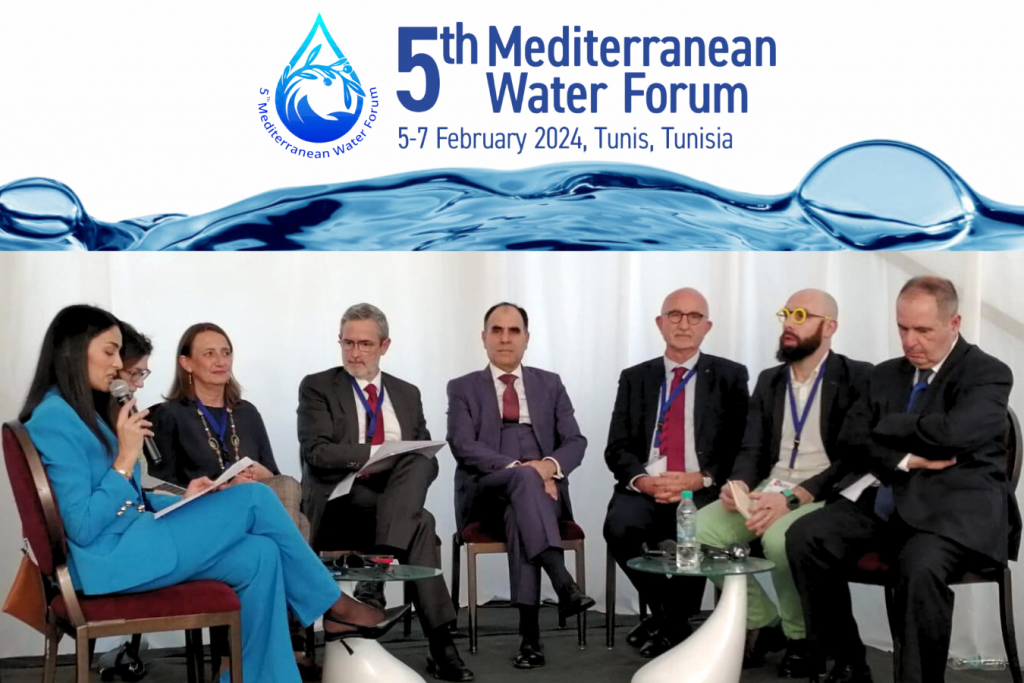
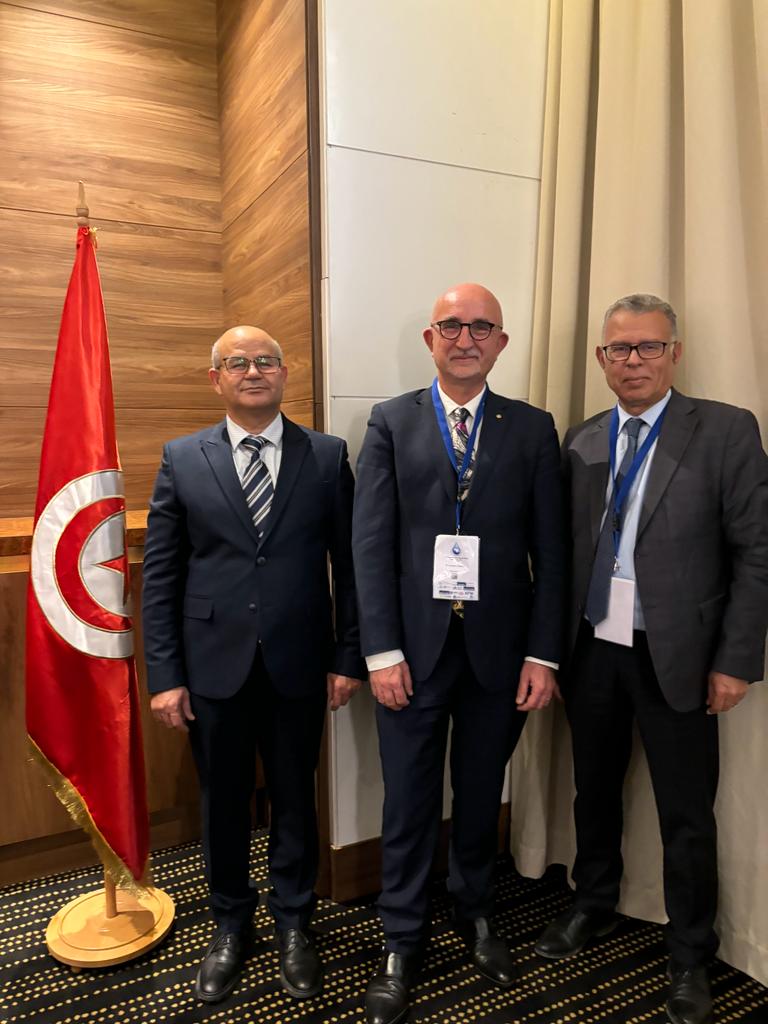
Raúl Compés, Director of CIHEAM Zaragoza, participated in a side event at the 5th Mediterranean Water Forum held on February 5-7, 2024 in Tunisia. The forum was organised by the government of Tunisia, the Mediterranean Water Institute and Union for the Mediterranean under the heading “Together for Shared Water Sobriety” underlining the need to undertake joint efforts in effective water management in times of scarcity.

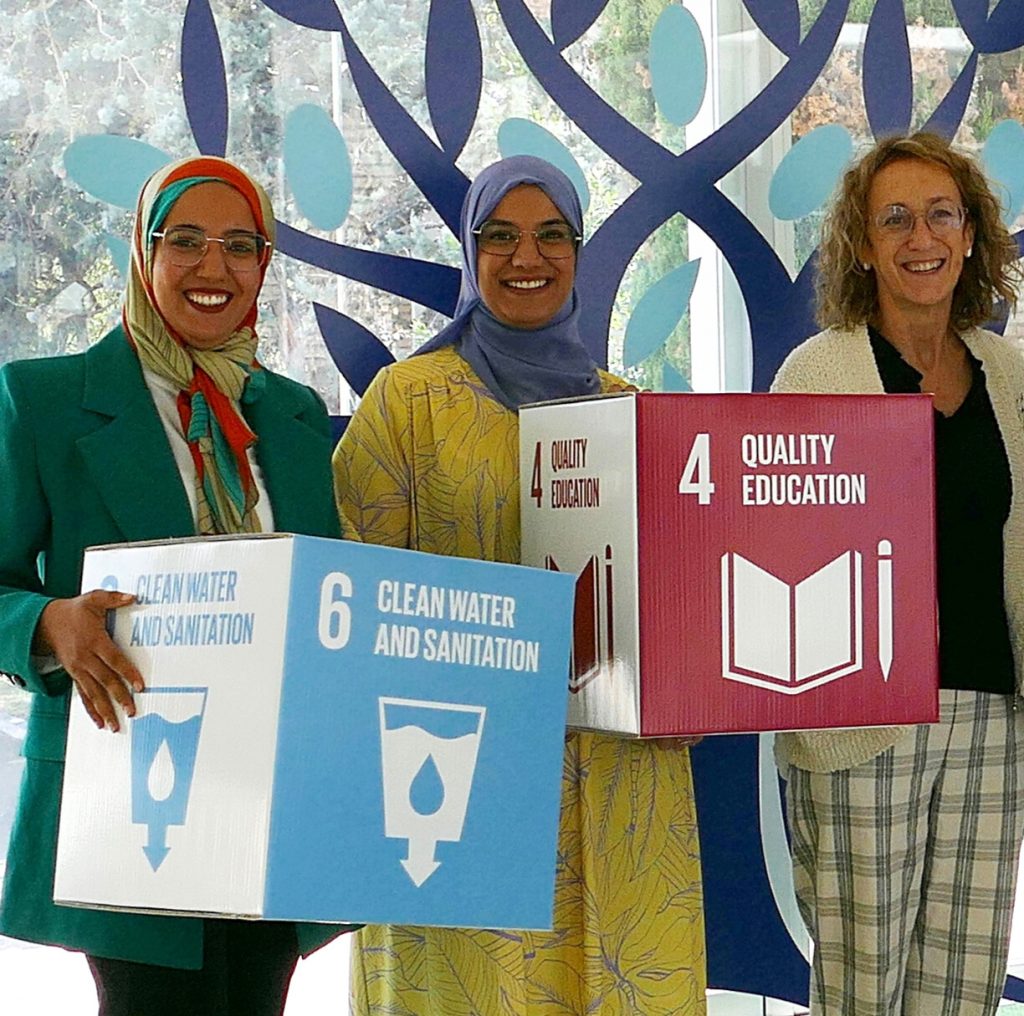
Compés took part in this event in a session organised by the General Directorate for Water of the Spanish Ministry for Ecological Transition and Demographic Challenges (MITECO) and the Spanish Agency for International Development Cooperation (AECID) of the Spanish Ministry of Foreign Affairs, European Union and Cooperation. The forum took place under the heading “Bridging Water Capacity Gaps in the Mediterranean” and addressed various regional and global water-capacity development initiatives to face water challenges.

Within this framework, Compés provided the example of CIHEAM Zaragoza’s International Master programme on sustainable water management and governance in natural and agricultural environments as a capacity-building tool and spoke of their advanced courses, addressing cutting-edge and high-impact topics as life-long learning tools for professionals. CIHEAM Zaragoza’s training offer responds to the needs of the region, in line with Spain’s international cooperation priorities.
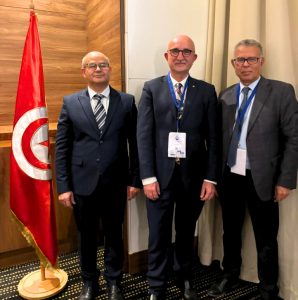
During his stay in Tunisia, the Director of CIHEAM Zaragoza met with the Secretary of State of the Ministry of Agriculture, Water Resources and Maritime Fisheries – Ridha Gabouj, and the Director of the Institution of Agricultural Research and Higher Education (IRESA) – Hichem Ben Salen, who is also a former student of CIHEAM Zaragoza.

During the meeting, they analysed the country’s needs in terms of sustainable agrifood development and agreed on the interest of developing capacity-building projects in Tunisia.

WATER-RELATED CHALLENGES IN THE MEDITERRANEAN
Water scarcity and quality, increasing droughts and floods, agricultural production and food security, and access to clean and affordable energy are just some of the challenges facing the Mediterranean region. Moreover, these issues are expected to become even more challenging in the coming years due to the impacts of climate change and other factors, such as population growth and urbanisation.

The Mediterranean Water Forum has offered a genuine platform for exchanging and consolidating know-how and experience in the water sector, providing innovative solutions and responses to these challenges. The forum is a key stage in the Mediterranean preparatory process for the 10th World Water Forum to be held in Bali, Indonesia,18 to 24 May 2024.

  • Side Event: “Bridging Water Capacity Gaps in the Mediterranean”
  • Round Table: “Means and Tools for Capacity Building and Development”. Discussion focused on various regional and global water-capacity development initiatives, actions and opportunities
  • Presentation by the Director of CIHEAM Zaragoza: “Providing water capacity building and capacity development opportunities for the Mediterranean”

RELATED CONTENT

The future of conservation agriculture in the Mediterranean

  • On 8 and 9 March 2024, CIHEAM Zaragoza will host an international seminar on the future of conservation agriculture within the framework of the EU-PRIMA funded project CAMA
  • The event will be an opportunity to discuss the latest advances on research applied to Mediterranean conservation agriculture, as well as to exchange experiences and visions on the future of this cropping system

CIHEAM Zaragoza organises an international seminar on the future of conservation agriculture in Mediterranean areas together with the Research Station Aula Dei of the Spanish National Research Council (EEAD-CSIC) and the University of Lleida (UdL), with the collaboration of the CAMA project Coordinator (CREA, Italy) and all the project partner institutions.

The seminar marks the end of this 4-year research project of the EU PRIMA programme, integrated by 13 partners from 8 EU and African countries. The CAMA project (Research-based participatory approaches for adopting Conservation Agriculture in the Mediterranean Area) aims at understanding and overcoming the barriers that prevent the adoption of conservation agriculture in the Mediterranean basin. A multidisciplinary and participatory research has been deployed during the course of the project, seeking to identify socioeconomic, technical and agronomic constraints for the adoption of conservation agriculture. The aim was to test and validate new and adapted techniques of conservation agriculture in the field, measuring their positive effects on soil properties and conservation, water use efficiency and crop development.

Conservation agriculture in the Mediterranean

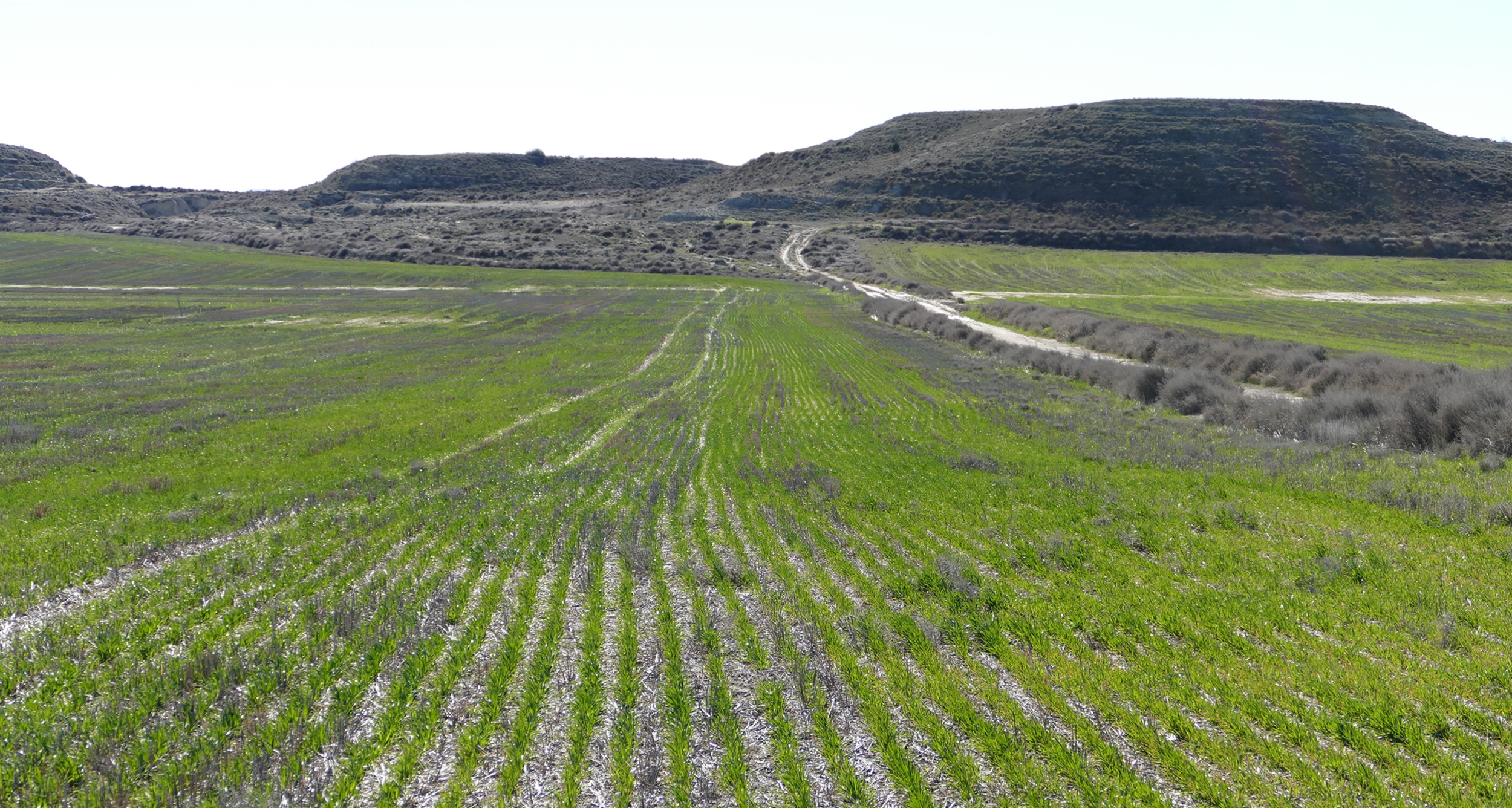
In Mediterranean conditions, conservation agriculture could reduce the risk of soil quality degradation and improve nutrient and water use efficiencies, while providing a more stable yield, supporting smallholder agriculture. However, the rate of adoption of conservation agriculture is still low and very heterogeneous among and within Mediterranean countries. The need of adjustment and adaptation of the technical practices to local and farm conditions is solved in many cases through applied research and development. Other barriers of socio-economic and cultural nature hampering a faster expansion of conservation agriculture may be overcome through active farmer organisation and public policy support.

During the event, results, recommendations and conclusions of the CAMA project will be presented. The factors influencing Mediterranean farmers’ adoption of this system will be discussed too, bringing together the experience of stakeholders from the Mediterranean basin countries on public policy support and farmer organisation.

About the Seminar

  • Date: 8 and 9 March 2024*
  • Time: 9:00-18:30 ECT
  • Venue: On line and face-to-face at CIHEAM Zaragoza
  • Programme

*Attendance (face-to-face or online) to the first day of the seminar is open.
Participation to the field visit on 9 March is by invitation only.  

This Project is part of the PRIMA programme supported by the European Union’s Horizon 2020 research and innovation programme

Experts from 14 countries gather in Zaragoza to analyse the importance of integrating green skills in agrifood training

  • On 1 and 2 February, CIHEAM Zaragoza and Union for the Mediterranean are organising a workshop on green skills in teaching and learning to promote sustainable agricultural and food systems

  • Participants will see examples from CIHEAM Zaragoza, renowned for its specialised international training in agrifood-related subjects
competencias ecológicas

Zaragoza, 30 January 2024.- Experts from 14 countries will take part in a workshop organised on 1 and 2 February by the Spanish headquarters of the International Centre for Advanced Mediterranean Agronomic Studies (CIHEAM) and Union for the Mediterranean. They will look into how to integrate green skills in agrifood training programmes for sustainable agrifood systems in the Mediterranean region.

The workshop will bring together experts from science, academia and relevant institutions from across the Mediterranean, including public administrations, NGOs and the business community, the University of Zaragoza and the Polytechnic University of Valencia. CIHEAM member countries such as Algeria, Lebanon, Morocco and Tunisia will also be present in this forum.

Participants will learn first-hand how CIHEAM Zaragoza is incorporating green skills into its training activities. The international organisation is an authority in specialised training in the agriculture and food sector and offers a wide range of programmes ranging from masters, seminars, and forums to advanced courses for professionals. Over five decades CIHEAM Zaragoza has played a key role in training future leaders in the Mediterranean agrifood sector.

Raúl Compés, director of CIHEAM Zaragoza, comments on the workshop: “It is a priority for us to integrate green skills in our training programmes. We believe this approach strengthens the agrifood sector’s human capital, enabling professionals to meet the demands and challenges of the 21st century”.

Besides providing examples of its training activities, CIHEAM Zaragoza will present its experience in applying green skills in research and innovation in two European projects: PREMIERE (2023-2027) and MedAID (2017-2021).

Speakers from Zaragoza’s Chamber of Commerce will also participate in the workshop, discussing the needs for green skills in today’s labour market.

The workshop counts on support from the European Training Foundation, the social enterprise Paeradigms, the German Development Cooperation GIZ, and the Slovenian Ministry of Foreign Affairs.

CIHEAM Zaragoza launches a cooperation project in the Lebanon to improve olive yields and enhance sustainability

  • The ‘OLIB’ Project, financed by the Provincial Council of Zaragoza, will be working with a local women’s cooperative to enhance theoretical and practical knowledge in olive growing and oil technologies

  • Through this project, CIHEAM Zaragoza will continue in its commitment to empower rural women to work towards sustainable development and peace in the Mediterranean

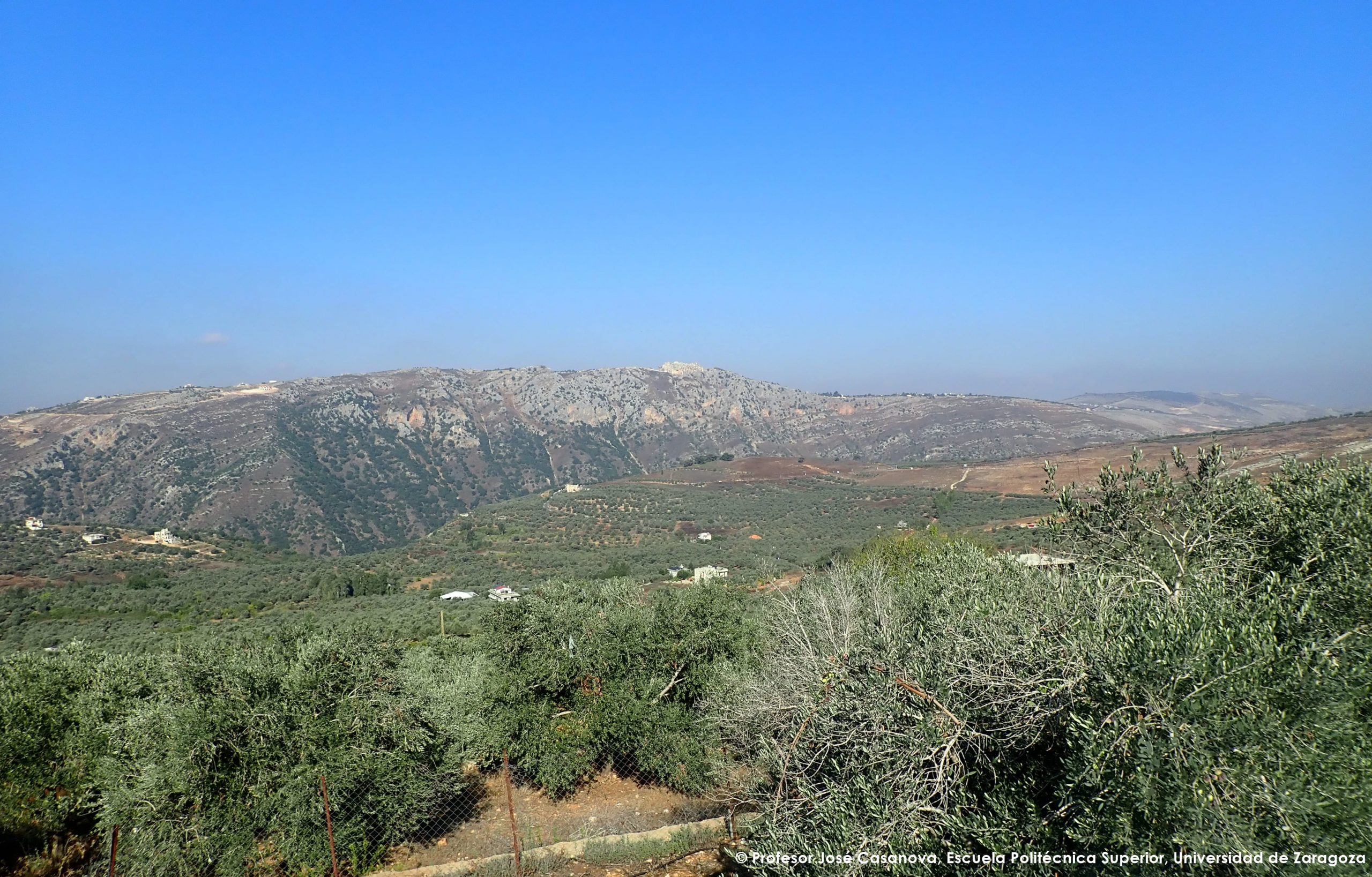
Zaragoza, 24 January 2024.- CIHEAM Zaragoza launches the cooperation for development project ‘Strengthening Sustainable Development and Coexistence in Lebanon through Improved Olive Tree Yield and Productivity (OLIB)’. The aim of the project is to enhance theoretical and practical knowledge in olive growing and oil technology of agricultural cooperatives, farmers, advisors and technical experts in the olive sector in southern Lebanon. Olive grove management to achieve higher yields or implementation of new strategies to face climate change are just some of the issues addressed in the programme that aims to have a positive impact on the local economy.

The activities of this project, financed by the Provincial Council of Zaragoza, will be carried out through the women’s cooperative of the Lebanese town of Deir Mimas, which will become a reference stakeholder in the area and an example of best practices in increasing efficiency and enhancing the conservation of the olive grove. In this sense, the project will strengthen the economic and environmental sustainability of Mediterranean food systems.

The ‘OLIB’ project’s training programme will be delivered by Spanish professionals with expertise in this area of Lebanon, one of the 13 member countries of the International Centre for Advanced Mediterranean Agronomic Studies (CIHEAM in French). By setting up this project, CIHEAM Zaragoza will advance in its commitment to the empowerment of rural women, sustainable development and peace in the Mediterranean.

Raúl Compés, director of CIHEAM Zaragoza talks about the initiative: “This project is another example of the activities we carry out from CIHEAM Zaragoza on the topic of olive growing and oil technology in order to boost sustainable agrifood development in the Mediterranean region”. He goes on to say, “In this case, we will create a common space and a means to share knowledge in the field, focusing on women farmers as agents for change in rural areas”.

The project will last for one year and counts on the collaboration of the Spanish Ministry of Defence and the Conference of University Centres for Agri-food and Forestry Engineering, represented by José Casanova, tenure lecturer of the Department of Agricultural Science and the Natural Environment of the Higher Polytechnic School of Huesca of the University of Zaragoza.

OLIB will provide continuity and reinforce the impact of the Proyecto Almazara (Oil Mill Project) in which Spanish universities have shared their knowledge with farmers of different municipalities in southern Lebanon under the protection of the United Nations Interim Force in Lebanon (UNIFIL).

CIHEAM Zaragoza leads a seminar on mental health in agriculture in the framework of the European project SafeHabitus

  • The seminar organised by CIHEAM Zaragoza with the support of TEAGASC, GEOPA, CEJA and AEIDL is part of the European project SafeHabitus on health and safety in the agricultural sector.
  • The event will bring together Europe’s leading experts, policy makers and agricultural organisations to define an action plan to address mental health problems in agriculture.

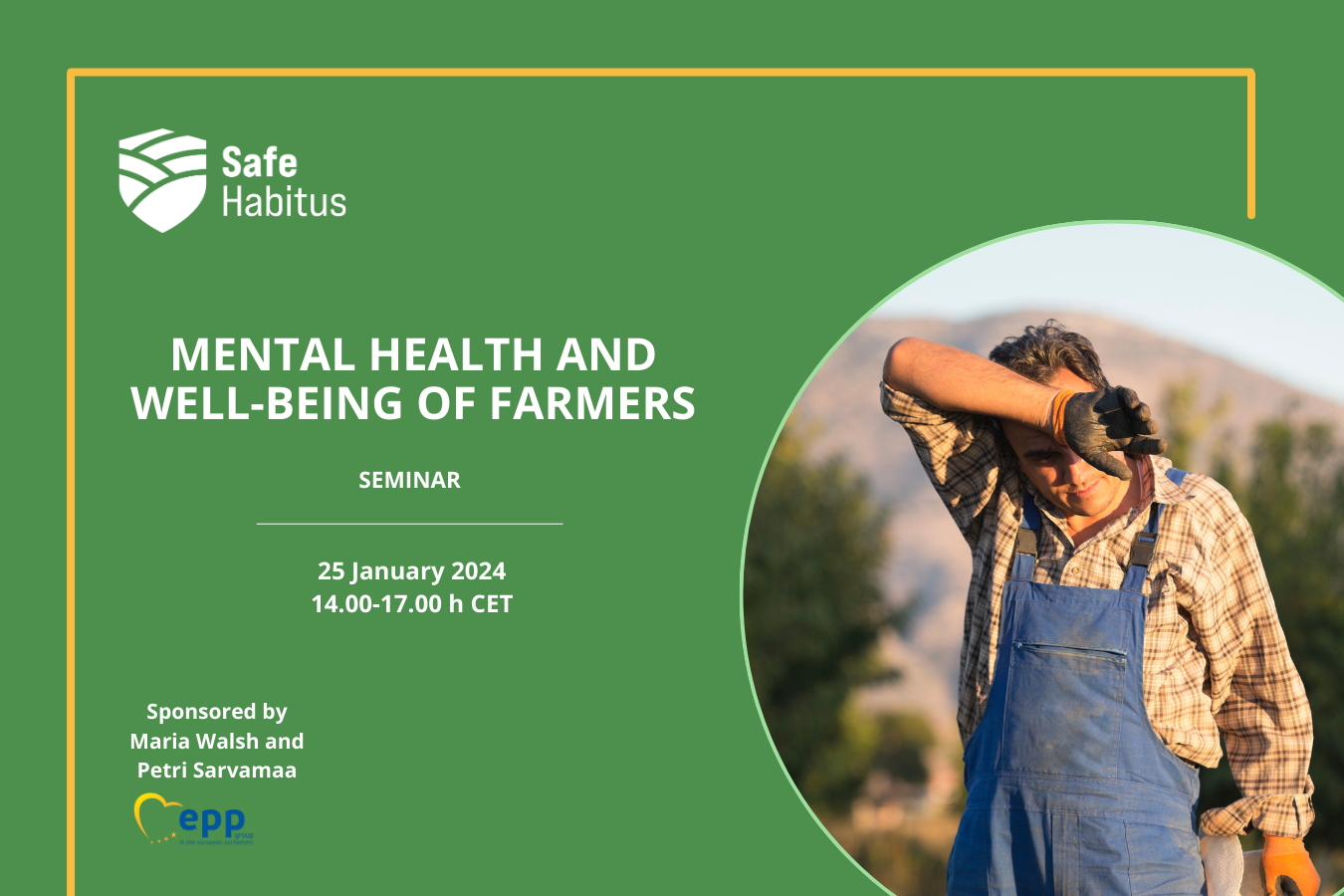
CIHEAM Zaragoza, with the support of TEAGASC, GEOPA, CEJA and AEIDL is organising a seminar on mental health in the agricultural sector in the framework of the European SafeHabitus project, which will bring together the best experts, policy makers and agricultural organisations in Europe to discuss one of the most important challenges in agriculture today and to define an action plan.

This is the first of a series of SafeHabitus Policy Seminars that bring together policy makers, policy stakeholders, and practitioners and researchers to share knowledge on how European Union and national agriculture, health or social policies can make the difference to the lives of the 8.7 million people working in agriculture.

The seminar will take place on 25 January at the European Parliament and online, with the participation of MEPs Maria Walsh and Petri Sarvamaa, Irish Minister for Farm Safety, Martin Heydon, and French Senator Henri Cabanel, rapporteur of the 2021 French Senate report on farm suicides. EU policy makers and stakeholders (GEOPA, EFFAT and CEJA) will debate future options for EU action on this often under-reported and “back of mind” issue.

Building on the recent recognition by the EU initiative on mental health and an EP report of the need for
targeted support for farmers and rural areas, participants will assess existing national practices from countries, such as Belgium, Finland, France and Ireland, sharing knowledge from grassroots farmers associations how they are managing an issue which many farmers consider one of the most important challenges for farmers and farming today.

The EU recognises these challenges and pressures in the EU initiative on mental health“People living in rural or remote areas, such as farmers, have particular mental health challenges associated with the risk of disconnection and lack of access to mental health services. Suicide rates among farmers are 20% higher than the national average in certain Member States, which is why support will be offered to strengthen their resilience.” 

The success of these initiatives depends on raising awareness about the importance of mental health and wellbeing in the farming community and providing appropriate and accessible support services to ensure farmers and farm workers receive the help they need, as outlined in the European Parliament report.

About the Seminar

  • Date: 25 January 2024
  • Time: 14:00-17:30 ECT
  • Venue: On line and face-to-face at the European Parliament (Room JAN 6Q1), Brussels, Belgium
  • Programme and Background Briefing Note
SafeHabitus project is a four-year project coordinated by TEAGASC Ireland, funded by the European Union as part of the Horizon Europe Programme, grant agreementnumber 101084270. This multi-actor project aims to strengthen Farm Health and Safety Knowledge Innovation Systems (FHS KIS) and support the EU transition to social sustainability in farming.

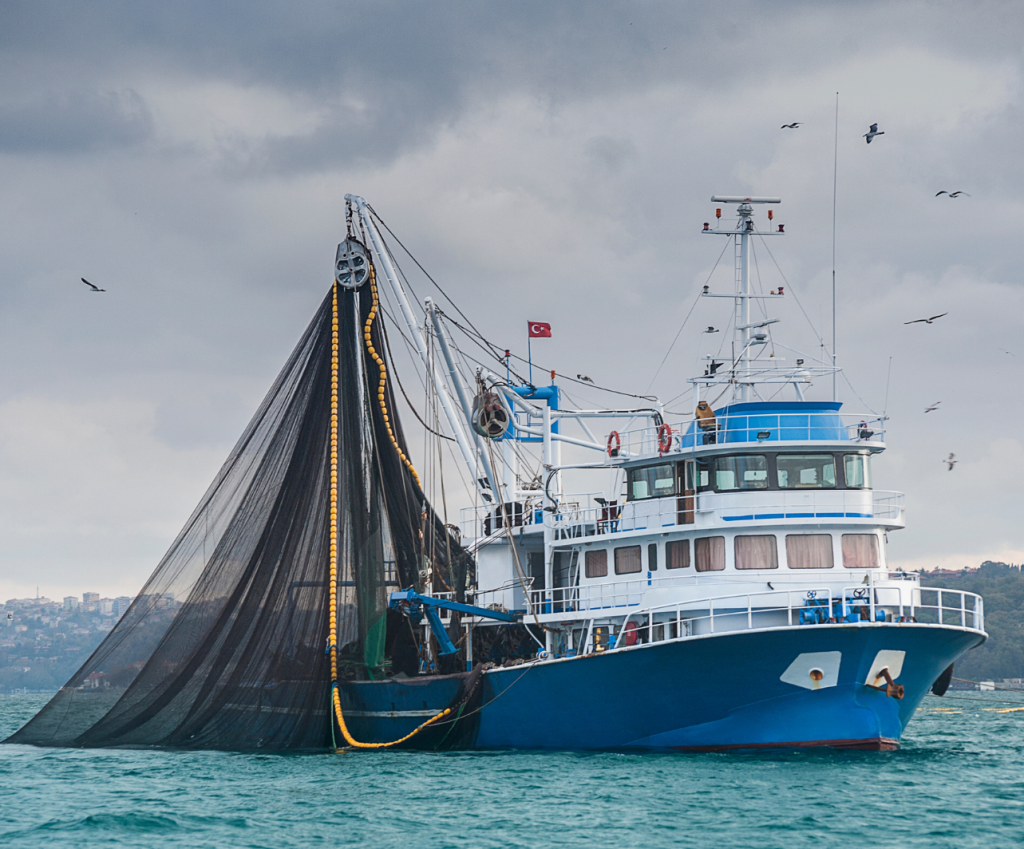
CIHEAM Zaragoza and FAO team up for capacity building in fisheries monitoring, control and surveillance

  • The course, to be held at CIHEAM Zaragoza in May 2024, is addressed to fisheries managers, competent authorities in fisheries monitoring, technical advisors and other specialists involved in the topic.

©FAO/Giulio Napolitano

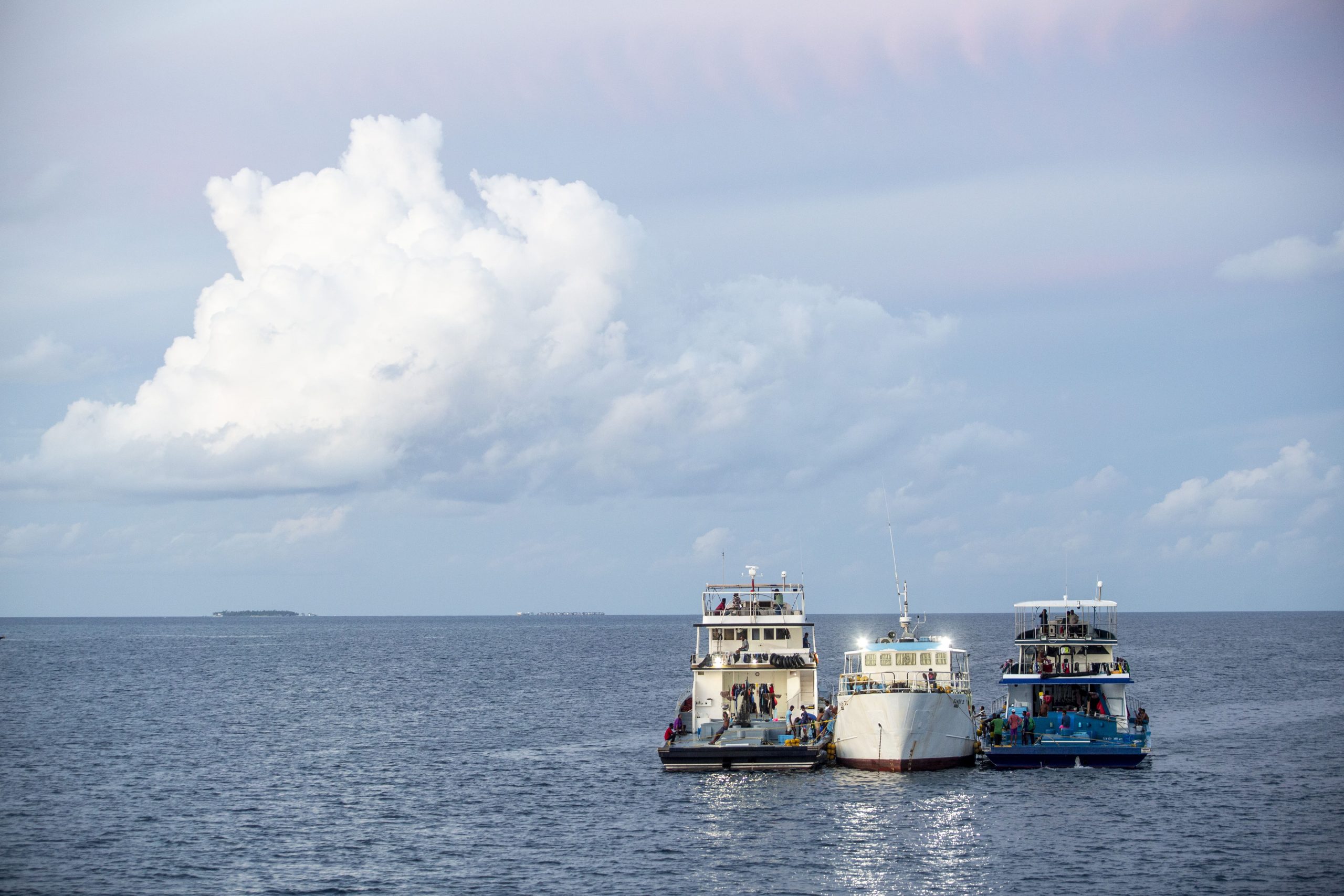
Monitoring, control and surveillance (MCS) plays a fundamental role in fisheries management and is the focus of an international course that CIHEAM Zaragoza organises together with FAO in May 2024, in collaboration with the Spanish Ministry of Agriculture, Fisheries and Food.

The international legal framework on this matter safeguards the conservation of marine resources and promotes sustainable fisheries, whilst assisting in efforts to prevent, deter and eliminate illegal, unreported and unregulated fishing (IUU).

Suitable training and education is key for an effective implementation of MCS-related policies. In this context, the two-week course will provide participants with a sound knowledge of fisheries monitoring, control and surveillance, combining lectures, practical work, case studies and two technical visits to the General Secretariat of Fisheries (Madrid) and a Mediterranean fishing port.

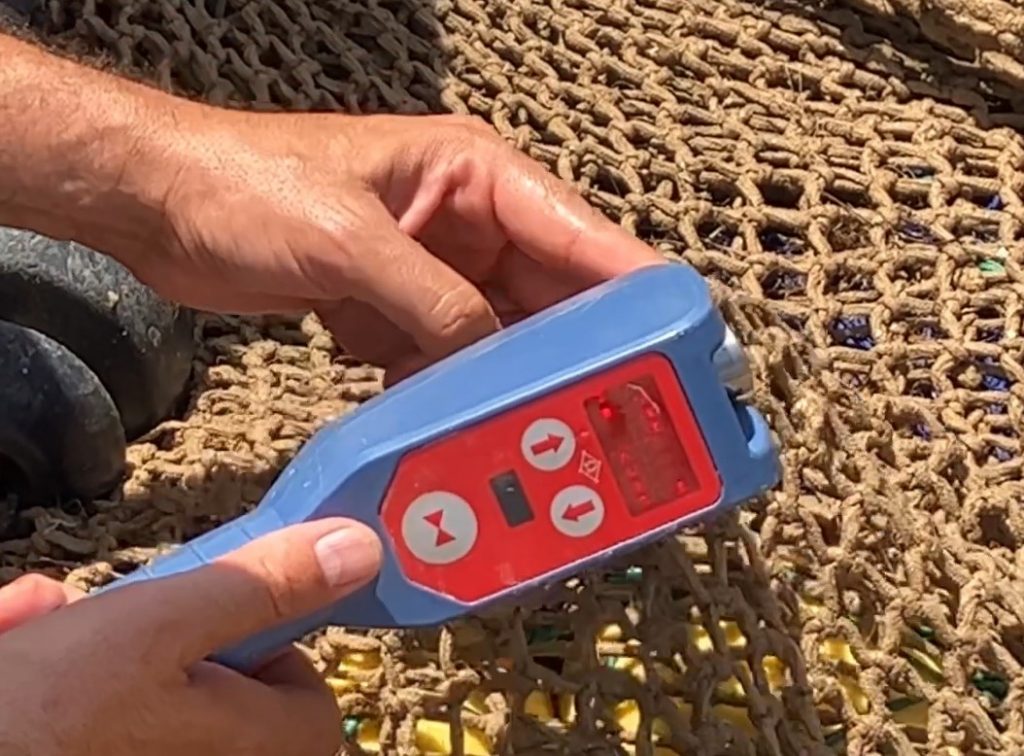
The course will cover: i) an overview of fisheries management; ii) an introduction to MCS; iii) MCS information (types, sources, uses, and management); iv) MCS programmes and schemes; v) technology used in fisheries MCS; vi) technical aspects of MCS enforcement; vii) introduction to the FAO Port State Measures Agreement (PSMA) with due emphasis on interagency coordination, cooperation and information exchange, and viii) FAO Fisheries Information Systems.

Interagency coordination, cooperation and information exchange will also be addressed.

By the end of the course, the participants will:

  • understand the principles by which fisheries may be managed sustainably;
  • comprehend the nature of illegal, unreported and unregulated (IUU) fishing, its impacts, challenges and links with other criminal activities;
  • have detailed knowledge of the international framework of binding and non-binding instruments and mechanisms and the policy, legal and institutional frameworks which underpin efforts to prevent, deter and eliminate IUU fishing and contribute to sustainable fisheries;
  • have a broad and comprehensive understanding of the different aspects of fisheries monitoring, control and surveillance systems and their application;
  • understand the role of enforcement and identify its critical components;
  • be aware of the importance of integrating, using and applying advanced technology as part of an effective MCS implementation;
  • recognise the requirement, value and importance of interagency collaboration and cooperation;
  • appreciate from practical field experience how the foregoing fit together.

PARTICIPATION AND REGISTRATION

The course is designed for a maximum of 25 professionals with a university degree, and is addressed to fisheries managers, competent authorities in fisheries control and monitoring, technical advisors and other specialists involved in the topic.

Knowledge of English will be valued in the selection of candidates, since it will be the working language of the course. Participation is open through registration. Check here all the details.

  • Dates: 13-24 May 2024
  • Organisers: CIHEAM Zaragoza and FAO, with the collaboration of MAPA-SGP
  • Venue: CIHEAM Zaragoza (Spain)
  • Application deadline: 11 February 2024

RELATED CONTENT