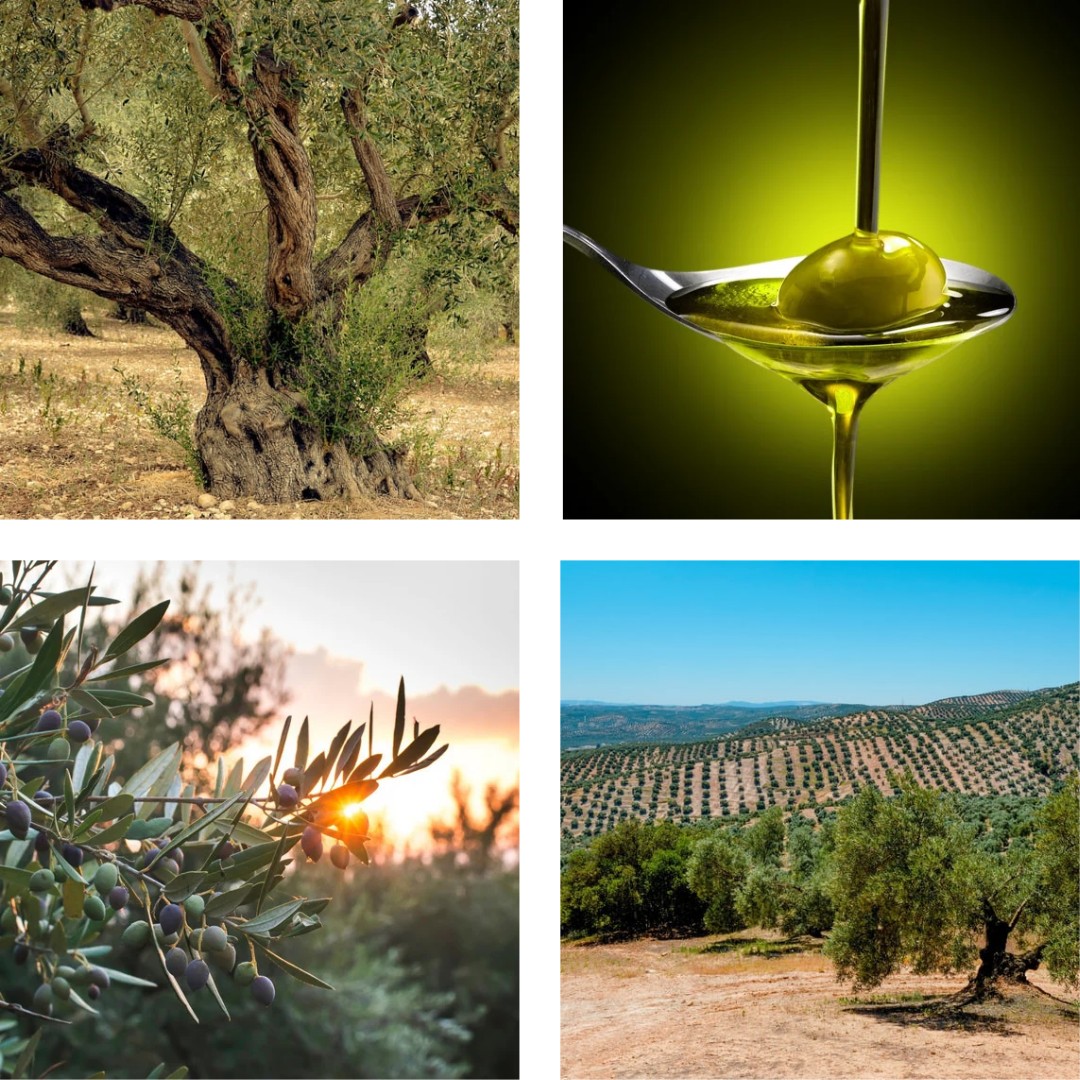
The olive sector, a long-standing commitment for CIHEAM Zaragoza

  • Raúl Compés, Director of CIHEAM Zaragoza, stresses the Institute’s long commitment to the olive sector at the International Olive Council’s headquarters in Madrid (Spain)
  • CIHEAM Zaragoza’s training activities in olive growing and oil technology contribute to build capacities and foster cooperation in the Mediterranean region
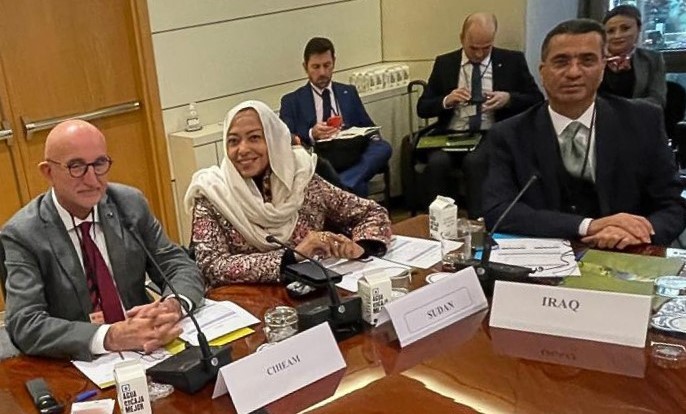
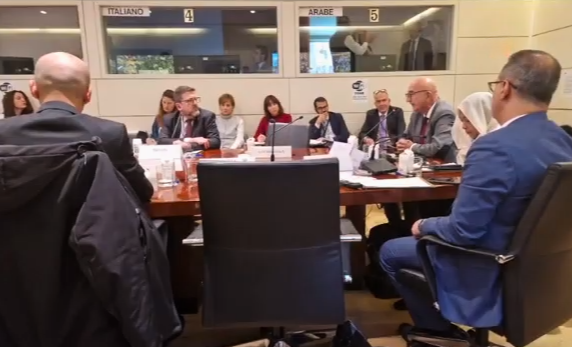
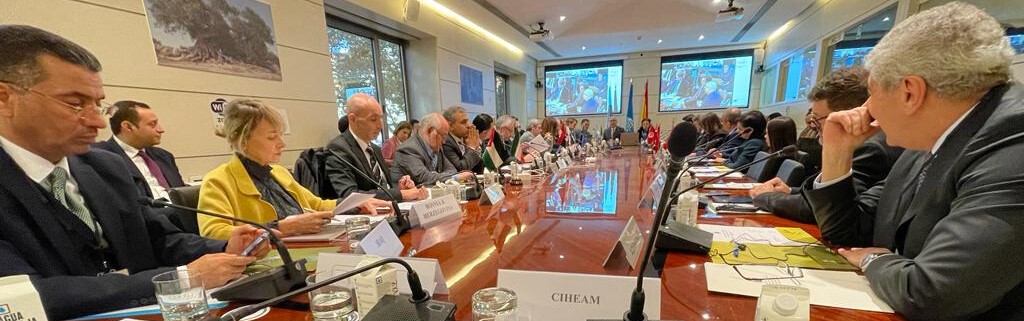
CIHEAM took part as an observer in the 118th session of the IOC Council of Members held on 23 November 2023 at the organisation’s headquarters in Madrid (Spain).

At the gathering, Compés recalled CIHEAM’s Zaragoza long standing commitment to the olive sector and the strategic alliance between CIHEAM and the IOC. “In addition to observers, we have a close and strategic relationship with the International Olive Council“, stated. “CIHEAM Zaragoza International Master’s Programme in olive growing and oil technology is training some of the world’s top technicians“, added about the master jointly organised by CIHEAM Zaragoza, the IOC and other Spanish institutions (Universidad de Córdoba, Junta de Andalucía, CSIC and Fundación de Patrimonio Comunal Olivarero).

As he shared with the heads of delegation and high-ranking officials of the IOC’s Council of Members, this Master’s Programme and other IOC-joint activities addressed to professionals from the olive sector make a substantial contribution to CIHEAM Zaragoza’s mission of building capacities and foster cooperation in the Mediterranean region.

This training alliance between CIHEAM Zaragoza and the IOC dates back to 1995 when the International Master’s Programme in olive growing and oil technology was launched in the University of Córdoba. Since then, other training activities have followed both in Spain (advanced courses on olive oil marketing strategies; integrated production of olive crops; monitoring and surveillance of olive pathogens; olive growing and climate change; efficient water use in olive groves in a context of climate change) as well as in Tunisia (advanced course on olive orchard management in rainfed conditions) or Morocco (advanced course on olive oil marketing strategies).

Because of its strategic value for the economy of all Mediterranean countries, the olive plays a central role in many of our training and research activities.

Raúl Compés, Director of CIHEAM Zaragoza

A fundamental pillar of the Spanish agri-food system

The olive oil sector is a fundamental pillar of the Spanish agri-food system:
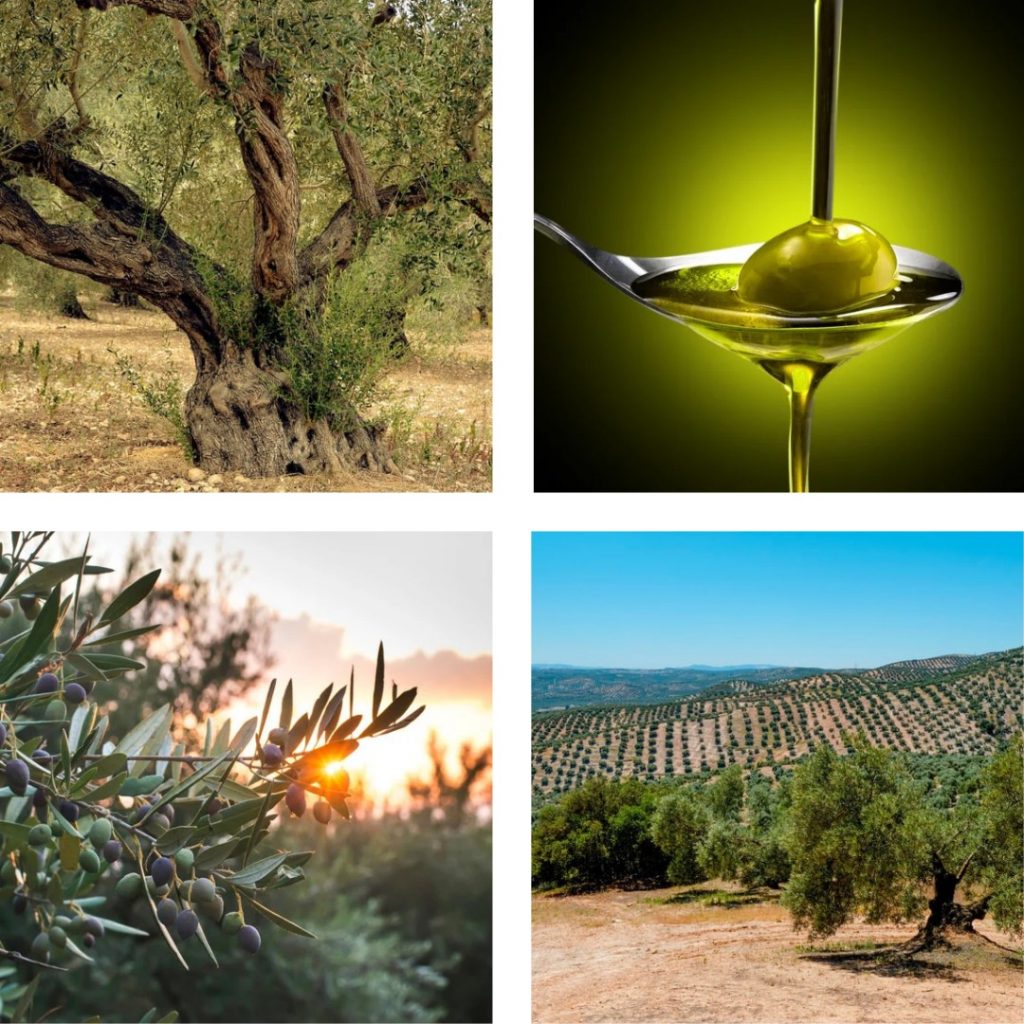
✔️ Spain is the world’s leading producer of olive oil, accounting for 70% of EU production and 45% of world production (MAPA).

✔️ Spain is the world’s leading exporter of olive oil with more than 150 destination countries (MAPA).

✔️ Spanish exports of olive oil reached 1 068 029 tonnes in the 2021/2022 crop year for an estimated value of €3.905 billion, placing it in first place in the UE followed by Italy, with 357 832 tonnes and €1.711 billion; Portugal, with 253 735 tonnes and €893.7 million; and Greece, with 137 180 tonnes and €571.9 million (IOC).

✔️ More than 350,000 farmers are dedicated to olive growing in Spain and generates more than 32 million daily wages per season (MAPA).

✔️ Olive groves cover 2.75 million hectares in Spain (MAPA).
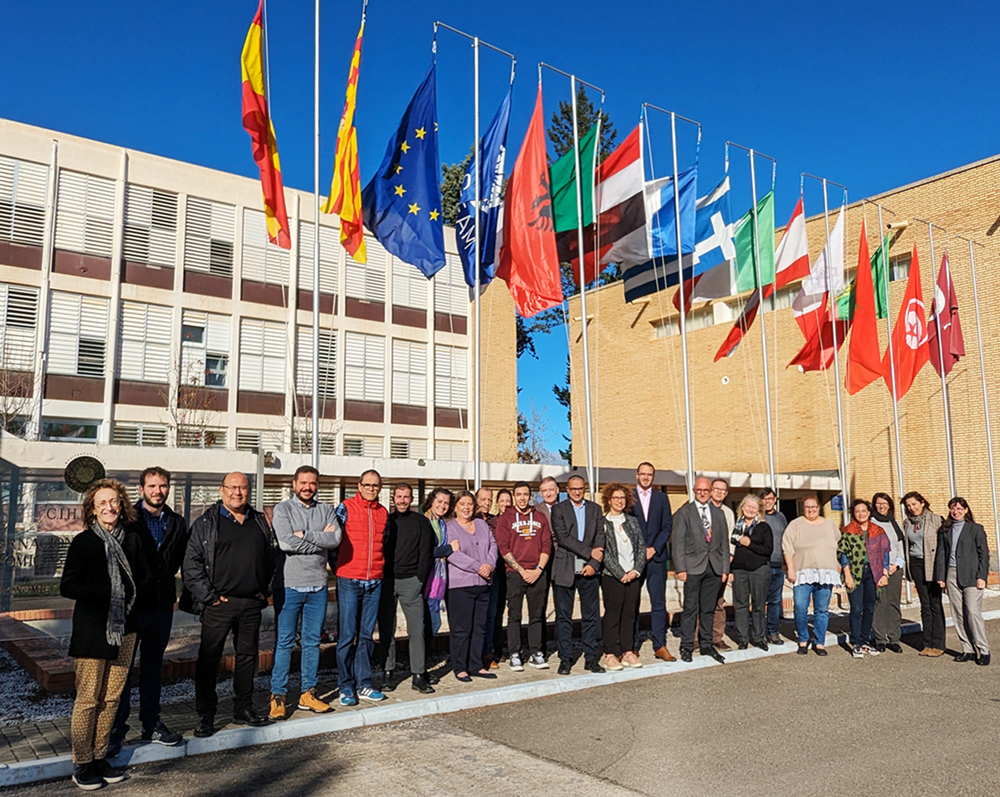
CIHEAM Zaragoza hosts a visit for a delegation of Malta’s Ministry of Agriculture to gain insights into Aragon’s livestock system

  • Sonya Sammut, member of CIHEAM’s Advisory Board and Director for Food Systems at the Ministry of Malta, coordinates a visit to establish synergies and contacts in the agrifood sector
  • CIHEAM Zaragoza’s director, Raúl Compés, welcomed the delegation that visited local businesses, as well as laboratories and research centres from the Government of Aragon

Representatives of Malta’s Ministry of Agriculture, Fisheries and Animal Rights travelled to Aragon on 21 and 22 November 2023 on a visit organised by CIHEAM Zaragoza to establish synergies and contacts in the scope of food and agriculture. They discovered the scientific and technological offer in Aragon and heard about public policies and success stories in the livestock and animla production sector.

The Maltese delegation was made up of three senior officers from the Ministry: Sonya Sammut, Director for Food Systems, National Ambassador for Organic and Sustainable Food, and member of CIHEAM’s Advisory Board; Marco Dimech, Director of Agriculture; and Stefan Cachia, Director General for the Public Abattoir.

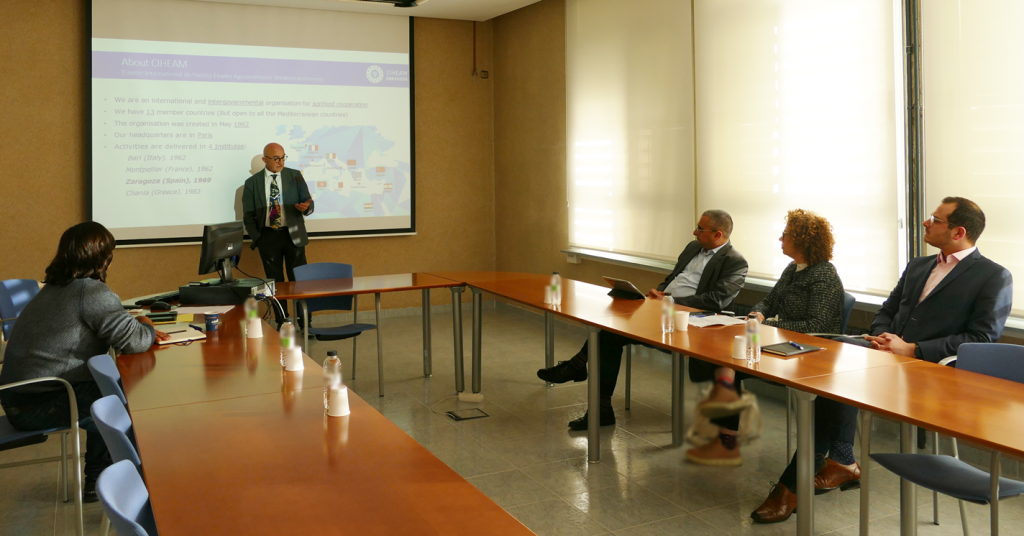
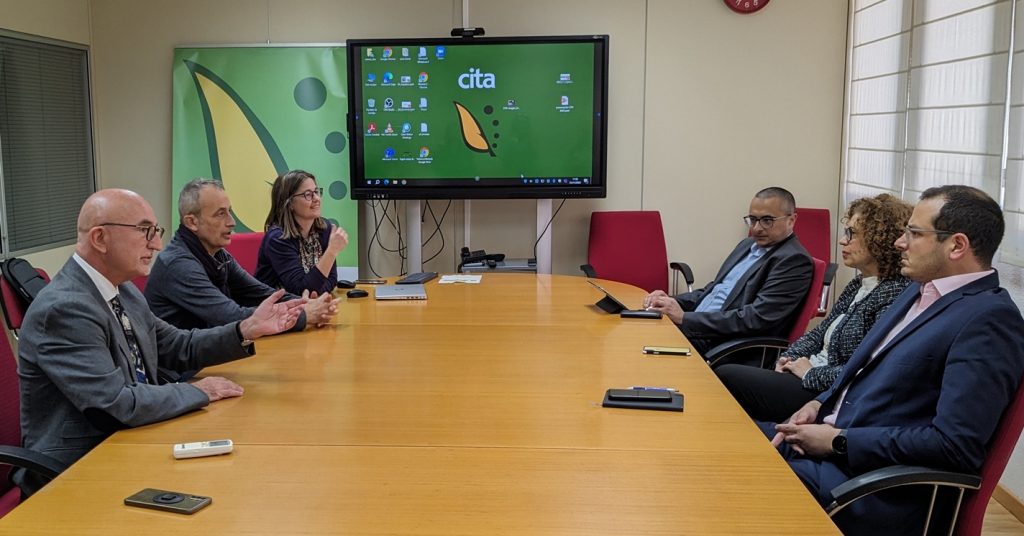
Working meeting at CIHEAM Zaragoza
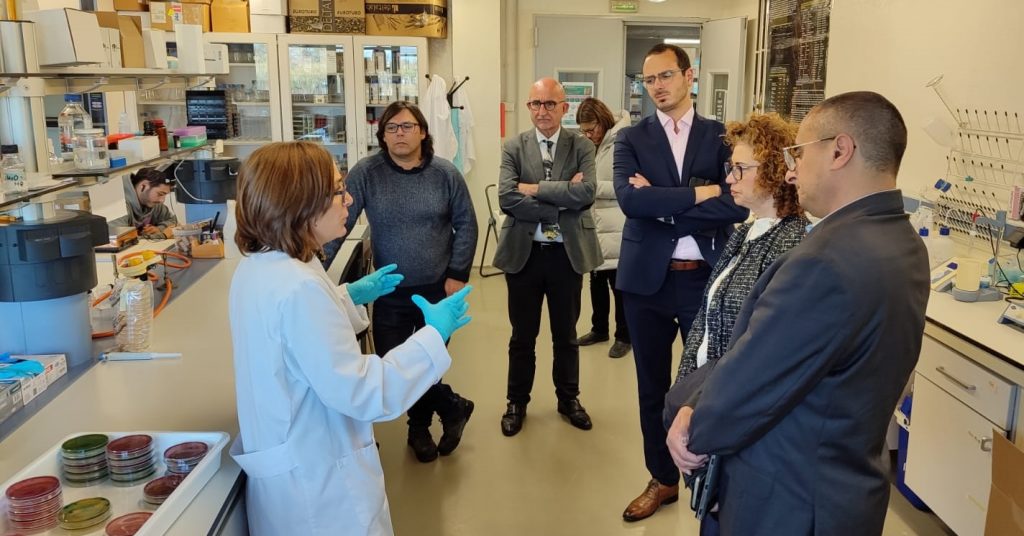
Visit to lab facilities at CITA
Presentation of CITA’s activities with Alberto Bernués and Mirella Blanco

The Maltese delegates began their visit tour with a visit to CIHEAM’s headquarters in Spain and heard about the Institute’s projects and training programmes, with a view to exploring opportunities for collaboration. They also visited the facilities of the Agri-food Research and Technology Centre of Aragon (CITA) and held a meeting with researchers of the Animal Science Department. Enrique Novales, an official from the Government of Aragon, presented the main indicators of the livestock sector in Aragon and accompanied the delegates on their visits to businesses in the region.

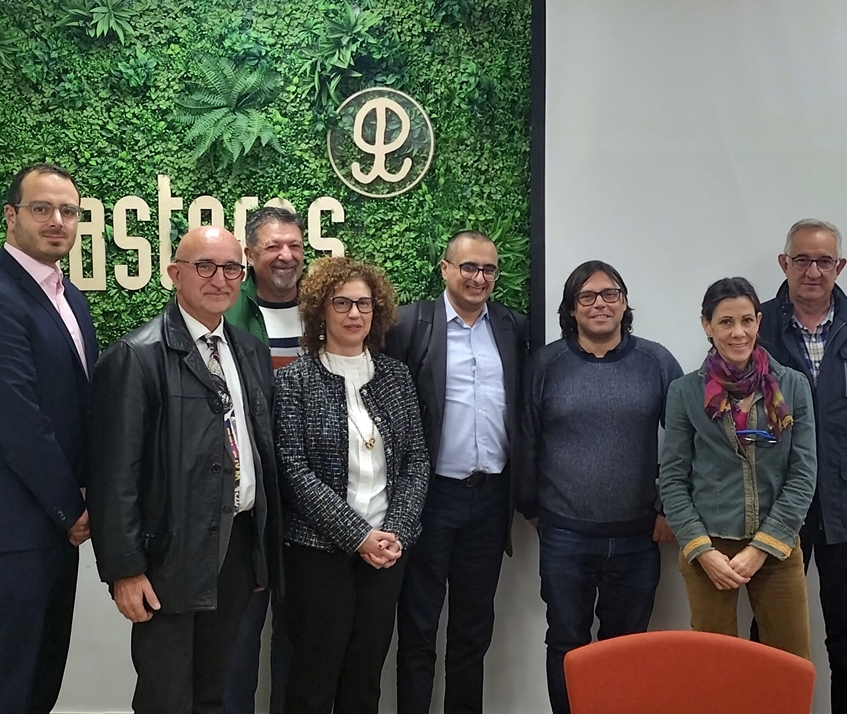
With Enrique Fantova and Leticia Riaguas from Oviaragón’s technical team
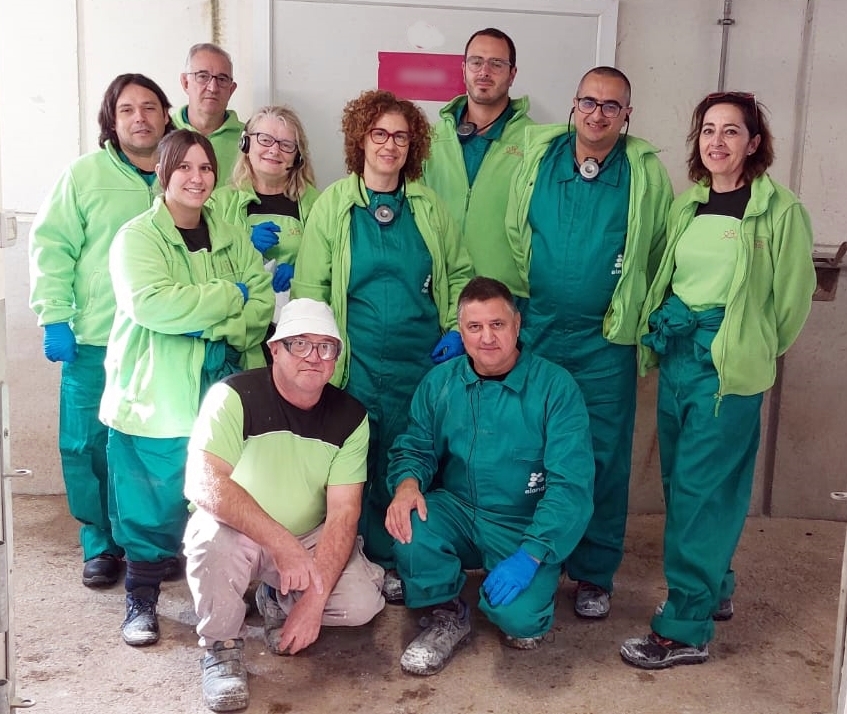
Visit to Ars Alendi sow farm, with Enrique Bascuas and Erika Insa
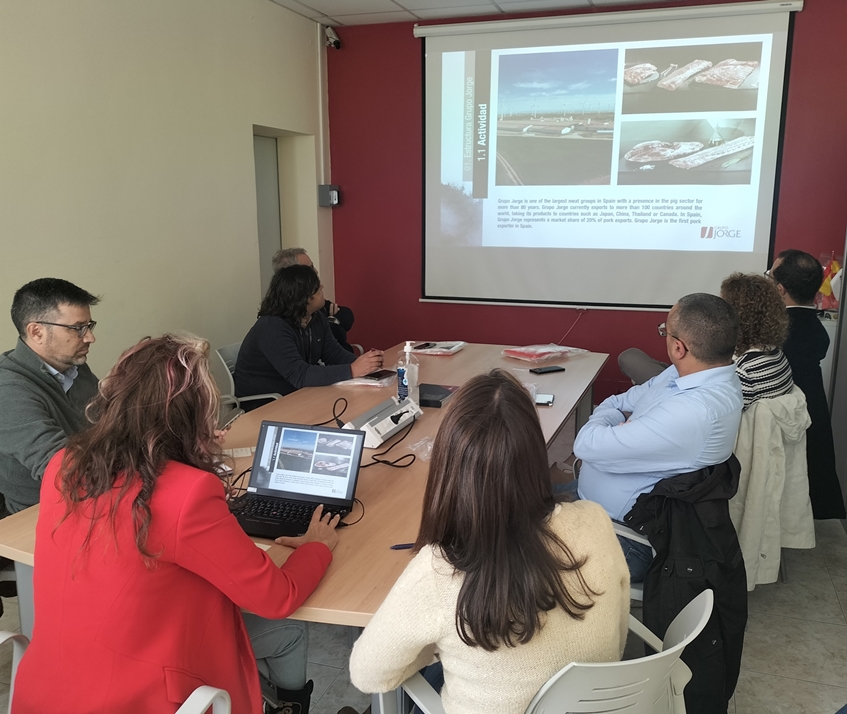
Meeting at Grupo Jorge with Carmina Samper, Cristina Domingo and Luis Ullate

The agenda also included a visit to the Grupo Pastores where Oviaragón’s technical team explained the successful cooperative business project in the sheep sector, as well as their Ternasco lamb meat promotion, marketing and sales efforts.

The next day the Maltese delegation had the opportunity to visit the Ars Alendi sow farm where the technical team explained how the business had developed and its links to the cooperatives at San Mateo de Gállego and Almudévar. They described the design of the farm and its business goals and operations and discussed the particularities of the integrated business model in the Spanish pig production sector.

The tour continued at the facilities of one of the largest meat production groups in Spain and biggest exporters of pig meat in Europe Grupo Jorge, who shared insights about their business operations. The Delegation heard about the Group’s meat and livestock branch that integrates the entire pig farming production cycle, from feed manufacturing to the distribution and sale of pork, cured meat, offal and by-products. They also discussed other facets of the cycle, including rearing, transport, slaughter and jointing. The visit concluded with a tour of the abattoir and jointing plant to see their working operations, control measures and biosecurity protocols.

Raúl Compés, director of CIHEAM Zaragoza commented on the success of the visit. “This has been a magnificent opportunity to consolidate and strengthen institutional relations, and highlight the strength and competitivity of the agrifood sector in Aragon”.

CIHEAM Zaragoza coordinates PREMIERE’s Mediterranean panel and hosts the first of a series of meetings of macro-regional stakeholder panels

  • PREMIERE is a EU-funded project focused on the co-creation for innovation, preparing multi-actor projects
  • The PREMIERE 100+ Club is composed of four Macro-regional Stakeholder Panels: Atlantic, Baltic, Danube and Mediterranean, with representatives of the 27 European Member States

This panel of experts aims to strengthen the dialogue between current and prospective partners of multi-actor consortia from the four major sectors of society: Government and Policy, Research and Academia, Industry and Business, and Society and Community, to find ways to support each other in making faster progress towards collaboration in research and development in agriculture, forestry and related sectors to foster innovation in Horizon Europe.

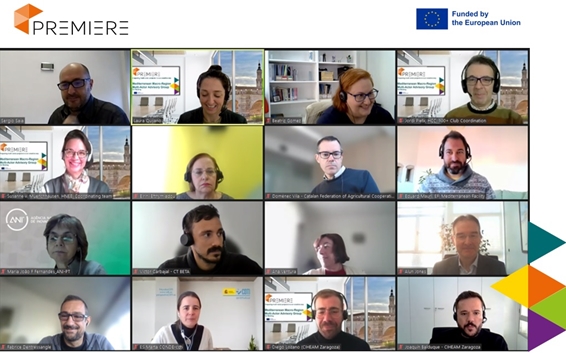
As coordinator of the Mediterranean Panel, CIHEAM Zaragoza recently hosted the first of a series of online meetings of PREMIERE‘s Macro-regional Stakeholder Panel. The session focused on the project’s objective to support the development of well-prepared projects to respond the call for proposals in Cluster 6 – Food, Bioeconomy, Natural Resources, Agriculture and Environment that include a request to follow the multi-actor approach. Participants in the session discussed barriers, and challenges and made recommendations to address the phases involved in building a project proposal to include the multi-actor approach (MAA), engaging relevant actors with complementary backgrounds and expertise to co-create and share knowledge, best practices and innovative solutions responding to the needs of the end-users of the project results e.g. farmers, foresters and advisors.

The Horizon Europe mandate for Cluster 6 aims to accelerate the transition to sustainable, healthy and inclusive food systems to achieve the objectives of the Farm to Fork Strategy effectively. It empowers farmers, fishers and aquaculture producers to transform their production methods more quickly and efficiently and make the best use of nature-based, technological, digital and social innovations.

The next macro-regional stakeholder panel online meetings will be held in April 2024 and the four macro-regional panels will meet on-line in the autumn.

For more information visit PREMIERE website and social media channels.

NewTechAqua gathers over 90 stakeholders and delivers 14 innovations for a more resilient aquaculture

  • CIHEAM Zaragoza, involved in communication, dissemination and training activities within the NewTechAqua consortium, joined the event held in Brussels.

  • Legislative barriers, circularity, fish feed, organic aquaculture, new health tools, diversification and new fish products are some of the topics discussed in high level policy roundtables.

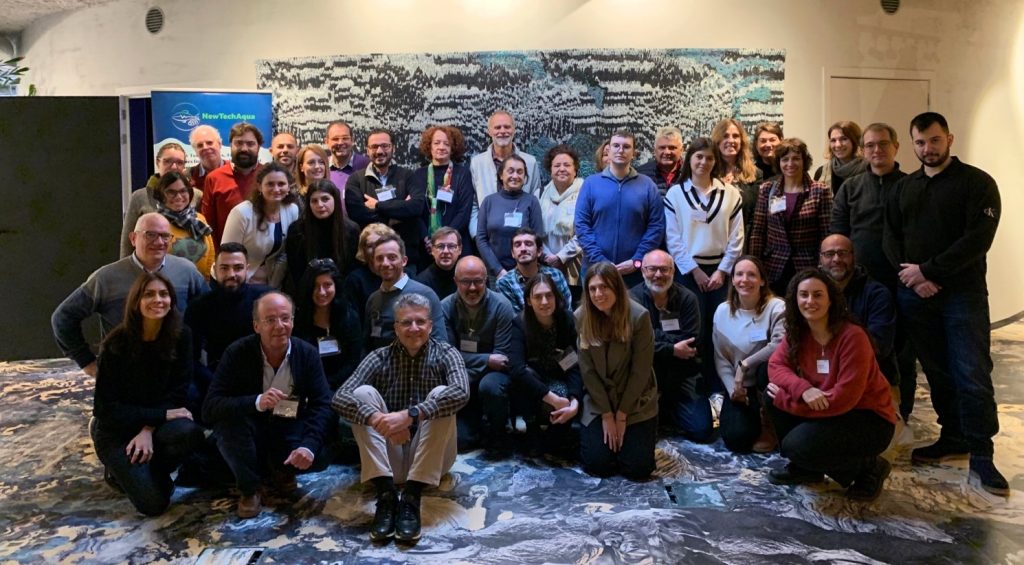
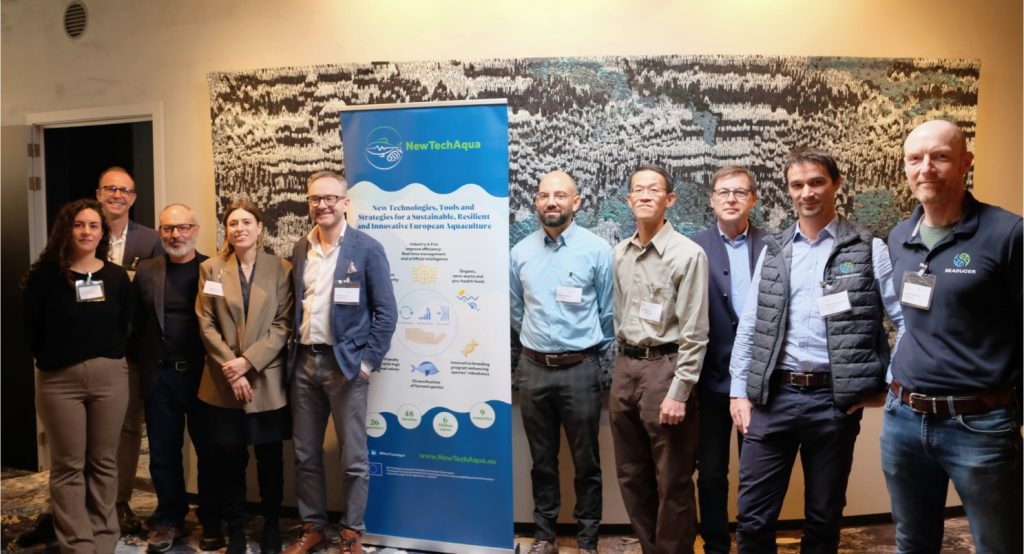
NewTechAqua partners.

The NewTechAqua project has organised its final conference on tools and strategies for a sustainable, resilient and innovative European aquaculture on 15th November in Brussels, and online. CIHEAM Zaragoza, one of the partners within the NewTechAqua consortium, joined the event that gathered over 90 stakeholders -65 attendees onsite and 25 online- to discuss the challenges and opportunities for the future of the European aquaculture.

Bernardo Basurco, the administrator of the area of Fisheries and Aquaculture of CIHEAM Zaragoza who attended NewTechAqua final conference, explains that “to ensure a sustainable aquaculture in Europe the sector needs to incorporate new production and management technologies and innovations. In this sense, higher education and continuous professional training become a necessity”.

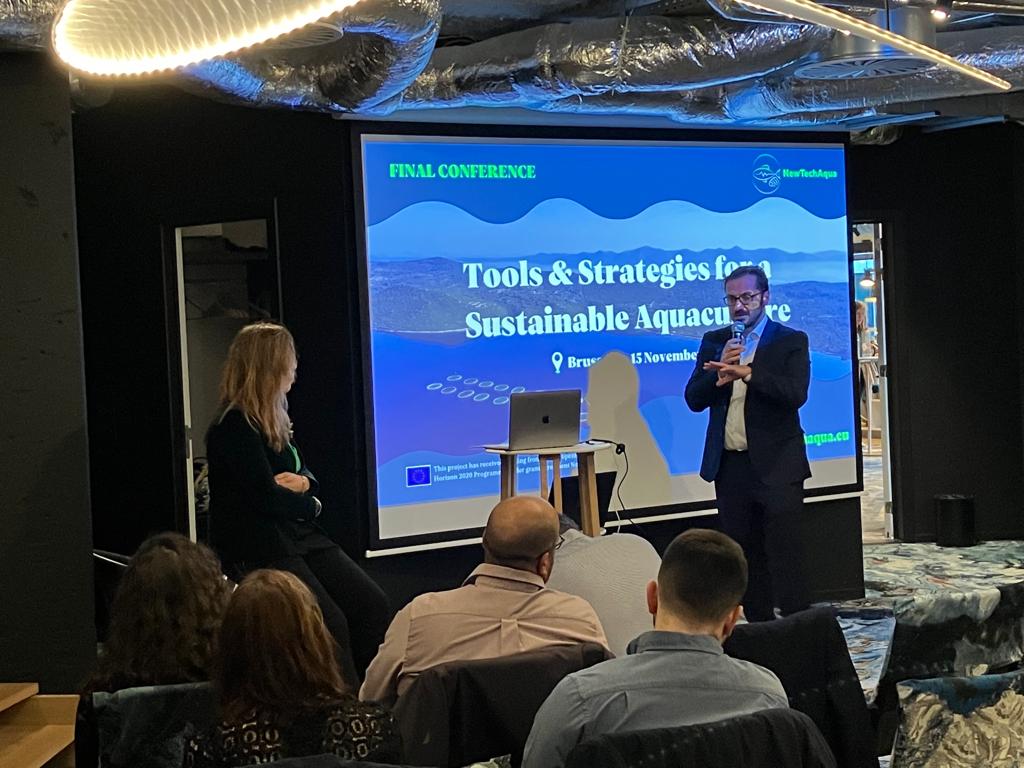
Project coordinator Alessio Bonaldo at NewTechAqua final conference.

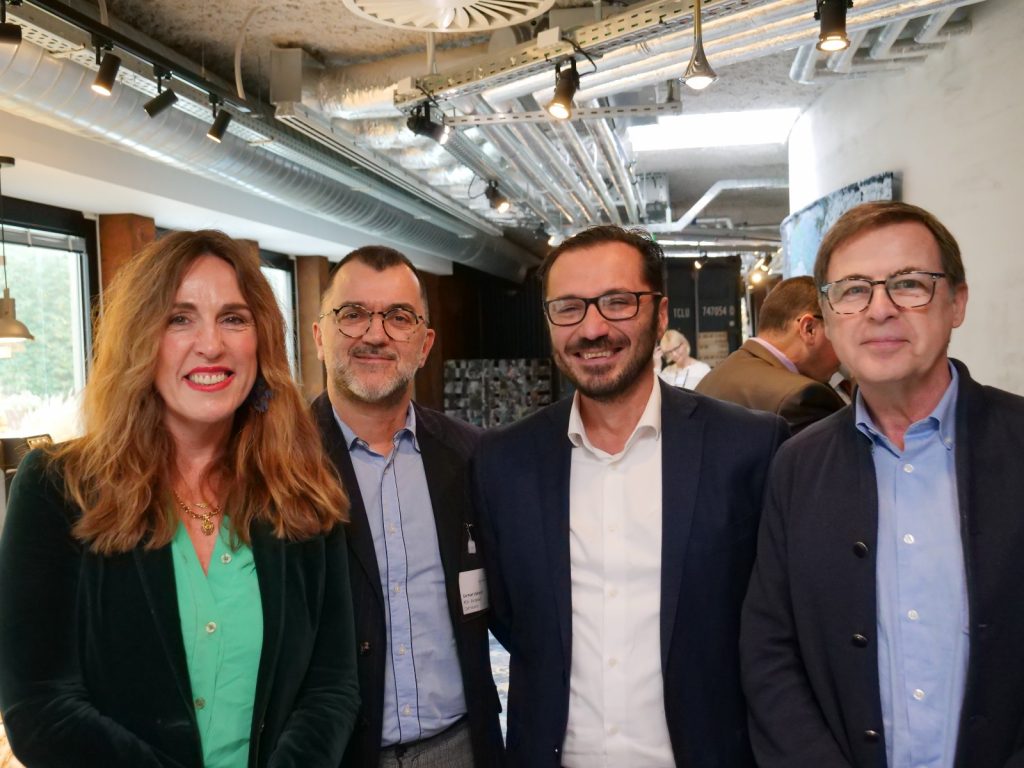
Bernardo Basurco with project coordinator & partners in Brussels.

At the event, NewTechAqua presented 14 innovations to improve the resilience of the sector and provided policy recommendations that contribute to enhancing EU regulations. Legislative barriers, circularity, fish feed, organic aquaculture, new health tools, diversification and new fish products were some of the topics discussed in high level policy roundtables, including the participation of the Directorate-General for Maritime Affairs and Fisheries (DG MARE), and the European Aquaculture Technology and Innovation Platform (EATiP).

Striving for a sustainable EU aquaculture

In the last 4 years, the NewTechAqua partners have identified, tested, and evaluated the effectiveness of new tools that improve the production and, at the same time, the sustainability of the sector. 14 innovations were presented covering several species, such as seabream, seabass, greater amberjack, grey mullet, meagre, salmon, mussel, oyster and microalgae.

The use of novel ingredients for aquafeeds; the valorisation of fish co-products into innovative ingredients; and new approaches for enhancing reproduction and maturation; are some examples of the innovations presented. Some of the achievements are already on the market and are being used on a commercial scale. Others are in an early development stage and will serve to further advance in future projects.

NewTechAqua awards Roll’Oyster, by Seaducer

Bringing new technologies into the aquaculture sector offers a range of benefits that are transforming the industry and driving its growth. NewTechAqua launched an Award Challenge to look for disruptive solutions that bring economic, environmental, and social advantages. 47 proposals were submitted from all around the world and evaluated by NewTechAqua Committee of Experts, coordinated by the Spanish Institute of Agrifood Research and Technology (IRTA).

NewTechAqua Award finalists and evaluators.

During its final conference, NewTechAqua announced the highest-scoring project, Roll’Oyster by Seaducer (France), as the winner. The Roll’Oyster is a cutting-edge technology to produce outstanding oysters all year around by reducing tiresome tasks and optimising production costs.

Check here the other finalists:

NewTechAqua final conference was organised by Greenovate! Europe, in collaboration with the University of Bologna and the Federation of European Aquaculture Producers (FEAP).

About the role of CIHEAM Zaragoza in the project

NewTechAqua is a 4-year-research project funded by the European Union’s Horizon 2020 Research and Innovation programme. NewTechAqua’s main goal is to expand and diversify European aquaculture production of finfish, molluscs and microalgae by developing and validating technologically advanced, resilient and sustainable applications.

The NewTechAqua consortium is made up of 26 partners from 9 countries. 11 partners are universities and R&D institutions, 12 are private companies and three are international organisations specialised in industrial governance, innovation and knowledge transfer.

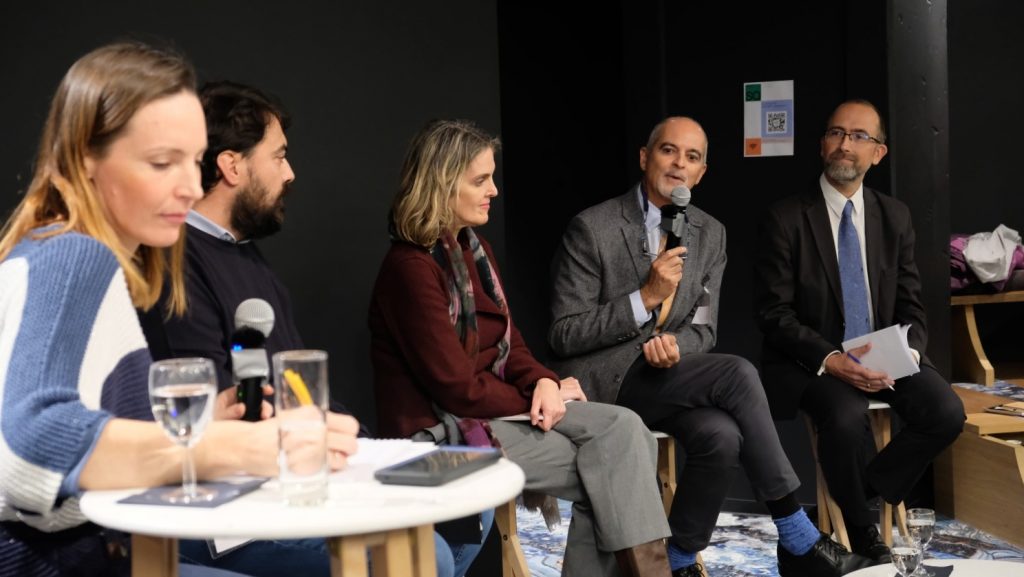
Policy roundtable at NewTechAqua final conference.

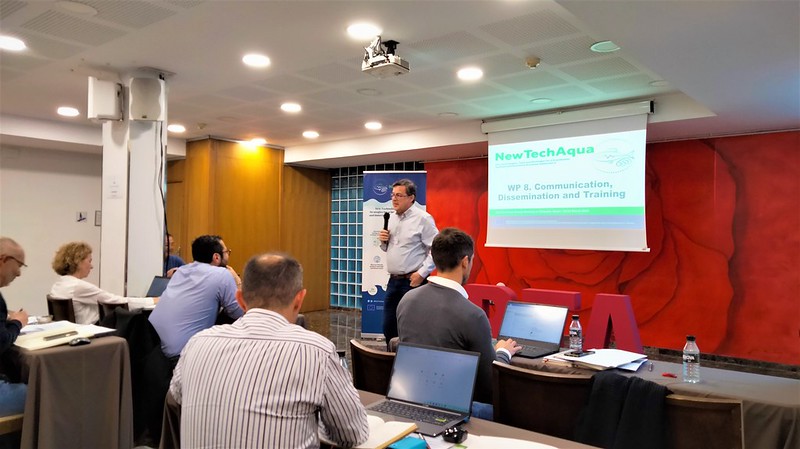
Bernardo Basurco at NewTechAqua WP8 presentation.

CIHEAM, through its Institutes in Bari (Italy) and Zaragoza (Spain), has the lead on the communication, dissemination and training activities (work package 8), in interaction with most relevant stakeholders of the European and non-European Aquaculture actors. The project’s coordinator is the University of Bologna.

CIHEAM Zaragoza promotes a network for climate change mitigation in Mediterranean agrifood systems

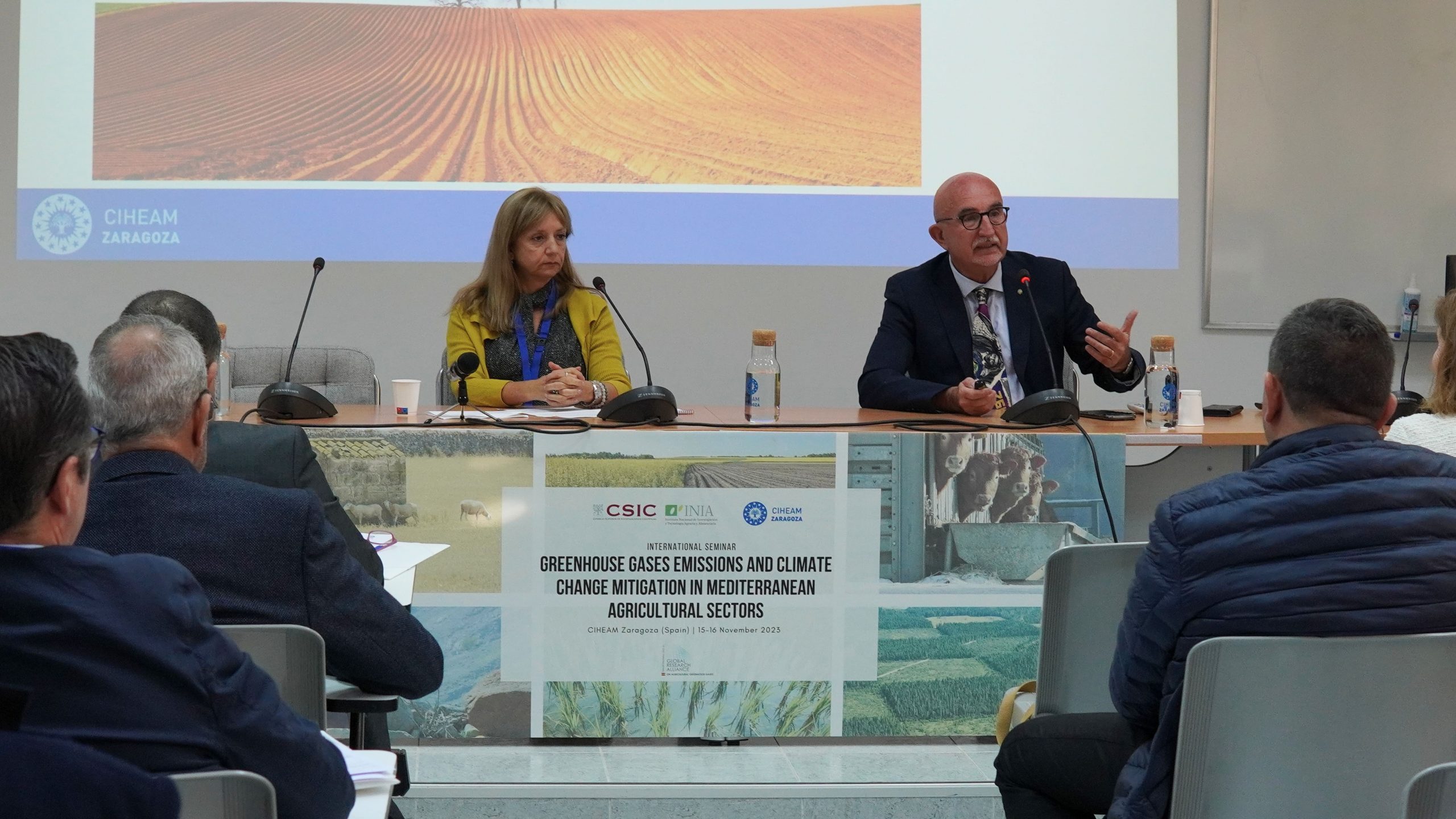
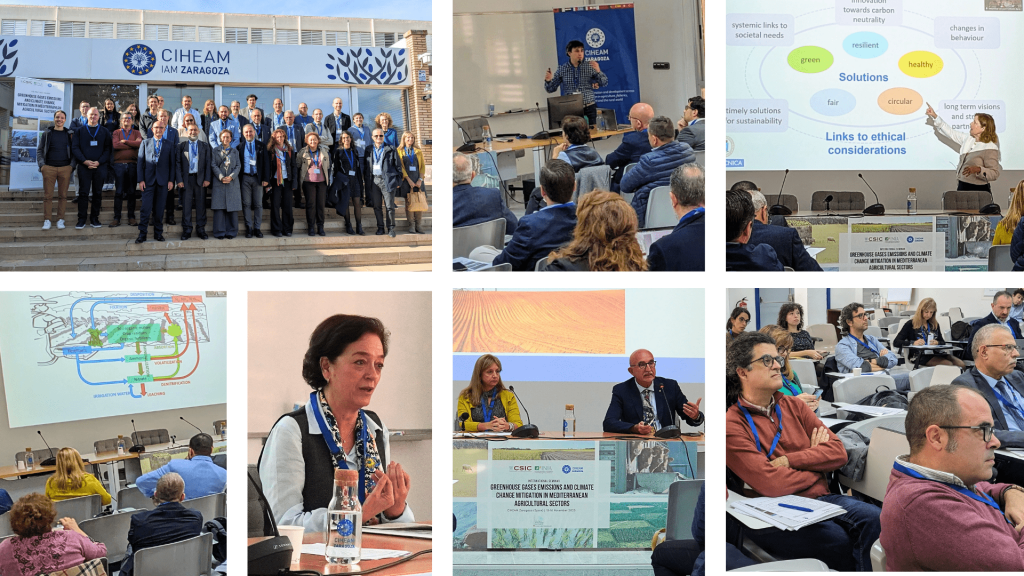
  • With the support of INIA-CSIC, CIHEAM Zaragoza organised an international seminar on 15 and 16 November to address the reduction of greenhouse gas emissions from agrifood systems in the Mediterranean Basin and other parts of the world with a Mediterranean climate

Mediterranean agrifood systems not only emit greenhouse gases contributing to climate change but also bear the direct consequences, such as water scarcity and rising temperatures. In the light of the challenges shared by the countries of the region and other parts of the world with a Mediterranean climate, CIHEAM Zaragoza leads efforts to promote the first scientific and institutional network for climate change mitigation in Mediterranean agrifood systems. 

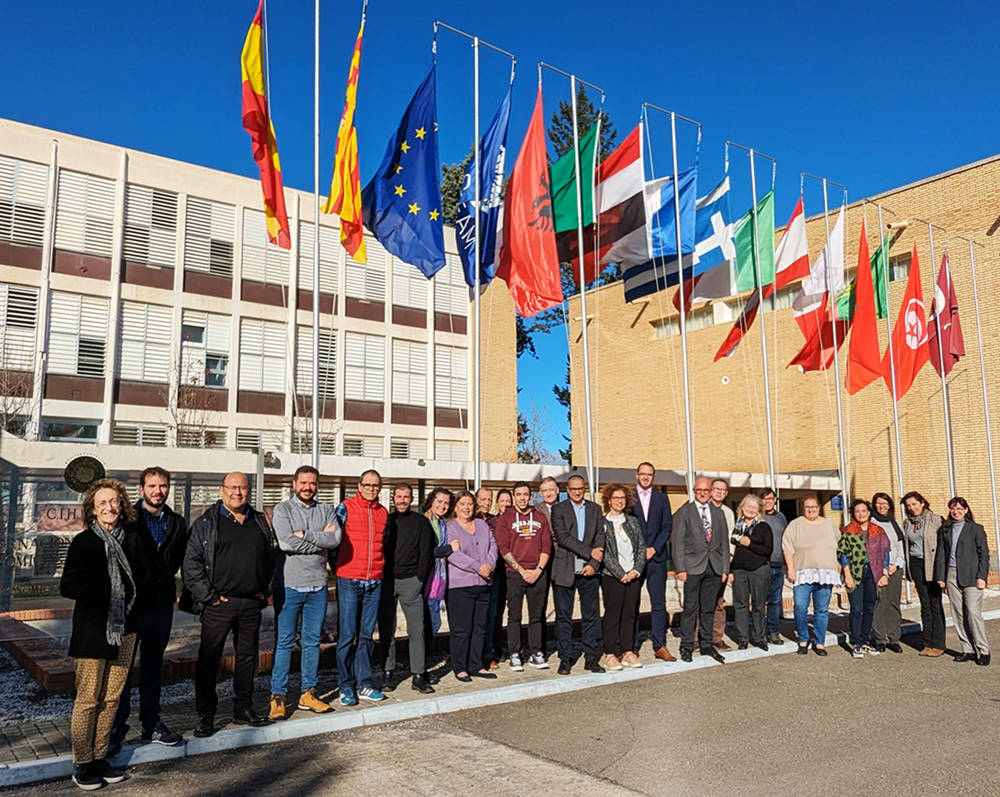
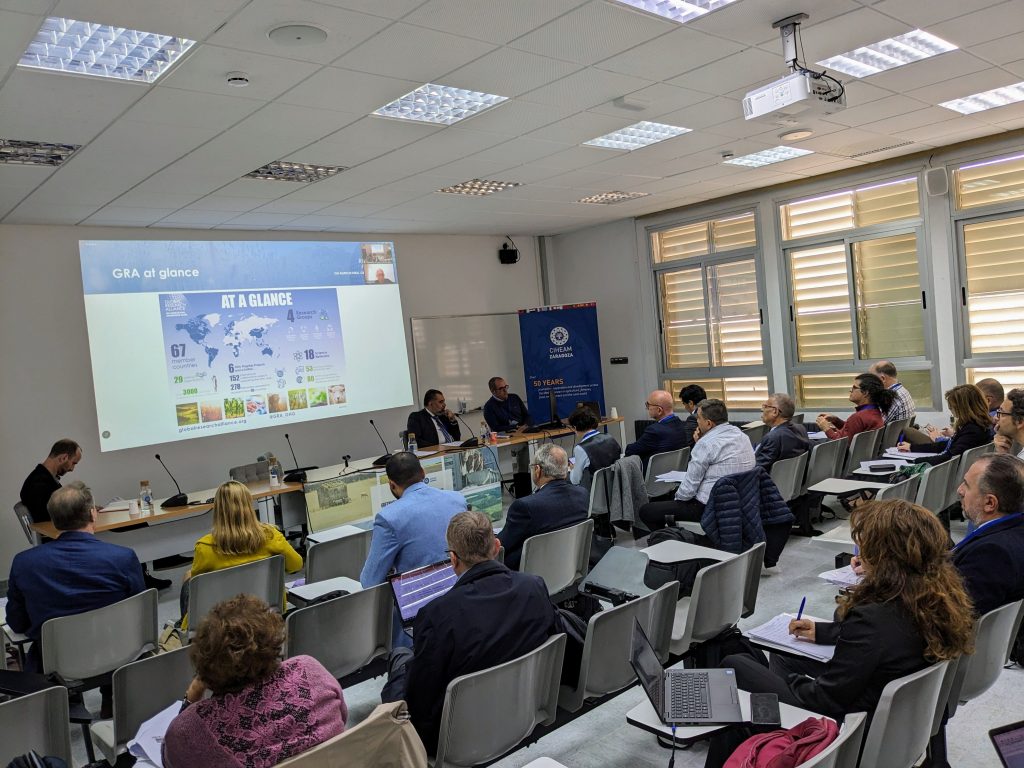
Within the framework of a seminar at the Spanish headquarters of CIHEAM, representatives of international organisations (FAO, OECD, European Commission, among others) and experts from 11 countries of the Mediterranean Basin (Albania, Egypt, France, Greece, Italy, Lebanon, Morocco, Portugal, Spain, Tunisia and Türkiye), have explored solutions for the development of more sustainable and resilient agrifood systems in the region and moving forward in the creation of the new network.

CIHEAM Zaragoza has organised this international seminar on 15 and 16 November in collaboration with the National Institute for Agricultural and Food Research and Technology of the Spanish National Research Council (INIA-CSIC) in the framework of the Spanish Presidency of the Council of the Global Research Alliance on Agricultural Greenhouse Gases (GRA).

When speaking about the creation of the network, CIHEAM Zaragoza’s director, Raúl Compés, has explained: “Given the complexity of the current climate crisis, the differences between countries in making precise estimations of emissions, and the shared need to identify, validate and test adaptive mitigation strategies, we need to take joint actions to support research, encourage the exchange of knowledge on these issues and improve research capacity in all Mediterranean countries”.

Mitigation from Mediterranean agriculture and food production systems

The seminar has addressed climate change mitigation in the Mediterranean agrifood systems from the dual perspective of science and institutions. As highlighted during these sessions, climate action measures in the primary sector require an integrated focus that includes improvement of agricultural techniques and livestock management, sustainable land management practices, as well as the adoption of renewable energies and support policies.

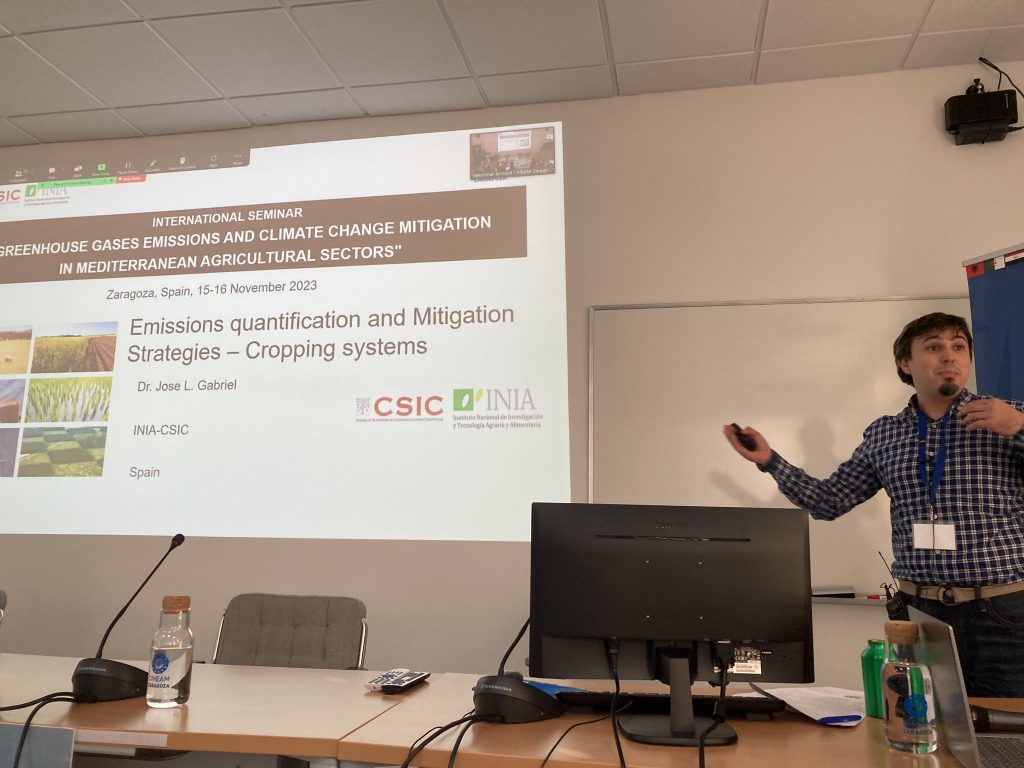
The experts have underlined the importance of a precise quantification of greenhouse gas emissions in the region. José Luis Gabriel, researcher from INIA-CSIC, has spoken in the seminar on the current status of scientific knowledge in calculating emissions and mitigation. “Continuous monitoring of greenhouse gas emissions enables researchers, agricultural policy-makers and producers to make informed decisions and apply appropriate mitigation measures to reduce the GHG emissions in Mediterranean agrifood systems”.


Video recordings of the GHG emissions in agriculture seminar

The video recordings of the following open sessions from the International Seminar “Greenhouse Gas Emissions and Climate Change Mitigation in Mediterranean Agricultural Sectors” are available on CIHEAM Zaragoza YouTube channel:


About CIHEAM Zaragoza

The International Centre for Advanced Mediterranean Agronomic Studies (CIHEAM), founded in 1962, is an intergovernmental organisation made up of 13 Member states (Albania, Algeria, Egypt, France, Greece, Italy, Lebanon, Malta, Morocco, Portugal, Spain, Tunisia and Türkiye) fostering international cooperation in agriculture and food.

CIHEAM Zaragoza was founded in 1969, and provides quality and excellence in training and enhances research and international cooperation through research project management. Current activities focus on the following areas of expertise: sustainable agrifood systems; fisheries and aquaculture; water, soil and ecosystems; forest management; and territorial and inclusive development.

Experts explore the WEFE nexus approach in Mediterranean irrigated agriculture

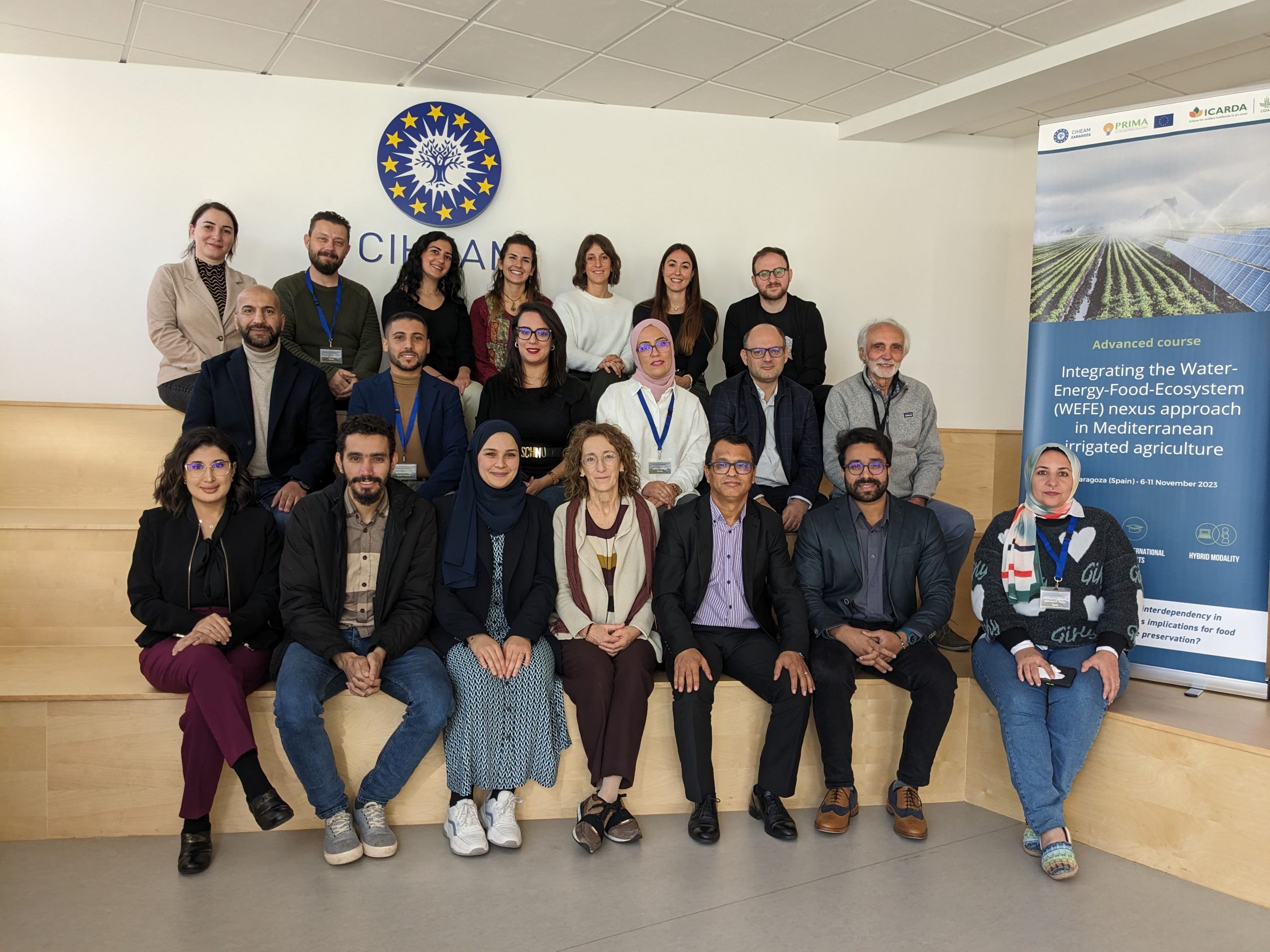
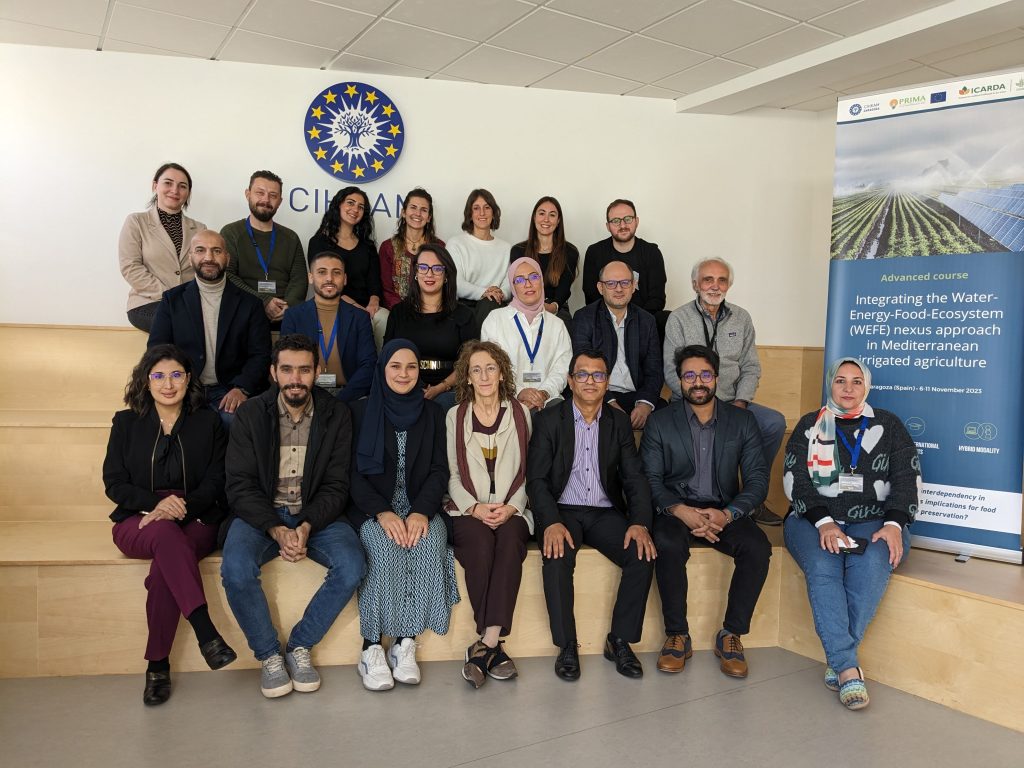
Zaragoza, 14 November 2023.- Experts and practitioners gathered for an advanced course at CIHEAM Zaragoza to explore the Water-Energy-Food-Ecosystem (WEFE) interdependency in Mediterranean irrigated agriculture and its implications for food security and nature preservation.

The course took place from 6 to 11 November 2023 and was jointly organised by CIHEAM Zaragoza, the PRIMA Foundation, and the International Center for Agricultural Research in the Dry Areas (ICARDA).

The course was designed for participants from universities, research centres, ministries, and the private sector. It actively shared invaluable experiences and knowledge derived from PRIMA-funded projects, embodying a true research-based training approach”, highlighted Ali Rhouma, PRIMA’s Project Officer and scientific coordinator of the course.

Participants looked into key issues such as the rising energy demands linked to modern irrigation systems, the trade-offs between water use, energy consumption, and food security, as well as the environmental issues of water pollution and climate change.

The training was structured to provide practical insights into these challenges, offering innovative technological and policy-based solutions aimed at ensuring sustainability in the Mediterranean region.

The experts also took part in a technical visit to an irrigated Mediterranean region spanning 125,000 hectares. This region draws water from mountain reservoirs in the Pyrenees and presents notable elements of the WEFE nexus.

The visit highlighted key aspects, including water scarcity, renewable energy generation, pumping energy consumption, agricultural production, food supply, water pollution management, and advancements in irrigation systems. Participants were able to discuss in situ the achievements made as well as the intricate challenges encountered during the implementation of the WEFE nexus approach in this specific Mediterranean region.