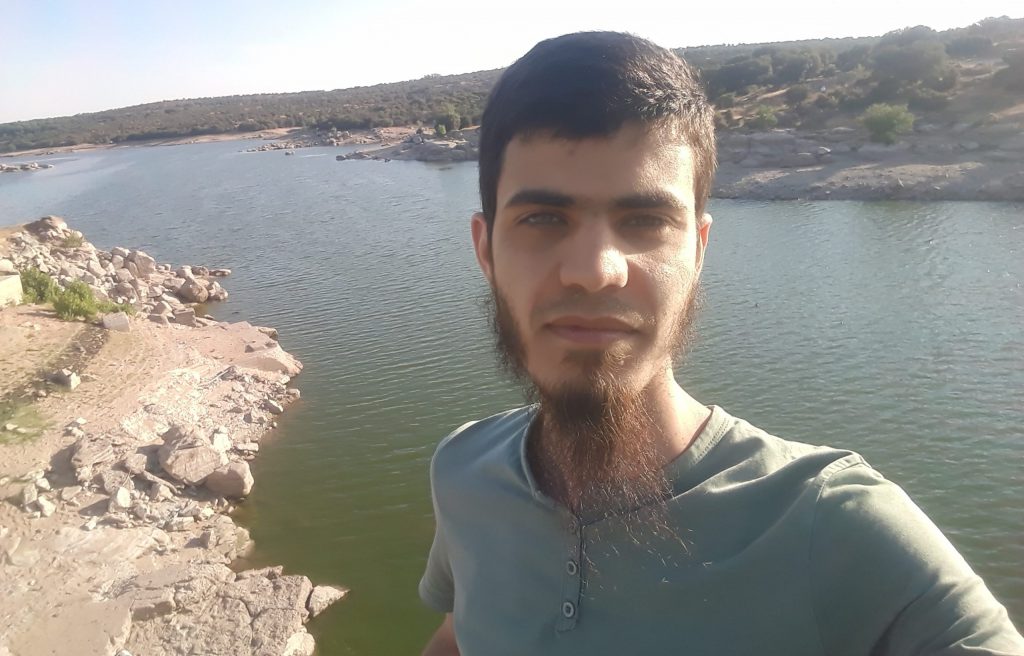
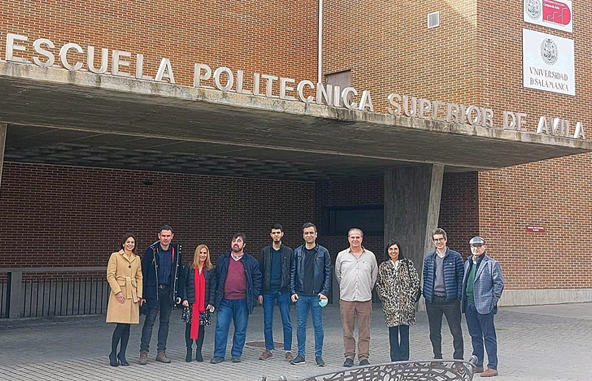
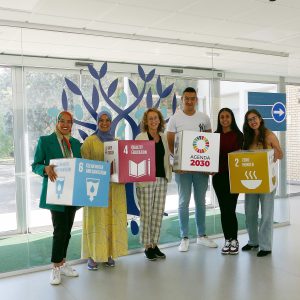
The prize has been awarded to Mohamed Hamitouche, student of the 2020-2022 edition of CIHEAM Zaragoza’s Master in Sustainable Water Management and Governance.
The Governing Board of CIHEAM, upon the proposal of the Scientific Advisory Committee, awards this prize every year to the best masters thesis arising from the programmes delivered respectively by the four institutes of the organisation (Bari-Italy-, Chania-Greece-, Montpellier-France- and Zaragoza-Spain), in support of the students’ scientific careers.
The research work in question “Hydrological modelling using artificial intelligence to characterise and predict extreme hydrological events”, was carried out at the Polytechnic School of Avila run by the University of Salamanca in Spain, under the supervision of Dr José Luis Molina (Research Group in Water Engineering and Management).
Besides being Hamitouche’s thesis supervisor, Molina also lectures in the first year of CIHEAM Zaragoza’s Master on Sustainable Water Management and Governance in Natural and Agricultural Environments. He explains that this study and its related publications are an example of how data science and IA algorithms can be used to characterise and improve predictions of extreme hydrological events. He adds that this line of research is particularly useful and effective in catchments with highly irregular flow regimes, where the spatial and temporal distribution of rainfall is very heterogeneous.
The academic coordinator of the Master, Maite Aguinaco, has underlined the importance and impact of Hamitouche’s research work. “Mohamed chose a topic of great relevance today – artificial intelligence – for the management of extreme hydrological events such as flooding“. She also referred to Hamitouche’s outstanding accomplishments as a student, being top of his class in Algeria, and in Zaragoza during the 2020-2022 edition of the Master.
Aguinaco also highlighted Hamitouche’s enthusiasm, curiosity and work capacity, and remarked that his achievements would serve as an inspiration to those who are now beginning a masters programme.
Hamitouche is currently doing research at the National Center for Atmospheric Research (NCAR) in Boulder, Colorado, as part of the doctoral programme in sustainable development and climate change he is pursuing in Italy.
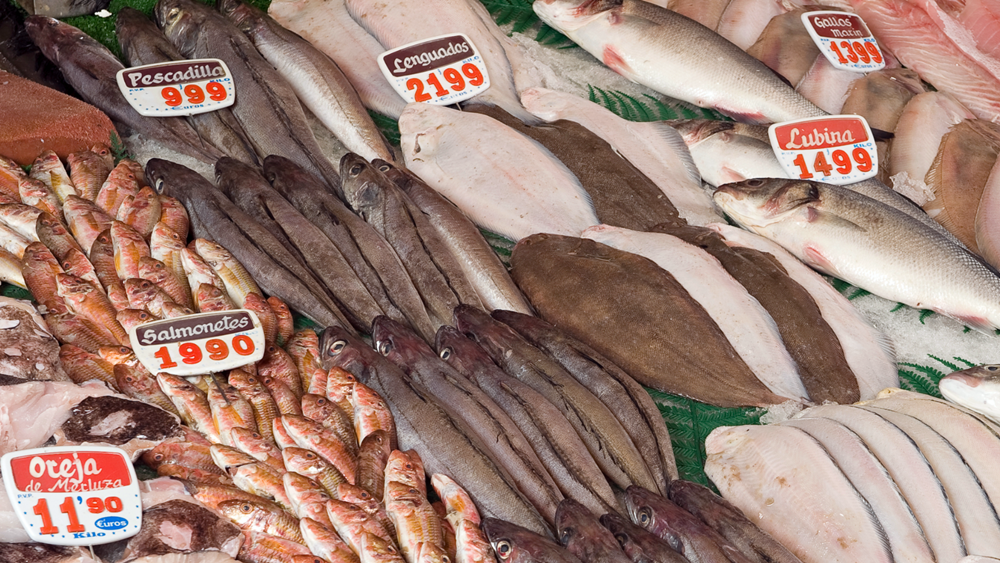
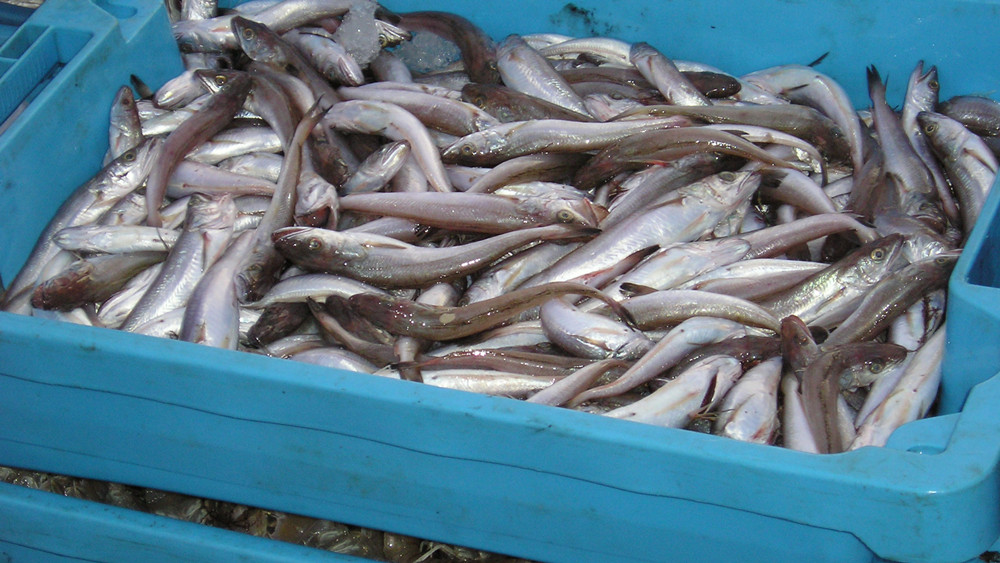
The Fisheries cooperation and training ship Intermares hosted an advanced course in October organised by CIHEAM Zaragoza and the Spanish Ministry of Agriculture, Fisheries and Food (MAPA) through the General Secretariat for Fisheries (SGP)
The course covered a wide range of reference methods and innovative approaches for a better control of fish safety, quality and traceability across the fish value chain
The constant rise in the consumption of fishing and aquaculture products is paralleled by a significant increase in the implementation of fish quality and safety standards. Quality, safety and traceability are key aspects across the fish value chain, from primary production to the final consumer. Seafood covers a wide range of species, production systems (capture fisheries or aquaculture), forms of processing and geographical origin, each posing different risks for quality, safety and traceability.
It is crucial to have a precise understanding of fish composition and any alterations that may occur during handling, processing, conservation, distribution and sale to adopt appropriate quality and safety assessment approaches. Fish safety issues may be related to rapid decomposition of fish or the presence of heavy metals, parasites, toxins or drug residues. Besides, fish and fishery products are among the most-widely sold food products worldwide and are the most susceptible to fraud and authenticity issues. The wide diversity of species, geographical origins, production systems, handling, transformation and sales processes makes it difficult to identify these products correctly simply through visual inspection.
In order to guarantee sustainability and satisfy current demands from the seafood supply chain, seafood inspectors and sector professionals must be acquainted with the use of a wide variety of reference methods and innovative approaches (sensorial, microbiological, chemical, physical etc.) to ensure better control of fish safety, quality and traceability.
Training to improve fish safety, quality and traceability
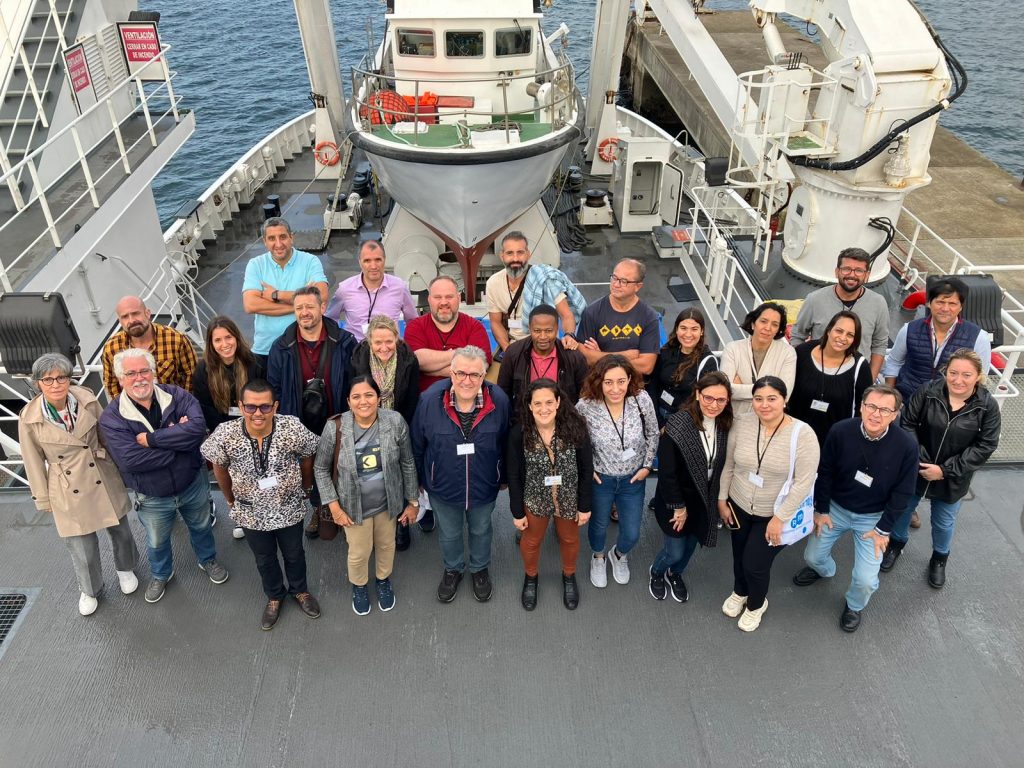
In order to respond to this situation, the Spanish Ministry of Agriculture, Fisheries and Food (MAPA), through the General Secretariat for Fisheries (SGP), and CIHEAM Zaragoza organised an advanced course in October on board the fisheries cooperation and training ship Intermares, moored in the Port of Vigo. The course aimed to explore in detail the current quality standards and challenges faced by the fish value chain and offer a practical vision of the methods deployed to ensure fish quality, safety and traceability.
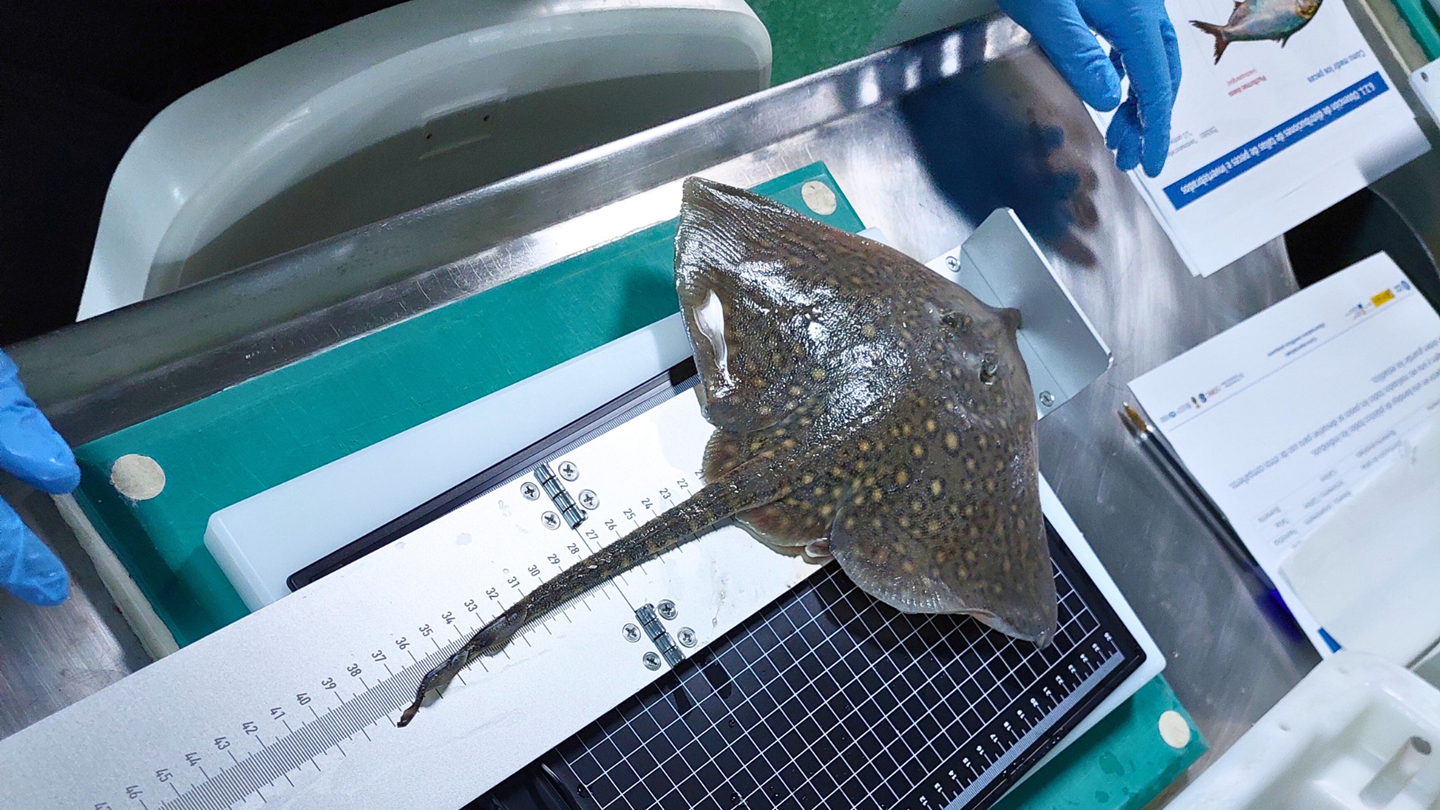
The training addressed reference methods, applications, and current standards, integrating lectures and practical sessions to conduct chemical, physical, microbiological, parasite and sensorial analyses. Participants explored different traceability tools to assure authenticity (species, geographical origin and production methods) and combat fraud across the value chain. They also addressed legislation on seafood labelling and visited a number of fishmongers to analyse the labelling of several fresh or processed fish products.
The scientific coordination of the course was provided by Carmen González Sotelo, researcher from the Institute of Marine Research (IIM-CSIC Vigo). Nine guest lecturers from the IIM-CSIC Vigo, and ANFACO-CECOPESCA, Azti, the FAO, and Sanidad Exterior of the Spanish Ministry of Health, shared their expertise with 22 professionals from 12 countries (Albania, Argentina, Egypt, Greece, India, Madagascar, Morocco, Spain, Tunisia, Türkiye, the United Kingdom and Uruguay) working in public institutions and firms in fisheries, aquaculture, quality control labs and certification bodies related to the evaluation and management of fish quality, safety and traceability.
Participants engaged in discussions and widened their knowledge on the most relevant topics within their professional context. Examples included legislation in force on border control, or traceability and labelling of fish products in Europe. They debated issues related to verification of the information required by each legislation or the possible benefits or problems derived from the implementation of quality labelling for seafood products, for example, geographical designations of origin. Another aspect raising interest and debate were changes that take place post mortem and how they affect fish quality, posing specific problems in aquaculture plants. This led to the establishment of possible future collaborations between participants.
The theoretical sessions were complemented with practicals addressing specific questions related to their work: molecular biology techniques to identify fish species and for other safety applications, classical microbiological techniques, and rapid methods to determine fish quality (Torrymeter and NIR), and verify authenticity (qPCR). Participants also worked in teams to determine the level of compliance on seafood labels on products sold in local supermarkets. This practical session raised questions and debate between lecturers and participants that undoubtedly enriched the learning experience for all.perspectivas diversas que sin lugar a duda enriquecieron el aprendizaje de todas las personas asistentes.
Standards and good practices
In order to help countries improve their monitoring systems of the quality and safety of fish and fish products and guarantee consumer protection, strict policies, standards and guidelines for best practices are being adopted at national, regional and international level.
i) The objective of the Common Fisheries Policy (CFP) is to ensure that fishing and aquaculture activities contribute to long-term environmental, economic and social sustainability. This guarantees the traceability, safety and quality of products sold in the EU; enhances the sustainability of the fishing sector, including small-scale fisheries, and provides market support to supply healthy foods at affordable prices for consumers.
ii) The objectives and working programme of the Codex Alimentarius of the United Nations (FAO and WHO), aim to guarantee safe good food for everyone – everywhere. International food standards, guidelines and codes of practice contribute to the safety, quality and fairness of the international food trade. The numerous guidelines that have been drawn up for fish and fish products (sensory evaluation, model of certificate), codes (code of practice for fish and fish products), standards (smoked fish, salted fish, canned fish, frozen fish, etc.), together with the creation of the Codex Committee on Fish and Fishery Products, indicate the complexity of the topic and the relevance of the objectives of this course.
Dates: 23-27 October 2023 Venue: Fisheries cooperation and training ship Intermares Organisers: MAPA (General Secretariat for Fisheries) and CIHEAM Zaragoza, in collaboration with the Institute of Marine Research of Vigo (IIM-CSIC), and the Spanish Navy
The organisation has inaugurated its XXIV Master in Plant Genetics, Genomics and Breeding and the IX Master in Animal Nutrition, with students from 17 countries
During the ceremony, CIHEAM Zaragoza has announced the creation of an award for outstanding academic achievement with a positive impact on cooperation in Mediterranean countries
The CIHEAM prize for the Best Masters Thesis 2022 has been awarded to a student of CIHEAM Zaragoza for a study on artificial intelligence for the prediction of extreme hydrological events
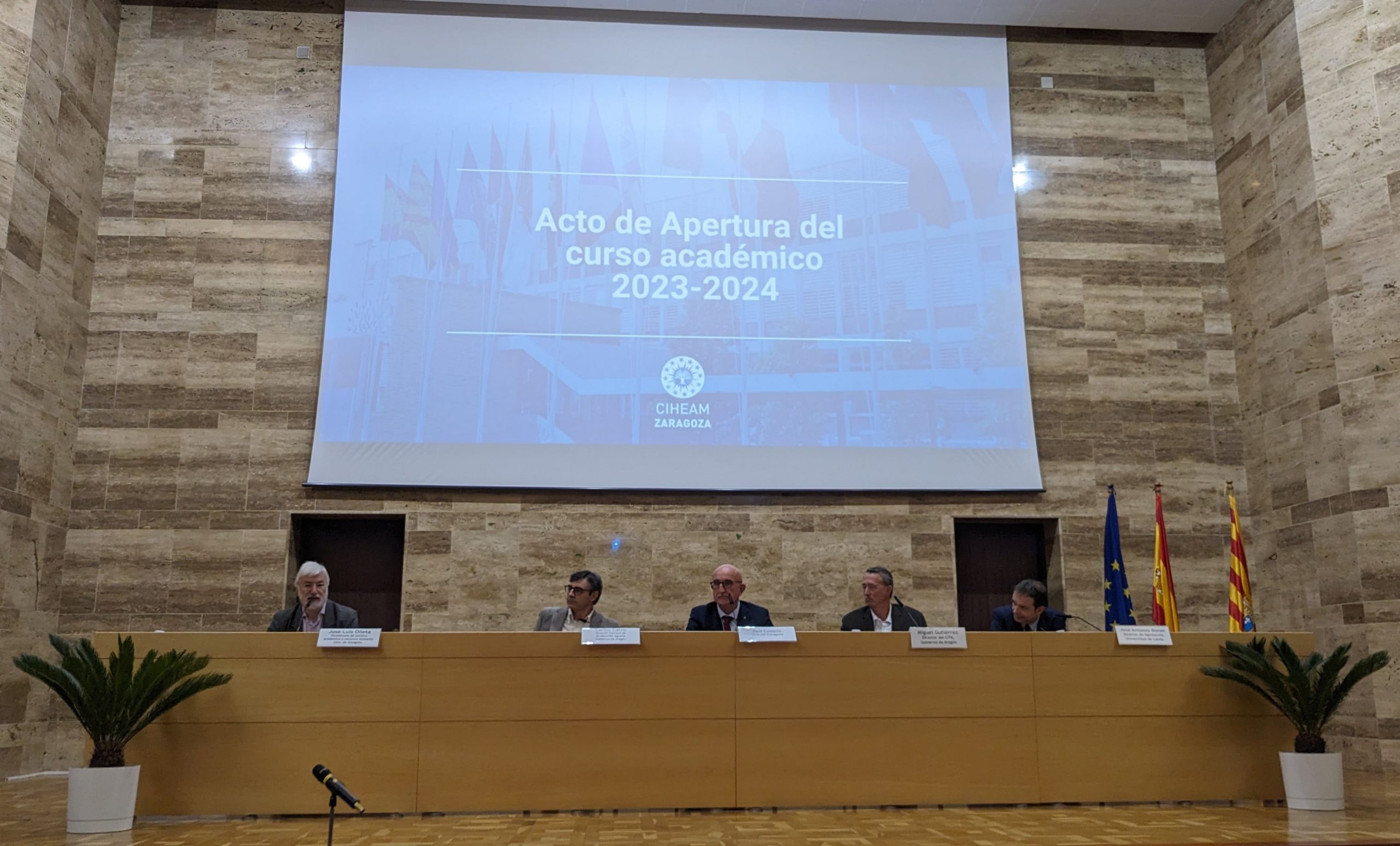
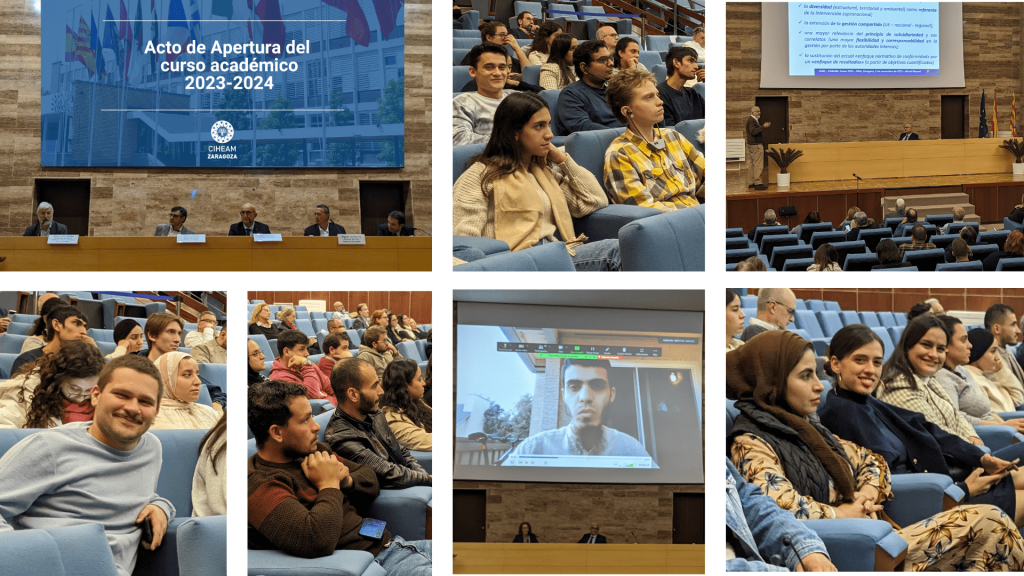
Zaragoza, 2 November 2023.- CIHEAM Zaragoza, Spanish headquarters of the International Centre for Advanced Mediterranean Agronomic Studies (CIHEAM), has officially inaugurated the academic year 2023-2024 with a renewed commitment to training as tool for cooperation in agriculture and food. Raúl Compés, director of CIHEAM Zaragoza, has spoken of the values that define the unique educational model offered by the organisation, including excellence, internationalisation, harmony, dialogue and union between countries and cultures.
He went on to say that “CIHEAM Zaragoza’s training and knowledge transfer programmes foster cooperation in order to overcome the major challenges of agrifood systems in the Mediterranean and worldwide. Today, more than ever, considering the current environmental, geopolitical and social global crises, cooperation is a very powerful tool and a hallmark of our activities”.
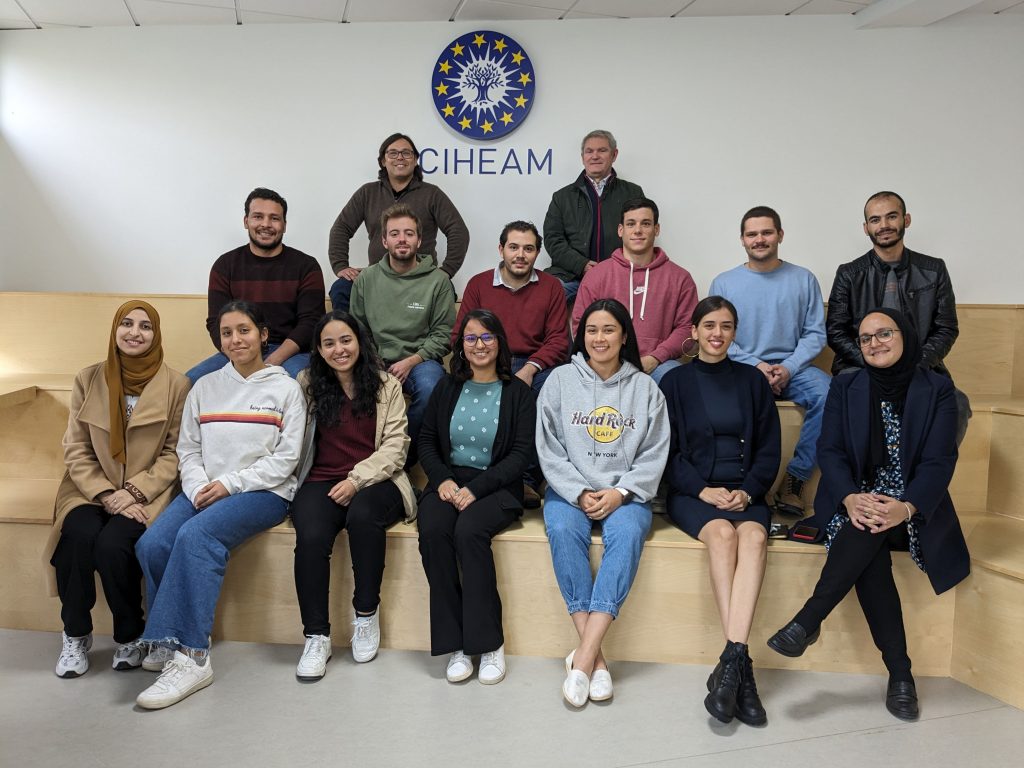
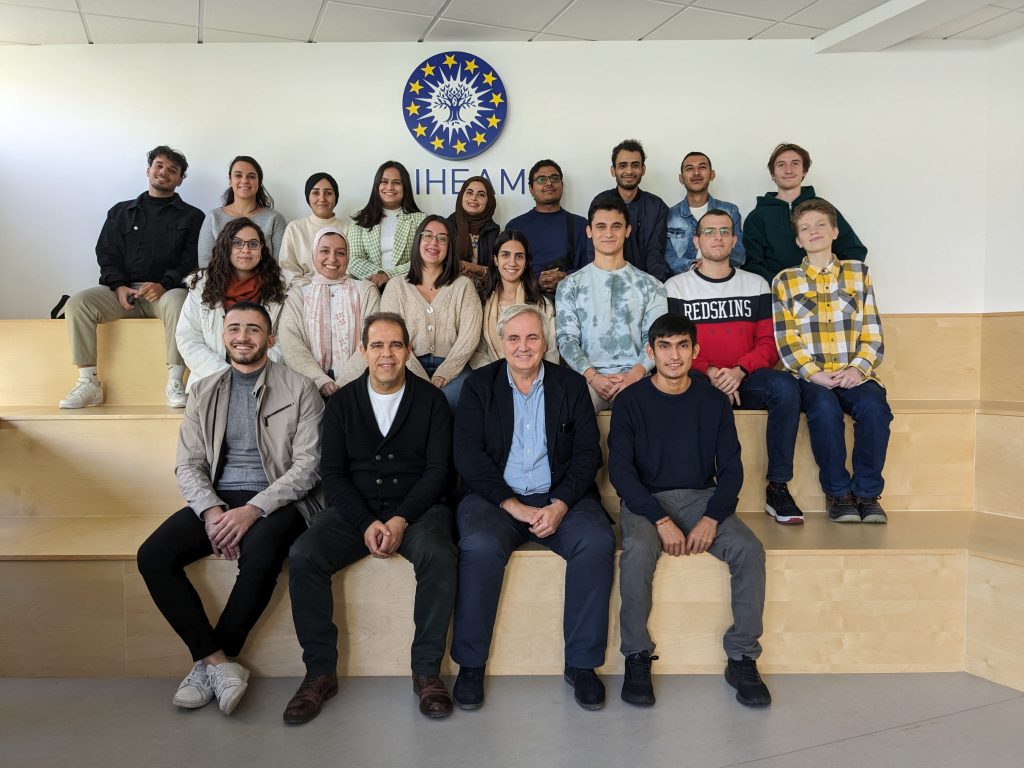
The ceremony was held in CIHEAM Zaragoza’s auditorium, to mark the official start of the XXIV Master in Plant Genetics, Genomics and Breeding (coorganised with the University of Lleida in collaboration with ICARDA, the CBGP and Agrotecnio) and the IX Master in Animal Nutrition (co-organised with the University of Zaragoza in collaboration with the Polytechnical University of Madrid and FEDNA), that have attracted young people from 17 countries (Algeria, Belgium, Cameroon, Colombia, Egypt, Ghana, India, Lebanon, Morocco, Pakistan, Peru, Russia, Senegal, Spain, Tunisia, Türkiye and Uruguay).
Students of the MSc in Animal Nutrition with academic coordinator, Andrés Schlageter, and Antonio de Vega (University of Zaragoza)
Students of the MSc in Plant Genetics, Genomics and Breeding with academic coordinator, Ramzi Belkhodja, and Antonio Molina, director of the Centre for Plant Biotechnology and Genomics (CBGP)
The Master programmes offered this year on the Campus of Aula Dei will address crop breeding in the context of climate change and the improvement of sustainable livestock systems by improving nutrition. CIHEAM Zaragoza’s scholarship scheme enables talented students from the southern and eastern shores of the Mediterranean to participate in these postgraduate studies. The programmes are delivered by renowned experts from all over the world, invited to share their expertise in each of the programmes’ subjects.
Ramón Esteruelas-CIHEAM Zaragoza Prize for outstanding achievement and announcement of the winner of the Best Masters Thesis Prize 2022
The organisers of the event have also announced the creation of the Ramón Esteruelas-CIHEAM Zaragoza Prize for outstanding academic achievement. The prize is named in memory of Ramón Esteruelas, visionary and key figure in the creation of CIHEAM in Paris in 1962. Through this award, CIHEAM Zaragoza acknowledges the pursuit of academic excellence to enhance cooperation and development in agriculture and food within Mediterranean countries.
Likewise, the CIHEAM Prize for the Best Masters Thesis 2022 has been conferred to former CIHEAM Zaragoza student Mohamed Hamitouche. This prize, created in 1994, is awarded by the General Secretariat of CIHEAM in recognition of relevant research work conducted by MSc students in the framework of Master programmes delivered by the four Institutes (Bari -Italy-, Chania –Greece -, Montpellier -France- and Zaragoza -Spain-) and supports the development of their scientific careers.
Inaugural lecture on the potentialities and limitations of the CAP beyond 2023
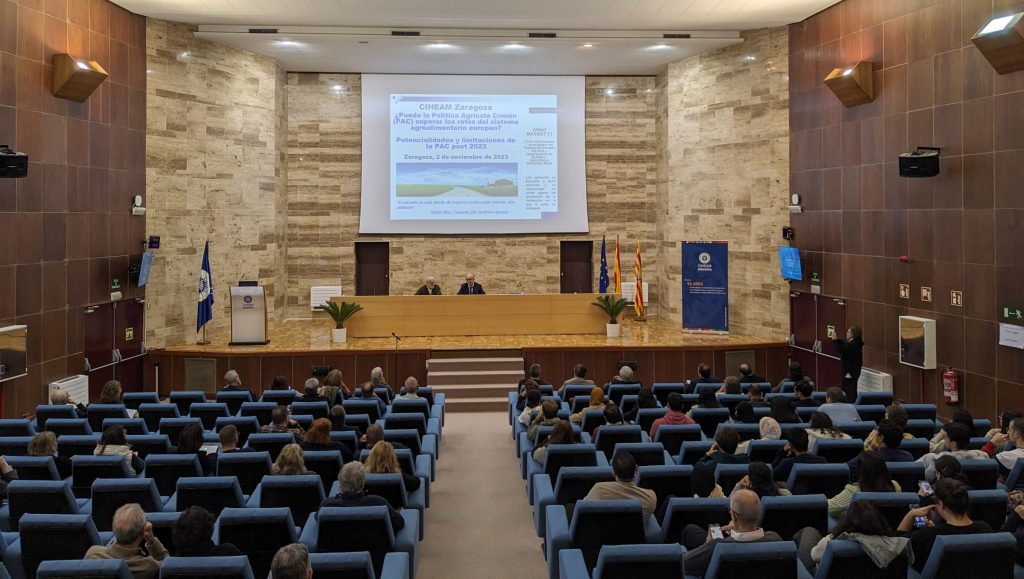
The inaugural lecture was given by Albert Massot, former research administrator of the General Directorate of Domestic Policies of the European Parliament -Department of Agricultural and Rural Studies, who addressed the singularities of the Common Agricultural Policy (CAP) beyond 2023. During his talk, Massot explored the potentialities and the major limits and conditioning factors in the light of the elections of the European Parliament in June 2024, the forthcoming mandate and the new multiannual financial framework of the European Union.
The event was presided by the director of CIHEAM Zaragoza, together with the vice-dean of academic policy and human resources of the Faculty of Veterinary Science of the University of Zaragoza (coorganiser of the Master in Animal Nutrition), José Luis Olleta; director of Agrotecnio, attached to the University of Lleida (coorganiser of the Master in Plant Genetics, Genomics and Breeding), José Antonio Bonet; director of the Agrifood Research and Technology Centre of Aragon (CITA), Miguel Gutiérrez; and the director general of Agricultural Production of the Government of Aragon, Carlos Calvo; with the attendance of Antonio Molina, director of the Centre for Plant Biotechnology and Genomis (CBGP).
Pioneer in implementing postgraduate studies in Spain, the Spanish headquarters of CIHEAM has trained over 17000 young people and professionals since its creation over 50 years ago. The masters delivered by CIHEAM Zaragoza are the result of collaboration between different institutions: universities, research centres, public administrations, international bodies and entities from the private sector.
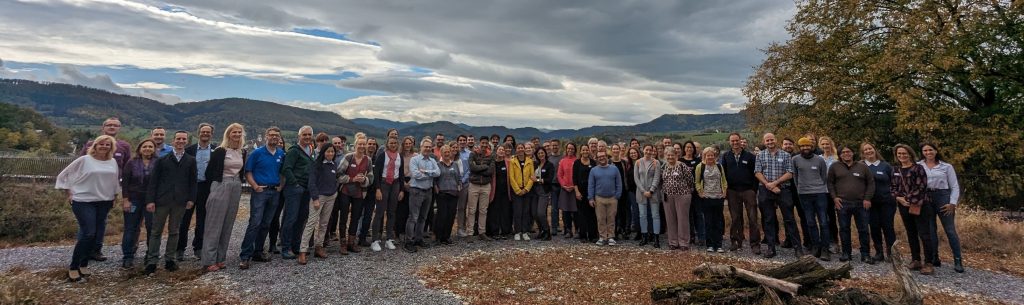
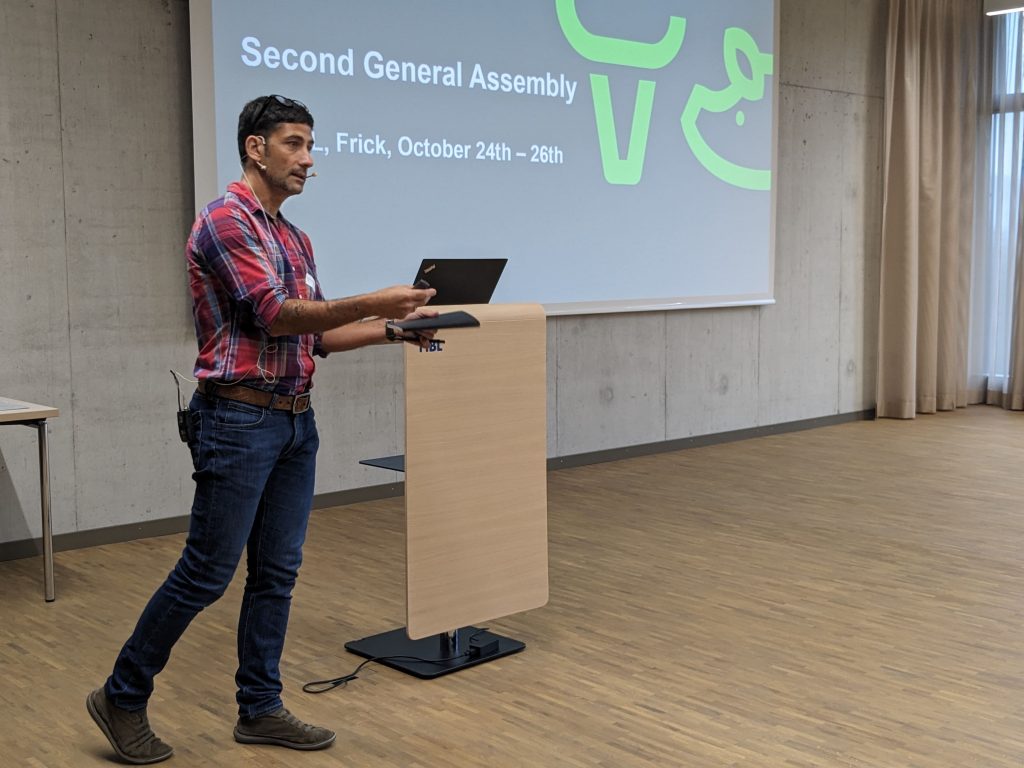
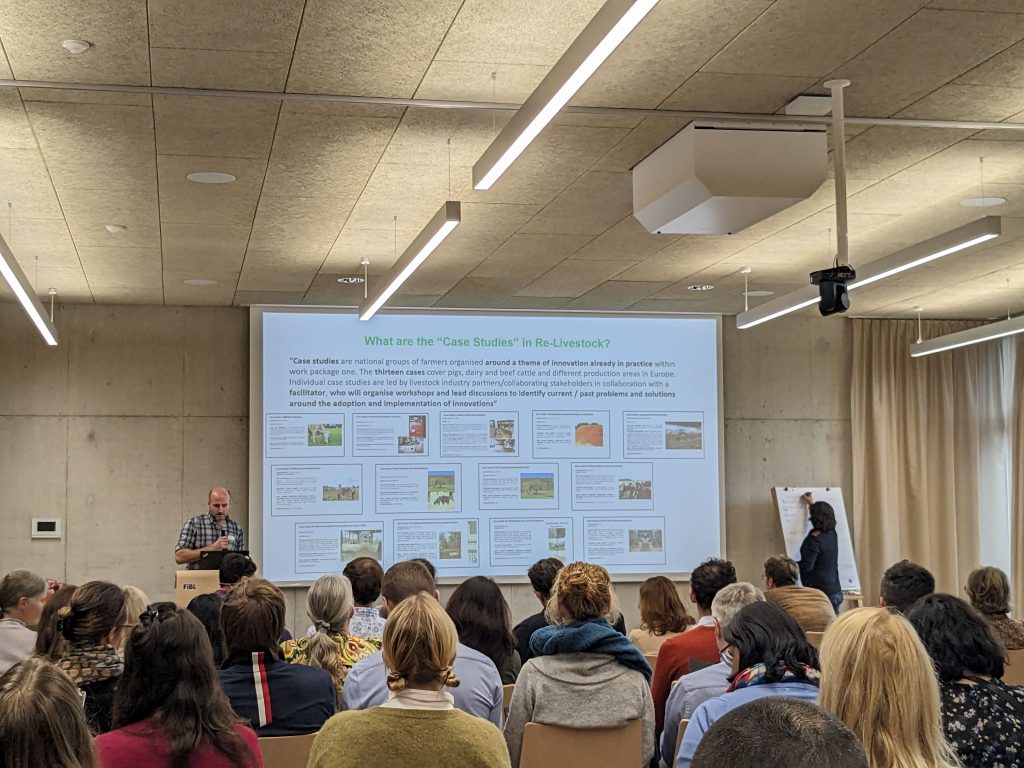
On 24-26 October 2023, a team from CIHEAM Zaragoza was in Frick (Switzerland) to join the Second General Assembly of Re-Livestock, an EU-funded project that is facilitating innovations for resilient livestock farming systems.
The aim of this 5-year research project (2022-2027) is to reduce greenhouse gas emissions from cattle and swine farming systems and increase their capacity to adapt to climate change through innovative practices applied at different scales (animal, herd, farm, sector and region).
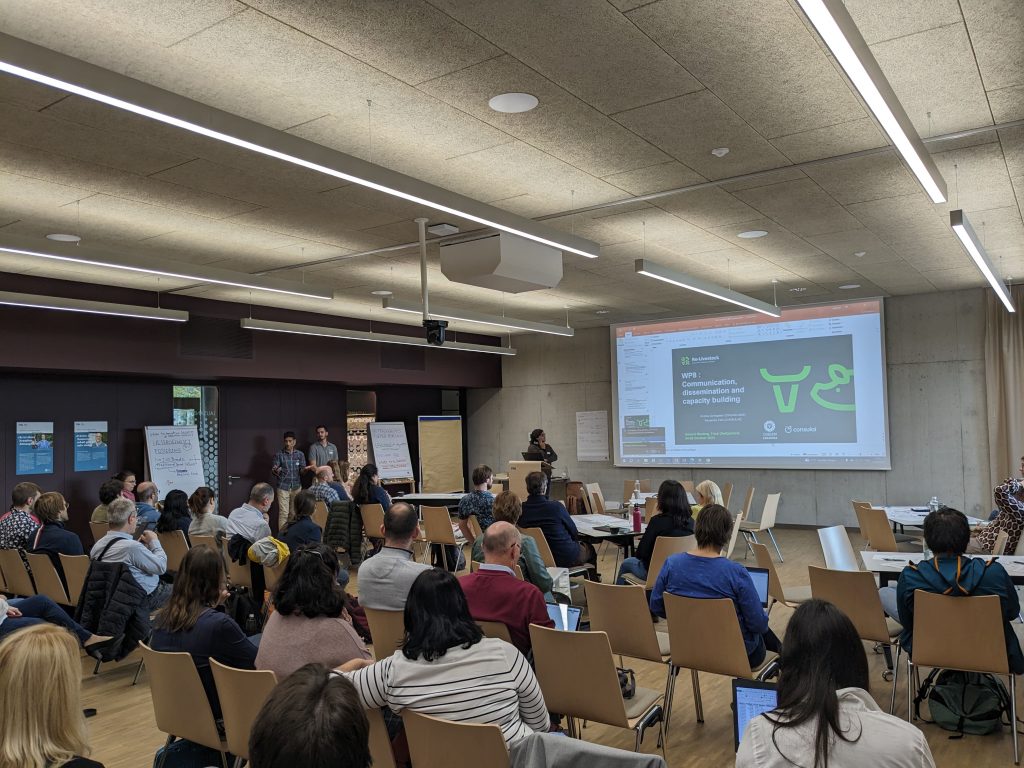
CIHEAM Zaragoza is a partner of this project, leading the work on communication, dissemination and capacity building and taking on the tasks of technical and scientific training for maximum transfer of the project’s results.
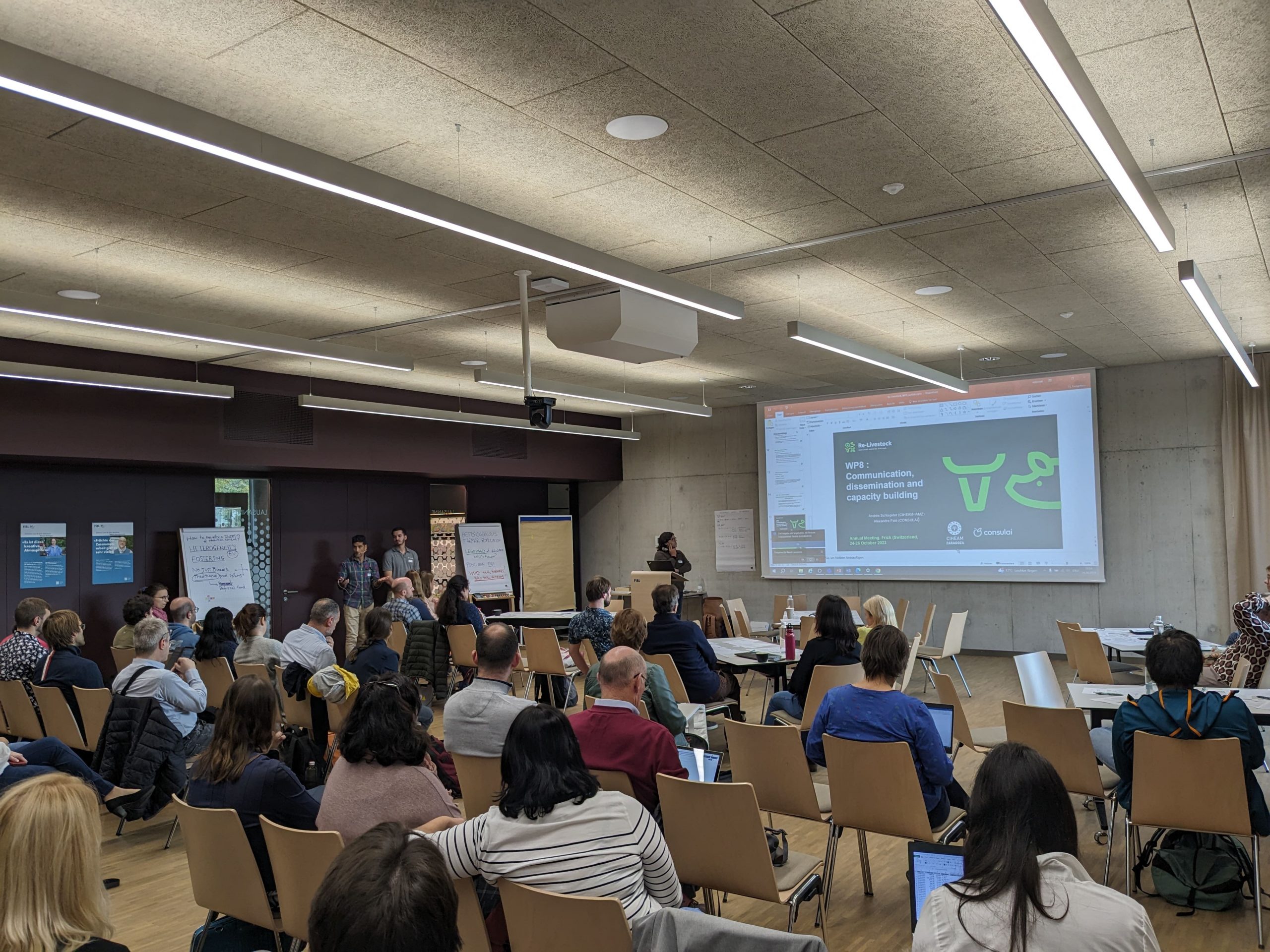
During the meeting held in Switzerland, Andrés Schlageter, from CIHEAM Zaragoza, updated the international consortium on what had been accomplished in the first year and presented the activities for the second year within the project’s communication, dissemination and exploitation plan.
The scheduled rounds of discussions resulted in enriching exchanges among the different project’s working groups, one of the main objectives of the 3-day General Assembly.
Unique and ambitious project composed of 37 partners
Re-Livestock brings together 37 partners working on a diverse range of dairy, beef and pig production systems throughout Europe. The project pivots on three elements: testing innovations in different areas of expertise (feeding, breeding, farm management); assessing the socioeconomic and environmental impact of those innovations; and engaging with stakeholders to promote adoption.
For David Yáñez (EEZ-CSIC, Spain), coordinator of Re-Livestock, the project’s concept and holistic approach set it apart. “Re-Livestock is a unique project because it combines different potential solutions to increase resilience both in the beef, the dairy and the pig sectors. This is quite unique in the sense that normally projects address these things separately. But Re-Livestock is quite ambitious and is combining all those aspects in just one single project”.
In this video interview, the Spanish researcher talks about the use of by-products from the agri-food industry as feed for ruminants, one of his lines of research, and highlights the importance of developing new ingredients that respond to current socio-economic and climatic challenges.
On 15 and 16 November, CIHEAM Zaragoza will host an international meeting on climate change and agriculture organised together with INIA-CSIC, in the framework of Spain’s presidency of the Global Research Alliance on Greenhouse Gases
The event will bring together representatives from more than twenty countries as well as national and internationalinstitutions
On 15 and 16 November, CIHEAM Zaragoza will organise an international seminar on greenhouse gas emissions and climate change mitigation in the Mediterranean agricultural sectors. The event has the collaboration and support of the National Institute for Agricultural and Food Research and Technology of the Spanish National Research Council (INIA-CSIC) in the framework of the presidency of the Global Research Alliance on Greenhouse Gases (GRA) and will bring together representatives from ministries, international organisations (GRA, PRIMA, OECD, FAO or the European Commission), as well as experts and scientists from countries in the Mediterranean basin and other Mediterranean climate zones of the world.
The agricultural sectors of these countries play an important role in the region’s economy and food security. However, they also contribute to greenhouse gas (GHG) emissions which, as is well known, have adverse effects on climate change.
Mitigating greenhouse gas emissions in the agricultural sectors of the Mediterranean basin countries requires a multi-faceted approach that includes improved agricultural and livestock management techniques, sustainable land management practices, the adoption of renewable energies and supportive policies. By implementing these measures, these countries can contribute to climate change mitigation while ensuring sustainable agricultural development.
However, the complexity of these issues, the current gaps between countries in the accurate estimation of emissions, and the common need to identify, validate and test adaptive strategies for mitigation, call for joint actions to strengthen research, promote knowledge sharing on these issues and enhance the capacities of researchers in all Mediterranean countries.
CIHEAM Zaragoza promotes a Mediterranean network on GHG mitigation
The aim of this event is to bring together experts from the countries of the Mediterranean basin to share the current state of scientific knowledge in the region on the quantification of emissions and mitigation, as well as to explore the potential and feasibility of collaborative activities between experts and organisations in these countries to transfer knowledge, methods and experiences, strengthen scientific cooperation and reduce identified knowledge gaps. Ultimately, to create the starting point for a Mediterranean network on GHG mitigation in the agricultural, livestock, forestry and land use change sectors.
In-person participation in the seminar is by invitation only, but there are open sessions that can be followed face-to-face or on-line via streaming:
9:15-11:15 |Scientific approach (Moderators: Agustín del Prado – BC3, Spain; David Yáñez, EEZ-CSIC, Spain) – Climate change and Mediterranean Agriculture (Ana Iglesias – Universidad Politécnica de Madrid, Spain) – Emissions quantification and Mitigation Strategies – Livestock systems(Harry Clark – New Zealand Agricultural Greenhouse Gas Research Centre – NZAGRC) – Emissions quantification and Mitigation Strategies – Cropping systems (José Luis Gabriel – INIA-CSIC, Spain)
11:45-13:30 |Institutionalapproach (Moderators: Jorge Álvaro Fuentes – CSIC-EEAD; Antonio López-Francos – CIHEAM Zaragoza) – Spanish Strategyfor climate change in agricultural sectors. *Esperanza Orellana (Director of Agricultural productions and market, Ministry of Agriculture, Fisheries and Food, Spain) – Round table: Emissions and Mitigation: science, knowledge, action and cooperation. Programmes and tools supporting joint/collaborative action towards mitigation of agricultural emissions in the Mediterranean:
*GRA (Harry Clark, Special representative, GRA) *PRIMA (Omar Amawi, Deputy Director) *OECD (Ada Ignaciuk, Senior Climate Change Specialist) *FAO (Dominik Wisser, Livestock policy officer, Animal production and health division) *European Commission (Nicola di Virgilio, Unit B2-Environmental Sustainability- DG AGRI)
15 November | Open sessions (on-line)
14:45-17:45| The state of the art in Mediterranean countries (I) (Moderators: Ramzi Belkhodja, Maite Aguinaco – CIHEAM Zaragoza) State of the art of the scientific knowledge on emissions quantification and mitigation alternatives in the region: advances, gaps, institutional mapping, quantification of the main emissions across sectors and processes, and mitigation options, etc. Presentations from 6 countries representatives:
Albania (10’) – Abdulah Diku (ILIRIA Association, consultant UNDP Albania) – Lumtury Papa (Agricultural University of Tirana) Egypt (20’) – Ayman Abou Hadid (Ain Shams Univ.) – Amr S. Morsy (Arid Lands Cultivation Research Institute) Greece (20’) – Thomas Barzanas (Agricultural Univ. of Athens) – Anna Vatsanidou (National and Kapodistrian Univ. of Athens) Italy (20’) – Alessandra Lagomarsino (CREA-AA) – Marcello Mele (Univ. Pisa) Lebanon (20’) – Nadim Farajallah (American Univ. of Beirut) – George Mitri (Univ. Balamand)
16 November | Open sessions (on-line)
9:00-11:00 |The state of the art in Mediterranean countries (II) (Moderators: Andrés Schlageter; Antonio López-Francos – CIHEAM Zaragoza)
Malta (20’) – TBC Portugal (20’) – David Fangueiro (Univ. Lisbon) – Paulo Canaveira (Environmental Agency) Morocco (20’) – Rachid Mrabet (INRA Morocco) – Mouad Chentouf (INRA Morocco) Spain (20’) – María José Fernández (Univ. Rey Juan Carlos) – Alejandro Belanche (Univ. Zaragoza) Tunisia (20’) – Hichem Ben Salem (IRESA) – Mohamed Annabi (INRAT) Türkiye (20’) – Yusuf Serengil (Univ. Istanbul) – Erda Celer (FAO Ankara)
The International Olive Oil Council (IOC) and the International Centre for Advanced Mediterranean Agronomic Studies (CIHEAM) are joining forces to organise the next World Olive Day (WDO) celebration.
This year, the World Olive Day will focus on the vital role of women in the olive oil sector. The celebration will take place on 23 November at the IOC headquarters in Madrid.
The World Olive Day was proclaimed by the United Nations Educational, Scientific and Cultural Organisation (UNESCO) at its General Conference in 2019 and on the occasion of its 40th session. Both the IOC and CIHEAM wish to dedicate World Olive Day 2023 to the vital role played by women in the olive sector and throughout the olive oil production chain, from cultivation to the moment it reaches our tables.
To this end, the two intergovernmental organisations have joined forces with a number of women’s associations working in the olive oil sector and representing a variety of geographical areas, including the Women in Olive Oil network in the USA, the Arab and Jordanian Olive Oil Women’s Network, the Women & Olives LATAM network and the Italian associations Pandolea and Donne dell’Olio. In addition to offering their support in various aspects related to the organisation of the WOD 2023, these networks are actively collaborating in the collection of videos that represent the members of their associations as they contribute their hard work to olive oil production around the world and at all stages. The deadline for video submissions is 29 October, after which the organisers will begin work on a compilation to be shown to guests attending the WOD.
Sunday 29 October is also an important milestone in the organisation of the WOD for another reason: it is also the deadline for the receipt of entries for the international artwork competition launched by the IOC and CIHEAM. Everyone around the world is invited to participate in this graphic artwork competition which aims to highlight and celebrate the fundamental contribution of women to the olive oil sector. More information about the competition can be found here. The best artworks will be presented during the WOD ceremony, and the two finalists will be invited to Madrid to attend the celebration in person.
The IOC and CIHEAM have also prepared other exciting events to celebrate World Olive Day 2023 and women’s contributions to the olive world, such as a tasting of traditional olive oil dishes from around the world.
CIHEAM has made gender equality a key pillar of its work in recent years. Among other important projects, CIHEAM has published innovative analyses that shed light on the current state of women’s empowerment and gender equality in the Mediterranean region and beyond, such as its report ‘Gender Equality in the Mediterranean Region’ (CIHEAM, 2022) and its joint publication with the Union for the Mediterranean (UfM) on ‘Strengthening the Role of Women in Rural and Agricultural Areas – Obstacles and Opportunities’ (CIHEAM, 2018). Indeed, women’s active participation is crucial to safeguard food security, as they represent 43% of the global agricultural labour force (CIHEAM, 2022).
Gestionar consentimiento
Para ofrecer las mejores experiencias, utilizamos tecnologías como las cookies para almacenar y/o acceder a la información del dispositivo. El consentimiento de estas tecnologías nos permitirá procesar datos como el comportamiento de navegación o las identificaciones únicas en este sitio. No consentir o retirar el consentimiento, puede afectar negativamente a ciertas características y funciones.
Funcional
Always active
El almacenamiento o acceso técnico es estrictamente necesario para el propósito legítimo de permitir el uso de un servicio específico explícitamente solicitado por el abonado o usuario, o con el único propósito de llevar a cabo la transmisión de una comunicación a través de una red de comunicaciones electrónicas.
Preferencias
El almacenamiento o acceso técnico es necesario para la finalidad legítima de almacenar preferencias no solicitadas por el abonado o usuario.
Estadísticas
El almacenamiento o acceso técnico que es utilizado exclusivamente con fines estadísticos.El almacenamiento o acceso técnico que se utiliza exclusivamente con fines estadísticos anónimos. Sin un requerimiento, el cumplimiento voluntario por parte de tu proveedor de servicios de Internet, o los registros adicionales de un tercero, la información almacenada o recuperada sólo para este propósito no se puede utilizar para identificarte.
Marketing
El almacenamiento o acceso técnico es necesario para crear perfiles de usuario para enviar publicidad, o para rastrear al usuario en una web o en varias web con fines de marketing similares.