Climate change and socioeconomic transformations make Mediterranean forests more vulnerable to drought, fires and pests.
The training will take place in Zaragoza from 15 to 20 April 2024, and will gather international experts in forest ecosystem planning and management.
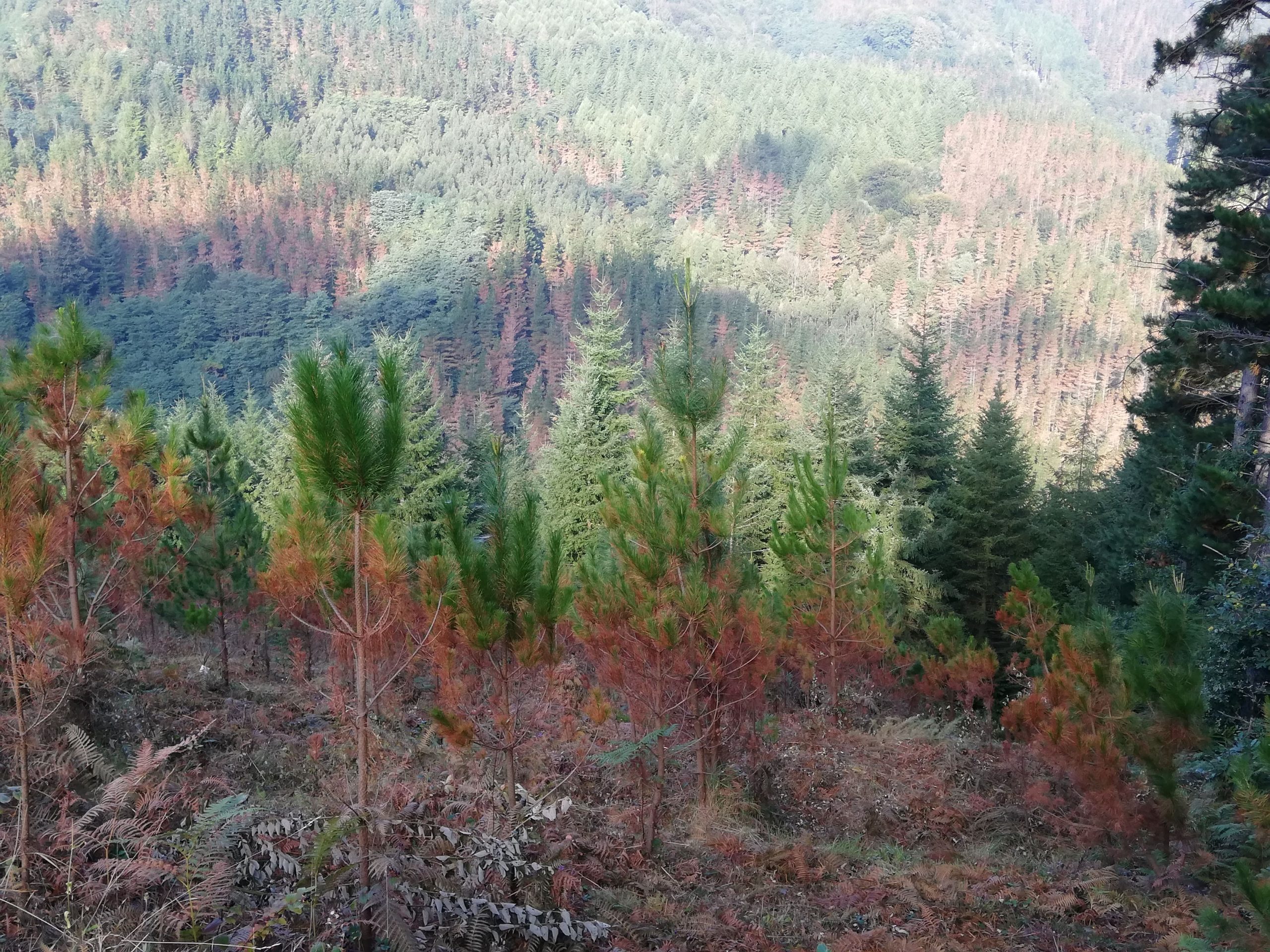
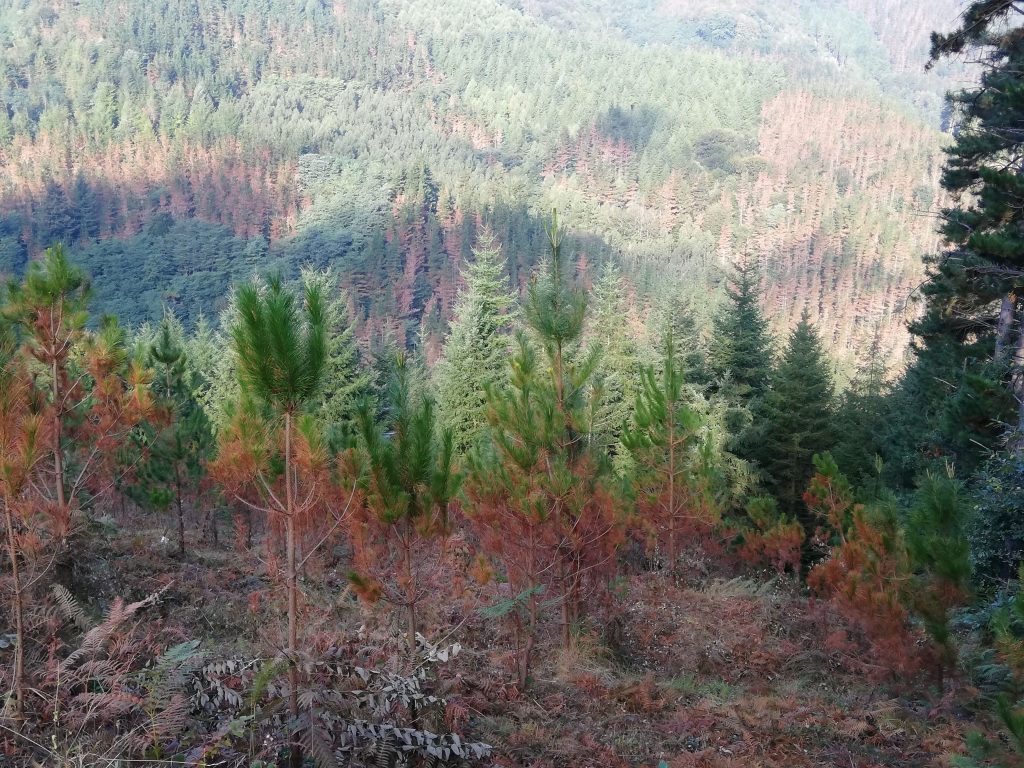
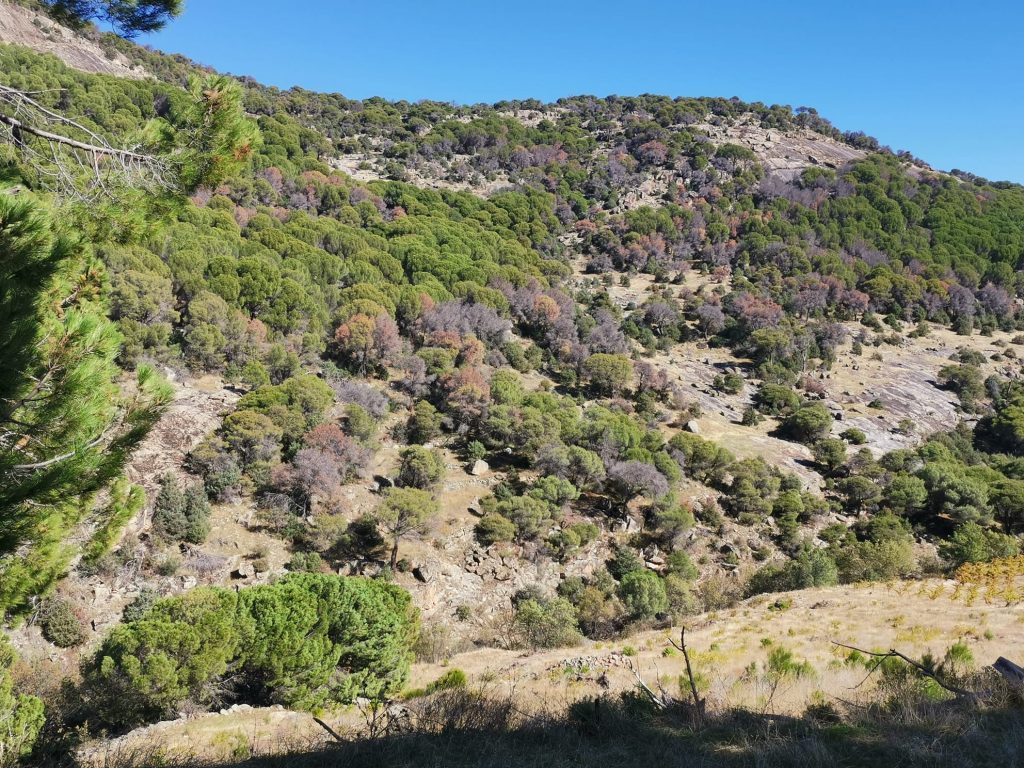
Zaragoza, 17 January 2024.- Mediterranean forests are increasingly more vulnerable to droughts, fires and pests due to the impact of climate change and socioeconomic transformations. In order to conserve these forested areas and improve their resilience, CIHEAM Zaragoza and the public research centre CREAF are organising the international course ‘Management Strategies to Improve the Resilience of Mediterranean Forests’ that will look into the most appropriate strategies and tools for forest ecosystem management in a context of global change.
Maite Aguinaco from CIHEAM Zaragoza and academic coordinator of the course,describes the training: “We have designed a high-impact programme with guest experts from international organisations, universities, research centres and administrations from different countries to address a topic that we consider a top priority in the Mediterranean. The training will combine theoretical and practical sessions, real case studies, and a technical visit to see an example of forest management in situ”.
CREAF undertakes the scientific coordination of the training and has actively contributed to the design of the course content. The speakers include experts from CREAF; the Regional Office of the European Forest Institute for the Mediterranean (EFIMED) – also a collaborating partner of the course; the University of Lisbon; the Austrian University BOKU, and the French research centre INRAE.
“A high-impact programme with guest experts from international organisations, universities, research centres, and the administration services of different countries that will be addressing a priority topic in the Mediterranean.” — Maite Aguinaco, CIHEAM Zaragoza
The course will focus on forest resilience, defined as their capacity to withstand pressures and environmental changes without compromising their essential characteristics and functions. It is tailored for professionals in the public or private sectors engaged in the maintenance and conservation of forest ecosystems in regions with Mediterranean climates.
Participants will gain a practical insight into how to assess the resilience of Mediterranean forests and enhance their knowledge and skills in forest management to deal with key hazards such as droughts, fires and pests.
The course has 50 places (25 face-to-face and 25 online). It will be given in English and held at CIHEAM Zaragoza on the Campus de Aula Dei from 15 to 20 April 2024.
On 19 and 20 March 2024, CIHEAM Zaragoza will host a technical workshop on sustainable crop protection within the framework of the EU-funded project IPMWORKS
The event will be held in person and online and is designed for advisors, technicians, scientists and researchers involved with plant health
CIHEAM Zaragoza has a leading role in IPMWORKS knowledge transfer activities.
CIHEAM Zaragoza is organising a technical workshop on Integrated Pest Management (IPM), a global approach to pest control that opens pathways towards a more sustainable agricultural production. The international event is part of the knowledge transfer activities led by CIHEAM Zaragoza within the framework of the EU-funded project IPMWORKS. It will be held in Zaragoza (Spain) and online on 19 and 20 March 2024.
Designed for advisors, technicians, scientists and researchers involved with plant health, the workshop will provide a forum for the exchange of best practices and experiences, as well as for networking with other professionals in the sector.
IPMWORKS is a four-year project (2020-2024) funded by the EU’s Horizon 2020 Research and Innovation programme. The aim of the project is to demonstrate that holistic IPM “works”, i.e. it enables low dependence on plant protection products with improved pest control, reduced costs and increased profitability.
Participation and registration
Workshop participation is open through registration. 40 places will be available for face-to-face participation (lectures and technical visit). In addition, online participation (lectures) will be available. Some scholarships will be given for face-to-face attendance.
Simultaneous interpretation into English and Spanish will be available. Check here all the details and full programme.
Dates: 19-20 March 2024
Venue: CIHEAM Zaragoza (Campus of Aula Dei. Av. Montañana 1005, Zaragoza – Spain)
Modality: face-to-face and online
Registration deadlinefor face-to-face participation: 31 January 2024
Registration deadline for online participation: 15 March 2024
The IPMWORKS project has received funding from the European Union’s Horizon 2020 research and innovation programme under grant agreement N.101000339.
Views and opinions expressed are however those of the author(s) only and do not necessarily reflect those of the European Union or European Commission. Neither the European Union nor the European Commission can be held responsible for them.
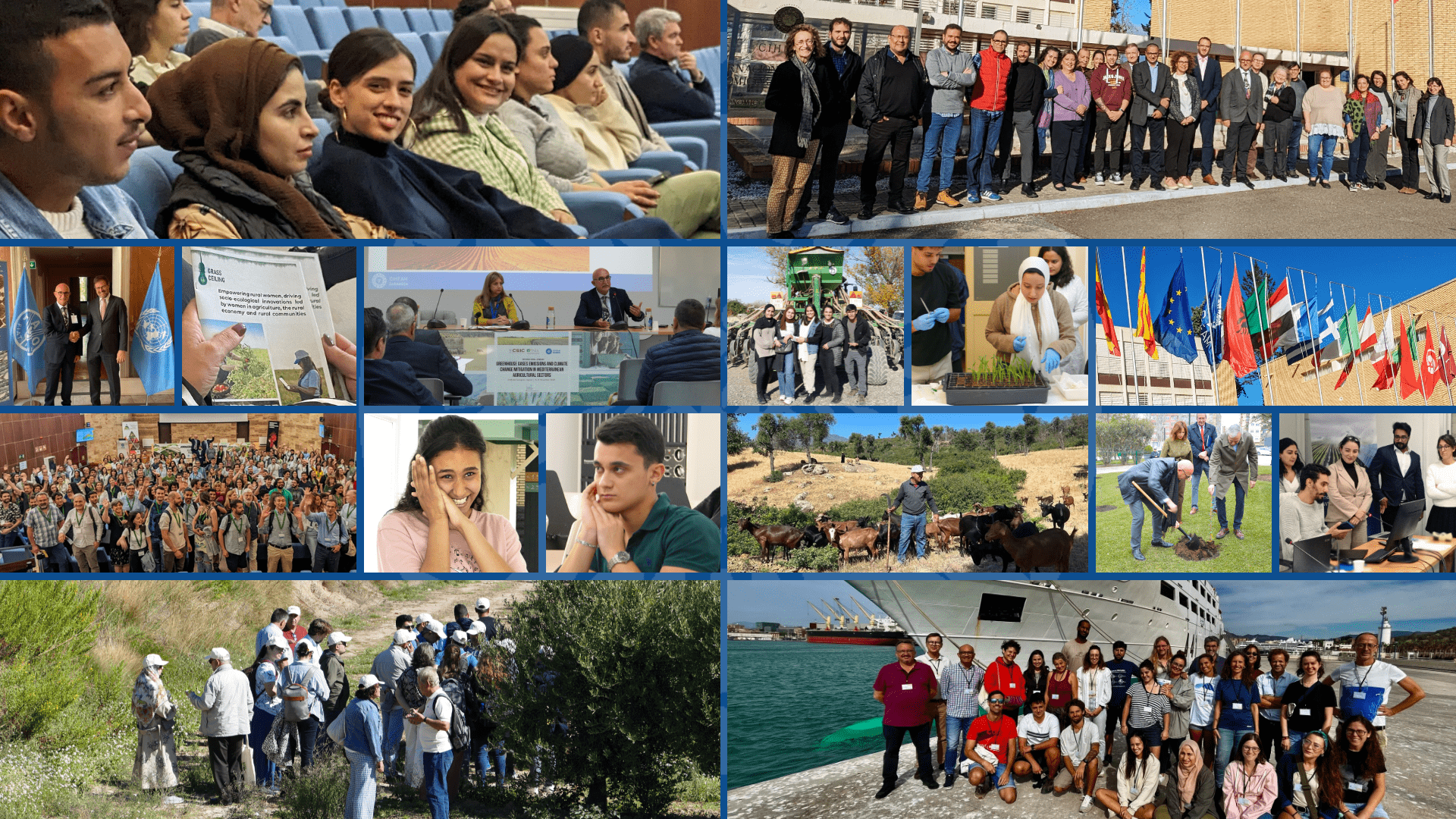
We take a look back at some of the highlights of 2023. A year of opportunities, learnings and joint efforts to further our mission of agri-food cooperation across the Mediterranean and beyond.
A renewed commitment to training for cooperation
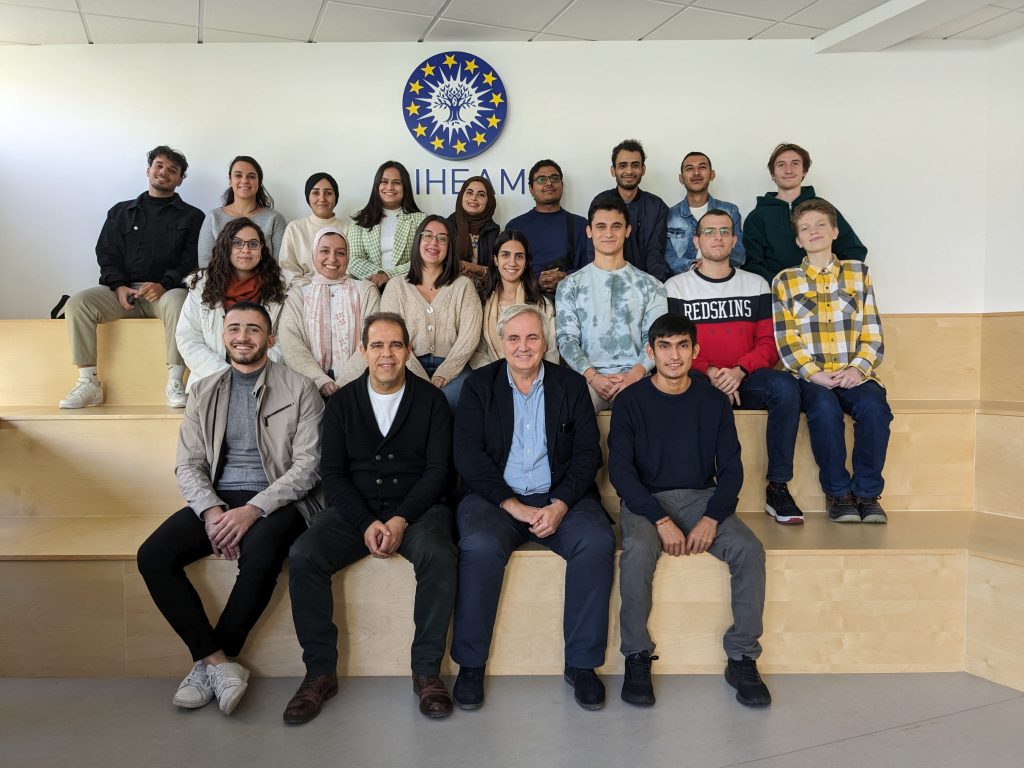
CIHEAM Zaragoza officially inaugurated the academic year 2023-2024 with a renewed commitment to training as tool for cooperation in agriculture and food. Today, more than ever, considering the current environmental, geopolitical and social global crises, cooperation is a very powerful tool and a hallmark of the Institute’s activities. Read more.
New space for dialogue and scientific exchange
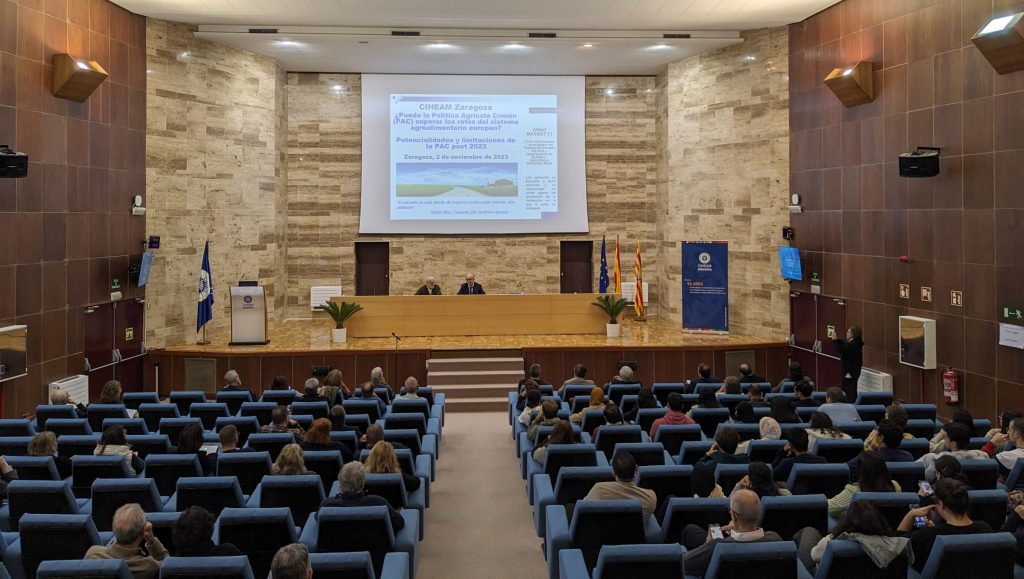
The CIHEAM Zaragoza-Campus of Aula Dei Lecture Series has opened a space for dialogue and exchange on topics related to agriculture and food. The series was launched this year with a lecture delivered by Professor José Miguel Carot Sierra, who provided practical insights on how to design and implement indicator systems to improve the quality of scientific and academic management. Read more.
Up to 10 research and cooperation projects
Together with institutions from more than 35 countries CIHEAM Zaragoza has worked in 10 research and cooperation projects in 2023. The Institute has undertaken new projects on the role of women in rural areas, health and safety conditions for farmers, legume breeding and multi-actor knowledge building. Read more.
A network for climate change mitigation
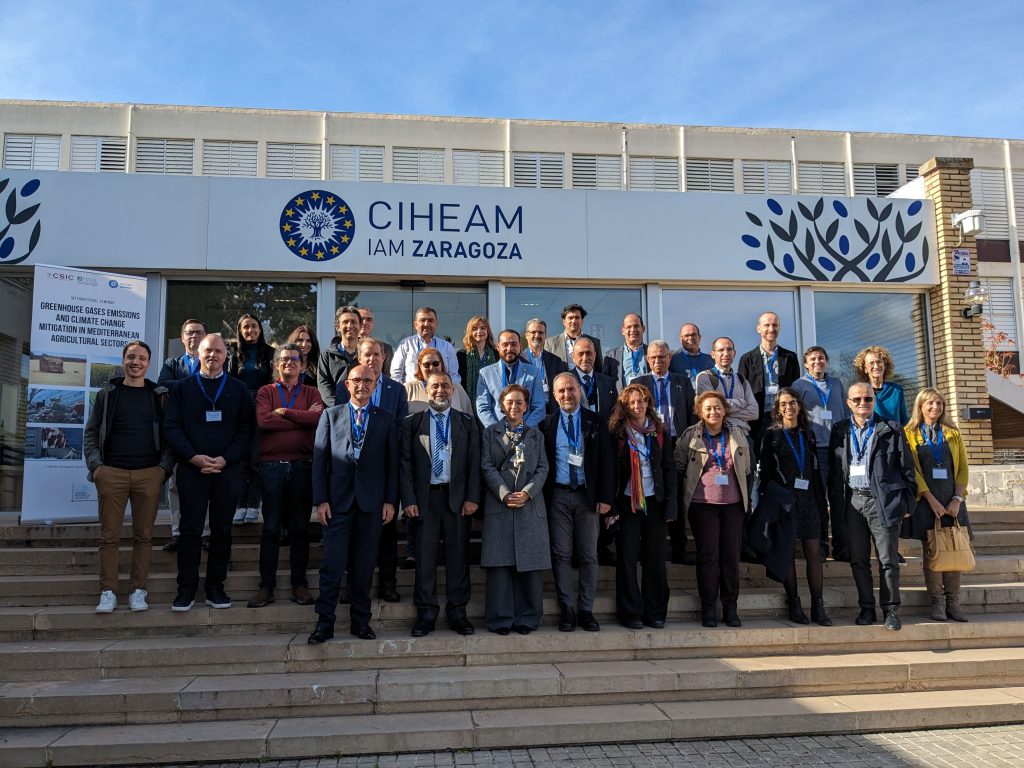
CIHEAM Zaragoza promotes cooperative innovation to tackle major challenges in agriculture and food. This year the Institute has led efforts to promote the first scientific and institutional network for climate change mitigation in Mediterranean agrifood systems. Read more.
Food geopolitics: global challenges, local impacts
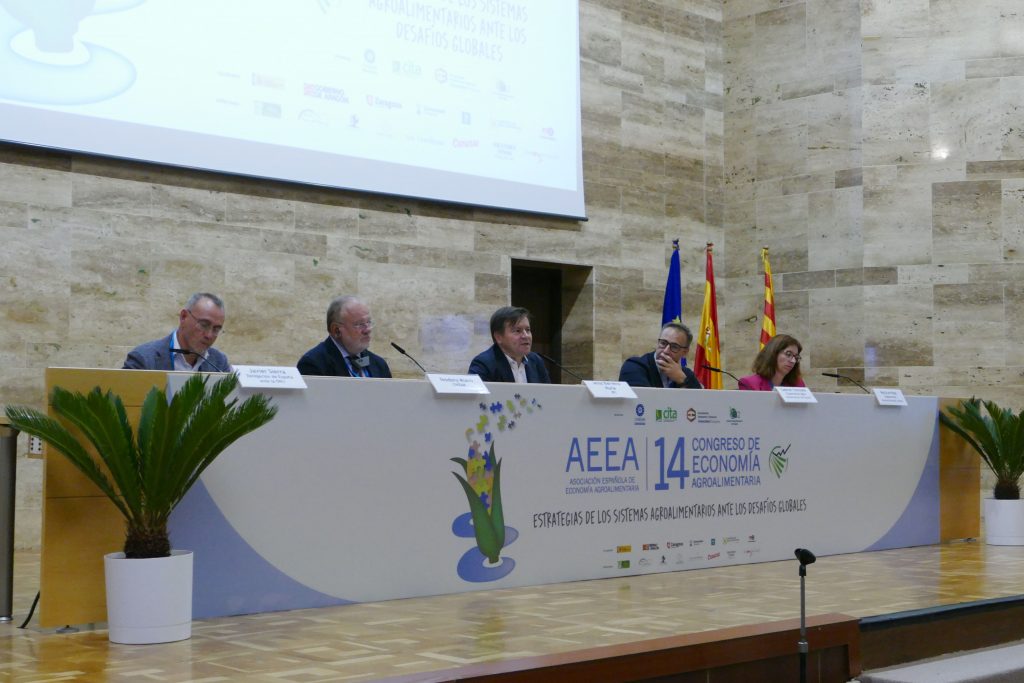
In a setting marked by climate change and by concerns about food security due to the conflict in Ukraine, CIHEAM Zaragoza hosted and promoted the XIV Congress of the Spanish Association of Agrifood Economists. The congress paid special attention to food geopolitics. CIHEAM’s secretary general, Teodoro Miano, provided a Mediterranean perspective, speaking of the intergovernmental organization’s role in promoting greater sustainability and resilience in agrifood systems. Read more.
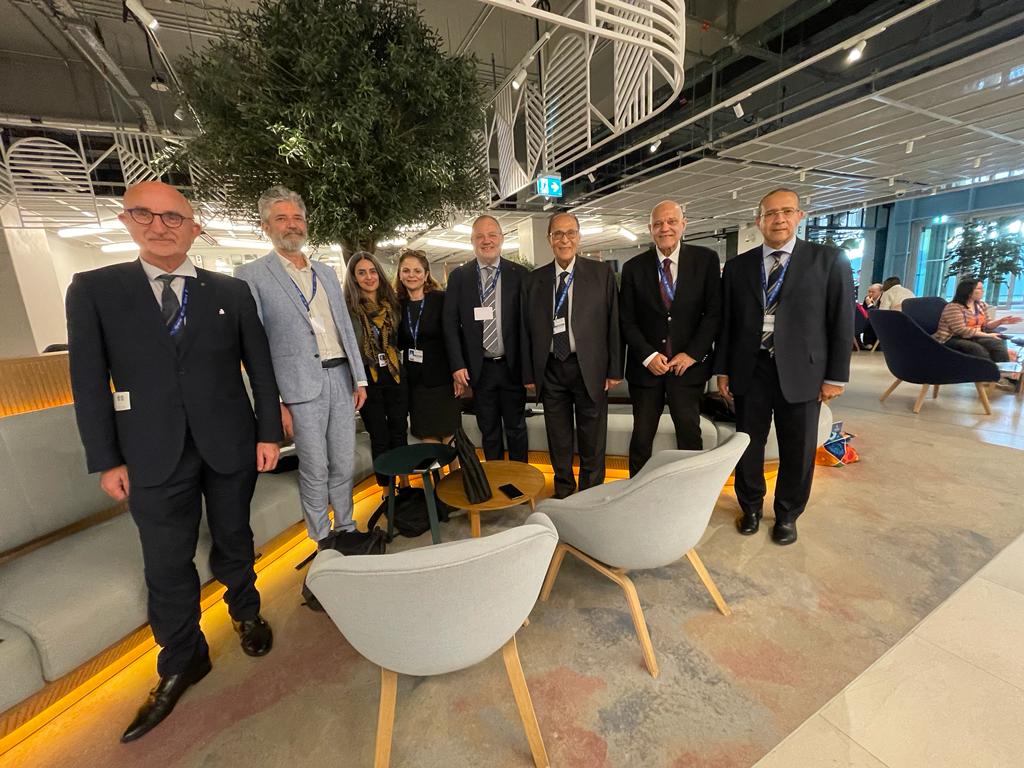
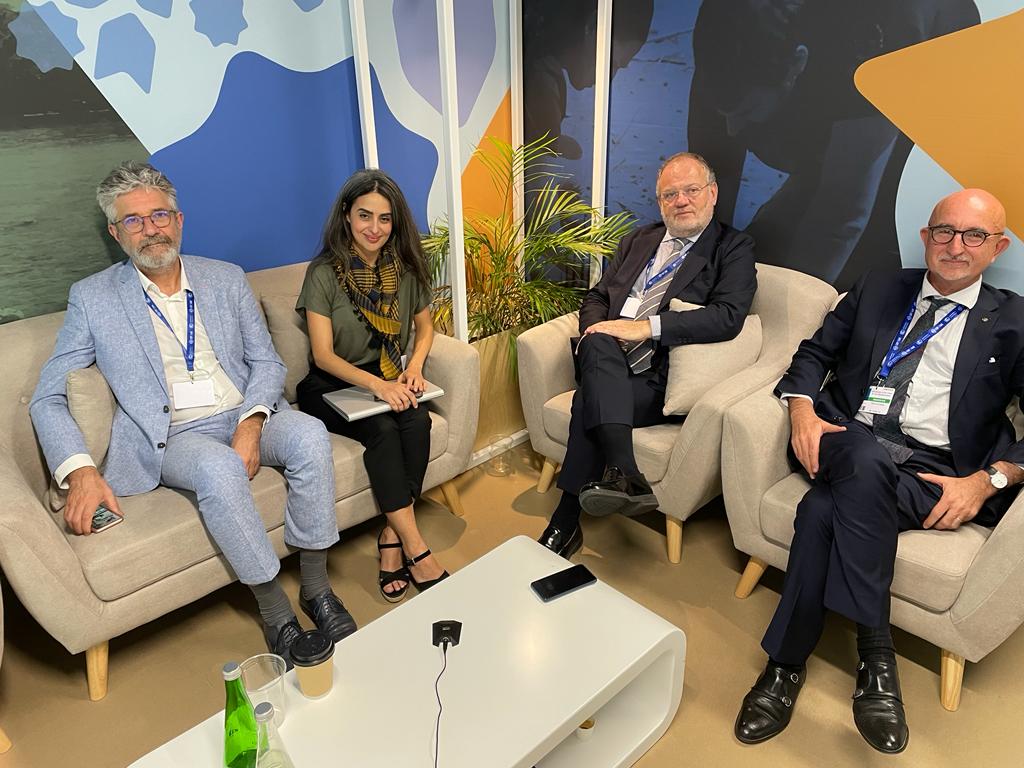
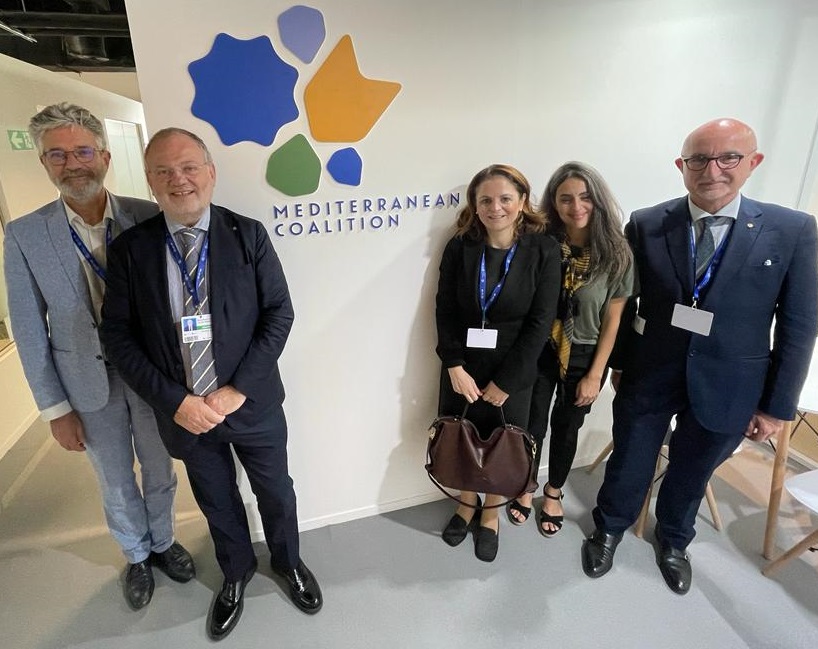
CIHEAM Zaragoza has reinforced its commitment to addressing climate change by actively engaging in COP28 in Dubai. In an event focused on the blue economy in the Mediterranean, CIHEAM’s Spanish Institute has underlined the importance of training, research and cooperation for sustainable fisheries and aquaculture development in the region.
“With two masters, several advanced courses and a wide range of research and cooperation projectswe are able to enhance the expertise of specialists striving to improve the sustainable management of fisheries“. Raúl Compés, director of CIHEAM Zaragoza goes on to say, “Our presence at the climate conference of the United Nations is a sign of our commitment to improving the capacities of experts in Mediterranean countries“.
During a round table discussion held at COP28 on the blue economy, CIHEAM analysed the needs of fisheries, aquaculture and coastal zones to improve their sustainability and resilience. Compés was joined by Teodoro Miano, Secretary General of CIHEAM, who spoke of the role that port cities and Mediterranean coastal towns can play in the blue economy; Thierry Dupeuble, Director of CIHEAM Montpellier, who addressed the issue of abating pollution and recovering water quality and marine and coastal ecosystems and Yasmine Seghirate El Guerrab, Administrator of CIHEAM’s General Secretariat, who moderated the debate.
>>Harnessing the blue economy in the Mediterranean to tackle climate change: What transitions and resources do we need to improve sustainability?
The Institute of Zaragoza has been part of the CIHEAM delegation at the COP28, where the intergovernmental organisation made up of 13 member countries (Albania, Algeria, Egypt, France, Greece, Italy, Lebanon, Malta, Morocco, Portugal, Spain, Tunisia and Turkey) has attended several events related to climate change challenges for Mediterranean agriculture and food systems
The panel discussed the blue economy, agroforestry and the water-energy-food-ecosystem nexus, as well as climate security for adaptation and resilience.
CIHEAM has taken advantage of the occasion to hold working meetings with the Moroccan minister of Agriculture, Mohammed Sadiki, and the president of the Arab Water Council (AWC) Mahmoud Abu Zeid.
Participation took place within the context of the Mediterranean Coalition Office – an instrument of action, networking, coordination and discussion that places the Mediterranean region in the climate decision-making arena.
Joaquín Balduque, project manager at CIHEAM Zaragoza, addresses in this articlethe relevance of a global approach to pest control in agriculture
The importance of integrated pest management in the Mediterranean: the role of CIHEAM. An article by Joaquín Balduque, project manager at CIHEAM Zaragoza.
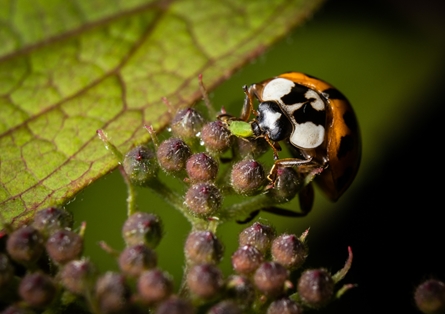
Integrated Pest Management (IPM) is a global approach to pest control in agriculture that offers an alternative to conventional techniques, thus reducing excessive use of phytosanitary products.
The main objective is to apply long-term control strategies that combine biological, cultural and chemical methods to bring pathogen populations down to tolerable levels and keep pests below the economic threshold. The importance of IPM lies in its potential to enhance the sustainability of crop production, leading to a reduction in the harmful effects of agrochemicals on the environment, and lower economic costs for farmers.
Considering the Mediterranean within the scope of the EU, in Directive 2009/128/EC on the sustainable use of pesticides (SUD), and the Farm to Fork Strategy of the European Green Deal, IPM is increasingly recognised as a key strategy to achieve sustainable agriculture and protect the environment (European Commission, 2023).
IPM has a vital role to play in non-European Mediterranean countries, where the use of phytosanitary products can have significant repercussions on human health, the environment and the economy, particularly in countries that depend on agriculture as a main source of income.
According to Yaseen et al. (2023), several reports have indicated that crop practices can be improved by following recommendations to introduce IPM and thus enhance the management of phytosanitary products in the North of Africa. Likewise, Mazih (2015) explains how IPM is gradually being incorporated to satisfy the new market demands regarding production quality, environment and health. Furthermore, Boulahia‐Kheder (2021) observes that in Morocco, Tunisia and Egypt great efforts have been made for over a decade to reduce the use of synthetic insecticides to combat important pests such as Ceratitis capitata, commonly known as the fruit fly. This same study points out how the application of synthetic chemical insecticides can lead to excessive use of organophosphates such as malathion or dimethoate and of pyrethroids such as deltamethrin (Boulahia‐Kheder, 2021). These products can have very harmful effects on non-target species such as auxiliary fauna (i.e. entomophagous arthropods) that play an important role in the natural regulation of pests. According to Jemmazi (2019), one of the objectives for the forthcoming years should be to reduce chemical treatments wherever possible, and use biological control options in combination with IPM.
In recent years, several key IPM strategies have been providing effective results in pest control in northern African countries. Biological control based on parasitoids is raising interest as an additional component of IPM to control various fruit fly species. In addition, particularly in Tunisia, Morocco and Egypt, various environmentally friendly trap technologies have been used successfully in the protection of citrus and summer fruit crops when included in IPM strategies (Boulahia‐Kheder, 2021). Furthermore, mating disruption methods using natural pheromones applied alone or in combination with biological insecticides, give effective results in controlling Tuta absoluta in greenhouses in southern Tunisia (Chouikhi et al., 2023).
In this sense, authors such as Elimem et al. (2022) point out that IPM should be adopted without delay in Tunisia to control high levels of pests in organic citrus orchards. Likewise, Boulahia‐Kheder (2021) observes that IPM should be implemented extensively in northern Africa, ideally as part of a global biosafety system that includes quarantine measures and awareness raising in the farming community.
Day et al. (2022) state that one of the institutional and political bottlenecks is that the agricultural extension services are normally more concerned with staple crops and focus more on productivity than on environmental impacts. Berni et al. (2021) also report a gap between farmer awareness and sustainable use of phytosanitary products, and how this can be reduced to a minimum by developing community-based and participatory training models.
Given the importance of IPM in the Mediterranean area, on one hand there is a clear need for professionals with training in IPM principles and practices. On the other hand, research, outreach, and engagement with institutions and policy-makers are all crucial elements to ensure the continuous updating and transfer of knowledge and support the successful implementation of IPM. Effective communication, aimed at sharing individual and collective knowledge for the greater good, has an essential role to play in the current model of IPM.
The role of advisors, technical experts, scientists and researchers is fundamental to guarantee an effective use of IPM, therefore suitable training and education should be a main objective. Furthermore, in order to progress towards increased uptake of IPM and compliance with the provisions set out in the directives, it is essential to train the actors involved in policy-making and creating guidelines, as well as those engaged in monitoring, control and reporting activities.
CIHEAM’s remit matches this need for internationaltraining and cooperation through research project management in plant health and crop protection in IPM-related issues.
In the consortium of the H2020 project IPMWORKS, CIHEAM Zaragoza is in charge of the training task, and coordinates the design and creation of training modules for farmers and advisors based on successful experiences from the project’s network. We focus on the technical aspects of IPM and how it can be used for more sustainable production and on the methods used to guide farmers in their adoption of cost-effective IPM strategies. These modules will be used throughout the lifetime of the project to conduct training activities and all material created will be freely accessible to the public and openly available on the IPMWORKS website. CIHEAM Zaragoza also leads the work package on IPM-poIicy engagement and sustainability strategy. The objectives of this WP include interacting with policy-makers and the main actors of the food chain and keeping them informed about IPM, connecting with the policy officers entrusted with the implementation of the SUD Directive and National Action Plans through the demonstration network, as well as implementing the methods developed during the project.
References
Berni, I., Menouni, A., El, I. G., Duca, R. C., Kestemont, M. P., Godderis, L., & Jaafari, S. E. (2021). Understanding farmers’ safety behavior regarding pesticide use in Morocco. Sustainable Production and Consumption, 25, 471-483. https://doi.org/10.1016/j.spc.2020.11.019
Boulahia‐Kheder, S. (2021). Advancements in management of major fruit flies (Diptera: Tephritidae) in North Africa and future challenges: A review. Journal of Applied Entomology, 145(10), 939-957. https://doi.org/10.1111/jen.12938
Chouikhi, S., Assadi, B. H., Ettaib, R., Lebdi, K. G., & Belkadhi, M. S. (2023). Effectiveness of mating disruption applied alone or in combination with bioinsecticides against Tuta absoluta in heated greenhouse tomato crops of southern Tunisia. Phytoparasitica, 1-12. https://doi.org/10.1007/s12600-023-01080-z
Day, R., Haggblade, S., Moephuli, S., Mwang’ombe, A., & Nouala, S. (2022). Institutional and policy bottlenecks to IPM. Current Opinion in Insect Science, 100946. https://doi.org/10.1016/j.cois.2022.100946
Elimem, M., Jendoubi, H., Lahfef, C., Limem-Sellemi, E., Ben Belgacem, L., Kalboussi, M., & Rouz, S. (2022). Further data on scale insect species in an organic citrus orchard in north-eastern Tunisia: biodiversity, abundance and natural enemies. Redia: Giornale di Zoologia, 105. http://dx.doi.org/10.19263/REDIA-105.22.07
European Commission (2023). Food Safety and Integrated Pest Management (IPM). Accessed on 23 October 2023. https://food.ec.europa.eu/plants/pesticides/sustainable-use-pesticides/integrated-pest-management-ipm_en
Jemmazi, A. (2019). Nous sommes en train de réviser notre législation pour que la lutte biologique intégrée y occupe une place de choix. La Revue De L’entreprise, 162, 51–52.
Mazih, A. (2015). Status of citrus IPM in the southern Mediterranean basin Morocco, North Africa. Acta Hortic, 1065, 1097-1104. https://doi.org/10.17660/ActaHortic.2015.1065.138
Yaseen, T., Hajjar, M. J., & Baogen, G. (2023). High hazard pesticides (HHPs) in Near East and North Africa (NENA), constrains and recommendations to mitigate the risk of HHPs. Environmental Science and Pollution Research, 30(1), 1133-1151.
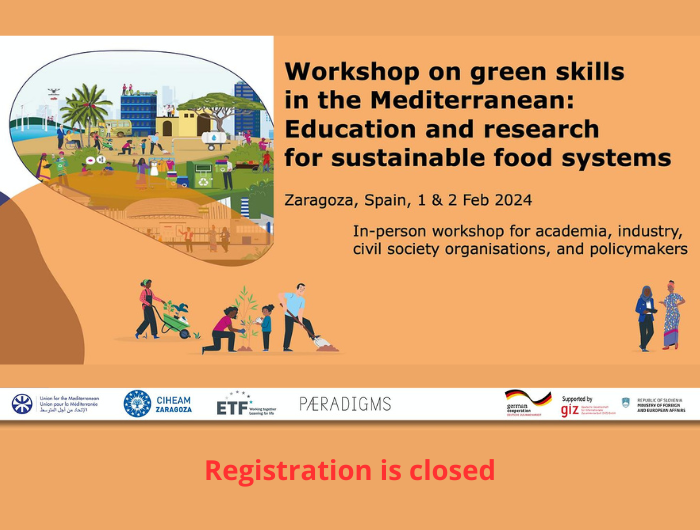
The Union for the Mediterranean is co-organising with CIHEAM Zaragoza a workshop on integrating green skills into teaching and learning linked to agriculture and sustainable food systems in support of food security.
The European Training Foundation (ETF) and Paeradigms are providing technical assistance and the workshop is supported by the German Development Cooperation (GIZ) and the Slovenia Ministry of Foreign and European Affairs.
Education plays a pivotal role in fostering sustainable thinking and moving toward green transformation and a “just transition”. Green transformation requires a holistic approach, including revamping higher education, vocational, and continuous professional development through policies, institutional strategies, curriculum development, research, innovation, and green campus initiatives. In this context, the UfM and CIHEAM Zaragoza organise this workshop on green skills in the Mediterranean on 1 and 2 February 2024.
The workshop will be held at CIHEAM Zaragoza and will focus on:
Technical green skills linked to sustainable food systems, from two perspectives: a technical perspective through food production and agriculture, and a policy-level perspective looking at national frameworks and sustainability. This integration is essential to ensure that these institutions can effectively contribute to the Sustainable Development Goals and enhance the employability of their graduates.
Transversal skills that change mindsets and address root causes of inequality that sustain climate vulnerability. Effective integration necessitates a robust policy environment, a culture of dialogue, and the political will of both state and non-state actors to disrupt unsustainable systems.
Although the workshop is focused on higher education and research, it shall encompass multi-sector participation, including industry, policymakers and civil society institutions. This shall facilitate the development of comprehensive solutions, fostering innovation and building partnerships for systemic sustainable development.
Participation and registration
The workshop is limited to 25 participants and follows a rolling admission policy. Participants are also tasked with pre-reading and other activities to complete prior to the first session. This is a variant of the “flipped classroom” approach, which allows participants to use workshop time to discuss and digest the material already studied in advance. Besides, the workshop is interactive and relies on exchange between participants to enrich the experience and instil stronger retention of concepts and practices. In the afternoon of the first day, participants will work in groups to prepare a case to present on day two. The winning team will announced at the end of the workshop.
Thanks to the support of GIZ, workshop participation is free. The Union for the Mediterranean is willing to cover travel and accommodation to a limited number of participants from non-EU UfM Member States, according to UfM rules on eligibility. Participants are asked to apply through the registration form below and send their CV by email to greenskills@paeradigms.org. Registrations will close on 21 December 2023 at midnight (CET). Applicants will be informed by 22 December 2023.
Para ofrecer las mejores experiencias, utilizamos tecnologías como las cookies para almacenar y/o acceder a la información del dispositivo. El consentimiento de estas tecnologías nos permitirá procesar datos como el comportamiento de navegación o las identificaciones únicas en este sitio. No consentir o retirar el consentimiento, puede afectar negativamente a ciertas características y funciones.
Funcional
Always active
El almacenamiento o acceso técnico es estrictamente necesario para el propósito legítimo de permitir el uso de un servicio específico explícitamente solicitado por el abonado o usuario, o con el único propósito de llevar a cabo la transmisión de una comunicación a través de una red de comunicaciones electrónicas.
Preferencias
El almacenamiento o acceso técnico es necesario para la finalidad legítima de almacenar preferencias no solicitadas por el abonado o usuario.
Estadísticas
El almacenamiento o acceso técnico que es utilizado exclusivamente con fines estadísticos.El almacenamiento o acceso técnico que se utiliza exclusivamente con fines estadísticos anónimos. Sin un requerimiento, el cumplimiento voluntario por parte de tu proveedor de servicios de Internet, o los registros adicionales de un tercero, la información almacenada o recuperada sólo para este propósito no se puede utilizar para identificarte.
Marketing
El almacenamiento o acceso técnico es necesario para crear perfiles de usuario para enviar publicidad, o para rastrear al usuario en una web o en varias web con fines de marketing similares.