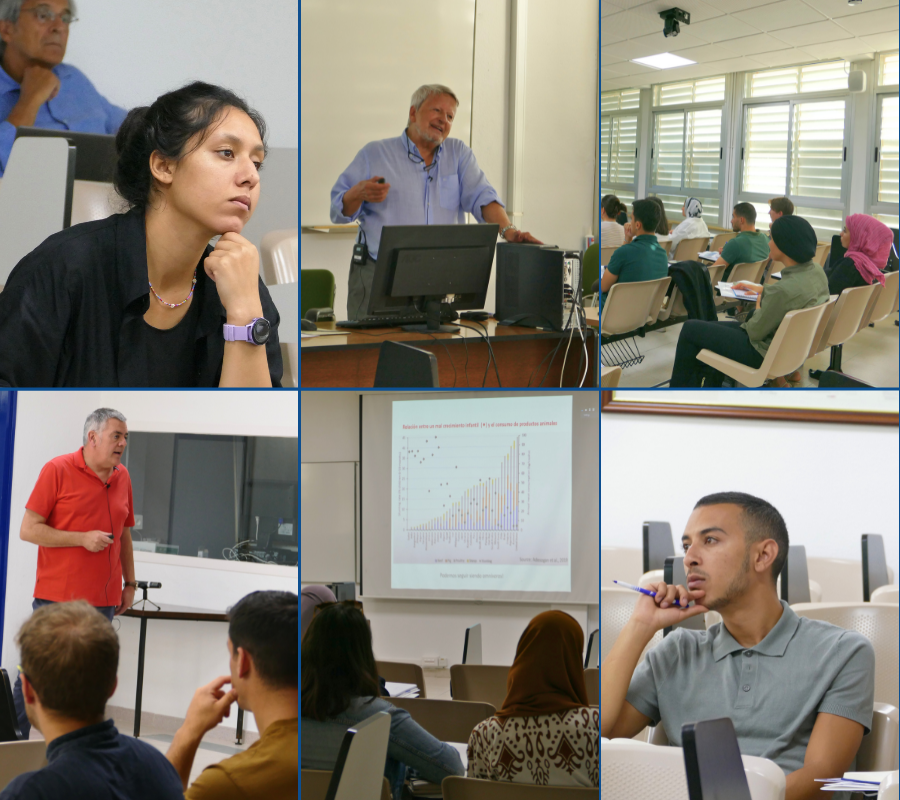
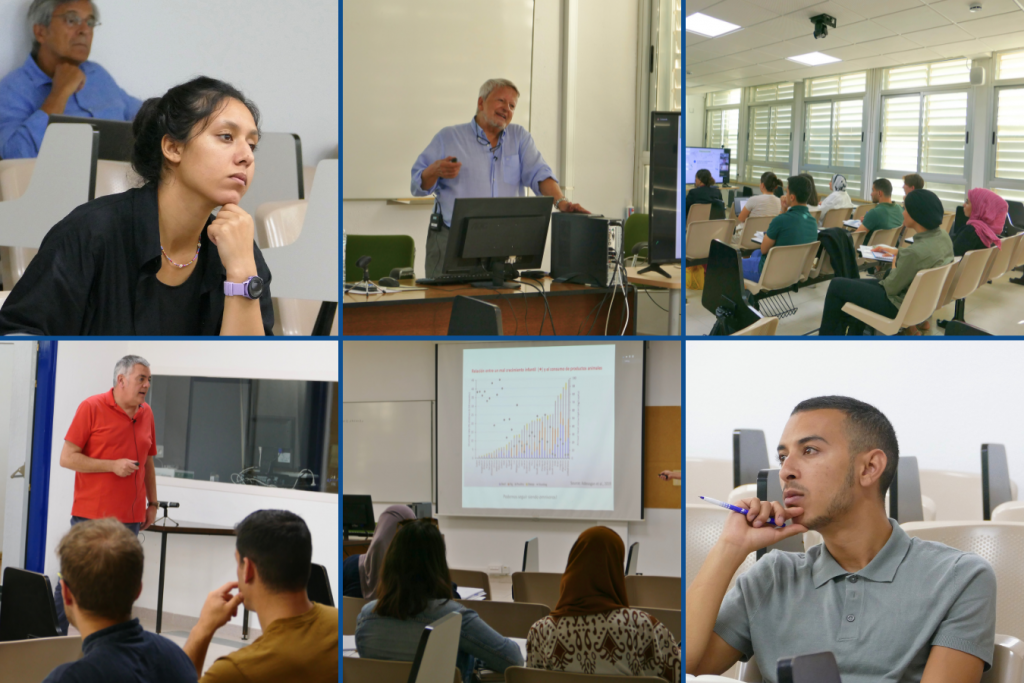
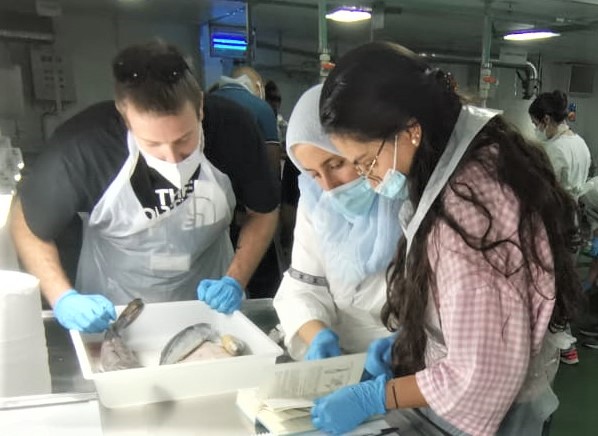
The academic year 2023-2024 commences this month at CIHEAM Zaragoza with new editions of the Master in Plant Genetics, Genomics and Breeding and the Master in Animal Nutrition
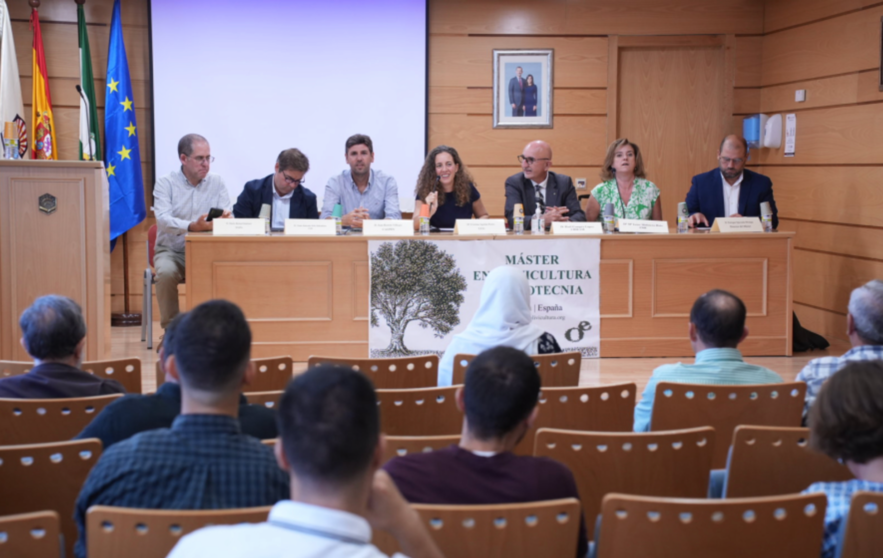
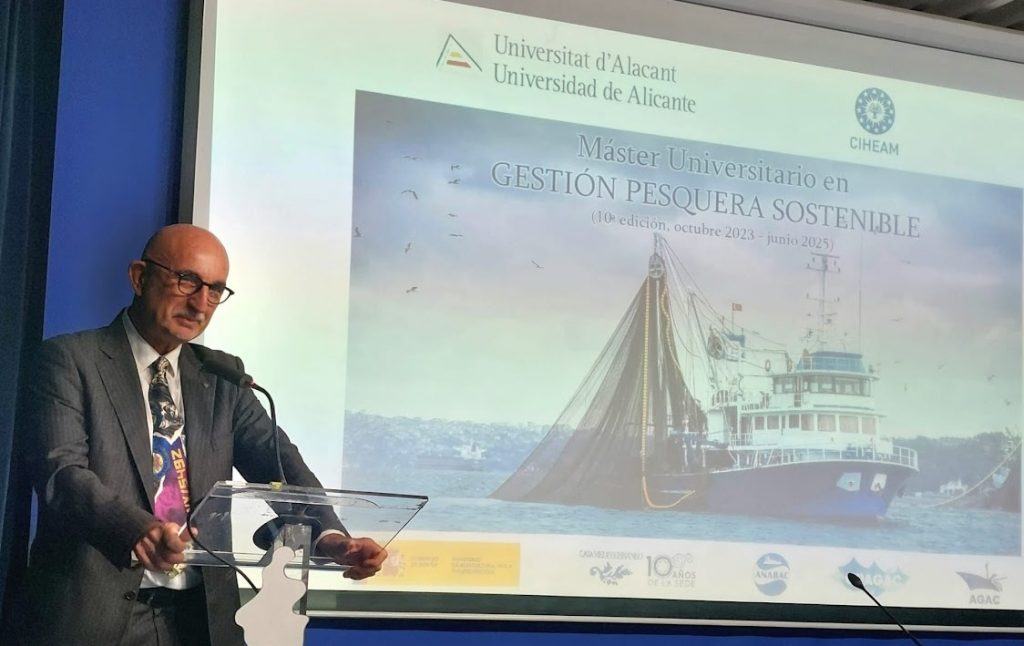
Activity continues in Cordoba and Alicante with the inaugurations of the latest editions of the Master in Olive Growing and Oil Technology, and the Master in Sustainable Fisheries Management
Zaragoza, 4 October 2023.- Young people from four continents have chosen CIHEAM Zaragoza for the next stage of their learning journey. The organization’s master programmes commencing this year are delivered in partnership with other national and international institutions in Zaragoza, Cordoba and Alicante.
Brilliant young students from the southern and eastern shores of the Mediterranean have been awarded scholarships to continue their postgraduate studies, focusing on key aspects for the future of the agriculture and food sector in the Mediterranean and across the world.
A pioneer in delivering advanced courses and master’s programmes in Spain, CIHEAM Zaragoza has trained more than 17,000 postgraduates and professionals since its creation over 50 years ago.
All CIHEAM Zaragoza’s postgraduate programmes are the result of partnerships with numerous institutions including universities, research centres, and international bodies. For the full catalogue of masters and co-organizing institutions visit: https://www.zaragoza.ciheam.org/education/master-programmes/
The EU-funded project is running 6 webinar sessions organised by CIHEAM to boost innovation and sustainability
Aquaculture is playing a growing role in building sustainable food systems in Europe and the Mediterranean region
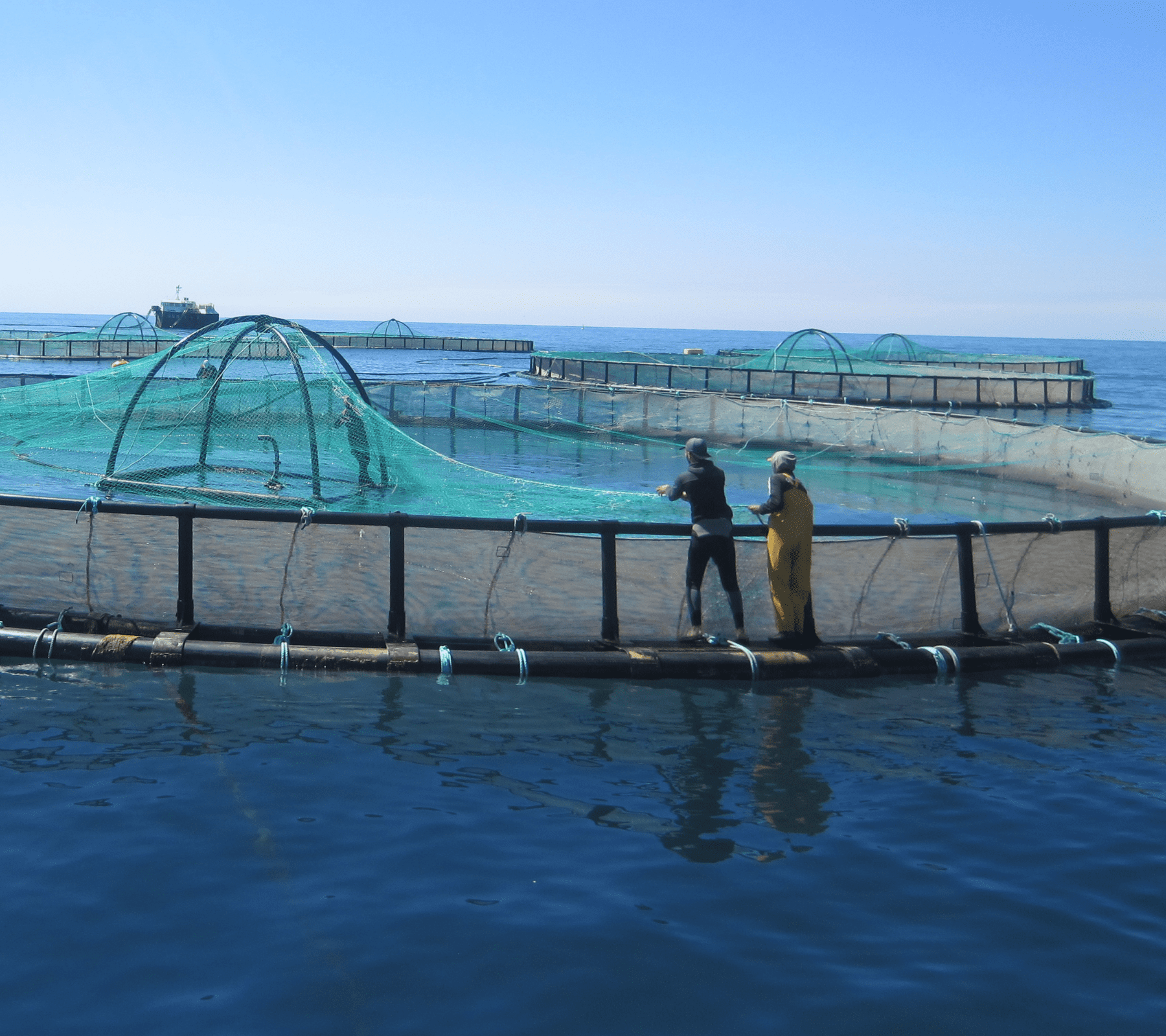
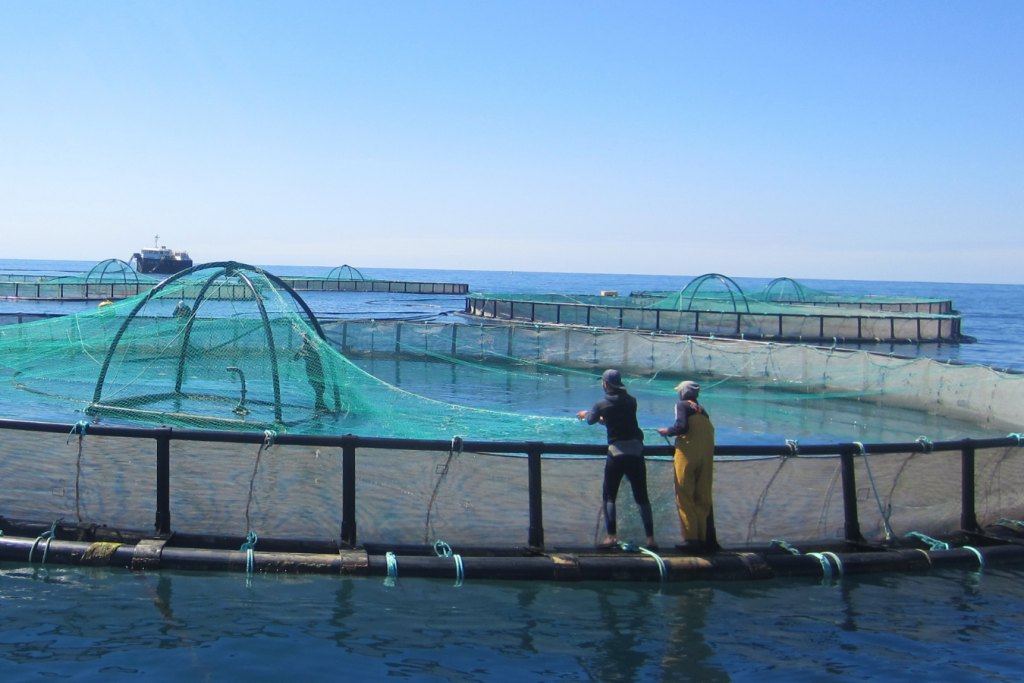
Zaragoza, 28 September 2023.- Over the course of October 2023, the NewTechAqua project is running 6 webinar sessions to provide the necessary skills for a sustainable, resilient, and innovative European aquaculture. The topics cover some of the major challenges faced by the sector, from fish feeding to fish health or fish reproduction.
Aquaculture is playing a growing role in building sustainable food systems in Europe and the Mediterranean region. Among other benefits, aquaculture can help ensure food security, alleviate pressure on wild fish stocks and provide stable livelihood for fishing communities.
The webinars are organised by CIHEAM, one of the 26 project partners, through its institutes in Zaragoza (Spain) and Bari (Italy). The sessions are free and open for aquaculture researchers, technical staff, industry stakeholders and any person interested in NewTechAqua main results, outputs and recommendations.
The schedule of the upcoming sessions is as below:
New organic feeds for affordable sustainability. 3 October 2023.
Circular aquafeed ingredients for sustainable aquaculture. 5 October 2023.
Feeding strategies to support fish health and to reduce antimicrobials. 11 October 2023.
Reproduction and broodstock management of meagre (Argyrosomus regius). 18 October 2023.
Reproduction and broodstock management of greater amberjack (Seriola dumerili). 20 October 2023.
Broodstock management software. 31 October 2023.
Registration, together with a full programme of these webinars, is available at the NewTechAqua webpage, in the training section: newtechaqua.eu/training.
The sessions are part of the NewTechAqua Webinar Series, which was launched on 7 June 2023 and is expected to run until December 2023. The project has already hosted three webinars, which have been recorded and are available on the project’s YouTube channel.
Past webinars are listed below:
Epidemiological model tools for parasite infections. 6 September 2023.
Promoting Aquaculture 4.0 at farm level. 5 July 2023.
How to improve consumers’ awareness on EU sustainable aquaculture. 7 June 2023.
The Director of CIHEAM Zaragoza, Raúl Compés, addresses in this article the challenges associated with food geopolitics and the role of CIHEAM
Geopolitics, technology and food cooperation. Article by Raúl Compés, Director of CIHEAM Zaragoza.
Geopolitics, the study of the effects of geography on politics and international relations, currently plays an important role in the world agrifood system.
For centuries, agriculture and food have been wielded as instruments of power. Feeding the population has always been a key element in asserting sovereignty, and relations with other countries also have an influence on food policies.
If a nation has enough resources to produce staple foods at an affordable cost, international trade may take second priority and the country may strive to be self-sufficient. If, however, neighbouring countries have natural assets or other advantages in crop and livestock farming, then trade may be advantageous to them to guarantee their food supply.
In modern societies, since the beginning of the industrial revolution, when the division of labour was clearly established between agriculture and industry, and towns and cities, the main role of agriculture has been to produce food. For many years, technology and geopolitics have posed the greatest challenges, which are now further compounded by environmental and social factors.
Increasing crop area and yield are the two main strategies for agricultural growth. With the best lands already under cultivation, the potential for increasing production can only come from improving productivity. Achieving higher yields requires intensifying agricultural practices by incorporating inputs and technological innovations, prioritizing solutions with minimal adverse effects on the environment.
Producing enough food to sustain the global population is a formidable challenge, especially since the times of Malthus (1798). To date, his theories have been proven incorrect, as enough food is produced to meet the needs of the world’s population . Today, despite the remarkable progress made in agrifood technology over the past two centuries, the causes of food insecurity can be attributed to political issues and their economic impact. Flawed democracy on the domestic level and strained relations between nations on the international level, may both contribute to the persistence of this global challenge. However, history has demonstrated that past events do not dictate future outcomes, and the field of epistemology highlights the limitations of induction as a scientific method.
While this scheme has not substantially changed, it is worth noting that the potential for improvement is diminishing due to limited available land. Moreover, external production costs have increased, and the interdependence between countries fluctuates between conflict and harmony.
International relations are asymmetrical and ever-changing, and are often shaped by dominant hegemonies in different eras. Throughout history, various empires have emerged across the world, all of which have relied on expansive territories to ensure a stable and efficient food supply, as occurred in the Roman and British Empires.
In addition to the empires, international trade is the best way to ensure a consistent food supply. However, this type of exchange is influenced by trade policies and other types of public interventions that can also affect trade. In crop and livestock production, several models have been used ranging from free trade to quasi-autarky, including the implementation of diverse regulatory measures. Mercantilist or import substitution policies have demonstrated limited effectiveness in this sector. However, it is important to consider the long-term consequences of such policies, as protectionism can be a tempting strategy to ensure self-sufficiency, particularly in staple foods.
International trade can be successful if countries do not impose arbitrary restrictions, do not use food as a political weapon, and do not create distortions in foreign markets through domestic policies. It is essential to have a robust multilateral system with predictable rules that nations adhere to, alongside a relatively stable world order.
Unfortunately, despite the existence of the World Trade Organization and numerous trade agreements, these conditions are far from being met. Consequently, the role of geopolitics and the associated risks in international relations acquire critical significance.
Under these circumstances, if the situation remains unchanged, all food security strategies will inevitably have to be reassessed in order to mitigate the risks associated with dependence on other countries. In this scenario, international cooperation emerges as an immensely powerful tool. It is crucial to provide urgent assistance to countries experiencing severe food insecurity and on the brink of crisis. This assistance should not only focus on short-term relief but also involve structural support, enhancing countries’ capacities to overcome long-term challenges. Since 1962 CIHEAM has been actively engaged in this endeavour with Mediterranean countries in southern Europe, and since the 1980s with countries in northern Africa and the Middle East. CIHEAM remains committed to continuing its efforts in the years to come, striving to be a relevant player both in terms of human capital and knowledge transfer and in Mediterranean diplomacy concerning agriculture and food-related matters.
CIHEAM Zaragoza has taken part in the 1st annual meeting of the European project GRASS CEILING, where the University of Valladolid and Agrifood Cooperatives of Spain presented the project’s Spanish living lab for rural women innovators.
The project aims to empower rural women and increase the number of innovative and economically, socially, and environmentally-sustainable initiatives in the agricultural sector and the rural world.
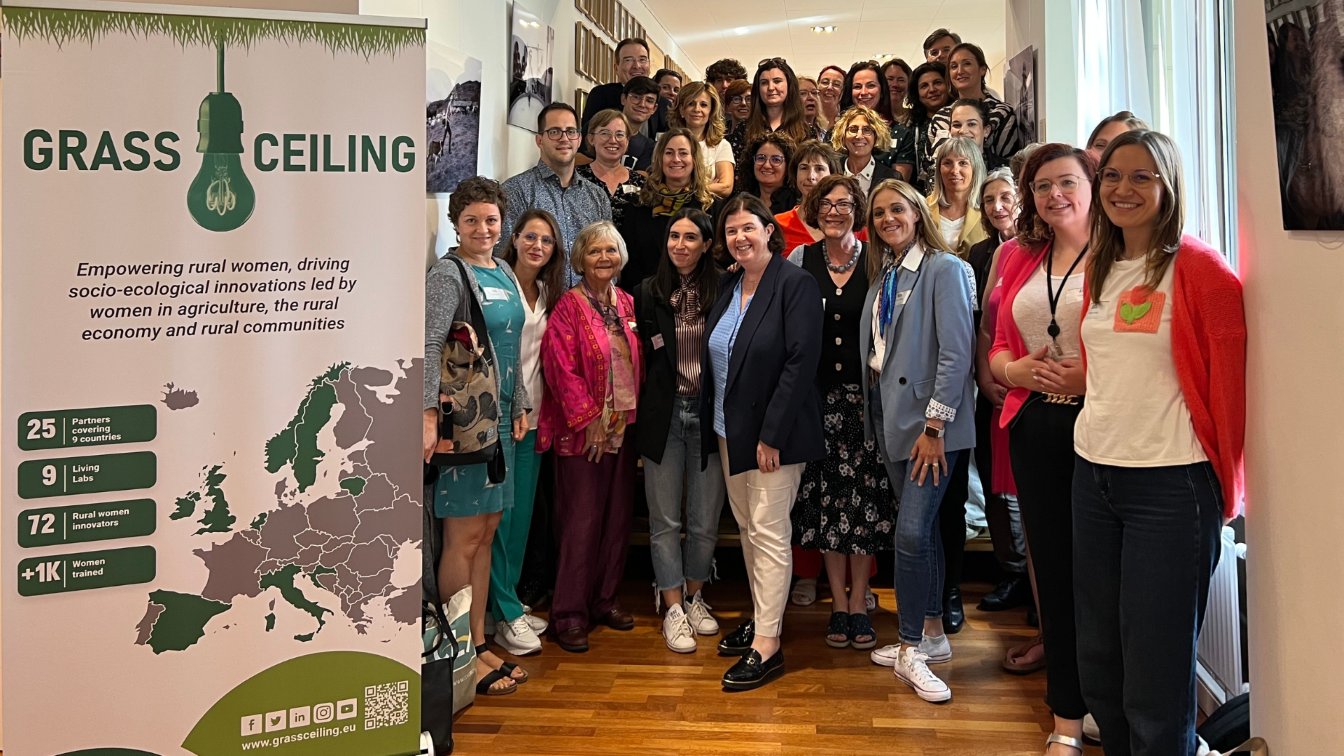
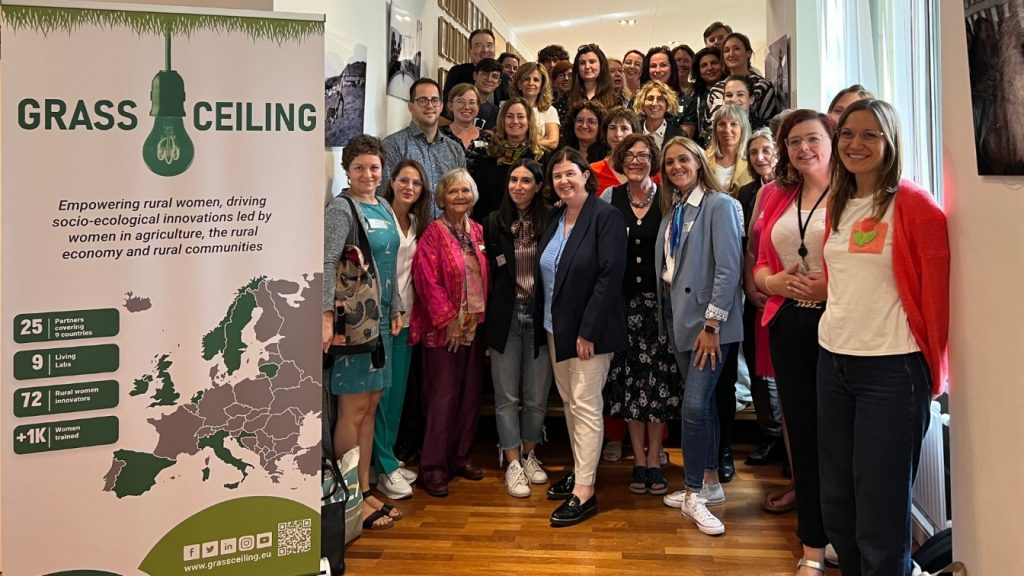
The team from CIHEAM Zaragoza travelled to Brussels to take part in the first annual meeting of the European GRASS CEILING project on 12-14 September. The University of Valladolid (Palencia Campus) and Agrifood Cooperatives of Spain presented the project’s Spanish living lab for rural women innovators.
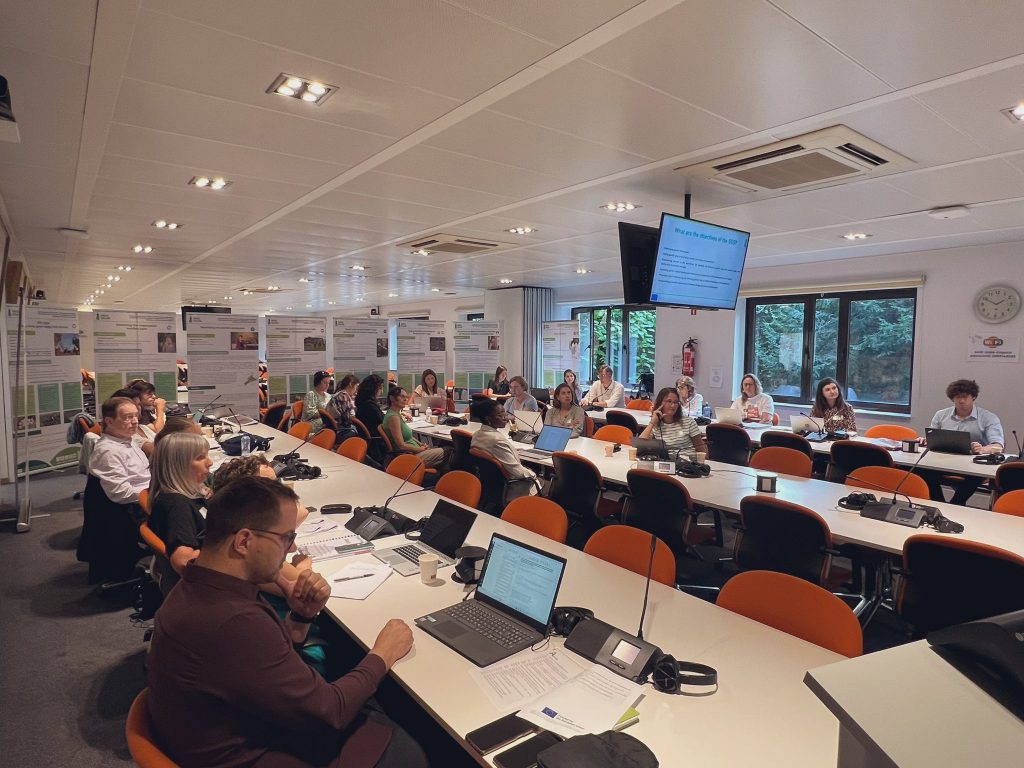
Over the three days of the meeting, participants enjoyed a full programme of presentations and a preview of project results. Project partners and stakeholders discussed how to move forward in gender equality and capacity building for rural women and shared their experiences regarding initiatives that are being taken in the living labs for rural women innovators.
The project has set up these living labs in nine countries to bring together rural women innovators and experts in several fields. The objective is to provide training for 72 women and set up a learning-by-networking system.
THE SITUATION OF RURAL WOMEN AND FEMALE FARMERS ACROSS EUROPE
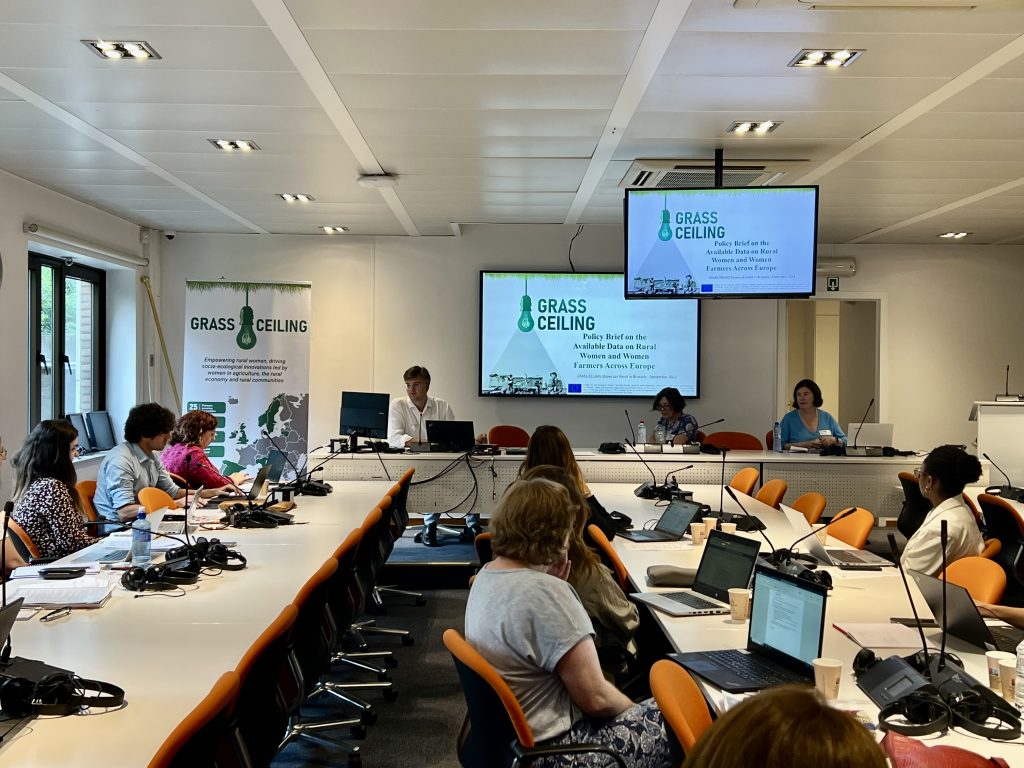
During the first day of the meeting, participants were briefed on the progress made over the initial 9 months of the project and analysed the situation of rural women and female farmers in Europe, as well as the knowledge available on innovation led by rural women.
The second day began with a demonstration event, focused on the sister projects FLIARA and SWIFT, dealing with various European policies on gender equality and empowerment of women in rural areas, including the Rural Pact community platform (RPCP) and the Community Groups. The day continued with a session delivered by representatives from GRASS CEILING’s living labs who shared their success stories.
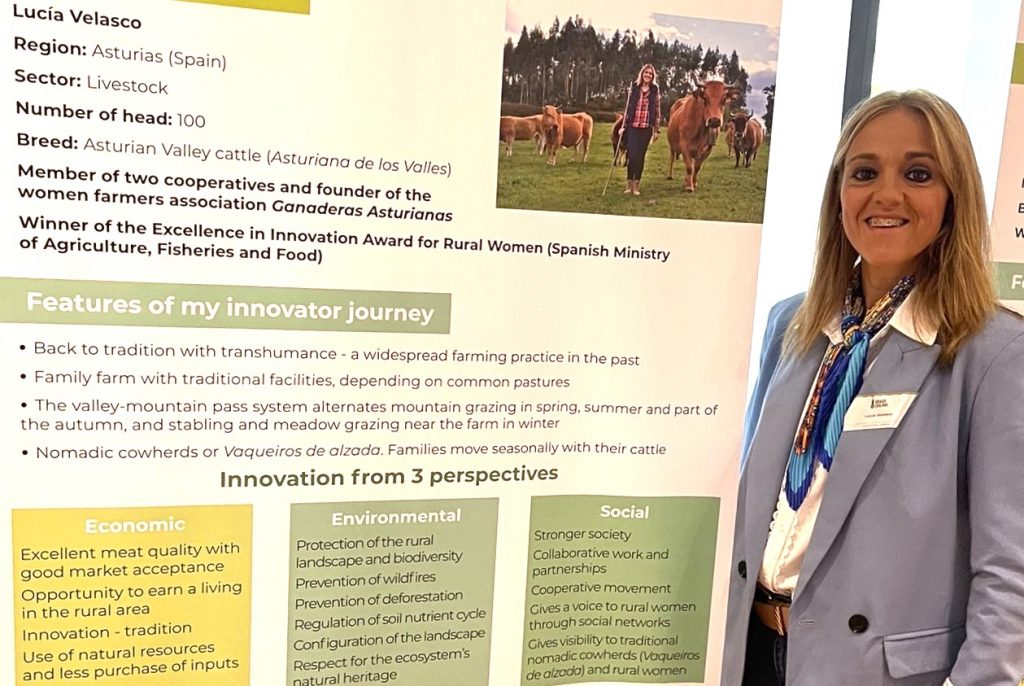
In the living lab session, Jasminka Grškovic (Croatia), Catherine Kinsella (Ireland), Miriam Del Re (Italy), Lina Vyšniauskaite (Lithuania), Kari Øye (Norway), Sonja van Uden (the Netherlands) Beth Rose (Scotland), Lucía Velasco (Spain), and Elin Skörde (Sweden) presented their innovations in several sectors such as livestock farming, crofting, hen rearing, and healthy marine products. They explained their efforts in empowering rural women and the hurdles they have had to surmount to bring these innovations to life, whilst transmitting their passion for their land and rural areas. These examples are a source of inspiration for other female farmers to set up their own projects and to highlight women’s role in agriculture, the rural economy and rural communities.
THE EXAMPLE OF LUCÍA VELASCO, FROM GRASS CEILING’S SPANISH LIVING LAB
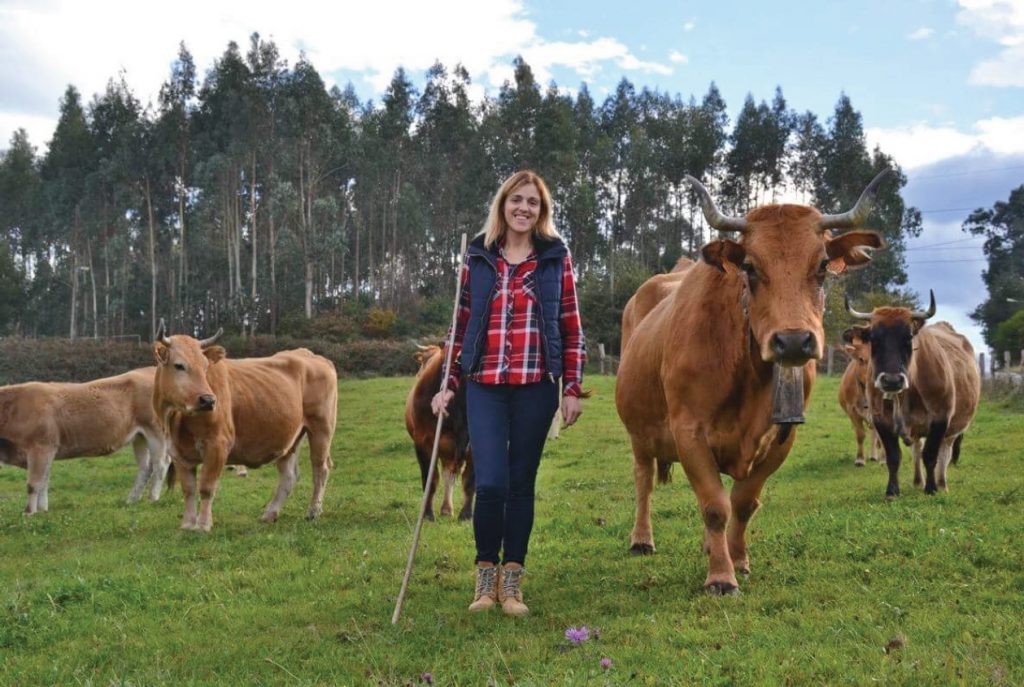
Lucía Velasco is a Spanish livestock farmer managing over 110 head of Asturiana de los Valles beef cattle, and practises the ancient tradition of transhumance. She spoke on behalf of the women in GRASS CEILING’s Spanish living lab. Known for her activism in raising awareness about the role of women in the country and for her defence of rural traditions and customs, Velasco stressed the importance of giving greater visibility to women’s work in rural areas, ensuring that their valuable contribution is not disregarded. She added that it was essential for society to recognize the crucial roles that women play in conserving the environment, upholding tradition, preserving history and culture, and safeguarding animal genetic resources.
Velasco elaborated on the tradition of transhumance in farming, and spoke of the impact of involving young women in the sector. She also asserted her commitment to producing high-quality, sustainable products.
The third and final day of the meeting focused on upcoming activities and on the community group “Women in the Rural Environment”. The event concluded with a workshop organised by CIHEAM Zaragoza on how to prepare the communication for a project event.
CIHEAM Zaragoza has hosted and co-organized the XIV Congress of the Spanish Association of Agrifood Economists (Zaragoza, 6-8 September).
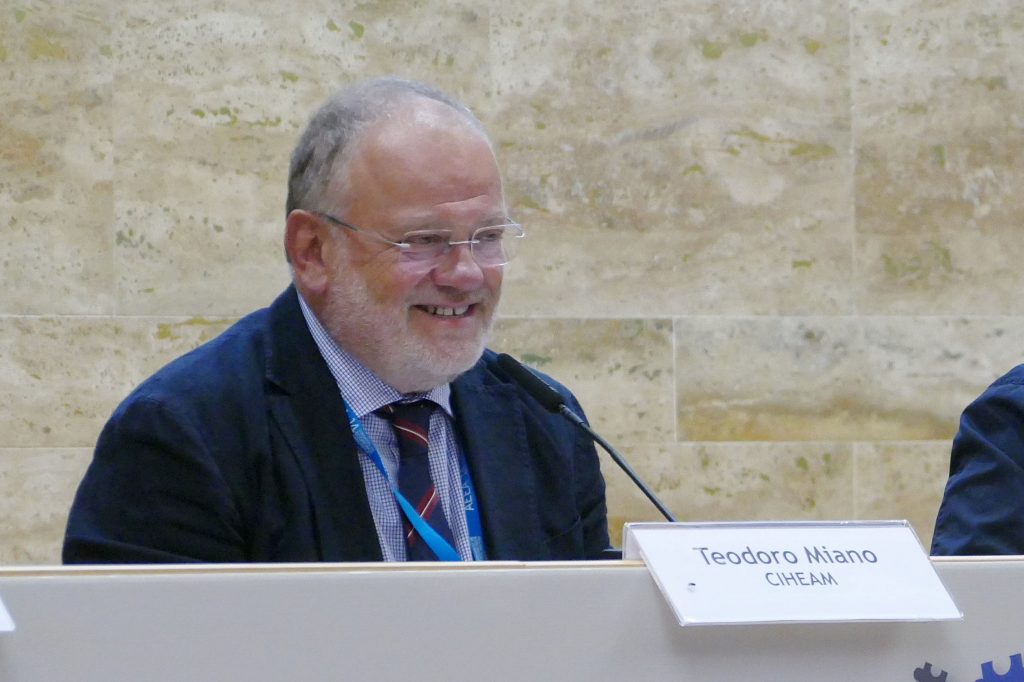
The Secretary General of CIHEAM, Teodoro Miano, has highlighted the need to foster connections across sectors and establish international collaborations to address the current challenges faced by the agrifood sector.
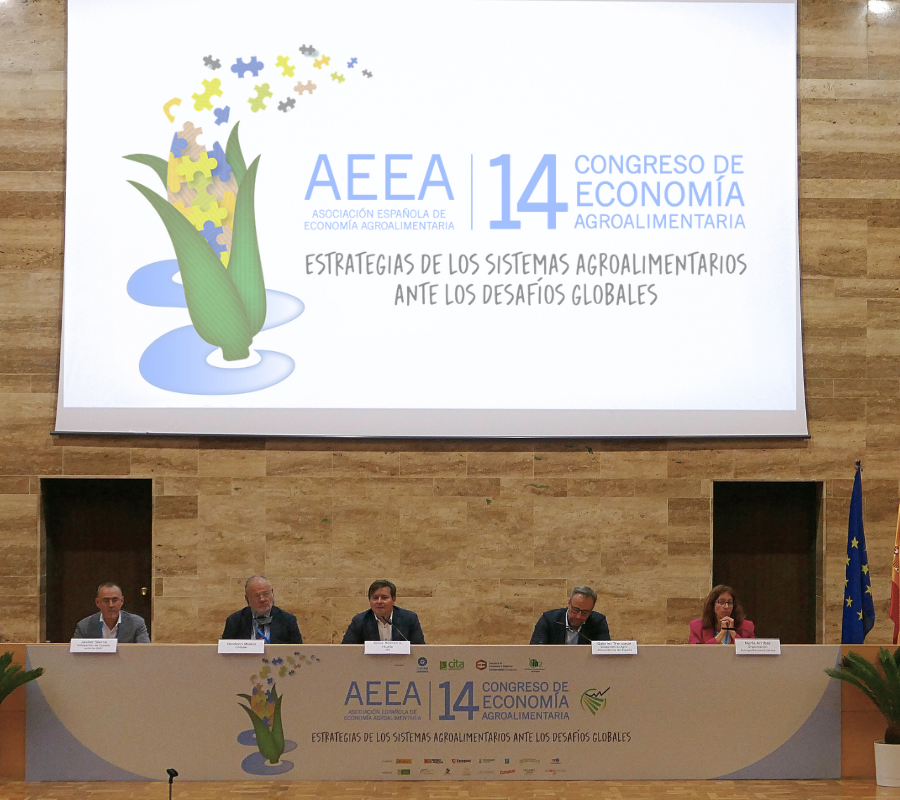
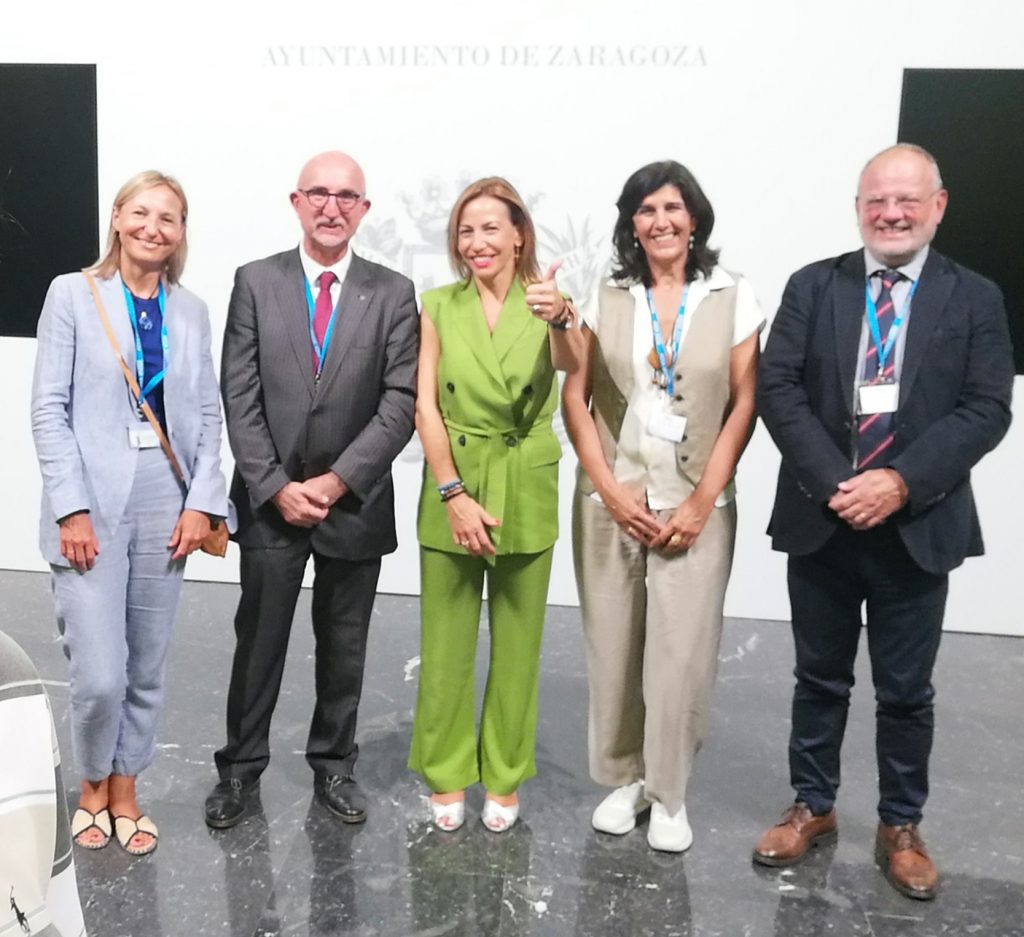
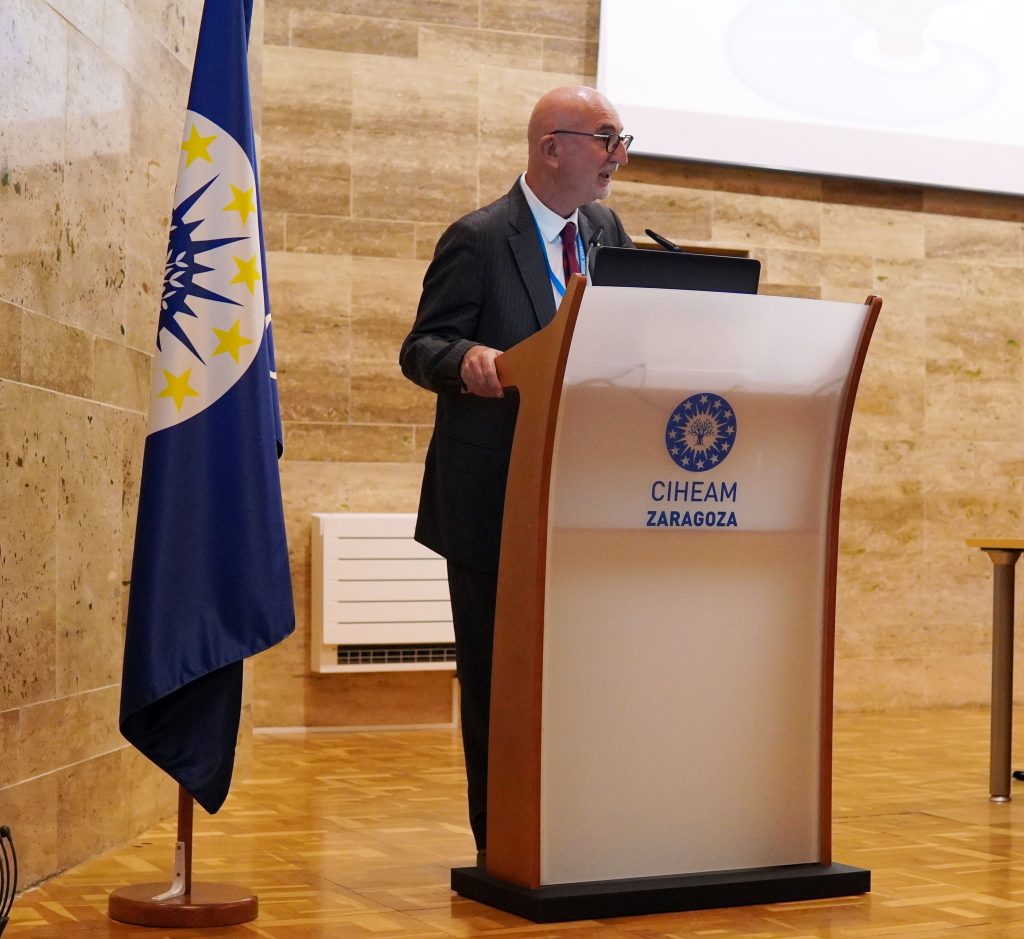
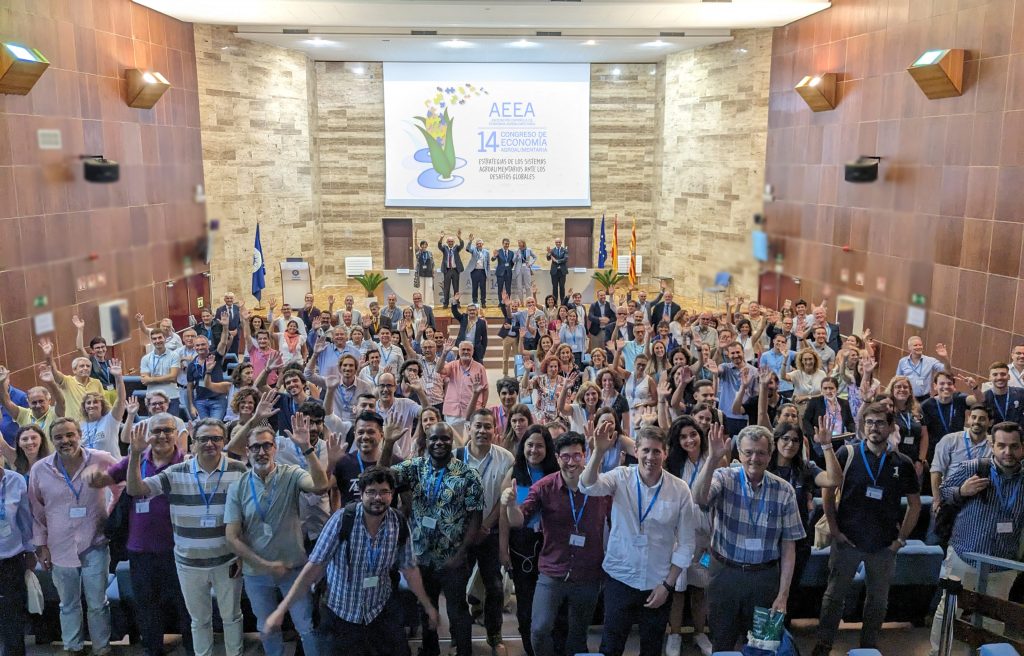
Zaragoza, 8 September 2023.- CIHEAM Zaragoza has hosted and promoted the XIV Congress of the Spanish Association of Agrifood Economists (AEEA)held in Zaragoza from 6 to 8 September to exchange ideas and discuss strategies to respond to the challenges currently facing agrifood systems.
In a setting marked by climate change and by concerns about food security due to the conflict in Ukraine, the congress has paid special attention to the central theme of global geopolitics: global challenges and local impacts.
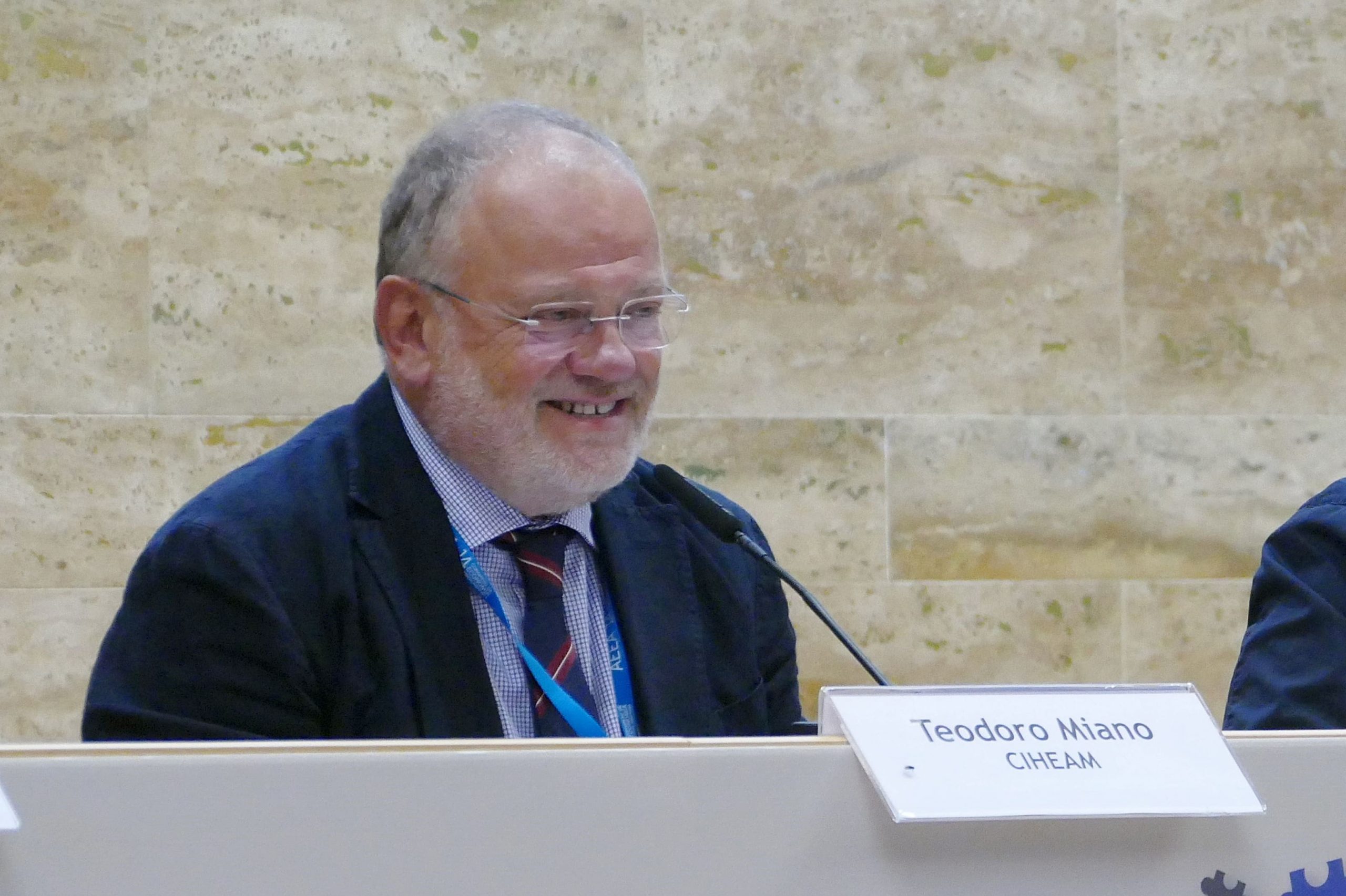
CIHEAM’s secretary general, Teodoro Miano, provided a Mediterranean perspective, speaking of the intergovernmental organization’s role in promoting greater sustainability and resilience in agrifood systems. In this sense, Miano emphasized the importance of forging connections between economic sectors and between countries with diverse cultures and religions.
Miano spoke of these connections: “There is a deep mutual relationship between agricultural production and other sectors such as energy, mechanization, processing, and SMEs” and went on to talk about mapping the connections between natural resources and social factors. “From CIHEAM we strive to preserve the rural communities, invest in our youth and empower women“.
CIHEAM’s secretary general also spoke of the work carried out by the organization and its 13 member countries (Albania, Algeria, Egypt, France, Greece, Italy, Lebanon, Malta, Morocco, Portugal, Spain, Tunisia and Turkey), as a driver of multilateral dialogue and development of rural communities in the Mediterranean basin.
Miano went on to say: “We operate for peace. We work to connect countries, communities, people with different religions, and diverse cultural backgrounds… We move in the direction of connecting systems instead of dividing them, including the social system, which is essential”.
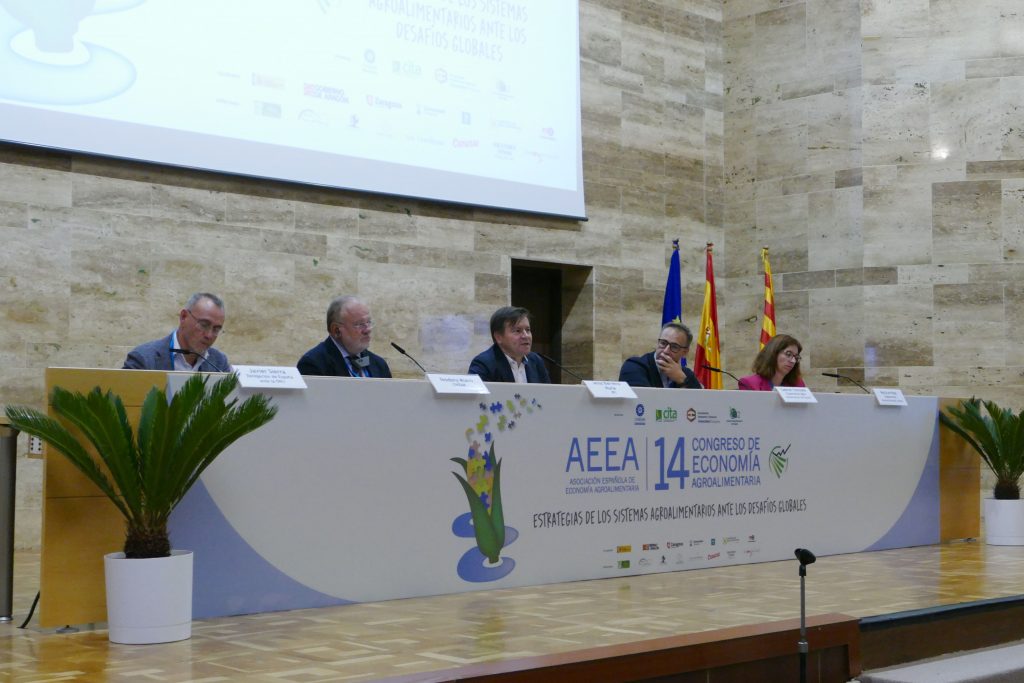
In the session “Food geopolitics: global challenges, local impacts” Miano was joined by Javier Sierra, former director of CIHEAM Zaragoza and currently Counsellor of Agriculture, Fisheries and Food to the United Nations and the WTO in Geneva, who explained the international governance framework for agrifood systems; Gabriel Trenzado, director general of Agriculture and Food Cooperatives of Spain who provided the vision of the Spanish cooperative sector; and Nuria Arribas, managing director of the Interprofessional Dairy Organization, who focused on the perspective of the dairy sector.
HOT TOPICS FOR RESEARCH IN AGRIFOOD ECONOMICS
Apart from food geopolitics, other core topics addressed during the AEEA Congress included governance of sustainable agrifood systems and new tools to promote sustainable consumption. The Congress addressed other topics currently on the political agenda as well as research priorities in the field of agrifood economics.
“The agrifood sector faces challenges today that either didn’t exist in the past or were not as severe as they are today, including climate change and geopolitical conflicts. For the production sector and the other actors in the agrifood chain we have to think of the future in strategic terms, with objectives, plans and resources”, stated Raúl Compés, director of CIHEAM Zaragoza and president of the Local Organizing Committee of the AEEA Congress.
With over 200 participants and 350 contributions, the event was co-organized by CIHEAM Zaragoza, the Agri-Food Research and Technology Centre of Aragón (CITA), the Faculty of Economics and Business of the University of Zaragoza and the Agrifood Institute of Aragon (IA2).
In his final remarks, Compés spoke of the importance of Zaragoza and Aragon from the perspective of agriculture and food and the region’s capacity to generate and apply knowledge and added: “On behalf of CIHEAM’s headquarters in Spain, it has been an honour and a responsibility to promote and host this Congress”.
Don’t miss the video recording of the session “Food geopolitics: global challenges, local impacts” from the XIV Congress of the Spanish Association of Agrifood Economists (AEEA).
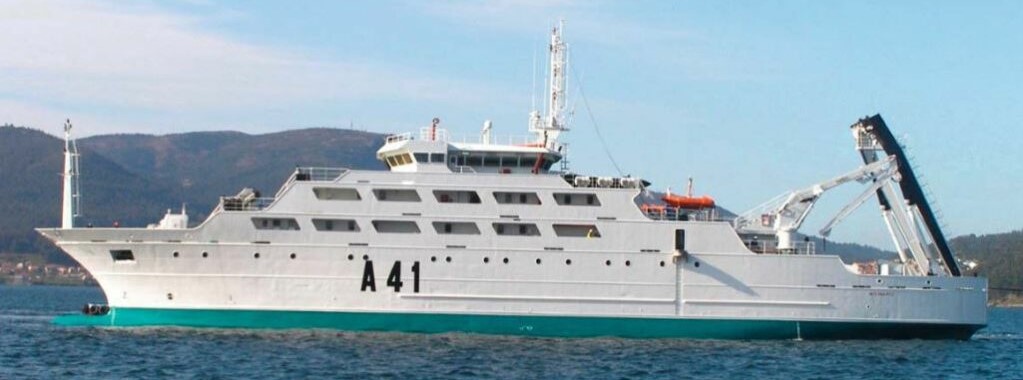
CIHEAM Zaragoza joins forces with the Spanish Ministry of Agriculture, Fisheries and Food (MAPA), through the General Secretariat for Fisheries, to offer high level professional training on board the fisheries cooperation and training ship Intermares.
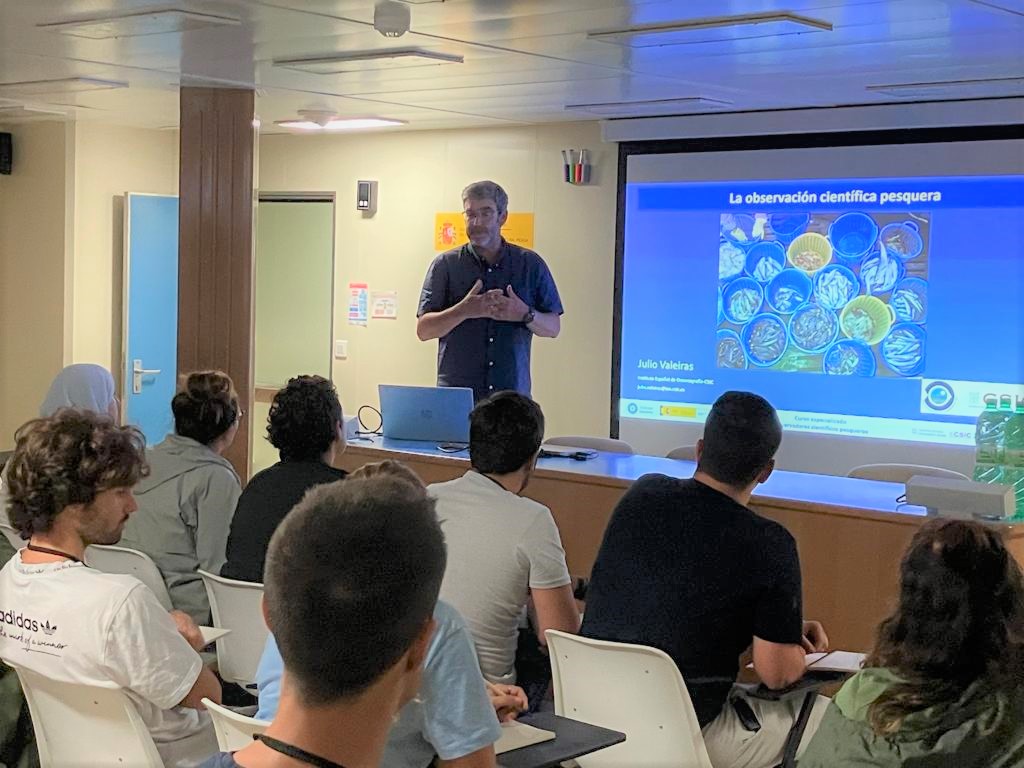
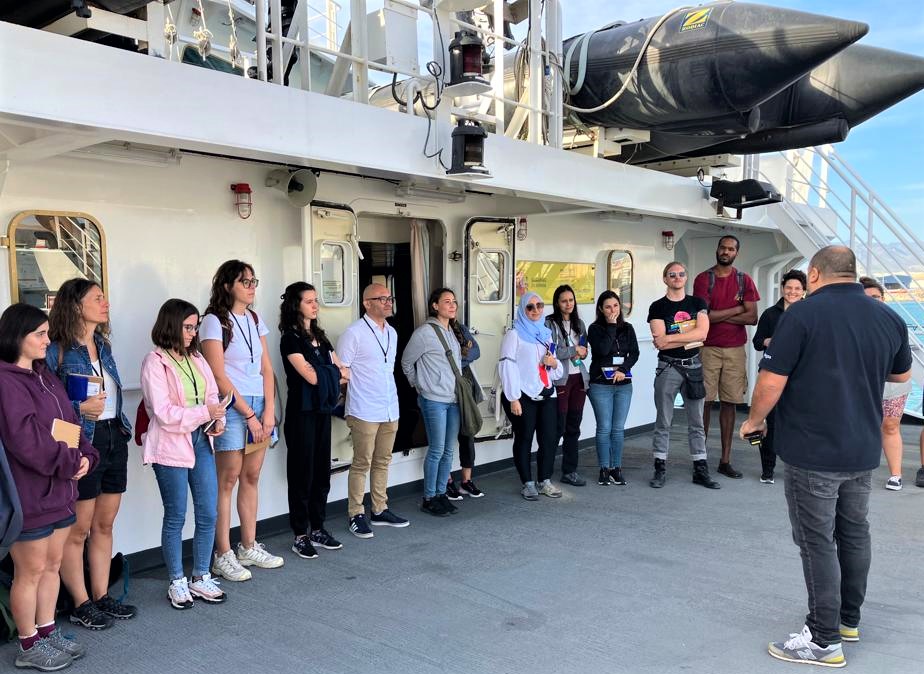
Whilst the ship is moored in the Port of Malaga between 18 and 22 September, professionals from the sector have participated in an advanced course on “Scientific Fishery Observation”, designed for professionals with a university degree in Biology, Marine Science, Fisheries Engineering or related subjects wishing to train as scientific fishery observers.
This training in scientific fishery observation provides knowledge of the mechanics of fishing operations, how fishing gears work and offer a comprehensive vision of catch compositions, including target and non-target species (discards and by-catches of protected species).
The course has been delivered in Spanish and counts with the collaboration of the Spanish Institute of Oceanography (IEO-CSIC), the General Fisheries Commission for the Mediterranean (FAO-GFCM), and the Spanish Navy.
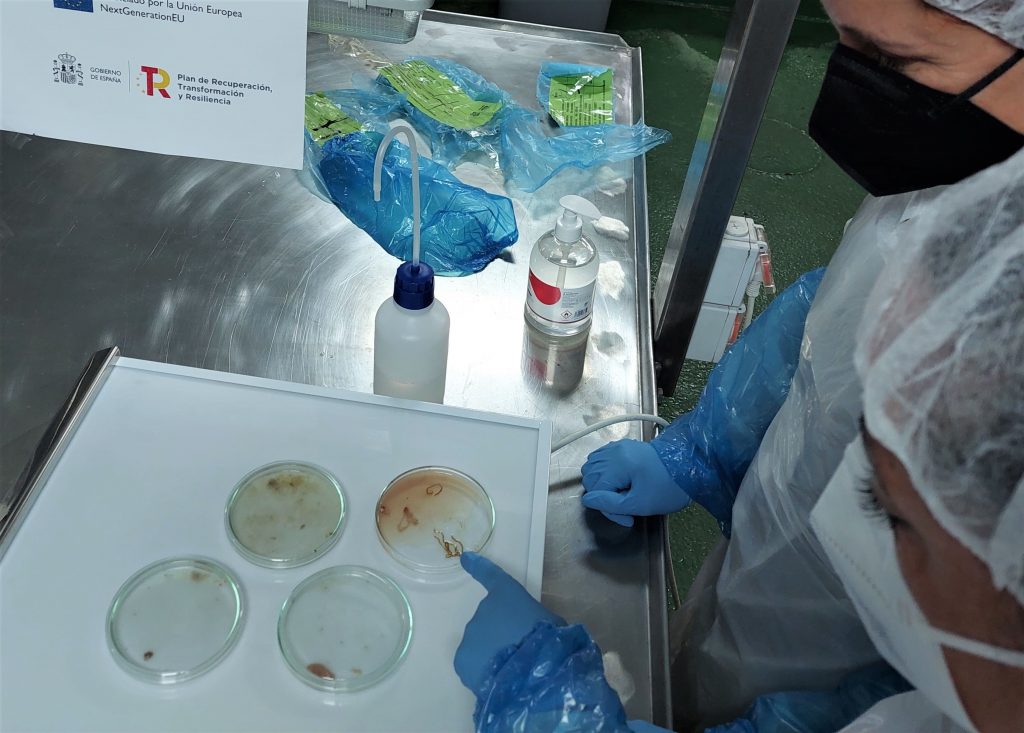
From 23 to 27 October, the Intermares will be moored in the Port of Vigo and will host another advanced course, this time on “Assessment of Fish Quality, Safety and Traceability” with the collaboration of the Institute of Marine Research of Vigo (IIM-CSIC) and the Spanish Navy.
The programme will target food safety officers and professionals from the fishing sector working in fish quality assurance and fish quality assessment wishing to gain further insight into seafood quality standards and learn more about current challenges faced in the sector’s value chain. The course will be delivered in English.
The fisheries cooperation ship Intermares
Intermares is equipped to host cooperation and training activities adapted to the needs of third countries and nautical and fishing training activities for Spain. CIHEAM Zaragoza programmes and supervises the training activities offered whilst the ship is moored in Spanish ports.
The ship is a floating training centre equipped with all the facilities needed to provide specialized training in fisheries. It has classrooms, laboratories for practicals and all services required for top-level professional training.
Gestionar consentimiento
Para ofrecer las mejores experiencias, utilizamos tecnologías como las cookies para almacenar y/o acceder a la información del dispositivo. El consentimiento de estas tecnologías nos permitirá procesar datos como el comportamiento de navegación o las identificaciones únicas en este sitio. No consentir o retirar el consentimiento, puede afectar negativamente a ciertas características y funciones.
Funcional
Always active
El almacenamiento o acceso técnico es estrictamente necesario para el propósito legítimo de permitir el uso de un servicio específico explícitamente solicitado por el abonado o usuario, o con el único propósito de llevar a cabo la transmisión de una comunicación a través de una red de comunicaciones electrónicas.
Preferencias
El almacenamiento o acceso técnico es necesario para la finalidad legítima de almacenar preferencias no solicitadas por el abonado o usuario.
Estadísticas
El almacenamiento o acceso técnico que es utilizado exclusivamente con fines estadísticos.El almacenamiento o acceso técnico que se utiliza exclusivamente con fines estadísticos anónimos. Sin un requerimiento, el cumplimiento voluntario por parte de tu proveedor de servicios de Internet, o los registros adicionales de un tercero, la información almacenada o recuperada sólo para este propósito no se puede utilizar para identificarte.
Marketing
El almacenamiento o acceso técnico es necesario para crear perfiles de usuario para enviar publicidad, o para rastrear al usuario en una web o en varias web con fines de marketing similares.