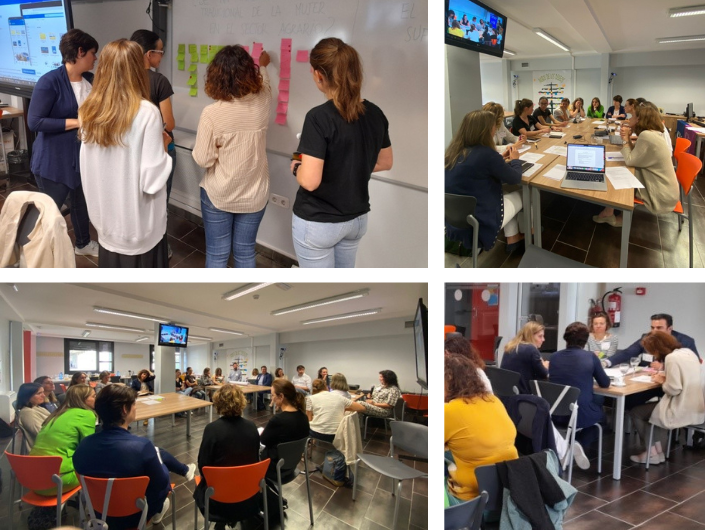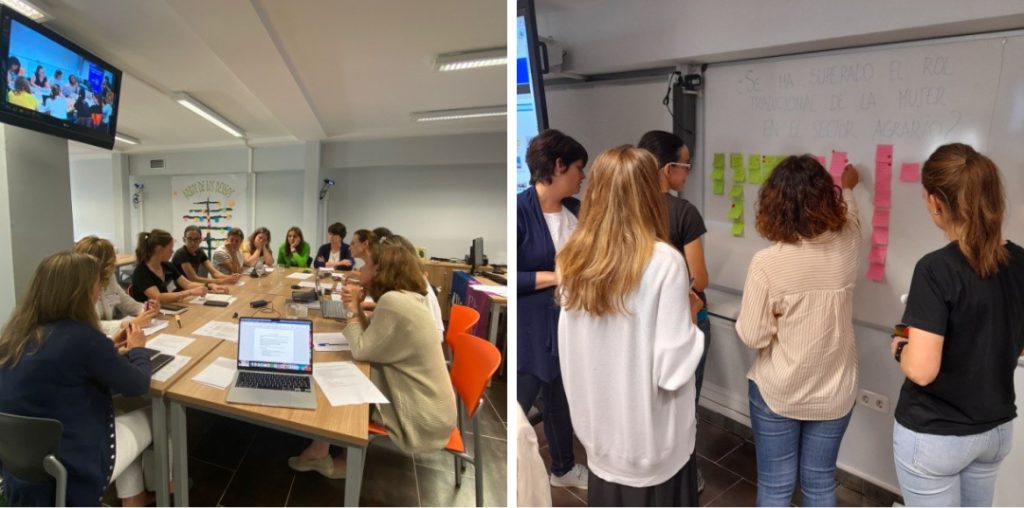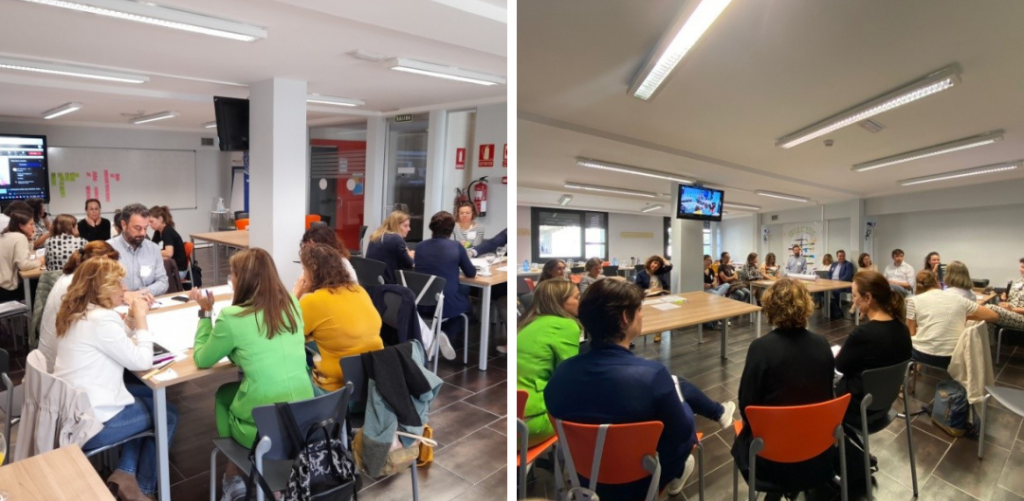
Experts from IPMWORKS conclude their work at CIHEAM Zaragoza with a pilot training session in sustainable pest management

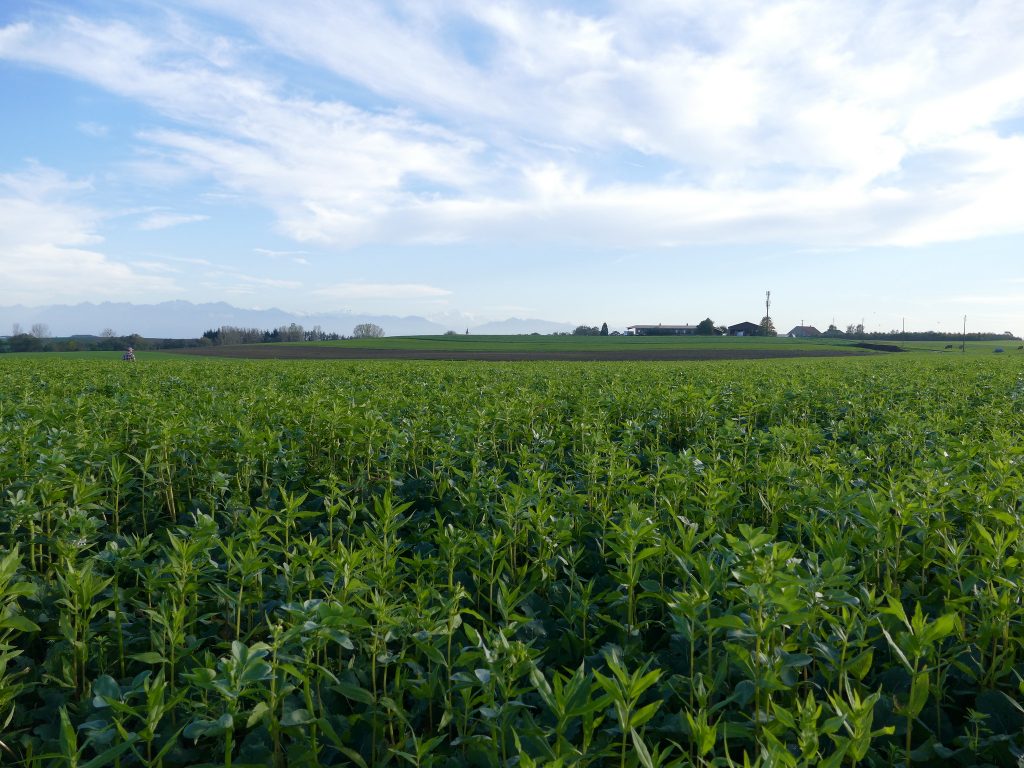
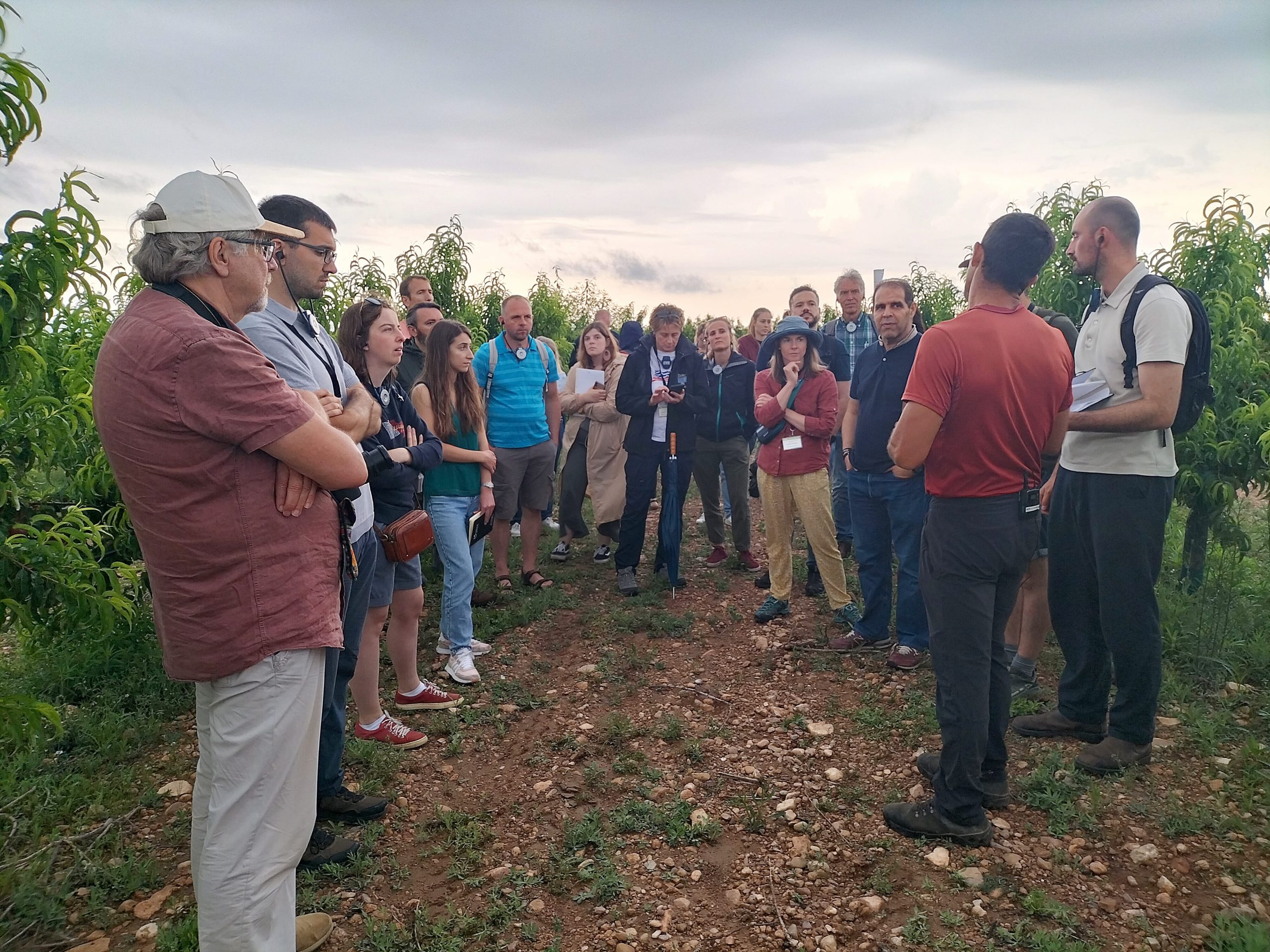
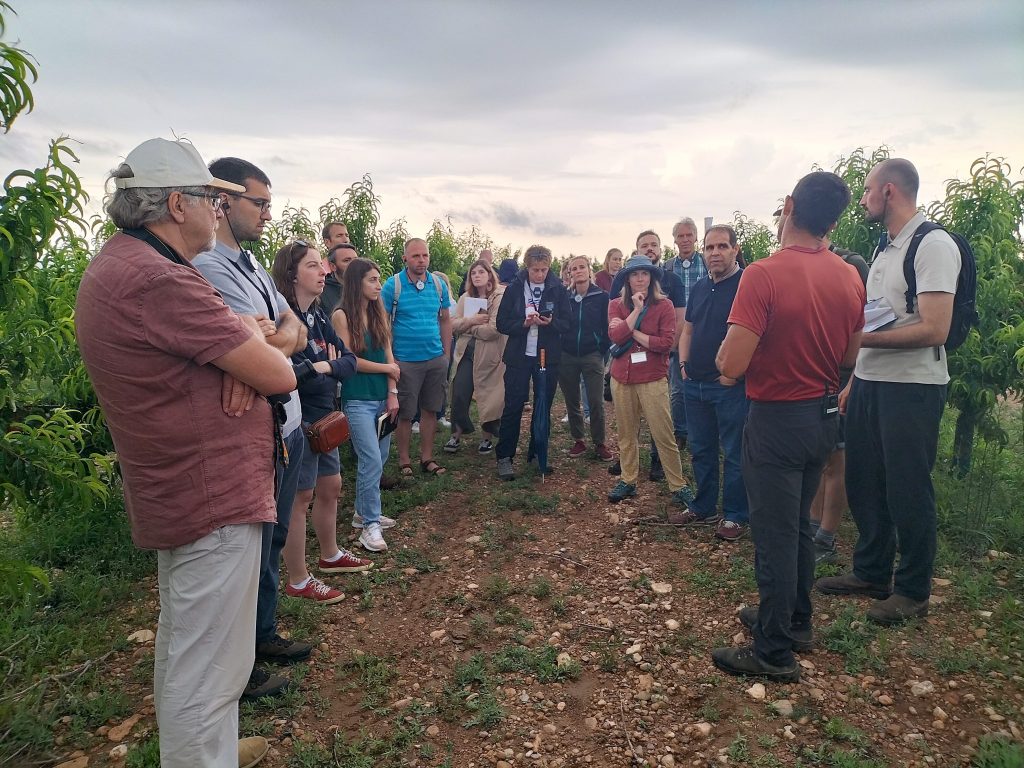
Zaragoza, 22 June 2023.- Forty experts from 15 countries took part in a pilot training session on integrated pest management on 20 and 21 June at CIHEAM Zaragoza. The trial was part of the European project IPMWORKS, and has served to make adjustments to the content and format of the training activities that will be conducted across Europe up until October 2024 to implement sustainable agriculture strategies of proven effectiveness and cost-efficiency in pest and disease management.

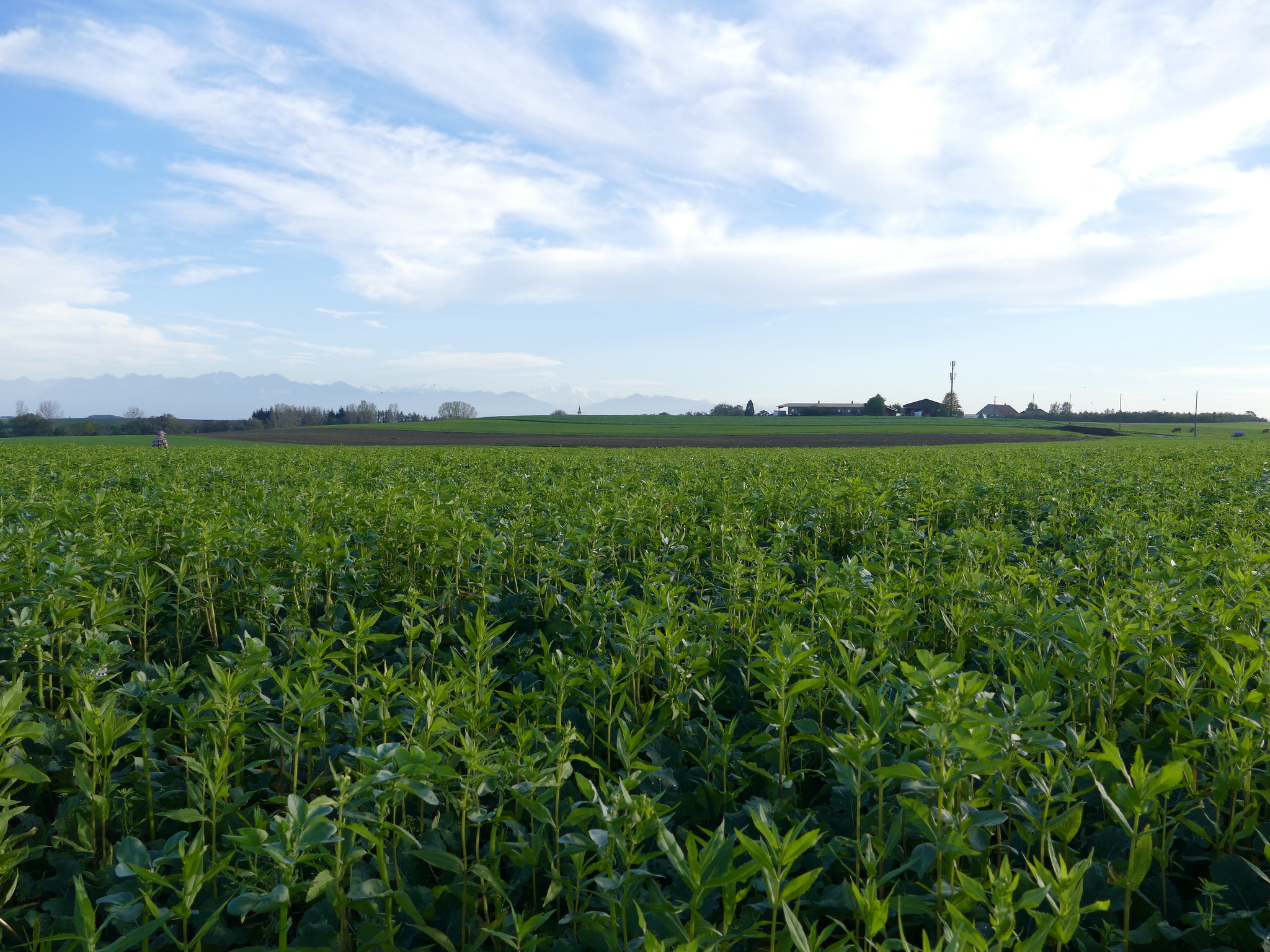
Through a network of 250 farms, the IPMWORKS project gathers success stories in five agricultural sectors: arable crops, orchards, greenhouse crops, outdoor vegetable crops and vineyards. The project’s training activities offer resources and tools to farmers, advisors and practitioners to help them progress towards a more sustainable production model that is less dependent on plant protection products. CIHEAM Zaragoza is the organization responsible for training in the project that brings together 31 partners from 16 countries (Belgium, Denmark, Finland, France, Germany, Greece, Ireland, Italy, the Netherlands, Poland, Portugal, Serbia, Slovenia, Spain, Switzerland, and the United Kingdom).

Joaquín Balduque, IPMWORKS project manager at CIHEAM Zaragoza is very satisfied with the results of the pilot training session, where participants have discussed the best way to use the training materials developed. “Over the last two days we have exchanged experiences and advanced in a common strategy so that farmers, advisors and practitioners in each country can use our training programme to find sustainable solutions to the specific problems they face on their farms”.

Integrated pest management consists of applying different pest control measures (prevention, monitoring, decision-making, non-chemical methods, among others) to limit the application of plant protection products solely to situations where they are really necessary. These measures are combined on the farms to reduce reliance on pesticides and minimize exposure of the environment and individuals to these substances, and at the same time ensure the farm’s profitability.

Besides the specific training activities, the materials developed in IPMWORKS will be made publicly available as a resource for agricultural professionals on the project’s website: ipmworks.net.
The future of precision livestock farming and climate change, central themes of the 20th Workshop on Animal Production

Jornadas AIDA

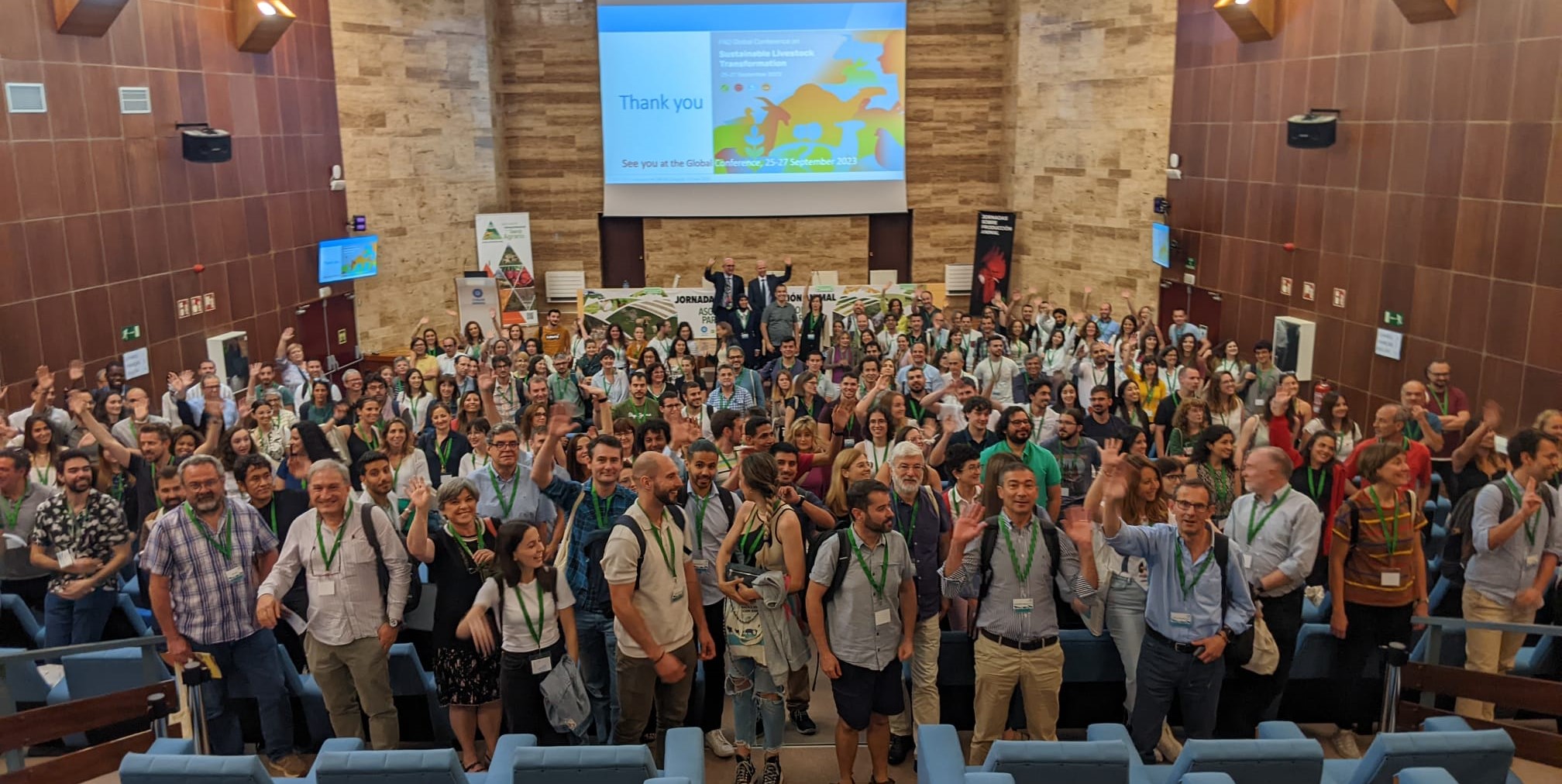
Zaragoza, 17 June 2023.- The 20th Workshop on Animal Production concluded with a commitment to continue research efforts in animal production and explore how climate change is affecting livestock systems. The workshop, organized by the Interprofessional Association for Agricultural Development (AIDA) took place at CIHEAM Zaragoza and the Agri-Food Research and Technology Centre of Aragon (CITA) on 13 and 14 June

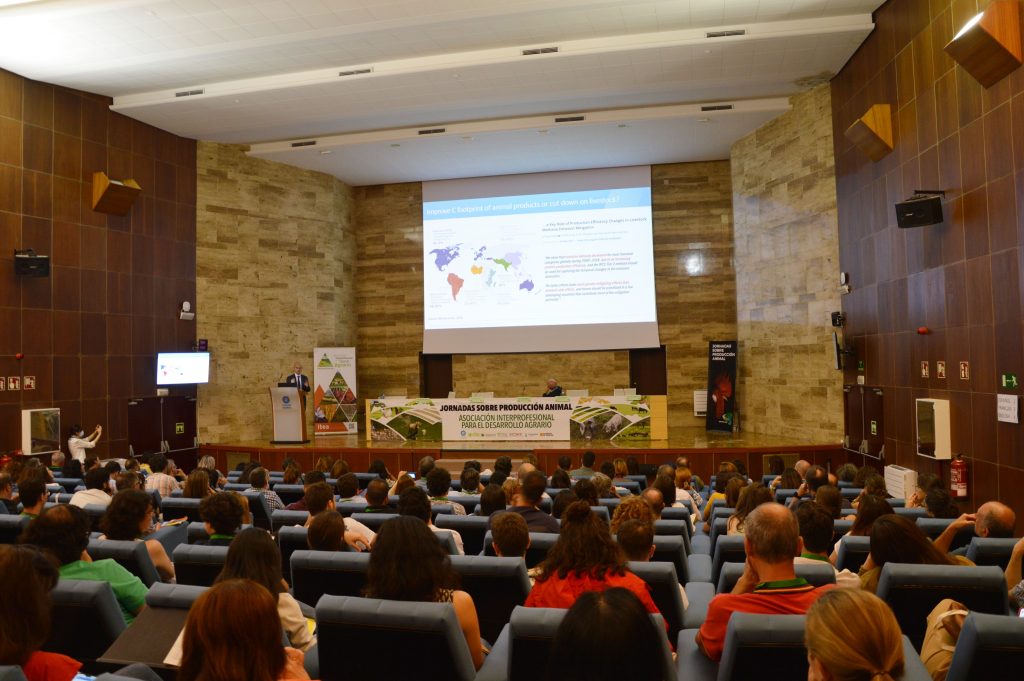
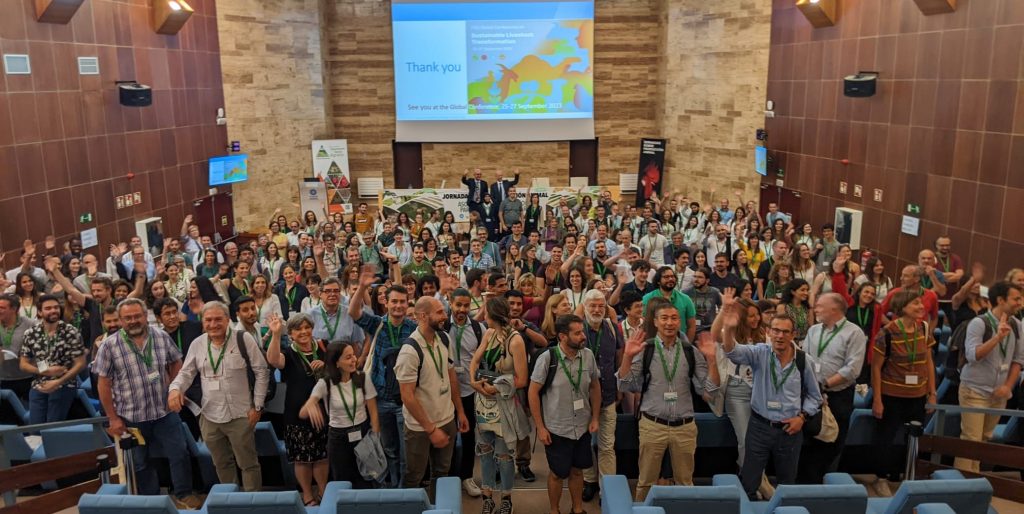
A record number of participants gathered to discuss Genetics, Nutrition and Feeding, Livestock Systems-Economics and Management, Product Quality, Livestock Precision Farming, Welfare and Health, and Reproduction.

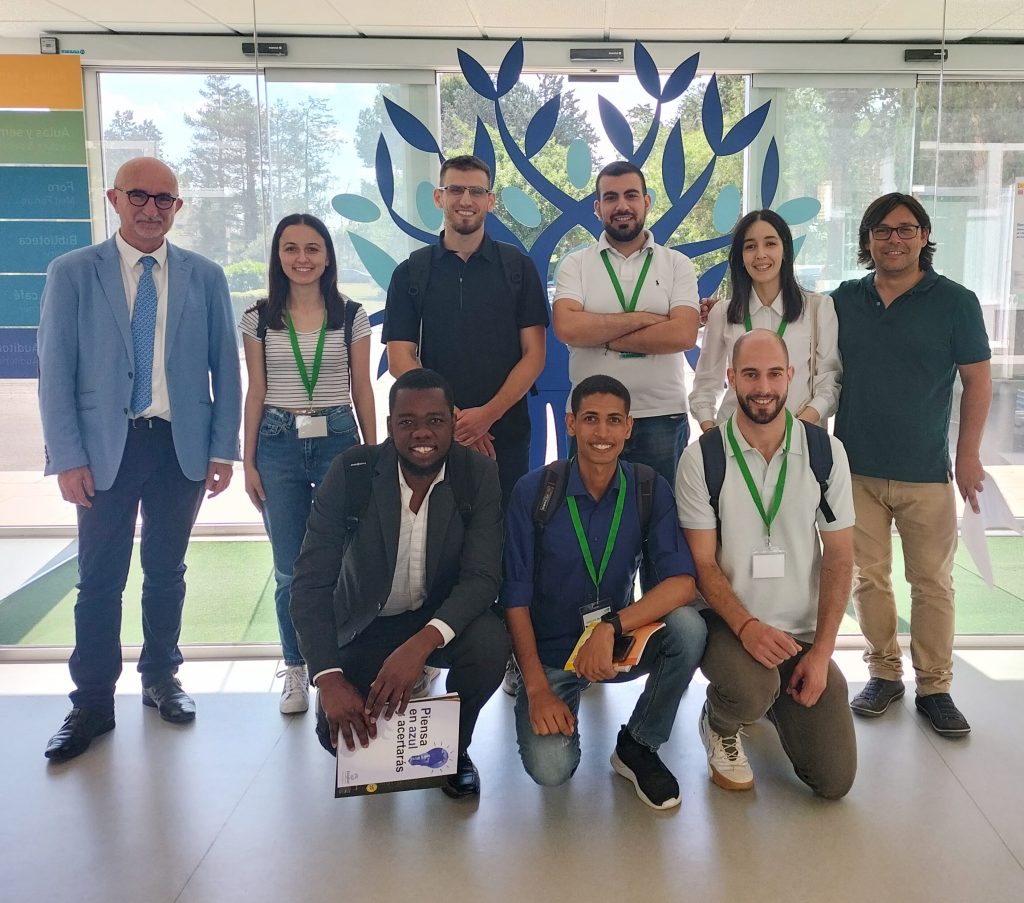
Students of CIHEAM Zaragoza presented 6 oral communications on the individual projects they are conducting in their second year of the  International Master in Animal Nutrition (2021-2023), a programme that trains specialists that will take on technical responsibilities and carry out high-impact research in the field of animal nutrition.

Animal science as a driver of the livestock sector

Guillermo Ripoll, researcher at CITA and coordinator of the workshop, has pointed out that “the return to physical attendance after the pandemic has been a huge success. The impressive turnout of participants is a sign that animal science has not been inactive over this time,on the contrary, it is back with renewed energy to share advances in different fields and continue research efforts to strengthen the livestock sector.”

Albina Sanz adds that this workshop on animal production is “more necessary than ever, enabling animal scientists to share their knowledge on nutrition, reproduction, farming systems, genetics, welfare and health to mitigate the environmental impact of livestock farming and at the same time satisfy the growing demand for animal protein worldwide”.

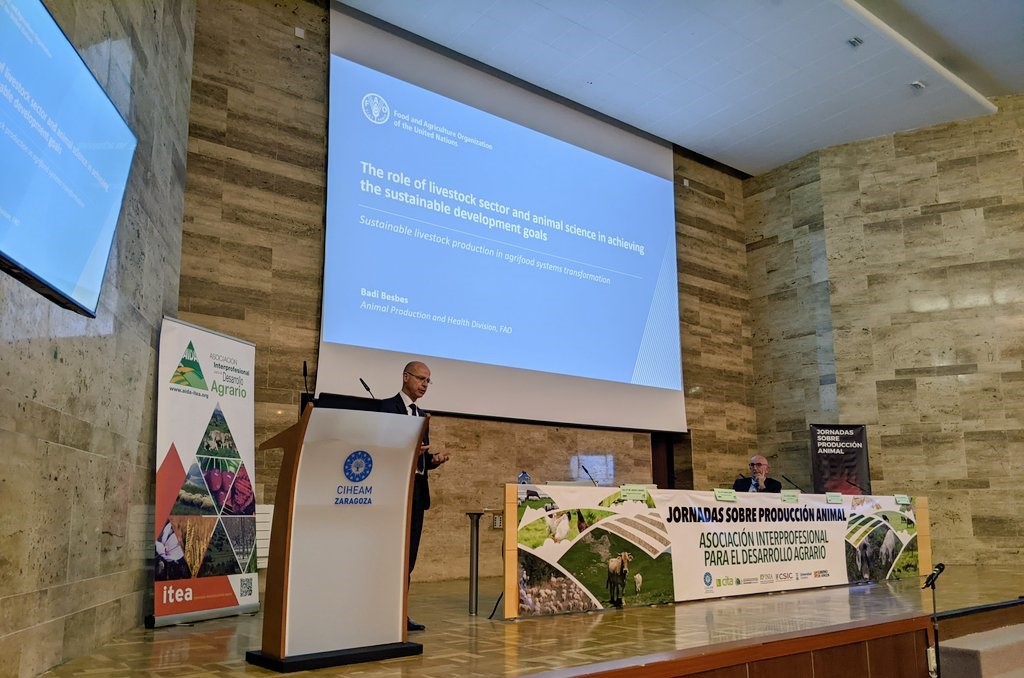
The workshop has had a record participation of over 300 animal science researchers and practitioners from across the country. The sessions began with the keynote speech “The role of the livestock sector and animal science in achieving the sustainable development goals“, delivered by Dr Badi Besbes, head of the Animal Production and Health Division of the FAO and former student of CIHEAM Zaragoza to a packed auditorium keen to hear about the latest trends in the livestock sector.

Jornadas AIDA

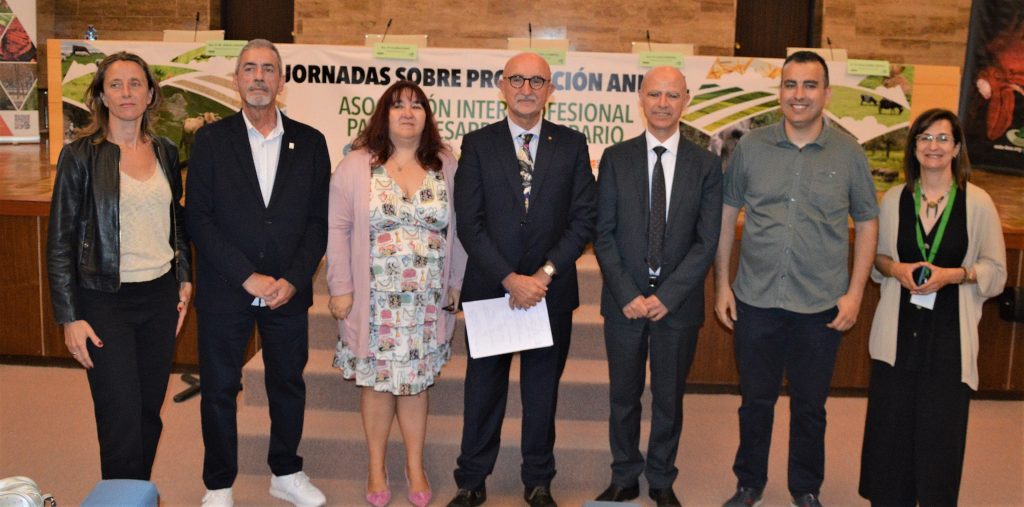
Raúl Compés, director of CIHEAM Zaragoza, Lucía Soriano, managing director of CITA, and Albina Sanz, researcher at CITA and vice president of AIDA (soon to assume the role of the next president) jointly inaugurated the workshop.

Climate Change and Animal Production

The round table on climate change and animal production, organized by the Union of Spanish Animal Science Organizations (UEECA) and AIDA, highlighted the role of livestock farming in the 17 sustainable development goals (SDGs) of the United Nations. Among the participants in the debate were researchers from CITA Daniel Martín-Collado who talked about farmers’ perception of climate change, and Margalida Joy who addressed the impact of climate change on plant production and the development of better adapted new varieties and use of co-products. Roberto Brasero, the popular TV weather forecaster, participated via video.

AIDA held its annual assembly during the workshop and for the first time UEECA – with its 14 associations – held an extraordinary assembly presided by Juan Manuel Corpa of the University CEU San Pablo.

Collaborators in the workshop include the Agri-Food Research and Technology Centre of Aragon (CITA), the University of Zaragoza (the Agri-Food Institute of Aragon and the Institute for Research in Environmental Sciences of Aragon), CIHEAM Zaragoza and the Spanish National Scientific Research Council (CSIC). The event was sponsored by Humeco, the Aragonese Association of Pig Veterinarians (A.V.P.A.), the cooperative group Pastores and the ARAPARDA breeders’ association. Albeitar, Mundo Ganadero, Tierras Vacuno and Zoetis.

Official launch of a novel Living Lab to support rural women innovators in Spain

  • This is one of the nine living labs established in the framework of the EU-funded project GRASS CEILING which aims to support innovative initiatives led by women in the agricultural sector.
  • Coordinated by a team of professors from the Palencia Campus of the University of Valladolid, the living lab is expected to train rural women innovators and set up a network-learning and innovation system.

The University Campus of Palencia (University of Valladolid) was the setting chosen to launch the Spanish Living Lab, one of the nine living labs established in Europe in the framework of GRASS CEILING, an EU-funded project in which CIHEAM Zaragoza participates leading the work package on communication, dissemination and exploitation of results that includes an online training programme.

Spain’s Living Lab launch meeting, which was organised by the academic team of the University of Valladolid and the agrifood cooperative Cooperativas Agro-Alimentarias de España, last 12 June, was attended by eight women farmers from Castilla y León, Aragón, and Asturias, as well as a total of nine external stakeholders related to the project’s theme.

The session provided an overview of the project and of the core role of living labs as a space for stakeholders to learn about the specificity of women’s needs around socio-ecological innovation on farms and in rural areas. The session involved interesting discussions about the concept of agricultural innovation, understood as a process of advancement and transformation aimed at generating value in both products and processes, not only at the productive level but also in commercial, organizational, environmental, social, and business and institutional management scales.

Subsequently, the debate focused on analysing the positive and negative factors that currently influence women in adopting leadership roles in the agricultural sector. Furthermore, discussions were held regarding potential actions that would facilitate greater visibility of the work of women farmers and livestock breeders across all spheres.

Participants highlighted the importance of employing participatory methodologies and networking approaches to analyse such a broad and complex reality and how this initiatives can strengthen support networks and exchange perspectives, knowledge, and best practices.

The project, whose objective is to develop a forum where women develop innovations in response to socio-ecological challenges and strengthen the resilience of rural areas, will continue gathering the necessary information to achieve its planned milestones and will hold the next living laboratory meeting in September.

CIHEAM Zaragoza hosts the first pilot training module on sustainable pest management strategies that will be replicated across Europe

  • On 20 and 21 June experts from 15 countries will be in Zaragoza to simulate an IPMWORKS training programme for farmers, advisors and technical specialists

  • Directive 2009/128 on the sustainable use of pesticides is currently under discussion in the European Union

Zaragoza, 15 June 2023.- The rural landscape is in the midst of a process of change towards a more sustainable production model, less dependent on phytosanitary products. This process requires time, training and technical support. In order to help farmers during this transition, and within the framework of the IPMWORKS European project, CIHEAM Zaragoza has drawn up a series of training modules on integrated pest management as part of a suite of strategies that will help to reduce pesticide use.

On 20 and 21 June, 40 experts from 15 countries, all partners of the project, will meet at CIHEAM Zaragoza on the Campus of Aula Dei to review the modules they have developed and define how they can be applied in training activities targeting farmers, advisors and technical specialists across Europe.

IPMWORKS aims to demonstrate and promote cost-effective IPM strategies. In this sense, the project will provide contributions and arguments for the current debate on the proposal for an EC Regulation on the sustainable use of plant protection products in the framework of the Farm to Fork Strategy, that seeks to update the regulations that date back to 2009 (Directive 2009/128) concerning the use of pesticides.

Joaquín Balduque, IPMWORKS project manager at CIHEAM Zaragoza talks about the project: “IPMWORKS shows that integrated pest management can contribute to the reduction in pesticide use and grow healthy products for the consumers and the environment, and at the same time guarantee yields and profitability for farmers”. He goes on to say: “The IPMWORKS training module tool will be made available for farmers, technical specialists and advisors to share the knowledge generated by all the experts involved in the project”.

CIHEAM Zaragoza is in charge of the dissemination, communication and training work package of the project, and has designed these training modules with the experts in the international consortium (IPMWORKS has 31 partners from 16 countries) and with external collaborators. The workshop organized in Zaragoza will be an opportunity to test this training material through simulations so that participants can determine the best way to use them in different contexts. Likewise, the experts from other countries in Europe will have the opportunity to find out what is being done in Aragón in terms of insect pest management.

Besides the specific training activities, all material created will be made publicly available as a resource for agriculture professionals.

CIHEAM: The Mediterranean Crossroad to Youth Empowerment

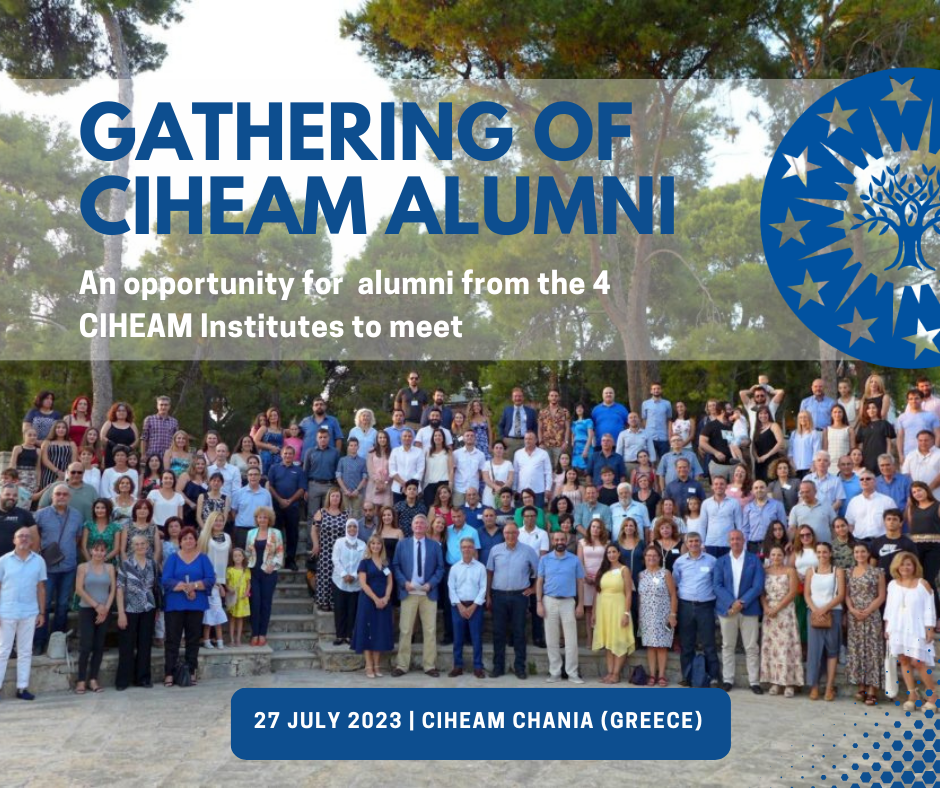
On 27 July 2023, CIHEAM Chania (Greece) will host the 3rd gathering of its Alumni. Building on the success of previous editions and the enthusiasm generated among the CIHEAM community, this year the gathering is open to all alumni from the 4 CIHEAM Institutes: Bari (Italy), Chania (Greece), Montpellier (France) and Zaragoza (Spain).

This event, which is intended to be a new stage in the strengthening of the CIHEAM alumni network, will highlight a major common ambition, namely to empower and strengthen the position of young people in the Mediterranean.

Alumni will share their experiences and exchange with current students to help them successfully plan the next steps in their professional and personal development.

In a friendly and festive atmosphere, this event, which takes place on one of the most beautiful Greek islands, will be an opportunity to celebrate the diverse life paths of alumni from all over the world, to initiate new synergies, and to reflect on high-impact projects for the CIHEAM community, particularly the younger members.

For more information, visit CIHEAM website.

CIHEAM Zaragoza students are presenting communications at the AIDA Animal Production Workshop

  • Students taking CIHEAM Zaragoza’s Master in Animal Nutrition are presenting 6 oral communications at the Animal Production Workshop organized by the International Association for Agricultural Development (AIDA)

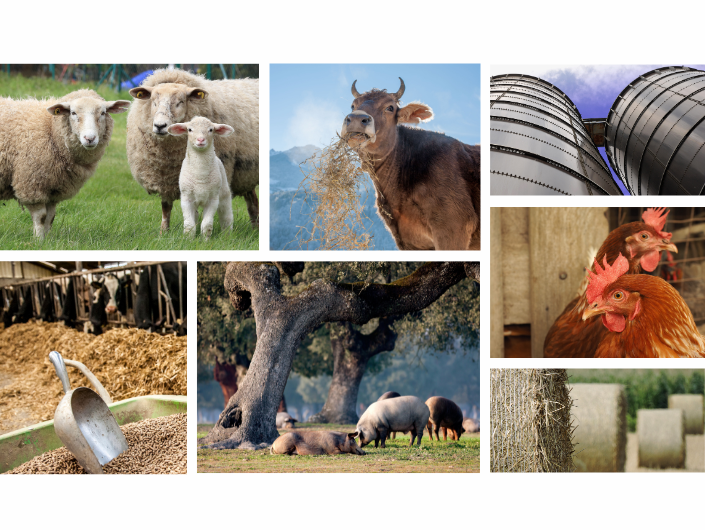
On 13-14 June, CIHEAM Zaragoza is hosting the 20th Animal Production Workshop organized by the Interprofessional Association for Agricultural Development (AIDA), where scientists, practitioners and professionals will gather to exchange and discuss the latest scientific findings in animal production.

During the workshop, CIHEAM Zaragoza students will present 6 oral communications on the individual projects they are conducting in their second year of the International Master in Animal Nutrition (2021-2023), a programme that trains specialists that will take on technical responsibilities and carry out high-impact research in the field of animal nutrition.

These are the oral communications that our students will be presenting in the Workshop:

  • Carlos García (Spain):
    • Estimating urine nitrogen excretion in fattening beef cattle
    • This project aims to develop equations to predict N excretion using urine biomarkers.
  • Ibtissam Kaikat (Morocco):
    • Variability in energy value of cereals for broilers
    • This project explores the energy metabolism of 4 different varieties of barley, wheat and rye in broilers and identifies possible factors of variation.
  • Manjola Koldashi (Albania):
    • Sainfoin inclusion in beef cattle diets: effects on in vitro fermentation parameters
    • This project studies the effect that including sainfoin in calf-fattening diets has on in vitro fermentation.
  • Destines Plonquet (Haiti):
    • Development of Tenebrio molitor larvae on substrate based on wheat, barley or corn
    • This project looks into the potential interest of using barley and corn to rear Tenebrio molitor larvae.
  • Marc Saad (Lebanon):
    • Oils rich in medium-chain fatty acids: impact on the digestibility and performance of 0-21 day broilers
    • This project analyses the incorporation in starter diets of oil and fatty acids from palmist distillates rich in medium-chain fatty acids, and studies their effect on performance and on the digestibility of dry matter, organic matter and fatty acids in 0-21 day broilers.
  • Muhammad Shaklouf (Egypt):
    • Use of mussel (Mytilus galloprovincialis) meal in sheep feeding: rumen digestion
    • This project studies the effect of substituting soybean cake for mussel (Mytilus galloprovincialis) meal on rumen digestion in sheep.