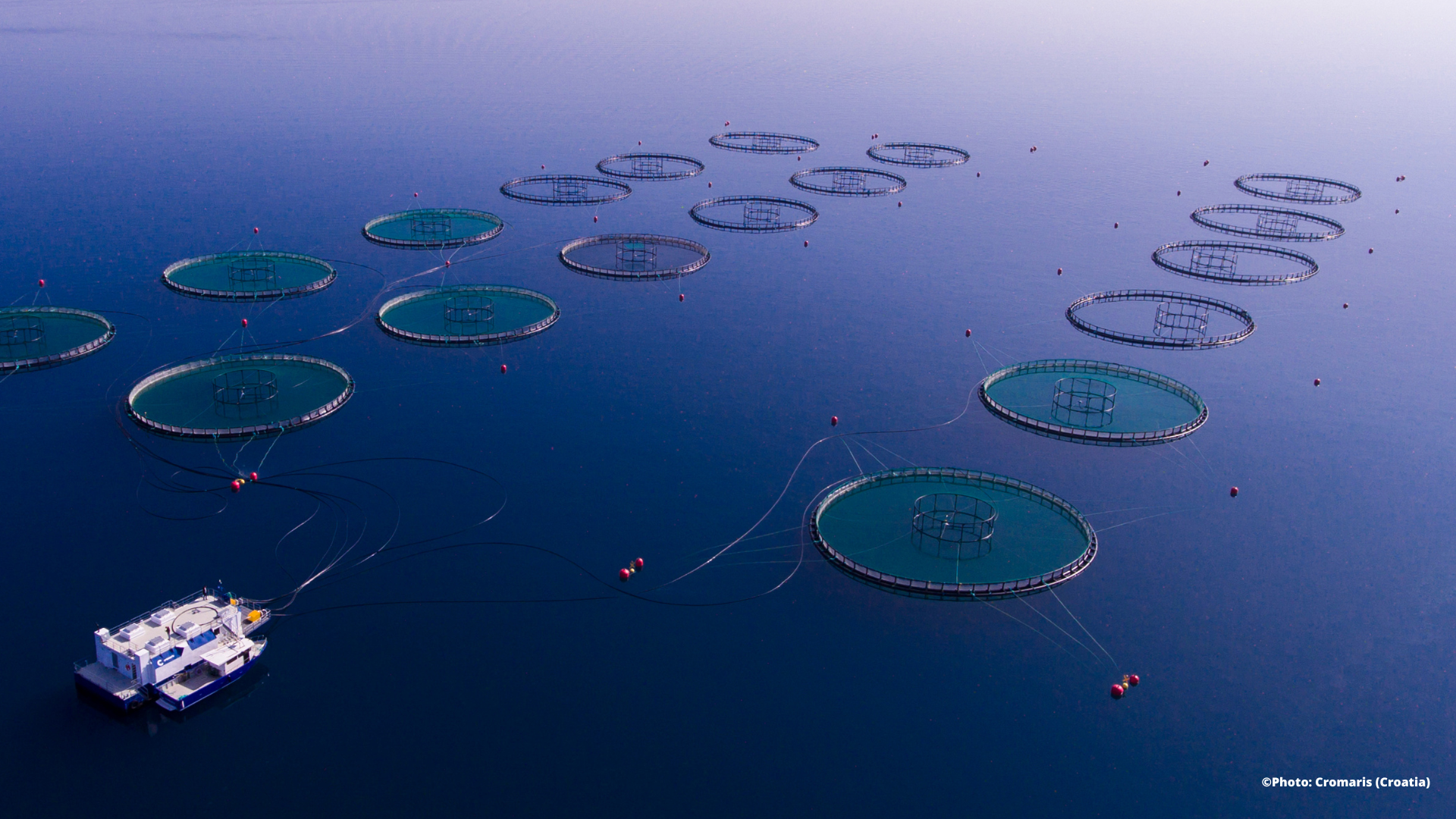
NewTechAqua launches its training programme on sustainable aquaculture

  • CIHEAM, through its institutes in Zaragoza and Bari, is organising two advanced courses, two workshops and a series of specialised webinars.

  • The EU aquaculture industry expects to grow substantially in the next decade and to provide 4.5 million tonnes of sustainable food products annually.
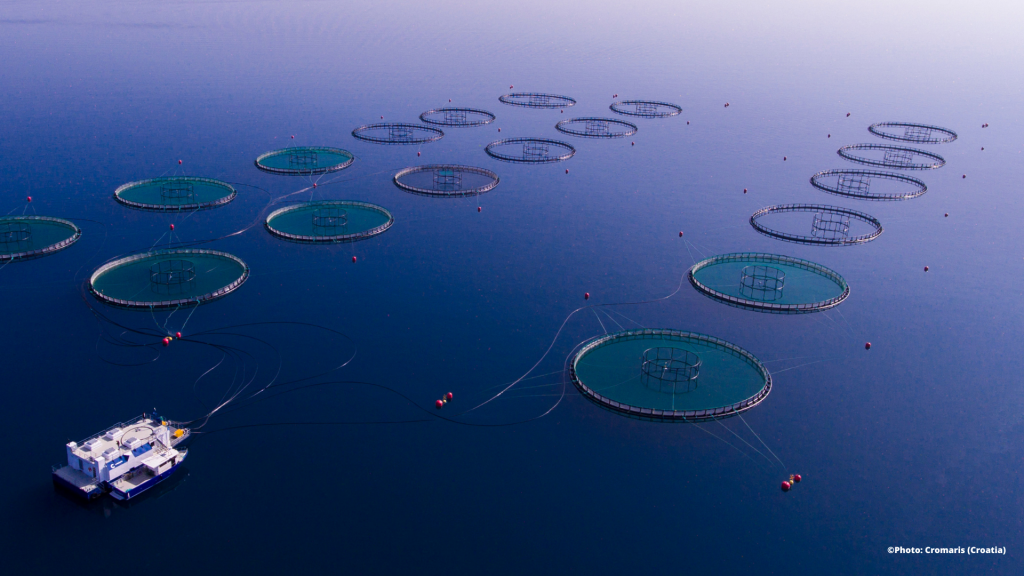
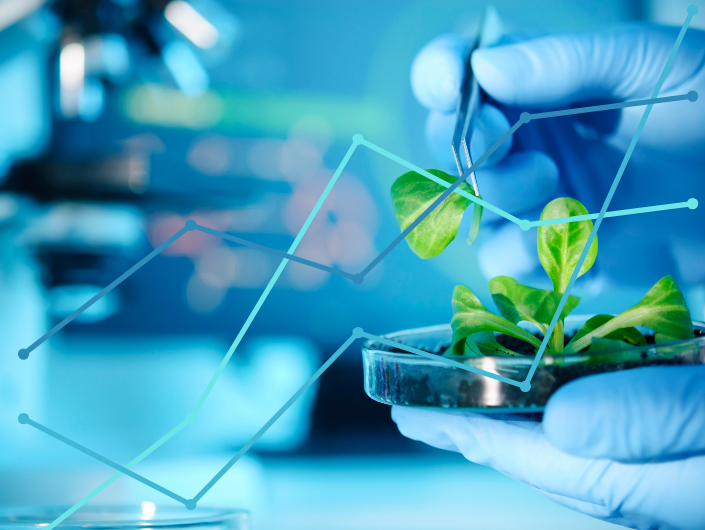
2023 is the year when the knowledge and results generated by the NewTechAqua project will be transferred. This project started in January 2020 with the aim of boosting innovation and sustainability in the European aquaculture. In the coming months, different training activities for aquaculture professionals will promote the adoption of new technologies, tools and strategies for a more sustainable, resilient and innovative European aquaculture.

The EU aquaculture industry expects to grow substantially in the next decade and to provide 4.5 million tonnes of sustainable food products annually. The solutions developed by NewTechAqua aim to expand and diversify this production while reducing pressure on the environment.

The training activities organised by CIHEAM, through its institutes CIHEAM Zaragoza (Spain) and CIHEAM Bari (Italy), consist of three types of complementary activities: two advanced courses, two workshops and a series of specialised webinars. The training programme also includes online modules, developed by Greenovate! Europe (Belgium), and a school campaign aimed at informing young Europeans about technological developments in the sector.

The calendar kicks off on 5th June in Zaragoza with an advanced course on the nutrition, feeding and health of fish in aquaculture, and a webinar on 7th June that will address consumer awareness of the sustainability of aquaculture in the European Union.

The full programme with all planned training activities of the NewTechAqua project is available at newtechaqua.eu/training.

Reference in training

CIHEAM, an international reference in postgraduate and continuing professional training and knowledge transfer in the agri-food sector, is one of the 26 partners from 9 countries that make up the consortium of the NewTechAqua project, which is funded by the European Union’s Horizon 2020 programme.

The sustainable development of fisheries and aquaculture are among CIHEAM’s strategic priorities. Its Corporate Group on Sustainable Fisheries and Coastal Development is working to find solutions and institutional synergies to move towards a more sustainable blue economy in the Mediterranean.
CIHEAM Zaragoza participates in a study on automatic feeding systems in seabass farms

  • The economic analysis reveals that automatic feeding systems can improve the profitability of seabass on-growing farms.

  • The results of the research, conducted in the framework of the European project MedAID, have been published by the Journal of the World Aquaculture Society.

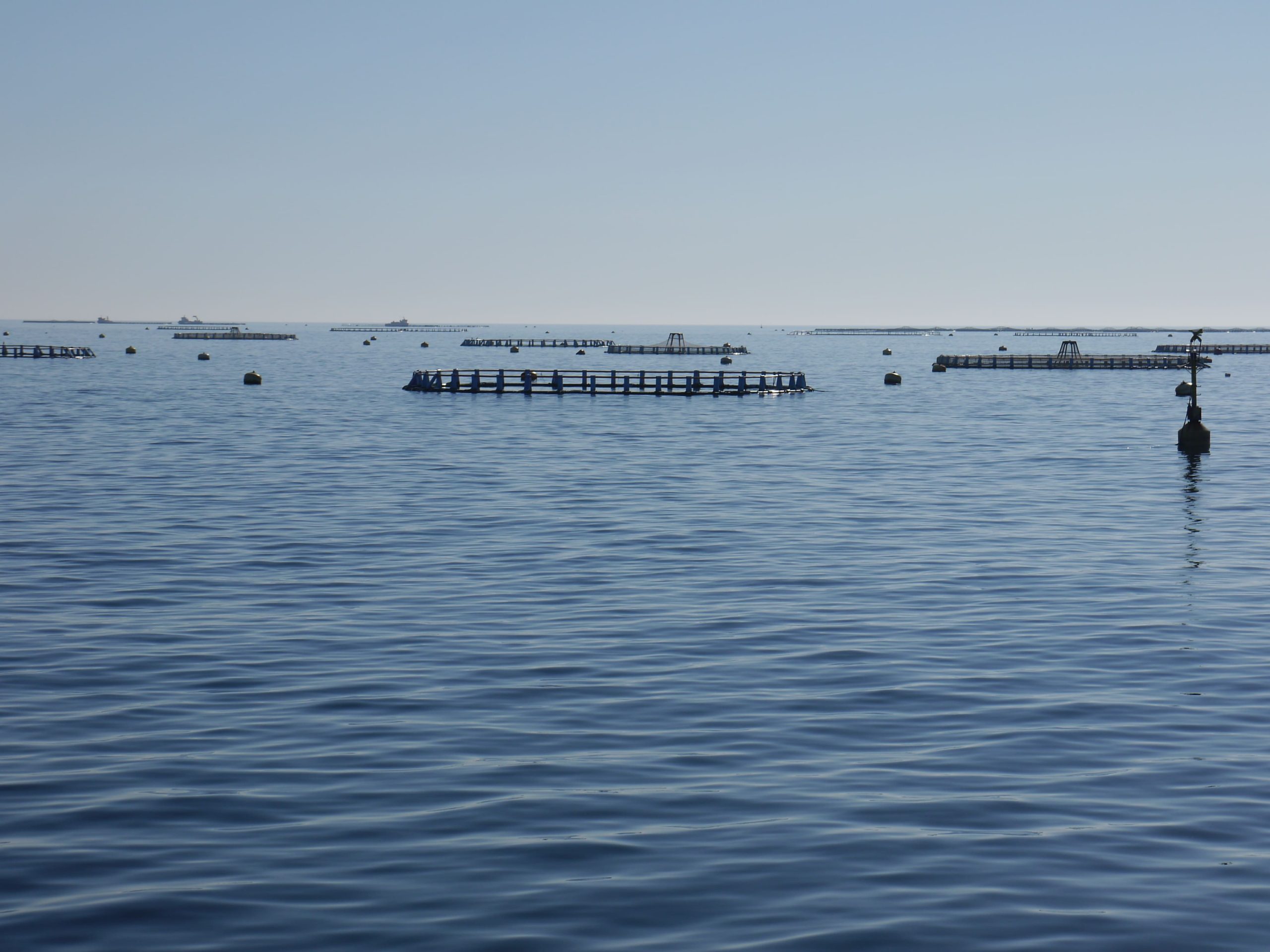
CIHEAM Zaragoza has participated in a study that has analysed the economic impact of automatic feeding systems in different-sized European seabass farms in the Mediterranean. The research results have been published by the Journal of the World Aquaculture Society.

This study has been led by José Luis Fernández Sánchez, professor of the University of Cantabria, and concludes that investing in this type of technology can make European seabass production more profitable, independently of farm size.

The study has been conducted in the framework of the European project MedAID that was coordinated by CIHEAM Zaragoza with the collaboration of IRTA’s Aquaculture Centre in La Ràpita (Spain). The project concluded in 2021.

Bernardo Basurco, coordinator of the area of Fisheries and Aquaculture of CIHEAM Zaragoza and co-author, speaks about the results: “What we have seen in this study is that the investment in automatic feeding systems could be a good economic decision for aquaculture farms. The results can be useful for seabass producers, especially small and medium-sized farms, and help them to make better management and investment decisions”.

MedAID was an integrated multidisciplinary research project made up of 34 partners (R&D groups, firms and institutions) from 13 countries working together to provide the European aquaculture sector with state-of-the art and applied knowledge, and draw up guidelines to improve zootechnical performance, business plans and integrated solutions for governance.

The complete results of the study are available at: Journal of the World Aquaculture Society.

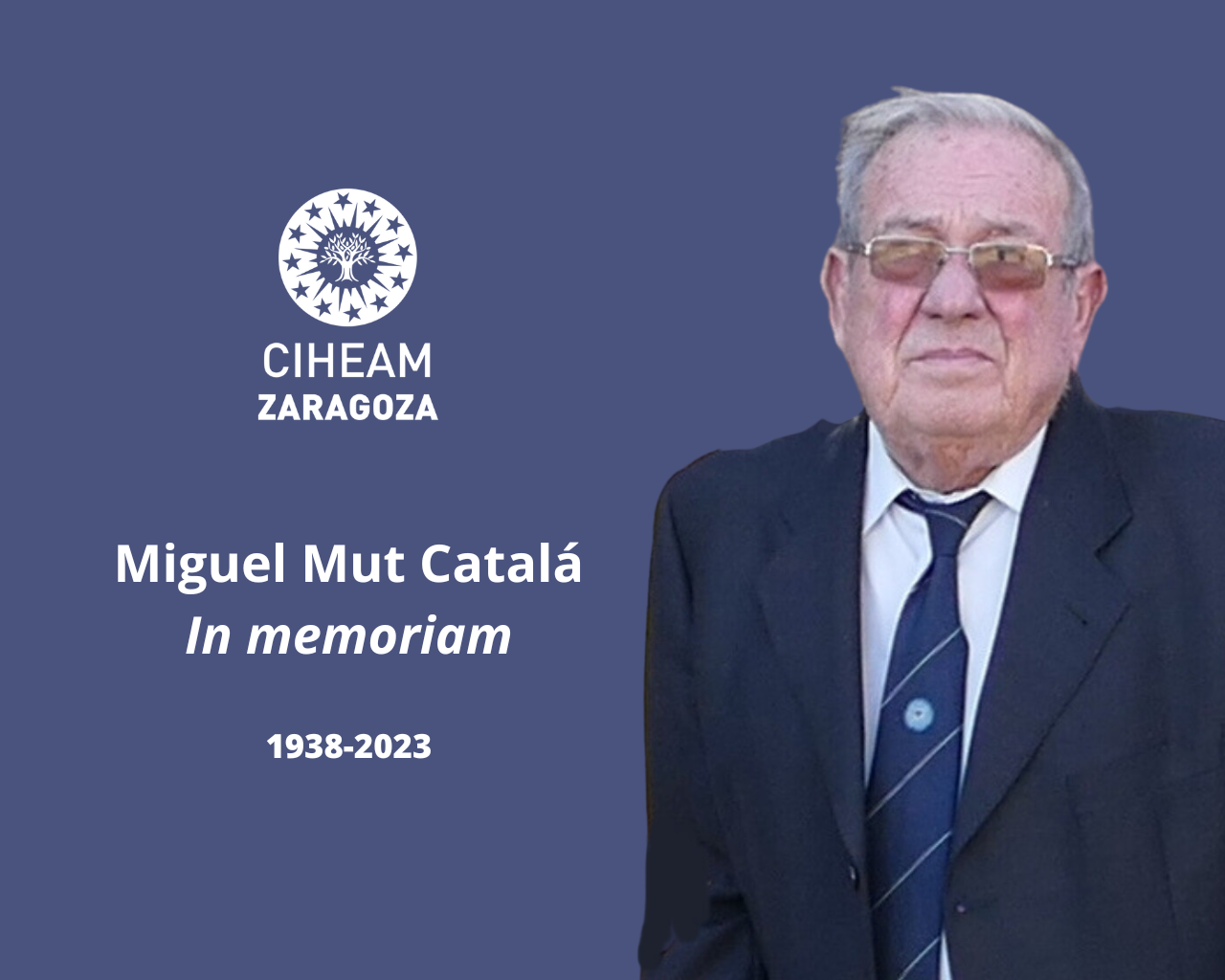
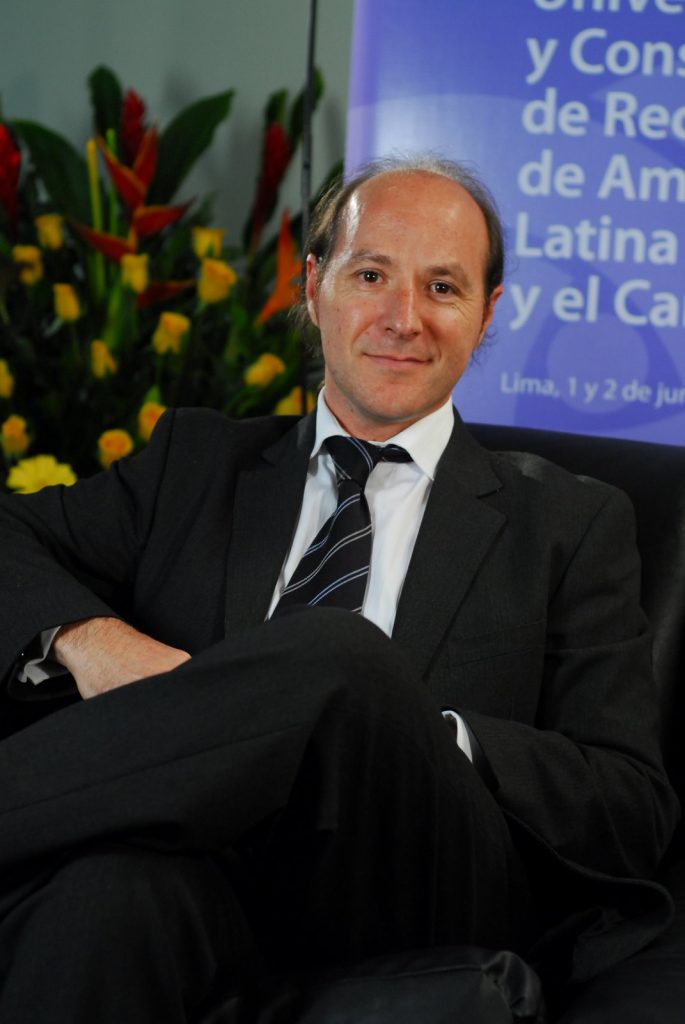
Miguel Mut Catalá | In memoriam

Between 1975 and 1988 Miguel Mut Catalá was Director of the Mediterranean Agronomic Institute of Zaragoza, known today as CIHEAM Zaragoza. Following the sad news of his passing on 17 March, we convey our sincere condolences to his family and take this opportunity to pay tribute to Miguel and highlight the contribution he has made to our institution.

Miguel was born in 1938 in Benimeli, a village surrounded by citrus trees in the county of Marina Alta, Alicante. He obtained a doctorate in agricultural engineering and specialized in agricultural economics in Hannover (Germany) and Newcastle (United Kingdom). He continued to pursue these topics of interest throughout his career, focusing on economics, marketing and agricultural markets.

He embarked upon his professional journey in Zaragoza at the agricultural research and development at the Centro Regional de Investigación y Desarrollo Agrario del Ebro, situated on the Campus of Aula Dei. He was director of the Centre which, upon accreditation from CIHEAM in 1969, became the institute of this intergovernmental body in Spain.

His time as director was marked by a close professional rapport and mutual comprehension with Ramón Esteruelas, founder and first president of the international body between 1962 and 1983. Miguel’s mandate spanned thirteen years, during which he forged the Institute’s working model that still prevails today, basing the training offer on guest lecturers chosen for their excellence, and providing English and French interpretation.

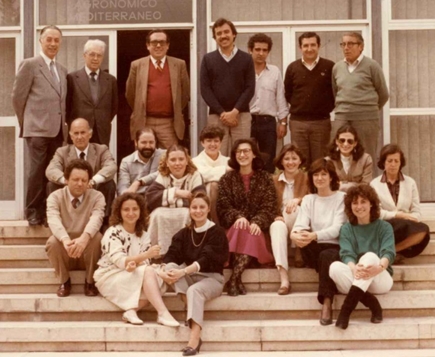
Miguel Mut in 1984 with Ramón Esteruelas and members of staff of the Mediterranean Agronomic Institute of Zaragoza

As director, he played a decisive role in the creation of the Master in Agro-food Marketing, and to the Masters in Seed Production and Animal Production (Breeding, Nutrition and Reproduction). He also established the training offer in citriculture. Besides academics, he also paid special attention to the economic management side, skilfully balancing the budget to incorporate information technologies for the first time, and personally developing an accountancy program and databases. Miguel’s ability to foster a harmonious working relationship with the guest lecturers was undoubtedly a key factor in upholding the Institute’s excellence in training.

Following his time at the Institute, he returned to Valencia where he took over as director of the agricultural research institute Instituto Valenciano de Investigaciones Agrarias (IVIA), from 1988 to 1993.

Miguel was a magnificent person. In all the posts he held, he left his mark of commitment with education and training, which he considered to be fundamental elements of genuine social progress. I had the opportunity to meet him in 2022 when I visited him one spring day at his place of retirement in a village near Alicante where he tended his orange orchards. We spent a very pleasant afternoon sitting on the veranda of his country home, accompanied by the aroma of orange blossom, engaged in conversation and sharing memories. When we parted we had agreed to continue chatting about the Institute over a tasty Valencian paella. Unfortunately this second encounter was not to be.

Rest in peace, Miguel. You have been a source of inspiration to those of us arriving at CIHEAM Zaragoza in later years. We will strive to carry forward the excellent work that you began at this international organization, which is still as necessary today as it was during its foundational years so many years ago.

Raúl Compés López
Director of CIHEAM Zaragoza

CIHEAM at the International Agricultural Show in Morocco

  • Visitors, students and researchers had the chance to discuss with CIHEAM representatives the training and capacity-building activities offered by the 4 CIHEAM Institutes
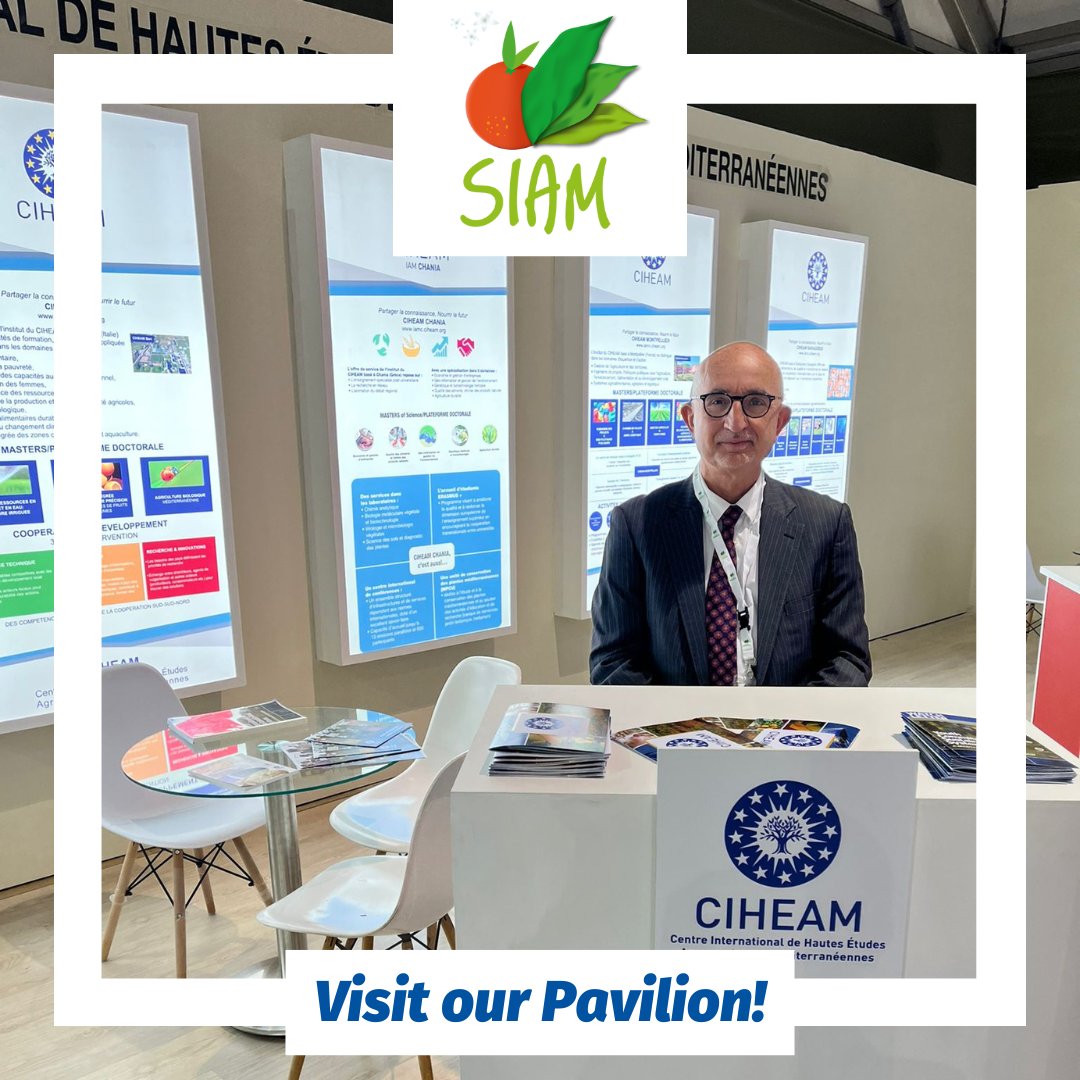
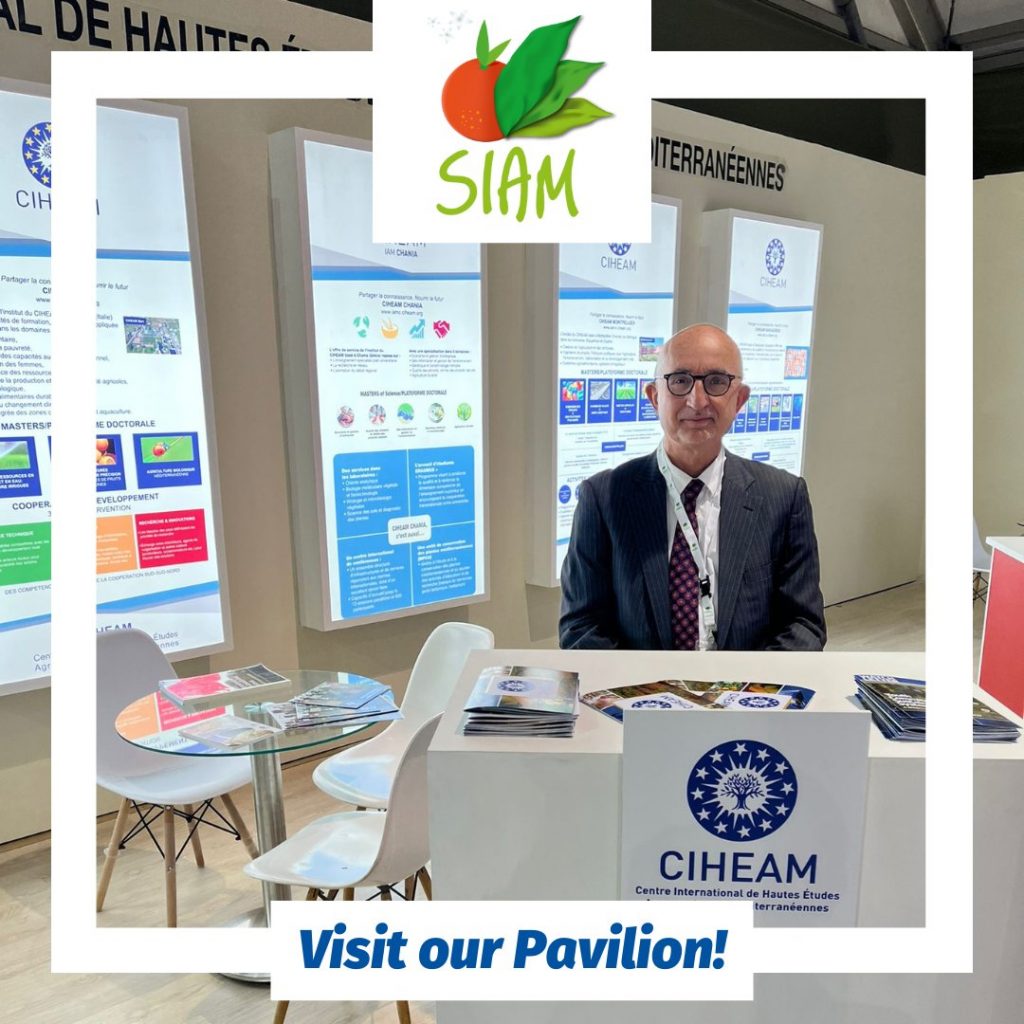
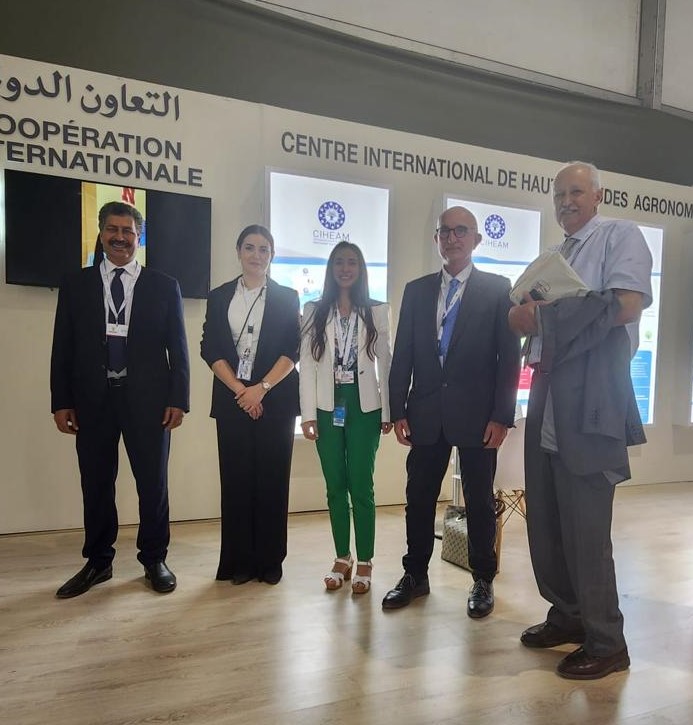
CIHEAM Zaragoza Director, Raúl Compés, at SIAM’S CIHEAM Pavilion

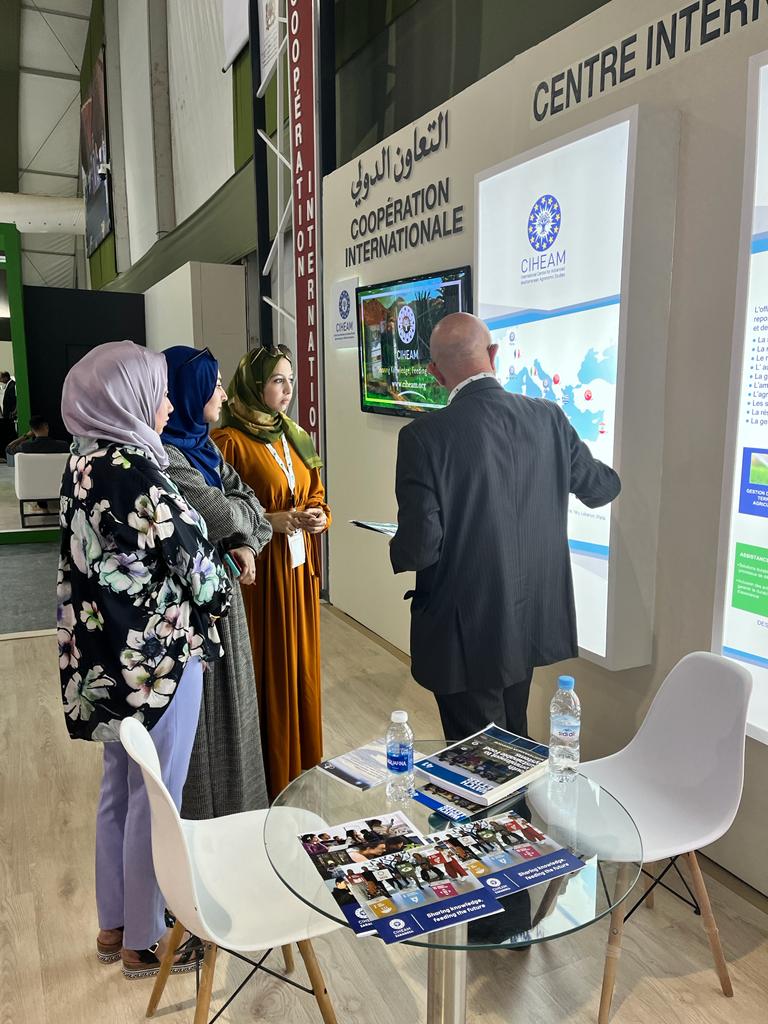
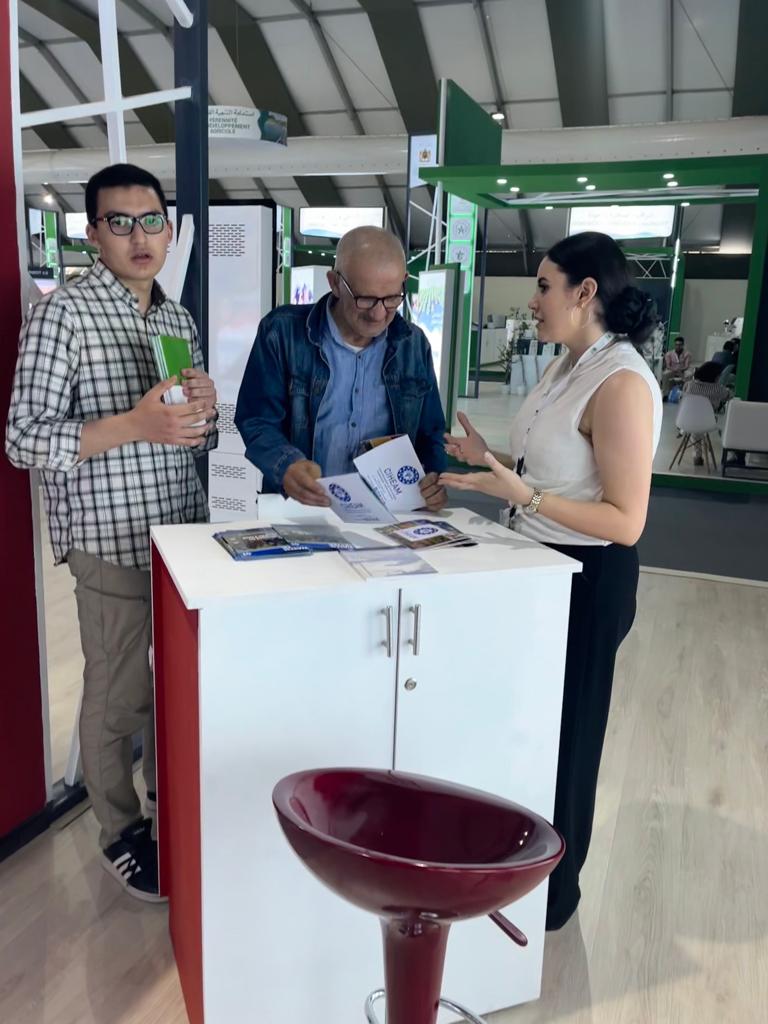
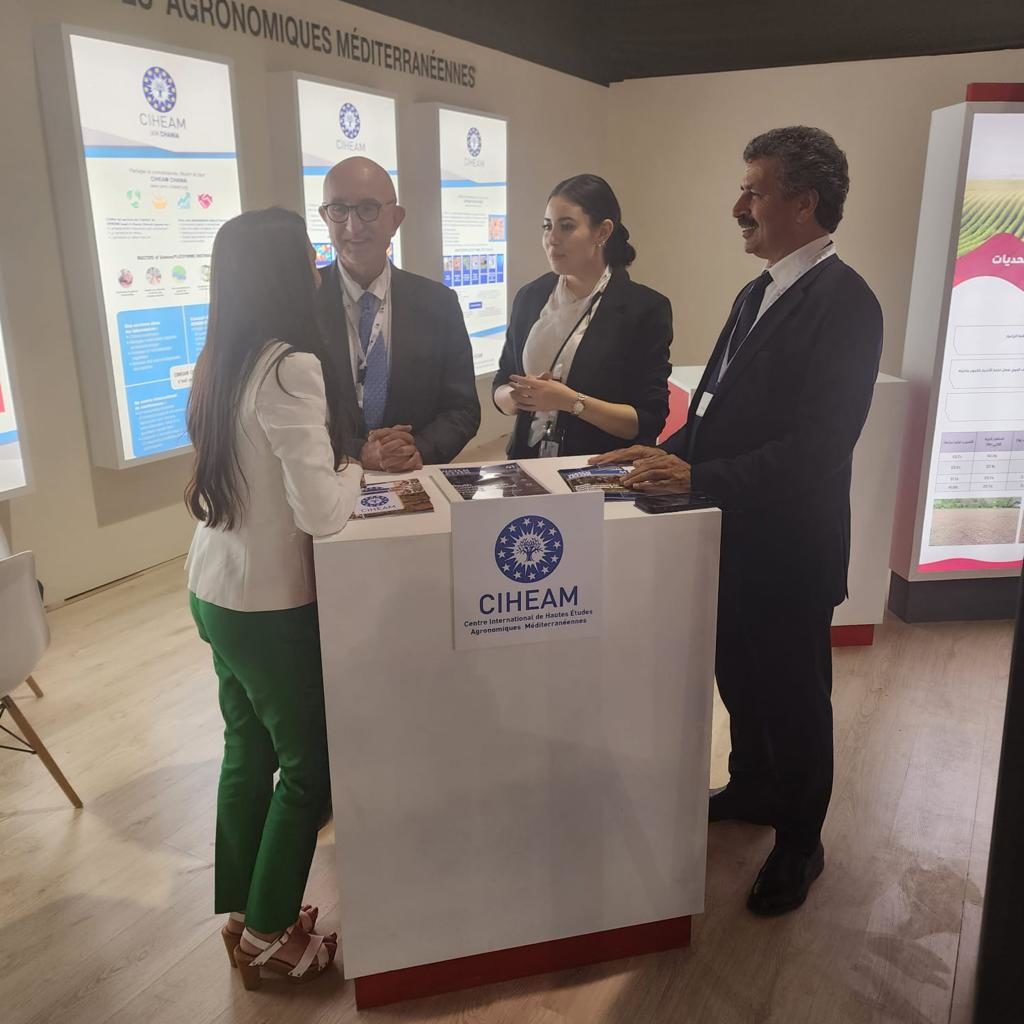
CIHEAM was present at the 15th International Agricultural Show of Morocco (SIAM) hosting a pavilion to present the training offer of its 4 Institutes, the current activities as well as the broader institutional mission. This year SIAM’s theme was “Green Generation: for sustainable food sovereignty” and CIHEAM presented its many projects in the Mediterranean region aimed at strengthening food security in rural communities, an objective achieved thanks to the active participation of young people and women

Moreover, SIAM was an opportunity for CIHEAM to become known beyond the Mediterranean and share its expertise in cooperation and political dialogue for the construction of sustainable agri-food systems.

CIHEAM, a key player in agricultural training

For CIHEAM, the Agricultural Show was an opportunity to present its 4 Institutes –CIHEAM Bari, CIHEAM Chania, CIHEAM Montpellier and CIHEAM Zaragoza. Thanks to this strong representation and a diversified training offer, the Institutes have been attracting students from all over the Mediterranean for more than 50 years and supporting them in their training projects.

During the show, CIHEAM was able to meet other players in agricultural training such as the Agronomic and Veterinary Institute Hassan II, represented by its Director, Abdelaziz El-Hraiki, and its Director of Cooperation, Partnership and Development and former President of the CIHEAM Advisory Board, Lamiae Ghaouti.

The International Agricultural Show in Morocco

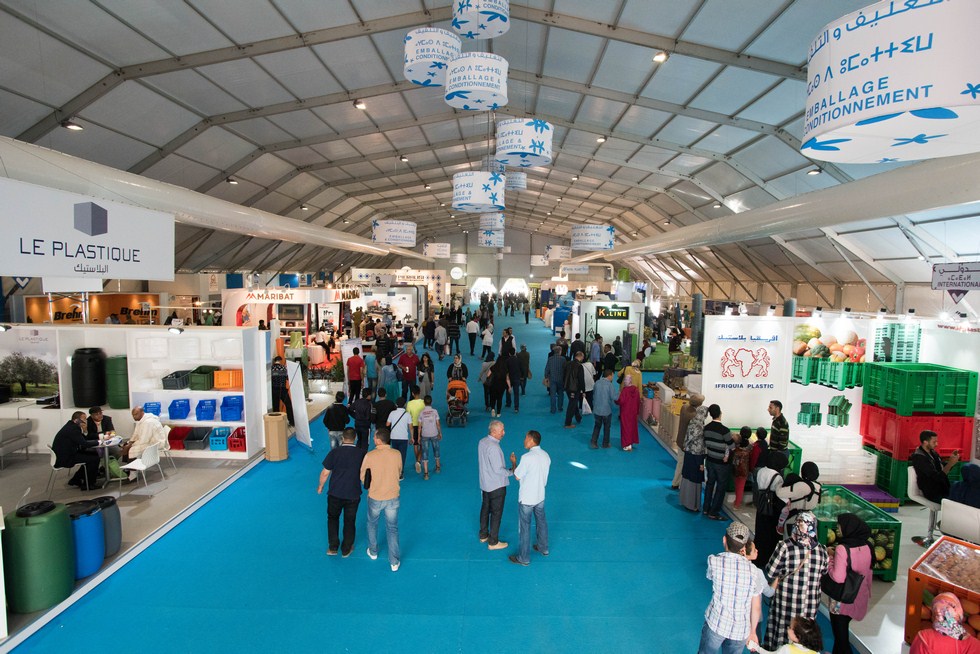
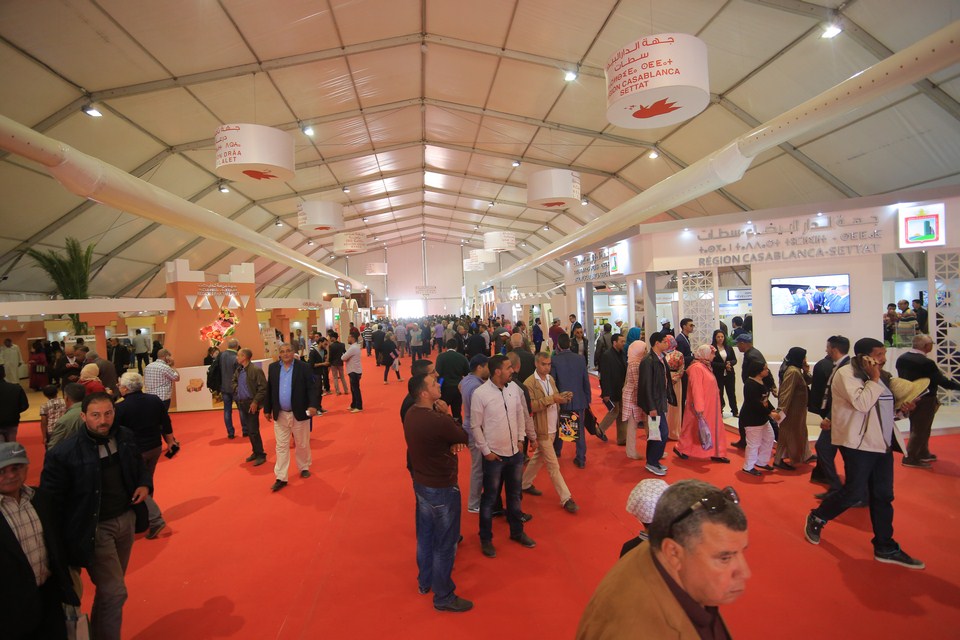
The International Agricultural Show in Morocco (SIAM), organized by the Ministry of Agriculture and Maritime Fisheries of Morocco, was launched in 2006 and is now in its 15th edition. With more than 1,400 exhibitors, 65 participating countries and around 900,000 expected visitors, SIAM is one of the most important exchange and dialogue platforms in the agricultural sector at global level.

This year’s exhibition, held from 2 to 7 May in the imperial city of Meknes, is devoted to “Green Generation: for sustainable food sovereignty”. The Show is organized around 10 different poles (‘Regions’, ‘Institutional and sponsors’, ‘International’, ‘Products’, ‘Agricultural supply’, ‘Life and nature’, ‘Terroir products’, ‘Breeding’, ‘Agricultural machinery’ and ‘Conferences’) and hosts nearly 40 conferences on different themes related to the topic of the show.

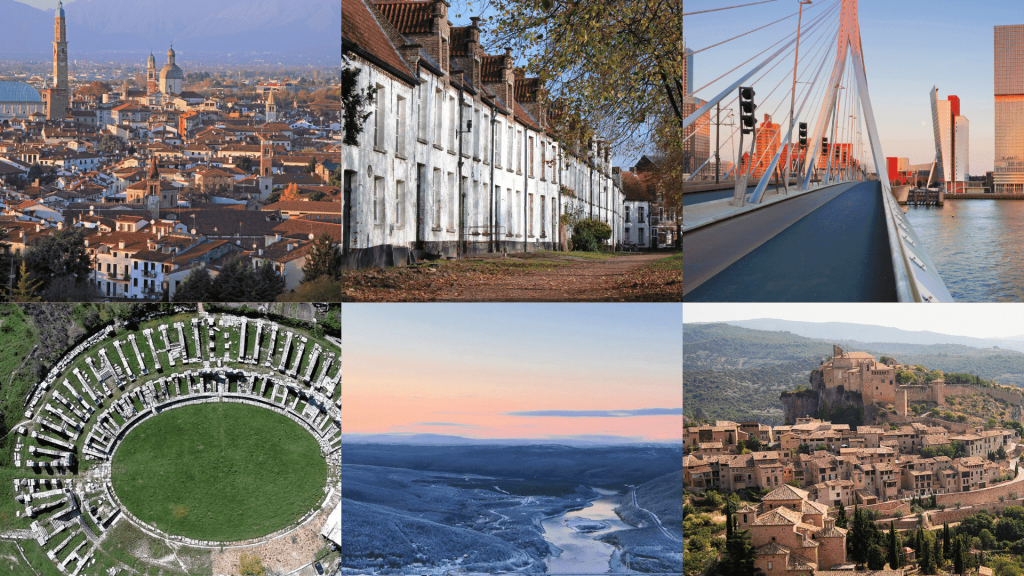
Culture as catalyst: New tourism trends to be explored in the EU-funded SmartCulTour Final Conference in Brussels

Stakeholders of the cultural tourism sector in Europe are invited to join the Final Conference of the EU-funded project SmartCulTour on May 24 in Brussels. The event will bring together international experts to explore emerging tourism trends and identify priorities to redefine cultural tourism for sustainable destinations.

The conference will tackle the importance of harnessing the power of culture and local values to redefine the visitor experience. CIHEAM Zaragoza, responsible for the organization of the international gathering, will participate in the event as one of the partners within the SmartCulTour project’s consortium. Alun Jones, head of the Projects Unit of CIHEAM Zaragoza, will moderate the event’s round table entitled ‘The future of rural cultural tourism and its potential to promote rural development’.

The lineup of confirmed speakers includes experts from the European Union, the United Nations Educational, Scientific and Cultural Organization (UNESCO), the International Council on Monuments and Sites (ICOMOS), universities, the business sector and representatives from SmartCulTour and other European projects currently working on cultural tourism.

Since SmartCulTour started in January 2020, the project has supported the development of European regions by providing them with a set of strategies to engage with stakeholders and co-create sustainable cultural tourism experiences.

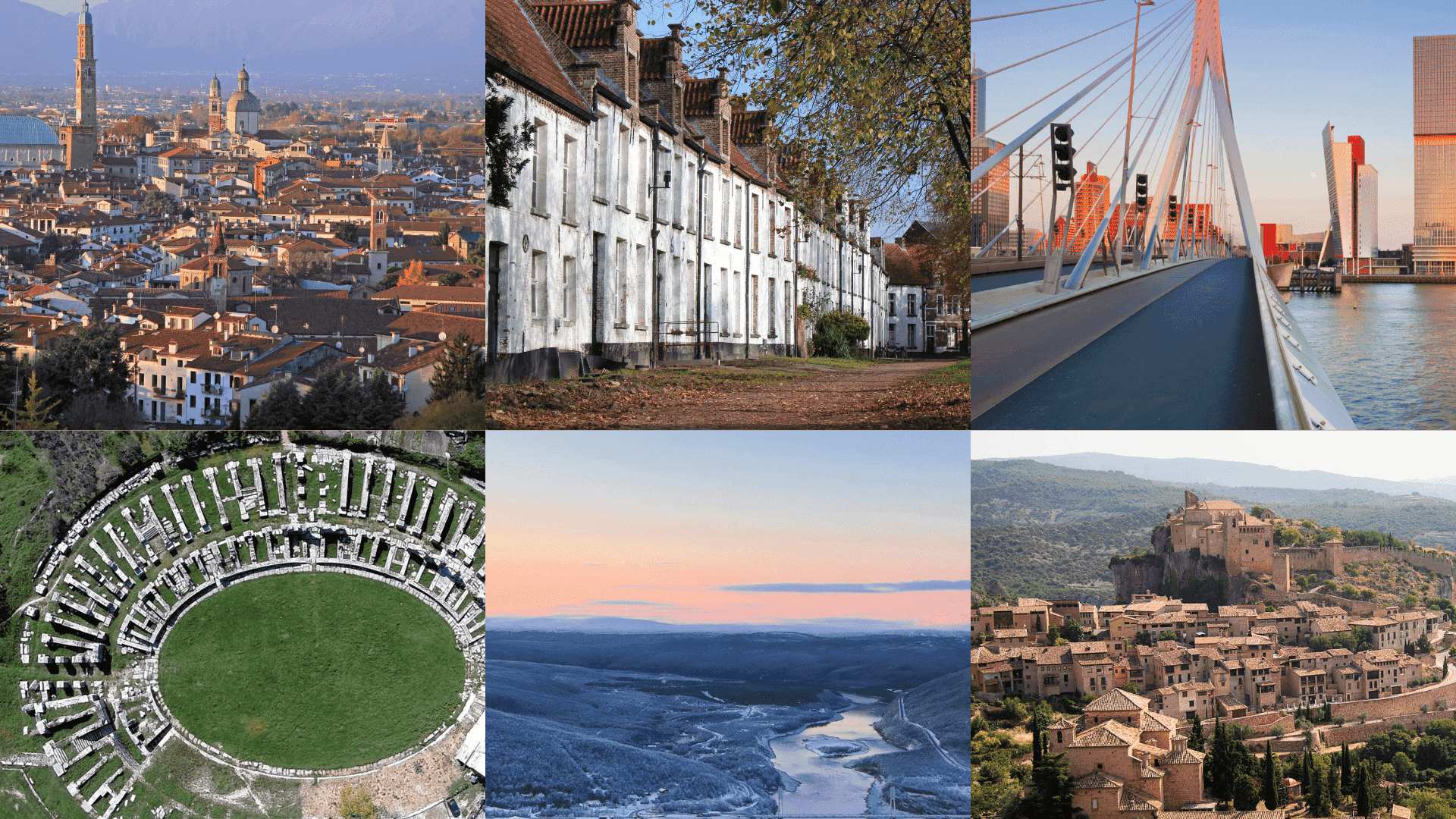
The project has been deployed through six living labs across Europe (Belgium, Croatia, Finland, Italy, the Netherlands and Spain). The project’s tools and the different experiences of the SmartCulTour Living Labs with key target audiences will be shared during the closing conference of the project.

For more information, download the SmartCulTour Final Conference programme

DATE: Wednesday 24 May 2023
TIME: 09:15 – 18:30 h
VENUE: Herman Teirlinckgebouw (Havenlaan 88, 1000 – Brussels, Belgium)
REGISTRATION: Register on the SmartCulTour website to attend the event (smartcultour.eu)

Use of indicator systems to improve the quality of scientific and academic management

Lecture

One of the fundamental principles of quality management is the objective approach to decision-making that should be based on the analysis of data and available information. A well-designed indicator system plays an essential role in these processes, since it provides accurate, organized information for analysis.

The “CIHEAM Zaragoza-Campus Aula Dei Lecture Series”, commences with a talk by José Miguel Carot Sierra, professor at the Polytechnic University of Valencia, who will provide practical insights on how to design and implement indicator systems. The lecture will use real examples drawn from the scientific and academic community.


Speaker

José Miguel Carot Sierra is a professor in the Department of Applied Statistics and Operational Research and Quality of the Polytechnic University of Valencia (UPV). He was head of the Area of Quality and Accreditation (2013-2021) and director of the Area of Academic Assessment (2009-2013) of the UPV. Between 2002 and 2017 he was in charge of the area of Data Analytics of the research group GADIC (Data Analysis and Quality Engineering Group). He was also founder and first director of the Centre for Quality and Change Management (2007-2009).

He is currently working and researching on statistical methods for quality, indicators and information systems, multivariate analysis, experimental design, data science and big data, areas on which he has published more than 115 articles in national and international journals.

  • Date: Tuesday 16 May 2023 at 11:00h
  • In-person: Aula D at CIHEAM Zaragoza (Av. Montañana 1005, Zaragoza)
  • Online: choose this option when you register and we’ll send you the connection details
  • Series: CIHEAM Zaragoza-Campus Aula Dei Lectures

[Registration is closed]