The essential role of women for more inclusive and sustainable food systems in the Mediterranean

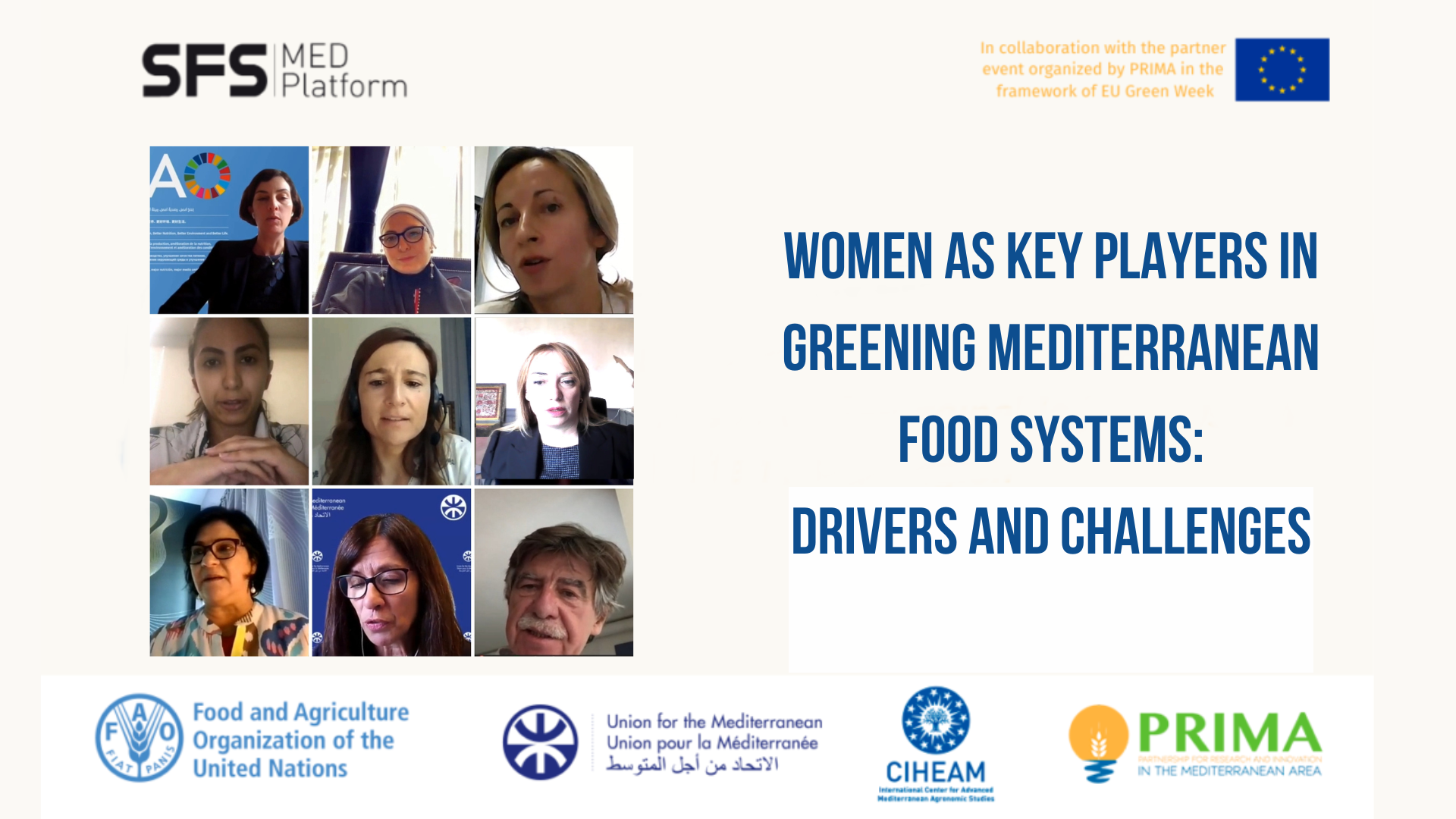
  • Within the framework of the EU Green Week, the SFS-MED Platform hosted the  webinar “Women as key players in Greening Mediterranean food systems: Drivers and Challenges”, co-organized by CIHEAM, FAO, UfM and PRIMA 
  • Frida Krifca, President of the CIHEAM Governing Board and Minister of Agriculture of Albania, opened the seminar with a keynote address on the status of women in agriculture, underlining the existing difficulties and the best practices to encourage the participation of women in Albania and in the Mediterranean region
  • CIHEAM Students were given the opportunity to interact with the panellists and to ask questions on the main issues regarding gender imbalances in agrifood systems, with particular regard to the sectors of education and research 

In the framework of the #EUGreenWeek2023 and in collaboration with the event “Empowering Women Championing the Green Transition in the Mediterranean”, the SFS-MED Platform organized the fifth technical webinar of a series about the levers for food systems transformation. The SFS-MED Platform is a multi-stakeholder initiative for Sustainable Food Systems in the Mediterranean co-led by the Food and Agriculture Organization of the United Nations (FAO), the International Centre for Advanced Mediterranean Agronomic Studies (CIHEAM), the Union for the Mediterranean (UfM), and the Partnership for Research and Innovation in the Mediterranean Area (PRIMA).

The speakers were invited to reflect on what needs to change to address the persisting gender gaps undermining women’s potential role and equal participation in greening food systems in the Mediterranean region. Bringing together representatives from governments, agri-food enterprises, researchers, international organizations and civil society, the webinar provided a forum to exchange knowledge and concrete experiences about the role that multiple stakeholders can play in promoting the effective participation of women in greener, more sustainable and more resilient food systems in the Mediterranean. 

Frida Krifca opened the online seminar with a keynote address on the status of women in Mediterranean agriculture. She underlined that women have limited access to resources and still struggle to impose themselves as autonomous agents in rural areas. In addition, their work is often unrecognized and even discredited. In light of this, enhancing and reskilling women in agriculture is essential to accelerate the transition towards sustainable Mediterranean food systems. She pointed out that “together we can build a more inclusive and sustainable food system in the Mediterranean, and today’s discussion is a good beginning”

During the Q&A, CIHEAM students were given the possibility to ask the panellists questions on some issues they considered essential to foster the discussion on women’s empowerment. In particular, many of them stressed the existing difficulties that female researchers face in the agri-food sector and called for policymakers to take concrete actions to ease their situation and for senior researchers to share their experiences. 

Finally, the attention switched to rural areas where women are responsible at the same time for care and agricultural work. Their situation is made more critical by climate change and increasing emigration. The students underlined that a better understanding of their living conditions is needed and that solidarity is essential to fully respond to their needs. 
Watch the recording:

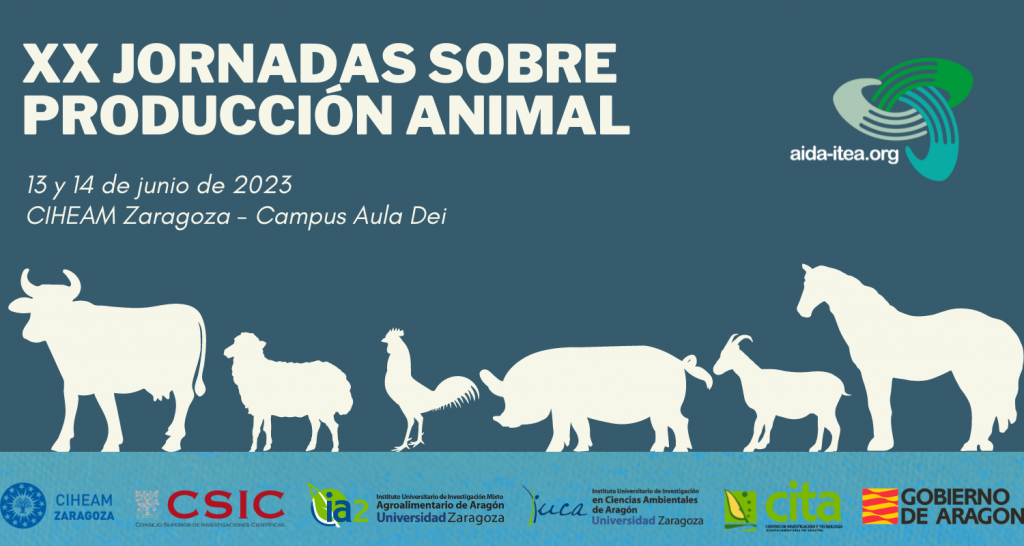
The AIDA Workshop on Animal Production reflects a marked interest in climate change and precision livestock farming

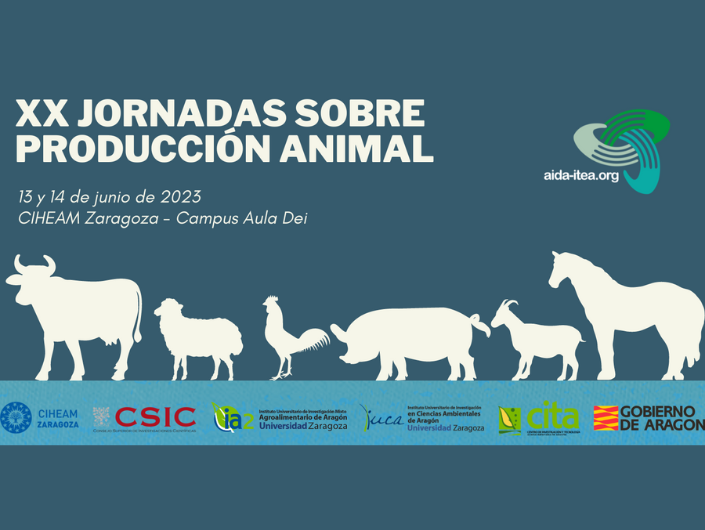
  • The Agri-food Research and Technology Centre of Aragon (CITA) and CIHEAM Zaragoza collaborate with this workshop to be held on 13 and 14 June, gathering experts from all over the country

The 20th Workshop on Animal Production, organized by the Interprofessional Association for Agricultural Development (AIDA), has attracted record numbers of participants who will be presenting 280 oral communications and posters. This year there is a clear interest in climate change and its impacts on animal production. Precision Livestock Farming is another topic of interest that top PLF professionals will be discussing in a special session.

More than 300 researchers and practitioners in animal production will travel from all over the country to the event which will begin with the opening lecture: “The role of the livestock sector and animal science in achieving the sustainable development goals” given by Dr Badi Besbes, head of the Animal Production and Health Division of the FAO and former CIHEAM Zaragoza student. The workshop will be opened by Raúl Compés, director of CIHEAM Zaragoza, Lucía Soriano, managing director of CITA, and Albina Sanz, researcher at CITA and vice president of AIDA.

Guillermo Ripoll, secretary of the workshop and researcher in CITA’s Department of Animal Science talks about the event: “This workshop has returned to face-to-face participation following the pandemic and the positive response is a good sign that animal science has remained active during this time. This edition has added new features, such as a subsection on precision livestock farming and a round table on the two-way relationship between climate change and livestock farming systems. We have also incorporated a more informal satellite activity in the evening targeting young researchers”.

The round table on climate change and animal production will be held on 14 June, organized by UEECA – the Union of Spanish Animal Science Organizations – and AIDA, and will count on the participation of researchers from CITA – Daniel Martín-Collado who will talk about “Farmers’ Perception of Climate Change”, and Margalida Joy who will address “The Impact of Climate Change on Plant Production and the Development of better adapted New Varieties. Use of co-products”. Roberto Brasero, the popular TV weather forecaster, will also participate via video.

UEECA with its 14 associations will hold an extraordinary assembly during the workshop, presided by Juan Manuel Corpa of the University CEU San Pablo.

Another new feature is an event organized in the city centre that will give young researchers the opportunity to interact with professionals who will talk about their research experiences. Also, as in previous editions, the Young Researcher Award will be given to the best communication in each session. The award consists of a prize of 100 € for upcoming new researchers (under the age of 35) who do not hold a doctorate degree and are the first authors of the papers presented.

Workshop collaborators include the Agri-Food Research and Technology Centre of Aragon (CITA), the University of Zaragoza (the Agri-Food Institute of Aragon and the Institute for Research in Environmental Sciences of Aragon), CIHEAM Zaragoza and the Spanish National Scientific Research Council (CSIC). The event is sponsored by Humeco, the Aragonese Association of Pig Veterinarians (A.V.P.A.), the cooperative group Pastores and the ARAPARDA breeders’ association. Albeitar, Mundo Ganadero, Tierras Vacuno and Zoetis.

For more information about the workshop, visit: https://www.aida-itea.org/index.php/jornadas-aida/jornadas-2023

CIHEAM Zaragoza highlights the importance of cultural tourism for rural development at SmartCulTour Final Conference

turismo cultural rural

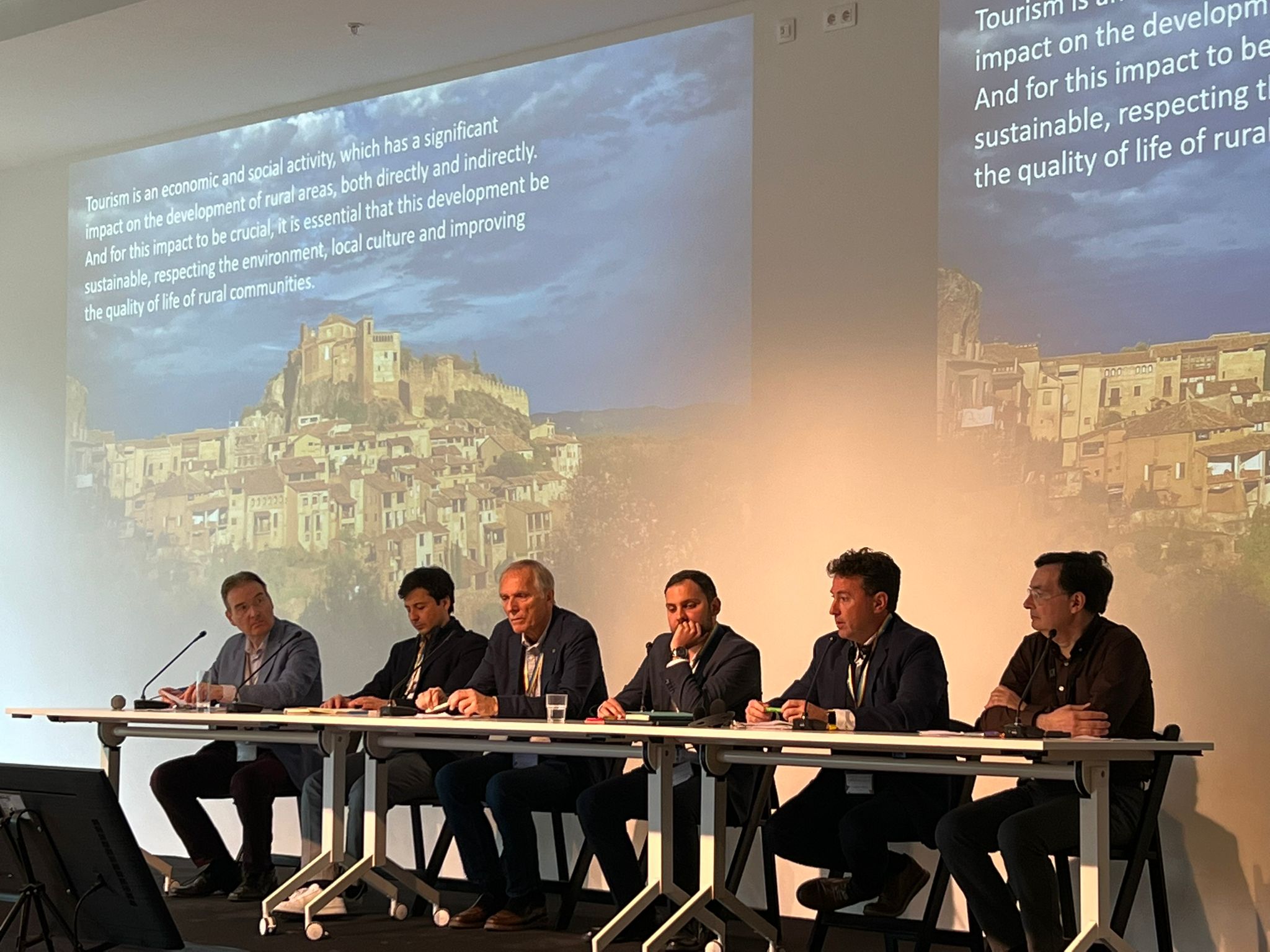
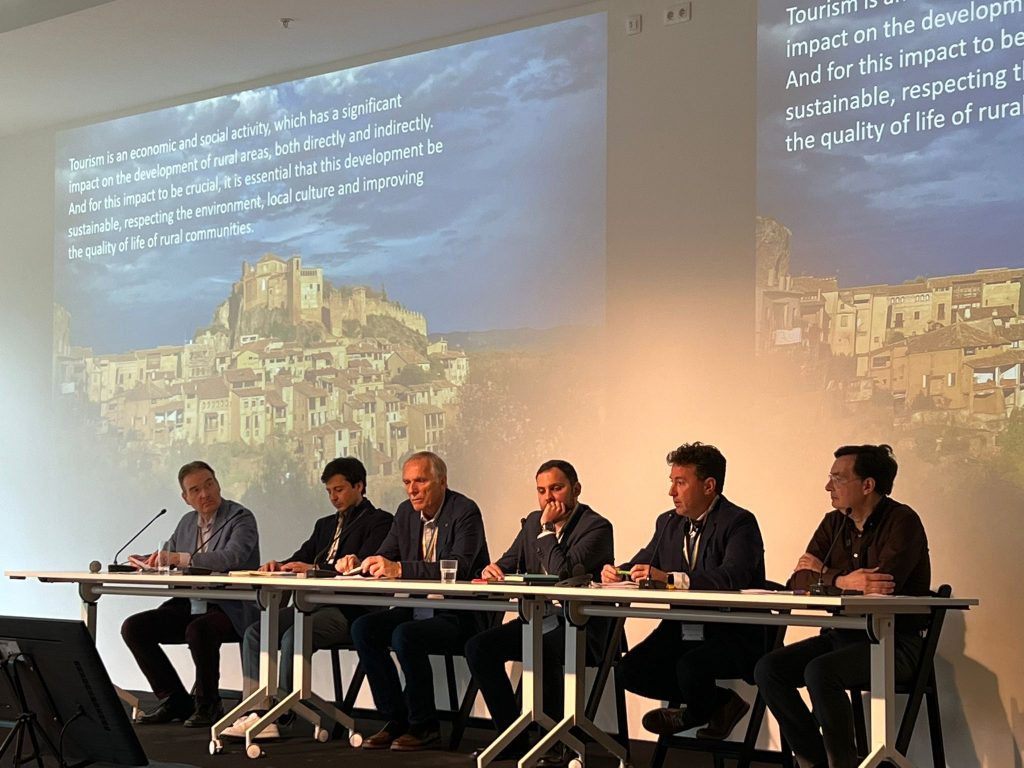
Over 80 participants from 15 countries, including stakeholders, practitioners and decision-makers from the cultural tourism sector in Europe, joined on 24 May 2023 the Final Conference of the EU-funded project SmartCulTour in Brussels, Belgium. The event brought together national and international experts to explore emerging tourism trends and identify priorities to shape sustainable cultural tourism destinations.

Under the theme “Culture as Catalyst: Redefining Cultural Tourism for Sustainable Destinations”, the conference tackled the importance of harnessing the power of culture and local values to redefine the visitor experience. As one of the partners within the SmartCulTour consortium, CIHEAM Zaragoza was responsible for the organization of the international gathering, where it moderated and chaired a session focused on the future of rural cultural tourism and its potential to promote rural development.

At the CIHEAM Zaragoza-led session, moderator and chairman Alun Jones presented the results from a new report by UNWTO on rural tourism. He highlighted that “only 20%” of the UNWTO Member States worldwide have specific policies and support systems for rural tourism, and added that one of the main challenges ahead according to the report is the improvement of infrastructures in rural areas. How to balance this development and growth with sustainability was one of the key issues addressed by the panelists during this round table, where the experience of the SmartCulTour Living Lab in the province of Huesca, in Spain, was presented.

For Jones, cultural tourism has a high potential to stimulate growth in rural areas: “There are cultural assets in every rural area in Spain and Europe that we have to enhance and use as a growth point for the local economy. CIHEAM Zaragoza continues to work on this topic as we believe that it is of primary importance for rural development, and more and more for developing countries”.

Cultural tourism plays an important role in the European economy, estimated to represent 37% of the total tourism sector. According to Bart Neuts (KU Leuven, Belgium), SmartCulTour Project Coordinator: “While tourism encourages access to and appreciation for the extensive collection of European cultural heritage, there are important current and future challenges and opportunities to account for, such as overtourism, digital transitions, green transitions, workforce shortages, or accessibility, among others. Our aim through the SmartCulTour Final Conference has been to explore potential trends and needs from the point of view of visitors, industry, and policy in order to help provide a roadmap for sustainable cultural tourism development.”

Since its launch in January 2020, the SmartCulTour project has supported the development of European regions by providing them with a set of strategies to engage with stakeholders and co-create sustainable cultural tourism experiences. The project has been deployed through six living labs across Europe (Belgium, Croatia, Finland, Italy, the Netherlands and Spain).

CIHEAM Zaragoza leads IPMWORKS to a hearing at the EU Parliament to discuss pesticides use

  • Based on policy work led by CIHEAM Zaragoza, IPMWORKS has provided expert testimony on pesticides use in a European Parliament hearing in relation to Sustainable Use Directive/Regulation.

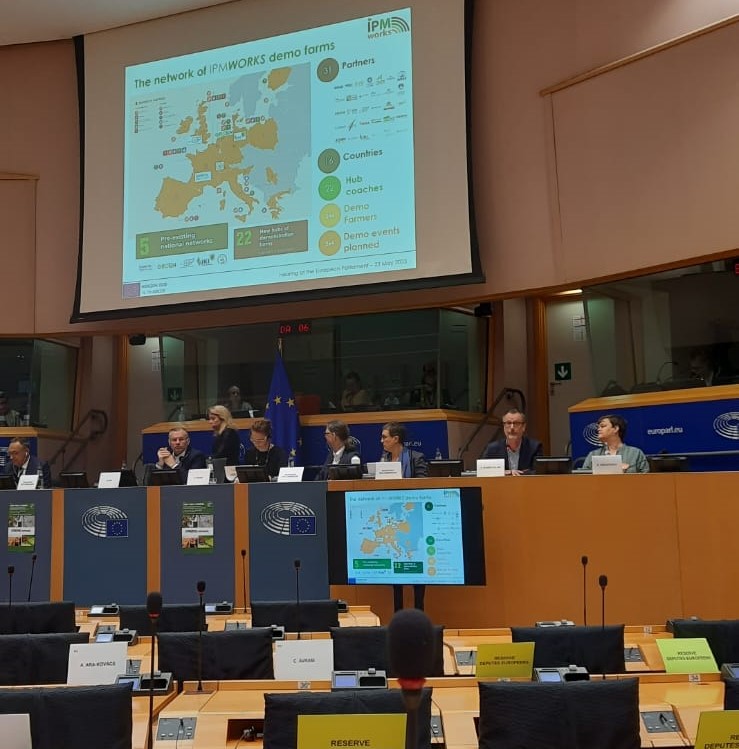
IPMWORKS provided expert testimony on pesticides use in a European Parliament hearing.

On 23 May 2023, the European Parliament has organised an AGRI-ENVI joint Public Hearing on IPMWORKS to explain how Integrated Pest Management (IPM) is indeed working across over 25 demo hubs and farms across Europe. IPMWORKS agronomy experts and farmers have provided firsthand testimonial on the project´s IPM practices which demonstrate how they are successfully reducing pesticides use across Europe.

The EU-funded IPMWORKS project is working under the umbrella of the Farm to Fork Strategy, a major component of the European Green Deal, which targets a halving of pesticide use and impact. The project is developing practical solutions for farmers to reduce the use of chemical pesticides and to promote less harmful plant disease and pest solutions.

According to Nicolas Munier-Jolain (INRAE, France), IPMWORKS coordinator: “Reducing pesticide use in ‘conventional’ agriculture is possible but remains challenging, as it requires a significant re-design of farmer crop and pest management strategies and this will take time. However, reducing pesticide use should not endanger food security in Europe as non-chemical methods are efficient when properly combined, and pesticides can still be used as a justified last resort under IPM strategies. However, farmers cannot do this alone. They need to be accompanied and supported in this transition. The whole food chain has to work together to organise markets for crop diversification and inform consumers about the level of pesticide use. Farmers also need to receive a major scale-up in terms of the training, advisory and coaching support they receive (through programmes such as IPMWORKS´ peer to peer hubs).”

The dedicated IPMWORKS hearing has taken place at a crucial time when the EP is debating the reform of the Sustainable Use Directive with a proposal for a Regulation on the sustainable use of plant protection products (2021/2115) which includes IPM as the cornerstone in its implementation.

CIHEAM Zaragoza’s policy work within the IPMWORKS project

Part of CIHEAM Zaragoza’s task in IPMWORKS is to bring the innovative and proven solutions from IPMWORKS to the attention of policy-makers to inform the EU policy debate on the sustainable use of plant protection products. CIHEAM Zaragoza is also leading the Europe-wide training task within the IPMWORKS project and undertaking communication and dissemination activities.

As a result of this engagement, CIHEAM Zaragoza was responsible for organizing an exhibition in the European Parliament last February, visited by 60 MEPs and the EU Agriculture Commissioner Janusz Wojciechowski, and now has brought about the participation of IPMWORKS in the EP hearing in Brussels on 23 May 2023.

Alun Jones, head of the Projects Unit of CIHEAM Zaragoza, said: “We are grateful for the confidence that the European Parliament has bestowed in the IPMWORKS project, which is working hard to demonstrate that IPM does indeed work for farmers. With 60 MEPs attending our EP exhibition in February and now this dedicated IPMWORKS hearing, it is clear that MEPs are also demonstrating their support and belief in Integrated Pest Management. The only question that now remains is the scale, urgency and support that EU´s policy-makers will now provide to a progressive reduction in pesticides use agriculture under IPM.”

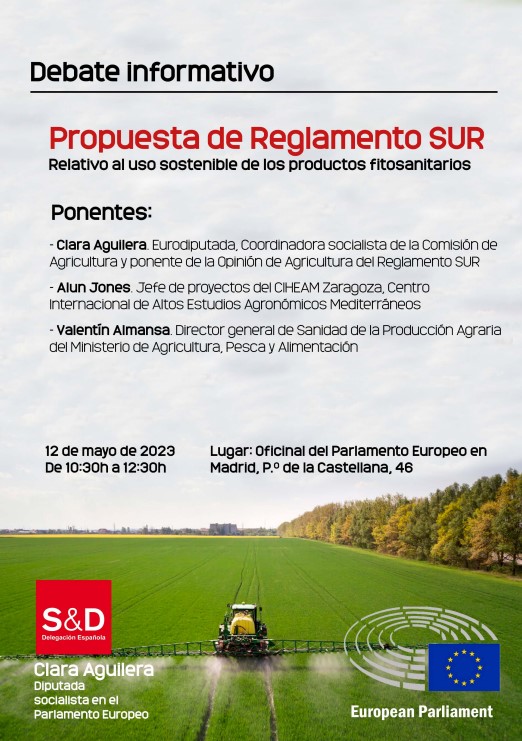
Prior to the EP hearing, CIHEAM Zaragoza took also part in a pre-briefing organised by Clara Aguilera MEP, AGRI rapporteur on the Sustainable Use Regulation in the Madrid offices of the European Parliament, which took place on International Day for Plant Health (12 May).

Extensive and pastoral livestock systems play an essential role in the development of Mediterranean rural areas

  • The PASTINNOVA project, financed by PRIMA, aims to reinforce innovation in Mediterranean pastoral farms to strengthen their economic and social sustainability.
  • The partners of the project have met in Tangier in Morocco to coordinate activities and participate in a conference on Mediterranean pastoral systems.

CIHEAM Zaragoza is one of the 20 organizations from 12 Mediterranean countries (Algeria, Croatia, Cyprus, Slovenia, France, Greece, Italy, Lebanon, Morocco, Spain, Tunisia and Turkey) participating in the PASTINNOVA project, financed by PRIMA with the purpose of reinforcing innovation in Mediterranean pastoral livestock systems to strengthen their economic and social sustainability.

The intergovernmental organization for cooperation in agriculture and food has met fellow project partners in Tangier, Morocco, from 10 to 12 May, to share experiences, plan activities and participate in a conference and discussion on Mediterranean pastoral systems organized by the National Institute for Agricultural Research (INRA) of Morocco.

During the annual meeting the partners have planned the activities for the second year of the project, including the creation of the four thematic groups to classify pastoral innovations to be studied, provide advice and exchange experiences: technical innovation; organizational innovation; markets and value chains; and training and gender issues.

Regarding the activities coordinated by CIHEAM Zaragoza, the action plan for the second year of PASTINNOVA contemplates the organization of a course for young researchers in Spain in 2024, the launch of a cycle of webinars and development of the first dissemination materials on Mediterranean pastoral innovation.

A TALK AND DISCUSSION ON MEDITERRANEAN PASTORAL SYSTEMS

CIHEAM Zaragoza and other PASTINNOVA partners also had the opportunity to participate in a forum with several Moroccan stakeholders from the extensive livestock sector and representatives of the Administration in charge of implementing development plans and policies for the sector in the country.

The PASTINNOVA project partners shared their experiences on innovations they are working on in their respective countries. Although widely diverse, the initiatives they presented address common challenges that the sector is facing across the Mediterranean, and covered degradation of grazing resources, lack of generational replacement and labour, low economic profitability, difficult market access, conflicting land use, and legislation that is often incompatible with grazing practices.

They spoke of innovations underlying the essential role of extensive livestock and pastoral systems in Mediterranean rural areas. Antonio López-Francos, Administrator of Cooperative Projects and Networks of CIHEAM Zaragoza comments on some of the aspects addressed: “Even when faced with enormous challenges, the innovations and initiatives shared in this conference reflect the rich diversity of extensive livestock grazing systems, their potential to place high-quality products on the market and sustain economic activity and employment in marginal rural areas, as well as their unique capacity to manage and make use of vast territories, and basically their essential role in the integrated development of many Mediterranean rural areas”.

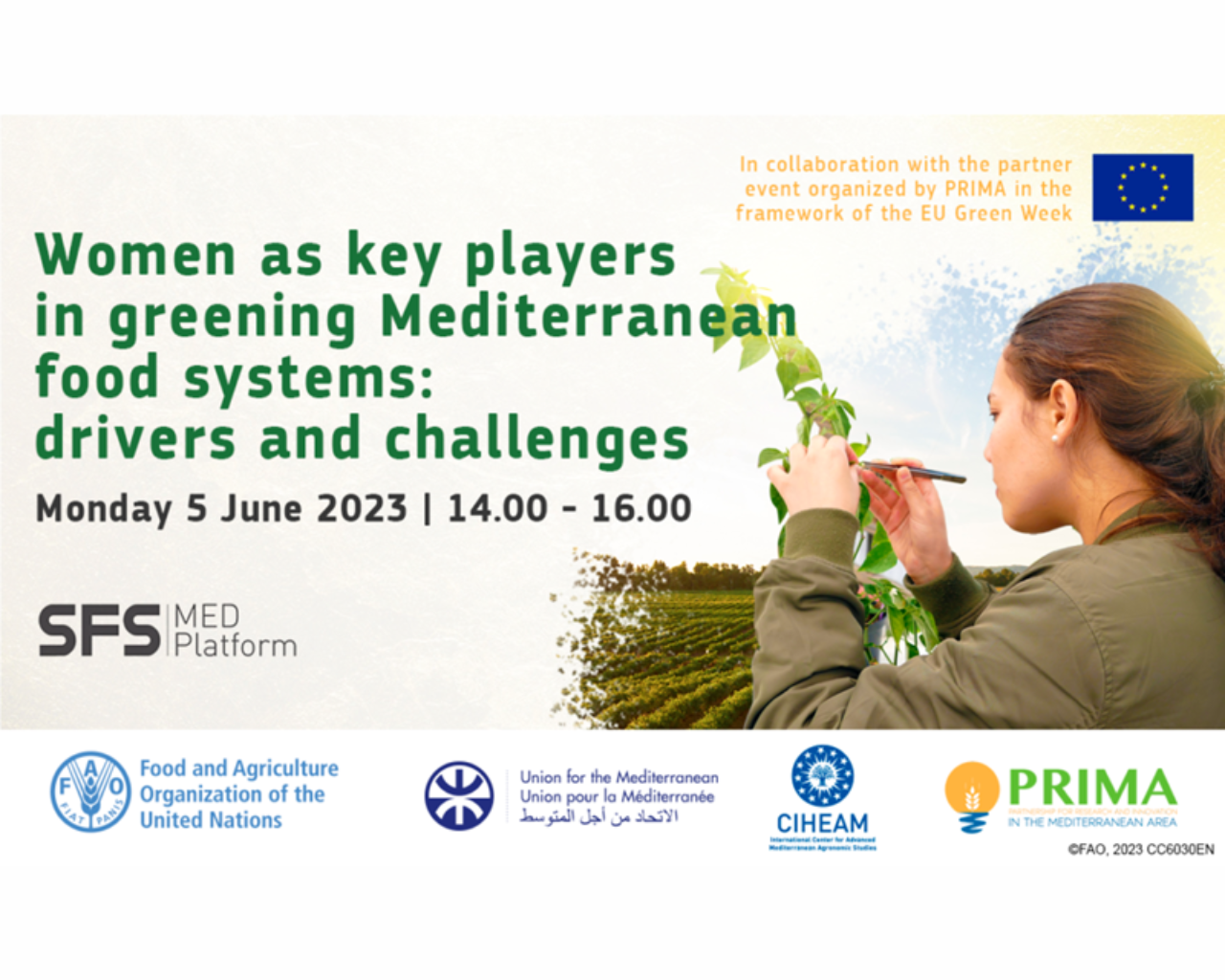
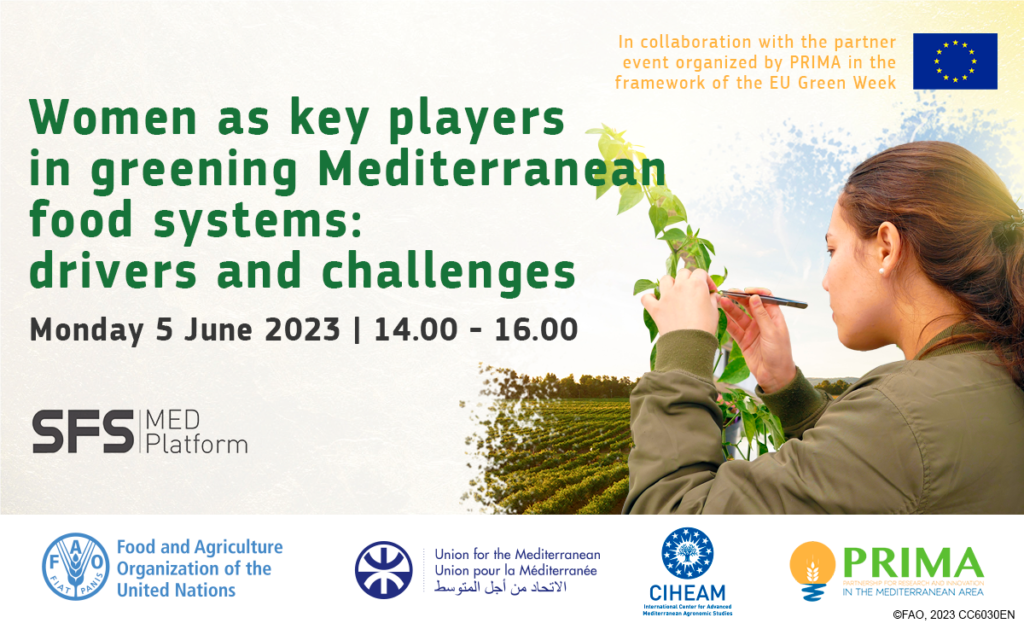
Women as key players in greening Mediterranean food systems: drivers and challenges

In the framework of the #EUGreenWeek2023 and in collaboration with the event “Empowering Women Championing the Green Transition in the Mediterranean”, the SFS-MED Platform is organizing the fifth technical webinar of a series about the levers for food systems transformation. The SFS-MED Platform is a multi-stakeholder initiative for Sustainable Food Systems in the Mediterranean co-led by the Food and Agriculture Organization of the United Nations (FAO), the International Centre for Advanced Mediterranean Agronomic Studies (CIHEAM), the Secretariat of the Union for the Mediterranean (UfM), and the Partnership for Research and Innovation in the Mediterranean Area (PRIMA).

The webinar “Women as key players in greening Mediterranean food systems: Drivers and challenges” discusses women’s contribution to Mediterranean food systems and green transition.  

The online event will bring together representatives from governments, agrifood enterprises, researchers, international organizations and civil society to reflect on what needs to change to address the persisting gender gaps undermining women’s potential role and equal participation in greening food systems in the region

All across the Mediterranean, women contribute to food systems at multiple levels, be it as food producers, innovators, researchers, consumers, or decision-makers. As such, they can play a key role in the “green transition” of Mediterranean food systems.

However, as documented by the new comprehensive FAO report on “The Status of women in agrifood systems”, significant gender gaps persist that undermine women’s potential for equal participation in the green transition. 

For example, while the market demand for “green skills” is expected to increase across the Mediterranean, many women and girls still face considerable challenges in accessing specialized male-dominated education and training (e.g. STEM or agriculture-related subjects), agricultural support and financial services, green job opportunities, and innovative and climate-smart technologies and practices. At the same time, wide gender gaps are still observed in political participation and decision-making in many countries, and more specifically in natural resource governance mechanisms, relevant policy processes and climate negotiations.

To achieve a green and equal transition of the agrifood labour market, investments are needed in upskilling and reskilling women in green sectors and supporting the STEM school-to-work transition. 

Gendered budgeting, sex-disaggregated data, and women’s leadership in the decision-making process are among the needed changes necessary to achieve more inclusive and resilient Mediterranean food systems.

Date: Monday 5 June 2023
Time: 14:00-16:00 (CEST)
Registration: Women as key players in greening Mediterranean food systems: drivers and challenges

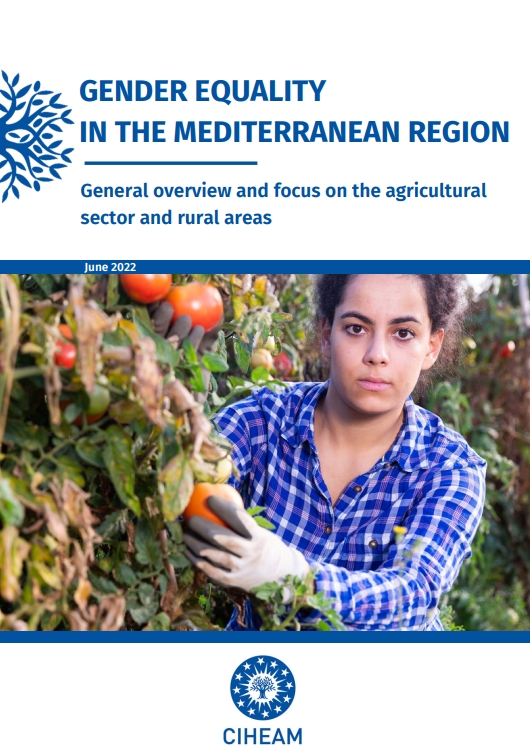
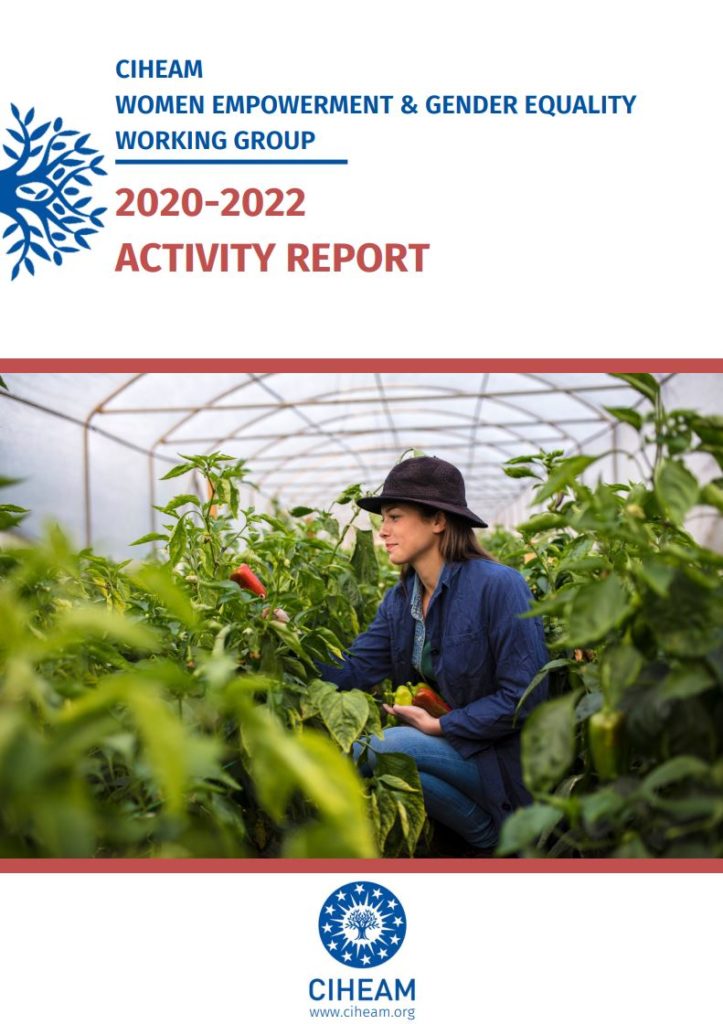
Read more about CIHEAM work on women empowerment and gender equality: