CIHEAM Zaragoza is now member of Zaragoza’s Chamber of Commerce

  • CIHEAM Zaragoza strengthens relations with the business network in Aragon by joining Zaragoza’s Chamber of Commerce

  • The Spanish headquarters of CIHEAM fosters collaboration and synergies between the scientific community, businesses, and future managers and practitioners across the Mediterranean region

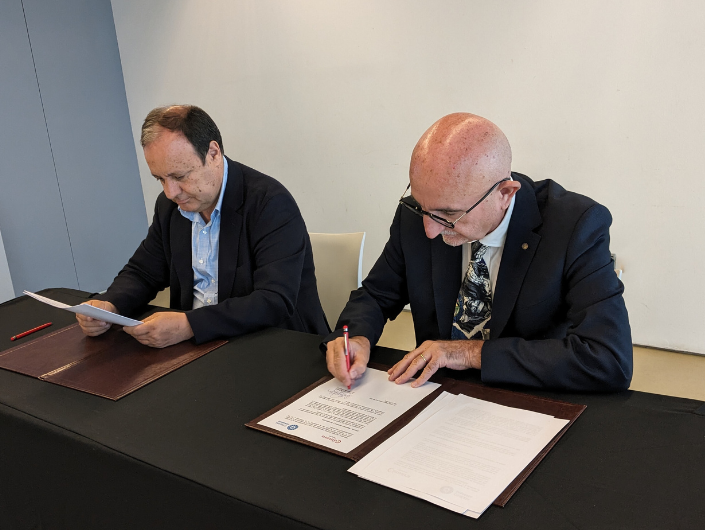
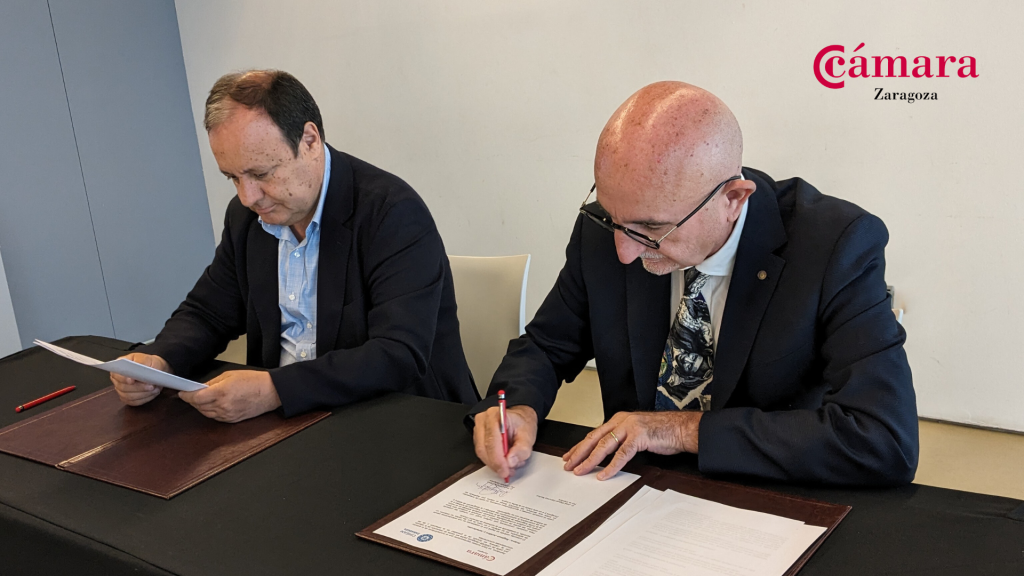
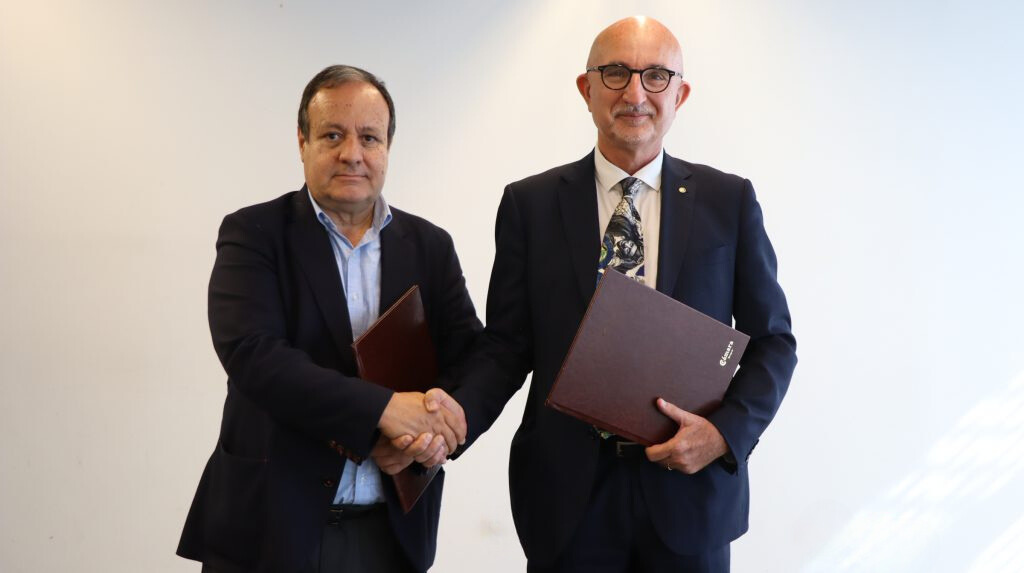
Zaragoza, 24 July 2023.- CIHEAM Zaragoza, the only international organization with headquarters in Aragon, joins Zaragoza’s Chamber of Commerce, Industry and Services as a member of the Chamber’s Club Fórum Plus. Raúl Compés, director of CIHEAM’s Institute in Zaragoza, and José Miguel Sánchez, director of the Chamber of Commerce, have signed the membership agreement of this business network.

The Spanish headquarters of the International Centre for Advanced Mediterranean Agronomic Studies (CIHEAM in French), was created in 1969 in Zaragoza to foster international cooperation and sustainable development in matters related to agriculture and food.

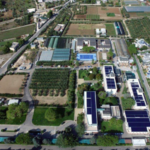
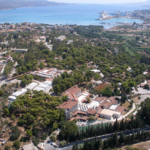
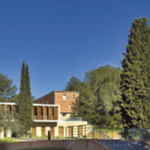
Located on the Campus of Aula Dei, a scientific and technical research complex hosting over 700 professionals working in R&D+i in the agriculture and food sector, CIHEAM Zaragoza offers high-impact, top-level international training, generating synergies between the scientific community, businesses, and future managers and practitioners across the Mediterranean region.

In the words of Compés: “It is an honour to be part of Zaragoza’s Chamber of Commerce and strengthen relations with the business network in Aragon. CIHEAM Zaragoza has a firm commitment with the region, nurturing connections between the local and international spheres for over fifty years”.

Since its creation, CIHEAM Zaragoza has become an international reference point in capacity-building and knowledge transfer in the agrifood sector through its network of more than 17,000 alumni and over 10,000 partners and experts worldwide.

Raúl Compés, director of CIHEAM’s Institute in Zaragoza, and José Miguel Sánchez, director of the Chamber of Commerce, have signed the membership agreement.

Low-Impact Aquaculture Production Systems

  • 34 professionals from 8 countries took part in a workshop presenting concepts and current research results on low-impact aquaculture production systems
  • The workshop was jointly organized by CIHEAM Zaragoza, the Institute of Agrifood Research and Technology of Catalonia (IRTA), and the EU H2020-funded project NewTechAqua

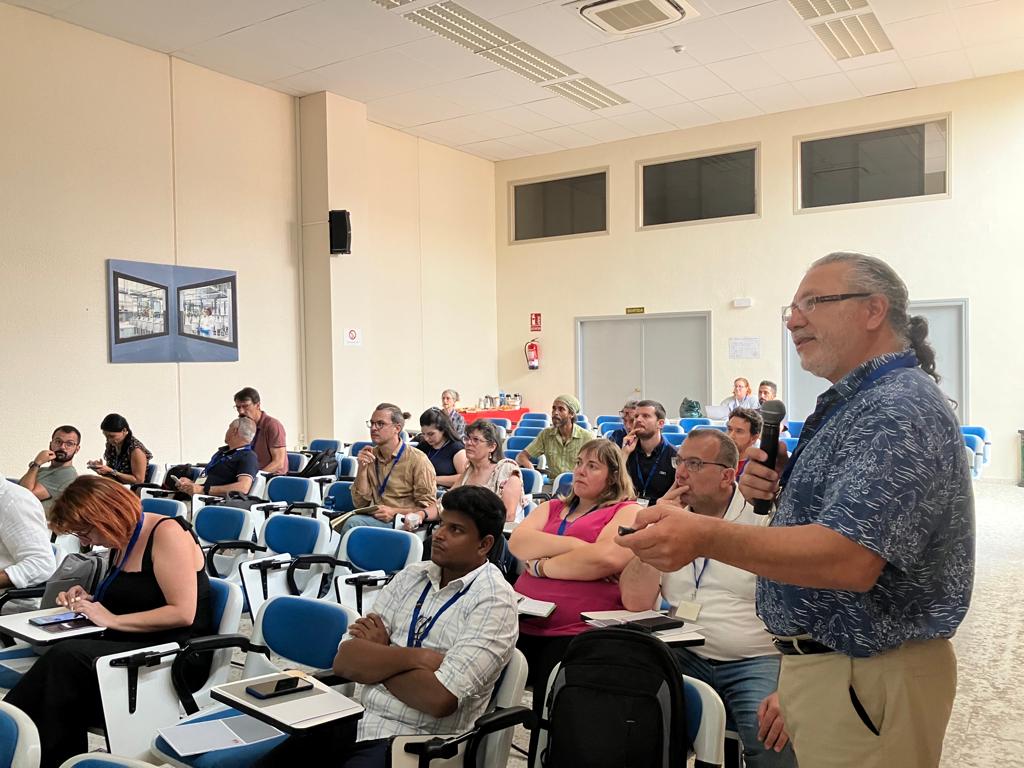
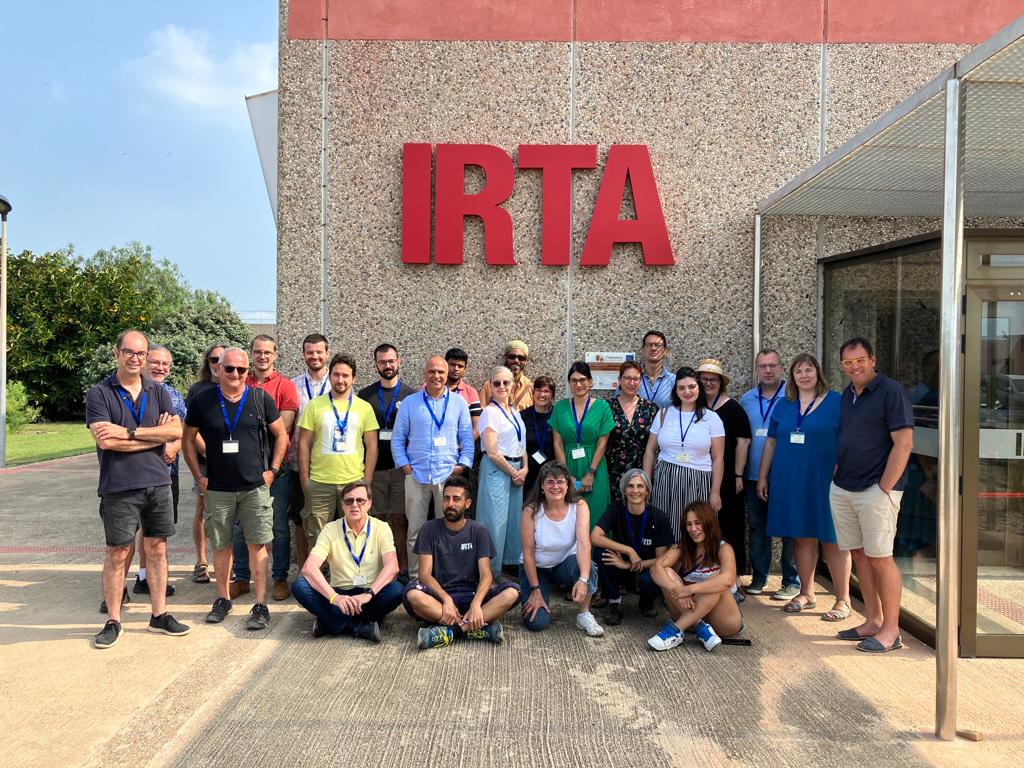
The training workshop “Low Impact Aquaculture Production Systems” was organized at IRTA La Rapita, Tarragona (Spain), from 27 to 29 June 2023. The workshop was jointly organized by CIHEAM Zaragoza, the Institute of Agrifood Research and Technology of Catalonia (IRTA), and the EU H2020-funded project NewTechAqua (New Technologies Tools and Strategies for a Sustainable, Resilient and Innovative European Aquaculture), whose main goal is to expand and diversify European aquaculture production of finfish, molluscs and microalgae by developing and validating technologically-advanced, resilient and sustainable applications.

In recent decades, aquaculture production systems have evolved and incorporated new technologies (i.e. offshore cage farming, RAS) which have facilitated the growth of fish farming, moving away from natural sensitive locations. In parallel, there have been significant research efforts to develop more sustainable aquaculture production systems, such as IMTA (Integrated Multi-Trophic Aquaculture) or aquaponics, aiming to improve circularity and efficiency, reduce waste, and provide ecosystem services.

The workshop was designed with the objective of discussing recent advances in the development of low-impact aquaculture production systems, and disseminating selected results and recommendations from the work carried out by NewTechAqua, as well as other similar existing projects and industry initiatives in this field. The programme presented concepts and current research results on the development of more sustainable aquaculture production systems and technologies such as aquaponics, IMTA or bioflocs, aiming to improve circularity and efficiency, reduce waste, and provide ecosystem services.

The workshop was attended by a total of 34 professionals from 8 countries (Chile, Georgia, Greece, Israel, Italy, Portugal, Spain and Tunisia), including researchers, aquaponics and agriculture entrepreneurs, civil servants and research technicians.

Sustainable practices and case studies from Mediterranean, Atlantic and Black Sea aquaculture

The workshop began with a welcome address from Sergi Tudela (DG for Maritime Policy and Sustainable Fisheriesof the Catalonian Regional Government, Spain) and Georgios Paximadis (Aquaculture Officer at FAO’s General Fisheries Commission for the Mediterranean), both stressing the importance of promoting the development of sustainable aquaculture and the need to develop low-impact production technologies.

On the first day of the workshop, results were presented from the NewTechAqua project. Guest speakers shared insights on the state of the art of different systems (types, main designs, species, technical and financial feasibility), and participants shared latest advances, sustainable practices and cases studies from Mediterranean, Atlantic and Black Sea aquaculture

NewTechAqua has worked on the assessment of the relationships between different, new, on-growing inland systems,their environmental impact, and economic performance. For this purpose, the project has tested and compared four inland farming systems differing in their level of technological development. Enric Gisbert (IRTA) summarized the main results of NewTechAqua’s assessment of proper inland farming systems based on biological, economic and ecological footprint indexes; and Roberto Pastres (UNIVE) summarized the results on the improvement of operating systems: eco-intensification of land-based seabass and seabream farms.

German Merino (UCN, Chile) provided a conceptual introduction to aquaponics, focusing on the need to make better use of natural resources (i.e water), promoting biointegrated aquaculture production systems, and the main components, advantages and disadvantages of aquaponic systems. Regarding the latter point, he stressed the importance of providing personnel with good managerial knowledge and skills in both aquaculture and plant production.

 Shirra Freeman (Univ. Haifa, Israel) made a presentation about IMTA, discussing the drivers and potential benefits of managing aquaculture and IMTA at basin scale, and spoke of the scientific advances in applying concepts and principles of aquaculture carrying capacity as a precondition to basin-scale management, for which the engagement of policy and regulatory stakeholders is needed.

David Sánchez Peñaranda (UPV, Spain) made a presentation about biofloc applications in aquaculture. Biofloc is a protein-rich macro aggregate of organic matter with micro-organisms and invertebrates attached, associated with the following main advantages: provision of natural feed; saving on feed administration; reduction in eutrophication; and provision of extra biosecurity as there is less growth of pathogenic bacteria. On the contrary, there are still several weaknesses as bioflocs are complex, highly biodiverse systems, and therefore difficult to manage and scale up.

Current regulation, technical and economic viability of low-impact aquaculture

The second day of the workshop involved guest speakers sharing recent research work from several European, PRIMA and national projects: results, case studies and examples from different countries followed by open discussions. They presented experiences and real examples of companies and discussed the technical and economic viability of low-impact production systems, as well as the need to improve current regulation and administrative management.

German Merino (UCN, Chile) gave a second lecture on aquaponics, presenting various case studies from Latin America at different scales (research, small scale and commercial), with the objective of reviewing the main aquaponics components (fish tanks, clarifiers, sump pumps, alkalinity addition tanks, filters, degassing, hydroponic raceways, etc.), systems models, and aquaponics in America. He compared tilapia and rainbow trout aquaponics.

Mariano Vidal (Tilamur, Spain) made a presentation about the Tilamur Company and their research and spoke about innovation projects in which the company has been involved. Tilamur is a company based in Murcia, producing tomato (9000 Kg/year), tilapia (6000 Kg/year) and dry spirulina (500 Kg/year). He presented some of the main constraints currently faced by aquaponics, i.e.: how a large production is necessary to compete with the high costs such as energy, feed, fingerlings, etc.; different interest and demand in European countries; as well as the need for a better regulatory framework.

Victoria Fernández (Uni. Murcia) discussed new farming opportunities and aquaculture diversification within IMTA systems in the Mediterranean Sea. Results from two research project (AMPHIS) were also introduced. Recommendations were made for IMTA to be based on species that grow naturally in aquaculture facilities, for which research on the species identification and selection for IMTA systems in off-coast areas is an initial step. She shared results on IMTA associated to marine fish cages using amphipods as a new farming opportunity.

Carlo Bibbiani (Uni. Pisa, Italy) presented a summary of the EU Prima Project SIMTAP (Self-sufficient integrated multi-trophic aquaponic systems for improving food). The main goals of SIMTAP were to assess the performance of four SIMTAP prototypes built in four countries (France, Italy, Türkiye, and Malta); to identify the main drawbacks and obstacles to the application of the SIMTAP concept to saltwater aquaponics; and to assess the sustainability of SIMTAP through LCA, LCC, EA, etc. SIMTAP has also worked on a simulator tool (Excel-based) for IMTA systems for fish, vegetable, and polychaete production using saline water; and on the development of an Integrated Smart Monitoring and Control System (ISMaCS), to guide farmers in applying new IMTA and aquaponics approaches and practices.

Subsequent discussions addressed issues such as the technical difficulties found for scaling up aquaponics, or how to improve marketing strategies, and the difficulties in recognizing aquaponics as a production technique based on organic aquaculture certification schemes. Some participants suggested that aquaponics should seek alternative marketing channels and marketing strategies, such as those used for sustainable agriculture productions, low FCA, proximity agriculture products or on the development of a specific aquaponics certification scheme.

NewTechAqua small-scale aquaponics systems

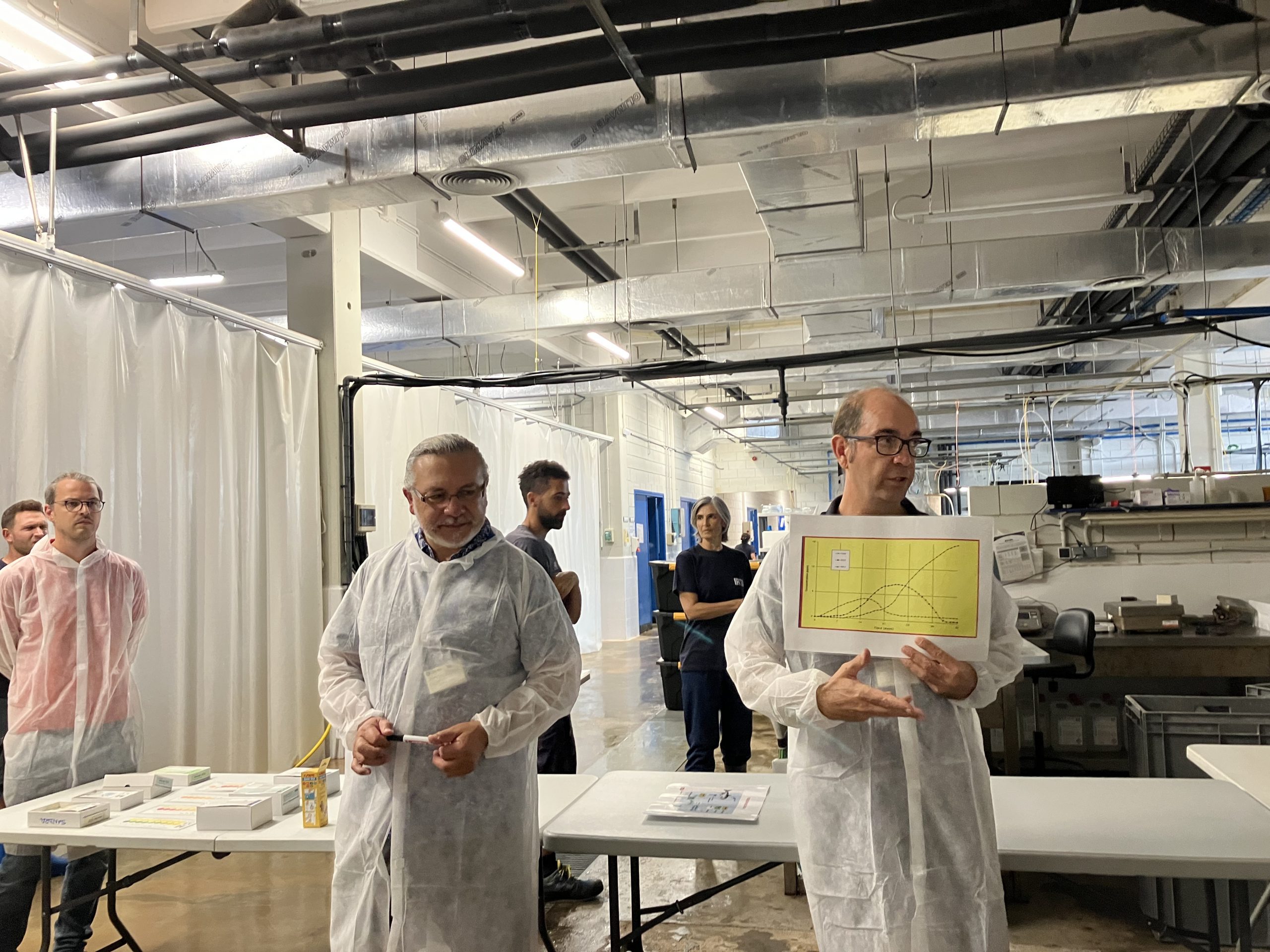
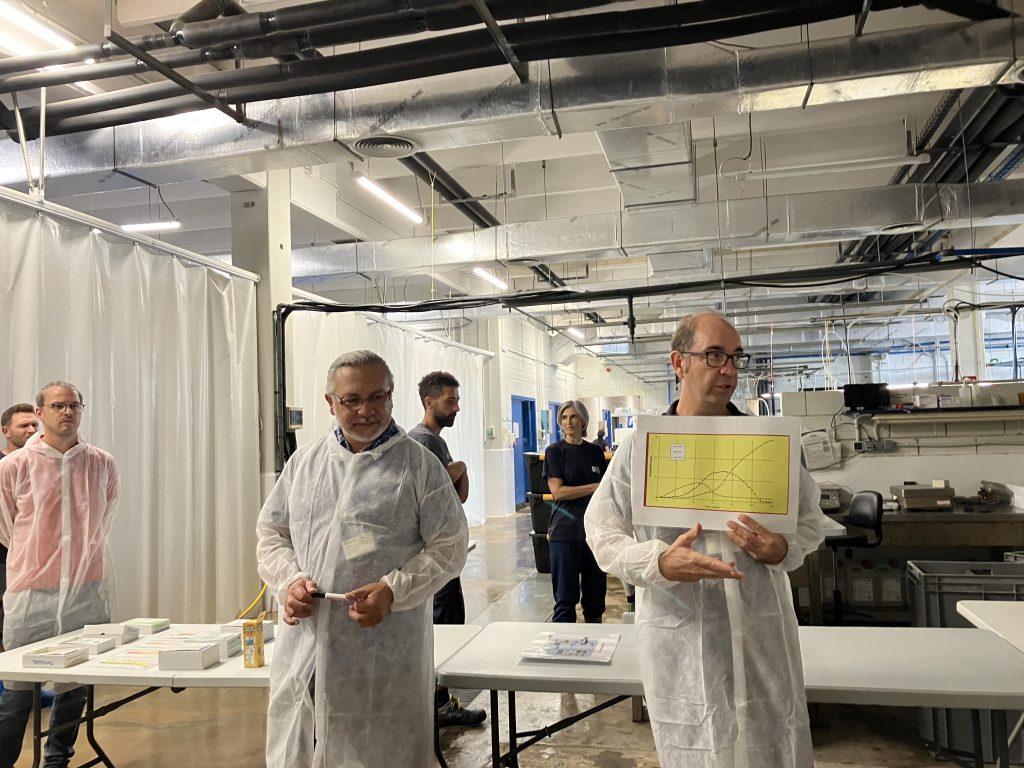
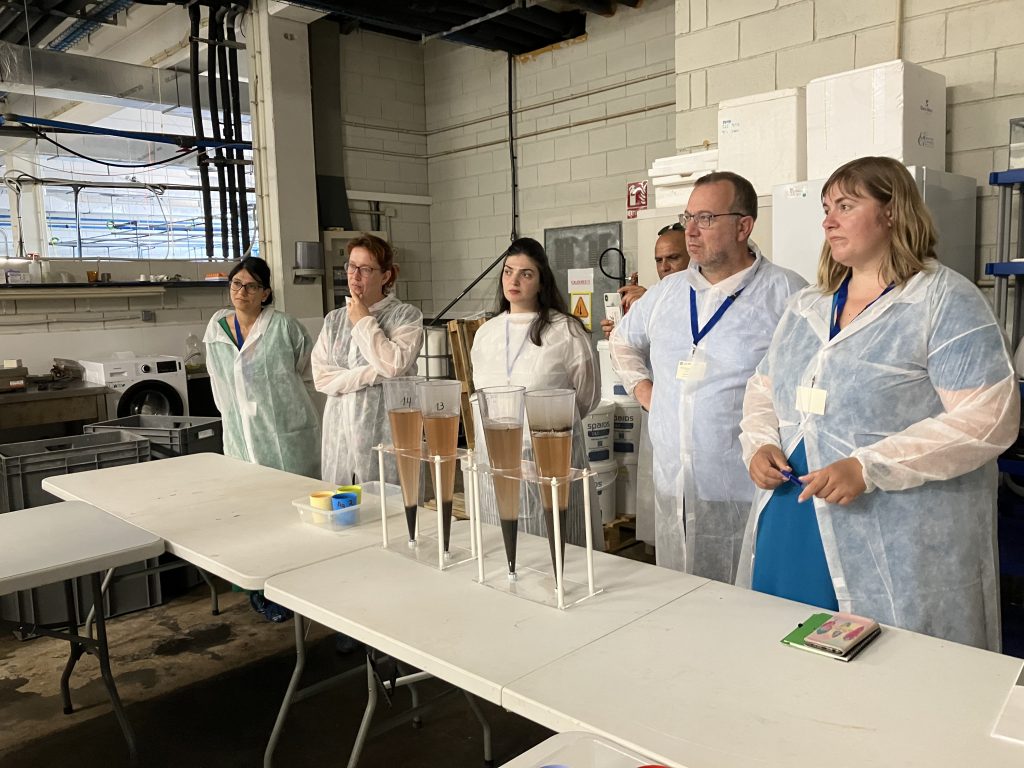
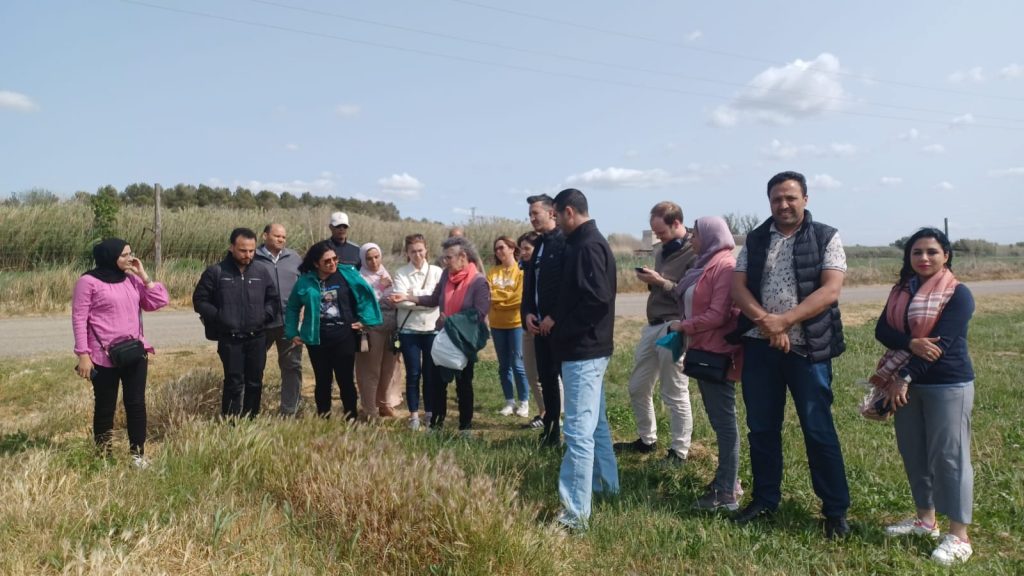
The workshop included practical exercises and organized a technical visit to IRTA’s aquaponics and aquaculture facilities. The exercises covered topics such as calculation of the ammonia assimilation rate, the control of alkalinity (how much chemical should be poured into the system). The technical visit to IRTA’s aquaponics facilities offered participants first-hand knowledge of the NewTechAqua small scale freshwater and salt water aquaponics systems designed by IRTA.

The third day consisted of practical exercises on the design of small-scale aquaponics to teach participants how to theoretically scale an aquaponic system, taking into consideration the annual production of fish and their feed requirements, the area requirement for the plant cultivation and the water flow, among other things.

Two laboratory practicals were organized on the production of nutrients in remineralization, with the aim of recognizing that suspended solids are an important source of nutrients for aquaponics; and on the comparison of water quality measurement methods, with the objective of determining the percentage difference between the use of scientific equipment versus field equipment. Water samples were taken from the IRTA aquaponic system, and comparative measurements of pH, ammonia, nitrite, nitrate, phosphate, dissolved oxygen, and temperature were performed.

The workshop ended with a hands-on exercise to assemble the NewTechAqua-IRTA Aquaponic Kit.

Reducing Food Loss and Waste to Improve the Sustainability of the Food System

  • Experts at CIHEAM Zaragoza highlight the need to reduce food waste to use natural resources more efficiently, mitigate climate change and support the food system

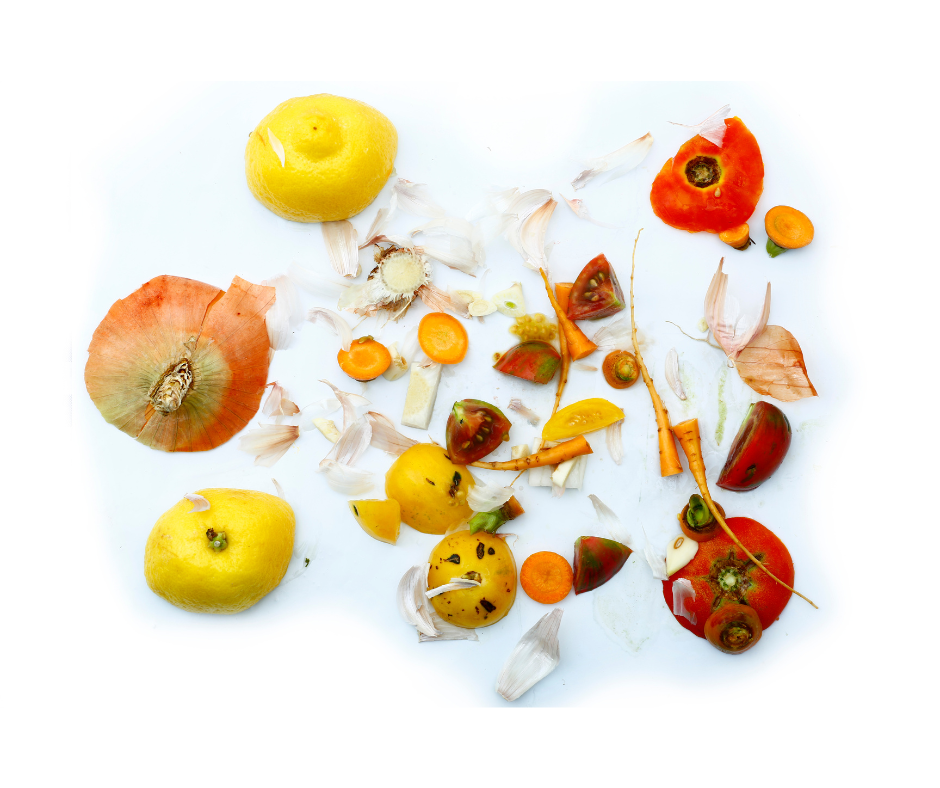
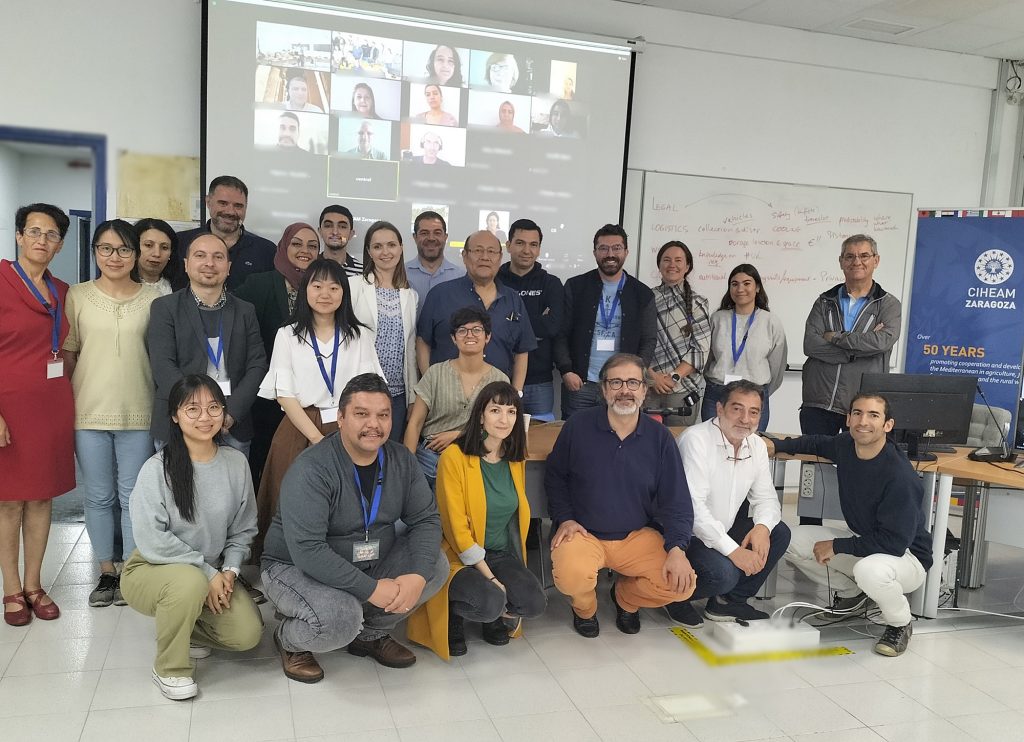
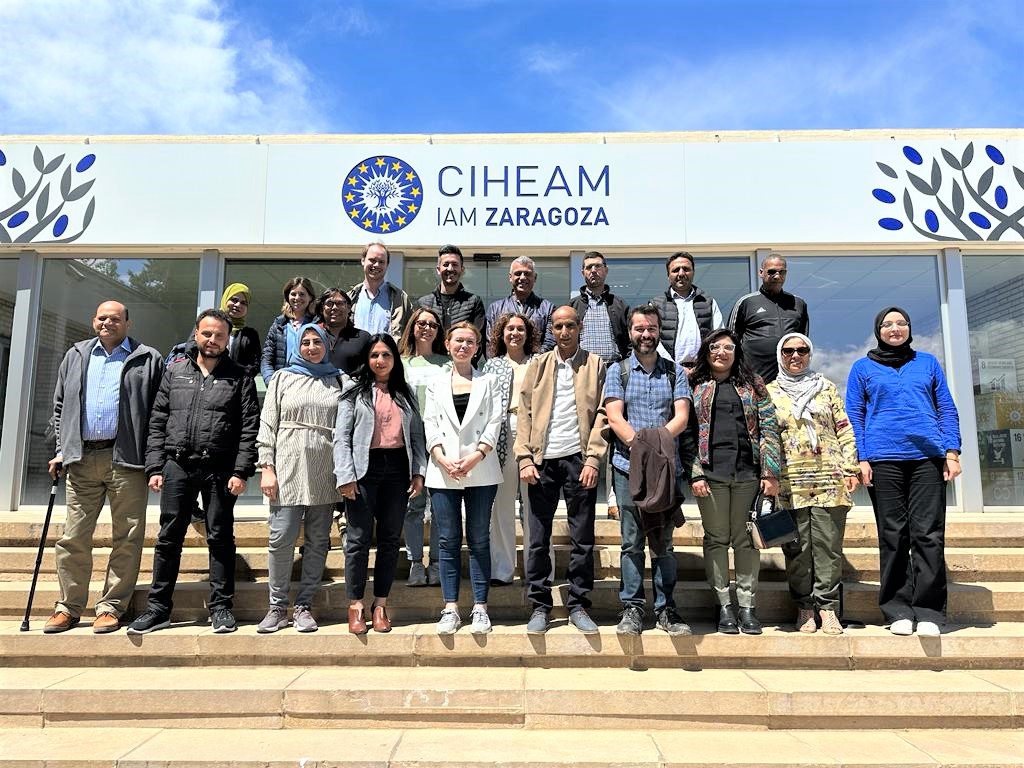
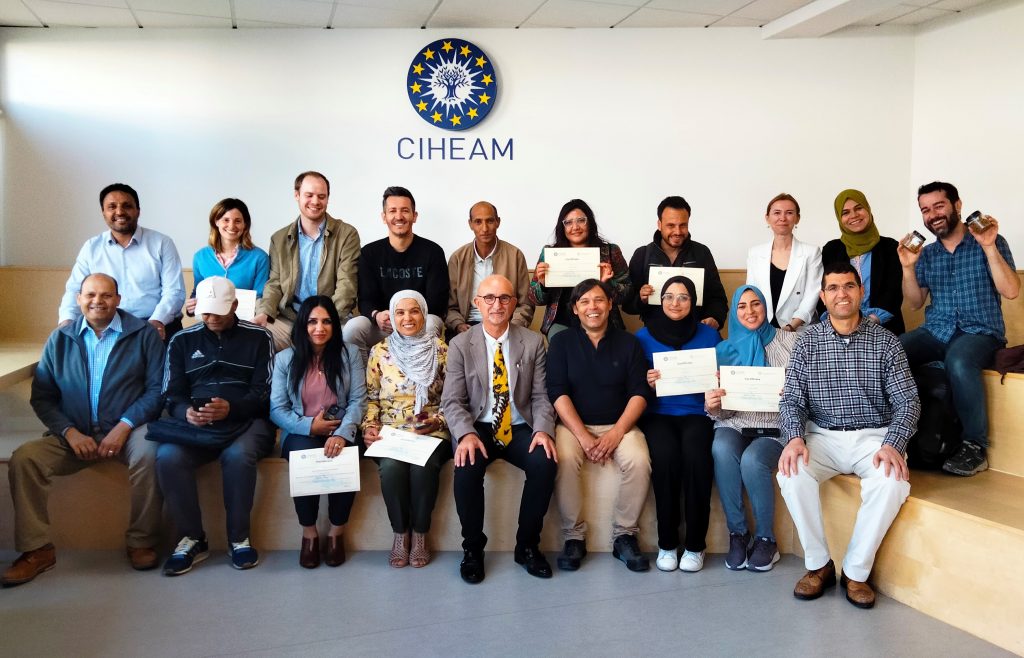
Over 35 professionals from 18 countries participated in an advanced course on food loss and waste (FLW) organized and hosted by CIHEAM Zaragoza from 29 May to 2 June 2023. The training addressed the need to define the issue more clearly in order to identify, better understand and quantify the causes and triggers of FLW and be able to design interventions, prevention policies and instruments. They gave special attention to developing a methodological framework to evaluate and monitor the effectiveness of prevention and reduction strategies.

Reduction of food waste is not just a question of saving money and natural resources, but also an ethical issue as it has an impact on food security and rising prices. The experts delivering the course reiterated that reducing FW has multiple benefits, such as efficient use of natural resources, less pressure on land and water resources, mitigation of climate change, enhanced food safety and better nutrition. Combining interventions and undertaking different initiatives can lead to a greater reduction in food waste.

CAUSES AND CONSEQUENCES OF FLW AND INTERVENTION DESIGN

José María Gil, (CREDA), scientific coordinator of the course, spoke of the consequences of FLW and its impact on climate change and on the availability and cost of food products, food safety, nutrition, and efficiency of the food system as a whole. He also pointed out the need for a theoretical framework to design and implement the interventions and policies needed to reduce food loss and waste.

Amelia Sarroca (CREDA), underlined the need to understand the multiple causes, and classify them according to each corresponding stage of the food chain: technological causes (inefficient food conservation systems, transport, handling, labelling errors); economic causes (purchase errors, stock management); structural causes (interaction between actors or lack of infrastructures); and causes based on the dynamics of the food system.

The course addressed consumer behaviour, the sociological focus, the natural-resource-based vision and the circular economy. Experts explained the theories, advantages and disadvantages of studying consumer behaviour, pointing out the psychological approach taken to identify factors that explain behaviour as well as the sociological approach, considering that new consumption patterns are normally due to new practices rather than a change in attitudes or values, without taking into account environmental factors. They presented theories based on natural resources, prevention of contamination, strategies to minimize emissions and food loss, and also addressed aspects related to production efficiency, water and energy saving, and cost reduction.

Matteo Vittuari (University of Bologna) explained experimental design, a statistical technique commonly used in implementing interventions to change behaviour patterns and reduce food waste (FW). The objective was to enable participants to understand, identify, and quantify the causes of the problem in the food chain and define the mechanisms of change, facilitating environments that can promote food waste reduction practices and integrate the mitigation of FW in the design of public policies.

PREVENTION POLICIES AND INSTRUMENTS

The course addressed various prevention instruments to reduce food waste and loss: educational, focused on awareness-raising; financial and commercial, to encourage changes in behaviour through market signals; and regulatory, including EU directives on donations, sustainability issues and multi-actor engagement.
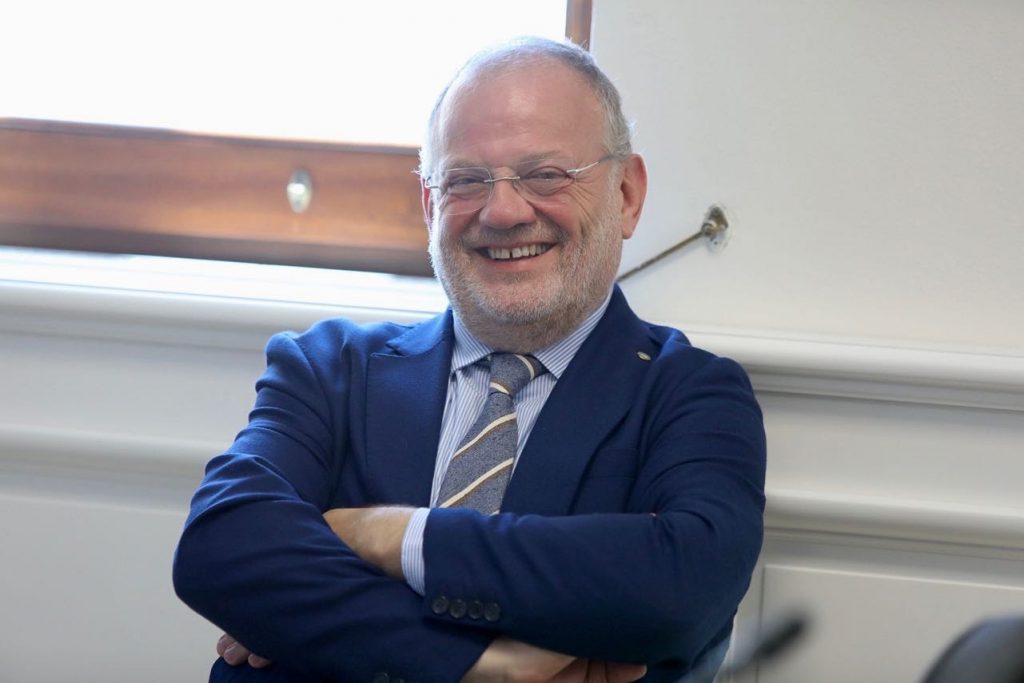
Hilke Bos-Brouwers (University of Wageningen) presented nudging strategies as well as other capacity-building tools aimed at changing people’s behaviour. She shared insight on governmental regulatory instruments to change behaviour such as sanctions for non-compliance, licences or management plans.

Bos-Breuwers also addressed market-based programmes that encourage behaviour changes through market signals such as aids, subsidies, fiscal measures or tax breaks. She also stressed the need for each policy to include a design of how to solve a public issue. The design should include a clear definition of the policy’s objective, the political instruments to use, possible timelines and the target population.

During the course, Thomas Candeal (International Food Waste Coalition) spoke of the stages in the food chain, indicating that in the retail stage there is a large degree of consumerism and that due to the lack of connection between producers and consumers, FW is not a collateral problem but a deep-rooted part of the food system. He also indicated that huge challenges have to be overcome to reduce food waste, and FW prevention should become a social norm, increasing awareness and seeking a balance in supply and demand to avoid surplus. The reasons for FW in the retail sector are product expiration; difficulties in accurate sales forecasting leading to stock surplus; inappropriate product management by staff members and customers’ lack of social awareness.

Some noteworthy solutions for reducing FW are: donations, strengthening of short, local, supply chains, restocking with a smaller range of products, considering the impacts of promotions, and, once again, education and awareness-raising – changing customers’ expectations of finding supermarket shelves completely stocked, as well as technological solutions for improving forecasting.

Causes of FW in households include lack of planning, excessive provision, deficient storage and preservation, confusion about dates on labels, or excessive portion sizes. Solutions to reduce household food waste can be found in awareness campaigns, reminders in shops, optimized packaging for fresh produce, and improvements in dates on labels.

The main challenges for restaurants include quantification, training and incentives for staff, limiting overproduction and controlling portion sizes, donations and assessing whether food quality and food waste are interconnected and how.

HOW TO EVALUATE THE IMPACT OF INTERVENTIONS

Laura García-Herrero (JRC) presented an experimental focus, a core method for the evaluation of FW reduction interventions considering qualitative and quantitative criteria. She explained that qualitative criteria match their purpose, and can identify the problem by defining the objectives, considering key performance indicators (KPls), and evaluating sustainability over time to guarantee the continuity of interventions and establish the context to enable transferability and scalability.

García-Herrero also stressed that it was important to follow quantitative criteria to evaluate how the objectives are met, that is, to evaluate the relationship between the results obtained and the resources invested. It is extremely important to define the objectives correctly and to have amonitoring plan for impacts and for results. Furthermore, the segmentation of the target population, revision of past experiences, identification or definition of any theoretical frameworks behind the choice or the design of the intervention, can all lead to greater efficiency.

Regarding evaluation of products and services, consideration was also given to the product life cycle, from extraction and processing of the raw material to transport, distribution, consumption, reuse/recycling and elimination. In this sense, the focus Life Cycle Thinking (LCT) is of great importance, as it is the pillar of several European environmental initiatives and policies such as the Circular Economy Action Plan. The course revealed that interventions with an experimental focus, apart from being more effective, are the main approaches to evaluate the impact of food waste reduction interventions carried out by consumers.

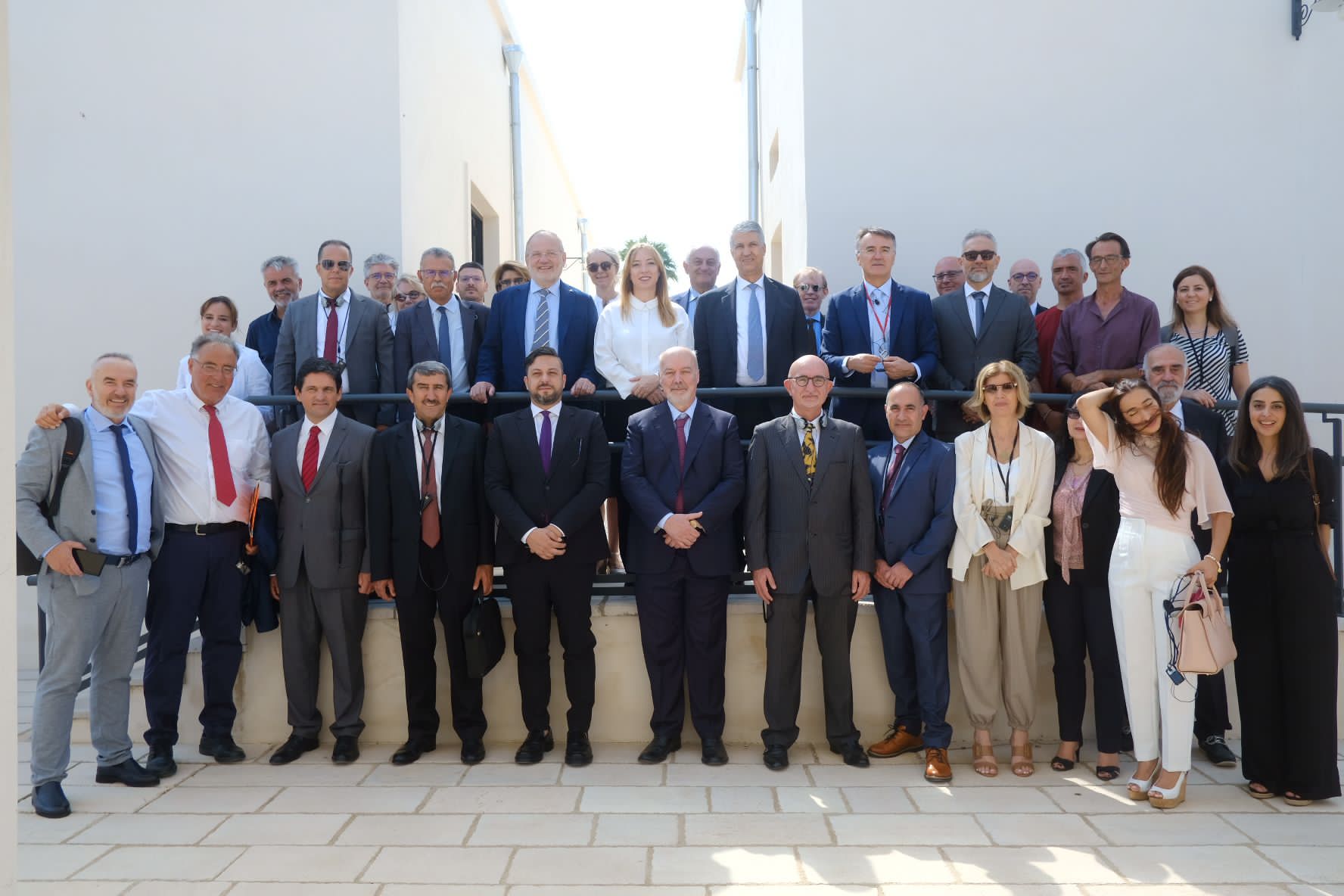
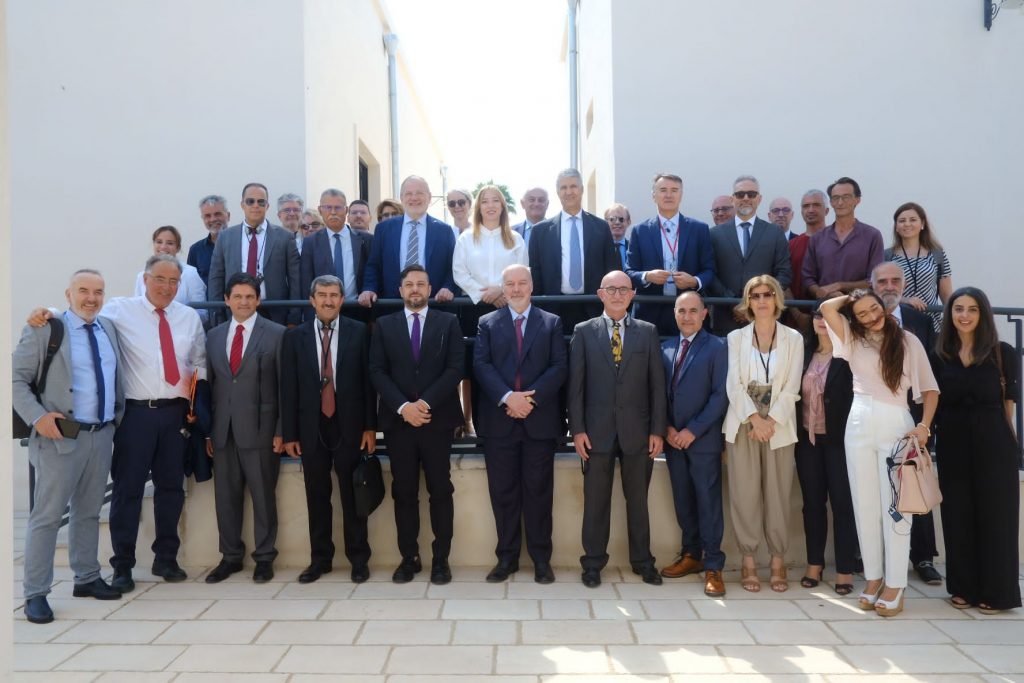
Italy hosts the 153rd meeting of the CIHEAM governing board

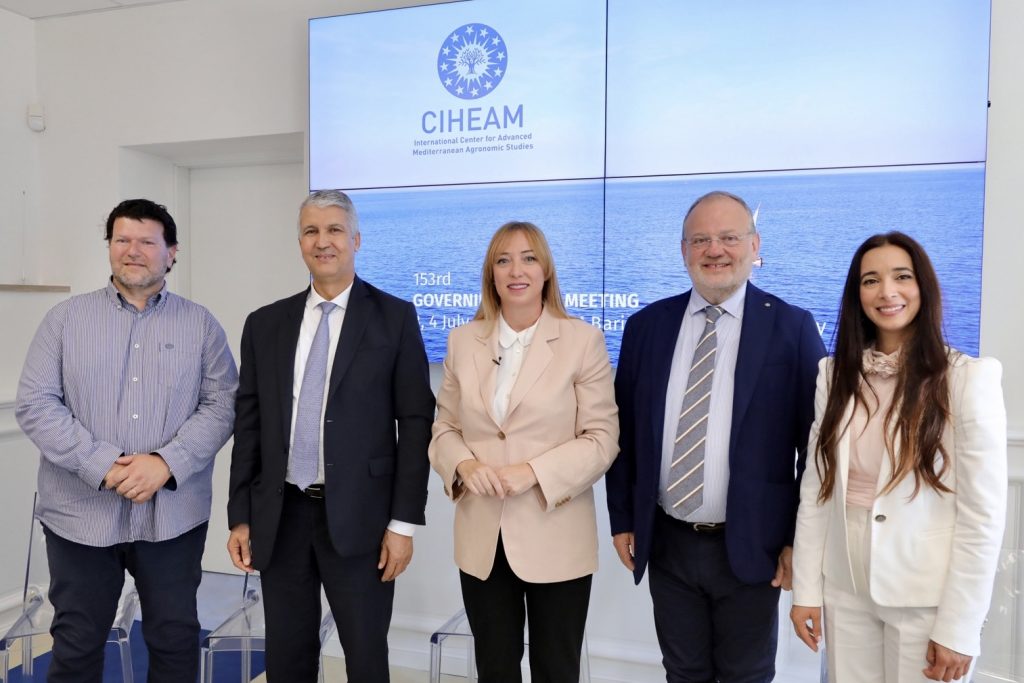
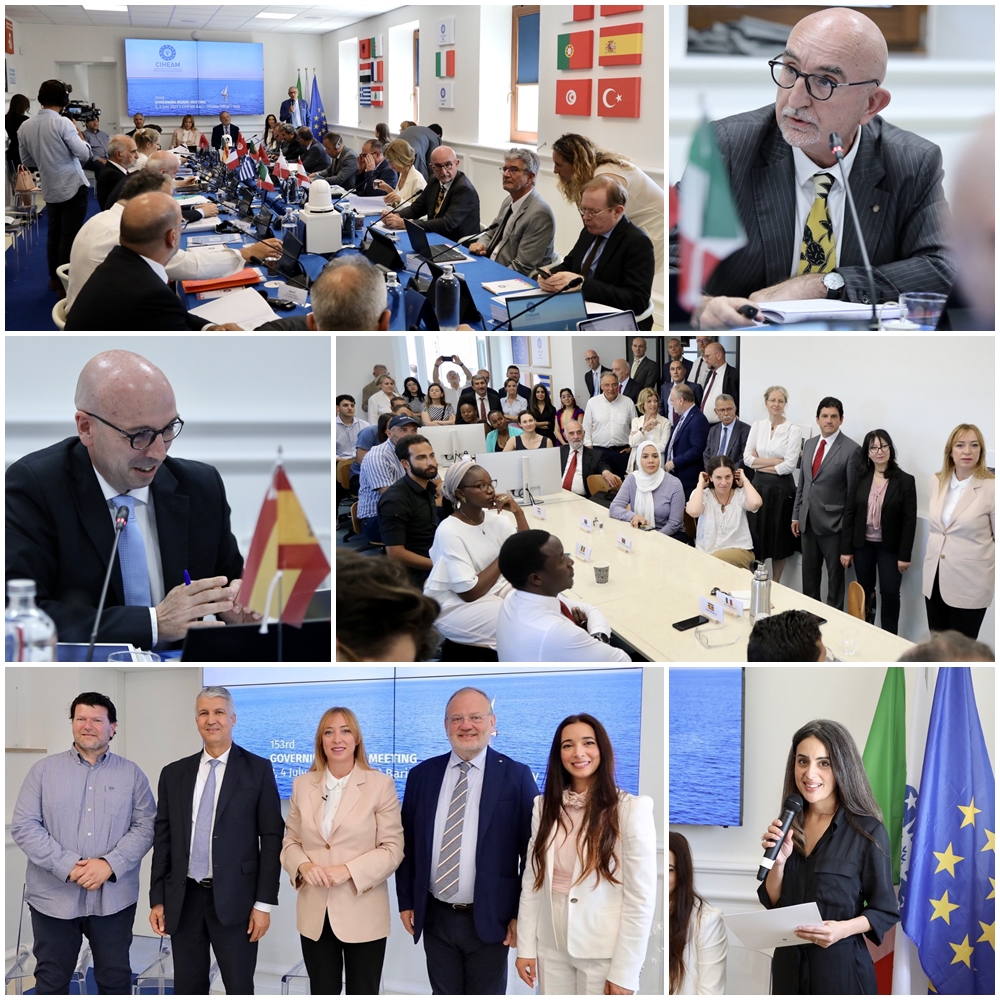
Director Raúl Compés attended the 153rd CIHEAM Governing Board meeting that was held in Tricase (Italy) from July 3 to 4 and was chaired for the first time by Frida Krifca, Minister of Agriculture of Albania and President of CIHEAM since 1 April 2023. This meeting was also a first for the new CIHEAM Secretary General, Teodoro Miano.

Teodoro Miano, Secretary General of the CIHEAM, pointed out that “the CIHEAM Governing Board meeting is a fundamental occasion to strengthen relationships among the countries’ representatives and plan common ground of the sustainability of food systems in the Mediterranean region”. He added that “several challenges would be engaging CIHEAM in the near future. The need to reinforce political visibility and international recognition should cope with a continuing effort in promoting human capabilities and communities, providing educational tools and technical assistance in cooperation actions in fields where CIHEAM operates”.

In addition to the discussions on strategic issues and the adoption of administrative decisions, these intense two days included field visits (Food4Health Lab) and rich exchanges with the local CIHEAM ecosystem (authorities, students, staff, associations, etc.).

A special opening ceremony preceded the meeting on the new premises of the CIHEAM Bari branch at Tricase, entirely dedicated to sustainable fisheries, coastal development, and the blue economy.

This opening ceremony was hosted by Frida Krifca who welcomed CIHEAM Delegates and the local and national representatives brought together for this special occasion. “I am very pleased and honoured to host the Special Opening Ceremony of the first CIHEAM Governing Board which I am chairing as its President”.

President Krifca also thanked Mohammed Sadiki (former President of the CIHEAM Governing Board and current Minister of Agriculture of Morocco), Plácido Plaza (former Secretary General of the CIHEAM), and Lamiae Ghaouti (former President of the CIHEAM Advisory Board) by awarding them an honorary medal as a sign of great recognition for their exceptional contribution to CIHEAM.

“I thank the CIHEAM for this recognition, which means a lot to me. We need to maintain our efforts to promote Mediterranean cooperation because we are facing multiple crises that are weighing heavily on the region. Through its training, research, cooperation, and political dialogue activities, the CIHEAM can work for a Mediterranean alliance at the service of sustainable food sovereignty based on solidarity”

Minister Sadiki

“The young Mediterranean people that we are extremely pleased to train and support are the CIHEAM’s most precious wealth and they give the most essential meaning to the missions of the CIHEAM. With its thousands of ALUMNI today, the CIHEAM is more than an Organization, it is a community that we are committed to preserving and growing”.

Yasmine Seghirate El Guerrab on behalf of Plácido Plaza

Following the Medals Ceremony, Antonio Bernardini and Cristina Hanaberg, Expo 2030 Roma Representatives, presented the vision and objectives of the Italian candidacy to host the 2030 Universal Exhibition. To conclude, Antonio Errico, President of Magna Grecia Mare, shared insights on the captivating “Eco-Porto Museo” experience in Tricase. This innovative project is an example of harmonious blend of ecological principles and cultural heritage, highlighting the commitment of Tricase to sustainable development and responsible tourism.

The ceremony ended with renewed optimism and the determination to collectively build a prosperous Mediterranean future through rich discussions held with the students of the specialised course “Sustainable Development of Coastal Communities”.

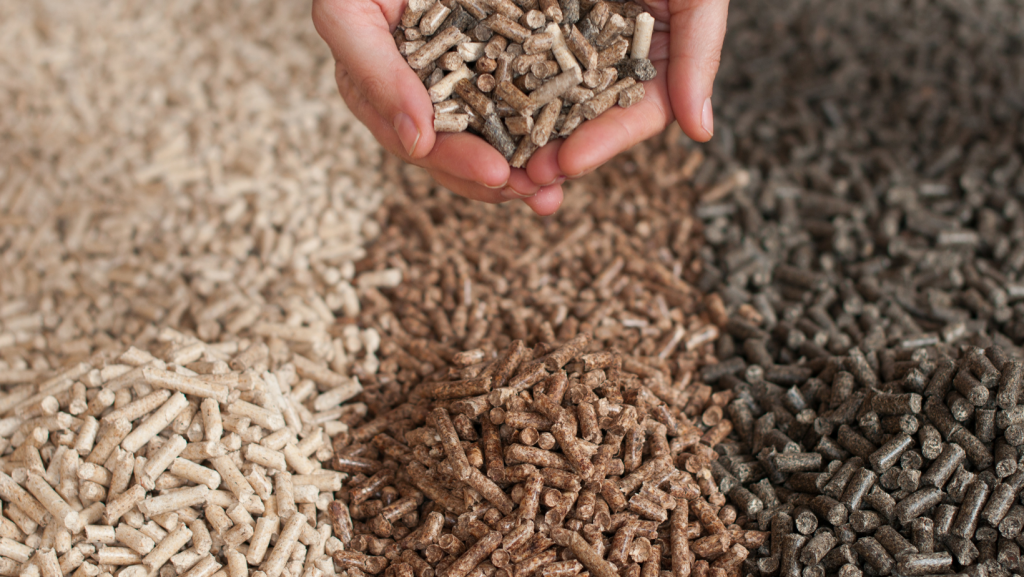
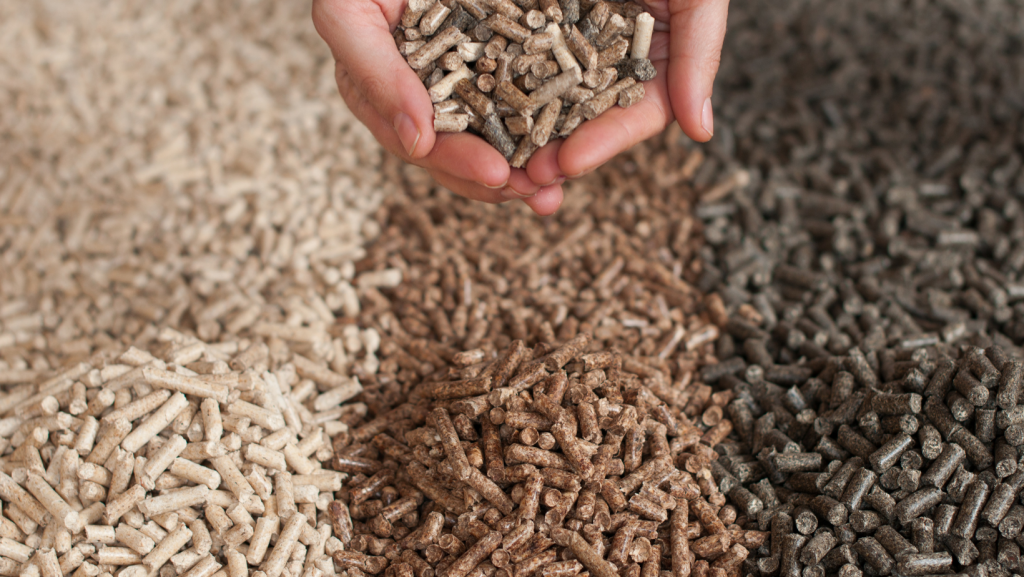
Alternative feed sources: A step towards sustainable livestock production systems

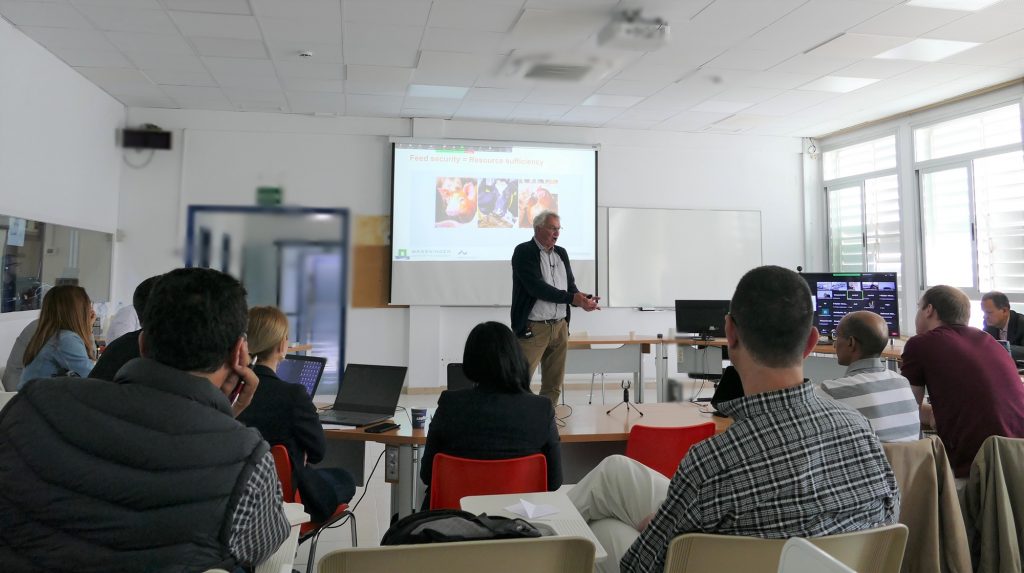
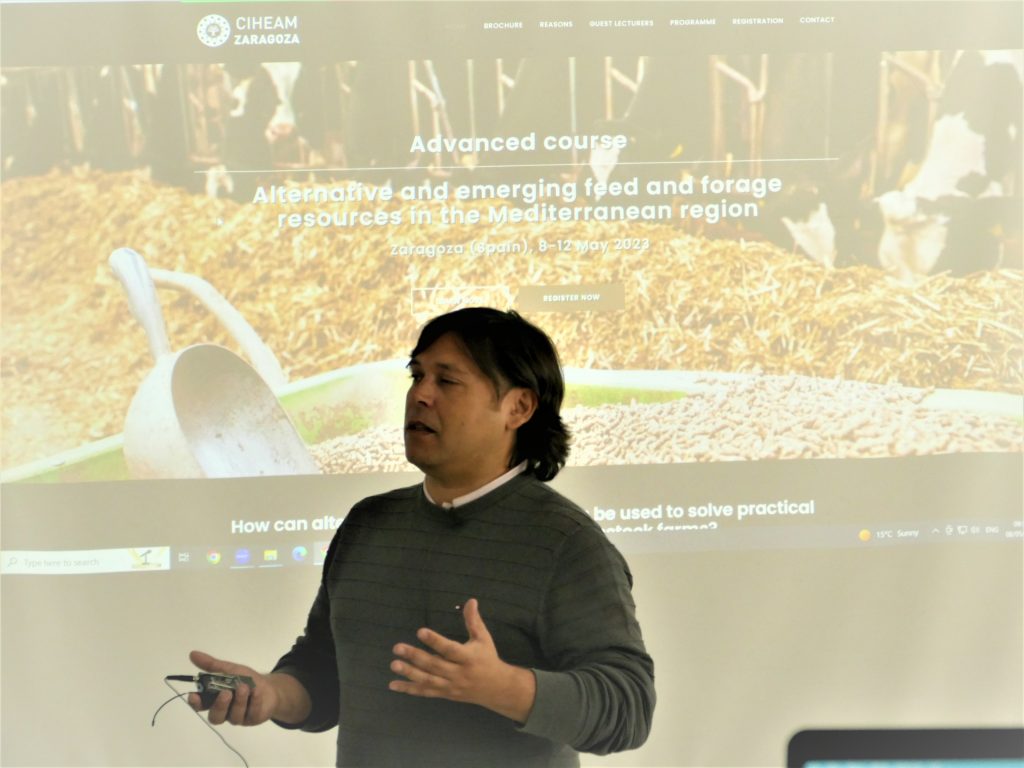
Professionals involved in the innovation of animal feeding and forage resource management from 14 countries took part from 8 to 12 May 2023 in an advanced course organized by CIHEAM Zaragoza and the FAO. The training provided science-based advances and applied knowledge regarding the use of alternative and emerging feed and forage resources in the Mediterranean region.

Andrés Schlageter, Administrator of Animal Production and Welfare at CIHEAM Zaragoza and academic coordinator of this course, pointed out that “finding and using alternative feed sources to replace conventional feeds is certainly a step towards sustainable livestock production systems. Relying on emerging, alternative and local feed resources has several advantages when compared to conventional feedstuffs. For instance, emerging, alternative and local feed resources offer a flexible and low-cost option to farmers; locally adapted forage varieties increase agricultural biodiversity, are more resilient to the uncertainties linked to climate change, and have lower carbon and water footprints. Furthermore, feeding animals with by-products reinforces circularity by reducing waste and competition with the food, fibre and fuel industry”.

However, as evidenced during the course, novel feeds can also be challenging for farmers and the feed industry for several reasons. Some issues common to most alternative feed sources are inappropriate nutritional characterization and wide variation in nutrient composition compromising the optimal formulation of diets, lack of regulation to ensure feed safety, and limited supply. Also, sustainable systems relying completely on local and alternative feed sources must be adapted to local geographical, environmental and economic conditions, and therefore sustainable farming systems that work in a specific region could be difficult to export to a different area. Hence, research and extension at local level are needed to implement these sustainable systems successfully.

Drivers of modern animal nutrition

The course addressed the main concepts driving modern animal nutrition. Dr Martin Scholten (Wageningen UR, Aarhus University and SRUC), focused his lecture on circular farming and explained that  “circular farming means keeping residuals of agriculture and food-processing within the food system as renewable resources. By wasting less biomass, fewer imports would be needed (i.e. chemical fertilisers and imported feedstuff)”. According to this concept, circular farming cannot exist without livestock production, but livestock production systems must be adapted to the surrounding agricultural systems, food industry and environment.

Dynamic forage systems as a driver of modern animal nutrition was also discussed during the course. This concept, addressed by Dr Giorgio Borriani (University of Torino), implies that it is necessary to stop thinking in terms of growing a single crop, and plan for a forage system, i.e. re-design crop rotation and intercropping systems to develop a more self-sufficient, integrated and closed-loop livestock and plant production system, which is able to secure protein self-sufficiency by increasing the use of crops and by-products. Proper forage conservation methods are essential to secure quality and safety of forages under dynamic forage systems. During his lecture, Dr Angelo Loi (Department of Primary Industries and Regional Development, Australia), explained his successful experience in adapting and growing endemic Mediterranean forage species under the Australian soil and climatic conditions. Currently, Australian farmers are able to grow forage species such as Biserrula and Serradella, that can produce up to 10 t/ha of biomass under semiarid conditions without needing irrigation.

Other lectures about grasslands and rangelands included the utilization of condensed tannins to decrease N emissions in ruminants (Dr Margalida Joy, CITA); forage crops as a valid alternative to feed monogastrics (Dr Javier Alvarez-Rodriguez, University of Lleida); production of barley forage with hydroponic systems in small farms in arid regions (Dr Sourour Abidi, National Institute of Agronomic Research, Tunisia); the problem of erosion in Mediterranean rangelands, the importance of a proper grazing management (Dr Apostolos Kyriazopoulos, Democritus University of Thrace, Greece); and concurrent land use and ecosystem services in rangelands (Dr Isabel Casasús, CITA).

The use of by-products and alternate concentrates

By-products are key to replace conventional feed sources and move forward towards circular farming and feed self-sufficiency. In the course, Dr Luciano Pinotti (University of Milan) explained the advantages of using by-products in animal nutrition including lower prices when compared to conventional feed sources, and good average nutritional quality. However, by-product quality often varies seasonally and between batches. Besides, there may be health issues related to the use of by-products; and technical difficulties may arise when processing uncommon feed resources.

Similarly, Dr David Yáñez (CSIC-EEZ) explained logistics associated to feed by-products with examples ranging from by-products in field and after harvest, silage and pelleting. High water content is one of the main issues for some by-products during transport, feeding and storage. Dr Yáñez also explained how using by-products would decrease the carbon footprint in livestock systems. Finally, Dr Sourour Abidi explained the main by-products from oases used in northern African countries.

Use of alternative concentrates replacing soybean as main protein source in animal nutrition was also addressed by Dr Antonio Natalello (University of Catania) and Dr Mireia Blanco (CITA) during this training activity. Some promising results have been achieved feeding field peas, chickpeas, faba beans and lupin seeds. However, the amount produced of such feeds is not enough to replace soybeans. In addition, alternative concentrate sources contain anti-nutritional factors that decrease animals’ production performance. Many nutritionists, especially those working with monogastrics, discard alternative protein concentrates to avoid production and health issues related to anti-nutritional factors.

Insects and algae, promising feed sources

The last topic of the course was the use of insects and algae in animal nutrition, presented by Dr Pablo Gutierrez-Toral, CSIC-IGM. Both insects and algae are promising feed sources. They have high protein and fat content and high feed conversion efficiency. A disadvantage of using insects at large scale is that insects must be fed with authorized substrates, which are the same as those used to feed livestock. In the case of algae (single cell protein) the disadvantages include poor palatability (compromising feed intake), high production costs and competition with the biofuel industry. For both insect and algae further research is needed to define inclusion rate in diets, define economic and environmental impact of insect and algae farming, and guarantee feed safety.

In general, all the topics addressed during the course highlighted the fact that currently livestock production is going through a change from the dominant paradigm of “maximizing production” to a new paradigm focused on “maximizing sustainability”. This new sustainability-led paradigm is based on several basic concepts such as circular farming, protein self-sufficiency, minimum environmental impact and avoiding competition between feed, food and fuel, among others. However, implementing these concepts under practical conditions is difficult because it requires major changes in livestock production systems and coordinated actions from all the stakeholders involved in the industry.

CIHEAM Zaragoza hosts and coorganizes the XIV Congress of the Spanish Association of Agrifood Economists

CIHEAM Zaragoza, the Agri-Food Research and Technology Centre of Aragon (CITA), the Faculty of Economics and Business of the University of Zaragoza and the AgriFood Institute of Aragon (IA2), organize the XIV Congress of the Spanish Association of Agrifood Economists (AEEA), to be held in Zaragoza on 6, 7 and 8 September.

Under the theme “Strategies for agrifood systems in the face of global challenges”, congress delegates will gather at the venues of the organizing institutions to address research topics of significant national and international importance in the field of agrifood economics.

More than 200 participants and over 350 contributions will pay special attention to the topics of food geopolitics, governance of sustainable agriculture and food systems, and the development of new tools to promote sustainable consumption.

CIHEAM’s Secretary General, Teodoro Miano, will take part in the first plenary session of the congress and will share CIHEAM’s 60-year experience in overcoming the challenges for agriculture and food in the Mediterranean. This session, under the title “Food geopolitics: global challenges, local impacts”, will also count on the participation of:

  • Javier Sierra, former Director of CIHEAM Zaragoza and current Counsellor of Agriculture, Fisheries and Food at the Permanent Mission of Spain to the United Nations Office in Geneva;
  • Gabriel Trenzado, Director General of Agrifood Cooperatives in Spain;
  • Nuria Arribas, Managing Director of the Interprofessional Dairy Organization;
  • and Jesús Barreiro-Hurle, economist at the Joint Research Centre of the European Commission, who will be moderating the debate.

CIHEAM’s Secretary General, Teodoro Miano, will take part in the XIV Congress of Agrifood Economics.

The congress will be inaugurated on 6 September at CIHEAM Zaragoza by representatives of the Spanish Ministry of Agriculture, the Government of Aragon, the AEEA, Cajamar, the University of Zaragoza and CIHEAM Zaragoza. Prior to the official opening, the venue will host an encounter between the associations of agricultural economists from Argentina, Brazil, Chile, Portugal, Spain and Uruguay.

The following sessions can be followed via streaming by registering at the links below:

Wednesday, 6 September | 12:00 – 14:00 h.

Wednesday 6 September | 16:30 – 17:30 h.

Wednesday 6 September | 18:00 – 19:30 h.