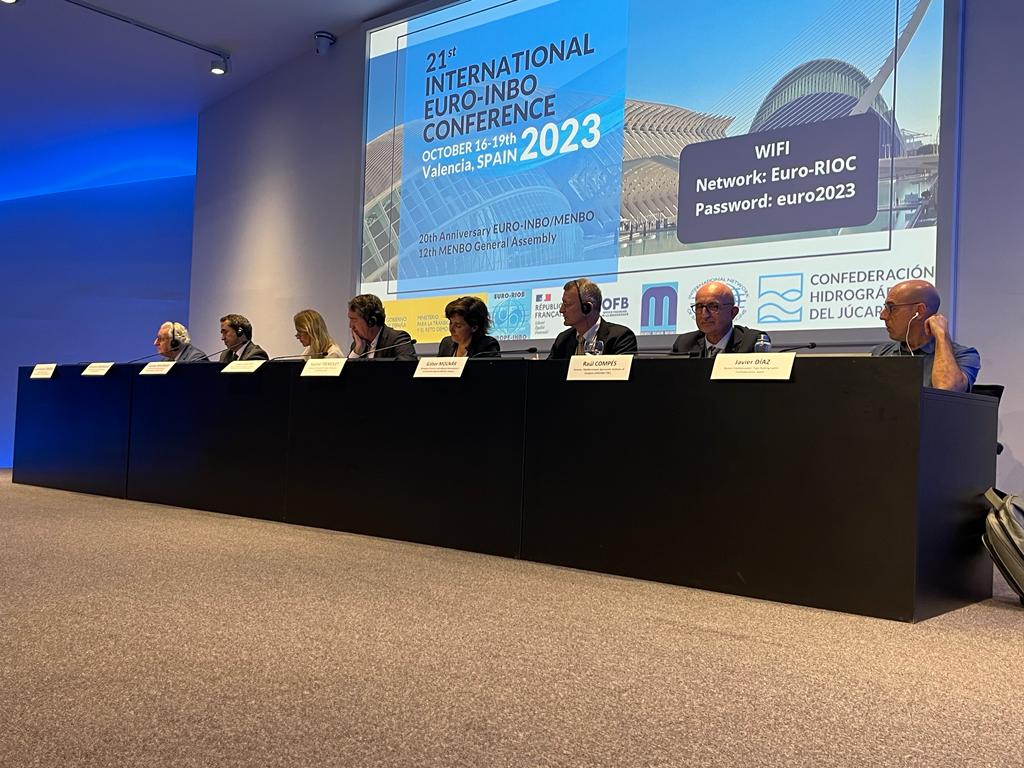
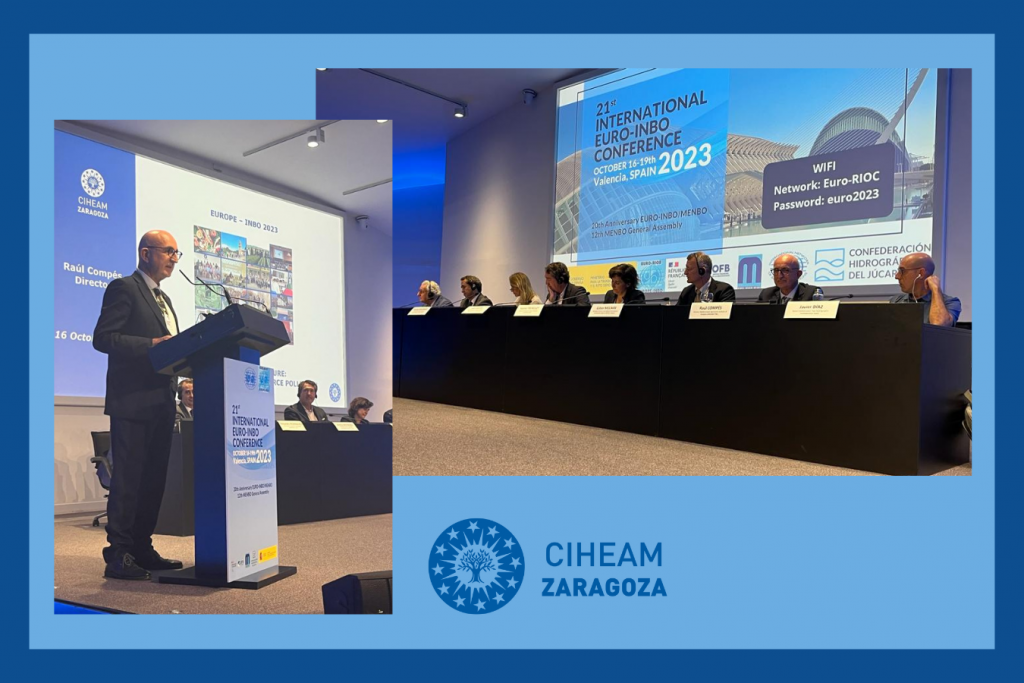
Raúl Compés, Director of CIHEAM Zaragoza, participated in the 2023 Europe-INBO International Conference in Valencia. He participated as a panellist in the session dedicated to ‘Water and Agriculture: Non-point Source Pollution Management.’
This Euro-INBO event took place in Valencia, Spain, from October 16 to 19, 2023, in collaboration with the the Hydrographic Confederation of the Júcar river basin (CHJ), the Ministry for the Ecological Transition and the Demographic Challenge of Spain (MITECO), the French Biodiversity Agency (OFB), and Europe-INBO’s twin network: the Mediterranean Network of Basin Organisations (MENBO).
Besides, the conference brought together representatives from EU Member States, national and regional water directorates, hydrographic district authorities, river basin organisations, and stakeholders involved in basin management and the implementation of the Water Framework Directive (WFD), and related policies.
This international Europe-INBO conference welcomed delegates not only from EU candidate countries but also from countries in Eastern Europe, the Balkans, the Caucasus, and Central Asia interested in EU policies, tools, and methodologies for Integrated Water Resources Management (IWRM) at the basin level.
Finally, this edition marks the 20th anniversary of the Mediterranean Network of Basin Organisations (MENBO). The event served as a platform for exchange among practitioners managing water resources in lakes, rivers, and aquifers on both sides of the Mediterranean Sea.
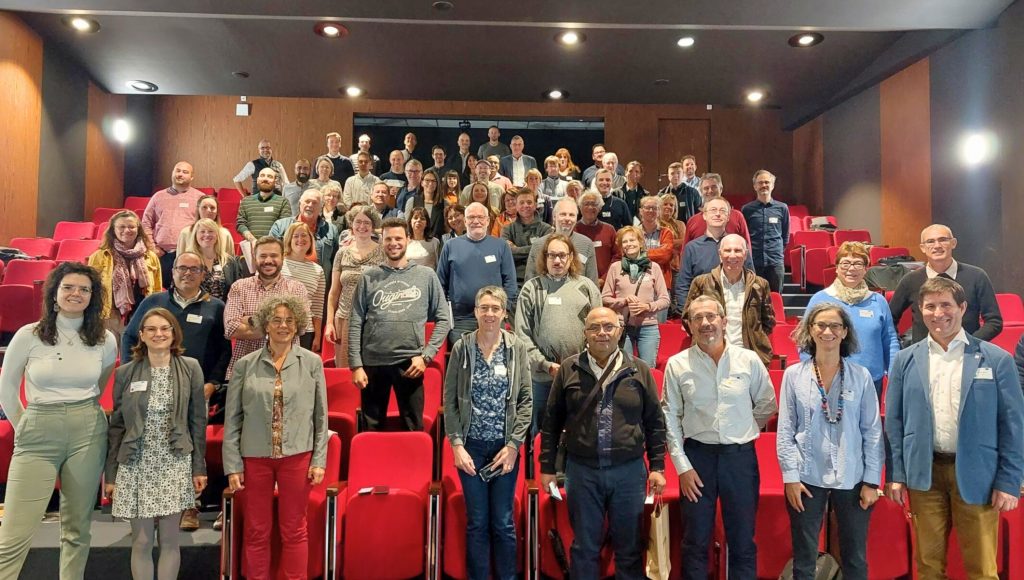
The team from CIHEAM Zaragoza travelled to Ancenis, France, to attend the kick-off meeting of the European project, whose international consortium is composed by 34 partners from 18 countries
BELIS will contribute to a more competitive legume breeding industry in Europe and to delivering profitable and adapted genetic varieties for European farmers
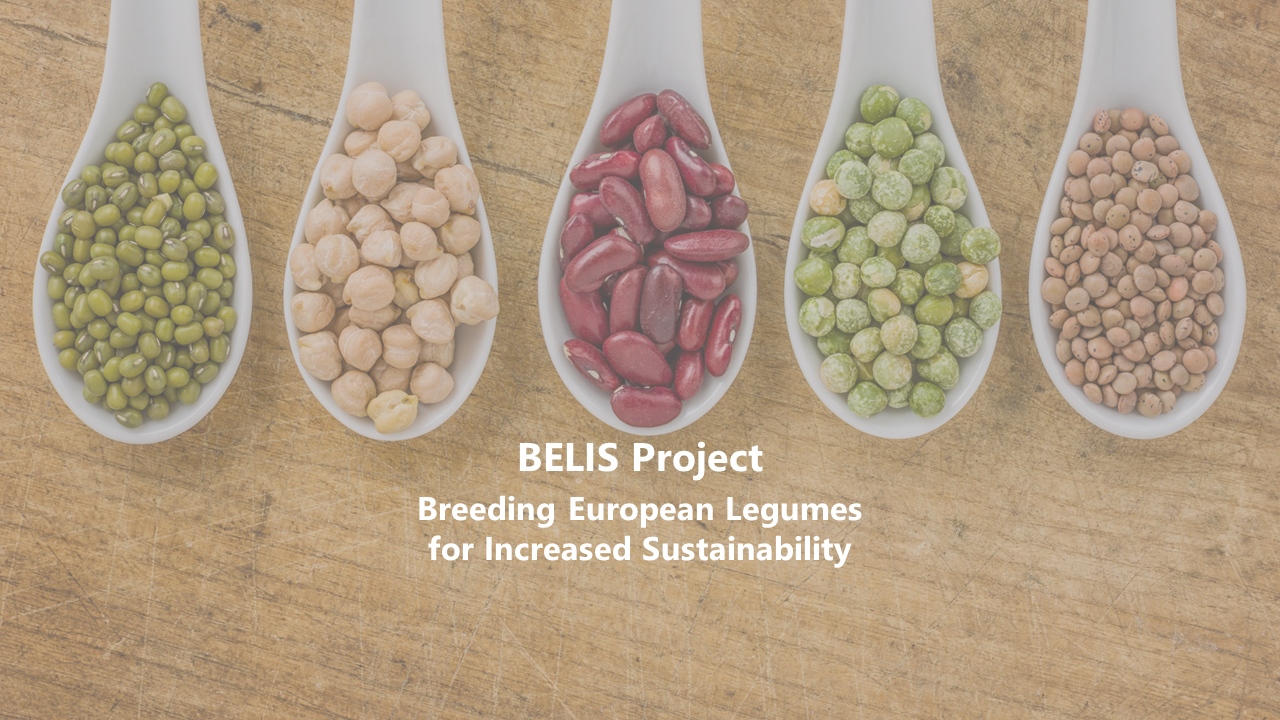
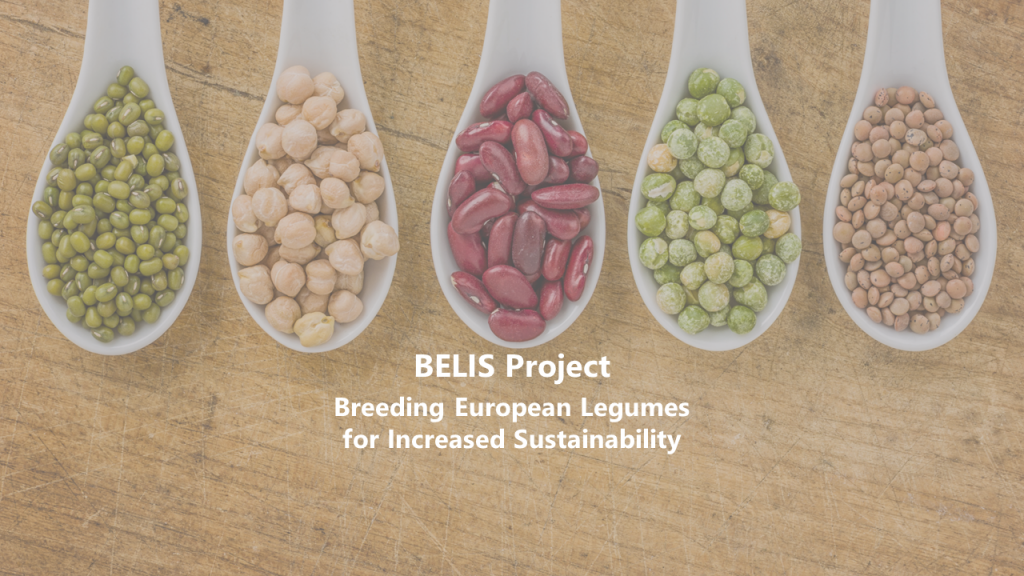
17 October 2023.- CIHEAM Zaragoza participates in the BELIS innovation project that started on 1stOctober 2023 and will run for 5 years with the aim of strengthening the sustainability and competitiveness of the legume breeding industry in Europe.
On 17th and 18th October 2023, the team from CIHEAM Zaragoza travelled to Ancenis, France, to attend the kick-off meeting of the European project, where partners are engaging in exchanges about BELIS’ objectives and methodologies with the aim of establishing the first steps of the project.
BELIS international consortium is composed by 34 partners, including research and technical institutes, plant breeders and seed companies as well as other relevant actors in legume breeding from 18 countries (15 EU countries, Switzerland, United Kingdom and Lebanon).
Sustainability and competitiveness challenges in legume breeding
Legumes are widely acknowledged to provide multiple benefits in farming and food systems: They are a source of proteins and other nutrients for human and animal consumption, and when included in cropping systems they can fix atmospheric nitrogen, besides other advantages linked to crop rotations. However, their presence in European cropping systems has not reached its potential, and Europe is still highly dependent on plant protein imports. One of the reasons is the lack of sufficient legume varieties that can provide stable and abundant yields adapted to different agro climatic situations and stresses, with quality traits suitable for food and feed.
Less-than-optimal breeding efforts have so far been invested by public and private breeders. But with adequate breeding inputs, the genetic gains in legume crops could reach those obtained in major crops. While legume breeding is mostly based on traditional phenotypic recurrent selection that requires updating, the use of molecular information and exploitation of genetic resources could also increase selection intensity and speed.
In addition, the genetic progress achieved in new varieties could be delivered much more efficiently to the legume value chain actors (farmers, food and feed industry) and the specific requirements of down-stream actors could be better considered in breeding. The first step of genetic progress delivery relies on the variety registration process, ruled at an international level but conducted by national registration offices. The current registration process needs to be improved by putting a stronger focus on the stakeholders’ needs. The second step is to provide adequate information on the available varieties. Extension services could efficiently deliver information to all actors of the legume value chains, and the seed industry is pivotal in the delivery of genetic progress to farmers by granting access to improved seeds. Finally, improved governance and business models should be developed to allow more efficient, profitable and diverse legume varieties to reach farms.
BELIS objectives
As a whole, the BELIS project will address these challenges and deliver tools and solutions that will enhance the economic sustainability of legume-based farming systems. This ultimate goal will be attained through three specific objectives:
To develop tools and methodologies for cost-effective breeding programmes and deliver proofs of concept, with and for breeders.
To facilitate the economic and regulatory environment: variety registration, variety recommendation and business models.
To implement an efficient, ambitious and durable transfer of innovation through the BELIS platform that includes a network of breeders and actors from scientific research, extension services and seed, food and feed industries, as well as a training portfolio.
The project will focus on seven forage crops (red, white and annual clovers, lucerne, sainfoin, birdsfoot trefoil and vetches) and seven grain crops (pea, faba bean, soybean, white lupin, lentil, chickpea and common bean) representing the diversity of legume species cultivated in Europe.
BELIS will provide scientific advances and technical innovations on key aspects of the breeding process: genotyping and phenotyping methods and tools, proposals for agronomic and technological characterisation of varieties, cross testing in different conditions, and pathways for improving and homogenising registration processes. All these results will be streamed to design and validate new governance and business models for the legume breeding industry. An ambitious networking, dissemination, capacity building and exploitation plan will help BELIS results and recommendations reach the breeding industry, the farmers and the regulatory bodies.
BELIS will contribute to a more competitive legume breeding industry in Europe and to delivering profitable and adapted genetic varieties for European farmers seeking better legume seeds.
The BELIS project has received funding from the Horizon Europe research and innovation programme under the Grant Agreement N°101081878.
The director of CIHEAM Zaragoza, Raúl Compés, will preside the ceremony, together with representatives of the Spanish Ministry of Agriculture, Fisheries and Food, the Government of Aragon, and the universities of Lleida and Zaragoza that co-organise the Masters commencing this year at CIHEAM Zaragoza, located on the Campus of Aula Dei.
Albert Massot, former research administrator of the Directorate General of Internal Policies of the European Parliament – Department of Agricultural and Rural Studies, will deliver the inaugural lecture “Can the CAP overcome the challenges of the European agrifood system? Potentialities and limitations of the CAP beyond 2023“.
The lecture will address the singularities of the CAP beyond 2023, highlighting the potentialities as well as the main limitations and conditioning factors, arriving at some conclusive insights into the policy’s development following the upcoming elections of the European Parliament in June 2024, during the next legislature and the new pluriannual financial framework of the EU.
CIHEAM PRIZE FOR THE BEST MASTERS THESIS 2022
During the ceremony, the CIHEAM Prize for the Best Masters Thesis 2022 will also be officially announced. This Prize was established in 1994 to valorise the research work undertaken by the CIHEAM students in the framework of their Master of Science and to support the development of their scientific careers.
Besides, the Ramón Esteruelas-CIHEAM Zaragoza prize for outstanding achievement will be presented. The prize is named in memory of Ramón Esteruelas, founder and visionary of CIHEAM and President of the Governing Board between 1962 and 1983. Through this award, CIHEAM Zaragoza acknowledges the pursuit of academic excellence to enhance cooperation and development in agriculture and food within Mediterranean countries.
The agenda is as follows:
Welcome address
Inaugural Lecture
Official announcement of the CIHEAM Prize for the Best Masters Thesis 2022
Presentation of the Ramón Esteruelas-CIHEAM Zaragoza prize for outstanding achievement
Official inauguration of the 2023-2024 academic year
If you wish to attend the ceremony, either in person or on line, please register here.
CIHEAM ZARAGOZA: EXCELLENCE IN INTERNATIONAL COOPERATION AND TRAINING
CIHEAM Zaragoza provides international training and fosters research and cooperation to address key challenges in Mediterranean agriculture, livestock, fisheries, the environment, and natural resources.
Students in the XXIV Master in Plant Genetics, Genomics and Breeding and the IX Master in Animal Nutrition come from 17 countries: Algeria, Belgium, Cameroon, Colombia, Egypt, Ghana, India, Lebanon, Morocco, Pakistan, Peru, Russia, Senegal, Spain, Tunisia, Turkey and Uruguay.
Brilliant young students from the southern and eastern shores of the Mediterranean have been awarded scholarships to continue their postgraduate studies, focusing on key aspects for the future of the agriculture and food sector in the Mediterranean and across the world.
The Common Agricultural Policy (CAP) has reached a turning point in 2023 as it transitions towards a new multi-level governance framework aimed at decentralising management and incorporating other common policies. However, the policy’s design has serious constraints, making its objectives difficult to achieve. Moreover, the pandemic and the war in Ukraine have reshaped the economic and geopolitical context within which the National Strategic Plans for 2023-2027 will be implemented.
The lecture will be included in CIHEAM Zaragoza’s inaugural ceremony of the 2023-2024 academic year. It will address the singularities of the CAP beyond 2023, highlighting the potentialities as well as the main limitations and conditioning factors, arriving at some conclusive insights into the policy’s development following the upcoming elections of the European Parliament in June 2024, during the next legislature and the new pluriannual financial framework of the EU.
Speaker
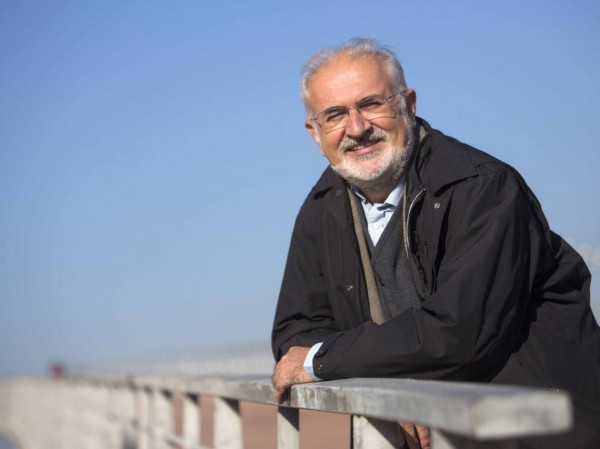
Albert Massot Martí (Lleida, 1955) holds a PhD in Law and an MBA from ESADE. He has dedicated his professional career to the formulation and application of public agricultural and rural policies, first as a member of the Technical Office of the Department of Agriculture of the Generalitat de Cataluña and then, since Spain joined the EEC in 1986 until he retired in 2022, as administrator and main researcher of the European Parliament in his area of expertise, providing support to the members of the Commission of Agriculture and Rural Development.
Author of numerous articles, particularly on the Common Agriculture Policy (PAC) and the evolution of European agricultural markets, Massot has been a lecturer at different universities and speaker at several research centres in Europe and America.
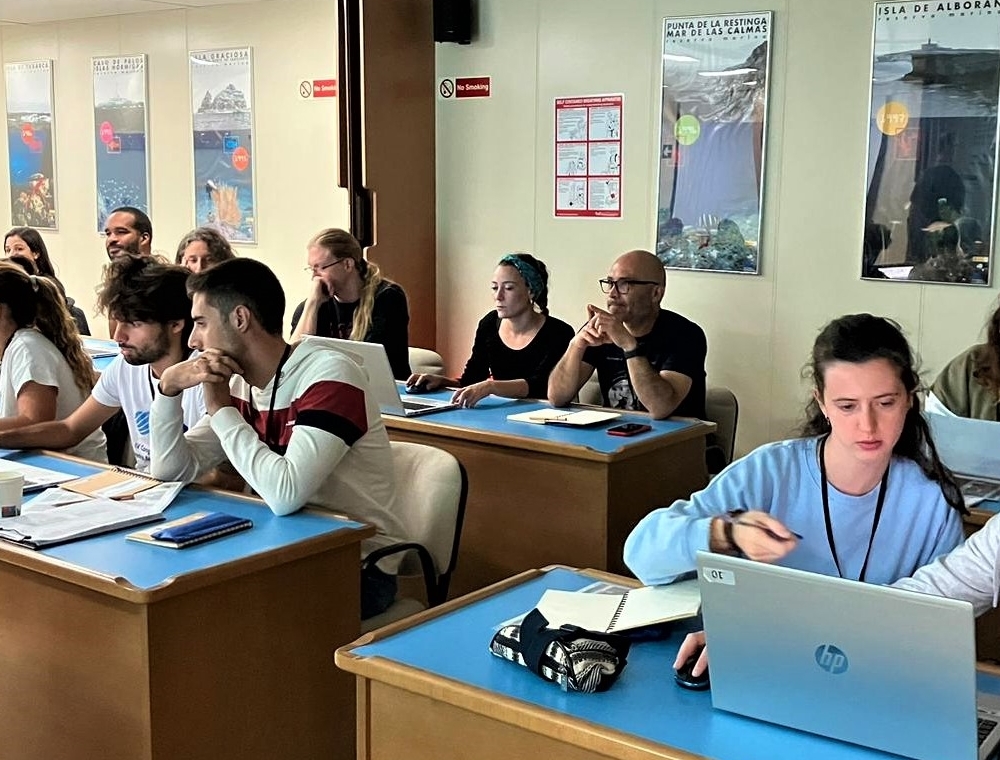
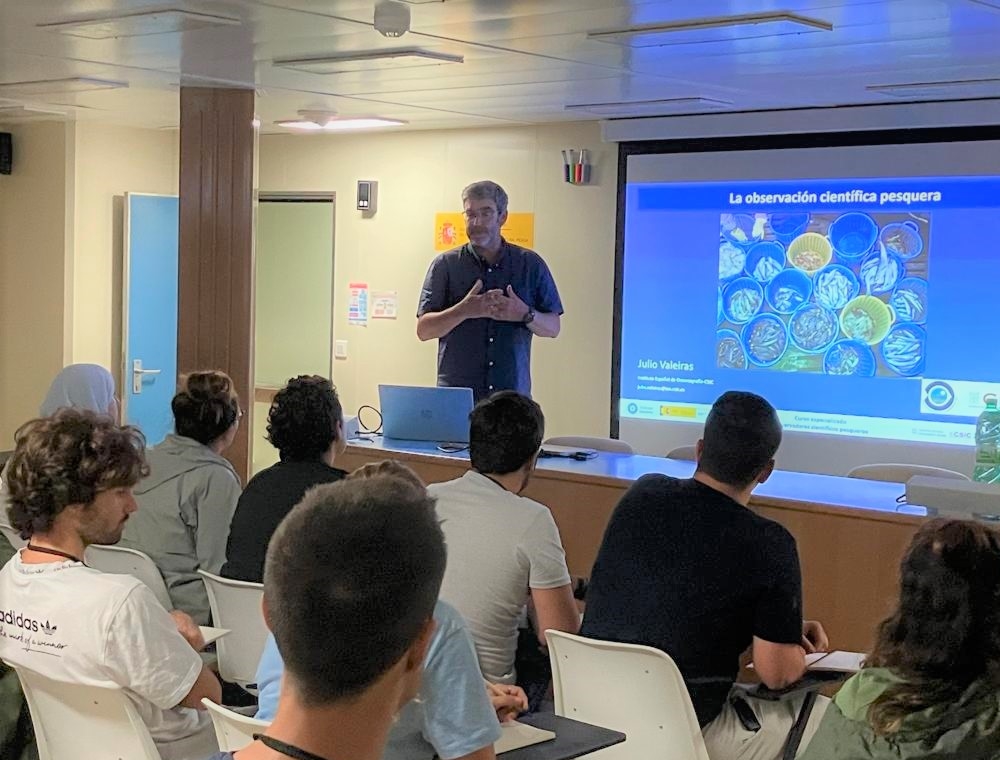
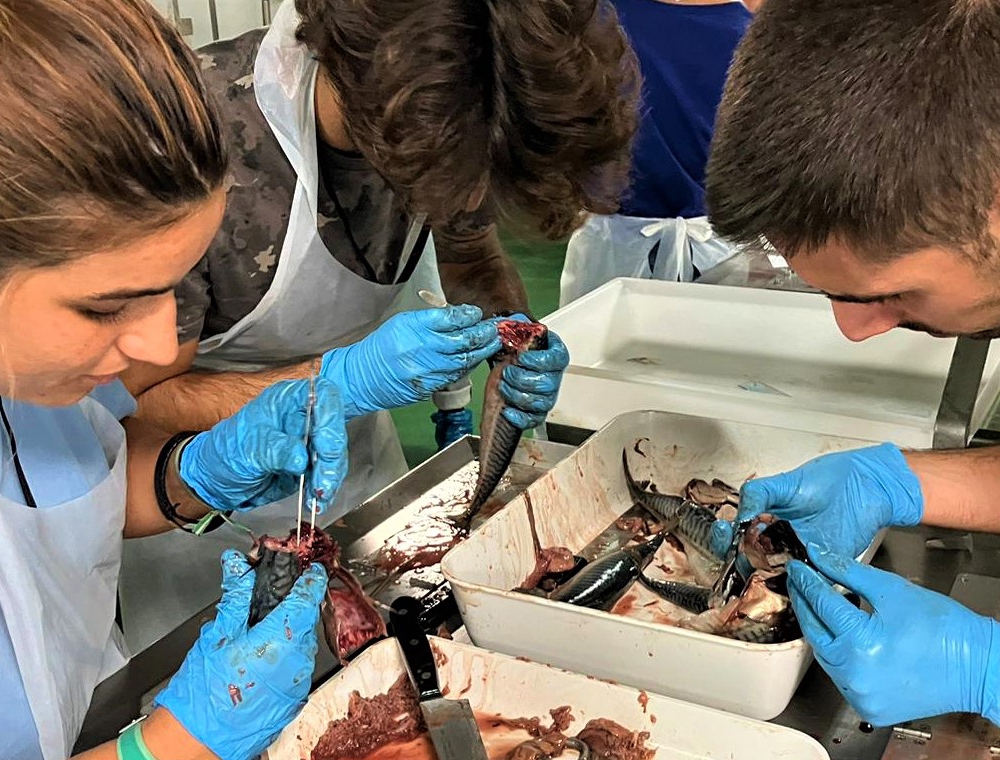
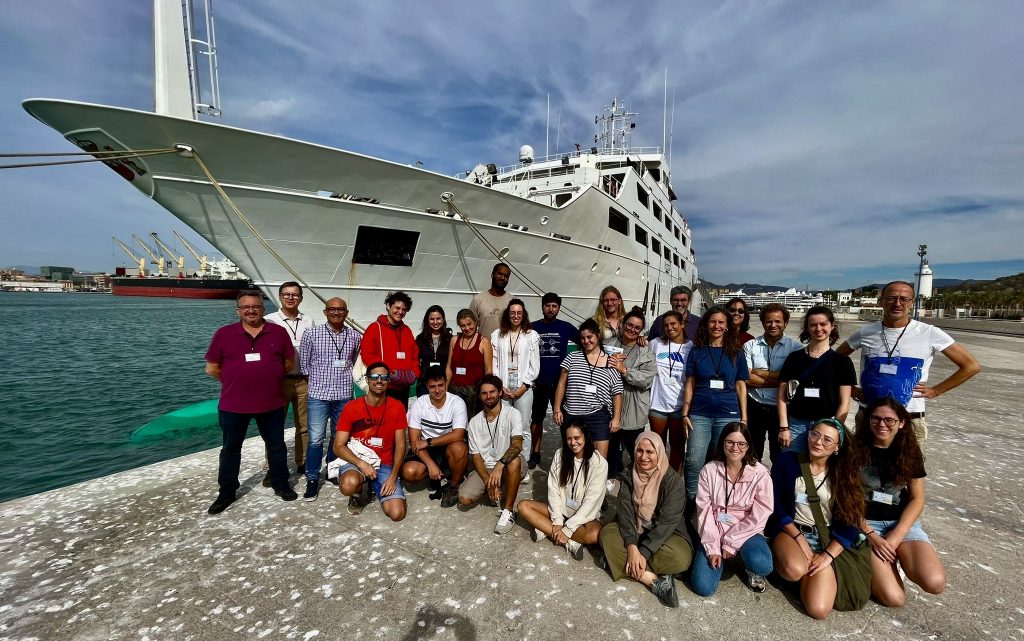
The fisheries cooperation and training ship Intermares hosted an advanced course in September, organised by CIHEAM Zaragoza and the Spanish Ministry of Agriculture, Fisheries and Food (MAPA) through the General Secretariat for Fisheries (SGP)
The training provided the latest practical information on scientific fishery observer programmes, international protocols and applications of new technologies for monitoring fisheries.
Sustainable fishery management should be based on a sound knowledge of fish stocks and comply with fishery management strategies, regulations and policies. Therefore, it is crucial to gather fishing data, including fishery-dependent information, collected by professionally trained, specialised scientific staff on board fishing vessels.
Being a scientific observer on a fishing vessel requires a practical understanding of fishing operations, fishing gear, and knowledge of capture compositions, including market catches as well as by-catches (discards and accidental captures of protected species). Researchers use the data collected to draft technical reports on the fraction exploited by fishing, impacts on the marine environment, abundance of species, and fishing selectivity. The data and reports are also used in forums, committees and fishery assessment working groups to inform decision-making in renewable marine resource management. Consequently, they have a large socioeconomic influence on the fishing sector. As there is a lack of scientific fishery observers, staff are recruited without prior training and this has negative consequences on the quality of the data collected.
In order to respond to this situation, the Ministry of Agriculture, Fisheries and Food (MAPA), through the General Secretariat for Fisheries (SGP), and CIHEAM Zaragoza organised a course in September on board the fisheries cooperation and training ship Intermares moored in the port of Malaga. The training provided the latest practical information on scientific fishery observer programmes, international protocols and applications of new technologies for monitoring fisheries. The course was attended by 21 professionals from Spain, Algeria and Colombia, under the scientific coordination of Julio Valeiras, researcher from Vigo Oceanographic Centre belonging to the Spanish Institute of Oceanography IEO-CSIC. It was delivered by guest lecturers from IEO-CSIC in Malaga and the Institute of Marine Research IIM-CSIC of Vigo, the General Subdirectorate of Scientific Research and Marine Reserves of the General Secretariat for Fisheries (MAPA) and the General Fisheries Commission for the Mediterranean (FAO-GFCM). The programme covered current sampling methodologies and data analysis, incorporating practical exercises and case studies. It offered participants an applied vision and enabled them to develop operational skills as scientific observers.
The long-term viability and sustainability of fishing activity is an environmental, economic and social objective of the EU Common Fisheries Policy (CFP), consolidated in Regulation (EU) No 1380/2013 of the European Parliament and of the Council of 11 December, which lays the grounds for this commitment. It is necessary to develop technical solutions and measures for the monitoring, control and surveillance of fishing operations, providing the scientific and technical information needed to characterise the environmental status of ecosystems effectively.
Today, the professional work of the scientific observer is to guarantee the collection of independent fishing data related to the essential biological and technical information needed to study fisheries. The scientific observer is responsible for acquiring this information on board commercial vessels and must be able to computerise it in scientific databases and analyse the data in order to compile comprehensive technical reports for each fishing season.
Nowadays, in order to achieve sustainable fishery management in the long term, we need more scientific and technical data. This entails optimal monitoring, control and surveillance of fishing activity and operations. Over the past decade, there has been growing interest in remote electronic monitoring systems (REM) as a robust and effective means of achieving comprehensive fisheries documentation. A particularly noteworthy technological solution involves the use of monitoring systems equipped with video cameras, an efficient tool that is currently used in many fisheries to gather data from catches, by-catches and discards to support fisheries management.
Scientific fishery observers need specialised training. There is a current need to professionalise this sector and improve working conditions, as in other countries that have established professional fishery monitoring programmes.
Regional Fisheries Management Organisations (RFMO) and fisheries administrations from different countries are attempting to base their management measures on a robust understanding of the status of fishing stocks. To achieve this, they require data on fishing activity, including fishery-based information which should be collected by specialised scientific observers on board fishing vessels. The course addresses the need for professionally trained observers, a demand that has been expressed by different RFMOs and fisheries administrations from different countries. The training is also aligned with the UN Sustainable Development Goals (SDGs), especially SDG 14 (conserve and sustainably use the oceans, seas and marine resources for sustainable development), and responds directly to SDG 14.4 (sustainable fishing) and indicator 14.4.1 (proportion of fish stocks within biologically sustainable levels).
Dates: 18-22 September 2023 Venue: Fisheries cooperation and training ship Intermares Organisers: MAPA (General Secretariat for Fisheries) and CIHEAM Zaragoza, in collaboration with the Spanish Institute for Oceanography (CSIC-IEO), the General Fisheries Commission for the Mediterranean (FAO-GFCM), and the Spanish Navy.
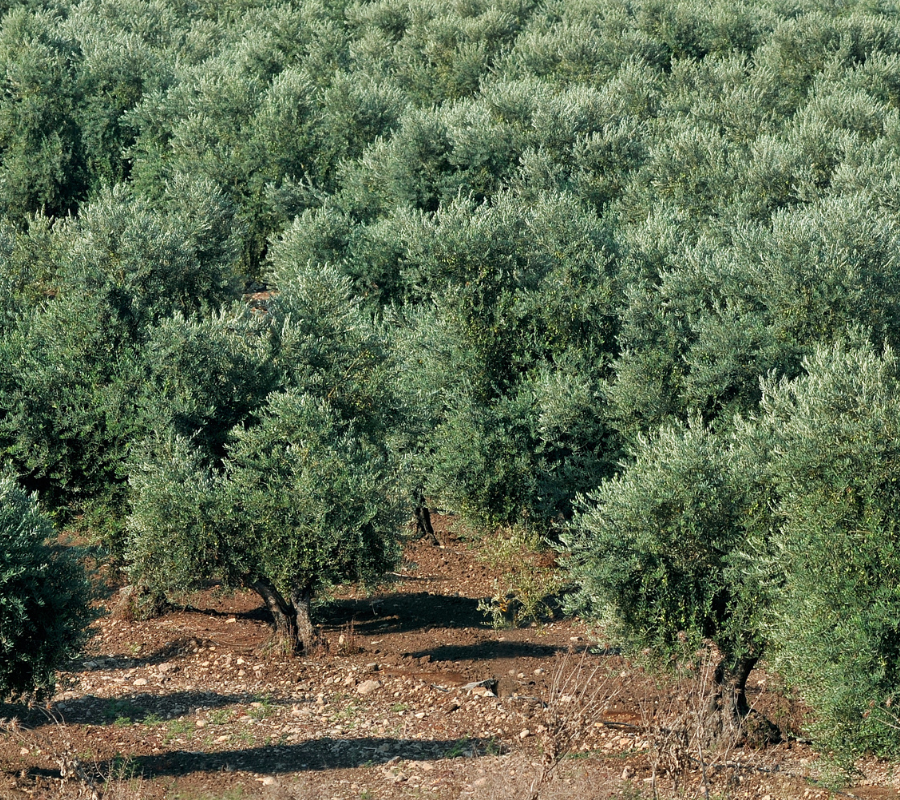
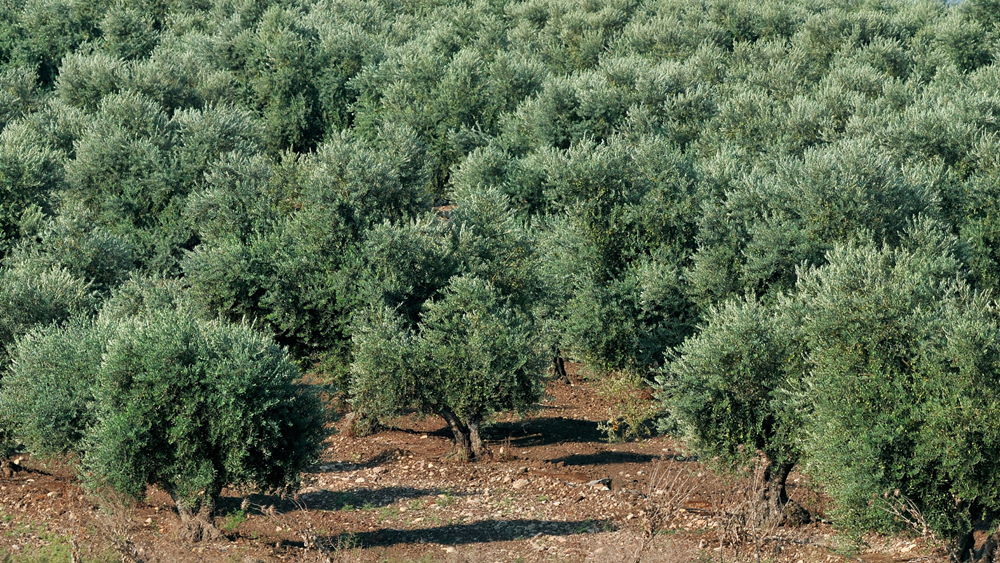
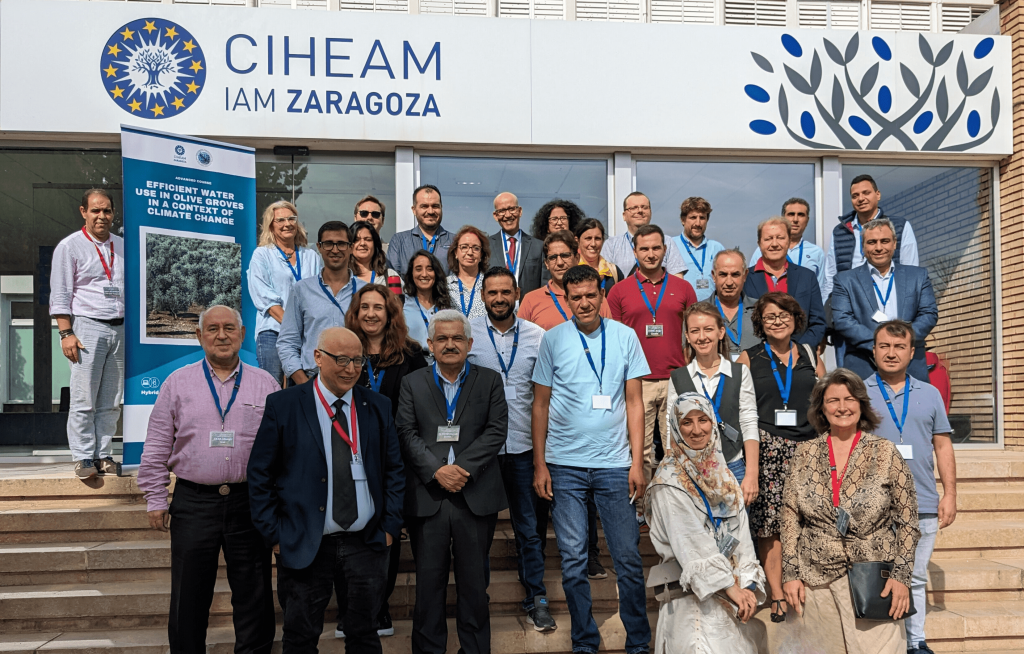
Professionals from 4 continents have participated in an advanced course organised by CIHEAM Zaragoza and the International Olive Council (IOC)
This training focused on how to boost the efficient use of water in olive growing, adopt recommended management strategies to prevent water losses in the field, and introduce innovative technologies to optimise the use of water and other resources
Water, olive growing and climate change
Climate change is negatively affecting the water supply for agricultural irrigation, presenting challenges for Mediterranean countries. New intensive and super high-density olive plantations require more water, which could exacerbate water scarcity in traditional olive-growing countries. To mitigate these challenges, olive-growing countries have adopted new policies and decisions on water management that will have a significant impact on the future of our communities and our sector. These policies will put more pressure on irrigation, as water becomes an increasingly scarce commodity with repercussions on traditional olive-growing countries where water resources are falling.
Training at CIHEAM Zaragoza
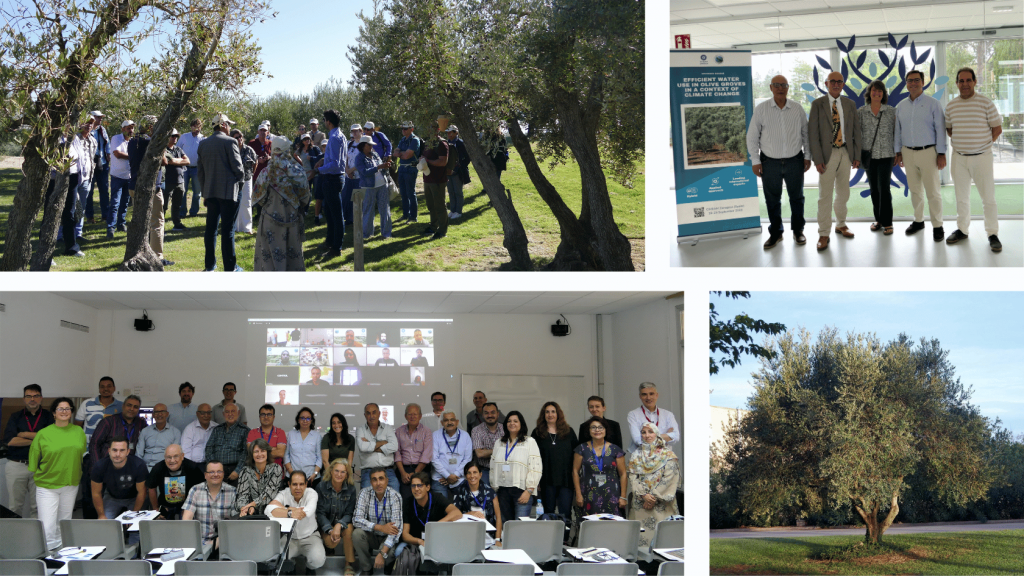
The training has taken the form of an advanced course, organised by CIHEAM Zaragoza and the International Olive Council (IOC) from 18 to 23 September 2023. It has attracted an impressive gathering of 60 professionals from 19 countries (Algeria, Argentina, Croatia, Cyprus, Egypt, France, Greece, Iran, Israel, Jordan, Lebanon, Morocco, Portugal, Saudi Arabia, Slovenia, Spain, Tunisia, Türkiye and Uruguay).
The course has presented an overview of the current water limitations to olive productivity in the Mediterranean region and the future perspectives under climate change, and more specifically, it has provided a better understanding of the soil-water balance, its components and the soil-plant-atmosphere continuum, as well as the olive eco-physiological response to water availability and climate.
The programme has given participants the opportunity to update knowledge and critically appraise the new technologies for monitoring water status, increase their ability to identify the main points for efficient water use and adopt adequate solutions to support informed decision-making, providing information on the pros and cons of the use of low-quality water as an alternative or integrating different water sources for olive irrigation.
South and East Mediterranean countries
The course enhances efforts in adapting to and mitigating the effects of climate change in southern and eastern Mediterranean countries, with both economic and environmental benefits. Higher agricultural productivity can be achieved through more efficient irrigation practices that generate higher productivity per unit of water used. This means that, with the same amount of water, it is possible to obtain higher yields. Furthermore, appropiate water management in olive orchards can help prevent soil degradation, reduce salinity and avoid overexploitation of aquifers, contributing to environmental sustainability. In a context of climate change, where more irregular rainfall patterns and more frequent extreme events are expected, transferring the knowledge acquired in this training can equip farmers with the necessary tools to adapt to these new conditions and minimise losses. Olive growing is an important source of income for many farmers in the Mediterranean region and improving water use efficiency can lead to a more robust and resilient agricultural economy, benefiting the entire value chain.
This type of training can act as a catalyst for the adoption of new technologies and innovative practices in the sector, such as drip irrigation systems, soil moisture sensors and climate prediction models. Participants have had the opportunity to visit an organic farm with a very efficient water management model. They have seen now, by improving water use efficiency, that competition for water resources between different users and regions can be reduced, and thus alliviate potential water-related tensions and conflicts.
Besides, the course has highlighted the use of sustainable water management approaches which enhance awareness and respectful water culture in the region. It has been a unique opportunity for all concerned to connect and network with other professionals and exchange experiences, strengthening cooperation to address climate change and efficient water use in olive orchards for planning irrigation strategies among key actors in IOC and CIHEAM member countries.
Gestionar consentimiento
Para ofrecer las mejores experiencias, utilizamos tecnologías como las cookies para almacenar y/o acceder a la información del dispositivo. El consentimiento de estas tecnologías nos permitirá procesar datos como el comportamiento de navegación o las identificaciones únicas en este sitio. No consentir o retirar el consentimiento, puede afectar negativamente a ciertas características y funciones.
Funcional
Always active
El almacenamiento o acceso técnico es estrictamente necesario para el propósito legítimo de permitir el uso de un servicio específico explícitamente solicitado por el abonado o usuario, o con el único propósito de llevar a cabo la transmisión de una comunicación a través de una red de comunicaciones electrónicas.
Preferencias
El almacenamiento o acceso técnico es necesario para la finalidad legítima de almacenar preferencias no solicitadas por el abonado o usuario.
Estadísticas
El almacenamiento o acceso técnico que es utilizado exclusivamente con fines estadísticos.El almacenamiento o acceso técnico que se utiliza exclusivamente con fines estadísticos anónimos. Sin un requerimiento, el cumplimiento voluntario por parte de tu proveedor de servicios de Internet, o los registros adicionales de un tercero, la información almacenada o recuperada sólo para este propósito no se puede utilizar para identificarte.
Marketing
El almacenamiento o acceso técnico es necesario para crear perfiles de usuario para enviar publicidad, o para rastrear al usuario en una web o en varias web con fines de marketing similares.