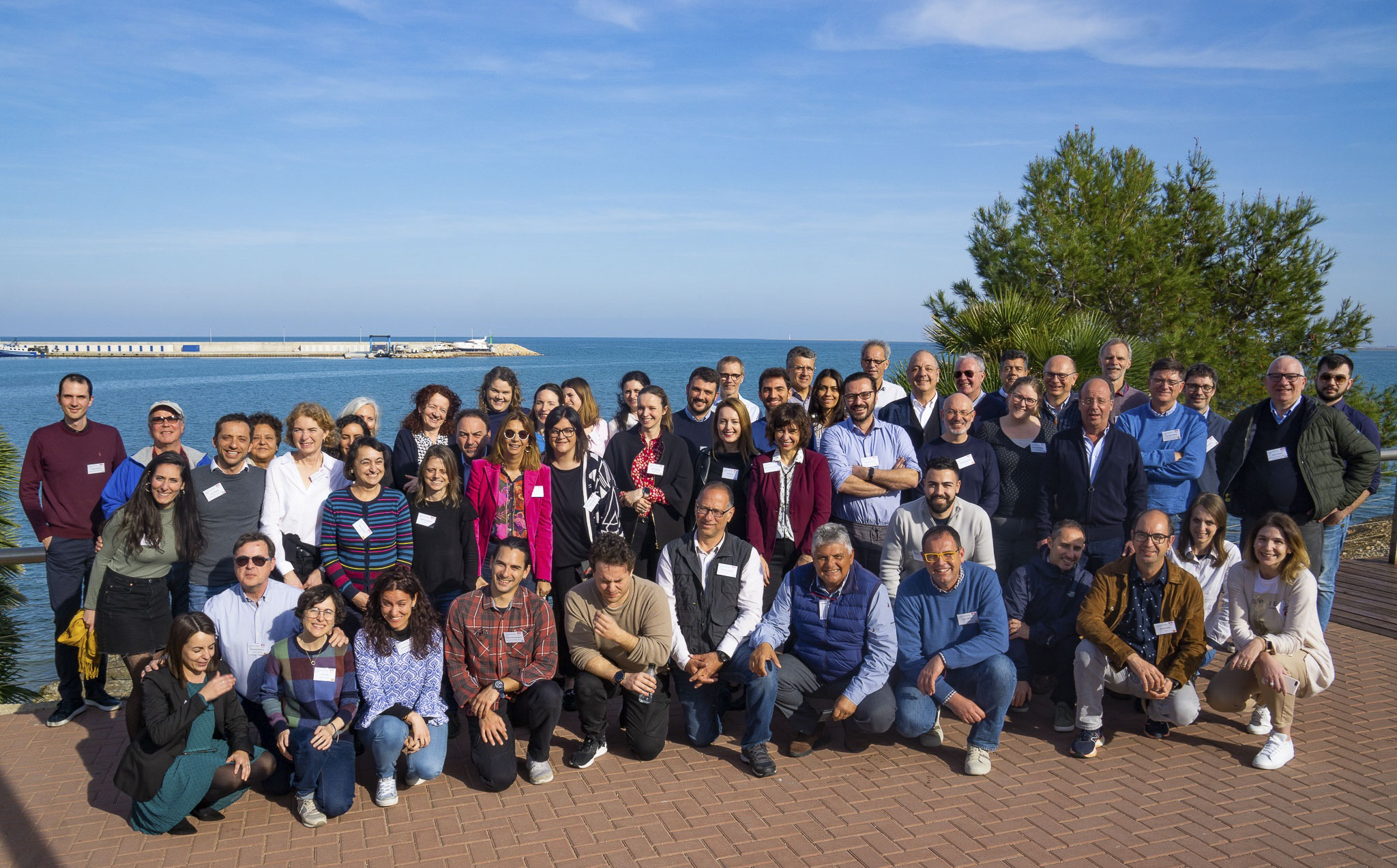
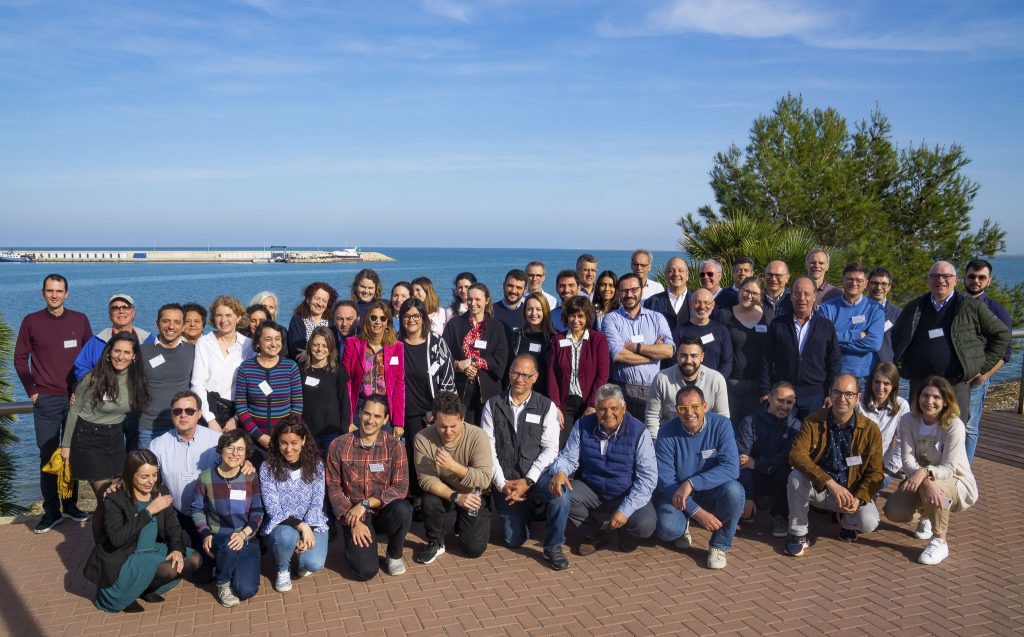
CIHEAM Zaragoza has participated in the third annual meeting of the European project NewTechAqua, held on 22-23 March 2023 in L’Ampolla (Tarragona, Spain). The meeting brought together around 60 members of the international consortium and enabled CIHEAM to move forward in the coordination and preparation of the training and outreach activities it is leading in this project.
Financed through the EU Horizon 2020 programme, the main objective of the NewTechAqua project is to widen and diversify the production of finfish, molluscs and microalgae in European aquaculture by developing and validating technologically-advanced, resilient and sustainable applications.
During the meeting held at Delta del Ebro, organized by project partner IRTA, the administrator of the Area of Fisheries and Aquaculture at CIHEAM Zaragoza Bernardo Basurco presented the progress made to date in the work package led by CIHEAM as well as the knowledge transfer action plan for the final year of the project concluding this December.
The training programme organized by CIHEAM Zaragoza (Spain) and CIHEAM Bari (Italy) in the framework of this project is based on three complementary types of activity: 1) two advanced courses; 2) two workshops; and 3) a series of specialized webinars.
The sustainable development of fisheries and aquaculture is one of CIHEAM’s strategic priorities. CIHEAM’S Corporate Group on Sustainable Fisheries and Coastal Development strives to seek solutions and synergies between institutions to achieve a more sustainable Blue Economy in the Mediterranean.
Elías Fereres, an essential name in the field of agronomy and water engineering in Spain, has collaborated with CIHEAM Zaragoza for over four decades as guest lecturer in the Organization’s masters and advanced courses
Elías Fereres (Larache, Morocco, 1946) is professor emeritus in Plant Production at the Higher Technical School of Agricultural Engineering of the University of Cordoba and researcher at the Institute for Sustainable Agriculture of the Spanish National Research Council (CSIC) in Cordoba. Not only is Fereres an essential name in Spanish science in the field of agronomy and water engineering but he has also held senior positions related to research administration and management in Spain: President of CSIC (1991-1992) and Secretary of State for Universities and Research of the Ministry of Science and Education (1992-1994), among others.
Within the scope of international cooperation, he has worked for the Food and Agriculture Organization of the United Nations (FAO) in more than 20 countries and has been member of the Scientific Advisory Committee of the Consultative Group on International Agricultural Research and consultant for the World Bank and UNESCO, besides other organizations. For almost four decades he has been collaborating as guest lecturer in CIHEAM Zaragoza’s masters and advanced courses.
-You have reminded our master students that agriculture’s main mission is to feed the world population. What are the main obstacles that need to be overcome?
-The greatest obstacle in feeding people without access to food is poverty. Agriculture has the capacity to produce enough food for the world population, today and in the decades to come, but 10 % of the population are starving, mainly in remote areas. The big challenge that remains to be addressed decisively is to enable these people to have access to food for their welfare. It should be the sole objective of disinterested aid for less-favoured countries.
-In your lectures you have spoken of water productivity in agriculture. On that subject, what particular message do you hope has been captured by these young people, future decision-makers in the field of water management and governance?
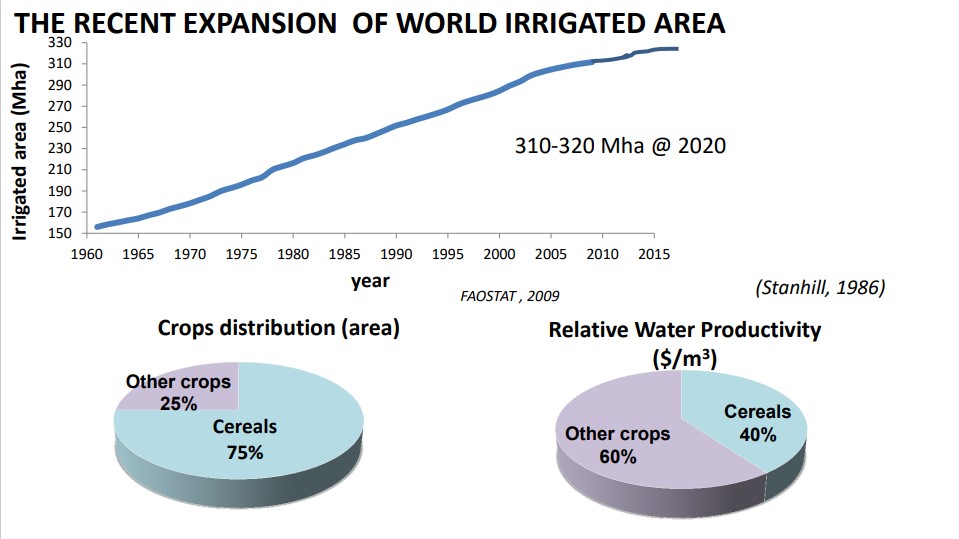
-That in water-scarce areas and situations such as those in the Mediterranean basin, water management in agriculture should focus on optimizing water productivity, and not just on production per cubic metre. It should also concentrate on seeking maximum yield of the water consumed with regard to the value of the water produced, and include social aspects such as the additional employment that water for irrigation generates.
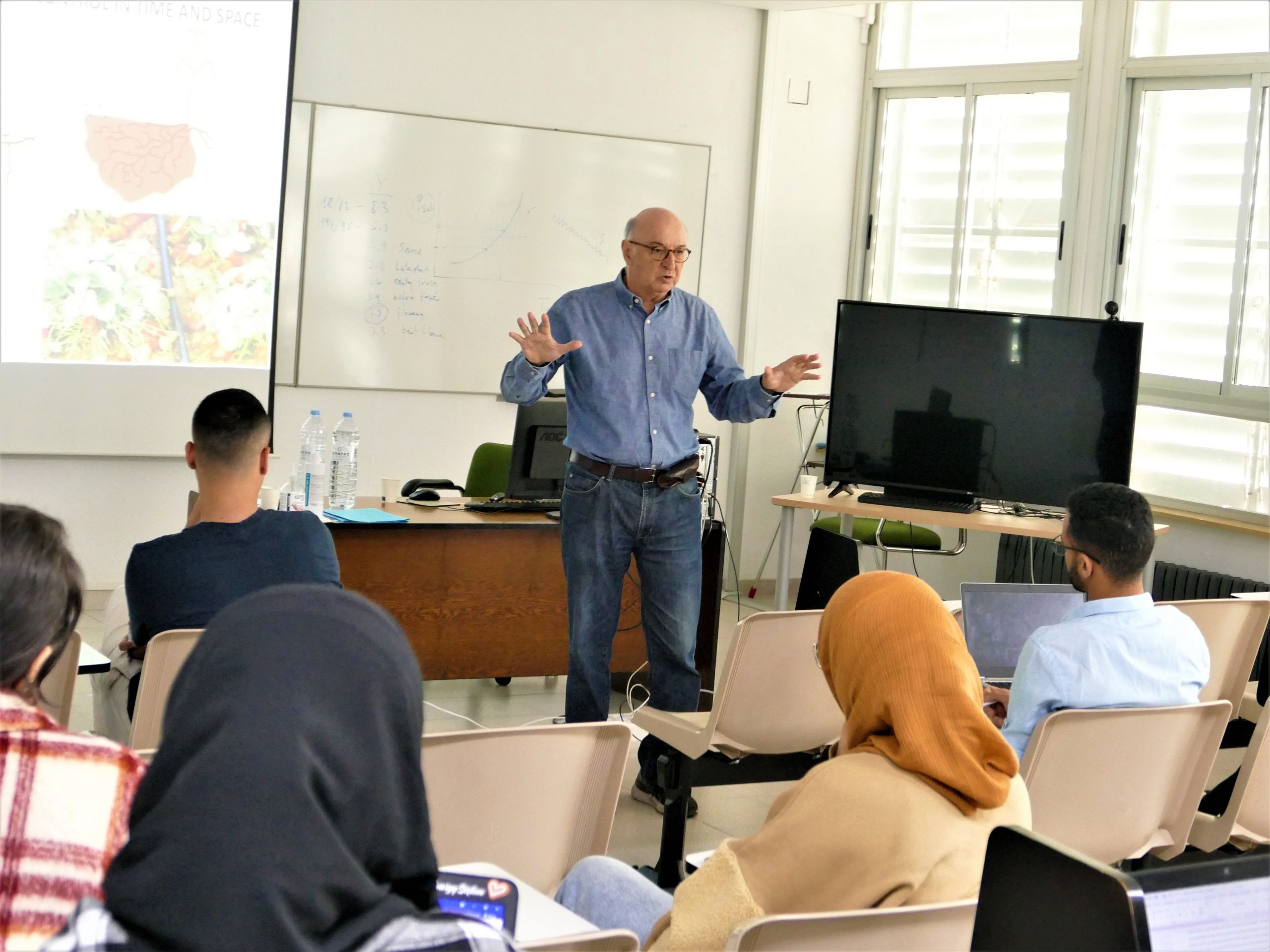
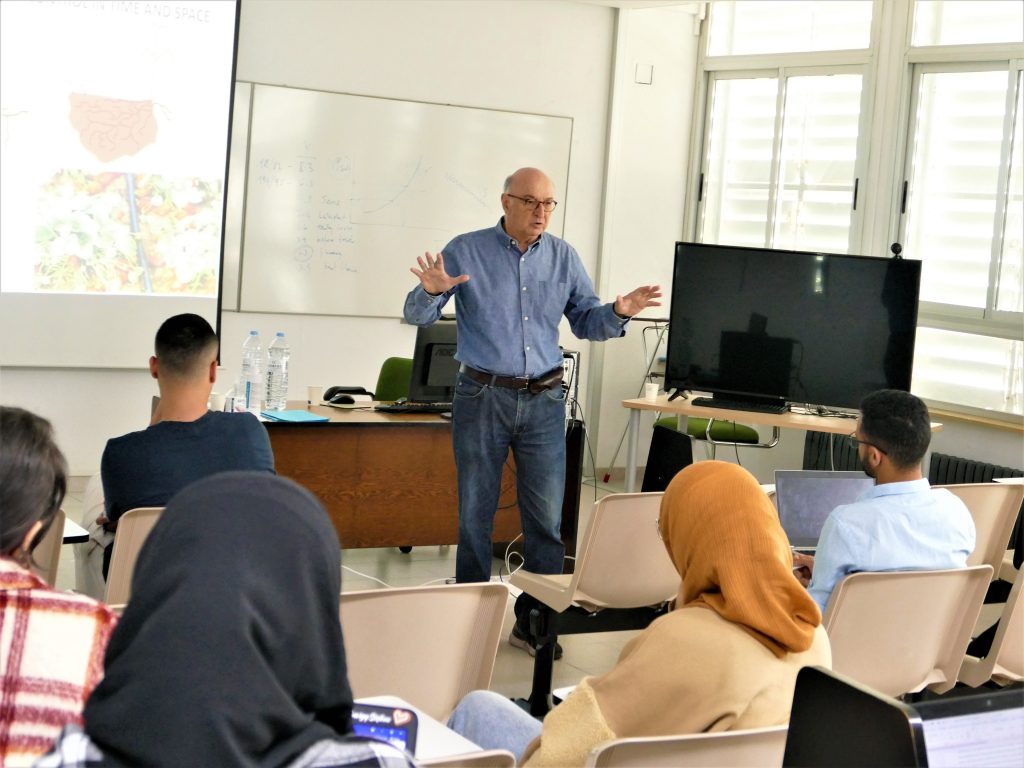
MANAGEMENT UNDER SCARCITY. Professor Elías Fereres addressed agricultural water management in dry environments during his lecture at CIHEAM Zaragoza.
-We talk about R&d+i in the agriculture and food sector. In your opinion, what should be the priority lines of research in order to face the sector’s challenges?
-Agricultural research is a success story worldwide and as such should be backed by society in order to face the new challenges of growing food demand. It is necessary to develop innovative practices to make agriculture more sustainable, particularly crop protection and use of limited resources such as water. In our efforts to achieve greater productivity, we shouldn’t abandon conventional plant breeding techniques before the potential contributions of biotechnologies actually materialize.
-Your research work has addressed different aspects of the nexus between water, agriculture and the environment. How would you describe these relationships and why is it important to study these three elements together?
-Water is the backbone that supports agricultural and natural ecosystems and makes them work. Both the agricultural and the environmental sector have hydrological demands that should be harmonized in order to avoid the water deficits threatening the survival of both sectors, and and we should optimize the use of available water. Furthermore, agricultural practices can affect the quality of water that eventually flows into other ecosystems jeopardizing their status. Almost all interactions between agricultural systems and their surrounding ecosystems take place through water, therefore they should be studied in greater detail.
“Agricultural research is a success story worldwide ”
Elías Fereres, researcher and professor emeritus of the University of Cordoba (Spain)
-You have been very active in the field of international cooperation. Based on this experience, what do you think are the main benefits of cooperation in agriculture and water management?
-The greatest benefits can be observed in the improvement of education and training in people we cooperate with. Water management is complex and advances are slow because local knowledge has to be developed, without which it is impossible to improve agricultural water management. I must say that a great deal of progress has been made in building on this local knowledge in recent decades, which is essential for more precise water management and is a pre-requisite for improvement.
There is clear evidence that cooperation in water issues between communities, sectors and countries can provide economic, social and environmental benefits, besides strengthen peace and regional integration.
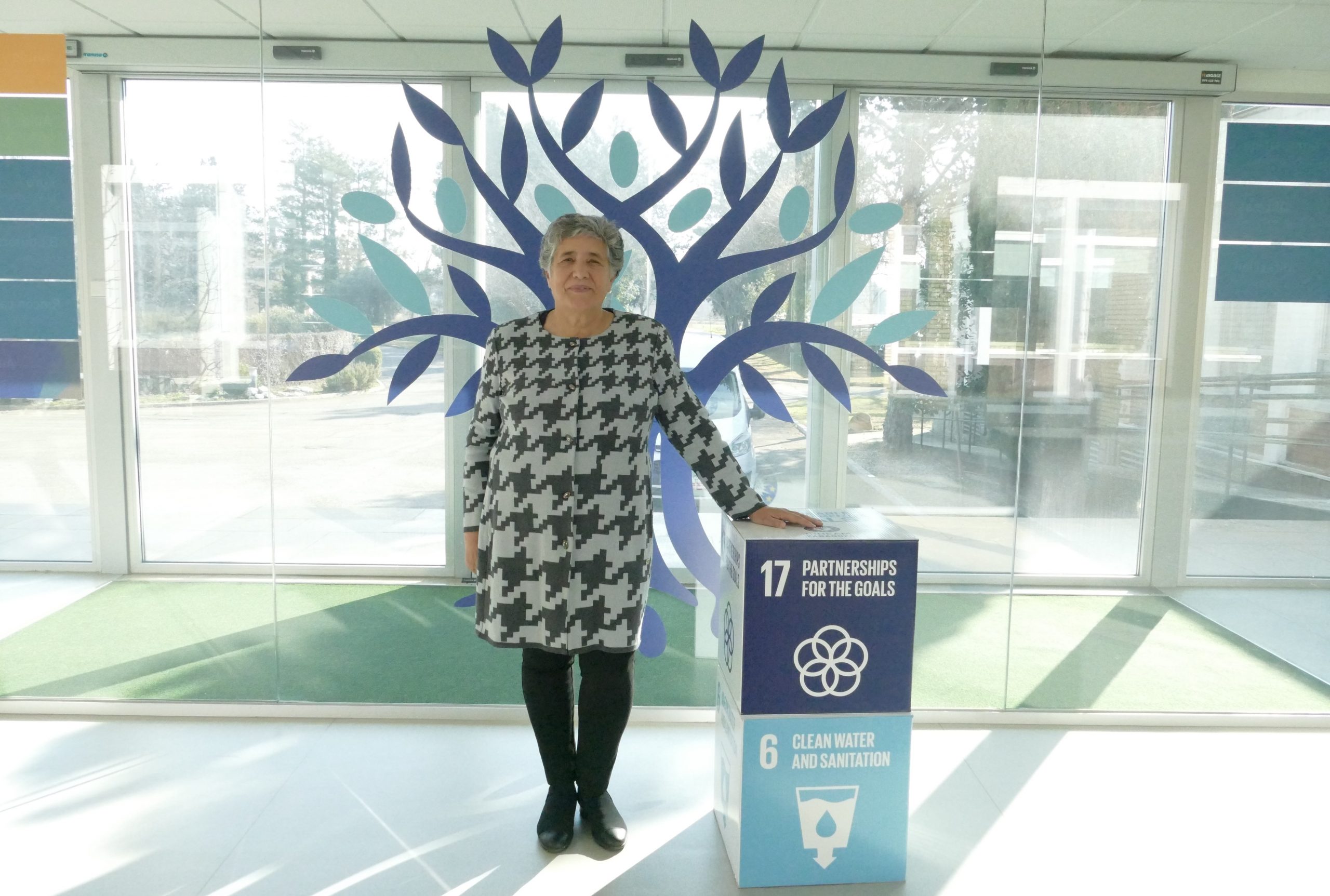
Expert and person of reference in cooperation in the water sector, Josefina Maestu, participates as guest lecturer in the international Master in Sustainable Water Management and Governance in Natural and Agricultural Environments organized by CIHEAM Zaragoza and shares her thoughts about the UN Water Conference 2023.
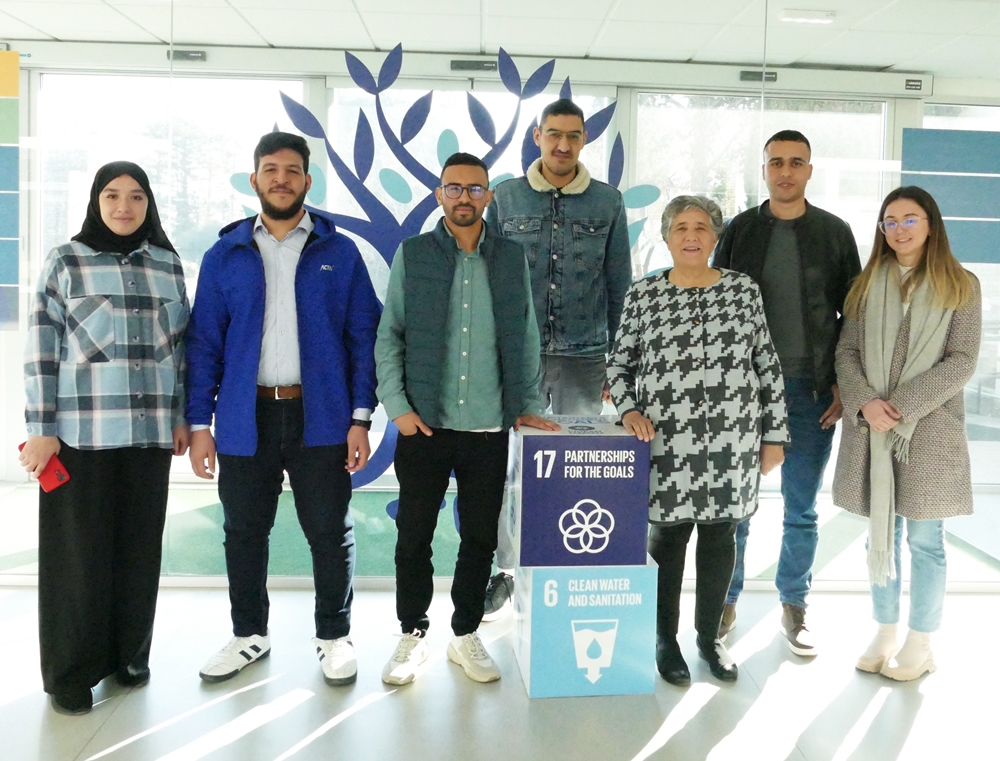
Students of the International Master’s in “Sustainable water management and governance in the natural and agricultural environments” with Josefina Maestu
Josefina Maestu is a water economist and has been advisor to the Secretariat of State of the Environment of the Spanish Ministry of Ecological Transition from 2018 to 2023. One of her most outstanding contributions during this time has been as coordinator of the Green Paper on Water Governance in Spain (Libro Verde de la Gobernanza del Agua en España),published in 2020. Her international career includes 6 years as director of the UN-Water Office (2009-2015), whose headquarters were in Zaragoza, over 10 years as secretary general of the Mediterranean Water Network and over a decade as consultant for the European Commission and several organizations belonging to the European Commission and to the United Nations System such as the World Bank.
As expert and person of reference in cooperation in the water sector, Maestu was invited to participate as one of the lecturers on the International Master in Sustainable Water Management and Governance in Natural and Agricultural Environments, a multidisciplinary training programme delivered by over 90 invited lecturers from universities, research centres, institutions and firms from across the world.
On the ocassion of her participation in the Master, we talked to her about her professional career, about governance, cooperation and her impressions of the UN Water Conference 2023:
The initiative of the Green Paper on Water Governance in Spain that you coordinated, arose as a response to current and future water management challenges. What are the keys to a successful water governance model?
Now is the time for water management. Now is the time to optimize the services provided by our water infrastructure and institutions. With an expected reduction in available resources of 12- 40% in different parts of Spain, it is an urgent national matter. The Green Paper analyses the Spanish model and to what extent it is prepared to respond to these challenges. The key to a successful model is its flexibility and capacity to adapt to different futures, which has a lot to do with the concession system but also with improving the control of water use. This is an issue that was forgotten a long time ago because we were focusing on supply policies.
Your professional career brought you to the city of Zaragoza, where you led the UN-Water Office to support the International Decade for Action “Water for Life”. What would you highlight about that experience?
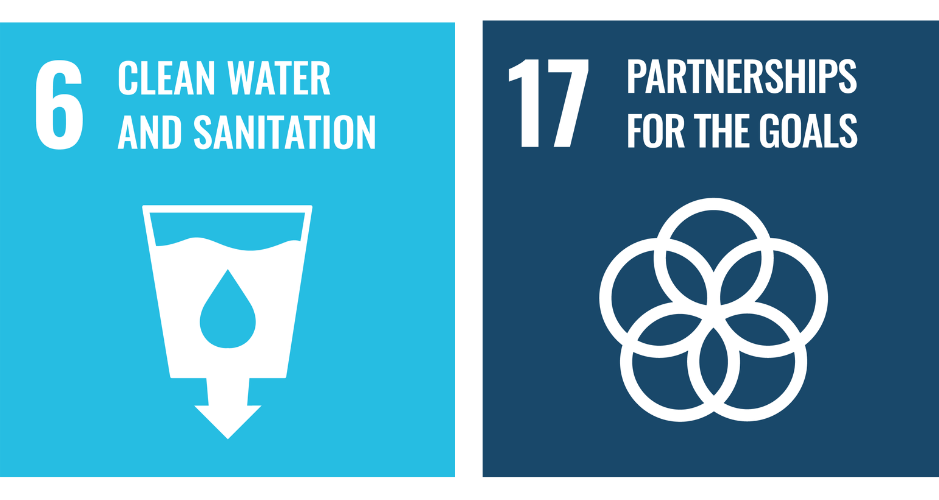
The UN-Water Office aimed to support the United Nations System and UN Member States to achieve the Sustainable Development Goals. It served to coordinate the actions conducted by the UN, civil society and the States in relation to fundamental issues that UN addresses every year as topics of interest. The success of the Water Decade led to the approval by the General Assembly of the United Nations of the Water Decade and the implementation of SDG 6.
40% of the world population live in transboundary water basins and almost 90% of the countries have a shared river basin. How important is cooperation in this context?
According to the UN Conference Concept Note in 2023, there is clear evidence that cooperation in water issues between communities, sectors and countries can provide economic, social and environmental benefits, besides strengthen peace and regional integration. More than six decades of collaboration between the countries of the river Rhine has shown how cooperation can stem from a single objective, such as reduce water pollution and then extend to a more holistic water management focus englobing the whole basin and beyond. The creation of transboundary committees, such as the one in India and Nepal that share the Sharda-Mahakali basin, shows the advantages of transboundary cooperation at local level. For the communities sharing this river basin, cooperation has improved the resilience of the communities to water-related disturbance, for example an early warning system for floods, and has increased the engagement of women in water governance.
Recently, CIHEAM Zaragoza took part in the Mediterranean Water Week, which underlined the importance of training programmes, knowledge transfer and capacity-building to face the consequences of climate change affecting water resources in the Mediterranean region. How, in your opinion, can training help to encourage cooperation in the water sector?
UN-Water has observed that many governments reporting regularly on their efforts in implementing and achieving SDG 6 indicate the lack of institutional, human, financial and technological capacity. Lack of resources in these critical areas jeopardizes their capacity to respond to the challenges faced in water and sanitation and to achieve sustainable of water and sanitation management for everyone.
The students taking CIHEAM Zaragoza’s International Master this year come from Albania, Algeria, Egypt, Morocco and Tunisia and tomorrow will be decision-makers for water management and governance. What advice would you give them?
There are two fundamental things: 1) listen to society and 2) listen to science. Very often governments take action in emergency situations and we forget them. We should always take care to remember these two basic rules.
This year the World Water Day is celebrated with an important UN Water Conference to be held in New York for almost a week. The last conference was held in Mar del Plata in Argentina back in 1977 therefore this is an historic moment. What does the UN Water Conference 2023 entail?
New York has been literally taken over by the water community. There are more than 200 side events outside the UN headquarters, about 250 inside UNHQ and a programme of activities across New York City. This is in addition to the official programme of the 5 Dialogues, and four special events. The Dialogues will address water and human rights to water and sanitation, they will also be discussing climate change – a topic that will permeate the whole conference. They will also discuss transboundary cooperation, the value of water and the importance of cross sectoral water management. Finally, the Dialogues will address institutional mechanisms at global level in water-related issues and what to do in the future.
There are several fundamental issues that are gaining momentum as the World Water Day celebrations approach. The Water Justice movement is mobilizing the community for human rights to water and sanitation and focusing the debate on the rights of the indigenous communities. The Manifesto for Water Justice launched on 21 March reconfirms that “the current water crisis is fundamentally a water justice crisis. Water is a common good and not a commodity, and as such it must be accessible to all without discrimination and under public control”. Nature-based solutions also hold a prominent place. On 22 and 23 March the Nature Hub will be open on the side-lines of the UN Water Conference and has issued a manifesto stating that there can be no ecological security without water security and vice versa.
Issues related to drought and water scarcity are driving the need to strengthen resilience to climate change. In this context, it is the African countries that are leading the need for responses to a challenge that is destroying lives and the economic base upon which they depend.
The presentation of the conclusions from the Global Commission of the Economics of Water in one of the special events of the conference is raising great interest. Particularly to present the need for water management as a global common good and what this involves in terms of, for example, the financing practices of multilateral financial institutions. Reconsidering the institutions that arose from Breton Woods and whether or not they are suitable to achieve SDG 6 may have consequences. Actually, financing Governments doesn’t always mean improvements in access to basic water and sanitation services for the most vulnerable.
The need for changes in global water governance is one of the issues that the countries of the European Union have been debating in recent months in preparation for the United Nations Conference. They are discussing the creation of an annual or six-monthly intergovernmental conference to coordinate the cooperation of the governments in water-related issues within the framework of the UN. There are discussions about launching a “water panel” that draws up reports similar to those issued by the Climate Change panel for these conferences. There has also been a proposal for the creation of a special envoy of the secretary general of the United Nations for water to support the Human Rights Rapporteur and the Chairperson of the internal coordination mechanism of the UN agencies.
The conference will end without a statement or agreed resolution but the organizers wish to move forward to present a UN resolution to strengthen some of these proposals, particularly the Decade of Water for Sustainable Development. The countries’ commitments in the “Agenda for Water Action” with voluntary commitments for which a monitoring system will be set up.
We are at a crossroads where our economic structure and our welfare are going to depend to a great extent on the decisions that we made today on how to address climate change and the need to improve resilience. The objectives are no longer growth, but of resilience and it is based on this new paradigm that we should address water management in the future.
Representatives from UNESCO, ICOMOS and the European Commission will participate in the workshop to be held on 18 April at the European Parliament Office in Spain.
The experts will address the value of culture in the sustainable tourism offer. Cultural tourism is estimated at 40 % of the total tourism offer in Europe.
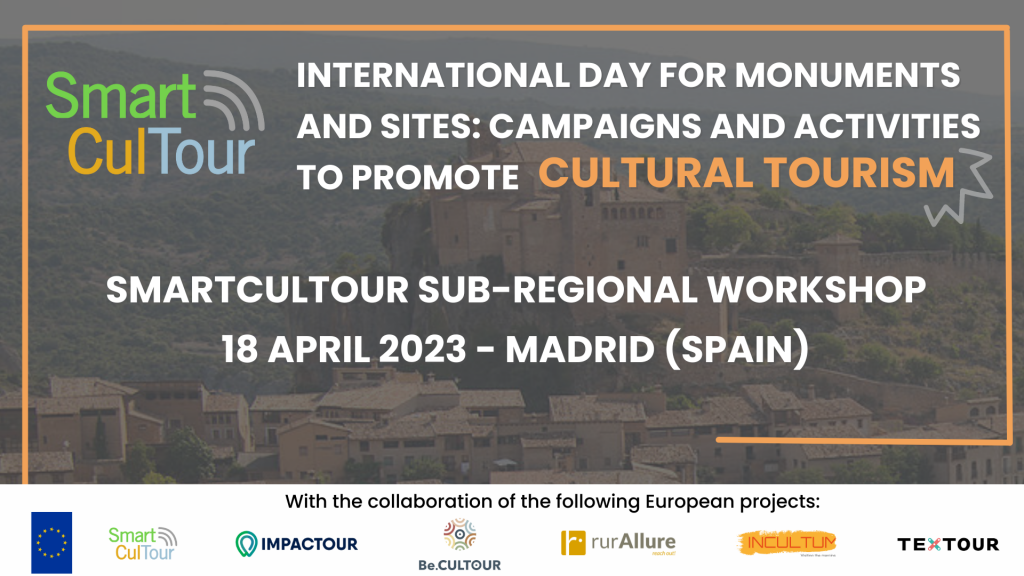
Four out of every ten European tourists choose their destination according to its cultural offer. In order to address the value of culture in the tourism sector and its role as a driver of sustainable development, the European project SmartCulTour is organizing an international workshop on cultural tourism on 18 April in Madrid that will bring together world experts and representatives of 6 European projects currently working on this issue.
The workshop will also mark the International Day for Monuments and Sites celebrated every 18 April to highlight the diversity of cultural heritage of humanity, its vulnerability and the efforts required to protect and conserve it.
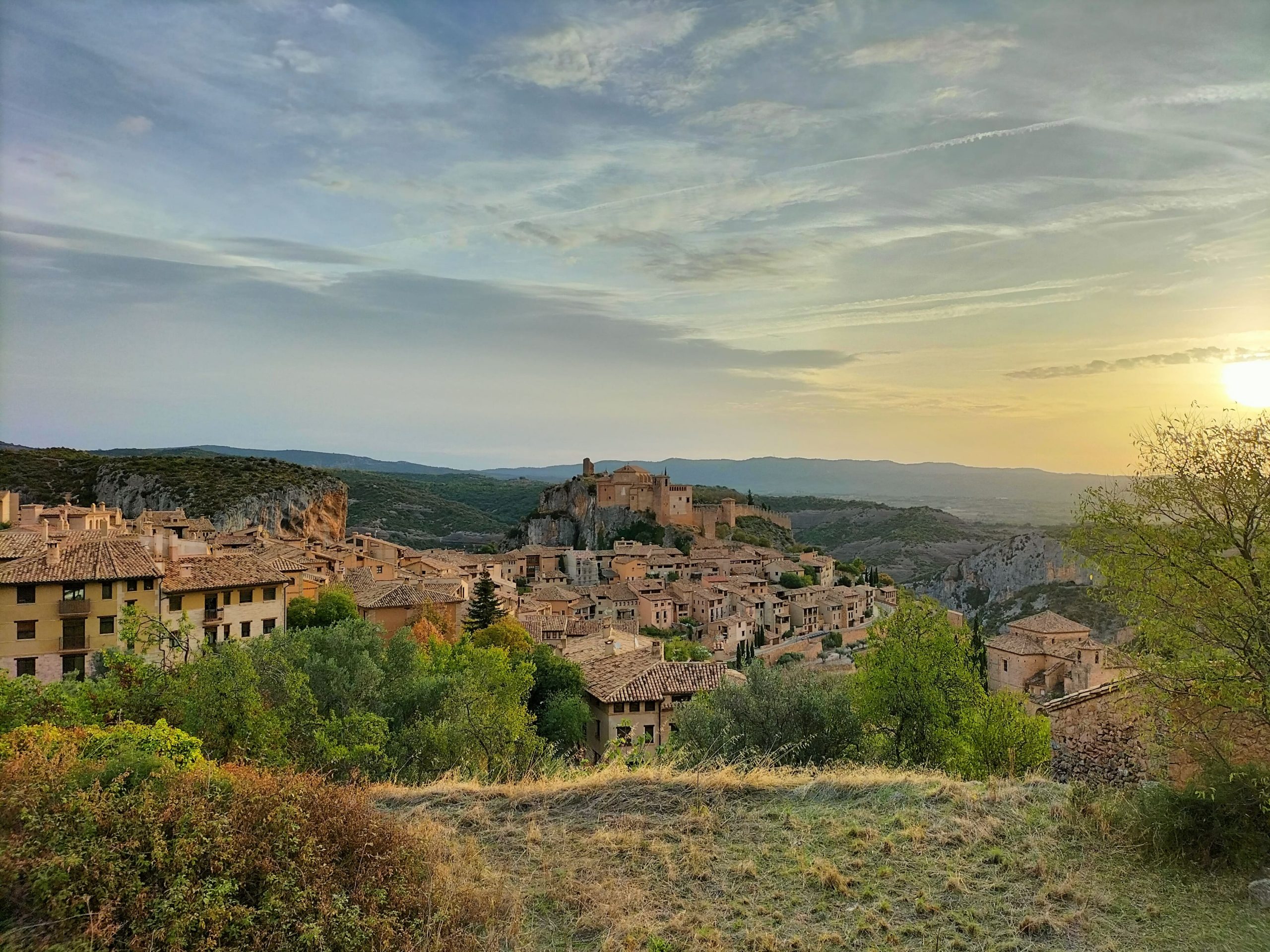
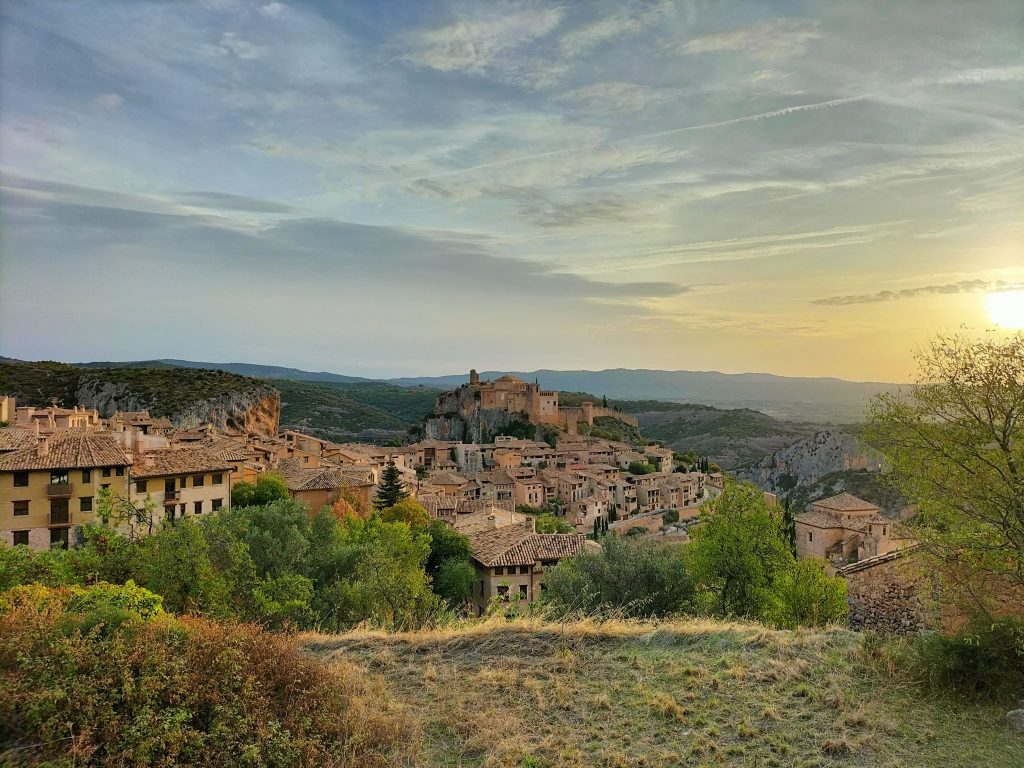
CIHEAM Zaragoza, an intergovernmental organization promoting sustainable development in rural areas, is one of the 9 partners from 8 European countries (Austria, Belgium, Croatia, Finland, France, Italy, the Netherlands and Spain) that are working in the SmartCulTourproject. The project, which is funded through the EU Horizon 2020 programme, has set up 6 Living Labs to boost the sustainable development of cultural tourism; one of which is located in Huesca. The project will conclude in June 2023.
Divided in three sessions, the SmartCulTour conference in Madrid will bring together representatives of international bodies such as UNESCO, ICOMOS (International Council of Monuments and Sites) or the European Commission, who will address the current status and future prospects of cultural tourism in their presentations. The workshop will also include two round tables where different case studies will be discussed, together with cultural tourism promotion activities based on the experience of 6 European projects currently working on this issue.
The event will be inaugurated by Juergen Foecking, responsible for Public and Institutional Relations at the European Parliament’s office in Spain, and Raúl Compés, director of CIHEAM Zaragoza. SmartCulTour will be represented by Alun Jones, head of the Projects Unit of CIHEAM Zaragoza, and Fernando Blasco, representative of the Huesca Living Lab and manager of TuHuesca.
DATE: Tuesday 18 April 2023
TIME: 08:30 – 14:00 h
VENUE: Sala Europa. Office of the European Parliament in Madrid (Castellana, 46)
International candidates that require a visa can apply until 2 May
Animal nutrition is an essential element of livestock production and professionals require specialized training to produce safe, high-quality feeds in sustainable systems.
CIHEAM Zaragoza and the University of Zaragoza, with the collaboration of the Polytechnic University of Madrid (UPM) and the Spanish Foundation for the Development of Animal Nutrition (FEDNA), offer an innovative programme that explores nutrition systems for cattle, sheep, goats, pigs, poultry and rabbits, and analyses sustainable, state-of-the-art techniques.
Developed by experts from international organizations, universities, research centres and private firms, the Master addresses the latest trends concerning the impact of nutrition on animal growth, welfare and production systems.
This multidisciplinary master is delivered by highly-qualified, renowned guest lecturers from 8 countries, chosen for their expertise, through a comprehensive pedagogical programme combining lectures, practicals, supervised individual projects and technical visits to livestock farms, firms, and research centres.
The Master includes a professional internship at firms in the animal nutrition and agrifood sector, livestock farms or public institutions. In the second year of the Master students prepare their Final Master Project at national or international universities, research centres or firms.
In a competitive job market, this Master offers an excellent opportunity to establish international contacts and collaborations.
Dates: October 2023 to July 2025
Venue: Zaragoza (Spain)
Organizers: CIHEAM Zaragoza and University of Zaragoza, with the collaboration of the Polytechnic University of Madrid (UPM) and the Spanish Foundation for the Development of Animal Nutrition (FEDNA)
Deadline for applications: 2 May for applications from candidates requiring visa with/without knowledge of Spanish and 15 June (first deadline) and 10 September (second deadline) for candidates that do not require visa and with knowledge of Spanish
The new project aims to boost women-led innovation in farming and rural areas.
It will create living labs in nine countries, train 72 rural women innovators and set up a network-learning and innovation system.
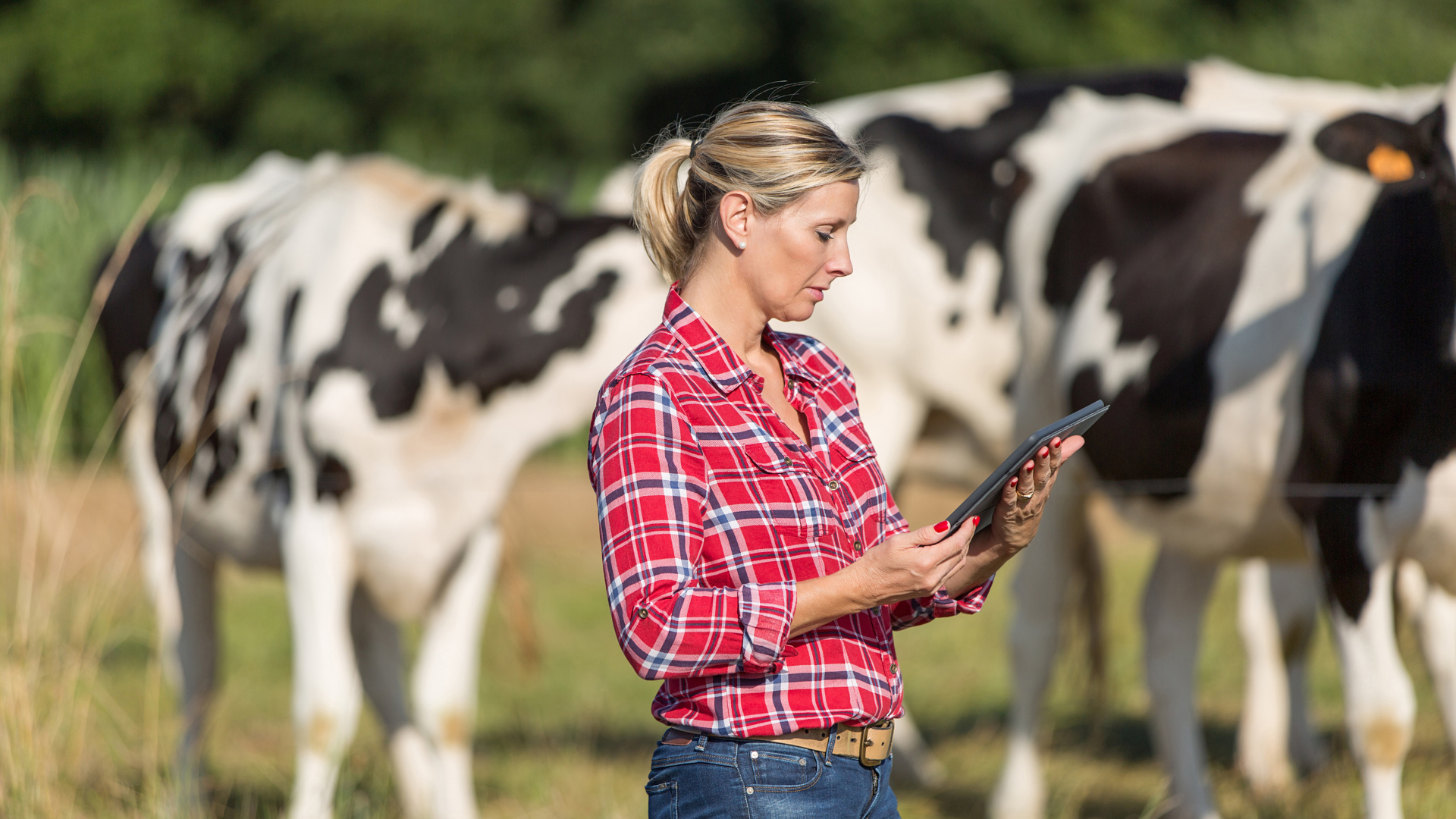
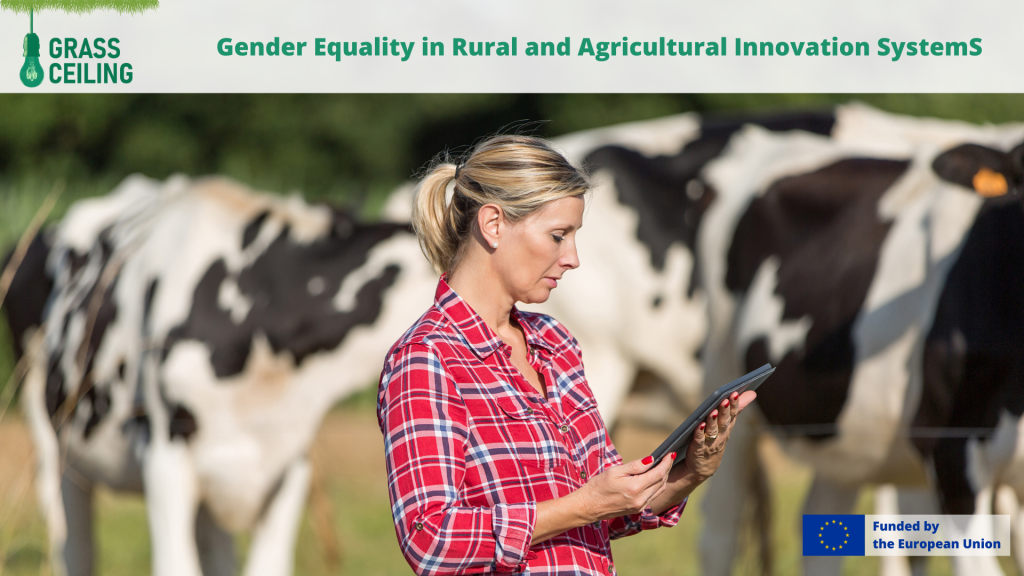
CIHEAM Zaragoza participates in the European project GRASS CEILING that aims to empower women in rural and farming areas. The organization, a point of reference in international cooperation in questions related to agriculture and food, is one of 25 partners from across Europe participating in this project, financed under the EU Horizon Europe programme.
GRASS CEILING, led by the South East Technological University (SETU-Ireland), will create nine living labs, in Croatia, Ireland, Italy, Lithuania, Norway, the Netherlands, Sweden, Scotland and Spain. Each living lab will train six to eight women in order to set up a network-learning and innovation system.
Through these living labs, researchers will analyse the current position of women regarding megatrends in European agriculture and rural areas, understand the drivers and enablers for women-led innovation, the barriers encountered and supports that are needed at Member State and EU level.
CIHEAM Zaragoza will lead the work package on communication, dissemination and exploitation of results that includes an online training programme.
GRASS CEILING’S SPANISH LIVING LAB
The Spanish living lab is coordinated by the University of Valladolid and the agrifood cooperative Cooperativas Agro-alimentarias de España.It will involve women crop and livestock farmers in Castile-León and Aragon from various sectors such as rainfed and irrigated agriculture, wild-mushroom cultivation and processing, free-range egg production, extensive beef cattle farming, intensive pig farming, wine-growing or organic agriculture.
The living lab will also count on representatives from the business world and the academic community, public administrations and agricultural organizations.
GRASS CEILINGbegan in January 2023 and will conclude in December 2025. It has a total budget of 2.8 M euro.
Gestionar consentimiento
Para ofrecer las mejores experiencias, utilizamos tecnologías como las cookies para almacenar y/o acceder a la información del dispositivo. El consentimiento de estas tecnologías nos permitirá procesar datos como el comportamiento de navegación o las identificaciones únicas en este sitio. No consentir o retirar el consentimiento, puede afectar negativamente a ciertas características y funciones.
Funcional
Always active
El almacenamiento o acceso técnico es estrictamente necesario para el propósito legítimo de permitir el uso de un servicio específico explícitamente solicitado por el abonado o usuario, o con el único propósito de llevar a cabo la transmisión de una comunicación a través de una red de comunicaciones electrónicas.
Preferencias
El almacenamiento o acceso técnico es necesario para la finalidad legítima de almacenar preferencias no solicitadas por el abonado o usuario.
Estadísticas
El almacenamiento o acceso técnico que es utilizado exclusivamente con fines estadísticos.El almacenamiento o acceso técnico que se utiliza exclusivamente con fines estadísticos anónimos. Sin un requerimiento, el cumplimiento voluntario por parte de tu proveedor de servicios de Internet, o los registros adicionales de un tercero, la información almacenada o recuperada sólo para este propósito no se puede utilizar para identificarte.
Marketing
El almacenamiento o acceso técnico es necesario para crear perfiles de usuario para enviar publicidad, o para rastrear al usuario en una web o en varias web con fines de marketing similares.