Looking for plant breeding specialists: Join our International Master in Plant Genetics, Genomics and Breeding

  • As agriculture faces new challenges, it is important to train young professionals and scientists in modern plant breeding.
  • Based on the expertise of internationally renowned lecturers and experts, this highly interdisciplinary master’s degree is completed over two years, full-time.
Plant breeding is essential to increase crop yield and quality while developing varieties that are adaptable to different environmental conditions, make better use of inputs and are integrated into sustainable and profitable agricultural systems. This field has evolved into a complex science that integrates genetic, genomic, molecular, cellular, and computer-based tools into classical selection methods. As agriculture faces new challenges, it is important to train young professionals and scientists in modern plant breeding.

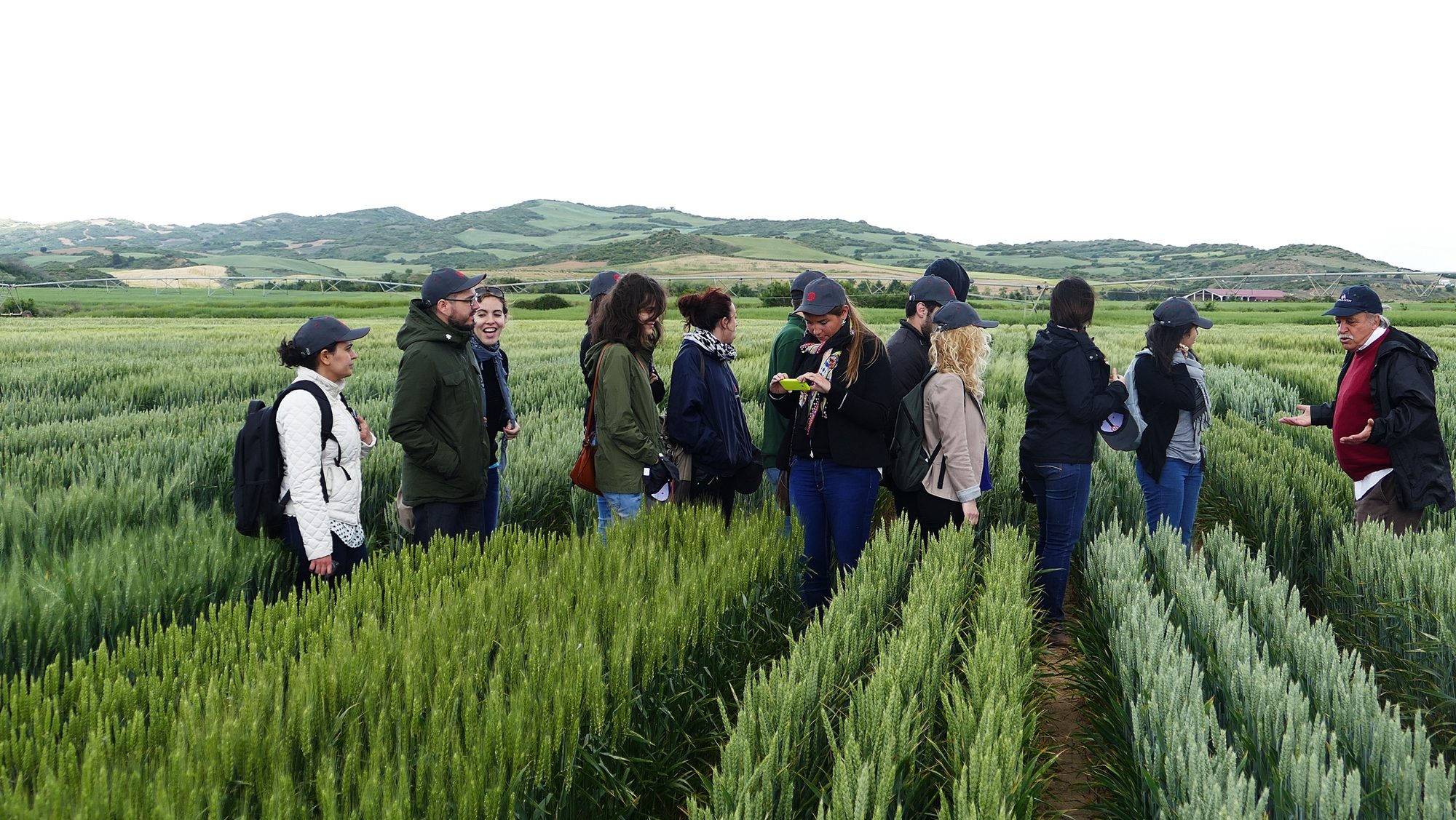
Based on the expertise of internationally renowned lecturers and experts, this highly interdisciplinary master’s degree in Plant Genetics, Genomics and Breeding is organized by CIHEAM Zaragoza, the University of Lleida, ICARDA, CBGP and Agrotecnio, and is completed over two years, full-time. The programme includes an engaging blend of face-to-face coursework, practicals, individual and group work, and an independent research project, as well as visits to firms and research centres. Each edition, the syllabus is fine-tuned to suit current issues in plant biotechnology, genomics and breeding.

The main objective of this master’s programme is to provide students with a comprehensive understanding of modern plant breeding principles, including molecular, genomic, phenomic, and biotechnological techniques, as well as classical selection and breeding methods. Students learn how to assess the pros and cons of each method based on crop species characteristics, breeding objectives, environmental conditions, and socioeconomic context. They also gain the skills necessary to integrate conventional and modern techniques to improve the selection process and develop new varieties and learn how to design breeding programmes for specific crop species in a given region.

This MSc programme is a truly enriching multicultural experience and a unique opportunity to network with professionals from all over the world that equip students to undertake responsibilities in the field of plant breeding, as well as perform high-level scientific research.

More information: http://www.masterplantbreeding.com/
Dates: October 2023-June 2025
Venue: CIHEAM Zaragoza (Spain)
Organizers: CIHEAM Zaragoza and the University of Lleida, in collaboration with ICARDA, CBGP and Agrotecnio
Application deadlines*:
-Candidates that request a scholarship: 2 May 2023
-Candidates that do not request a scholarship or need a visa: 15 September 2023
*Non-European candidates should be aware of visa application deadlines

►Learn about our current offer of International Masters

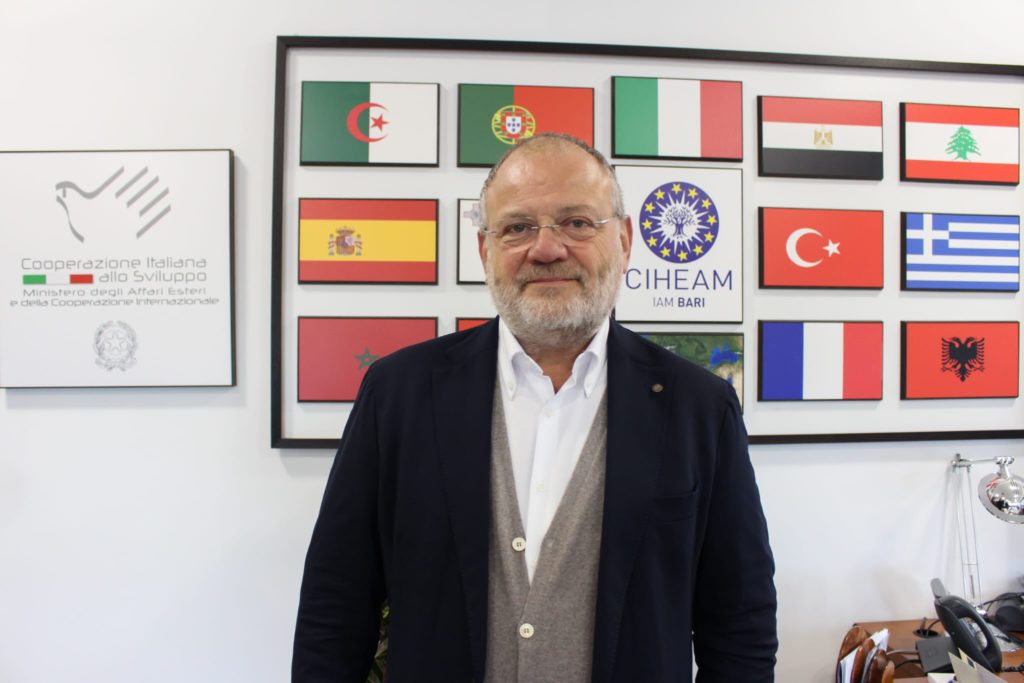
Teodoro Miano takes office as CIHEAM Secretary General

  • On March 1st, Miano took up his duties at the headquarters of the intergovernmental organization in Paris
  • The new Secretary General has been involved in Mediterranean agriculture, sustainable food systems, environmental protection, and agricultural development for more than 30 years

On 1 March 2023 Teodoro Miano took office as Secretary General of the Centre for Advanced Mediterranean Agronomic Studies (CIHEAM) at the intergovernmental organization’s headquarters in Paris. He was appointed during the CIHEAM’s 151st Governing Board meeting held on 18 November 2022.

Miano has been involved in Mediterranean agriculture, sustainable food systems, environmental protection, and agricultural development for more than 30 years.

BIOGRAPHY OF TEODORO MIANO

Teodoro Miano is a Full Professor of Agricultural Chemistry at the Department of Soil, Plant, and Food Science of the University Aldo Moro of Bari (Italy). He is an agronomist and started his academic career after graduating from the University of Basilicata (Italy) in 1987. In 1992, he entered as an Associate Professor at the University of Bari, where he later became a full professor in 2001. He pursued his research in the United States, Germany, Switzerland, and Norway.

Teodoro Miano has been President of the Italian Society of Agricultural Chemistry, President of the European Soil Systems Sciences Division of the European Geosciences Union, and President of the International Humic Substances Society (IHSS).

He has been involved in various committees at the Ministry of Agriculture in Italy, has organized more than 50 national and international events, participated in and coordinated several research projects at the local, national, and international levels, and has been involved in several evaluation committees and editorial boards of international journals. He was also appointed Deputy Dean for International Relationships at the University of Bari Aldo Moro (Italy).

In 1996, Teodoro Miano initiated collaboration with CIHEAM Bari, by participating in their educational programmes and in research and cooperation projects. He has been a senior consultant in a CIHEAM Bari Task Force and was appointed member of the CIHEAM Scientific Advisory Board, becoming president in the second term of office.

In 2018, he was selected by the Ministry of Foreign Affairs and International Cooperation to become Italian Delegate to the CIHEAM Governing Board, where he also acted as one of the vice presidents. On November 2022, during the 151st Meeting of the CIHEAM Governing Board, he was elected Secretary-General of the CIHEAM, taking up office from 1 March 2023.

New impulse to the collaboration between CIHEAM and the OIV

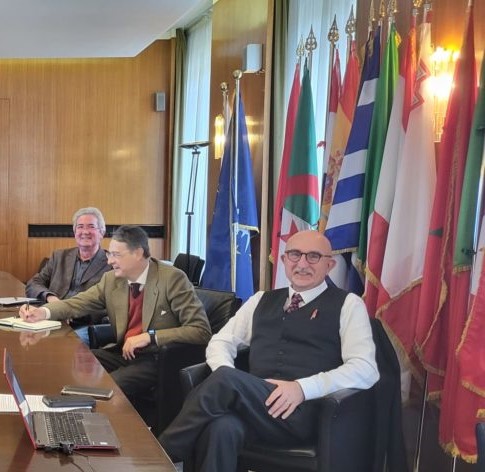
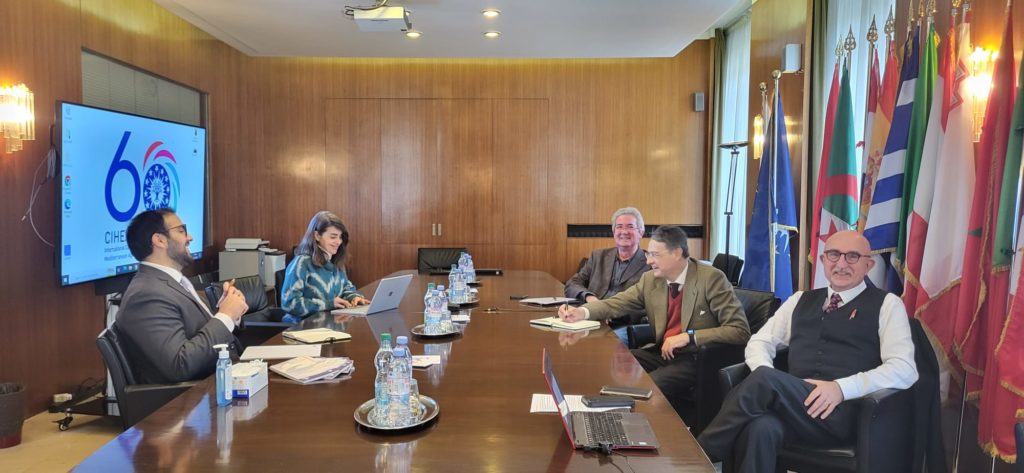
CIHEAM Zaragoza has participated in a joint commission to give a new impulse to the partnership between CIHEAM and the International Organisation of Vine and Wine (OIV).

The two intergovernmental organizations have signed a new MoU to establish a future joint working framework to overcome the new challenges faced by winegrowing systems, especially in matters concerning mitigation and adaptation to climate change and sustainable development.

The renewal of the partnership agreement, signed for the first time in 2006, will reinforce the exchange of scientific and technical knowledge between the two organizations. The main areas of interest include wine tourism, rural development and reduction of the environmental impact of winegrowing activities, as well as issues related to quality, competitiveness, new technologies, digitalization and inclusion in the winegrowing sector.

Joint activities will include:

  • Advanced courses for continuous and specialized learning in the wine sector.
  • Seminars and technical meetings to identify needs and work out solutions in research, development and innovation in the wine sector.
  • Collaboration in the framework of projects and networks devoted to research, development, innovation and technical assistance.
  • Organization and participation in international fora and conferences.

Last year, CIHEAM Zaragoza and the OIV organized a joint scientific session at COP 27 on the resilience of viticulture to climate change in the Mediterranean.

CIHEAM Zaragoza organizes an exhibition in the European Parliament within the framework of the IPMWORKS project

  • Over 40 MEPs and the Commissioner of Agriculture have visited the exhibition showing how Integrated Pest Management is an effective alternative to pesticides

  • Europe is currently debating the reform of the Sustainable Use Directive

  • CIHEAM Zaragoza is Work Package Policy leader of the IPMWORKS project, with 31 partners from 16 European countries

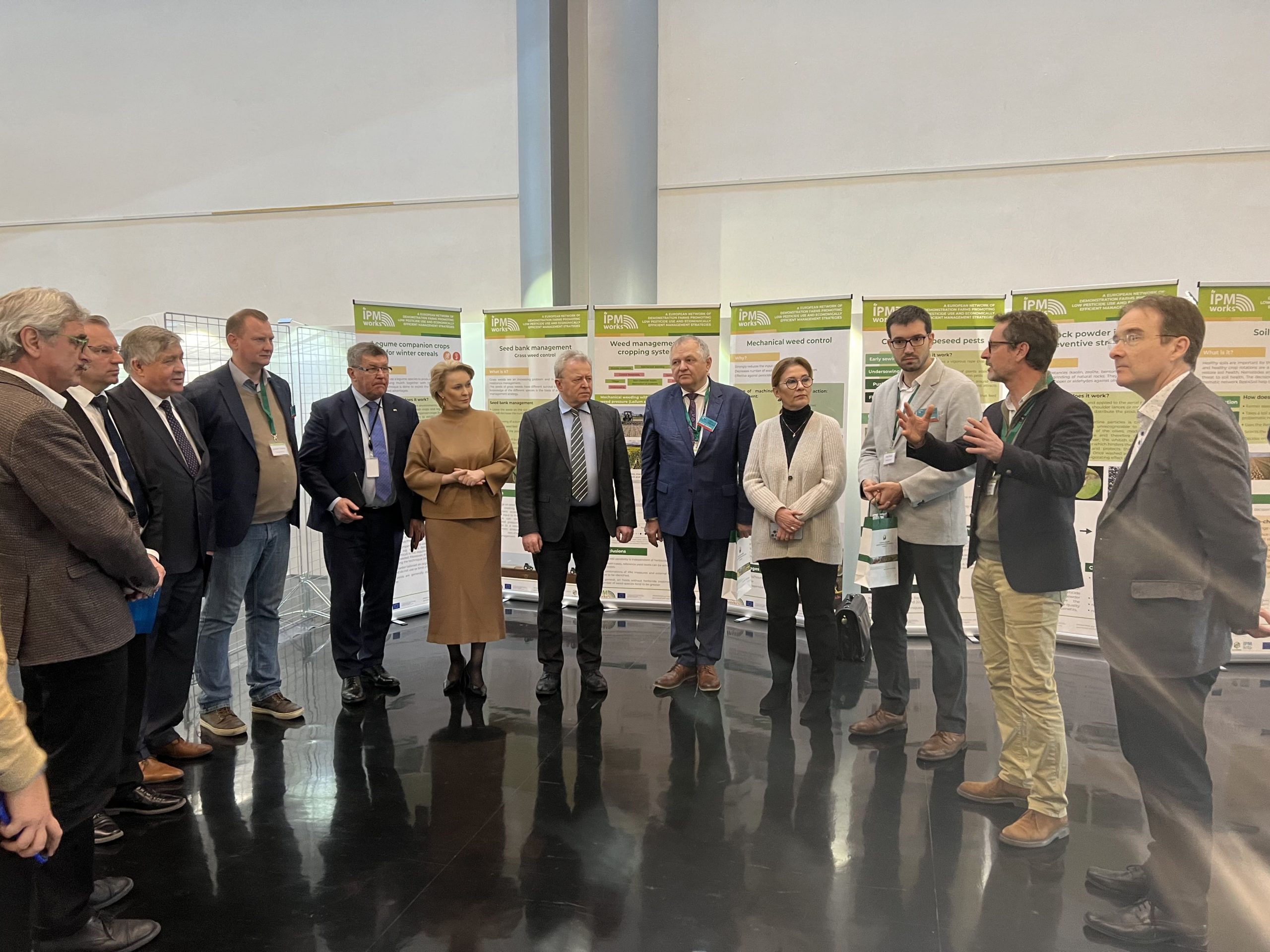
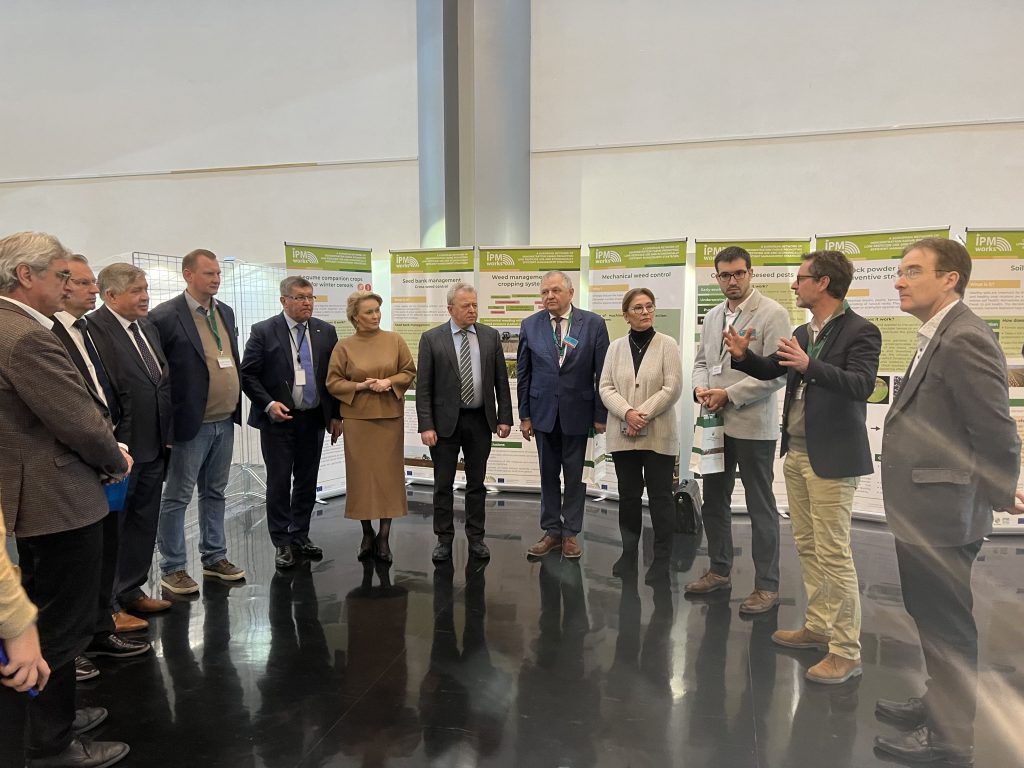
European Commissioner of Agriculture, Janusz Wojciechowski, with MEPs and IPMWORKS project partners at the exhibition in the European Parliament.

CIHEAM Zaragoza organized an exhibition in the European Parliament from 13 to 16 February on Integrated Pest Management (IPM) within the framework of the European research project IPMWORKS. The exhibition “Towards a Europe without pesticides within the framework of the European Green Deal and the reform of the SUD/SUR directive”, refers to a proposal for a Sustainable Use of Pesticides Regulation (SUR) to replace the existing directive (SUD) that is currently being debated in Europe.

The aim of the exhibition was to present IPM as an effective strategy for crop protection. Over 40 MEPs, including the presidents of the AGRI and ENVI Committees, and the European Commissioner of Agriculture, Janusz Wojciechowski, visited the exhibition, where experts from IPMWORKS presented project results and good integrated pest management practices. The display included more than 25 real cases of farmers working to reduce or eliminate pesticides in their daily agricultural practice. They were joined by European project IPMDecisions, as well as IBMA and IFOAM.

CIHEAM Zaragoza’s role in IPMWORKS

IPMWORKS has 31 partners from 16 European countries. CIHEAM Zaragoza’s role in this project is to carry out communication and training activities and lead the Work Package on Policy – the focus of the exhibition held in the European Parliament.

Alun Jones, head of the Projects Unit at CIHEAM Zaragoza, was satisfied with the result in Strasbourg: “A clear outcome was that we need to accompany farmers in the transition towards a targeted and stepwise reduction in pesticides use in farming.”  He went on to say that “this would need significant support from the CAP for demo activities or even from a dedicated funding stream for the ‘IPM transition of conventional agriculture’ in order to ensure real impact at the farm level”.

IPMWORKS shares success stories between European farmers

IPMWORKS started in 2020 with the aim of demonstrating and promoting cost-effective integrated pest management strategies. An important part the project is the network of pioneer IPM farmers that share their knowledge and success stories with other farmers through the project’s demonstration activities.

Nicolas Munier-Jolain from INRAE, France, and IPMWORKS coordinator has pointed out that this project is working in line with the Farm to Fork Strategy of the European Green Deal. “IPMWORKS is working under the umbrella of the Farm to Fork Strategy, which targets a halving of pesticide use and impact. During the exhibition, we had a real opportunity to demonstrate that there are many alternatives to pesticides that some pioneer farmers are using successfully on their farms, with satisfying levels of pest control, productivity and profitability in spite of their reduced use of pesticides.”

A garden of olives to promote peace and cooperation in the Park of the Aljafería in Zaragoza

  • CIHEAM Zaragoza, the City Council of Zaragoza and the Garden of Peace association inaugurate a new garden of 22 olive trees from different parts of the world.

  • Through this initiative, CIHEAM, – an international point of reference in agriculture and food cooperation – strengthens links with Zaragoza, where it was established over fifty years ago.

The garden is located in a magnificent location, beside the Palace of the Aljafería.

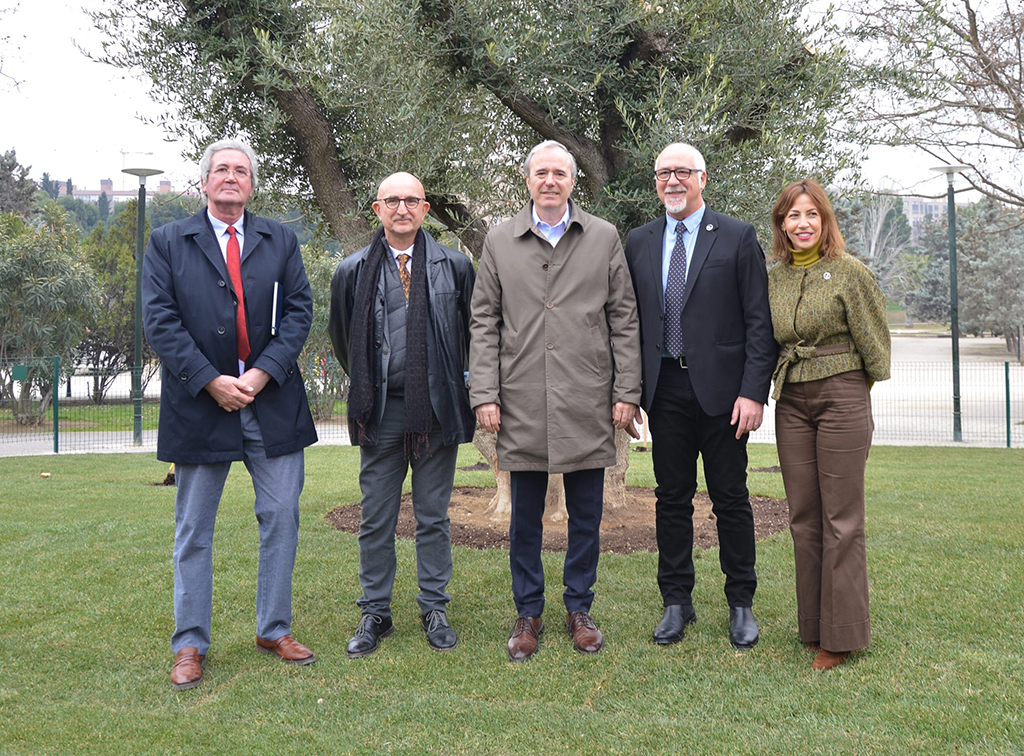
The Mayor of Zaragoza, Jorge Azcón, together with the Councillor for Public Services and Mobility, Natalia Chueca, the Secretary General of CIHEAM, Plácido Plaza, Director of CIHEAM Zaragoza, Raúl Compés, and the President of the Garden of Peace association, Francesco Serafini, have gathered on February 21 to inaugurate the Garden of Peace in the Park of the Aljafería in Zaragoza. This new space, made up of 22 olive trees from different parts of the world, is a step forward to enhance relations between cultures and promote peace and cooperation.

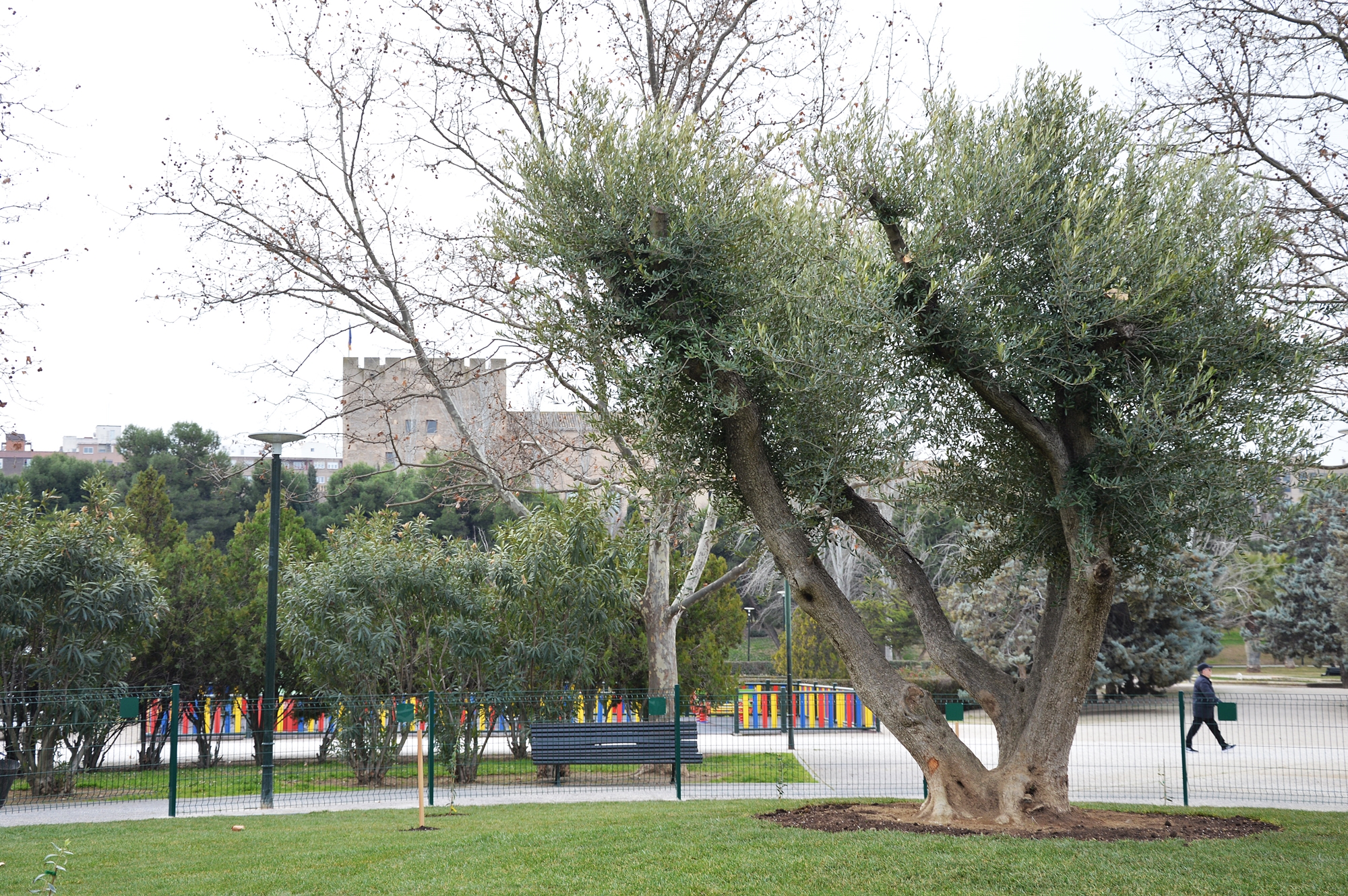
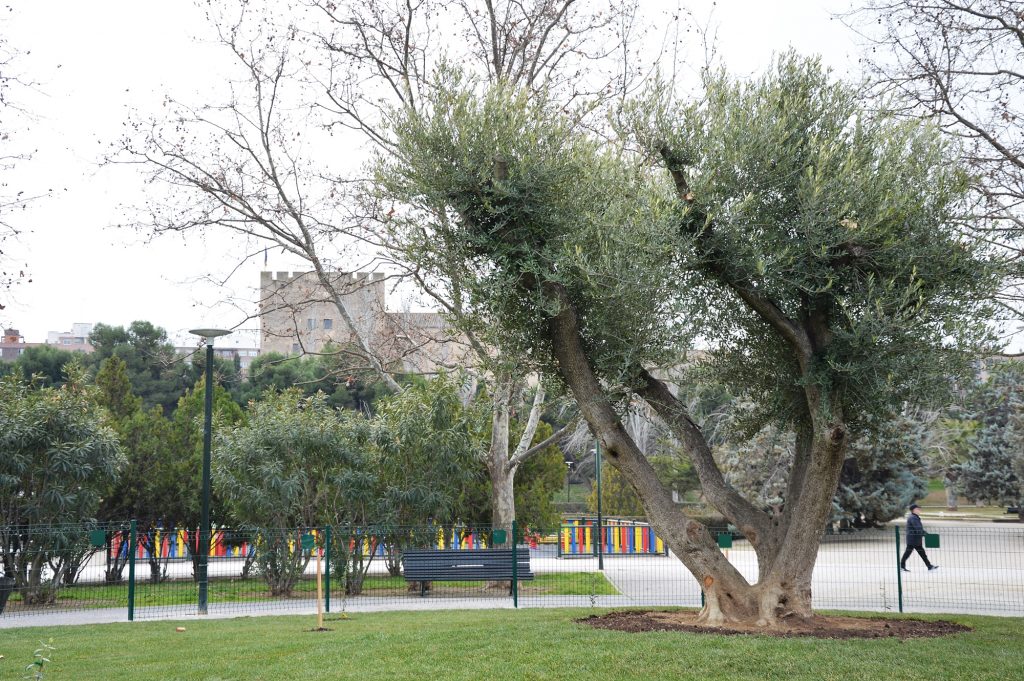
The garden has a circular design and boasts a collection of olive trees from the World Olive Germplasm Bank (Córdoba, Spain), representing 21 major olive-growing countries (Albania, Algeria, Argentina, Croatia, Cyprus, Egypt, France, Greece, Iran, Israel, Italy, Lebanon, Morocco, Palestine, Portugal, Slovenia, Spain, Syria, Tunisia, Turkey and the United States). The trees are arranged in two rings around an ancient olive tree from the city of Zaragoza of the most commonly produced variety in Aragon – the Empeltre.

The 22 trees are planted in a magnificent location, beside the Palace of the Aljafería, a jewel of Hispano-Muslim art and a fine example of the Mudejar architecture of Aragon included in the UNESCO World Heritage list. Francesco Serafini, president of the Garden of Peaceassociation, talks about the initiative: “This is an ideal place for a project that promotes dialogue between cultures. In the shade of the olive tree we can gather together to rekindle a spirit of cooperation”.

The olive: strategic crop and symbol of identity of the Mediterranean basin

For an organization such as CIHEAM, devoted to cooperation in the Mediterranean, the Garden of Peace is a project full of symbolism that enables the Centre to strengthen ties with the city of Zaragoza, where it was founded over 50 years ago. In the words of Plácido Plaza, CIHEAM Secretary General: “Besides its strategic value for the economy of the region, the olive is a Mediterranean symbol of identity and fraternity. Being a prominent part of our institutional emblem the olive tree also represents us as an organization”.

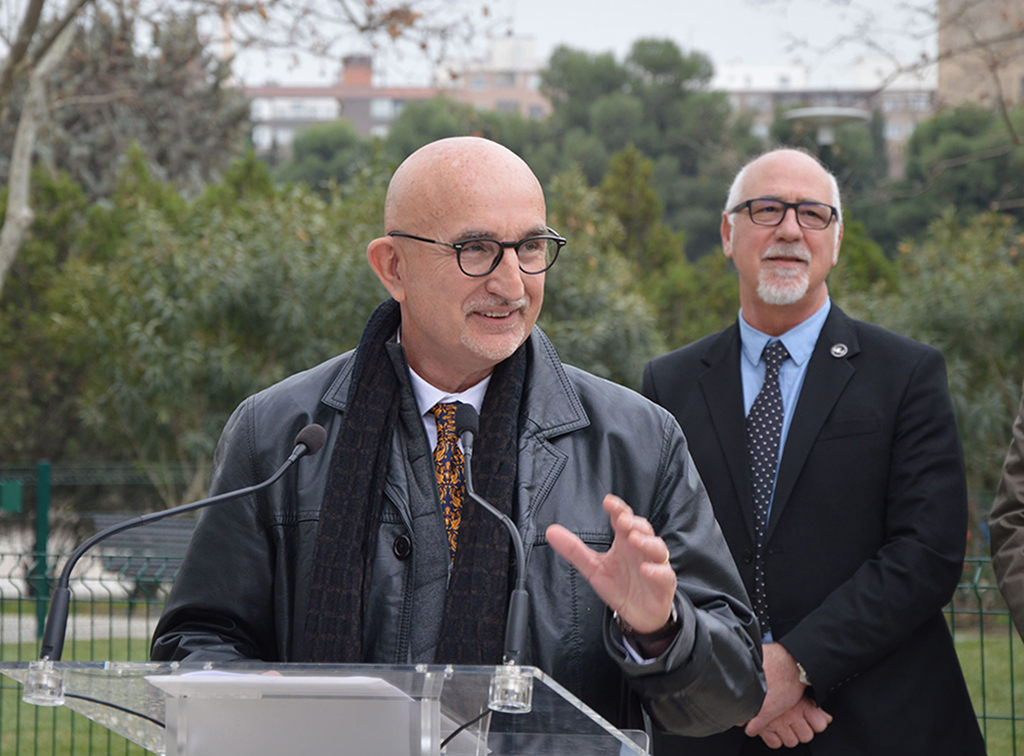
Director of CIHEAM Zaragoza, Raúl Compés, during the inauguration.

From left to right: Secretary General of CIHEAM, Plácido Plaza, Director of CIHEAM Zaragoza, Raúl Compés, the Mayor of Zaragoza, Jorge Azcón, the President of the Garden of Peace association, Francesco Serafini, and the Councillor for Public Services and Mobility, Natalia Chueca.

The Director of CIHEAM Zaragoza, Raúl Compés, highlights the place held by this Mediterranean crop in the activities of the organization. “The olive tree plays a central role in many of our training and research activities, such as the International Master in Olive Growing and Oil Technology that has been training professionals, technical specialists and managers in the sector for 30 years”.

Situated on the Campus de Aula Dei, one of the most prestigious agricultural research complexes in Spain, CIHEAM Zaragoza comes closer to Zaragoza’s citizens and visitors thanks to this Garden of Peace. Compés adds: “We would like this new space to host activities linked to our values and our mission of cooperation in Mediterranean agriculture and food”.

A project of CIHEAM Zaragoza, the City Council of Zaragoza and The Garden of Peace

The Garden of Peace arises from an agreement signed a few months ago between the City Council of Zaragoza, CIHEAM Zaragoza and the Garden of Peace association. For the mayor of the city of Zaragoza, Jorge Azcón, “this agreement is another example of our willingness to collaborate with any initiative in line with environmental sustainability that we have been developing in recent years, especially when it is based on the values of tolerance, harmony and peace”.

To date, counting the olive garden inaugurated today in Zaragoza, there are 6 Gardens of Peace across the world (1 in Italy, 2 in Greece and 3 in Spain). This network is expected to increase soon and spread to new countries such as Argentina, Brazil and Jordan.

COUNTRIES AND VARIETIES REPRESENTED

The Garden of Peace of Zaragoza has an information panel explaining the project with a list of all the olive tree varieties and their countries of origin. A QR code provides more information about the specific characteristics of each olive variety and about the international Garden of Peace project.

This is complete list of countries and varieties represented:

Albania: Mixani
Algeria: Chemlal de Kabylie
Argentina: Arauco
Croatia: Lastovka
Cyprus: Kato Drys
Egypt: Toffahi
France: Verdale de l’Hérault

Greece: Koroneiki
Iran: Zard
Israel: Barnea
Italy: Frantoio
Lebanon: Soury
Morocco: Picholine marocaine
Palestine: Nabala Baladi

Portugal: Cobrançosa
Slovenia: Buga
Spain: Empeltre and Picual
Syria: Zaity
Tunisia: Chétoui
Turkey: Gemlik
USA: Mission

Sustainable development and international cooperation: Elio’s internship experience at CIHEAM Zaragoza

  • As an MSc graduate in Area and Global Studies for International Cooperation from the University of Turin, Elio Sallustio has spent three months at CIHEAM Zaragoza working at the Projects’ unit
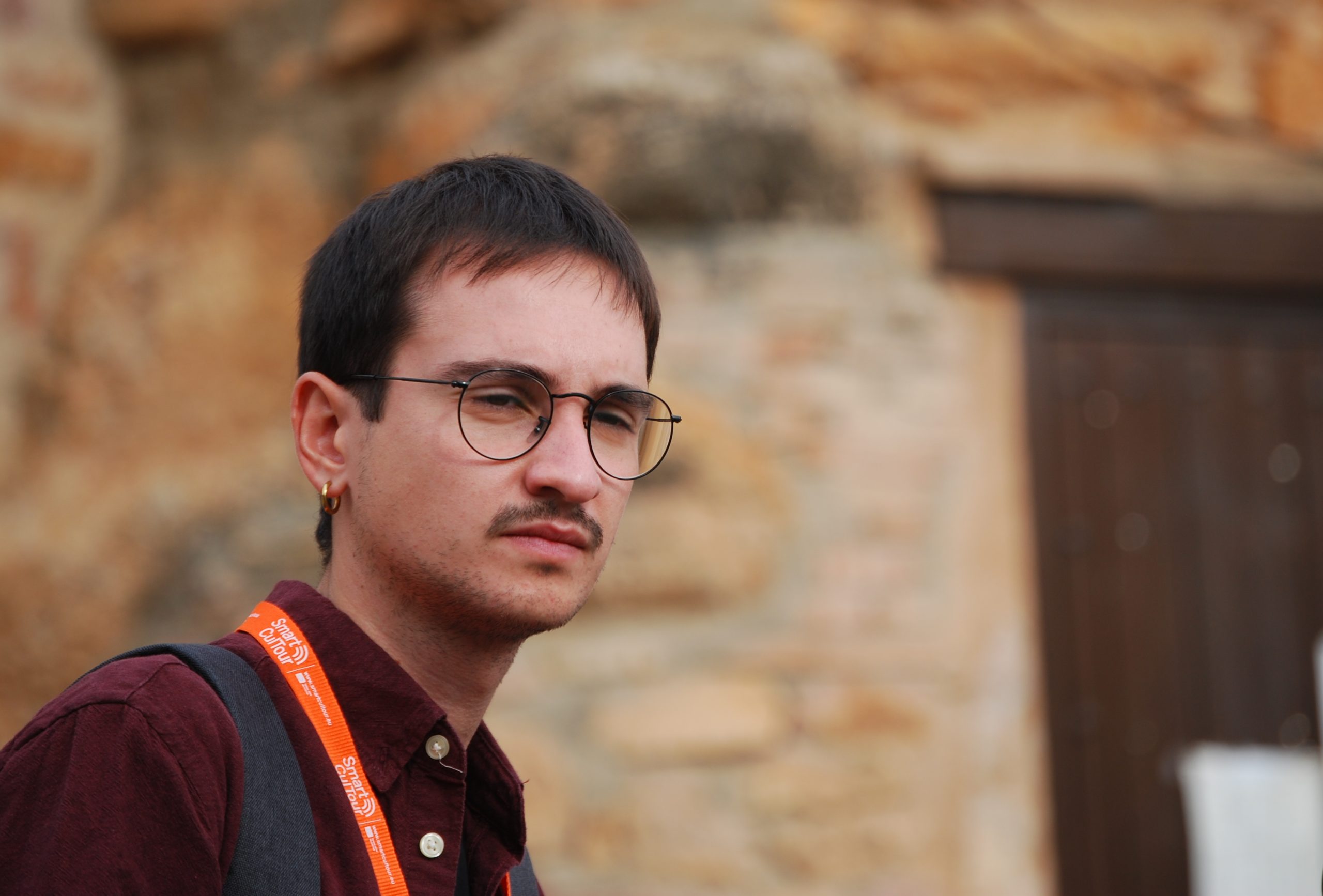
Living Lab exchange as part of the H2020 SmartCulTour project

Elio Sallustio holds a Master’s degree in Area and Global Studies for International Cooperation (AGIC) from the University of Turin, a programme that aims to provide students with the skills required to operate in international cooperation with a solid background in the interdisciplinary field of area studies and unique competencies concerning a specific geographic/cultural area.

Elio’s academic background also includes International and Italian Law and international relations although his main interest is Mediterranean international cooperation and sustainable rural and local development practices. His countries of specialisation are Italy, Libya, and Syria.

Elio has spent three months at CIHEAM Zaragoza working at the Projects’ unit. We have asked him about his experience at our organization.

This is the testimonial he has shared with us:

It has been over two months since the end of my internship period at the Mediterranean Agronomic Institute of Zaragoza (CIHEAM Zaragoza). These have been dense and fruitful months in a stimulating working environment with many beautiful people who have marked my path towards international cooperation. As a master’s student in Area and Global Studies for International Cooperation, I worked for the Institute’s Project Unit with Alun Jones, Antonio López-Francos, Diego Lozano, and Beatriz Gómez. They contributed to my professional training and introduced me to the world of CIHEAM from the very beginning. Furthermore, they were working on the generation of ideas and tools aimed at regional development. Their experience and their way of getting involved taught me a lot.

During my training, I was personally involved in supporting the project management of a large European project on sustainable regional development called “SmartCulTour”. The project, financed by the Horizon 2020 programme, is a four-year project aimed at supporting regional development in all European regions with important tangible and intangible cultural assets, including those located in rural peripheries and the urban fringe, through sustainable cultural tourism. One of the challenges of this project is to transfer the results to CIHEAM non-European countries, where this kind of tools are less developed.

Participating in the project’s activities allowed me to meet incredible people and to get closer to the world of cooperation, together with the Sustainable Development Goals’ practical implementation and the magical territory of Aragon. I’ve had the privilege of supporting impressive development initiatives unique in Europe. The Rio Vero Cultural Park, rural and resilient communities such as Alquézar, Buera, Huesca, and the Somontano wine-route experience are just small pieces of a wider development plot that involves the productive sector, public administrations, and development agencies.

The Institute is also an educational institution. Each development project or project proposal relies on the personnel’s expert scientific advice. I think that being able to combine scientific research with any project idea is indispensable in the international cooperation world. The capability to innovate or propose a new, resilient way to cooperate is inevitably linked to the scientific effort. And, of course, innovations bring sustainable solutions for the future of our planet.

Finally, choosing CIHEAM has been an opportunity to get to know its international network. The Zaragoza Institute operates within the European (and non-European) groups. The Greek, Italian, and French institutes work jointly under the supervision of the headquarters in Paris. Having a solid organisation with a clear and joint Mediterranean mission at your side gives you more creative opportunities and a political attitude to international solidarity. I want to thank the Spanish Institute staff, the friends who accompanied me on this journey and the Institute’s Director, Raúl Compés, for supporting me along the way. Special thanks go to my tutor Ramzi Belkhodja, and all the people who helped me during these months.

I hope our paths will cross again, and may the future bring peace and solidarity between people and the Mediterranean.
 
Elio Sallustio
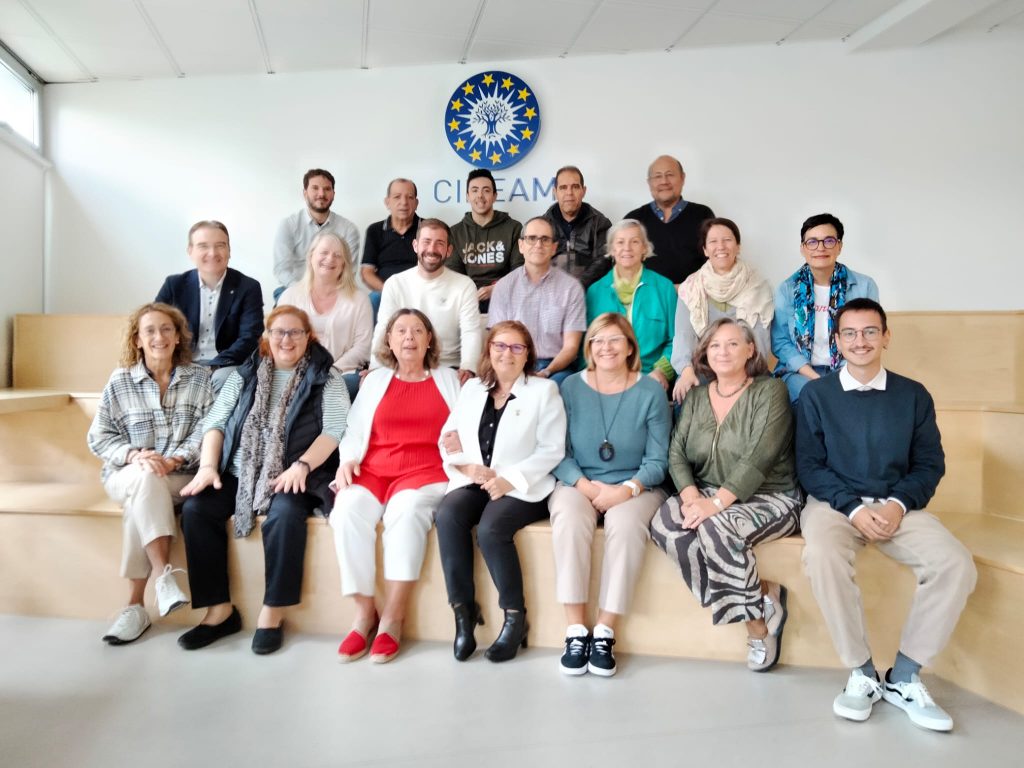
Family picture with some members of CIHEAM Zaragoza staff