Alternative and emerging feed and forage resources in the Mediterranean region

  • New advanced course organized by CIHEAM Zaragoza and the Food and Agriculture Organization of the United Nations (FAO) with the collaboration of the FAO-CIHEAM Networks on Pastures and Forages (Mediterranean subnetwork) and on Sheep and Goats (Nutrition subnetwork).
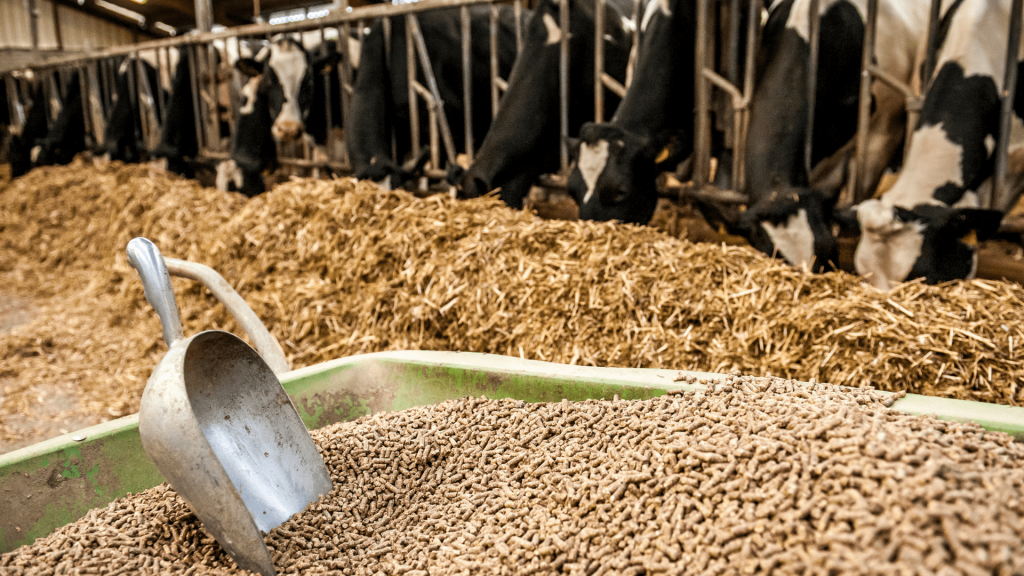
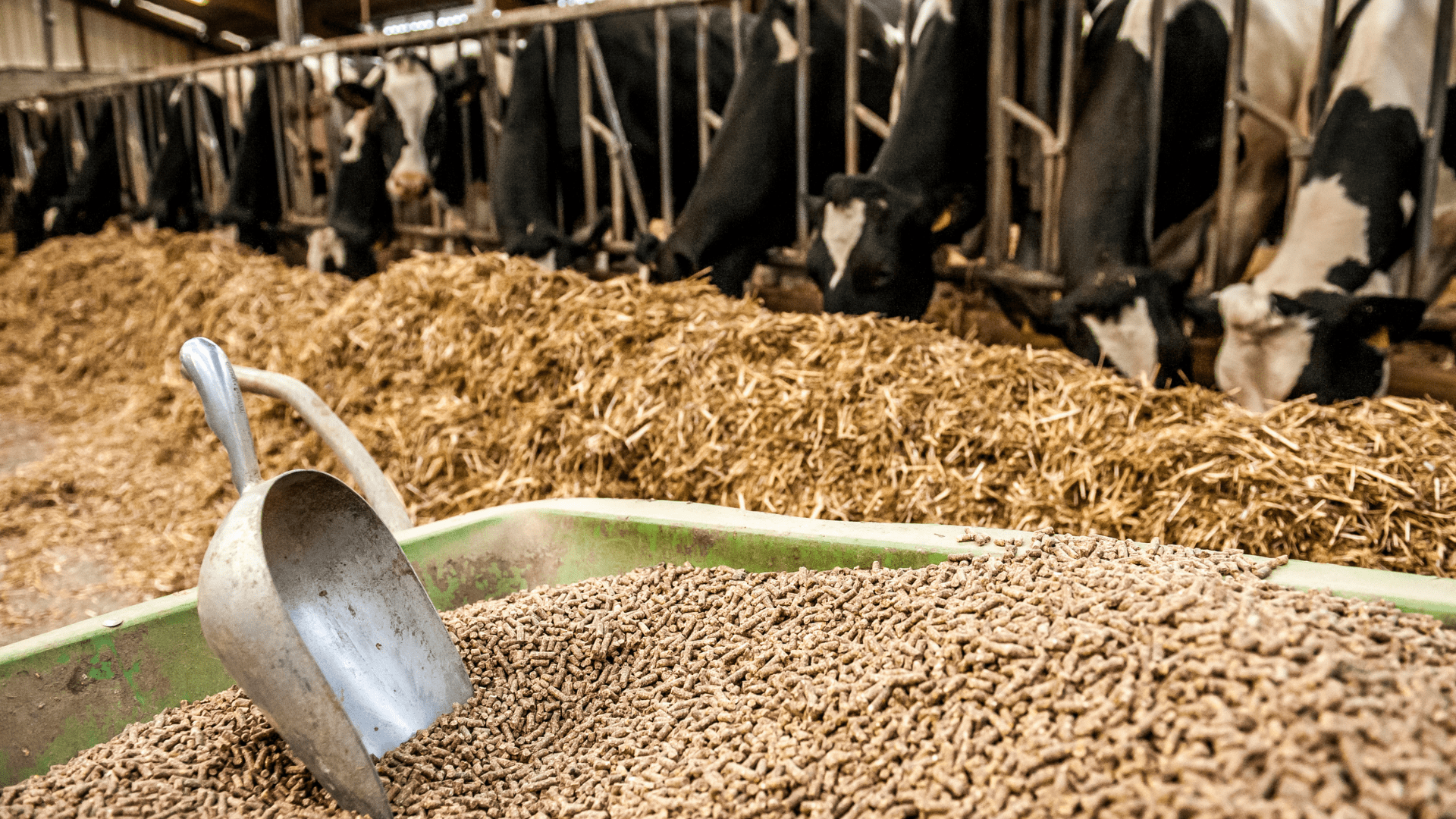
Most livestock farms in the Mediterranean region rely on conventional resources such as cereals (i.e. corn, barley, wheat) and legumes (i.e. soybean) to feed their animals. These conventional feeds are often imported, with supply chains and prices subject to global geopolitical and economic circumstances that may condition the viability of the livestock industry in importing countries. To avoid this, both policy-makers and the livestock industry are increasingly promoting feed self-sufficiency. This strategy implies feeding animals with alternative and emerging feed and forage resources that could partially or fully replace the conventional imported feeds. These resources include forages, cereals and legumes fit to grow under local climatic conditions, or by-products from the food, fibre and fuel industry.

In this context, CIHEAM Zaragoza and the Food and Agriculture Organization of the United Nations (FAO), with the collaboration of the FAO-CIHEAM Networks on Pastures and Forages (Mediterranean subnetwork) and on Sheep and Goats (Nutrition subnetwork), have organized a course to provide information on science-based advances and applied knowledge regarding the use of alternative and emerging feed and forage resources in the Mediterranean region. This will be achieved through interactive lectures and case studies showing innovative experiences on how alternative and emerging feeds could be used to solve practical problems related with animal feeding.

The course will be given by well-qualified lecturers from international and national research centres and universities of different countries. It is oriented towards public and private planners and decision-makers, technical advisors, livestock producers, R&D, industry and other professionals involved in the innovation of animal feeding and forage resource management. Apply now!

CIHEAM Zaragoza increases the number of research and cooperation projects to 10 in 2023

  • This year the Institute will be undertaking new projects on the role of women in rural areas, health and safety conditions for farmers, legume breeding and multi-actor knowledge building
  • In these projects CIHEAM Zaragoza will be working with institutions from numerous countries to make progress in sustainable development and social inclusion in the agrifood sector

CIHEAM Zaragoza has received 1,249,000 euro from the Horizon Europe programme of the European Commission to participate in four new research and cooperation projects. They will address the role of women in rural areas, farmers’ health and safety, legume breeding and multi-actor knowledge building. Three of the new projects –GRASS CEILING, SAFEHABITUS and PREMIERE– commenced on 1 January, and the fourth – BELIS– is envisaged to start in September 2023. This brings the number of projects in which CIHEAM Zaragoza is engaged up to ten, with European financing of 2,400,000 euro.

Alun Jones, head of the Projects Unit of CIHEAM Zaragoza, has pointed out the important role played by international partnerships for the development of these projects and the emphasis placed on the social aspect of European funding. “Through these new projects we will be networking with institutions from several countries to make progress in sustainable development and social inclusion in the agriculture and food sector, addressing important issues such as improvement of working conditions for farmers or women’s leadership in the rural world”.

SAFEHABITUS and GRASS CEILING: research with social impact

The SAFEHABITUS project will run for four years and will study, analyse and strive to improve working conditions and occupational health and safety in the rural world. In this framework, CIHEAM Zaragoza will lead efforts to support European and national policy-making and will contribute with other lines of work, including the conditions of migrant workers in agriculture, CAP social conditionality and ethical working conditions in agricultural and food production.

Over the next 3 years, the GRASS CEILING project will boost women-led innovation initiatives in farming and rural areas. CIHEAM Zaragoza will take the lead in communication, dissemination and exploitation of project results that will include an online training programme.

BELIS and PREMIERE: sustainability and innovation in agriculture

The BELIS project will be working over 5 years on legume breeding, in an effort to strengthen the sustainability and competitiveness of this sector in Europe. The project has 34 partners from 17 countries with a strong presence of CIHEAM member states, including south-eastern Mediterranean countries. CIHEAM Zaragoza will lead the project’s dissemination, communication and training work.

The PREMIERE project, lasting 5 years, seeks to improve the quality of multi-actor proposals and projects that are presented to calls in the European agriculture sector. Among other lines of work, CIHEAM Zaragoza will create a multi-actor Mediterranean network and an online academy to train future applicants for European funds in best practices in multi-actor fund raising.

 More information about CIHEAM Zaragoza’s projects

Measurement and actions to reduce food losses and waste and enhance food system sustainability

  • New advanced course organized by CIHEAM Zaragoza and the Food and Agriculture Organization of the United Nations (FAO)
Food loss and waste

Globally, about 14% of food is lost post-harvest up to the wholesale market, while another 17% is wasted at the retail and consumer level. Over the last decade, food loss and waste has given rise to increasing research efforts and has also become a political priority in a context of global food security, with increasing demand on resources and environmental pressures. Included in the UN Sustainable Development Goals (SDGs), reducing food losses and waste helps to improve food systems sustainability, natural resource use efficiency, and the impact on economic and social well-being.

SDG target 12.3: By 2030, halve per capita global food waste at the retail and consumer levels and reduce food losses along production and supply chains, including post-harvest losses

In this context, CIHEAM Zaragoza –together with the Food and Agriculture Organization of the United Nations (FAO)– has organized an updated and upgraded advanced course addressing issues related to food losses and waste. Through this programme, participants will gain a better understanding of the causes and drivers of both food losses and waste and how to measure them in order to implement successful interventions. A particular focus will be placed on developing a methodological framework to assess and monitor the effectiveness of prevention and reduction strategies.

The course is addressed to decision-makers, administration officers, food producers, managers and marketers, technical advisors, researchers and NGO and NPO professionals working on or concerned with the implementation of programmes to reduce food loss and waste and, in general, with sustainability of food systems.

A unique opportunity to connect and network with professionals from other countries, share insights about measurement and reduction of food losses and waste, and strengthen cooperation to address global food security and environmental issues. Apply now!

  • Dates: 29 May – 2 June 2023.
  • Organizers: CIHEAM Zaragoza and the Food and Agriculture Organization of the United Nations (FAO).
  • Venue: CIHEAM Zaragoza (Spain).
  • Modality: Hybrid.
  • More information: https://edu.iamz.ciheam.org/FoodLossAndWaste/en/

Livestock farming is making progress in measuring and mitigating environmental impact

  • CIHEAM Zaragoza strengthens cooperation with a course delivered to professionals from four continents

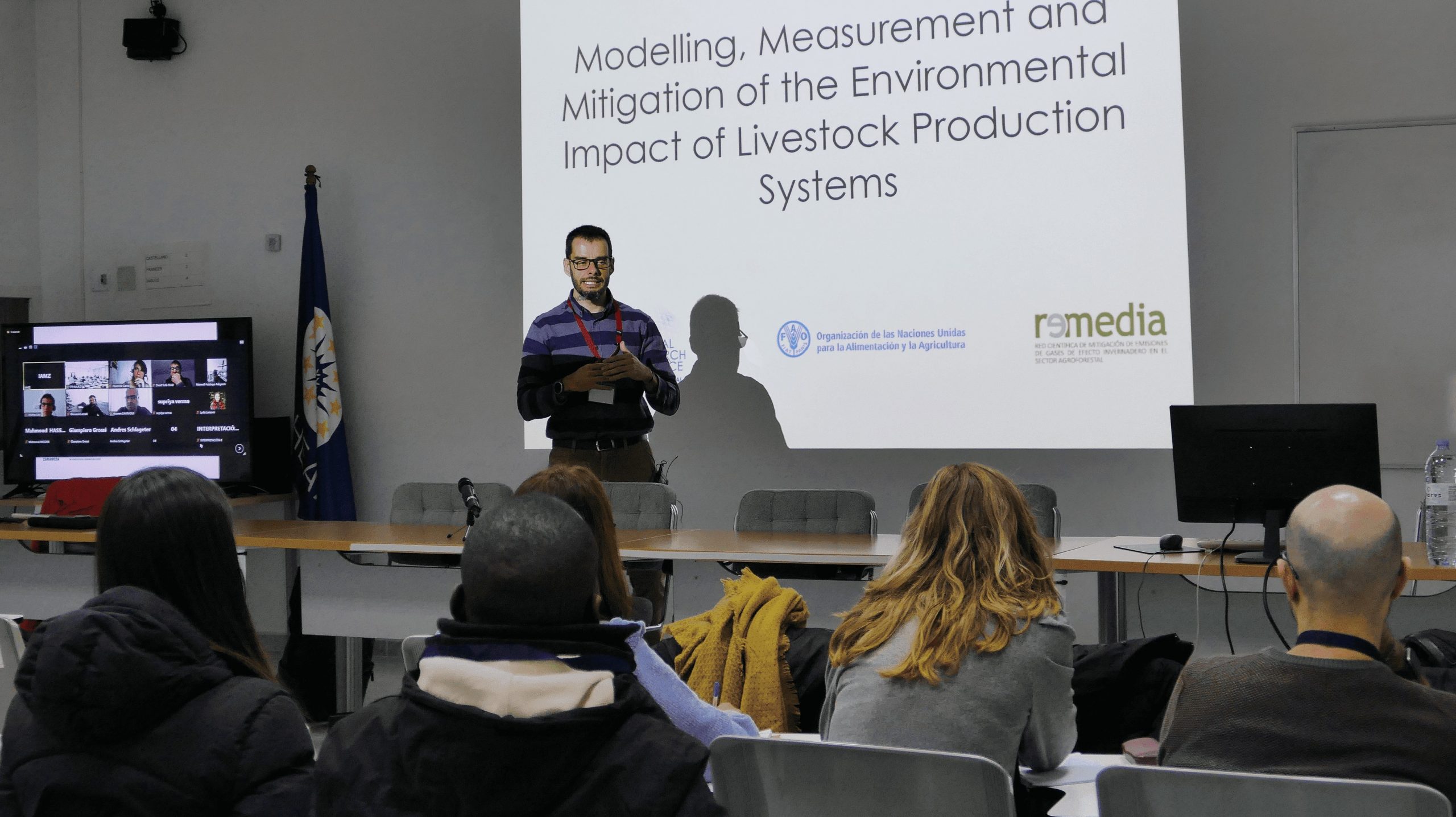
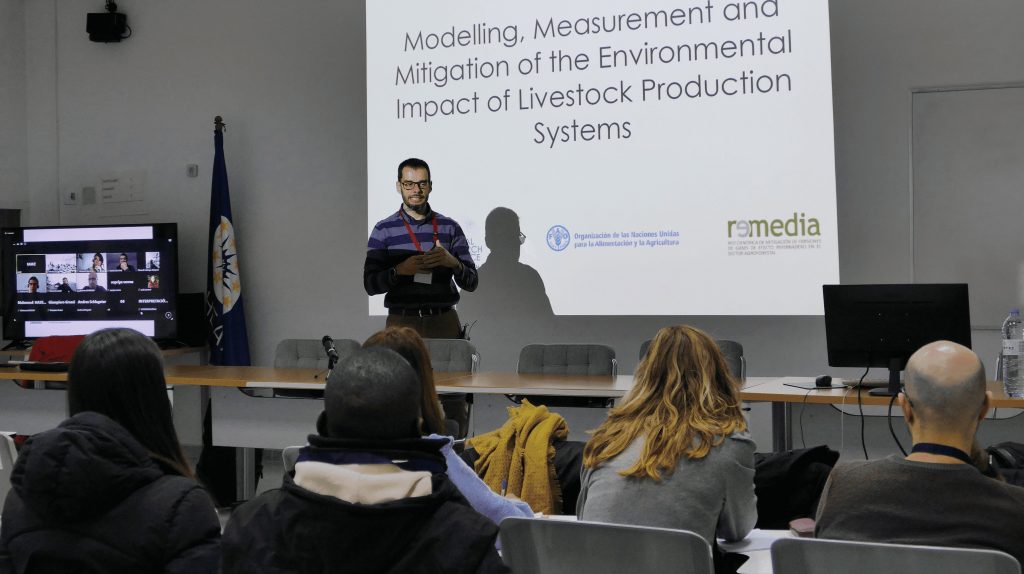
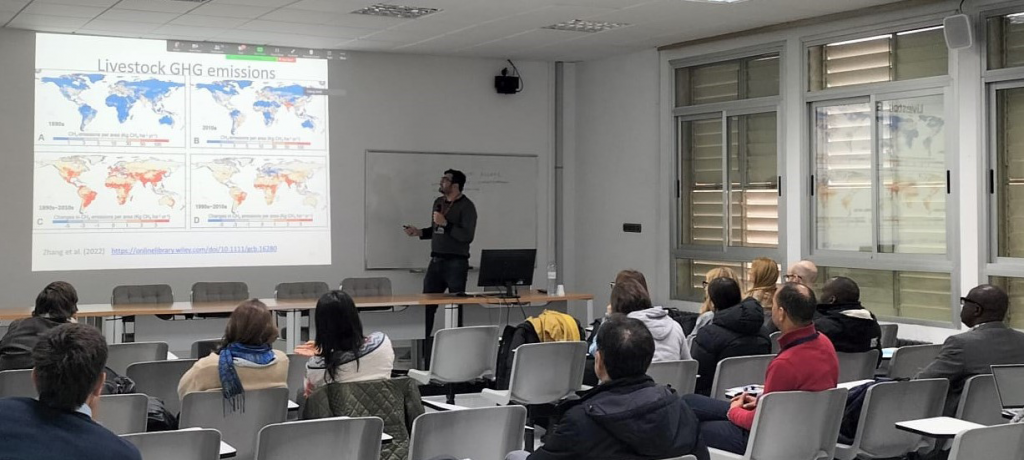
Professionals in the animal production sector from four continents have gathered at CIHEAM Zaragoza from 12 to 16 December to take part in a course on modelling, measuring and mitigating the environmental impact of livestock production systems. This initiative reveals growing interest from the sector in moving towards more sustainable production models.

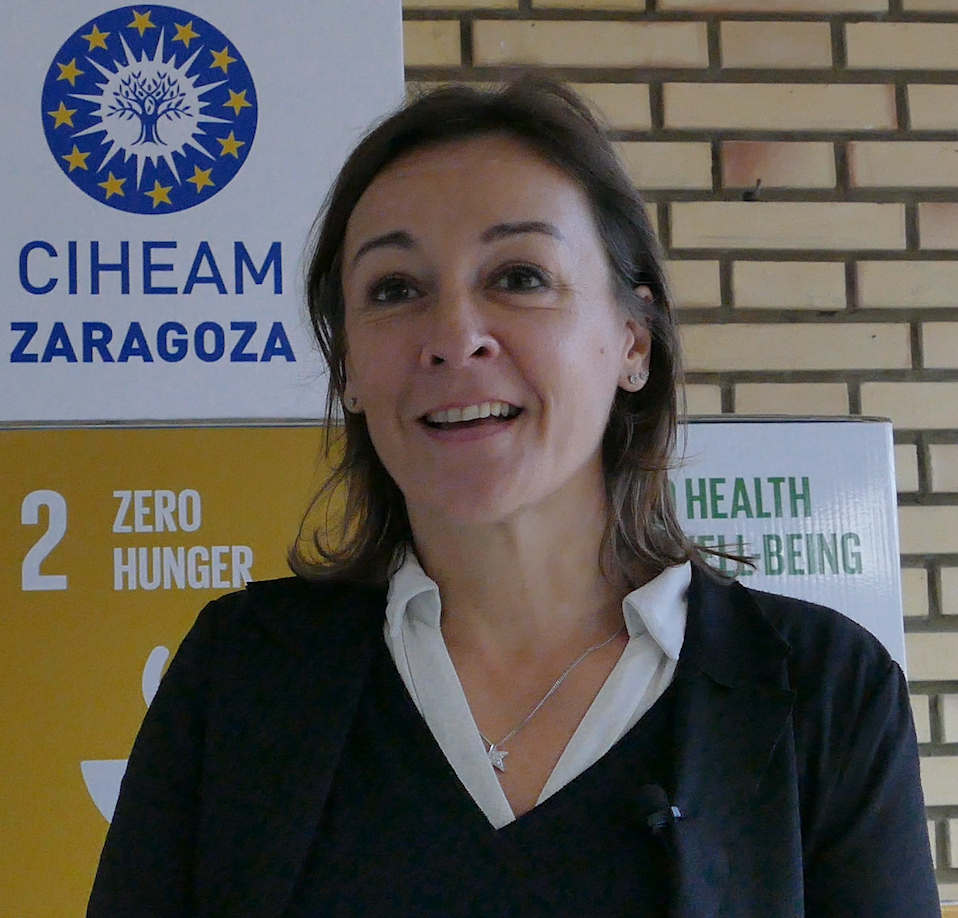
Anne Mottet, livestock development officer from the Food and Agriculture Organisation of the United Nations (FAO) and lecturer on the course, shares her reflections on participation:  “We have organized previous editions on similar topics and we are getting more applications from participants every year and from more and more countries. I have the feeling that the scientific and technical level of the participants is increasing. There is more interest in the topic and they are becoming very good at this topic of mitigating the environmental impact in livestock farming”.

The degree of interaction between professionals participating in the course shows the advances that the sector is making to mitigate its environmental impact and at the same time increasing its capacity to deal with climate change. This is a challenge for which cooperation through training is a necessary tool.

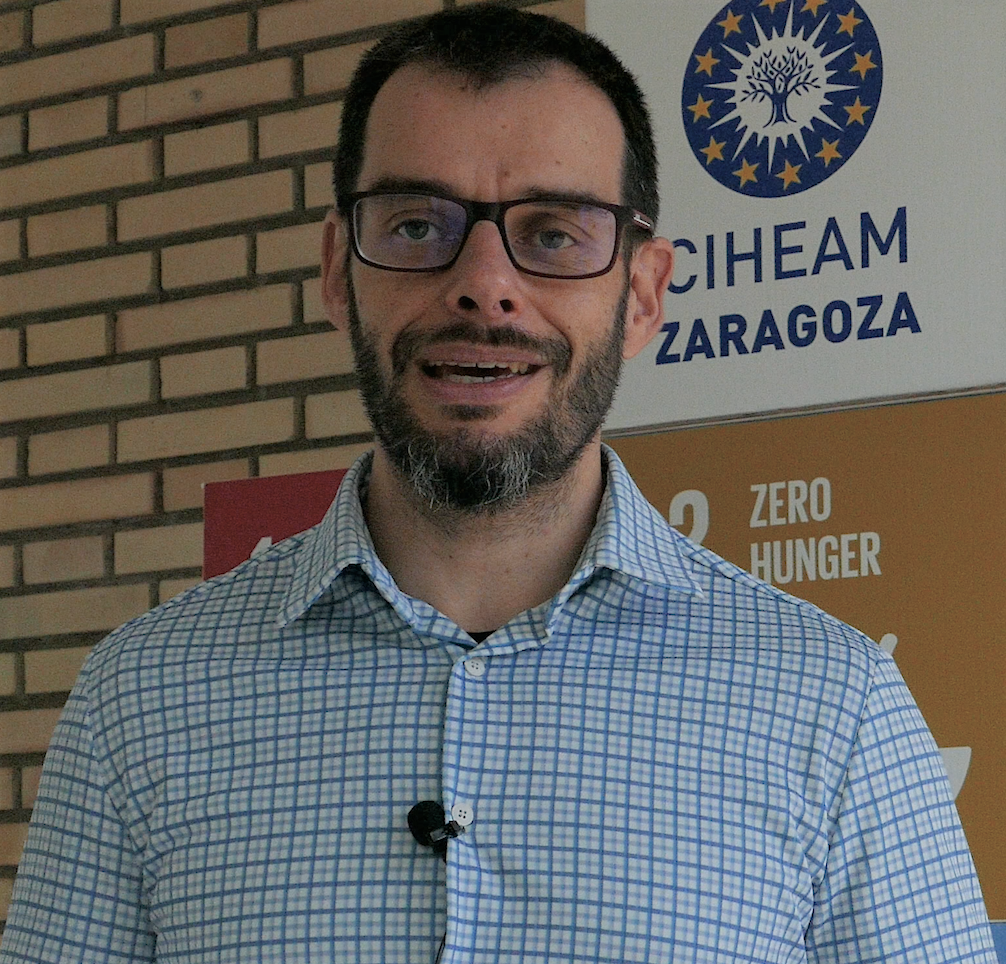
Fernando Estellés, researcher from the Polytechnic University of Valencia and scientific coordinator of the course, talks about the training: “I think that the most enriching part of this course is the exchange of experiences, learning what has been done in other places, to be able to export certain technologies or resources. We all help each other, learn from others’ successes and mistakes and that takes us all forward”.

Environmental impact is hard to summarize in one figure

According to estimations from the FAO, the value chains of the livestock sector produce 14. 5 % of all the anthropogenic greenhouse gas emissions. This is the closest figure available to date on their environmental impact. But for this expert there is still a great deal of work ahead to be able to get a full picture.

Estellés goes on to say: “For many years we have been trying to determine exactly what the real environmental impact of the livestock sector is. As good scientists do, we are asking more and more questions, and now we have even more questions than answers. We are covering ground that is difficult to assess. Even though we can talk about the carbon footprint or greenhouse gas emissions, livestock farming has other very positive impacts on the social fabric, and on nutrition and food supply that are difficult to assess, but nonetheless they still exist”.

Each production system requires a different mitigation strategy

In environmental impact mitigation in livestock production, we have to take into account the different animal species and production systems. Extensive grazing systems may, for example, lead to land degradation or loss of biodiversity, whereas large-scale industrial production systems such as poultry and swine production can cause manure management or energy consumption problems.

Mottet explains: “In extensive livestock systems such as in the Sahel or Central Asia, environmental impact can be limited by avoiding land degradation and we can help production to improve in terms of avoiding waste and loss, and by improving animal health. In other systems, for example in Europe or North America, we can avoid feed-food competition”.

43 professionals from 19 countries

The course, held at CIHEAM Zaragoza, was attended by 43 professionals from 19 countries (Algeria, Argentina, Bangladesh, Chile, Egypt, Germany, Iran, Italy, Morocco, Nigeria, Portugal, Rwanda, Spain, Switzerland, Tunisia, Turkey, Uganda, United States and Uruguay).

The course was organized by CIHEAM Zaragoza, together with the Global Research Alliance on Agricultural Greenhouse Gases (GRA) and the FAO, and with the collaboration of the Red Remedia network. Its main objective was to provide basic methods to assess the environmental impact of different livestock production systems.


[VIDEO] SEE WHAT THE EXPERTS HAVE TO SAY

Mediterranean agriculture and food systems in a time of climate change and agrifood crisis

  • More than 70 studies were presented during the Mediterranean Forum by Doctoral Students and Young Researchers that took place at CIHEAM Chania (Crete, Greece)

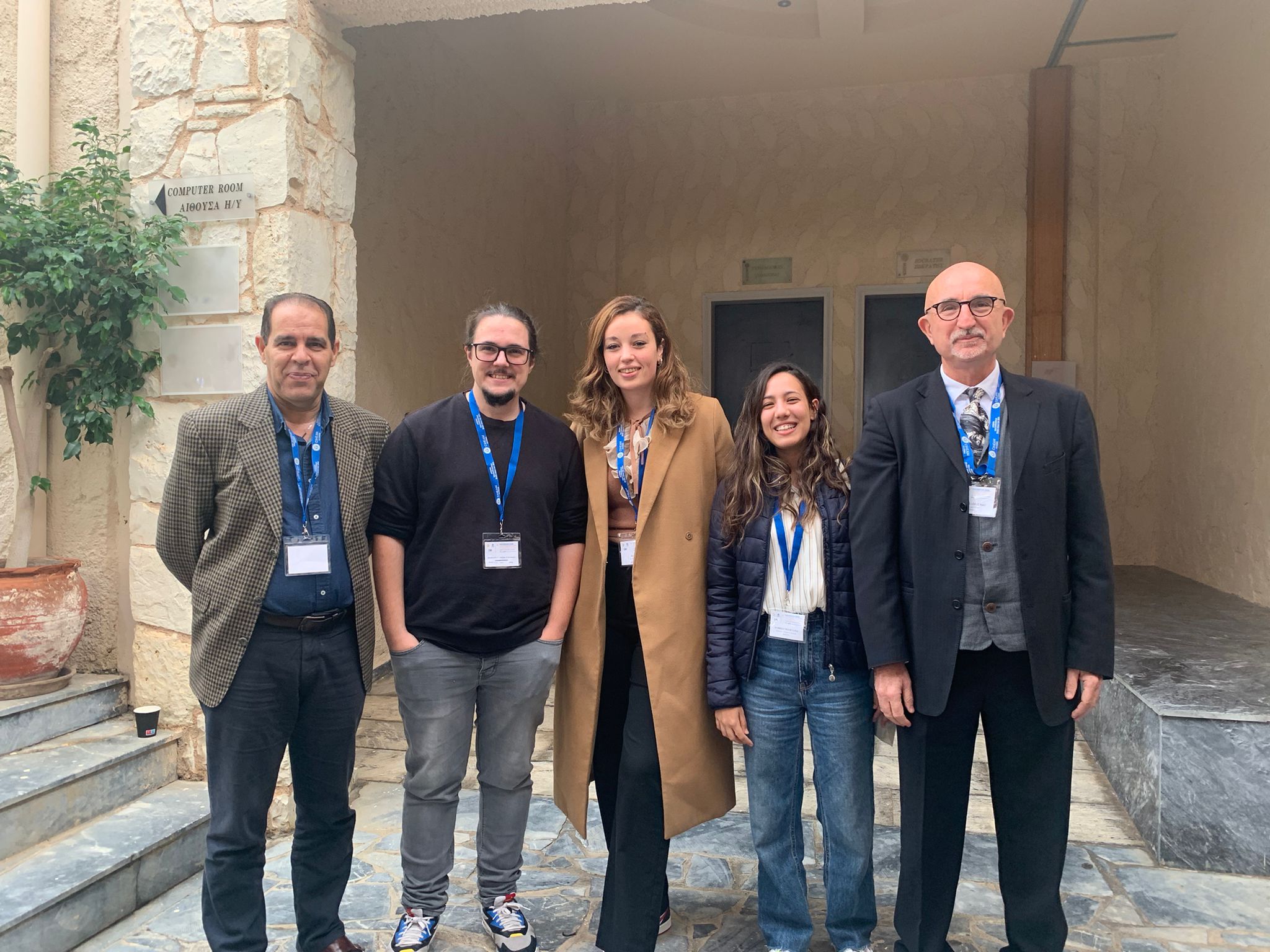
Director of CIHEAM Zaragoza Raúl Compés attended the Forum together with Ramzi Belkhodja, coordinator of Plant Production, Health and Breeding at CIHEAM Zaragoza, and CIHEAM Zaragoza alumni Francesc Montardit, Iman Arfa and Hafsa Debbagh-Nour.

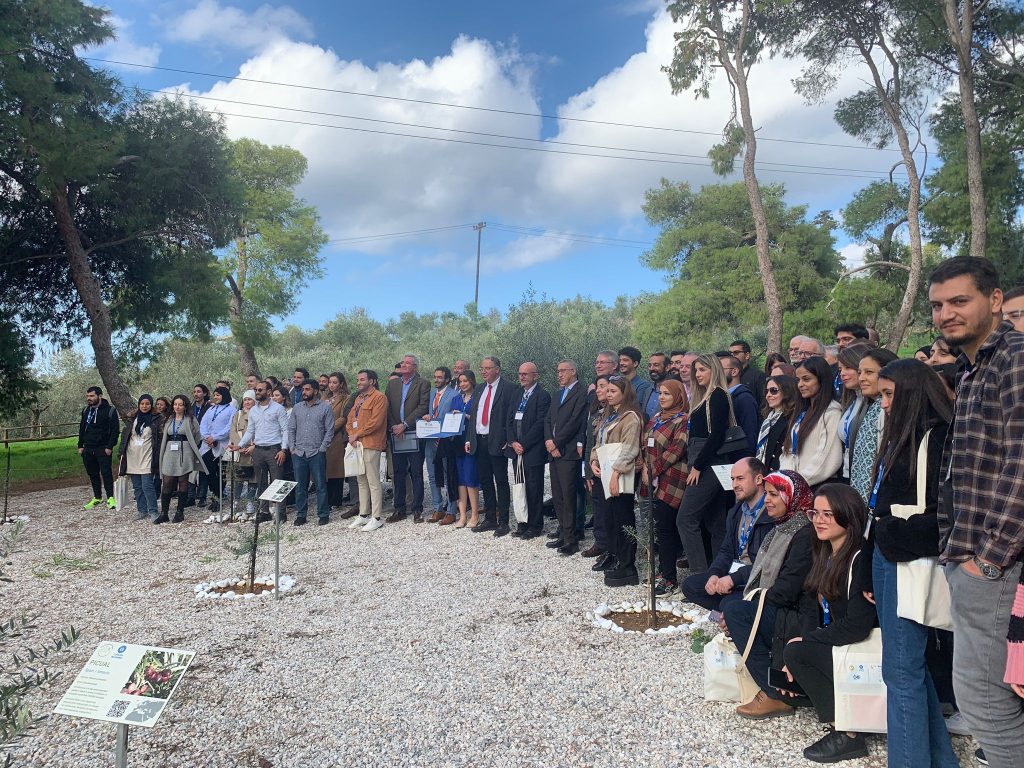
The 4th edition of the Mediterranean Forum* for PhD Students and Young Researchers (MedForum) took place at the CIHEAM Chania Conference Centre from 4 to 7 December in the framework of the CIHEAM 60th anniversary celebrations.

This biennial forum was organized by the Department of Horticultural Genetics and Biotechnology of CIHEAM Chania, supported by the General Secretariat and the other 3 institutes. The Food and Agriculture Organisation of the United Nations (FAO), the Union for the Mediterranean (UfM) and the European Forest Institute (EFI), partners of the MedForum, were also involved.

In view of current events, the theme of this year’s conference was “Mediterranean agriculture and food systems in the context of climate change and the agrifood crisis” and revolved around four thematic sessions: 1) Tools and strategies to improve the efficiency, nutritional value, health and sustainability of agrifood systems; 2) Agricultural and agroforestry innovations and technologies; 3) Genetic resources, pest management and water use for sustainable production and climate change resilience; and 4) Biotechnological approaches to increase crop productivity.

During three days, the young participants had the opportunity to talk to high-level, internationally recognized scientists and learn more about recent research that may affect agrifood production, rural development, and sustainability in the Mediterranean basin. More than 70 studies were presented by their authors from countries in the Euro-Mediterranean area and beyond.

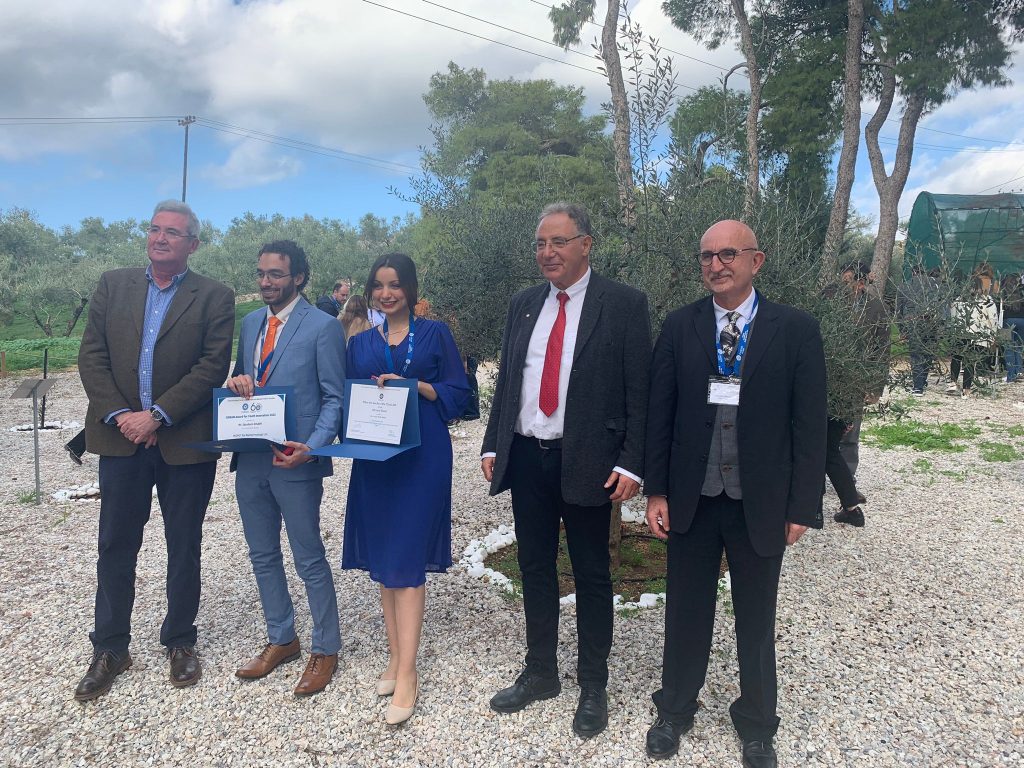
In addition to the interventions of the institutional partners who called for the support of young Mediterranean researchers in a context of crises and in a dynamic of regional partnership, the opening of the Forum was marked by the award of two prizes by the secretary general and the directors of CIHEAM Chania and CIHEAM Zaragoza. The CIHEAM Prize for the Best Thesis and the CIHEAM Youth Innovation Award were awarded respectively to Ms Yasmin MUHAMMED and Mr Ezzudeen EISAWI for the conception and/or launching of outstanding projects in their respective fields of interest.

*The Mediterranean Forum – MedForum – is a biennial meeting launched by the CIHEAM in 2016 for PhD students and young researchers from the Mediterranean. It aims to foster communication, dialogue and co-publications between young people in the field of agrifood production and rural development in Mediterranean countries with a focus on dry and arid regions. It is also a moment of dialogue between the CIHEAM and its institutional and academic partners in the region to identify common initiatives in these fields. The first three editions of this MEDFOPRUM took place between 2016 and 2021.

Mediterranean Youth White Paper initiative for more sustainable and inclusive food systems

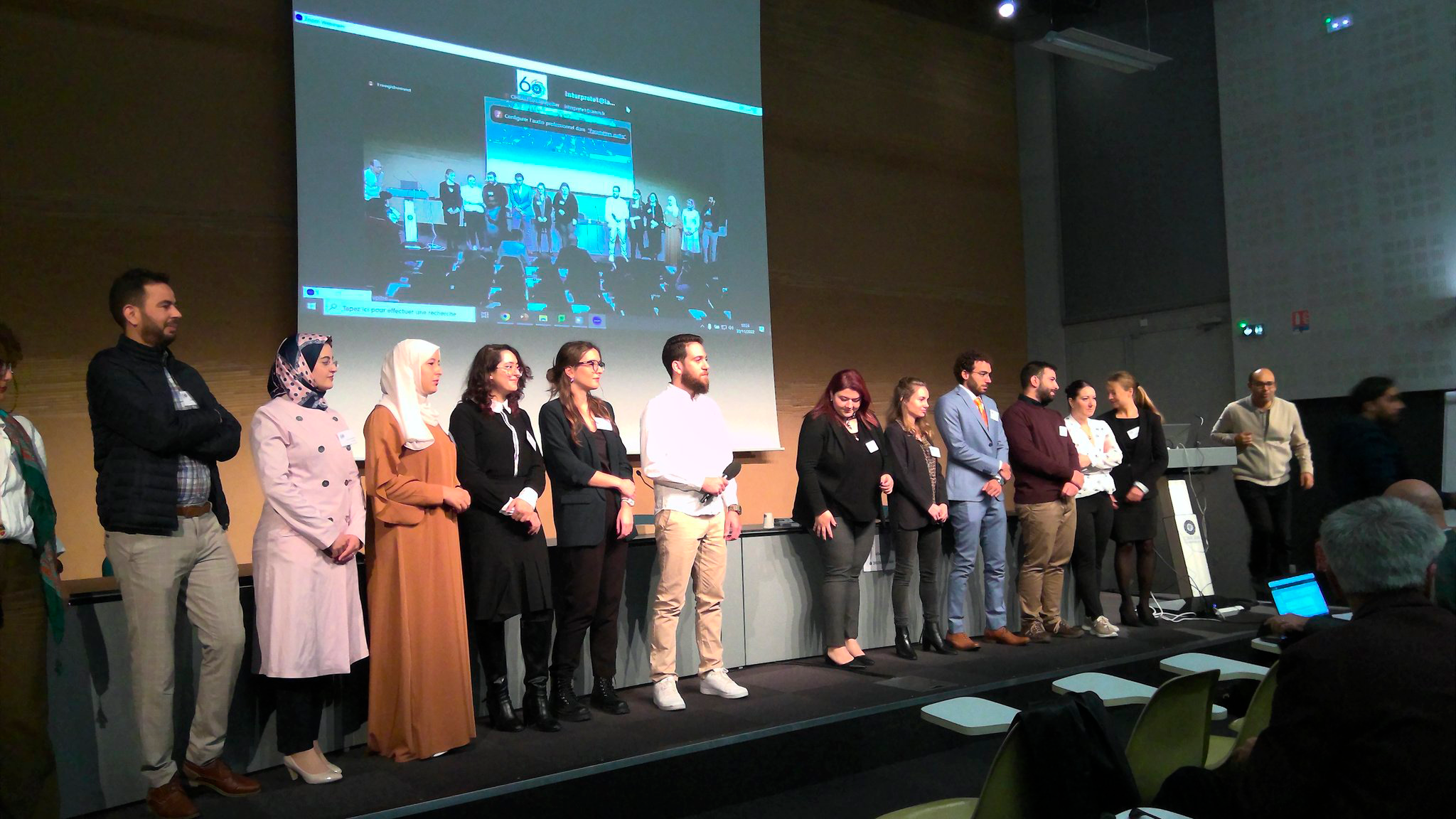
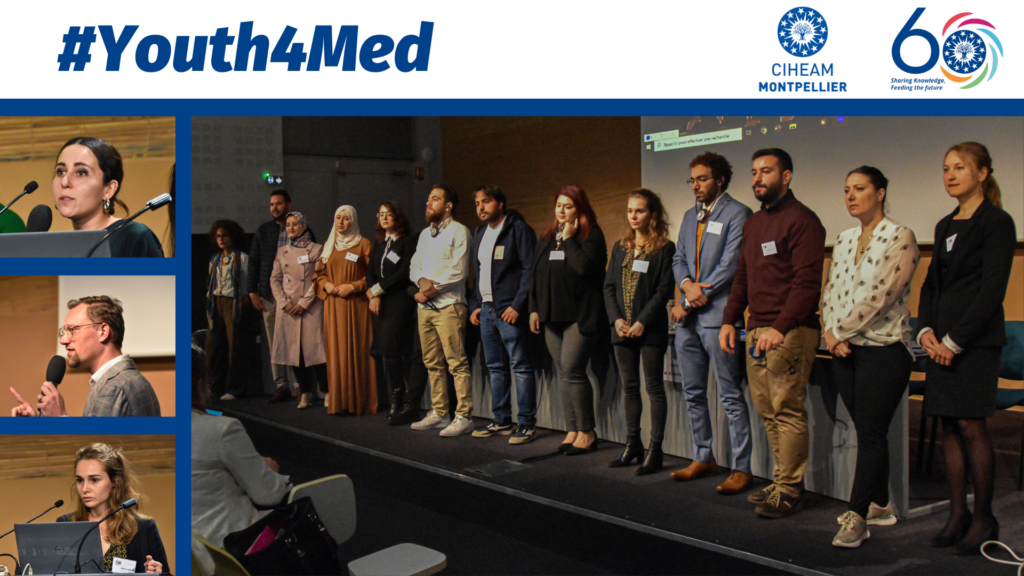
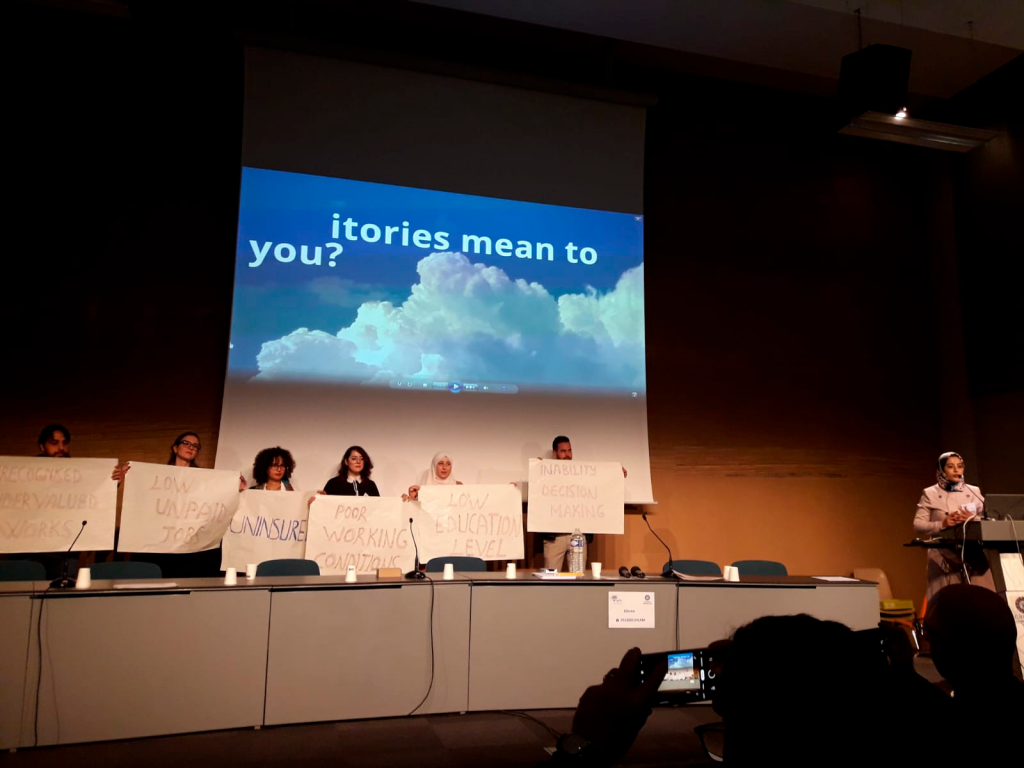
The Mediterranean Youth White Paper initiative for more sustainable and inclusive food systems was launched on the occasion of the CIHEAM’s 60th anniversary celebration held on 28, 29 and 30 November 2022 in Montpellier, France.

A hundred young people gathered at the three-day event to present their aspirations and projects for more sustainable and inclusive agrifood systems in the Mediterranean.

In addition to young professionals, activists and students, the international gathering, organized by CIHEAM & CIHEAM Montpellier, mobilised international experts, CIHEAM partners and elected representatives that were able to exchange their views on the future of Mediterranean agri-food systems.

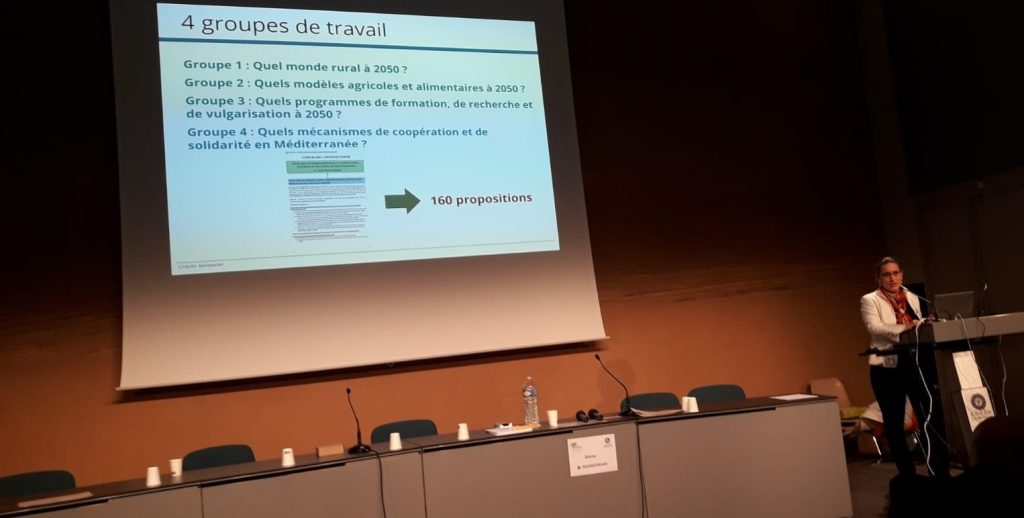
Young people from the 13 CIHEAM member countries have been working since July on the elaboration of a White Paper including proposals on these four themes:

– Which rural world in 2050?

– Which agricultural model(s) in 2050?

– What training, what research, and what agricultural advice in 2050?

– What regional cooperation and solidarity mechanisms in 2050?

Four key actions were extracted from these proposals and presented to the high-level participants mobilized for the occasion in Montpellier:

– the creation of a rural women’s office;

– the development of an action plan to support the transition to agroecology;

– recommendations for supporting youth innovation and dissemination of the results of applied research;

– a system of regional cooperation for youth in the Mediterranean.