Zaragoza hosts the MED-Amin meeting from 21 to 23 November to discuss cereal markets

  • Cereal deficit is a serious problem in the Mediterranean region. Countries in North Africa and the Near East produce only 40 % of their wheat requirements

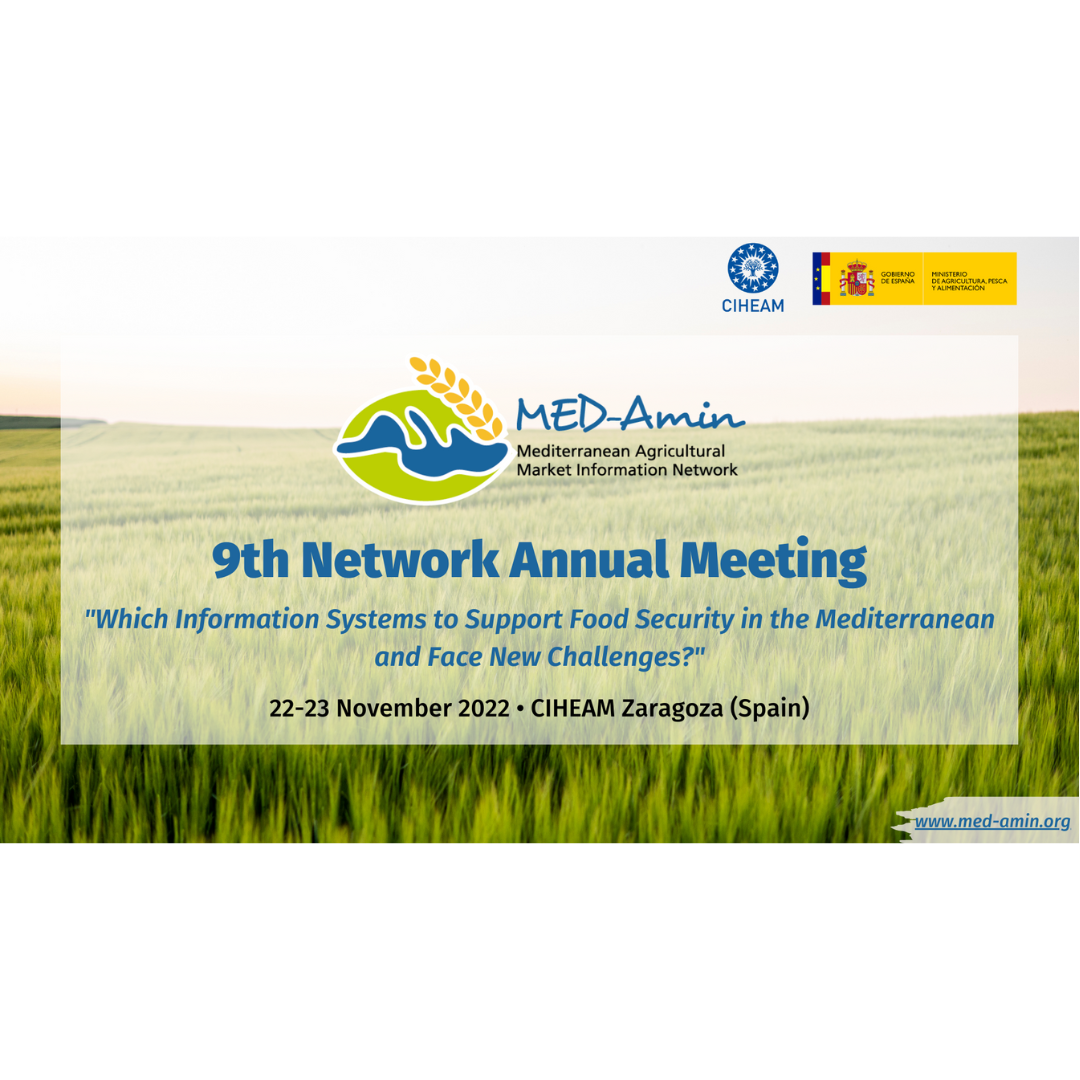
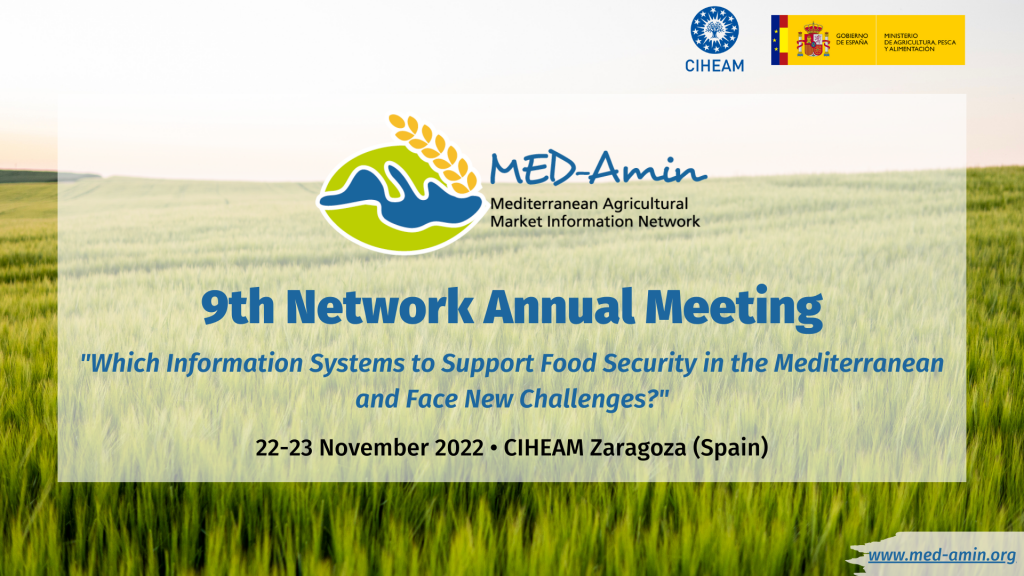
The Spanish Ministry of Agriculture, Fisheries and Food acts as host to the ninth annual meeting of MED-Amin, the Mediterranean agricultural markets information network coordinated by CIHEAM through their Institute in Montpellier and supported by the FAO , the International Grains Council and the European Commission.

International experts from the cereal sector and representatives of the administrations of Mediterranean countries will come together from 21 to 23 November at CIHEAM Zaragoza to discuss and enhance cooperation efforts to meet the future challenges of the cereal market.

Many countries of the Mediterranean basin, as is the case of Spain, have a deficit in cereals, strategic products for food security. This increases their vulnerability, given the current context of uncertainty in the market of agricultural raw materials and the energy crisis arising from the war in Ukraine.

The countries of the North of Africa and the Near East produce only 40 % of the wheat they need and Spain, over the last five growing seasons, has imported on average 15 million tonnes of cereals, mainly corn, of which Ukraine is the second largest source.

The sessions held on 22 November can be followed on line:

For more details visit Med-Amin website here

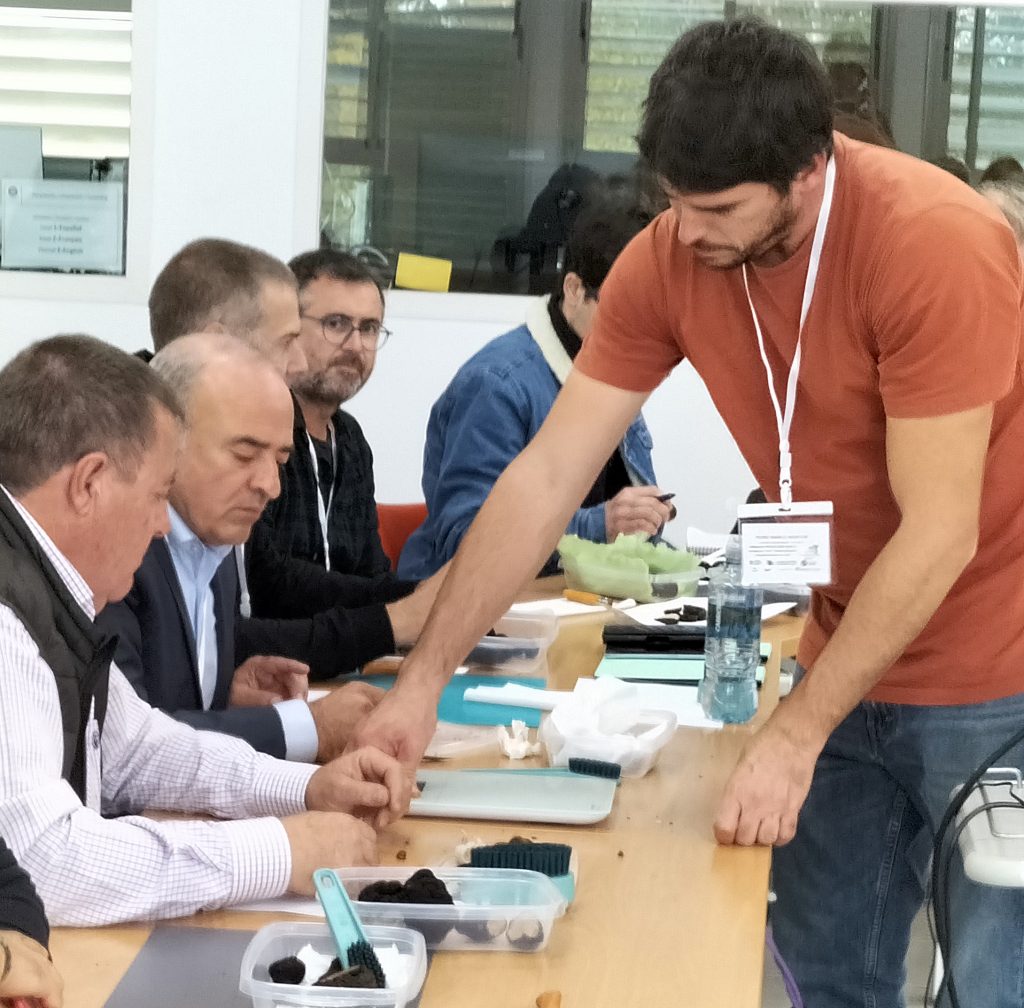
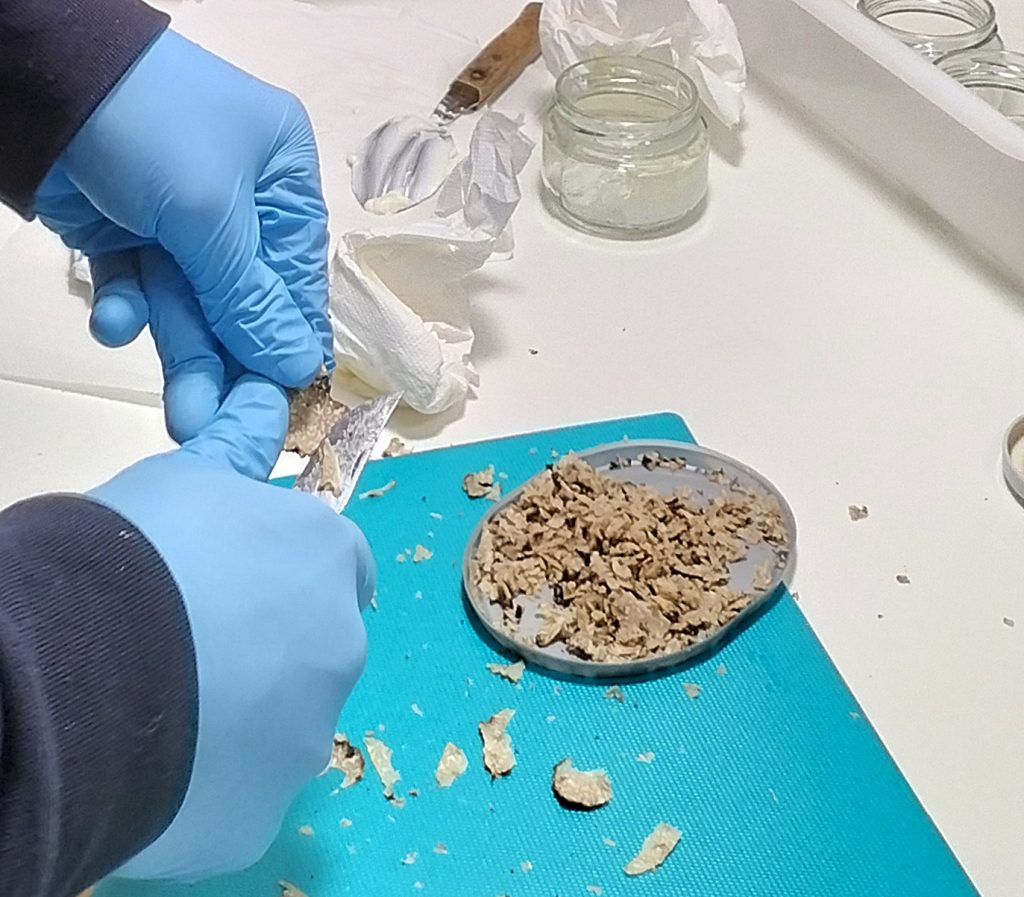
The black truffle, a social and economic force in rural areas

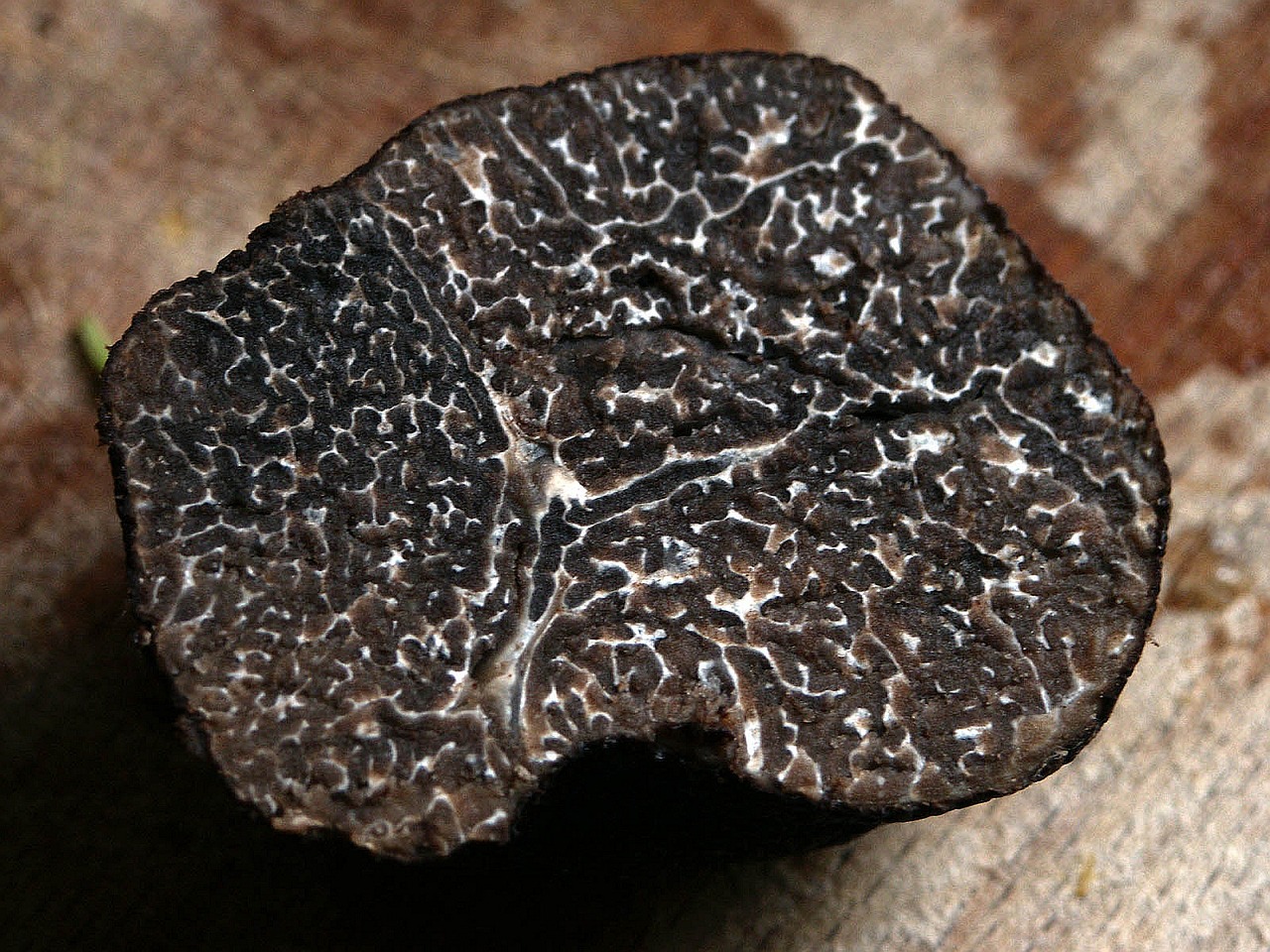
The black truffle (Tuber melanosporum) is a mycorrhizal fungus, meaning that it needs to associate with other plants, such as the holm oak or oak, in order to survive.

According to the expert in mycology, Gabriel Moreno from the University of Alcalá: “The black truffle does not have a high nutritional value; but its unique flavour and aroma makes it a highly appreciated delicacy”. The black truffle has considerable sensorial and economic value, but it is still unknown to many people, even though production is booming in Aragon, where it is increasing by about 500 hectares every year, with 10,000 hectares of land suitable for trufficulture.

“Not only is Aragon the largest exporter worldwide, it is also the main producer. Of all the mycorrhizal plant nurseries in Spain, 44 % are in Aragon, making up approximately 75 % of the total national production, with around 350,000 seedlings. Also, 11 % of the world black truffle plantations are to be found in Aragon, and according to estimates 50 % of the world production comes from this region.”

Department of Agriculture, Livestock and Environment – General Directorate for Agrifood Innovation and Promotion of the Government of Aragon

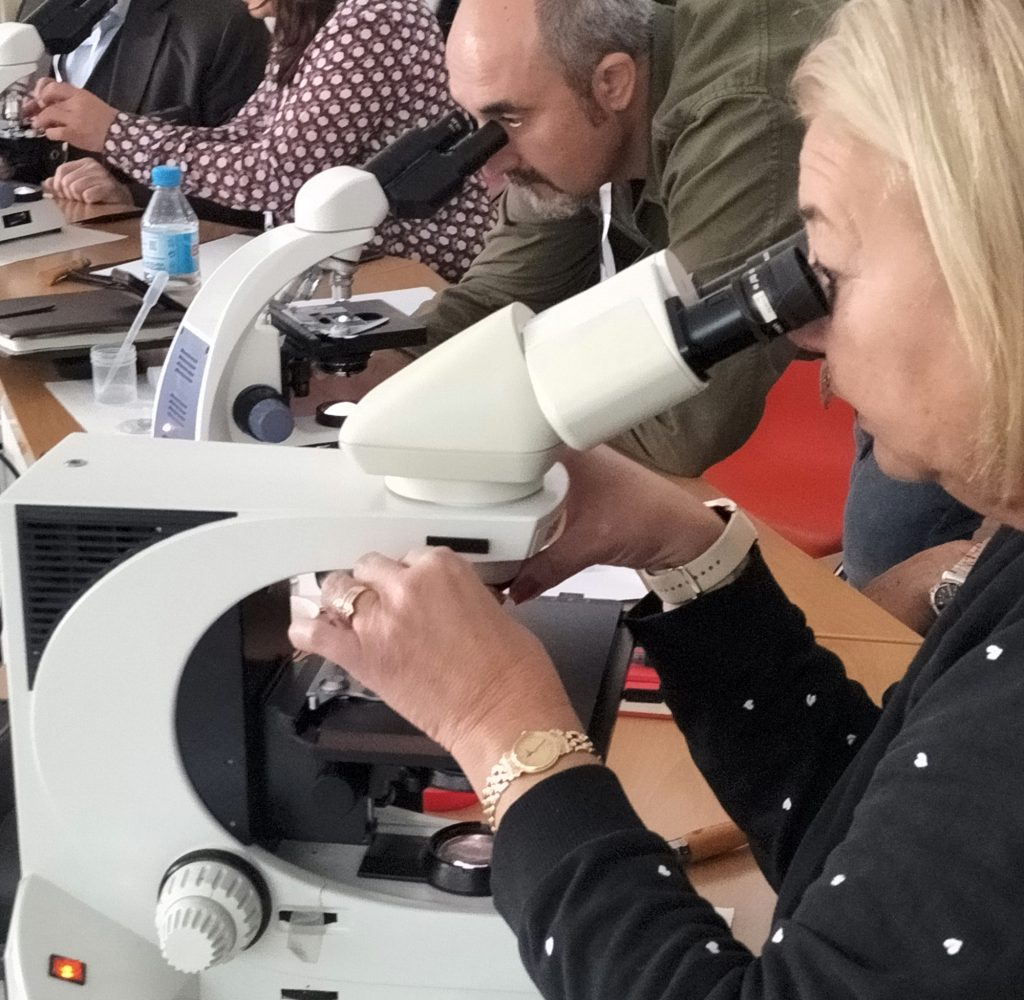
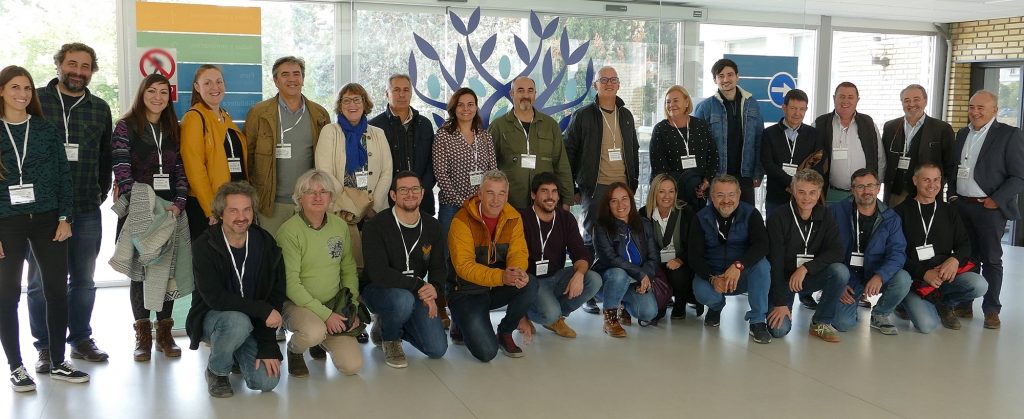
Collaboration between different stakeholders in the truffle sector has led to a significant increase in production, thus stabilizing strong annual oscillations. However, there are still large challenges to be overcome in various parts of the value chain. The Interprofessional Association for Agricultural Development (AIDA in Spanish) has focused on the transformation and marketing of the black truffle during a workshop held on 7 and 8 November at CIHEAM Zaragoza led by the Truffle Culture Group of the Department of Plant Science of the Agrifood Research and Technology Centre of Aragon (CITA).

This workshop brought together scientists, officers from the administration, truffle producers and businesses. They discussed how to select the truffle to ensure optimum quality and guarantee food safety, and explored the best conservation methods for different market destinations. They also addressed food transformation technologies and current legislation in the marketing and sale of fresh and processed products, considering that the major drawback of the truffle is precisely the fact that it is an ephemeral product and should be consumed fresh.

As pointed out by the experts that took part in the workshop, many economic activities revolve around the truffle, such as cultivation, production, elaboration of truffle products, logistics, trade, nurseries, irrigation companies and tourism. The truffle sector generates wealth and benefits the local economy, thus helping to anchor the rural population.

It is vital to strengthen a market-oriented sector that can be competitive on the international scene and at the same time enhance the consolidation and expansion of the rural economies involved in truffle-related activities.

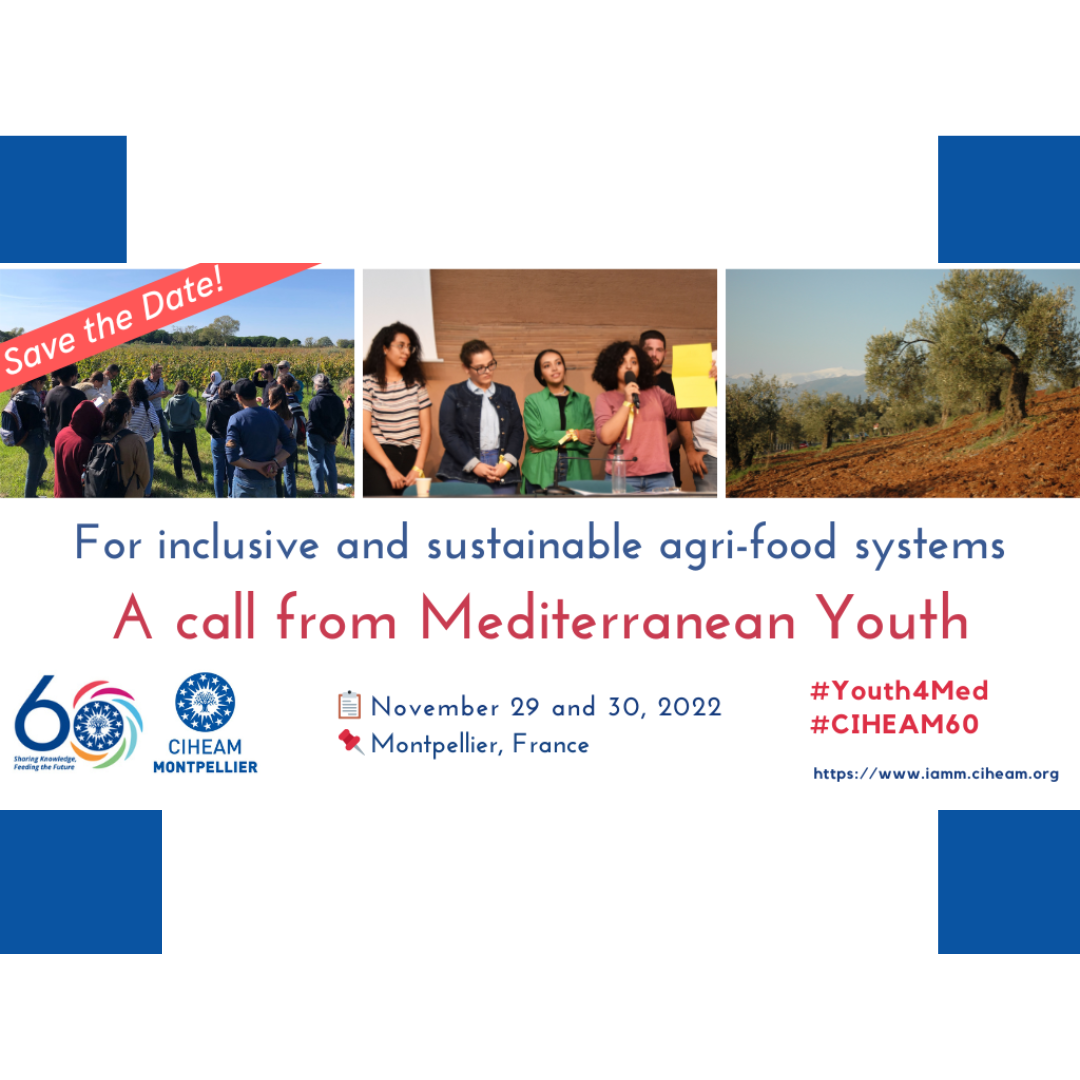
A call from Mediterranean Youth for sustainable agri-food system

As part of the celebrations for this 60th Anniversary, on 29 and 30 November, the CIHEAM, together with CIHEAM Montpellier, is organizing in Montpellier two days of discussion on the contribution of Mediterranean youth to the following challenges:

  • Sustainable and economic management of resources, in the context of climate change
  • Reduction of inequalities (North/South, Women/Men, Urban/Rural, Coast/Inland)
  • Inclusive governance of young people and women
  • Youth employment, including in rural areas
  • Healthy and balanced diets.

The objective of the meeting is to succeed in drafting a White Paper including proposals on these four themes:

  • Which rural world in 2050?
  • Which agricultural model(s) in 2050?
  • What training, research, and agricultural advice in 2050?
  • What mechanisms for regional cooperation and solidarity in 2050?

About thirty Mediterranean young people are working together since July to develop these proposals. In Montpellier, they will be shared, together with key witnesses from the Mediterranean world, with a group of politicians and scientists.

Sessions can be followed online:

“Adressing agriculture and food issues in the Mediterranean: What place is there for Youth?”

Cereals are the main pillar of food security worldwide

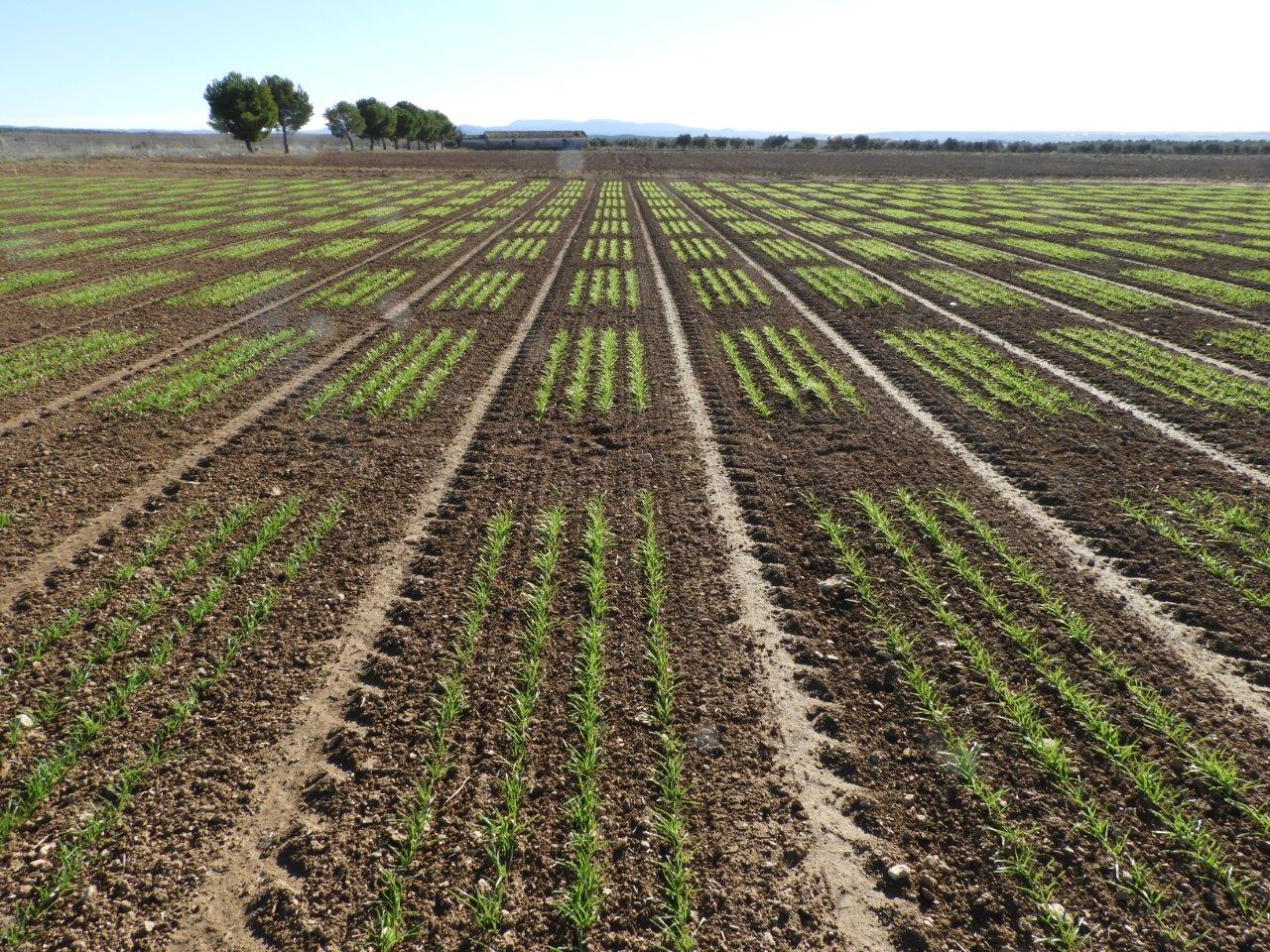
Enhancing genetic potential and narrowing the gap in crop yields is the most effective way to introduce the innovation needed in agriculture to meet the UN Sustainable Development Goals (SDGs). Cereals are the main pillar of food security worldwide and particularly in the Mediterranean. The recent advances made in plant genomics and biotechnology are delivering novel approaches that will be instrumental to improve crop yield under climate change.

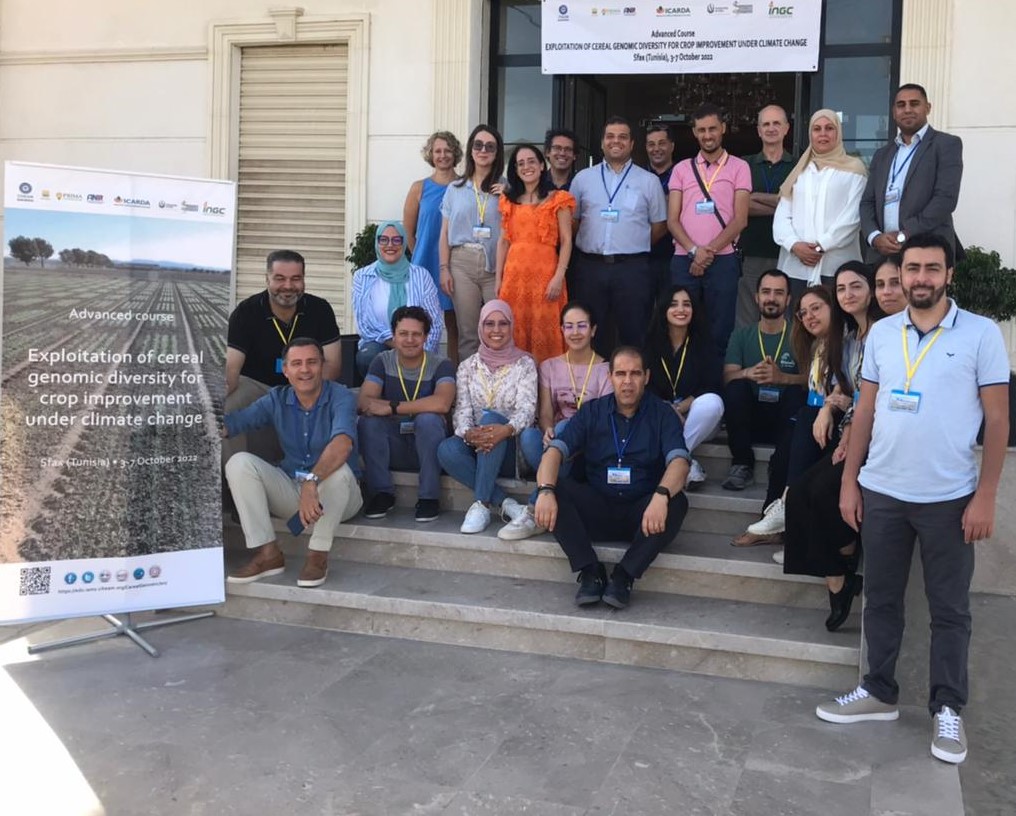
CIHEAM Zaragoza, together with the PRIMA GENDIBAR project (Utilization of local genetic diversity to understand and exploit barley adaptation to harsh environments and for pre-breeding), ICARDA (International Center for Agricultural Research in the Dry Areas), the University of Sfax in Tunisia –through the Institute of Biotechnology – and the INGC (Institut National des Grandes Cultures) organized an advanced course last month in hybrid format to address the exploitation of genomic diversity in order to improve cereals in a context of climate change.

The subject matter of the course attracted great interest, as reflected in the large number of applications. Participants from Albania, Algeria, Egypt, Morocco, Spain, Tunisia, and Turkey spent a week with a panel of international experts: Raffaella Battaglia, Luigi Cattivelli and Agostino Fricano (CREA, Fiorenzuola d’Arda, Italy), Aladdin Ben Araar and Tarek Jarrahi (INGC, Bousalem, Tunisia), Bruno Contreras and Ernesto Igartua (EEAD-CSIC, Zaragoza, Spain), Amine Elleuch and Moez Hanin (University of Sfax, Tunisia), Lee Hickey (Queensland University, Australia), Livia Paleari and Alessia Perego (University of Milan, Italy), Miguel Sánchez-García and Andrea Visioni (ICARDA, Rabat, Morocco) learning about the most advanced tools in this area.

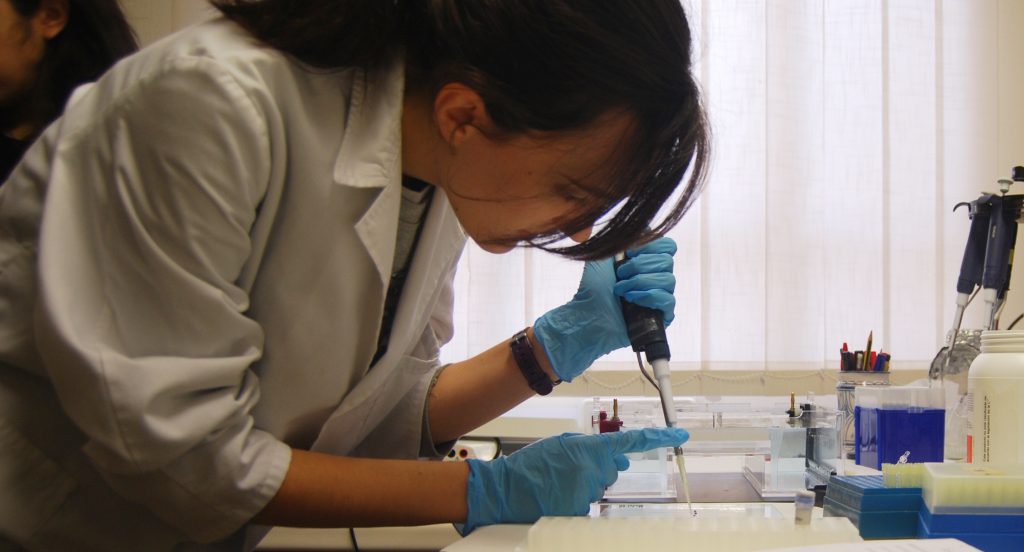
The course covered cereal genetic diversity, genotyping, phenotyping, GWAS and cereal breeding in a context of climate change. The programme also provided deeper insight into the most advanced breeding tools, such as genomic breeding, functional crop modelling, functional genomics, gene transformation or speed breeding illustrated with examples taken from work done in barley and wheat. The course had an applied focus and included debates, case studies, and practicals in genomic selection, in silico analysis of gene expression data and GWAS analysis.

Exchange of experiences in sustainable tourism in Huesca

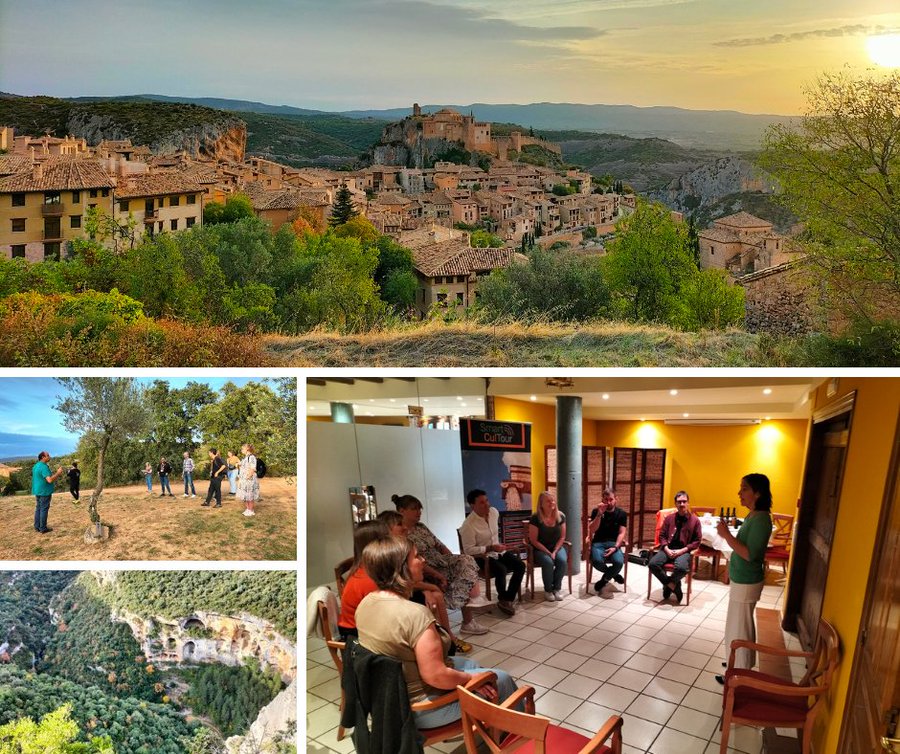
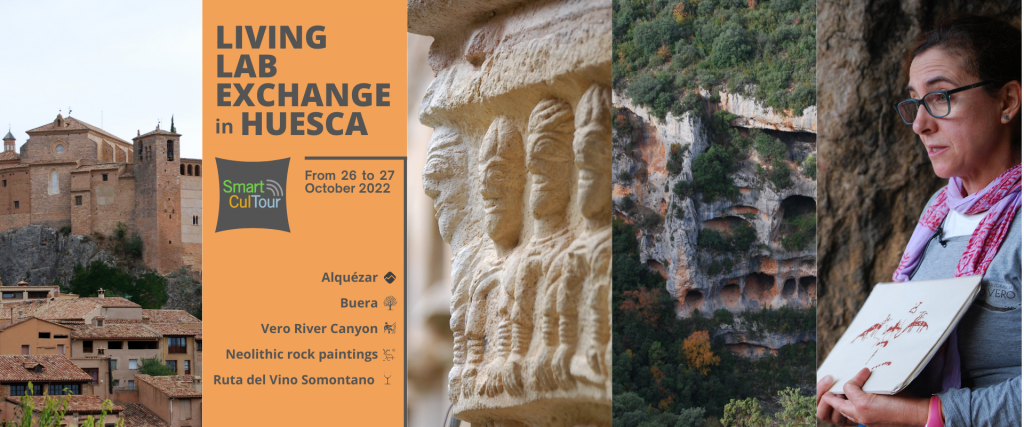
On October 26 and 27 Alquézar was the scene of an exchange of living laboratories in the framework of the European project Smartcultour, a project in which CIHEAM Zaragoza participates and which seeks to generate and identify good practices and innovative solutions regarding sustainable cultural tourism.

Alquézar is an example of how a town plagued by depopulation and ruin has become a focus of tourist attraction that generates wealth throughout the region. The vision and drive of its mayor, who bet 40 years ago for the development of Alquézar and the territory, with the support and complicity of the neighbours, also exemplifies the importance of leadership and of counting on all the stakeholders to achieve changes.

Participants became acquainted with Alquézar and its history of courageous revenge against phenomena of depopulation and isolation, but also experienced the historical and cultural heritage of the centennial local olive varieties preserved in Buera. Likewise, the Alquézar walkways in the Vero River Canyon (Cañón del Río Vero) and the routes that reveal the Neolithic rock paintings, demonstrate how accessibility and protection could work hand in hand to define innovative strategies that do not diminish a destination’s intrinsic value of sustainability. Finally, participants learnt the entrepreneurial ideas of the “Ruta del Vino Somontano”, and heard more about the local eno-gastronomic identity. The latter, when properly communicated and valued, demonstrates the strong influence of the relationship between tourists and the territory.

All this and much more is what the members of the living labs of Scheldeland (Flanders, Belgium) and Utsjoki (Lapland, Finland) were able to see and enjoy during their visit on October 26 and 27 in a program of exchange of experiences in sustainable tourism led by CIHEAM Zaragoza and TuHuesca.

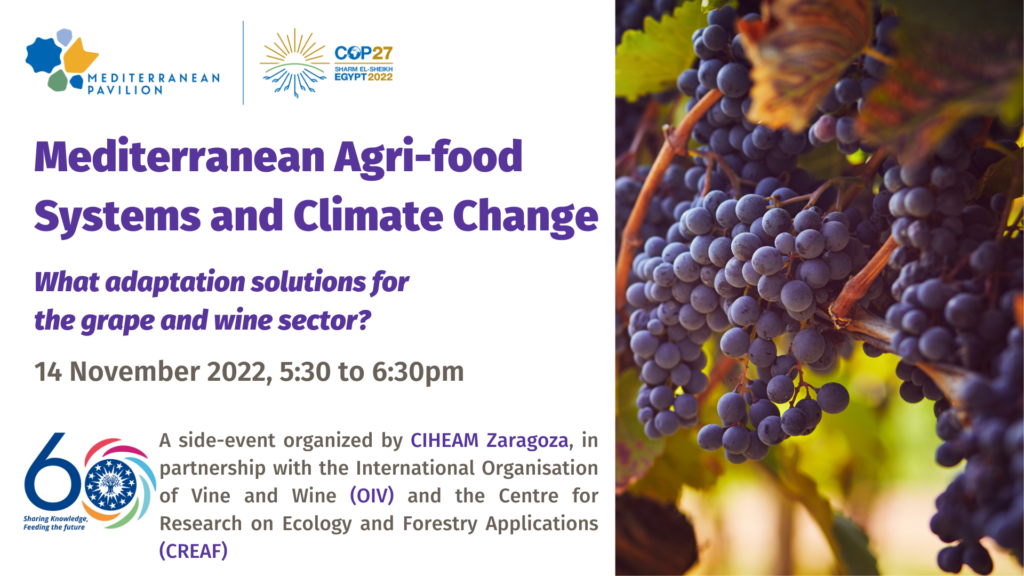
CIHEAM Zaragoza organizes a side event at COP27 devoted to the grape and wine sector

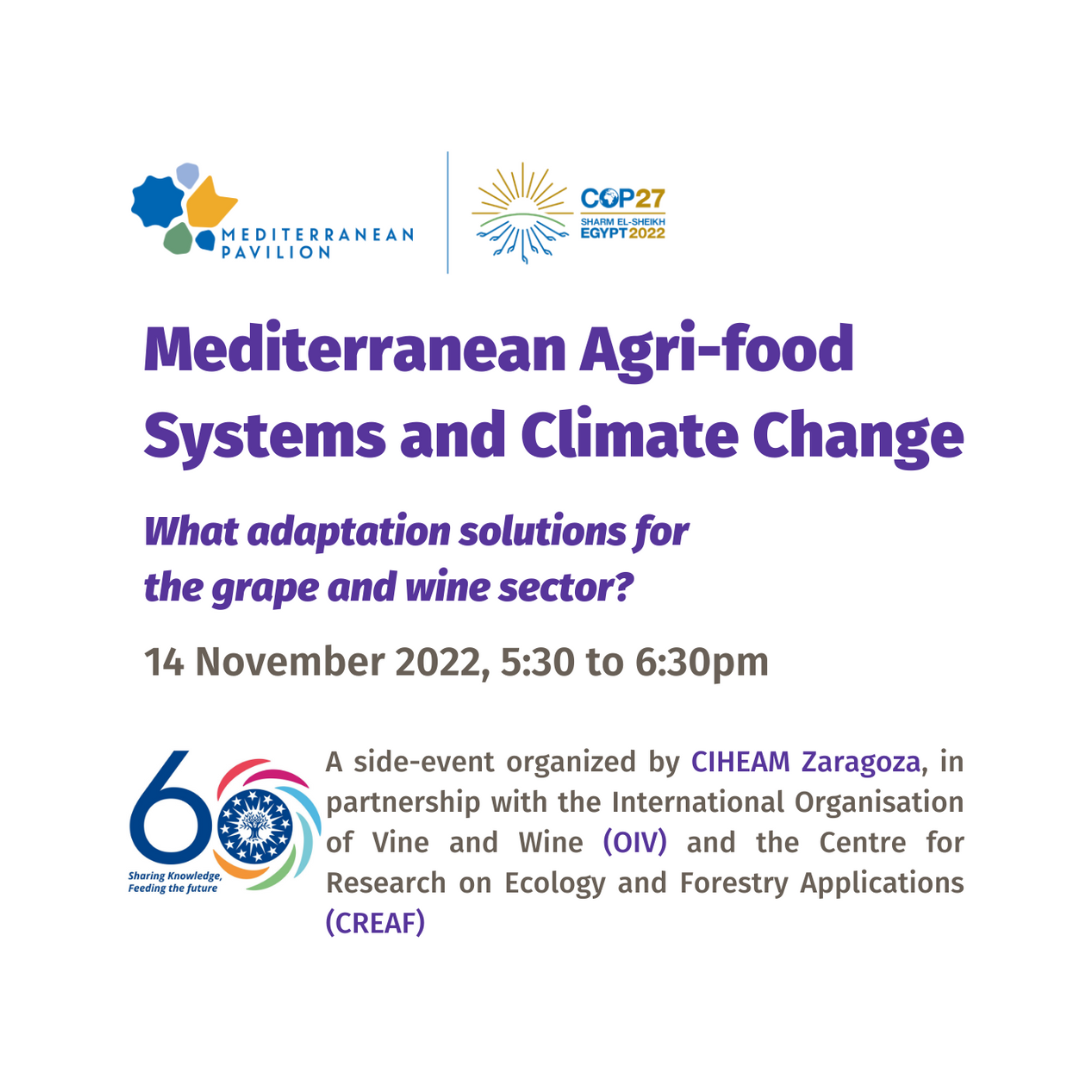
CIHEAM Zaragoza organizes a side event in the Mediterranean Pavilion at COP27 (6-18 Nov, 2022) to discuss how the wine sector is facing the challenge of climate change to guarantee production, quality, typicity and viability of the activity in the Mediterranean region.

The session will be held in a hybrid format on 14 November and will feature internationally renowned experts from the International Organization of Vine and Wine (OIV) and the Centre for Research on Ecology and Forestry Applications (CREAF) with the objective of showing the experience of the wine sector and the impacts and capacities of adaptation of the Mediterranean Ecosystems.

Case-study presentations and the expert’s round table will explore climate change adaptation current trends in the grape and wine sector.

The main output of this event will be a list of needs of RDi for private and public stakeholders and a list of recommendations for cooperative actions than the CIHEAM could lead.

The session will be livestreamed on the YouTube channel of the Mediterranean Pavilion – COP27.

A sector leading the fight against climate change

Mediterranean crops are highly vulnerable to climate change, as it affects yields and product quality. In those cases where there are differentiated quality labels linked to origin, the typicity is also affected. All of this jeopardizes production, which in some cases dates back thousands of years and are the main sources of livelihood in many rural areas.

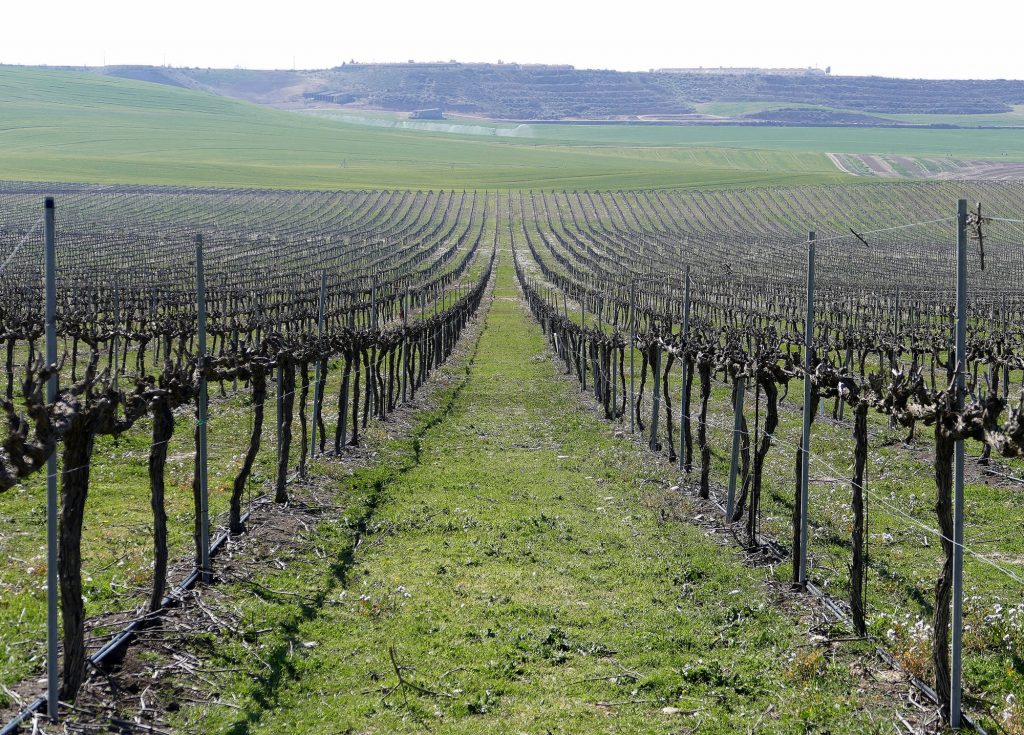
A typical example is grape and wine production, a sector that is leading the fight in this challenge. Its experience can inspire other actors and sectors. These responses must be compatible with the capacities of Mediterranean ecosystems.

CIHEAM Zaragoza’s commitment to climate action

CIHEAM has been carrying out activities related to the analysis of climate change impacts, as well as the implementation of mitigation and adaptation strategies, including technological, organizational and regulatory changes. The headquarters of the organization in Spain, CIHEAM Zaragoza, leads training and research initiatives to promote cooperation actions in the face of climate change. It has organized advanced courses to face this challenge, as well as research and dissemination projects. It is currently collaborating with the Spanish National Institute for Agricultural Research and the Global Research Alliance on Agricultural Greenhouse Gases (GRA) to promote activities along these lines in the next two years.

Two main principles have always guided CIHEAM’s interventions: the first focuses on adaptive solutions in the different sectors concerned; and the second targets the capacity of Mediterranean ecosystems to address these solutions.

The first Mediterranean Pavilion in the history of the COP

For the first time in COP’s history, the 27th edition will host a Mediterranean Pavilion, an initiative conceived to highlight both the urgent challenges the region is currently facing and the innovative solutions already being developed throughout the Mediterranean, raising awareness on a region overlooked in the climate negotiations.

The Mediterranean Pavilion will host relevant events and working meetings and provide an exceptional opportunity to highlight these severe challenges as well as to illustrate, share, scale up and discuss the advanced adaptation and mitigation initiatives applied and planned in the region.

The CIHEAM has organized the following side events at COP27:

Food and Water Security: Challenges and Outlook for Smart and Inclusive agriculture

12 November 2022 (3 to 4 pm)

Organized by CIHEAM in partnership with the Arab Water Council, the Arab Organisation for Agricultural Development (AOAD), the Center for Environment and Development for the Arab Region and Europe (CEDARE) and the CMI-UNOPS

Stakeholders’ engagement for agro-ecological practices Feedback from the SupMed initiative

12 November 2022 (4:15 to 5:15pm)

Organized by CIHEAM Montpellier in partnership with French Facility for Global Environment (FFEM )

Mediterranean agri-food systems and climate change: What adaptation solutions for the grape and wine sector?

14 November 2022 (5:30-6:30 pm)

Organized by CIHEAM Zaragoza in partnership with the International Organization of Vine and Wine (OIV) and the Centre for Research on Ecology and Forestry Applications (CREAF).

For further information visit CIHEAM web site.