CIHEAM 60th Anniversary: International conference in Alicante on coastal zone management and fisheries

Experts and representatives of Mediterranean countries belonging to CIHEAM, an intergovernmental organization cooperation in agriculture, food and fisheries, will gather on 14 October at Casa Mediterráneo, Alicante, analysing and proposing solutions to the many challenges facing the Mediterranean Sea and coastal zones today, such as overfishing, artisanal fisheries management, the role of women in the fishing sector, sustainable aquaculture development, management of protected marine areas, loss of biodiversity, invasive species, micro plastics and the impact caused by climate change, among others.

The CIHEAM celebrates its 60th anniversary in Alicante together with its Institute in Spain, CIHEAM Zaragoza, and Casa Mediterráneo
This international gathering, jointly organized with CIHEAM Zaragoza and Casa Mediterráneo, will be part of CIHEAM’S 60th anniversary celebrations. CIHEAM was founded in 1962 and currently has 13 member countries (Albania, Algeria, Egypt, France, Greece, Italy, Lebanon, Malta, Morocco, Portugal, Spain, Tunisia and Turkey). During the event, CIHEAM will present the results of their study on coastal zone and fisheries management in the Mediterranean. The aim of the study was to join efforts and seek institutional synergies that can support stakeholders in protecting the sea, coast and marine resources of the Mediterranean and ensuring the development of economically and socially sustainable activities.

The international gathering will include working meetings on women’s role and museums in Mediterranean fisheries

The event, that will be livestreamed on CIHEAM Zaragoza’s corporate website, will also include thematic working meetings to analyse the situation of women in the fisheries sector and to explore opportunities for collaboration among the Mediterranean fishing port museums, particularly those related to fishing communities that strive to maintain socially and environmentally more sustainable practices. In both cases, the intention is to create a Mediterranean network to facilitate the mutual efforts of different stakeholders.

CIHEAM Zaragoza: an international point of reference in the field of fisheries and aquaculture

CIHEAM’s Institute in Spain, co-organizer of the event, is an international point of reference in the field of fisheries and aquaculture. Since its creation in 1969, fisheries and aquaculture have become important priorities in CIHEAM Zaragoza’s training activities, as can be appreciated in the offer of master’s programmes in Sustainable Fisheries Management and in Marine Aquaculture, as well as advanced courses for professionals in these fields of expertise.
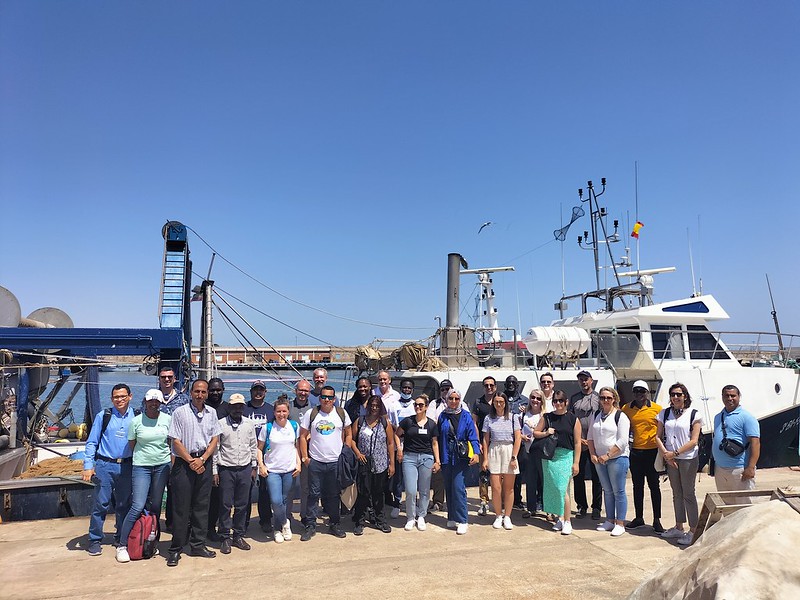
‘Fisheries Monitoring, Control and Surveillance’ Advanced Course jointly organized by CIHEAM Zaragoza and the FAO, with the collaboration of the Spanish Ministry of Agriculture, Fisheries and Food.

CIHEAM Zaragoza has recently led the European H2020 project MedAID. The main purpose of the project was to enhance the competitiveness and sustainability of the Mediterranean aquaculture sector, particularly seabass and seabream production. CIHEAM Zaragoza currently participates in the European H2020 project NewTechAqua, which seeks to expand and diversify European aquaculture production of finfish, molluscs and algae.

Learn more about CIHEAM’s Corporate Group on Coastal Zone Management and Fisheries
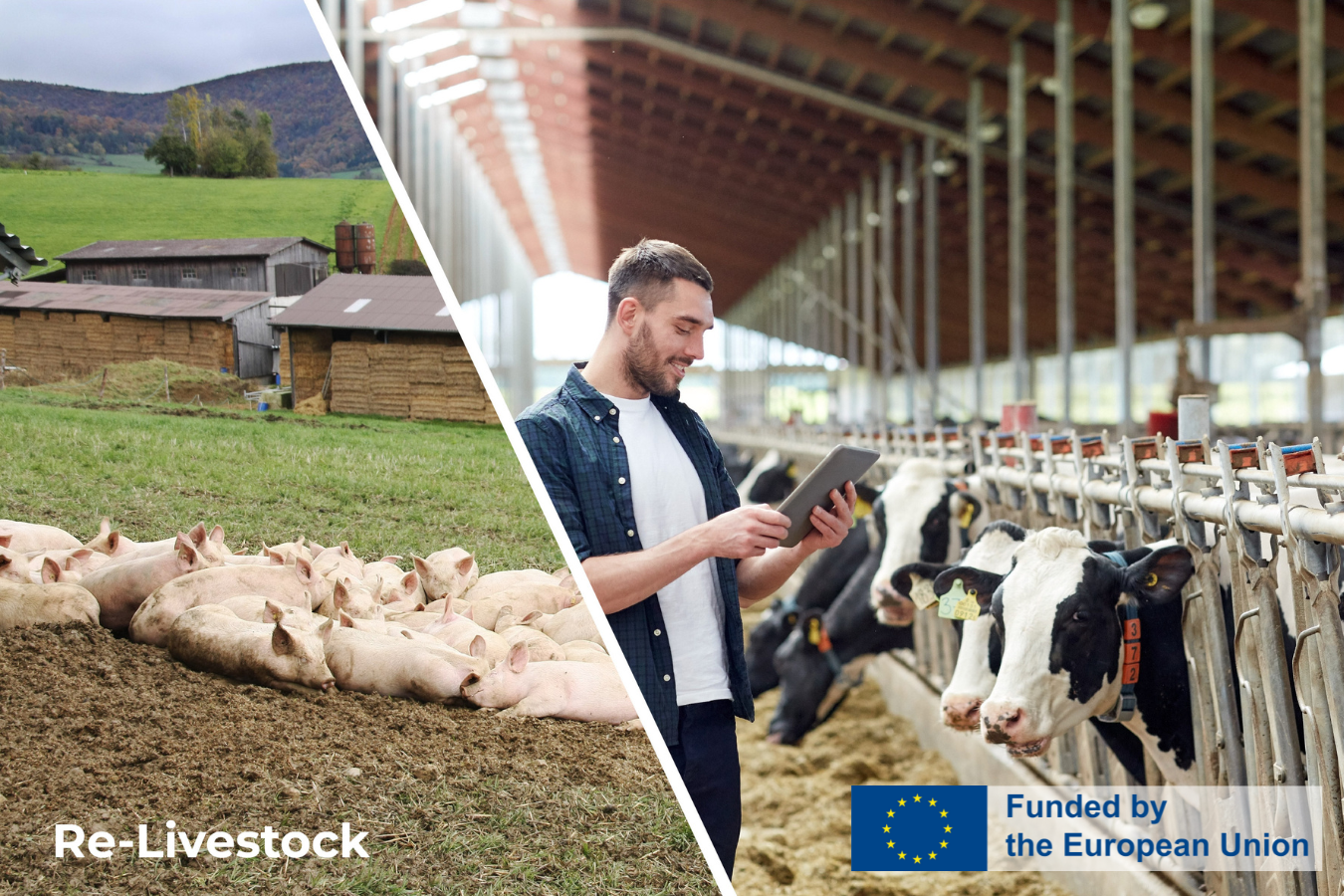
CIHEAM Zaragoza, part of the European Project Re-Livestock

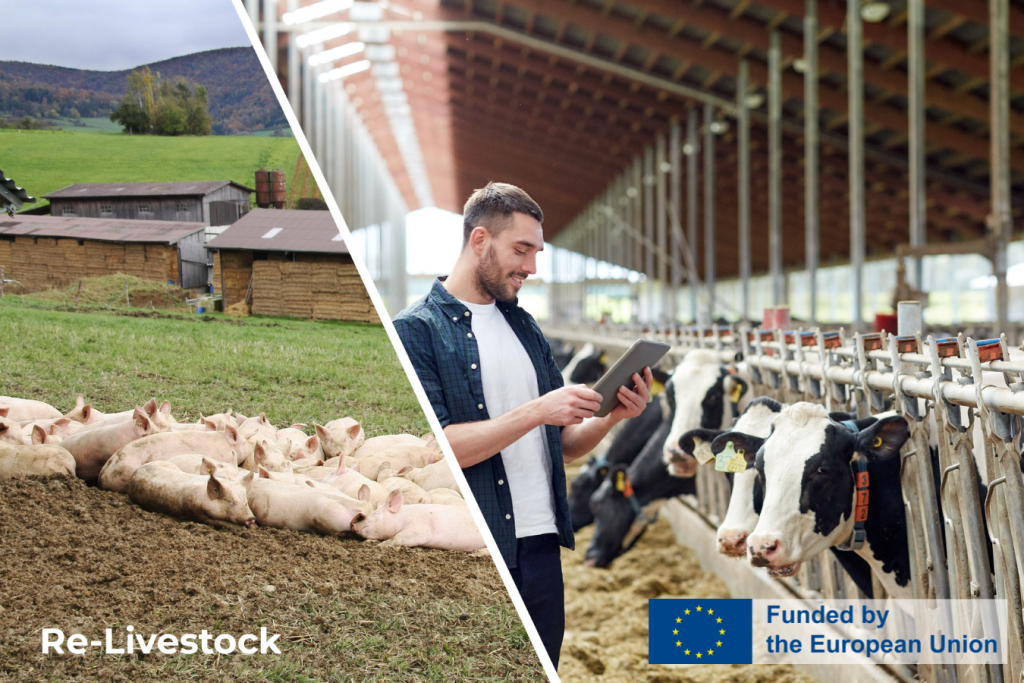
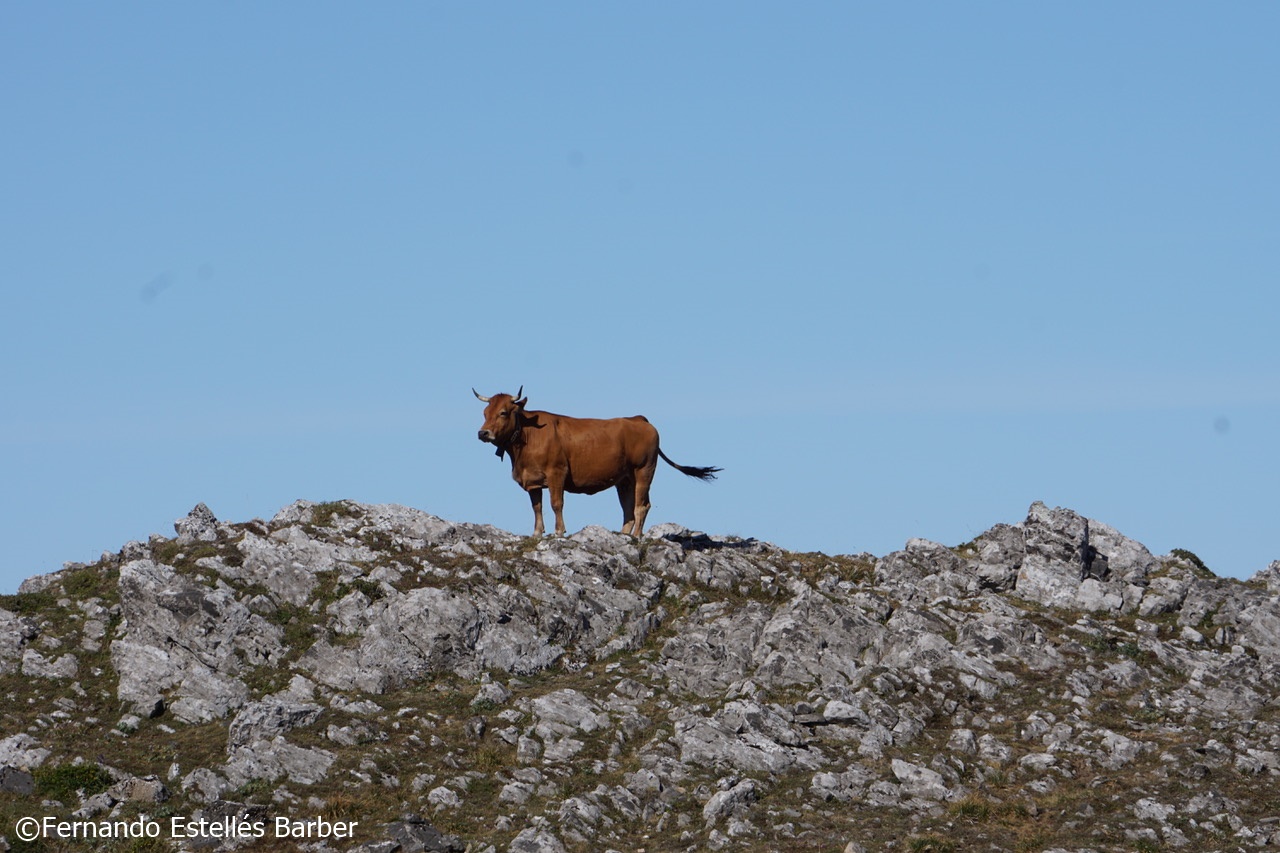
CIHEAM Zaragoza is a partner of Re-Livestock, a European research project that has kicked off this month and will run for 5 years. The aim of the project is to reduce greenhouse gas emissions from livestock production systems and increase their capacity to adapt to climate change through innovative practices applied at different scales (animal, herd, farm, sector and region).

New feeding systems, waste recycling, grazing management, redesign of livestock housing, manure management practices, and advances in genetic improvement to reduce the carbon footprint and the impact of climate change on livestock farming are only some of the challenges that the 37 partners from 14 European countries and Australia will be addressing, under the coordination of the Spanish National Research Council (CSIC), in close collaboration with the European livestock industry.

The CIHEAM team in Zaragoza will be taking on the tasks of technical and scientific training and dissemination of the project results.

As pointed out by Antonio López-Francos, research project coordinator at CIHEAM Zaragoza: “Re-Livestock will put forward and test novel ideas across different disciplines including nutrition, genetics, animal welfare and environmental assessment, to develop livestock systems with lower [greenhouse] gas emissions, more capable of adapting to climate change, which is fundamental for their sustainability”.

Re-Livestock is financed by Horizon Europe. It has a total budget of 13.5 million euros, of which 415,000 € will be assigned to the work undertaken by the team at CIHEAM Zaragoza.

CIHEAM Zaragoza training activities onboard the ship Intermares

CIHEAM Zaragoza is in charge of the programming and supervision of the training activities offered while the ship Intermares is in Spanish ports.

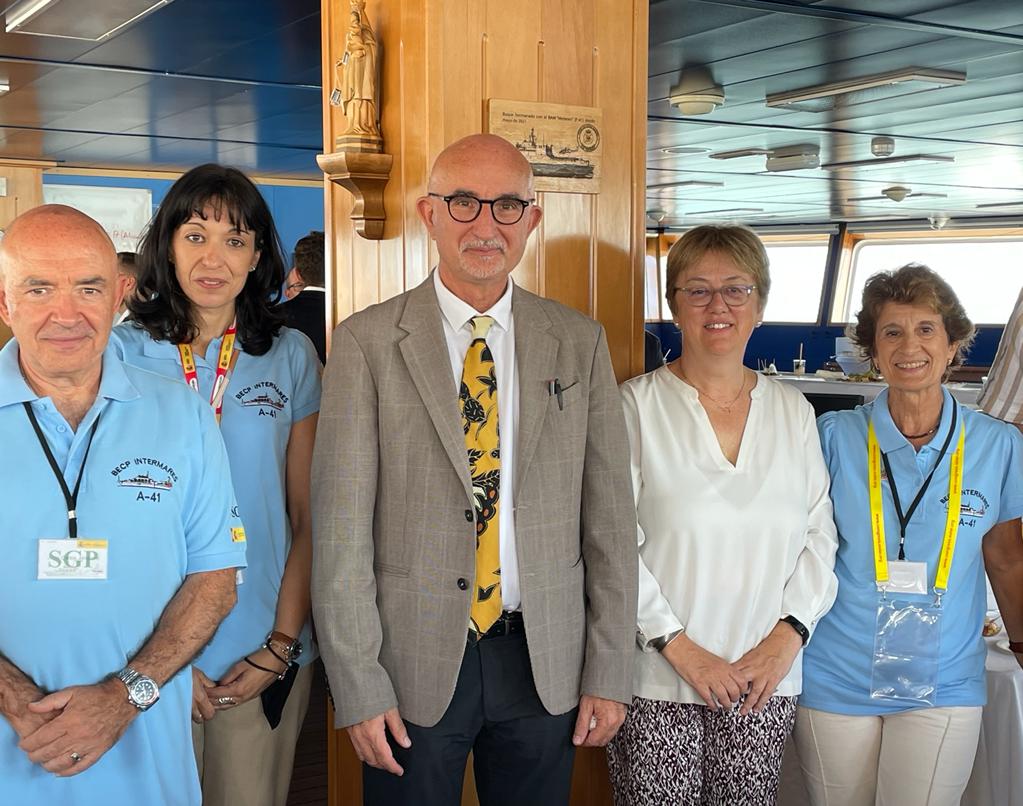
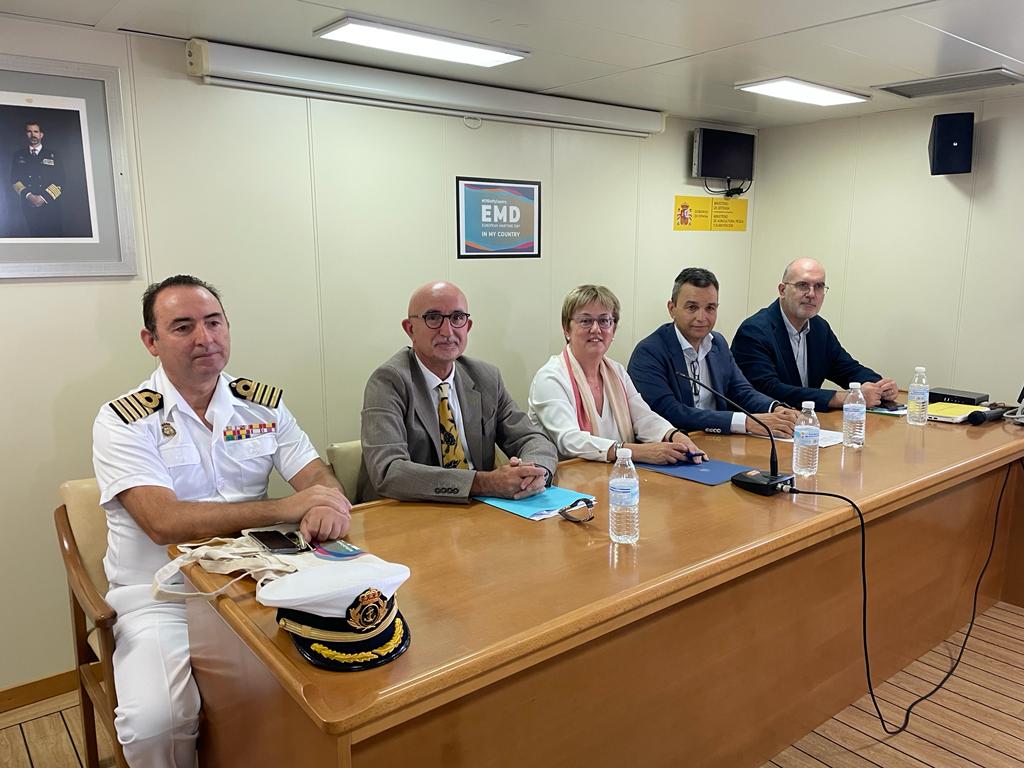
On 15 September, the training and cooperation activities of the ship Intermares were presented while the vessel was berthed at Quay 9 in the port of Alicante. The act was held in the vessel’s lecture theatre and was attended by various dignitaries, including a representative of the City Council of Alicante; the Director of CIHEAM Zaragoza, Raúl Compés; the Director General of Agriculture, Livestock Farming and Fisheries of the Generalitat Valenciana, Toni Quintana, and the Secretary General for Fisheries (SGP) of the Spanish Ministry of Agriculture, Fisheries and Food (MAPA), Alicia Villauriz, as well as a representative of the Spanish Navy.

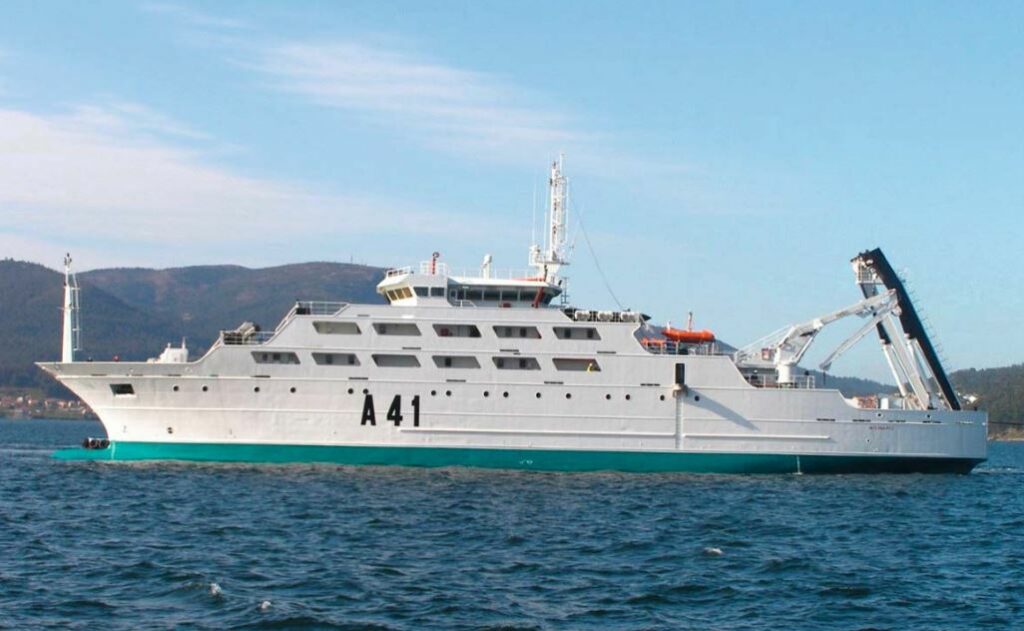
Intermares arose from an initiative of the General Fisheries Secretariat, to carry out training and cooperation activities in countries of strategic fishing interest for Spain. Following the 2008-2012 crisis, the management and financing of activities conducted by Intermares went on to depend jointly on the Ministry of Agriculture, Fisheries and Food through the SGP, and the Ministry of Defence through the Navy, for the organization of their training activities.

Intermares offers top-level professional training in fisheries

Intermares is a fully-equipped floating training centre that enables students to receive the best possible specialized training in fisheries. It has 7 individual cabins for lecturers and 24 double cabins for students, besides classrooms, laboratories, meeting rooms, dining rooms, workshops and all the facilities required for top-level professional training.

A noteworthy feature is a small fish factory, holding the facilities of a fishing vessel as well as those of the processing and transformation industry. This enables students to do practicals on board covering all the processes involved in the supply chain: from the catch to the final consumer products (including canning).

Training activities onboard the ship Intermares

CIHEAM Zaragoza is in charge of the programming and supervision of the training activities offered while Intermares is in Spanish ports, as stated in the Memorandum of Understanding signed in 2019 by CIHEAM, the University of Alicante, the SGP and the General Fisheries Commission for the Mediterranean (GFCM).

The prominent role of CIHEAM Zaragoza and the confidence SGP has placed in our Institution, finds its explanation in our strong area of expertise in Fisheries and Aquaculture. The Institute participates in the organization of two international master’s programmes in: Sustainable Fisheries Management, with the University of Alicante and another on Marine Aquaculture, with the University of Las Palmas de Gran Canaria. Furthermore, CIHEAM Zaragoza offers advanced courses for professionals and collaborates in research projects financed with EU funds.

CIHEAM Zaragoza signed in 2019 a Memorandum of Understanding with the General Fisheries Secretariat to strengthen their collaboration

While the vessel is in port in Alicante, our Institute will be managing a course on fisheries observers that will be delivered in two separate editions: one in Spanish and another in French.

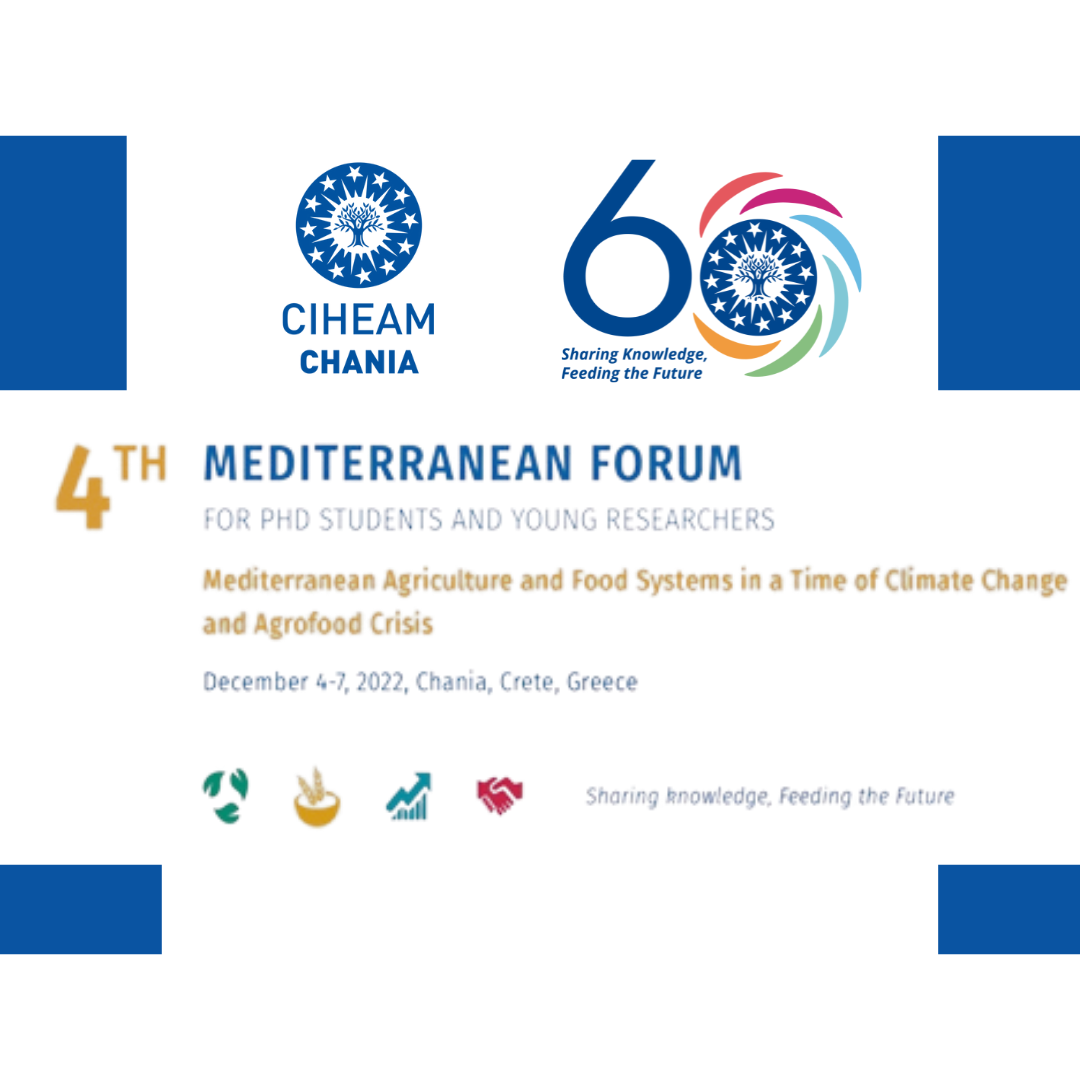
Mediterranean Agriculture and Food Systems in a Time of Climate Change and Agrofood Crisis: 4th Medforum

The 4th Mediterranean Forum (Medforum) for PhD students and young researchers is organized by CIHEAM Chania, under the aegis of the CIHEAM headquarters in Paris, and will take place in Chania, Crete, Greece.

Medforum is becoming known as an interdisciplinary symposium in agricultural sciences that provides opportunities for the exchange of knowledge, expertise and ideas, and for great networking. At Medforum, a wide array of scientific disciplines merge together and intersect with recent developments in the agricultural, horticultural and forestry sciences relevant to the agrifood sector, rural development and sustainability in the Mediterranean basin and beyond.

The forum welcomes PhD students, young researchers, scientists, teachers and students as well as professionals in the agricultural and horticultural industry to establish new collaborations and contacts as they present and discuss their findings. The conference will comprise plenary and regular sessions, in addition to a display of posters.

The forum will consist of four main thematic sessions:

>Tools and strategies to improve efficiency, nutritional value, health and sustainability in agro-food systems

>Agricultural and agroforestry innovations and technologies

>Genetic resources, pest management and water resource use for sustainable production and climate change resilience

>Biotechnological approaches to increasing crop productivity

The event will feature invited speakers, keynote speakers, oral presentation sessions, and a poster display session, as well as a gala dinner.

To enable the participation of as many people as possible, there will be no registration fee. The working language will be English.

Information: http://www.medforum.gr/index.html

Modelling, measurement and mitigation of the environmental impact of livestock production systems

Climate change is probably the most important challenge mankind is facing nowadays. It has been proved that global warming is caused by anthropogenic C emissions (or greenhouse gases, GHG), released into the atmosphere. According to FAO estimations, livestock value chains are responsible for 14.5 % of all anthropogenic GHG emissions, most being produced by livestock production systems.

In this context, CIHEAM Zaragoza –together with the Global Research Alliance on Agricultural Greenhouse Gases (GRA), and the Food and Agriculture Organization of the United Nations (FAO)– organize this course to provide the basic tools to assess the environmental impact of different livestock production systems. The programme also intends to explain the processes underlying C, N and P emissions, using available free-source modelling tools to estimate emissions at farm and regional scale, and the measuring methodologies at different scales, as well as to discuss the technical and economic feasibility of different mitigation options. Besides, the course is a unique opportunity to connect and network with professionals from other countries who are interested in modelling, measuring and mitigating the environmental impact of livestock production systems.

Dates: 12-16 December 2022.

Organizers: CIHEAM Zaragoza, the Global Research Alliance and FAO

Venue: CIHEAM Zaragoza (Spain).

Modality: face-to-face and on-line

More information: https://edu.iamz.ciheam.org/LivestockProductionSystems/en/

MoU between CIHEAM and the European Forest Institute (EFI)

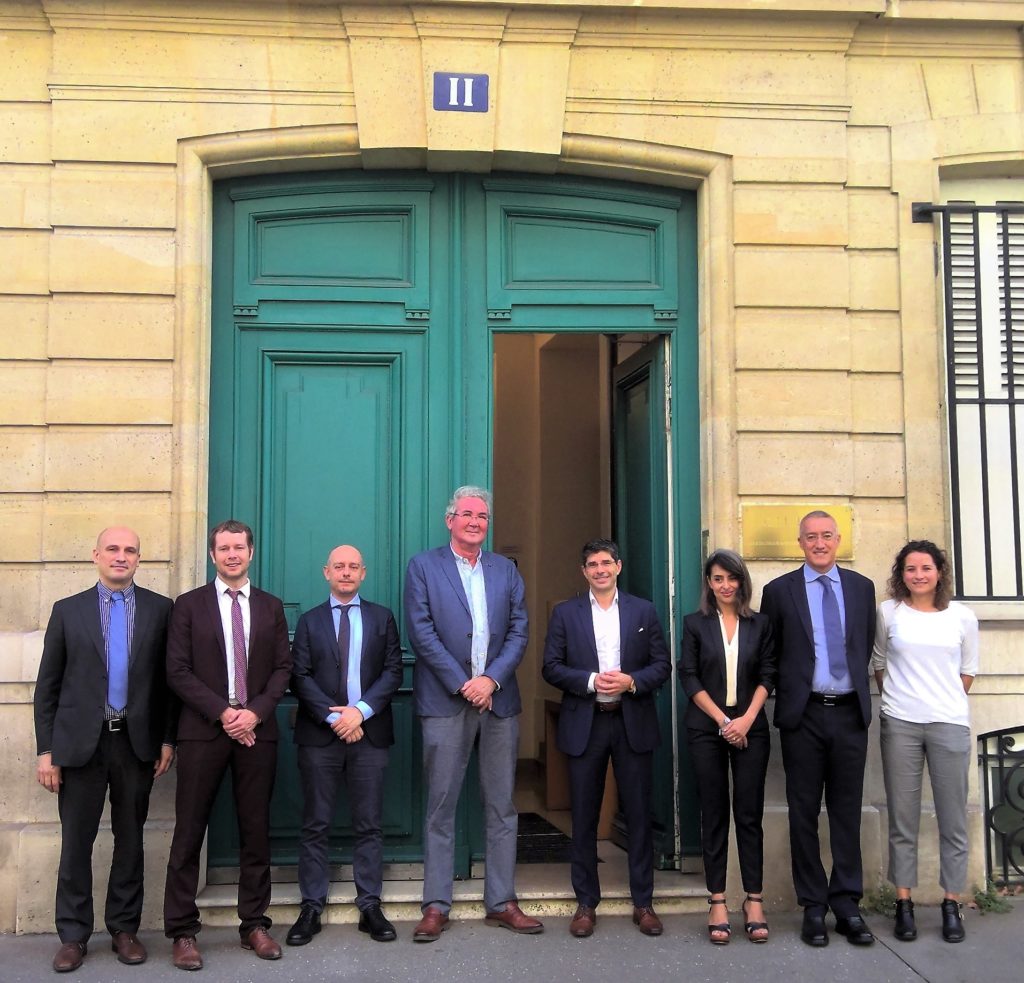
The European Forest Institute (EFI)and the International Center for Advanced Mediterranean Agronomic Studies (CIHEAM) have strengthened their collaboration, signing a Memorandum of Understanding (MoU) on 14 September in Paris.

The MoU establishes cooperation between the two organizations on shared research and capacity-building goals at the interface of forestry and agriculture. 

Long-term sustainable development in the Mediterranean region depends on the governance, resilience and sustainable management of natural resources. This requires a landscape-level approach, integrating both forestry and agriculture to form the basis for a Mediterranean bioeconomy.  

The following focus areas will be a priority: 

  • Integrated Mediterranean landscape management and ecosystem restoration, as a basis for developing a specific Mediterranean bioeconomy while enhancing the provision of ecosystems and essential services and products to support health and livelihoods.
  • The role, trajectories and evolution of Mediterranean agro-silvo-pastoral systems to enhance landscape socio-ecological resilience while advancing the bioeconomy.
  • Urban forest-based solutions and urban farming as a means to rethink cities in the Mediterranean and ensure they are climate-smart and biodiversity-friendly.

Joint activities will include research, networking, and supporting capacity building, with the aim of maximizing synergies and increasing impact.