CIHEAM Zaragoza, the City Council of Zaragoza and the Association The Garden of Peace sign an agreement to create a “Garden of Peace”
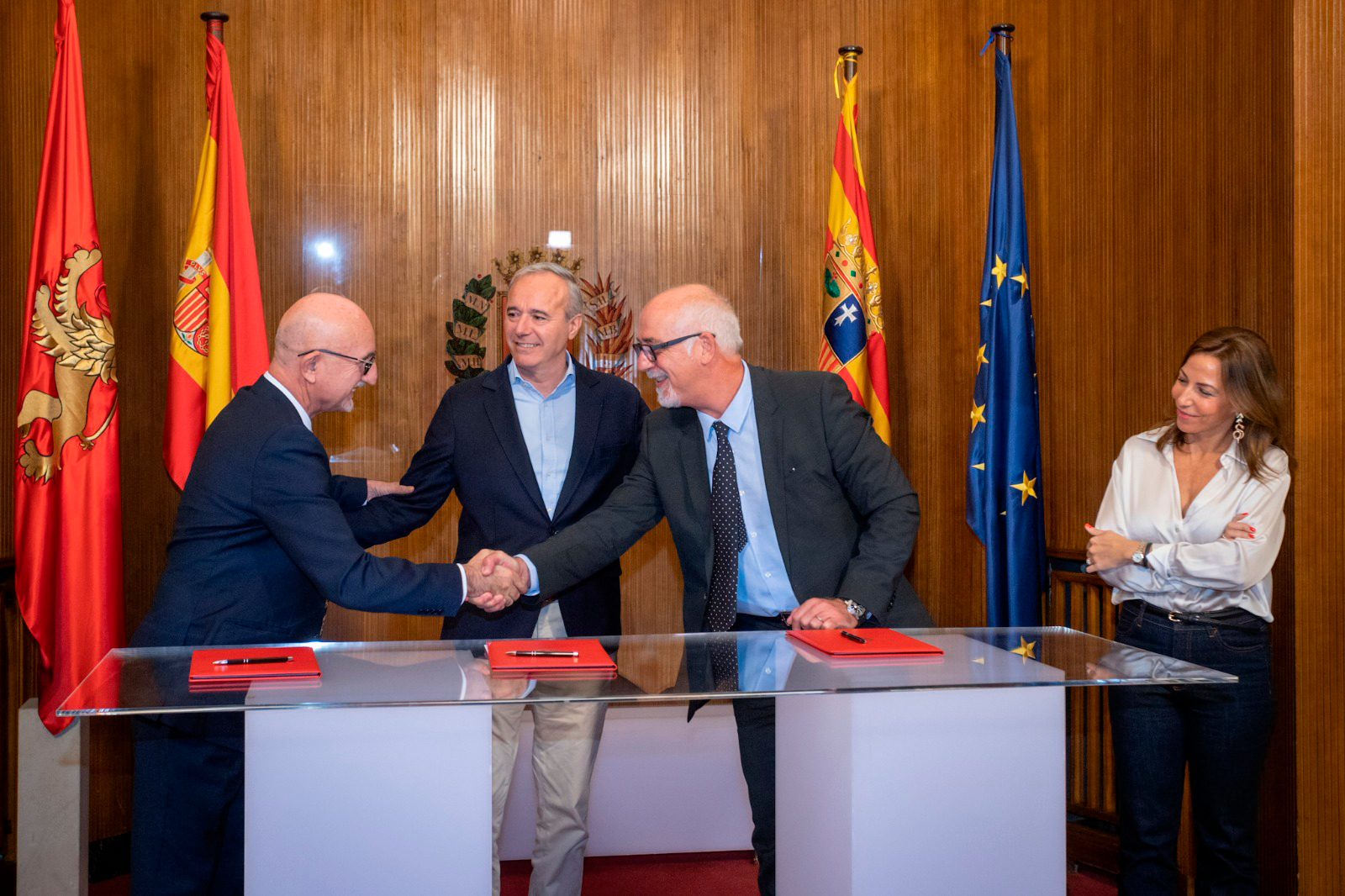
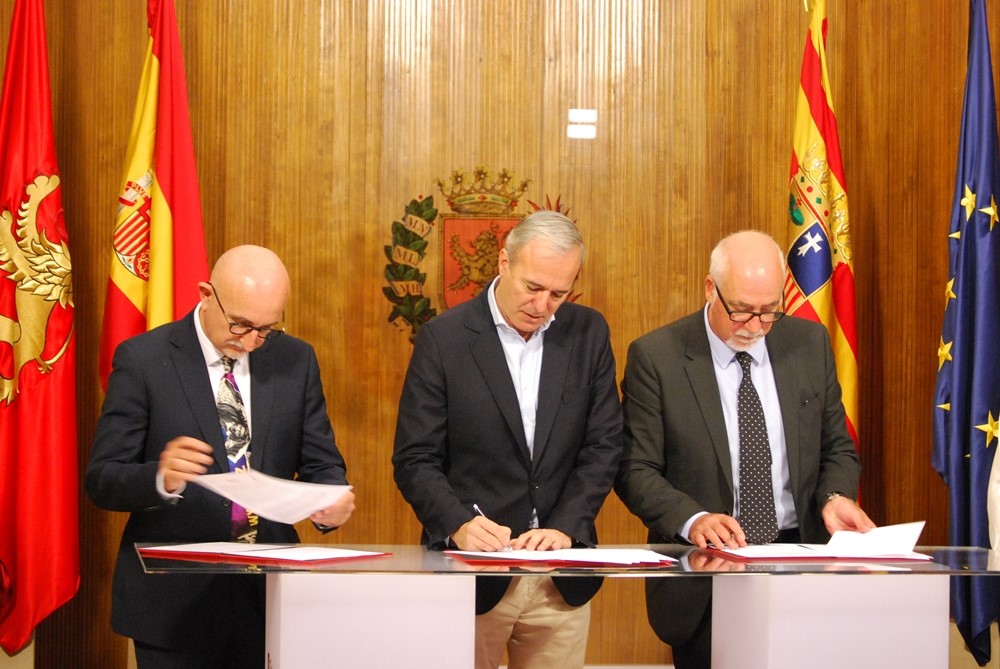
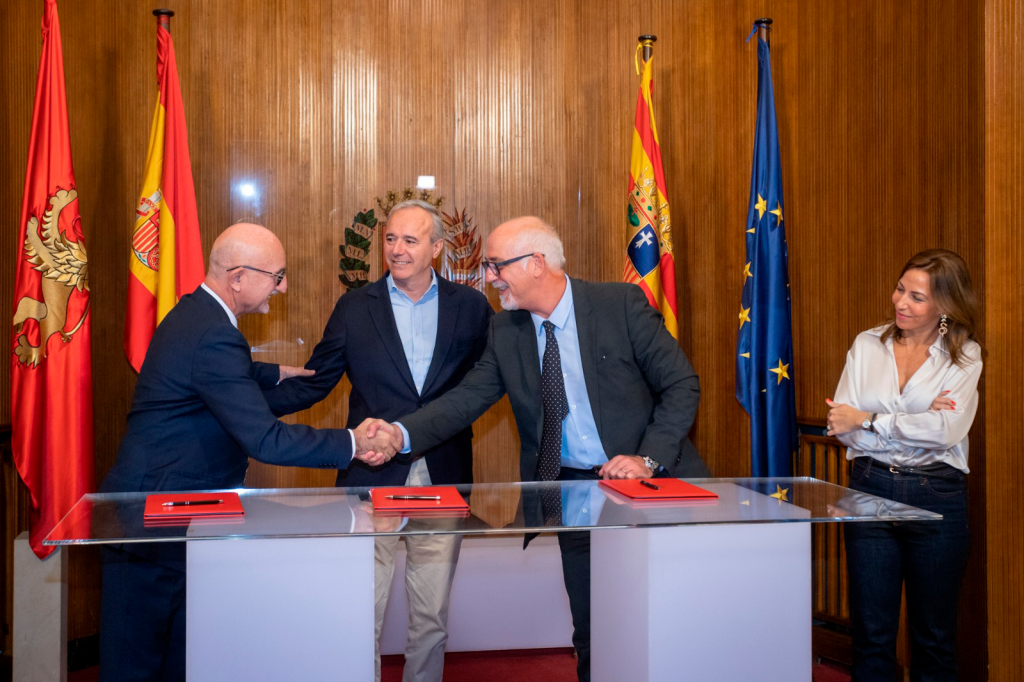
Signing of the agreement to create the Garden of Peace in Zaragoza.
CIHEAM Zaragoza, the City Council of Zaragoza and the Association The Garden of Peace signed an agreement on 2 November to plant in 2023 a garden of peace in the city of Zaragoza. The garden will be created to inspire peace, tolerance and respect between cultures through the olive, a Mediterranean symbol of identity and fraternity.
The garden will include 21 varieties of olive trees from the World Olive Germplasm Bank of the University of Córdoba that hosts the collection of olive cultivars to conserve biodiversity. The purpose of the garden will be twofold: to transmit the universal values of the Mediterranean countries and preserve traditional olive varieties.
THE OLIVE AS A PEACE AMBASSADOR
In the words of Raúl Compés, director of CIHEAM Zaragoza, “The olive is synonymous of Mediterranean culture, a common bond between countries. For us it is the perfect ambassador to transmit a message of peace and common understanding from Zaragoza, where the headquarters of CIHEAM in Spain are located. Our organization embraces the idea of Mare Nostrum, a space for cooperation between 13 Mediterranean member countries speaking in unison”.
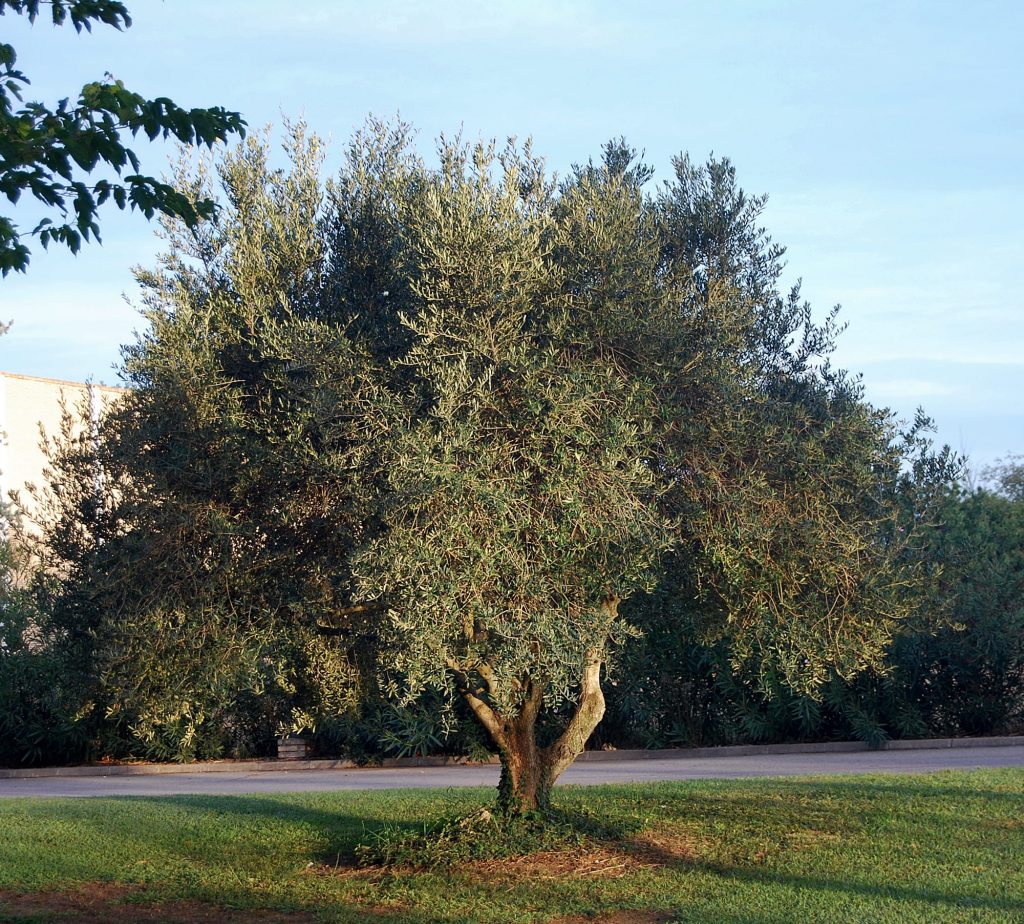
Olive tree in the grounds of CIHEAM Zaragoza.
In the words of Francesco Serafini, president of the cultural association The Garden of Peace, “The initiative opens up a unique opportunity to create a social climate of solidarity and inclusion to offset any form of intolerance or violence”. Serafini went on to say, “through the olive tree and the cities that join the project we are creating a golden thread to weave peace, tolerance, cooperation and cultural exchange”.
ZARAGOZA, CITY COMMITTED TO PEACE
By joining this project, Zaragoza strengthens its commitment to promote a culture of peace. In 1999, UNESCO declared Zaragoza an “emblematic site of culture and peace”, a recognition that highlights the city as a crossroads of cultures, symbolizing an essential, intercultural, spirit of tolerance.
Zaragoza’s mayor Jorge Azcón stated, “We are grateful to take part in this initiative. We understand that it is important for the city because of the symbolism it holds for peace, solidarity and the environment and can be an example for other cities that wish to join this project”.
The agreement was signed on Wednesday 2nd November 2022.
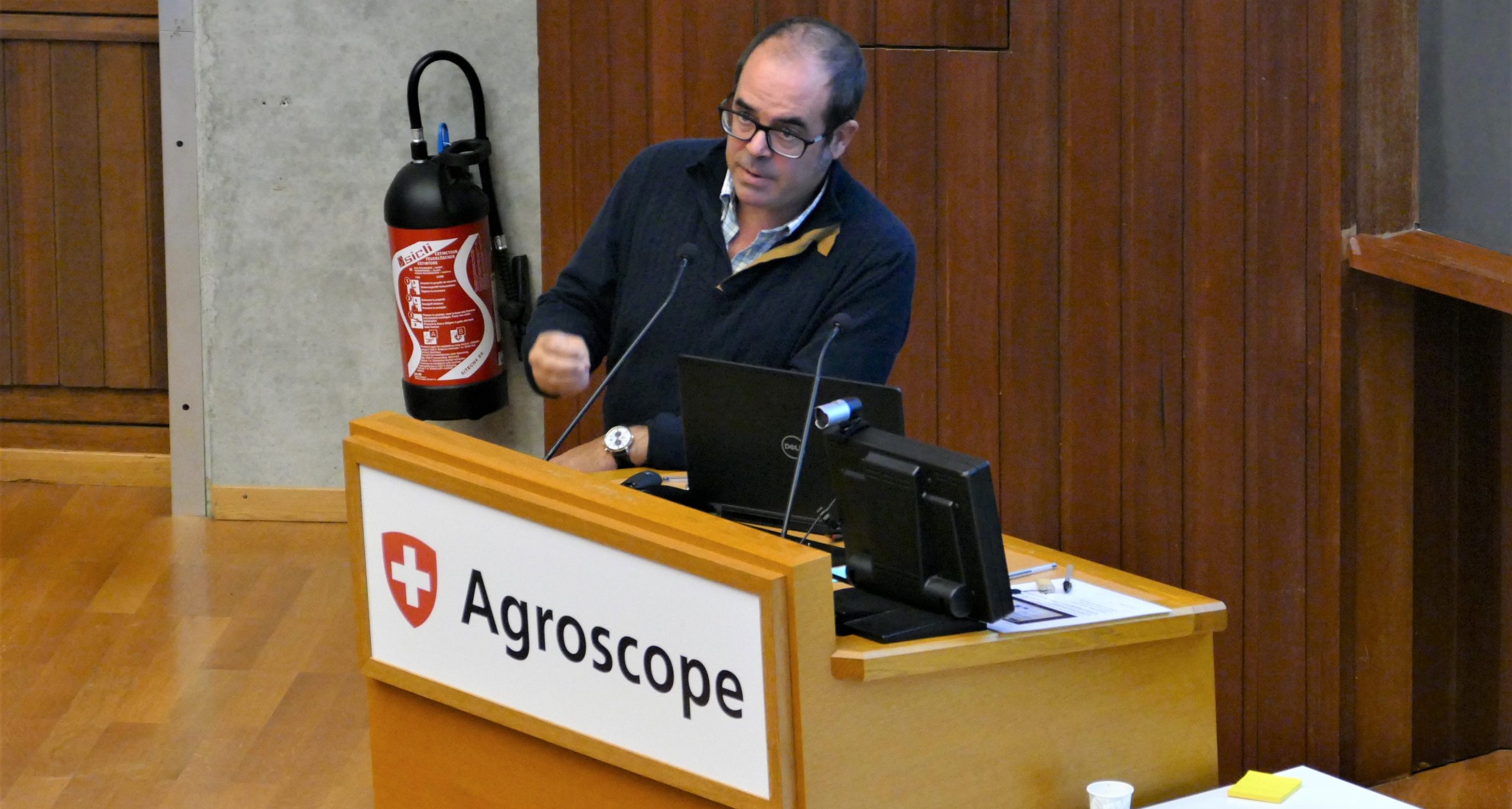
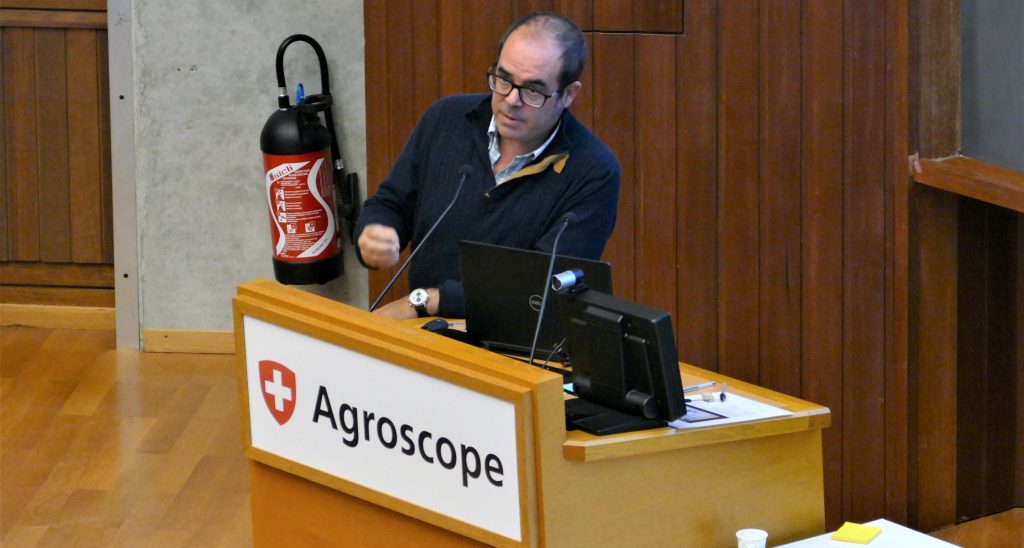
CIHEAM Zaragoza took part in the H2020 IPMWorks project annual meeting held from 25 to 27 October 2022 at Agroscope in Switzerland. The international gathering, marking a mid-term milestone, served to reflect on the project’s achievements over the past two years and its plans for the future.
The IMPWorks consortium is composed of 31 partners from 16 European countries, working together to demonstrate and promote cost-effective Integrated Pest Management (IPM) strategies. The aim of the project is to achieve a low reliance on pesticides by sharing success stories, organising peer-to-peer knowledge exchange activities, promoting farm demonstrations, and training farmers and advisors on IPM.
The role of CIHEAM Zaragoza in the project consists in developing communication and training activities, as well as leading the national policy networks work package.
During the annual meeting, Antonio López-Francos, CIHEAM Zaragoza Cooperative Project and Network Administrator, presented the IMPWorks training action plan and the structure of the IPMWorks e-learning materials. A 2023 spring pilot training in Zaragoza (Spain) and training sessions across 2023 and 2024 organized by national focal points and sector leaders / hubs in their own countries were announced at the international gathering.
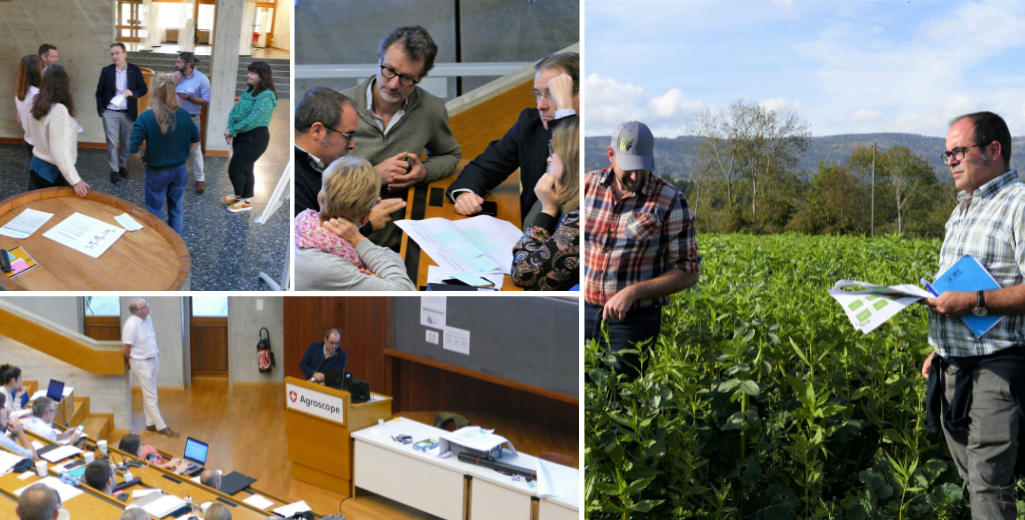
Small group discussions and role playing activities took also place during the meeting to share ideas on how to bring the holistic aspect of IPM and engage farmers in the hub meetings and demonstrations.
These activities were complemented with field visits to two Swiss farms to see “IPM in practice”.
CIHEAM Zaragoza organizes a sustainable tourism capacity building and networking activity delivered by UNESCO
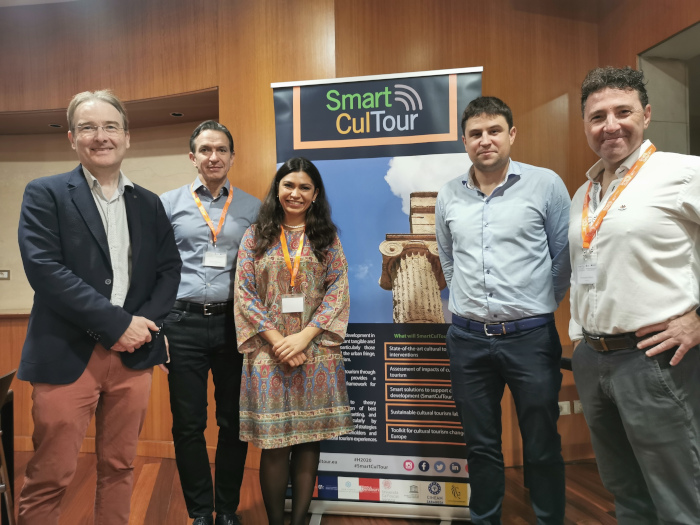
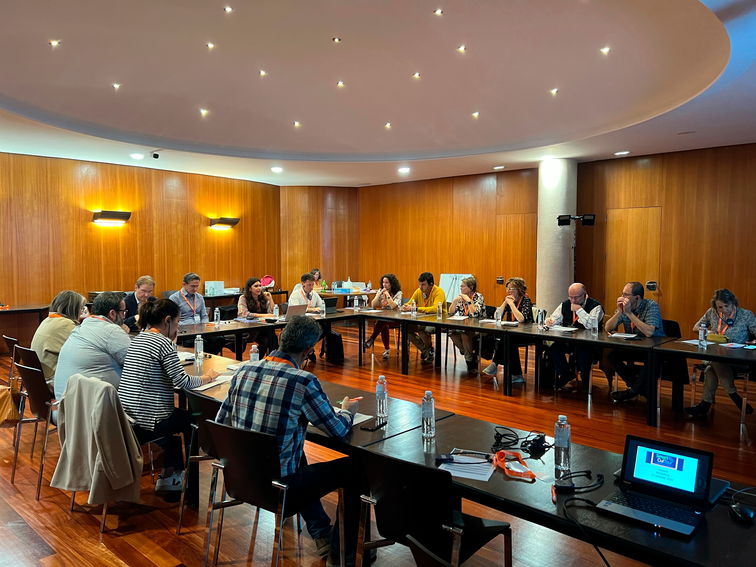
On October 17th CIHEAM Zaragoza organized a sustainable tourism capacity building and networking activity delivered by UNESCO that brought together culture, heritage and tourism stakeholders from the Huesca Living Lab, from both the private and the public sectors.
The initiative was part of the European research project SmartCulTour, aimed at supporting regional development, with special attention to rural peripheries and the urban fringe, through sustainable cultural tourism.
The meeting served as an invitation to rethink tourism, diving deep into trends to develop new strategies.
Peter Debrine, senior consultant to UNESCO on sustainable tourism; Constanza Fidelbo, associate project officer at UNESCO Regional Bureau for Science and Culture in Europe; Alun Jones, manager of the SmartCulTour project at CIHEAM Zaragoza; Antonio Biescas, representative of the Provincial Council of Huesca; Fernando Blasco, managing director of TuHuesca; and different representatives of the tourism sector in Huesca participated in the meeting.
Smart Cultural Tourism as a Driver of Sustainable Development of European Regions
Sustainable cultural tourism policies can significantly support the development of the European regions. Cultural tourism, especially in rural areas as well as in urban periphery, can emerge as a factor of economic growth.
SmartCulTour is a four-year project (2020-2023) funded by the European Union in the frame of Horizon 2020. It intends to redefine the concept of cultural tourism to provide European regions with strategies that engage stakeholders in co-creating smart cultural tourism practices.
Following the European Framework for Action on Cultural Heritage, SmartCulTour supports evidence-based decision-making via multistakeholder cooperation while establishing a region’s culture and heritage as a sustainable resource for the future.
The project is being deployed through field tests in six living labs.
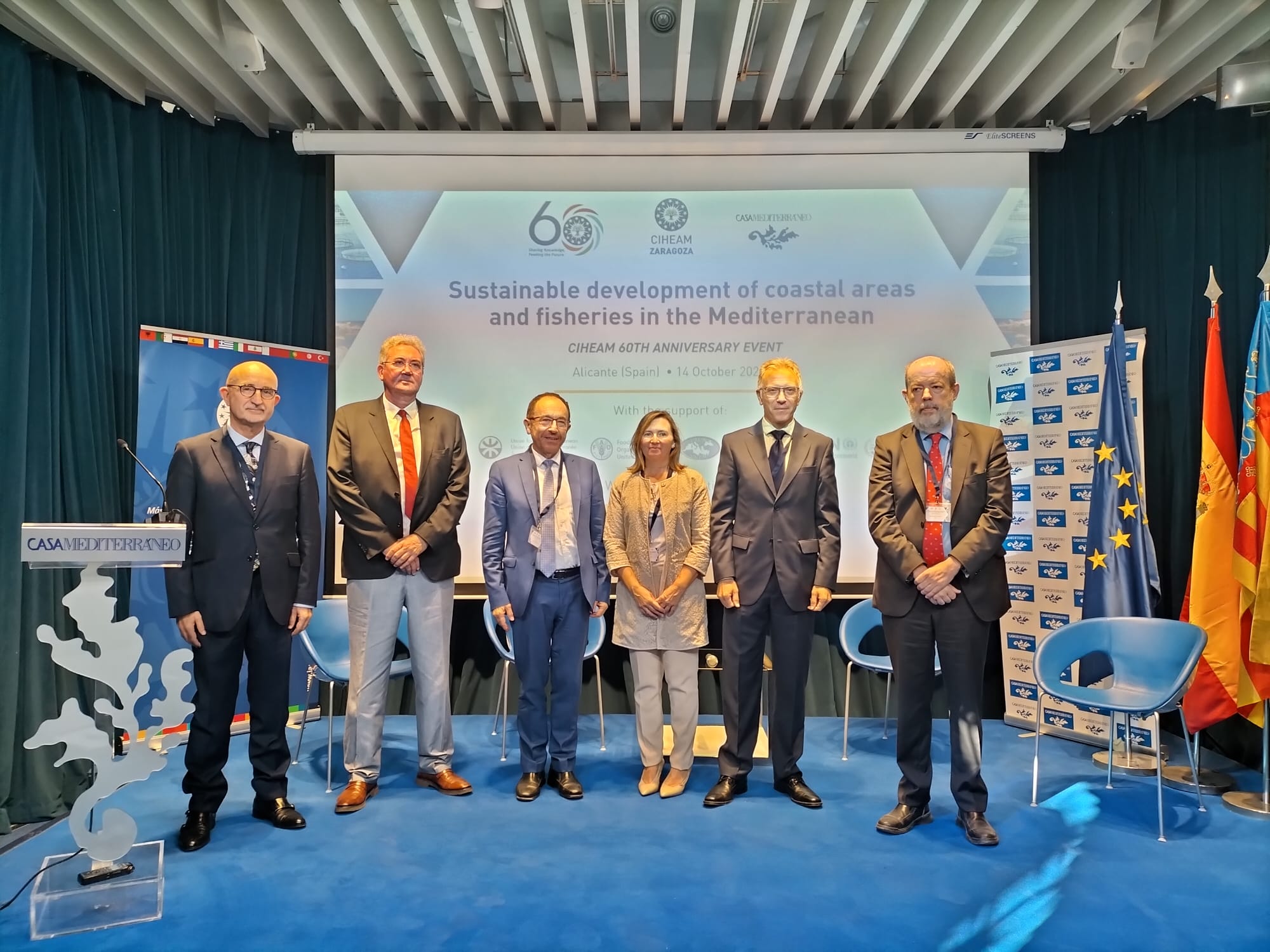
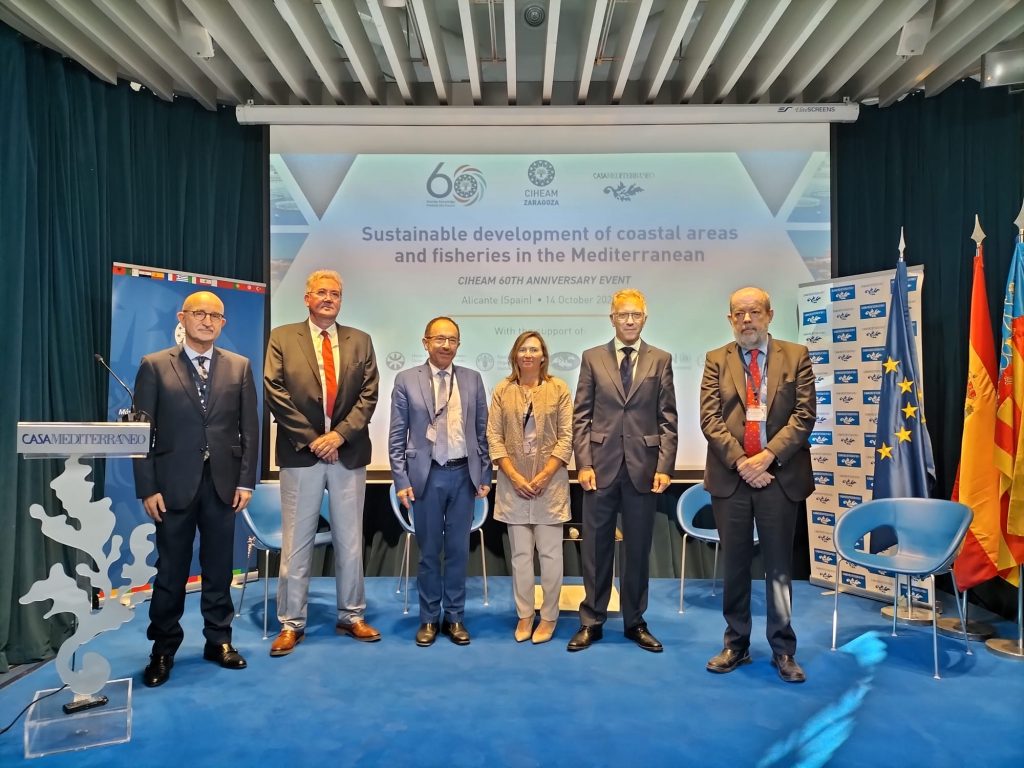
From the left: Raúl Compés, Director of CIHEAM Zaragoza, Plácido Plaza, CIHEAM Secretary General, Andrés Perelló, Director of Casa Mediterraneo, Isabel Artime, Director General for Sustainable Fisheries at the Ministry of Agriculture, Fisheries and Food of Spain, Roger LLanes, Sec. for Agriculture & Rural Dev. at the Reg. Govt of Valencia, and Ignacio Díaz de la Guardia, Deputy-Director General for Multilateral Economic Affairs at MFA of Spain.
Experts and representatives of 9 Mediterranean countries have gathered in Alicante on October 14th to take part in the conference organized by CIHEAM, CIHEAM Zaragoza and Casa Mediterráneo to seek solutions and enhance cooperation in order to overcome challenges in fisheries, aquaculture and coastal zone management.
Alicante, 14 October 2022.- On October 14th, Alicante has been the capital of the Mediterranean in coastal zone management and fisheries, hosting an international conference organized by CIHEAM, together with their headquarters in Spain – CIHEAM Zaragoza, and Casa Mediterráneo. The event has brought together experts and representatives from 9 Mediterranean countries (Egypt, France, Greece, Italy, Lebanon, Malta, Morocco, Spain and Tunisia) to seek solutions and strengthen cooperation, in order to face the challenges in Mediterranean fisheries, aquaculture and coastal zone management. The presentations delivered in the programme and the discussions held between participants have put the spotlight on the need for specialized, multidisciplinary training and institutional support so as to achieve more sustainable fisheries management in the Mediterranean.
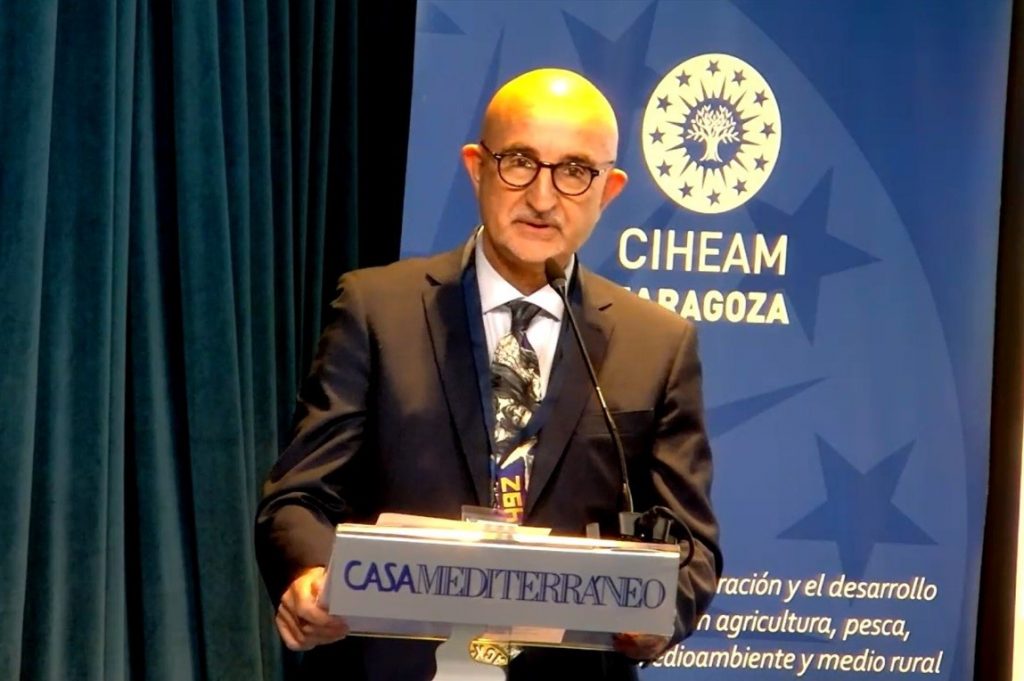
In the words of Raúl Compés, director of CIHEAM Zaragoza, in his opening speech: “We should remember that of all the semi-enclosed seas in Europe, the Mediterranean is the largest. It is surrounded by 22 countries that share a coastline stretching over 46 000 kilometres, three continents: Africa, Asia and Europe, and hosting 500 million inhabitants. Approximately one third of this population is concentrated in the coastal regions, giving rise to conflicting uses and considerable environmental pressure”.
Raúl Compés, director of CIHEAM Zaragoza, during the opening session.
During the opening session of the event, Compés was joined by Ignacio Díaz de la Guardia, subdirector general of Multilateral Economic Affairs of the Spanish Ministry of Foreign Affairs, European Union and Cooperation; Isabel Artime, director general of Sustainable Fisheries of the Spanish Ministry of Agriculture, Fisheries and Food; Roger Llanes, secretary for Agriculture and Rural Development of the Council of Agriculture, Rural Development, Climate Emergency and Ecological Transition of the Regional Government of Valencia; Plácido Plaza, secretary general of CIHEAM; and Andrés Perelló, director of Casa Mediterráneo.
The importance of training, research and knowledge transfer has been one of the key messages of the opening session of this event, organized as part of CIHEAM’s 60th anniversary celebrations. As stated by Artime: “The future of fisheries depends on the promotion of knowledge, research and capacity-building of sea workers”.
New CIHEAM study on coastal zone management and fisheries in the Mediterranean
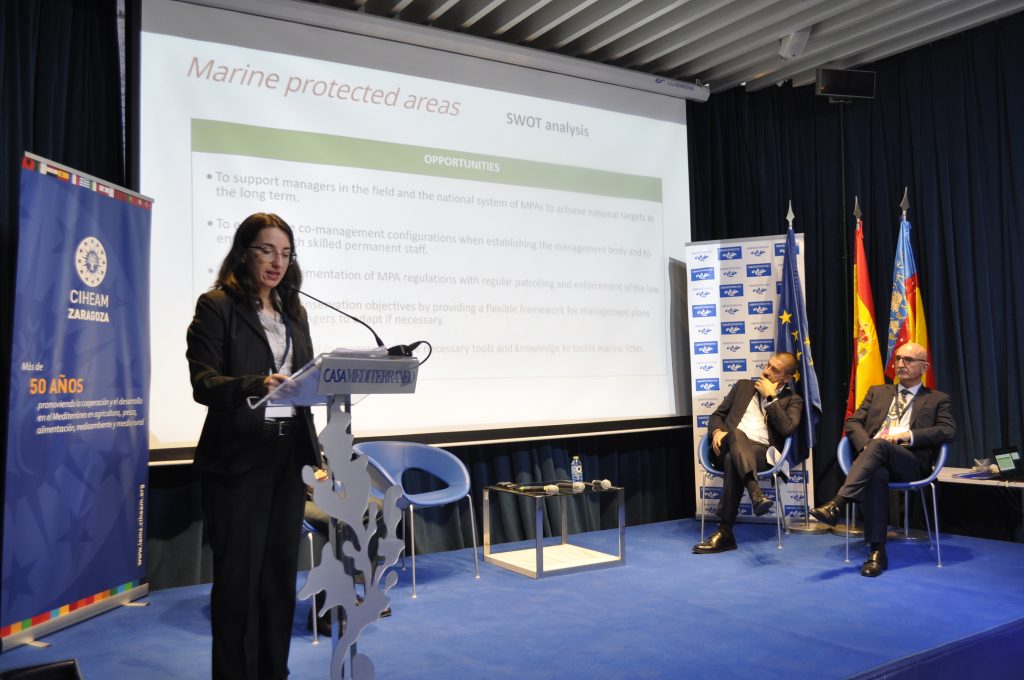
Ana María Sánchez, head of the Training Unit of CIHEAM Zaragoza during the “CIHEAM and the sustainable management of coastal zones and fisheries” panel session.
During the conference, CIHEAM presented the study they are conducting on coastal zone management and fisheries in the Mediterranean to determine the needs and opportunities for cooperation between regional institutions and member states.
Founded in 1962, CIHEAM is an intergovernmental organization working to strengthen cooperation and sustainable development in agriculture, food and fisheries in the Mediterranean. CIHEAM currently has 13 member countries (Albania, Algeria, Egypt, France, Greece, Italy, Lebanon, Malta, Morocco, Portugal, Spain, Tunisia and Turkey).
Sixty years on, the founding principles of the organization are still relevant today. According to this new study presented at the conference, specialized, multidisciplinary training is considered to be a major requirement for specialists and managers involved in making Mediterranean fisheries management more sustainable.
Training needs are diverse and ever-changing. Adaptive legislation, a marine environment subject to heavy pressure from conflicting uses and impacts, fishing technology that is constantly evolving and needs to be selective with low environmental impact, illegal, undeclared and unregulated fishing, the need to provide an administrative and business framework for the sustainable development of aquaculture, generational replacement, acknowledgement of women in the fishing sector or how to ensure a market supply of healthy, sustainable seafood, are just some of the important issues in which fishery managers and professionals require training and constant updating of their knowledge.
Creation of Mediterranean networks for women in fisheries and fishing museums
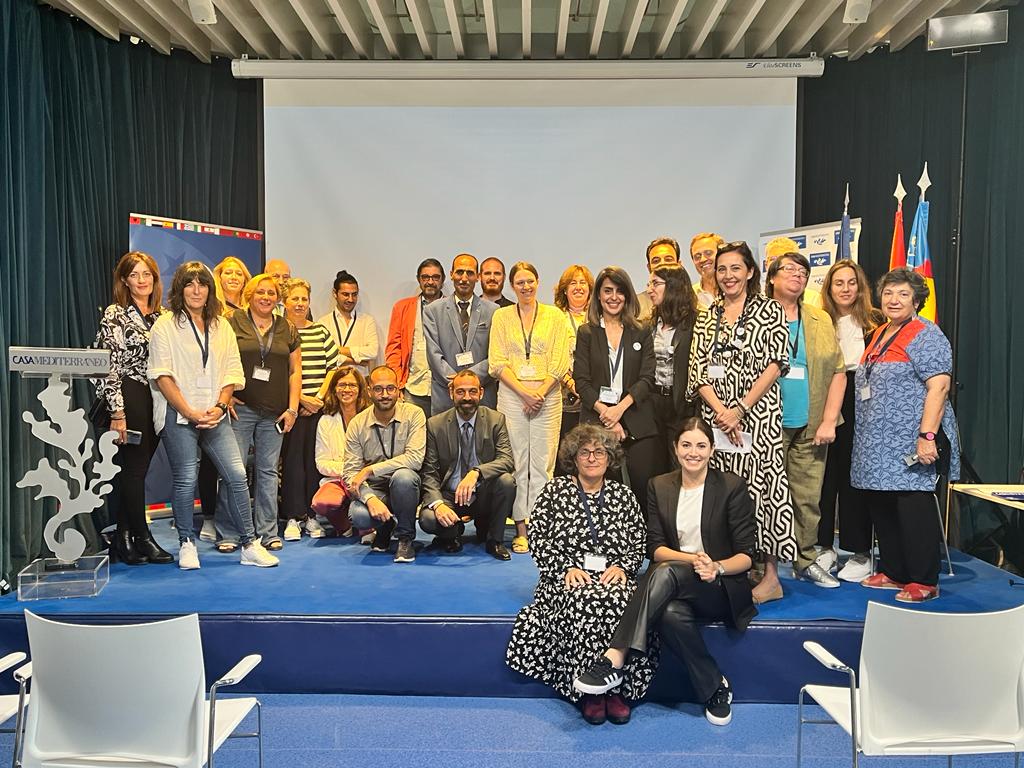
Participants of the working group on women and fisheries in the Mediterranean.
The CIHEAM conference also featured two working sessions designed to create links and set up Mediterranean networks revolving around two strategic issues for the the sustainable development of the coastal communities in the region. The first session “Women and Fisheries” focused on how to improve the situation of women in fisheries, integrating them in the governance of the sector and encouraging actions of mutual cooperation on a Mediterranean scale. This would give rise to a Mediterranean network of women in fisheries.
The second session addressed the topic of fishing museums and looked into how to create common links between the sea museums of the Mediterranean, particularly those related to fishing communities, historical heritage, or the culture and values of artisanal fisheries. The museums of Tabarca and Santa Pola in Alicante and the Italian museum of Tricase are participating in this initiative.
Major stakeholders in the Mediterranean water sector meet to discuss sustainable water management
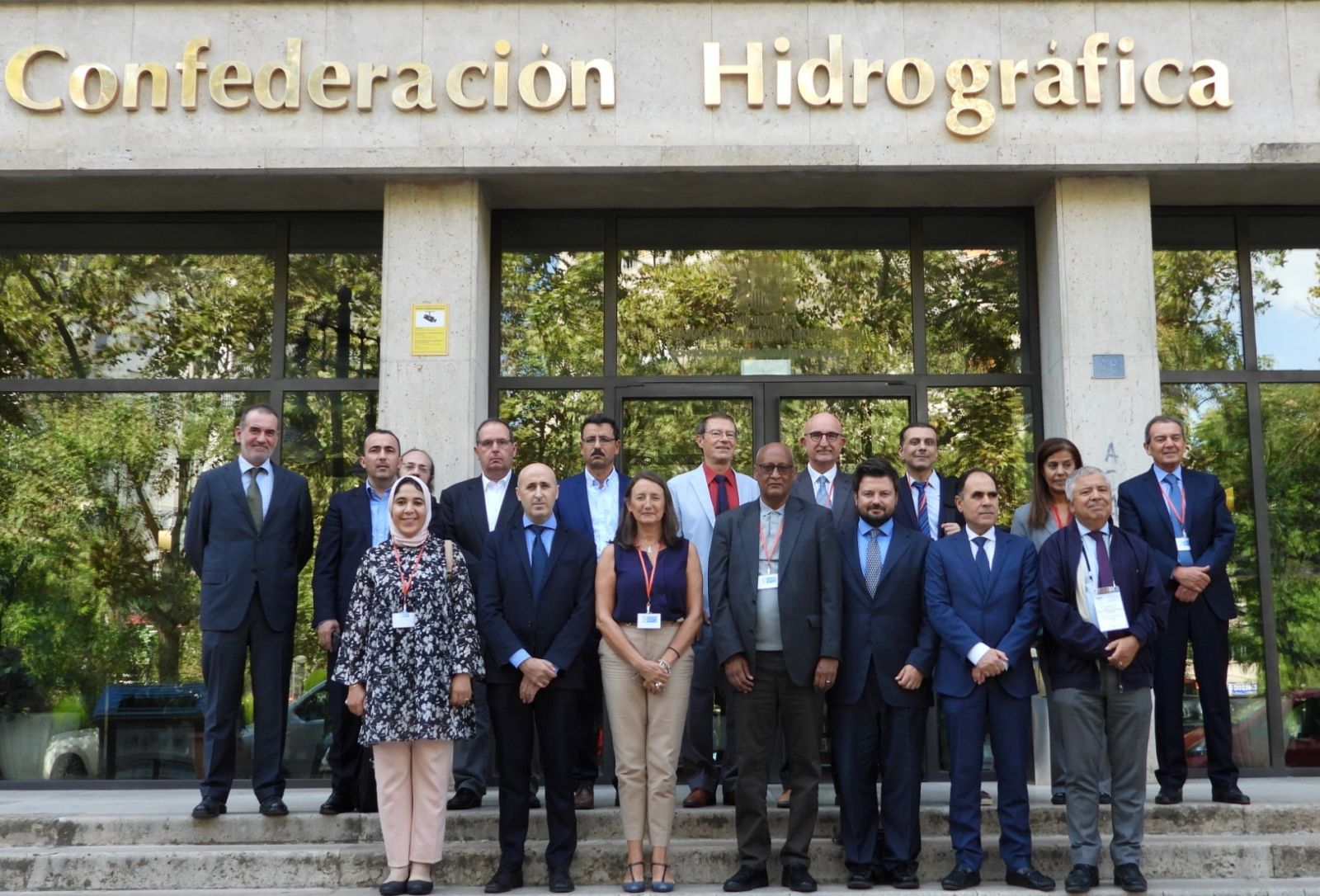
The city of Valencia has hosted the Mediterranean Water Week from 19 to 23 September. This five-day event has counted on the participation of the Mediterranean Water Institute (IME), the General Directorate of Water of the Spanish Ministry of Ecological Transition and Demographic Challenge (MITECO), the Mediterranean Network of River Basin Authorities (REMOC), the Jucar River Basin Authority, the City Council of Valencia and the Spanish Agency for International Development (AECID). They came together to organize a series of activities to enable the transition towards efficient and sustainable water management in the countries of the Mediterranean Basin.
The work sessions and discussions revolved around relevant issues such as water stress, water planning, financing of infrastructures and climate change, as well as governance and mobilization of non-conventional resources.
The IME marked their 40th anniversary by presenting the activities they conduct on a regional scale, some in collaboration with the World Water Council. The session devoted to cooperation and development consisted of a seminar addressing the AECID Masar Water Programme and an expert working group meeting of the 5+5 Dialogue addressing water strategy in the western Mediterranean. Raúl Compés, director of CIHEAM Zaragoza, participated in both sessions.
The five countries involved in the 5+5 Dialogue from the southern Mediterranean are Algeria, Libya, Morocco, Mauritania and Tunisia and the five European countries involved are France, Italy, Malta, Portugal and Spain. The aim of this forum for dialogue is to promote an action plan to overcome the consequences of climate change on the water resources of the Mediterranean Basin.
During this session, the experts reinforced their intention to set up training programmes and foster knowledge transfer and capacity-building in order to work together to determine which actions and solutions can provide added value in various fields such as integrated management of non-conventional water resources, modernization of agricultural infrastructures or efficient and sustainable management of river basins.
Water management and governance, a priority for CIHEAM Zaragoza
The sustainable management of water resources is one of CIHEAM Zaragoza’s priority areas of specialization and holds a prominent place in their training offer and capacity-building activities, designed in accordance with the interests of the 13 member countries of this Mediterranean organization (Albania, Algeria, Egypt, France, Greece, Italy, Lebanon, Malta, Morocco, Portugal, Spain, Tunisia and Turkey).
CIHEAM Zaragoza delivers their International Master in Sustainable Water Management and Governance in Natural and Agricultural Environmentsfrom September 2022 to July 2024, with the collaboration of professionals of considerable international prestige. This master’s programme prepares students to face the challenges in water management and governance with an integrated, multidisciplinary focus, addressing issues related to hydrology, biophysics, economics, institutions, regulation, policies and planning.
The Institute has also delivered over twenty advanced courses for professionals on different topics related to water management and governance, such as of wastewater reuse in agriculture, water and energy in Mediterranean rural areas, ecological restoration of Mediterranean rivers or integrated planning strategies for water resources in the Mediterranean region.
“A Change of Route towards more Sustainable and Resilient Food Systems in the Mediterranean Countries: the Mediterranean Diet as a Strategic Resource for Accelerating Agenda 2030 in the Region” is the title of the third world conference on the Revitalization of the Mediterranean Diet, which will take place from 28 to 30 September at CIHEAM Bari’s Cosimo Lacirignola Campus.
Recognizing the Mediterranean Diet as a sustainable food model, suited to current Mediterranean lifestyles, identifying strategies, programmes, projects and actions to improve the sustainability of food systems, halt malnutrition and the degradation of ecosystems, counteract climate change and stop the collapse of biodiversity in the region, enhance people’s livelihoods, are some of the topics that will be addressed by over 200 international experts and stakeholders, who will convene for three days across twenty one thematic sessions, aiming to urge a change of route towards Sustainable Food Systems in the Mediterranean Region and accelerating the 2030 Agenda.
In line with the Call to Action of the G20 Matera Declaration, this initiative aims to foster a change of route towards more resilient food systems, with the Mediterranean diet acting as a Sustainable Consumption and Production Lever, following the One-Health holistic approach, a conceptual model that integrates human and animal health, the environment and lifestyle.
The meeting will be opened on 28 September, at 9:30, by Maurizio Raeli, Director of CIHEAM Bari, Stefano Bronzini, Rector of the University of Bari Aldo Moro, Angelo Riccaboni, President of PRIMA Foundation, Paolo De Castro, Coordinator of the European Parliamentary Alliance Against Hunger, Janusz Wojciechowski Commissioner for Agriculture of the European Commission, Placido Plaza, Secretary General of CIHEAM, Nasser Kamel, Secretary General of UfM, Maurizio Martina, Assistant Director General of FAO, Antonio Decaro, Mayor of Bari, Michele Emiliano, President of Puglia Region.
Mohammed Sadiki, Morocco’s Minister of Agriculture, Marine Fisheries, Rural Development, Water and Forestry and President of CIHEAM’s Governing Board, and Mahmoud Elies Hamza, Tunisia’s Minister of Agriculture, Water Resources and Fisheries, will deliver the closing remarks of the opening session. Luigi Di Maio, Minister of Foreign Affairs and International Cooperation, is also expected to attend.
The conference, which will feature several sessions, will end on 30 September. This event, scheduled to coincide with the celebration of the 60th anniversary of the International Centre for Advanced Mediterranean Agronomic Studies, is organized by CIHEAM in Bari under the auspices of the Ministries of Foreign Affairs and International Cooperation, Agriculture, Food and Forestry Policies, Health, Ecological Transition and the Union for the Mediterranean, Puglia Region and the Municipality of Bari, with the technical support of the FAO.
Gestionar consentimiento
Para ofrecer las mejores experiencias, utilizamos tecnologías como las cookies para almacenar y/o acceder a la información del dispositivo. El consentimiento de estas tecnologías nos permitirá procesar datos como el comportamiento de navegación o las identificaciones únicas en este sitio. No consentir o retirar el consentimiento, puede afectar negativamente a ciertas características y funciones.
Funcional
Always active
El almacenamiento o acceso técnico es estrictamente necesario para el propósito legítimo de permitir el uso de un servicio específico explícitamente solicitado por el abonado o usuario, o con el único propósito de llevar a cabo la transmisión de una comunicación a través de una red de comunicaciones electrónicas.
Preferencias
El almacenamiento o acceso técnico es necesario para la finalidad legítima de almacenar preferencias no solicitadas por el abonado o usuario.
Estadísticas
El almacenamiento o acceso técnico que es utilizado exclusivamente con fines estadísticos.El almacenamiento o acceso técnico que se utiliza exclusivamente con fines estadísticos anónimos. Sin un requerimiento, el cumplimiento voluntario por parte de tu proveedor de servicios de Internet, o los registros adicionales de un tercero, la información almacenada o recuperada sólo para este propósito no se puede utilizar para identificarte.
Marketing
El almacenamiento o acceso técnico es necesario para crear perfiles de usuario para enviar publicidad, o para rastrear al usuario en una web o en varias web con fines de marketing similares.