Plastic waste and food waste – a double challenge for the packaging sector

  • CIHEAM Zaragoza organizes and hosts an advanced course for professionals on recyclable, biodegradable, active and intelligent food packaging
The food packaging sector uses more than 40 % of the world plastic production. Plastic is the material most commonly used for this purpose but it is also one of the biggest pollutants. Reduction of plastic waste through new recycling solutions and the development of new materials are key elements to progress towards the circular economy and to protect the planet, as pointed out by Cristina Nerín, researcher from the University of Zaragoza and scientific coordinator of the advanced course in recyclable, biodegradable, active and intelligent food packaging organized by CIHEAM Zaragoza.

She also underlines another fundamental concern: “The two main challenges for the sector are how to reduce plastic waste and food waste. In order to achieve this, we need to develop better technologies to improve plastic recycling and produce new packaging materials to prolong the shelf life of food products”.

THE IMPORTANCE OF EDUCATING THE CONSUMER

Nerin goes on to mention another critical aspect; educating the consumer in order to tackle the issue of plastic waste and food waste. As an expert in food safety she recognizes that there is still work to be done, besides food labelling and adds that we need to explain to the general public how to use the plastics and packaging of the foods they consume:

In theory there are already compostable and biodegradable materials available on the market but the consumers do not know how to deal with them or how to treat them. For example whether they have to use the yellow bin for plastic recycling or dispose of them together with organic waste”.

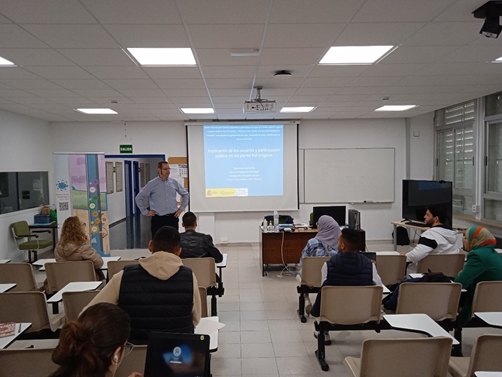
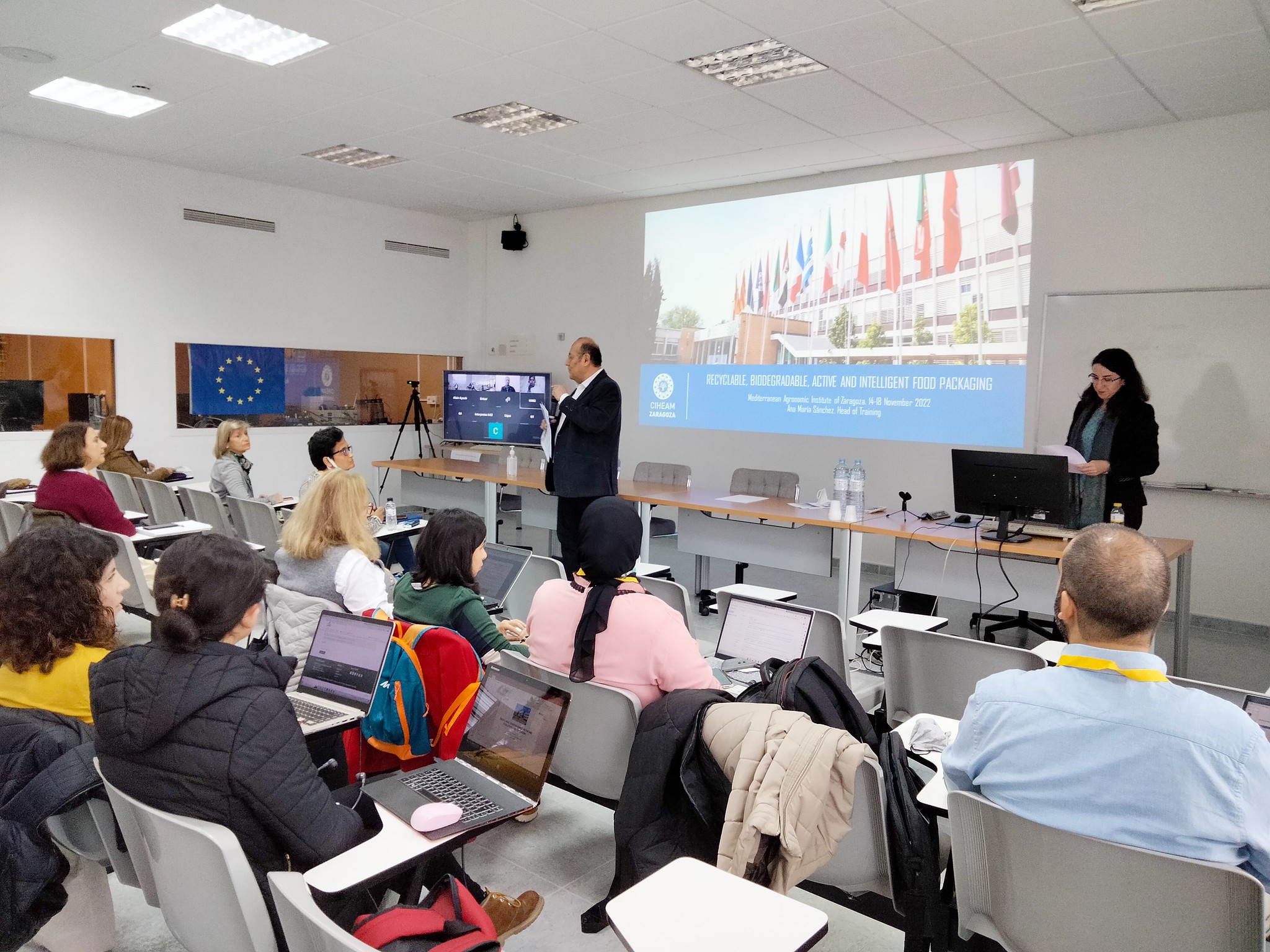
It is precisely for this reason that professionals working in food packaging have gathered in CIHEAM Zaragoza to attend the advanced course from 14 to 18 November addressing the current challenges faced by the sector on this issue.

Advanced Course: Recyclable, biodegradable, active and intelligent food packaging

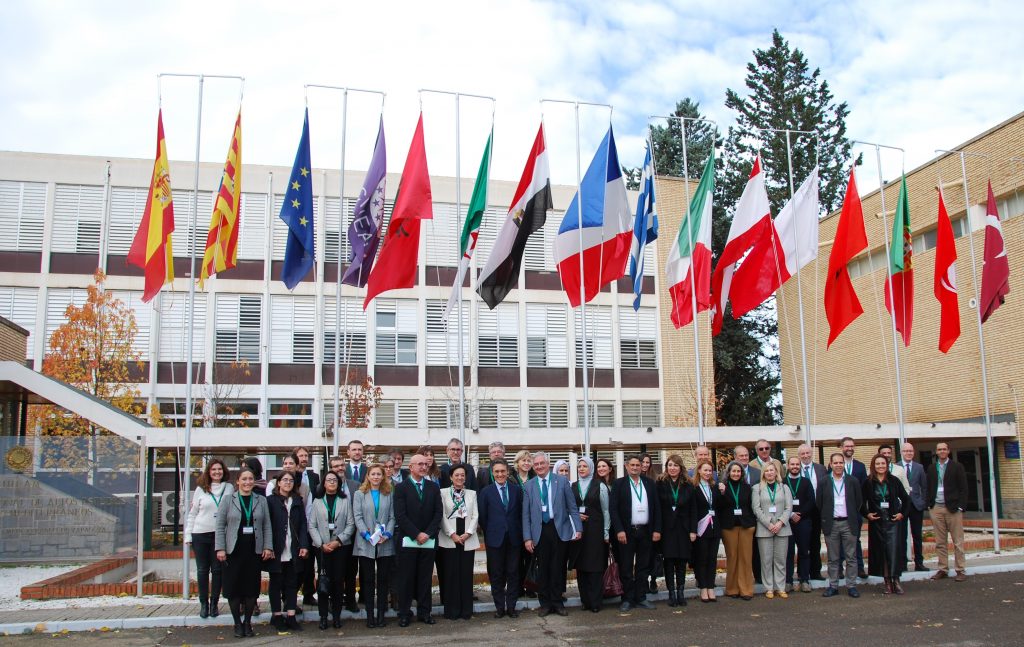
This international course has combined theoretical lectures and international case studies presented by professionals, together with applied group work. There were 19 participants (12 face-to-face and 7 online) from 7 countries (Egypt, Italy, Lebanon, Portugal, Spain, Tunisia and Turkey).

TECHNICAL VISIT TO AITIIP TECHNOLOGICAL CENTRE

Participants in the advanced course for professionals also had the opportunity to visit Aitiip Technological Centre, a private, non-profit organization located on the Empresarium industrial estate in Zaragoza whose primary purpose is the promotion of technological activities of plastics processing and mould manufacturing and matrices.

During the visit, the participants saw first-hand how new materials were produced and learnt more about the technologies applied in the production of food packaging, such as injection, blow moulding, extrusion, casting, thermoforming and 3D printing.
Cereal markets and food security in the Mediterranean region: Seeking durable solutions through cooperation and continuous dialogue

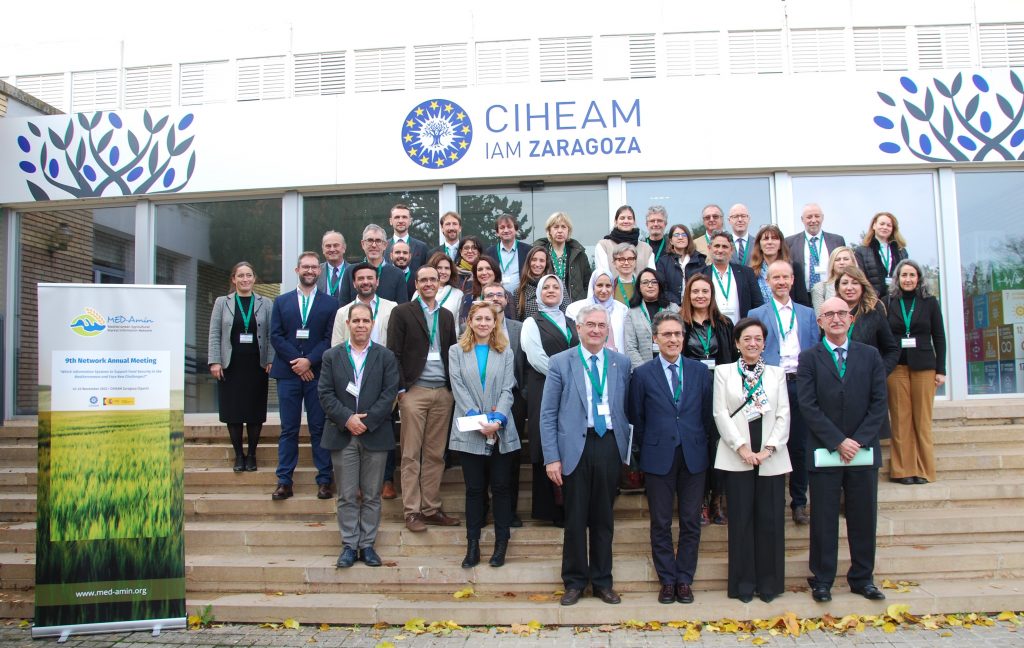
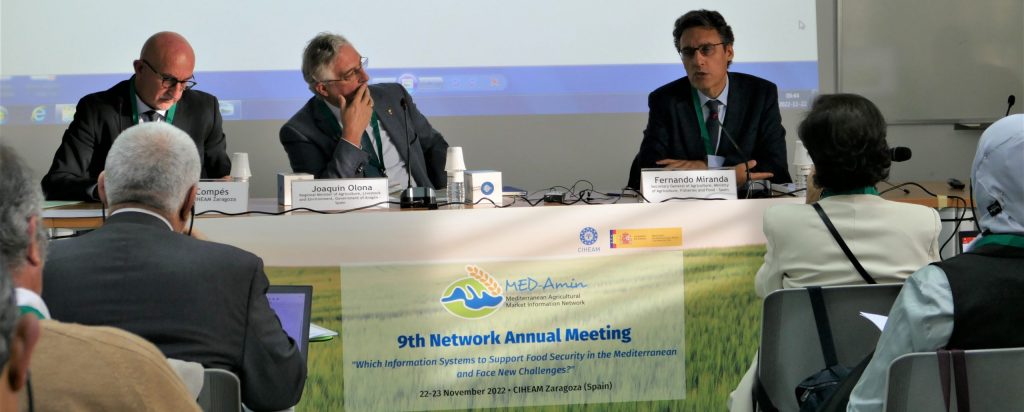
Countries on both shores of the Mediterranean are working together to find joint solutions to strengthen the resilience of their agricultural systems and food security undermined by the invasion of Ukraine. Marked by the current crisis in grains and input markets, the 9th MED-Amin meeting takes place on 22 and 23 November 2022 in CIHEAM Zaragoza (Spain) to address current and future challenges to food security in the region and strengthen cooperation.

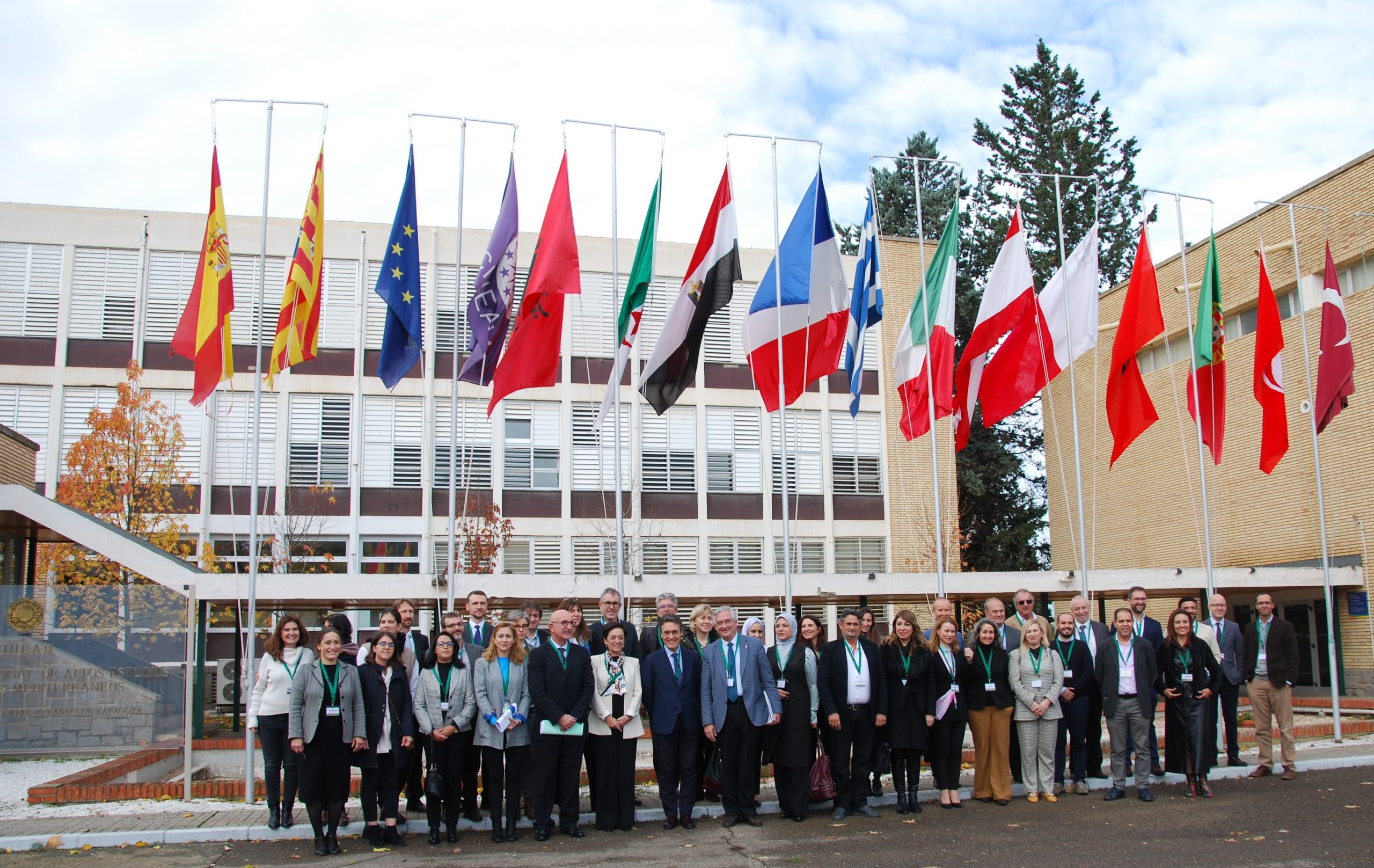
The event, jointly organized by the Spanish Ministry of Agriculture, Fisheries and Food, CIHEAM Montpellier, and CIHEAM Zaragoza brings together experts and policymakers from 13 Mediterranean countries, as well as key partner organizations involved in the agricultural market and food security monitoring. Among them, representatives from key international organizations such as the Food and Agriculture Organization of the United Nations (Agriculture Market Information System Secretariat, AMIS), the Global Information and Early Warning System on Food and Agriculture (GIEWS), the European Commission, the International Grain Council (IGC), and the World Food Program.

Fernando Miranda, General Secretary of Agriculture and Food of the Spanish Ministry of Agriculture, Fisheries and Food, told the audience today in his opening remarks that is crucial to work together in the framework of MED-Amin network in order to face the big challenge of climate change and the market uncertainties caused by the invasion of Ukraine and by the high energy prices. For those purposes, sustainability production through innovation and knowledge, among others, will be essential.

The opening session was also attended by the Regional Minister of Agriculture, Livestock and Environment of the Government of Aragon, Joaquín Olona, who acknowledged the work of the MED-Amin information network. In this sense, he stressed that “information is key” to the functioning of the markets. Olona referred specifically to the repercussions for Aragon of the situation of the agri-food markets. “We are exporters of meat products and importers of cereals. Therefore, the situation of the markets affects us in a critical way“, said the Aragon Regional Minister.

Successful experience of collaboration in the Mediterranean

MED-Amin, the Mediterranean Agricultural Market Information Network, is a successful experience of collaboration between the two shores of the Mediterranean, fostering market transparency and dialogue. Launched in 2014 by the Ministers of Agriculture of the 13 Mediterranean Member States of the CIHEAM, the initiative is coordinated by CIHEAM Montpellier.

As Elen Lemaître-Curri, Deputy Director of CIHEAM Montpellier, stated: “During its 9 years of existence, the MED-Amin initiative has been providing effective solutions for market transparency and dialogue. On the occasion of the Network’s 9th Annual Meeting, in a context of high uncertainty in agricultural markets and climate change impacts, we are glad to announce a new mobilization of all network members and many key international experts towards an early warning system to make the Mediterranean more resilient to future shocks”.

A region particularly exposed to climate change and market uncertainties

The conflict in the Black Sea region highlights interdependence between food systems, energy markets, global peace, and food security. The Mediterranean region is one of the most exposed. The countries in Northern Africa and the Near East produce 40% of their wheat needs; Spain, 40% of its maize needs.

Once again, we must observe the fragility of our Mediterranean food systems, dependent on prices and availability in exporting regions. In particular, the conflict in the Black Sea demonstrates, if need be, that the difficulties of a region that is a source of agricultural and energy supplies have direct repercussions on Mediterranean economies and communities”, said Plácido Plaza, Secretary General of the CIHEAM.

To complete the picture, climate change is playing a major role in jeopardizing food security in the region. The high temperatures and drought conditions experienced in many parts of the Mediterranean Basin in 2022 affected the growth of crops, resulting in lower yields and production.

Raúl Compés, director of CIHEAM Zaragoza, highlighted the vulnerability of the region to climate change. “Climate change affects the Mediterranean region much more than the world average, jeopardizing the sustainable provision of food security, mainly in southern and eastern countries. To deal with this situation, it is necessary to intensify the transformation towards sustainable agri-food models”, said Compés.

The MED-Amin meeting offers a unique opportunity to discuss those global phenomena and open ground for joint solutions. The conclusions of the two-day event will contribute to a renewed analysis of national and regional needs, and pave the way for new MED-Amin activities.    

More about the MED-Amin Network: www.med-amin.org

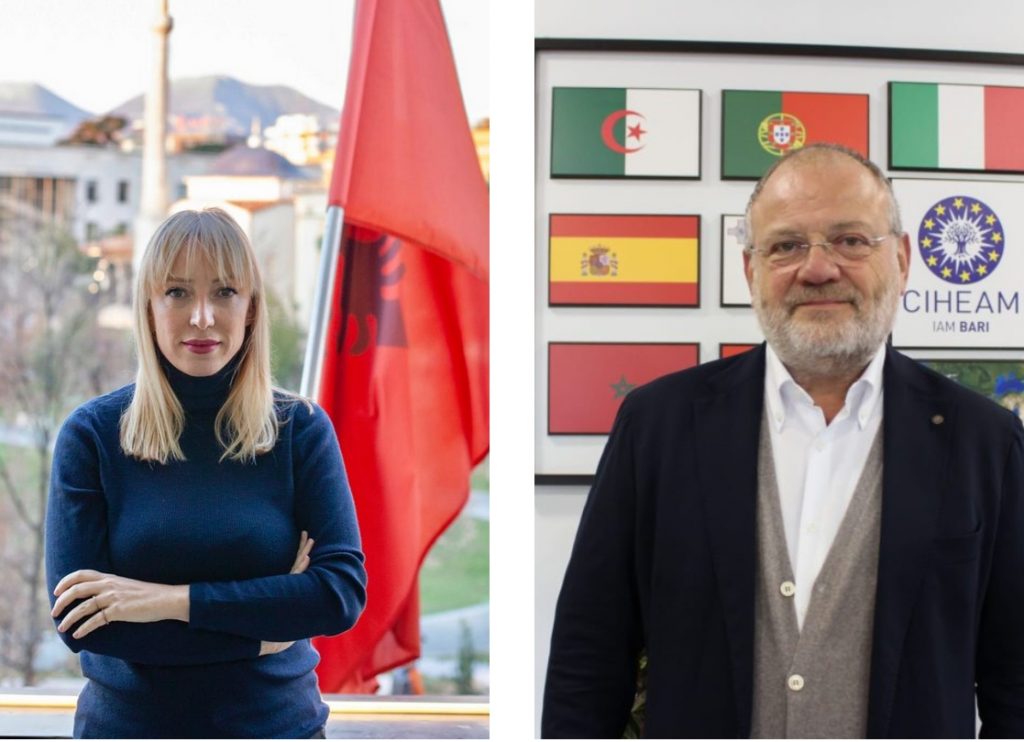
Frida Krifca elected President of the CIHEAM Governing Board, and Teodoro Miano Secretary General

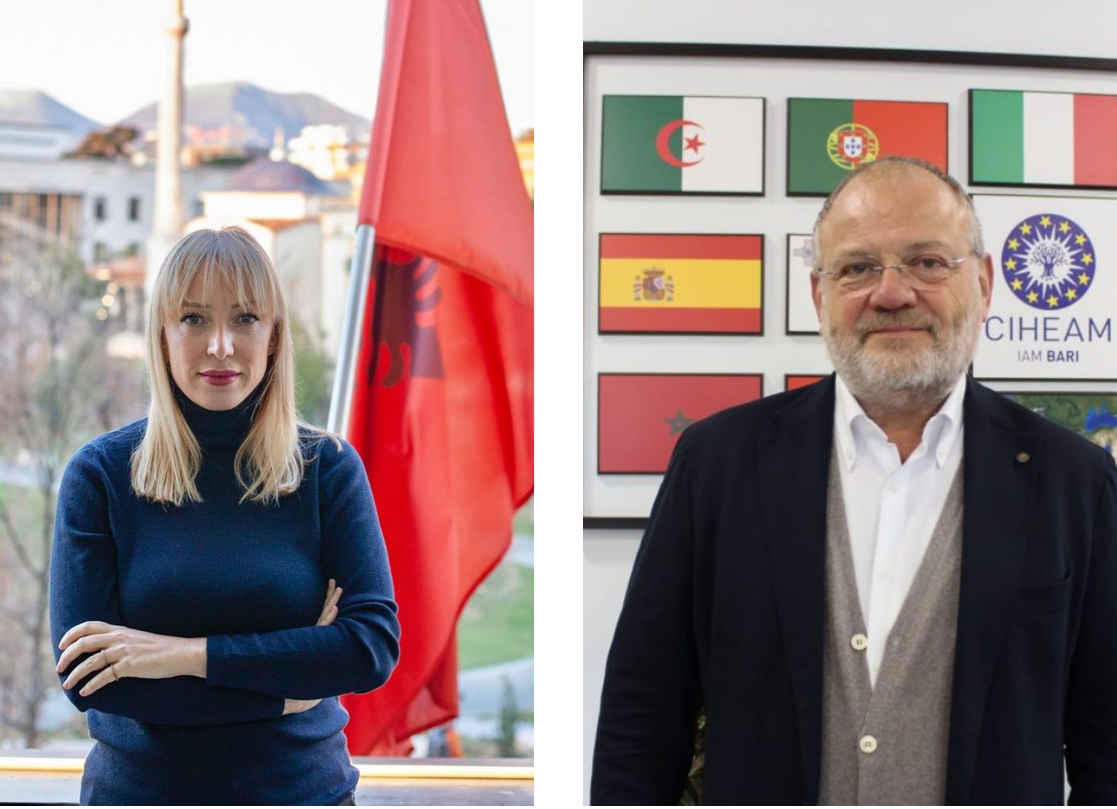
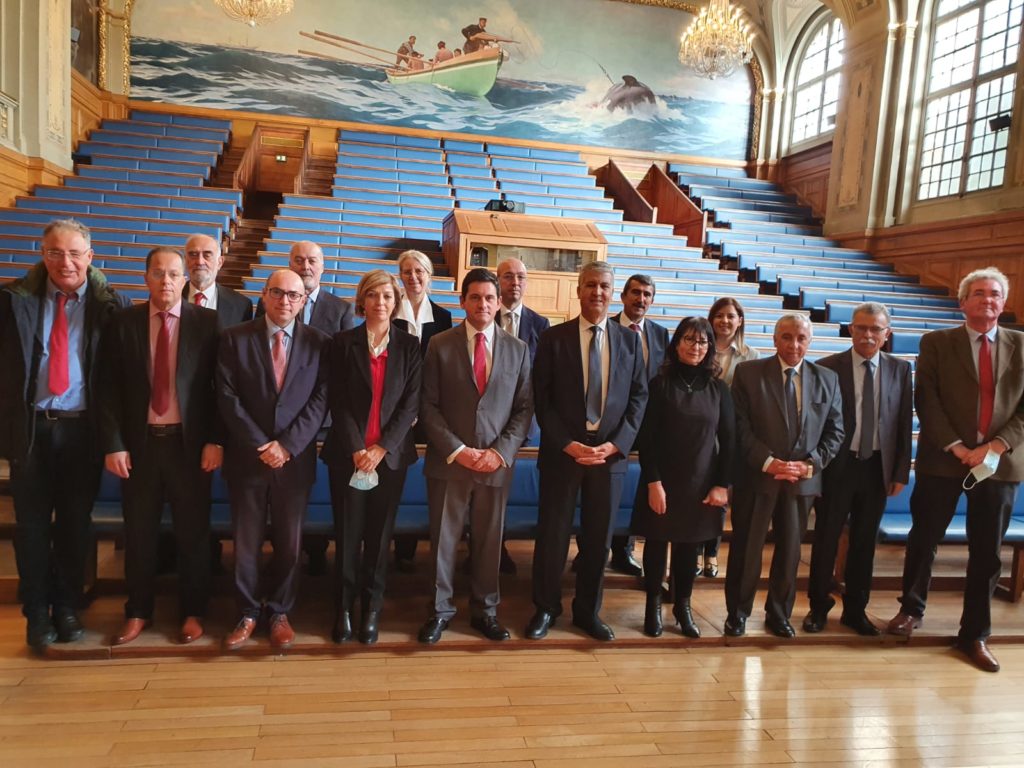
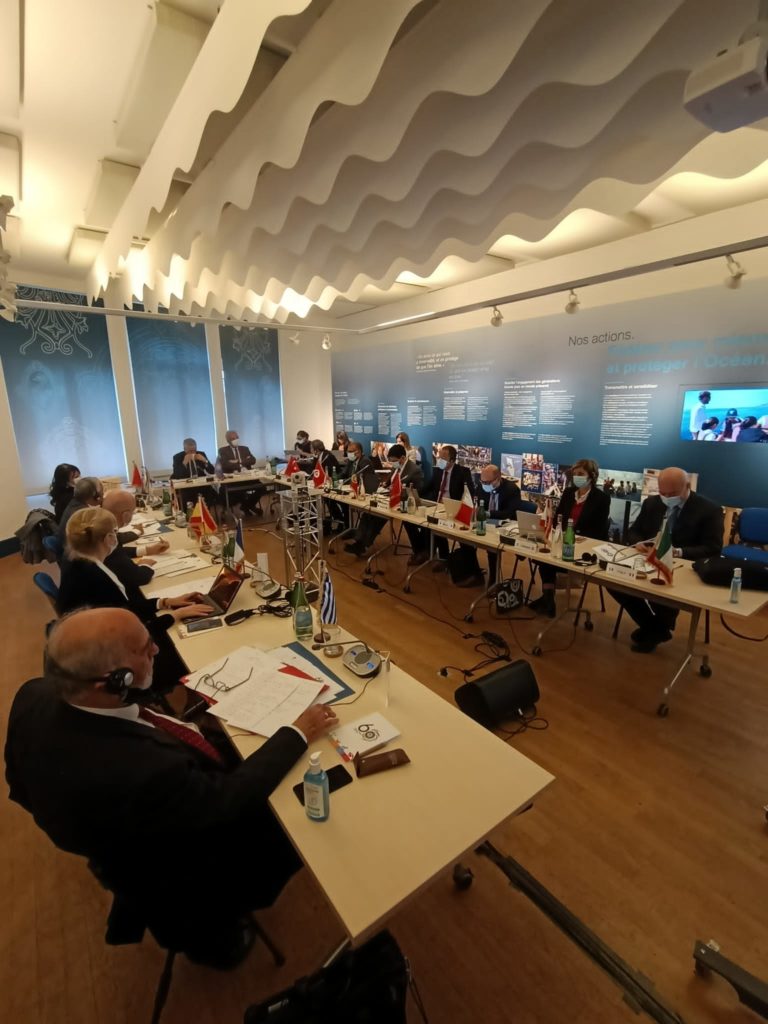
During CIHEAM’s 151st Governing Board meeting held at the Institut Océanographique of Paris (France) on 18 November 2022, Frida KRIFCA was appointed President of the Governing Board and Teodoro Miano was elected Secretary General. The President will take office on 1 April 2023 and the new Secretary General will do so on 1 March 2023.

The Delegations of the 13 Member States of the CIHEAM were present in Paris on 18 November 2022 to elect concomitantly the new President and Secretary General of the Organization. They elected Mrs Frida KRIFCA, the candidate of Albania, as President of the Governing Board, and Mr Teodoro Miano, the candidate of Italy, as the new Secretary General.

CIHEAM will be chaired by a woman for the first time in the history of the organization. Frida Krifca is currently the Minister of Agriculture and Rural Development of the Republic of Albania. She previously served as President of the Assembly of the Regional Rural Development Standing Working Group in South East Europe (SWG) and General Director of the Agency for Agriculture and Rural Development. 

The new Secretary General, Teodoro Miano is a Professor of Agricultural Chemistry in the Department of Soil, Plant, and Food Science at the University of Bari Aldo Moro.  An agronomist by training, he has held positions of responsibility in the field of research and has been involved in several scientific projects in Italy and abroad. Former Delegate of Italy to CIHEAM, he was also the President of the CIHEAM Advisory Board (2004-2008).

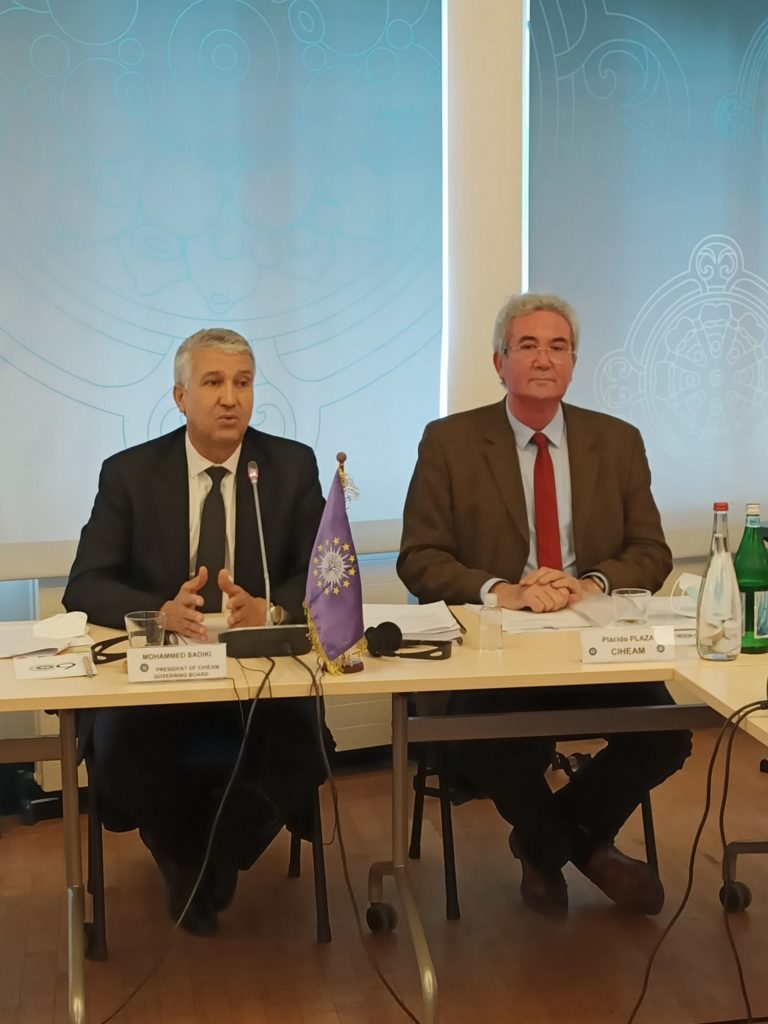
In addition to this double election, the meeting, chaired by Mr Mohammed Sadiki, Minister of Agriculture, Maritime Fisheries, Rural Development, and Water and Forests of Morocco recalled the importance of Mediterranean cooperation at a time of climate (record droughts, rising temperatures…) and sanitary (Covid-19) crises and the Russian-Ukrainian war (disruptions of supply chains and food imports, inflation…) that strongly affect food security in the region.

During the meeting, the Council called for more solidarity between the countries of the region and political support for the CIHEAM which, for the past 60 years, has been training Mediterranean youth, supporting research in essential areas (sustainable and intelligent water management, food security, agroecology, agricultural modernization, etc.) and contributing to the sustainable development of rural territories and the improvement of the living conditions of the most fragile populations.  

President Sadiki encouraged CIHEAM to sustain the exceptional dialogue of trust and cooperation that prevails within the Organization and to continue joint efforts for sustainable agrifood systems resilient to climate change and able to feed a constantly growing population.

In this regard, he recalled the importance of investing in training and human capital, research and innovation, and knowledge sharing at regional level.

Finally, the Member States unanimously commended the achievements and efforts made by President Sadiki, the current Secretary General, Plácido Plaza, and his team for having initiated and supported strategic orientations, especially in the fields of governance, and for having developed high-impact projects that will contribute to the longevity of CIHEAM and highlight its uniqueness in the landscape of organizations of the region.

The next CIHEAM Governing Board meeting will take place on 16 December 2022.

The Ebro River Basin Authority takes part in the International Master on Sustainable Water Management and Governance in Natural and Agricultural Environments

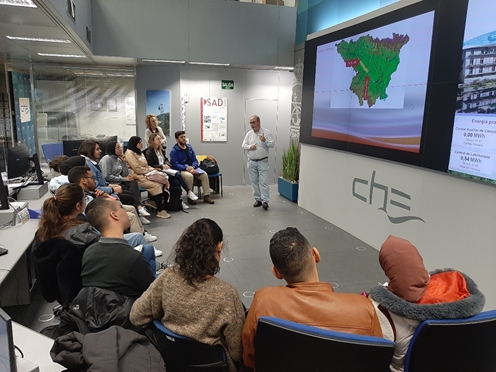
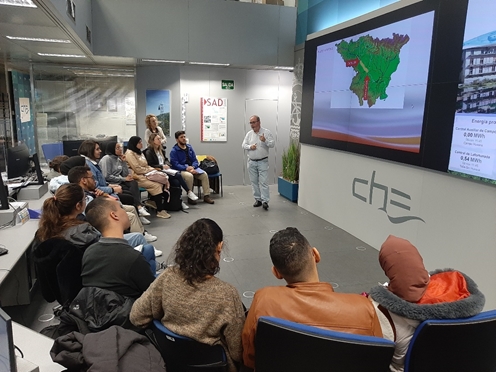
From 8 to 11 November, technical experts from the Ebro River Basin Authority (CHE) delivered the module “Water governance instruments: allocation of uses and water resource planning” in the International Master on Sustainable Water Management and Governance in Natural and Agricultural Environments. The experts from the CHE Planning Office and the automated hydrological information system (SAIH in Spanish) explained the key aspects of water planning in the Ebro River Basin, that in turn are representative of water planning in a European catchment.

Miguel Ángel García Vera, head of the Water Planning Office of the CHE, stated that the course programme “provides a good reference of the basic elements in water planning”. Our Master students visited the CHE headquarters and the SAIH automated water information system to learn more about how a Spanish river basin authority operated. This part of the programme addressed the following aspects:

  • Norms, procedures, terms and institutions for water resource planning
  • Assessing and projecting social needs for water
  • Allocating resources in water planning
  • Action programmes and environmental objectives
  • Strategic environmental assessment in water planning
  • Administrative monitoring of commitments undertaken in water plans
  • Stakeholder involvement and public participation in water planning
  • Water planning and the right to appeal
  • Use of GIS in the Ebro River Basin plans

Climate change adaptation in the wine sector

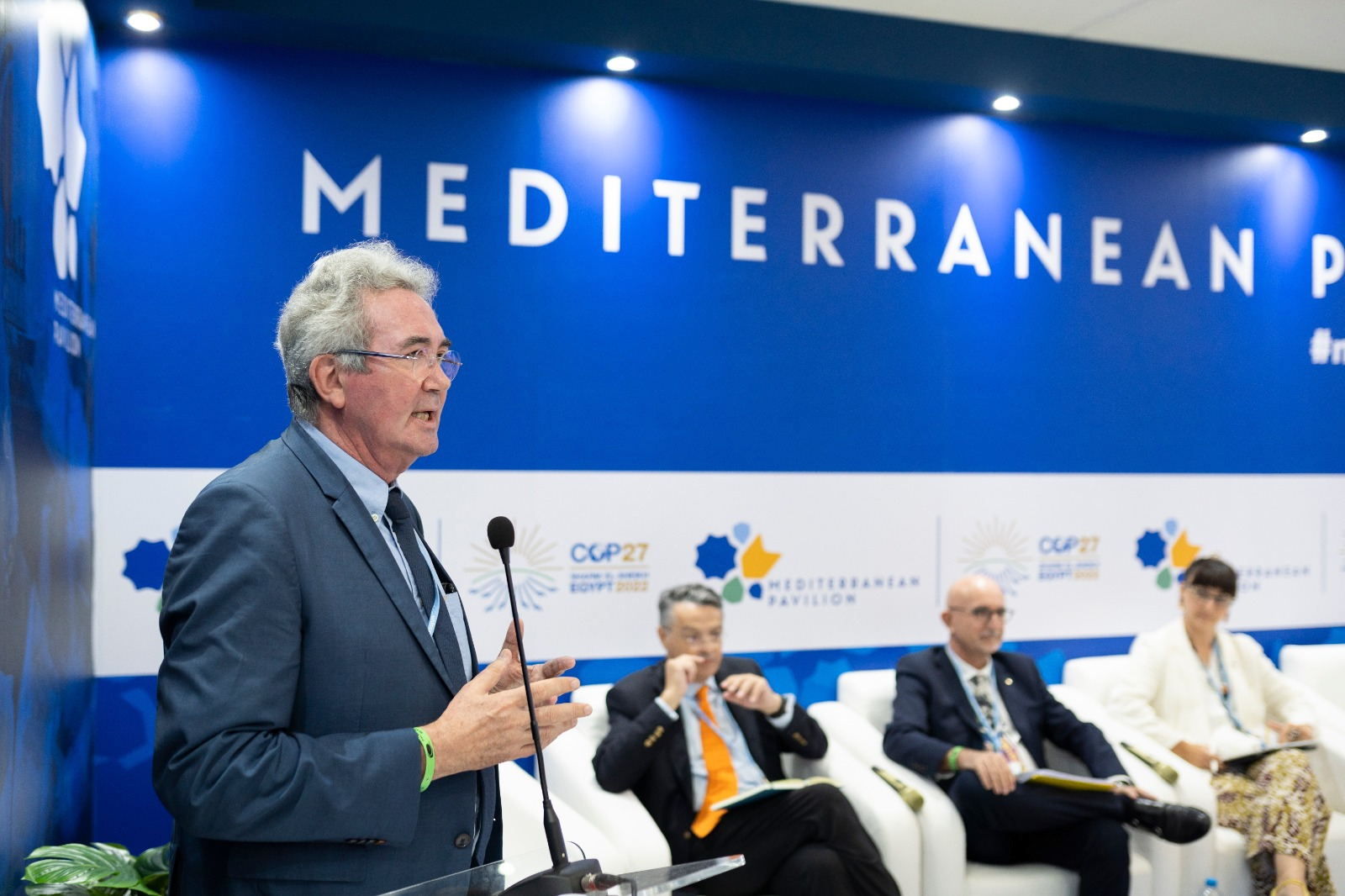
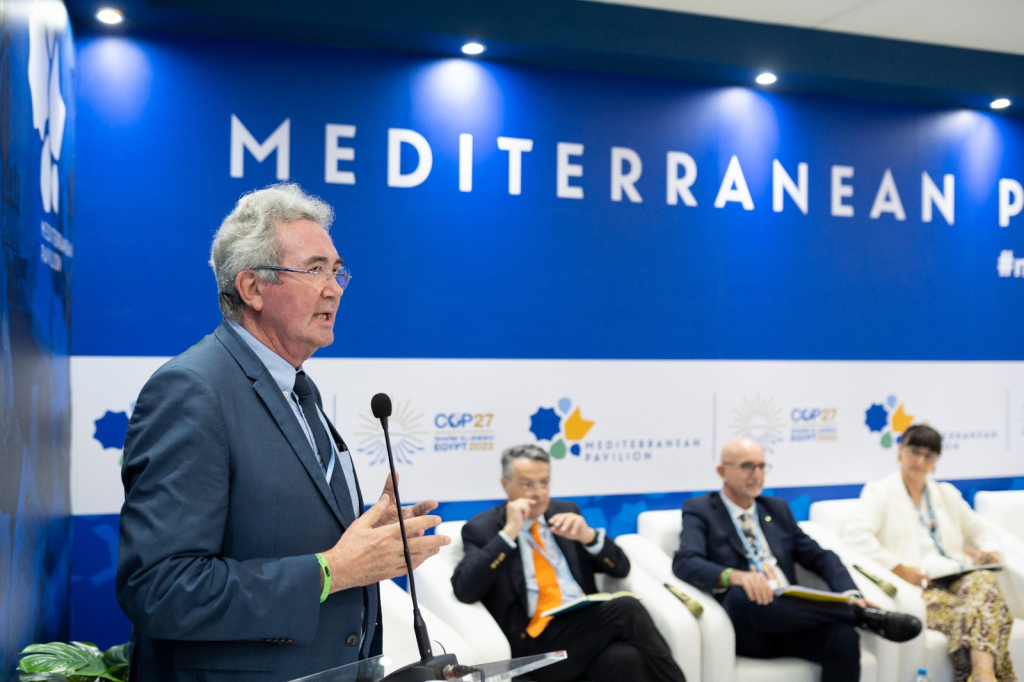
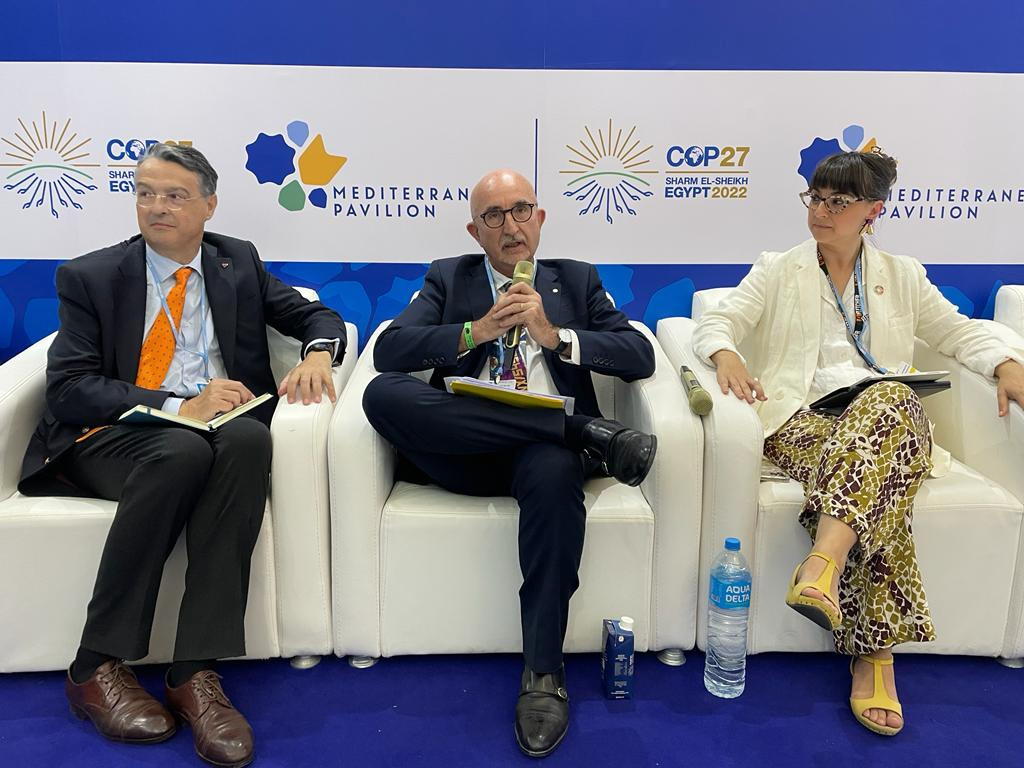
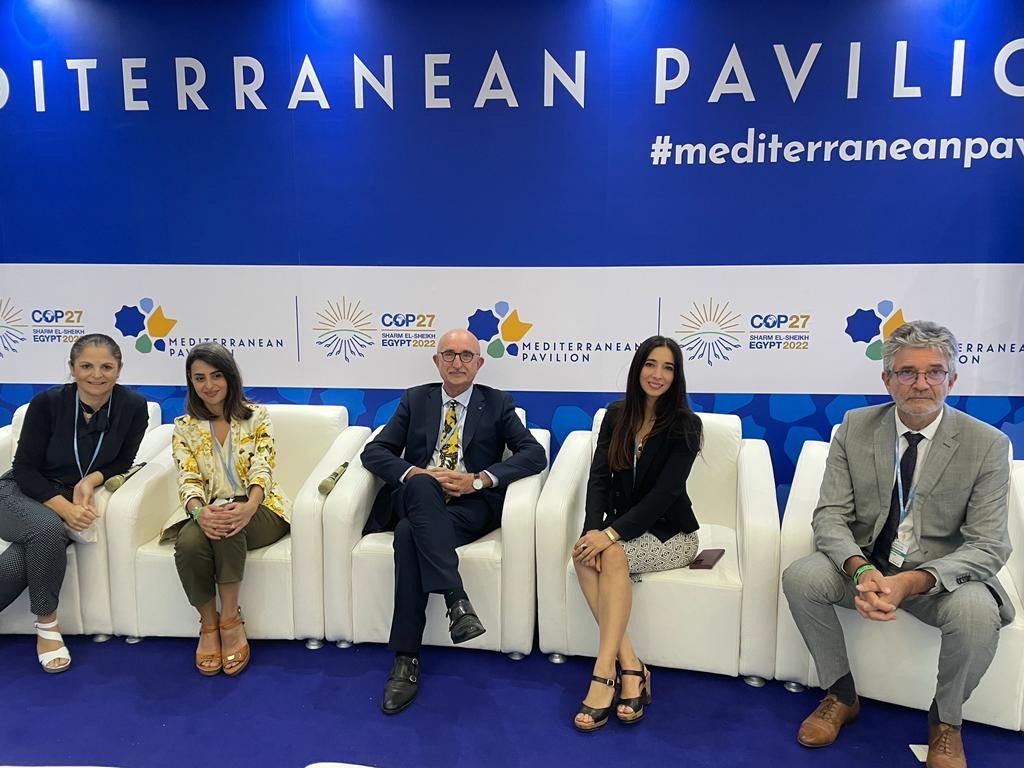
What adaptation solutions for the wine sector? This question was the starting point for the round table organised by CIHEAM Zaragoza on 14 November at COP27 in Egypt. A symbolic Mediterranean crop was chosen to address agriculture’s fight against climate change, recalling that no other sector is more dependent and impacted by the evolution of the environment, climate and access to water than agriculture.

The scientific session featured the Director General of the International Organisation of Vine and Wine (OIV), Pau Roca, and the scientific coordinator of the Centre for Research in Ecology and Forestry Applications (CREAF), Alicia Pérez-Porro. On behalf of CIHEAM, the general secretary of the organisation, Plácido Plaza, and the director of CIHEAM Zaragoza, Raúl Compés, were present.

“We have selected a crop that we know well and that is a good example of both the impact of climate change and the response to this challenge. We believe that the grape and wine sector is leading the way in mitigating the effects of climate change,” said Compés from Egypt.

You can access the recording of the scientific session on climate change adaptation in the wine sector on the following link:

Deeply motivated to build more sustainable, responsible and inclusive agri-food systems, the CIHEAM
has taken part in the COP27 with the aim of fostering policy dialogues and international cooperation in its
key fields of action -namely, protection of the planet, nutrition and food security, inclusive development, and crisis management and resilience.

Launching of CIHEAM Zaragoza Newsletter

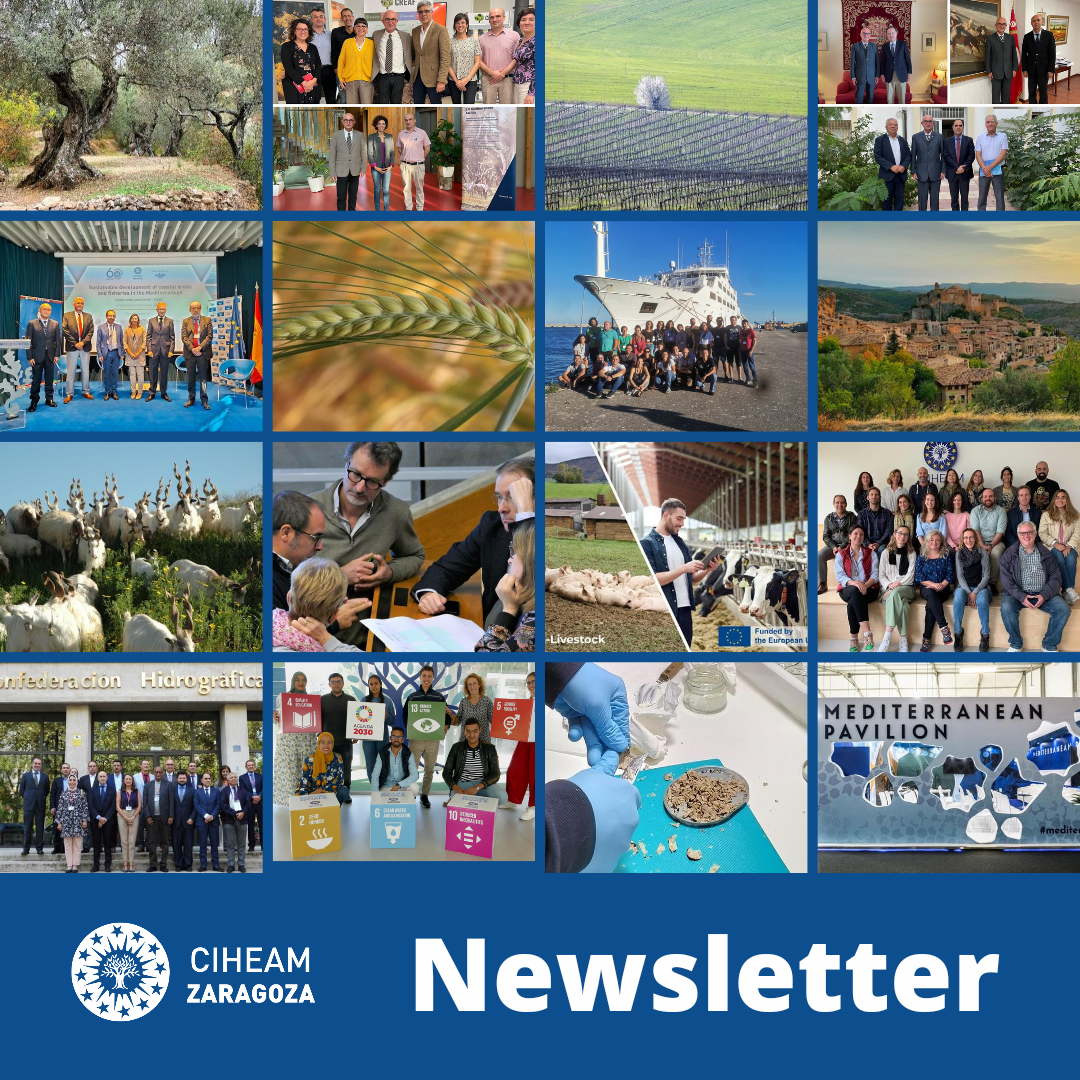
CIHEAM Zaragoza is launching a new, two-monthly newsletter to talk about the agriculture and food sector from the unique perspective of an international organization devoted to cooperation in the Mediterranean.

Would you like to join our community? Register now to receive the first issue for September and October, and keep up with the latest news about agriculture, fisheries and aquaculture, coastal zone management, the environment, and natural resources in the Mediterranean.

In this first edition you will find out about our participation in the COP27 in Egypt and have access to CIHEAM’S latest scientific publications, as well as other content. You will also see announcements of forthcoming activities up to the end of 2022, so you can make a note in your diary.

Sign up for our Newsletter in English to stay informed about the lastest news from CIHEAM Zaragoza.