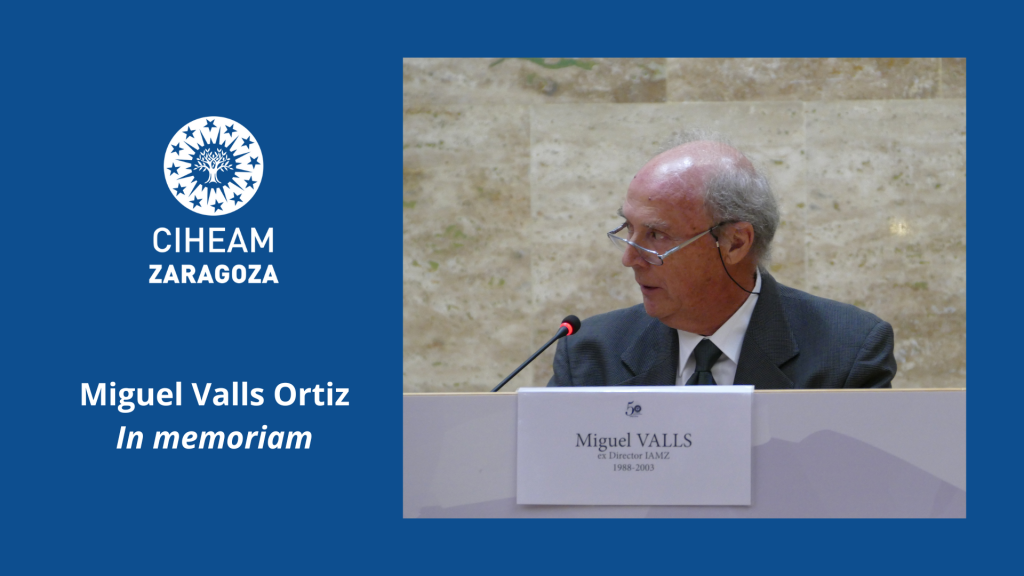
Miguel Valls Ortiz | In memoriam

José Miguel Valls Ortiz passed away in Zaragoza on Thursday, 14 November 2024. He served as director of CIHEAM Zaragoza from March 1988 to March 2003, leaving an enduring legacy at the Mediterranean Agronomic Institute of Zaragoza, fondly known as ‘the Institute’. We wish to pay tribute to his admirable life and reflect upon his significant contribution to our institution.

Born in Tortosa on 30 July 1946, Miguel as he was known to all studied agricultural engineering at the Polytechnic University of Valencia (UPV), specialising in animal production. He completed his university studies with training periods at the Station Centrale de Génétique Animale of INRA (France) and the Animal Breeding Research Organisation (United Kingdom), and pursued doctoral studies at the Escuela Técnica Superior de Ingeniería Agronómica of the UPV.

Miguel’s professional journey began in 1972 at the Department of Animal Production, Pastures and Forages of the Centro Regional de Investigación y Desarrollo Agrario del Ebro (CRIDA-3), part of the Spanish National Agricultural Research Institute (INIA), where he became a civil servant in 1978. He later served as Director General of Agricultural Promotion in the Regional Government of Aragon, where he was responsible for agricultural research, extension, and training. During this time, he also shared his expertise by teaching courses on animal breeding and sheep production in the courses at our Institute.
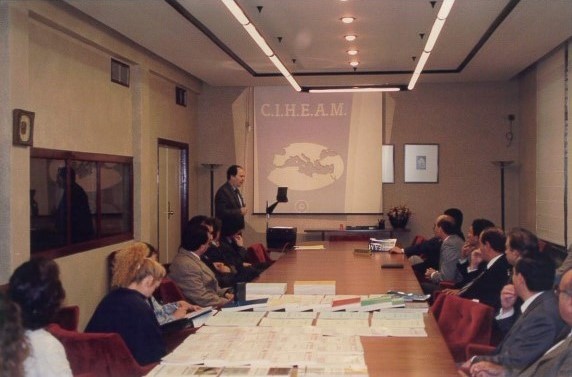
His tenure as Director of CIHEAM Zaragoza stands out as a defining chapter of his career. Miguel led the Institute for fifteen years – the longest mandate of any director in its history. Under his leadership, the Institute experienced remarkable growth, introducing several master’s programmes and expanding the number and scope of advanced courses. This involved an increase in staff recruitment, and a more dynamic internal structure centred around project management and training. It was at this moment that Miguel decisively opted for a model of cooperation based on internationalisation, simultaneous interpretation, and the recruitment of a ‘flexible faculty’ of high-level academic experts. 

After leaving the Institute, Miguel returned to the Government of Aragon where he concluded his professional career as Director General of Rural Development in the Department of Agriculture and Food in 2011.
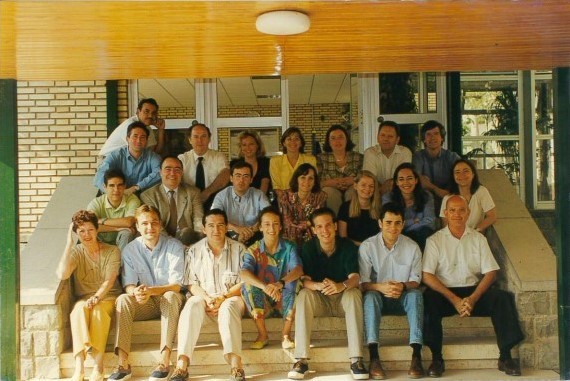
As director, Miguel inspired both respect and genuine affection. He was known for his integrity, high standards, honesty and fairness. He was reserved and meticulous, active and hard-working, serious and determined, thoughtful and intelligent, and had a profound sense of humanity. He had a contagious energy and strong work ethic, inspiring his staff to work at the same relentless pace. He led by example, working tirelessly to earn Zaragoza’s Institute a more prominent role within the Organisation. He understood students’ concerns and knew how to connect with those he worked with. Miguel was a born leader and with a clear vision of the future he wanted for CIHEAM Zaragoza, he strengthened the Institute’s international presence and enhanced its reputation.

During my time as director, I had the privilege of meeting with Miguel on several occasions. He was always generous with his time and wisdom, willing to share his experiences. I recall him speaking passionately about the ambitious projects he undertook during the prosperous years of the 1990s. His commitment to the Institute never waned and he continued to attend our events whenever possible. At one such event we spoke for the last time. Despite his declining health, he retained the dignity that characterised him. When we invited him to the inaugural ceremony of the academic year 2024/2025 in late October, he confirmed his attendance, barring unforeseen circumstances, saying goodbye with an “hasta pronto”, that, sadly, was not to be.

Rest in peace, Miguel. You were an example to us all. Your legacy will continue to inspire and guide us as we carry on your remarkable work, ensuring that CIHEAM Zaragoza remains a beacon of international cooperation in agriculture and food.

Raúl Compés López
Director del CIHEAM Zaragoza
Empowering rural women innovators through the GRASS CEILING project

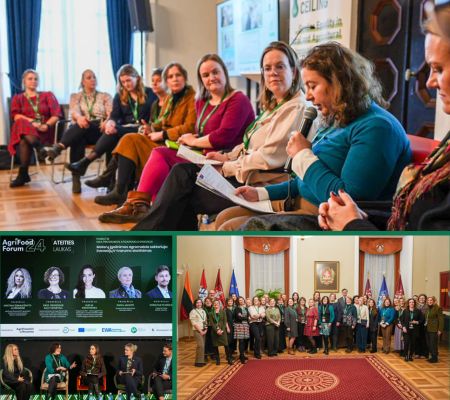
  • Women in agriculture took centre stage at the GRASS CEILING showcase in Vilnius, Lithuania
  • CIHEAM Zaragoza leads the project’s communication, dissemination, and the exploitation of results

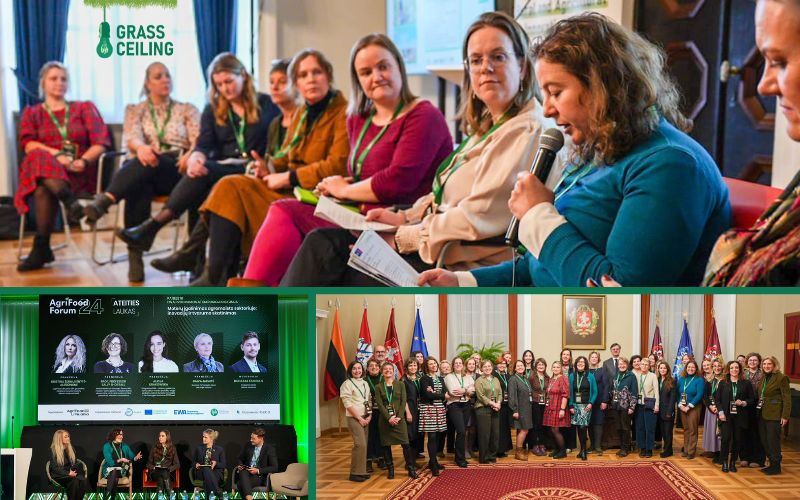
29 September 2024.- CIHEAM Zaragoza participated in the GRASS CEILING showcase and consortium meeting held in Vilnius, Lithuania, on 26-27 November 2024.

The event AgriFood Lithuania 2024 served as the backdrop for the EU-funded project showcase, featuring nine inspiring women entrepreneurs from national living labs.

Organised by the GRASS CEILING partner Agrifood Lithuania, CIHEAM Zaragoza actively collaborated in the design and management of the event’s communication strategy.

Rural women entrepreneurs take centre stage

On November 26th, rural women innovators took centre stage, sharing their entrepreneurial journeys, goals, and how their involvement in the GRASS CELING living labs is supporting their aspirations in the agrifood sector.

Participants included Ines Dundovic (Croatia), Karen Keane (Ireland), Annalisa Pellegrini (Italia), Juste Jankauskiene (Lithuania), Anita Rennemo Galaen (Scotland), Aoife Gould (Scotland), Amada de Salas (Spain), Emma Hartelius (Sweden), and Irene Beukeveld-Evers (Netherlands).

GRASS CEILING also presented findings from various work packages. Topics included:

Consortium meeting: Strengthening collaboration

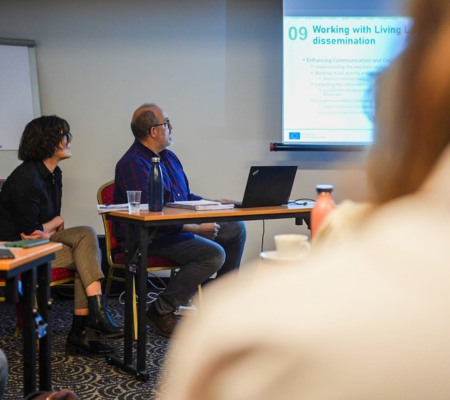
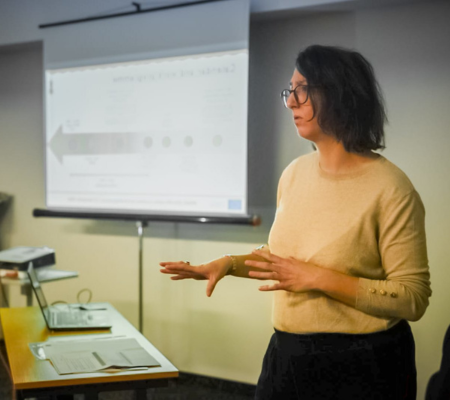
On November 27th, the consortium met to assess the project’s progress and coordinate upcoming actions. Laura Quijano, from CIHEAM Zaragoza, conducted a workshop and presented updates on the development of the online training program. This initiative plays a pivotal role in facilitating knowledge transfer and empowering women in the agrifood sector.

The event also provided an excellent opportunity to gather valuable insights and create engaging content focused on the human stories behind the project. Santiago Algora, from CIHEAM Zaragoza, shared updates on the progress of the communication efforts and outlined the action plan for future activities.

CIHEAM Zaragoza leads the project’s work package on communication, dissemination, and the exploitation of results.

CIHEAM Zaragoza celebrates the World Olive Day 2024

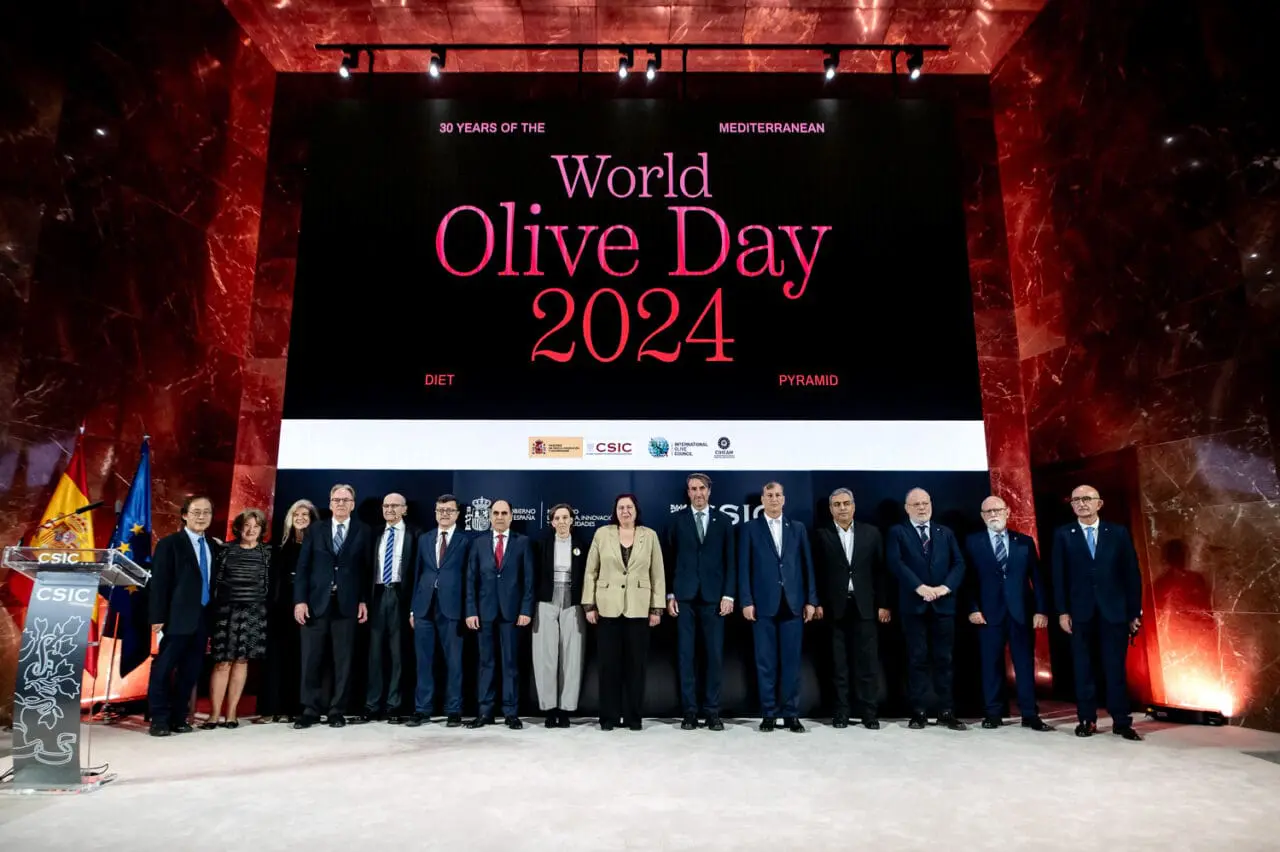
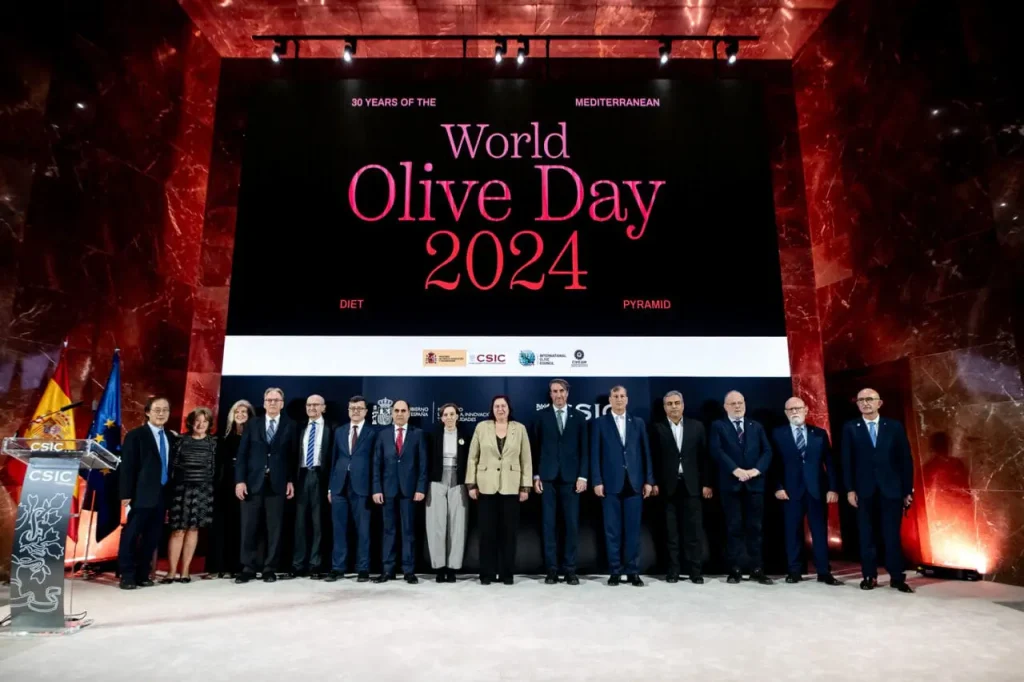
On 21 November, the International Centre for Advanced Mediterranean Agronomic Studies (CIHEAM) together with the International Olive Council (IOC), and the Spanish National Research Council (CSIC) co-organised the event “30 Years of the Mediterranean Diet Pyramid” at the CSIC headquarters in Madrid to commemorate World Olive Day 2024.

World Olive Day 2024 aims to raise awareness about the importance of preserving the cultural heritage of the Mediterranean diet, recognising its significance not only for human health but also for sustainable food production in the context of global challenges such as climate change. In a world facing the challenge of feeding a growing global population in a healthy and sustainable way, the Mediterranean diet – with olive oil as an essential ingredient – is more relevant than ever.

This event was a tribute to the pioneers and organisations whose work has had an impact on the preservation and advancement of this Mediterranean cultural heritage for the benefit of the health of humanity. These efforts, building on the earlier pioneering work of Professor Ancel Keys and his ‘Seven Countries Study’ and led by world-renowned institutions such as the Harvard T.H. Chan School of Public Health-Department of Nutrition and the World Health Organization in collaboration with Oldways Preservation & Exchange Trust, culminated in a series of conferences and papers that established the “Healthy Traditional Mediterranean Diet Pyramid,” recognised worldwide. Groups of experts developed and presented the International Conference on Mediterranean Diets in 1993, a follow-up conference in 1994 and a series of scientific articles published in special issues of the American Journal of Clinical Nutrition in 1995 and 1997, which awakened international interest in this culturally rooted, plant-forward nutritional patern, changing the course of global nutrition research and public health orientations

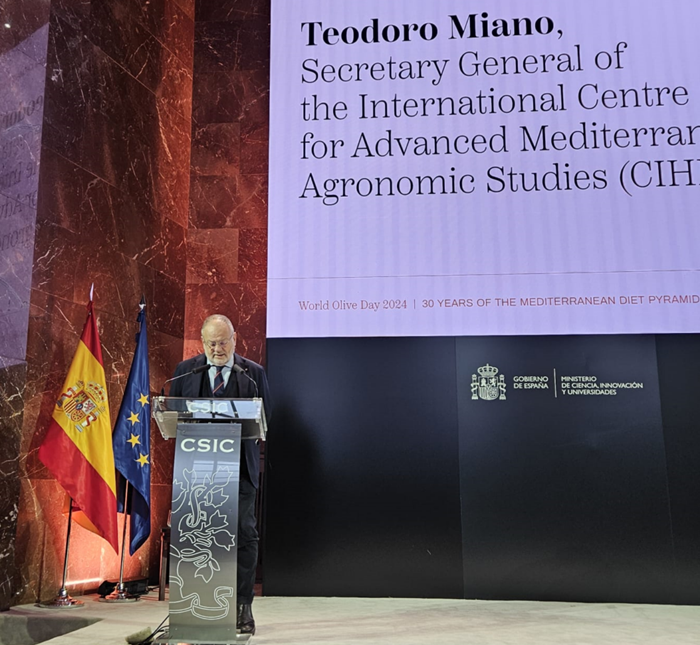
The event’s opening featured key speakers, including Spain’s Secretary of State for Agriculture and Food, María Begoña García Bernal, and Iran’s Deputy Minister for Horticulture, Mohammad Mehdi Boroumandi, alongside representatives from the organising institutions: Ana Castro, deputy vicePresident for Knowledge Transfer at CSIC, Jaime Lillo, IOC director and Teodoro Miano, CIHEAM Secretary General.

Teodoro Miano, highlighted during his address that “the Mediterranean diet is more than a healthy eating pattern; it is a tool for promoting sustainable food production and consumption. It embodies a culture and lifestyle that strengthens connections between producers and consumers through its emphasis on harmony, social interaction, moderation, and the use of locally sourced ingredients”. Miano also spotlighted olive oil, particularly Extra Virgin Olive Oil (EVOO), as not only a nutritional treasure but also a symbol of cultural heritage and environmental sustainability. Addressing the region’s unique challenges, such as climate change and resource pressures, he emphasized the Mediterranean Diet’s capacity to promote resilience, sustainability, and equity.

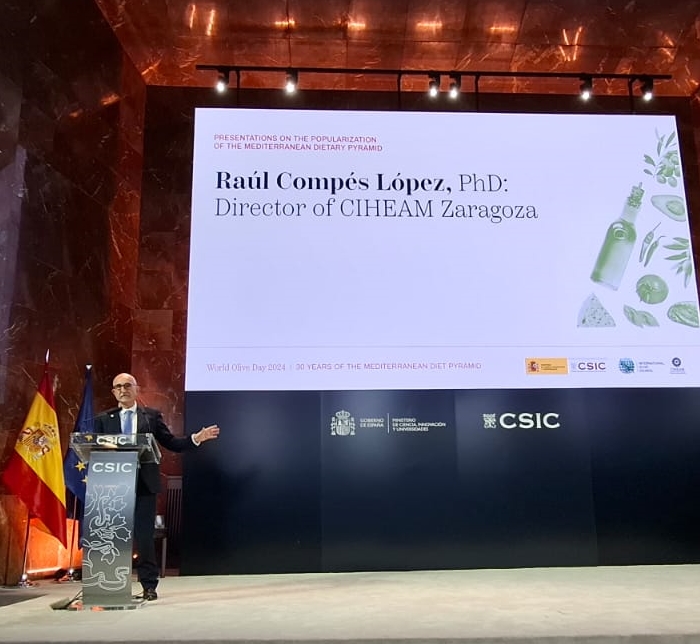
Raúl Compés, director of CIHEAM Zaragoza, led the scientific and technical session featuring some of the world’s prominent public health experts in the field of the Mediterranean diet such as Walter Willett, Antonia Trichopoulou, Frank Hu, Miguel A. Martínez-González, Greg Drescher, and Enrique Martínez Force.  Compés pointed out that “although this diet has a millennial old tradition, it was not properly recognised until a group of leading nutrition scientists, public health experts and food and cultural scholars began to investigate the patterns of traditional Mediterranean diet in the 1960s”.

The Government of Navarre and CIHEAM Zaragoza join forces to enhance innovation in sustainable agrifood systems

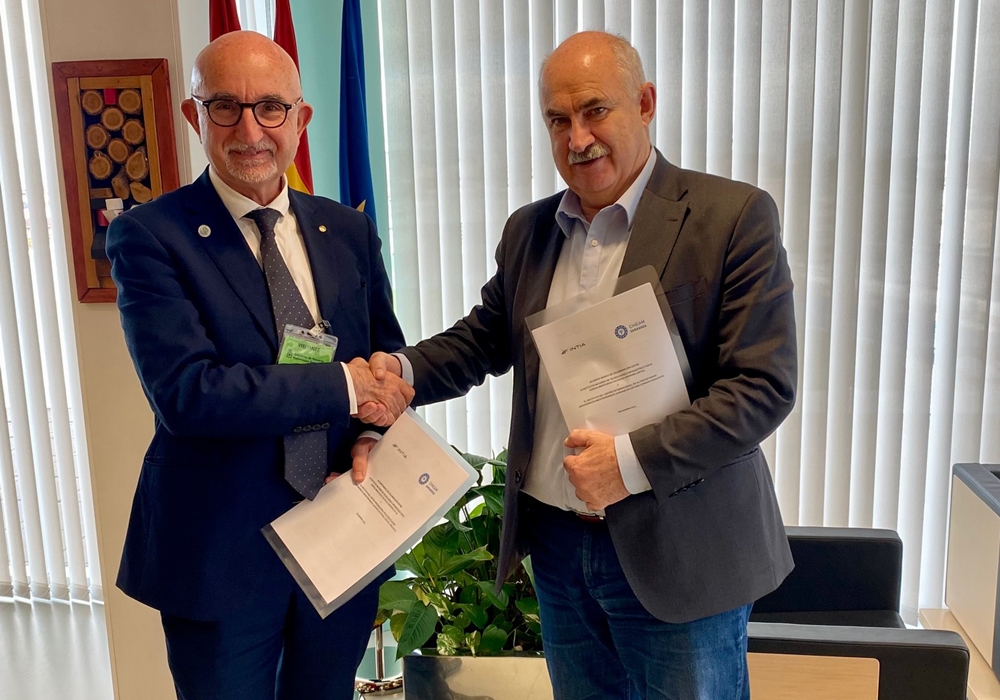
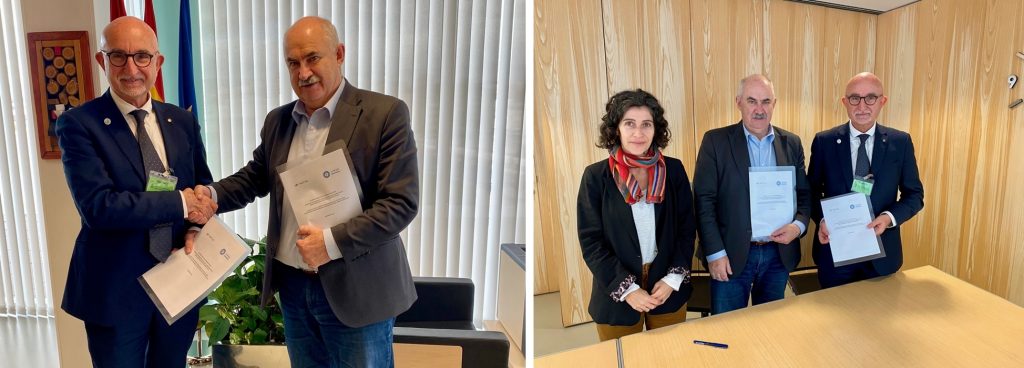
The minister of Rural Development and the Environment of the Regional Government of Navarre and president of INTIA, José Mari Aierdi, the managing director of INTIA, Natalia Bellostas, and the director of CIHEAM Zaragoza, Raúl Compés, following the signature of the agreement.

Raúl Compés, director of CIHEAM Zaragoza, José María Aierdi, minister of Rural Development and the Environment of the Regional Government of Navarre and president of the Navarre Institute of Agrifood Technology and Infrastructures (INTIA), have signed a framework agreement to promote training and collaboration on European research and innovation projects in sustainable food systems and rural development strategies.

During the signing ceremony, Aierdi pointed out the importance of collaboration between highly specialised institutions, noting: “This alliance enables INTIA to remain at the forefront of applied experimentation and, more importantly, in the transfer of knowledge and expertise to modernise and enhance the competitiveness of the sector.

Compés reaffirmed CIHEAM’s commitment to sustainable agrifood systems in the Mediterranean region, stating: “INTIA is a key player in knowledge transfer. Its collaboration with CIHEAM will reinforce the capacities of both institutions and strengthen our joint impact.

The priorities established within the framework agreement include the promotion of projects, strategies, and research and innovation policies that boost the development, competitiveness, and internationalisation of the agrifood sector. Planned actions include scientific and technological cooperation, joint development of research projects and the design and implementation of large-scale R&D+i programmes.

Through this partnership, both institutions reaffirm their commitment to sustainability, innovation, and excellence in the agrifood sector, in response to current challenges and contributing to the progress of rural communities through collaborative strategies.

CIHEAM Zaragoza promotes legume biodiversity at COP29

  • CIHEAM hosts side event in the Mediterranean Pavilion at COP29, highlighting climate solutions rooted in Mediterranean food traditions

19 November 2024.- CIHEAM Zaragoza took part in the 29th Conference of the Parties (COP29), held in Baku (Azerbaijan), to address the importance of local legume varieties in achieving biodiversity and promoting market scalability in Mediterranean agriculture.

This involvement was part of a side event organised by CIHEAM Secretariat General in the Mediterranean Pavilion, an initiative dedicated to fostering dialogue on climate challenges affecting the Mediterranean region.

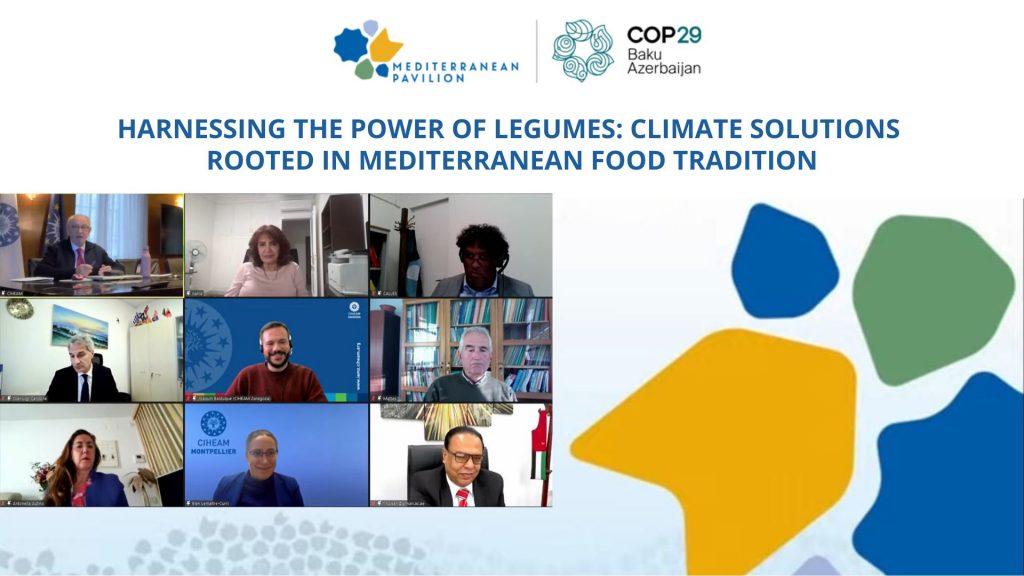
The event, titled “Harnessing the power of legumes: Climate solutions rooted in Mediterranean food tradition”, was held online on 19 November. It highlighted the environmental and economic benefits of legumes, emphasising their potential to mitigate climate change and support sustainable food systems.

Local legume varieties have been cultivated for centuries in the Mediterranean region, making them uniquely adapted to specific climatic conditions such as drought tolerance, heat resistance, and resilience to pests and diseases”, noted Joaquín Balduque, project manager at CIHEAM Zaragoza, during the webinar. “These characteristics make them ideal for low-input farming systems, reducing farmers’ reliance on chemical inputs and conserving natural resources, which in turn positively impacts biodiversity.

The BELIS project: Advancing genetic progress for legume crops

The discussion also spotlighted the BELIS project, a Horizon Europe initiative in which CIHEAM Zaragoza is a key international partner. The project focuses on enhancing the scalability and competitiveness of Mediterranean agriculture through advancements in legume breeding.

BELIS’ multi-actor consortium is composed of research and technical institutes, plant breeders, seed companies, and other stakeholders from 18 countries, including CIHEAM member states Spain, France, Italy, and Lebanon.

The aim of the project is to improve breeding methodologies and governance structures, creating conditions that ensure the efficient transfer of genetic advancements to breeders, the seed industry, farmers, and related sectors.

“In essence, BELIS creates the framework to drive significant genetic progress in legume crops, ensuring that improved varieties are readily available to meet cultivation demands”, stressed Balduque.

CIHEAM’s Beans Meta Networks on legumes

Additionally, the session provided an opportunity to introduce the newly launched Beans Meta Network, hosted by the CIHEAM Secretariat General. This initiative aims to consolidate existing knowledge and advance research and development projects addressing climate change and food security challenges in the Mediterranean region.

By inviting international organisations, regional agricultural ministries, legume-focused programmes, and private enterprises to join, the network seeks to foster collaboration and innovation among diverse stakeholders.

Teodoro Miano, Secretary General of CIHEAM, presented this initiative through a video, available here:

Interministerial Commission CIHEAM Zaragoza-Government of Spain

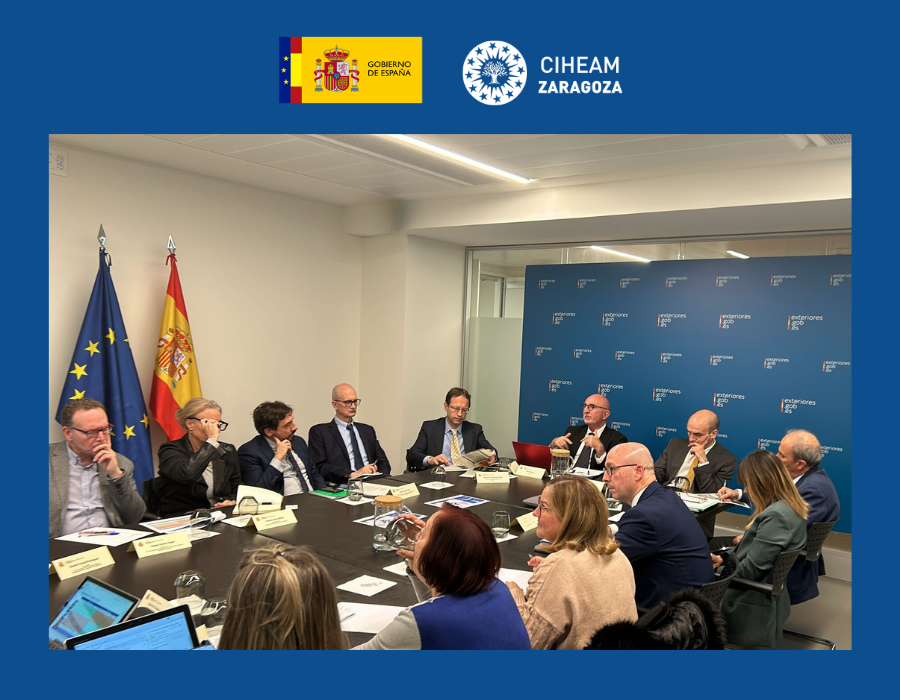
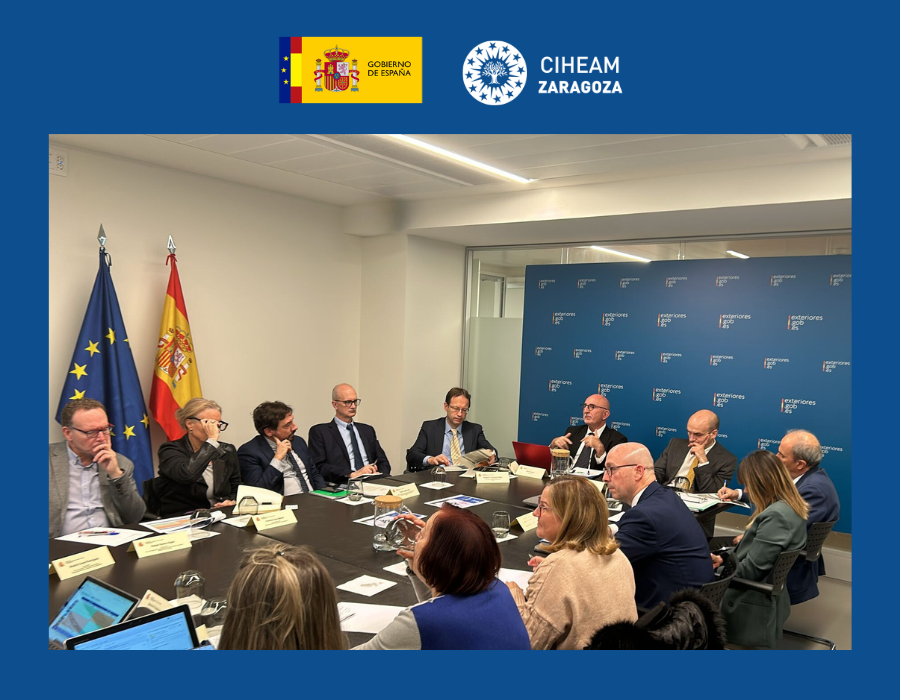
On Wednesday 13 November, the Interministerial Commission CIHEAM Zaragoza-Government of Spain held their annual meeting in Madrid. The director of CIHEAM Zaragoza (Spanish headquarters of the International Centre for Advanced Mediterranean Agronomic Studies), Raúl Compés, met with the representatives of the Ministries of Agriculture, Fisheries and Food; Foreign Affairs, European Union and Cooperation; Ecological Transition and Demographic Challenge; Finance; and Science, Innovation and Universities; to present the activities carried out this year as well as forthcoming plans for CIHEAM Zaragoza. Representatives from the Spanish Agency for International Development Cooperation (AECID), the Spanish National Research Council (CSIC), and the CIHEAM General Secretariat in Paris also took part in the meeting.

The International Commission serves as an annual forum to discuss key topics related to training, research, innovation, technical assistance and political dialogue organised by the Spanish Institute of CIHEAM in alignment with strategic Spanish governmental policies and priorities in areas of shared interest related to agrifood development, fundamentally in the Mediterranean area.

During the meeting, the Government of Spain expressed its support for CIHEAM Zaragoza and highlighted the importance of the Institute’s activities in strengthening Spain’s international cooperation efforts in agriculture and food.