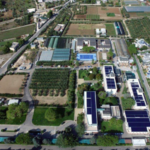
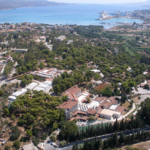
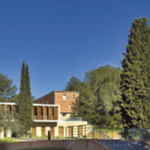
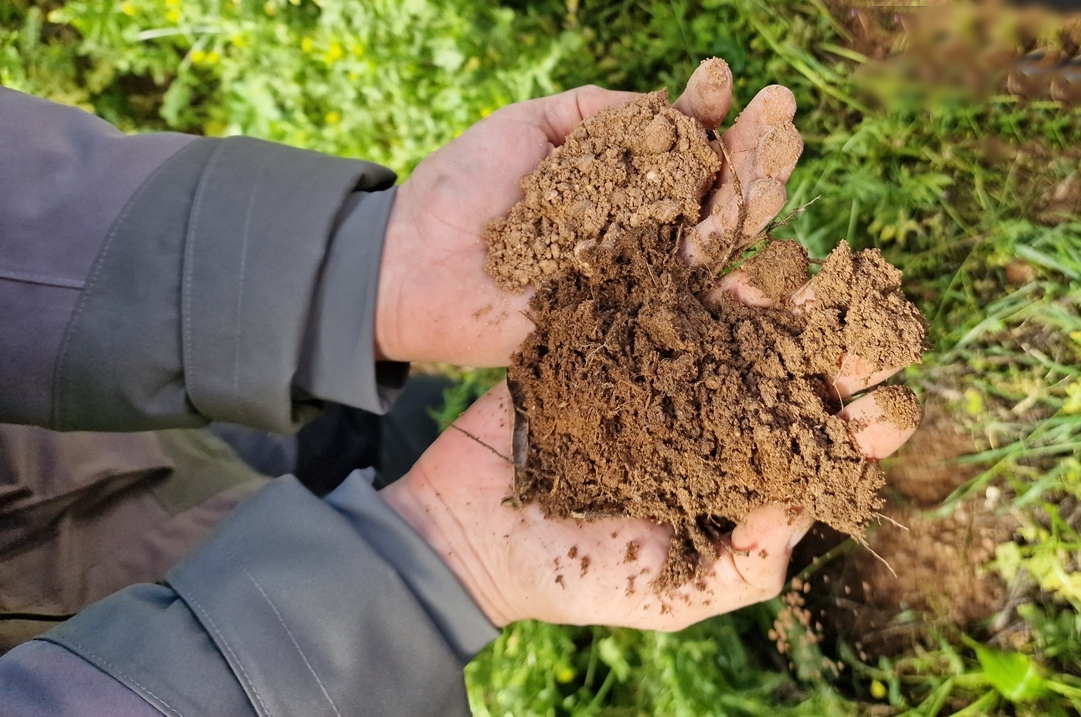
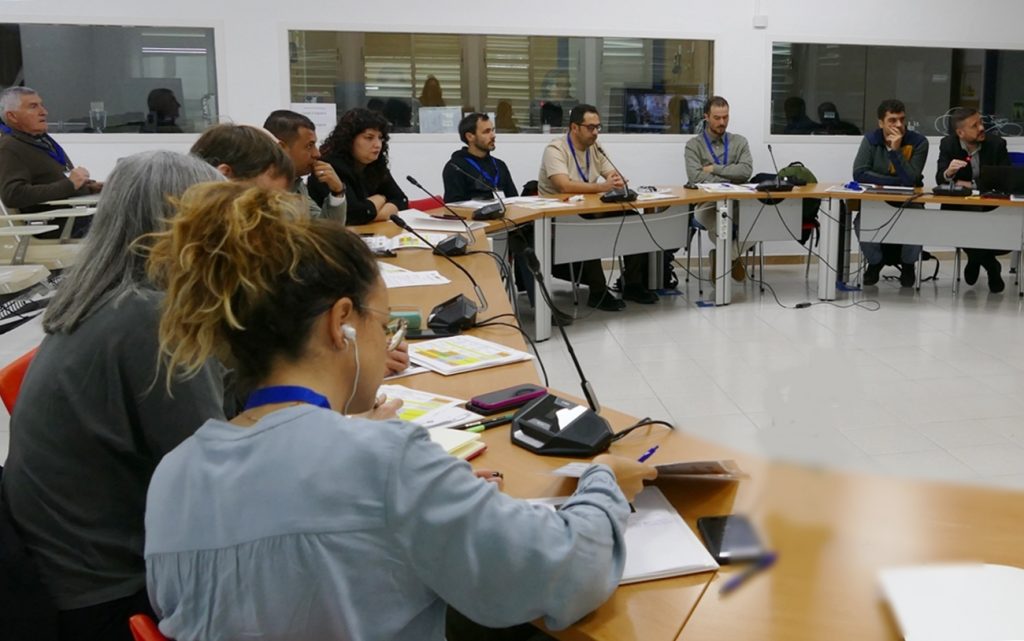
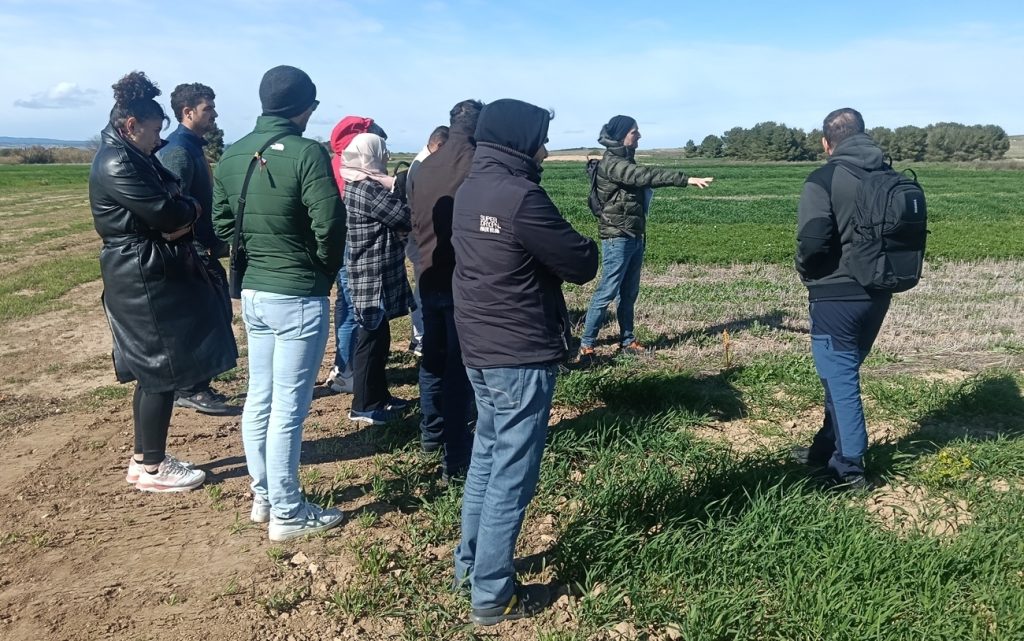
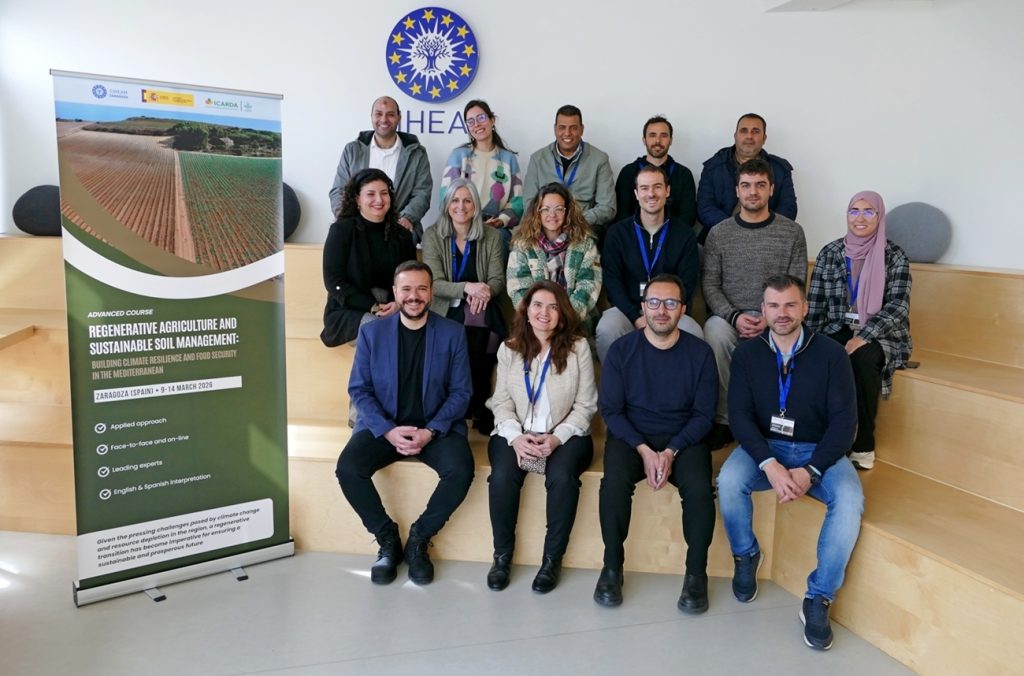
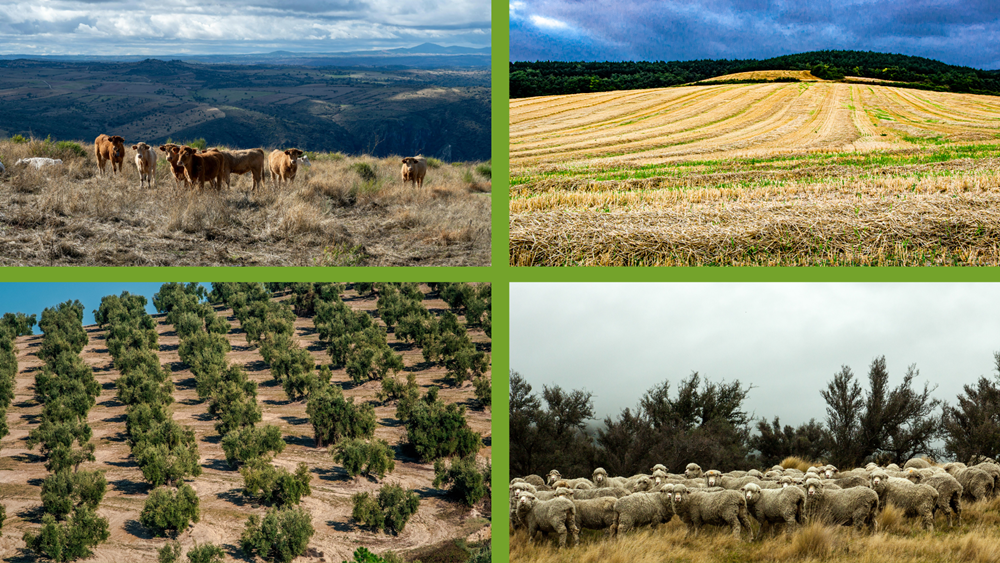
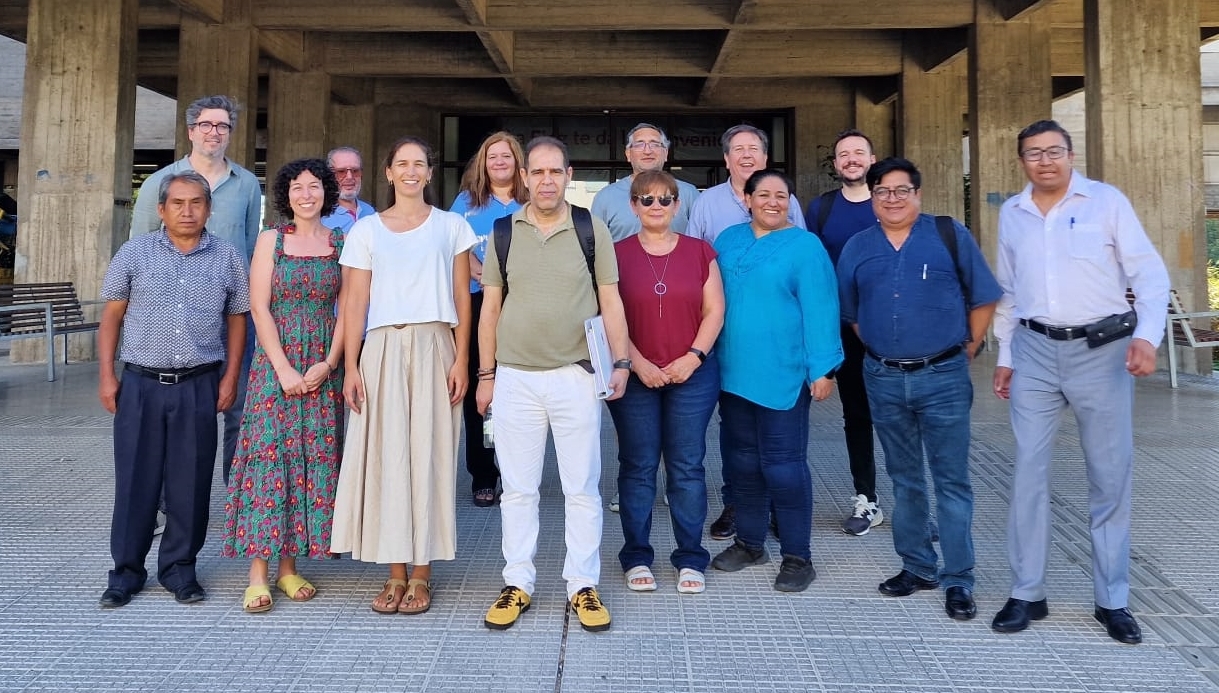
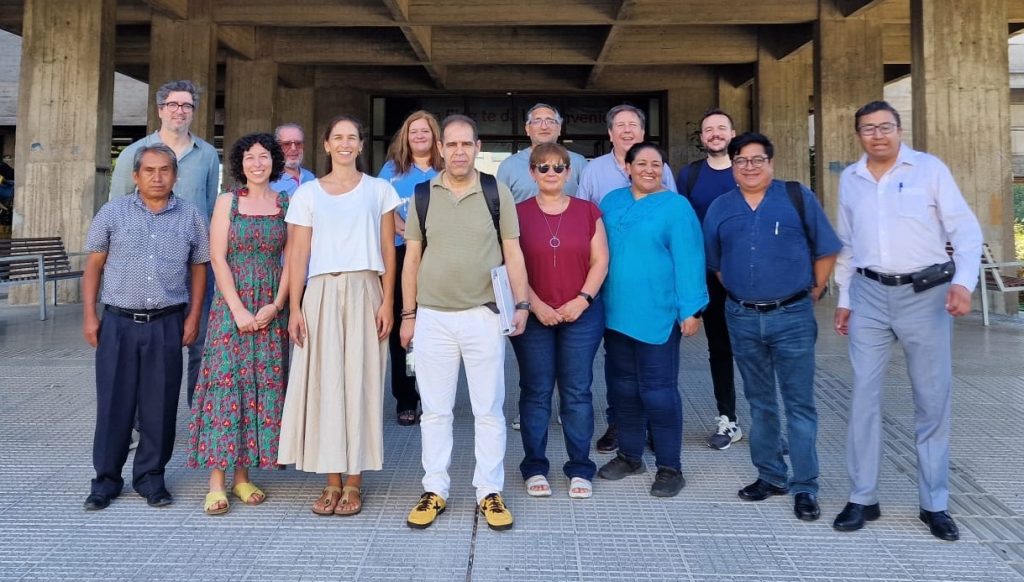
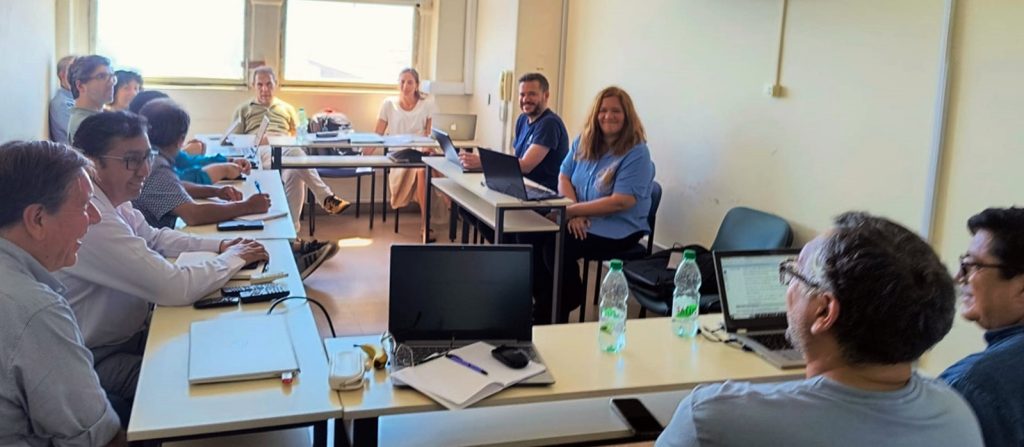
Organised in collaboration with the Spanish Ministry of Agriculture, Fisheries and Food (MAPA) and ICARDA, the course was held from 9 to 14 March 2026 at CIHEAM Zaragoza on the Campus of Aula Dei.
This initiative brought together forty professionals and researchers to explore regenerative agriculture as a strategic solution to combat soil degradation and the effects of global warming in the region.
Agroclimatic challenges in the Mediterranean basin
The Mediterranean region currently faces complex challenges that threaten the sustainability of agricultural systems, including soil degradation caused by erosion and salinisation, depletion of essential nutrients, and loss of agrobiodiversity. These factors, together with greater frequency of extreme meteorological events, place traditional agricultural systems under unprecedented pressure, increasing the vulnerability of rural communities in arid regions.
Regenerative agriculture as a transformative model
In this scenario, regenerative agriculture arises as a paradigm that reaches beyond minimisation of environmental impacts. This model is based on holistic principles designed to restore the functionality of agroecosystems, placing soil health at the heart of resilient agricultural production. With the depletion of natural resources, it is essential to transition towards regenerative practices to guarantee a prosperous, sustainable future for the region.
Technical training and practical applications
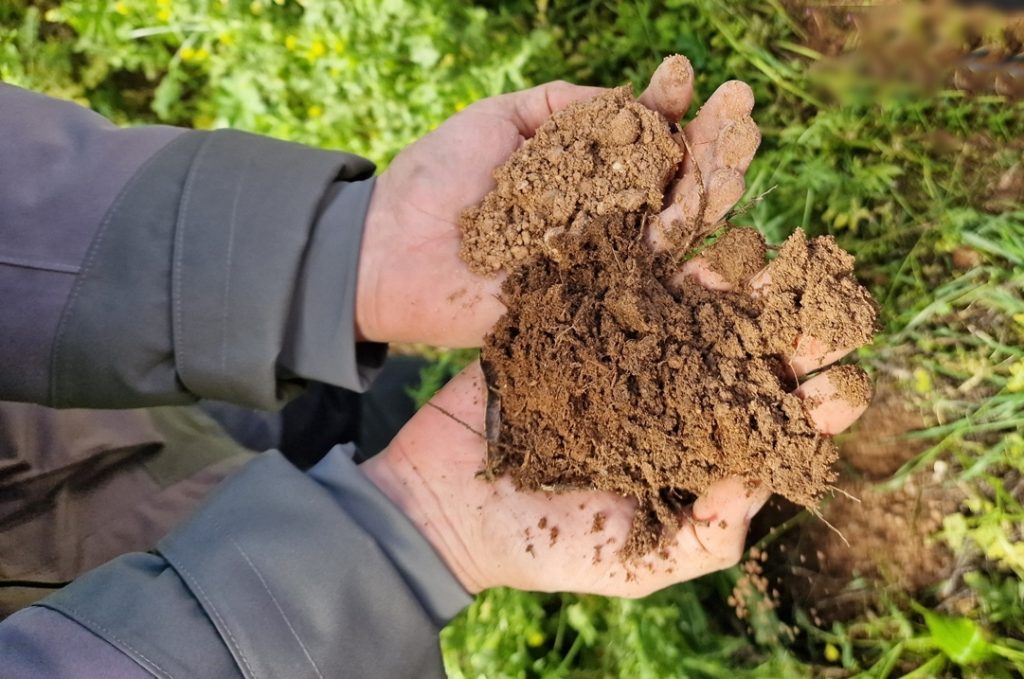
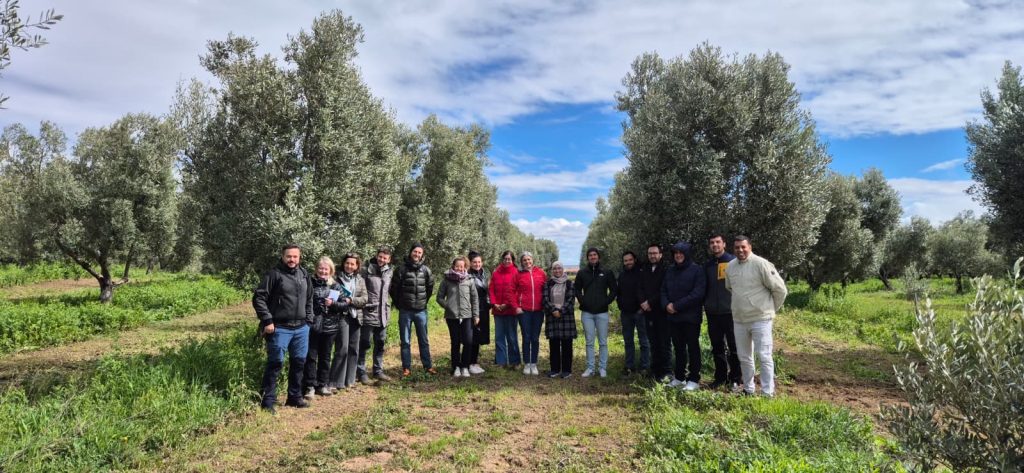
Throughout the six-day training event held in hybrid modality, participants gained deeper insight into critical areas such as organic carbon dynamics, efficient water management, and the design of diversified cropping systems. The programme combined academic excellence with hands-on learning that included workshops, round table discussions with experts, and technical field visits. Through this integrated focus, participants gathered information about modern tools to enhance soil organic matter, optimise nutrient cycling, and strengthen the capacity of ecosystems to sequester carbon.
International cooperation and knowledge transfer
Geographic representativity was one of the most enriching parts of the course, with a notable presence of professionals from southern and eastern Mediterranean countries, such as Algeria, Egypt, Lebanon, Morocco, Palestine, Tunisia and Türkiye. This diversity enhanced high-level technical discussions on the adaptation of sustainable practices to a range of socioeconomic contexts. The programme included over fifteen internationally-renowned lectures who analysed strategies ranging from minimum tillage to European agricultural policy, with particular emphasis on the opportunities arising from the European Green Deal for ecological transition.
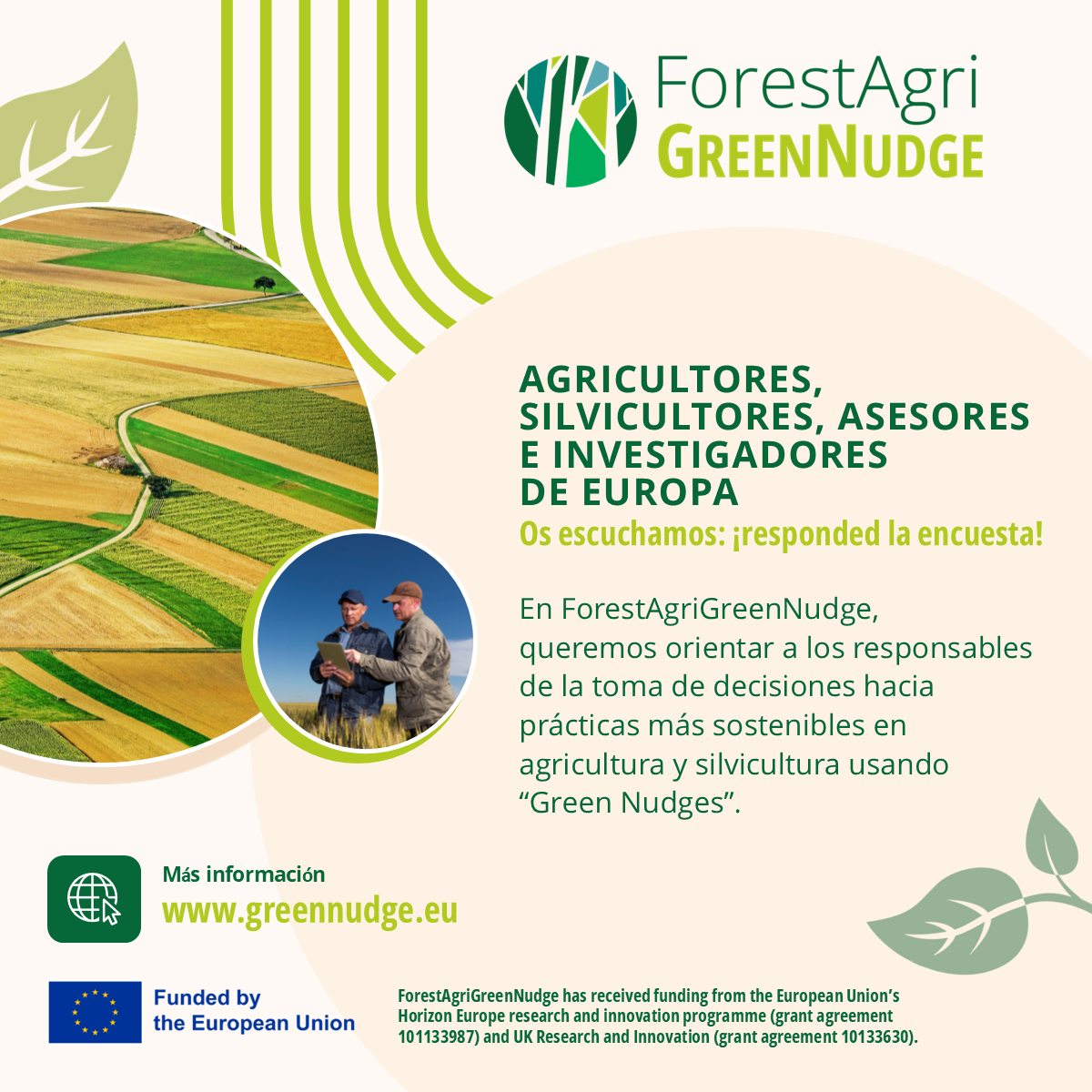
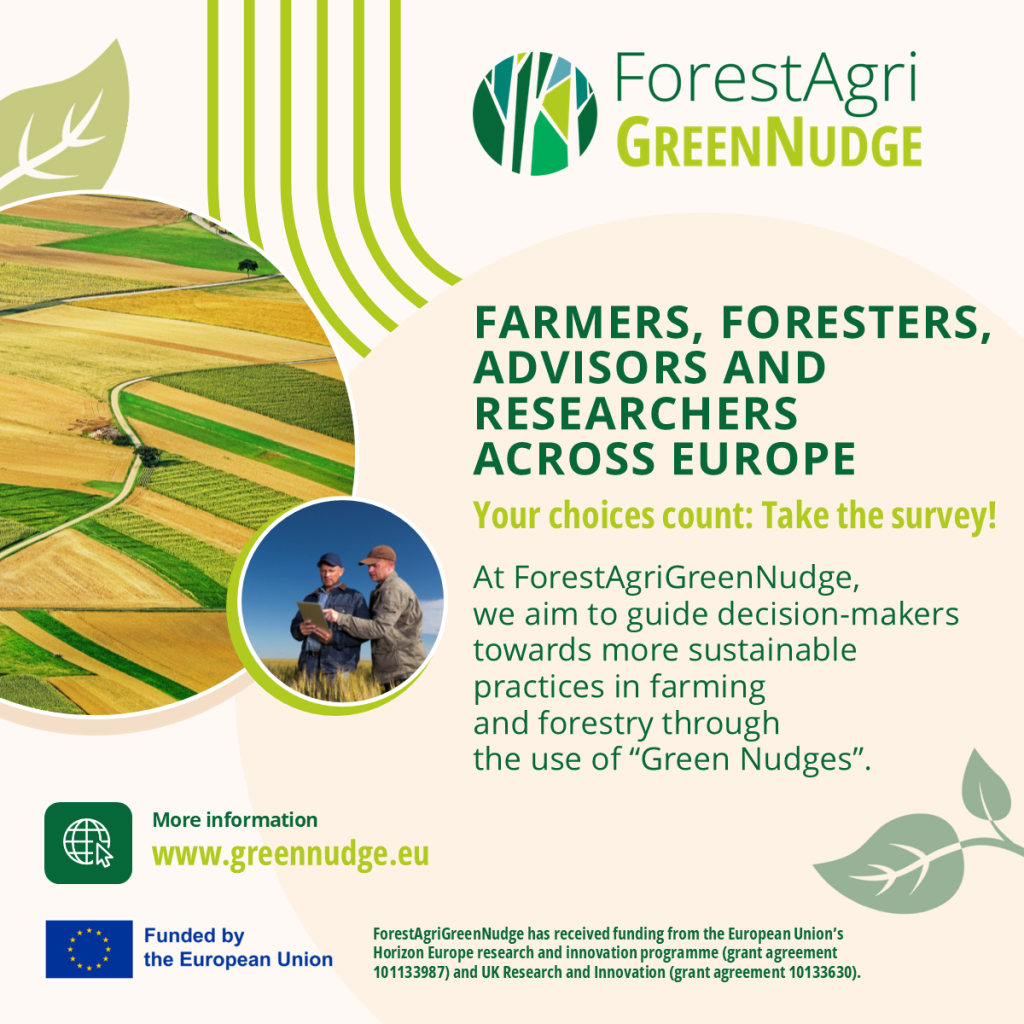
Take part in the ForestAgriGreenNudge survey and share your experience: Your opinion will help to design more effective policies and drive transition towards more sustainable agricultural and forestry systems
The European project ForestAgriGreenNudge, in which CIHEAM Zaragoza is a partner, has launched a survey for professionals in the agroforestry sector across Europe to better understand what factors influence adoption of sustainable practices in agriculture and forest management.
This consultation forms part of the project’s second phase of information gathering. Following the first survey conducted among a range of stakeholders in the value chain, this new initiative focuses on identifying what behaviour strategies may be more effective for farmers and foresters in their daily activity.
Engagement of professionals in the sector is essential to design specific, more realistic, evidence-based environmental policies, facilitating the transition towards more sustainable agricultural and forestry systems in Europe.
BEHAVIOURAL STRATEGIES TO ENCOURAGE SUSTAINABLE PRACTICES
The survey presents a series of green nudges – small interventions that can influence decision making and facilitate choices that protect the environment without restricting freedom of choice or offering economic incentives.
The initiatives proposed include:
Personalised reports for farmers and foresters
Stories and videos of practical experiences
Demonstrations on farms or in forests
Campaigns focusing on the impact of environmental losses
Automatic registration in programmes that send out SMS reminders
Labelling with an ecological scoring system
Programmes designed in collaboration with professionals in the sector
Comparison of results and public recognition of good practices
Respondents should choose the three approaches they would prefer to apply in their field of activity, and those they consider more effective for farmers and foresters in their area.
A QUICK, ANONYMOUS AND OPEN SURVEY FOR PROFESSIONALS ACROSS EUROPE
The survey targets farmers, foresters, advisors, and researchers in the agroforestry sector. It is quick, user-friendly, and completely anonymous, seeking to compile information to better understand how behavioural factors influence decisions related to sustainability.
The responses will contribute to the development of more effective European policies to boost the ecological transition in farming and forestry.
CIHEAM Zaragoza and the University of Las Palmas de Gran Canaria organise a webinar to analyse successful experiences in aquaculture nutrition and sustainability
WHEN: 26 MARCH 2026, 16:00 – 17:30 CET
WHERE: ONLINE
Language: English with interpretation into Spanish
Aquaculture plays a fundamental role in global food security by providing a sustainable and efficient source of high-biological-value protein. In this context, optimising nutrition and feeding strategies is essential to ensure strong growth performance and efficient feed conversion. Feed represents the main operational cost in aquaculture and can be one of the primary sources of environmental impact; at the same time, it plays a key role in supporting fish health. Therefore, advances in aquaculture nutrition are crucial to improving the resilience, efficiency and environmental sustainability of modern farming systems.
With the aim of analysing successful experiences in the field of nutrition and sustainability, CIHEAM Zaragoza and the University of Las Palmas de Gran Canaria are organising a webinar on 26 March 2026, from 16:00 to 17:30 CET (Madrid time).
The event is addressed to students and recent graduates interested in deepening their knowledge of current trends in aquaculture nutrition and seeking to specialise in this field. The webinar will feature former students of the International Master in Marine Aquaculture, now experts in the sector, who will share their experience and insights on the following topics:
Aquaculture nutrition: from a classical approach to a sustainability-focused perspective in farming systems, presented by Mohamed Soula, Aqua Technology Consultant at Cargill ANH, Spain.
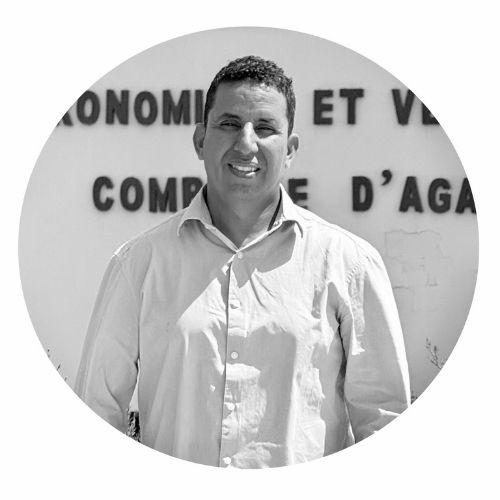
Driving aquaculture sustainability through alternative feed ingredients, presented by Rachid Ganga, Professor and Head of the Aquaculture Department at Complexe Horticole d’Agadir (CHA), Morocco.
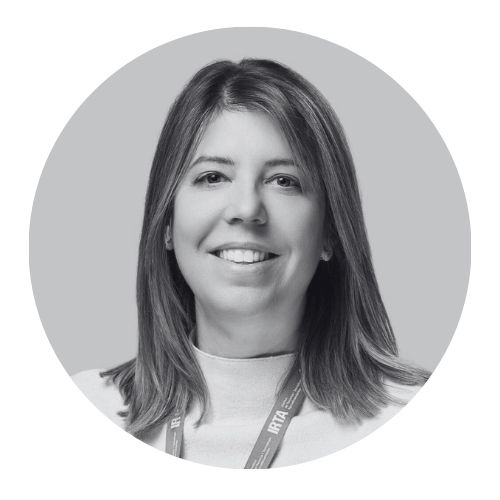
Functional additives as effective tools to enhance aquatic animal health, presented by Silvia Torrecillas, researcher and PhD in aquaculture specialising in fish nutrition and health at the Aquaculture Programme of IRTA, Spain.
The event will be moderated by Bernardo Basurco, Administrator for Fisheries and Aquaculture at CIHEAM Zaragoza, and Félix Acosta, Professor at the University of Las Palmas de Gran Canaria (ULPGC), who will present the new edition of theInternational Master in Marine Aquaculture, jointly organised by CIHEAM Zaragoza and ULPGC.
This webinar represents an excellent opportunity to learn about successful experiences in aquaculture nutrition, gain insights from sector professionals, and discuss the future of sustainable aquaculture.
Mohamed Soula obtained his Master’s degree in Marine Aquaculture in 2004 and holds a PhD from the University of Las Palmas de Gran Canaria (2012). He is a specialist in larval rearing, marine cage management, nutrition and selective breeding programmes, with an extensive professional career focused on science and innovation in sustainable aquaculture production.
Rachid Ganga obtained his Master’s degree in Marine Aquaculture in 2004 and holds a PhD in Aquaculture Nutrition from the University of Las Palmas de Gran Canaria. He has more than 20 years of experience in aquaculture, including 12 years working in the North American industry in various R&D roles. He is currently based in Morocco, where he contributes to teaching, research and the development of the Moroccan aquaculture sector.
Silvia Torrecillas obtained her Master’s degree in Marine Aquaculture in 2006 and holds a PhD in aquaculture (fish health and nutrition) from the University of Las Palmas de Gran Canaria (2011). She is a dedicated researcher with extensive expertise in innovative raw materials and functional feeds to enhance fish mucosal health, nutrition and disease resistance.
CIHEAM Zaragoza and the Remedia network (through the Remedia + Project) will host an international seminar on mitigation and adaptation options for Mediterranean agriculture under climate change on 2 June 2026.
The event will bring together around 25 experts from Mediterranean and European countries and will be open to the public both onsite and via streaming, preceding the 13th Remedia Network Workshop (3–4 June).
As climate change is profoundly affecting Mediterranean agriculture, a great deal of research in recent years has focused on adaptive practices, but less attention has been paid to emissions mitigation, even though agriculture can play an important role through practices and production systems that enable adaptation to the effects of climate change while reducing GHG emissions.
The main aim of this Seminar is to serve as a forum to discuss and exchange knowledge and experience around research lines, innovations and projects addressing climate change mitigation and adaptation of cropping and livestock systems. This knowledge may serve to better orient policies for the support and development of cropping and livestock production systems at regional, local or international scales.
The event will be organised on 2nd June 2026, by CIHEAM Zaragoza and Remedia (through the Remedia+ project), under the framework of the Mediterranean network for knowledge exchange on GHG emissions and climate change mitigation in agriculture launched by CIHEAM Zaragoza in 2023.
The programme will consist of an opening keynote lecture and presentations, followed by open discussions between guest experts on a series of specific thematic areas of common interest for Mediterranean countries that are being identified through a call for contributions. Around 20-25 experts from countries in the southern and eastern Mediterranean, Spain, and other European countries will be invited.
The Seminar, that will be held in English, is opened (in person and via streaming) to those interested in following the presentations and participating in the debates. Places for the in-person event are limited, and registration will close once capacity has been reached.
In addition, the 13th Annual Workshop of the Remedia Network will take place on 3rd and 4th June at the CIHEAM facilities in Zaragoza. Each year, Remedia Workshops gather around 100 Spanish researchers involved in the mitigation of climate change in agrifood and forestry.
CIHEAM Zaragoza contributes to climate change mitigation and adaptation in Mediterranean agriculture by providing high-level training to technical staff and researchers from its member countries through advanced courses (15 courses on these topics since 2020 and 3 in preparation for 2026), and through the launch of a Mediterranean network for knowledge exchange on GHG emissions and climate change mitigation in agriculture in 2023. CIHEAM Zaragoza also participates in research and innovation projects on the subject, such as Re-Livestock (livestock) and CAMA (crops), and is a member of the GRA (Global Research Alliance for Agricultural Greenhouse Gases). Some of these activities have been carried out in collaboration with other international institutions such as ICARDA, FAO and GRA, as well as with Spanish organisations such as the Remedia network (Scientific Network for Greenhouse Gas Mitigation in the Agroforestry Sector) that co-organises this Seminar through the Remedia+ project.
Organised by CIHEAM Zaragoza, the webinar will take place on 25 March 2026 at 15:30 CET to mark World Water Day.
International experts from the Arab Water Council, the FAO and the Ebro River Basin Authority (CHE) will discuss how to reconcile environmental protection with water security in a region increasingly affected by scarcity.
To mark World Water Day, CIHEAM Zaragoza will organise the webinar ‘Governing water scarcity in the Mediterranean: the challenge of protecting the environment and securing water for society’ on 25 March 2026 at 15:30 CET. The online event will bring together experts from international organisations, research institutions and public water authorities to discuss governance challenges and solutions to water scarcity in the region.
Water scarcity is becoming one of the defining challenges for Mediterranean countries. Climate change, increasing demand and growing competition between agricultural, urban and environmental uses are putting additional pressure on already limited resources. Addressing these challenges requires governance approaches that can balance ecosystem protection with the water needs of societies and economies.
The programme
The webinar will open with a welcome address by Ramzi Belkhodja, Head of Training at CIHEAM Zaragoza, who coordinates the institute’s MSc programmes, advanced courses and capacity-building initiatives in the core strategic areas: plant production, animal production, fisheries and aquaculture, economy and development and water, soil and the environment.
The panel discussion will be moderated by Enrique Playán, Research Professor at the Aula Dei Experimental Station of the Spanish National Research Council (EEAD-CSIC). An agricultural engineer specialising in irrigation and water management, Playán has extensive experience in research on irrigation systems and agricultural water use and has been involved in major European initiatives on water research and policy coordination.
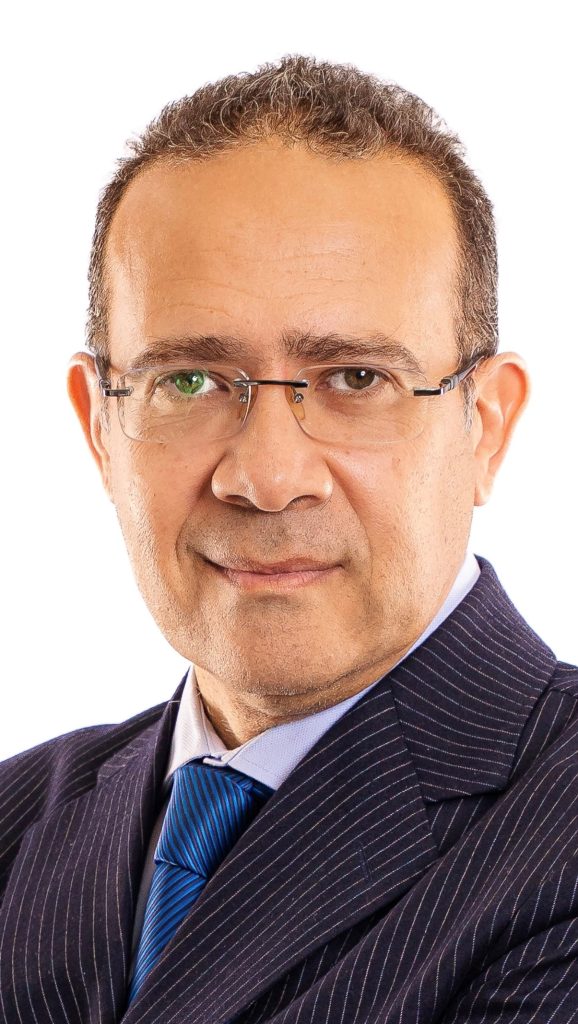
The discussion will feature Khaled Mahmoud Abuzeid, the Regional Director for Technical Programmes at the Arab Water Council (AWC), who counts on more than three decades of experience in water resources management, holding key regional roles including Regional Water Director at CEDARE and technical leadership positions supporting Arab and African water initiatives. His work focuses on water policy, regional cooperation, and sustainable water management in the Arab region.
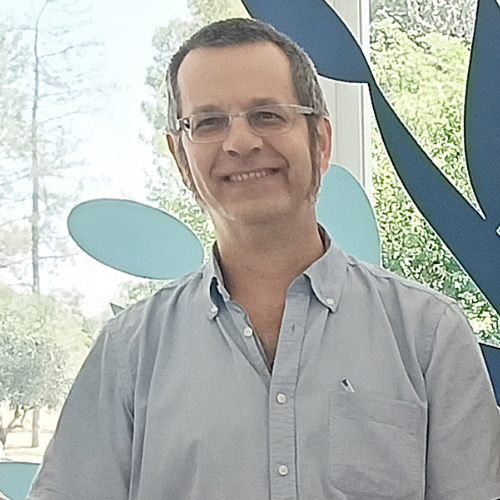
Another perspective will be provided by Miguel Ángel García Vera, Head of the Hydrological Planning Office of the Ebro River Basin Authority (CHE), who has long professional experience in river basin management, hydrological planning and the implementation of European water policy in Spain. The Ebro River Basin – established in 1926 – is the oldest in the world, pioneering water governance and management from a river basin approach.
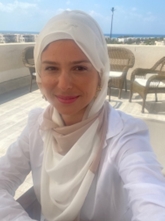
The panel will also include Heba Al-Hariry who serves as a Land and Water Officer at the FAO Regional Office for the Near East and North Africa, where she plays a pivotal role within the Regional Water Scarcity Initiative (WSI) team. With a focus on sustainable water resources management, Heba contributes to FAO’s mission of supporting countries in the region in advancing water and food security. She leads and coordinates FAO’s inter-Regional Technical Platform on Water Scarcity (iRTP-WS), spearheading efforts to upscale water related actions and foster inter-regional collaboration.
The event will conclude with closing remarks by Manel Hedhli, coordinator of the Water, Soil, and the Environment area at CIHEAM Zaragoza, where she oversees Master’s programmes, advanced courses, and international research and cooperation projects in the Mediterranean region. She focuses on sustainable water management, climate adaptation, and the development of resilient agricultural and environmental practices. Manel has extensive experience in organising scientific events, facilitating knowledge exchange, and supporting the implementation of projects that address critical environmental challenges in the Mediterranean basin. She will summarise the main points of the discussion and present the new edition of the International Master on Sustainable Water Management and Governance in Natural and Agricultural Environments.
The webinar will be held online and is open to students, professionals, researchers, and anyone interested in water governance and sustainable resource management in the Mediterranean.
Prof. Khaled AbuZeid holds a B.Sc. in Civil Engineering from Cairo University, an M.Sc. and an Ph.D. in Civil Engineering from Colorado State University. He is a registered Professional Engineer (PE), and a certified Project Management Professional (PMP). He has over 35 years of experience in Water Resources Management, being Arab Water Council Regional Director for Technical Programs, CEDARE Regional Water Director, North African Ministers Council on Water Technical Secretariat Officer in Charge, Egyptian Water Partnership Secretary General, Global Water Partnership-East Africa (GWP-EA) Chairman, Global Water Partnership Chair of Regional Chairs, Mediterranean Commission for Sustainable Development Former Vice-Chair, and Professor at the National Water Research Center of Egypt. He is member of the Arab League’s Council of Water Ministers’ Advisory Committee, Arab Water Council Governing Board, Arab Water Academy Governing Board, Union for the Mediterranean Water Experts’ Group/Platform, Global Water Partnership Mediterranean Steering Committee, Strategic Advisory Group (SAG) of the UN-Water SDG 6 Integrated Monitoring Initiative (IMI). His experience includes water resources planning & management, irrigation & drainage, groundwater management, non-renewable groundwater sustainability, water indicators, green and blue water assessment, virtual water and water footprints, the Water-Energy-Food Nexus, water-related environmental & climate change impacts, environmental impact assessment of water-related projects, multi-criteria analysis, incremental cost analysis, decision support systems, technical & legal aspects of transboundary water management, water demand management, water supply & sanitation, optimal water use, water institutional reforms, and water-related Sustainable Development Goals (SDGs).
Dr. Heba Al-Hariry serves as a Land and Water Officer at the FAO Regional Office for the Near East and North Africa, where she plays a pivotal role within the Regional Water Scarcity Initiative (WSI) team. With a focus on sustainable water resources management, Heba contributes to FAO’s mission of supporting countries in the region in advancing water and food security. She leads and coordinates FAO’s inter-Regional Technical Platform on Water Scarcity (iRTP-WS), spearheading efforts to upscale water related actions and foster inter-regional collaboration. With a broad international experience of 18 years, Heba has gained extensive knowledge through her involvement in various international and regional projects spanning Canada and the MENA region. Her fields of expertise include hydrogeology, Integrated Water and Agriculture Resources Management (IWRM), Disaster Risk Reduction (DRR), and climate change. Before joining the FAO, Heba served as climate change and DRR specialist at the United Nations Office of Disaster Risk Reduction, both in Bonn and in the Arab Region. In her previous capacity as the Deputy Technical Director at the Arab Water Council (AWC), Heba led the implementation of several regional flagship projects and initiatives on climate security, climate-smart agriculture, non-conventional water resources and sustainable water and agriculture management, in collaboration with esteemed academic institutions and development partners. Heba holds a Ph.D. in Irrigation and Hydraulics and a Master’s degree in Environmental Engineering.
Miguel Ángel García-Vera holds a degree in Geology from the University of Zaragoza and a PhD in Geological Sciences from the Polytechnic University of Catalonia. He belongs to the Corps of Senior Technical Specialists of Autonomous Agencies of the Ministry of the Environment, specialising in Hydrogeology. He has developed his three-decade-long professional career at the Ebro River Basin Authority, based in Zaragoza (Spain). His professional work has been linked to tasks related to hydrological planning from many different perspectives: modelling, environmental studies, water quality, ecological flows, public participation, project management, and outreach. All these tasks have been performed from a river basin management perspective. He served as Head of the Plans and Studies Area from 2007 and has been Head of the Planning Office since 2019. His current responsibilities include: compiling and executing studies required for the preparation, monitoring, and revision of the River Basin Management Plan; issuing reports on the compatibility of users’ proposed actions with the River Basin Management Plan; and drafting management plans for aquifers declared overexploited or at risk of overexploitation, as well as for those undergoing salinisation. Established in 1926, the Ebro River Basin Authority is the oldest river basin organisation in the world. The Ebro River is the largest river in Spain, and its 85,600 km² basin includes small areas of Andorra and France. The Spanish part of the basin (99%) extends across parts of nine autonomous regions. As Head of the Hydrological Planning Office, Dr García-Vera leads the basin planning cycles, which are carried out every six years in accordance with the EU Water Framework Directive.
Key messages for World Water Day 2026
The global water crisis affects everyone – but not equally. Where people lack the human rights to safe drinking water and sanitation, inequalities flourish, with women and girls bearing the brunt. It is time to place women and girls at the centre of water solutions.
Women must shape the future of water. Water services must withstand climate change and meet everyone’s needs. We need a transformative, rights-based approach to solving the water crisis, where women’s voices, leadership and agency are fully recognized.
Where water flows, equality grows. When women and girls have equal voices in water decisions, services become more inclusive, sustainable, and effective. We must invest in women’s leadership to make water a force for a healthier, more prosperous, gender-equal future that will benefit us all.
The gathering brought together project partners to review progress made since the previous meeting in Cochabamba, Bolivia. The sessions focused on analysing the status of technical, administrative, and financial execution, as well as planning key milestones for the remainder of the year. CIHEAM Zaragoza, the project coordinator, was represented by Ramzi Belkhoja, who chaired the plenary sessions.
During the meeting, partners highlighted the progress achieved across various work streams and stressed the importance of maintaining effective coordination to ensure project objectives are met. Discussions also covered quality assurance, visibility, and the long-term sustainability of the results.
These workshops enabled further progress in modernising training programmes, ensuring they align with the current needs of the agri-food sector. Furthermore, the importance of strengthening collaboration with external stakeholders and integrating interdisciplinary approaches—contributing to more applied and territory-oriented education—was emphasised.
Training in Emerging Technologies
In tandem with the consortium meeting, and throughout the week of 2–6 February, the second training course took place: “Industry 4.0 and Agriculture 5.0 Technologies applied to Agri-food Systems”. This intensive teacher-training programme was held at the same venue.
The programme combined theoretical and practical sessions on advanced sensor technologies, the Internet of Things (IoT), chemometrics, Deep Learning, and sustainability assessment through Life Cycle Analysis (LCA). CIHEAM Zaragoza contributed directly with sessions on IoT in agri-food systems and a case study on Artificial Intelligence applied to agriculture in the Global South.
The week concluded with a round table focused on digital technologies, transdisciplinarity, and knowledge systems in agri-food education, fostering a productive exchange of perspectives among participants.
This training activity provided an opportunity to bolster teaching capacities and encourage the incorporation of innovative tools into teaching-learning processes, while consolidating academic collaboration networks between Europe and South America.
About the EduSAF Project
EduSAF, funded by the Erasmus+ programme (grant agreement 101179751), aims to strengthen university education in sustainable agri-food systems in South America. The project promotes curricular updates, the development of key competences, and the integration of sustainability as a cross-cutting theme in higher education.
Gestionar consentimiento
Para ofrecer las mejores experiencias, utilizamos tecnologías como las cookies para almacenar y/o acceder a la información del dispositivo. El consentimiento de estas tecnologías nos permitirá procesar datos como el comportamiento de navegación o las identificaciones únicas en este sitio. No consentir o retirar el consentimiento, puede afectar negativamente a ciertas características y funciones.
Funcional
Always active
El almacenamiento o acceso técnico es estrictamente necesario para el propósito legítimo de permitir el uso de un servicio específico explícitamente solicitado por el abonado o usuario, o con el único propósito de llevar a cabo la transmisión de una comunicación a través de una red de comunicaciones electrónicas.
Preferencias
El almacenamiento o acceso técnico es necesario para la finalidad legítima de almacenar preferencias no solicitadas por el abonado o usuario.
Estadísticas
El almacenamiento o acceso técnico que es utilizado exclusivamente con fines estadísticos.El almacenamiento o acceso técnico que se utiliza exclusivamente con fines estadísticos anónimos. Sin un requerimiento, el cumplimiento voluntario por parte de tu proveedor de servicios de Internet, o los registros adicionales de un tercero, la información almacenada o recuperada sólo para este propósito no se puede utilizar para identificarte.
Marketing
El almacenamiento o acceso técnico es necesario para crear perfiles de usuario para enviar publicidad, o para rastrear al usuario en una web o en varias web con fines de marketing similares.