Specialization courses for fisheries scientific observers

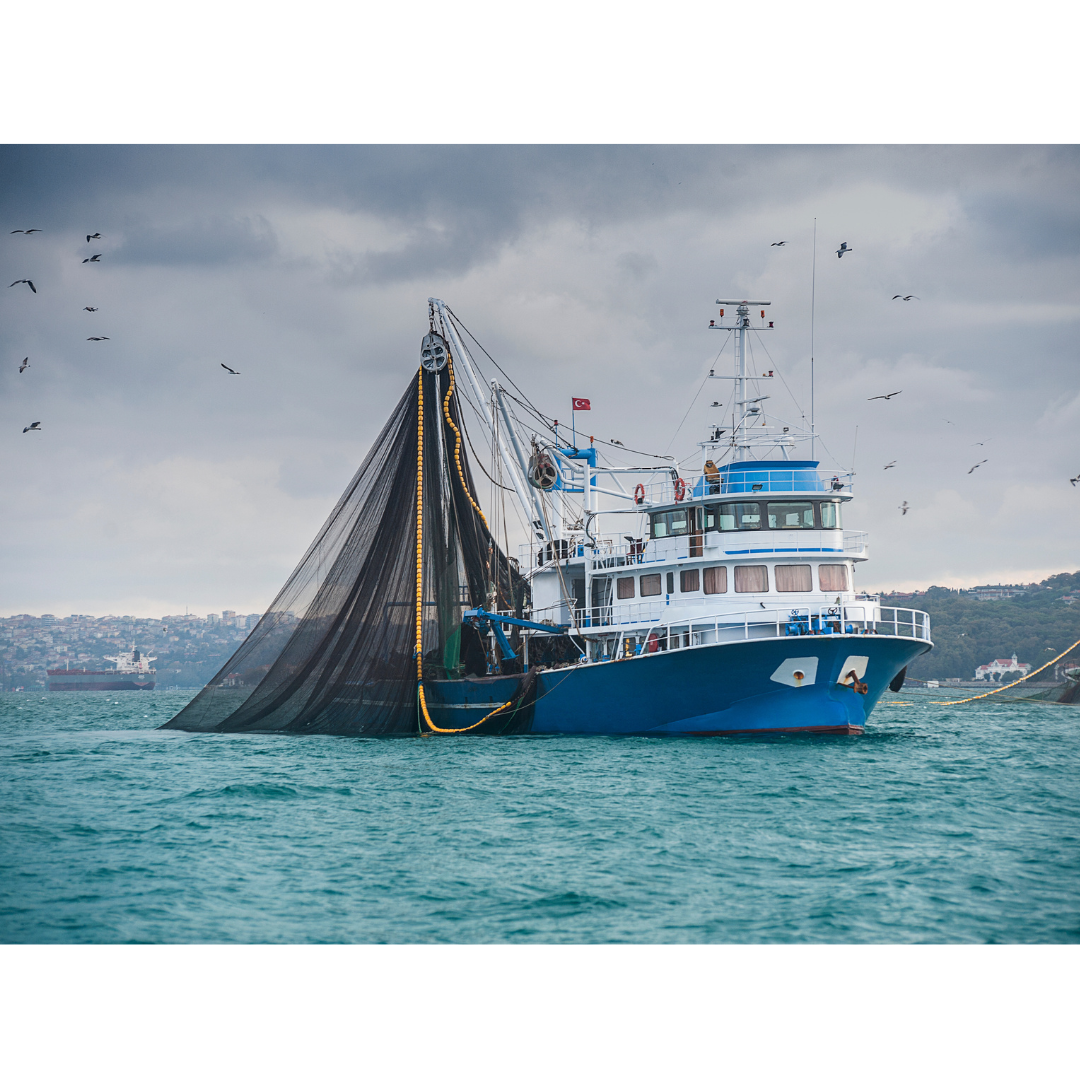
Working as a scientific observer on fishing vessels provides knowledge of the functioning of fishing operations, gear operation and a complete overview of catch composition in the fishery, including commercial catch and the unwanted catch that results in discards and bycatch of protected species.

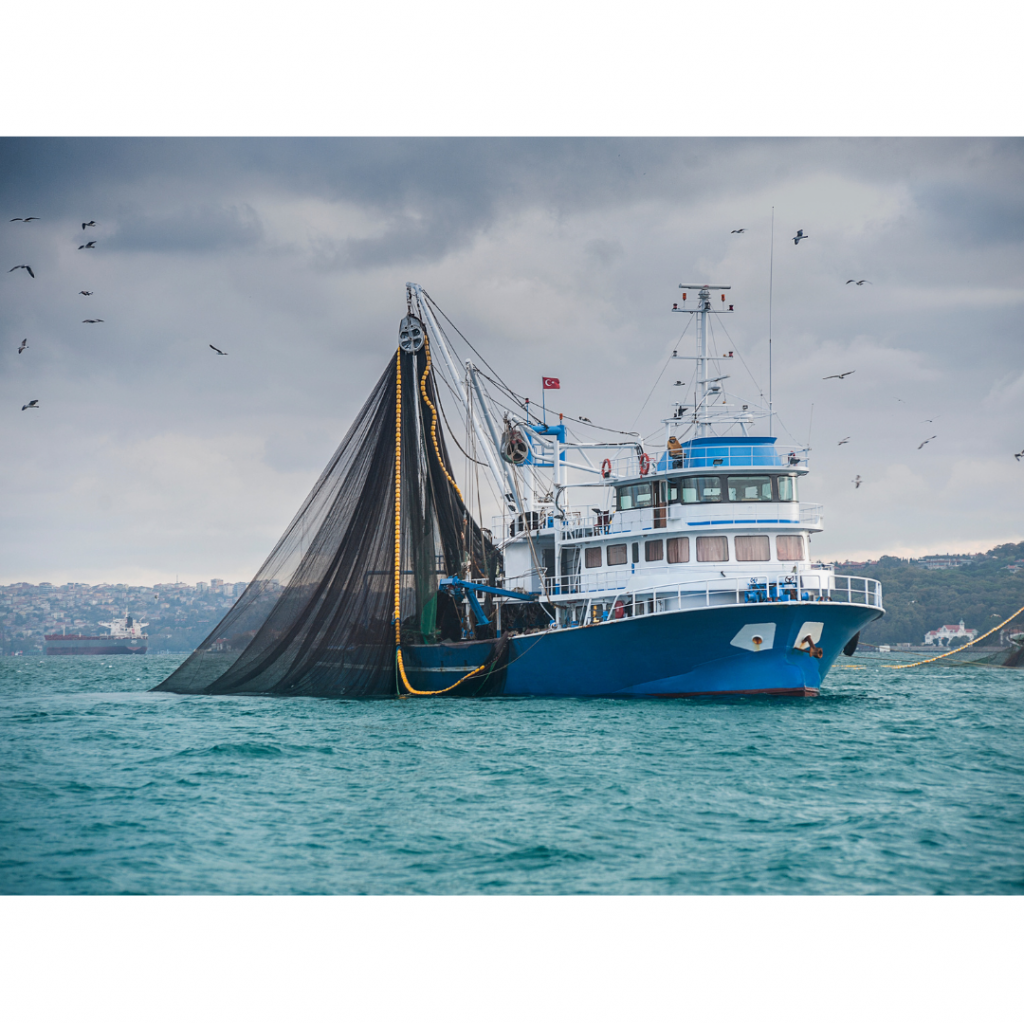
In this context, MAPA (SG of Fisheries) and CIHEAM Zaragoza, in collaboration with the University of Alicante (UA), the Spanish Institute of Oceanography (CSIC-IEO), the Spanish Navy and the General Fisheries Commission for the Mediterranean (GFCM-FAO) are organising two specialisation courses for scientific fisheries observers in the classrooms and laboratories of the cooperation vessel Intermares, which will be moored in the Port of Alicante. Julio Valeiras, researcher at the CSIC-IEO’s Vigo Oceanographic Centre, undertakes the scientific coordination of the courses with the collaboration of Professor José Luis Sánchez Lizaso of the University of Alicante.

Course delivered in Spanish

Dates: 26-30 September 2022

Deadline: 20 July 2022

More information: https://edu.iamz.ciheam.org/ObservadoresPesqueros/es/

Course delivered in French

Dates: 3-7 October 2022

Deadline: 20 July 2022

More information: https://edu.iamz.ciheam.org/ObservadoresPesqueros/fr/
Conference at the Casa Mediterráneo

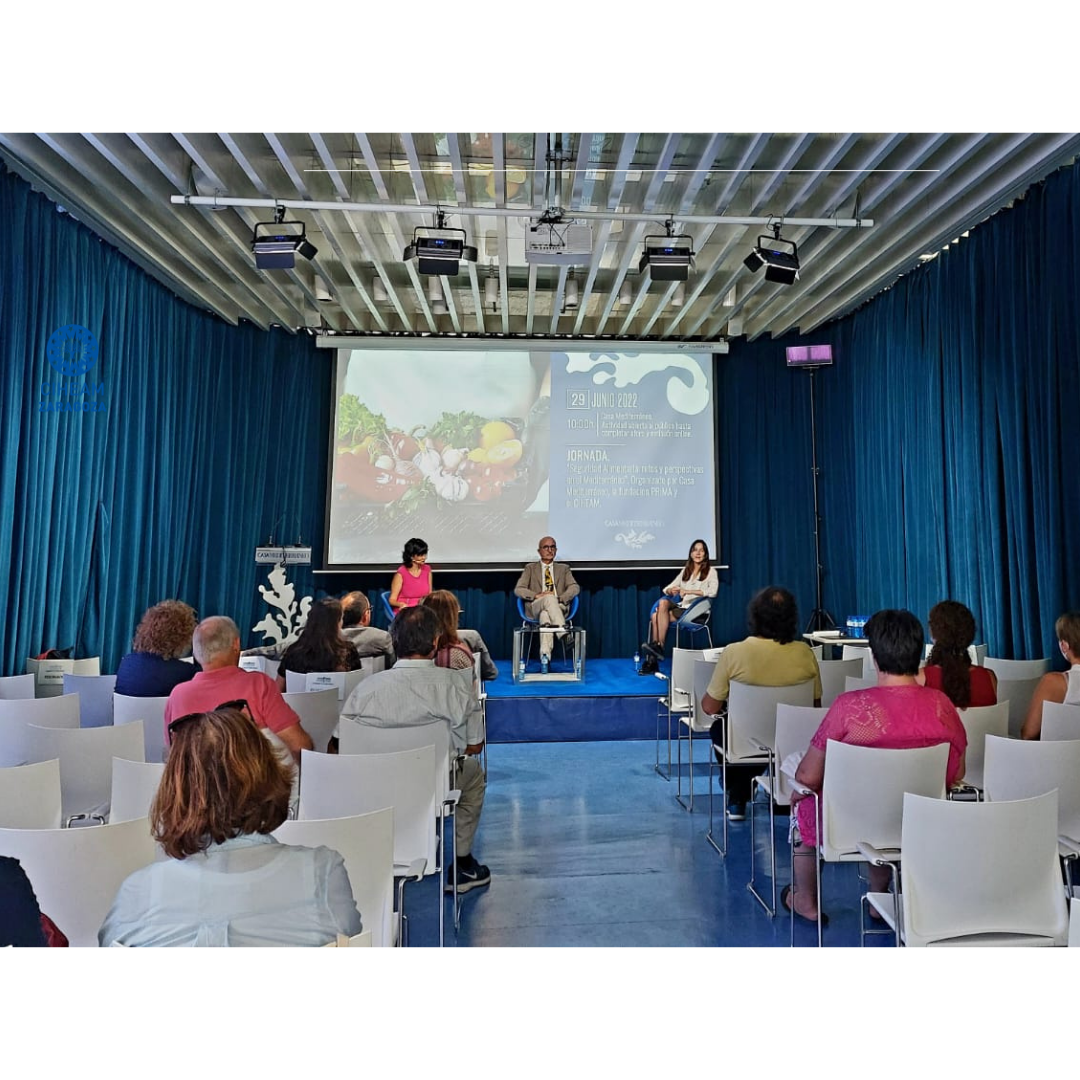
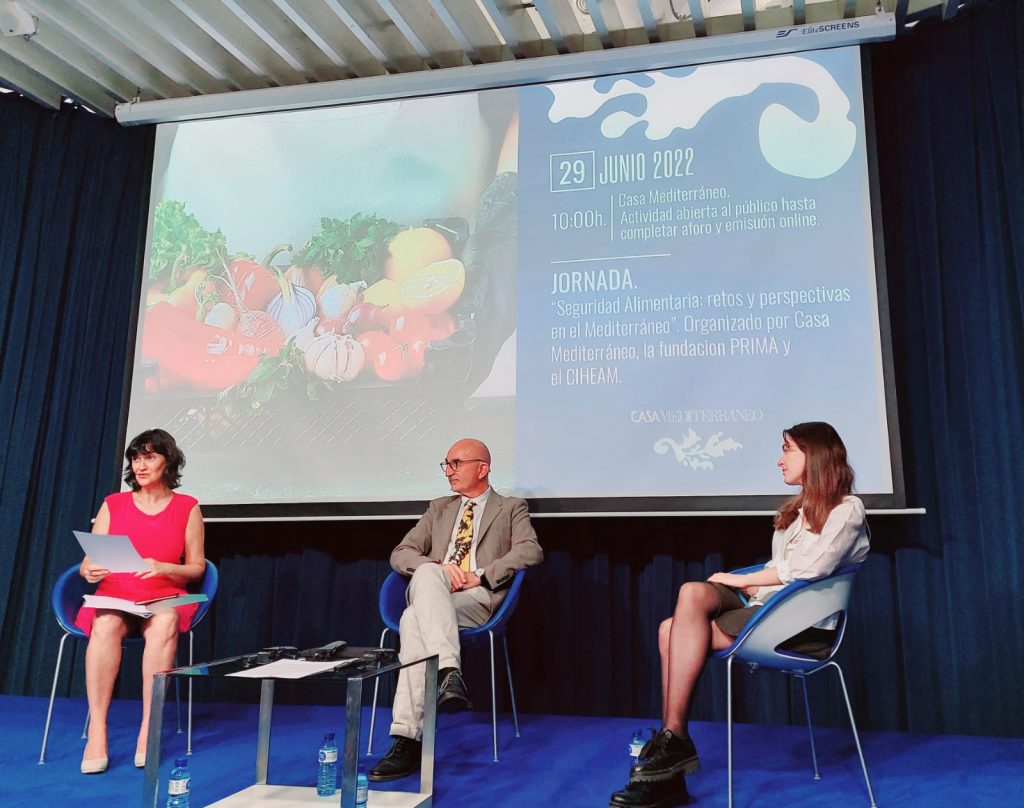
On Wednesday 29th June, a conference was held in Alicante on “Food security: challenges and prospects for the Mediterranean Region“, organized by the Casa Mediterráneo, the Prima Foundation and the International Centre for Advanced Mediterranean Agronomic Studies (CIHEAM). The main objective of the day of debate was to analyse the consequences that the war following Russia’s invasion of Ukraine is having on food security in the less developed countries of the Mediterranean.

The conference began with a presentation from the directors of the three institutions followed by two round table discussions. In the first round table, participants analysed food security in the region before and after the war and the measures taken by southern countries to prevent a serious social and political crisis as a consequence of the rise in the prices of cereals and other raw materials. They also discussed the strategies deployed by the European Union and other international organizations to mitigate these effects, and talked about the role of knowledge, science and technology in reducing the problems of food supply and food access, in particular for the more vulnerable classes.

The second round table concentrated on two research and innovation projects related to the conference. The PRIMA CEREALMED project aims to identify and conserve traditional durum wheat seeds in some emblematic areas of production in Europe so they can be used to develop new, disease-resistant plant material capable of maintaining high yield and quality levels. The national GOINNOWATER project is run by the supra-regional task force for the improvement of water and energy use in modernized fruit irrigation, and focuses on irrigators’ communities of south-eastern Spain specialized in persimmon and peach production.

Besides the intrinsic interest of the topics addressed, this conference is a milestone as it marks the beginning of the collaboration between three institutions that have evident complementarities, both in their Mediterranean scope of action and in their capabilities.

New course on the exploitation of cereal genomic diversity for crop improvement under climate change

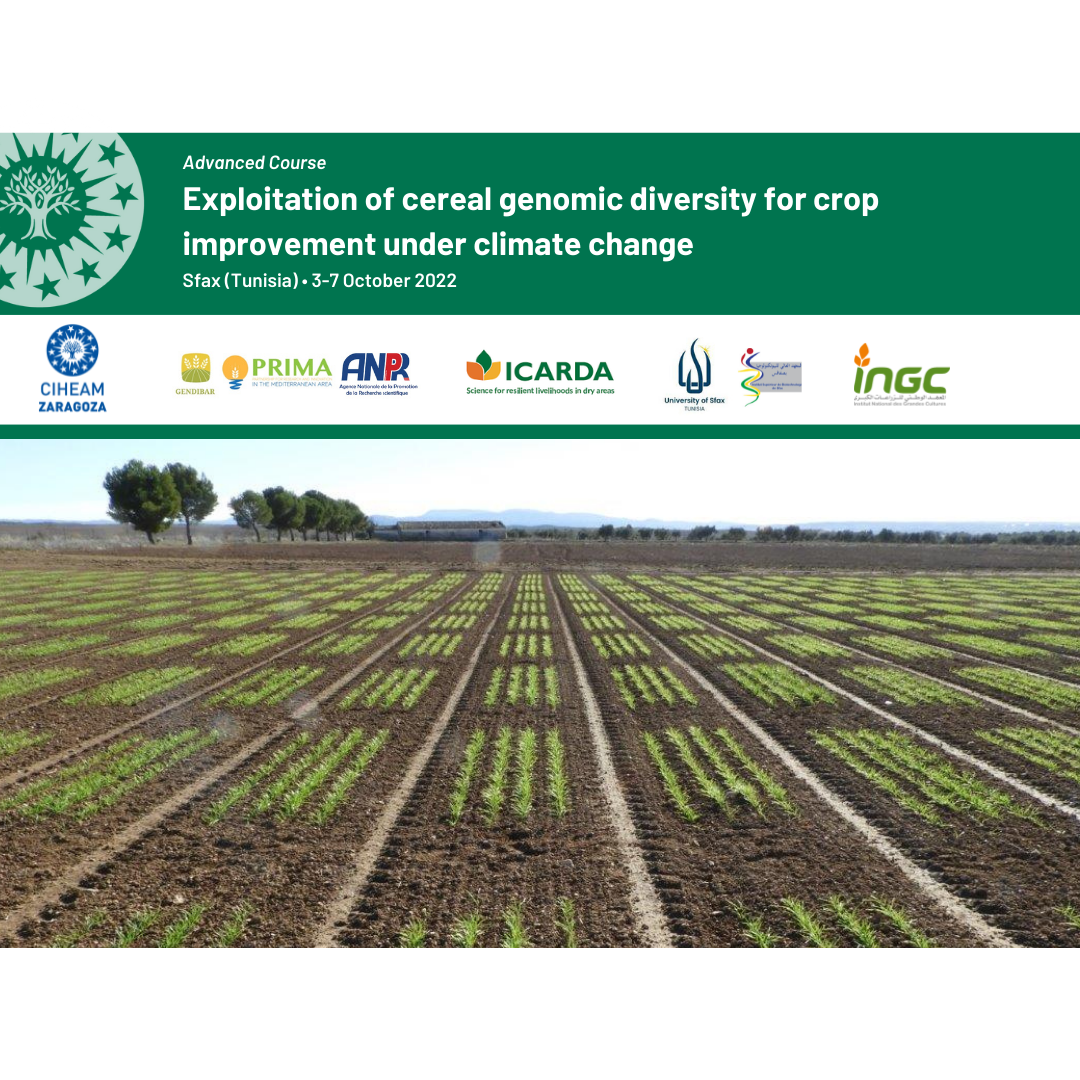
CIHEAM Zaragoza –together with the PRIMA GENDIBAR Project (Utilization of local genetic diversity to understand and exploit barley adaptation to harsh environments and for pre-breeding), the International Center for Agricultural Research in the Dry Areas (ICARDA), the University of Sfax through the Institute of Biotechnology,  and Tunisia’s National Institute of Field Crops (INGC)– organize an advanced course to provide an overview of the current genomic tools for addressing basic and applied plant science questions.

Improving the genetic potential and reducing the yield gap of crops is the most effective way to introduce the innovation needed in agriculture to meet the UN Sustainable Development Goals. Cereals are the main pillar of food security worldwide, and in the Mediterranean region in particular. Recent developments in genomics and plant biotechnology are delivering novel approaches that are becoming widely applied in plant breeding. Plant scientists and breeders need to be aware of the approaches that will be instrumental to leverage cereal diversity in improving crop yield under climate change.

In this context, CIHEAM Zaragoza –together with the PRIMA GENDIBAR Project (Utilization of local genetic diversity to understand and exploit barley adaptation to harsh environments and for pre-breeding), the International Center for Agricultural Research in the Dry Areas (ICARDA), the University of Sfax through the Institute of Biotechnology,  and Tunisia’s National Institute of Field Crops (INGC)– organize this course to provide an overview of the current genomic tools for addressing basic and applied plant science questions. More specifically, the course will introduce the concepts and methods of structural and functional plant genomics to harness cereal diversity (in particular barley and wheat) for improving tolerance to abiotic stresses (with a focus on heat and drought). The programme also intends to raise awareness of the extra challenges imposed by climate change for ensuring food security and improving cereals; upskill students and young researchers expanding their capabilities for using genomic and biotechnological tools; and provide an integrated overview of the strategies that must be considered to increase breeding effectiveness, combining recent advances on genomics and phenomics. Although the course will focus on barley and wheat, the tools presented are applicable to other crops. Besides, the course is a unique opportunity to connect and network with professionals from other countries who are interested in exploiting cereal genomic diversity for crop improvement under climate change.

Dates: 3-7 October 2022.

Organizers: CIHEAM Zaragoza, the PRIMA project GENDIBAR, ICARDA and the University of Sfax.

Venue: University of Sfax (Tunisia).

Modality: Hybrid.

Application deadline: 18 July 2022.

More information: Exploitation of cereal genomic diversity for crop improvement under climate change

Presentation of the report on the contribution of maize breeding in Spain

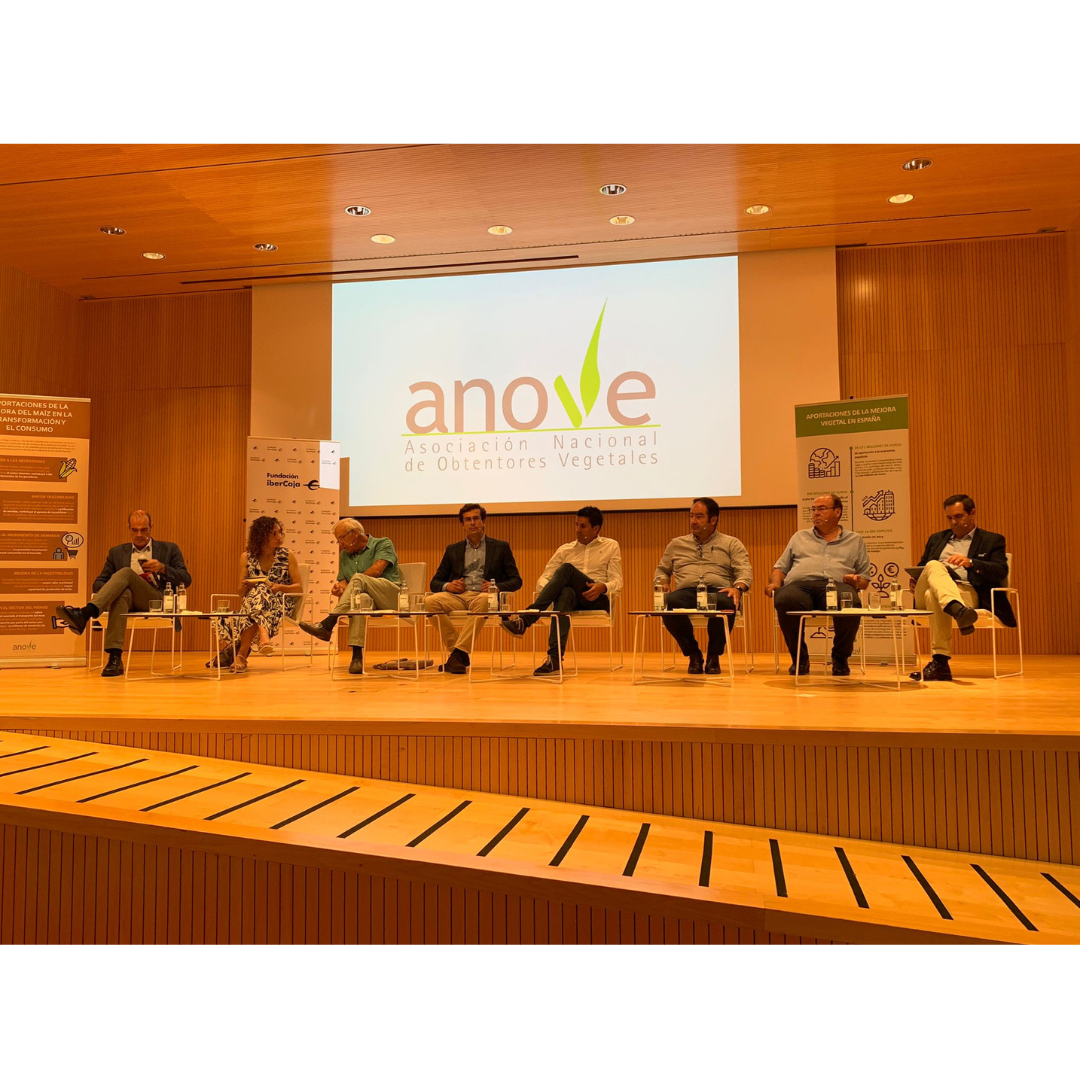
On 13 June, the Patio de la Infanta of Ibercaja in Zaragoza hosted the presentation of the report on “Contribution of maize breeding in Spain: Social, economic and environmental implications of plant breeding “. The report has been prepared by the Institut Cerdá of Barcelona. The event was chaired by the Regional Minister of Agriculture, Livestock and Environment of the Government of Aragon, Mr. Joaquín Olona Blasco and Ms. Elena Sáenz, Director of Anove.

The report was presented by Lluís Inglada, Director of Territory and Sustainability of the Institut Cerdá, who explained the objectives and methodology of the report and a series of indicators related to maize cultivation. The report deals with 4 crops in terms of their importance and impact in Spain, namely bread wheat, maize, tomato and blueberry. 

After the presentation, a round table was organised with a large group of representatives from different sectors, namely Lluís Inglada (Director of Territory and Sustainability of the Institut Cerdá), Luis Tolosa (Anove- Director Mas Seeds), Pedro Gallardo (President ASAJA Cadiz), José Luis Romeo (President of the Spanish Maize Producers Association), Carlos Lapetra (Tereos), Diego Pazos (Secretary General of AECEC), Ana Hurtado (Technical Director at CESFAC), and Emilio Betran (Director of the Centre for Plant Health and Certification).

The most important conclusions of this report are that seed and plant breeding contributes almost 1,000 million euros per year to the Spanish economy. According to the report, between 1990 and 2017, public companies and centres dedicated to plant breeding contributed a total of 16,697 million euros to the Spanish economy. Beyond this economic impact, plant breeding also has important consequences for agricultural development, by significantly increasing employment. As the report also points out, “the plant breeding sector is key to food and the economy”, as plant breeding is at the origin of agri-food chains and of the processes involved in the production of plant derivatives.

The full report will be published on the websites of the Institut Cerdá and ANOVE.

Valuation of ecosystem services: summary of the advanced course

CIHEAM Zaragoza, together with the International Center for Agricultural Research in the Dry Areas (ICARDA) and the European Forest Institute (EFI), through the EFI’s Mediterranean Facility (EFIMED) organized the advanced course “Valuation of ecosystem services” in Zaragoza (Spain) from 9 to 13 May 2022.

The topic of the course attracted a great deal of interest, as reflected in the high number of applications (110), from 25 countries. The 20 successful participants were professionals from 9 countries (Albania, Egypt, Italy, Lebanon, Morocco, Spain, Tunisia, Turkey and USA), working at universities, research centres, the administration, NGOs, Consultancies or international organizations.

The course took place face-to-face and was delivered by 8 experts from universities and research centres in Belgium, Hungary, Germany, the Netherlands, Norway and Spain.

Ecosystem services provide substantial benefits to human well-being and sustainable development. However, these benefits are not widely recognized and integrated into socio-political decisions. Underestimation of the importance of ecosystems supporting human life has led to a continued loss and degradation of ecosystems, biodiversity and the services they provide. Valuation techniques from biology, economics and other social sciences are applied in practice, but neither of these provides a legitimate and full picture of nature’s values. 

The participants were trained in the main concepts and theories to better understand the pertinence and purpose of valuing the services provided by ecosystems, and by applying these to their own real life cases, they became aware of the role of ecosystem service valuation in diverse decision contexts and for different objectives. During these exercises, lectures and debates, the necessity of adopting inclusive, relevant, transparent, diverse and effective valuation approaches was realized, while main methods and tools for ecosystem service valuation, their applicability and limitations were explored.

The participants were able to identify and select key value methods under different social, cultural, economic and environmental contexts, adapt a valuation approach to various policy contexts, and develop a critical understanding about the opportunities and challenges of ecosystem service valuation for practical application in policy.

CIHEAM Zaragoza and the Sectoral Environment Council of Zaragoza

On 30th May, Zaragoza city council approved the new composition of the Sectoral Environment Council of which CIHEAM Zaragoza is a member.

The Sectoral Environment Council is a participation and information body of municipal scope operating in an advisory, control and consultation capacity. It was created in 1998 as the Environment Council and in 2004 went on to become the Sectoral Council for the Local Agenda 21. In 2020, it adopted the broader name Sectoral Environment Council, in alignment with the objectives of Agenda 21 and those marked by Agenda 2030 and Zaragoza’s Strategy for Air Quality and Climate Change (ECAZ).

The purpose and objectives of the Sectoral Environment Council are to encourage citizen participation and channel information from the member bodies in municipal affairs related to the Environment. In particular, the Council will be focusing on: health and welfare, improving air quality and noise; water and sanitation; affordable, non-contaminating energy; sustainable cities and communities, responsible production and consumption; climate action and terrestrial ecosystem life.

Also noteworthy is the incorporation of new members, engaging a wider range of citizens and associations belonging to the citizen social movement, thus facilitating participation and channelling environmental proposals.